Knee Numbness Causes: What It Can Mean for Your Knee Pain, Knee Hurt, and Nerve Health (2026)
Knee numbness causes are not always simple, and in 2026 we see more people connecting knee numbness with broader nerve or back issues instead of assuming it is “just knee pain.” One striking clue is that peripheral neuropathy (PN) prevalence was 13.5% among US adults aged 40+ (defined by monofilament insensitivity), which means loss of sensation can appear in everyday life long before it becomes severe.
Key Takeaways
| What we look for | Why it matters |
|---|---|
| Nerve compression patterns (knee vs. back versus nerve pathway) | Helps separate local knee causes from nerve referral. |
| Spinal issues in 2026 (especially when numbness travels) | Imaging findings can be common even without symptoms. |
| Injuries that irritate nerves | Examples include meniscus tears, ACL/PCL injuries, and ligament damage. |
| Joint mechanics and cartilage irritation | Conditions that drive knee pain can also change how sensory signals feel. |
| Metabolic causes like diabetes-related neuropathy | Monofilament tests are useful, but they can miss some cases. |
- Check whether the numbness is localized (mostly knee) or radiating (suggesting nerve involvement).
- Track whether your knee hurt comes with tingling, burning, or weakness, because those combinations change likely knee numbness causes.
- If numbness follows an injury, review likely structures with guides like torn meniscus symptoms and knee numbness context.
- For instability-related patterns, see ligament knee injury details.
- If you have sharper pain plus sensory changes after trauma, our overview at traumatic knee recovery guidance can help you organize next steps.
First, what “knee numbness” usually means
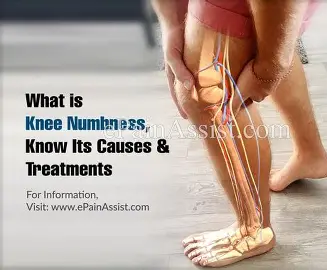
When people describe knee numbness, they often mean reduced feeling, tingling, “pins and needles,” or a patch of skin that feels different from the surrounding knee area. These sensations can be driven by local knee tissues, nerves running near or through the knee region, or nerve signals originating higher up (like the spine).
In practice during 2026, the most helpful question is not just “Why is my knee numb?” It is also, “Where does the sensation travel, and what else changes?” For example, knee pain with swelling, warmth, or clear injury is different from numbness with back stiffness or numbness that moves down the leg.
Common Knee Numbness Causes from knee injuries and knee mechanics
Some knee numbness causes start right in the joint. Trauma can irritate nerves, inflame tissues that sit close to nerve pathways, or change motion in ways that alter sensory feedback.

Meniscus tears and sensory changes
A torn meniscus can cause pain, locking, or swelling, but numbness may show up when joint inflammation and altered movement irritate nearby sensory pathways. If your knee hurt spikes with twisting, deep bending, or prolonged activity, it can be worth evaluating both mechanical and nerve-related contributors.
Ligament injuries that affect nerves and stability
Ligaments help the knee track properly. When they are injured, the joint may shift more than it should, which can strain tissues around nerves. For a structured overview, use ligament knee injury information and pay attention to how instability and pain relate to any numbness patch.
ACL and PCL injury patterns
ACL injury and knee brace guidance often focuses on stability, but sensation changes can happen when swelling and rehab mechanics irritate the region. Similarly, PCL injury context can matter if numbness appears after a specific injury event or during certain movement phases.
Cartilage irritation and nerve-sensitive pain
Conditions like chondromalacia can drive knee pain by stressing the underside of the kneecap. While it is not always a “true nerve disorder,” nerve sensitivity can increase, which may feel like numbness or altered sensation. For additional context, read chondromalacia patella knees insights.
Knee pain plus numbness: when it may involve nerves outside the knee
Not all knee numbness causes are “knee-first.” If numbness comes with back stiffness, radiates, or follows a band-like pattern down the leg, it may reflect nerve irritation outside the knee. In 2026, we commonly encourage people to think in terms of pathways, not just symptoms.
One reason this is tricky is that nerve-related imaging findings can exist even when symptoms are absent. So the goal is to match your sensation pattern with a plausible pathway, then confirm with a clinician if it fits.
Peripheral neuropathy and metabolic causes that can show up as knee numbness causes
Sometimes numbness is not limited to one joint. Peripheral neuropathy can reduce sensation in a “stocking” or “patchy” pattern, and people may first notice it around the knee. Because the knee is a common place for people to pay attention, knee numbness can be one of the first noticeable areas.
Metabolic causes, especially in people living with diabetes, can affect nerve function. It is also possible to have neuropathy even if a screening test looks “pretty normal,” since test sensitivity is not perfect. When numbness comes with burning, tingling, or gradual changes over time, we recommend treating it as potentially systemic rather than only local knee pain.
Why basic tests do not always “rule out” neuropathy
Monofilament testing is widely used for diabetic neuropathy screening. But if the goal is accuracy, it helps to remember that monofilament testing sensitivity in a meta-analysis was around 0.53, meaning false negatives can occur. If your knee hurt and numbness continue despite normal screening, we still advise follow-up rather than dismissing it.
Spinal stenosis and back-related nerve compression can mimic knee pain
Back-related nerve compression can create symptoms that feel knee-based even when the root problem is higher in the nervous system. In 2026, we see many people describe numbness that worsens with certain positions, standing, walking, or activity patterns, then improves with rest.
What to notice
- Knee pain plus numbness that changes with back position may suggest nerve compression rather than only knee tissue irritation.
- Weakness, clumsiness, or a noticeable drop in function alongside numbness can signal that sensation and strength pathways are both affected.
- If symptoms include burning or tingling that travels, we usually recommend looking beyond the knee joint itself.
How to tell the difference between “knee numbness causes” and nerve warning signs
We tell people to treat knee numbness seriously, especially when it does not match expected injury recovery. A practical approach is to sort symptoms into sensory, mechanical, and neurological buckets.
Mechanical pattern (more knee-first)
- Numbness starts right after an identifiable knee injury or workout.
- Knee hurt aligns with swelling, instability, locking, or specific bending angles.
- Symptoms fluctuate with knee movement rather than with standing posture or back position.
Nerve or referral pattern (more system-first)
- Numbness travels beyond the knee and may come with tingling or burning.
- Back stiffness or changes with walking, standing, or sitting positions are present.
- Knee pain feels “electrical” or accompanied by weakness, not only soreness.
When you should seek urgent evaluation
If numbness is sudden, rapidly worsening, or paired with new bowel or bladder changes, we recommend urgent medical care. If you notice weakness that is new or progressive, get checked promptly.
Using knee care strategies safely while you figure out the cause
Because knee numbness causes vary widely, our safest advice in 2026 is to stabilize the situation while you evaluate the source. That means reducing aggravating loads, protecting the knee structure, and monitoring whether numbness improves, stays the same, or progresses.
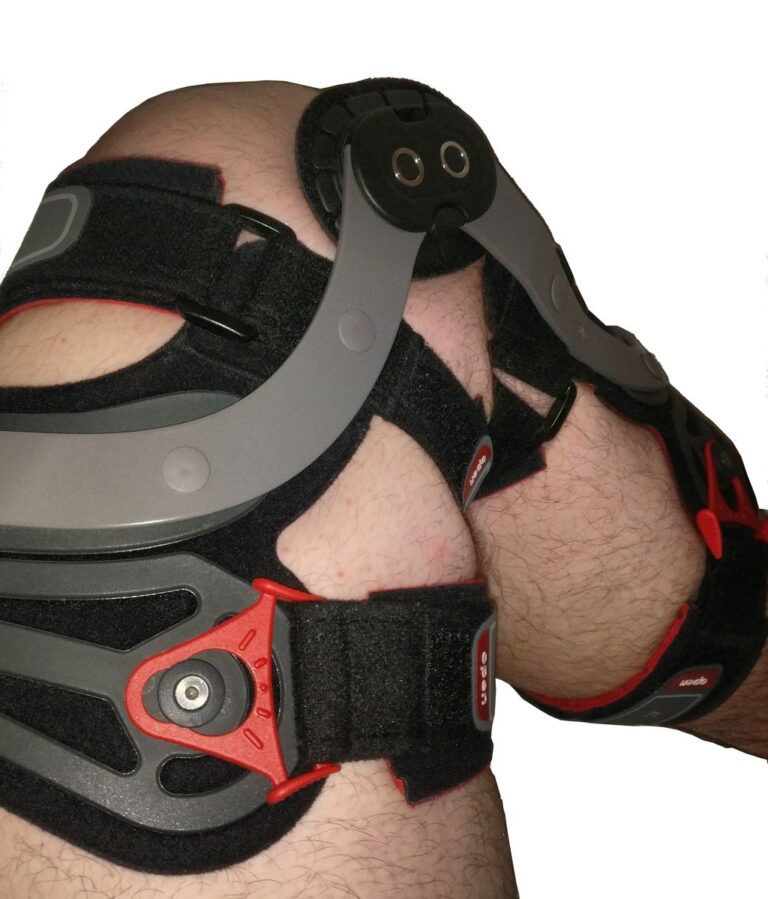
When numbness is tied to injury recovery, it is especially important to follow a plan that respects mechanics and inflammation. For example, ligament-focused rehab and bracing strategies can matter when knee instability is part of the problem.
Care examples linked to common knee causes
- If you suspect instability after a ligament problem, start with ligament knee injury guidance and discuss supportive options with a clinician.
- If pain is centered around cartilage irritation and kneecap tracking, review chondromalacia patella knees and look for movement strategies that reduce knee pain.
- If the numbness followed a specific trauma, organize your history with our comprehensive guide to managing knee pain so you can describe symptom timing clearly.
Conclusion
Knee numbness causes can come from the knee itself, from nerves traveling near the knee, or from nerve signals originating in the back and throughout the body. In 2026, we encourage a pathway-based view, because the same symptom can reflect different problems, including injury-related irritation, cartilage-driven knee pain, or systemic peripheral neuropathy.
If your knee hurt includes numbness that is persistent, spreading, or paired with weakness, we recommend getting assessed rather than waiting it out. When we match your symptom pattern to the likely source, we help you choose safer next steps for your knee and nervous system.
Frequently Asked Questions
Why does my knee feel numb when I walk?
In many cases, knee numbness causes involve nerve referral or irritation that changes with walking mechanics. If numbness shifts with back position or posture, it can point beyond the knee joint itself and toward nerve compression.
Can a torn meniscus cause knee numbness?
Yes, a torn meniscus can be one of the knee numbness causes when inflammation, swelling, and altered movement irritate sensory pathways around the knee. If your knee pain and knee hurt flare with twisting or deep bending, it is worth evaluating the meniscus and nearby structures together.
What ligament knee injury causes numbness around the knee?
Ligament injuries can contribute to knee numbness causes when instability and tissue inflammation strain nearby nerves or sensory inputs. When numbness appears after a ligament event and tracks with instability or swelling, we recommend a structured knee evaluation.
Is knee numbness a sign of neuropathy?
It can be. Peripheral neuropathy is one of the broader knee numbness causes, especially when numbness is patchy, gradual, or accompanied by tingling or burning in other areas.
How do I know if knee numbness is coming from my back?
Consider nerve-referral patterns as possible knee numbness causes when numbness radiates, changes with walking or sitting, or comes with back stiffness. A clinician can help correlate symptoms to nerve pathways rather than assuming the knee joint is the only source.
Should I worry about knee numbness with knee pain?
We recommend taking it seriously, particularly if symptoms are persistent, worsening, or paired with weakness. Knee pain plus numbness can reflect conditions ranging from injury-related irritation to nerve compression, so getting a clear cause matters.