Swollen Knee Relief: Causes and Quick Fixes
Knee swelling is a common issue that can cause discomfort and limit mobility. Whether you woke up with a swollen knee or it developed gradually, understanding the causes and finding quick fixes can help alleviate pain and promote healing. In this article, we will explore the reasons behind a swollen knee and provide effective treatments and remedies to reduce knee swelling. So if you’re wondering why your knee is swollen or looking for ways to relieve the discomfort, read on.
Key Takeaways:
- Various factors, such as injury, overuse, and underlying health conditions, can cause a swollen knee.
- Knee swelling is the body’s response to damage or inflammation in the knee joint.
- Quick fixes for knee swelling at home include rest, ice, compression, elevation, anti-inflammatory medications, heat, massage, and knee exercises.
- Major causes of knee swelling include injuries, osteoarthritis, rheumatoid arthritis, infections, gout, and bursitis.
- Seek medical attention if the swelling persists, worsens, is accompanied by severe pain or other concerning symptoms, or if you have a history of rheumatoid arthritis or gout.
Why Does the Knee Swell?
Knee swelling, also known as knee effusion or water on the knee, is the body’s response to damage or injury to the knee joint. It can also be a symptom of underlying health conditions such as osteoarthritis, rheumatoid arthritis, or an infection. When the knee swells, fluid collects in or around the joint, resulting in pain and discomfort. Understanding why the knee swells is essential in finding the appropriate treatment and relief.
| Causes of Knee Swelling | Symptoms |
|---|---|
| Injury or damage to the knee joint | Pain and swelling |
| Osteoarthritis | Stiffness, limited range of motion |
| Rheumatoid arthritis | Joint inflammation, redness, warmth |
| Infection | Redness, warmth, fever |
By understanding the underlying cause of knee swelling, healthcare professionals can determine the appropriate treatment approach. Whether it’s addressing an injury, managing a chronic condition, or treating an infection, targeting the root cause is crucial in relieving knee inflammation, knee pain, and swelling.
Eight Ways to Quickly Treat Knee Swelling at Home
When dealing with knee swelling, there are several effective remedies that can be easily implemented at home. These quick fixes provide relief from pain and help reduce the swelling. By incorporating the following methods into your routine, you can promote a faster recovery and alleviate discomfort.
- Rest: Allow your knee to rest and avoid putting weight on it as much as possible. This will help reduce inflammation and give your knee time to heal.
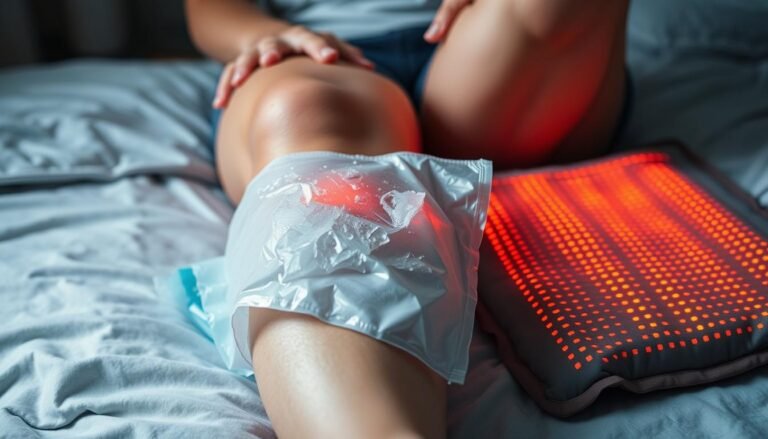
- Ice: Apply ice to the swollen area for 15-20 minutes every 2-3 hours. This will help numb the pain and reduce swelling by constricting blood vessels.
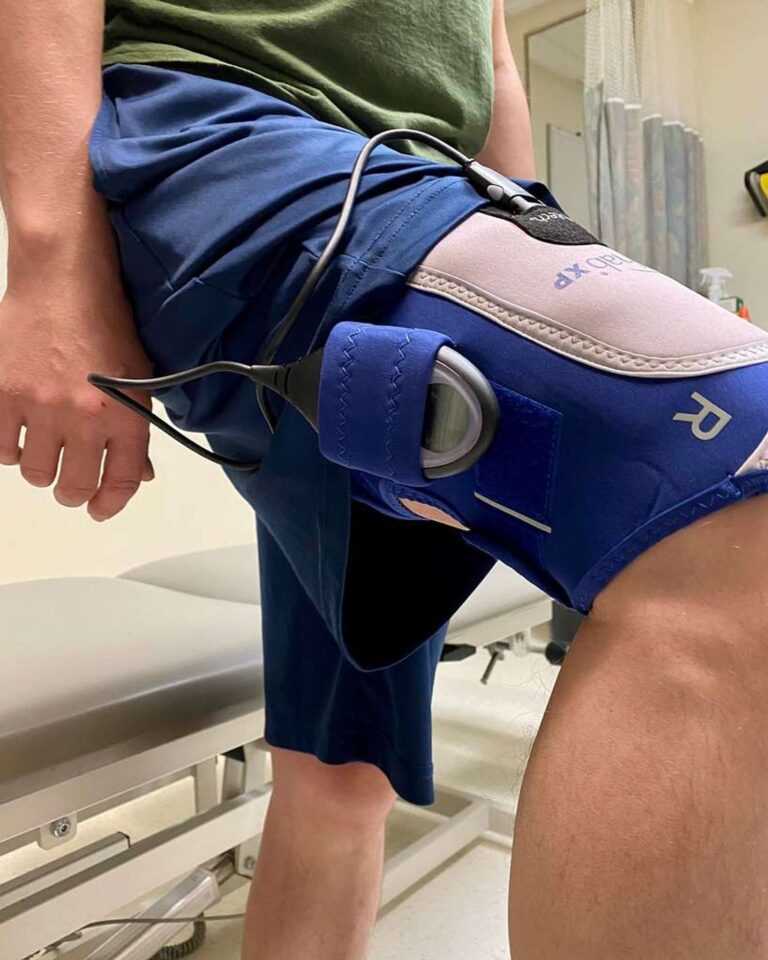
- Compression: Wrap an elastic bandage around your knee to provide support and reduce swelling. Make sure not to wrap it too tightly, as it can restrict blood flow.
- Elevation: Keep your knee elevated above heart level whenever possible. This helps to drain excess fluid from the knee, reducing swelling.
- Anti-inflammatory medications: Over-the-counter nonsteroidal anti-inflammatory drugs (NSAIDs) like ibuprofen can help reduce pain and inflammation in the knee.
- Heat: Apply heat to the swollen knee using a heating pad, warm towel, or warm water soak. Heat can help relax the muscles and increase blood flow to promote healing.
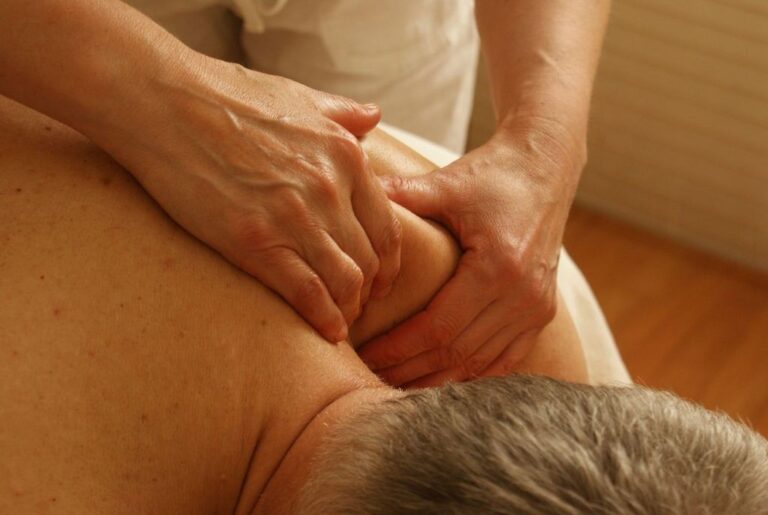
- Massage: Gently massage the area around the swollen knee to improve circulation and reduce swelling. Use circular motions and mild pressure, avoiding direct pressure on the knee joint.
- Knee exercises: Engage in gentle range-of-motion exercises to strengthen the knee muscles and improve flexibility. Consult with a physical therapist for specific exercises tailored to your condition.
By following these remedies, you can effectively reduce knee swelling and facilitate a smoother recovery process. However, it’s important to consult with a healthcare professional if the swelling persists or worsens, as underlying issues may require further treatment.
Remember, proper self-care and management of knee swelling can help alleviate pain and promote long-term knee health.

Major Causes of Knee Swelling
Knee swelling can be a result of various factors, including major injuries or underlying health conditions. It is essential to identify the underlying cause of knee swelling to determine the appropriate treatment approach and prevent further damage.
Some common causes of knee swelling include:
- Torn ligaments, such as ACL or meniscus tears
- Broken bones
- Osteoarthritis
- Rheumatoid arthritis
- Infections
- Gout
- Bursitis
By understanding the specific cause of knee swelling, healthcare professionals can provide targeted treatments and interventions to alleviate symptoms and promote healing.
| Causes | Symptoms | Treatment |
|---|---|---|
| Torn ligaments (ACL or meniscus tears) | Pain, instability, swelling, stiffness | Depends on severity: Physical therapy, braces, surgery |
| Broken bones | Severe pain, swelling, bruising, deformity | Setting the bone, immobilization, surgery |
| Osteoarthritis | Gradual onset of pain, stiffness, swelling | Medications, physical therapy, lifestyle modifications |
| Rheumatoid arthritis | Pain, swelling, stiffness, fatigue | Medications, physical therapy, lifestyle modifications |
| Infections | Pain, redness, warmth, fever | Antibiotics, drainage, joint aspiration |
| Gout | Intense pain, swelling, redness | Medications to reduce inflammation and uric acid levels |
| Bursitis | Pain, swelling, tenderness | Rest, ice, anti-inflammatory medications |
Identifying the underlying cause of knee swelling can be done through a comprehensive medical evaluation, including imaging tests, physical examination, and medical history review. Healthcare professionals will develop a personalized treatment plan based on the cause, severity, and individual circumstances of the knee swelling.
Case Study: Torn Ligaments and Knee Swelling
John, a 32-year-old athlete, experiences a sudden twist in his knee during a soccer match, accompanied by immediate pain and swelling. He is unable to bear weight on the affected leg and seeks medical attention. After a thorough examination and imaging tests, it is determined that John has torn his anterior cruciate ligament (ACL). The knee swelling is a result of the injury, and a treatment plan is devised which includes rest, physical therapy, and eventually surgical intervention to repair the torn ligament.

In cases like John’s, it is crucial to address the underlying cause of the knee swelling to ensure appropriate treatment and prevent long-term complications. Understanding the major causes of knee swelling allows healthcare professionals to provide targeted interventions and promote a speedy recovery.
When to Seek Medical Attention for Knee Swelling
While most cases of knee swelling can be treated at home, there are instances where medical attention is necessary. It’s important to consult a healthcare professional if the swelling persists for more than three days, worsens, or is accompanied by severe pain, redness, warmth, or difficulty bearing weight. Other concerning symptoms include fever, an inability to fully straighten or flex the knee, sharp pain when rising from a squatting position, and a history of rheumatoid arthritis or gout. Seeking medical attention in these situations allows for proper diagnosis and treatment.
Effective Treatments and Home Remedies for Knee Swelling
When it comes to treating knee swelling, there are various options available. Nonsteroidal anti-inflammatory drugs (NSAIDs) like acetaminophen and ibuprofen can help relieve pain and reduce inflammation. In some cases, a doctor may prescribe stronger pain relievers or oral corticosteroids.
Home remedies such as rest, ice, compression, elevation, heat, massage, and knee exercises can also be effective in reducing knee swelling. Let’s explore these remedies in more detail:
- Rest: Taking a break from activities that put strain on the knee can help alleviate swelling and promote healing.
- Ice: Applying ice packs to the swollen knee for 15-20 minutes at a time can reduce inflammation and numb the area, providing relief.
- Compression: Using an elastic bandage or compression sleeve can help reduce swelling by applying pressure to the affected area.
- Elevation: Raising the leg above heart level can help minimize swelling and encourage fluid drainage.
- Heat: Applying heat to the knee, such as with a warm towel or heating pad, can increase blood flow and promote healing.
- Massage: Gently massaging the swollen knee can help improve circulation and reduce swelling. It’s important to use gentle, circular motions and avoid putting excessive pressure on the knee.
- Knee exercises: Certain exercises, such as knee extensions and straight leg raises, can help strengthen the muscles around the knee and reduce swelling. It’s crucial to consult a healthcare professional or physical therapist to ensure the exercises are performed correctly and safely.
It’s important to consult a healthcare professional to determine the best treatment approach for your specific situation. They can evaluate the underlying cause of the knee swelling and provide personalized guidance on the most effective remedies and treatments.
Prevention and Maintenance for Healthy Knees
Maintaining healthy knees is essential in preventing knee swelling and injuries. We can take preventive measures and adopt a healthy lifestyle to promote overall knee health and reduce the risk of knee swelling.
- Regular exercise: Incorporate regular exercise into your routine to strengthen the muscles supporting the knee and reduce the risk of damage. Focus on flexibility training and weight training exercises that target the muscles around the knee joint. Low-impact exercises like water aerobics and swimming are also beneficial for knee health.
- Maintain a healthy weight: Excess weight puts additional stress on the knee joints, increasing the risk of knee pain and swelling. Maintain a healthy weight through a balanced diet and regular exercise to reduce unnecessary wear and tear on the knees.
- Protective gear: If you participate in activities that involve high impact or strain on the knees, such as sports or physical labor, use appropriate protective gear like knee pads or braces to minimize the risk of injuries.
- Proper form: When engaging in physical activities, ensure that you use proper form and technique to avoid putting excessive strain on the knees. Seek guidance from a professional or instructor if needed.
- Listen to your body: Pay attention to any signals of discomfort or pain in your knees. If you experience persistent knee pain or swelling, it’s important to rest and seek medical attention to prevent further damage.
“Taking care of your knees is crucial for maintaining an active and pain-free lifestyle. By incorporating regular exercise, maintaining a healthy weight, using protective gear, practicing proper form, and listening to your body, you can minimize the risk of knee swelling and injuries.”
By following these preventive measures and adopting a healthy lifestyle, we can prioritize our knee health and reduce the risk of knee swelling and related issues.
| Preventive Measures for Healthy Knees | Benefit |
|---|---|
| Regular exercise | Strengthens knee-supporting muscles and reduces the risk of damage |
| Maintain a healthy weight | Reduces unnecessary wear and tear on the knee joints |
| Use protective gear | Minimizes the risk of injuries during high-impact activities |
| Practice proper form | Avoids excessive strain on the knees |
| Listen to your body | Promptly address any discomfort or pain in the knees |
Conclusion
Swollen knees can be caused by various factors, including injuries, overuse, and underlying health conditions. Understanding the causes of knee swelling and implementing effective treatments and remedies can help alleviate pain and discomfort.
Rest, ice, compression, elevation, anti-inflammatory medications, heat, massage, and knee exercises are some of the proven methods to reduce knee swelling and promote healing. These techniques can help reduce inflammation, relieve pain, and improve mobility.
If you are experiencing persistent swelling or if the swelling is accompanied by severe pain or other concerning symptoms, it is important to seek medical attention. A healthcare professional can provide a proper diagnosis and recommend the most appropriate treatment plan for your specific situation.
To reduce the risk of knee swelling in the future, it is essential to take preventive measures and maintain a healthy lifestyle. Regular exercise, including flexibility training and weight training, can help strengthen the muscles around the knee joint and reduce the risk of injury. It is also important to maintain a healthy weight to minimize stress on the knee joints.
By understanding the causes of swollen knees, implementing effective treatments, and taking preventive measures, you can promote overall knee health and reduce the risk of knee swelling.
FAQ
What are the common causes of knee swelling?
Knee swelling can be caused by factors such as injury, overuse, osteoarthritis, rheumatoid arthritis, infections, gout, and bursitis.
How can I quickly treat knee swelling at home?
There are several effective methods to treat knee swelling at home, including rest, ice, compression, elevation, anti-inflammatory medications, heat, massage, and knee exercises.
When should I seek medical attention for knee swelling?
It is important to consult a healthcare professional if the swelling persists for more than three days, worsens, or is accompanied by severe pain, redness, warmth, difficulty bearing weight, fever, an inability to fully straighten or flex the knee, sharp pain when rising from a squatting position, or a history of rheumatoid arthritis or gout.
What are the effective treatments and home remedies for knee swelling?
Treatment options for knee swelling include nonsteroidal anti-inflammatory drugs (NSAIDs), stronger pain relievers or oral corticosteroids prescribed by a doctor, as well as home remedies such as rest, ice, compression, elevation, heat, massage, and knee exercises.
How can I prevent knee swelling and maintain healthy knees?
Maintaining healthy knees involves regular exercise, including flexibility training and weight training, as well as low-impact exercises like water aerobics and swimming. Additionally, maintaining a healthy weight can reduce unnecessary wear and tear on the knee joints.
Source Links
- https://www.healthline.com/health/how-to-reduce-swelling-in-knee-quickly
- https://www.medicalnewstoday.com/articles/how-to-reduce-swelling-in-knee-quickly
- https://www.medicalnewstoday.com/articles/swollen-knee