For decades, scientific studies and writings on the cells that determine bone health have focused on two types of cells: osteoblasts and osteoclasts. But it turns out that a third type of cell, long overlooked and underestimated, could be the key regulator of bone remodeling.
Today we will highlight this often overlooked bone cell. You’ll gain an in-depth understanding of how it manages the strength and quality of your bones, along with its surprising role in other body systems.
Then we look at an overview of scientific studies that give you concrete steps to improve the bone-building ability of these powerful cells.
A mystery of bone biology solved
Osteocytes make up 90 to 95 percent of all bone cells, making them the most common type. Despite their ubiquity, they have received relatively little attention and scientific research compared to osteoclasts and osteoblasts.
Osteoclasts are the cells responsible for reabsorbing old or damaged bone mass. Osteoblasts create and deposit new bone mass. These two easily observable actions have dominated the study of bone health and our understanding of the mechanisms of bone loss and osteoporosis.
However, several questions remained unanswered. How do osteoblasts and osteoclasts communicate? How do they know how much bone to resorb or build? We can see that bone adapts to use, as stated in Wolff’s law: the more you use the muscles connected to a bone, the more mass that bone will add. But what do bones feel like when muscles are used?
Over the past decade, the consensus among scientists has pointed to osteocytes as the answer to these questions.1,2
Short content
Osteocytes are the most common type of bone cell, but their function was unknown for decades. Meanwhile, questions remained about how the body regulates bone remodeling. Recent research suggests that osteoclasts are responsible for regulating the cells that carry out bone remodeling.
Osteocytes are the center of bone regulation
Until recently, scientists thought that osteocytes were just a passive placeholder in the structure of bone. Unlike short-lived osteoblasts and osteoclasts, osteocytes live for years or even decades.
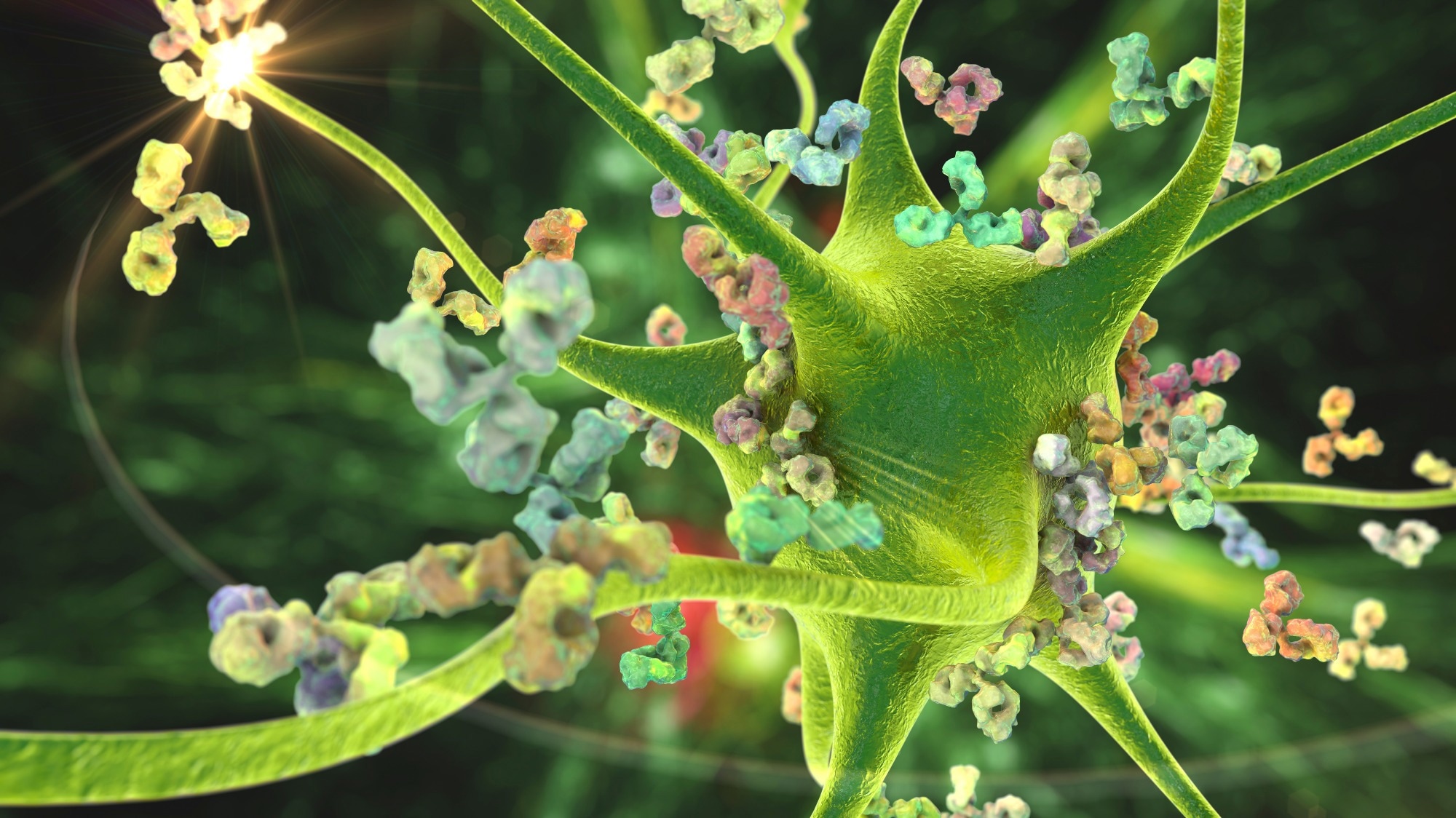
Osteocytes are distributed throughout the bone, in small cavities known as lacunae. They have tentacle-like dendrites that extend and connect to the surface of bones, other cells and even blood vessels.
All these observable features turned out to be clues to the function of these cells. Due to their even distribution and interconnectedness, they are well positioned for their primary task: monitoring the condition of the bones and regulating bone formation locally and systemically.3
The mechanisms by which osteocytes fulfill this task remained unnoticed for decades. However, research has now shown that osteocytes sense mechanical pressure on bones and receive hormonal messages about bone quality.1
In response, osteocytes produce and release compounds that stimulate the development and function of osteoblasts, the cells that build new bone, and osteoclasts, the cells that resorb old or damaged bone.
They can send these chemical signals directly to other cells, or release them into the extracellular fluid, causing the production and activation of osteoblasts and osteoclasts.
They can even release compounds into the bloodstream to send instructions to distant organs.3 This multitude of functions is unusual for a single cell, which typically has a more limited range of actions. Osteocytes are truly unique and powerful cells.
Short content
Recently, osteocytes have been discovered to perform several important functions in bone and body systems. They monitor the condition of the bones and regulate bone formation by releasing compounds that stimulate the production and function of osteoblasts and osteoclasts, the cells responsible for creating and resorbing bone mass.
Osteocytes collect information and provide instructions
Osteocytes, distributed throughout mineralized bone, have the unique ability to sense mechanical pressure on bone, making them mechanosensitive. That pressure is usually the result of the force exerted on the bones by muscles.
With every movement we make, the muscles must contract and pull on the bone. Osteocytes sense this mechanical load and respond by releasing compounds called paracrine factors. These factors activate the bone remodeling process, ultimately resulting in the addition of bone mass in locations where bones are in use.
This is the mechanism behind Wolff’s law, which states that bones adapt to use by adding mass. This principle also explains why exercise is so important for building bones
Osteocytes also respond to hormonal information from other bone cells about the condition of those cells, such as damage and cell death. Osteocytes use that information to direct the production of osteoclasts to remove damaged or dead bone cells, and osteoblasts to replace them with healthy new bone mass.
In addition, osteocytes release compounds that instruct the kidneys on the release of phosphate. In this regard, they function as endocrine cells and produce factors that regulate phosphate transport.3 Phosphate is an important building block of the bone mineral matrix. It combines with calcium to form hydroxyapatite crystals that strengthen bone.
Short content
Osteocytes can sense mechanical pressure on bones and receive information from hormones about the condition of bone cells. They respond to this mechanical and hormonal information by releasing paracrine factors that generate and activate osteoblasts and osteoclasts. They also communicate with the kidneys to regulate the release of phosphate to be used for the production of new bone mineral matrix.
How osteocytes regulate bone remodeling
Osteocytes regulate the bone remodeling cycle through the release of many different factors and compounds. They contain:3
Savers will likely recognize some of these factors. Several of these are targeted by anti-osteoporosis drugs that artificially intervene in the regulation of the bone remodeling process.
For example, the osteoporosis drug Prolia (denosumab) works by mimicking osteoprotegerin to inhibit RANKL and ultimately render osteoclasts inactive. The drug Evenity (romosozumab) inhibits sclerostin, a substance that limits bone formation. By inhibiting sclerostin, Evenity changes the instructions of the osteocytes, leading to increased bone formation.
However, these pharmaceutical interventions have many negative side effects and are only temporarily able to overpower the body’s natural bone remodeling system. At best, the result is a short period of denser but less healthy bones.
As savers know, bone mineral density is not the only or even the most important measure of bone health and fracture risk.
Short content
Osteocytes generate the factors involved in bone formation and resorption. These same factors are mimicked by drugs that artificially intervene in the regulation of the bone remodeling process to increase bone mineral density.
How to improve osteocyte function
As we age, more osteocytes die than are produced, and the function of the osteocytes declines. This is an underlying cause of bone remodeling imbalances, leading to bone loss and osteoporosis.4
However, research has shown that regular, strenuous physical activity has a strong positive effect on bone health through the activation of osteocytes.5 This activation of osteocytes is essential for their function, and we can activate it through exercise.
Many studies have proven the positive end results of regular exercise, including increasing strength, building bone, and preventing falls.6 Now we understand more about how that cause and effect goes through osteocytes.
Short content
The number and function of osteocytes decreases with age, but research has shown that regular, strenuous physical activity activates osteocytes and has a positive impact on bone health.
What this means for you
Activate your osteocytes through consistent weight exercises. These powerful cells are responsible for receiving information about what your body needs. Exercise tells your osteocytes that you need strong and durable bones. Through SaveTrainer you have access to all the support you need to build your ideal training routine.
The Save Institute has specially designed the SaveTrainer to adapt to your needs. Professional trainers will guide you through exercises and activities at your level, and a wide variety of disciplines and workouts are available, from yoga to strength training and meditation classes. Take advantage of what SaveTrainer has to offer today.
Upcoming research could reveal even more fascinating information about the capabilities of osteocytes. As you continue to learn, you will continue to apply your new knowledge to live the healthiest and fullest life possible.
References
1 https://www.annualreviews.org/doi/full/10.1146/annurev-physiol-021119-034332
2 https://rmdopen.bmj.com/content/1/Suppl_1/e000049
3 https://www.ncbi.nlm.nih.gov/pmc/articles/PMC3366431/#:~:text=They%20produce%20the%20soluble%20factors,kidney%20to%20regulate%20phosphate%20transport
4 https://www.nature.com/articles/s41419-020-03059-8
5 https://www.ncbi.nlm.nih.gov/pmc/articles/PMC5705732/
6 https://www.ncbi.nlm.nih.gov/pmc/articles/PMC3812467/