Author: Mokhtar

  • Save Our Bones Bulletin: New Osteoporosis Drug Tested in Mice; Diet Reduces Stroke Risk, Cognitive Impairment; Walking Outdoors Benefits Bone Health

    Save Our Bones Bulletin: New Osteoporosis Drug Tested in Mice; Diet Reduces Stroke Risk, Cognitive Impairment; Walking Outdoors Benefits Bone Health

    This month’s bulletin begins with a study that could lead to a new drug for osteoporosis. We’ll explore what researchers have discovered and how it could impact the future of bone health.

    Next, you’ll learn about a study on the health effects of ultra-processed foods. Cognitive decline may be more related to eating TV dinners than watching TV.

    Finally, we discuss a study published in the journal Osteoporosis International that measured the benefits of outdoor walking on bone health. Get your sneakers ready, because these results will inspire you to get out of the house and hit the trails!

    Natural protein investigated as potential drug against osteoporosis

    Researchers at the University of Birmingham in the UK have discovered that a short protein called PEPITEM (Peptide Inhibitor of Trans-Endothelial Migration) can be turned into a new drug against osteoporosis.

    In the study, PEPITEM was administered to laboratory mice to study the protein’s impact on their bones. The researchers found that PEPITEM therapy significantly increased bone volume and thickness in both the tibia and vertebrae of adult mice. They also observed the effects of PEPITEM on osteoblast cells in the laboratory and found that the protein increased the activity of the bone-forming cells.

    Relevant fragment

    “…the key test for a potential new therapy is its ability to target the natural repair process that is impaired by age or inflammatory disease. Here, the researchers showed that giving extra PEPITEM limits bone loss and improves bone density in animal models of menopause, which is a common trigger for osteoporotic bone loss in humans. Their studies also showed similar findings in models of inflammatory bone disease (arthritis), where PEPITEM significantly reduced bone damage and erosion.”1

    This discovery provides useful information about how our bodies regulate the bone remodeling process, but also carries unknown risks as a potential new drug. PEPITEM is likely to enter human trials, which will begin to reveal what unintended side effects are caused by pharmaceutical applications of the protein.

    Short content

    Scientists in the UK have identified a protein called PEPITEM and found that the compound increases the volume and thickness of bone in studies with mice. The researchers suggest that PEPITEM could be turned into an osteoporosis drug that increases osteoblast activity to improve bone density.

    Ultra-processed foods linked to stroke and cognitive decline

    A new study published in the May 22, 2024, online edition of Neurology links ultra-processed foods to an increased risk of stroke and cognitive decline. Ultra-processed foods are high in added sugar, fat, and salt, and low in protein and fiber.

    The study followed 30,239 people aged 45 or older for an average of 11 years. Participants completed a food questionnaire that was used to calculate the percentage of their daily diet that consisted of ultra-processed foods.

    Relevant fragment

    “After adjusting for age, sex, high blood pressure and other factors that may influence dementia risk, researchers found that a 10% increase in the amount of ultra-processed foods eaten was associated with a 16% higher risk of cognitive impairment.

    They also found that eating more unprocessed or minimally processed foods was linked to a 12% lower risk of cognitive impairment.”2

    Similar to the results for cognitive impairment, a higher intake of ultra-processed foods was associated with an 8% higher risk of stroke. Participants with a higher intake of unprocessed or minimally processed foods had a 9% lower risk of stroke.

    These findings underscore the value of the Osteoporosis Reversal Program’s 80/20 pH-balanced diet. Processed foods are acidifying, so they are naturally limited by a diet that consists of only 20 percent acidifying foods. Additionally, the Save Institute recommends avoiding processed foods as much as possible.

    Short content

    A study in the online journal Neurology found that participants who ate higher amounts of ultra-processed foods had a higher risk of stroke and cognitive impairment. All processed foods are acidifying, so they are naturally limited by an 80/20 pH-balanced diet, but they should also be avoided as much as possible.

    Walk to stronger bones

    A study published in Osteoporosis International analyzed the outdoor walking habits of 24,700 older adults and their risk of osteoporosis. They also looked at participants’ genetic predisposition to osteoporosis.

    Researchers divided the participants into four groups:

    • those who did not go outside
    • those who walked 30 minutes or less
    • those who walked 30-60 minutes
    • those who walked 60 minutes or more

    The study included 37 months of follow-up, during which time researchers found a significant negative correlation between daily outdoor walking and the risk of osteoporosis incidence. The reduction in osteoporosis risk was directly correlated with the length of the walks, ranging from 14 percent to as much as 40 percent for those who walked the most.

    Relevant fragment

    “Researchers also found a “decreasing trend” in osteoporosis risk among participants with both low and high genetic predispositions – meaning that regardless of whether osteoporosis runs in your family, a daily walk may help strengthen bones. Note: If you have a family history of osteoporosis, it may be especially helpful to walk for an hour every day: the researchers found that participants with a high genetic risk who walked outdoors for more than 60 minutes experienced the greatest reduction in their risk.”3

    Walking is a weight-bearing exercise that promotes bone formation. It is notable that this study specifically examined outdoor walking. Exposure to greenery and the outdoors has a positive impact on both well-being and bone health.

    Regardless of how much or how little you currently walk, you can increase the benefit by adding extra distance, frequency, or intensity to your walks. Additionally, choosing a greener walking path can amplify the positive effects of your walk.

    Short content

    A study of older adults found that those who spent the most time outdoors (more than 60 minutes per day) had the lowest risk of osteoporosis. This risk reduction was also effective for people who were genetically predisposed to osteoporosis.

    What this means for you

    Our bodies are complex biological systems that are sensitive to many inputs. That sensitivity is one reason why drugs are such a risky proposition: they cause changes and effects that are not intended or desired. But it is also why natural strategies to improve our health have such far-reaching positive effects. A balanced diet of whole foods and regular exercise can keep your bones strong and your life active.

    The Osteoporosis Reversal Program provides a comprehensive approach to strengthening your bones and reducing your risk of fractures, without the risks of medications.

    You have an incredible amount of resources at your disposal. Use what you have learned to create the future you deserve.

    References

    1 https://www.birmingham.ac.uk/news/2024/new-therapeutic-avenues-in-bone-repair

    2 https://www.news-medical.net/news/20240522/Higher-intake-of-ultra-processed-foods-linked-to-increased-risk-of-stroke-and-cognitive-decline.aspx

    3 https://www.thehealthy.com/exercise/walking/news-walking-outside-osteoporosis-risk-may-2024-study/


    Source link

  • Chronic Pain and the Nervous System

    Chronic Pain and the Nervous System

    Experiencing pain can be a part of life, but living with chronic pain is far from normal. It can be exhausting and affect your ability to live an active life, perform tasks, and get the rest you need. Persistent pain can lead to anxiety, insomnia, and depression. Physical therapy can often reduce or eliminate pain so you can get back to living your life.

    What is chronic pain syndrome?

    There are two primary categories of pain. Acute pain is often a symptom of an underlying health condition. Recovery can take days to weeks and the pain subsides. Chronic pain, or chronic pain syndrome, on the other hand, usually lasts six months or longer. It occurs in addition to the pain caused by the health condition, which may or may not have healed. It is independent of the original injury or illness that began and can persist long after the pain has gone.

    Woman suffers from chronic pain; migraine.

    Chronic pain can present in different forms, such as:

    • Back and neck pain
    • Joint or arthritis pain
    • Cancer pain near a tumor
    • Pain in the testicles
    • Headache, including migraine
    • Pervasive muscle pain (including fibromyalgia)
    • Persistent pain in scar tissue
    • Neurogenic pain due to damage to the nervous system

    More than 20% of Americans have chronic pain that affects your work and lifestyle.

    What causes chronic pain?

    Sometimes chronic pain has a clear cause, such as a long-term illness, cancer, or arthritis. Illness can make your body more susceptible to pain, even after you recover. Injuries, including broken bones, sprains, or infections, can also leave you with chronic pain.

    Pain that does not seem to be related to a physical illness or injury is psychogenic painIt is believed that anxiety, stress and depression lead to low endorphin levels in the blood.

    Regardless of the specific cause, pain is a function of the nervous system. Nerves around an injury site sense the damage and send signals to the spinal cord and brain. The brain registers the pain and the nervous system responds. Muscles tense, emotions run high, and the nervous system becomes hypervigilant.

    This high alert state is beneficial in acute pain. It tells the body that something is wrong, allowing us to protect ourselves from further injury. Once the damage or disease heals, the nervous system functions normally.

    Woman suffers from chronic back pain.

    Symptoms of chronic pain syndrome

    When the nervous system remains in a persistent state of high alert, it often becomes hypersensitive. It can continue the pain even after the original damage has healed. People with chronic pain describe it in different ways:

    • To beat
    • Stiffness
    • To shoot
    • Painful
    • Burning
    • pinch
    • Stinging

    Poor sleep, mood swings, irritability and fatigue often accompany pain, which increases stress levels and nervous system reactivity. As pain increases, a new vicious circle begins.

    PT, Jeff Moyer helps a patient with elbow pain and is a good reason to choose physical therapy first.

    7 Common Treatment Methods for Chronic Pain

    Chronic pain can limit your quality of life and lead to significant long-term health problems. It can make managing daily tasks, maintaining relationships, and maintaining financial stability challenging. Chronic pain is uniquely personal, and finding an effective treatment becomes a priority.

    Your biology and personal history can influence which pain therapies provide relief. However, the treatment combination for one person may not work for another.

    Physiotherapy icon for the topic of chronic pain.

    1. Physiotherapy

    Physical therapy is a highly personalized treatment regimen. Goals may include increased mobility and reduced pain to help you regain full function. Physical therapy includes passive and active treatments. Your program may begin with passive treatments and progress to active methods. Physical therapists play an important role in pain management through various therapies and daily living techniques. Various forms of exercise, including strength, flexibility, balance, endurance, power, and agility, are used to promote and restore normal function, as well as for pain management. While opioids only mask the sensation of pain, physical therapists can also treat pain through hands-on care. Techniques include manipulation, joint and soft tissue mobilization, dry needling, and cupping. This helps to address the pain and target the root of the problem.

    Icon for water; soak foot in water.

    2. Contrast therapy

    Physiotherapists often alternate between cold and hot therapies. Cold therapy constricts blood vessels. Inflammation decreases when muscles contract and pain signals are reduced. Heat therapy increases circulation by dilating blood vessels. Flooding areas with nutrients and oxygen reduces muscle pain and allows the body’s cells to shed waste. Contrast therapy can reduce inflammation and increase circulation, which loosens tight, sore muscles.

    Icon for deep tissue massage.

    3. Deep tissue massage

    Muscle spasms and chronic muscle tension can build up from the stress of a typical daily routine. Cramps can also occur from sprains and strains. The direct pressure and friction applied during massage can release tension in the muscles, ligaments and tendons.

    Icon for ESTIM.

    4. TENS (transcutaneous electrical nerve stimulation)

    A TENS unit uses varying intensities of electrical current to stimulate muscles, which helps to reduce the occurrence and severity of muscle spasms. It can also increase the production of endorphins, the body’s natural painkillers. You can use just the unit that’s in your physical therapist’s office, or you can have a smaller unit made for home use.

    Ultrasound icon for the topic of chronic pain.

    5. Ultrasound

    This deep heating technique is applied to your skin. As the heat waves penetrate your tissues, it is believed to improve blood flow and circulation. An ultrasound helps to reduce cramps, swelling, spasms, pain and stiffness.

    Clipboard for the topic drug therapy.

    6. Drug therapy

    Over-the-counter medications may be enough to relieve mild pain caused by stiffness, inflammation, and muscle soreness. Typical drug therapy includes ibuprofen, aspirin, naproxen, and acetaminophen (Tylenol). Topical pain relievers that come in sprays, creams, and lotions may also provide temporary relief. Stronger medications for debilitating pain range from prescription NSAIDs, muscle relaxants, and anti-anxiety medications to opioids and steroid injections.

    Exercise icon for the topic of chronic pain.

    7. Exercise

    Exercise is an active treatment and an essential part of the PT toolkit for improving mobility and strength. The brain stops sending constant alerts to the nervous system as the pain subsides. You and your physical therapist will work together to develop an exercise regimen to relieve pain. Examples of low-impact exercises include:

    • Swimming
    • Stretching and strengthening exercises
    • Cycling
    • To walk
    • Tai Chi
    • Pilates
    • Yoga

    Exercise makes you stronger and trains your nervous system to trust that exercise is safe, allowing it to go from high alert to normal functioning.

    If you have pain that comes and goes, physical therapy can help you understand the cause and how to treat it. Everyone responds differently to physical therapy. Contact Us Make an appointment today and learn more about the best treatment options.

    Source link

  • Performing Exercises After an ACL Injury or Surgery: Tips and Advice.

    Performing Exercises After an ACL Injury or Surgery: Tips and Advice.

    Performing Exercises After an ACL Injury or Surgery: A Comprehensive Guide

    Anterior cruciate ligament (ACL) injuries are among the most common and potentially devastating knee injuries, particularly in athletes and active individuals. Whether caused by a sudden twist, an awkward landing, or a direct impact, an ACL injury can sideline you for months. However, with the right approach to rehabilitation and a well-structured exercise plan, you can regain strength, mobility, and confidence in your knee. This comprehensive guide offers in-depth information, tips, and advice for performing exercises after an ACL injury or surgery.

    17033499 2886 4722 a6dd d7527948ec3a 1

    Understanding ACL Injuries and Surgery

    What is the ACL?

    The anterior cruciate ligament (ACL) is one of four major ligaments in the knee joint. It runs diagonally through the center of the knee, connecting the femur (thigh bone) to the tibia (shin bone). The ACL plays a crucial role in stabilizing the knee during dynamic movements such as:

    • Cutting or changing direction quickly
    • Pivoting
    • Jumping and landing
    • Decelerating rapidly

    The ACL prevents the tibia from sliding forward in relation to the femur and provides rotational stability to the knee. This stability is essential for activities that involve quick changes in direction, such as soccer, basketball, skiing, and football.

    Mechanisms of ACL Injury

    ACL injuries typically occur through one of the following mechanisms:

    1. Non-contact injuries: These account for about 70% of ACL injuries. They often occur when an athlete changes direction rapidly, stops suddenly, or lands from a jump incorrectly.
    2. Contact injuries: These occur when there’s a direct blow to the knee, often from the side, which can happen in contact sports like football or rugby.
    3. Hyperextension: When the knee is forced beyond its normal range of motion, it can cause the ACL to tear.

    Types of ACL Injuries

    ACL injuries are typically classified into three grades:

    • Grade 1: A mild sprain where the ligament is stretched but not torn.
    • Grade 2: A partial tear of the ACL (relatively rare).
    • Grade 3: A complete tear of the ACL, often referred to as a “rupture.”

    ACL Surgery Options

    For many active individuals and athletes, especially those with complete ACL tears, surgery is often recommended. The most common surgical treatment is ACL reconstruction, where the damaged ligament is replaced with a graft. There are two main types of grafts:

    1. Autograft: Tissue taken from the patient’s own body. Common autograft sources include:
      • Patellar tendon
      • Hamstring tendon
      • Quadriceps tendon
    2. Allograft: Tissue taken from a donor, usually a cadaver.

    Each graft type has its pros and cons:

    Graft TypeAdvantagesDisadvantages
    Patellar Tendon AutograftStrong initial fixation, faster healing to bonePotential for anterior knee pain, risk of patellar fracture
    Hamstring Tendon AutograftLess harvest site morbidity, smaller incisionsSlower healing to bone, potential for hamstring weakness
    Quadriceps Tendon AutograftGood size and strength, less harvest site morbidity than patellar tendonLess commonly used, potential for quadriceps weakness
    AllograftNo harvest site morbidity, shorter surgery timeSlower incorporation, slightly higher failure rate in young, active patients

    The choice of graft depends on various factors, including the surgeon’s preference, the patient’s age, activity level, and specific anatomical considerations.

    ACL Injury Statistics

    To understand the scope of ACL injuries, consider these statistics:

    StatisticValue
    Annual ACL injuries in the US~200,000
    Percentage of ACL injuries requiring surgery50-60%
    Average recovery time to return to sports6-9 months
    Risk of re-injury within 2 years15-25%
    Percentage of female athletes compared to male athletes suffering ACL injuries2-8 times higher
    Percentage of ACL injuries that occur in non-contact situations~70%

    These statistics highlight the importance of proper rehabilitation and the need for a comprehensive approach to recovery and prevention.

    f0e06c3a 1e03 4adc 8104 bdb61cd7c0bc

    The Importance of Rehabilitation

    Rehabilitation following an ACL injury or surgery is crucial for several reasons:

    1. Restoring Strength and Stability

    ACL injuries and subsequent surgery can lead to significant muscle weakness, particularly in the quadriceps and hamstrings. A structured exercise program helps rebuild strength in these key muscle groups, which is essential for knee stability. Strong muscles around the knee joint can help:

    • Absorb shock and reduce stress on the knee
    • Improve joint alignment
    • Enhance overall leg strength and power

    2. Regaining Range of Motion

    After surgery, scar tissue formation and swelling can limit knee mobility. Flexibility exercises ensure that the knee can move through its full range of motion without pain or stiffness. This is crucial for:

    • Normal walking gait
    • Climbing stairs
    • Performing sports-specific movements

    3. Reducing Swelling and Pain

    Early movement and specific exercises can help reduce post-surgical swelling and manage pain by:

    • Promoting circulation and lymphatic drainage
    • Preventing adhesions
    • Stimulating the release of endorphins, the body’s natural pain relievers

    4. Improving Proprioception

    Proprioception is the body’s ability to sense the position and movement of its parts. ACL injuries can disrupt this sense in the knee. Proprioceptive exercises enhance:

    • Balance and coordination
    • Neuromuscular control
    • Reaction time

    These improvements are crucial for preventing future injuries and regaining confidence in the knee’s stability.

    5. Psychological Recovery

    Rehabilitation is not just about physical recovery. It plays a significant role in psychological healing by:

    • Building confidence in the injured knee
    • Providing a sense of progress and accomplishment
    • Preparing the athlete mentally for return to sport

    6. Preventing Re-injury

    A comprehensive rehabilitation program addresses factors that may have contributed to the initial injury, such as:

    • Muscle imbalances
    • Poor movement patterns
    • Inadequate core strength

    By correcting these issues, the risk of re-injury can be significantly reduced.

    Show Image

    Detailed Guide to Performing Exercises After an ACL Injury or Surgery

    Pre-Exercise Considerations

    Before beginning any exercise program, it’s crucial to:

    1. Consult with your surgeon and physical therapist: They will provide clearance and guidelines specific to your case.
    2. Understand your restrictions: Know what movements or activities to avoid at each stage of recovery.
    3. Set up a safe exercise environment: Ensure you have a non-slip surface and any necessary equipment (e.g., resistance bands, stability ball).
    4. Warm up properly: Start with gentle movements to increase blood flow to the area.

    Phase 1: Early Rehabilitation (Weeks 1-4)

    The focus in this phase is on protecting the graft, reducing swelling, and gradually restoring range of motion.

    Key Exercises:

    1. Heel Slides:
      • Lie on your back with legs straight.
      • Slowly slide your heel towards your buttocks, bending your knee.
      • Hold for 5 seconds, then slowly straighten.
      • Perform 3 sets of 10 repetitions.
    2. Quad Sets:
      • Sit with your leg straight and supported.
      • Tighten your thigh muscle, pressing the back of your knee down.
      • Hold for 5 seconds, then relax.
      • Perform 3 sets of 10 repetitions.
    3. Ankle Pumps:
      • Lie on your back or sit with your leg elevated.
      • Point your toes away from you, then flex them back towards you.
      • Perform 3 sets of 20 repetitions.
    4. Passive Knee Extension:
      • Sit with your leg supported, a small rolled towel under your heel.
      • Relax and allow gravity to straighten your knee.
      • Hold for 5 minutes, gradually increasing duration as tolerated.
    5. Straight Leg Raises:
      • Lie on your back with your uninjured leg bent.
      • Tighten your thigh muscle and lift your straight leg about 6 inches.
      • Hold for 3 seconds, then slowly lower.
      • Perform 3 sets of 10 repetitions.

    Phase 2: Intermediate Rehabilitation (Weeks 4-8)

    This phase focuses on progressive strengthening and introducing weight-bearing exercises.

    Key Exercises:

    1. Mini Squats:
      • Stand with feet shoulder-width apart, holding onto a stable surface.
      • Slowly bend your knees to about 30 degrees.
      • Hold for 3 seconds, then slowly straighten.
      • Perform 3 sets of 10 repetitions.
    2. Step-Ups:
      • Stand in front of a low step (4-6 inches high).
      • Step up with your surgical leg, bringing your other foot onto the step.
      • Step back down, leading with the non-surgical leg.
      • Perform 3 sets of 10 repetitions on each leg.
    3. Hamstring Curls:
      • Lie on your stomach.
      • Slowly bend your knee, bringing your heel towards your buttocks.
      • Hold for 3 seconds, then slowly lower.
      • Perform 3 sets of 10 repetitions.
    4. Stationary Cycling:
      • Start with no resistance, focusing on smooth motion.
      • Gradually increase duration and resistance as tolerated.
      • Aim for 10-20 minutes per session.
    5. Calf Raises:
      • Stand holding onto a stable surface.
      • Rise up onto your toes, then slowly lower.
      • Perform 3 sets of 15 repetitions.

    Phase 3: Advanced Rehabilitation (Weeks 8-12)

    This phase introduces more dynamic exercises and focuses on improving balance and proprioception.

    Key Exercises:

    1. Lunges:
      • Stand with feet hip-width apart.
      • Take a large step forward, lowering your hips until both knees are bent at 90 degrees.
      • Push back to the starting position.
      • Perform 3 sets of 10 repetitions on each leg.
    2. Single-Leg Balance:
      • Stand on your surgical leg.
      • Maintain balance for 30 seconds.
      • Progress to closing your eyes or standing on an unstable surface.
      • Perform 3 sets.
    3. Leg Press:
      • Start with light weight and gradually increase.
      • Press the weight away until your knees are almost straight, then slowly return.
      • Perform 3 sets of 12 repetitions.
    4. Lateral Step-Downs:
      • Stand on a 4-6 inch step with your surgical leg.
      • Slowly lower your other foot to touch the ground, then raise back up.
      • Perform 3 sets of 10 repetitions on each leg.
    5. Swimming or Water Jogging:
      • Start with 15-20 minutes and gradually increase duration.
      • Focus on proper form and avoid breaststroke kick initially.

    Phase 4: Return to Activity (Weeks 12 and Beyond)

    This phase prepares you for a return to sports or high-level activities.

    Key Exercises:

    1. Plyometric Drills:
      • Box Jumps: Start with a low box and progress in height.
      • Lateral Hops: Hop side to side over a line or low obstacle.
      • Progress from double-leg to single-leg exercises.
    2. Agility Drills:
      • Shuttle Runs: Start with straight-line runs and progress to change of direction.
      • Ladder Drills: Focus on quick, precise foot movements.
    3. Sport-Specific Exercises:
      • Gradually introduce movements specific to your sport.
      • Start at low intensity and progress as tolerated.
    4. Strength Training:
      • Continue with progressive resistance training for legs and core.
      • Include exercises like squats, deadlifts, and leg press.
    5. Cardiovascular Conditioning:
      • Progress to running on various surfaces and inclines.
      • Include interval training to improve endurance.
    8e9b0504 8de8 46ab 86df 22ef30487aee

    Nutrition and Recovery

    Proper nutrition plays a crucial role in recovery from ACL surgery and rehabilitation. A well-balanced diet can help reduce inflammation, support tissue repair, and provide the energy needed for rehabilitation exercises.

    Key Nutritional Considerations:

    1. Protein Intake:
      • Essential for muscle repair and rebuilding.
      • Aim for 1.6-2.0 grams of protein per kilogram of body weight daily.
      • Include sources like lean meats, fish, eggs, dairy, and plant-based proteins.
    2. Anti-Inflammatory Foods:
      • Help reduce inflammation and support healing.
      • Include omega-3 rich foods like salmon, flaxseeds, and walnuts.
      • Consume a variety of colorful fruits and vegetables for antioxidants.
    3. Complex Carbohydrates:
      • Provide energy for rehabilitation exercises.
      • Choose whole grains, fruits, and vegetables.
    4. Hydration:
      • Crucial for overall health and recovery.
      • Aim for 8-10 glasses of water per day, more if exercising intensely.

    Recommended Daily Nutrient Intake for ACL Recovery

    NutrientRecommended Daily IntakeKey Sources
    Protein1.6-2.0 g/kg body weightLean meats, fish, eggs, dairy, legumes
    Omega-3 Fatty Acids1-2 gFatty fish, flaxseeds, chia seeds, walnuts
    Vitamin C75-90 mgCitrus fruits, berries, bell peppers, broccoli
    Vitamin D600-800 IUSunlight exposure, fatty fish, fortified foods
    Calcium1000-1200 mgDairy products, leafy greens, fortified foods
    Iron8-18 mgRed meat, spinach, lentils, fortified cereals

    Supplements

    While a balanced diet should be the primary source of nutrients, some supplements may be beneficial during ACL recovery:

    1. Collagen: May support joint health and ligament healing.
    2. Vitamin D and Calcium: Essential for bone health, especially if mobility is limited.
    3. Omega-3 Supplements: Can help reduce inflammation if dietary intake is insufficient.
    4. Protein Powder: Can help meet increased protein needs, especially for athletes.

    Always consult with your healthcare provider before starting any new supplement regimen.

    Pain Management and Rest

    Managing pain and getting adequate rest are crucial components of ACL rehabilitation:

    Pain Management Strategies:

    1. RICE Method: Rest, Ice, Compression, and Elevation, particularly in the early stages of recovery.
    2. Proper Form: Ensure correct technique during exercises to avoid unnecessary strain.
    3. Gradual Progression: Increase intensity and duration of exercises slowly to prevent overexertion.
    4. Pain Medication: Use as directed by your healthcare provider, typically for short-term relief.

    Importance of Rest:

    1. Sleep: Aim for 7-9 hours of quality sleep per night to support tissue repair.
    2. Recovery Days: Include rest days in your exercise routine to prevent overtraining.
    3. Listen to Your Body: If you experience increased pain or swelling, take a break and consult your physical therapist.

    Psychological Support and Mental Health

    Recovering from an ACL injury can be mentally challenging. It

    Psychological Support and Mental Health

    Recovering from an ACL injury can be mentally challenging. It’s not just a physical journey, but an emotional one as well. Understanding and addressing the psychological aspects of recovery is crucial for a successful return to activity.

    Common Psychological Challenges:

    1. Fear of Re-injury: Many patients develop a fear of returning to the activity that caused their injury. This fear can be paralyzing and hinder progress.
    2. Loss of Identity: For athletes, being sidelined can lead to a loss of identity and purpose.
    3. Depression and Anxiety: The long recovery process and uncertainty about the future can trigger symptoms of depression and anxiety.
    4. Frustration with the Recovery Process: The lengthy rehabilitation can be frustrating, especially when progress seems slow.
    5. Loss of Confidence: Doubts about physical capabilities can erode self-confidence.

    Strategies for Mental Health Support:

    1. Set Realistic Goals:
      • Break down your recovery into small, achievable goals.
      • Celebrate minor milestones to maintain motivation.
    2. Visualization Techniques:
      • Mentally rehearse successful performance of exercises and sports movements.
      • Visualize yourself returning to your sport or activity successfully.
    3. Mindfulness and Relaxation:
      • Practice mindfulness meditation to stay present and manage anxiety.
      • Use deep breathing exercises to reduce stress.
    4. Seek Professional Support:
      • Consider working with a sports psychologist or counselor.
      • Join support groups for individuals recovering from similar injuries.
    5. Stay Connected:
      • Maintain contact with teammates and coaches.
      • Engage in team activities in non-physical roles when possible.
    6. Education:
      • Learn about your injury and the recovery process to feel more in control.
      • Understand that setbacks are a normal part of the recovery journey.
    7. Focus on Overall Health:
      • Use this time to improve other aspects of your health and fitness.
      • Explore new hobbies or skills to maintain a sense of progress and accomplishment.
    b5bfdf2a 91b7 48ff a2b1 ac5993a328ee 1

    Returning to Sport or Activity

    Returning to sport or high-level activity after an ACL injury is a critical phase that requires careful planning and execution. It’s important to remember that being cleared to return to sport doesn’t necessarily mean you’re ready for full competition.

    Criteria for Return to Sport:

    1. Full Range of Motion: The affected knee should have the same range of motion as the unaffected knee.
    2. Adequate Strength: Typically, the strength of the affected leg should be at least 90% of the unaffected leg.
    3. Neuromuscular Control: Demonstrated ability to perform sport-specific movements with proper form and control.
    4. Psychological Readiness: Confidence in the knee and readiness to return to full activity.
    5. Passing Functional Tests: Successfully completing a series of physical tests that mimic sport demands.

    Functional Tests for Return to Sport:

    TestDescriptionPassing Criteria
    Single Leg Hop TestHop for distance on each legAffected leg ≥ 90% of unaffected leg
    Triple Hop TestThree consecutive hops for distanceAffected leg ≥ 90% of unaffected leg
    Crossover Hop TestThree hops crossing over a lineAffected leg ≥ 90% of unaffected leg
    6-meter Timed HopHop on one leg for 6 metersAffected leg ≤ 10% slower than unaffected leg
    Y-Balance TestSingle-leg reach test in 3 directions< 4 cm side-to-side difference

    Gradual Return to Sport Protocol:

    1. Phase 1: Controlled Practice
      • Participate in non-contact drills
      • Focus on sport-specific movements in a controlled environment
    2. Phase 2: Team Practice
      • Introduce contact drills gradually
      • Participate in scrimmages with teammates
    3. Phase 3: Simulated Competition
      • Full-speed practice sessions
      • Scrimmages against other teams
    4. Phase 4: Limited Game Play
      • Return to competition with limited playing time
      • Gradually increase duration of play
    5. Phase 5: Full Return
      • Unrestricted participation in competition

    It’s crucial to progress through these phases under the guidance of your healthcare team and to listen to your body throughout the process.

    Long-Term Considerations and Injury Prevention

    After recovering from an ACL injury, it’s important to focus on long-term knee health and preventing future injuries.

    Ongoing Maintenance:

    1. Continue Strength Training: Maintain strength in the quadriceps, hamstrings, and core muscles.
    2. Regular Flexibility Work: Keep up with stretching routines to maintain good range of motion.
    3. Balance and Proprioception Exercises: Incorporate these into your regular workout routine.
    4. Proper Warm-up: Always perform a thorough warm-up before physical activity.

    Injury Prevention Strategies:

    1. Proper Technique: Focus on correct landing and cutting techniques in your sport.
    2. Neuromuscular Training: Participate in programs designed to improve movement patterns and reduce injury risk.
    3. Cross-Training: Engage in a variety of activities to promote overall fitness and reduce overuse injuries.
    4. Listen to Your Body: Pay attention to signs of fatigue or pain and adjust your activity accordingly.
    5. Regular Check-ups: Schedule periodic assessments with a sports medicine professional to monitor your knee health.

    Long-Term Outlook:

    While an ACL injury can be a significant setback, many individuals return to their pre-injury level of activity or sport. However, it’s important to be aware of the long-term implications:

    • Increased Risk of Osteoarthritis: ACL injuries, even when properly treated, may increase the risk of developing osteoarthritis in the knee later in life.
    • Potential for Re-injury: There is a slightly elevated risk of re-injury or injuring the opposite knee’s ACL.
    • Ongoing Maintenance: Long-term success often requires ongoing attention to knee health and overall fitness.

    Conclusion

    Recovering from an ACL injury or surgery is a challenging but achievable journey. By following a structured rehabilitation program, paying attention to nutrition and mental health, and gradually progressing through the phases of recovery, you can optimize your chances of a successful return to activity.

    Key takeaways:

    1. Follow a structured rehabilitation program guided by healthcare professionals.
    2. Progress gradually through the phases of recovery, from gentle movements to sport-specific exercises.
    3. Pay attention to proper form and technique during exercises.
    4. Support your recovery with proper nutrition and rest.
    5. Address the psychological aspects of recovery and seek support when needed.
    6. Use functional tests to gauge readiness for return to sport.
    7. Focus on long-term knee health and injury prevention strategies.

    Remember, every individual’s recovery is unique. Stay patient, stay committed, and celebrate the small victories along the way. With dedication and the right approach, you can overcome an ACL injury and return to an active, healthy lifestyle.

    97e014b7 0e67 474f b1b1 2eef378afee0

  • Effects of IL-6, JAK, TNF inhibitors and CTLA4-Ig on knee complaints in patients with rheumatoid arthritis

    Factors that contribute to the relief of knee complaints

    From January 2010 to August 2023, a total of 2,321 patients started b/tsDMARD treatment (Fig. 1). Of these, 573 had knee pain and/or swelling at the time of starting b/tsDMARDs (considered baseline). Six months later, 438 individuals returned for follow-up and swelling and/or tender joints were recorded. We excluded patients who had undergone total knee arthroplasty on the symptomatic side (N = 18) and those who had undergone TKA during the follow-up period (N= 7). As a result, 413 patients were included in the study (Supplementary Table S1). We then focused on patients who continued b/tsDMARDs for at least 3 months. Consequently, 295 cases were analyzed. The mean age at baseline was 60.9 years, ACPA positivity was 78.3%, RF positivity was 76.6%, females were 85.1%, and the mean RA duration was nine years (Table 1).

    Figure 1
    Figure 1
    Table 1 Demographics and disease characteristics of patients with knee joint symptoms at baseline of b/tsDMARD treatment who continued the medication for 3 months and had knee joint symptoms at 6 months.

    The symptom relief at 6 months in patients who continued b/tsDMARDs for 3 months was 78.2% for IL-6 inhibitors, 68.6% for JAK inhibitors, 65.9% for TNF inhibitors, and 57.6% for CTLA4-Ig (P< 0.01, Figure 2). The rates of knee joint symptom relief at 3 months were 66.3% for IL-6 inhibitors, 51.2% for JAK inhibitors, 61.4% for TNF inhibitors, and 55.6% for CTLA4-Ig, without statistical significance (P= 0.32, Supplementary Figure S1a). Significant differences were observed in the proportion of improvement in knee joint symptoms between 3 and 6 months for all b/tsDMARDs. Notably, further improvement in knee joint symptoms from 3 to 6 months was noted for both IL-6 and JAK inhibitors (Supplementary Figure S1b).

    Figure 2
    Figure 2

    Percentages of relief of knee joint symptoms after 6 months of treatment, categorized by mode of action of each drug, in patients with knee joint symptoms at initiation of treatment with biologic/targeted synthetic disease-modifying anti-rheumatic drugs (b/tsDMARDs) who continued therapy for 3 months. IL-6, interleukin 6; JAK, Janus kinase; CTLA4-Ig, cytotoxic T-lymphocyte-associated antigen-4-Ig; TNF, tumor necrosis factor. ** P< 0.01 according to the Cochran-Armitage trend test.

    Three months after initiation, the continuation rate was 76.5% for IL-6 inhibitors, 74.5% for JAK inhibitors, 63.1% for TNF inhibitors, and 85.5% for CTLA4-Ig (P< 0.01; Figure 3a).

    figure 3
    figure 3

    Continuation rates and disease activity for each drug.a) The percentage of patients with knee joint symptoms at baseline of b/tsDMARD treatment who continued therapy for 3 months. **; P< 0.01, by Chi-square test (B) Basic disease activity (C) Disease activity after 3 months of treatment.D) The difference in disease activity from baseline after 3 months of treatment.and) Disease activity after 6 months of treatment.F) The difference in disease activity from baseline after 6 months of treatment. *; P< 0.05, **; P< 0.01, ***; P< 0.001 by the Steel-Dwass test. DAS28-ESR, disease activity score 28-joint count with erythrocyte sedimentation rate; CDAI, clinical disease activity index; SDAI, simplified disease activity index

    In patients who continued b/tsDMARDs after 3 months, disease activity (DAS28-ESR, disease activity score 28-joint count with erythrocyte sedimentation rate [DAS28-ESR]clinical disease activity index [CDAI]and simplified disease activity index [SDAI]) improved at 3 and 6 months compared to baseline (Fig. 3b–f). Although differences were observed in the values ​​of DAS28-ESR, CDAI and SDAI at 3 and 6 months, as well as differences from baseline, between these drugs, IL-6 inhibitors were not inferior to the other drugs in any of these indicators.

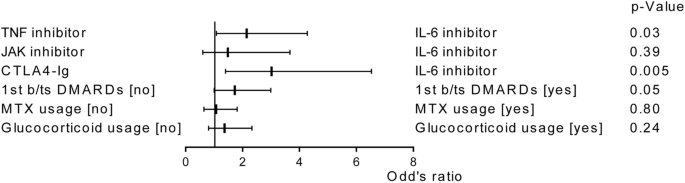
    When examining treatments associated with relief of knee joint symptoms in patients who continued b/tsDMARD therapy beyond 3 months, the use of IL-6 inhibitors emerged as a significant contributing factor, surpassing TNF inhibitors in resolution of knee joint symptoms (Fig. 4, odds ratio [OR] 2.1, 95% confidence interval [CI] 1.1–4.3, P= 0.03) or CTLA4-Ig (OR 3.0, 95% CI 1.4–6.5, P= 0.005). The OR for relief of knee joint symptoms with b/tsDMARDs as first-line treatment was 1.72 (95% CI 0.99–2.99, P= 0.05). Methotrexate (MTX) or glucocorticoid use did not appear to be a significant risk factor.

    Figure 4
    figure 4

    Multivariable logistic regression analysis of relief of knee joint symptoms after 6 months of treatment. MTX, methotrexate.

    Factors contributing to the inhibition of the destruction of the knee joint

    Next, we focused on 141 patients who continued b/tsDMARD therapy for 3 months and underwent knee joint radiography at baseline and 2 years later. At baseline, there were no significant differences in disease activity as measured by DAS28-ESR, SDAI, and CDAI (Supplementary Table S2). At 3 months, DAS28-ESR was higher in patients using JAK inhibitors and CTLA4-Ig, 4.0 and 4.1, respectively, compared with 3.0 in patients using IL-6 inhibitors. MTX use was lower in CTLA4-Ig users; however, this difference was not statistically significant. In addition, the rate of use of JAK inhibitors as first-line b/tsDMARDs was lower.

    At baseline, there were no significant differences in Larsen grade between the different drugs (Fig. 5a). Over two years, excluding progression from grade 0 to grade I, worsening of Larsen grade was observed in 5.2% of patients treated with IL-6 inhibitors, 6.3% with JAK inhibitors, 19.4% with TNF inhibitors and 28% with CTLA4-Ig (Fig. 5b, P< 0.01).

    Figure 5
    figure 5

    Radiographic examination of the knee.a) X-ray of the knee at the start of treatment and after two years, assessed based on the Larsen grade.B) Percentage of patients with progression in Larsen grade on radiographs from baseline to two years, excluding progression from grade 0 to I. **; P< 0.01 according to the Cochran-Armitage trend test.C) Factors contributing to progression of Larsen grade on radiographs from baseline to two years, using multivariable logistic regression analysis.

    In line with this, when considering the use of MTX, glucocorticoids, the use of b/tsDMARDs as first-line treatment and the mode of action as covariates, the use of IL-6 inhibitors emerged as a protective factor against knee joint deterioration compared with CTLA4-Ig (OR 0.14, 95% CI 0.02–0.78, P= 0.02, Figure 5c).

    Source link

  • Duke-NUS launches LIVE Ventures to boost commercialisation of academic research

    Duke-NUS launches LIVE Ventures to boost commercialisation of academic research

    shutterstock 390538711 6b3c40fdd32742caa54307db3553cab1

    Duke-NUS Medical School today launched LIVE Ventures, a S$20 million incubation programme designed to catalyse the commercialisation of innovative academic research. Aimed at translating scientific breakthroughs into clinical applications, LIVE Ventures will provide Duke-NUS scientists conducting high-impact research with essential commercialisation expertise and resources, and partner with both public and private sector entities to co-fund these projects. The initiative will start with a pilot project focused on developing novel treatments for chronic inflammatory diseases.

    Bridging the knowledge gap in translating academic research into industrial products

    The knowledge gap in commercialization and entrepreneurship is one of the biggest challenges for academic innovators in bringing research concepts to the market. To overcome this barrier in the early stages of the complex market discovery journey, LIVE Ventures will guide our scientists in conducting product-market fit evaluations by involving a diverse range of experts from industry, investors, pharmaceutical companies and market data professionals to explore the real market needs for each project. An Investment Advisory Committee has been established to tap into the expertise and experience of these experts to provide critical industry perspectives for project evaluation.

    To increase the likelihood of successful commercialization, LIVE Venture will leverage external expertise by pairing experienced entrepreneurs, called Entrepreneurs-in-Residence, with awarded projects to provide dedicated entrepreneurial mentorship and operational support. Hands-on guidance from experienced entrepreneurs and domain experts is crucial for the transition from academic research projects to viable commercial ventures.

    Essential funding for the commercialization of academic research projects

    Traditionally, innovation funding opportunities have focused on either basic science research or end-spectrum commercialization, with limited resources dedicated to helping academic projects take that first crucial step toward commercialization. LIVE Ventures, with its first tranche of funding of S$10 million, will help bridge this gap by supporting up to 20 Duke-NUS research projects over the next five years. LIVE Ventures will not only guide these projects through the formation of spin-offs, but will also strategically invest in these companies, supporting their business growth.

    Recognizing the critical role of early-stage funding in the successful development of academic research projects, LIVE Ventures will leverage Duke-NUS’s extensive network of industry partners to secure industry co-funders. By forging strategic alliances with organizations such as the School’s academic medicine partner SingHealth and other public and private funders such as 65LAB, LIVE Ventures brings together expertise and resources across research, clinical and venture creation to enable promising technologies to cross the “valley of death” of innovation.

    As an incubator, LIVE Ventures aims to translate scientific discoveries into viable commercial opportunities with the potential to create start-ups by providing industry expertise, mentorship and financial support. In addition to supporting our scientists in translating research into novel clinical solutions, LIVE Ventures will foster a culture of entrepreneurship within the academic community, ultimately benefiting patients worldwide.”


    Dr. Rainny Xie, Head of LIVE Ventures at Duke-NUS

    First project awarded by LIVE Ventures

    The first project that LIVE Ventures, in collaboration with 65LAB, will invest in is a unique platform developed by Associate Professor Lena Ho from the Cardiovascular and Metabolic Diseases Program to identify novel and high-value targets for anti-inflammatory therapies.

    Over the next two years, Associate Professor Ho and her team expect to identify at least three candidates with therapeutic potential for reducing overactive inflammation in common diseases such as rheumatoid arthritis, inflammatory bowel disease and atopic dermatitis.

    Duke-NUS’ strong track record of innovation

    Innovation is a hallmark of Duke-NUS, with nearly half of its principal investigators involved in collaboratively developing their discoveries into new products to improve patient care. The school is globally renowned for its exceptional ability to translate research into commercial output.

    As a translational research center, Duke-NUS scientists have achieved many scientific breakthroughs that have attracted the attention of investors and industry for further development. Duke-NUS’ track record in commercialization includes cPassTMthe world’s first “rapid smart test kit”, invented by Duke-NUS and co-developed with A*STAR’s Diagnostics Development Hub and biotech company GenScript Biotech. Launched in early 2020 and commercially available globally two years later, the tool helped countries in the fight against COVID-19.

    Duke-NUS’s close collaboration with SingHealth, also Singapore’s largest healthcare institution, gives the school’s scientists direct access to SingHealth’s clinical resources, enabling them to validate their research findings and translate preclinical discoveries into clinical trials.

    Associate Professor Christopher Laing, Vice Dean for Innovation and Entrepreneurship at Duke-NUS, said:

    “What makes LIVE Ventures unique among academic life science programs in Singapore is its focus on integrating market perspectives and industry guidance early in the development process.”

    “This is in line with our mission at the Office of Innovation & Entrepreneurship: by working with our academic partners, investors, entrepreneurs and corporates, we are building an innovation ecosystem to provide our scholars with access to critical funding, resources and expertise, thereby fostering entrepreneurship and driving innovation at Duke-NUS.”

    In furtherance of Duke-NUS’ commitment to accelerating innovation from the lab to the bedside to positively impact patient care, LIVE Ventures will look to invest in projects with a development time of one to two years after proof-of-concept stage, assessing the commercial prospects of the projects by evaluating the level of innovation, validity and scalability, market potential and investment interest.

    Source link

  • Maximize Bone Strength with Omega-3 Fats and Fish Oil

    Maximize Bone Strength with Omega-3 Fats and Fish Oil

    The role that nutrition plays is often the focus of efforts to achieve optimal health. This article explores the importance of Omega-3 fats, found primarily in fish oil, in maintaining strong bones, an aspect that is often ignored. We hope to help you select and choose the best supplements as we explore the benefits and nuances of fish oil supplements. Learn about the importance of Omega-3 fats for bone health, the best way to select fish oil supplements that meet your needs, and more.

    Uncovering the role of fats in bone strength

    An image of foods that are sources of healthy fats

    Skelley (the skeleton that lives inside all of us) and I often talk about getting calcium and other minerals to make your bones as strong as possible.

    But it’s not that simple…

    There’s one more supernutrient you need to keep those minerals working properly.

    I’m talking about FAT.

    Now, fat has gotten a bad rap since the 1970s when the low-fat craze took over the world. But the truth is, healthy fats are essential for strong bones. See, when it comes to bones, essential fatty acids like omega-3s are just that – essential. And you have to get them from your diet.

    Fats generally help build a strong skeleton by increasing the amount of calcium that goes into your bones. They also help your body retain calcium by reducing the amount that is excreted in your urine.

    Fats are also essential components of cartilage and bone. They stimulate collagen, which improves bone strength. And they transport and absorb bone-building vitamins such as K2, D and A.

    The Essential Benefits of Omega-3 Fats

    Image of Omega-3 Food Sources

    Omega-3 fats are particularly bone-friendly. They inhibit the formation of osteoclasts, the cells that break down bone. At the same time, they increase osteoblasts, the cells that build bone. And they reduce the inflammation that can break down bone.[i]

    You can get a lot of omega-3 fats from your diet. The best sources are wild-caught fatty fish like salmon. But it has to be wild. Farmed salmon is much fattier than wild salmon, but has MUCH LESS healthy omega-3 fats and less protein.

    Other small cold-water fish are good choices, such as herring, mackerel, anchovies, and sardines. You can also get a healthy amount of omega-3 fats from eggs from free-range chickens or grass-fed beef (but not conventional beef).

    I find that many of my clients, for whatever reason, are not getting enough omega-3 from their diet. Many of them have to take a supplement.

    The Importance of Quality in Fish Oil Supplements

    An old woman taking fish oil supplements

    A good rule of thumb is to try to get at least 1,000 milligrams of omega-3 every day. Look for a supplement that gives you at least 600 mg of DHA and 400 mg of EPA. These are the two main types of omega-3.

    And look for a quality fish oil supplement. It’s not always easy. According to Dr. Bryan Haycock, a research expert in supplements, it’s the “wild west” of the supplement industry. Dr. Haycock has a Ph.D. in exercise physiology and has worked in the dietary supplement industry for more than 15 years. He teaches in the Department of Nutrition and Integrative Physiology at the University of Utah. And he’s co-authored the book “Dietary Supplements.”

    Dr. Haycock points out that unlike drugs, the FDA does not approve the safety or efficacy of supplements until they hit the shelves. If there is a safety concern, the FDA can pull a supplement from the market, but that rarely happens.

    How to Choose the Right Fish Oil Supplement?

    An image of a fish oil supplement

    So, buyers, beware!

    When choosing a brand, you can’t really expect one company to have better fish oil than another. According to Dr. Haycock, there are only a few major companies in the world that produce fish oil. They supply all the brands you’ll find in your health food store or online.

    The best thing you can do is find a company that you trust and has a good reputation. Look for a brand that doesn’t use a lot of additives and fillers. And one that follows “good manufacturing practices” or GMP.

    A great way to know if a supplement is high quality is to join ConsumerLab.com. They are an independent lab, test a wide range of supplements, and are my go-to for supplement information. They verify that the ingredients on the label are actually in the bottle. They do extensive research on all kinds of supplements.

    And don’t think that prescription fish oil is better than supplements. According to Dr. Haycock, pharmaceutical companies buy fish oil from the same suppliers as supplement companies. But the prescription may be covered by your insurance, while the supplement probably won’t.

    Thank you for your time.

    Navigating an osteoporosis diagnosis can be challenging, especially when medication seems to be the only option your doctor offers. If you’re looking for clarity and alternative ways to treat your condition, we’re here to help.

    Book a free 15 minute call to discover:

    • Personal guidance: tailored advice on the treatment of osteoporosis that goes beyond medication alone.
    • Holistic Approaches: Understanding Diet, Exercise, and Lifestyle Modifications for Healthy Bones.
    • Education and support: Understand your condition and discover how to take control of your health.

    References:

    • [1] Kruger M., Horrobin D. “Calcium metabolism, osteoporosis, and essential fatty acids: a review.” Progress in Lipid Research. Volume 36. September 1997.
    • [1] Olson M, Liu Y, Dangi B, Paul Zimmer J, Salem N, Nauroth J. “Docosahexaenoic acid reduces inflammation and joint destruction in mice with collagen-induced arthritis.” Inflammation resistant. 2013;62(12):1003-13.

    30 Essential Foods for Bone Health

    Source link

  • Steps to Prepare for Your Total Shoulder Replacement

    Steps to Prepare for Your Total Shoulder Replacement

    July 26, 2024

    Are you planning to have a total shoulder replacement surgery? It is a big step towards improving your life. This surgery can help you move your shoulder better and feel less pain.

    While the thought of shoulder surgery can be scary, preparation can help everything go more smoothly. Let’s go over some simple steps to prepare for shoulder replacement surgery.

    Understand your operation

    It is crucial to understand what your total shoulder replacement surgery entails. During the procedure, your shoulder surgeon will remove the damaged parts of your shoulder. These are then replaced with artificial components that are designed to mimic the function of your natural shoulder. The goal is to relieve pain and restore mobility to the damaged or worn-out shoulder joint.

    Provide health declarations

    Before your surgery, you may need to see your primary care physician or a specialist. These medical professionals will evaluate your overall health to ensure that you are a good fit for total shoulder replacement surgery.

    By arranging these permissions well in advance, you can avoid last-minute problems that could delay your work.

    Prepare your home

    Creating a recovery-friendly environment at home is essential. Adjust your living space to minimize the need to stretch or bend. Keep everyday items within reach, ideally at arm’s length.

    Consider practical adjustments such as adding a chair to the shower for safety and convenience or preparing meals ahead of time and freezing them. These small changes can have a significant impact on your comfort and safety during recovery.

    Arrange help

    After your total shoulder replacement surgery, you will not be able to drive or do many household chores. You will need someone reliable to drive you home from the hospital. It is also important to have support at home for the first few weeks after surgery.

    Whether it is a family member, friend or professional caregiver, arrange for this assistance well in advance of your surgery date. Having this support system is crucial to a smooth and stress-free recovery.

    Consider physical therapy

    Physical therapy (PT) plays a crucial role in your recovery and rehabilitation. Starting PT sessions before your total shoulder replacement surgery can be beneficial. Preoperative physical therapy focuses on strengthening your shoulder, preparing it for surgery, and eventual rehabilitation.

    After your surgery, PT is essential to regain motion and strength in your shoulder. Adhering to a recommended PT regimen is essential to achieving the best possible outcome.

    Follow the instructions before surgery

    Adhering to your orthopedic doctor’s preoperative instructions is essential for a successful surgery. These instructions may include dietary restrictions, such as not eating or drinking anything for a period of time before your total shoulder replacement surgery. You may also be asked to pause or adjust your usual medication schedule.

    These guidelines are designed to minimize risks during the surgical procedure. Following them carefully will ensure your safety and contribute to the effectiveness of the surgery.

    Pack a hospital bag

    When it’s time to pack for your hospital stay, aim for simplicity, but don’t leave the essentials behind. Choose clothing that is easy to get on and off, since your arm mobility will be limited after surgery. Things like a toothbrush, your phone, and a charger are essential.

    Stay healthy

    Your physical condition prior to total shoulder replacement surgery can significantly impact your recovery. Focus on a balanced diet rich in nutrients that promote healing. Staying active within your current capabilities is also crucial; however, avoid overexertion.

    If you smoke, now is the time to quit. Smoking can affect your body’s ability to heal. Also, a positive mindset can greatly impact your recovery process.

    Asking questions

    If you have any questions about total shoulder replacement or the recovery process, don’t hesitate to ask. Knowing what to expect can greatly reduce anxiety, whether it’s about the procedure, pain management, or post-operative care.

    Total Shoulder Replacement in North Dakota

    Remember, preparing for your total shoulder replacement doesn’t have to be scary. By following the steps above, you’ll be on your way to a smoother recovery and a future with less shoulder pain.

    If you are experiencing shoulder pain that is significantly affecting your quality of life, it may be time to consider total shoulder replacement. At The Bone & Joint Center, we specialize in orthopedic surgery with a focus on helping you regain your mobility and live pain-free. Our board-certified and fellowship-trained surgeons are experts in performing shoulder replacements, utilizing the latest techniques to ensure the best possible results.

    We support our patients at every step of their orthopedic journey, from accurate diagnosis to effective treatment and comprehensive rehabilitation.

    For more information about total shoulder replacement or to schedule a consultation, please contact us directly at (701) 946-7400 or (866) 900-8650 or use our convenient appointment request form. We look forward to serving you!

    Source link

  • Managing Hip Pain After Knee Replacement Surgery

    Managing Hip Pain After Knee Replacement Surgery

    Experiencing hip pain after having knee replacement surgery can be a real challenge. Many people don’t realize that these two joints are closely connected. When you change one, it can affect the other. This article will help you understand why this happens and what you can do to manage the pain. We’ll cover everything from prevention to treatment and when to see a doctor. By the end, you’ll have a better idea of how to keep your hips healthy and pain-free after knee surgery.

    Key Takeaways

    • Knee replacement surgery can sometimes lead to hip pain because the two joints are connected.
    • Doing exercises before surgery can help make your recovery easier and less painful.
    • There are many ways to manage pain, including medication, physical therapy, and alternative treatments.
    • It’s important to know the signs of serious problems so you can get help if you need it.
    • Support from family, friends, and healthcare professionals can make a big difference in your recovery.

    Understanding the Connection Between Knee Replacement and Hip Pain

    hip pain after knee replacement

    How Knee Surgery Affects the Hip Joint

    Knee replacement surgery can change how you walk and move. This can put extra stress on your hip joint. Your body needs time to adjust to the new knee, which can sometimes lead to hip pain. It’s important to understand this connection to manage any discomfort.

    Common Causes of Hip Pain Post-Knee Replacement

    There are several reasons why you might feel hip pain after knee surgery. These include changes in your walking pattern, muscle weakness, or even inflammation. Sometimes, the hip pain is due to the way your body compensates for the new knee. Knowing these causes can help you find the right treatment.

    Identifying Symptoms of Hip Pain

    Hip pain can show up in different ways. You might feel a sharp pain, a dull ache, or even stiffness. It’s important to pay attention to these symptoms so you can get help if needed. If the pain is severe or doesn’t go away, you should talk to your doctor.

    After knee replacement surgery, it’s common to experience some discomfort in the hip. Recognizing the symptoms early can help you manage the pain better and improve your recovery.

    Preventative Measures to Avoid Hip Pain

    Pre-Surgery Exercises and Conditioning

    Before undergoing knee replacement surgery, it’s important to prepare your body. Strengthening the muscles around your hip and knee can help support your joints during recovery. Simple exercises like leg lifts, gentle stretches, and walking can make a big difference.

    Choosing the Right Surgical Techniques

    Selecting the best surgical method is crucial. Your doctor will consider various factors to minimize the risk of hip pain. Sometimes, less invasive techniques can lead to a smoother recovery and less strain on your hip joint.

    Post-Surgery Rehabilitation and Care

    After surgery, following a structured rehabilitation plan is key. This includes physical therapy sessions designed to improve mobility and reduce pain. Staying active with low-impact activities like swimming or cycling can also help maintain joint health.

    Consistent care and attention to your body’s needs can significantly reduce the chances of experiencing hip pain after knee replacement surgery.

    Effective Pain Management Strategies

    Medications and Pain Relief Options

    After knee replacement surgery, managing hip pain often involves a combination of medications. Over-the-counter pain relievers like acetaminophen can help, but sometimes stronger prescription drugs are needed. Always consult your doctor before starting any new medication.

    Physical Therapy and Exercises

    Physical therapy plays a crucial role in reducing hip pain. Therapists can guide you through exercises that strengthen the muscles around your hip joint. This not only eases pain but also improves mobility. Regular sessions can make a big difference in your recovery.

    Alternative Therapies for Hip Pain

    Some people find relief through alternative therapies. Techniques like acupuncture, massage, and chiropractic care can be beneficial. These methods focus on relieving tension and improving blood flow, which can help reduce pain and promote healing.

    It’s important to explore different pain management strategies to find what works best for you. Don’t hesitate to discuss all available options with your healthcare provider.

    When to Seek Medical Attention

    Recognizing Severe Symptoms

    It’s important to know when hip pain after knee replacement surgery needs medical attention. Severe symptoms like intense pain, swelling, or redness should not be ignored. If you experience these, it’s time to see a doctor.

    Diagnostic Tests and Procedures

    Doctors use different tests to find out what’s causing your hip pain. These tests can include X-rays, MRIs, or blood tests. These help doctors understand the problem better and decide on the best treatment.

    Consulting with Specialists

    Sometimes, you might need to see a specialist for your hip pain. Specialists have more experience with certain problems and can offer advanced treatments. If your regular doctor suggests it, don’t hesitate to make an appointment with a specialist.

    If your hip pain doesn’t get better or gets worse, it’s important to seek help. Early treatment can prevent more serious problems later on.

    Lifestyle Adjustments for Long-Term Relief

    Maintaining a Healthy Weight

    Keeping a healthy weight is crucial for reducing hip pain after knee replacement surgery. Extra weight puts more stress on your hip joints, which can lead to pain. Eating a balanced diet and staying active can help you maintain a healthy weight.

    Incorporating Low-Impact Activities

    Low-impact activities like swimming, cycling, and walking are great for keeping your joints moving without causing too much stress. These activities can help you stay fit and reduce hip pain. Try to include these exercises in your daily routine.

    Ergonomic Adjustments at Home

    Making small changes at home can make a big difference in managing hip pain. Use chairs with good back support, and make sure your workspaces are set up to avoid strain. Simple adjustments can help you stay comfortable and reduce pain.

    Remember, small changes in your daily habits can lead to big improvements in managing hip pain. Stay active, eat well, and make your home comfortable to support your recovery.

    The Role of Support Systems in Recovery

    Family and Caregiver Support

    Having a strong support system is crucial for recovery. Family members and caregivers can help with daily tasks and provide emotional support. This makes the healing process smoother and less stressful.

    Joining Support Groups

    Joining a support group can be very helpful. In these groups, you can share your experiences and learn from others who are going through the same thing. This can make you feel less alone and more understood.

    Professional Help and Counseling

    Sometimes, professional help is needed. Therapists and counselors can offer strategies to cope with pain and emotional challenges. They can also help you set realistic goals for your recovery.

    A strong support system can make a big difference in your recovery journey. It can provide the encouragement and assistance you need to get through tough times.

    Conclusion

    Managing hip pain after knee replacement surgery can be challenging, but it’s important to address it for a full recovery. By following your doctor’s advice, doing the right exercises, and taking care of your body, you can ease the pain and get back to your daily activities. Remember, every person’s journey is different, so be patient with yourself. With time and effort, you can overcome this hurdle and enjoy a better quality of life.

    Frequently Asked Questions

    Why does my hip hurt after knee replacement surgery?

    Hip pain after knee surgery can happen because the body is adjusting to the new knee joint. Sometimes, changes in how you walk or move can put extra stress on the hip.

    How long will hip pain last after knee replacement?

    The duration of hip pain varies for each person. It can last a few weeks to several months, depending on your recovery and rehabilitation efforts.

    What exercises can help reduce hip pain after knee surgery?

    Gentle exercises like walking, swimming, and specific stretches can help. Always follow your physical therapist’s advice for the best results.

    Should I be worried about hip pain after knee replacement?

    Mild hip pain is common, but if it’s severe or doesn’t improve, you should talk to your doctor. They can check for any problems and suggest treatments.

    Can hip pain after knee surgery be prevented?

    While it can’t always be prevented, doing pre-surgery exercises, choosing the right surgical techniques, and proper post-surgery care can lower the chances of hip pain.

    When should I see a doctor for hip pain after knee replacement?

    See a doctor if your hip pain is severe, doesn’t get better, or comes with other symptoms like swelling or fever. Early medical attention can help manage any issues.

  • Understanding the Impact of Knee Injury: Causes and Treatments

    Understanding the Impact of Knee Injury: Causes and Treatments

    Knee injuries can greatly affect our daily lives. Understanding the causes and treatments is important to manage and prevent these injuries. This article will explore the knee’s anatomy, common causes of injuries, symptoms, and treatments. We’ll also cover how to prevent knee injuries and how to live with them.

    Key Takeaways

    • Knee injuries can come from sports, work, or age-related wear and tear.
    • Recognizing early symptoms and getting a proper diagnosis is crucial for effective treatment.
    • There are many treatment options available, including both non-surgical and surgical methods.
    • Preventing knee injuries involves exercises, proper techniques, and using protective gear.
    • Living with a knee injury requires pain management, adapting daily activities, and finding support.

    The Anatomy of the Knee and Its Vulnerabilities

    knee anatomy illustration

    The knee is a complex joint that plays a crucial role in our movement. Understanding its structure is key to recognizing why it can be so vulnerable to injuries. The knee consists of several important parts, including bones, ligaments, tendons, and cartilage.

    Key Structures of the Knee Joint

    The main components of the knee include:

    • Femur (thigh bone)
    • Tibia (shin bone)
    • Fibula (smaller bone next to the tibia)
    • Patella (kneecap)
    • Ligaments (which connect bones)
    • Cartilage (which cushions the joint)

    Common Weak Points in the Knee

    Some areas of the knee are more prone to injury, such as:

    • Anterior cruciate ligament (ACL)
    • Medial collateral ligament (MCL)
    • Meniscus (cartilage that acts as a cushion)

    How Knee Anatomy Contributes to Injury

    The unique design of the knee allows for a wide range of motion, but this flexibility can also lead to injuries, especially during sports or physical activities. For instance, sudden stops or twists can put excessive strain on the ligaments.

    The knee’s structure is a balance of strength and flexibility, making it both functional and vulnerable.

    In summary, knowing the anatomy of the knee helps us understand its weaknesses and the types of injuries that can occur. By being aware of these factors, we can take steps to protect our knees during activities.

    Structure Function
    Femur Supports body weight
    Tibia Main weight-bearing bone
    Patella Protects the knee joint
    Ligaments Stabilize the joint
    Cartilage Cushions and absorbs shock

    Common Causes of Knee Injuries

    Sports-Related Injuries

    Engaging in sports can often lead to knee injuries. High-impact activities like basketball, soccer, and running put a lot of stress on the knee joint. Sudden movements, twists, and turns can cause ligaments to tear or muscles to strain.

    Workplace and Daily Activity Injuries

    Injuries at work or during daily activities are also common. Jobs that require heavy lifting or repetitive movements can strain the knee. Even simple actions like climbing stairs or walking on uneven surfaces can lead to problems over time.

    Age-Related Degeneration

    As people get older, their knees naturally wear down. This degeneration can lead to conditions like osteoarthritis. The cartilage that cushions the knee joint wears away, causing pain and stiffness.

    It’s important to be aware of these common causes to take steps to protect your knees and maintain their health.

    Symptoms and Diagnosis of Knee Injuries

    Recognizing Early Symptoms

    Knee injuries can start with mild discomfort but can quickly become more serious. Early signs include swelling, stiffness, and difficulty moving the knee. Sometimes, you might hear a popping sound at the time of injury. It’s important to pay attention to these early symptoms to prevent further damage.

    Diagnostic Tools and Techniques

    Doctors use several methods to diagnose knee injuries. Physical exams are often the first step, where the doctor checks for pain, swelling, and range of motion. Imaging tests like X-rays, MRIs, and CT scans provide a detailed look at the knee’s internal structures. These tools help in identifying the exact cause and extent of the injury.

    When to Seek Medical Attention

    Knowing when to see a doctor is crucial. If you experience severe pain, can’t put weight on your knee, or notice significant swelling, it’s time to seek medical help. Ignoring these signs can lead to more serious problems. Early diagnosis and treatment can make a big difference in recovery.

    Don’t ignore knee pain. Early treatment can prevent long-term issues and help you get back to your normal activities faster.

    Short-Term and Long-Term Impact of Knee Injuries

    Immediate Consequences

    Knee injuries can cause sudden pain and swelling, making it hard to move or put weight on the leg. Immediate medical attention is often needed to prevent further damage. Bruising and stiffness are also common right after the injury.

    Chronic Pain and Mobility Issues

    Over time, knee injuries can lead to ongoing pain and trouble moving. This can make daily tasks like walking or climbing stairs difficult. Some people may even develop arthritis in the injured knee, which can worsen over the years.

    Psychological and Emotional Effects

    Living with a knee injury can be tough on your mind as well as your body. Feelings of frustration, sadness, or even depression can occur, especially if the injury limits your activities. It’s important to seek support from friends, family, or professionals to help cope with these feelings.

    Dealing with a knee injury is not just about physical healing; it’s also about finding ways to stay positive and motivated.

    Effective Treatment Options for Knee Injuries

    Non-Surgical Treatments

    Non-surgical treatments are often the first line of defense against knee injuries. These can include rest, ice, compression, and elevation (RICE). Over-the-counter pain relievers like ibuprofen can help reduce pain and swelling. Physical therapy is another key component, focusing on exercises that strengthen the muscles around the knee to provide better support.

    Surgical Interventions

    When non-surgical methods are not enough, surgery might be necessary. Common surgical options include arthroscopy, where a small camera is used to repair the knee, and knee replacement surgery for severe cases. The type of surgery depends on the injury’s severity and the patient’s overall health.

    Rehabilitation and Physical Therapy

    Rehabilitation is crucial for recovery. It often involves a combination of physical therapy exercises, stretching, and sometimes the use of braces or other supportive devices. The goal is to restore full function and mobility to the knee. Consistency in following the rehab plan can make a significant difference in the outcome.

    Recovery from a knee injury is a journey that requires patience, dedication, and the right treatment plan. Always consult with healthcare professionals to choose the best course of action.

    Preventative Measures to Avoid Knee Injuries

    Strengthening Exercises

    Strengthening the muscles around the knee can provide better support and reduce the risk of injury. Focus on exercises that target the quadriceps, hamstrings, and calves. Regular exercise routines can help maintain muscle balance and joint stability. Simple activities like squats, lunges, and leg presses can be very effective.

    Proper Techniques in Sports and Daily Activities

    Using the right techniques in sports and daily activities is crucial to prevent knee injuries. Always warm up before engaging in physical activities and cool down afterward. Pay attention to your form and posture, especially when lifting heavy objects or performing repetitive movements. Proper technique can significantly reduce the strain on your knees.

    Protective Gear and Equipment

    Wearing appropriate protective gear can help safeguard your knees from injuries. This includes knee pads, braces, and proper footwear. Make sure your shoes provide adequate support and cushioning. In sports, using the right equipment designed for your specific activity can also play a significant role in injury prevention.

    Taking proactive steps to protect your knees can help you stay active and healthy. Remember, prevention is always better than cure.

    Living with a Knee Injury: Tips for Daily Life

    Pain Management Strategies

    Managing pain is crucial when living with a knee injury. Using ice packs can help reduce swelling and numb the pain. Over-the-counter pain relievers like ibuprofen can also be effective. Sometimes, doctors may prescribe stronger medications if needed. It’s important to follow the dosage instructions carefully to avoid side effects.

    Adapting Daily Activities

    Living with a knee injury often means making changes to your daily routine. Simple tasks like walking or climbing stairs can be challenging. Using assistive devices like crutches or a cane can make moving around easier. Rearranging your home to keep essential items within reach can also help reduce strain on your knee.

    Support Systems and Resources

    Having a strong support system is vital. Friends and family can offer emotional support and help with daily tasks. Joining a support group can also be beneficial. These groups provide a space to share experiences and tips with others who understand what you’re going through. Additionally, many online resources offer valuable information and advice on managing knee injuries.

    Conclusion

    Knee injuries can be really tough, but understanding what causes them and how to treat them can make a big difference. Whether it’s from sports, accidents, or just everyday wear and tear, knowing the right steps to take can help you get back on your feet faster. Remember, it’s important to listen to your body and seek help when you need it. With the right care and attention, you can overcome a knee injury and get back to doing the things you love.

    Frequently Asked Questions

    What are the main parts of the knee?

    The knee is made up of bones, cartilage, ligaments, and tendons. The main bones are the femur, tibia, and patella.

    How do sports cause knee injuries?

    Sports can cause knee injuries due to sudden movements, twists, or impacts. Common sports-related injuries include ACL tears and meniscus tears.

    What are early signs of a knee injury?

    Early signs can include pain, swelling, stiffness, and difficulty moving the knee. If you notice these symptoms, it’s important to see a doctor.

    What treatments are available for knee injuries?

    Treatments can range from rest and ice to physical therapy and surgery. The best treatment depends on the type and severity of the injury.

    How can I prevent knee injuries?

    You can prevent knee injuries by doing exercises to strengthen your legs, using proper techniques in sports and daily activities, and wearing protective gear.

    How do knee injuries affect daily life?

    Knee injuries can make it hard to do everyday activities like walking, climbing stairs, or even sitting comfortably. Pain management and adapting activities can help.

  • Dealing with Sharp Knee Pain When Straightening Your Leg

    Dealing with Sharp Knee Pain When Straightening Your Leg

    Sharp knee pain when straightening your leg can be quite troubling. It can make everyday activities difficult and uncomfortable. This article will help you understand what might be causing this pain, how it can be diagnosed, and the different treatment options available. You’ll also learn about ways to prevent it and how to live with chronic knee pain if it doesn’t go away.

    Key Takeaways

    • Sharp knee pain can have many causes, from injuries to medical conditions.
    • Seeing a doctor is important if the pain is severe or doesn’t go away.
    • There are many treatments, including rest, exercises, and sometimes surgery.
    • Preventing knee pain involves strengthening exercises and wearing proper shoes.
    • Living with chronic knee pain requires good pain management and support.

    Understanding Sharp Knee Pain When Straightening Your Leg

    Common Symptoms

    Sharp knee pain when straightening your leg can be very uncomfortable. Common symptoms include a sudden, intense pain that might feel like a stabbing sensation. You may also notice swelling, redness, or warmth around the knee. Sometimes, the knee might feel weak or unstable, making it hard to stand or walk.

    Possible Causes

    There are several reasons why you might experience sharp knee pain. Injuries like ligament tears or meniscus tears are common culprits. Conditions such as arthritis or tendinitis can also cause this type of pain. Overuse from activities like running or jumping can lead to pain as well. It’s important to identify the cause to get the right treatment.

    When to Seek Medical Attention

    If your knee pain is severe or doesn’t go away, it’s time to see a doctor. You should also seek help if you can’t put weight on your leg or if your knee looks deformed. Early treatment can prevent further damage and help you get back to your normal activities faster.

    Ignoring knee pain can lead to more serious problems down the road. It’s always better to get it checked out sooner rather than later.

    Diagnosing the Cause of Sharp Knee Pain

    Medical History and Physical Examination

    When you visit a doctor for sharp knee pain, they will start by asking about your medical history and any past injuries. They will also perform a physical exam to check for swelling, tenderness, and range of motion. This helps them understand the root cause of your pain.

    Imaging Tests

    Doctors often use imaging tests like X-rays, MRIs, or CT scans to get a clear picture of your knee. These tests can show if there are any issues with the bones, cartilage, or ligaments. Imaging tests are crucial for a proper diagnosis.

    Differential Diagnosis

    Sometimes, doctors need to rule out other conditions that might be causing your knee pain. They will compare your symptoms with other possible issues to make sure they find the right cause. This process is called differential diagnosis.

    Getting the right diagnosis is key to finding the best treatment for your knee pain.

    Non-Surgical Treatments for Sharp Knee Pain

    knee pain illustration

    Rest and Activity Modification

    One of the first steps in managing sharp knee pain is to rest and change your activities. Avoid movements that make the pain worse. Sometimes, just taking a break can help your knee heal.

    Physical Therapy

    Physical therapy can be very helpful. A therapist will show you exercises to make your knee stronger and more flexible. This can reduce pain and help you move better.

    Medications and Injections

    Over-the-counter pain relievers like ibuprofen can help with knee pain. In some cases, doctors might suggest injections to reduce swelling and pain. These treatments can be very effective for many people.

    Taking care of your knee early can prevent more serious problems later. If you feel sharp pain, don’t ignore it. Rest and see a doctor if needed.

    Surgical Options for Persistent Knee Pain

    Arthroscopy

    Arthroscopy is a minimally invasive surgery where a small camera is inserted into the knee joint. This allows the surgeon to see inside the knee and fix any problems. This procedure is often used to repair torn cartilage or remove loose fragments. Recovery time is usually shorter compared to other surgeries.

    Knee Replacement Surgery

    Knee replacement surgery involves removing damaged parts of the knee and replacing them with artificial components. This surgery is typically recommended for severe arthritis or significant injury. Patients often experience a significant reduction in pain and improved mobility after recovery.

    Recovery and Rehabilitation

    After surgery, recovery and rehabilitation are crucial. Patients will need to follow a structured physical therapy program to regain strength and mobility. It’s important to follow the doctor’s advice closely to ensure the best outcome.

    For those dealing with persistent knee pain, surgical options can provide much-needed relief and improve quality of life.

    Preventing Sharp Knee Pain When Straightening Your Leg

    Strengthening Exercises

    Regular exercises can help keep your knees strong and flexible. Focus on workouts that target the muscles around your knee, like squats and leg lifts. Strong muscles support your knee better and reduce pain.

    Proper Footwear

    Wearing the right shoes can make a big difference. Choose shoes that offer good support and cushioning. Avoid high heels and worn-out shoes, as they can strain your knees.

    Lifestyle Modifications

    Making small changes in your daily routine can help prevent knee pain. Maintain a healthy weight to reduce stress on your knees. Also, avoid activities that put too much pressure on your knees, like jumping or running on hard surfaces.

    Taking care of your knees now can save you from a lot of pain later. Simple steps can make a big difference in your knee health.

    Living with Chronic Knee Pain

    Pain Management Strategies

    Living with chronic knee pain can be challenging, but there are ways to manage it. Pain management strategies include using over-the-counter pain relievers, applying ice or heat, and practicing relaxation techniques. It’s important to find what works best for you.

    Support and Resources

    Finding support and resources is crucial. The Johns Hopkins Medicine website offers medical services, research, and pediatric care. They provide valuable information and updates, such as new dean appointments and COVID-19 guidelines in Maryland. Support groups and online forums can also be helpful.

    Maintaining Mobility and Quality of Life

    Maintaining mobility and quality of life is essential. Regular exercise, like walking or swimming, can help keep your knee flexible and strong. Using assistive devices, such as a cane or knee brace, can also make daily activities easier. Remember to listen to your body and rest when needed.

    Conclusion

    Dealing with sharp knee pain when straightening your leg can be tough, but it’s important to listen to your body and take action. Whether it’s through rest, exercises, or seeing a doctor, there are ways to manage and reduce the pain. Remember, taking care of your knees now can help you stay active and healthy in the future. Don’t ignore the pain; address it early to prevent more serious problems later on. Stay proactive and keep your knees in good shape!

    Frequently Asked Questions

    What causes sharp knee pain when I straighten my leg?

    Sharp knee pain when straightening your leg can be caused by various issues like ligament injuries, meniscus tears, or arthritis. It’s best to see a doctor to find out the exact cause.

    How can I relieve sharp knee pain at home?

    You can try resting your knee, applying ice, and taking over-the-counter pain relievers like ibuprofen. Gentle stretching and strengthening exercises might also help.

    When should I see a doctor for knee pain?

    You should see a doctor if your knee pain is severe, lasts more than a few days, or if you have symptoms like swelling, redness, or an inability to put weight on your leg.

    What treatments are available for knee pain without surgery?

    Non-surgical treatments include rest, physical therapy, medications, and injections. Your doctor can help you decide which option is best for you.

    Are there exercises to prevent knee pain?

    Yes, exercises that strengthen the muscles around your knee can help prevent pain. Squats, leg raises, and hamstring stretches are good examples.

    Is knee pain a sign of something serious?

    Sometimes, knee pain can be a sign of a serious condition like a torn ligament or arthritis. It’s important to get it checked out to know for sure.