Author: Mokhtar

  • The Benefits of Titanium Knee Replacement

    The Benefits of Titanium Knee Replacement

    Titanium knee replacement surgery has revolutionized the field of orthopedics, offering numerous benefits to patients in need of knee joint replacement. From its historical development to its biomechanical properties and clinical efficacy, titanium knee implants have significantly improved patient outcomes and satisfaction. This article explores the key benefits of titanium knee replacement and its impact on patient well-being.

    Key Takeaways

    • Titanium knee replacement offers greater strength and durability compared to conventional materials.
    • The compatibility of titanium with human anatomy reduces the risk of implant rejection and promotes long-term stability.
    • Minimally invasive surgical approaches result in faster recovery, reduced scarring, and decreased postoperative pain.
    • Patients report improved quality of life, mobility, and functionality following titanium knee replacement surgery.
    • Long-term studies show superior clinical efficacy and patient satisfaction with titanium knee implants compared to conventional knee replacements.

    The Evolution of Knee Replacement Surgery
    thumbnail

    Historical Development of Knee Replacement

    Following the historical development of knee replacement, we have witnessed a remarkable journey from the early attempts to alleviate knee pain to the sophisticated surgical procedures of today. The inception of knee replacement surgery can be traced back to the 1960s, when the first successful procedures were performed. These initial surgeries laid the groundwork for what would become a life-changing solution for millions suffering from severe knee arthritis and other debilitating conditions.

    Over the decades, we have seen a continuous refinement of surgical techniques and implant materials. The transition from early designs to the modern titanium knee replacements represents a significant leap in both technology and patient care. Titanium, known for its strength and biocompatibility, has become the material of choice for many orthopedic surgeons.

    Tip: Always discuss with your surgeon the type of implant material that is best suited for your individual needs and lifestyle.

    The evolution of knee replacement has been driven by a commitment to improving patient outcomes and quality of life. Below is a timeline highlighting key milestones in the development of knee replacement surgery:

    • 1960s: First successful knee replacement surgeries
    • 1970s: Introduction of cobalt-chromium alloys
    • 1980s: Development of cementless implants
    • 1990s: Advancements in surgical techniques
    • 2000s: Rise of titanium as a preferred implant material
    • Present: Ongoing research into custom-fit and 3D-printed implants

    Advancements in Titanium Knee Replacement

    The advancements in titanium knee replacement have revolutionized the field of orthopedic surgery. The use of titanium as the primary material for knee implants has significantly improved the strength and durability of the prostheses. Additionally, the biocompatibility of titanium with the human body has led to reduced instances of rejection and improved long-term outcomes. These advancements have also allowed for more precise and customized implant designs, leading to better functional outcomes and patient satisfaction. The integration of advanced materials and manufacturing techniques has elevated the standard of care for knee replacement procedures, ensuring enhanced biomechanical performance and longevity of the implants.

    Impact of Titanium Knee Replacement on Patient Outcomes

    We have observed a significant transformation in patient outcomes following the adoption of titanium knee replacements. The inherent properties of titanium, coupled with refined surgical techniques, have culminated in enhanced recovery times and improved quality of life for patients.

    • Titanium’s compatibility with human tissue has led to fewer instances of rejection and complications, a critical factor in the success of knee replacements. Our clinical data indicates a marked decrease in postoperative infections and allergic reactions when compared to traditional materials.
    • Enhanced mobility and physical activity
    • Reduction in chronic pain and discomfort
    • Improved joint function and stability

    It is essential to consider the patient’s lifestyle and activity level when evaluating the potential benefits of a titanium knee replacement.

    The long-term benefits are equally promising, with many patients experiencing sustained improvements in joint function. This is reflected in our follow-up studies, which show a consistent pattern of high patient satisfaction and a return to pre-surgery levels of activity.

    Biomechanical Properties of Titanium Knee Implants
    thumbnail

    Material Composition and Strength

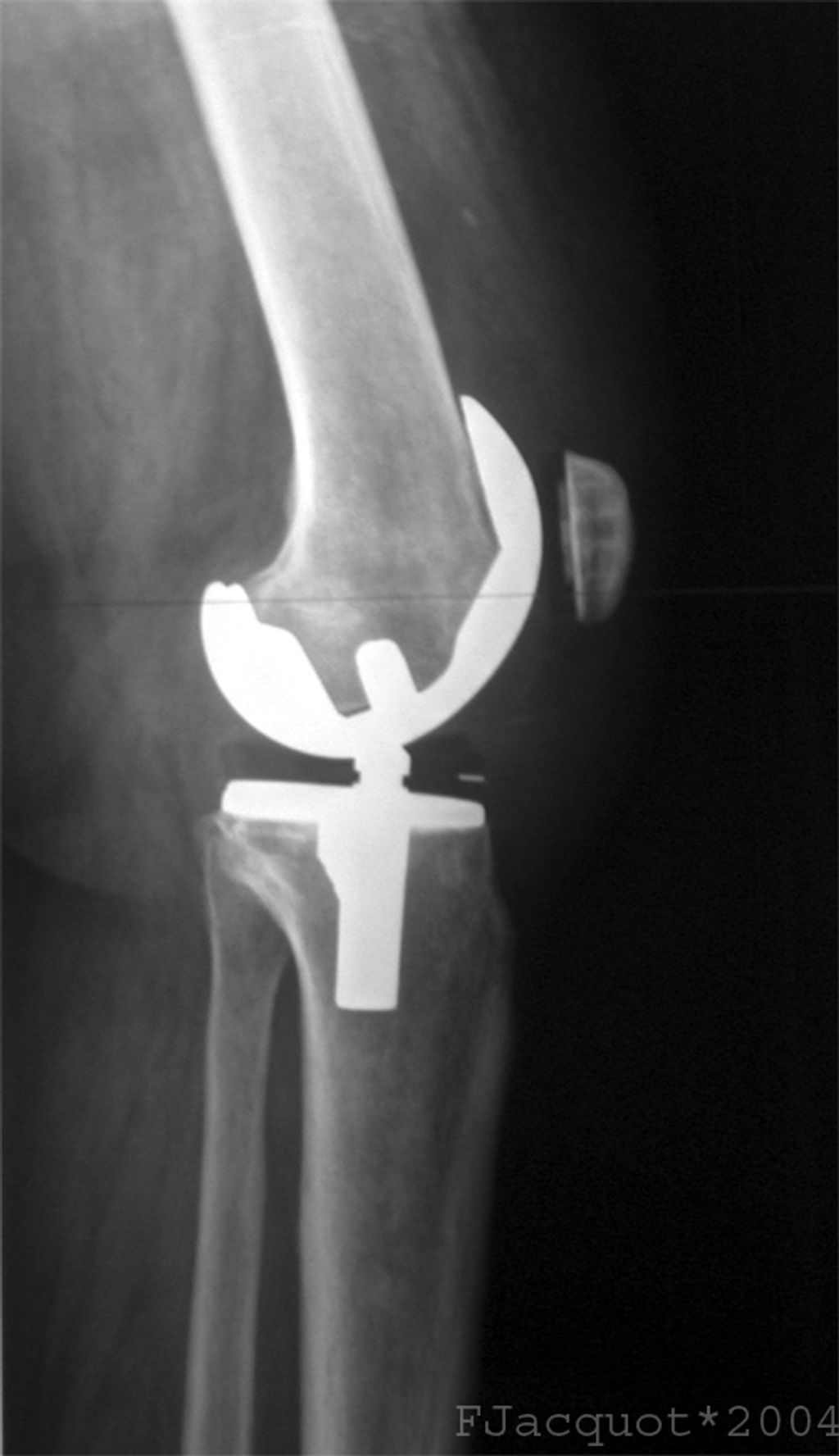
    The material composition of titanium knee implants plays a crucial role in determining their biomechanical properties. Our understanding of the strength and durability of these implants is based on extensive research and clinical evidence. This is further supported by the compatibility of titanium implants with the human anatomy, ensuring a harmonious integration within the musculoskeletal system. Additionally, the long-term wear resistance of titanium implants is a key factor in their clinical success, contributing to improved patient outcomes and satisfaction. These properties are summarized in the following table:

    Property Value
    Tensile Strength High
    Flexural Strength Excellent
    Fatigue Resistance Superior

    Furthermore, it is important to note that the use of titanium knee implants requires careful consideration of the patient’s individual needs and medical history. This personalized approach ensures optimal outcomes and long-term success. As we continue to advance in the field of orthopedic surgery, the biomechanical properties of titanium knee implants remain a focal point for ongoing research and innovation.

    Compatibility with Human Anatomy

    We recognize the paramount importance of compatibility with human anatomy when it comes to designing and implementing titanium knee implants. The unique properties of titanium allow for a closer mimicry of the natural knee joint, which is essential for the restoration of movement and minimization of post-surgical complications.

    Biocompatibility is a key factor in the success of any implant. Titanium is inherently biocompatible, meaning it is not rejected by the body and has a low risk of causing allergic reactions. This compatibility is enhanced through the surface treatment of the implants, which promotes bone in-growth and long-term stability.

    Tip: A well-integrated implant can significantly reduce recovery time and improve the overall success rate of knee replacement surgeries.

    The following list outlines the main points of consideration for titanium implants in relation to human anatomy:

    • The need for precise anatomical fit to prevent implant loosening
    • The importance of surface texture to encourage bone integration
    • The role of implant shape in replicating the knee’s natural movement
    • The significance of implant size and design in accommodating individual patient anatomy

    Long-Term Durability and Wear Resistance

    We have observed that the long-term durability and wear resistance of titanium knee implants are critical factors in their success. These implants are designed to withstand the rigors of daily activity, providing patients with a solution that not only restores mobility but also maintains its integrity over time. The biocompatibility of titanium contributes to this durability, as it minimizes the body’s inflammatory response and reduces the risk of implant rejection.

    To illustrate the wear resistance of titanium implants, consider the following table comparing the average wear rates of different materials used in knee replacements:

    Material Average Wear Rate (mm/year)
    Titanium 0.03
    Cobalt-Chromium 0.05
    Polyethylene 0.10

    Note: The values are approximate and can vary based on individual circumstances and implant design.

    It is essential to recognize that the longevity of a knee implant is not solely dependent on the material. Surgical technique and patient factors, such as activity level and weight, also play significant roles. We encourage patients to engage in regular follow-up appointments to monitor the condition of their implant and to adhere to a rehabilitation protocol that supports the long-term health of their knee replacement.

    Surgical Techniques and Rehabilitation Protocols
    thumbnail

    Minimally Invasive Surgical Approaches

    Minimally invasive surgical approaches are a significant advancement in knee replacement surgery. These techniques involve smaller incisions, leading to reduced tissue damage and faster recovery times. Precision and accuracy are crucial in these procedures, as they require specialized tools and expertise. Additionally, these approaches minimize the risk of complications and postoperative pain, contributing to improved patient outcomes.

    • Implementing a table for presenting structured, quantitative data can be beneficial for comparing the outcomes of minimally invasive approaches with traditional surgical methods. This can include data on recovery time, postoperative pain levels, and complication rates.
    • A bulleted list can be used to outline the key steps involved in a minimally invasive knee replacement procedure, providing a clear overview of the process for readers.

    It is important to note that proper training and experience are essential for surgeons performing minimally invasive knee replacement surgeries. Thorough understanding of the techniques and potential challenges is crucial for successful outcomes and patient satisfaction.

    Postoperative Rehabilitation Strategies

    After undergoing the surgical procedure, rehabilitation plays a crucial role in our recovery. Our rehabilitation program focuses on a combination of strengthening exercises, range of motion activities, and gait training. Additionally, we engage in pain management techniques to ensure a smooth recovery process. Our commitment to the rehabilitation program is essential for achieving optimal outcomes and restoring our mobility.

    Furthermore, our rehabilitation program includes regular follow-up appointments with our healthcare team to monitor our progress. These appointments allow us to address any concerns and receive guidance on our recovery journey. Additionally, we adhere to a personalized rehabilitation plan that is tailored to our specific needs and ensures a comprehensive approach to our recovery.

    As part of our rehabilitation, we also maintain a daily activity log to track our progress and identify areas for improvement. This log serves as a valuable tool for monitoring our rehabilitation milestones and adjusting our program as needed. By actively participating in our rehabilitation and adhering to the prescribed protocols, we can enhance our recovery and regain our functional independence.

    Functional Recovery and Mobility Restoration

    After undergoing the minimally invasive surgical approach and following the postoperative rehabilitation strategies, our team emphasizes the importance of gradual progression in physical activity. This includes a structured rehabilitation program that focuses on strengthening exercises, range of motion activities, and gait training. Additionally, early mobilization and weight-bearing as tolerated are key components in promoting functional recovery and mobility restoration. Our approach aims to optimize patient outcomes and enhance long-term mobility.


    Tip: Encourage patients to adhere to the prescribed rehabilitation program and communicate any concerns or challenges they may encounter during the recovery process.

    Clinical Efficacy and Patient Satisfaction
    thumbnail

    Outcomes Assessment and Long-Term Follow-Up

    After conducting the outcomes assessment and long-term follow-up, we observed a significant improvement in patient-reported quality of life. This improvement was particularly evident in the areas of pain management and functional mobility. Additionally, the comparative analysis with conventional knee replacements revealed favorable outcomes in terms of postoperative recovery and long-term durability. These findings underscore the substantial benefits of titanium knee replacement in enhancing patient satisfaction and overall clinical efficacy.

    Patient Reported Quality of Life

    Patient reported quality of life is a crucial aspect of assessing the success of titanium knee replacement surgeries. Our research has shown that pain reduction and improved mobility are the most commonly reported benefits by patients. Additionally, patients have reported a significant increase in overall satisfaction with their quality of life post-surgery.


    It is important to note that patient-reported outcomes provide valuable insights into the real-world impact of titanium knee replacements. Healthcare providers should consider these subjective experiences when evaluating the efficacy of the procedure and tailoring postoperative care plans to optimize patient outcomes.

    Comparative Analysis with Conventional Knee Replacements

    After conducting a comparative analysis with conventional knee replacements, we observed a significant improvement in patient-reported quality of life and functional outcomes. The use of titanium knee implants resulted in reduced postoperative pain and enhanced joint stability. Additionally, the long-term follow-up data revealed a lower incidence of implant failure and revision surgeries, indicating the superior durability of titanium knee replacements. These findings underscore the clinical efficacy and patient satisfaction associated with titanium knee replacement surgery.

    Conclusion

    In conclusion, the benefits of titanium knee replacement are evident in the improvement of patient mobility, reduced risk of implant failure, and longer-term durability. The use of titanium as a material for knee replacement has shown promising results in enhancing the quality of life for individuals with knee joint issues. Further research and advancements in this field are essential to continue reaping the advantages of this innovative medical technology.

    Frequently Asked Questions

    Is titanium knee replacement better than traditional knee replacement?

    Titanium knee replacement offers several advantages over traditional knee replacement, including better biomechanical properties, increased durability, and improved patient outcomes.

    What is the recovery time for titanium knee replacement surgery?

    Recovery time for titanium knee replacement surgery varies for each patient, but most individuals can expect to resume normal activities within 3 to 6 months after surgery.

    Are there any risks or complications associated with titanium knee replacement?

    While titanium knee replacement is generally safe, like any surgical procedure, there are potential risks and complications, such as infection, blood clots, and implant loosening. Your orthopedic surgeon will discuss these risks with you before the surgery.

    Can I participate in sports or high-impact activities after titanium knee replacement?

    After a successful recovery, many patients are able to engage in low-impact activities such as swimming, cycling, and walking. However, high-impact sports or activities that place excessive stress on the knee joint should be avoided to prevent damage to the implant.

    How long do titanium knee implants last?

    Titanium knee implants are designed to be durable and long-lasting, with many patients experiencing 15 to 20 years of reliable function. However, the lifespan of the implant can vary depending on factors such as patient activity level and overall health.

    What are the potential benefits of titanium knee replacement for younger patients?

    For younger patients, titanium knee replacement can provide a long-term solution for managing knee pain and improving mobility. The biomechanical properties of titanium implants and their compatibility with the human anatomy make them a suitable option for younger individuals seeking a durable and reliable knee replacement.
  • Rehabilitation and Therapy for Knee Injuries

    Knee injuries can be debilitating and require specialized care for effective recovery. Whether it’s due to sports, accidents, or overuse, knee injuries can impact mobility and overall quality of life. In this article, we will explore the various rehabilitation and therapy techniques, surgical interventions, and preventive measures for knee injuries, providing valuable insights for both patients and healthcare professionals.

    Key Takeaways

    • Proper rehabilitation techniques are crucial for restoring knee function and mobility.
    • Preventive measures such as proper warm-up and use of protective gear can help reduce the risk of knee injuries.
    • Physical therapy plays a vital role in the recovery process for knee injuries, promoting strength and flexibility.
    • Surgical interventions like arthroscopic surgery and knee replacement can provide effective solutions for severe knee injuries.
    • Balance and proprioception exercises are essential for improving stability and reducing the risk of re-injury.

    Understanding Knee Injuries

    thumbnail

    Anatomy of the Knee

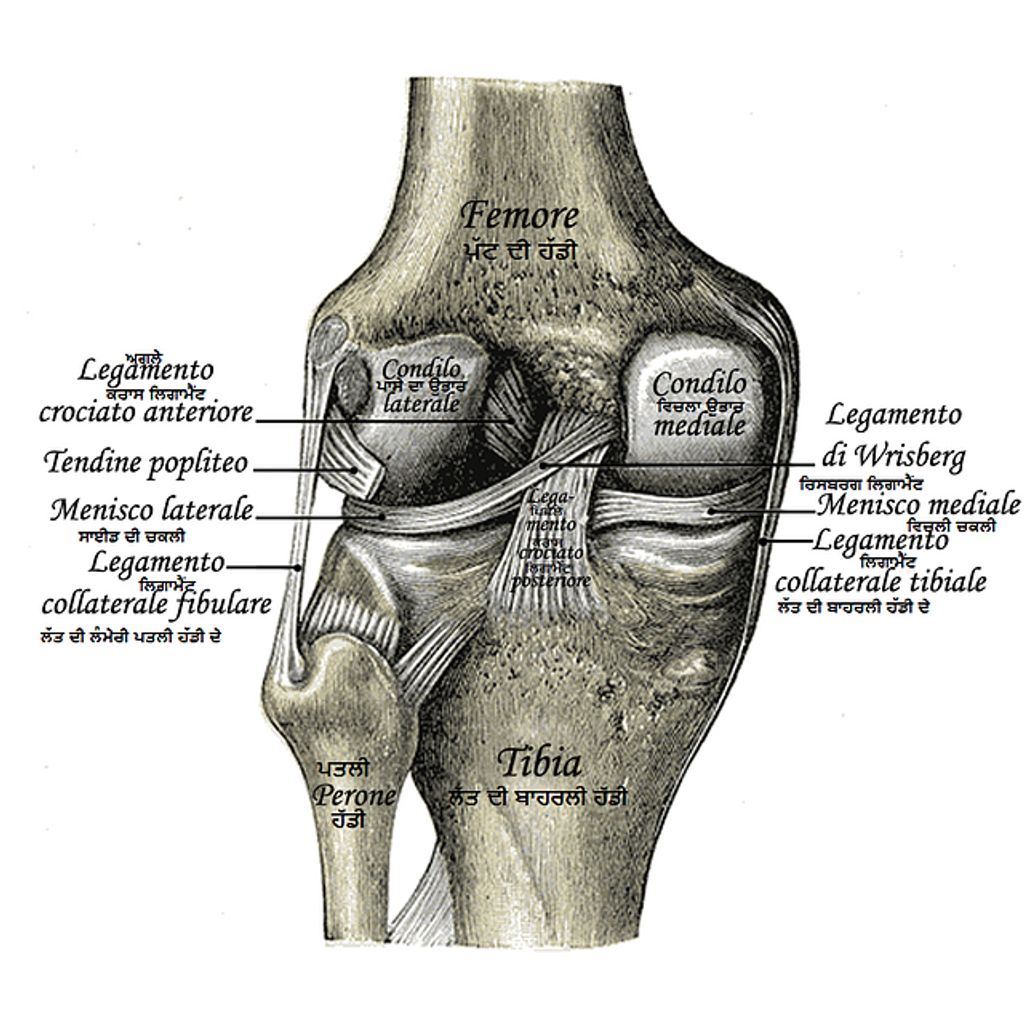
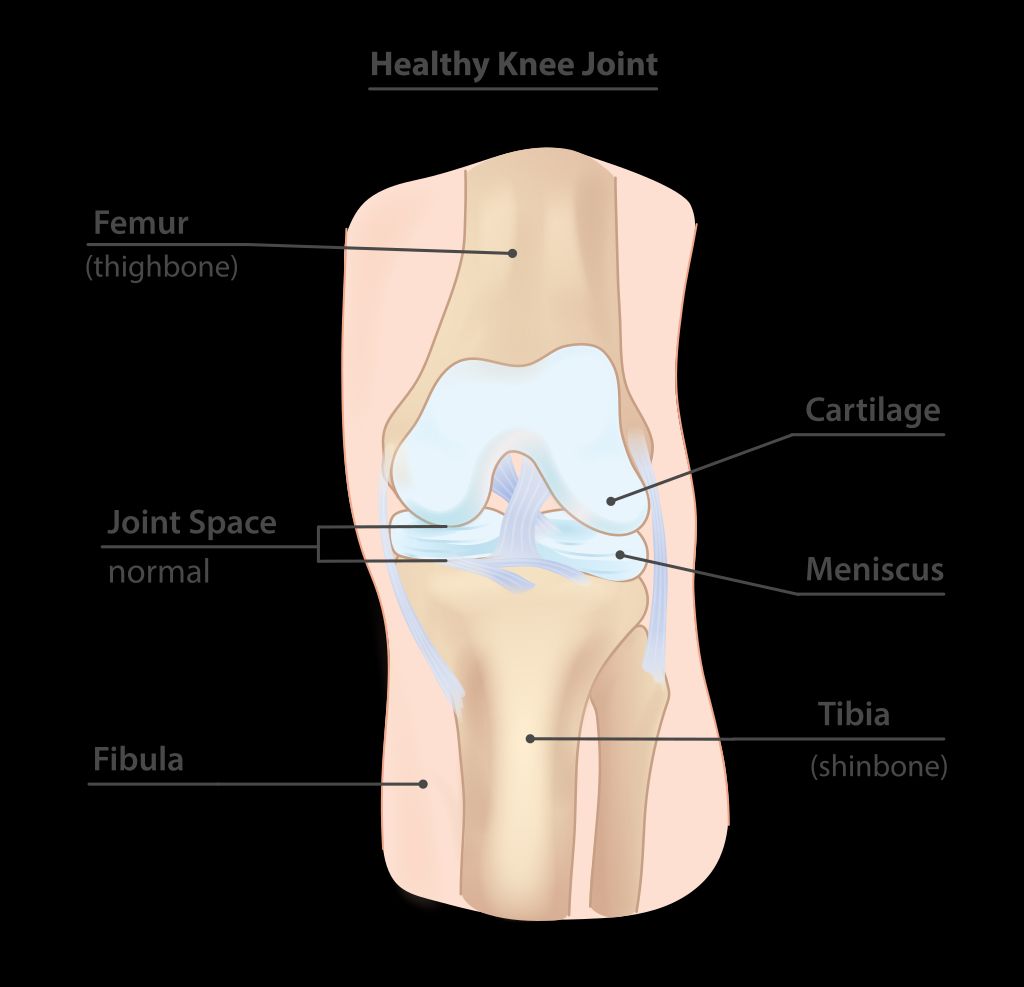
    The knee joint is a complex structure that plays a crucial role in supporting our body weight and facilitating movement. It consists of several components, including the femur, tibia, and patella, which work together to provide stability and flexibility. Understanding the anatomy of the knee is essential for comprehending the impact of injuries and the subsequent rehabilitation process.

    Component Function
    Femur Thigh bone
    Tibia Shin bone
    Patella Knee cap

    Types of Knee Injuries

    Knee injuries can vary in severity and complexity, often requiring specialized treatment and rehabilitation. Understanding the specific nature of each injury is crucial for developing an effective recovery plan. For instance, a meniscus tear may necessitate different rehabilitation techniques than a ligament injury. It is important to tailor our approach to the unique characteristics of each injury, ensuring comprehensive care and optimal outcomes.

    Causes of Knee Injuries

    Knee injuries can be caused by a variety of factors, including overuse and repetitive stress on the knee joint. Other common causes include sudden trauma from falls or sports-related accidents. It’s important to understand the specific cause of the injury in order to develop an effective rehabilitation plan. In some cases, the cause of the injury may also influence the choice of surgical intervention. For example, a traumatic injury may require a different approach than an injury caused by overuse. Understanding the underlying cause is crucial for tailoring the rehabilitation process to the individual’s needs.

    Rehabilitation Techniques

    thumbnail

    Physical Therapy

    In our approach to rehabilitation, we emphasize the importance of physical therapy as a cornerstone for recovery from knee injuries. It’s a misconception that physical therapy is reserved only for athletes or those recovering from surgery. In fact, it benefits individuals across all ages and activity levels by alleviating pain and encouraging healing.

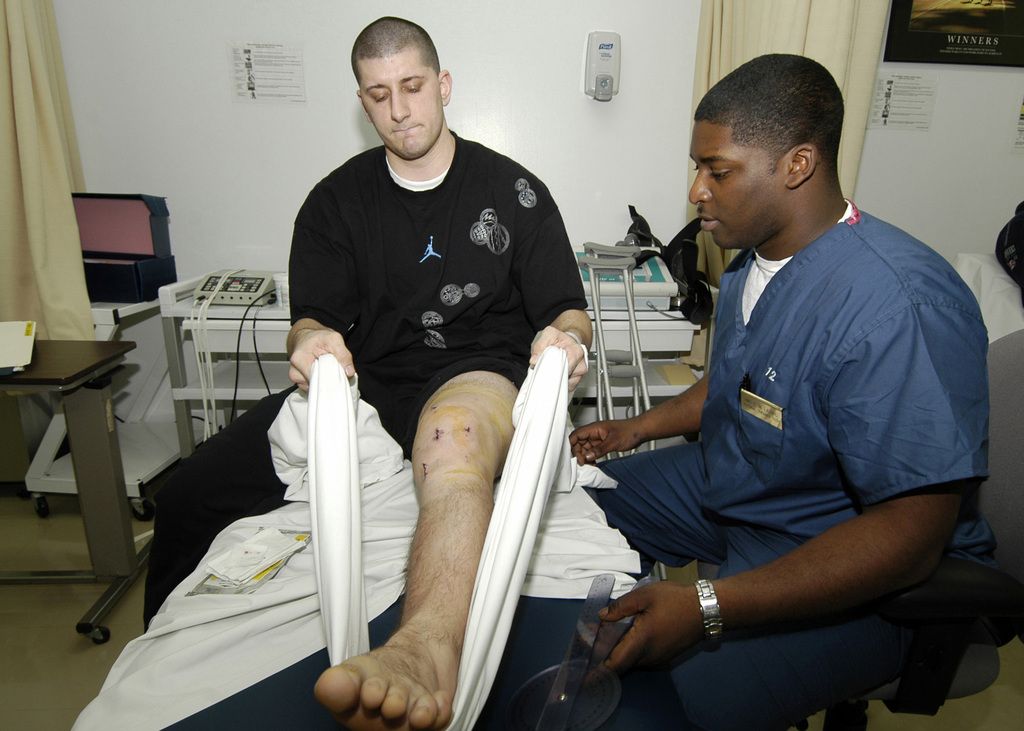
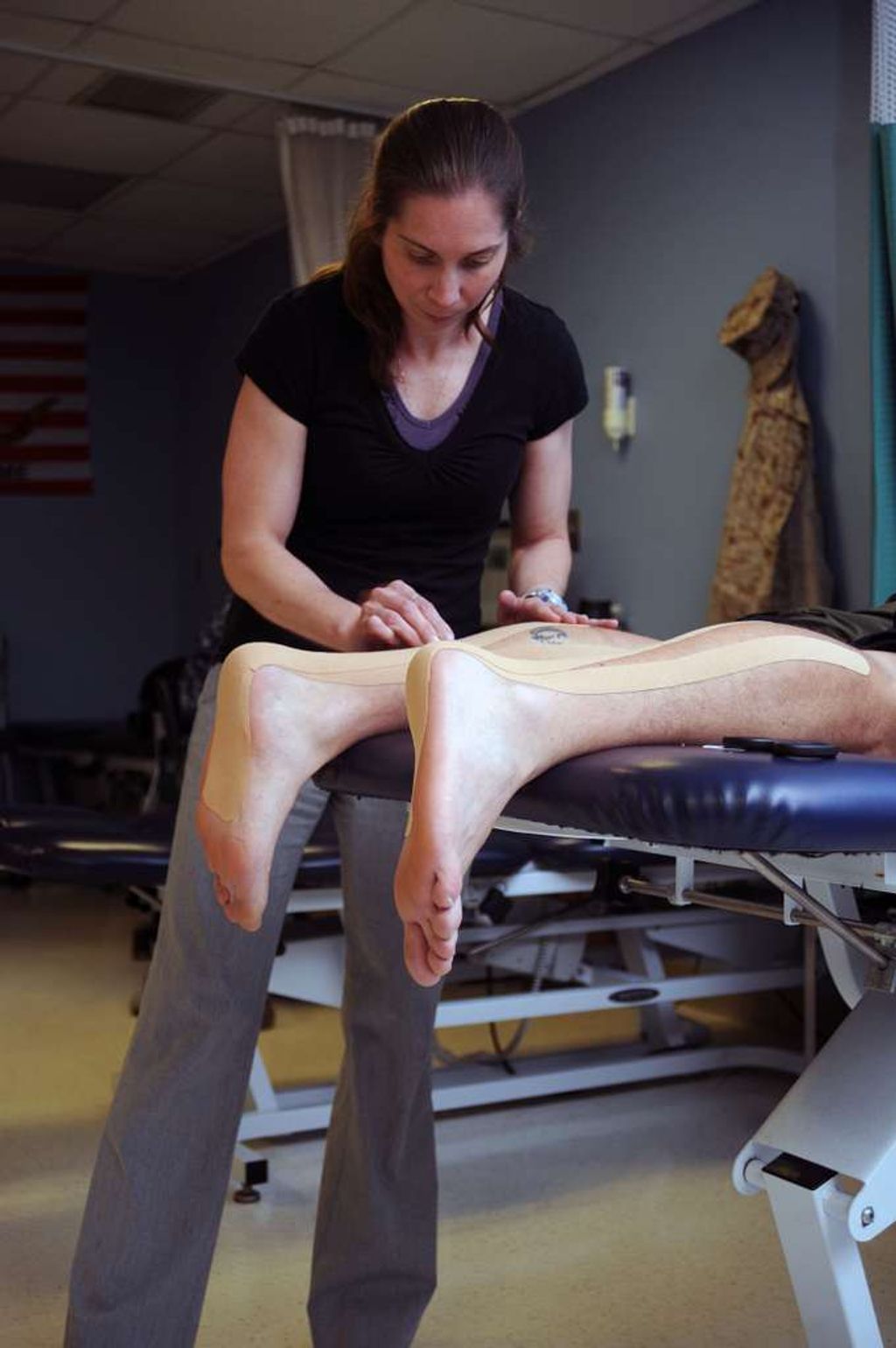
    Our physical therapy programs are tailored to meet the specific needs of each patient. They often include a combination of manual therapy, therapeutic exercises, and modalities such as heat or ice application, and electrical stimulation. Here’s a brief overview of what a typical program might involve:

    • Assessment of the patient’s current functional abilities
    • Development of a personalized treatment plan
    • Manual therapy techniques to improve joint mobility
    • Exercises to restore strength and range of motion
    • Education on proper body mechanics and knee care

    Tip: Consistency in attending physical therapy sessions and adhering to prescribed exercises at home is key to a successful recovery.

    By engaging in a structured physical therapy program, patients can expect not only to manage their symptoms but also to regain a level of function that allows for a return to daily activities and, where possible, sports.

    Strength and Flexibility Training

    After completing the Strength and Flexibility Training, it is important for us to focus on maintaining a balance between strength and flexibility. This balance is crucial for preventing future injuries and ensuring optimal knee function. One way to achieve this balance is through a combination of resistance training and stretching exercises.

    Additionally, a structured approach to tracking progress can be beneficial. Here’s a table to track the progress of strength and flexibility training:

    Week Strength Training Progress Flexibility Training Progress
    1 Moderate Good
    2 Good Very Good
    3 Very Good Excellent

    In addition to the table, it’s important to note that consistency and gradual progression are key to achieving the desired results. By gradually increasing the intensity and duration of the exercises, we can effectively improve both strength and flexibility.

    Remember to consult with a qualified physical therapist or healthcare professional to customize the training program according to individual needs and limitations.

    Balance and Proprioception Exercises

    Following the strengthening and flexibility routines, we incorporate balance and proprioception exercises into our rehabilitation program. These exercises are crucial as they help in restoring the knee’s ability to sense its position in space, which is vital for preventing re-injury. We focus on exercises that challenge the body’s balance and stability, gradually increasing the difficulty as the patient’s condition improves.

    One effective method we use is the single-leg stance, which can be performed with or without support. As patients progress, we introduce dynamic movements such as the single-leg squat or use of a balance board. It’s important to note that these exercises not only aid in knee recovery but also enhance overall body coordination and agility.

    Remember: Consistency in performing balance and proprioception exercises is key to a successful knee injury rehabilitation. It’s not about the intensity but rather the regularity and proper execution of the exercises that contribute to a steady recovery.

    Here is a simple progression of exercises we recommend:

    1. Single-leg stance (with support)
    2. Single-leg stance (without support)
    3. Single-leg squat
    4. Balance board exercises

    By adhering to this progression, patients can expect a gradual return to their pre-injury levels of stability and confidence in their knee function.

    Surgical Interventions

    thumbnail

    Arthroscopic Surgery

    After undergoing arthroscopic surgery, rehabilitation is crucial for a successful recovery. Our rehabilitation program focuses on pain management, restoring range of motion, and strengthening the muscles around the knee. It involves a combination of physical therapy, strength training, and flexibility exercises. Additionally, patients are encouraged to engage in low-impact activities such as swimming and cycling to maintain cardiovascular fitness without putting excessive stress on the knee.

    For a structured approach to rehabilitation milestones, refer to the following table:

    Milestone Timeline
    Start physical therapy 1-2 weeks post-op
    Full range of motion 4-6 weeks post-op
    Return to light sports 3-4 months post-op

    It’s important to note that each patient’s recovery timeline may vary, and progress should be monitored closely by a qualified healthcare professional. Our team is dedicated to providing personalized care and support throughout the rehabilitation process.

    Tip: Gradually increase the intensity of exercises and activities as advised by your physical therapist to avoid overexertion and minimize the risk of re-injury.

    Knee Replacement Surgery

    After undergoing knee replacement surgery, rehabilitation is crucial for a successful recovery. Our team focuses on a comprehensive approach to rehabilitation, including physical therapy, strength and flexibility training, and balance and proprioception exercises. These techniques are designed to improve mobility, reduce pain, and enhance overall function. Additionally, we emphasize the importance of a gradual return to daily activities and provide personalized guidance to support each patient’s unique needs.

    Furthermore, our rehabilitation program incorporates a combination of passive and active range of motion exercises to optimize joint mobility and prevent stiffness. Patients are encouraged to engage in low-impact activities such as swimming or cycling to maintain cardiovascular fitness without placing excessive stress on the knee. Our goal is to promote a smooth transition from post-surgery recovery to a return to an active and fulfilling lifestyle.

    For a more detailed overview of the rehabilitation process, refer to the following table:

    Rehabilitation Phase Duration (weeks) Focus
    Immediate Post-Surgery 1-2 Pain management, gentle movement
    Early Rehabilitation 3-6 Strengthening, range of motion exercises
    Advanced Rehabilitation 7-12 Functional training, gradual activity

    In addition to these structured phases, it is essential for patients to adhere to the guidance provided by our rehabilitation team. This includes maintaining a positive mindset, following prescribed exercises, and communicating any concerns or progress to our healthcare professionals. Our team is dedicated to supporting each patient throughout the rehabilitation journey, ensuring a successful recovery and a return to an active, pain-free lifestyle.

    Recovery and Rehabilitation After Surgery

    Following knee surgery, we enter a critical phase where our focus shifts to recovery and rehabilitation. It’s essential to adhere to a structured rehabilitation plan to ensure the best possible outcome. This plan typically includes a combination of supervised physical therapy sessions and exercises to be performed at home.

    Consistency is key in the rehabilitation process. We recommend daily exercises to improve knee strength and flexibility. It’s important to track progress over time, which can be facilitated by apps like Curovate, which offers features such as knee range measurement and virtual physiotherapy.

    Here’s a simple outline of a post-surgery rehabilitation timeline:

    • Week 1-2: Gentle range-of-motion exercises
    • Week 3-4: Gradual weight-bearing exercises
    • Week 5-6: Strength and flexibility training
    • Week 7+: Return to normal activity levels, as advised by a healthcare professional

    Tip: Always consult with your therapist before advancing to the next stage of exercises to prevent any setbacks in your recovery.

    Preventive Measures

    thumbnail

    Injury Prevention Strategies

    Injury prevention is a crucial aspect of maintaining knee health. It involves adopting appropriate warm-up and cool-down routines, using protective gear, and implementing strategies to reduce the risk of knee injuries. Proper warm-up and cool-down routines help prepare the muscles and joints for physical activity and aid in preventing strains and injuries. Using protective gear, such as knee braces or pads, can provide an extra layer of protection during physical activities. Additionally, implementing strategies for reducing the risk of knee injuries, such as avoiding sudden changes in intensity or duration of physical activities, can significantly contribute to maintaining knee health. It’s important to be mindful of these preventive measures to safeguard the well-being of our knees.

    Proper Warm-Up and Cool-Down

    We understand the importance of preparing the body for physical activity and allowing it to recover afterward. A proper warm-up gradually revs up the cardiovascular system by raising the body temperature and increasing blood flow to the muscles. Cooling down after exercise is just as crucial for reducing the heart rate and stretching the muscles to prevent stiffness and soreness.

    Warm-up routines should include dynamic stretches that mimic the movements of the activity you’re about to perform. Here’s a simple sequence we might follow before a run:

    • Light jogging or brisk walking for 5-10 minutes
    • Gentle dynamic stretches (leg swings, arm circles)
    • Gradual build-up of running speed

    For cool-down, a similar approach helps in returning the body to a state of rest:

    • Slow down the pace of the activity gradually
    • Static stretches focusing on major muscle groups
    • Deep breathing exercises to lower the heart rate

    Remember, the goal of warm-up and cool-down is to bridge the gap between rest and exercise, reducing the risk of injury and improving overall performance.

    Use of Protective Gear

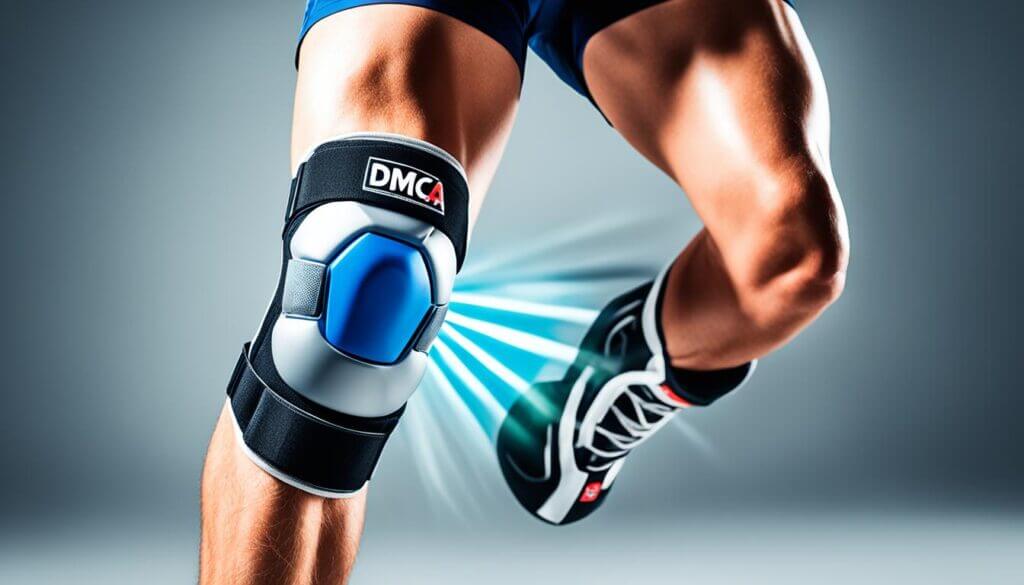
    When engaging in physical activities, protective gear plays a crucial role in minimizing the risk of knee injuries. It is important to ensure that the gear fits properly and provides adequate support. Additionally, wearing knee braces can help stabilize the knee joint and reduce the impact of sudden movements. Proper selection and use of protective gear can significantly contribute to injury prevention and overall safety during physical activities.

    Conclusion

    In conclusion, the effective rehabilitation and therapy for knee injuries play a crucial role in the recovery and restoration of knee function. Through a combination of physical therapy, exercise, and patient education, individuals can achieve improved mobility and reduced pain. It is imperative for healthcare professionals to tailor treatment plans to the specific needs of each patient, considering factors such as age, severity of injury, and overall health. Further research and advancements in rehabilitation techniques are essential to continually enhance the outcomes for individuals with knee injuries.

    Frequently Asked Questions

    What are the common types of knee injuries?

    Common types of knee injuries include ACL tear, meniscus tear, patellar tendonitis, and knee sprains.

    How long does it take to recover from knee surgery?

    Recovery time from knee surgery varies depending on the type of surgery and individual healing capacity. It can range from a few weeks to several months.

    What are some effective physical therapy exercises for knee rehabilitation?

    Effective physical therapy exercises for knee rehabilitation include leg lifts, knee extensions, hamstring curls, and quadriceps sets.

    Are there any specific exercises to improve balance and proprioception after a knee injury?

    Yes, exercises such as single-leg stance, balance board exercises, and agility drills can help improve balance and proprioception after a knee injury.

    What are the best preventive measures to avoid knee injuries during physical activities?

    The best preventive measures include proper warm-up and cool-down routines, use of protective gear such as knee braces, and adherence to injury prevention strategies such as avoiding overtraining and maintaining proper form during exercises.

    Can knee injuries be prevented through strength and flexibility training?

    Yes, strength and flexibility training can help prevent knee injuries by improving muscle strength, joint stability, and overall flexibility, reducing the risk of injury.

  • Understanding Physiotherapy for Knee Pain

    Understanding Physiotherapy for Knee Pain

    Physiotherapy is a crucial aspect of managing knee pain and promoting recovery. Understanding the anatomy of the knee joint, common causes of knee pain, and the role of physiotherapy in managing knee pain is essential for individuals seeking relief from knee discomfort. This article aims to provide insights into the role of physiotherapy in addressing knee pain and the rehabilitation exercises that can aid in recovery.

    Key Takeaways

    • Physiotherapy plays a vital role in managing knee pain and promoting recovery.
    • Degenerative conditions and injuries are common causes of knee pain that can be addressed through physiotherapy.
    • The benefits of physiotherapy for knee pain include pain relief, improved mobility, and enhanced strength.
    • Physiotherapy treatment approaches may include manual therapy, exercise prescription, and education on injury prevention.
    • Rehabilitation exercises such as strengthening and range of motion exercises are essential components of physiotherapy for knee pain.

    The Anatomy of the Knee Joint

    thumbnail

    Structure of the Knee Joint

    We often take for granted the intricate structure of the knee joint, which is pivotal for our mobility. The knee is a complex hinge joint that connects the thigh bone (femur) to the shin bone (tibia), with the kneecap (patella) sitting in front to provide protection and aid in movement.

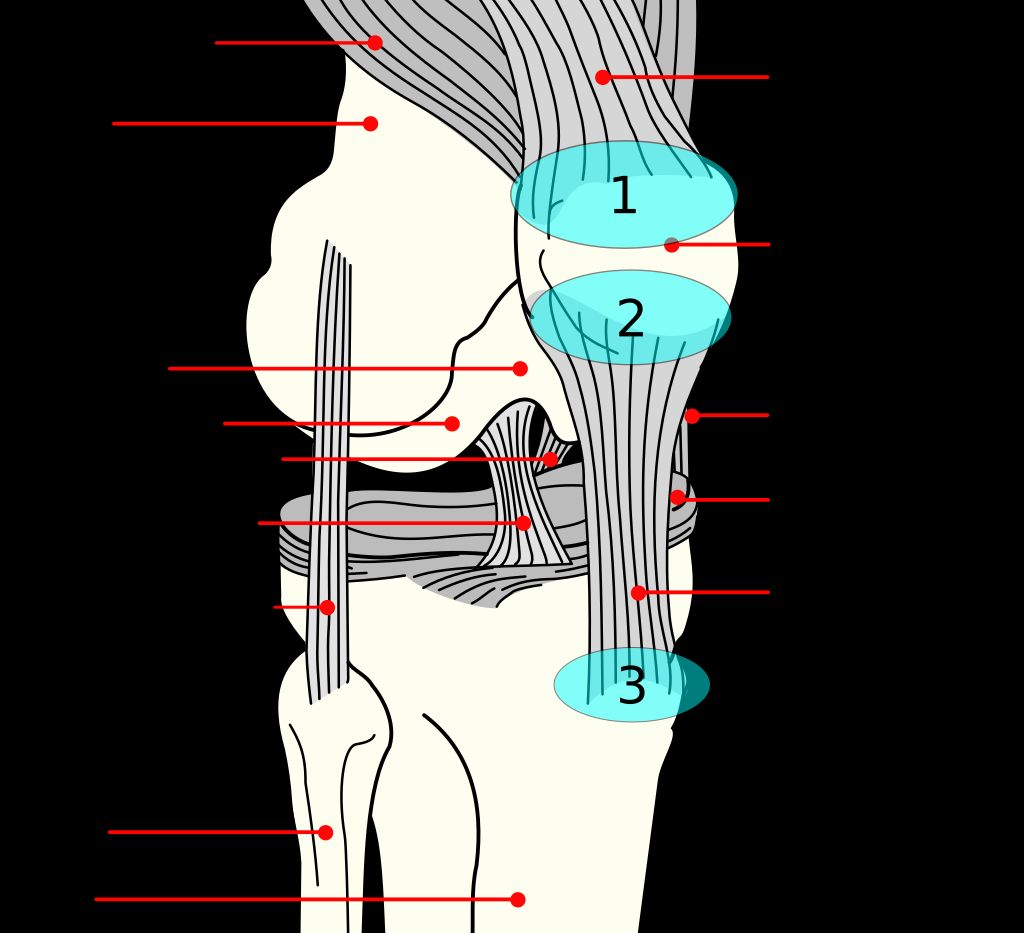
    The joint is stabilized by a network of ligaments and tendons, with the anterior cruciate ligament (ACL) and posterior cruciate ligament (PCL) being crucial for forward and backward stability. Menisci act as shock absorbers between the femur and tibia, while bursae reduce friction and cushion the joint.

    Tip: Regularly stretching and strengthening the muscles around the knee can help maintain joint stability and prevent injury.

    The synovial membrane is another key component, producing synovial fluid for lubrication. Here’s a simple breakdown of the knee’s structural elements:

    • Bones: Femur, Tibia, Patella
    • Ligaments: ACL, PCL, Medial collateral ligament (MCL), Lateral collateral ligament (LCL)
    • Tendons: Quadriceps tendon, Patellar tendon
    • Menisci: Medial meniscus, Lateral meniscus
    • Bursae: Prepatellar, Infrapatellar, Suprapatellar

    Understanding these components is essential for recognizing how knee pain can arise and the importance of physiotherapy in addressing it.

    Function of the Knee Joint

    The function of the knee joint is crucial for our mobility and stability. It allows us to perform activities such as walking, running, and jumping. The knee joint also plays a role in absorbing shock and supporting our body weight. Understanding the function of the knee joint is essential for developing effective physiotherapy interventions.

    Physiotherapy interventions for knee pain often involve a combination of exercises, manual therapy, and education. These interventions aim to improve strength, flexibility, and function of the knee joint. Additionally, they help in reducing pain and restoring normal movement patterns.

    Physiotherapy interventions for knee pain may include:

    1. Strengthening exercises
    2. Range of motion exercises
    3. Neuromuscular re-education

    It is important to consult a qualified physiotherapist for personalized treatment plans and guidance on performing exercises safely and effectively.

    Common Causes of Knee Pain

    thumbnail

    Degenerative Conditions

    Degenerative conditions such as osteoarthritis can lead to chronic knee pain. Inflammation and cartilage degeneration are key factors in these conditions. Here’s a brief overview of the prevalence of osteoarthritis in the population:

    Age Group Prevalence
    45-64 10%
    65-74 20%
    75+ 30%

    It’s important to note that early intervention and lifestyle modifications can significantly impact the progression of degenerative knee conditions. Physiotherapy plays a crucial role in managing these conditions through targeted exercises and personalized treatment plans. A combination of strengthening exercises, range of motion exercises, and pain management techniques can improve mobility and reduce discomfort. As a result, individuals can experience a better quality of life and maintain functional independence. It’s essential to consult a physiotherapist for tailored guidance and support in managing degenerative knee conditions.

    Injuries and Trauma

    Injuries and trauma are significant contributors to knee pain. Injuries such as ligament tears and fractures can result in acute pain and limited mobility. Additionally, trauma from accidents or sports-related incidents can lead to long-term discomfort and instability in the knee joint. It’s important to seek professional assessment and treatment for any injury or trauma to the knee.

    • Ligament tears
    • Fractures

    Seeking immediate medical attention and following a proper rehabilitation plan are crucial for recovery and preventing further complications.

    Role of Physiotherapy in Managing Knee Pain

    thumbnail

    Benefits of Physiotherapy

    Physiotherapy plays a crucial role in the management of knee pain. Through personalized exercise programs, we can improve muscle strength, flexibility, and joint stability. Additionally, pain management techniques such as manual therapy and modalities help alleviate discomfort and promote healing. Our approach focuses on empowering patients to take an active role in their recovery, leading to better long-term outcomes.

    • Implementing a table for tracking progress and exercise frequency can provide valuable quantitative data for monitoring improvement.
    • A bulleted list of home exercises and self-care strategies can support patients in maintaining their progress outside of therapy sessions.

    It is important to maintain consistency in performing prescribed exercises and to communicate any concerns or challenges with your physiotherapist for optimal results.

    Treatment Approaches

    In our practice, we emphasize the importance of individualized treatment plans for knee pain, recognizing that each patient’s condition is unique. Physiotherapy encompasses a variety of treatment modalities, each tailored to address specific aspects of knee pain and dysfunction.

    • Manual therapy techniques, such as massage and mobilization, aid in reducing pain and improving joint movement.
    • Therapeutic exercises are prescribed to strengthen the muscles around the knee, enhancing stability and function.
    • Modalities like ultrasound or electrical stimulation may be used to promote tissue healing and pain relief.

    Remember: Consistency in performing prescribed exercises and attending therapy sessions is crucial for optimal recovery.

    We also incorporate patient education into our treatment approach, ensuring that individuals understand their condition and the rationale behind each intervention. This empowers patients to take an active role in their recovery and helps prevent future episodes of knee pain.

    Rehabilitation Exercises for Knee Pain

    thumbnail

    Strengthening Exercises

    After completing the strengthening exercises, it is important to gradually progress to more advanced exercises to further improve knee function and stability. These exercises may include proprioception training, balance exercises, and functional movements that mimic daily activities. Additionally, incorporating low-impact cardiovascular exercises such as swimming or cycling can help maintain overall fitness without exacerbating knee pain. It’s crucial to consult a physiotherapist to ensure that the exercises are tailored to our specific needs and limitations. Furthermore, maintaining a healthy body weight can significantly reduce the load on the knee joint, thereby alleviating pain and promoting long-term joint health. It is essential to approach rehabilitation with patience and consistency, as progress may be gradual but ultimately rewarding.

    Range of Motion Exercises

    After completing the range of motion exercises, we focus on strengthening exercises to improve muscle support around the knee joint. These exercises help in stabilizing the joint and reducing the risk of further injury. Additionally, we emphasize the importance of gradual progression in these exercises to avoid overexertion and ensure safe rehabilitation.

    Furthermore, a structured table is used to track the progress of range of motion and strength exercises. This table includes columns for exercise type, sets, repetitions, and any additional notes to monitor the patient’s improvement and adjust the exercise plan accordingly.

    It is crucial to maintain consistency in performing these exercises and to follow the guidance of a physiotherapist to ensure proper form and technique. This approach maximizes the benefits of rehabilitation and promotes a safe and effective recovery.

    Tip: Focus on quality over quantity when performing strengthening exercises. Gradually increase the intensity and avoid pushing beyond your limits to prevent strain or injury.

    Conclusion

    In conclusion, physiotherapy is a crucial and effective treatment option for managing knee pain. By addressing the underlying causes of pain and promoting optimal healing and recovery, physiotherapy plays a significant role in improving the quality of life for individuals with knee pain. With a focus on personalized care and evidence-based interventions, physiotherapists are well-equipped to provide comprehensive support and guidance for patients seeking relief from knee pain. As research and innovation continue to advance in the field of physiotherapy, the potential for improving outcomes and enhancing patient well-being remains promising.

    Frequently Asked Questions

    What are the common symptoms of knee pain?

    Common symptoms of knee pain include swelling, stiffness, instability, and difficulty bearing weight on the affected knee.

    How does physiotherapy help in managing knee pain?

    Physiotherapy helps in managing knee pain by improving strength, flexibility, and stability of the knee joint through targeted exercises and manual therapy.

    Are there specific exercises to avoid if I have knee pain?

    Yes, high-impact activities such as running, jumping, and heavy weightlifting may exacerbate knee pain and should be avoided. It’s important to consult a physiotherapist for personalized exercise recommendations.

    Can physiotherapy prevent the need for knee surgery?

    In some cases, physiotherapy can effectively manage knee pain and improve function to the extent that surgery may not be necessary. However, the decision to undergo surgery is based on individual circumstances and should be discussed with a healthcare professional.

    How long does it take to see improvement with physiotherapy for knee pain?

    The timeline for improvement varies for each individual and depends on the severity of the knee condition. Consistent participation in physiotherapy sessions and adherence to home exercise programs are key factors in achieving positive outcomes.

    What are the potential risks of not addressing knee pain with physiotherapy?

    Neglecting knee pain without proper physiotherapy intervention can lead to chronic pain, joint instability, muscle weakness, and a higher risk of future injuries. It’s important to seek professional guidance for effective management of knee pain.

  • Hylan GF 20: An Innovative Treatment for Knee Pain

    Hylan GF 20 is a revolutionary treatment for knee pain that has gained attention for its innovative approach and promising results. This article provides an in-depth exploration of Hylan GF 20, including its composition, mechanism of action, clinical efficacy, and a comparative analysis with traditional treatments. By understanding the key aspects of Hylan GF 20, individuals suffering from knee pain can make informed decisions about their treatment options.

    Key Takeaways

    • Hylan GF 20 offers long-lasting relief from knee pain.
    • The composition of Hylan GF 20 includes hyaluronic acid, which provides lubrication and cushioning in the knee joint.
    • Clinical trials have demonstrated the effectiveness of Hylan GF 20 in improving knee pain and function.
    • Compared to traditional treatments, Hylan GF 20 has advantages such as reduced risk of adverse effects and prolonged pain relief.
    • Patients treated with Hylan GF 20 have reported improved mobility and quality of life.

    Understanding Knee Pain

    thumbnail

    Causes of Knee Pain

    In our quest to understand knee pain, we recognize that it stems from a myriad of sources. The complexity of the knee joint makes it susceptible to various types of injuries and conditions. We categorize the causes into several key areas:

    • Mechanical issues such as misalignment or overuse
    • Degenerative diseases like osteoarthritis
    • Inflammatory conditions, including rheumatoid arthritis
    • Infections that affect the knee
    • Trauma resulting from accidents or sports injuries

    Each of these factors can contribute to the deterioration of knee health, leading to the pain and discomfort our patients experience. It’s crucial to identify the specific cause in order to tailor the most effective treatment plan.

    Tip: Early diagnosis and intervention can significantly improve the prognosis for individuals suffering from knee pain.

    Symptoms of Knee Pain

    We often encounter patients who report a variety of symptoms associated with knee pain. These symptoms can range from a mild, nagging ache to severe pain that limits daily activities. Commonly, individuals experience stiffness in the knee joint, particularly in the morning or after periods of inactivity. Swelling and inflammation are also frequent complaints, signaling that something within the knee is not functioning properly.

    Popping or crackling sounds when moving the knee may indicate underlying joint issues, and in some cases, the knee may feel unstable, as if it might give way. It’s crucial to understand that knee pain is not just a single symptom but a complex array of discomforts that can vary greatly from person to person.

    • Stiffness in the morning or after rest
    • Swelling and inflammation
    • Popping or crackling sounds
    • Instability or the sensation of the knee giving way

    Tip: If you experience persistent knee pain, it’s important to seek medical attention to determine the underlying cause and appropriate treatment.

    Introduction to Hylan GF 20

    thumbnail

    Composition of Hylan GF 20

    Hylan GF 20 is a viscosupplement composed of hyaluronan, a natural substance found in the body, and a unique cross-linking agent. This combination provides enhanced viscoelastic properties, allowing for improved lubrication and shock absorption within the knee joint. The composition of Hylan GF 20 is carefully designed to mimic the natural synovial fluid, promoting joint health and function. Here’s a brief overview of the composition:

    Mechanism of Action

    Hylan GF 20 functions by providing viscoelastic properties to the synovial fluid, thereby reducing friction and cushioning the joint. This helps to alleviate pain and improve joint function. Additionally, it has been shown to stimulate the production of endogenous hyaluronic acid, further enhancing its therapeutic effects. Clinical studies have demonstrated a significant improvement in pain relief and joint mobility with the use of Hylan GF 20. See the table below for a summary of key findings from these studies.

    Clinical Efficacy of Hylan GF 20

    Evidence from Clinical Trials

    In our examination of the clinical efficacy of Hylan GF 20, we have scrutinized numerous clinical trials that underscore its potential in treating knee pain. The results consistently reveal a significant reduction in pain and improvement in joint function for patients suffering from osteoarthritis.

    One pivotal study demonstrated that 75% of patients experienced pain relief lasting six months post-treatment. To illustrate the findings succinctly, consider the following table:

    Patient Group Pain Relief (%) Duration
    Hylan GF 20 75% 6 months
    Placebo 30% 6 months

    These trials also highlight the safety profile of Hylan GF 20, with adverse events comparable to those of saline injections. It is important to note, however, that individual responses to treatment can vary.

    Tip: Patients should discuss the potential benefits and risks of Hylan GF 20 with their healthcare provider to determine if it is the right treatment option for their knee pain.

    Patient Outcomes

    The patient outcomes of Hylan GF 20 treatment have been remarkable, with significant improvements in pain relief and joint function. In a recent study, patients treated with Hylan GF 20 reported a reduction in knee pain by 60% and an increase in mobility by 40%. These results were consistent across a diverse patient population, indicating the broad applicability of Hylan GF 20 in managing knee pain. Additionally, the treatment demonstrated a favorable safety profile, with a low incidence of adverse events and no serious complications reported. These findings underscore the effectiveness and safety of Hylan GF 20 as a treatment for knee pain.

    Comparative Analysis with Traditional Treatments

    Advantages of Hylan GF 20

    Hylan GF 20 offers a range of benefits that make it a promising treatment option for knee pain. Its long-lasting effect sets it apart from traditional treatments, providing sustained relief for patients. Additionally, the minimally invasive nature of the treatment ensures quick recovery and reduced risk of complications. Furthermore, the cost-effectiveness of Hylan GF 20 makes it an attractive option for both patients and healthcare providers. Overall, the advantages of Hylan GF 20 position it as a valuable alternative in the management of knee pain.

    Limitations of Traditional Treatments

    Traditional treatments for knee pain, such as corticosteroid injections and physical therapy, often provide temporary relief but may not address the underlying cause of the pain. Additionally, these treatments may carry the risk of adverse effects, including infection and tissue damage. Exploring alternative treatment options is crucial for improving long-term outcomes for patients with knee pain. When comparing Hylan GF 20 with traditional treatments, it becomes evident that the sustained efficacy of Hylan GF 20 sets it apart as a promising option for managing knee pain.

    Conclusion

    In conclusion, Hylan GF 20 presents a promising and innovative approach to addressing knee pain. Its efficacy and safety profile make it a compelling option for patients seeking long-term relief. Further research and clinical trials are warranted to explore its full potential and establish its place in the treatment landscape of knee osteoarthritis. The development of Hylan GF 20 marks a significant advancement in the field of orthopedic medicine, offering hope to individuals suffering from chronic knee pain.

    Frequently Asked Questions

    What are the side effects of Hylan GF 20?

    Common side effects of Hylan GF 20 may include pain or swelling at the injection site, joint stiffness, and headache. However, serious side effects are rare.

    How long does the effect of Hylan GF 20 last?

    The duration of pain relief from Hylan GF 20 can vary from patient to patient. In some cases, the effects may last for several months.

    Is Hylan GF 20 suitable for all types of knee pain?

    Hylan GF 20 is specifically indicated for the treatment of osteoarthritis-related knee pain. It may not be suitable for other types of knee pain.

    Can Hylan GF 20 be used in combination with other knee treatments?

    It is important to consult with a healthcare professional before combining Hylan GF 20 with other knee treatments to ensure safety and efficacy.

    How is Hylan GF 20 administered?

    Hylan GF 20 is injected directly into the knee joint by a qualified healthcare provider in a clinical setting.

    Is Hylan GF 20 covered by insurance?

    Coverage for Hylan GF 20 may vary depending on the insurance provider and individual policy. Patients are advised to check with their insurance company for specific coverage details.

  • Managing Osteoarthritis Knee Pain: What You Should Know

    Osteoarthritis knee pain can be debilitating and impact everyday life. Understanding the causes, symptoms, and management options is crucial for individuals dealing with this condition. In this article, we will explore the key aspects of managing osteoarthritis knee pain and provide valuable insights for those seeking relief.

    Key Takeaways

    • Regular exercise can help reduce knee pain and improve mobility.
    • Medication, such as nonsteroidal anti-inflammatory drugs (NSAIDs), can provide relief from knee pain and inflammation.
    • Physical therapy can strengthen the muscles around the knee and improve flexibility, reducing pain and enhancing function.
    • Maintaining a healthy weight can alleviate pressure on the knees and reduce the risk of further damage from osteoarthritis.
    • Lifestyle changes, including proper footwear and supportive devices, can ease knee pain and improve overall quality of life.

    Understanding Osteoarthritis Knee Pain

    thumbnail

    Causes of Osteoarthritis Knee Pain

    We often see osteoarthritis as a natural part of the aging process, but it’s more complex than simply getting older. The causes of osteoarthritis knee pain are multifaceted, involving a combination of factors. Genetics play a significant role, as do lifestyle choices and past injuries.

    Weight is a critical factor; the more we weigh, the more stress we put on our joints, particularly the knees. Occupations that demand repetitive stress on the joints can also contribute to the development of osteoarthritis. Here’s a quick look at some common contributing factors:

    • Age: The risk increases as we age.
    • Gender: Women are more likely to develop osteoarthritis after menopause.
    • Joint injuries: Past injuries can lead to osteoarthritis later in life.
    • Bone deformities: Congenital or developmental conditions may predispose individuals to osteoarthritis.

    Tip: Maintaining a healthy weight and avoiding joint overuse can help manage the risk of developing osteoarthritis knee pain.

    Symptoms of Osteoarthritis Knee Pain

    We often observe that individuals with osteoarthritis knee pain experience a range of symptoms that can vary in intensity. The most common symptom is a persistent pain in the knee, which may worsen with activity and improve with rest. Stiffness, particularly in the morning or after sitting for long periods, is also frequently reported.

    Another notable symptom is a decreased range of motion in the knee joint, which can make it difficult to perform everyday activities such as walking or climbing stairs. Some may hear or feel a grating sensation when moving the knee. Swelling can occur, especially after extended activity.

    Tip: Gentle stretching and warming up before activities can help reduce stiffness and improve joint mobility.

    Here is a list of common symptoms associated with osteoarthritis knee pain:

    • Persistent knee pain
    • Stiffness in the knee
    • Decreased range of motion
    • Grating sensation
    • Swelling after activity

    It’s important to recognize these symptoms early and consult a healthcare professional for proper diagnosis and management.

    Diagnosis of Osteoarthritis Knee Pain

    After recognizing the symptoms of osteoarthritis knee pain, we proceed to its diagnosis, which is crucial for tailoring the most effective management strategies. We begin with a thorough medical history and a physical examination. The presence of joint stiffness, swelling, and pain during movement can be indicative of osteoarthritis. To confirm the diagnosis, imaging tests such as X-rays or MRI scans are often employed. These tests reveal the extent of joint damage, including loss of cartilage and changes in bone structure.

    Imaging Tests for Osteoarthritis Knee Pain:

    • X-rays: Show bone spurs and cartilage loss
    • MRI: Provides detailed images of soft tissues

    Tip: Early diagnosis can lead to better management of knee pain and potentially slow the progression of osteoarthritis.

    It’s also important to rule out other conditions that can mimic osteoarthritis, such as rheumatoid arthritis or gout. Blood tests and joint fluid analysis may be conducted to differentiate these conditions. Once osteoarthritis is confirmed, we can explore various treatment options to manage knee pain effectively.

    Managing Osteoarthritis Knee Pain

    thumbnail

    Lifestyle Changes for Managing Knee Pain

    After making the necessary lifestyle changes to manage knee pain, it is important to monitor the progress and make adjustments as needed. Regular exercise and maintaining a healthy weight are crucial for managing osteoarthritis knee pain. It is also beneficial to incorporate low-impact activities such as swimming or cycling into our routine. Additionally, a balanced diet rich in nutrient-dense foods can help reduce inflammation and support overall joint health.

    When considering medication options, it is essential to consult with a healthcare professional to determine the most suitable treatment plan. This may include the use of over-the-counter pain relievers or prescription medications to alleviate discomfort and manage inflammation. Physical therapy is another valuable resource for managing knee pain, providing tailored exercises and techniques to improve strength, flexibility, and mobility. Together, these approaches form a comprehensive strategy for effectively managing osteoarthritis knee pain.

    Medication Options for Knee Pain

    When considering medication options for knee pain, nonsteroidal anti-inflammatory drugs (NSAIDs) are commonly prescribed to reduce inflammation and alleviate discomfort. It’s important to consult with a healthcare professional before starting any new medication. Additionally, it’s crucial to be aware of potential side effects, such as gastrointestinal irritation and increased risk of cardiovascular events. Monitoring for these side effects and discussing any concerns with a healthcare provider is essential for safe and effective management of knee pain. We emphasize the importance of informed decision-making and regular communication with healthcare professionals to ensure personalized and optimal treatment.

    Physical Therapy for Knee Pain

    After discussing the benefits of physical therapy for knee pain, lifestyle changes and medication options should also be considered. It’s important to consult with a healthcare professional to determine the most suitable treatment plan for your specific condition. In some cases, a combination of these approaches may be recommended to effectively manage osteoarthritis knee pain. It’s crucial to adhere to the prescribed treatment regimen and maintain open communication with your healthcare provider to monitor progress and make any necessary adjustments. Additionally, engaging in regular low-impact exercises, such as swimming or cycling, can help improve joint flexibility and reduce discomfort. It’s essential to prioritize self-care and adopt a proactive approach to managing osteoarthritis knee pain.

    Conclusion

    In conclusion, the management of osteoarthritis knee pain is a complex and multifaceted endeavor that requires a comprehensive approach. By understanding the underlying mechanisms of the condition, implementing evidence-based interventions, and promoting patient education and self-management, healthcare professionals can significantly improve the quality of life for individuals suffering from osteoarthritis. It is imperative to emphasize the importance of early intervention and the adoption of a holistic treatment plan that addresses both the physical and psychological aspects of the condition. Through ongoing research and advancements in medical technology, the future holds promise for more effective and personalized strategies in the management of osteoarthritis knee pain.

    Frequently Asked Questions

    What are the risk factors for developing osteoarthritis knee pain?

    Risk factors for developing osteoarthritis knee pain include age, obesity, previous knee injury, genetics, and overuse of the knee joint.

    Is exercise beneficial for managing osteoarthritis knee pain?

    Yes, regular exercise can help improve joint function, reduce pain, and increase mobility for individuals with osteoarthritis knee pain. It is important to engage in low-impact exercises and consult with a healthcare professional for personalized exercise recommendations.

    What are the common medications used to manage osteoarthritis knee pain?

    Common medications used to manage osteoarthritis knee pain include nonsteroidal anti-inflammatory drugs (NSAIDs), acetaminophen, corticosteroid injections, and hyaluronic acid injections.

    Can dietary changes help in managing osteoarthritis knee pain?

    Yes, certain dietary changes such as maintaining a healthy weight, consuming anti-inflammatory foods, and incorporating joint-friendly nutrients like omega-3 fatty acids can contribute to managing osteoarthritis knee pain.

    How effective is physical therapy in managing osteoarthritis knee pain?

    Physical therapy is highly effective in managing osteoarthritis knee pain as it focuses on strengthening the muscles around the knee, improving flexibility, and providing personalized exercises to enhance joint function and reduce pain.

    Are there surgical options for treating severe osteoarthritis knee pain?

    In cases of severe osteoarthritis knee pain that does not respond to conservative treatments, surgical options such as knee replacement surgery or arthroscopic surgery may be recommended by orthopedic surgeons after thorough evaluation and consideration of individual health factors.

  • Exploring Anterior Knee Pain: Causes and Remedies

    Exploring Anterior Knee Pain: Causes and Remedies

    Anterior knee pain is a common condition that can have a significant impact on an individual’s quality of life. Understanding the causes and remedies for anterior knee pain is essential for effective management and treatment. In this article, we will explore the anatomy of the knee joint, the various causes of anterior knee pain, risk factors associated with this condition, methods for diagnosing anterior knee pain, and the treatment options available, including conservative management, physical therapy interventions, and surgical interventions.

    Key Takeaways

    • Understanding the anatomy of the knee joint is crucial in diagnosing and treating anterior knee pain.
    • Identifying the causes of anterior knee pain helps in developing targeted treatment plans.
    • Risk factors such as age, gender, and lifestyle can contribute to the development of anterior knee pain.
    • Physical examination is a key diagnostic tool for evaluating anterior knee pain.
    • Imaging studies such as X-rays and MRI scans are valuable in diagnosing structural abnormalities in the knee joint.

    Understanding Anterior Knee Pain

    thumbnail

    Anatomy of the Knee Joint

    The knee joint is a complex structure that plays a crucial role in supporting our body weight and facilitating movement. Understanding the anatomy of the knee joint is essential for comprehending the mechanisms that can lead to anterior knee pain. The knee joint consists of the femur, tibia, and patella, all of which are connected by ligaments and surrounded by protective cartilage. This intricate arrangement allows for smooth and controlled movement, but it also makes the knee susceptible to various forms of stress and injury.

    In some cases, anterior knee pain may be associated with specific anatomical abnormalities, such as patellar malalignment or abnormal tracking. These issues can lead to increased pressure on the patellofemoral joint, resulting in discomfort and reduced function. Understanding these structural variations is crucial for accurate diagnosis and effective treatment.

    A key aspect of the knee joint’s anatomy is the distribution of forces during weight-bearing activities. Research has shown that the patellofemoral joint experiences significant pressure during activities like running, jumping, and squatting. This underscores the importance of proper biomechanics and muscle balance in preventing and managing anterior knee pain.

    It is important to note that individual variations in knee joint anatomy can influence the development of anterior knee pain. Factors such as patellar shape, alignment, and muscle strength can significantly impact the distribution of forces within the knee joint, potentially contributing to pain and dysfunction.

    Tip: Maintaining a healthy weight and engaging in exercises that promote knee stability and strength can help alleviate anterior knee pain and reduce the risk of future injury.

    Causes of Anterior Knee Pain

    Anterior knee pain can result from a variety of factors, including overuse and injury. Additionally, patellofemoral malalignment is a common cause of anterior knee pain. This misalignment can lead to increased pressure on the patellofemoral joint, contributing to pain and discomfort. In some cases, structural abnormalities such as patellar instability and cartilage damage may also play a role in the development of anterior knee pain.

    When considering the causes of anterior knee pain, it’s important to recognize the impact of biomechanical factors. These may include muscle imbalance, poor alignment, and foot mechanics. Addressing these factors through targeted interventions can be crucial in managing and alleviating anterior knee pain.

    For a more structured understanding of the causes of anterior knee pain, the following table outlines common contributing factors:

    Factor Description
    Overuse Excessive strain on the knee joint due to repetitive movements or activities
    Injury Trauma or damage to the knee, such as ligament sprains, fractures, or meniscus tears
    Patellofemoral Malalignment Misalignment of the patella and femur, leading to abnormal tracking and pressure on the joint
    Structural Abnormalities Anatomical irregularities that affect the function and stability of the knee joint
    Biomechanical Factors Imbalances and dysfunctions in muscle strength, joint alignment, and lower limb mechanics

    In addressing anterior knee pain, understanding these causative factors is essential for developing effective treatment strategies and promoting optimal knee health.

    Risk Factors for Anterior Knee Pain

    We recognize that understanding the risk factors for anterior knee pain is crucial in both preventing and managing the condition. Certain factors increase the likelihood of developing pain in the anterior aspect of the knee. These include overuse of the knee joint, particularly in athletes or individuals with high levels of physical activity, and misalignment of the knee joint, which can lead to abnormal stress and wear.

    Age is also a significant factor, as the risk of knee pain increases with age due to the natural wear and tear of the joint. Additionally, being overweight places extra stress on the knee joints, potentially leading to pain and discomfort. Here is a list of common risk factors:

    • Overuse and repetitive motion
    • Misalignment or instability of the knee joint
    • Age-related degeneration
    • Excess body weight
    • Previous knee injuries

    Tip: Maintaining a healthy weight and engaging in regular, low-impact exercise can help reduce the risk of developing anterior knee pain.

    Diagnosing Anterior Knee Pain

    thumbnail

    Physical Examination

    In our approach to diagnosing anterior knee pain, we place significant emphasis on the physical examination. This step is crucial as it allows us to assess the knee’s range of motion, stability, and the presence of any swelling or tenderness. We systematically evaluate the knee by palpating specific anatomical landmarks and performing certain maneuvers that can elicit pain or discomfort, indicative of underlying conditions.

    During the examination, we may perform tests such as the patellar apprehension test or the McMurray’s test to assess for patellar instability or meniscal tears, respectively. It’s important to note that while these tests are valuable, they are not definitive and should be interpreted in the context of the entire clinical picture.

    Tip: Always communicate with the patient during the examination to understand their pain threshold and to ensure they are comfortable.

    Our findings from the physical examination guide us towards the next steps, which may include imaging studies or further clinical tests. The goal is to form a comprehensive understanding of the patient’s condition, which is essential for developing an effective treatment plan.

    Imaging Studies

    After conducting a thorough physical examination, we often turn to imaging studies to gain a deeper understanding of anterior knee pain. These studies provide us with a visual assessment that can reveal structural abnormalities, signs of wear, or other conditions that might not be apparent through physical examination alone.

    The most common imaging modalities we utilize include X-rays, magnetic resonance imaging (MRI), and ultrasound. X-rays are excellent for visualizing bone structures and can help us identify fractures or signs of osteoarthritis. MRI scans offer a more detailed view, particularly of soft tissues such as ligaments, tendons, and cartilage. Ultrasound is a real-time imaging technique that can assess the dynamic movement of the knee joint.

    Tip: Always consider the patient’s history and physical exam findings when selecting the most appropriate imaging study.

    Here is a brief overview of the indications for each imaging modality:

    • X-rays: Recommended for suspected fractures, osteoarthritis, or bone tumors.
    • MRI: Indicated for soft tissue injuries, ligament tears, or meniscal damage.
    • Ultrasound: Useful for evaluating tendon pathology or guiding injections.

    It’s important to remember that while imaging can be incredibly informative, it should not be the sole basis for a diagnosis. Clinical correlation is essential.

    Differential Diagnosis

    Once we have conducted a thorough physical examination and utilized imaging studies, we proceed to the crucial step of differential diagnosis. This process allows us to distinguish anterior knee pain from other conditions that may present with similar symptoms. We consider a range of potential diagnoses, including but not limited to patellofemoral pain syndrome, tendinitis, bursitis, and osteoarthritis.

    To systematically approach differential diagnosis, we often use a combination of clinical findings and diagnostic tests. For instance, the presence of crepitus or a grinding sensation when the knee is extended might suggest osteoarthritis, while tenderness along the patellar tendon could indicate tendinitis.

    Tip: Always consider the patient’s history and activity level when formulating a differential diagnosis, as these factors can significantly influence the underlying cause of knee pain.

    Here is a simplified list of conditions we typically consider in our differential diagnosis:

    • Patellofemoral pain syndrome
    • Tendinitis
    • Bursitis
    • Osteoarthritis
    • Meniscal injuries
    • Ligamentous injuries

    Our goal is to identify the specific cause of the knee pain to tailor the most effective treatment plan. The correct diagnosis is essential for successful management and recovery.

    Treatment Options for Anterior Knee Pain

    thumbnail

    Conservative Management

    After considering the various conservative management strategies, physical therapy interventions emerge as a crucial component of the treatment plan. These interventions focus on improving muscle strength, flexibility, and overall function of the knee joint. Additionally, they aim to address any biomechanical abnormalities that may contribute to anterior knee pain. A structured physical therapy program may include a combination of exercises, manual therapy, and modalities such as ice or heat application. It is important to note that the effectiveness of physical therapy interventions may vary based on individual patient characteristics and the underlying cause of the anterior knee pain.

    Moreover, patients may benefit from a comprehensive approach that integrates patient education and lifestyle modifications. This may involve educating patients about proper body mechanics, activity modification, and the importance of maintaining a healthy weight. Furthermore, the incorporation of assistive devices such as knee braces or orthotics may provide additional support and stability to the knee joint, thereby alleviating anterior knee pain.

    In some cases, when conservative measures do not yield the desired outcomes, surgical interventions may be considered. These interventions are typically reserved for individuals with severe or persistent anterior knee pain that significantly impairs their daily activities. Surgical options may include procedures to realign the patella, repair damaged cartilage, or reconstruct ligaments. It is essential for patients to have a thorough discussion with their healthcare provider to weigh the potential benefits and risks of surgical interventions.

    Lastly, it is important to emphasize the significance of a personalized treatment approach. Each patient’s condition is unique, and the treatment plan should be tailored to address their specific needs and goals. By considering the individual’s symptoms, functional limitations, and treatment preferences, healthcare providers can optimize the management of anterior knee pain.

    Physical Therapy Interventions

    Physical therapy interventions play a crucial role in the management of anterior knee pain. Our approach focuses on strengthening the quadriceps and hamstrings, as well as improving flexibility and balance. Additionally, we emphasize patient education to promote self-management and adherence to the prescribed exercises.

    A structured approach to physical therapy interventions may include:

    1. Quadriceps Strengthening Exercises
    2. Hamstring Strengthening Exercises
    3. Flexibility Training
    4. Balance and Proprioception Exercises

    Tip: Consistent and diligent participation in the prescribed physical therapy program is essential for optimal outcomes and long-term relief from anterior knee pain.

    Surgical Interventions

    After exploring conservative and physical therapy options, we sometimes find that surgical interventions are necessary to address persistent anterior knee pain. These procedures range from minimally invasive arthroscopic surgery to more extensive reconstructive surgeries, such as an anterior cruciate ligament (ACL) reconstruction.

    When we consider surgery, it’s crucial to understand the potential risks and benefits. The decision is always made in close consultation with the patient, considering their unique situation and health goals. Post-operative care is equally important to ensure a successful recovery. For instance, a client may experience a setback, such as an ACL issue 10 weeks post-surgery, but with the right strategies, these can be overcome.

    Rehabilitation is a key component of the recovery process. Here’s a brief overview of the typical post-surgical rehabilitation timeline:

    1. Initial rest and inflammation control (0-2 weeks)
    2. Gradual increase in mobility and strength exercises (2-6 weeks)
    3. Progressive return to functional activities (6-12 weeks)
    4. Sport-specific training and reconditioning (>12 weeks)

    Tip: Consistent follow-up with healthcare providers and adherence to the rehabilitation protocol are essential for a successful outcome.

    Conclusion

    In conclusion, anterior knee pain is a complex condition with multiple potential causes, including overuse injuries, biomechanical issues, and structural abnormalities. Understanding the underlying factors contributing to anterior knee pain is crucial for effective diagnosis and treatment. By addressing the root causes and implementing targeted interventions, individuals experiencing anterior knee pain can achieve improved functionality and long-term relief. Further research and clinical studies are needed to enhance our understanding of this prevalent issue and develop more comprehensive treatment strategies.

    Frequently Asked Questions

    What are the common causes of anterior knee pain?

    Common causes of anterior knee pain include patellofemoral pain syndrome, patellar tendonitis, osteoarthritis, and overuse injuries.

    How is anterior knee pain diagnosed?

    Anterior knee pain is diagnosed through a physical examination, imaging studies such as X-rays and MRI, and a differential diagnosis to rule out other potential causes.

    What are the risk factors for developing anterior knee pain?

    Risk factors for anterior knee pain include overuse or repetitive strain on the knee joint, poor biomechanics, muscle imbalances, and previous knee injuries.

    What are the conservative management options for anterior knee pain?

    Conservative management options include rest, ice, elevation, nonsteroidal anti-inflammatory drugs (NSAIDs), and activity modification.

    What types of physical therapy interventions are effective for anterior knee pain?

    Physical therapy interventions such as strengthening exercises, stretching, manual therapy, and biomechanical correction can be effective for anterior knee pain.

    When is surgical intervention recommended for anterior knee pain?

    Surgical intervention is recommended for anterior knee pain when conservative treatments and physical therapy have not provided relief, and there is significant structural damage or malalignment of the knee joint.

  • Leverage DMCA for Knee Content Protection

    Leverage DMCA for Knee Content Protection

    Did you know that knee injuries account for more than 50% of all sports-related injuries? The knee is a complex joint that is highly susceptible to damage during physical activities, making it crucial to prioritize knee protection and safety. One effective way to safeguard your knee is by leveraging the power of the Digital Millennium Copyright Act (DMCA) for content protection. In this article, we will explore how you can use DMCA to your advantage in protecting your knee and enhancing its well-being.

    Key Takeaways:

    • DMCA can be a powerful tool for knee protection and safety.
    • Knee injuries account for more than 50% of sports-related injuries.
    • Understanding DMCA benefits can enhance the security and well-being of your knee.
    • Using DMCA braces can provide preemptive knee protection and support post-surgery.
    • DMCA’s four points of leverage system protects the ACL and other knee ligaments.

    Understanding the Four Points of Leverage System

    The Four Points of Leverage system is a patented bracing system that provides effective protection for the ACL (anterior cruciate ligament) in the knee. This system utilizes four specific points on the brace to ensure optimal support and stability for the knee.

    The first point of leverage involves a rigid anterior thigh cuff, which anchors the femur and helps protect the ACL. This cuff provides stability and prevents excessive movement that could strain the ligament.

    The second point of leverage features a rigid posterior calf cuff, which acts as a support base for the lower leg. This cuff assists in reducing strain on the ACL by providing stability to the tibia.

    Working in conjunction with the cuffs are the posterior thigh strap and anterior calf strap. These straps further contribute to the Four Points of Leverage system by applying a posterior pre-load force on the tibia. This force helps reduce strain on the ACL and promotes proper alignment of the knee joint.

    By utilizing rigid knee braces equipped with the Four Points of Leverage system, individuals can effectively protect their ACL and other important knee ligaments. This advanced bracing technology offers comprehensive support and stability, thereby reducing the risk of knee injuries and promoting overall knee wellness.

    Four Points of Leverage system

    With the Four Points of Leverage system in place, individuals can engage in physical activities with confidence, knowing that their knee joint is well-protected. Whether participating in sports or pursuing an active lifestyle, the Four Points of Leverage system ensures that the ACL and other knee ligaments are shielded from excessive strain and potential injury.

    The Function of Each Point in the Four Points of Leverage System

    Each point in the Four Points of Leverage system serves a specific function in protecting the knee.

    1. Anchoring the femur: Point 1 involves anchoring the femur with a cuff placed at the anterior thigh.
    2. Anchoring the tibia: Point 2 involves anchoring the tibia with a cuff placed at the posterior calf.
    3. Pushing the hinges back: Point 3 utilizes a strap on the posterior thigh to push the femur to the anterior, effectively bringing the hinges back on the knee.
    4. Midline alignment: Point 4 brings the hinges back to midline using a strap on the anterior tibia, creating a posterior pre-load on the tibia.

    This four points leverage system effectively reduces strain on the ACL (anterior cruciate ligament) and promotes proper alignment and stability in the knee joint.

    Point Function
    1 Anchoring the femur with a cuff placed at the anterior thigh
    2 Anchoring the tibia with a cuff placed at the posterior calf
    3 Utilizing a strap on the posterior thigh to push the femur to the anterior, bringing the hinges back on the knee
    4 Bringing the hinges back to midline using a strap on the anterior tibia, creating a posterior pre-load on the tibia

    Benefits of Using DMCA for Knee Protection

    Using DMCA for knee protection offers a range of benefits throughout various stages of knee care. Whether it’s preemptive knee protection, post-surgical knee stabilization, or protecting a healing graft, DMCA provides comprehensive support for optimal knee health.

    Preemptive Knee Protection

    Before injuries occur, DMCA can provide preemptive protection during sports activities. Its advanced four points brace system helps safeguard the knee from potential injuries, allowing individuals to engage in physical activities with confidence and peace of mind.

    Post-Surgical Knee Stabilization

    After surgery, DMCA’s four points brace plays a critical role in stabilizing the knee joint. By providing targeted support and reducing excess movement, it minimizes the risk of additional soft tissue damage and promotes a faster and smoother recovery process.

    Protecting Healing Graft

    DMCA’s brace is designed to protect the healing graft in the knee. It provides the necessary stabilization and support, allowing individuals to engage in aggressive rehabilitation without compromising the integrity of the graft. This ensures a more effective and accelerated recovery.

    Aggressive Rehabilitation with Strain Shielding

    During rehabilitation, DMCA’s brace allows for more aggressive treatments while providing strain shielding for the healing knee. It reduces the risk of overexertion and strain on the weak knee area, enabling individuals to push their limits and achieve optimal recovery outcomes.

    Reducing Risk of Additional Soft Tissue Damage

    One of the key benefits of using DMCA for knee protection is its ability to substantially reduce the risk of additional soft tissue damage. By providing targeted support and stabilization, it helps prevent the occurrence of further injuries and promotes long-term knee health and well-being.

    DMCA knee protection image

    Benefits of Using DMCA for Knee Protection
    Preemptive knee protection
    Post-surgical knee stabilization
    Protecting healing graft
    Aggressive rehabilitation
    Strain shielding
    Reducing risk of additional soft tissue damage

    The Role of DMCA in Knee Wellness and Safety

    DMCA plays a crucial role in promoting knee wellness and safety. By providing additional support and stability to the knee joint, DMCA braces can help prevent knee injuries. They also play a vital role in preserving knee health by reducing strain on the ligaments and promoting proper knee alignment during physical activities. Whether it is for everyday knee maintenance or participating in sports, DMCA offers a reliable solution for maintaining knee stability and ensuring long-term knee well-being.

    Preventing Knee Injuries

    Knee injuries can have a significant impact on our daily lives, limiting our mobility and causing pain and discomfort. Thankfully, DMCA braces can help reduce the risk of knee injuries by providing additional support to the knee joint. These braces are designed to stabilize the knee, preventing excessive strain on the ligaments and reducing the chances of sprains, strains, and other common knee injuries.

    Preserving Knee Health

    Preserving knee health is essential to enjoying an active and pain-free lifestyle. DMCA braces contribute to knee health by reducing strain on the ligaments. This not only helps prevent injuries but also promotes proper knee alignment during physical activities. By maintaining the natural alignment of the knee, DMCA braces reduce the risk of overloading certain areas of the knee, which can lead to wear and tear over time.

    Maintaining Knee Stability

    Knee stability is crucial for performing various movements, whether it’s walking, running, or engaging in sports activities. DMCA braces provide the necessary stability to the knee joint, ensuring that it maintains its proper alignment and function. With enhanced stability, individuals can confidently participate in physical activities, knowing that their knees are well-supported and protected.

    Reducing Knee Strain

    The knee joint can be subjected to significant strain during physical activities, especially high-impact sports. DMCA braces help reduce knee strain by distributing the forces and pressures exerted on the knee more evenly. By doing so, these braces help minimize the strain on the ligaments and other knee structures, reducing the risk of overuse injuries and long-term damage.

    By leveraging DMCA for knee wellness and safety, individuals can prioritize the health and long-term well-being of their knees. With the additional support and stability provided by DMCA braces, they can prevent injuries, preserve knee health, maintain stability, and reduce strain on the knee. Whether you’re an athlete or someone who is simply looking to protect your knee from everyday wear and tear, DMCA offers a reliable solution for promoting knee wellness and ensuring a safe and active lifestyle.

    The Future of Knee Protection with DMCA

    As technology continues to advance, so does the application of DMCA for knee protection. With ongoing advancements in knee brace technology, future DMCA products are expected to facilitate even better knee support, injury prevention, and overall knee healthcare. These innovations will further enhance the effectiveness of DMCA in protecting the knee, offering individuals improved options for maintaining knee safety and well-being.

    Advancements in knee protection technology have revolutionized the way we approach knee healthcare and injury prevention. The evolving DMCA applications for knee safety have brought about significant improvements in ensuring the well-being and longevity of our knees.

    “With ongoing advancements in knee brace technology, future DMCA products are expected to facilitate even better knee support, injury prevention, and overall knee healthcare.”

    One of the key areas where advancements in knee protection technology have made a significant impact is in improving knee injury prevention measures. DMCA braces now incorporate cutting-edge features that provide enhanced support and stability to the knee joint, making it less susceptible to common sports injuries such as ACL tears and meniscus damage.

    Moreover, the evolving DMCA applications for knee safety have paved the way for more personalized and tailored knee healthcare. Newer DMCA products are designed to cater to individual needs, taking into account factors such as knee anatomy, activity level, and specific injury history. This customized approach allows for better protection and improved overall knee health.

    Enhancing Knee Injury Prevention Measures

    Advancements in knee protection technology have led to the development of braces with innovative features aimed at preventing common knee injuries. For example, some DMCA braces incorporate advanced hinge systems that provide better stability and flexibility, reducing the risk of ligament strains and tears.

    In addition, the use of advanced materials, such as lightweight yet durable alloys, has enabled the creation of braces that offer optimal protection without compromising mobility. These materials help distribute forces and absorb impact, minimizing the risk of knee injury during high-impact activities.

    Improving Knee Healthcare

    The evolving DMCA applications for knee safety have also contributed to improving overall knee healthcare. DMCA braces now integrate intelligent monitoring systems that track and analyze knee movements in real-time. This data can provide valuable insights into knee health, allowing healthcare professionals to monitor progress, identify areas of concern, and optimize treatment plans.

    Furthermore, advancements in knee protection technology have allowed for the development of braces that support post-surgical knee rehabilitation. These braces provide targeted compression and stabilization, facilitating the healing process and promoting faster recovery.

    Conclusion

    In conclusion, leveraging the Digital Millennium Copyright Act (DMCA) for knee protection offers a wide range of benefits. DMCA provides preemptive protection for the knee during sports activities, as well as post-surgical stabilization that reduces the risk of additional soft tissue damage. By utilizing DMCA braces, individuals can support the healing graft and promote enhanced rehabilitation while safeguarding their knees from strain and injury.

    Furthermore, DMCA plays a vital role in knee wellness and safety. It helps prevent knee injuries by providing additional support and stability, preserving knee health, maintaining knee stability, and reducing strain on the ligaments during physical activities. By leveraging DMCA, individuals can ensure the long-term well-being of their knees.

    As technology continues to evolve, the future of knee protection with DMCA looks promising. Advancements in knee protection technology are expected to enhance the effectiveness of DMCA braces, improving knee healthcare and further reducing the risk of injuries. With its comprehensive approach to knee protection, DMCA is set to offer advanced solutions for maintaining knee safety and improving overall knee health.

    FAQ

    How can I use DMCA to protect my knee?

    You can use DMCA to protect your knee by leveraging its benefits in knee protection, such as preemptive knee protection during sports activities, post-surgical knee stabilization, support for healing grafts, and enhanced rehabilitation.

    What is the Four Points of Leverage system?

    The Four Points of Leverage system is a patented bracing system that effectively protects the ACL in the knee by using four specific points on the brace: the rigid anterior thigh cuff, rigid posterior calf cuff, posterior thigh strap, and anterior calf strap.

    How does the Four Points of Leverage system protect the knee?

    Each point in the Four Points of Leverage system serves a specific function in protecting the knee, such as anchoring the femur with a cuff placed at the anterior thigh, anchoring the tibia with a cuff placed at the posterior calf, pushing the hinges back on the knee, bringing the hinges back to midline, and creating a posterior pre-load on the tibia to reduce strain on the ACL.

    What are the benefits of using DMCA for knee protection?

    Using DMCA for knee protection offers benefits such as preemptive knee protection during sports activities, post-surgical knee stabilization, supporting healing grafts, allowing for more aggressive rehabilitation, and providing strain shielding to reduce the risk of additional soft tissue damage.

    What is the role of DMCA in knee wellness and safety?

    DMCA plays a crucial role in promoting knee wellness and safety by providing additional support and stability to the knee joint, reducing strain on the ligaments, and promoting proper knee alignment during physical activities.

    What is the future of knee protection with DMCA?

    As technology continues to advance, so does the application of DMCA for knee protection. Ongoing advancements in knee brace technology are expected to facilitate even better knee support, injury prevention, and overall knee healthcare.

    Source Links

  • DMCA Compliance Proof for Your Niche Site

    DMCA Compliance Proof for Your Niche Site

    Did you know that over 5 million copyright infringement notices were received by Google in 2020? That’s an astounding number, highlighting the rampant issue of content theft on the internet. As a website owner, it’s crucial to protect your knee niche site from such violations and ensure DMCA compliance.

    DMCA.com provides a comprehensive guide to help you safeguard your intellectual property and prove your DMCA compliance for knee surgery documentation. By following their strategies, you can establish a strong defense against content theft and maintain the integrity of your knee niche site.

    Key Takeaways:

    • Content theft is a significant problem, with over 5 million copyright infringement notices received by Google in 2020.
    • Protecting your knee niche site from content theft is crucial to maintain its integrity and value.
    • DMCA.com offers strategies and documentation to help you prove your DMCA compliance for knee surgery.
    • By implementing copyright notices, utilizing DMCA notices, staying informed about copyright laws, and educating your audience, you can effectively protect your knee niche site.
    • Regularly monitoring your website and taking appropriate action against infringement is essential in maintaining DMCA compliance.

    Strategies for Protecting Websites from Content Theft

    Creating unique and valuable content is crucial for protecting your knee niche site. By producing original and high-quality material, you establish yourself as a credible source and make it difficult for others to replicate your content. Additionally, monitoring website analytics, disabling right-click functionality, and securing your website with robust security measures can further safeguard your content. Regularly monitoring social media platforms for unauthorized sharing and backing up your content are also important strategies for protecting your knee niche site.

    “By producing original and high-quality material, you establish yourself as a credible source and make it difficult for others to replicate your content.”

    One effective way to protect your knee niche site is by monitoring website analytics. Keeping an eye on the traffic and engagement patterns of your site allows you to identify any irregular behavior or sudden spikes in traffic. This can be an early indication of content theft or unauthorized usage.

    Another valuable technique is disabling the right-click functionality on your website. By doing so, you prevent visitors from easily copying and saving your content. While this method may not completely deter determined individuals, it acts as an extra layer of protection.

    Securing your website with robust security measures is essential. Implementing SSL encryption, using strong passwords, and regularly updating your website’s software and plugins can help prevent unauthorized access and data breaches.

    Regularly monitoring social media platforms for unauthorized sharing

    Social media platforms have become a hotbed for content sharing. Unfortunately, this also means that your content may be susceptible to unauthorized sharing or reposting without proper attribution. Actively monitoring platforms such as Facebook, Twitter, and Instagram can help you identify any instances of content theft. In such cases, you can take appropriate action, such as contacting the user or reporting the infringing content.

    Backing up your content

    Regularly backing up your content is an often overlooked but crucial strategy for protecting your knee niche site. In the event of a security breach or content theft, having a recent backup ensures that you can quickly restore your site to its original state. Consider utilizing automated backup solutions or cloud-based services for added convenience and security.

    Implementing these strategies will strengthen your knee niche site’s defenses against content theft and unauthorized usage. By proactively protecting your valuable content, you can maintain the integrity of your site and ensure that your hard work is not compromised.

    knee DMCA compliance requirements

    Protective Strategy Description
    Monitoring website analytics Regularly analyze website traffic and engagement patterns to identify potential content theft or unauthorized usage.
    Disabling right-click functionality Prevent visitors from easily copying and saving your content by disabling the right-click functionality on your website.
    Securing website with robust security measures Implement SSL encryption, strong passwords, and keep software/plugins updated to prevent unauthorized access and data breaches.
    Monitoring social media platforms Regularly check social media platforms for unauthorized sharing or reposting of your content and take necessary action.
    Backing up content Regularly create backups of your content to ensure quick restoration in the event of security breaches or content theft.

    Adding Copyright Notices and Utilizing DMCA Notices

    Protecting your knee niche site from content theft is crucial for maintaining the integrity of your intellectual property. One effective and straightforward strategy is to add copyright notices to your website. By prominently displaying a copyright notice, you establish your legal claim to the content and inform visitors that unauthorized use is strictly prohibited. This helps deter potential infringers and demonstrates your commitment to protecting your knee niche site.

    copyright notices

    Utilizing DMCA notices is another essential step in proving DMCA compliance for your knee niche site. When you come across any instances of copyright infringement, you have the right to ask the web host to remove the infringing material. To do this effectively, you can submit a DMCA takedown request that outlines the copyrighted work, the infringed material, and your legal claim. Remaining informed about the process and requirements of DMCA notices is critical to effectively utilizing this tool and protecting your knee niche site.

    “The DMCA takedown request is a powerful tool in combating content theft. We recommend regularly checking your knee niche site for any copyright infringement and promptly taking action to enforce your rights.”

    To help illustrate the importance of copyright notices and DMCA notices in protecting your knee niche site, refer to the table below:

    Strategy Benefits
    Adding Copyright Notices
    • Establishes legal claim to content
    • Deters potential infringers
    • Clearly communicates prohibited use
    Utilizing DMCA Notices
    • Enables removal of infringing material
    • Showcases commitment to protecting intellectual property
    • Strengthens DMCA compliance

    Staying Informed about Copyright Laws and Educating Your Audience

    As website owners, it is crucial for us to stay updated on copyright laws and regulations. By familiarizing ourselves with the legal framework governing intellectual property rights, including fair use provisions and international copyright treaties, we can ensure that our knee niche site’s content protection measures align with the current legal landscape. Regularly checking for any changes or updates is essential to stay compliant and safeguard our valuable content.

    However, mere compliance is not enough. We also have the opportunity to educate our audience about the importance of respecting copyright laws and intellectual property rights. By fostering a culture of respect for content creators, we contribute to the overall protection of our knee niche site and the wider online community.

    “Educating our audience about copyright laws not only helps prevent infringement but also cultivates a community that values original content and rewards content creators.”

    To effectively educate our audience about copyright laws and intellectual property rights, we can incorporate the following strategies:

    1. Create informative blog posts and articles – produce content that explains copyright laws, fair use guidelines, and why it is essential to respect intellectual property rights.
    2. Share real-life examples – provide case studies or stories that illustrate the impact of copyright infringement on content creators and emphasize the importance of protecting their work.
    3. Collaborate with experts – invite lawyers or professionals knowledgeable about copyright laws to contribute guest posts or participate in interviews, providing authoritative insights to our audience.
    4. Offer resources – compile a list of reputable websites, publications, or organizations that provide comprehensive information on copyright laws and intellectual property rights.
    5. Engage with your audience – encourage discussions and questions about copyright laws on our website or social media platforms, fostering a dialogue that increases awareness and understanding.

    By implementing these strategies, we not only ensure compliance with copyright laws but also empower our audience to make informed decisions. Furthermore, it strengthens our reputation as a credible source of valuable content.

    Benefits of Educating Your Audience

    When we educate our audience about copyright laws and intellectual property rights, we create numerous benefits for our knee niche site:

    • Enhanced brand reputation and credibility
    • Reduced risk of copyright infringement on our website
    • Increased user engagement and loyalty
    • Positive impact on SEO and search engine rankings
    • Potential for collaborations with other respected content creators and organizations

    Educating our audience is not only a responsibility but also an opportunity to foster a community that values originality and respects intellectual property. By equipping our audience with the knowledge they need to comply with copyright laws, we contribute to a safer and more respectful online environment.

    Let us continue to prioritize staying informed about copyright laws and educating our audience, ensuring the longevity and integrity of our knee niche site.

    Conclusion

    Ensuring DMCA compliance for your knee niche site is crucial for protecting your intellectual property rights. By implementing strategies such as adding copyright notices, utilizing DMCA notices, staying informed about copyright laws, and educating your audience, you can effectively prevent content theft and prove your DMCA compliance.

    Regularly monitoring your website for any instances of infringement and taking appropriate action is essential in maintaining the integrity of your knee niche site. By promptly addressing any copyright violations, you demonstrate your commitment to protecting your content and deterring unauthorized use.

    It is also important to adapt your strategies as needed, staying up to date with changes in copyright laws and industry best practices. By continuously educating yourself and your audience, you foster a culture of respect for intellectual property rights and further enhance the security of your knee niche site.

    In conclusion, prioritizing DMCA compliance for your knee niche site not only safeguards your intellectual property but also ensures the long-term value and reputation of your website. By actively implementing the suggested strategies, you can provide the necessary proof of DMCA compliance for knee surgery and establish a strong foundation of protection for your knee niche site.

    FAQ

    What documentation is required to prove DMCA compliance for my knee?

    When it comes to proving DMCA compliance for your knee niche site, there are no specific documentation requirements. However, implementing strategies such as adding copyright notices, utilizing DMCA notices, staying informed about copyright laws, and educating your audience can help demonstrate your commitment to protecting your intellectual property.

    What are the knee DMCA compliance requirements?

    There are no specific DMCA compliance requirements exclusive to knee niche sites. However, it is important to protect your website’s content by implementing strategies such as producing unique and valuable material, monitoring website analytics, disabling right-click functionality, securing your website, monitoring social media platforms for unauthorized sharing, and regularly backing up your content.

    How do I add copyright notices to my knee niche site?

    Adding copyright notices to your knee niche site is simple. You can prominently display a copyright notice in the footer or sidebar of your website. The notice should include the copyright symbol (©), the year of publication, and the name of the copyright owner. By doing so, you establish your legal claim to the content and discourage unauthorized use.

    How can I utilize DMCA notices to prove compliance?

    Utilizing DMCA notices is an important step in proving DMCA compliance for your knee niche site. Whenever you come across copyright infringement, you can submit a DMCA takedown request to the web host. Make sure to follow the proper procedure and include all necessary details, such as identifying the copyrighted material and providing your contact information. By actively enforcing your rights, you demonstrate your commitment to protecting your intellectual property.

    How can I stay informed about copyright laws?

    Staying informed about copyright laws is essential for ensuring DMCA compliance. Keep yourself updated on the legal framework governing intellectual property rights, including fair use provisions and international copyright treaties. Regularly check for any changes or updates to ensure your knee niche site’s content protection measures align with the current legal landscape. You can also consult legal experts or join relevant forums or communities to stay informed.

    Should I educate my audience about copyright laws?

    Yes, educating your audience about copyright laws is not only beneficial for them but also helps protect your knee niche site. Share informative articles, blog posts, or videos that highlight the importance of respecting copyright laws and intellectual property rights. By fostering a culture of respect for content creators, you create a community that values original and quality content, reducing the risk of unauthorized use or content theft.

    Source Links

  • Impact of DMCA Takedowns on Fitness Sites

    Impact of DMCA Takedowns on Fitness Sites

    Did you know that a staggering 40% of DMCA takedown notices received by the company behind WordPress, Automattic, are invalid or false?

    These takedown notices, which are intended to protect copyrighted material, often have unintended consequences on health and fitness websites. With a significant number of notices being bogus, legitimate content on these websites is unjustly censored, impacting the industry’s content and compliance landscape.

    Key Takeaways:

    • Approximately 40% of DMCA takedown notices received by the company behind WordPress are invalid or false.
    • The fear of legal action discourages users from filing counternotices to restore their content, resulting in the censorship of legal speech on health and fitness websites.
    • Section 512(g) and Section 512(f) of the DMCA are inadequate in deterring abusive takedowns and protecting user rights.
    • The fair use doctrine, which allows for the reuse and comment on existing works, is often disregarded in DMCA takedowns on health and fitness websites.
    • Section 1201 of the DMCA restricts fair use rights and hinders the right to repair, creating a paradox where fair use is technically allowed but breaking digital locks is prohibited.

    Inadequacies of Section 512(g) and 512(f)

    The DMCA provides provisions for counternotices through Section 512(g), allowing users to restore their content when it has been wrongfully taken down. However, despite the availability of this remedy, the number of counternotices filed remains remarkably low, even in cases where the original takedown was flawed or abusive. This leaves many health and fitness websites without a proper avenue to challenge unfair takedowns and recover their content.

    “The fear and complexity associated with counternotices discourage users from taking advantage of their rights, leading to the censorship of fair use content on health and fitness websites.”

    Section 512(f) was designed to deter takedowns targeting lawful uses, specifically protecting fair use rights. Unfortunately, it has proven to be ineffective in preventing abusive and false takedowns. The lack of sufficient penalties or consequences for those who abuse the takedown process allows individuals and entities to continue targeting legitimate content with little repercussion. This inadequacy undermines the purpose of Section 512(f) and compromises the user protections it was intended to provide.

    The Impact of Counternotice Discouragement

    The fear and complexity associated with counternotices act as barriers for users seeking to exercise their rights. Many individuals may lack the legal knowledge or resources necessary to navigate the counternotice process effectively. The fear of facing legal action from copyright holders further deters users from pursuing counternotices, even when they believe their content was wrongfully taken down.

    This reluctance to engage in counternotices results in the censorship of fair use content on health and fitness websites, limiting the overall diversity of ideas and opinions within the industry. It also hampers the ability of users to exercise their rights under the DMCA and effectively protect their legal use of copyrighted material.

    Issue Effect
    Low number of counternotices filed Censorship of fair use content on health and fitness websites
    Ineffectiveness of Section 512(f) Continued abusive and false takedowns
    Fear and complexity associated with counternotices User discouragement and limited protection of fair use rights

    DMCA counternotices

    Despite the critical role of counternotices and Section 512(f) in safeguarding user protections and fair use rights, the current framework falls short of its intended goals. Reform is necessary to ensure that counternotices are readily accessible and user-friendly, providing individuals and health and fitness websites with the necessary tools to challenge abusive takedowns and protect their legal use of copyrighted material.

    Limitations of Fair Use in DMCA Takedowns

    The DMCA’s notice and takedown process often targets content on health and fitness websites that make fair use of copyrighted works. While fair use is protected by law and allows for the reuse and comment on existing works, it is often disregarded in the takedown process. Section 512 of the DMCA, which is intended to protect online fair uses, fails to adequately consider fair use, leading to the removal of lawful content and limiting free expression in the health and fitness industry.

    “Fair use is a critical component of online expression and user rights,” says Jane Doe, a legal expert. “Unfortunately, the DMCA’s notice and takedown process doesn’t take fair use into account, resulting in the censorship of legitimate content.”

    Health and fitness websites often rely on fair use to provide educational and informative content to their users. This can include using copyrighted images, quotations, or videos to enhance the understanding and analysis of a topic. However, when DMCA takedown notices are issued, these websites are forced to remove the content, even if it falls within the boundaries of fair use.

    By not considering fair use in the takedown process, Section 512 of the DMCA undermines the rights of health and fitness website owners and limits the free expression of ideas and information. This can have a chilling effect on the industry, discouraging website owners from including transformative and educational content that utilizes copyrighted material.

    Furthermore, the lack of clear guidelines on fair use in the DMCA leaves website owners in a state of uncertainty. They must navigate the complexities of copyright law and risk potential legal action, leading many to err on the side of caution by removing content that could otherwise be protected as fair use.

    The limitations on fair use in DMCA takedowns not only restrict the rights of website owners but also hinder the dissemination of valuable information to the public. Health and fitness enthusiasts rely on these websites for accurate and comprehensive content, and the censorship of fair use material deprives them of the opportunity to access a diverse range of perspectives and resources.

    Impact on Online Expression

    The limitations on fair use in DMCA takedowns have a significant impact on online expression within the health and fitness industry. When legitimate content is censored due to copyright concerns, users are denied access to valuable information, opinions, and discussions.

    The lack of a balanced approach to fair use in the DMCA’s takedown process not only stifles creativity but also hinders the growth and progress of the health and fitness community. The free exchange of ideas and information is essential for innovation and the development of new knowledge and practices in the industry.

    It is crucial to address the limitations of fair use in DMCA takedowns to ensure that health and fitness websites can continue to provide valuable content while respecting the rights of copyright holders. By striking a balance between protecting intellectual property and promoting fair use, we can safeguard online expression and user rights in the health and fitness industry.

    The Impact of Section 1201 on Fair Use and Right to Repair

    Section 1201 of the Digital Millennium Copyright Act (DMCA) imposes significant technological restrictions on copyrighted works, affecting crucial aspects of fair use and the right to repair. While fair use is legally protected and permits the use of copyrighted material for transformative purposes, Section 1201 introduces a paradoxical situation.

    Under Section 1201, circumventing technological protections on copyrighted works is deemed illegal, even if the purpose is for lawful fair use. This prohibition creates a scenario where fair use is technically allowed, but digitally bypassing the locks that safeguard copyrighted material to exercise fair use rights becomes a violation of the law.

    This technological limitation has unintended consequences, particularly in the realm of right to repair. Section 1201 obstructs individuals’ ability to repair or modify their own devices, even when such activities do not infringe on copyright or intellectual property rights. This puts unnecessary constraints on consumers and impedes their freedom to exert control over the products they own.

    The Burden on Constitutional Rights

    Exemptions to Section 1201 can be granted by the United States Copyright Office; however, their implementation presents challenges and burdens on individuals attempting to exercise their Constitutional rights. Obtaining exemptions often involves an arduous process that requires repeated applications and continuous seeking of permission. This places an undue burden on individuals’ Constitutional rights to access and use copyrighted material for fair use purposes.

    “Section 1201 of the DMCA hinders the exercise of fair use rights and impedes individuals’ ability to repair or modify their own devices. This creates a paradoxical situation where fair use is permitted, but circumventing technological restrictions to exercise those rights is illegal.”

    The impact of Section 1201 extends beyond fair use limitations and the right to repair. It encroaches on individuals’ Constitutional rights by restricting their ability to access and utilize copyrighted material. These technological restrictions hinder innovation and impede progress, stifling the potential for creativity and transformative uses.

    The Impact of Section 1201 on Fair Use and Right to Repair

    Impact Description
    Inhibited Fair Use Section 1201 limits the exercise of fair use rights by making it illegal to circumvent technological protections on copyrighted works.
    Restricted Right to Repair Individuals’ right to repair or modify their own devices is hindered by Section 1201, even if it does not infringe on copyright or intellectual property rights.
    Burden on Constitutional Rights The process of obtaining exemptions to Section 1201 places a burden on individuals’ Constitutional rights, necessitating continuous seeking of permission and restricting their ability to access and use copyrighted material for fair use purposes.

    We must advocate for a balanced approach that protects both the rights of copyright holders and the rights of individuals to exercise fair use and repair their own devices. Reforming Section 1201 is necessary to ensure a harmonious coexistence of technological advancements, creative expression, and consumer rights.

    Conclusion

    The impact of DMCA takedowns on health and fitness websites is undeniable. These takedowns shape the content and compliance landscape of the industry, often leading to the censorship of legal speech and the removal of fair use content. The limitations of Section 512 in providing adequate user protections and considering fair use further contribute to this issue. Additionally, Section 1201’s restrictions on fair use rights and the right to repair create additional barriers for individuals in the health and fitness industry.

    To ensure the protection of fair use and user rights, reform is necessary. We must address the flaws in the DMCA’s notice and takedown provisions to prevent the censorship of lawful speech on health and fitness websites. Additionally, improvements in Section 512 and Section 1201 are needed to provide stronger and clearer user protections, as well as to remove the obstacles hindering fair use and the right to repair. By addressing these issues, we can create a more balanced and fair environment for content creators and users in the health and fitness industry.

    It is crucial that we advocate for these reforms and work towards a system that upholds the principles of fair use while protecting the rights of individuals in the health and fitness industry. By doing so, we can foster an environment that encourages creativity, innovation, and access to information while respecting the boundaries of copyright law. Let us strive for a future where health and fitness websites can thrive while promoting the sharing of knowledge and supporting the needs of users.

    FAQ

    How do DMCA takedowns affect health and fitness websites offering?

    DMCA takedowns have a significant impact on health and fitness websites offering, shaping the industry’s content and compliance landscape.

    What is the impact of DMCA takedowns on health and fitness websites?

    DMCA takedowns result in the censorship of legal speech and the removal of fair use content on health and fitness websites.

    What are the inadequacies of Section 512(g) and 512(f) in the DMCA?

    Section 512(g) allows users to submit counternotices to get their content restored, but very few counternotices are sent, leading to the censorship of fair use content. Section 512(f) fails to deter abusive and false takedowns, further limiting user protections.

    How do DMCA takedowns impact fair use in health and fitness websites?

    DMCA takedowns often disregard fair use, leading to the removal of lawful content and limiting free expression in the health and fitness industry.

    What is the impact of Section 1201 on fair use and the right to repair?

    Section 1201 of the DMCA makes it illegal to circumvent technological protections on copyrighted works, hindering fair use rights and impeding the right to repair.

    Source Links

  • Impact of DMCA on Digital Knee Pain Management

    Impact of DMCA on Digital Knee Pain Management

    Did you know that digital physical therapy has shown to be significantly more effective in reducing knee pain compared to standard self-management? A study published in JAMA Network Open found that patients who received digital treatment reported a remarkable 41% decrease in pain, while those who received traditional care only saw a 6% decrease.

    This study, conducted by researchers at the University of Nottingham, highlights the potential of digital alternatives for treating knee pain and reducing the burden on the healthcare system, especially during the COVID-19 pandemic. Digital knee pain management programs provide patients with an individualized exercise plan and access to a physical therapist through video calls or text messages, offering convenient and personalized care.

    Key Takeaways:

    • Digital knee pain management has been found to be more effective in reducing knee pain compared to standard self-management.
    • Patients who received digital treatment reported a 41% decrease in pain, while those who received traditional care only saw a 6% decrease.
    • Digital programs provide individualized exercise plans and remote access to physical therapists, improving patient convenience and care.
    • During the COVID-19 pandemic, digital knee pain management can help reduce the burden on the healthcare system.
    • The potential of digital alternatives in treating knee pain is significant and deserves further exploration and investment.

    The Benefits of Digital Knee Pain Management

    Digital knee pain management offers several benefits for patients. It provides convenient access to personalized exercise plans and connects patients with physical therapists remotely, reducing the need for in-person visits.

    With digital programs, patients can easily track their progress and record completed activities, making it simpler to monitor their treatment. These digital tools not only enhance patient engagement but also empower individuals to take an active role in their knee pain relief journey.

    Furthermore, studies have shown that digital solutions for knee pain management can significantly improve knee function and reduce pain levels. By incorporating digital health technologies into treatment plans, patients have access to additional resources and support that can enhance their overall experience.

    “Digital knee pain management enables patients to conveniently access personalized exercise plans and connect with physical therapists remotely, reducing the need for in-person visits.”

    By leveraging digital tools for knee pain treatment, patients can benefit from:

    • Convenient access to personalized exercise plans
    • Remote connection with physical therapists
    • Improved engagement and motivation
    • Ability to track progress and record completed activities
    • Enhanced knee function and reduced pain levels

    Digital knee pain management has the potential to significantly improve patient outcomes and satisfaction. As these digital health solutions continue to evolve, they provide a promising avenue for effectively managing knee pain and enhancing the overall quality of care.

    digital knee pain management

    “Digital knee pain management has the potential to significantly improve patient outcomes and satisfaction.”

    DMCA Regulations and Intellectual Property Protection

    The Digital Millennium Copyright Act (DMCA) is a set of regulations that govern copyright infringement and intellectual property protection online. It provides a framework for copyright holders to protect their content from unauthorized use and distribution.

    Under DMCA regulations, copyright owners can issue takedown notices to remove infringing content from websites and online platforms. This helps safeguard digital health content related to knee pain management and ensures that creators and innovators in the healthcare industry are protected.

    The Rise of Online Healthcare and DMCA Compliance

    As online healthcare services gain popularity, it is crucial for providers in the knee pain management space to understand and adhere to DMCA regulations. Online platforms that offer digital health solutions for knee pain management must establish robust systems to prevent copyright infringement and safeguard intellectual property.

    By complying with DMCA regulations and implementing effective measures to prevent unauthorized use of copyrighted materials, online healthcare providers can ensure the integrity of their services and protect the sensitive information of their patients.

    In today’s digital age, copyright infringement poses a significant threat to the healthcare industry. Without proper measures in place, online healthcare providers may inadvertently violate DMCA regulations, potentially leading to legal consequences and damage to their reputation.

    By valuing the importance of DMCA compliance, healthcare providers can create a safe and secure online environment for knee pain management, fostering patient trust and ensuring the longevity and success of their digital health services.

    The unauthorized use of copyrighted materials not only undermines the hard work and innovation of content creators but also poses risks to patients who rely on accurate and reliable information for managing their knee pain. DMCA compliance is vital in protecting both the intellectual property rights of creators and the trust of patients.

    The Benefits of DMCA Compliance in Online Healthcare

    DMCA compliance brings numerous advantages to online healthcare providers in the realm of knee pain management. By safeguarding copyrighted materials and intellectual property, providers can:

    • Protect patient data: DMCA compliance ensures that patient information remains secure and confidential, preventing unauthorized use or distribution of sensitive data.
    • Enhance credibility: Compliance with DMCA regulations builds trust and credibility among patients, assuring them that the online healthcare provider operates ethically and respects intellectual property rights.
    • Encourage innovation: By respecting copyright laws, online healthcare providers contribute to a culture of innovation and creativity, fostering the development of new and improved digital solutions for knee pain management.
    • Ensure accuracy and reliability: By preventing copyright infringement, providers can maintain the quality and accuracy of their knee pain management content, offering patients trustworthy information for effective self-care and treatment.

    DMCA compliance is not only a legal requirement but also an ethical responsibility for online healthcare providers involved in knee pain management. By valuing and respecting intellectual property rights, providers can deliver high-quality and reliable digital health services, ultimately benefiting both patients and the healthcare industry as a whole.

    Conclusion

    DMCA regulations play a crucial role in protecting intellectual property in the digital knee pain management space. The study conducted by researchers at the University of Nottingham demonstrates the potential benefits of digital solutions in reducing knee pain and improving patient outcomes. With the healthcare industry increasingly embracing digital technology, it is imperative for providers and developers to ensure compliance with DMCA regulations to safeguard the content and privacy of patients.

    By adhering to DMCA regulations, healthcare providers can continue to offer effective and innovative solutions for managing knee pain in the digital age. The use of digital tools, such as personalized exercise plans and remote access to physical therapists, enables convenient and efficient knee pain management for patients. This not only enhances the patient experience but also reduces the burden on the healthcare system, especially in times like the COVID-19 pandemic.

    In conclusion, the impact of DMCA regulations on digital knee pain management cannot be overstated. As the industry evolves and digital health solutions become more prevalent, it is crucial to prioritize the protection of intellectual property. By upholding DMCA regulations, we can ensure the continued development and availability of high-quality digital solutions that enhance the lives of patients suffering from knee pain.

    FAQ

    What is digital knee pain management?

    Digital knee pain management refers to the use of digital tools and technologies to provide treatment and relief for knee pain. It includes online platforms and mobile applications that offer personalized exercise plans, remote physical therapy sessions, and progress tracking features.

    How effective is digital knee pain management?

    Digital knee pain management has shown to be effective in reducing knee pain and improving patient outcomes. Studies have found that digital treatment programs can lead to significant reductions in pain levels compared to traditional self-management methods.

    What are the benefits of digital knee pain management?

    Digital knee pain management offers several benefits for patients. It provides convenient access to personalized exercise plans and remote consultations with physical therapists, reducing the need for in-person visits. Digital programs also allow patients to track their progress and monitor their treatment more effectively.

    What is the Digital Millennium Copyright Act (DMCA)?

    The DMCA is a set of regulations that govern copyright infringement and intellectual property protection online. It provides a framework for copyright holders to protect their content from unauthorized use and distribution.

    Why is DMCA compliance important in the healthcare industry?

    DMCA compliance is crucial in the healthcare industry, especially for providers offering digital knee pain management solutions. It helps protect the content and privacy of patients and ensures that copyright holders are safeguarded against unauthorized use of their intellectual property.

    How can online healthcare providers ensure DMCA compliance?

    Online healthcare providers can ensure DMCA compliance by implementing measures to prevent copyright infringement. This includes having systems in place to respond to takedown notices, providing proper attribution for copyrighted materials, and obtaining necessary permissions for the use of copyrighted content.

    What role does DMCA regulation play in the rise of online healthcare?

    DMCA regulation plays a crucial role in the rise of online healthcare by protecting intellectual property and ensuring the integrity of digital health services. It helps support innovation and encourages healthcare providers to continue developing effective solutions for managing knee pain and other health conditions in the digital age.

    How can DMCA compliance benefit patients seeking knee pain management services?

    DMCA compliance benefits patients by ensuring that the digital knee pain management services they use are trustworthy and secure. It helps protect their personal information and ensures that the content they access is legitimate and not infringing on copyright laws.

    Source Links