Category: Knee deformation

  • Understanding Inverted Knees and How to Manage Them

    Understanding Inverted Knees and How to Manage Them

    Inverted knees, also known as knee inversion, is a condition where the knees turn inward, affecting the alignment and movement of the lower extremities. Understanding the causes, effects, and management of inverted knees is crucial for individuals dealing with this condition. In this article, we will explore the anatomy of inverted knees, methods for diagnosis, treatment options, and preventive measures to help manage and improve the condition.

    Key Takeaways

    • Understanding the anatomy of inverted knees helps in identifying the structural issues that contribute to knee inversion.
    • Diagnosing inverted knees involves physical examination and imaging techniques such as X-rays and MRI scans.
    • Treatment options for inverted knees include physical therapy, orthotic devices, bracing, and surgical interventions, depending on the severity of the condition.
    • Preventive measures and lifestyle modifications, such as specific exercises, proper footwear, and avoiding aggravating activities, can help in managing and preventing knee inversion.
    • Consulting a healthcare professional is essential for accurate diagnosis and personalized treatment plans for inverted knees.

    Understanding the Anatomy of Inverted Knees
    thumbnail

    The Structure of the Knee Joint

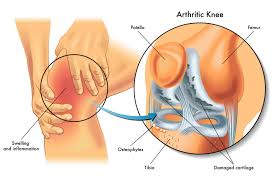
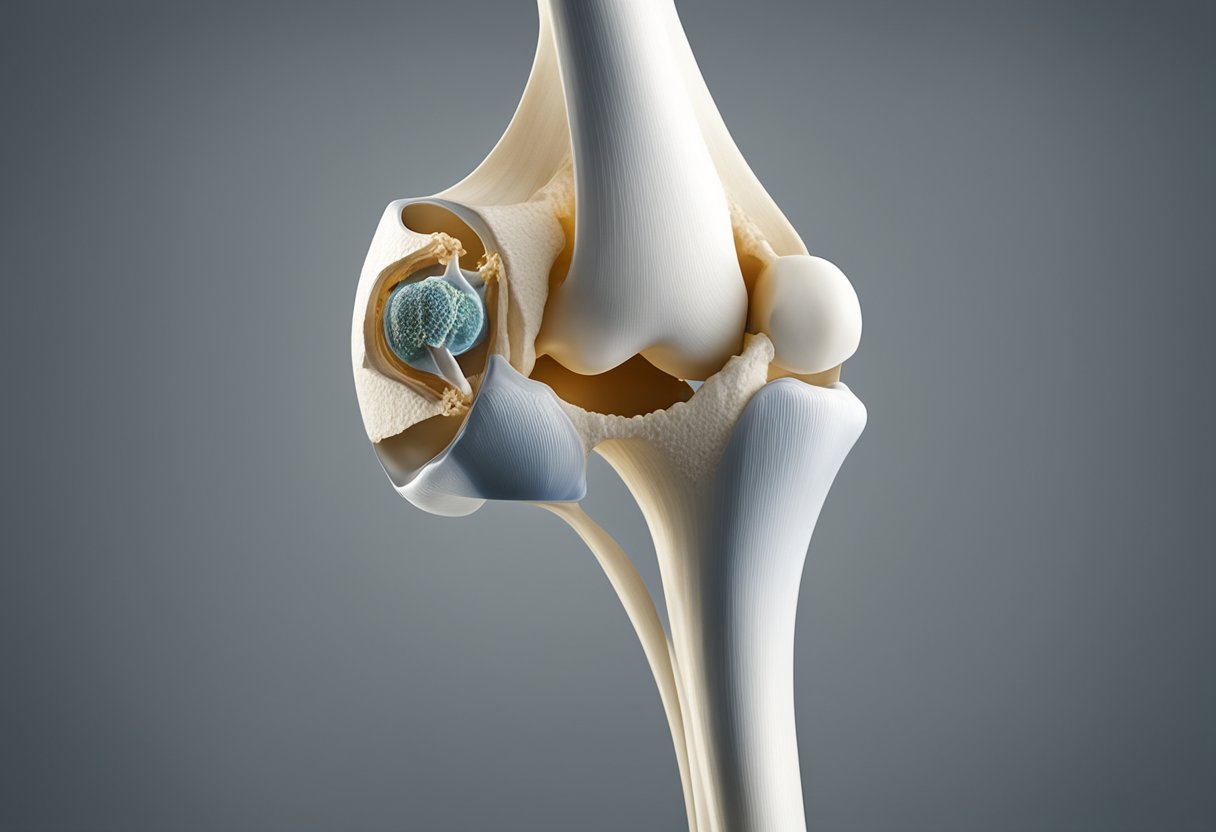
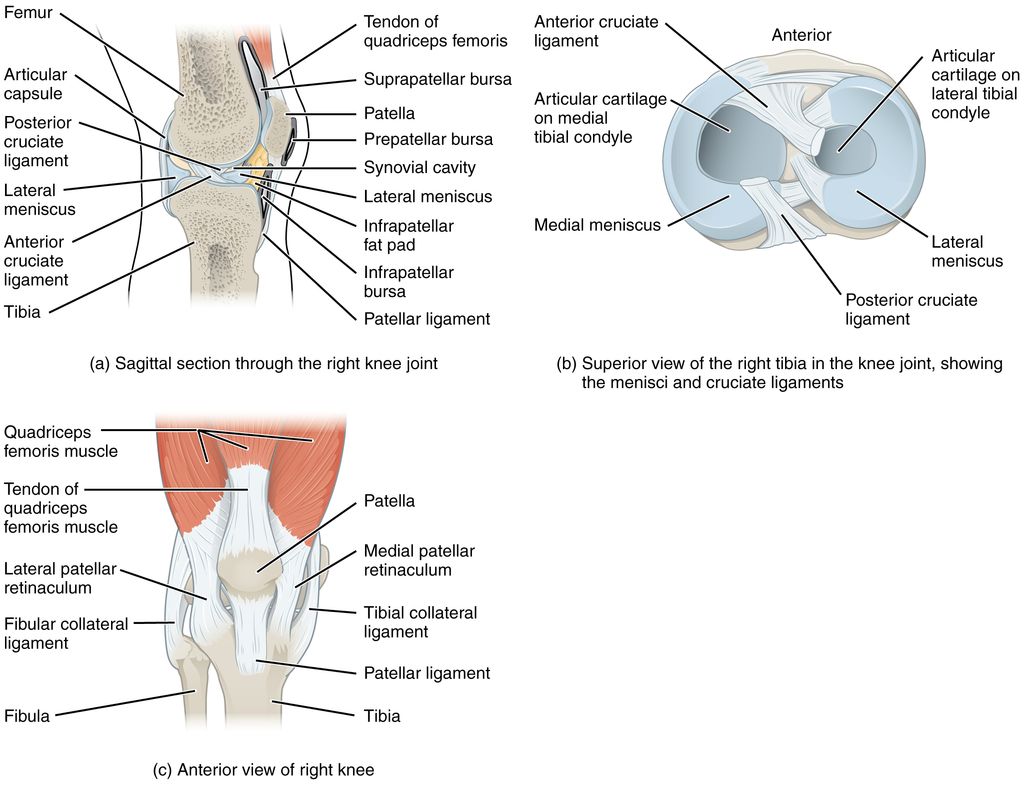
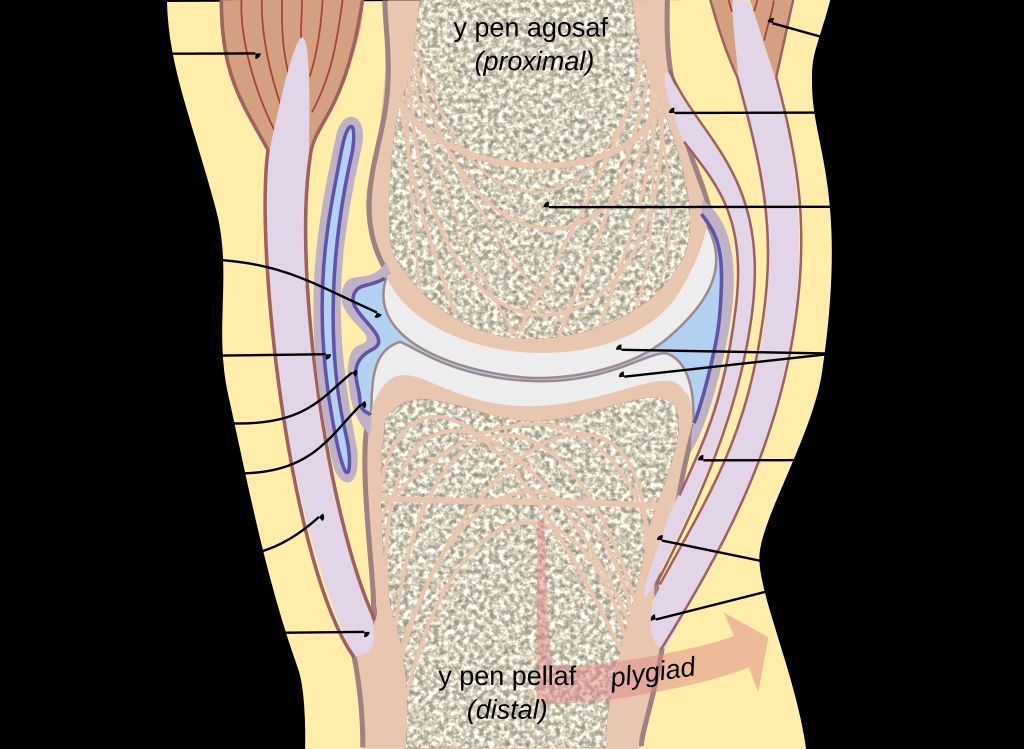
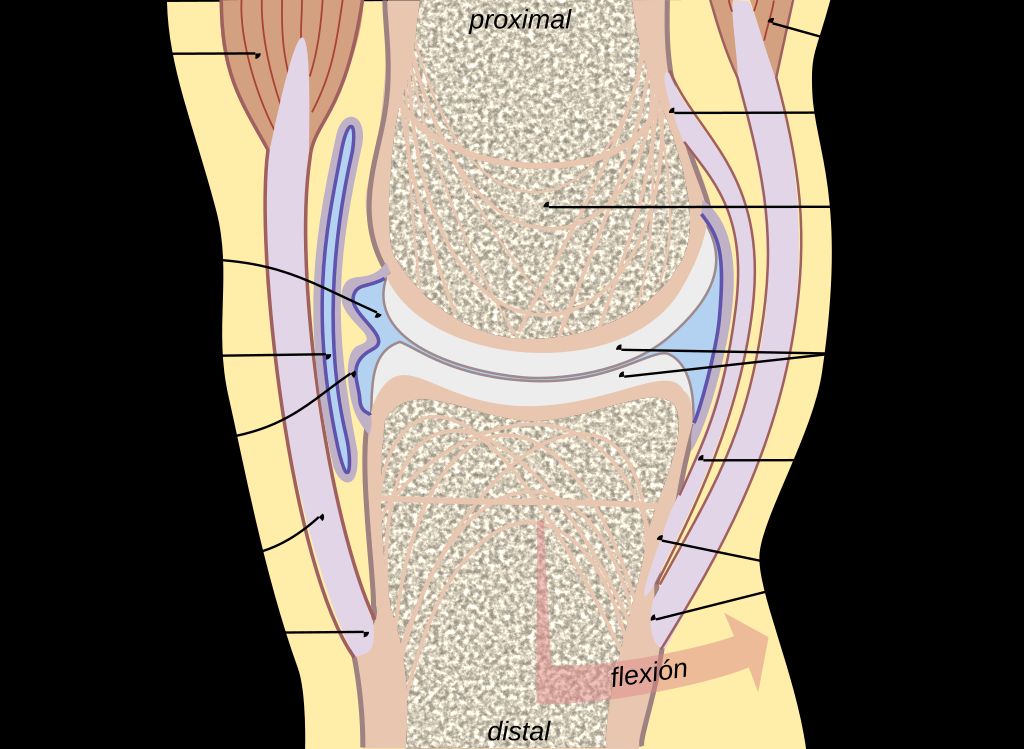
    When we explore the anatomy of the knee joint, we delve into a complex structure pivotal for movement. The knee joint is primarily composed of three bones: the femur, tibia, and patella. These bones are connected by ligaments that provide stability and tendons that attach muscles to the bones, allowing for movement.

    The knee joint’s stability is largely due to four key ligaments: the anterior cruciate ligament (ACL), posterior cruciate ligament (PCL), medial collateral ligament (MCL), and lateral collateral ligament (LCL). Each plays a vital role in maintaining knee alignment and preventing excessive movement that could lead to injury.

    Cartilage within the knee, including the menisci and articular cartilage, acts as a cushion and allows for smooth motion. However, when the knee is inverted, or the tibia is abnormally rotated inward, the stress distribution across these structures changes, which can lead to discomfort or injury over time.

    Tip: Regularly engaging in exercises that strengthen the muscles around the knee can help maintain proper alignment and prevent the development of inverted knees.

    Understanding the intricate workings of the knee joint is essential for recognizing the implications of knee inversion and the importance of seeking appropriate treatment to manage this condition.

    Causes of Knee Inversion

    In understanding the causes of knee inversion, it is essential to consider the structural aspects of the knee joint. The alignment of the bones, ligaments, and tendons plays a crucial role in maintaining stability and preventing excessive inward rotation of the knee. Misalignment of these structures can lead to increased stress on the joint and contribute to the development of inverted knees. Additionally, factors such as muscle weakness and imbalances can further exacerbate the risk of knee inversion. Understanding these structural and biomechanical aspects is fundamental in addressing and managing inverted knees effectively.

    Effects of Inverted Knees on Movement

    The structure of the knee joint is crucial in understanding the complexities of knee inversion. It involves the interaction of bones, ligaments, and tendons, with the patella playing a significant role in stabilizing the joint. Additionally, the alignment of the femur and tibia is a key factor in determining the degree of knee inversion. Understanding these structural components is essential for effective management of inverted knees.

    Furthermore, the causes of knee inversion can vary, including genetic predisposition, muscle imbalances, and improper biomechanics. These factors contribute to the misalignment of the knee joint, leading to increased stress on specific structures. Identifying the underlying cause is crucial for developing targeted treatment strategies.

    The effects of inverted knees on movement can be profound, impacting activities such as walking, running, and even standing. Individuals with inverted knees may experience instability and reduced range of motion, affecting their overall mobility and quality of life. It is important to address these movement limitations through targeted interventions and lifestyle modifications.

    Diagnosing Inverted Knees
    thumbnail

    Physical Examination

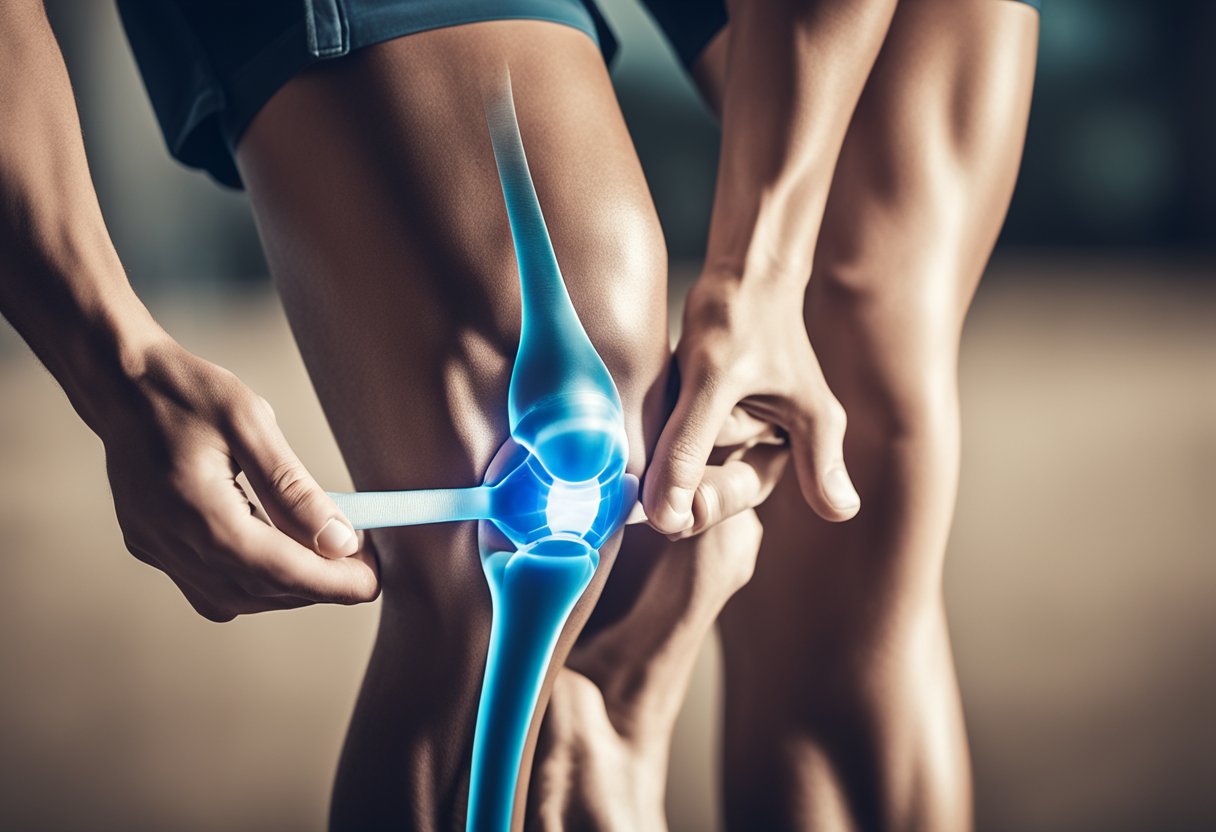
    Upon conducting a thorough physical examination, we carefully assess the alignment, range of motion, and stability of the knee joint. We pay close attention to any signs of discomfort, swelling, or abnormal movement patterns. Additionally, we may perform specialized tests to evaluate the strength and function of the muscles surrounding the knee. These assessments provide valuable insights into the extent of knee inversion and guide further diagnostic decisions. In some cases, imaging techniques, such as X-rays or MRI scans, are employed to visualize the internal structures of the knee and confirm the diagnosis.

    Imaging Techniques for Diagnosis

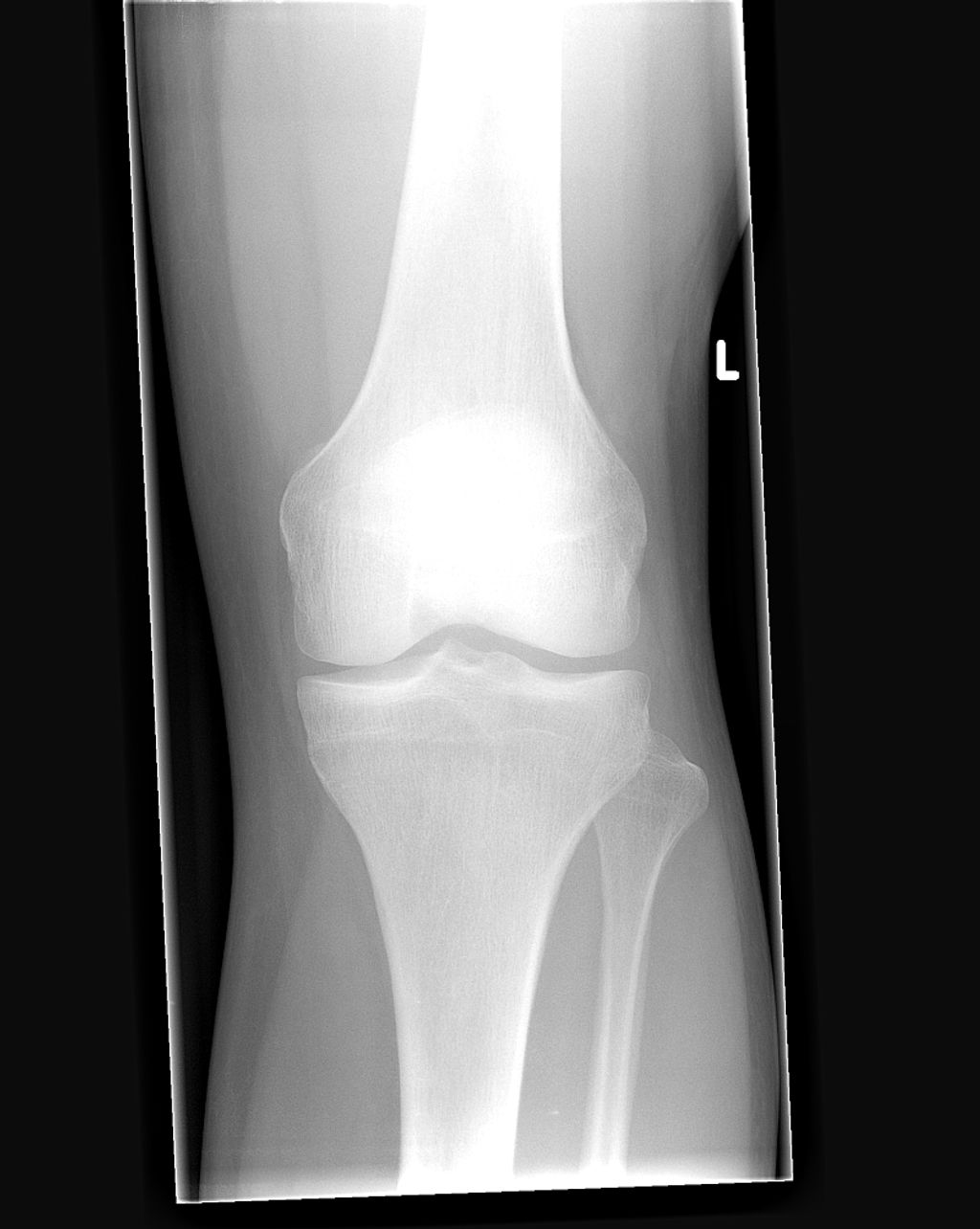
    When we suspect inverted knees, we often turn to imaging techniques to confirm the diagnosis. These methods provide us with a detailed view of the knee’s structure, allowing us to assess the extent of inversion and any associated conditions. The most common imaging techniques include X-rays, MRI (Magnetic Resonance Imaging), and CT (Computed Tomography) scans.

    • X-rays are typically the first step, offering a clear image of bone alignment and joint space.
    • MRI scans provide a more detailed image, showing soft tissues such as ligaments and cartilage.
    • CT scans combine X-rays from different angles to create cross-sectional images of the knee, which can be particularly useful in complex cases.

    Tip: It’s essential to choose the most appropriate imaging technique based on the individual’s symptoms and physical examination findings to ensure an accurate diagnosis.

    Treatment Options for Inverted Knees
    thumbnail

    Physical Therapy and Rehabilitation

    In our approach to managing inverted knees, we emphasize the role of physical therapy and rehabilitation. This non-invasive treatment plan is tailored to each individual’s needs, focusing on strengthening the muscles around the knee to improve stability and correct alignment.

    Physical therapists often recommend a series of exercises that target the quadriceps, hamstrings, and calf muscles. These exercises not only help in realigning the knee joint but also contribute to overall leg strength and balance. It’s crucial to follow the prescribed regimen diligently for the best outcomes.

    Consistency in performing therapeutic exercises is key to managing knee inversion effectively.

    We also incorporate proprioceptive training into the rehabilitation program. This involves exercises that enhance the body’s awareness of joint position, which is vital for maintaining knee stability during movement. Below is a list of common exercises included in a typical rehabilitation program:

    • Straight leg raises
    • Hamstring curls
    • Calf stretches
    • Step-ups
    • Balance exercises, such as single-leg stands

    Orthotic Devices and Bracing

    Orthotic devices and bracing play a crucial role in providing support and stability for individuals with inverted knees. Custom orthotic devices are designed to address specific alignment issues and provide comfort during daily activities. Bracing, on the other hand, offers external support to the knee joint, reducing the risk of injury during physical movements. It’s important to consult with a healthcare professional to determine the most suitable orthotic device or brace based on individual needs and lifestyle. Additionally, proper fitting and regular maintenance of these devices are essential for long-term effectiveness and comfort.

    Surgical Interventions

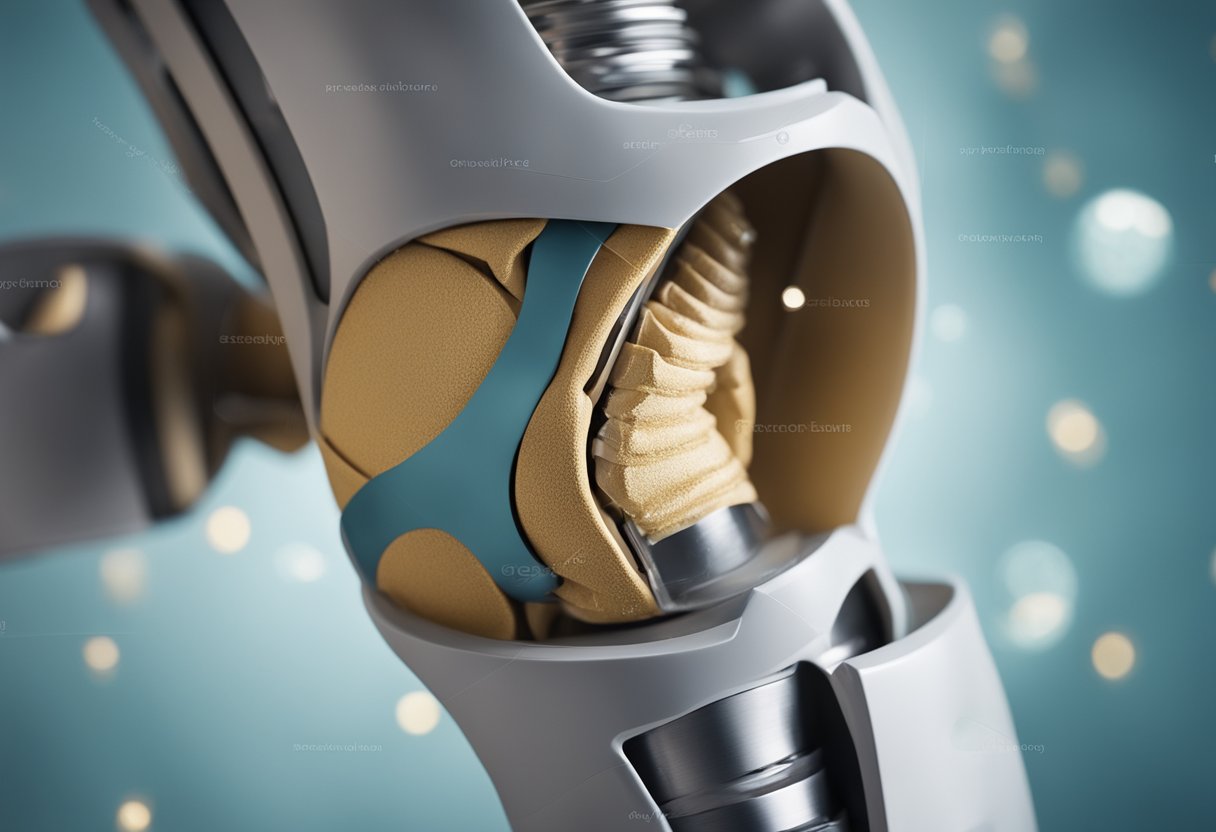
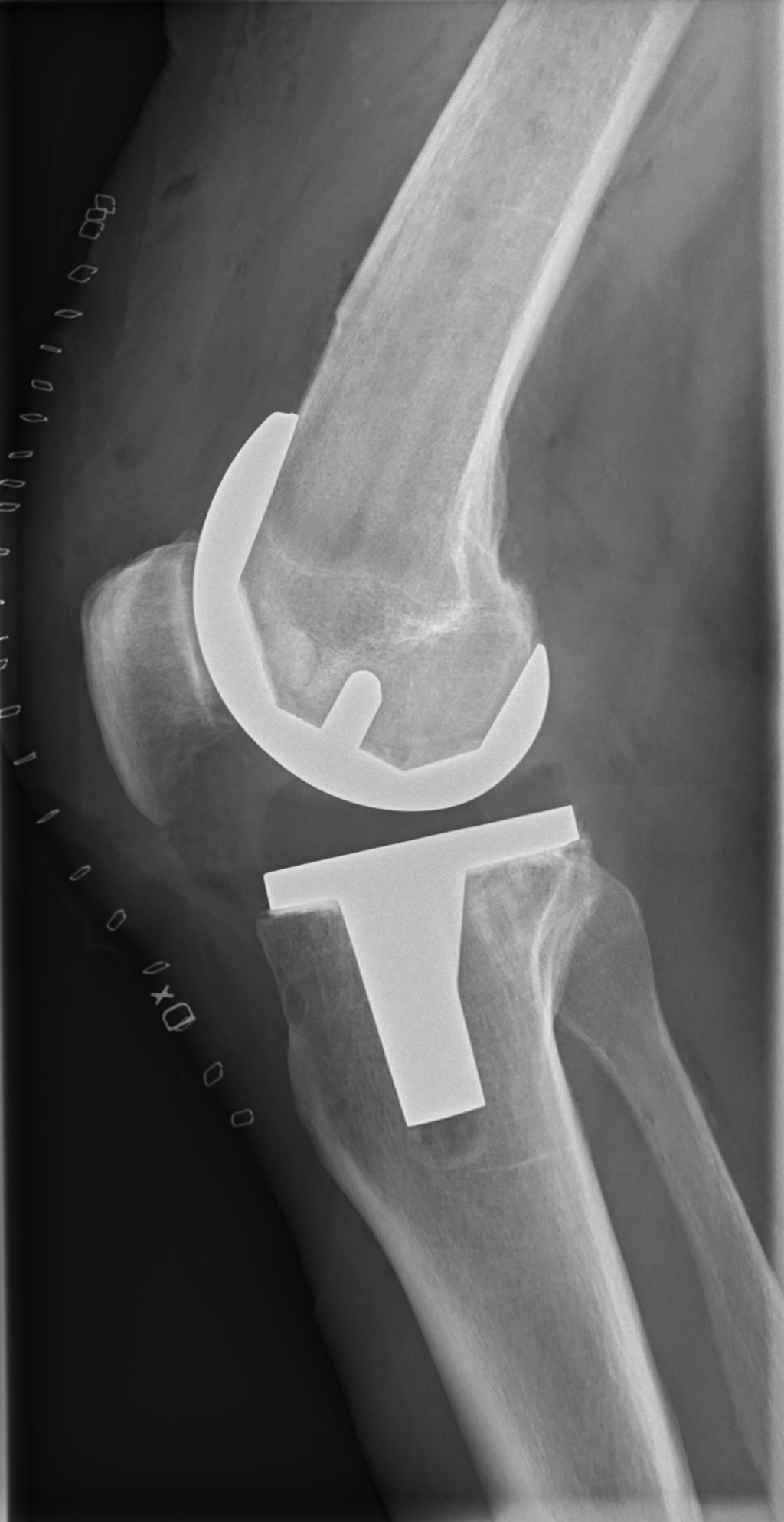
    In cases where physical therapy and orthotic devices are insufficient to correct inverted knees, we may consider surgical interventions. These procedures are typically reserved for severe deformities or when the condition leads to persistent pain and functional impairment. Surgical options vary depending on the underlying cause and severity of the knee inversion.

    The most common surgeries include realignment osteotomies, where the bone is cut and repositioned, and ligament reconstructions to stabilize the knee joint. It’s essential to understand that surgery is followed by a period of rehabilitation to ensure the best possible outcome.

    • Post-operative care is critical and includes: *
    • Pain management
    • Physical therapy
    • Gradual return to activities

    Remember, the goal of surgery is not only to correct the anatomical issue but also to restore function and alleviate discomfort. It’s a decision that should be made with careful consideration of all potential risks and benefits.

    Preventive Measures and Lifestyle Modifications
    thumbnail

    Exercises to Improve Knee Alignment

    We understand that managing inverted knees involves a proactive approach to improving knee alignment. One of the most effective strategies is engaging in a series of targeted exercises. These exercises are designed to strengthen the muscles around the knee, enhance joint stability, and promote proper alignment.

    • Quadriceps strengthening: Essential for supporting the front of the knee joint.
    • Hamstring curls: Improve the strength of the muscles at the back of the thigh.
    • Calf raises: Enhance the stability of the lower leg and support knee alignment.
    • Hip abductor and adductor exercises: Balance the muscles on the inner and outer thigh to assist in knee positioning.

    Consistency in performing these exercises is key to seeing improvements. It is advisable to start with lower intensity and gradually increase as your muscles adapt.

    It’s also important to incorporate exercises that focus on balance and proprioception, such as single-leg stands, to further support knee alignment. We recommend consulting with a physical therapist to tailor an exercise program that is specific to your needs and condition.

    Footwear and Foot Support

    When it comes to managing inverted knees, footwear and foot support play a crucial role in maintaining proper alignment and reducing stress on the knee joint. Our choice of footwear can either support or exacerbate knee inversion, so it’s important to select shoes that provide adequate arch support and stability. Additionally, using orthotic inserts can further enhance the alignment of the feet and ankles, which in turn positively impacts knee positioning. It’s advisable to consult with a podiatrist or orthopedic specialist to determine the most suitable footwear and support options for individual needs.


    Tip: When choosing footwear, prioritize comfort and support over style. Look for shoes with good arch support and cushioning to help maintain proper alignment and reduce the risk of knee inversion.

    Avoiding Activities that Aggravate Knee Inversion

    It is crucial to be mindful of our movements and activities to prevent exacerbating knee inversion. Engaging in high-impact sports or activities that involve sudden changes in direction can put unnecessary strain on the knees. Additionally, wearing improper footwear with inadequate support can further contribute to knee misalignment. Choosing supportive footwear and being mindful of the impact of certain activities on knee alignment is essential for managing knee inversion effectively.

    Conclusion

    In conclusion, understanding the complexities of inverted knees is crucial for effective management and treatment. By addressing the underlying causes and implementing targeted interventions, individuals with inverted knees can experience improved mobility and reduced discomfort. Further research and clinical studies are needed to enhance our understanding of this condition and develop more tailored approaches for management. Empowering individuals with knowledge about their condition is essential for promoting proactive self-care and optimizing long-term outcomes.

    Frequently Asked Questions

    What are the common symptoms of inverted knees?

    Common symptoms of inverted knees include knee pain, instability, and difficulty with activities that involve weight-bearing on the knees.

    Can inverted knees be corrected without surgery?

    In some cases, physical therapy, orthotic devices, and lifestyle modifications can help improve knee alignment and manage the symptoms of inverted knees without the need for surgery.

    Are there specific exercises that can help improve knee alignment?

    Yes, exercises such as leg strengthening, stretching, and balance training can help improve knee alignment and stability.

    How can footwear and foot support affect knee inversion?

    Proper footwear and foot support can help distribute weight evenly and provide stability, which can reduce the risk of knee inversion and improve overall knee alignment.

    What activities should be avoided to prevent aggravating knee inversion?

    Activities that involve excessive twisting, pivoting, or sudden changes in direction should be avoided to prevent aggravating knee inversion.

    What are the potential long-term effects of untreated inverted knees?

    Untreated inverted knees may lead to chronic knee pain, increased risk of knee injuries, and altered gait patterns, which can impact overall mobility and quality of life.
  • Inspired Spine unveils two Centers of Excellence for high BMI patients in rural Minnesota and Kansas

    Inspired Spine unveils two Centers of Excellence for high BMI patients in rural Minnesota and Kansas

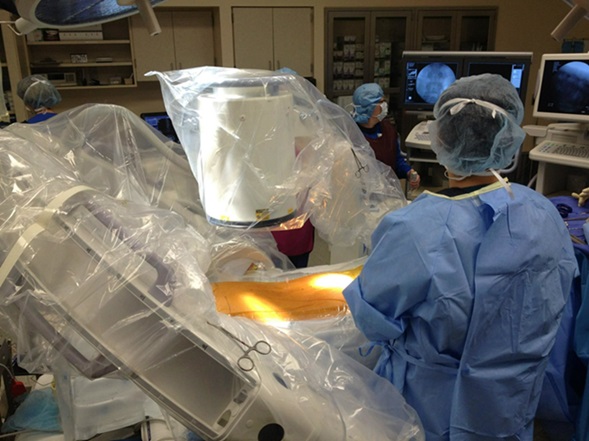
    Inspired Spine CMO Dr. Hamid Abbasi performs one of more than 1,700 OLLIF procedures. The procedure has proven effective in hundreds of patients with a high BMI.

    BURNSVILLE, Minn., Nov. 29, 2023 /PRNewswire/ — Inspired Spine has announced the formation of two new Centers of Excellence focused on providing complex spine care, including fusion surgery, to patients with high Body Mass Index (BMI) in rural areas of Minnesota and Kansas, a groundbreaking turn in modern spine health management.

    In a remarkable display of dedication, Dr. Hamid Abbasi, a renowned neurosurgeon and the driving force behind Inspired Spine, recently performed an extraordinary feat by traveling to Hutchinson, Kansas to perform eleven spinal surgeries in just two days. Notably, five of these patients had a BMI over 40, with the highest BMIs being 54 and 64. All eleven operations were performed with unprecedented success and the patients were able to walk back and forth in the comfort of their own home within two days.

    Traditionally, patients with a BMI above 40 face significant challenges in seeking elective surgeries due to societal norms and medical recommendations against such procedures citing high risks. Inspired Spine’s innovative Oblique Lateral Lumbar Interbody Fusion (OLLIF) technology and comprehensive surgical protocols have dramatically minimized associated risks for patients requiring spinal fusion surgery. Many of them have become non-ambulatory due to spinal problems and have no alternative. The benefits of OLLIF now impressively outweigh the risks.

    This advancement comes at a crucial time for patients with high BMI, who often face a debilitating cycle of weight gain and deteriorating health due to the lack of mobility and associated comorbidities, such as cardiovascular decline. In response, Inspired Spine has established specialty medical centers accessible to patients from across the United States that provide advanced and life-changing care.

    With a ten-year track record of successfully treating patients with a high BMI with the OLLIF procedure. This breakthrough has opened new doors to patient care that many thought were permanently closed. Despite the complex nature of these operations, patients are typically discharged only one or two nights after surgery and can return home within a few days – undeniable proof of the high efficiency and effectiveness of the treatment.

    To underline this success, the publication of Inspired Spine’s OLLIF high BMI paper shows the transformative effects of this procedure. “We are proud to bring our innovation to rural Kansas,” said Dr. Abbasi. “The impact is already being felt with a series of successful surgeries performed in environments that would not normally be suitable for traditional spine surgery. Many of these patients require higher levels of care such as ICU or blood transfusions and intensive medical care due to the invasiveness of traditional surgeries.”

    The human dimension of these successes is vividly reflected in patient testimonials. A recent patient from North Carolina who traveled to Inspired Spine of Kansas for the OLLIF procedure shares her experience: “I never thought relief was possible until I found Inspired Spine. The OLLIF procedure not only gave me back my mobility, but also gave me a new lease on life. The care I received in Kansas was exceptional, and I am grateful for the team at Inspired Spine.” Her story, along with her moving testimony and images, underscores the critical importance and positive results of the Centers of Excellence at Inspired Spine.

    Inspired Spine is a total spine care provider dedicated to improving patients’ quality of life with revolutionary procedures and technologies. Our commitment to advancing spine health, grounded in innovation, has made us leaders in the field of minimally invasive spine surgery.

    For more information about the OLLIF procedure and to read inspiring patient stories, visit www.inspiredspine.com or contact Amanda Armagost at aarmagost@islife.us

    SOURCE Inspired Spine

    rt

    Source link

  • Orthofix announces publication in The Spine Journal of five-year data for the M6-C artificial cervical disc

    Orthofix announces publication in The Spine Journal of five-year data for the M6-C artificial cervical disc


    With more than 100,000 implants worldwide, the M6-C and M6-L drives continue to demonstrate strong clinical performance, safety and patient benefits

    The Orthofix M6-C™ artificial intervertebral disc is a next-generation artificial intervertebral disc designed to replace an intervertebral disc damaged by degeneration of the cervical intervertebral discs. The M6-C disc is designed to restore spinal motion and is an alternative to cervical fusion.

    LEWISVILLE, Texas, November 29, 2023–(BUSINESS WIRE)–Orthofix Medical Inc. (NASDAQ:OFIX), a leading global spine and orthopedics company, today announced the release of the five-year results of its US clinical trial comparing the M6 ​​-C artificial cervical disc with anterior cervical discectomy and fusion (ACDF). Published in The Spine diarypatients treated with the M6-C disc demonstrated superior clinical success at 60 months compared to ACDF patients. Secondary findings indicated significant improvements in neck and arm pain, function and quality of life. The M6-C patient group maintained flexion-extension and lateral bending motion as reported at previous time points. The release of these data coincides with the recognition that more than 100,000 implantations of the M6-C artificial cervical disc and the M6-L artificial lumbar disc (available outside the US only) have been performed worldwide since the product was first introduced in 2006.

    “Publication of these data is important as it validates the strong clinical performance observed in the five-year data from the US IDE study,” said lead author Dr. Frank Phillips, professor of orthopedic surgery at Rush University Medical Center in Chicago and the director investigator for the FDA clinical trial. “Artificial intervertebral disc replacement is becoming the gold standard of care for indicated patients who might otherwise experience intervertebral disc fusion. Data from this study demonstrate that the M6-C artificial disc demonstrated superior clinical success over five years compared to ACDF controls. Furthermore, significantly more subjects in the M6-C group reported improved pain and physical functioning scores than observed in ACDF subjects, with no difference in reoperation rates or safety outcomes.”

    A prospective, nonrandomized, concurrently controlled clinical trial, the M6-C IDE study, was conducted at 23 sites in the United States with a mean patient age of 44 years. The study evaluated the safety and effectiveness of the M6-C artificial cervical disc compared to ACDF for the treatment of symptomatic single-level cervical radiculopathy with or without umbilical cord compression. The overall success rate for the protocol-specified primary endpoint for the M6-C disk patients was 82.3 percent, compared to 67.0 percent in the control group. The rates of subsequent surgical intervention (SSI) on the M6-C drive were 3.1 percent, device or procedure related serious adverse events (SAE) were 3.1 percent and were comparable to ACDF rates of SSI of 5.3 percent and SAE failure of 4.8 percent. The M6-C drive received U.S. Food and Drug Administration (FDA) approval in February 2019 based on the two-year results of this study.

    “To date, there have been more than 100,000 implants of M6 artificial disc technology in 20 countries around the world,” said Kevin Kenny, president of Orthofix Global Spine. “We are proud of this life-changing technology that has helped so many people enjoy their lives again.”

    About the M6-C artificial cervical disc

    The M6-C artificial cervical disc is designed to maintain the natural behavior of a functional spinal unit by replicating the biomechanical characteristics of the original disc and is indicated as an alternative to cervical fusion. The unique design of the M6-C disc features a compressible viscoelastic core core and annular structure construction that allows shock absorption at the implanted level, providing a controlled range of motion as the spine transitions into its combined complex movements.

    Orthofix invites attendees of the Cervical Spine Research Society (CSRS) annual meeting in Las Vegas, November 29 through December 2, 2023, to visit booth #109 to learn more about the company’s full portfolio of cervical solutions .

    About Orthofix

    Orthofix is ​​a leading global spine and orthopedics company with a comprehensive portfolio of biologics, innovative spine hardware, bone growth therapies, specialty orthopedic solutions and a leading surgical navigation system. The products are distributed in approximately 68 countries around the world.

    The company is headquartered in Lewisville, Texas, where it conducts general business, product development, medical education and manufacturing, and corporate offices in Carlsbad, CA, with a focus on spine and biologics product innovation and surgeon education, and Verona, Italy. with an emphasis on product innovation, production and medical education for orthopedics. The combined company’s global R&D, commercial and manufacturing footprint also includes facilities and offices in Irvine, CA, Toronto, Canada, Sunnyvale, CA, Wayne, PA, Olive Branch, MS, Maidenhead, UK, Munich, Germany, Paris, France and São Paulo, Brazil. For more information, visit Orthofix.com.

    Forward-Looking Statements

    This press release may contain forward-looking statements within the meaning of Section 21E of the Securities Exchange Act of 1934, as amended, and Section 27A of the Securities Act of 1933, as amended. In some cases, you can identify forward-looking statements by terminology such as “may,” “will,” “should,” “expects,” “plans,” “anticipates,” “believes,” “estimates,” “projects” , ‘intends’, ‘predicts’, ‘potential’, ‘continue’ or other similar terminology. Orthofix cautions you that statements in this press release that are not descriptions of historical facts are forward-looking statements based on the company’s current expectations and assumptions. Any forward-looking statement contained in this press release is subject to risks and uncertainties that could cause actual results to differ materially from those expressed or implied by such statement. Applicable risks and uncertainties include, but are not limited to: the ability of newly launched products to perform as designed and intended and to meet the needs of surgeons and patients, including due to the lack of robust clinical validation; and the risks identified under the heading “Risk Factors” in Orthofix Medical Inc.’s annual report. on Form 10-K for the fiscal year ended December 31, 2022, which was filed with the Securities and Exchange Commission (SEC) on March 6. , 2023. The Company’s public filings with the Securities and Exchange Commission are available at www.sec.gov. You are cautioned not to place undue reliance on forward-looking statements, which speak only as of the date on which they are made. Orthofix does not intend to revise or update any forward-looking statement contained in this press release to reflect events or circumstances occurring after the date of this press release, except as may be required by law.

    Contacts

    Media relations
    Denise Landry
    DeniseLandry@orthofix.com
    214.937.2529

    Investor Relations
    Louisa Smith, Gilmartin Group
    IR@orthofix.com

    Source link

  • Knee Joint Damage

    Knee Joint Damage

    Knee Joint Damage: Causes, Symptoms, and Treatment Options

    Knee joint damage is a common condition that can affect anyone, regardless of age or activity level. It can be caused by a variety of factors, including injury, overuse, and degenerative conditions like arthritis. Knee joint damage can cause pain, swelling, and stiffness, and can make it difficult to perform everyday activities like walking, climbing stairs, or even standing up.

    v2 2idrl 2by2r

    Common Causes of Knee Joint Damage include injury, overuse, and degenerative conditions like arthritis. Symptoms and Diagnosis of knee joint damage can vary depending on the severity of the condition, but may include pain, swelling, stiffness, and difficulty moving the knee joint. Treatment and Prevention options for knee joint damage may include rest, physical therapy, medication, and surgery, depending on the cause and severity of the condition. With proper care and treatment, many people are able to manage their knee joint damage and maintain an active lifestyle.

    Key Takeaways

    • Knee joint damage is a common condition that can be caused by injury, overuse, or degenerative conditions like arthritis.
    • Symptoms of knee joint damage can include pain, swelling, stiffness, and difficulty moving the knee joint.
    • Treatment options for knee joint damage may include rest, physical therapy, medication, and surgery, depending on the cause and severity of the condition.

    Common Causes of Knee Joint Damage

    Knee joint damage is a common problem that affects many people, especially as they get older. In this section, we will discuss some of the most common causes of knee joint damage.

    Aging and Degeneration

    As we age, the cartilage in our knee joint can wear down, leading to osteoarthritis. This is a degenerative condition that can cause pain, stiffness, and swelling in the knee joint.

    Injury and Trauma

    Injuries and trauma can also cause knee joint damage. Falls, tears, fractures, and dislocations can all lead to knee pain and instability. ACL injuries, tendon tears, and meniscus tears are also common knee injuries.

    Sports and Exercise

    Certain sports and exercises can put a lot of stress on the knee joint, leading to damage. Activities like running, soccer, basketball, and skiing can all cause knee injuries. Patellar tendinitis and iliotibial band syndrome are also common sports-related knee injuries.

    Health Conditions

    Some health conditions can also contribute to knee joint damage. Rheumatoid arthritis is an autoimmune condition that can cause inflammation and damage to the knee joint. Gout and septic arthritis are other health conditions that can affect the knee joint.

    Obesity and Overuse

    Being overweight or obese can put extra stress on the knee joint, leading to damage. Overuse can also cause knee joint damage, especially if you participate in activities that involve repetitive motions.

    Other Causes

    Other causes of knee joint damage include osteoporosis, obvious deformity, weakness, and instability. These factors can all contribute to knee pain and discomfort.

    In summary, knee joint damage can be caused by a variety of factors, including aging, injury, sports and exercise, health conditions, obesity, and overuse. Understanding these common causes can help you take steps to prevent knee joint damage and protect your knee health.

    Symptoms and Diagnosis

    Recognizing Symptoms

    If you have knee joint damage, you may experience symptoms such as pain, swelling, inflammation, stiffness, and limited range of motion. In some cases, you may also notice redness around the affected area. If you experience any of these symptoms, it is important to seek medical attention.

    Medical Diagnosis

    When you visit your doctor, they will conduct a physical exam and ask you questions about your symptoms. They may also recommend imaging tests such as X-rays or an MRI to get a better look at the affected area.

    X-rays can help identify any bone damage, while an MRI can provide more detailed information about the soft tissues in your knee joint. Your doctor may also order blood tests to check for signs of infection or inflammation.

    Once your doctor has evaluated your symptoms and test results, they can make a diagnosis and recommend a treatment plan. It is important to follow your doctor’s recommendations closely to ensure the best possible outcome.

    Treatment and Prevention

    v2 2idrx hg5wo

    When it comes to knee joint damage, there are various treatment and prevention strategies that can be employed to alleviate symptoms and prevent further injury. In this section, we will discuss some of the most effective approaches to treating and preventing knee joint damage.

    Conservative Treatments

    Conservative treatments are non-invasive interventions that aim to reduce pain and swelling, and promote healing. These treatments may include:

    • Rest: Avoiding activities that aggravate the knee joint can help reduce pain and promote healing.
    • Ice: Applying ice to the affected area can help reduce swelling and pain.
    • Compression: Wrapping the knee joint with an elastic bandage can help reduce swelling and provide support.
    • Elevation: Elevating the affected leg can help reduce swelling and improve blood flow.
    • Physical therapy: A physical therapist can help develop a customized exercise program to improve strength and flexibility in the affected knee joint.
    • Medication: Over-the-counter pain relievers such as nonsteroidal anti-inflammatory drugs (NSAIDs) can help reduce pain and inflammation.

    Surgical Interventions

    In some cases, conservative treatments may not be enough to alleviate symptoms of knee joint damage. In these instances, surgical interventions may be necessary. Some common surgical interventions for knee joint damage include:

    • Arthroscopy: A minimally invasive procedure that involves inserting a small camera into the knee joint to diagnose and treat the problem.
    • Knee replacement: A surgical procedure that involves replacing the damaged knee joint with an artificial joint.

    Prevention Strategies

    Prevention is key when it comes to knee joint damage. Some effective prevention strategies include:

    • Exercise: Regular exercise can help improve strength and flexibility in the knee joint, reducing the risk of injury.
    • Stretching: Stretching before and after exercise can help improve flexibility and reduce the risk of injury.
    • Use of knee braces: Wearing a knee brace during physical activity can help provide support and prevent injury.
    • Avoiding high-impact activities: Activities such as running and jumping can put excessive stress on the knee joint, increasing the risk of injury.

    Role of Healthcare Providers

    Healthcare providers play a critical role in the treatment and prevention of knee joint damage. They can provide guidance on effective treatment strategies, monitor progress, and make recommendations for further interventions if necessary. If you are experiencing symptoms of knee joint damage, it is important to consult with a healthcare provider to develop an effective treatment plan.

    Frequently Asked Questions

    v2 2ids2 jqohb

    What are some common causes of knee joint damage?

    There are several common causes of knee joint damage, including injuries from sports or physical activities, repetitive strain on the knee joint, and aging. Other factors that can contribute to knee joint damage include obesity, arthritis, and genetic predisposition.

    What are the symptoms of a meniscus tear in the knee?

    Some common symptoms of a meniscus tear in the knee include pain, swelling, stiffness, and difficulty moving the knee. Other symptoms may include a popping or clicking sensation in the knee, or the feeling that the knee is giving way or locking up.

    How can knee joint damage be treated?

    Treatment for knee joint damage depends on the severity of the injury and the underlying cause. Some common treatments include rest, ice, compression, and elevation (RICE), physical therapy, medications, and in some cases, surgery.

    What are some exercises to help alleviate knee pain?

    Low-impact exercises such as swimming, cycling, and yoga can help alleviate knee pain by strengthening the muscles that support the knee joint. Other exercises that can help alleviate knee pain include leg lifts, hamstring curls, and squats.

    What are the effects of permanent knee damage?

    Permanent knee damage can have a significant impact on a person’s mobility and quality of life. Depending on the severity of the damage, it may be difficult to walk or engage in physical activities, and chronic pain and stiffness may be a constant issue.

    What are some home remedies for knee pain relief?

    Some home remedies for knee pain relief include applying ice or heat to the affected area, taking over-the-counter pain medications, and using topical creams or ointments. Other remedies may include rest, gentle stretching and exercise, and maintaining a healthy weight to reduce pressure on the knee joint.

  • Spinal Elements® celebrates 20 years of inspired innovation

    Spinal Elements® celebrates 20 years of inspired innovation


    The company’s advanced, minimally invasive surgical solutions transform treatment
    and improve patient outcomes

    CARLSBAD, CA, November 9, 2023–(BUSINESS WIRE)–Spinal Elements, a Carlsbad, CA-based spine technology company specializing in innovative solutions for spine surgery, is proud to announce its 20e birthday. For two decades, Spinal Elements has been at the forefront of developing advanced spine products and technologies that improve the lives of patients and support surgeons and healthcare professionals in their mission to provide world-class spine care.

    Founded in November 2003, Spinal Elements has consistently set the industry standard by combining cutting-edge technology with an unwavering commitment to improving the results of spine surgery. Over the years, the company has developed into a trusted partner for spine surgeons and healthcare institutions.

    The company is known for its advanced, patient-centered medical devices and biologic products that are changing the way surgeons approach spine surgery. Spinal Elements’ advanced, minimally invasive surgical solutions transform treatment options and improve patient outcomes, shorten recovery times and improve the quality of life for countless individuals.

    CEO Ron Lloyd states, “Since 2003, Spinal Elements has been a leader in developing differentiated spine surgery technologies that enable fundamental shifts in the way spine surgery is performed while improving patient outcomes. We look forward to accelerating the expansion of our product portfolio as we continue to establish Spinal Elements as an innovation leader in the MIS spine access and device market.”

    Most recent product innovations within the MIS Ultra® platform of products and procedural solutions are Karma®Lucent XP Arc™ and Ventana®. Spinal Elements will continue to add new technology innovations to the platform in 2023 and beyond.

    As Spinal Elements celebrates this milestone, it expresses its gratitude to its customers, partners, surgeons and employees for their trust and support over the past two decades. The company looks forward to continued breakthrough developments in spine surgery technology and improved patient outcomes.

    Learn more about Spinal Elements’ 20 years of inspired innovation at https://spinalelements.com/company/.

    About Spinal Elements, Inc.

    Spinal Elements is a technology-driven company headquartered in Carlsbad, California. As a leading designer, developer, manufacturer and marketer of innovative medical devices used in spine surgery, Spinal Elements combines leading medical device, biologic and instrumentation technologies to create positive surgical outcomes that exceed surgeons’ and patients’ expectations . Spinal Elements has built a reputation for delivering innovative and differentiated technologies that enable fundamental shifts in spine surgery solutions. The company markets a complete portfolio of advanced spinal implant technologies. For more information, please visit www.spinalelements.com.

    About Kohlberg & Company, LLC

    Led by Sam Frieder and Gordon Woodward, Kohlberg is a leading private equity firm based in Mount Kisco, New York. Over its 35-year history, the company has organized eleven private equity vehicles, raising more than $13 billion in committed equity since 2007 and generating more than $10 billion in realized returns without realized losses. Kohlberg utilizes a rigorous white paper research program resulting in a higher percentage of proprietary deals and rapid value creation for the portfolio companies. For more information, please visit www.kohlberg.com

    Contacts

    For interviews or more information, please contact:
    Laura Charlton (formerly Johnson) for Spinal Elements
    laurajohnsonpr@yahoo.com (760) 450-7749 mobile

    Source link

  • OrthoPediatrics Corp.  enters into distribution agreement with Ora Medical

    OrthoPediatrics Corp. enters into distribution agreement with Ora Medical


    WARSAW, Ind., November 6, 2023 (GLOBE NEWSWIRE) — Orthopediatrics Corp. (“OrthoPediatrics”) (NASDAQ: KIDS), a company solely focused on advancing the field of pediatric orthopedics, today announced that the company has entered into an exclusive distribution agreement with Montreal-based Ora Medical to market Ora’s gait trainer. Medical, The Levity, a device designed for children with mobility problems.

    The Levity supports a child with an innovative partial weight bearing mechanism. This allows the child to interact with the world using his arms, unlocking countless possibilities. Thanks to the unique design, each child can receive personalized treatment. The Levity comes with versatile features to meet a wide range of needs: body weight support, harness, speed and direction of the device are adjustable, and the foldable design offers easy transportation. The Levity is suitable for most children between the ages of 3 and 12.

    The Levity supports a child at the waist, allowing for a unique hands-free experience that strengthens the muscles most important for optimal walking rehabilitation. This opens up a whole new experience for children and therapists, as the latter can now fully concentrate on patient engagement.

    Joe Hauser, president of Trauma and Deformity Correction at OrthoPediatrics, added: “Our new partnership with the team at Ora Medical is an exciting step in our non-surgical business. By partnering with great organizations with world-class technology, we can help more children with orthopedic conditions worldwide. The Levity running trainer will be a great addition to our portfolio of mobility solutions under the Specialty Bracing brand.”

    Sarah Lambert, CEO and co-founder of Ora Medical, said: “As we begin to expand beyond Canadian borders, our partnership with OrthoPediatrics is perfectly timed. Their established market presence and expertise will facilitate the distribution of our device, furthering our mission to improve the mobility of children worldwide.”

    About OrthoPediatrics Corp.
    Founded in 2006, OrthoPediatrics is an orthopedic company focused exclusively on advancing the field of pediatric orthopedics. As such, it has developed the most comprehensive product offering for the pediatric orthopedic market to improve the lives of children with orthopedic conditions. OrthoPediatrics currently markets 53 products serving three of the largest categories within the pediatric orthopedic market. This product offering includes trauma and deformity, scoliosis and sports medicine/other procedures. OrthoPediatrics’ global sales organization focuses exclusively on pediatric orthopedics and distributes its products in the United States and more than 70 countries outside the United States. For more information, please visit www.orthopediatrics.com.

    Contact person for investors
    Philip Trip Taylor
    Gilmartin Group
    philip@gilmartinir.com
    415-937-5406

    OrthoPediatrics Corp

    Source link

  • Aclarion Expands Immediate Nociscan Access to New York City with Addition of Tenth Key Opinion Leader, Consultant Surgeon Roger Hartl, MD

    Aclarion Expands Immediate Nociscan Access to New York City with Addition of Tenth Key Opinion Leader, Consultant Surgeon Roger Hartl, MD


    Dr. Hartl is the Hansen-MacDonald Professor of Neurological Surgery and director of Spinal Surgery at the Weill Cornell Brain and Spine Center in New York, and co-director of New York-Presbyterian Och Spine.

    Dr. Hartl becomes Aclarion’s 2NL KOL to gain access to an MRI center authorized to perform Nociscans, adding NYC to Denver as the second active KOL location.

    Aclarion will report on year-to-date Nociscan volumes before year-end and add this key metric to quarterly reporting starting in 2024.

    BROOMFIELD, CO, November 6, 2023 (GLOBE NEWSWIRE) – via NewMediaWireAclarion, Inc., (“Aclarion” or the “Company”) (Nasdaq: ACON, ACONW), a healthcare technology company that uses biomarkers and proprietary enhanced intelligence algorithms to help physicians identify the location of chronic low back pain, today announced that Roger Hartl, MD, Hansen-MacDonald Professor of Neurological Surgery and director of Spinal Surgery at Weill Cornell Brain and Spine Center in New York, as well as New York-Presbyterian co-director Och Spine, will advise the company nationally as a key thought leader (KOL).

    The practice of Dr. Hartl emphasizes an interdisciplinary approach to disease processes, and he works very closely with other specialists to personalize patients’ treatments. “My clinical interests focus on simple and complex spine surgery for degenerative conditions, as well as biological approaches for intervertebral disc repair and regeneration,” said Dr. Hartl. “Aclarion’s technology addresses a major gap in the current diagnosis of discogenic low back pain. I expect that Nociscan will provide valuable, objective information for our interdisciplinary approach to the treatment of degenerative intervertebral discs. Furthermore, I believe Nociscan will be equally valuable in our efforts to better understand less invasive surgical and biological treatment strategies for degenerative diseases of the spine.”

    Chronic low back pain (cLBP) is a leading cause of opioid addiction in the US and the most expensive diagnosis in the United States. Aclarion’s Nociscan solution is the first science-based SaaS platform that helps physicians non-invasively distinguish between painful and non-painful intervertebral discs in the lumbar spine. Nociscan objectively quantifies chemical biomarkers shown to be associated with disc pain. Biomarker data is fed into proprietary algorithms to indicate whether a disc may be a source of pain. When combined with other diagnostic tools, Nociscan provides critical insights into the location of a patient’s low back pain, giving clinicians clarity to optimize treatment strategies.

    “Dr. Hartl is a world-renowned neurosurgeon who continues to make advances in the diagnosis and treatment of low back pain,” said Brent Ness, CEO of Aclarion. “With immediate access to a Nociscan-activated MRI on Park Avenue in New York City, Dr. Hartl is already using Nociscan and will continue to gain clinical insights into the condition of his patients well into the future.”

    Over the past 18 months, Aclarion has built a leading consortium of 10 KOL surgeons. Dr. Hartl represents the 10e and latest KOL addition to Aclarion’s panel. The company is now in the critical phase of activating MRIs for each of its KOLs so they can begin using the technology, track clinical outcomes, and advocate for payer coverage decisions to expand access to Nociscan for all expand patients. The company will announce additional MRI activations for the remaining KOLs as they become available and will begin reporting on scan volumes as Nociscan usage increases with these MRI activations.

    For information about using Nociscan in New York City, please contact Aclarion at info@aclarion.com.

    About Aclarion, Inc.

    Aclarion is a healthcare technology company that uses magnetic resonance spectroscopy (“MRS”), proprietary signal processing techniques, biomarkers and enhanced intelligence algorithms to optimize clinical treatments. The company is entering the chronic low back pain market for the first time with Nociscan, the first evidence-based SaaS platform that helps physicians non-invasively distinguish between painful and non-painful discs in the lumbar spine. Through a cloud connection, Nociscan receives magnetic resonance spectroscopy (MRS) data from an MRI machine for each lumbar disc being evaluated. In the cloud, proprietary signal processing techniques extract and quantify chemical biomarkers shown to be associated with disc pain. Biomarker data is fed into proprietary algorithms to indicate whether a disc may be a source of pain. When combined with other diagnostic tools, Nociscan provides critical insights into the location of a patient’s low back pain, giving clinicians clarity to optimize treatment strategies. For more information please visit www.aclarion.com.

    Forward-Looking Statements

    This press release contains forward-looking statements within the meaning of the Private Securities Litigation Reform Act of 1995, Section 27A of the Securities Act of 1933 and Section 21E of the Securities Exchange Act of 1934 about the Company’s current expectations about future results, performance, prospects and opportunities. Statements that are not historical facts, such as “anticipates,” “believes” and “expects” or similar expressions, are forward-looking statements. These forward-looking statements are based on management’s current plans and expectations and are subject to a number of uncertainties and risks that could materially affect the company’s current plans and expectations, as well as its future results of operations and financial condition. These and other risks and uncertainties are discussed in more detail in our filings with the Securities and Exchange Commission. Readers are encouraged to read the section entitled “Risk Factors” in the Company’s April 21, 2022 Prospectus as filed with the Securities and Exchange Commission on April 25, 2022 under Rule 424(b)(4), as well as other disclosures. included in the Prospectus and subsequent filings with the Securities and Exchange Commission. Forward-looking statements in this announcement are made as of this date and the Company undertakes no obligation to publicly update or revise any forward-looking statements, whether as a result of new information, future events or otherwise.

    Investor contacts:
    Kirin M. Smith
    PCG Advice, Inc.
    646.823.8656
    ksmith@pcgadvisory.com

    Media contacts:
    Jodi Lamberti
    SPRIG advice
    612.812.7477
    jodi@sprigconsulting.com

    Source link

  • POLARIS AR receives US Food and Drug Administration approval for STELLAR Knee

    POLARIS AR receives US Food and Drug Administration approval for STELLAR Knee


    MIAMI, Nov. 3, 2023 /PRNewswire/ — POLARISAR is pleased to announce today that their STELLAR knee has received 510(k) clearance from the U.S. Food and Drug Administration (FDA). STELLAR Knee is the first approval for POLARISARa company focused on creating a new category in surgical guidance in Mixed Reality.

    POLARISAR and STELLAR Knee are building the intersection of physical surgery and virtual surgical guidance, creating a unique digital operating room environment. This digital OR environment uses Mixed Reality displays to provide surgeons with real-time access to intraoperative anatomical data used to measure, plan and guide total knee arthroplasty procedures. Using a unique combination of proprietary optical tracking algorithms and spatial computing software, STELLAR Knee measures and records clinically meaningful hard and soft tissue anatomical data, enabling sub-millimetric intraoperative planning and providing precise resection accuracy and guidance.

    “This is an important moment for orthopedic surgery,” said Dr. John Cooper, associate professor of orthopedic surgery, Columbia University Irving Medical Center. “Before STELLAR Knee, I had to rely on the inaccuracy of conventional instruments, or on complex technologies such as robotics to improve surgical precision. While these technologies provide important data that can be used to personalize surgery for each patient, they require a large footprint in my OR and a significant financial commitment from my institution. Now I can wear an unobtrusive digital assistant that provides real-time measurements and calculations I can trust, validating surgical decisions.”

    With no footprint in the operating room other than a Mixed Reality headset that acts as a three-dimensional spatial computing tool, STELLAR Knee dynamically acquires patient-specific anatomical data and digitizes that information into holographic displays. By capturing the surgeon’s field of view, STELLAR Knee creates a real-time digital data exchange between the surgeon and the technology that supports clinical decisions. Surgeons have full interactive capabilities with the highly customizable and intuitive user interface, allowing them to make quick assessments and micro-adjustments to the surgical plan.

    With minimal physical installation, a simple integration process and competitive pricing compared to traditional surgical guidance systems, STELLAR Knee has the ability to shift the standard of care. The STELLAR Knee workflow is open and available for use in all total knee replacement implant systems. POLARISAR and STELLAR Knee are creating a new category in surgical guidance software that leverages the latest visual display technology.

    “One of the most important aspects of new technology entering the operating room is the impact it makes and the footprint it requires,” said Dr. Francis Gonzales, professor of orthopedic surgery, University of California, San Diego. “Technological progress does not always correlate with improvements within the OR. STELLAR Knee is an exception. Because it has no footprint outside the headset, no computers or stalls, it does exactly what it was designed to do: it allows me to focus on what matters most: the operation, and to have confidence in the decisions I make. take.”

    “Our software has the power to usher in the next generation of surgical advancements,” said Paul Mikus, Chief Executive Officer of POLARISAR. “This is a new day for orthopedics and surgery as a whole, as the promise of Augmented Reality is now being fulfilled. STELLAR Knee is pioneering a new class of surgical software that leverages best-in-class spatial computing and optimizes operating room workflow. STELLAR Knee not only impacts the surgeon and the patient, but also empowers healthcare providers to change the standard of care.”

    For more information about POLARIS, visit the link belowAR and STELLAR Knee, and to connect to a sales or POLARISAR team representative: https://www.thinkpolaris.com/

    ABOUT POLARISAR

    POLARISAR is a Miami-based startup whose mission is to develop a new class of Mixed Reality surgical technology. Their goal is to optimize intraoperative workflows and improve patient outcomes using advanced, three-dimensional spatial computing algorithms – going beyond traditional navigation, patient-specific instrumentation, robotics and first-generation augmented reality.

    The US Food and Drug Administration has approved STELLAR Knee in 2023. The company was founded in 2020 and is headquartered in Miami, Florida.

    For more information about POLARISARvisit: https://www.thinkpolaris.com/

    For any further information please contact:
    Media
    Ethan Metelenis
    Ethan.Metelenis@precisionvh.com
    917.882.9038

    SOURCE PolarisARrt

    Source link

  • Record Number of Midwestern Orthopedics at RUSH Physicians Named to Chicago Magazine’s “TOP DOCS” List

    Record Number of Midwestern Orthopedics at RUSH Physicians Named to Chicago Magazine’s “TOP DOCS” List


    CHICAGO , Nov. 2, 2023 /PRNewswire/ — A record 15 Midwest Orthopedics physicians at RUSH (MOR) were named to Chicago Magazine’s “Top Docs” list. The “Top Docs” list, compiled by Castle Connelly, a physician-led healthcare research and information company, features Chicago-area physicians selected by their peers.

    The MOR physicians on this list are Drs. Charles Bush Joseph, Brian Forsythe, Grant Garrigues, Eduard Goudberg, Joshua Jacobs, Dennis Name, Shane Nho, Frank Phillips, Nikhil VermaAnd Adam Cut (orthopedic surgery category); Drs. Mark Cohen, John Fernandez, And Robert Wysocki (hand surgery category); Dr. Joshua Blomgren (sports medicine category); And Dr. Leda Ghannad (physical medicine and rehabilitation category).

    This is the highest number of MOR physicians named to this honor since the popular list began published in Chicago Magazine.

    About Midwest Orthopedics at RUSH

    MOR is an international leader in musculoskeletal health and is ranked among the top ten in the country American news and world report. MOR consists of renowned orthopedic and spine surgeons who pioneer the latest developments in surgical techniques and non-surgical care. MOR physicians are the designated team care providers for several organizations, including the Chicago Bulls, Chicago White Sox, Chicago Red Stars and Joffrey Ballet. MOR has seven full-service locations in Chicago, Joliet, Naperville, Oak Brook, Oak Park, Westchester and Munster, IN. The group also operates nine standalone physical therapy clinics in Bensenville, Chicago’s South Loop, Geneva, Lincoln Park, Lockport, Orland Park, River Grove, Park Ridge and Munster, IN. Visit www.rushortho.com for more information.

    SOURCE Midwest Orthopedics at RUSH

    rt

    Source link

  • Global Scoliosis Management Market Report 2023: Market to Grow by $1 Billion by 2030 – Spinal Fusion Surgery Offers Major Opportunities

    Global Scoliosis Management Market Report 2023: Market to Grow by $1 Billion by 2030 – Spinal Fusion Surgery Offers Major Opportunities

    Dublin, October 26, 2023 (GLOBE NEWSWIRE) – The report “Scoliosis Management – ​​​​Global Strategic Business Report” has been added to ResearchAndMarkets.com’s to offer.

    The global scoliosis treatment market will reach $3.8 billion by 2030

    The global scoliosis treatment market, estimated at USD 2.8 billion in the year 2022, is expected to reach a revised size of USD 3.8 billion by 2030, with a CAGR of 4.1% over the analysis period 2022-2030.

    This data includes an analysis of the Thoracolumbosacral Orthosis (TLSO) and related orthosis markets worldwide. It includes current, historical, and future annual sales figures in thousands of dollars for the years 2022 through 2030, along with percentage compound annual growth rates (%CAGR).

    The analysis is segmented into different product types, including TLSO, Cervical Thoracic Lumbar Sacral Orthosis (CTLSO), Lumbosacral Orthosis (LSO), and Other Product Types. Furthermore, within these product types a distinction is made between the Pediatric and Adult segments.

    Thoracolumbosacral orthosis (TLSO), one of the segments analyzed in the report, is expected to register a CAGR of 4.4% and reach $2.9 billion by the end of the analysis period. Growth in the Cervical Thoracic Lumbar Sacral Orthosis (CTLSO) segment is estimated at 3.7% CAGR over the next eight years.

    The US market is estimated at $987.6 million, while China is expected to grow at a CAGR of 5%

    The US scoliosis treatment market is estimated to reach USD 987.6 million by the year 2022. China, the second largest economy in the world, is expected to reach a projected market size of USD 422.1 million by 2030, at a CAGR of 5% over recent years. analysis period 2022 to 2030.

    The data provides a 16-year perspective, breaking down the percentage of value sales for different geographic regions, including the US, Canada, Japan, China, Europe, Asia Pacific and the rest of the world, for the years 2014, 2023 and 2030 Finally, it provides a comprehensive analysis of the scoliosis treatment market, including annual sales figures from 2014 through 2030, and segmented analyzes for different geographic regions.

    Other notable geographic markets include Japan and Canada, each expected to grow by 3.1% and 3.4%, respectively, over the 2022-2030 period. Within Europe, Germany is expected to grow at a CAGR of approximately 4.1%.

    This comprehensive report also provides detail on the approaches that leading market competitors such as Aspen Medical Products, Bauerfeind AG and Boston Orthotics & Prosthetics are taking, providing invaluable insights that you as an executive can leverage.

    What’s new?

    • Special discussions on the global economic environment and market sentiment
    • Coverage on global competitiveness and key market shares of competitors
    • Multi-region market presence analysis – Strong/active/niche/trivial
    • Online interactive peer-to-peer collaborative custom updates
    • Access to digital archives and a trademarked research platform
    • Free updates for a year
    • Access curated YouTube video transcripts of market sentiments shared by CEOs, domain experts and market influencers through interviews, podcasts, press statements and event keynotes

    MARKET OVERVIEW

    • Scoliosis: An abnormal lateral curvature of the spine
    • Scoliosis Management/Treatment Options
    • COVID-19 is casting a shadow on the scoliosis treatment market
    • Competition
    • Scoliosis Management – ​​Percentage Market Share of Key Competitors Globally in 2023 (E)
    • Competitive Market Presence – Strong/Active/Niche/Trivial for Global Players in 2023 (E)
    • Great startup ecosystem
    • Global market analysis and prospects
    • The global scoliosis management market will demonstrate steady growth driven by innovations and advancements
    • North America holds a leading position in the global scoliosis management market
    • ThoracoLumboSacral Orthosis (TLSO) dominates the market
    • AIS remains the primary disease type segment
    • Pediatric/adolescent as an important age group segment
    • Hospitals and ASCs claim leading share
    • Technological advancements as pulsating trends drive the scoliosis treatment market forward
    • Increase R&D activity to drive market expansion
    • Market restrictions
    • Market challenges
    • Recent market activity
    • GLOBAL BRANDS

    MARKET TRENDS & DRIVERS

    • Rising prevalence of idiopathic and congenital scoliosis drives market growth
    • Spinal fusion surgery offers great opportunities
    • The demand for fusionless scoliosis surgery is increasing
    • Tying the vertebral body provides traction
    • Schroth therapy – a useful approach to treat scoliosis
    • Strong focus on minimally invasive spine surgery and increasing use of navigation and robotics in scoliosis surgery to increase prospects
    • Increasing cases of scoliosis in adults and a growing aging population to propel the adult segment
    • Increase healthcare spending to stimulate growth
    • Recent technological advances/innovations in the scoliosis treatment market
    • New Satellite Rod-Based Sequential Correction for Severe Rigid Spinal Deformities to Reduce Surgical Risks and Other Complications
    • ApiFix system for correcting moderate scoliosis with single curves
    • Shriners Hospitals for Children’s The Tether, a device for treating scoliosis, receives FDA approval
    • Minimally invasive spine surgeries are becoming commonplace, but long-term research into results is essential for wider adoption
    • Disruptive technologies in the spine space – a review
    • 3D printed braces have potential to improve the treatment of scoliosis

    FOCUS ON SELECTED PLAYERS(Total 91 recommended)

    • Aspen Medical Products, LLC
    • Bauerfeind AG
    • Boston Orthoses and prosthetics
    • Chaneco
    • Enovis
    • Fitted, Inc.
    • Horton’s Orthotics and Prosthetics
    • Lawall Prosthetics and Orthotics
    • Optec USA, Inc.
    • Orthotec
    • Ottobock SE & Co. KGaA
    • Spinal Technology Inc.
    • Real

    For more information about this report, visit https://www.researchandmarkets.com/r/ozemky

    About ResearchAndMarkets.com
    ResearchAndMarkets.com is the world’s leading source for international market research reports and market data. We provide you with the latest data on international and regional markets, key industries, top companies, new products and the latest trends.

    Source link