Category: kenee Management and treatments

  • What Can You Do to Stop Knee Pain

    Knee pain can be a frustrating and debilitating condition that affects people of all ages. Whether you’re an athlete dealing with a sports injury or an older adult with arthritis, knee pain can interfere with your daily activities and quality of life. Fortunately, there are steps you can take to reduce knee pain and improve your overall knee health.

    v2 3lcl1 ckc0i

    In this article, we’ll explore some of the most effective ways to stop knee pain. We’ll start by discussing the causes and symptoms of knee pain, as well as some common risk factors. Then, we’ll dive into various treatment and management options, including lifestyle changes, exercises, and medical interventions. Finally, we’ll answer some frequently asked questions about knee pain and offer tips for preventing future knee injuries.

    Key Takeaways

    • Knee pain can be caused by a variety of factors, including injury, overuse, and medical conditions like arthritis.
    • Treatment options for knee pain include rest, ice, compression, elevation, exercise, physical therapy, and medication.
    • To prevent knee pain, it’s important to maintain a healthy weight, stay active, wear supportive shoes, and avoid activities that put excessive strain on your knees.

    Understanding Knee Pain

    Knee pain is a common ailment that affects many people, and it can be caused by a variety of factors. In this section, we will discuss the causes of knee pain, the symptoms to monitor, diagnosing knee issues, types of knee pain, risk factors, and preventative measures.

    Causes of Knee Pain

    Knee pain can be caused by a variety of factors, including injury, overuse, and arthritis. Injuries such as a torn meniscus, ACL tear, or fracture can cause acute knee pain. Overuse injuries such as tendinitis or bursitis can cause chronic knee pain. Arthritis, including osteoarthritis, rheumatoid arthritis, and gout, can also cause knee pain.

    Symptoms to Monitor

    Symptoms of knee pain can include swelling, stiffness, redness, weakness, fever, popping, and difficulty walking or standing. It is important to monitor these symptoms and seek medical attention if they persist or worsen.

    Diagnosing Knee Issues

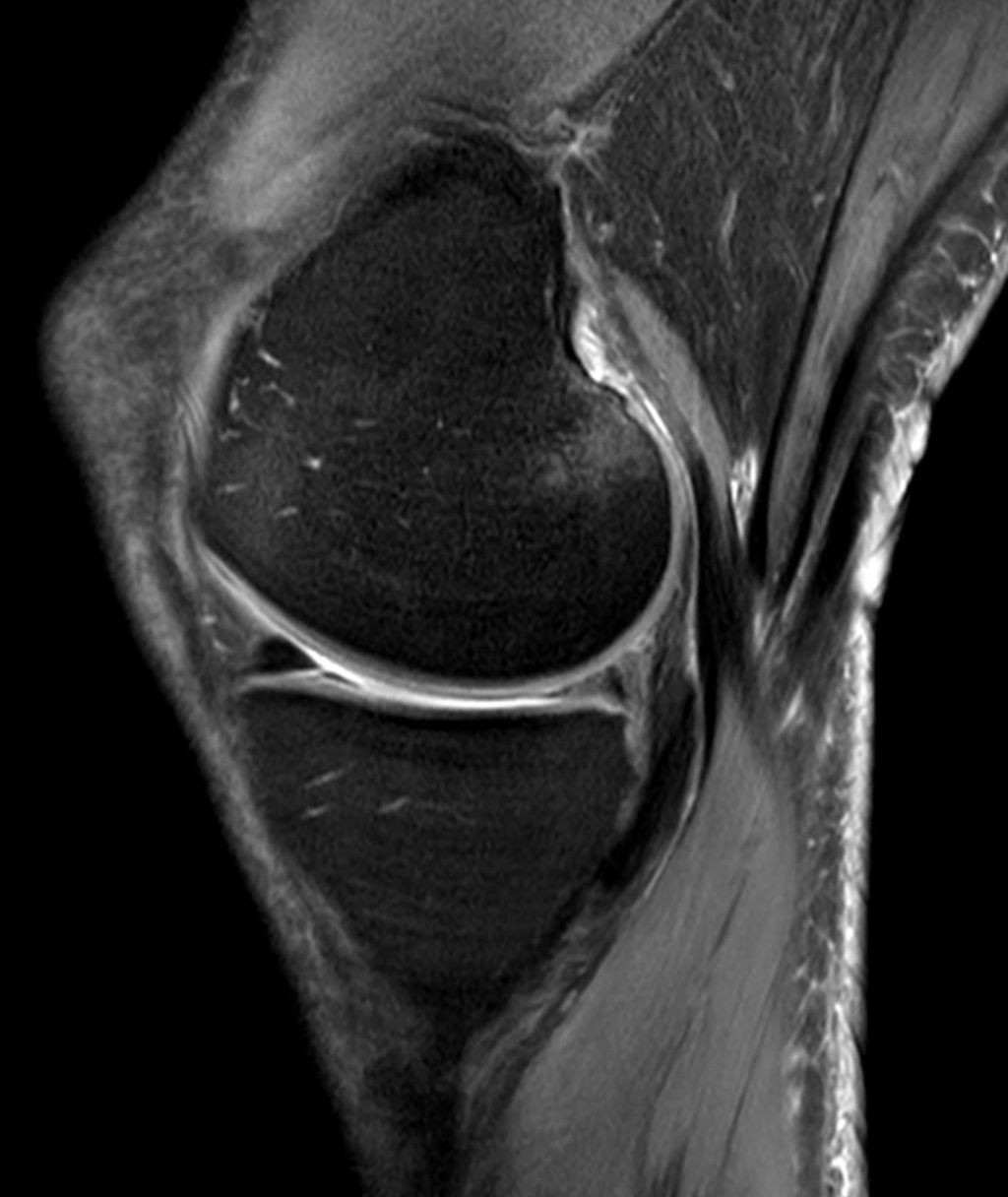
    To diagnose knee issues, a doctor may perform a physical exam, X-ray, or MRI. They may also refer you to a physical therapist to assess your range of motion, flexibility, and strength.

    Types of Knee Pain

    There are several types of knee pain, including acute and chronic pain, patellofemoral pain, osteoarthritis, rheumatoid arthritis, and septic arthritis. It is important to identify the type of knee pain to determine the appropriate treatment.

    Risk Factors

    Risk factors for knee pain include excess weight, age, previous injuries, and types of arthritis. It is important to manage these risk factors to prevent knee pain.

    Preventative Measures

    Preventative measures for knee pain include exercise, physical activity, weight loss, appropriate shoes, stretching, and wearing a knee brace if necessary. It is important to maintain a healthy diet and manage stress to prevent knee pain.

    Overall, knee pain can be caused by a variety of factors, and it is important to monitor symptoms and seek medical attention if necessary. With proper diagnosis and treatment, knee pain can be managed effectively.

    Treatment and Management

    When it comes to treating knee pain, there are a variety of options available. In this section, we will cover several different approaches to managing knee pain, including first aid measures, medications and supplements, exercise and physical therapy, lifestyle and dietary changes, supportive devices and orthotics, and surgical and non-surgical interventions. We will also discuss alternative therapies that may be helpful for some individuals.

    First Aid Measures

    If you are experiencing knee pain, there are a few first aid measures that you can take to help alleviate your symptoms. The RICE method is a good place to start. This stands for Rest, Ice, Compression, and Elevation. Resting your knee will help prevent further injury, while applying ice can help reduce swelling and pain. Compression can also help reduce swelling, and elevating your knee can help improve blood flow and reduce inflammation.

    Medications and Supplements

    There are several medications and supplements that can be used to treat knee pain. Over-the-counter pain relievers like acetaminophen, ibuprofen, and naproxen can help reduce pain and inflammation. For more severe pain, your doctor may prescribe stronger pain medications or corticosteroids. Supplements like glucosamine and chondroitin may also be helpful for some individuals.

    Exercise and Physical Therapy

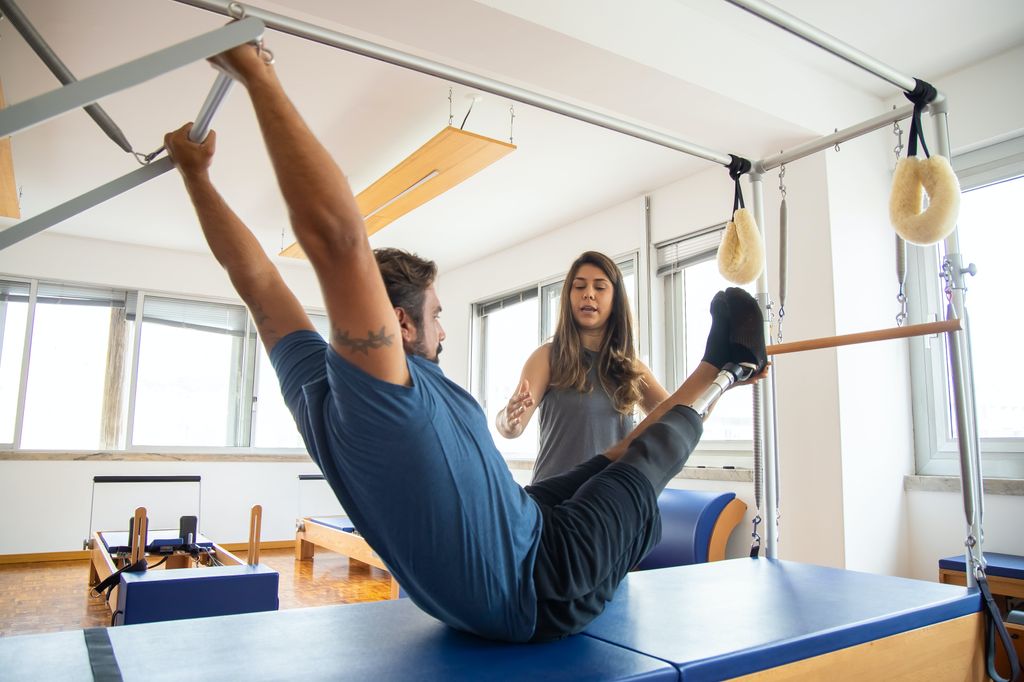
    Exercise and physical therapy can be very effective for managing knee pain. Strengthening exercises can help improve the stability of your knee joint, while stretching exercises can help improve flexibility. Swimming, cycling, and water aerobics are all low-impact activities that can be beneficial for individuals with knee pain. Tai chi is another low-impact activity that can help improve balance and reduce pain.

    Lifestyle and Dietary Changes

    Making certain lifestyle and dietary changes can also help manage knee pain. Losing weight can help reduce the amount of stress on your knee joint, while eating a healthy diet rich in anti-inflammatory foods can help reduce inflammation throughout your body. Wearing supportive shoes and using knee braces or compression sleeves can also help alleviate knee pain.

    Supportive Devices and Orthotics

    In addition to wearing supportive shoes and knee braces, there are other supportive devices and orthotics that can be helpful for managing knee pain. For example, a cane or crutch can help reduce the amount of weight on your knee joint, while a knee brace or compression sleeve can help provide additional support and stability.

    Surgical and Non-Surgical Interventions

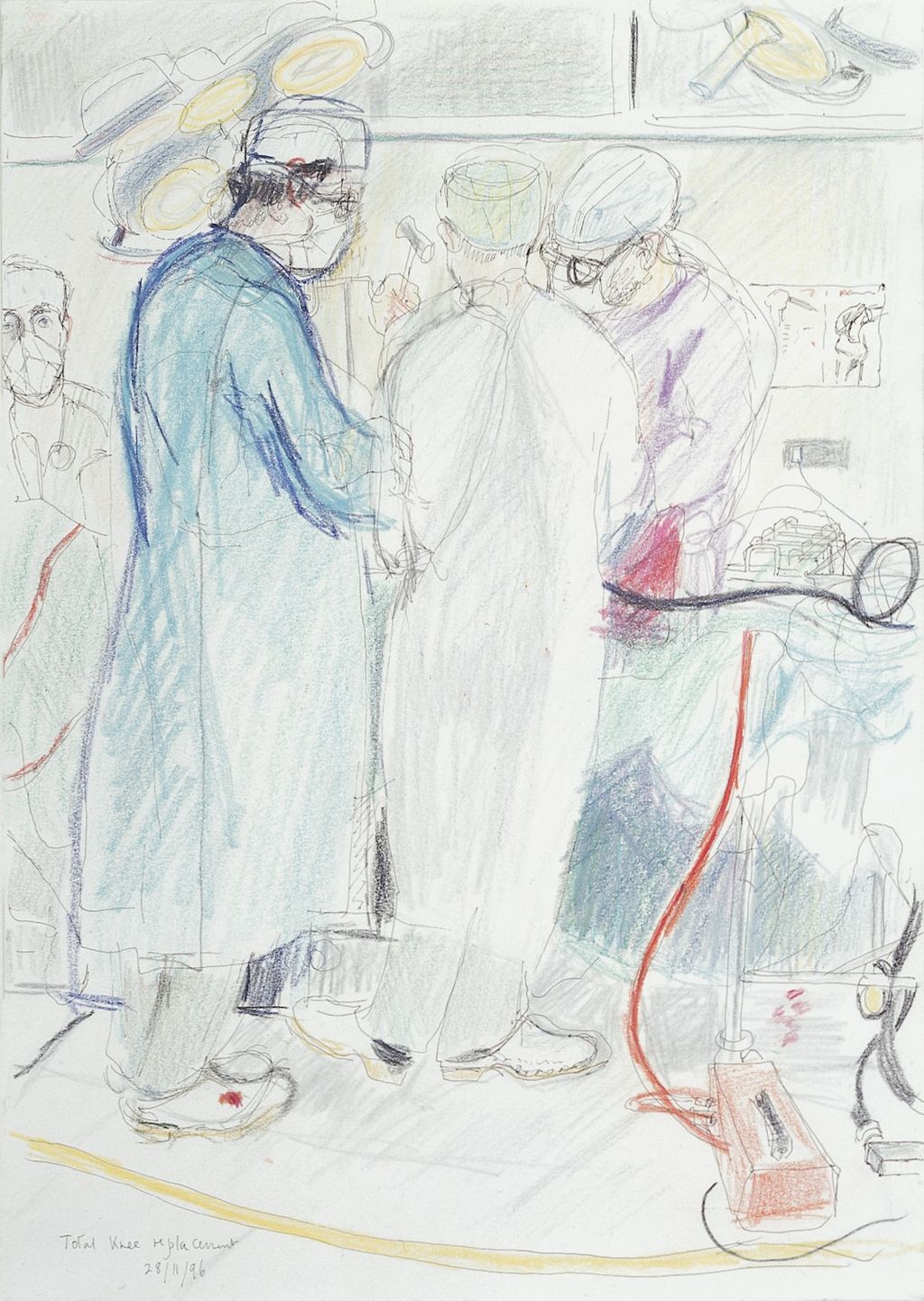
    If conservative treatments are not effective, there are several surgical and non-surgical interventions that may be recommended. For example, arthroscopic surgery can be used to repair or remove damaged tissue in the knee joint, while joint replacement surgery may be recommended for individuals with severe osteoarthritis. Non-surgical interventions like injections of hyaluronic acid or platelet-rich plasma may also be beneficial for some individuals.

    Alternative Therapies

    Finally, there are several alternative therapies that may be helpful for managing knee pain. Acupuncture and massage can help reduce pain and improve mobility, while heat and cold therapy can help reduce inflammation and alleviate pain. Tai chi and yoga are also low-impact activities that can help improve balance and flexibility.

    Frequently Asked Questions

    v2 3lclm ce5pv

    What are effective physiotherapy exercises for alleviating knee pain?

    Physiotherapy is an effective way to alleviate knee pain. Some recommended exercises include quadriceps strengthening, hamstring stretching, and calf strengthening exercises. These exercises can help to improve the strength and flexibility of the muscles surrounding the knee joint, which can reduce pain and improve mobility.

    Which over-the-counter medicines are recommended for knee pain in the elderly?

    Over-the-counter medicines such as acetaminophen and nonsteroidal anti-inflammatory drugs (NSAIDs) like ibuprofen and naproxen can be effective for managing knee pain in the elderly. However, it is important to consult with a healthcare provider before taking any medication, as some may have side effects or interact with other medications.

    What natural remedies can be employed to reduce knee pain?

    Natural remedies such as applying ice or heat, using essential oils, and taking supplements like glucosamine and chondroitin can be employed to reduce knee pain. However, it is important to note that natural remedies may not be effective for everyone and should not be used as a substitute for medical treatment.

    What are the best practices to soothe sore knees post-exercise?

    After exercising, it is important to rest and elevate the affected knee. Applying ice or heat can also help to reduce inflammation and soreness. Additionally, stretching and foam rolling can help to improve flexibility and reduce muscle tension.

    How can knee pain be managed when it persists during walking?

    If knee pain persists during walking, it is important to consult with a healthcare provider to determine the underlying cause. In some cases, physical therapy or surgery may be necessary to alleviate the pain. Additionally, using assistive devices such as knee braces or crutches can help to reduce pressure on the affected knee joint.

    What treatments are available for knee pain caused by non-injury factors?

    Knee pain caused by non-injury factors such as arthritis or bursitis can be treated with a variety of methods including physical therapy, medications, and injections. In some cases, surgery may be necessary to alleviate the pain. It is important to consult with a healthcare provider to determine the most appropriate treatment plan.


  • How to Stop Knee Pain at Night

    Knee pain can be a frustrating and debilitating problem, especially when it interrupts your sleep. It’s not uncommon to experience knee pain at night, and there are several reasons why it may occur. Understanding the underlying causes of your knee pain can help you manage it more effectively.

    v2 3lcpr 0u2ca

    There are many ways to manage knee pain at night, from simple lifestyle changes to more advanced medical treatments. By taking steps to address the root cause of your pain, you can improve your quality of life and get the restful sleep you need. In this article, we’ll explore some of the most effective strategies for managing knee pain at night, so you can wake up feeling refreshed and pain-free.

    Key Takeaways

    • Knee pain can be a frustrating problem that disrupts your sleep and quality of life.
    • Understanding the underlying causes of your knee pain is crucial for effective management.
    • Simple lifestyle changes, exercises, and medical treatments can all help alleviate knee pain at night.

    Understanding Knee Pain at Night

    Knee pain at night can be a frustrating and uncomfortable experience. It can be caused by a variety of factors, including injury, arthritis, bursitis, gout, and more. In this section, we will discuss the causes of nighttime knee pain and the impact it can have on sleep.

    Causes of Nighttime Knee Pain

    There are many different causes of nighttime knee pain. One of the most common causes is arthritis, which is a condition that causes inflammation in the joints. Osteoarthritis is a type of arthritis that is caused by wear and tear on the joints, while rheumatoid arthritis is an autoimmune disease that causes inflammation in the joints.

    Bursitis and tendonitis are other common causes of knee pain at night. Bursitis is caused by inflammation of the bursae, which are small fluid-filled sacs that cushion the joints. Tendonitis is caused by inflammation of the tendons, which are the tissues that connect the muscles to the bones.

    Gout is another possible cause of knee pain at night. It is a type of arthritis that is caused by the buildup of uric acid crystals in the joints. Injury and post-traumatic arthritis can also cause knee pain at night.

    Impact of Knee Pain on Sleep

    Knee pain at night can have a significant impact on sleep quality. Pain-induced insomnia can lead to fatigue, irritability, and difficulty concentrating during the day. It can also make it difficult to maintain a regular sleep schedule.

    Sleep hygiene and bedtime routines can play a role in managing knee pain at night. Using a supportive mattress, minimizing noise, and avoiding caffeine before bedtime can all help improve sleep quality.

    In the next section, we will discuss ways to manage knee pain at night.

    Managing Knee Pain at Night

    If you are experiencing knee pain at night, there are several ways to manage the pain and improve your sleep. In this section, we will discuss non-medication therapies, medication and medical interventions, and lifestyle adjustments and home remedies that can help relieve knee pain at night.

    Non-Medication Therapies

    Non-medication therapies can be an effective way to relieve knee pain at night. Some of these therapies include physical therapy, heat and ice therapy, and low-impact exercises. Physical therapy can help improve flexibility and strengthen the muscles around the knee joint. Heat and ice therapy can help reduce stiffness and inflammation. Low-impact exercises such as swimming, bicycling, and using an elliptical machine can help improve mobility without putting too much stress on the knee joint.

    Medication and Medical Interventions

    If non-medication therapies are not effective, medication and medical interventions may be necessary. Over-the-counter pain medication such as ibuprofen, acetaminophen, and naproxen can help relieve knee pain. Topical medication such as topical analgesics can also be effective. If the knee pain is caused by a chronic disease such as runner’s knee, torn meniscus, or patellar tendonitis, surgery or joint replacement surgery may be necessary.

    Lifestyle Adjustments and Home Remedies

    In addition to non-medication therapies and medication and medical interventions, lifestyle adjustments and home remedies can also be effective in relieving knee pain at night. Maintaining a healthy body weight can help reduce stress on the knee joint. Stretching and strengthening exercises can help improve flexibility and relieve tight muscles. Taking a warm bath before bed or using heating pads or a hot water bottle can also help relieve knee pain. Using a pillow to elevate the knee can also help reduce pressure on the knee joint.

    In conclusion, managing knee pain at night requires a multifaceted approach that includes non-medication therapies, medication and medical interventions, and lifestyle adjustments and home remedies. By incorporating these strategies into your daily routine, you can improve your sleep and relieve knee pain. If your knee pain persists, it is important to consult with a doctor to determine the underlying cause and develop an appropriate treatment plan.

    Frequently Asked Questions

    v2 3lcqa

    What remedies can alleviate burning knee pain during the night?

    There are several remedies that can help alleviate burning knee pain during the night. Applying ice to the affected area for 20 minutes can help reduce inflammation and pain. Taking a warm bath or shower before bed can also help relax the muscles and reduce pain. Over-the-counter pain relievers such as ibuprofen or acetaminophen can also be effective in reducing pain. Additionally, using a knee brace or compression sleeve can provide support and alleviate pain.

    How can inner knee pain be managed for better sleep?

    Inner knee pain can be managed for better sleep by elevating the affected leg with a pillow or cushion while sleeping. This can help reduce pressure on the knee joint and alleviate pain. Additionally, practicing gentle stretching exercises before bed can help loosen tight muscles and reduce pain. Over-the-counter pain relievers such as ibuprofen or acetaminophen can also be effective in reducing pain.

    What are effective treatments for bursitis-related knee pain at night?

    Effective treatments for bursitis-related knee pain at night include rest, ice, compression, and elevation. Applying ice to the affected area for 20 minutes at a time can help reduce inflammation and pain. Using a knee brace or compression sleeve can provide support and alleviate pain. Over-the-counter pain relievers such as ibuprofen or acetaminophen can also be effective in reducing pain. In some cases, a doctor may recommend corticosteroid injections or physical therapy.

    What strategies help reduce sudden knee pain experienced while sleeping?

    Strategies that can help reduce sudden knee pain experienced while sleeping include practicing good sleep hygiene, such as avoiding caffeine and alcohol before bed, and maintaining a consistent sleep schedule. Sleeping in a comfortable position, such as on your back with a pillow under your knees, can also help reduce knee pain. Additionally, using a knee brace or compression sleeve can provide support and alleviate pain.

    What are the best sleeping positions to minimize knee pain?

    The best sleeping positions to minimize knee pain are on your back with a pillow under your knees, or on your side with a pillow between your knees. These positions help reduce pressure on the knee joint and alleviate pain. Sleeping on your stomach should be avoided as it can put pressure on the knees and exacerbate pain.

    Are there any specific exercises or stretches recommended for nighttime knee pain relief?

    Yes, there are specific exercises and stretches recommended for nighttime knee pain relief. These include gentle stretching exercises, such as hamstring stretches and quad stretches, which can help loosen tight muscles and reduce pain. Strengthening exercises, such as squats and lunges, can also help improve knee joint stability and reduce pain. However, it is important to consult with a doctor or physical therapist before starting any new exercise program.

  • Avoid Knee Surgery

    As we age, our joints may start to ache, and knee pain is a common issue that many people face. In some cases, knee surgery may be the best option for treating the pain, but it is not always necessary. There are several preventive strategies and non-surgical treatments that can help avoid knee surgery.

    v2 3lcgn mg978

    Maintaining a healthy weight, staying active, and avoiding high-impact activities can all help prevent knee pain. Physical therapy, strengthening exercises, and anti-inflammatory medications can also help alleviate knee pain. Understanding the different surgical options and risks associated with knee surgery can help people make informed decisions about their treatment options.

    Key Takeaways

    • Maintaining a healthy weight and staying active can help prevent knee pain.
    • Non-surgical treatments such as physical therapy and anti-inflammatory medications can alleviate knee pain.
    • Understanding the different surgical options and risks associated with knee surgery can help people make informed decisions about their treatment options.

    Preventive Strategies and Non-Surgical Treatments

    As healthcare professionals, we understand the importance of avoiding knee surgery whenever possible. Knee surgery is a major procedure that can be painful, expensive, and require a long recovery period. Fortunately, there are several preventive strategies and non-surgical treatments that can help manage knee pain, improve mobility, and prevent the need for surgery.

    Lifestyle Modifications

    One of the most effective ways to prevent knee surgery is through lifestyle modifications. Maintaining a healthy weight can help reduce stress on the knee joint and decrease the risk of developing arthritis. Losing weight through a healthy diet and regular exercise can also help improve knee strength and mobility.

    Physical Therapy and Exercise

    Physical therapy and exercise can also be effective in preventing knee surgery. Strengthening exercises for the quadriceps, hamstrings, and buttocks can help improve knee strength and stability. Stretching and flexibility exercises can also help improve mobility and prevent injury. Balance exercises can help improve alignment and reduce the risk of falls.

    Medical Interventions

    In some cases, medical interventions may be necessary to manage knee pain and prevent surgery. Pain medication and corticosteroids can help reduce inflammation and swelling in the knee joint. Joint injections with hyaluronic acid or corticosteroids can also provide relief for knee osteoarthritis. Supplements such as glucosamine and chondroitin sulfate may also be effective in reducing knee pain and improving joint function.

    Supportive Devices and Modifications

    Supportive devices and modifications can also be effective in preventing knee surgery. Braces and assistive devices such as crutches can help reduce stress on the knee joint and improve mobility. Shoe inserts and modifications can also help improve alignment and reduce the risk of injury.

    Alternative Therapies and Supplements

    Alternative therapies such as acupuncture may also be effective in managing knee pain and preventing surgery. Some supplements such as glucosamine and chondroitin sulfate may also be effective in reducing knee pain and improving joint function. However, it is important to discuss these treatments with a healthcare professional before use.

    In conclusion, there are several preventive strategies and non-surgical treatments that can help manage knee pain, improve mobility, and prevent the need for surgery. By maintaining a healthy lifestyle, engaging in physical therapy and exercise, and utilizing medical interventions and supportive devices, individuals can effectively manage knee pain and prevent the need for surgery.

    Understanding Surgical Options and Risks

    v2 3lch0 ndne8

    When it comes to knee surgery, there are several types of procedures available. The most common types of knee surgery are knee replacement, partial knee replacement, and knee arthroscopy. Each procedure has its own benefits and risks, and the decision to undergo surgery should always be made in consultation with a qualified medical professional.

    Types of Knee Surgery

    Knee Replacement: Knee replacement, also known as knee arthroplasty, is a surgical procedure that involves replacing the damaged or worn surfaces of the knee joint with artificial parts. This procedure is typically recommended for patients with severe knee damage or arthritis.

    Partial Knee Replacement: Partial knee replacement is a less invasive option for patients with damage or arthritis in only one part of the knee joint. This procedure involves replacing only the damaged portion of the knee joint with an artificial part.

    Knee Arthroscopy: Knee arthroscopy is a minimally invasive procedure that involves inserting a small camera into the knee joint to diagnose and treat various knee conditions. This procedure is often used to repair torn cartilage or remove loose fragments of bone or cartilage.

    Potential Complications and Recovery

    All surgeries carry risks, and knee surgery is no exception. Some of the potential complications associated with knee surgery include infection, blood clots, pulmonary embolism, persistent knee pain, stiffness, and limited range of motion. Patients may also experience swelling, inflammation, allergic reactions, bleeding, or other complications.

    Recovery from knee surgery can take several weeks or months, depending on the type of procedure and the patient’s overall health and fitness level. Physical therapy is often necessary to help patients regain strength, mobility, and range of motion in the knee joint. Patients should also follow their doctor’s instructions regarding post-surgery rehabilitation and lifestyle changes.

    Post-Surgery Rehabilitation

    Following knee surgery, patients will need to engage in physical therapy to help them regain strength, mobility, and range of motion in the knee joint. The physical therapist will work with the patient to develop a customized rehabilitation plan that may include exercises, stretches, and other treatments.

    Lifestyle After Surgery

    After knee surgery, patients should aim to maintain an active lifestyle that includes regular exercise and physical activity. Walking, swimming, and low-impact exercise are all great options for maintaining knee function and stability. Patients should avoid high-impact activities, jumping, and contact sports, as these can put excessive strain on the knee joint.

    Weight loss can also be an important part of post-surgery recovery, particularly for patients who are overweight or obese. Losing weight can help reduce the amount of weight-bearing stress on the knee joint, which can improve mobility and reduce the risk of falls and other injuries.

    In summary, knee surgery is a serious decision that should be made in consultation with a qualified medical professional. While there are risks associated with knee surgery, it can also be an effective way to treat severe knee damage or arthritis. Patients should follow their doctor’s instructions regarding post-surgery rehabilitation and lifestyle changes to ensure the best possible outcome.

    Frequently Asked Questions

    What natural methods are effective for reducing the need for knee surgery?

    There are several natural methods that can help reduce the need for knee surgery. These include losing weight, eating a healthy diet, and engaging in regular exercise. Exercise can help strengthen the muscles around the knee joint, which can help reduce pain and improve mobility. Some natural supplements, such as glucosamine and chondroitin, may also help reduce joint pain and inflammation.

    Which exercises can help delay or prevent the necessity of knee replacement?

    Low-impact exercises such as swimming, cycling, and walking can help delay or prevent the need for knee replacement surgery. These exercises can help improve joint flexibility, strengthen the muscles around the knee, and reduce pain and inflammation. Yoga and tai chi are also effective exercises that can help improve balance and flexibility.

    What are the latest non-surgical treatments for severe knee arthritis?

    Platelet-rich plasma (PRP) therapy and stem cell therapy are two of the latest non-surgical treatments for severe knee arthritis. PRP therapy involves injecting a concentrated amount of platelets into the knee joint to promote healing and reduce inflammation. Stem cell therapy involves injecting stem cells into the knee joint to promote the growth of new cartilage and tissue.

    Can knee joint function be improved with gel injections as an alternative to surgery?

    Yes, gel injections can help improve knee joint function as an alternative to surgery. Gel injections, also known as hyaluronic acid injections, are a non-surgical treatment that involves injecting a gel-like substance into the knee joint to provide cushioning and reduce pain. These injections can help improve joint function and delay the need for surgery.

    What non-surgical options are available for elderly patients with knee issues?

    Elderly patients with knee issues can benefit from several non-surgical treatment options. These include physical therapy, corticosteroid injections, and nonsteroidal anti-inflammatory drugs (NSAIDs) to reduce pain and inflammation. Assistive devices such as canes and knee braces can also help improve mobility and reduce pain.

    How can knee cartilage be treated without resorting to surgical procedures?

    Knee cartilage can be treated without resorting to surgical procedures through several non-surgical treatment options. These include physical therapy, weight loss, and nonsteroidal anti-inflammatory drugs (NSAIDs). Platelet-rich plasma (PRP) therapy and stem cell therapy are also effective non-surgical treatments that can help promote the growth of new cartilage and tissue.

  • What Can Stop Your Knee from Hurting

    How to Stop Your Knee from Hurting: Tips and Exercises for Pain Relief

    If you’re reading this, chances are you’re experiencing knee pain. Knee pain is a common problem that affects people of all ages. It can be caused by a variety of factors, including injury, overuse, and arthritis. Whatever the cause, knee pain can be frustrating and debilitating. Fortunately, there are steps you can take to stop your knee from hurting.

    v2 3lcb2 yjjc9

    Understanding Knee Pain Before we dive into how to stop knee pain, it’s important to understand what causes it. Knee pain can be caused by a number of factors, including injury, overuse, and arthritis. Injuries to the knee can include ligament tears, meniscus tears, and fractures. Overuse injuries can be caused by repetitive activities like running and jumping. Arthritis is a condition that causes inflammation in the joints, including the knee.

    Treatment and Management The treatment for knee pain depends on the cause. For minor injuries and overuse injuries, rest, ice, compression, and elevation (RICE) can be helpful. Physical therapy can also be helpful in strengthening the muscles around the knee. In some cases, surgery may be necessary to repair the damage. For arthritis, there are a variety of treatments available, including medications, physical therapy, and surgery.

    Key Takeaways

    • Knee pain can be caused by injury, overuse, and arthritis.
    • Treatment for knee pain depends on the cause and can include rest, ice, compression, elevation, physical therapy, and surgery.
    • It’s important to seek medical attention if you’re experiencing knee pain that is severe or interfering with your daily life.

    Understanding Knee Pain

    If you are experiencing knee pain, you are not alone. Knee pain is a common complaint that affects people of all ages. In this section, we will discuss the causes of knee pain, common symptoms and diagnosis, and when to see a doctor.

    Causes of Knee Pain

    Knee pain can be caused by a variety of factors, including injury, age-related wear and tear, and medical conditions such as arthritis. Osteoarthritis is a common type of arthritis that affects the knee joint. It occurs when the cartilage that cushions the knee joint wears down over time, causing pain, stiffness, and swelling.

    In addition to arthritis, knee pain can also be caused by inflammation, tendinitis, bursitis, and meniscus tears. Inflammation can occur when the knee joint is overused or injured, causing swelling and pain. Tendinitis and bursitis are conditions that occur when the tendons or bursae (small fluid-filled sacs) around the knee joint become inflamed. Meniscus tears occur when the cartilage in the knee joint tears, causing pain and swelling.

    Symptoms and Diagnosis

    Common symptoms of knee pain include pain, stiffness, swelling, and difficulty walking or standing. If you are experiencing knee pain, your doctor may perform a physical exam and order diagnostic tests such as x-rays or an MRI to determine the cause of your pain.

    During the physical exam, your doctor will inspect your knee for swelling, pain, tenderness, warmth, and visible bruising. They will also check to see how far you can move your lower leg in different directions. Diagnostic tests such as x-rays and MRI scans can help identify problems with the bones, cartilage, and soft tissues in your knee.

    When to See a Doctor

    If you are experiencing knee pain, it is important to see a doctor if the pain is severe, lasts for more than a few days, or is accompanied by other symptoms such as fever or redness. In addition, if you experience sudden knee pain after an injury, it is important to seek medical attention right away.

    In conclusion, knee pain can be caused by a variety of factors, including injury, age-related wear and tear, and medical conditions such as arthritis. If you are experiencing knee pain, it is important to see a doctor for a proper diagnosis and treatment.

    Treatment and Management

    If you’re experiencing knee pain, there are several methods of treatment and management that can help alleviate your discomfort. In this section, we will discuss some of the most effective options for immediate pain relief, as well as long-term management strategies and surgical options.

    Immediate Pain Relief

    When you’re experiencing knee pain, immediate pain relief is the first priority. Here are some methods that can help:

    • Ice: Applying ice to the affected area can help reduce inflammation and swelling, which can help alleviate pain. Apply ice for 15-20 minutes at a time, several times a day.
    • Rest: Giving your knee some rest can help reduce stress on the joint and alleviate pain. Avoid activities that exacerbate your pain, and take breaks throughout the day to rest your knee.
    • Compression: Applying compression to the affected area can help reduce swelling and alleviate pain. Use a compression bandage or wrap to apply pressure to the area.
    • Elevation: Elevating your knee can help reduce swelling and alleviate pain. Prop your leg up on a pillow or cushion to keep it elevated.

    Long-Term Management Strategies

    In addition to immediate pain relief, there are several long-term management strategies that can help alleviate knee pain:

    • Exercise: Strengthening the muscles around your knee can help provide support and reduce stress on the joint. Low-impact exercises like swimming, cycling, and yoga can be particularly helpful.
    • Physical therapy: Working with a physical therapist can help you develop a personalized exercise plan that targets the specific causes of your knee pain. Your physical therapist can also help you learn proper form and technique to prevent further injury.
    • Medications: Your doctor may prescribe medications to help alleviate pain and reduce inflammation. Nonsteroidal anti-inflammatory drugs (NSAIDs) like ibuprofen and acetaminophen can be particularly effective.
    • Injections: If other treatments are not effective, your doctor may recommend injections of corticosteroids or hyaluronic acid to reduce inflammation and alleviate pain.

    Surgical Options

    If other treatments are not effective, surgery may be necessary to alleviate knee pain. Here are some surgical options that may be recommended:

    • Arthroscopy: This minimally invasive procedure involves inserting a small camera into the knee joint to evaluate and repair damage.
    • Knee replacement: If the damage to your knee is severe, your doctor may recommend knee replacement surgery. This involves replacing the damaged joint with an artificial joint.
    • Total knee replacement: In some cases, a total knee replacement may be necessary. This involves replacing the entire knee joint with an artificial joint.

    Overall, there are many effective methods of treatment and management for knee pain. By working with your doctor and following a personalized treatment plan, you can alleviate your pain and improve your quality of life.

    Frequently Asked Questions

    v2 3lcbm 27gn9

    What are effective home remedies for treating knee pain?

    There are several home remedies that can help alleviate knee pain. Applying ice to the affected area for 15-20 minutes at a time, several times a day, can help reduce swelling and inflammation. Elevating the knee above the heart can also help reduce swelling. Over-the-counter pain relievers such as acetaminophen or ibuprofen can help reduce pain and inflammation. Additionally, using a knee brace or compression sleeve can help provide support and reduce pain.

    Which stretches are recommended to alleviate knee pain?

    Stretching can help alleviate knee pain by improving flexibility and reducing tension in the muscles surrounding the knee joint. Some recommended stretches include hamstring stretches, quadriceps stretches, and calf stretches. It’s important to stretch gently and avoid overstretching to prevent further injury.

    What could be the underlying causes of persistent knee pain?

    Persistent knee pain can be caused by a variety of factors, including arthritis, tendinitis, bursitis, meniscus tears, or ligament injuries. It’s important to see a healthcare provider for an accurate diagnosis and treatment plan.

    What are some walking tips to ease knee discomfort?

    When walking with knee discomfort, it’s important to wear comfortable and supportive shoes. Walking on a flat surface can help reduce stress on the knee joint. Shortening stride length and taking smaller steps can also help reduce impact on the knee joint.

    How can one address knee pain resulting from exercise?

    Knee pain resulting from exercise can be addressed by taking a break from the activity causing the pain and allowing the knee to rest and heal. It’s important to gradually increase the intensity and duration of exercise to avoid overuse injuries. Strengthening the muscles surrounding the knee joint can also help prevent knee pain.

    What are the best pain relief options for seniors with knee pain?

    Seniors with knee pain can benefit from over-the-counter pain relievers such as acetaminophen or ibuprofen. Topical pain relievers such as creams or gels can also provide relief. Additionally, low-impact exercises such as swimming or cycling can help reduce knee pain and improve mobility. It’s important to consult with a healthcare provider before starting any new exercise regimen.

  • Right Way For Managing Knee Pain: by Professional

    Right Way For Managing Knee Pain: by Professional

    Our knees are fundamental to our mobility and daily activities. Yet, knee pain is a widespread issue affecting millions worldwide. This comprehensive guide will delve into the causes, symptoms, and treatments for knee pain, providing you with the knowledge to better understand and manage this common condition.

    Introduction

    Knee pain is a pervasive problem that doesn’t discriminate by age or lifestyle. Whether you’re an athlete pushing your limits, an office worker with a sedentary job, or somewhere in between, knee pain can strike and significantly impact your quality of life. Understanding the complexities of knee pain is crucial for effective management and treatment.

    According to recent studies, approximately 25% of adults suffer from frequent knee pain. This staggering statistic underscores the importance of knee health education and proactive care.

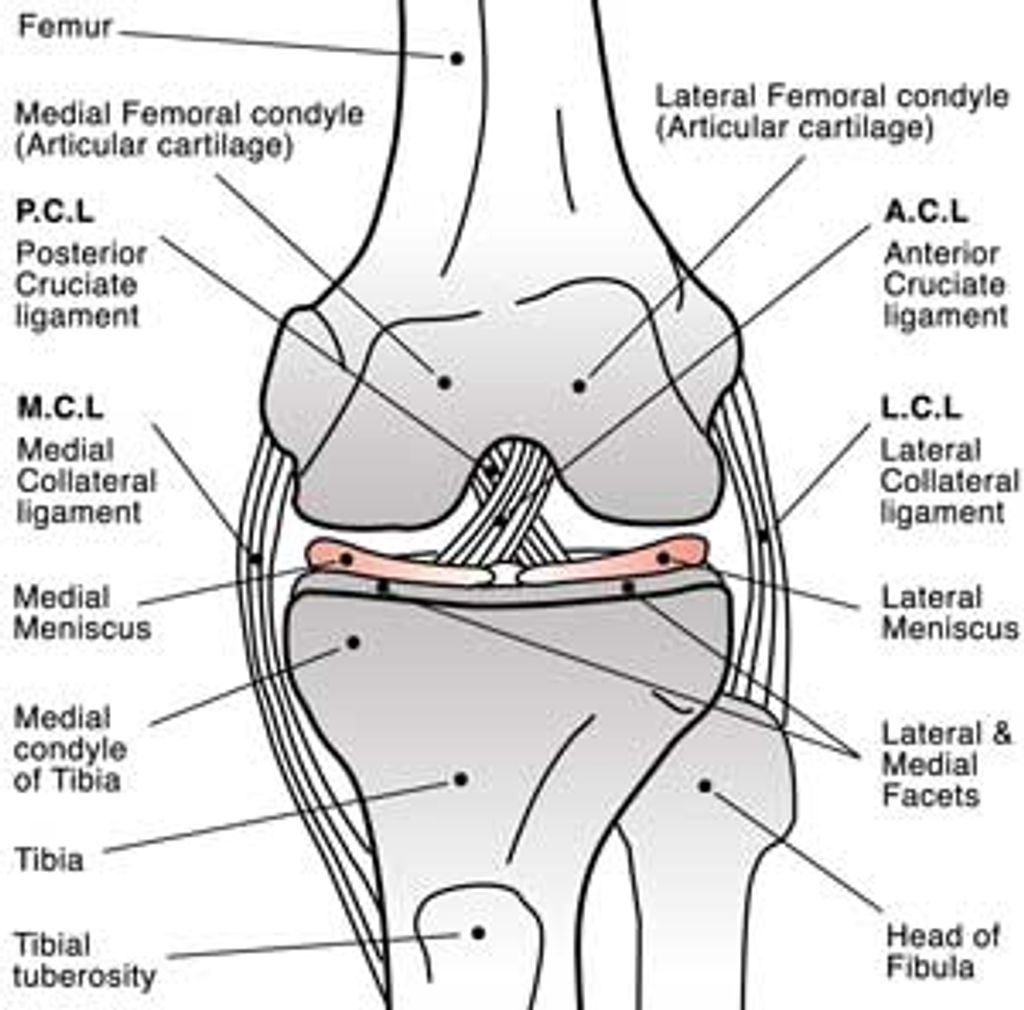
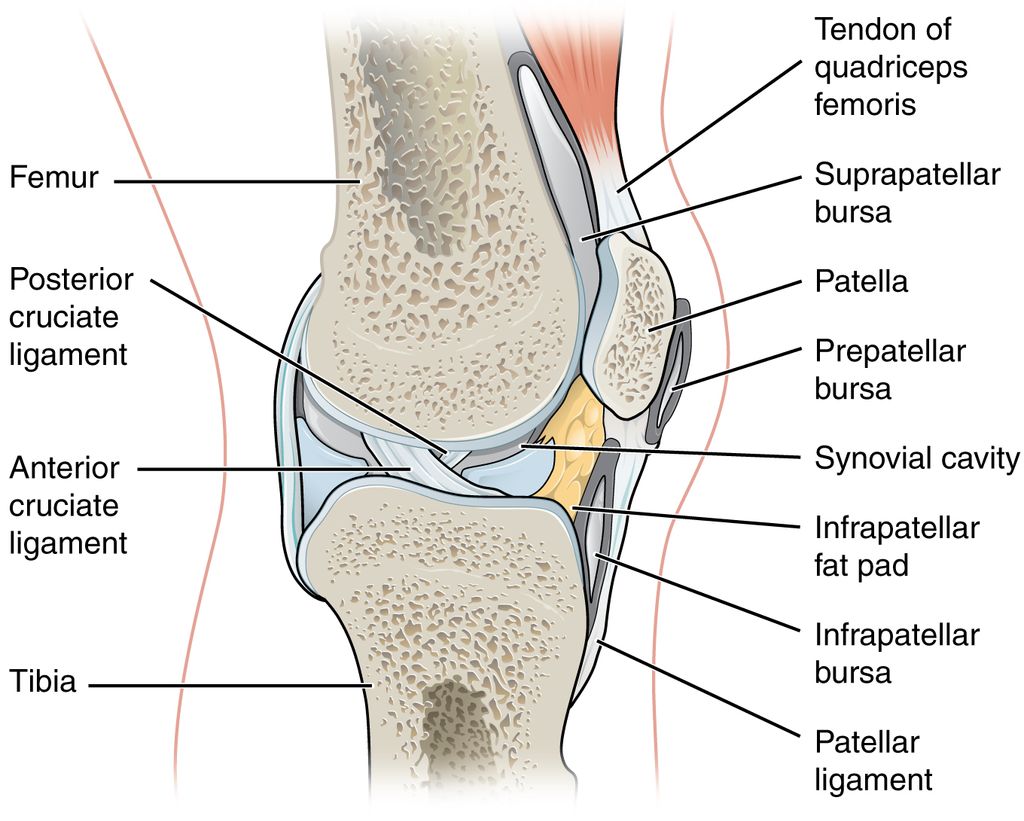
    [Image: Anatomical diagram of a knee] Alt text: Detailed anatomical diagram showing the structure of a human knee joint

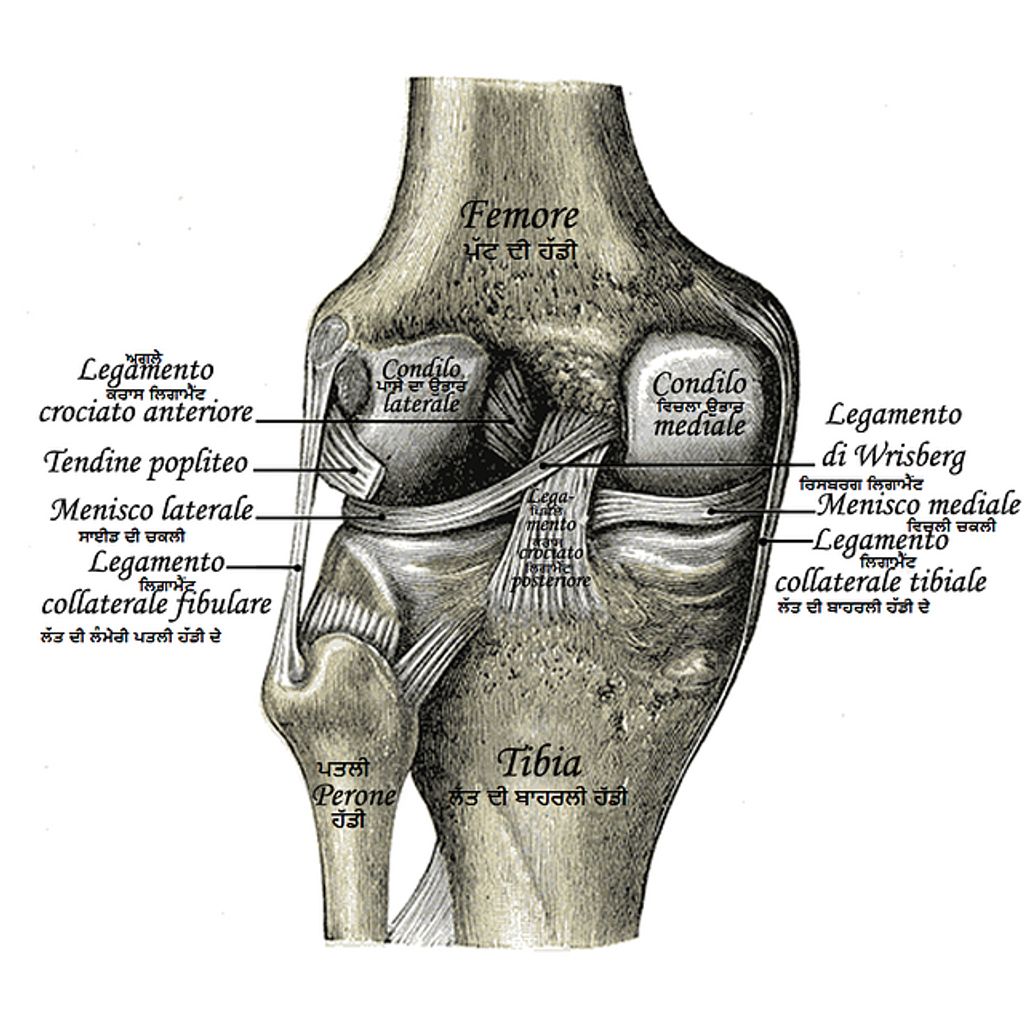
    Anatomy of the Knee

    To truly understand knee pain, we must first explore the intricate anatomy of the knee joint.

    Basic Structure

    The knee is one of the largest and most complex joints in the human body. It consists of:

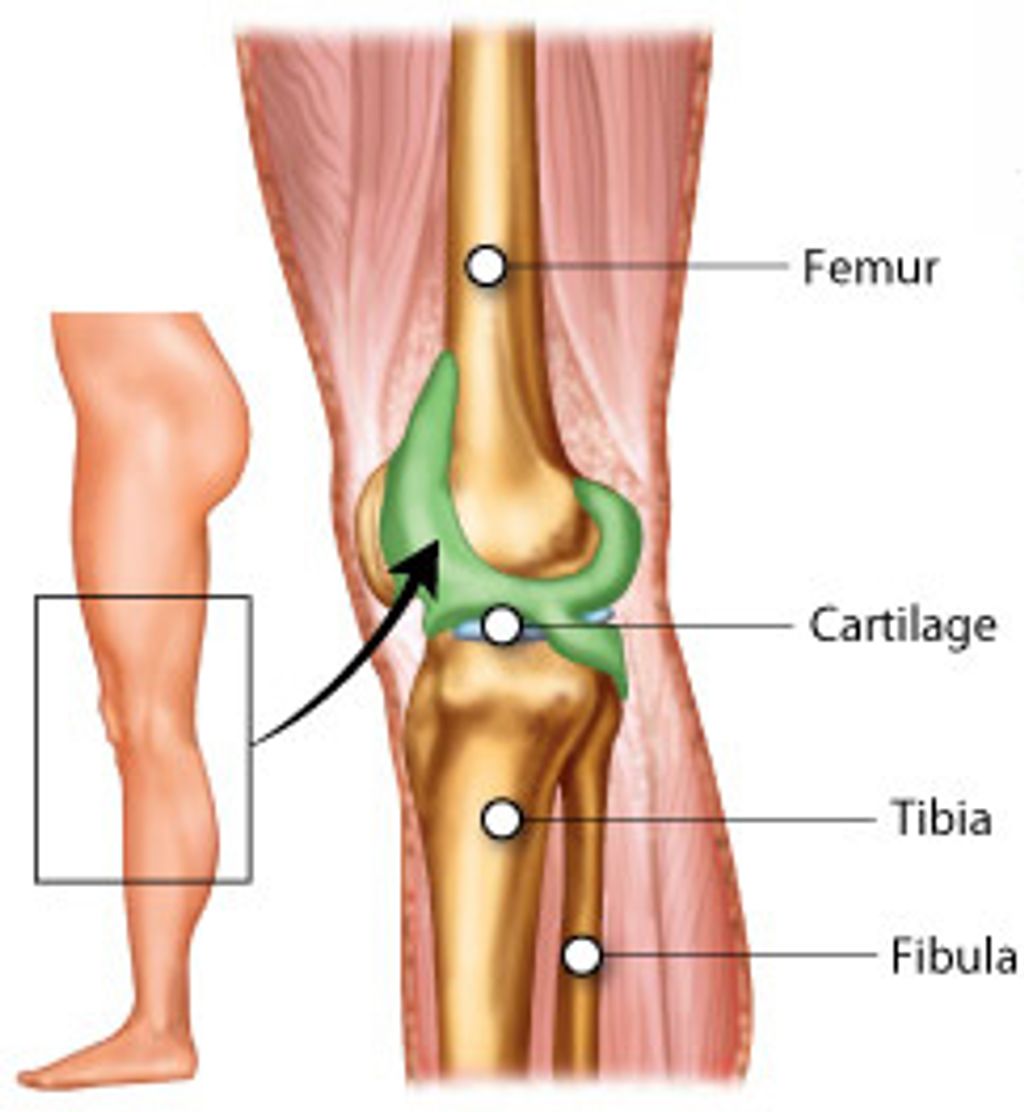
    • Bones: The femur (thighbone), tibia (shinbone), and patella (kneecap)
    • Cartilage: Including the meniscus, which provides cushioning between bones
    • Ligaments: Connect bones and provide stability (e.g., ACL, PCL, MCL, LCL)
    • Tendons: Connect muscles to bones (e.g., patellar tendon)
    • Bursae: Small fluid-filled sacs that reduce friction between tissues

    Function of Each Component

    • Bones: Provide the structural framework and enable movement
    • Cartilage: Acts as a shock absorber, reducing friction between bones
    • Ligaments: Stabilize the joint and guide motion
    • Tendons: Allow muscles to move the joint
    • Bursae: Reduce friction and provide smooth movement

    The knee’s design allows for a range of motions, including flexion, extension, and a small degree of rotation. This complexity, while providing great functionality, also makes the knee susceptible to various types of injuries and conditions.

    [Image: Labeled diagram of knee anatomy] Alt text: Labeled anatomical diagram of a knee showing bones, cartilage, ligaments, and tendons

    Common Causes of Knee Pain

    Knee pain can result from a wide array of factors, ranging from acute injuries to chronic conditions. Understanding these causes is crucial for proper diagnosis and treatment.

    Injuries

    • Sprains and strains: Overstretching or tearing of ligaments or muscles
    • Meniscus tears: Damage to the cartilage that cushions the knee joint
    • Ligament tears: Such as ACL (Anterior Cruciate Ligament) or MCL (Medial Collateral Ligament) injuries
    • Fractures: Breaks in the kneecap, lower femur, or upper tibia

    Arthritis

    • Osteoarthritis: The most common form, caused by wear and tear of cartilage
    • Rheumatoid arthritis: An autoimmune condition that causes joint inflammation
    • Post-traumatic arthritis: Develops after an injury to the knee

    Overuse Conditions

    • Tendinitis: Inflammation of tendons, often due to repetitive activities
    • Bursitis: Inflammation of the bursae, frequently caused by prolonged kneeling
    • Patellofemoral pain syndrome: Pain around the kneecap, common in runners

    Other Causes

    • Gout: Build-up of uric acid crystals in the joint
    • Infections: Bacterial or viral infections in the joint or surrounding tissues
    • Osgood-Schlatter disease: Common in adolescents, causing pain below the kneecap
    • Iliotibial band syndrome: Common in runners, causing outer knee pain

    [Image: Infographic showing percentage breakdown of common knee pain causes] Alt text: Pie chart illustrating the percentage distribution of common causes of knee pain

    Statistics on Knee Pain Causes

    I have created a detailed table showing the prevalence of different causes of knee pain, including the age group most affected, common symptoms, and potential treatments. If you need any further modifications or additions, please let me know!

    These statistics highlight the significant role that degenerative conditions like osteoarthritis play in knee pain, while also showing the substantial impact of acute injuries.

    Symptoms Associated with Knee Pain

    Knee pain can manifest in various ways, and understanding these symptoms can help in early identification and treatment.

    Types of Pain

    • Sharp pain: Often associated with injuries or meniscus tears
    • Dull ache: Common in chronic conditions like arthritis
    • Burning pain: May indicate nerve issues or inflammation
    • Throbbing pain: Could be related to fluid buildup or inflammation

    Other Symptoms

    • Swelling: Indicates inflammation or injury
    • Stiffness: Common in arthritis or after periods of inactivity
    • Instability: Feeling like the knee might give way, often due to ligament issues
    • Locking: The knee gets stuck in one position, often due to a meniscus tear
    • Popping or crunching noises: May indicate cartilage wear or loose bodies in the joint

    Warning Signs

    • Severe pain or swelling
    • Inability to bear weight
    • Visible deformity
    • Fever accompanying knee pain
    • Redness and warmth around the joint

    It’s important to note that symptoms can vary greatly depending on the underlying cause. For instance, osteoarthritis pain often worsens with activity, while rheumatoid arthritis may cause more pain in the morning.

    [Image: Photo series showing visual symptoms like swelling] Alt text: Series of photos showing different visual symptoms of knee problems, including swelling and redness

    Diagnosis of Knee Pain

    Accurate diagnosis is crucial for effective treatment of knee pain. Healthcare providers use a combination of methods to determine the underlying cause.

    Physical Examination

    A thorough physical exam is often the first step in diagnosis. This may include:

    • Assessment of range of motion
    • Palpation for areas of tenderness
    • Stability tests to check ligament integrity
    • Gait analysis to observe walking patterns

    Imaging Tests

    Various imaging techniques can provide detailed views of the knee structures:

    • X-rays: Show bone structure and alignment, useful for diagnosing fractures or arthritis
    • MRI (Magnetic Resonance Imaging): Provides detailed images of soft tissues, excellent for diagnosing ligament or meniscus injuries
    • CT (Computed Tomography) scan: Offers cross-sectional images of the knee, useful for complex fractures
    • Ultrasound: Can show real-time images of tendons and ligaments in motion

    Other Diagnostic Procedures

    • Blood tests: To check for infections or inflammatory conditions
    • Arthroscopy: A minimally invasive surgical procedure to view inside the joint
    • Synovial fluid analysis: Examination of fluid from the joint to diagnose infection or gout

    The choice of diagnostic tools depends on the suspected condition and the information needed to make an accurate diagnosis.

    [Image: Doctor examining a patient’s knee] Alt text: Healthcare professional performing a physical examination of a patient’s knee.

    Treatment Options

    Treatment for knee pain varies widely depending on the underlying cause, severity of symptoms, and individual patient factors. Here’s an overview of common treatment approaches:

    Non-surgical Treatments

    1. Rest and activity modification
      • Avoiding activities that exacerbate pain
      • Using assistive devices like canes or crutches when necessary
    2. Physical therapy and exercises
      • Strengthening exercises for muscles supporting the knee
      • Flexibility exercises to improve range of motion
      • Balance and proprioception training
    3. Medications
      • Non-steroidal anti-inflammatory drugs (NSAIDs) for pain and inflammation
      • Acetaminophen for pain relief
      • Topical medications like creams or patches
      • Corticosteroid injections for severe inflammation
    4. Braces and supports
      • Knee sleeves for compression and support
      • Functional braces to support unstable knees
      • Unloader braces for arthritis
    5. Alternative therapies
      • Acupuncture
      • Massage therapy
      • Cold and heat therapy

    Surgical Treatments

    When non-surgical treatments fail to provide relief, surgical options may be considered:

    1. Arthroscopy
      • Minimally invasive procedure to repair damaged cartilage or ligaments
      • Remove loose bodies in the joint
    2. Knee replacement
      • Partial knee replacement: Replaces only the damaged part of the knee
      • Total knee replacement: Replaces the entire knee joint
    3. Other surgical procedures
      • Osteotomy: Realignment of the knee to relieve pressure
      • Cartilage grafting: To repair damaged cartilage
      • Synovectomy: Removal of inflamed synovial tissue

    The choice of treatment depends on various factors, including the patient’s age, activity level, overall health, and the specific condition causing the knee pain.

    [Image: Collage of various treatment methods] Alt text: Collage showing different knee pain treatment methods including medication, physical therapy, and surgery .

    Home Remedies and Self-Care

    Many knee pain issues can be effectively managed at home, especially in the early stages or for mild cases.

    RICE Method

    The RICE method is a well-established approach for managing acute knee injuries:

    • Rest: Avoid activities that aggravate pain
    • Ice: Apply cold packs for 15-20 minutes every 2-3 hours to reduce swelling
    • Compression: Use an elastic bandage to minimize swelling
    • Elevation: Raise the leg above heart level to reduce blood flow and swelling

    Gentle Exercises and Stretches

    • Low-impact activities like swimming or cycling to maintain fitness without stressing the knee
    • Stretching exercises to improve flexibility of muscles around the knee
    • Strengthening exercises for quadriceps, hamstrings, and calf muscles

    Proper Footwear and Posture

    • Wear shoes that provide good support and cushioning
    • Use orthotic inserts if recommended by a healthcare provider
    • Maintain good posture to reduce stress on knees

    <Weight Management

    Maintaining a healthy weight is crucial for knee health. Every pound of weight lost reduces the load on the knee by about 4 pounds during walking.

    Dietary Considerations

    • Consume anti-inflammatory foods like fish, nuts, and leafy greens
    • Stay hydrated to maintain joint lubrication
    • Consider supplements like glucosamine and chondroitin (consult with a doctor first)
    36332d02 750b 4cc1 adce de97b2ded648 1

    Prevention Strategies

    Preventing knee pain is often easier and more effective than treating it. Here are some strategies to maintain healthy knees:

    Maintain a Healthy Weight

    Excess weight puts additional stress on your knees. Losing weight if you’re overweight or maintaining a healthy weight can significantly reduce your risk of knee pain and osteoarthritis.

    Exercise Regularly

    • Engage in low-impact exercises like swimming, cycling, or elliptical training
    • Incorporate strength training to build muscles that support the knee
    • Practice flexibility exercises to maintain good range of motion

    Use Proper Technique

    • Always warm up before and cool down after exercise
    • Learn and use proper form during physical activities
    • Gradually increase the intensity and duration of your workouts

    Protect Your Knees

    • Wear appropriate protective gear during sports or high-risk activities
    • Use knee pads when kneeling for prolonged periods

    Listen to Your Body

    • Don’t ignore pain or discomfort in your knees
    • Take breaks and rest when needed
    • Modify activities that cause knee pain

    Maintain Good Overall Health

    • Stay hydrated to keep joints lubricated
    • Eat a balanced diet rich in nutrients that support joint health
    • Get enough sleep to allow your body to recover and repair

    [Image: Person demonstrating proper exercise form] Alt text: Individual demonstrating proper form for knee-strengthening exercises

    When to See a Doctor

    While many cases of knee pain can be managed at home, there are situations where professional medical attention is necessary. Seek medical care if you experience:

    • Severe pain or swelling
    • Inability to bear weight on the affected leg
    • Visible deformity of the knee or leg
    • Signs of infection (fever, redness, warmth around the knee)
    • Pain that persists for several days despite home care
    • Instability or giving way of the knee
    • Locking of the knee joint
    • Numbness or tingling around the knee

    Remember, early intervention can often prevent more serious problems from developing.

    [Image: Infographic of warning signs] Alt text: Infographic listing key warning signs that indicate when to seek medical attention for knee pain

    Living with Chronic Knee Pain

    For some individuals, knee pain becomes a chronic condition. Learning to live with ongoing knee issues requires a multifaceted approach:

    Lifestyle Adjustments

    • Modify your home or workplace to reduce stress on your knees
    • Use assistive devices when necessary (canes, walkers, raised toilet seats)
    • Adapt your activities to accommodate your knee condition

    Pain Management Techniques

    • Learn relaxation techniques like deep breathing or meditation
    • Consider cognitive behavioral therapy to manage pain perception
    • Explore alternative therapies like acupuncture or tai chi

    Emotional and Psychological Considerations

    • Recognize the emotional impact of chronic pain
    • Seek support from friends, family, or support groups
    • Consider counseling if you’re struggling with depression or anxiety related to your knee pain

    Stay Active

    • Work with a physical therapist to develop a safe exercise routine
    • Focus on low-impact activities that don’t exacerbate your knee pain
    • Maintain social activities and hobbies as much as possible

    Ongoing Medical Care

    • Attend regular check-ups with your healthcare provider
    • Be proactive about discussing new treatments or management strategies
    • Stay informed about advancements in knee pain treatment

    Living with chronic knee pain can be challenging, but with the right approach, many people can maintain a good quality of life and continue to engage in meaningful activities.

    [Image: Person using assistive devices] Alt text: Individual using a cane or walker to assist with mobility due to knee pain

    Conclusion

    Knee pain is a complex issue that affects millions of people worldwide. By understanding the anatomy of the knee, recognizing common causes and symptoms of knee pain, and familiarizing yourself with various treatment and prevention strategies, you can take proactive steps to maintain healthy knees and manage pain effectively when it occurs.

    Remember that each person’s experience with knee pain is unique, and what works for one individual may not work for another. It’s essential to work closely with healthcare professionals to develop a personalized approach to knee health and pain management.

    By implementing preventive measures, seeking timely medical attention when needed, and following appropriate treatment plans, you can optimize your knee health and maintain an active, fulfilling lifestyle. Your knees play a crucial role in your mobility and independence – taking care of them is an investment in your overall quality of life.

  • Dealing with Hot Knees: Causes and Remedies

    Dealing with Hot Knees: Causes and Remedies

    Hot knees can be a source of discomfort and frustration, impacting daily activities and mobility. Understanding the causes and remedies for hot knees is essential for managing this issue effectively. In this article, we will delve into the anatomy of the knee, identify the causes of hot knees, assess their impact on daily activities, and explore non-invasive remedies to provide relief and improve knee health.

    Key Takeaways

    • Hot knees can result from inflammation, overuse, or underlying medical conditions.
    • Mobility and physical activities may be affected by hot knees, leading to challenges in daily life.
    • The psychological impact of hot knees should not be overlooked, as it can affect mental well-being.
    • Non-invasive remedies such as RICE therapy, physical therapy, and knee braces can help alleviate hot knee symptoms.
    • Seeking professional medical advice is crucial for understanding and addressing the root cause of hot knees.

    Understanding the Anatomy of the Knee

    thumbnail

    The Structure of the Knee Joint

    In our exploration of knee health, we must first understand the complex structure that is the knee joint. It’s a pivotal hinge that connects the femur, tibia, and patella, stabilized by ligaments and tendons. The knee joint is encapsulated in a synovial membrane, which secretes fluid for lubrication, reducing friction during movement.

    The knee’s stability is owed to four primary ligaments: the anterior cruciate ligament (ACL), posterior cruciate ligament (PCL), medial collateral ligament (MCL), and lateral collateral ligament (LCL). These ligaments work in concert to manage the knee’s range of motion and maintain its alignment.

    • Menisci, two C-shaped cartilages, act as shock absorbers between the femur and tibia.
    • The quadriceps and hamstring muscle groups are crucial for knee extension and flexion.

    Tip: Regularly engaging in exercises that strengthen the quadriceps and hamstrings can significantly enhance knee stability and prevent injuries.

    Functions of the Knee

    We often take for granted the complex role our knees play in our daily lives. The knee is not just a simple hinge; it’s a sophisticated system that allows for a range of movements including flexion, extension, and slight rotation. This enables us to perform basic actions such as walking, running, and jumping with ease.

    The knee also bears the body’s weight, acting as a vital shock absorber during activities that impact the lower body. It’s the interplay of bones, cartilage, ligaments, and tendons that work in harmony to maintain stability and mobility. Here’s a quick overview of the knee’s functions:

    • Support: Bearing the body’s weight in an upright position and during movement.
    • Flexibility: Allowing the leg to bend and straighten, facilitating motion.
    • Stability: Keeping the leg steady when standing and during dynamic activities.
    • Shock Absorption: Reducing the impact on the leg and spine during activities like walking or jumping.

    Remember, maintaining knee health is crucial for overall mobility and quality of life. Regular exercise and proper care can help preserve knee function and prevent discomfort.

    Common Knee Problems

    The Structure of the Knee Joint, Functions of the Knee, Common Knee Problems

    Identifying the Causes of Hot Knees

    thumbnail

    Inflammation and Swelling

    Inflammation and swelling are common indicators of knee distress. When the knee experiences inflammation, it becomes warm to the touch and may appear red and swollen. This can be a sign of an underlying issue that requires attention. Swelling can also restrict movement and cause discomfort, impacting daily activities. It’s important to monitor these symptoms closely and seek appropriate care when necessary.

    Overuse and Strain

    We often underestimate the stress we put on our knees through daily activities and exercise. Overuse and strain can lead to a condition commonly referred to as hot knees, where the knee feels warm to the touch and is often accompanied by pain. This is typically a result of repetitive movements or prolonged pressure that exceeds the knee joint’s capacity for stress.

    Prevention is better than cure, and this is particularly true for knee health. To avoid overuse and strain, we should adhere to proper exercise techniques and ensure we do not exceed our physical limits. Here’s a simple list of preventative measures:

    • Gradually increase the intensity of workouts
    • Incorporate rest days into exercise routines
    • Wear appropriate footwear for activities
    • Strengthen surrounding muscles to support the knee joint

    Tip: Always listen to your body’s signals. If you experience persistent knee warmth or pain, it’s crucial to rest and, if necessary, seek medical advice.

    While overuse is a common cause of hot knees, it’s important to recognize when the symptoms may indicate a more serious underlying condition. In such cases, professional medical evaluation is essential.

    Underlying Medical Conditions

    We must acknowledge that sometimes, hot knees are a manifestation of underlying medical conditions. Osteoarthritis is a prime example, characterized by the degeneration of joint cartilage and the underlying bone, most common in middle-aged and older adults. This condition can lead to a sensation of warmth in the affected joints due to increased blood flow as the body attempts to repair joint damage.

    Other medical conditions that may cause hot knees include rheumatoid arthritis, gout, and infections like septic arthritis. Each of these conditions has distinct characteristics and implications for knee health:

    • Rheumatoid arthritis: An autoimmune disorder causing chronic inflammation.
    • Gout: Caused by uric acid crystal accumulation in the joint.
    • Septic arthritis: An infection that can lead to joint damage if not treated promptly.

    Tip: Early diagnosis and management of these conditions are crucial to prevent further joint damage and alleviate the sensation of heat in the knees. It’s essential to consult a healthcare professional if you suspect your hot knees are due to an underlying medical condition.

    Assessing the Impact of Hot Knees on Daily Activities

    thumbnail

    Effect on Mobility

    Hot knees can significantly affect our daily activities, limiting our mobility and causing discomfort during movement. This can lead to a decrease in our overall physical activity levels, impacting our quality of life. It’s important to address these challenges and find effective remedies to regain our mobility and comfort.

    Challenges in Physical Activities

    We often underestimate the impact that hot knees can have on our engagement in physical activities. The discomfort and pain can significantly reduce our ability to participate in sports, exercise, and even simple tasks like walking or climbing stairs. For instance, a jogger with hot knees may find their running regimen severely compromised.

    • The intensity and duration of physical activities are often the first to be adjusted when dealing with hot knees. Here’s a brief overview of how we might modify our routines:
      • Reduce high-impact activities like running or jumping
      • Incorporate low-impact exercises such as swimming or cycling
      • Shorten workout sessions to prevent exacerbating knee pain

    Tip: Always listen to your body’s signals. If an activity causes pain in your knees, it’s crucial to stop and rest. Ignoring these warnings can lead to further injury.

    We must also consider the psychological toll that these limitations can impose. The frustration of not being able to perform at one’s best can be disheartening. It’s important to acknowledge these feelings and seek support when needed.

    Psychological Impact

    Hot knees can have a significant impact on our daily lives, affecting our mobility and ability to engage in physical activities. The psychological impact of hot knees should not be overlooked, as it can lead to feelings of frustration and limitation. It’s important to address these psychological effects in addition to the physical symptoms.

    When dealing with hot knees, it’s crucial to maintain a positive mindset and seek support from healthcare professionals. Engaging in activities that promote mental well-being, such as meditation or relaxation techniques, can also be beneficial in managing the psychological impact of hot knees.

    It’s essential to remember that addressing the psychological impact of hot knees is an integral part of comprehensive care.

    Exploring Non-Invasive Remedies for Hot Knees

    thumbnail

    RICE Therapy

    After implementing the RICE Therapy, rest is crucial for allowing the knee to heal. It’s important to avoid putting excessive weight on the affected knee and to refrain from activities that may exacerbate the condition. Additionally, gentle stretching exercises can help improve flexibility and reduce stiffness in the knee. Here’s a simple table to summarize the recommended non-invasive remedies:

    Remedy Description
    RICE Therapy Rest, Ice, Compression, Elevation
    Physical Therapy Customized exercises to strengthen and stabilize
    Use of Knee Braces Provides support and stability for the knee joint

    Lastly, it’s advisable to seek professional advice before starting any new treatment regimen. As a general rule, it’s essential to listen to our bodies and give them the care they need to recover.

    Physical Therapy

    After completing a course of physical therapy, we can consider implementing a personalized exercise routine to maintain knee strength and flexibility. Additionally, we should focus on low-impact activities such as swimming or cycling to minimize stress on the knees. It’s important to consult with a healthcare professional to determine the most suitable exercises for our specific condition. Here are some key exercises that we can incorporate into our routine:

    1. Quadriceps strengthening exercises
    2. Hamstring stretching exercises
    3. Calf raises

    It’s essential to perform these exercises under the guidance of a qualified physical therapist to ensure proper form and technique. Remember, consistency is key in maintaining the benefits of physical therapy and exercise. As the saying goes, “Use it or lose it!”

    Use of Knee Braces

    After considering the use of knee braces, physical therapy emerges as a crucial non-invasive remedy for hot knees. This therapy focuses on strengthening the muscles around the knee joint and improving flexibility, which can alleviate discomfort and enhance mobility. Additionally, RICE therapy (Rest, Ice, Compression, Elevation) is an effective approach to reduce inflammation and provide relief. When considering non-invasive remedies, it’s important to consult a healthcare professional to determine the most suitable treatment plan for individual needs. Here’s a brief overview of the benefits of physical therapy and RICE therapy:

    Conclusion

    In conclusion, hot knees can be caused by a variety of factors, including overuse, injury, and underlying medical conditions. It is important to seek medical advice if you experience persistent hot knees, as this could be a sign of a more serious issue. Additionally, implementing rest, ice therapy, and gentle exercise may provide relief for mild cases of hot knees. By understanding the causes and implementing appropriate remedies, individuals can effectively manage and alleviate the discomfort associated with hot knees.

    Frequently Asked Questions

    What are the common causes of hot knees?

    Hot knees can be caused by inflammation, overuse, strain, or underlying medical conditions such as arthritis or gout.

    How can I relieve hot knees at home?

    You can use RICE therapy (rest, ice, compression, elevation), perform gentle exercises recommended by a physical therapist, and use knee braces for support.

    When should I seek medical attention for hot knees?

    If hot knees are accompanied by severe pain, redness, or persistent swelling, it’s important to consult a healthcare professional for proper diagnosis and treatment.

    Can hot knees affect my ability to exercise?

    Yes, hot knees can cause challenges in physical activities and may limit mobility, making it important to modify exercise routines and seek appropriate guidance.

    Are hot knees a sign of a serious medical condition?

    In some cases, hot knees can be a symptom of an underlying medical condition such as arthritis, gout, or an infection. It’s important to get a proper diagnosis to address any potential health concerns.

    What lifestyle changes can help prevent hot knees?

    Maintaining a healthy weight, incorporating low-impact exercises, wearing supportive footwear, and practicing proper body mechanics can help reduce the risk of developing hot knees.

  • Effective Knee Therapy Techniques for Recovery

    Effective Knee Therapy Techniques for Recovery

    Knee injuries can be debilitating, affecting mobility and overall quality of life. Effective knee therapy techniques are essential for recovery and rehabilitation. In this article, we will explore the anatomy and function of the knee joint, common knee injuries and their causes, diagnostic techniques for knee injuries, non-surgical knee therapy approaches, and surgical options for knee recovery. Understanding these aspects is crucial for implementing the most effective therapy techniques for knee recovery.

    Key Takeaways

    • Proper diagnosis is essential for developing an effective knee therapy plan.
    • Physical therapy plays a crucial role in knee recovery and rehabilitation.
    • Bracing and supportive devices can aid in the healing process of knee injuries.
    • Arthroscopic surgery is a minimally invasive surgical option for certain knee injuries.
    • Total knee replacement may be necessary for severe cases of knee degeneration.

    Understanding Knee Anatomy and Function

    thumbnail

    Structure of the Knee Joint

    In our exploration of knee therapy, it’s crucial to grasp the complex structure of the knee joint. This hinge-like joint is pivotal for movement, bearing the body’s weight during activities such as walking, running, and jumping. The knee comprises bones, cartilage, ligaments, and tendons that work in harmony.

    The femur (thigh bone), tibia (shin bone), and patella (kneecap) are the primary bony structures that form the knee joint. These bones are connected by a network of ligaments that provide stability, while the tendons attach muscles to the bones, facilitating movement. The menisci, two C-shaped pieces of cartilage, act as shock absorbers and ensure smooth motion.

    Prevention of injury to the knee joint begins with understanding its vulnerability and the importance of maintaining strength and flexibility. Regular exercise and proper technique can help safeguard the knee’s intricate architecture.

    Tip: Always warm up before engaging in physical activity to prepare the knee joint for the stress of exercise and reduce the risk of injury.

    Function of the Knee Joint

    We must appreciate the knee joint’s critical role in our daily activities to understand its function fully. As the largest and one of the most complex joints in the body, the knee enables a range of movements such as flexion, extension, and slight rotation. It is essential for weight-bearing activities like standing, walking, and running, and also plays a pivotal role in maintaining balance and stability.

    The knee joint works in concert with muscles, ligaments, and tendons to execute these movements smoothly. Here’s a simple breakdown of the knee’s functional capabilities:

    • Flexion: Bending the knee to move the heel towards the buttocks
    • Extension: Straightening the knee to return the leg to a standing position
    • Rotation: Twisting movement, though limited, aids in pivoting

    Tip: Regular exercise and maintaining a healthy weight can significantly reduce the strain on your knees, enhancing their function and longevity.

    Understanding these functions is vital for anyone undergoing knee therapy, as the goal is to restore these capabilities post-injury or surgery. We’ll explore how various knee therapy techniques can aid in this recovery process in the subsequent sections of our comprehensive guide.

    Common Knee Injuries and Causes

    thumbnail

    Types of Knee Injuries

    Common knee injuries can result from various causes, including sports-related activities, accidents, and degenerative conditions. These injuries can range from minor strains to severe ligament tears, affecting the stability and function of the knee joint. Understanding the specific type of injury is crucial for developing an effective treatment plan. Information on traumatic knee injuries, ACL tears, knee pain causes, and management techniques for knee pain can provide valuable insights into the nature and severity of the injury. It is important to consider both the acute symptoms and the long-term implications of the injury when determining the most suitable course of action.
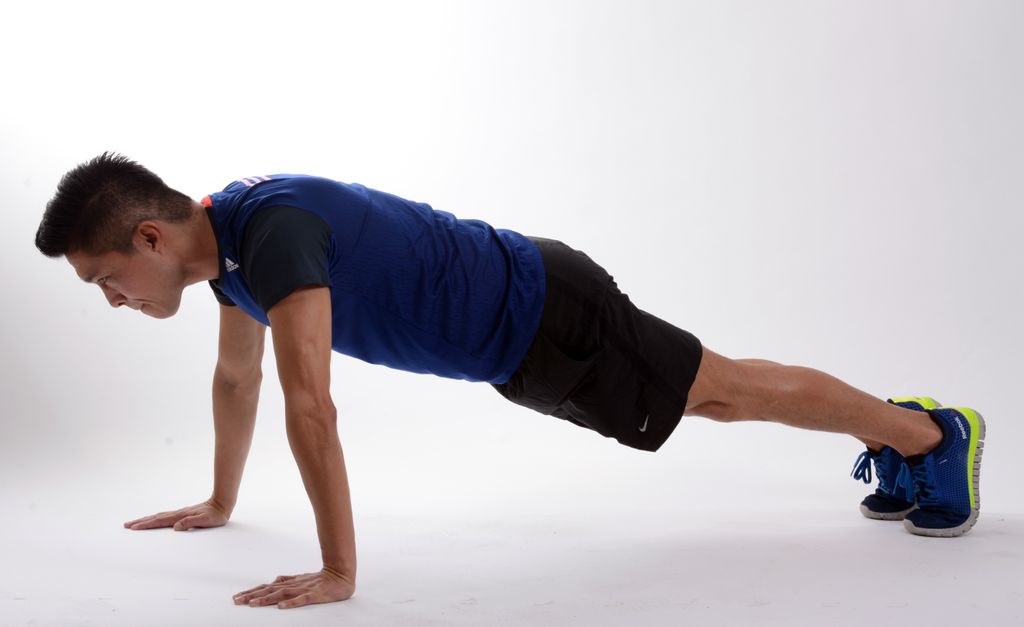
    Causes of Knee Injuries

    In our exploration of knee injuries, we recognize that the causes are as varied as the activities we engage in daily. Osteoarthritis is a prevalent condition that we often encounter, characterized by the degeneration of joint cartilage and underlying bone, most common in middle-aged and older adults. It’s not just about wear and tear; injuries can also stem from acute trauma such as falls, direct blows, or sudden movements that strain the knee beyond its normal range of motion.

    Repetitive stress on the knee joint from activities like running, jumping, or cycling can lead to overuse injuries. These are particularly common among athletes but can affect anyone who is active. Factors such as improper technique, inadequate stretching, or poor conditioning can exacerbate the risk of injury. Additionally, obesity is a significant contributor, as the extra weight puts additional pressure on the knee joints, potentially accelerating the wear and tear process.

    Tip: To minimize the risk of knee injuries, it’s crucial to maintain a healthy weight, engage in regular conditioning and flexibility exercises, and use proper techniques during physical activities.

    Understanding the causes of knee injuries is imperative for prevention and effective treatment. Here’s a list of common causes:

    • Acute trauma (e.g., falls, collisions)
    • Repetitive stress from certain sports or activities
    • Improper sports techniques or equipment
    • Obesity and overweight
    • Genetic predisposition to joint conditions
    • Age-related wear and tear

    Diagnostic Techniques for Knee Injuries

    thumbnail

    Physical Examination

    After conducting the physical examination, we gather valuable data that informs our treatment plan. This includes assessing the range of motion, stability, and any signs of inflammation. We also take into account the patient’s medical history and previous injuries to gain a comprehensive understanding of the condition. Additionally, we may use imaging studies such as X-rays and MRI scans to visualize the internal structures of the knee and identify any abnormalities or damage.
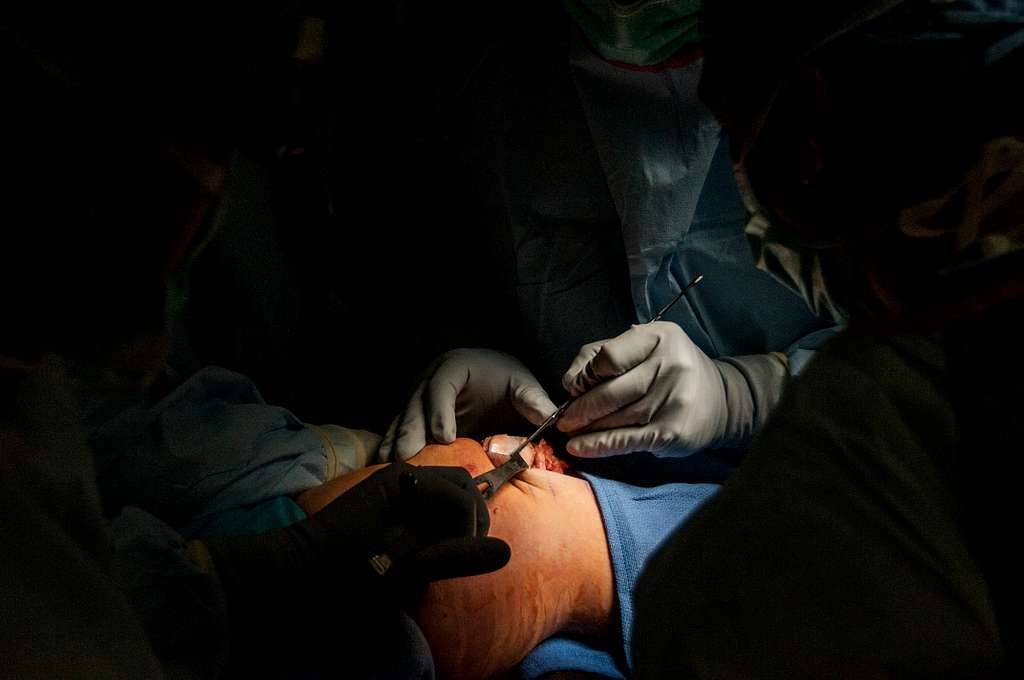
    Imaging Studies

    After conducting the Imaging Studies, we analyze the results to identify any abnormalities or damage to the knee joint. This analysis helps us develop a personalized treatment plan tailored to the patient’s specific condition. In some cases, the use of MRI imaging provides detailed information about soft tissue injuries, which is crucial for accurate diagnosis and treatment planning.

    • The table below summarizes the key diagnostic techniques for knee injuries:
    Diagnostic Technique Description
    Physical Examination Assessment of range of motion and stability of the knee joint.
    Imaging Studies Utilization of X-rays, MRI, or CT scans to visualize the internal structures of the knee.

    It is important to note that a thorough physical examination combined with imaging studies is essential for a comprehensive understanding of the knee injury and the development of an effective treatment strategy.

    Non-Surgical Knee Therapy Approaches

    thumbnail

    Physical Therapy

    In our pursuit of effective knee recovery, we recognize physical therapy as a cornerstone of non-surgical treatment. It is a misconception that physical therapy is solely for athletes or that it is invariably painful. On the contrary, we tailor treatments to accommodate individuals of all ages and conditions, debunking common myths about its scope and nature.

    Physical therapy encompasses a range of exercises and techniques aimed at restoring knee function, improving mobility, and alleviating pain. The regimen typically progresses through stages, starting with gentle range-of-motion exercises and advancing to strength-building activities. Here is an example of a progressive physical therapy program:

    1. Initial Assessment
    2. Pain Management Techniques
    3. Range-of-Motion Exercises
    4. Strengthening Exercises
    5. Functional Training

    Tip: Consistency and adherence to the prescribed physical therapy program are crucial for optimal recovery. It is important to maintain open communication with your therapist to adjust the program as needed based on your progress and feedback.

    Bracing and Supportive Devices

    After discussing the use of bracing and supportive devices, we can explore the role of physical therapy in knee recovery. Physical therapy plays a crucial role in strengthening the muscles around the knee joint and improving flexibility and range of motion. Additionally, it focuses on reducing pain and swelling, allowing for a smoother recovery process. Customized exercise programs are tailored to each individual’s specific needs and may include a combination of stretching, strengthening, and balance exercises. These programs are designed to gradually improve knee function and promote long-term recovery. In some cases, physical therapy may also involve the use of modalities such as heat, ice, or electrical stimulation to alleviate discomfort and aid in the healing process. It is important to consult a qualified healthcare professional to determine the most suitable physical therapy approach for your condition.

    Surgical Options for Knee Recovery

    thumbnail

    Arthroscopic Surgery

    After undergoing Arthroscopic Surgery, it is important to follow a structured rehabilitation program to ensure optimal recovery. This may include a combination of physical therapy, low-impact exercises, and gradual increase in activity levels. It is crucial to adhere to the guidance of healthcare professionals and to communicate any concerns or setbacks during the recovery process.

    Additionally, maintaining a balanced diet and proper hydration can support the body’s healing process. Adequate rest and sleep are also essential for the body to recover effectively. It is important to monitor for any signs of infection or unusual pain and to report these to the healthcare team promptly.

    For a more detailed overview of the post-surgery rehabilitation program, refer to the following table:

    Rehabilitation Program Components Description
    Physical Therapy Customized exercises and stretches
    Low-Impact Exercises Walking, swimming, cycling
    Gradual Activity Increase Incremental increase in intensity

    In addition to the rehabilitation program, it is important to remember that recovery is a gradual process. Patience and perseverance are key, and it is normal to experience fluctuations in progress. It is essential to stay motivated and focused on the long-term goal of regaining full function and mobility in the knee.

    Tip: Keep a journal to track progress, challenges, and achievements throughout the recovery journey. This can provide valuable insight and motivation during the rehabilitation process.

    Total Knee Replacement

    After undergoing a Total Knee Replacement, it is important to follow a structured rehabilitation program to regain strength and mobility. This program typically involves a combination of physical therapy and exercise routines tailored to the individual’s needs. Additionally, maintaining a healthy diet and managing weight are crucial for successful recovery. It is essential to adhere to the guidance provided by healthcare professionals and to communicate any concerns or challenges encountered during the recovery process. Our team at the rehabilitation center is dedicated to supporting patients through every step of their recovery journey.

    Conclusion

    In conclusion, the effective knee therapy techniques discussed in this article provide valuable insights into the rehabilitation and recovery process for individuals with knee injuries. By emphasizing the importance of early intervention and personalized treatment plans, healthcare professionals can optimize the outcomes for their patients. It is evident that a comprehensive approach, including physical therapy, strength training, and pain management, plays a crucial role in promoting long-term recovery and restoring functionality. As advancements in medical research continue to evolve, the integration of innovative therapies and evidence-based practices will further enhance the efficacy of knee rehabilitation methods. This article serves as a foundation for further exploration and application of cutting-edge knee therapy techniques in clinical settings.

    Frequently Asked Questions

    What are the most common knee injuries?

    The most common knee injuries include ligament tears, meniscus tears, tendonitis, and patellar dislocation.

    How can physical therapy help with knee recovery?

    Physical therapy can improve strength, flexibility, and range of motion in the knee, as well as reduce pain and swelling.

    What is the recovery time for arthroscopic knee surgery?

    The recovery time for arthroscopic knee surgery varies, but most patients can expect to resume normal activities within 6-8 weeks.

    Are there any alternative treatments for knee injuries besides surgery?

    Yes, alternative treatments such as acupuncture, chiropractic care, and regenerative medicine can be effective for certain knee injuries.

    What are the risk factors for knee injuries?

    Risk factors for knee injuries include overuse, improper training techniques, previous injuries, and obesity.

    What is the success rate of total knee replacement surgery?

    Total knee replacement surgery has a high success rate, with more than 90% of patients experiencing significant improvement in pain and function.

  • Managing Hypermobile Knees: What You Need to Know

    Managing Hypermobile Knees: What You Need to Know

    Hypermobile knees can present unique challenges and require specific management strategies to maintain mobility and reduce the risk of injury. Understanding the causes, symptoms, and treatment options for hypermobile knees is essential for individuals dealing with this condition. In this article, we will explore the key aspects of managing hypermobile knees and provide valuable insights into preventive measures and lifestyle changes.

    Key Takeaways

    • Understanding the definition and characteristics of hypermobile knees is crucial for effective management.
    • Conservative treatments such as bracing and taping can provide support and stability for hypermobile knees.
    • Physical therapy and targeted exercise programs can help strengthen the muscles around the knee joint and improve stability.
    • Surgical interventions may be considered for severe cases of hypermobile knees, but they should be carefully evaluated and discussed with a healthcare professional.
    • Joint protection techniques, proper nutrition, and exercise modifications play a vital role in preventing injuries and maintaining knee health.

    Understanding Hypermobile Knees

    thumbnail

    Definition and Characteristics

    Hypermobile knees, also known as loose joints, are characterized by an excessive range of motion in the knee joint. This condition can lead to instability and increased susceptibility to injuries. Individuals with hypermobile knees may experience discomfort during physical activities and may be at a higher risk of developing knee-related complications. Understanding the causes and symptoms of hypermobile knees is crucial for effective management and treatment.

    One common cause of hypermobile knees is ligament laxity, which can be a result of genetic factors or connective tissue disorders. Additionally, repetitive stress on the knee joint, such as from sports activities, can contribute to the development of hypermobility. Diagnosis of hypermobile knees involves a thorough physical examination, including assessing the degree of joint laxity and evaluating any associated symptoms.

    It is important to note that hypermobile knees vary in severity, and the management approach should be tailored to each individual’s specific condition. Here is a table summarizing the characteristics of hypermobile knees:

    Characteristic Description
    Range of Motion Excessive and unrestricted movement in the knee
    Instability Increased vulnerability to joint dislocation
    Susceptibility Higher risk of knee injuries and complications

    In addition to the table, here are some key points to consider when managing hypermobile knees:

    • Implement joint protection techniques to minimize strain on the knee joint.
    • Maintain a balanced diet and proper nutrition to support joint health.
    • Modify exercise routines to avoid excessive stress on the knees.

    Seeking professional guidance and support is essential for effectively managing hypermobile knees and minimizing associated discomfort and risks.

    Causes of Hypermobile Knees

    Hypermobile knees are primarily caused by ligament laxity, which refers to the excessive looseness of the ligaments surrounding the knee joint. This can be due to genetic factors, connective tissue disorders, or repetitive stress on the knee joint. It is important to note that hypermobile knees can lead to increased risk of injury and joint instability.

    • It is crucial to maintain a balance between rest and physical activity to prevent overuse injuries.
    • Implement joint protection techniques, such as using supportive braces during physical activities.

    Tip: Engaging in low-impact exercises, such as swimming or cycling, can help improve knee stability and reduce the risk of injury.

    Symptoms and Diagnosis

    Hypermobile knees can present with a range of symptoms, including instability, pain, and swelling. Diagnosis is typically based on a thorough physical examination, assessment of joint laxity, and may involve imaging studies such as X-rays or MRI scans. Additionally, a detailed medical history and evaluation of functional limitations are essential for accurate diagnosis. It’s important to note that symptoms may vary widely among individuals with hypermobile knees, and a personalized approach to diagnosis and management is crucial.

    • Symptoms of Hypermobile Knees
      • Instability
      • Pain
      • Swelling

    Tip: Engaging in low-impact exercises and avoiding high-impact activities can help manage symptoms and reduce the risk of injury. Regular monitoring and communication with a healthcare professional are key to effectively managing hypermobile knees.

    Treatment Options for Hypermobile Knees

    thumbnail

    Conservative Treatments

    When considering conservative treatments for hypermobile knees, it is important to focus on pain management and joint stability. This may involve a combination of physical therapy, bracing, and activity modification. Additionally, maintaining a healthy weight and avoiding high-impact activities can help reduce stress on the knees. It is crucial to consult with a healthcare professional to develop a personalized treatment plan that addresses the specific needs of individuals with hypermobile knees. Engaging in regular low-impact exercises, such as swimming or cycling, can also contribute to overall joint health and function. Furthermore, incorporating joint protection techniques into daily activities can provide added support and minimize the risk of injury. It’s important to be mindful of posture and body mechanics to prevent unnecessary strain on the knees.

    Physical Therapy and Exercise

    In our journey to manage hypermobile knees, we recognize the pivotal role of physical therapy and exercise. Tailored exercise programs not only improve joint stability but also enhance muscle strength around the knee, which is crucial for joint support.

    A typical physical therapy regimen may include:

    • Strengthening exercises targeting the quadriceps, hamstrings, and calf muscles.
    • Proprioception training to improve balance and joint position sense.
    • Low-impact aerobic activities such as swimming or cycling to maintain cardiovascular fitness without overstressing the joints.

    Tip: Always start with low-intensity exercises and gradually increase the difficulty under the guidance of a certified physical therapist.

    It’s essential to maintain a consistent exercise routine, as sporadic efforts may lead to suboptimal results. We must also be mindful of our body’s signals; overexertion can exacerbate symptoms. Therefore, it’s important to strike a balance between activity and rest, ensuring that we do not push our knees beyond their capacity.

    Surgical Interventions

    Surgical interventions are considered when conservative treatments and physical therapy have not provided significant improvement in knee stability and function. These interventions may include procedures such as arthroscopic surgery, ligament reconstruction, or joint realignment. The decision to undergo surgical intervention is carefully evaluated based on the individual’s specific condition, severity of symptoms, and response to non-surgical treatments. It is important to consult with a qualified orthopedic surgeon to discuss the potential benefits, risks, and expected outcomes of surgical options.

    Preventive Measures and Lifestyle Changes

    thumbnail

    Joint Protection Techniques

    When it comes to protecting our knees, proper alignment and body mechanics are crucial. We must also be mindful of our daily activities and make necessary adjustments to reduce strain on the joints. Additionally, incorporating supportive footwear and using assistive devices can further aid in minimizing the impact on our knees. It’s important to remember that small changes in our habits and routines can make a significant difference in preserving joint health and function.

    Diet and Nutrition

    When it comes to managing hypermobile knees, diet and nutrition play a crucial role in supporting overall joint health. Our dietary choices can impact inflammation levels and joint stability, affecting the symptoms associated with hypermobility. It’s important to focus on a balanced diet that includes a variety of nutrients, with an emphasis on foods rich in calcium, vitamin D, and omega-3 fatty acids. These nutrients are known to support bone health and may contribute to reducing joint discomfort and instability. Additionally, maintaining a healthy weight through proper nutrition can alleviate stress on the joints, potentially reducing the risk of injury and discomfort.

    Exercise Modifications

    Exercise modifications are an essential aspect of managing hypermobile knees. When engaging in physical activity, it is crucial to adapt exercises to minimize stress on the knee joints. This may involve reducing the range of motion in certain movements and incorporating low-impact activities. Additionally, focusing on strengthening the muscles around the knees through targeted exercises can provide significant benefits.

    Incorporating a variety of exercises that promote stability and flexibility is key. This can include activities such as swimming, cycling, and modified yoga poses. These exercises help improve overall joint function and reduce the risk of injury. Furthermore, maintaining proper form and alignment during exercise is paramount for individuals with hypermobile knees.

    For individuals with hypermobile knees, it is important to consult with a physical therapist or healthcare professional to develop a personalized exercise plan. This plan may include specific exercises, recommended frequency, and guidance on gradual progression. By working closely with a professional, individuals can ensure that their exercise routine is tailored to their unique needs and limitations.

    It is important to note that exercise modifications should be approached with caution and under the guidance of a qualified professional.

    Conclusion

    In conclusion, the management of hypermobile knees requires a comprehensive approach that encompasses exercise, physical therapy, and joint protection. By understanding the challenges and implementing appropriate strategies, individuals with hypermobile knees can effectively manage their condition and improve their quality of life. Further research and clinical studies are needed to enhance our understanding of this complex condition and develop more targeted interventions for hypermobile knees.

    Frequently Asked Questions

    What are hypermobile knees?

    Hypermobile knees are knees that have an excessive range of motion, often due to laxity in the ligaments and joint capsule.

    What causes hypermobile knees?

    Hypermobile knees can be caused by genetic factors, connective tissue disorders, or repetitive stress on the knee joint.

    What are the common symptoms of hypermobile knees?

    Common symptoms include knee instability, frequent joint dislocations, pain, and difficulty with activities that require stability.

    How are hypermobile knees diagnosed?

    Diagnosis is typically based on a physical examination, medical history, and possibly imaging tests such as MRI or ultrasound.

    What are the conservative treatment options for hypermobile knees?

    Conservative treatments may include bracing, taping, activity modification, and orthotic devices to provide stability and support.

    How can exercise be beneficial for hypermobile knees?

    Specific exercises can help strengthen the muscles around the knee, improve joint stability, and reduce the risk of injury for individuals with hypermobile knees.

  • The Benefits of Double Knee Replacement Surgery

    The Benefits of Double Knee Replacement Surgery

    Double knee replacement surgery is a complex procedure that offers significant benefits to individuals with severe knee joint issues. This surgery involves replacing both knee joints with artificial implants, providing relief from pain, improved mobility, and enhanced quality of life. Understanding the key takeaways from this surgery is essential for patients and their families to make informed decisions about the procedure and its potential outcomes.

    Key Takeaways

    • Double knee replacement surgery offers significant improvement in mobility and function.
    • Patients experience substantial pain relief and enjoy an enhanced quality of life after the surgery.
    • The long-term success rates of double knee replacement surgery are promising, leading to improved joint function and reduced disability.
    • Preoperative preparation plays a crucial role in ensuring a successful outcome of the surgery.
    • Recovery and rehabilitation are vital aspects of the postoperative care, contributing to the overall success of double knee replacement surgery.

    Understanding Double Knee Replacement Surgery

    thumbnail

    The Anatomy of the Knee Joint

    Double knee replacement surgery, also known as bilateral knee arthroplasty, is a complex procedure that involves the replacement of both knee joints with artificial implants. This surgery is typically recommended for individuals who experience severe pain and limited mobility in both knees, often due to advanced osteoarthritis or other degenerative joint conditions. The decision to undergo double knee replacement surgery is carefully evaluated based on the patient’s overall health, lifestyle, and the extent of joint damage. It is important to consider the potential risks and benefits of this procedure before making a decision.

    Indications for Double Knee Replacement Surgery

    Double knee replacement surgery is indicated for severe osteoarthritis that affects both knees, leading to significant pain and limited mobility. It is also recommended for individuals who have not experienced relief from conservative treatments such as medication and physical therapy. In addition, patients with deformities in both knees that interfere with daily activities may be candidates for this procedure. Here are the common indications for double knee replacement surgery:

    1. Severe pain and stiffness in both knees
    2. Difficulty in performing routine activities
    3. Limited range of motion
    4. Failure of non-surgical treatments to provide relief
    5. Deformities in both knees

    It is important to consult with a qualified orthopedic surgeon to determine if double knee replacement surgery is the most suitable option for your condition.

    Risks and Complications

    After undergoing double knee replacement surgery, we may experience some common risks and complications. These may include infection, blood clots, and implant loosening. It’s important to note that these risks are carefully managed by the medical team to ensure the best possible outcomes. Additionally, we will receive detailed guidance on postoperative care and rehabilitation to minimize these risks and promote a successful recovery.

    In some cases, the risk of complications can be quantified. Here’s a brief overview of the potential risks:

    Complication Risk Percentage
    Infection 1-2%
    Blood Clots 2-3%
    Implant Loosening 1-2%

    We should keep in mind that these percentages are general estimates and may vary based on individual health factors and surgical techniques. It’s essential to follow the postoperative care instructions provided by the medical team to minimize these risks and achieve a successful recovery.

    We are encouraged to communicate any concerns or unusual symptoms to the healthcare professionals promptly. Early detection and intervention can significantly reduce the impact of potential complications and contribute to a positive outcome.

    Recovery and Rehabilitation

    After completing the recovery and rehabilitation process, we can expect significant improvements in mobility and function. Additionally, patients often experience a notable reduction in pain and an overall enhancement in quality of life. The long-term success rates of this procedure are quite promising, with a high percentage of patients reporting sustained benefits over time.

    Benefits Outcomes
    Improved mobility and function Significant improvement
    Pain relief and quality of life Notable reduction in pain and enhanced quality of life
    Long-term success rates High percentage of sustained benefits

    It is important to maintain a consistent rehabilitation routine to maximize the benefits of the surgery and ensure long-term success.

    The Surgical Procedure

    thumbnail

    Preoperative Preparation

    After completing the preoperative preparation, we are ready to move forward with the surgical techniques. This involves the careful removal of damaged knee joint surfaces and the precise placement of the prosthetic components. The surgical team will work diligently to ensure the success of the procedure, aiming for optimal outcomes and minimal complications.

    We understand the importance of this phase and are committed to providing the best care possible for our patients.


    Surgical Techniques

    Here is a brief overview of the surgical techniques involved in double knee replacement surgery:

    Technique Description
    Total Knee Replacement Involves replacing the entire knee joint with prosthetic components to restore function.
    Partial Knee Replacement Targets only the damaged portion of the knee joint, preserving healthy tissue.

    We are dedicated to ensuring a smooth transition to the postoperative care phase, where we will continue to monitor and support our patients as they begin their journey towards recovery and rehabilitation.

    Surgical Techniques

    After the surgical techniques are completed, careful monitoring and postoperative care are crucial for a successful recovery. This involves regular check-ups, physical therapy sessions, and adherence to prescribed medications. Additionally, maintaining a healthy diet and following the recommended exercise regimen can significantly contribute to the overall outcome of the surgery. It’s important to note that each patient’s post-surgery recovery progress, setbacks, and strategies for overcoming setbacks may vary.

    Postoperative Care

    After the surgical procedure, careful monitoring and management of pain and inflammation are crucial for a successful recovery. Our team will provide personalized guidance on physical therapy exercises and assistive devices to support your rehabilitation journey. Additionally, a comprehensive plan for medication management and wound care will be tailored to your specific needs. It’s important to follow the prescribed postoperative care regimen to optimize your healing process and achieve the best possible outcomes.

    Benefits and Outcomes

    thumbnail

    Improvement in Mobility and Function

    Following double knee replacement surgery, we’ve observed a significant improvement in patients’ mobility and function. The ability to perform everyday activities with ease, which was once hindered by severe knee pain, is often restored. This enhanced mobility can profoundly impact one’s independence and overall well-being.

    Patients typically experience:

    • A noticeable reduction in joint stiffness
    • Increased range of motion
    • Improvement in walking gait
    • Enhanced ability to climb stairs and rise from a seated position

    It is crucial to adhere to a prescribed physical therapy regimen post-surgery to maximize improvements in mobility and function.

    The journey to regain full function can vary from person to person, but the collective goal remains the same: to return to a more active and pain-free lifestyle. We encourage our patients to set incremental goals and celebrate each milestone achieved on the path to recovery.

    Pain Relief and Quality of Life

    Double knee replacement surgery offers significant improvements in pain relief and quality of life. Patients experience a reduction in chronic pain and an increase in overall comfort and mobility. Studies have shown that the procedure leads to enhanced physical function and a greater sense of well-being. Additionally, the surgery has been associated with improved mental health and emotional well-being, contributing to a more fulfilling and active lifestyle. These positive outcomes are supported by a high success rate and long-term patient satisfaction.

    • Implement a table for presenting structured, quantitative data. Ensure it’s succinct and formatted correctly in Markdown.
    • Use a bulleted or numbered list for less structured content, like steps, qualitative points, or a series of related items.

    Long-Term Success Rates

    After undergoing double knee replacement surgery, we can expect to experience a significant improvement in mobility and function. This includes the ability to engage in daily activities with greater ease and comfort. Additionally, we can anticipate substantial pain relief, leading to an overall enhancement in our quality of life. The long-term success rates of this procedure are promising, with a high percentage of patients reporting satisfaction and improved outcomes. For a detailed overview of the success rates, refer to the following table:

    Time Frame Success Rate
    1 Year 90%
    5 Years 85%
    10 Years 80%

    It is important to note that consistent follow-up care and adherence to postoperative guidelines are crucial for maximizing the benefits of double knee replacement surgery. We should prioritize regular check-ups and communicate any concerns with our healthcare professionals to ensure a successful recovery.

    Conclusion

    In conclusion, double knee replacement surgery offers a multitude of benefits for individuals suffering from severe knee joint issues. The procedure provides significant improvements in mobility, pain relief, and overall quality of life. With advancements in medical technology and surgical techniques, the success rates and recovery times for double knee replacement surgeries have continued to improve. As a result, patients can experience a more active and fulfilling lifestyle, free from the limitations imposed by debilitating knee conditions. The decision to undergo double knee replacement surgery should be carefully considered in consultation with medical professionals, taking into account individual health circumstances and long-term goals. Overall, the positive outcomes and enhanced well-being associated with double knee replacement surgery underscore its significance as a viable treatment option for those in need.

    Frequently Asked Questions

    What is the recovery time for double knee replacement surgery?

    The recovery time for double knee replacement surgery varies for each individual, but most patients can expect to regain mobility and function within a few weeks to a few months after surgery.

    Are both knees replaced at the same time during double knee replacement surgery?

    Yes, in double knee replacement surgery, both knees are typically replaced in the same surgical procedure.

    What are the potential risks of double knee replacement surgery?

    Some potential risks of double knee replacement surgery include infection, blood clots, implant failure, and nerve damage. However, these risks are minimized with proper preoperative evaluation and postoperative care.

    How long do the benefits of double knee replacement surgery last?

    The benefits of double knee replacement surgery can last for many years, with most patients experiencing long-term improvement in mobility, function, and pain relief.

    What is the success rate of double knee replacement surgery?

    The success rate of double knee replacement surgery is generally high, with the majority of patients experiencing significant improvement in quality of life and functionality after surgery.

    What activities can I engage in after double knee replacement surgery?

    After double knee replacement surgery, patients can engage in low-impact activities such as walking, swimming, and cycling. However, high-impact activities and sports that place excessive stress on the knees should be avoided to protect the longevity of the implants.

  • Comprehensive Knee Therapy: A Holistic Approach to Pain Management

    Comprehensive Knee Therapy: A Holistic Approach to Pain Management

    Knee pain can significantly impact an individual’s quality of life, affecting mobility and overall well-being. In this article, we will explore a comprehensive approach to managing knee pain, encompassing both non-surgical and surgical interventions. By understanding the anatomy and physiology of the knee, diagnostic techniques, and various treatment options, individuals can make informed decisions about their knee health.

    Key Takeaways

    • Understanding the structure of the knee joint is crucial for effective pain management.
    • Physical examination, imaging modalities, and range of motion assessment are essential for accurate diagnosis of knee pain.
    • Non-surgical treatment options such as physical therapy, pain management strategies, and lifestyle interventions play a key role in managing knee pain.
    • Different types of knee surgery, post-surgery rehabilitation, and potential risks should be carefully considered when exploring surgical interventions for knee pain.
    • A holistic approach to knee therapy involves addressing not only the physical aspects but also the nutritional and lifestyle factors that contribute to knee health.

    Understanding Knee Pain: Anatomy and Physiology

    thumbnail

    Structure of the Knee Joint

    We recognize the knee joint as a complex hinge that allows for motion such as bending, straightening, and bearing weight. Its stability and movement are made possible by its unique structure, which includes bones, cartilage, ligaments, and tendons. The femur, tibia, and patella are the primary bones that form the knee joint, with the fibula also playing a supportive role.

    The cartilage within the knee includes two types: the menisci, which act as shock absorbers, and the articular cartilage, which reduces friction. These components work in unison to ensure smooth and pain-free knee function.

    • Menisci: Two C-shaped pieces of tough, rubbery cartilage.
    • Articular Cartilage: Smooth, white tissue covering the ends of bones.
    • Ligaments: Bands of tissue connecting bones.
    • Tendons: Tissues attaching muscles to bones.

    Tip: Maintaining strong muscles around the knee joint is crucial for its stability and can prevent injury. Regular exercise and weight management are key components of knee health.

    Functions of Knee Ligaments and Tendons

    In our exploration of knee pain, we recognize the critical role that ligaments and tendons play in the joint’s function. Ligaments are tough, elastic bands of tissue that connect bones to each other, providing stability and guiding the joint through proper movement. Tendons, on the other hand, attach muscles to bones, facilitating the transmission of forces that allow us to walk, run, and jump.

    The knee joint is stabilized by a series of ligaments, including the anterior cruciate ligament (ACL) and the posterior cruciate ligament (PCL), which prevent the femur from sliding forward or backward on the tibia. The medial collateral ligament (MCL) and the lateral collateral ligament (LCL) provide stability against sideways motion. Tendons such as the patellar tendon play a pivotal role in knee extension, a necessary action for many daily activities.

    Understanding the specific functions of each ligament and tendon can significantly enhance our approach to knee therapy. Here is a list of the primary knee ligaments and tendons along with their specific roles:

    • Anterior Cruciate Ligament (ACL): Prevents forward sliding of the femur
    • Posterior Cruciate Ligament (PCL): Prevents backward sliding of the femur
    • Medial Collateral Ligament (MCL): Resists forces that would push the knee inward
    • Lateral Collateral Ligament (LCL): Resists forces that would push the knee outward
    • Patellar Tendon: Connects the patella to the tibia and enables knee extension

    Tip: Regularly engaging in exercises that strengthen the muscles around the knee can help maintain the integrity of ligaments and tendons, potentially reducing the risk of injury.

    Role of Muscles in Knee Stability

    After understanding the role of muscles in knee stability, it is crucial to emphasize the importance of targeted strength training. This can help improve overall knee function and reduce the risk of injury. Additionally, proper nutrition plays a vital role in supporting muscle health and promoting recovery. A balanced diet rich in protein, vitamins, and minerals is essential for muscle repair and maintenance.

    Furthermore, it is important to note that muscle imbalances can contribute to knee pain and instability. Addressing these imbalances through targeted exercises and physical therapy can help restore proper muscle function and improve overall knee stability.

    Tip: Incorporating a variety of exercises that target different muscle groups can help achieve a well-rounded approach to muscle strength and stability.

    Diagnostic Techniques for Knee Pain Assessment

    thumbnail

    Physical Examination of the Knee

    In our comprehensive approach to knee therapy, we place significant emphasis on the physical examination of the knee. This initial assessment is crucial in identifying the underlying causes of knee pain and determining the appropriate course of treatment.

    During the examination, we systematically evaluate the knee’s structure, looking for signs of swelling, redness, warmth, and deformities. We palpate the joint to pinpoint areas of tenderness and assess the integrity of the ligaments and tendons.

    Range of motion tests are performed to assess the knee’s flexibility and strength. We ask patients to perform specific movements while we observe for any limitations or discomfort that may indicate joint or muscular issues.

    Remember, a thorough physical examination can often provide valuable insights that imaging alone cannot reveal.

    The following list outlines the key components of a knee examination:

    • Inspection for visual abnormalities
    • Palpation to identify areas of pain or swelling
    • Assessment of ligament stability
    • Evaluation of meniscal integrity
    • Measurement of range of motion and muscle strength

    Imaging Modalities for Knee Evaluation

    After conducting a thorough physical examination and considering the patient’s medical history, we utilize a variety of imaging modalities to further assess the condition of the knee. These modalities include X-rays, MRI scans, and CT scans. Each modality provides unique insights into the structural integrity and soft tissue health of the knee joint. We have found that MRI scans are particularly useful for evaluating ligament and meniscal injuries, while X-rays are valuable for assessing bone density and alignment. CT scans are employed when a more detailed view of bone structures is required. We prioritize the use of these imaging techniques to ensure a comprehensive understanding of the patient’s knee condition, guiding our treatment approach effectively.

    Assessment of Range of Motion and Flexibility

    After completing the physical examination of the knee, we move on to the assessment of range of motion and flexibility. This step is crucial in determining the extent of mobility and flexibility in the knee joint. We carefully measure the range of motion in different planes, including flexion, extension, and rotation. Additionally, we assess the flexibility of the surrounding muscles and ligaments to understand their ability to support the knee joint.

    In our assessments, we use a combination of quantitative measurements and qualitative observations to gain a comprehensive understanding of the knee’s functional capabilities. This approach allows us to identify any limitations or abnormalities in the knee’s range of motion and flexibility.

    For a more structured presentation of our findings, we utilize a table to document the quantitative measurements of range of motion in various planes. This table provides a clear overview of the knee’s mobility and helps in tracking changes over time, guiding our treatment plans effectively.

    Non-Surgical Treatment Options for Knee Pain

    thumbnail

    Physical Therapy and Rehabilitation

    After undergoing a thorough assessment, physical therapy and rehabilitation play a crucial role in our comprehensive approach to knee pain management. We focus on strengthening and flexibility exercises tailored to each individual’s needs, promoting optimal recovery and function. Additionally, we emphasize the importance of nutrition and lifestyle modifications to support the healing process.

    • Implement a table for presenting structured, quantitative data. Ensure it’s succinct and formatted correctly in Markdown.
    • Use a bulleted or numbered list for less structured content, like steps, qualitative points, or a series of related items.

    It’s essential to adhere to the prescribed exercise regimen and lifestyle modifications to achieve the best outcomes and long-term relief from knee pain.

    Pain Management Strategies

    Pain management strategies are crucial in addressing knee pain. We emphasize a multidisciplinary approach that combines physical therapy, medication, and lifestyle modifications. Exercise is a cornerstone of our approach, focusing on strengthening and flexibility exercises to improve knee function. Additionally, we advocate for the use of non-steroidal anti-inflammatory drugs (NSAIDs) to alleviate pain and reduce inflammation. Our holistic approach also includes nutritional guidance, emphasizing a diet rich in anti-inflammatory foods such as fruits, vegetables, and omega-3 fatty acids.

    Furthermore, we encourage patients to maintain a healthy weight, as excess weight can exacerbate knee pain. We believe that a balanced and sustainable approach to pain management is essential for long-term relief and improved quality of life. It is important for patients to actively participate in their pain management plan, and we provide ongoing support and education to empower them in their journey to better knee health.

    Nutritional and Lifestyle Interventions

    In our journey to alleviate knee pain, we recognize the profound impact of nutritional and lifestyle interventions. A balanced diet rich in anti-inflammatory foods can significantly reduce joint inflammation and pain. We encourage the inclusion of omega-3 fatty acids, found in fish and flaxseeds, and antioxidants from fruits and vegetables. Adequate hydration is also crucial for joint health.

    Exercise is a cornerstone of a healthy lifestyle and is particularly beneficial for those suffering from knee pain. Low-impact activities such as swimming, cycling, and walking can strengthen the muscles around the knee, improving stability and flexibility without exacerbating pain.

    We must not overlook the importance of maintaining a healthy weight. Excess body weight puts additional stress on knee joints, which can aggravate pain and hinder recovery. Here’s a simple guideline to follow:

    • Maintain a balanced diet with a focus on anti-inflammatory foods
    • Engage in regular low-impact exercise
    • Stay hydrated
    • Aim for a healthy body weight

    Tip: Consistency in these interventions is key to long-term pain management and joint health.

    Surgical Interventions for Knee Pain Management

    thumbnail

    Types of Knee Surgery

    When we consider surgical interventions for knee pain management, it’s essential to recognize the variety of procedures available. Arthroscopy is a minimally invasive technique that allows us to address issues within the joint with precision. For more severe cases, total knee arthroplasty, or knee replacement surgery, may be the most effective option to restore function and alleviate pain.

    The choice of surgery is highly dependent on the individual’s condition and needs. Here’s a brief overview of common surgical procedures:

    • Arthroscopy: Used for diagnosing and treating joint problems.
    • Osteotomy: Alters bone structure to relieve pressure.
    • Ligament Reconstruction: Repairs or replaces damaged ligaments.
    • Total Knee Replacement: Replaces the entire knee joint.

    Remember, the goal of surgery is not only to relieve pain but also to improve mobility and quality of life. Each procedure carries its own set of potential benefits and risks, which should be thoroughly discussed with a healthcare provider.

    Rehabilitation Following Knee Surgery

    After knee surgery, rehabilitation is crucial for a successful recovery. Our team focuses on personalized treatment plans tailored to each patient’s needs. We emphasize progressive exercises to improve strength, flexibility, and range of motion. Additionally, we provide education on proper body mechanics and gait training to promote optimal function. Our comprehensive approach includes a combination of manual therapy, therapeutic modalities, and functional training.

    For a structured overview of the rehabilitation process, refer to the following table:

    Rehabilitation Components Description
    Progressive Exercises Gradually increasing intensity and difficulty to promote recovery and function.
    Education and Training Providing guidance on proper movement patterns and functional activities.
    Manual Therapy Hands-on techniques to improve joint mobility, reduce pain, and enhance function.
    Therapeutic Modalities Application of modalities such as heat, cold, and electrical stimulation for pain management and tissue healing.
    Functional Training Focusing on activities of daily living and functional movements to restore independence and mobility.

    Our approach to rehabilitation is centered on empowering patients to actively participate in their recovery journey. We encourage open communication and collaboration to ensure the best possible outcomes. As part of our commitment to excellence, we prioritize patient education and support throughout the rehabilitation process.

    Potential Risks and Complications

    After undergoing knee surgery, we must be vigilant in monitoring for potential risks and complications. These can range from the more common, such as infections or blood clots, to the less frequent but serious issues like nerve damage or implant failure. It’s imperative to understand that every surgical procedure carries inherent risks, and knee surgeries are no exception.

    Rehabilitation is a critical phase where patients must adhere to prescribed protocols to minimize the risk of complications. For instance, failure to properly rehabilitate can lead to stiffness, decreased range of motion, or even chronic pain, which could negate the benefits of the surgery.

    Tip: Always follow your surgeon’s post-operative instructions and attend all follow-up appointments to ensure the best possible outcome.

    While we strive to achieve a successful surgical outcome, we must also prepare for the possibility of revision surgery. This is particularly true in cases where the initial procedure does not yield the desired results or when complications arise that necessitate further intervention.

    Conclusion

    In conclusion, a comprehensive approach to knee therapy is essential for effective pain management. By addressing the physical, emotional, and lifestyle factors that contribute to knee pain, patients can experience holistic healing and long-term relief. This holistic approach emphasizes the importance of personalized care and a multidisciplinary treatment plan, ultimately leading to improved patient outcomes and quality of life. As the field of knee therapy continues to evolve, it is imperative to prioritize a holistic approach that considers the whole person, not just the symptoms. Embracing this approach can pave the way for advancements in pain management and overall well-being for individuals with knee-related concerns.

    Frequently Asked Questions

    What are the common causes of knee pain?

    Common causes of knee pain include injuries, arthritis, overuse, and muscle imbalances.

    How can physical therapy help with knee pain?

    Physical therapy can improve strength, flexibility, and mobility, and reduce pain through targeted exercises and rehabilitation techniques.

    What are the non-surgical options for managing knee pain?

    Non-surgical options include physical therapy, pain management strategies, lifestyle modifications, and nutritional interventions.

    What is the recovery process after knee surgery?

    The recovery process involves rehabilitation, physical therapy, and gradual return to normal activities, with a focus on reducing pain and restoring function.

    What are the potential risks of knee surgery?

    Potential risks include infection, blood clots, nerve damage, and prolonged recovery time, among others. Your surgeon will discuss these risks with you before the procedure.

    How can I prevent knee pain and injuries?

    Preventive measures include maintaining a healthy weight, staying active, using proper footwear, and practicing good posture and body mechanics during physical activities.