Category: kenee Management and treatments

  • Sore Knees from Running? Relief Tips Inside

    Sore Knees from Running? Relief Tips Inside

    Are you experiencing knee pain from running? You’re not alone. Runner’s knee, also known as patellofemoral pain syndrome, is a common injury that affects many runners. The good news is that there are steps you can take to find relief and prevent further discomfort.

    One of the main causes of runner’s knee is weakness in the core and hip muscles, which can put added strain on the knees. To prevent this, it’s essential to stretch the muscles around the knees before running and strengthen the leg muscles and core through exercises like squats and lunges.

    If you’re already experiencing sore knees after a run, cold therapy can provide relief. Applying ice packs or soaking your knees in cold water can help reduce pain and inflammation. It’s also important to mix in other forms of cardio into your routine to reduce repetitive strain on the knees.

    Lastly, staying hydrated is crucial for optimal muscle function and knee health. Make sure to drink plenty of water before, during, and after your runs to keep your muscles and joints in good condition.

    Key Takeaways:

    • Stretch and strengthen your leg muscles and core to prevent runner’s knee
    • Use cold therapy to relieve sore knees after a run
    • Mix in other forms of cardio to reduce strain on the knees
    • Stay hydrated for optimal muscle function and knee health
    • Seek medical advice if symptoms persist or worsen

    Stretching and Strengthening Tips for Runner’s Knee Prevention

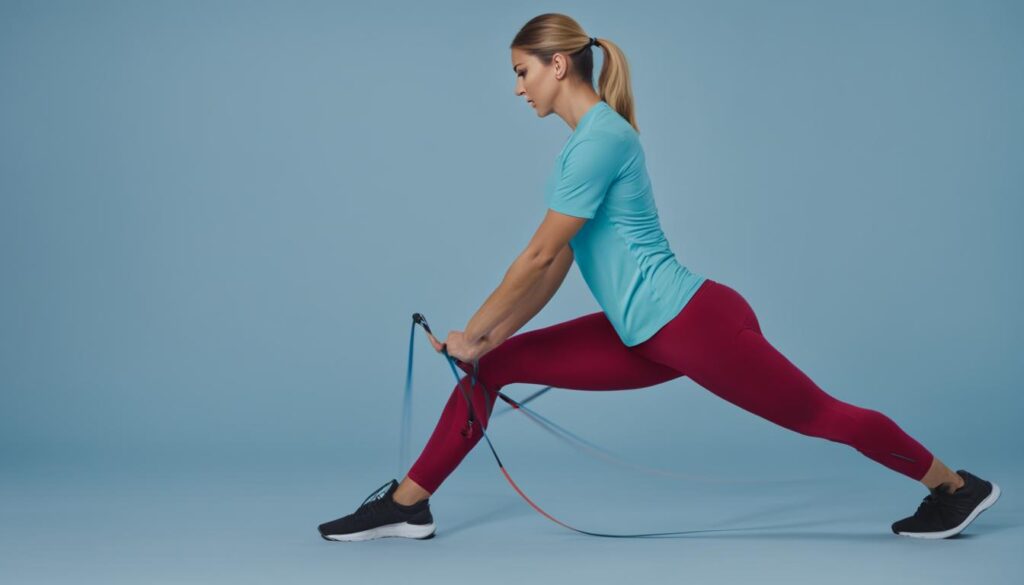
    Before embarking on your run, it’s essential to prepare your body by engaging in a light warm-up. This will help increase blood flow to your muscles and reduce the risk of injury. Once warmed up, targeted stretching can further enhance your flexibility and protect your knees from pain and discomfort.

    To prevent knee pain while running, focus on stretching important muscle groups such as the quadriceps, hamstrings, and calves. By elongating these muscles before your run, you can improve their flexibility and reduce strain on your knees.

    Stretching Exercises Stretches
    Quadriceps Stretch Standing quad stretch, lying quad stretch
    Hamstring Stretch Standing hamstring stretch, seated hamstring stretch
    Calf Stretch Standing calf stretch, wall calf stretch

    Remember to breathe deeply and hold each stretch for about 30 seconds to get the maximum benefit.

    Contracting the muscles opposite to the ones you’re stretching can also improve the efficacy of your stretches. For example, when stretching your quadriceps, gently engage your hamstrings by pulling your heel closer to your glute.

    In addition to stretching, incorporating strength training exercises into your routine is crucial for preventing runner’s knee. Strong leg muscles and a stable core can provide the necessary support and stability to avoid undue strain on your knees while running.

    Consider adding plyometric exercises, which involve explosive movements like jumping, to your strength training routine. These movements can help improve your power and agility while minimizing your risk of injury. Additionally, dedicating just 10 to 15 minutes twice a week to light weight training can yield significant benefits.

    Emphasize exercises that strengthen the muscles surrounding your knees, such as squats, lunges, and farmers walks.

    “Stretching and strengthening exercises are key components of a well-rounded training program for runners. Not only do they increase flexibility and improve performance, but they also play a crucial role in injury prevention.”

    To prevent knee pain while running, prioritize stretching and strengthening exercises to keep your knees healthy and pain-free.

    Using Cold Therapy to Relieve Sore Knees

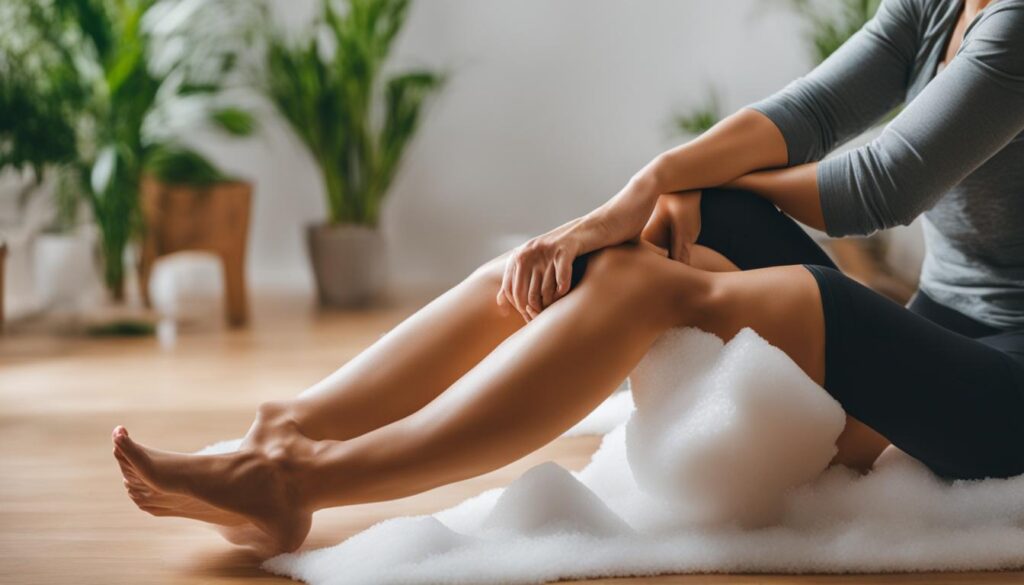
    If your knees are sore after a run, applying cold therapy can help reduce pain and inflammation. Many professional athletes use the technique of sitting in frigid water for a few minutes to alleviate soreness. However, it is important to check with your doctor before attempting this method. Cold therapy can be done by applying ice packs or soaking the knees in cold water for 5 to 10 minutes, or longer if tolerated. This can provide relief and aid in the recovery of sore knees from running.

    Treatment method Procedure
    Ice packs Apply ice packs to the sore knees for 15-20 minutes every 2-3 hours. Be sure to wrap the ice pack in a towel to avoid direct skin contact.
    Cold water soak Fill a container with cold water and soak your knees for 5 to 10 minutes. You can add ice cubes to make the water colder if desired.
    Ice massage Take an ice cube and gently massage it in circular motions on the affected area for about 5 minutes.

    Incorporating cold therapy into your post-run routine can help alleviate symptoms of sore knees from running. It is an effective and accessible remedy that can be easily implemented at home or on the go. Remember to consult with a healthcare professional if you have any concerns or if your symptoms persist.

    Mixing in Different Cardio Exercises for Knee Health

    To prevent repetitive strain on the knees and reduce the risk of developing runner’s knee, it is recommended to mix in other forms of cardio exercises into your routine. By incorporating different types of cardio activities, you can give your knees a break from the repetitive motion of running and promote overall knee health.

    Cycling: A Low-Impact Option

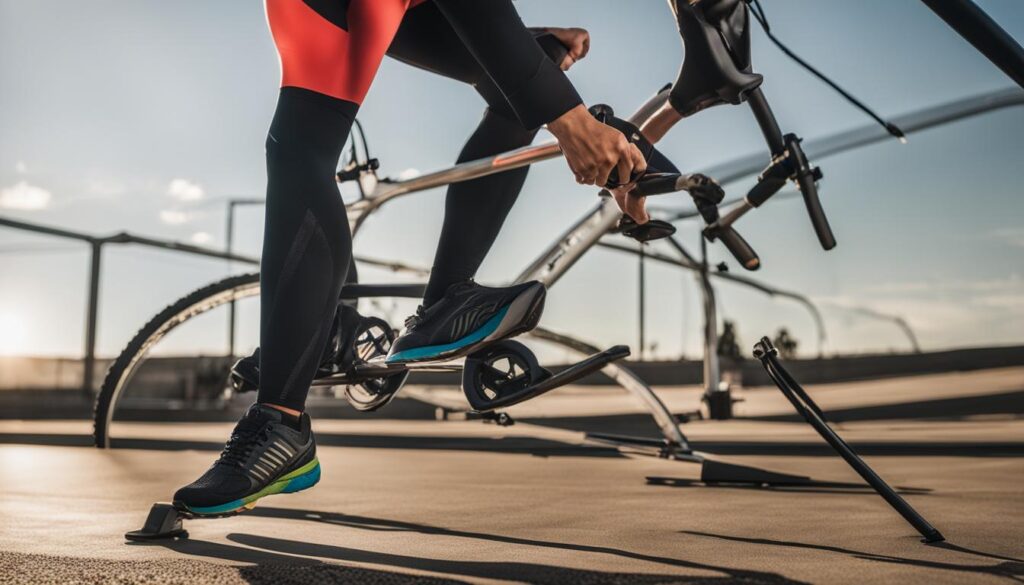
    Cycling is a fantastic low-impact exercise that can help ease strain on the knees while providing cardiovascular benefits. Whether you prefer outdoor cycling or using a stationary bike, this activity allows you to strengthen your leg muscles without putting excessive stress on your knees. Cycling also provides an opportunity to explore different terrains, adding variety to your workout routine.

    Circuit Training: A Versatile Alternative

    Circuit training offers a versatile alternative for those looking to mix up their cardio exercises. This style of training involves performing a series of different exercises that target various muscle groups. The beauty of circuit training is that it can be done from the comfort of your own home. By incorporating a combination of bodyweight exercises, such as jumping jacks, high knees, and mountain climbers, you can enjoy a challenging cardio workout while minimizing impact on your knees.

    It’s important to note that when incorporating new cardio exercises into your routine, it’s always a good idea to start gradually and listen to your body. If you experience any pain or discomfort, consult with a healthcare professional before continuing.

    knee pain remedies for runners

    By diversifying your cardio activities, you can not only reduce the strain on your knees but also prevent the onset of runner’s knee. Remember, a well-rounded fitness routine incorporates a mix of exercises to promote muscle strength and overall joint health.

    Importance of Hydration for Knee Health

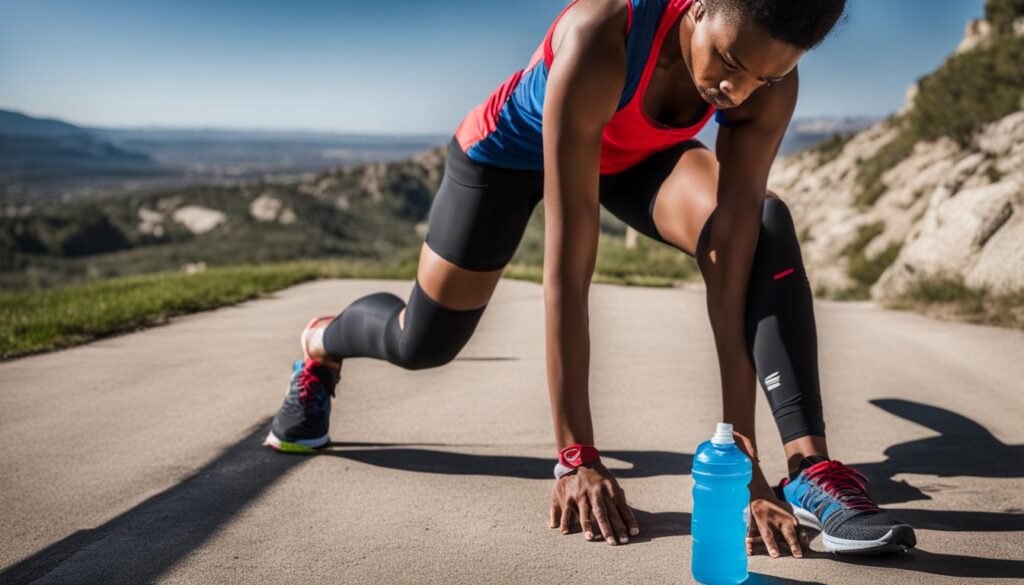
    Hydration is a vital component in maintaining optimal muscle function and promoting knee health when running. Proper hydration is crucial before, during, and after a run to replenish fluids and support the overall health of your knees. By making hydration a priority, you can reduce the risk of developing knee pain after running and prevent future discomfort.

    Before starting your run, it is recommended to drink a tall glass of water to hydrate your body in preparation for the physical activity ahead. Hydrating before the run helps ensure that your muscles and joints have the necessary fluids to function optimally, reducing the likelihood of developing knee pain.

    After completing your run, it is equally important to hydrate by drinking water immediately upon returning home. This helps replenish any lost fluids during exercise and aids in the recovery process. Remember to listen to your body and drink to satisfy your thirst.

    For longer runs or intense workouts, it is advisable to hydrate the day before as well. Proper hydration in advance helps ensure that your body is adequately prepared and can perform at its best, minimizing the risk of knee pain or discomfort.

    Avoiding alcohol before and after runs is also recommended. Alcohol can contribute to dehydration and hinder your body’s ability to recover effectively. Opt for water or other hydrating beverages to support your knee health and overall well-being.
    knee pain after running

    “Proper hydration is crucial before, during, and after a run to replenish fluids and support the overall health of your knees.”

    Staying well-hydrated not only benefits your knee health but also aids in overall muscle function and performance during running. Hydration supports the transport of essential nutrients and oxygen to your muscles, helping them work efficiently and reducing the likelihood of muscle fatigue or strain.

    To ensure that you are adequately hydrated, monitor your urine color. Clear or light-colored urine is an indicator of proper hydration, whereas dark-colored urine suggests dehydration. Remember to drink fluids throughout the day, even when you’re not running, to maintain optimal hydration levels.

    Benefits of Hydration for Knee Health:

    • Optimal muscle function
    • Improved joint lubrication
    • Reduced risk of muscle fatigue and strain
    • Promotion of overall well-being

    Tips for Hydration While Running:

    1. Carry a water bottle or hydration pack to drink during your run.
    2. Plan your running routes near water sources, such as public fountains or parks with water fountains.
    3. Consider using electrolyte-enhanced drinks or sports drinks for longer runs to replenish electrolytes lost through sweat.
    4. Use a hydration belt or handheld water bottle for convenient access to hydration during your run.

    By prioritizing hydration, you can support your knee health and minimize the risk of experiencing knee pain or discomfort after running. Remember to listen to your body, stay hydrated, and adjust your fluid intake based on the duration and intensity of your runs.

    Understanding Runner’s Knee and its Causes

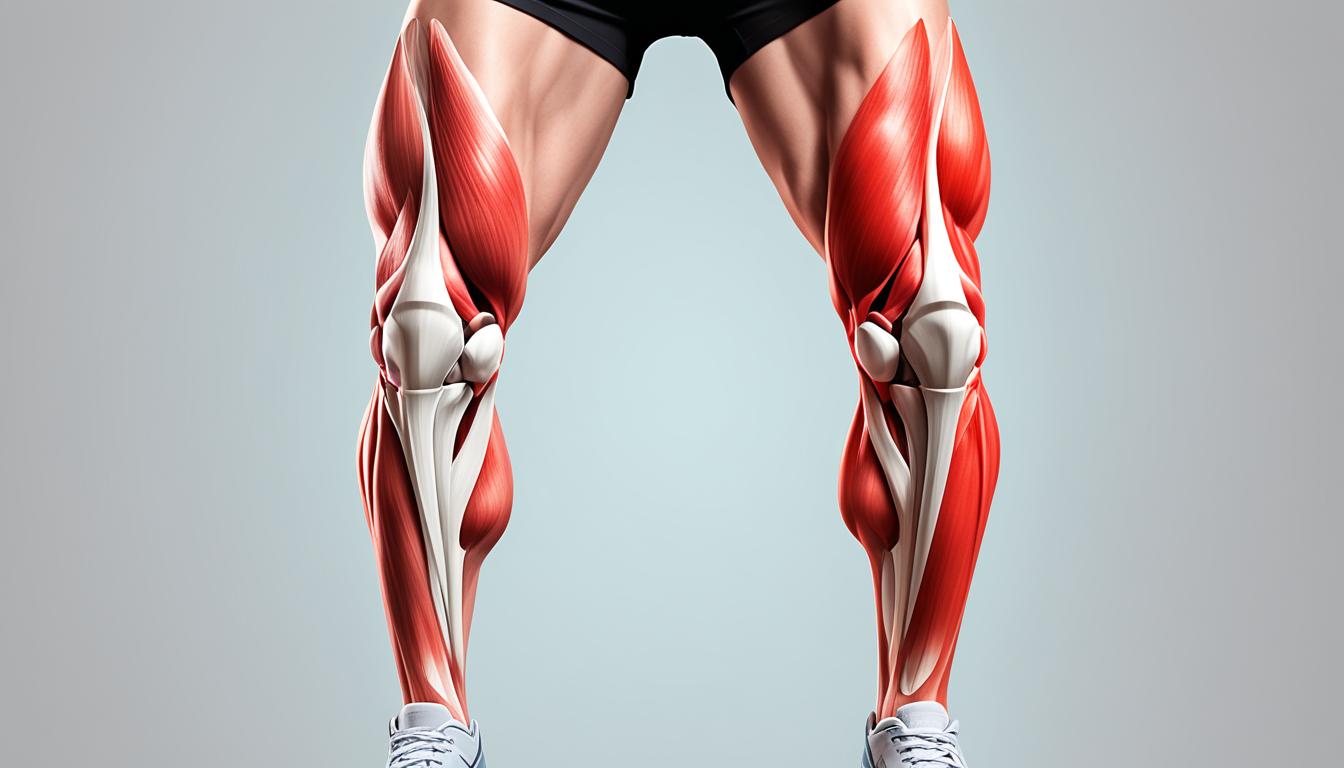
    Runner’s knee, also known as patellofemoral pain syndrome, is a broad term used to describe the pain felt in the front of the knee. It is a common condition that can affect runners of all levels and ages. Understanding the causes of runner’s knee is essential in finding the most effective treatment and prevention strategies.

    There are several factors that can contribute to the development of runner’s knee. These include:

    1. Overuse: Repetitive bending of the knee, such as during running or jumping, can lead to irritation and inflammation of the patellofemoral joint.
    2. Direct impact: Trauma or a direct blow to the knee can cause damage to the joint and surrounding structures, resulting in knee pain.
    3. Structural defects: Abnormal alignment of the kneecap or leg bones can put excessive stress on the patellofemoral joint, leading to pain and discomfort.
    4. Weak thigh muscles: Weakness or imbalance in the thigh muscles, particularly the quadriceps, can affect the alignment and tracking of the kneecap, leading to pain.
    5. Poor foot support: Inadequate arch support or improper footwear can alter the biomechanics of the lower extremities, increasing the risk of knee injuries.

    The symptoms of runner’s knee typically include pain in the front of the knee, swelling, and a grinding or clicking sensation during movement. The pain may worsen with activities that involve bending the knee, such as running, squatting, or climbing stairs.

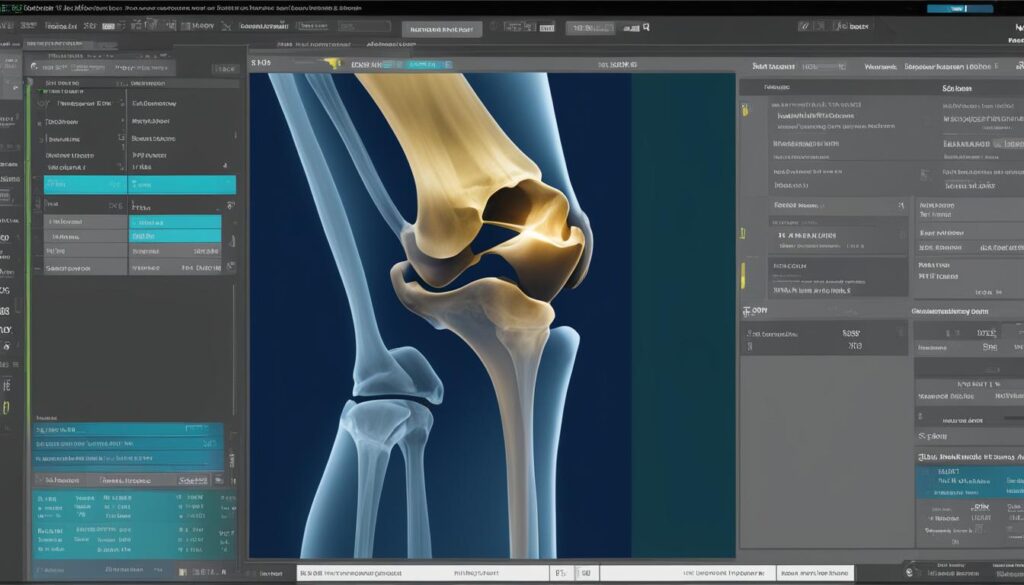
    To diagnose runner’s knee, a healthcare professional will conduct a physical examination and may order imaging tests, such as X-rays or MRI, to evaluate the structures of the knee joint in detail.

    Treatment options for runner’s knee aim to relieve symptoms, improve knee function, and prevent future occurrences. Some common treatment approaches include:

    • Rest: Taking a break from activities that aggravate the knee can help reduce pain and inflammation.
    • Icing: Applying ice packs to the knee can help alleviate pain and reduce swelling.
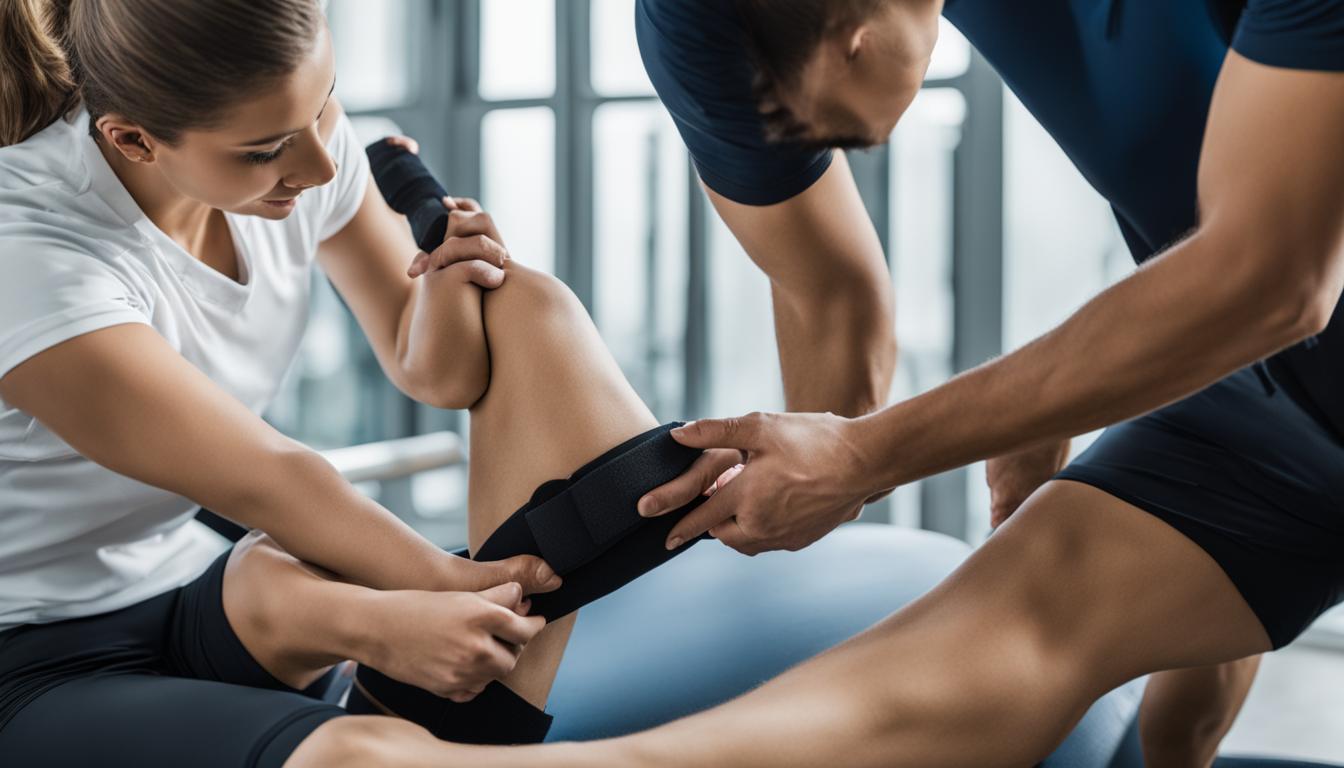
    • Compression: Using compression wraps or knee braces can provide support and stabilize the knee joint.
    • Elevation: Keeping the affected leg elevated can help reduce swelling.
    • Medication: Nonsteroidal anti-inflammatory drugs (NSAIDs) may be recommended to relieve pain and inflammation.
    • Stretching exercises: Gentle stretching of the muscles around the knee can help improve flexibility and reduce strain on the joint.
    • Strengthening exercises: Specific exercises targeting the thigh muscles, such as quadriceps and hamstring strengthening, can improve knee stability and function.
    • Arch support: Using orthotic inserts or supportive footwear can help correct biomechanical imbalances and reduce stress on the knee joint.

    By understanding the causes of runner’s knee and implementing appropriate treatment strategies, individuals can effectively manage the condition and minimize the risk of future knee pain after running.

    Preventing and Managing Runner’s Knee

    Prevention of runner’s knee involves taking steps to avoid overstressing the knees. By following these guidelines, you can minimize the risk of developing knee pain while running:

    • Maintain a healthy weight: Excess weight puts unnecessary strain on the knees. Keep your weight within a healthy range to reduce stress on the knee joints.
    • Stretch before running: Prioritize stretching exercises that target the quadriceps, hamstrings, and calves. This helps warm up the muscles and improve flexibility.
    • Gradually increase activity levels: Avoid sudden increases in mileage or intensity. Gradually build up your running routine to give your body time to adjust and adapt.
    • Wear supportive running shoes: Invest in high-quality running shoes that provide adequate cushioning and support for your feet. Replace them regularly to ensure optimal shock absorption.
    • Run with a forward lean and bent knees: Maintain proper running form by leaning slightly forward from the ankles and keeping your knees slightly bent. This reduces impact on the knees.
    • Avoid sudden intense workout changes: Abrupt changes in terrain, speed, or distance can place excessive stress on the knees. Make gradual adjustments to your workouts to prevent overexertion.

    Additionally, listen to your body and avoid pushing yourself too hard, as doing so can result in further damage. If home remedies and conservative treatments do not improve your condition, it is recommended to consult with a specialist, such as an orthopedic surgeon, for further evaluation. They can provide a tailored treatment plan, which may include physical therapy, medication, or, in severe cases, surgical intervention.

    Conclusion

    Runner’s knee, also known as patellofemoral pain syndrome, can be a frustrating injury for runners. The pain and discomfort experienced in the front of the knee can hinder training and affect overall performance. However, there are steps you can take to prevent and manage runner’s knee.

    Incorporating stretching and strengthening exercises into your routine is crucial for maintaining knee health. Targeted stretches for the quadriceps, hamstring, and calf muscles can help improve flexibility and reduce the risk of injury. Strengthening the leg muscles and core through exercises like squats and lunges can provide stability and support to the knees.

    In addition to exercises, utilizing cold therapy for sore knees after running can help alleviate pain and inflammation. Whether it’s applying ice packs or soaking the knees in cold water, this simple method can aid in recovery and provide relief.

    Mixing in other forms of cardio, such as cycling or circuit training, can help reduce repetitive strain on the knees. By varying your workouts, you can give your knees a rest from the constant impact of running while still maintaining cardiovascular fitness.

    Lastly, staying hydrated is essential for optimal muscle function and knee health. By drinking enough water before, during, and after your runs, you can support your joints and reduce the risk of knee pain from running.

    If despite your efforts, symptoms of runner’s knee persist or worsen, it is important to seek medical advice. A healthcare professional can provide further evaluation and recommend appropriate treatment options to help you find relief. Remember to listen to your body, prioritize knee health, and take the necessary steps to prevent and manage runner’s knee, allowing you to continue enjoying the many benefits of running.

    FAQ

    What is runner’s knee?

    Runner’s knee, also known as patellofemoral pain syndrome, is a common injury among runners that causes pain in the front of the knee.

    How can I prevent runner’s knee?

    To prevent runner’s knee, it is important to stretch the muscles around the knees before running and strengthen the leg muscles and core through exercises like squats and lunges.

    What can I do to relieve sore knees after running?

    Applying cold therapy, such as ice packs or soaking the knees in cold water, can help reduce pain and inflammation in sore knees after running.

    What other cardio exercises can I do to maintain knee health?

    Mixing in other forms of cardio exercises like cycling or circuit training can help reduce repetitive strain on the knees and support knee health.

    How important is hydration for knee health?

    Staying hydrated is essential for optimal muscle function and knee health. It is important to stay hydrated before, during, and after running.

    What causes runner’s knee?

    Runner’s knee can be caused by factors such as overuse, direct impact to the knee, weak thigh muscles, and poor foot support.

    How can I prevent and manage runner’s knee?

    Prevention and management of runner’s knee involve taking steps to avoid overstressing the knees, maintaining a healthy weight, stretching before running, and wearing supportive running shoes.

    What should I do if home remedies don’t improve runner’s knee?

    If home remedies and conservative treatments don’t improve the condition of runner’s knee, it may be necessary to consult with a specialist, such as an orthopedic surgeon, for further evaluation and potential surgical intervention.

    Source Links

  • Understanding Pain Behind Left Knee Causes & Relief

    Understanding Pain Behind Left Knee Causes & Relief

    Welcome to our comprehensive guide on understanding the causes and relief options for pain behind the left knee. Knee pain can be a debilitating issue that affects individuals of all ages and lifestyles. Whether you’re an athlete, a fitness enthusiast, or simply someone who wants to take care of their knee health, it’s important to have a clear understanding of the factors that contribute to pain behind the knee and the available treatment options.

    Pain behind the knee can stem from various causes, including injuries, cysts, arthritis, or even more serious health conditions like blood clots. The complex structure of the knee joint, consisting of bones, cartilage, ligaments, and tendons, makes it susceptible to injury and discomfort. While some knee injuries can heal with rest and nonoperative treatments, pain behind the knee may indicate a condition that requires medical intervention.
    In this article, we will explore the common causes of pain behind the left knee, discuss the symptoms and diagnosis, and delve into the treatment and management options available. Our aim is to equip you with the knowledge and resources to effectively address knee pain and promote optimal knee health.

    Key Takeaways:

    • Pain behind the knee can be caused by injuries, cysts, arthritis, or more serious health conditions.
    • Understanding the underlying cause is crucial for effective treatment and pain relief.
    • Symptoms of pain behind the knee include swelling, stiffness, difficulty bending, and a clicking sensation.
    • Diagnosis involves a physical examination and may require imaging tests.
    • Treatment options vary based on the cause and may include rest, therapy, injections, or surgery.

    Common Causes of Pain Behind the Knee

    Pain behind the knee can be attributed to various common causes, including:

    • Leg cramps: Muscle tightenings that can occur in the back of the thigh near the knee.
    • Jumper’s knee: Also known as patellar tendonitis, caused by overuse or overloading of the patellar tendon.
    • Hamstring injury: Biceps femoris tendonitis, which can cause pain and weakness in the back of the knee.
    • Baker’s cyst: A fluid-filled sac that forms behind the knee due to excess synovial fluid production.
    • Calf strain: An injury to the calf muscles that can radiate pain to the back of the knee.
    • Meniscus tear: Tears in the cartilage of the knee joint that can cause pain behind the knee.
    • ACL injury: Injuries to the anterior cruciate ligament that can result in posterior knee pain.
    • PCL injury: Injuries to the posterior cruciate ligament that can cause pain behind the knee.
    • Chondromalacia: A condition where the cartilage under the kneecap softens, leading to knee pain.
    • Arthritis: Inflammation of the knee joint that can cause pain and discomfort behind the knee.
    • Deep vein thrombosis: A blood clot in the deep veins of the leg that can lead to pain behind the knee.

    Identifying the specific cause of pain behind the knee is essential for proper diagnosis and treatment.

    Common Symptoms of Pain Behind the Knee

    When experiencing pain behind the knee, it is important to pay attention to the accompanying symptoms, as they can provide valuable insights into the underlying cause. Common symptoms associated with pain behind the knee include:

    • Swelling: The affected area may appear swollen, indicating inflammation and possible fluid accumulation.
    • Stiffness: Individuals may experience difficulty in bending and straightening the knee joint due to stiffness.
    • Locking or clicking sensation: Some individuals may feel a sensation of the knee joint locking or clicking when trying to move it.
    • Weakness: Pain behind the knee can lead to weakness in the leg, affecting mobility and stability.
    • Bruising and tenderness: The presence of bruising and tenderness in the area may indicate an injury or trauma to the knee.
    • Inflammation: Inflammation of the knee joint may result in redness, warmth, and swelling.
    • Instability: Some individuals may experience a feeling of instability or a sense that the knee is giving way.

    To determine the cause of pain behind the knee, a thorough diagnosis is necessary. Medical professionals will conduct a comprehensive physical examination, including assessing the range of motion and stability of the knee joint. They will also inquire about the individual’s medical history and symptoms. In some cases, imaging tests such as X-rays or MRI scans may be recommended to further evaluate the knee’s structure and identify any underlying issues.

    pain behind the knee

    Diagnosing Pain Behind the Knee

    Diagnosing the source of pain behind the knee is crucial for developing an appropriate treatment plan. Medical professionals rely on a combination of physical examination, medical history, and imaging tests to make an accurate diagnosis. During the physical examination, the healthcare provider will assess the knee’s range of motion, stability, and look for signs of inflammation, swelling, or tenderness. They will also inquire about the individual’s medical history, including any previous injuries or conditions that may contribute to the knee pain.

    In some cases, imaging tests may be necessary to provide further insight into the underlying cause of pain behind the knee. X-rays can help identify bone abnormalities, fractures, or signs of arthritis. MRI scans are useful for evaluating soft tissue structures, such as ligaments, tendons, and cartilage, and can help detect issues like meniscus tears or ligament damage. By utilizing a combination of physical examination and diagnostic imaging, medical professionals can pinpoint the cause of the pain, enabling them to develop an effective treatment plan.

    Treatment and Management of Pain Behind the Knee

    The treatment and management of pain behind the knee depend on the underlying cause. It is essential to address the root cause of the pain to achieve long-term relief and improve knee health. Let’s explore some common treatment options:

    1. Pain Relief:

    For minor injuries or overuse, the initial approach involves rest and pain relief measures. Over-the-counter medications, such as nonsteroidal anti-inflammatory drugs (NSAIDs), can help alleviate pain and reduce inflammation. Applying ice packs to the affected area can provide additional relief.

    2. Physical Therapy:

    Physical therapy plays a crucial role in managing pain behind the knee, especially for musculoskeletal injuries. A physical therapist can design a personalized exercise program focusing on strengthening the surrounding muscles, improving flexibility, and correcting biomechanical imbalances. These exercises can help reduce pain and enhance knee function.

    3. Steroid Injections:

    In some cases, when conservative measures don’t provide adequate pain relief, doctors may recommend steroid injections. These injections deliver powerful anti-inflammatory medications directly to the affected area, providing targeted relief from pain and swelling.

    4. Drainage of Cysts:

    If a Baker’s cyst or any other fluid-filled cyst is causing pain behind the knee, your doctor may suggest drainage. This procedure involves removing the excess fluid from the cyst, relieving pressure and reducing pain.

    5. Surgical Intervention:

    In severe cases, such as significant ligament tears or advanced stages of arthritis, surgical intervention may be necessary. Knee arthroscopy surgery allows the surgeon to visualize and treat various knee conditions using small incisions and specialized tools. For cases involving ligament tears, ACL reconstruction surgery may be recommended to restore knee stability and function.

    6. Blood Thinners:

    If pain behind the knee is caused by deep vein thrombosis (DVT), blood thinners or anticoagulant medications may be prescribed. These medications help prevent blood clots from forming or growing larger, reducing the risk of complications.

    7. Arthritis Treatment:

    For individuals suffering from knee pain due to arthritis, treatment options may include a combination of medications, lifestyle changes, and physical therapy. Nonsteroidal anti-inflammatory drugs (NSAIDs), corticosteroids, and disease-modifying antirheumatic drugs (DMARDs) may be prescribed to manage pain and reduce inflammation.

    It is important to consult with a healthcare professional to determine the most appropriate treatment plan based on the specific underlying cause of the pain behind the knee. Each individual’s situation is unique, and a tailored approach is crucial for effective pain management and optimal knee health.

    knee pain relief

    Conclusion

    Understanding the causes and treatment options for pain behind the knee is crucial for effective knee pain management. By taking appropriate measures to address injuries, manage conditions like arthritis, and prevent further knee injuries through proper exercise and care, individuals can maintain knee health and reduce the likelihood of experiencing pain behind the left knee.

    Regular check-ups with a healthcare professional can ensure early detection and prompt treatment of any underlying conditions contributing to knee pain. Remember, prevention is key in maintaining knee health. Incorporating exercises that strengthen the muscles around the knee, using proper techniques during physical activities, and avoiding excessive stress on the knee joint can significantly reduce the risk of knee injuries.

    To promote knee injury prevention, it’s important to listen to your body and avoid pushing through pain or discomfort. Pay attention to any warning signs, such as swelling, stiffness, or weakness in the knee. If you experience pain behind the knee that persists or worsens despite conservative treatments, don’t hesitate to seek medical advice.

    By prioritizing knee health and staying proactive in managing and preventing knee injuries, individuals can lead active and pain-free lives. Remember, your knees are invaluable, so take the necessary steps to keep them strong and healthy for years to come.

    FAQ

    What are the common causes of pain behind the knee?

    Pain behind the knee can be caused by leg cramps, jumper’s knee, hamstring injury, Baker’s cyst, calf strain, meniscus tear, ACL injury, PCL injury, chondromalacia, arthritis, or deep vein thrombosis.

    What are the symptoms and how is pain behind the knee diagnosed?

    Common symptoms of pain behind the knee include pain, swelling, stiffness, difficulty bending and straightening the knee, locking or clicking sensation, weakness, bruising, tenderness, and inflammation. A healthcare professional will conduct a physical examination, inquire about the individual’s medical history and symptoms, and may recommend imaging tests such as X-rays or MRI scans for a diagnosis.

    How is pain behind the knee treated and managed?

    Treatment and management options for pain behind the knee depend on the underlying cause. Rest, pain relief measures such as OTC medications or ice packs, physical therapy exercises, steroid injections, drainage of cysts, knee arthroscopy surgery, ACL reconstruction surgery, blood thinners, and arthritis treatment may be necessary depending on the severity and cause of the pain.

    Source Links

  • Sudden Knee Pain Without Injury: Causes & Tips

    Sudden Knee Pain Without Injury: Causes & Tips

    Many individuals experience sudden knee pain without a clear cause or injury. While certain knee pain may be the result of a twist, strain, or sprain, there are instances where pain arises without any apparent trauma. In this article, we will explore the common causes of knee pain without injury and provide helpful tips for relief and prevention.

    Key Takeaways:

    • Knee pain without injury can occur due to various underlying causes.
    • Some common causes include bursitis, tendinitis, baker’s cyst, osteoarthritis, and rheumatoid arthritis.
    • Symptoms such as swelling, stiffness, redness, and inability to fully straighten the knee may be present.
    • Professional medical advice and evaluations are necessary for accurate diagnosis and treatment.
    • Treatment options may include medication, physical therapy, and natural remedies.

    Common Causes of Knee Pain Without Injury

    There are several common causes of knee pain without an apparent injury. These include:

    • Bursitis: Inflammation of the bursae, small fluid-filled sacs that cushion the joints.
    • Tendinitis: Tendon inflammation, often occurring in the patellar tendon.
    • Baker’s cyst: A fluid-filled cyst that forms behind the knee.
    • Osteoarthritis: Degeneration of the cartilage in the knee joint.
    • Rheumatoid arthritis: A chronic autoimmune disease that affects the joints, including the knee.

    These conditions can develop over time due to factors such as repetitive movements, overuse, age-related wear and tear, or underlying medical conditions. It’s important to consult with a healthcare professional for an accurate diagnosis and appropriate treatment.

    Symptoms and Diagnosis of Knee Pain Without Injury

    The symptoms of knee pain without injury can vary depending on the underlying cause. Some common symptoms include:

    • Swelling: The affected knee may appear swollen or feel puffy to the touch.
    • Stiffness: Difficulty in bending or straightening the knee due to stiffness or limited range of motion.
    • Redness: The knee may appear red or feel warm to the touch.
    • Weakness: A feeling of weakness or instability in the knee joint.
    • Popping or Crunching Noises: Audible sounds such as popping, cracking, or crunching when moving the knee joint.
    • Inability to Fully Straighten the Knee: Difficulty in fully extending the knee, resulting in a slightly bent or flexed position.

    These symptoms can significantly impact daily activities and should not be ignored. It is crucial to seek professional medical advice for an accurate diagnosis and appropriate treatment.

    A medical evaluation for knee pain without injury typically involves:

    1. Physical Examination: A healthcare professional will assess the knee joint’s range of motion, stability, and signs of inflammation.
    2. Medical History Assessment: The healthcare professional will ask about the duration of symptoms, any previous injuries or medical conditions, and any precipitating factors.
    3. Additional Diagnostic Tests: Depending on the examination, further tests may be recommended, such as X-rays, CT scans, ultrasounds, or MRIs. These tests can help identify any structural abnormalities, inflammation, or soft tissue damage.

    Consulting with a healthcare professional is crucial to determine the cause of knee pain and develop an effective treatment plan. They will provide professional medical advice based on a thorough evaluation and diagnosis.

    Symptoms of Knee Pain Without Injury Diagnostic Tests
    Swelling X-rays
    Stiffness CT scans
    Redness Ultrasounds
    Weakness MRI scans
    Popping or Crunching Noises
    Inability to Fully Straighten the Knee

    Treatment and Management Options for Knee Pain Without Injury

    The treatment and management of knee pain without injury vary depending on the underlying cause and severity of the pain. It is important to consult with a healthcare professional for an accurate diagnosis and personalized treatment plan. Here are some common treatment options that may be recommended:

    1. Knee Pain Relief: Over-the-counter pain medications such as acetaminophen or nonsteroidal anti-inflammatory drugs (NSAIDs) can help alleviate knee pain. Topical creams or ointments with menthol or capsaicin can also provide temporary relief.
    2. Physical Therapy: A physical therapist can design a customized exercise program to improve knee stability, flexibility, and strength. These exercises can help relieve pain, reduce inflammation, and improve overall knee function.
    3. Bracing or Taping: Knee braces or taping techniques can provide support and stability to the knee joint, reducing pain and preventing further injury.
    4. Injections: Corticosteroid injections may be recommended to reduce inflammation and provide short-term relief. In some cases, hyaluronic acid injections, also known as viscosupplementation, may be used to lubricate the knee joint and alleviate pain.

    knee pain treatment options

    “Proper treatment and management of knee pain without injury are essential for restoring function and reducing discomfort. Consulting with a healthcare professional will help determine the most suitable treatment plan for each individual’s situation.”

    In addition to these medical interventions, natural remedies and self-care practices can complement the treatment process. Here are some natural remedies for knee pain that may be beneficial:

    • Applying Ice or Heat: Alternating ice and heat therapy can help reduce pain and inflammation. Apply ice packs wrapped in a cloth for 15-20 minutes several times a day. Heat therapy, such as warm compresses or heated pads, can help relax the muscles and promote blood circulation.
    • Herbal Supplements: Certain herbal supplements, such as turmeric, ginger, and devil’s claw, are believed to have anti-inflammatory properties that may help reduce knee pain. However, it is important to consult with a healthcare professional before starting any supplements.
    • Low-Impact Exercises: Engaging in low-impact exercises like swimming, cycling, or using an elliptical machine can help maintain joint mobility and strengthen the muscles around the knee without putting excessive stress on the joint.
    • Weight Management: Maintaining a healthy weight can reduce stress on the knees and help alleviate pain. Losing excess weight through a balanced diet and regular exercise can significantly impact knee pain relief.

    Note: It is crucial to consult with a healthcare professional before attempting any new exercise regimen or natural remedy.

    Prevention of Knee Pain Without Injury

    While it may not always be possible to prevent knee pain without injury, there are measures individuals can take to reduce the risk. By incorporating these knee injury prevention tips into your daily routine, you can maintain the health and functionality of your knees and minimize the chances of experiencing unexplained knee pain.

    1. Maintain a Healthy Body Weight

    Excess weight puts additional strain on your knees, increasing the risk of knee pain and injury. By maintaining a healthy body weight through a balanced diet and regular exercise, you can reduce the load on your knees and alleviate unnecessary stress.

    2. Incorporate Strength and Flexibility Exercises

    Regularly engaging in exercises that strengthen the muscles around your knees, such as squats and lunges, can provide stability and support. Additionally, incorporating flexibility exercises like stretching can improve joint mobility and reduce the risk of knee pain.

    3. Use Proper Technique and Equipment

    Whether you’re participating in sports or engaging in everyday activities, using proper technique and equipment is crucial. This includes wearing appropriate footwear, using knee pads or braces when necessary, and maintaining proper form during exercises and movements.

    4. Warm Up and Cool Down

    Prior to engaging in physical activity, warm up your muscles and joints with dynamic stretches and low-impact exercises. Afterward, cool down with static stretches to help prevent muscle tightness and reduce the risk of knee pain.

    5. Practice Good Posture

    Adopting proper posture in daily activities can alleviate unnecessary stress on your knees. Whether you’re sitting, standing, or lifting heavy objects, maintaining good posture helps distribute your body weight evenly and promotes proper alignment.

    6. Listen to Your Body

    Pay attention to any signs of discomfort or pain in your knees. If you experience persistent or worsening symptoms, it’s important to rest and seek medical attention. Ignoring knee pain increases the risk of further injury and complications.

    By following these knee pain prevention tips, you can reduce the likelihood of experiencing knee pain without injury and maintain the health and mobility of your knees. Remember, prevention is always better than cure, and taking proactive steps to protect your knees will benefit you in the long run.

    prevent knee pain without injury

    Conclusion

    Knee pain without injury can be a perplexing issue, causing discomfort and hindering daily activities. However, by understanding the common causes, symptoms, treatment options, and prevention techniques, individuals can effectively manage and alleviate their pain. It is crucial to consult with a healthcare professional for an accurate diagnosis and personalized treatment plan.

    Managing knee pain involves a multifaceted approach tailored to the individual’s specific needs. Treatment options may include medications, physical therapy, exercises, and lifestyle modifications. Additionally, natural remedies such as ice packs, heat therapy, and gentle stretching can provide relief.

    Preventing knee pain without injury is equally important. Adopting healthy habits such as maintaining a healthy weight, engaging in regular exercise to strengthen the muscles surrounding the knee, using proper body mechanics during activities, and wearing appropriate footwear can significantly reduce the risk of knee pain.

    By prioritizing knee health and following a comprehensive management plan, individuals can maintain the functionality of their knees, allowing them to continue enjoying their daily activities without the burden of pain. Remember, your knees are essential for mobility, and taking care of them is crucial for a healthy, active lifestyle.

    FAQ

    What are the common causes of knee pain without an injury?

    Some common causes of knee pain without an injury include bursitis, tendinitis, Baker’s cyst, osteoarthritis, and rheumatoid arthritis.

    What are the symptoms and how is knee pain without injury diagnosed?

    Symptoms of knee pain without injury may include swelling, stiffness, redness, weakness, popping or crunching noises, and an inability to fully straighten the knee. To diagnose knee pain without injury, it is important to seek professional medical advice and undergo a physical examination, medical history assessment, and possibly additional tests such as X-rays, CT scans, ultrasounds, or MRIs.

    What are the treatment and management options for knee pain without injury?

    Treatment for knee pain without injury depends on the underlying cause and severity of the pain. Common treatment options include rest, ice, compression, elevation (RICE therapy), physical therapy, pain medication, corticosteroid injections, and in severe cases, surgery. Natural remedies such as using heat or cold packs, practicing low-impact exercises, and taking supplements may also provide relief.

    How can knee pain without injury be prevented?

    While it may not always be possible to prevent knee pain without injury, there are measures individuals can take to reduce the risk. These include maintaining a healthy weight, avoiding excessive high-impact activities, wearing proper footwear, practicing proper form and technique during physical activities, warming up and stretching before exercise, and strengthening the muscles around the knee through targeted exercises.

    Source Links

  • Relieve Knee Muscle Pain: Tips & Treatments

    Relieve Knee Muscle Pain: Tips & Treatments

    When it comes to knee muscle pain, finding the right treatment starts with understanding the underlying cause. Whether it’s a strain or injury, a proper diagnosis is essential for effective pain relief and management. At our clinic, we specialize in providing comprehensive care for knee muscle pain and offer a range of treatments tailored to each individual’s needs.

    During the initial consultation, our experienced doctors will perform a thorough physical examination to assess the extent of the pain. To further evaluate the condition, they may recommend imaging tests such as X-rays, CT scans, ultrasounds, or MRIs to identify any structural issues or soft tissue injuries. Lab tests may also be conducted, if necessary, to check for infections or inflammation.

    Once the cause of the knee muscle pain is determined, our team will develop a personalized treatment plan. Depending on the severity and underlying condition, various approaches may be recommended:

    Key Takeaways:

    • Diagnosing the cause of knee muscle pain is crucial for proper treatment.
    • Imaging tests and lab tests may be conducted to identify structural issues or inflammation.
    • Treatment options include medications, physical therapy, exercises, and injections.
    • Surgical options may be considered for severe or persistent cases.
    • Home remedies and lifestyle changes can also help manage knee muscle pain.

    Exercise and Therapy for Knee Muscle Pain Relief

    Physical activity is an essential component in managing knee muscle pain. Engaging in exercises that specifically target the muscles surrounding the knee, especially the quadriceps, can provide the necessary support and stability. Incorporating activities like walking, cycling, swimming, tai chi, and yoga into your routine can be beneficial due to their low impact on the joints.

    To optimize your exercise regimen and ensure proper technique, working with a physical therapist to develop a personalized program is highly recommended. They can guide you through a range of strengthening exercises and incorporate techniques to correct movement patterns, improve flexibility, and enhance balance.

    For individuals with osteoarthritis or those seeking additional support, the use of arch supports and braces can effectively redistribute pressure on the knee joint. These devices can help alleviate discomfort and enhance overall functionality.

    Additionally, walking aids such as crutches or canes can provide much-needed stability and assist in reducing stress on the knee during everyday activities.

    Example Exercise Routine for Knee Muscle Strengthening:

    • Quadriceps Sets: While sitting or lying down, tighten the muscles at the front of your thigh and hold for a count of 10. Repeat for 10 to 15 reps.
    • Hamstring Curls: Stand upright and bend your knee as much as possible while keeping your thigh perpendicular to the ground. Repeat for 10 to 15 reps on each leg.
    • Step-Ups: Stand in front of a step or elevated platform and step up with one foot, then step down. Repeat for 10 to 15 reps on each leg.
    • Squats: Stand with your feet hip-width apart and slowly lower your body into a sitting position while keeping your knees aligned with your feet. Return to the starting position and repeat for 10 to 15 reps.

    Remember to start slowly and gradually increase the intensity and duration of your exercises. If you experience any pain or discomfort during your routine, it’s important to consult with your healthcare professional for further guidance.

    Exercise Description
    Quadriceps Sets Tighten the muscles at the front of your thigh and hold for a count of 10. Repeat for 10 to 15 reps.
    Hamstring Curls Stand upright and bend your knee as much as possible while keeping your thigh perpendicular to the ground. Repeat for 10 to 15 reps on each leg.
    Step-Ups Stand in front of a step or elevated platform and step up with one foot, then step down. Repeat for 10 to 15 reps on each leg.
    Squats Stand with your feet hip-width apart and slowly lower your body into a sitting position while keeping your knees aligned with your feet. Return to the starting position and repeat for 10 to 15 reps.

    Home Remedies and Self-Care for Knee Muscle Pain

    In addition to medical treatments and exercises, there are several home remedies and self-care practices that can help alleviate knee muscle pain. Resting and avoiding activities that exacerbate the pain can give the muscles time to heal. Applying ice packs or cold compresses to the affected area can reduce inflammation and numb the pain, while heat therapy can provide temporary relief and promote relaxation.

    Using compression bandages can help stabilize the knee and prevent fluid buildup. Elevating the leg and propping it on pillows can also reduce swelling. Over-the-counter pain medications like ibuprofen or creams containing lidocaine or capsaicin can provide additional relief. Maintaining a healthy weight through diet and lifestyle modifications is crucial for reducing stress on the knee joints.

    It’s important to note that these home remedies and self-care practices are intended to provide temporary relief and should not replace medical advice or treatment. Consulting with a healthcare professional is recommended for proper diagnosis and guidance on managing knee muscle pain.

    Home Remedies and Self-Care Benefits
    Resting and avoiding activities that exacerbate the pain Gives the muscles time to heal
    Applying ice packs or cold compresses Reduces inflammation and numbs the pain
    Heat therapy Provides temporary relief and promotes relaxation
    Using compression bandages Stabilizes the knee and prevents fluid buildup
    Elevating the leg and propping it on pillows Reduces swelling
    Over-the-counter pain medications Provides additional relief
    Maintaining a healthy weight Reduces stress on the knee joints

    knee muscle pain relief

    Alternative Treatments for Knee Muscle Pain

    At times, traditional methods may not provide complete relief for knee muscle pain. In such cases, alternative treatments can be considered as effective complements. These treatments aim to alleviate pain, reduce inflammation, and promote overall well-being. Let’s explore a few alternative approaches that may help in managing knee muscle pain.

    Acupuncture

    Acupuncture, a traditional Chinese practice, involves the strategic insertion of fine needles at specific points on the body. As studies have shown, acupuncture can provide pain relief for knee pain caused by osteoarthritis. The insertion of needles stimulates the nervous system, promoting the release of endorphins and aiding in pain management. Acupuncture sessions are typically conducted by licensed practitioners who carefully consider each individual’s unique needs.

    Aromatherapy

    Aromatherapy, the use of essential oils derived from plants, may also offer relief from knee muscle pain. Certain essential oils, such as ginger and orange or cinnamon and sesame oil, have natural anti-inflammatory properties and can help reduce pain and inflammation. Aromatherapy can be practiced through various methods, including inhalation, massage, or adding essential oils to warm baths. It is important to use high-quality oils and consult with a trained aromatherapist to ensure safe and effective use.

    CBD Oil

    CBD oil, derived from cannabis plants, is gaining recognition for its potential analgesic properties in managing various types of pain, including knee pain. CBD interacts with the endocannabinoid system in the body, which plays a crucial role in regulating pain perception. Research suggests that CBD may help reduce inflammation and alleviate chronic pain. However, it is important to consult with a healthcare professional before incorporating CBD oil into your pain management routine to ensure proper guidance and dosage.

    It’s worth mentioning that while alternative treatments can be beneficial for knee muscle pain relief, they should not replace medical advice or the guidance of healthcare professionals. Consulting with a healthcare provider trained in alternative therapies can help determine the most suitable approach for individual needs and ensure safe and effective treatment.

    It’s important to consult with a healthcare professional before trying any alternative treatments to ensure safety and efficacy.

    Now that we have explored alternative treatments, in the next section, we will discuss various home remedies and self-care practices that can help alleviate knee muscle pain.

    Conclusion

    Knee muscle pain can significantly impact daily life, but there are various treatments and strategies available to provide relief. It is crucial to consult with a healthcare professional for proper diagnosis and to create an individualized treatment plan based on the underlying cause.

    Exercise, physical therapy, and strengthening techniques play a vital role in improving knee stability and reducing pain. By focusing on building strength in the muscles surrounding the knee, such as the quadriceps, individuals can enhance support and promote proper alignment.

    In addition to exercise, home remedies like rest, ice, compression, and elevation offer simple yet effective ways to manage knee muscle pain. These self-care practices can help reduce inflammation, numb the pain, and provide temporary relief. It is also important to consider alternative treatments such as acupuncture and aromatherapy, which may offer additional benefits in pain management.

    Lastly, making lifestyle changes can contribute to long-term relief and prevention of knee muscle pain. Maintaining a healthy weight, engaging in regular physical activity, and using supportive footwear can help reduce strain on the knee joints and promote overall joint health. By combining these approaches and working closely with healthcare professionals, individuals can effectively manage knee muscle pain, regain mobility, and improve their quality of life.

    FAQ

    How is knee muscle pain diagnosed?

    Your doctor will likely perform a physical exam to assess the extent of the pain and may recommend imaging tests such as X-rays, CT scans, ultrasounds, or MRIs to help identify any structural issues or soft tissue injuries. Lab tests may also be conducted to check for infections or inflammation.

    What are the treatment options for knee muscle pain?

    Treatment for knee muscle pain will vary depending on the underlying cause. Medications like NSAIDs or corticosteroids may be prescribed for pain relief, while physical therapy, exercises, and strengthening techniques can help improve knee stability. In some cases, injections of corticosteroids, hyaluronic acid, or platelet-rich plasma may be recommended. Surgical options such as arthroscopy, partial knee replacement, total knee replacement, or osteotomy may be considered for severe or persistent cases.

    How can physical activity help manage knee muscle pain?

    Physical activity plays a crucial role in managing knee muscle pain. Exercises that strengthen the muscles around the knee, particularly the quadriceps, can provide support and stability. Activities such as walking, cycling, swimming, tai chi, and yoga are recommended for their low impact on the joints. Working with a physical therapist to develop a personalized exercise program is also beneficial.

    Are there any home remedies for knee muscle pain?

    Yes, there are several home remedies and self-care practices that can help alleviate knee muscle pain. Resting and avoiding activities that exacerbate the pain can give the muscles time to heal. Applying ice packs or cold compresses to the affected area can reduce inflammation and numb the pain, while heat therapy can provide temporary relief and promote relaxation. Using compression bandages can help stabilize the knee and prevent fluid buildup. Elevating the leg and propping it on pillows can also reduce swelling.

    What are some alternative treatments for knee muscle pain?

    Alternative treatments can complement traditional methods in managing knee muscle pain. Acupuncture, a traditional Chinese practice involving the insertion of fine needles at specific points on the body, has been shown to provide pain relief for knee pain caused by osteoarthritis. Aromatherapy, using essential oils such as ginger and orange or cinnamon and sesame oil, may also help reduce pain and inflammation. CBD oil, derived from cannabis plants, is gaining attention for its potential analgesic properties in managing various types of pain, including knee pain.

    Source Links

  • Effective Dislocated Knee Treatment Options

    Effective Dislocated Knee Treatment Options

    Dislocated knee, also known as knee dislocation, occurs when the patella bone is forced out of its normal position. It is a common injury that often occurs during activities that require sudden changes in direction, such as sports or dancing. The symptoms of a dislocated knee can vary depending on the severity of the injury, but may include pain, swelling, instability, and difficulty walking.

    Treatment options for a dislocated knee can range from nonsurgical approaches, such as physical therapy and rest, to surgical interventions, such as arthroscopic surgery or reconstructive surgery. The choice of treatment depends on the severity of the injury and the individual’s specific circumstances.

    Key Takeaways:

    • Dislocated knee, or knee dislocation, is a common injury caused by the patella bone being forced out of its normal position.
    • Symptoms of a dislocated knee include pain, swelling, instability, and difficulty walking.
    • Treatment options for a dislocated knee can include nonsurgical approaches, such as physical therapy and rest, or surgical interventions, such as arthroscopic surgery or reconstructive surgery.
    • The choice of treatment depends on the severity of the injury and the individual’s specific circumstances.
    • Early intervention and diligent rehabilitation can help minimize the risk of complications and improve recovery outcomes.

    Nonsurgical Options for Dislocated Knee Treatment

    Nonsurgical treatment options play a crucial role in effectively managing a dislocated knee, especially in mild cases. These approaches focus on promoting healing, improving stability, and preventing future dislocations. By implementing nonsurgical measures, individuals with a dislocated knee can regain mobility and return to their regular activities.

    • Physical Therapy: Engaging in specific knee dislocation recovery exercises and participating in physical therapy sessions are essential components of the rehabilitation process. These exercises are designed to strengthen the muscles surrounding the knee, enhance stability, and restore range of motion. Physical therapists work closely with patients to tailor exercise programs to their specific needs.
    • Recovery Exercises: Recovery exercises, including stretching and strengthening routines, are vital for regaining full functionality after a knee dislocation. These exercises target the muscles, tendons, and ligaments in and around the knee joint. They help improve flexibility, reduce pain, and promote healing. A combination of exercises focusing on range of motion, balance, and strength have been proven to be effective in the recovery process.
    • Rest and Ice: Rest is a crucial aspect of the healing process for a dislocated knee. By reducing weight-bearing activities and allowing sufficient time for the knee to heal, individuals can optimize recovery. Applying ice packs to the affected area can help reduce swelling and alleviate pain, enhancing the healing process. It is recommended to ice the knee for 15-20 minutes at a time, multiple times a day.
    • Compression Bandages: The use of compression bandages can provide support and help reduce swelling in the knee joint. Compression wraps or elastic bandages are applied firmly but not too tightly around the knee to prevent excessive movement and minimize inflammation. These bandages are commonly used during the acute phase of a dislocated knee.
    • Elevation: Elevating the knee above heart level can help reduce swelling and improve blood circulation. By propping up the leg using pillows or a firm cushion, individuals can aid in the reduction of inflammation and promote faster healing.
    • Nonsteroidal Anti-Inflammatory Drugs (NSAIDs): Nonsteroidal anti-inflammatory drugs, such as ibuprofen or naproxen, may be prescribed by a healthcare professional to manage pain and reduce inflammation associated with a dislocated knee. These medications can help alleviate discomfort and promote a more comfortable recovery process.
    • Preventive Measures: To minimize the risk of recurrent knee dislocations, preventive measures may be recommended. The use of knee braces or orthotics can provide additional support and stability to the knee joint, reducing the chances of reinjury. These preventative measures are particularly important for individuals who engage in activities that place a high demand on knee stability, such as sports or physically demanding occupations.

    By following these nonsurgical options, individuals can optimize their recovery from a dislocated knee and reduce the risk of future dislocations. It is essential to work closely with healthcare professionals, including physical therapists and physicians, to develop an individualized treatment plan that addresses specific needs and goals.

    Image:

    https://www.youtube.com/watch?v=aa7-e4Esy2Y

    Surgical Treatment Options for Dislocated Knee

    In more severe cases of knee dislocation or when there is a high risk of recurrent dislocations, surgical intervention may be necessary. Surgical treatment aims to address the underlying damage and restore stability to the knee joint.

    Arthroscopic Surgery

    Arthroscopic surgery is a minimally invasive procedure that allows the surgeon to assess and repair any damage inside the knee joint using small incisions and specialized instruments. This approach provides a detailed view of the structures within the knee, enabling precise diagnosis and treatment of the dislocated knee. The surgeon can repair damaged ligaments, tendons, and cartilage, as well as address any bone fractures that may be present. Arthroscopic surgery offers the advantage of faster recovery times and reduced scarring compared to open surgery.

    Reconstructive Surgery

    Reconstructive surgery may be performed to repair damaged tendons, ligaments, cartilage, and bone in the knee joint. One common procedure is the repair of the medial patellofemoral ligament (MPFL), which is frequently torn during kneecap dislocations. This ligament plays a crucial role in stabilizing the patella and preventing further dislocations. During reconstructive surgery, the surgeon uses sutures or grafts to repair and reinforce the MPFL, restoring stability to the knee.

    Tibial tuberosity transfer is another surgical procedure that may be performed to improve knee stability and alignment. This technique involves repositioning a portion of the shin bone (tibial tuberosity) to realign the patella and improve tendon function. This procedure is typically reserved for cases where there is significant malalignment of the kneecap.

    It is important to note that surgical treatment carries the risk of complications, such as infection or poor wound healing. Therefore, it should be carefully considered and discussed with a healthcare provider, weighing the benefits against the potential risks.

    knee dislocation diagnosis image

    Complications of Surgical Treatment

    While surgical intervention can be effective in addressing knee dislocations, there are potential complications that patients should be aware of. These complications include:

    • Infection at the surgical site
    • Poor wound healing
    • Blood clots
    • Damage to surrounding structures during surgery
    • Recurrent instability or dislocation after surgery

    It is important for individuals undergoing surgical treatment to closely follow post-operative instructions and engage in proper rehabilitation to minimize the risk of complications and ensure successful recovery.

    Pros of Surgical Treatment for Knee Dislocation Cons of Surgical Treatment for Knee Dislocation
    • Allows for precise diagnosis and treatment of the dislocated knee
    • Restores stability and function to the knee joint
    • May reduce the risk of recurrent dislocations
    • Can address associated damage, such as ligament tears or fractures
    • Carries a risk of complications, such as infection or poor wound healing
    • Requires a period of recovery and rehabilitation
    • Costly, especially in cases where multiple procedures are needed
    • Surgical intervention may not be suitable for all individuals

    Ultimately, the decision to pursue surgical treatment should be made after careful consideration and consultation with a healthcare provider. The individual’s specific circumstances, including the severity of the dislocation, the presence of associated injuries, and personal preferences, should be taken into account when determining the most appropriate course of action.

    Risk Factors and Recurrence of Dislocated Knee

    Individuals who have experienced a dislocated knee are at an increased risk of future dislocations, particularly if proper treatment and rehabilitation protocols are not followed. It is crucial to understand the risk factors associated with dislocated knees and take necessary precautions to prevent potential recurrence.

    Regular strength training and physical therapy exercises can play a significant role in minimizing the risk of reinjury and improving knee stability.

    Rehabilitation exercises focus on strengthening the muscles around the knee joint, enhancing range of motion, and improving overall stability. These exercises aid in the recovery process and reduce the likelihood of future knee dislocations.

    For patients with a first-time dislocation who are at a high risk of recurrence, surgical treatment may be a viable option. However, it is important to consider the potential risks and complications associated with surgery as well, including an increased risk of developing other knee issues, such as arthritis.

    When determining the appropriate treatment plan, the individual’s specific circumstances and long-term goals should be carefully taken into account. Consulting with a healthcare professional who specializes in knee injuries and rehabilitation is essential to make an informed decision.

    By diligently following rehabilitation protocols, engaging in knee dislocation exercises, and seeking proper medical care, individuals can minimize the risk of recurrent dislocations and improve overall knee health. It is crucial to invest time and effort into rehabilitation to ensure a successful recovery and reduce the likelihood of future knee dislocations.

    Recovery Timeline and Rehabilitation for Dislocated Knee

    The recovery process for a dislocated knee can vary depending on the severity of the injury, any associated damage, and whether or not surgery was required. It is important to follow a structured timeline and engage in proper rehabilitation to ensure a successful recovery.

    During the initial stage of recovery, the RICE approach should be implemented. Resting the knee is crucial to prevent further damage and allow the healing process to begin. Ice should be applied to reduce pain and swelling. Compression with a bandage can help stabilize the joint and minimize inflammation. Elevation of the leg can also aid in reducing swelling.

    Immobilization of the knee joint through the use of a brace or cast may be recommended during the early stages of recovery. This helps protect the knee and allows for proper healing. It is important to follow the healthcare provider’s instructions regarding the duration of immobilization.

    Physical therapy plays a vital role in the rehabilitation process. A qualified physical therapist will develop a personalized treatment plan that focuses on regaining range of motion, strength, and stability in the knee joint. These exercises may include stretching, strength training, and balance exercises.

    Consistency and adherence to the rehabilitation plan are key factors in the recovery timeline. It is essential to attend all recommended physical therapy sessions and diligently perform the prescribed exercises at home. This commitment will contribute to a more efficient recovery process.

    The timeline for full recovery from a dislocated knee can vary from approximately 6 weeks to several months. It is important to note that individual factors, such as overall health and adherence to the rehabilitation plan, can influence the timeline. Patience and perseverance are vital during this period.

    dislocated knee recovery exercises

    In summary, the recovery timeline and rehabilitation process for a dislocated knee involve a combination of rest, immobilization, physical therapy, and dedicated adherence to the recommended treatment plan. By following these steps, individuals can optimize their chances of achieving a successful recovery and regaining full functionality in the affected knee.

    Recurrent Dislocations and Prevention of Dislocated Knee

    Patients who have experienced a dislocated knee are at an increased risk of recurrent dislocations. To minimize this risk, it is crucial to implement preventive measures and maintain regular knee exercises and strength training. By focusing on maintaining knee stability and mobility, individuals can reduce the chances of future dislocations. In addition, wearing protective gear, such as knee braces, during physical activities can provide extra support and prevent knee injuries.

    While these preventive strategies can significantly reduce the risk of recurrence, it is important to note that they may not completely eliminate the possibility of future dislocations. Ongoing vigilance, adherence to exercise programs, and proper technique during physical activities are essential to further minimize the chances of reinjury.

    Potential Complications of Dislocated Knee

    Dislocated knee can lead to various complications, particularly if the injury is not properly treated or rehabilitated. Complications may include persistent pain, stiffness, swelling, decreased range of motion, and instability of the knee joint. In some cases, there may be associated damage to ligaments, tendons, cartilage, or bones within the knee. Additionally, individuals who have experienced a dislocated knee may be at an increased risk of developing osteoarthritis in the joint later in life. Early intervention, appropriate treatment, and diligent rehabilitation can help minimize the risk of complications.

    Complications of Dislocated Knee: Description:
    Persistent pain Pain that continues even after the initial injury has healed, potentially limiting daily activities and affecting quality of life.
    Stiffness A feeling of tightness or reduced flexibility in the knee joint, making movements difficult and uncomfortable.
    Swelling Excessive accumulation of fluid in the knee joint, causing discomfort, pressure, and potentially inhibiting mobility.
    Decreased range of motion A restriction in the ability to fully bend or straighten the knee, limiting mobility and hindering regular activities.
    Instability of the knee joint A feeling of the knee giving way or being unable to support weight properly, increasing the risk of falls and further injury.
    Damage to ligaments, tendons, cartilage, or bones Additional injuries that may occur along with the dislocation, leading to long-term structural problems in the knee.
    Increased risk of developing osteoarthritis A degenerative joint disease that can cause pain, stiffness, and reduced mobility in the affected knee.

    The potential complications of a dislocated knee highlight the importance of prompt and appropriate treatment, as well as diligent rehabilitation. By seeking early intervention and following a comprehensive rehabilitation program tailored to the individual’s needs, the risk of complications can be minimized, allowing for a successful recovery and improved long-term outcomes.

    Conclusion

    Dislocated knee is a common injury that can significantly impact an individual’s mobility and quality of life. When it comes to the treatment of a dislocated knee, there are various options available, depending on the severity of the injury and the specific circumstances of the patient.

    For less severe cases, nonsurgical approaches such as physical therapy, exercises, and rest can be highly effective. These methods focus on strengthening the muscles around the knee, improving stability, and promoting healing. Additionally, nonsurgical treatment may involve the use of ice packs, compression bandages, and elevation to reduce swelling and pain.

    In cases where the injury is more severe or the risk of recurrence is high, surgical intervention may be necessary. Arthroscopic surgery and reconstructive surgery are common procedures used to repair any damage inside the knee joint, including torn ligaments, tendons, and cartilage. However, it’s important to carefully consider the potential risks and complications associated with surgery before making a decision.

    By seeking prompt medical attention, following the recommended treatment plan, and adopting preventive measures, individuals with a dislocated knee can achieve a successful recovery and minimize the risk of future dislocations. Whether through nonsurgical options or surgical interventions, there are effective treatment options available to help patients regain mobility, reduce pain, and enhance their overall quality of life.

    FAQ

    What is a dislocated knee?

    A dislocated knee occurs when the patella bone is forced out of its normal position.

    What are the treatment options for a dislocated knee?

    Treatment options for a dislocated knee can range from nonsurgical approaches, such as physical therapy and rest, to surgical interventions, such as arthroscopic surgery or reconstructive surgery.

    What are the nonsurgical options for treating a dislocated knee?

    Nonsurgical options for treating a dislocated knee may include physical therapy to strengthen the muscles around the knee, recovery exercises to regain range of motion, rest, ice packs, compression bandages, elevation of the knee, and the use of knee braces or orthotics to reduce the risk of recurrent dislocations.

    When is surgery recommended for a dislocated knee?

    Surgery may be recommended for a dislocated knee in more severe cases or when there is a high risk of recurrent dislocations. Arthroscopic surgery and reconstructive surgery may be performed to assess and repair any damage inside the knee joint, such as torn ligaments or tendons.

    What are the risk factors for recurrent dislocations of the knee?

    Individuals who have experienced a dislocated knee are at an increased risk of future dislocations, particularly if proper treatment and rehabilitation protocols are not followed.

    What is the recovery timeline for a dislocated knee?

    The recovery timeline for a dislocated knee can vary depending on the severity of the injury and whether or not surgery was performed. It may take approximately 6 weeks to several months to fully recover, depending on individual factors and adherence to the rehabilitation plan.

    How can I prevent future dislocations of the knee?

    Preventive measures to minimize the risk of future dislocations include regular strength training and exercises, wearing knee braces during physical activities, and maintaining overall knee stability and mobility.

    What are the potential complications of a dislocated knee?

    Complications of a dislocated knee can include persistent pain, stiffness, swelling, decreased range of motion, instability of the knee joint, and an increased risk of developing osteoarthritis in the joint later in life.

    What are the available treatment options for a dislocated knee?

    Effective treatment options for a dislocated knee range from nonsurgical approaches, such as physical therapy and rest, to surgical interventions, including arthroscopic surgery or reconstructive surgery.

    Source Links

  • Knee Replacement Exercises to Avoid Guide

    Knee Replacement Exercises to Avoid Guide

    Knee replacement surgery is a common procedure designed to restore knee function and reduce pain. However, it is crucial to be aware of the exercises and movements to avoid during the recovery process. By following the advice of your surgeon and physical therapist, you can ensure a safe and successful recovery.

    Key Takeaways:

    • Avoid activities with a high risk of falling, such as walking on slippery terrain and not using handrails on stairs.
    • Limit prolonged sitting to reduce the risk of blood clots and swelling.
    • Avoid excessive weight-bearing in the early stages of recovery and use assistive devices if necessary.
    • Avoid running, jumping, and high-impact activities that can delay healing and potentially damage the knee prosthesis.
    • Avoid sports that involve high impact or sudden changes in direction, and opt for low-impact activities instead.

    Activities with a High Risk of Falling

    After undergoing knee replacement surgery, it is important to be aware of activities that increase the risk of falling. Factors such as loss of strength, reduced range of motion, and impaired balance can make individuals more susceptible to accidents. By avoiding certain activities, we can reduce the risk of falls and minimize potential damage to the knee prosthesis.

    Here are some key activities to avoid:

    1. Walking on slippery terrain: Walking on wet or icy surfaces can be dangerous, as it increases the risk of slipping and falling. It is advisable to avoid such surfaces until fully confident in your balance and stability.
    2. Not using handrails when going up and down stairs: Stairs can be challenging after knee replacement surgery, especially during the initial recovery phase. Always use handrails for support while going up and down stairs to prevent falls.
    3. Not removing tripping hazards from the floor: Clearing the floor of any potential tripping hazards, such as loose rugs, wires, or clutter, can significantly reduce the risk of accidental falls.

    By following these recommendations and taking necessary precautions, we can help ensure a safer and more successful recovery following knee replacement surgery.

    Activities to Avoid Reason
    Walking on slippery terrain Increases the risk of slipping and falling, potentially causing injury to the knee prosthesis
    Not using handrails when going up and down stairs Can lead to loss of balance and falls, posing a threat to knee stability and recovery
    Not removing tripping hazards from the floor Potential tripping hazards increase the chances of accidental falls and knee injuries

    Prolonged Sitting

    Prolonged sitting after knee replacement surgery can increase the risk of developing blood clots and worsen swelling in the lower leg. It is essential to be mindful of your sitting habits during the recovery period to promote healing and prevent complications.

    • Limit sitting to 45-60 minutes at a time in the first 7 to 10 days after surgery.
    • If prolonged sitting is necessary, try to elevate your leg on a chair or ottoman to help reduce swelling.

    Reducing swelling after knee replacement surgery is crucial for a smooth recovery. Elevating the leg helps improve blood circulation and reduce fluid buildup, preventing excessive swelling and discomfort.

    “It is recommended to limit sitting to 45-60 minutes at a time in the first 7 to 10 days after knee replacement surgery.”

    Swelling Management Tips:

    1. Elevate your leg above heart level whenever possible to minimize swelling. This can be done by propping your leg up with pillows or using a leg rest.
    2. Apply ice packs to the affected area for 15-20 minutes at a time, several times a day. Be sure to wrap the ice pack in a cloth to protect your skin from direct contact and avoid excessive cold exposure.
    3. Follow your surgeon’s recommendations regarding the use of compression stockings or wraps to help control swelling.
    4. Engage in gentle ankle and foot movements to promote blood circulation and reduce swelling. These exercises should be performed as advised by your physical therapist.

    By following these precautions and incorporating specific swelling management techniques into your daily routine, you can support your recovery and minimize swelling after knee replacement surgery.

    Exercise Risks
    Avoiding prolonged sitting Increased risk of blood clots and worsened swelling in the lower leg.
    Elevating the leg Reduced swelling and improved blood circulation.
    Swelling management techniques Minimized swelling, enhanced recovery.

    Too Much Weight-Bearing Shortly After Surgery

    While early weight-bearing and getting out of bed is encouraged after knee replacement surgery, it is important to avoid excessive weight-bearing in the early stages of recovery. Putting too much pressure on the newly replaced knee joint can hinder the healing process and potentially damage the implant.

    Following weight-bearing restrictions after knee replacement surgery is crucial to ensure a successful recovery. Your surgeon or physical therapist will provide specific guidelines based on your individual situation, but here are some general recommendations:

    1. Use assistive devices: During the initial stages of recovery, using walkers, crutches, or canes can provide support and stability while helping to distribute your weight evenly. These devices can reduce the load on your knee joint, allowing it to heal properly.
    2. Avoid excessive walking: While it’s important to start moving and engaging in light activity after surgery, be mindful not to overdo it. Gradually increase your walking distance and duration under the guidance of your healthcare team to avoid straining the joint.
    3. Take breaks: Allow yourself frequent breaks during walking or standing activities to prevent excessive weight-bearing. Sit down, elevate your leg, and rest to give your knee joint time to recover.
    4. Stair use: When it comes to stairs, remember the rule of “the good go up, the bad go down.” Ascending stairs puts less stress on the knee joint, so going up is generally better tolerated. Take one step at a time, leading with your non-operated leg. Avoid going down stairs until you have been cleared by your surgeon or physical therapist.

    By following these weight-bearing restrictions and gradually increasing your activity level, you can promote a safe and effective recovery after knee replacement surgery. Always consult with your healthcare team for personalized recommendations based on your specific condition.

    Exercise Weight-Bearing Category Recommended Timing
    Walking Partial weight-bearing Start as directed by surgeon or physical therapist, with gradual progress
    Squatting Avoid Avoid for several weeks or as directed by surgeon or physical therapist
    Running Avoid Avoid for at least 3-6 months, or as advised by your surgeon
    Jumping Avoid Avoid for at least 3-6 months, or as advised by your surgeon
    Bicycling Non-weight-bearing Start as directed by surgeon or physical therapist, with gradual progress

    Note: The table above provides general guidelines and may vary depending on individual circumstances. Always consult with your healthcare team for personalized recommendations.

    weight-bearing restrictions after knee replacement surgery

    Running and Jumping

    Running and jumping can have a significant impact on the knee joint, and it is important to avoid these activities after knee replacement surgery. Engaging in running and jumping too soon can delay the healing process and potentially lead to damage to the knee prosthesis. Even after a full recovery, surgeons generally discourage high-impact activities to protect the longevity of the knee replacement.

    Impact Sports to Avoid After Knee Replacement High-Impact Activities to Avoid After Knee Replacement Surgery
    Basketball Running
    Football Jumping
    Soccer Aerobics
    Tennis Skipping

    If you enjoy sports or activities that involve running and jumping, it is important to discuss alternative exercises with your healthcare provider or physical therapist. They can recommend low-impact alternatives that promote movement and strength without putting excessive strain on the knee joint.

    impact sports after knee replacement

    Sports with High Impact or Quickly Changing Directions

    Contact sports and sports that involve sudden twisting or jerking of the knee should be avoided during the recovery period after knee replacement surgery. These sports can put excessive strain and stress on the prosthetic joint, potentially leading to complications and compromised healing. It is crucial to protect the new knee and minimize the risk of injury.

    Examples of Sports to Avoid:

    • Soccer
    • Football
    • Rugby
    • Skiing
    • Basketball
    • Hockey
    • Gymnastics

    Engaging in these high-impact activities too soon after knee replacement surgery can delay healing and potentially damage the prosthesis. It is important to prioritize long-term joint health and follow the guidance of your surgeon and physical therapist regarding when it is safe to resume sports and activities with high impact or quickly changing directions.

    Instead of contact sports or high-impact activities, consider opting for low-impact alternatives that promote cardiovascular fitness and muscle strength without excessive stress on the knee joint. Cycling, golf, swimming, and water aerobics are examples of safer options for staying active and maintaining overall fitness.

    Conclusion

    In conclusion, when it comes to your knee replacement surgery recovery, it is crucial to prioritize your safety and follow the recommendations provided by your healthcare provider and physical therapist. By avoiding certain exercises and activities, you can minimize the risk of complications and ensure a successful rehabilitation process.

    Remember to stay active during your recovery journey, but be mindful of exercises to avoid after knee replacement surgery. This includes activities with a high risk of falling, prolonged sitting, excessive weight-bearing, running and jumping, and sports with high impact or sudden changes in direction.

    By understanding and adhering to these guidelines, you can protect your knee health, reduce the chances of further injury, and promote proper healing. Always consult with your healthcare team for personalized advice and guidance, and never hesitate to ask questions or express concerns throughout your knee replacement recovery.

    FAQ

    What exercises should I avoid after knee replacement surgery?

    It is important to avoid activities with a high risk of falling, prolonged sitting, excessive weight-bearing, running and jumping, sports with high impact or sudden changes in direction, and kneeling.

    What activities have a high risk of falling after knee replacement surgery?

    Walking on slippery terrain, not using handrails when going up and down stairs, and not removing tripping hazards from the floor should be avoided to reduce the risk of falling.

    Why should I avoid prolonged sitting after knee replacement surgery?

    Prolonged sitting can increase the risk of developing blood clots and worsen swelling in the lower leg. It is recommended to limit sitting to 45-60 minutes at a time and elevate the leg on a chair or ottoman to reduce swelling.

    Can I put weight on my knee immediately after surgery?

    Early weight-bearing and getting out of bed is encouraged after knee replacement surgery. However, excessive weight-bearing should be avoided in the early stages of recovery. Assistive devices like walkers or crutches can help with mobility, and stairs should be avoided until cleared by your surgeon or physical therapist.

    Can I run or jump after knee replacement surgery?

    Running and jumping put significant stress on the knee joint and can delay healing and potentially damage the prosthesis. Surgeons generally discourage high-impact activities even after a full recovery.

    Can I participate in contact sports or sports with sudden changes in direction after knee replacement surgery?

    Contact sports and sports that involve sudden twisting or jerking of the knee should be avoided during the recovery period. Examples of sports to avoid include soccer, football, rugby, skiing, basketball, hockey, and gymnastics. Low-impact activities such as cycling, golf, and swimming are safer options for staying active.

    What should I do to ensure a safe and successful recovery after knee replacement surgery?

    It is important to follow the guidance of your healthcare provider and physical therapist. By understanding and avoiding exercises that could cause complications, you can promote a successful recovery after knee replacement surgery and ensure the longevity of your knee health.

    Source Links

  • Effective Exercises for Patellar Tendonitis Treatment

    Effective Exercises for Patellar Tendonitis Treatment

    Patellar tendonitis, also known as jumper’s knee, is a condition that causes pain in the tendon beneath the kneecap. It is commonly seen in individuals who participate in jumping activities and can significantly impact the ability to exercise, play sports, or perform daily activities. Physical therapy is often prescribed for the treatment of patellar tendonitis, and there are several effective exercises that can help reduce symptoms and improve knee function.

    Key Takeaways:

    • Patellar tendonitis, or jumper’s knee, causes pain in the tendon beneath the kneecap.
    • Physical therapy and targeted exercises are recommended for treating patellar tendonitis.
    • Straight-leg raises, short-arc quad exercises, half-squats, step-ups, terminal knee extension exercises, and eccentric exercises are effective for patellar tendonitis treatment.
    • Consistent exercise and guidance from a healthcare professional are important for achieving positive results.
    • With proper treatment and exercise, individuals with patellar tendonitis can experience significant improvement in symptoms and knee function.

    Straight-leg Raises and Short-Arc Quad Exercises

    As part of patellar tendonitis treatment, two essential exercises to incorporate into your rehab program are straight-leg raises and short-arc quad exercises. These exercises are designed to strengthen the quadriceps muscles and improve knee stability, assisting in the recovery process. Let’s take a closer look at how to perform these exercises:

    1. Straight-Leg Raises:

      This exercise targets your quadriceps and can be done while lying on your back. Follow these steps for proper execution:

      1. Lie flat on your back with your legs extended.
      2. Bend one knee slightly to keep your lower back pressed against the floor.
      3. Raise your other leg upward, keeping it as straight as possible.
      4. Hold the raised position for a few seconds before slowly lowering your leg back down.
      5. Repeat the exercise on both legs, aiming for three sets of 10 repetitions.
    2. Short-Arc Quad Exercises:

      This exercise focuses on the quads and is performed by bending the knees over a foam roll or towel. Here’s how to do it:

      1. Lie flat on your back with your knees bent and your feet flat on the floor.
      2. Place a foam roll or towel under your knees.
      3. Slowly raise your lower leg by straightening your knee, keeping the roll or towel in place.
      4. Hold the raised position briefly before lowering your leg back down.
      5. Aim for three sets of 10 repetitions for each leg.

    Remember to consult with a healthcare professional before starting any exercise program, especially if you’re dealing with an injury like patellar tendonitis. They can provide valuable guidance on exercise technique and ensure you’re performing the exercises correctly.

    Next, we will explore two more exercises that can help in the rehabilitation of your patellar tendonitis.

    Quote:

    “The combination of straight-leg raises and short-arc quad exercises can play a crucial role in strengthening the quadriceps and improving knee stability in individuals with patellar tendonitis.” – Dr. Emily Johnson

    Benefits Guidelines
    Straight-Leg Raises
    • Strengthens the quadriceps
    • Improves knee stability
    • Lie on your back
    • Raise one leg, keeping it straight
    • Hold for a few seconds
    • Lower the leg back down
    • Repeat on both legs
    Short-Arc Quad Exercises
    • Targets the quadriceps
    • Enhances knee stability
    • Lie on your back with knees bent
    • Place a foam roll or towel under your knees
    • Raise your lower leg by straightening the knee
    • Hold briefly
    • Lower your leg back down
    • Perform for each leg

    Half-Squat and Step-Up Exercises

    When it comes to treating patellar tendonitis, two effective exercises that can be performed at home are half-squats and step-ups. These exercises help strengthen the leg muscles and improve knee function, making them ideal for individuals looking for the best exercises for patellar tendonitis.

    Half-Squat Exercise

    The half-squat exercise targets the quadriceps and gluteal muscles, which play a crucial role in knee stability. To perform this exercise:

    1. Stand with your feet shoulder-width apart, toes turned out to the side.
    2. Bend your knees and lower your body about one-quarter of the way down towards the floor.
    3. Hold this position for a few seconds.
    4. Slowly return to the starting position.

    Performing half-squats regularly can help strengthen the leg muscles, reduce pain, and improve knee stability.

    Step-Up Exercise

    The step-up exercise primarily targets the quadriceps and hamstrings, which are vital for knee strength and stability. To perform this exercise:

    1. Place a footstool or a thick book on the floor.
    2. Step up onto the stool or book with your affected leg, keeping your knee in line with your middle toe.
    3. Slowly lower your other foot back to the floor.
    4. Repeat the exercise with the opposite leg.

    Performing step-ups regularly can help strengthen the leg muscles, improve balance, and enhance knee function.

    These exercises can be incorporated into a comprehensive patellar tendonitis workout routine to ensure proper rehabilitation and recovery. However, it’s important to consult with a healthcare professional before starting any exercise program, especially if you have a pre-existing condition or are experiencing severe symptoms.

    Remember, consistency is key when it comes to seeing positive results. By diligently performing the half-squat and step-up exercises, patellar tendonitis sufferers can effectively manage their condition and speed up the healing process in the comfort of their own homes.

    best-exercises-for-patellar-tendonitis

    Terminal Knee Extension and Eccentric Exercises

    In addition to the previously mentioned exercises, terminal knee extension and eccentric exercises are also highly effective for treating patellar tendonitis. These exercises specifically target the stretching and strengthening of the patellar tendon, aiding in its recovery and providing relief from pain.

    Terminal Knee Extension Exercise

    The terminal knee extension exercise involves using an exercise band or cable machine to create resistance. Begin by attaching one end of the band or cable to a secure object or have someone hold it firmly. Loop the other end of the band around the knee of the affected leg. Slowly straighten your leg, against the resistance, until it is fully extended. Hold this position for a few seconds and then slowly return to the starting position. Repeat this exercise for a recommended number of repetitions.

    Eccentric Exercises

    Eccentric exercises are another crucial component of patellar tendonitis treatment. These exercises focus on targeting the muscle-tendon complex and improving its strength and resilience. One effective eccentric exercise for patellar tendonitis is the single leg eccentric squat.

    Place your injured leg on an elevated surface, such as a step or platform, allowing your other leg to hang freely. Slowly lower your body by bending your knee and hip, while keeping your torso upright and your knee aligned with your middle toe. Aim to lower yourself for a count of 3-5 seconds, feeling a gentle stretch in the patellar tendon. Once you reach the lowest point, push through your heel to return to the starting position, focusing on controlling the movement. Perform multiple repetitions of this exercise, gradually increasing the number as you build strength and tolerance.

    By incorporating terminal knee extension exercises and eccentric exercises into your patellar tendonitis rehabilitation program, you can effectively target and improve the condition of the affected tendon. These exercises aid in stretching and strengthening the patellar tendon, promoting healing and minimizing the risk of future injury.

    strengthening exercises for patellar tendonitis

    Conclusion

    Effective exercises for patellar tendonitis can play a crucial role in alleviating pain, improving knee strength, and restoring overall function. In this article, we discussed several recommended patellar tendonitis exercises that can help individuals recover from this condition.

    By incorporating exercises such as straight-leg raises, short-arc quad exercises, half-squats, step-ups, terminal knee extension exercises, and eccentric exercises into your rehabilitation routine, you can target the affected muscles and tendons, promoting healing and enhancing knee stability.

    It is important to note that performing these exercises should be done under the guidance of a healthcare professional. They can provide personalized instructions and appropriate modifications based on your individual condition and progress. Regularity and proper technique are key to achieving positive outcomes while minimizing the risk of exacerbating your patellar tendonitis.

    Remember, with consistent effort and adherence to the prescribed exercises, you can significantly reduce pain, strengthen your knee, and regain normal function. Make sure to consult with your healthcare professional before starting any exercise program to receive a tailored approach that addresses your specific needs and goals.

    FAQ

    What is patellar tendonitis?

    Patellar tendonitis, also known as jumper’s knee, is a condition that causes pain in the tendon beneath the kneecap. It is commonly seen in individuals who participate in jumping activities and can significantly impact the ability to exercise, play sports, or perform daily activities.

    How can physical therapy help with patellar tendonitis?

    Physical therapy is often prescribed for the treatment of patellar tendonitis. It can help reduce symptoms and improve knee function through targeted exercises and other modalities.

    What are straight-leg raises and short-arc quad exercises?

    Straight-leg raises involve lying on your back, raising your straightened leg off the floor, and holding it for several seconds before lowering it. Short-arc quad exercises are performed by lying on your back with your knees bent over a foam roll or towel and lifting your lower leg until it is straight. Both exercises help strengthen the quadriceps and improve knee stability.

    How do half-squat and step-up exercises help with patellar tendonitis?

    Half-squat exercises involve standing with your feet shoulder-width apart and turned out to the side, bending your knees to lower your body about one-quarter of the way down towards the floor. Step-up exercises require placing a footstool or thick book on the floor and stepping up with your affected leg, keeping your knee in line with your middle toe. Both exercises help strengthen the leg muscles and improve knee function.

    What are terminal knee extension exercises and eccentric exercises?

    Terminal knee extension exercises involve using an exercise band and attaching one end to a secure object or having someone provide resistance. The other end of the band is looped around the knee of the affected leg, and the leg is slowly straightened and held for several seconds before returning to the starting position. Eccentric exercises, such as single-leg eccentric squats, help strengthen the muscles around the knee and improve tendon healing.

    Are these exercises effective for patellar tendonitis treatment?

    Yes, these exercises, including straight-leg raises, short-arc quad exercises, half-squats, step-ups, terminal knee extension exercises, and eccentric exercises, are recommended for relieving pain, increasing knee strength, and improving overall function in patellar tendonitis. It is important to perform these exercises regularly and under the guidance of a healthcare professional.

    Source Links

  • Swollen Knee Relief Tips: Effective Solutions

    Swollen Knee Relief Tips: Effective Solutions

    Knee swelling is a common problem that can cause discomfort and limit mobility. Whether you’re experiencing knee pain and swelling due to an injury, overuse, or an underlying medical condition, finding relief is crucial. In this article, we will provide you with effective tips and solutions for relieving swollen knees and promoting healing.

    Key Takeaways:

    • Understanding the causes and symptoms of knee swelling can help you determine the best course of treatment.
    • Home remedies such as rest, ice, compression, elevation, and over-the-counter medications can provide relief from swollen knees.
    • If home remedies don’t provide sufficient relief, medical interventions like stronger pain medications, injections, or surgical procedures may be necessary.
    • Exercise and rehabilitation play a crucial role in strengthening the knee and preventing future swelling.
    • Seek medical attention if the swelling worsens, persists for more than three days, or is accompanied by severe pain or other concerning symptoms.

    Understanding Knee Swelling: Causes and Symptoms

    Knee swelling, also known as knee effusion or water on the knee, is the body’s response to damage or inflammation within the knee joint. It can be caused by various factors, including injuries such as sprains, strains, or torn ligaments, as well as underlying conditions like arthritis or infections.

    Symptoms of a swollen knee may include:

    • Pain: Individuals may experience discomfort or aching in the affected knee.
    • Stiffness: The knee may feel tight, making it difficult to fully extend or bend.
    • Redness: The skin around the knee joint may appear red or inflamed.
    • Limited range of motion: Swelling can restrict movement, making it challenging to walk, run, or perform daily activities.

    Understanding the underlying causes and recognizing the symptoms of knee swelling is crucial for proper diagnosis and treatment. In the next section, we will explore effective home remedies to alleviate knee swelling and promote healing.

    Home Remedies for Swollen Knees

    When it comes to reducing knee swelling, there are several effective home remedies that can provide relief. By implementing these remedies, you can alleviate pain and promote the healing process.

    1. Rest: Resting the knee and avoiding weight-bearing activities is crucial for allowing the knee to heal. This helps reduce stress on the knee joint and prevents further inflammation.
    2. Ice: Applying ice to the affected area can help control pain and reduce swelling. Wrap an ice pack in a thin towel and apply it to the knee for about 15-20 minutes at a time, several times a day.
    3. Compression: Using an elastic bandage to compress the swollen knee can aid in reducing fluid accumulation. Wrap the bandage firmly but not too tightly around the knee to provide support and reduce swelling.
    4. Elevation: Elevating the leg can help reduce fluid buildup and promote better circulation. Use a pillow or cushion to elevate the leg above heart level whenever possible.
    5. Over-the-counter medications: Taking over-the-counter anti-inflammatory medications, such as ibuprofen or naproxen, can help reduce pain and inflammation in the knee.
    6. Heat therapy and gentle massage: Applying heat to the knee, such as a warm compress or a warm bath, can help relax the muscles, improve blood flow, and reduce swelling. Gentle massage techniques, like circular motions with a light hand pressure, can also provide relief.

    These home remedies can be effective in reducing knee swelling and providing relief. However, it’s important to keep in mind that if the swelling persists or worsens, or if you experience severe pain or other concerning symptoms, it is advisable to seek medical attention for further evaluation and treatment.

    home remedies for swollen knee

    Medical Interventions for Knee Swelling

    In some cases, medical interventions may be necessary to treat knee swelling. If home remedies do not provide sufficient relief or if the swelling is accompanied by severe pain, inability to bear weight, or other concerning symptoms, it is important to seek medical attention.

    A doctor may prescribe stronger pain medications or recommend injections to reduce inflammation. These medications may help alleviate pain and provide knee inflammation relief. In more severe cases, surgical procedures such as knee arthroscopy or joint replacement may be necessary to address the root cause of the swelling and restore proper function to the knee joint.

    It is crucial to consult with a healthcare professional to determine the most appropriate treatment option based on the underlying cause and individual circumstances.

    swollen knee joint treatment

    Treatment Options Benefits
    Pain Medications – Reduce pain and discomfort
    Injections – Target inflammation directly
    – Provide long-lasting relief
    Surgical Procedures – Address underlying issues
    – Restore function and mobility

    Exercise and Rehabilitation for Swollen Knees

    Once the swelling has subsided, it is important to engage in exercises and rehabilitation to strengthen the knee and prevent future swelling. Knee exercises play a crucial role in improving flexibility, stability, and overall knee health.

    Isometric exercises are highly effective in strengthening the muscles around the knee and reducing fluid buildup. These exercises involve contracting the muscles without joint movement, helping to stabilize the knee joint. Quadriceps sets, where you tighten the muscles at the front of the thigh, and hamstring sets, where you tighten the muscles at the back of the thigh, are commonly recommended isometric exercises.

    Flexibility training is also essential for maintaining optimal knee function. Stretching exercises that target the muscles surrounding the knee, such as the quadriceps, hamstrings, and calves, can help improve joint mobility and prevent stiffness. Including stretches in your exercise routine can promote better range of motion and reduce the risk of future knee swelling and injuries.

    It is crucial to consult with a healthcare professional or a physiotherapist to develop a personalized exercise plan that suits individual needs and limitations. They can provide guidance on specific exercises to address your condition and help you gradually increase the intensity and duration of your workouts.

    Low-impact exercises like swimming or water aerobics can be beneficial for individuals with knee swelling. These exercises offer a low-stress environment for the joints while providing cardiovascular benefits and strengthening the muscles around the knee. The buoyancy of water helps reduce the impact on the knee joint, making it an ideal choice for rehabilitation.

    It is important to note that the intensity and type of exercises may vary depending on the severity of the knee swelling and the individual’s overall health. Proper technique, appropriate warm-up and cool-down periods, and gradual progression are crucial to ensure a safe and effective workout routine.

    Common Causes of Knee Swelling

    • Torn ligaments
    • Strained muscles
    • Fractures
    • Osteoarthritis
    • Rheumatoid arthritis
    • Infections
    • Gout
    • Bursitis
    • Overuse injuries

    Knee swelling can occur due to various reasons. Injuries such as torn ligaments, strained muscles, or fractures can lead to fluid accumulation in the knee joint, resulting in swelling. Degenerative conditions like osteoarthritis or rheumatoid arthritis can also cause swelling, stiffness, and pain in the knees. Infections, gout, bursitis, or overuse injuries from repetitive motions like running or jumping can also contribute to knee swelling.

    Understanding the underlying cause of knee swelling is crucial in determining the appropriate treatment and management strategies. If you are experiencing knee pain and swelling, it is important to consult with a healthcare professional for a proper diagnosis and personalized care.

    When to Seek Medical Attention for Knee Swelling

    While many cases of knee swelling can be managed at home, it is important to seek medical attention in certain situations. If the swelling worsens, persists for more than three days, or is accompanied by severe pain or other concerning symptoms like fever, redness, or inability to bear weight, it is advisable to consult a doctor. These symptoms could indicate a more severe injury or underlying medical condition that requires professional evaluation and treatment.

    If you experience any of the following symptoms, it is important to seek medical attention:

    • Worsening knee swelling
    • Persistent knee swelling for more than three days
    • Severe pain
    • Difficulty bearing weight on the affected knee
    • Fever
    • Redness or warmth around the knee
    • Difficulty moving the knee or limited range of motion

    If you are unsure whether your knee swelling requires medical attention, it is always best to err on the side of caution and consult a healthcare professional. They can provide a proper diagnosis and recommend the appropriate treatment for your specific condition.

    Remember, early intervention and proper medical care can help prevent further damage and promote a quicker recovery. So, don’t hesitate to reach out to a healthcare provider if you have any concerns about your knee swelling.

    Conclusion

    In conclusion, there are several effective strategies to address swollen knees and promote healing. By combining home remedies, medical interventions, exercise, and rehabilitation, individuals can find relief from pain and reduce swelling. Resting the knee, applying ice, using compression techniques, elevating the leg, and taking over-the-counter pain relievers can help alleviate symptoms and reduce knee swelling. However, it is important to seek medical attention if the swelling persists or if severe symptoms are present. With prompt treatment and appropriate care, individuals can reduce knee swelling and support the healing process.

    Remember, when it comes to swollen knees, early intervention is key. By promptly addressing knee swelling and following the recommended treatment strategies, individuals can find comfort and promote the recovery of their knees. Whether utilizing home remedies or seeking medical guidance, it is crucial to prioritize self-care and take the necessary steps to reduce knee swelling and alleviate pain. By doing so, individuals can regain mobility and enjoy an improved quality of life.

    In conclusion, managing swollen knees requires a multi-faceted approach that incorporates a variety of remedies and treatments. From self-care techniques like rest and ice application to medical interventions if necessary, there are numerous options to reduce knee swelling and promote healing. By implementing these strategies and seeking medical attention when needed, individuals can effectively manage swollen knees, alleviate pain, and regain optimal knee function.

    FAQ

    What are some effective home remedies for swollen knees?

    Home remedies for swollen knees include resting the knee, applying ice, compression with an elastic bandage, elevation of the leg, taking over-the-counter anti-inflammatory medications, and trying heat therapy or gentle massage.

    When should I seek medical attention for knee swelling?

    It is advisable to seek medical attention if the swelling worsens, persists for more than three days, or is accompanied by severe pain or other concerning symptoms like fever, redness, or inability to bear weight.

    What causes knee swelling?

    Knee swelling can be caused by various factors including injuries such as torn ligaments or fractures, degenerative conditions like osteoarthritis or rheumatoid arthritis, infections, gout, bursitis, or overuse injuries from repetitive motions.

    What medical interventions are available for knee swelling?

    Medical interventions for knee swelling may include stronger pain medications, injections to reduce inflammation, knee arthroscopy, or joint replacement surgery. However, these interventions are usually reserved for more severe cases or when home remedies are not sufficient.

    What exercises and rehabilitation can help with swollen knees?

    Exercises and rehabilitation for swollen knees may include isometric exercises to strengthen the muscles around the knee, flexibility training, and low-impact exercises like swimming or water aerobics. It is important to consult with a healthcare professional or a physiotherapist for a personalized exercise plan.

    Source Links

  • Relief for Knee Pain After Walking | Quick Tips

    Relief for Knee Pain After Walking | Quick Tips

    Are you experiencing knee pain after walking? Don’t worry, we’re here to help. Knee pain can significantly impact your mobility and quality of life, but there are strategies and exercises that can provide relief. In this section, we’ll explore various methods to manage and reduce knee pain after walking, such as exercise, rest, proper footwear, and more.

    When it comes to knee pain, understanding the causes and implementing the right treatment approaches is crucial. Whether your knee pain is caused by overuse, injury, or underlying conditions, there are steps you can take to find relief. By incorporating these quick tips into your routine, you can alleviate discomfort and improve your overall knee health.

    Key Takeaways:

    • Exercise regularly to strengthen the muscles around the knee and improve stability.
    • Rest and allow your body to recover after physical activity to avoid overuse injuries.
    • Invest in proper footwear that provides adequate support and cushioning for your knees.
    • Apply ice packs to reduce inflammation and numb pain after walking.
    • Consider using knee braces or compression sleeves for added support and stability.

    Dos and Don’ts for Knee Pain Relief

    When it comes to managing knee pain, there are certain dos and don’ts that can make a significant difference. By following these guidelines, you can help alleviate discomfort and promote better knee health. Here are some dos and don’ts for knee pain relief:

    1. Do exercise to strengthen the muscles around the knee:

    Engaging in low-impact exercises, such as swimming, cycling, or walking, can help improve joint stability and reduce knee pain. Consult with a physiotherapist to determine which exercises are suitable for your condition.

    2. Do use the “RICE” method for minor injuries:

    Rest, ice, compression, and elevation (RICE) are beneficial for addressing minor knee injuries. Resting allows the body to heal, icing reduces inflammation, compression supports the knee, and elevation helps reduce swelling.

    3. Do consider acupuncture:

    Acupuncture has shown promising results in reducing knee pain. It can help stimulate blood flow, release endorphins, and promote natural healing. Consult with a qualified acupuncturist for personalized treatment.

    4. Do seek expert advice:

    If you’re experiencing persistent knee pain, it’s important to consult with a healthcare professional. They can diagnose the underlying cause of your pain and provide appropriate treatment options.

    On the other hand, there are also some don’ts that you should keep in mind to prevent further damage and discomfort:

    1. Don’t rest too much:

    While it’s important to give your knee some rest, prolonged inactivity can lead to muscle weakness and stiffness. Maintaining an active lifestyle within your comfort limits can help promote better knee health.

    2. Don’t risk a fall:

    Be cautious when engaging in activities that may put you at a higher risk of falling, such as high-impact sports or uneven surfaces. Falls can cause further injury to your knees and worsen the pain.

    3. Don’t engage in high-impact exercises:

    Avoid activities that put excessive stress on your knees, such as running or jumping. High-impact exercises can aggravate knee pain and potentially cause more harm.

    By following these dos and don’ts, you can effectively manage knee pain and reduce discomfort. Remember, every individual’s condition is unique, so it’s essential to seek professional advice tailored to your specific needs.

    Benefits of Walking for Knee Pain Relief

    Walking is an excellent activity for individuals with knee pain, offering numerous benefits that can aid in relieving discomfort and promoting overall knee health. Incorporating regular walks into your routine can help reduce inflammation, improve joint function, and maintain overall fitness. Let’s explore some of the key advantages of walking for knee pain relief:

    1. Reduced Inflammation: Walking helps stimulate blood flow, carrying essential nutrients and oxygen to the joints. This increased circulation can help reduce inflammation, which is a common cause of knee pain.
    2. Improved Joint Function: The gentle movement of walking can help lubricate the joints, reducing stiffness and improving overall joint function. It can also strengthen the supporting muscles around the knee, providing added stability and support.
    3. Maintained Fitness: Walking is a low-impact exercise that allows individuals with knee pain to stay active without putting excessive strain on the joints. By maintaining fitness through walking, you can enhance your overall health and well-being.

    If you’re experiencing knee pain, it’s essential to approach walking with care and take certain precautions to maximize its benefits. Here are some tips to ensure a safe and effective walking routine:

    • Start Gradually: Begin with shorter walks and gradually increase your duration and intensity over time. This will allow your body to adjust and minimize the risk of further knee pain.
    • Choose the Right Shoes: Wearing supportive and properly fitting shoes is crucial for maintaining proper alignment and reducing stress on the knees. Look for shoes with cushioning and stability features.
    • Select Softer Surfaces: Walking on softer surfaces, such as grass or trails, can help absorb impact and reduce strain on the knees. Avoid hard pavement or concrete whenever possible.
    • Utilize Assistive Devices: If required, consider using assistive devices such as walking poles or braces to provide additional support and stability during your walks.

    An image related to knee pain relief can be inserted here:

    Incorporating regular walks into your routine can offer long-term benefits for knee pain relief and improved knee health. However, it’s important to consult with a healthcare professional if you have severe or persistent knee pain. They can provide individualized recommendations and guidance based on your specific condition. Stay consistent with your walking routine and enjoy the positive impact it can have on your knee pain and overall well-being.

    Common Mistakes When Looking for Knee Pain Exercises Online

    Many individuals turn to the internet in search of exercises to alleviate knee pain. It’s understandable that people want to find quick and convenient solutions for their discomfort. However, it’s important to exercise caution when relying solely on online resources. There are various knee conditions, and exercises found on the internet may not be specific or appropriate for your particular condition.

    Consulting a diagnostic physiotherapist who can provide tailored exercises is highly recommended. A professional can assess your individual situation, identify the root causes of your knee pain, and prescribe exercises that target those specific areas. Generic exercises may not effectively address your unique needs and could potentially exacerbate your knee pain.

    Here are some common mistakes to avoid when looking for knee pain exercises online:

    1. Not considering your specific condition: As mentioned earlier, different knee conditions require different approaches. Exercises that work for one person may not work for another. By consulting a diagnostic physiotherapist, you can receive exercises that are specific to your condition and tailored to your needs.
    2. Overlooking the importance of proper form: When performing knee pain exercises, it’s crucial to maintain proper form to prevent further injury. Online resources may not provide sufficient guidance on proper technique, increasing the risk of improper execution and potential harm. A physiotherapist can ensure that you are performing exercises correctly, minimizing the risk of worsening your knee pain.
    3. Failing to progress gradually: It’s important to progress gradually with your knee pain exercises to avoid overexertion and additional strain on your joints. Online programs may not provide appropriate progressions or modifications that suit your individual needs. With professional guidance, you can gradually increase the intensity and complexity of your exercises in a way that is safe and effective.
    4. Ignoring the importance of a balanced exercise program: Knee pain exercises should be part of a comprehensive exercise program that addresses other factors contributing to your knee pain. A diagnostic physiotherapist can help design a well-rounded program that incorporates stretching, strengthening, and stability exercises to address all aspects of your knee health.

    Remember, relying solely on the internet for knee pain exercises can be risky. Seeking professional guidance from a diagnostic physiotherapist who can provide personalized exercises is highly recommended. By avoiding these common mistakes and taking a holistic approach to your knee pain treatment, you can achieve better results and find relief.

    Recommended Exercises for Knee Pain Relief:

    Exercise Description
    Quad Sets Lie on your back with your legs extended. Contract your quadriceps muscle by pressing the back of your knee into the floor. Hold for 5-10 seconds and release. Repeat 10-15 times.
    Hamstring Curls Stand with a resistance band tied around your ankles. Bend your knee, bringing your heel towards your buttocks. Slowly lower it back down. Repeat 10-15 times on each leg.
    Mini Squats Stand with your feet hip-width apart. Slowly lower your body into a squat position, keeping your knees aligned with your toes. Rise back up to the starting position. Repeat 10-15 times.
    Calf Raises Stand with your feet shoulder-width apart. Raise your heels off the ground, lifting your body weight onto your toes. Lower back down. Repeat 10-15 times.

    Perform these exercises under the guidance of a diagnostic physiotherapist to ensure proper form and progression. They can be incorporated into a comprehensive exercise program to target specific areas and alleviate knee pain.

    knee pain relief exercise

    Lifestyle Tips for Reducing Knee Pain

    In addition to exercises and treatments, there are various lifestyle habits that can help alleviate knee pain. By incorporating these simple adjustments into your daily routine, you can complement other treatment methods and contribute to the overall management of knee pain.

    1. Avoid sitting with bent knees for extended periods: Sitting with your knees bent for a long time can put unnecessary strain on your knee joints. Instead, try to keep your legs as straight as possible when sitting to reduce discomfort and promote better knee health.
    2. Avoid sitting cross-legged: Sitting cross-legged can cause imbalances in the knees and lead to increased pain. Opt for sitting with both feet flat on the ground or use a supportive cushion to maintain proper alignment.
    3. Wear supportive footwear: Choosing the right footwear is essential for knee pain relief. Look for shoes that provide adequate support and cushioning to reduce the impact on your knees. Avoid high heels or shoes with inadequate arch support, as they can exacerbate knee pain.
    4. Use pillows for added support during sleep: Placing a pillow between or under your knees while sleeping can help reduce strain on the knee joints. It promotes proper alignment and provides added support, leading to a more comfortable night’s sleep.
    5. Stay hydrated: Drinking enough water is crucial for maintaining healthy joints and preventing dehydration. Adequate hydration can help reduce inflammation and promote better knee function.
    6. Maintain thigh muscle strength: Strong thigh muscles provide support to the knees and help reduce strain. Incorporate exercises that target the quadriceps and hamstrings to strengthen these muscles and improve knee stability.
    7. Keep muscles flexible: Regular stretching exercises can help improve the flexibility of the muscles surrounding the knee joint, reducing stiffness and promoting better knee function. Incorporate stretching into your daily routine to maintain muscle flexibility.
    8. Be mindful of your walking surfaces: Uneven or high-impact surfaces can put additional stress on your knees. Opt for softer surfaces, such as grass or tracks, when walking or exercising to minimize the impact on your joints.

    By adopting these lifestyle tips, you can actively contribute to the management of your knee pain. Remember that it’s important to consult with a healthcare professional for personalized advice and treatment options based on your specific condition.

    knee pain remedies

    Using Heat and Ice for Knee Pain Relief

    When it comes to managing knee pain, heat and ice can be powerful allies. Understanding when and how to use these therapies can contribute to reducing inflammation, relieving pain, and enhancing your overall comfort. Incorporating heat and ice treatments into your self-care routine, along with other recommended knee pain remedies, can significantly improve your pain management and promote a faster recovery.

    Heat Therapy for Chronic or Arthritic Knee Pain

    If you are experiencing chronic knee pain or have been diagnosed with arthritis, applying heat can be beneficial. Heat helps relax the muscles, improves blood circulation, and increases joint flexibility. Popular heat therapy options include:

    • Warm compresses
    • Heating pads
    • Warm baths or showers

    Applying heat for around 15-20 minutes, three to four times a day, can help alleviate your knee pain. However, be cautious not to apply excessive heat that may cause burns or skin damage. It’s essential to monitor your body’s response and avoid heat therapy if it worsens your pain or increases inflammation.

    Ice Therapy for Acute or Fresh Knee Injuries

    If you have recently experienced an injury, inflammation, or swelling in your knee, ice therapy can be highly effective. Ice helps reduce swelling, numbs pain, and provides a soothing effect. Suitable ice therapy methods include:

    • Ice packs
    • Ice baths
    • Cold gel packs

    Apply ice to the affected area for about 15-20 minutes, four to five times a day. Remember to wrap the ice pack in a thin towel to protect your skin from direct contact and potential frostbite. If you have poor circulation or a cold allergy, consult your healthcare professional before using ice therapy.

    “Applying heat and ice appropriately can significantly reduce knee pain, whether it’s chronic or acute. Heat soothes and relaxes muscles, while ice reduces inflammation and numbs pain.”

    Combining Heat and Ice for Maximum Relief

    In some situations, alternating between heat and ice therapy can produce even better results. This technique is known as contrast therapy and can be particularly useful for chronic knee pain management. By expanding blood vessels (heat) and constricting them (ice), this method optimizes blood flow, reduces inflammation, and relieves discomfort.

    When using contrast therapy, start with heat for 15 minutes, followed by ice for 15 minutes. Repeat this cycle two to three times, ending with ice. Always remember to protect your skin from extreme temperatures and monitor your body’s response.

    While heat and ice therapy provide immediate relief, they are not long-term solutions for knee pain. It’s crucial to address the underlying causes of your knee pain and seek appropriate treatment methods, such as exercises, physical therapy, or medical intervention, if necessary.

    By incorporating heat and ice therapy into your knee pain management routine, you can experience improved pain relief, reduced inflammation, and enhanced overall comfort. However, consult with a healthcare professional, such as a physical therapist or orthopedic specialist, to determine the most suitable treatment plan for your specific condition.

    The Role of Physiotherapy in Reducing Knee Pain

    Physiotherapy plays a crucial role in the effective treatment, relief, and management of knee pain. When it comes to addressing knee pain, a skilled diagnostic physiotherapist possesses the expertise to assess your specific condition and create personalized treatment plans tailored to your needs. By utilizing a comprehensive approach, physiotherapy can address the underlying causes of knee pain and provide targeted interventions for long-term relief and improved knee health.

    One of the key benefits of physiotherapy is the use of manual therapy techniques to alleviate knee pain. These techniques involve hands-on approaches to loosen up the knee joint, release muscle tension, and correct any muscle imbalances that may be contributing to the pain. Manual therapy helps improve joint function, reduce inflammation, and restore mobility, enabling you to regain confidence in your daily activities.

    In addition to manual therapy, physiotherapists also prescribe exercises specifically designed to strengthen the muscles around the knee and promote proper alignment and stability. These exercises may include stretching, strengthening, and balancing exercises, which target the affected areas and help restore optimal function. By following a personalized exercise program under the guidance of a physiotherapist, you can experience reduced pain, increased strength, and improved overall knee function.

    The hands-on approach of physiotherapy, combined with the prescription of targeted exercises, provides a holistic approach to knee pain management, addressing both the symptoms and the root causes of the pain.

    Seeking the guidance of a qualified physiotherapist is essential for effective knee pain management. They can help you understand the nature of your knee pain, identify any underlying issues, and provide valuable insights into your condition. Through regular physiotherapy sessions, you can receive ongoing support, guidance, and adjustment of your treatment plan as needed.

    By incorporating physiotherapy into your knee pain management strategy, you can experience significant improvements in pain relief, mobility, and overall quality of life. Remember, it’s important to consult with a healthcare professional to determine the most appropriate treatment approach for your specific situation.

    Conclusion

    Managing and finding relief for knee pain after walking requires a comprehensive approach. By incorporating strategies, exercises, and lifestyle modifications, you can improve your knee health and reduce pain. Remember to follow the dos and don’ts, seek professional advice when needed, and implement the recommended tips.

    It is important to consult with a healthcare professional for personalized guidance and treatment options tailored to your specific condition. With consistent effort and a proactive mindset, you can make progress in your journey towards knee pain relief and management. By taking proactive steps and committing to a comprehensive approach, you can improve your quality of life and enjoy a pain-free walking experience.

    So, start implementing the various methods discussed throughout this article, such as exercise, rest, proper footwear, and more, while also considering the benefits of walking, the importance of cautious online research, lifestyle adjustments, and the use of heat and ice therapy. Remember, the road to knee pain relief may require persistence, but the long-term rewards will be worth it – a healthier, happier, and pain-free lifestyle awaits.

    FAQ

    What are some strategies to relieve knee pain after walking?

    Some strategies to relieve knee pain after walking include exercises to strengthen the muscles around the knee, using the “RICE” method (rest, ice, compression, and elevation) for minor injuries, considering acupuncture, and seeking expert advice.

    What should I do and not do to alleviate knee pain?

    To alleviate knee pain, you should exercise to strengthen the muscles around the knee, use “RICE” for minor injuries, consider acupuncture, and seek expert advice. However, you should avoid resting too much, risking a fall, and engaging in high-impact exercises.

    Can walking help with knee pain relief?

    Yes, walking can help with knee pain relief. It can reduce inflammation, improve joint function, and maintain overall fitness. Starting a walking program gradually, using the right shoes, walking on softer surfaces, and using assistive devices when needed can all contribute to knee pain relief.

    Should I rely on online resources for exercises to alleviate knee pain?

    While online resources can provide general guidance, it’s important to be cautious when relying solely on them. There are various knee conditions, and exercises may not be specific to your condition. Consulting a diagnostic physiotherapist who can provide tailored exercises is recommended to effectively address your specific knee pain.

    What lifestyle habits can help reduce knee pain?

    Lifestyle habits that can help reduce knee pain include avoiding sitting with bent knees for extended periods, not sitting cross-legged, wearing supportive footwear, using pillows for added support during sleep, staying hydrated, maintaining thigh muscle strength, keeping muscles flexible, and being mindful of your walking surfaces.

    How can heat and ice therapy be used for knee pain relief?

    Heat is beneficial for chronic or arthritic conditions, while ice is recommended for acute or fresh injuries. Knowing when to apply heat or ice, and utilizing them appropriately, can help reduce inflammation, numb pain, and improve overall comfort.

    What is the role of physiotherapy in reducing knee pain?

    Physiotherapy plays a crucial role in reducing knee pain. A skilled diagnostic physiotherapist can assess your specific condition and prescribe personalized exercises and treatment plans. Manual therapy techniques can help alleviate pain, improve joint function, and enhance overall knee health.

    How can knee pain after walking be managed and relieved?

    Knee pain after walking can be managed and relieved through a combination of strategies, exercises, and lifestyle modifications. By following the dos and don’ts, incorporating walking into your routine, seeking professional advice, and implementing the recommended tips, you can find relief and improve your knee health.

    Source Links

  • Knee Pain After Running: Causes & Relief Tips

    Knee Pain After Running: Causes & Relief Tips

    Are you experiencing knee pain after running? You’re not alone. Many individuals, including runners, often encounter this issue known as runner’s knee or patellofemoral pain syndrome. It’s crucial to understand the causes of knee pain after running and how to manage and find relief from it.

    Knee pain after running can be triggered by various factors, such as overuse, direct impact, malalignment, problems with your feet, or weak thigh muscles. The pain is typically felt in the front of the knee and can worsen during activities like walking, squatting, or running downhill. It’s essential to diagnose and treat this condition properly to prevent further injury and promote recovery.

    Key Takeaways:

    • Runner’s knee, or knee pain after running, is a prevalent issue that can affect not only runners but also those who engage in high-stress exercises.
    • The pain is usually felt in the front of the knee and worsens during certain movements.
    • Diagnosing runner’s knee involves a physical examination and potentially imaging tests.
    • Treatment options include rest, ice, compression, elevation, over-the-counter pain medications, stretching and strengthening exercises, shoe inserts, and, in rare cases, surgery.
    • Prevention strategies include thigh muscle strengthening, weight management, warm-up exercises, proper footwear, selecting suitable running surfaces, and seeking guidance from a physical therapist.

    Common Causes of Knee Pain After Running

    Knee pain after running can be attributed to various factors. Identifying the underlying cause is essential for implementing effective treatment and prevention strategies. Some common causes of knee pain after running include:

    1. Overuse: Repetitive bending and engaging in high-stress exercises can lead to overuse of the knee joint, resulting in irritation of the tissues around the kneecap.
    2. Direct Impact: A direct hit to the knee, whether from a fall or blow, can cause immediate pain and discomfort.
    3. Malalignment: When bones from the hip to the ankle are not properly aligned, excessive pressure can be placed on specific spots, disrupting the smooth movement of the kneecap.
    4. Problems with Feet: Issues such as hypermobile feet, fallen arches, or overpronation can affect walking patterns and contribute to knee pain.
    5. Weak Thigh Muscles: Insufficient support from weak or unbalanced thigh muscles, especially the quadriceps, can lead to malalignment and discomfort during knee movement.

    By understanding these common causes, individuals can better manage and prevent knee pain after running. Treatment plans can be tailored to target specific causative factors, alleviating pain and promoting optimal knee health.

    Symptoms and Diagnosis of Runner’s Knee

    Runner’s knee, also known as patellofemoral pain syndrome, is characterized by pain in the front of the kneecap. However, the pain can also occur around or behind the kneecap, affecting various areas of the knee. The location of the pain can provide valuable insights into the underlying cause of the condition.

    This type of knee pain is typically aggravated by activities that involve bending the knee, such as walking, squatting, or running downhill. If you experience pain during these movements, it could be a sign of runner’s knee. Additionally, swelling around the knee may accompany the pain, indicating inflammation in the joint.

    Another possible symptom of runner’s knee is a popping or grinding sensation when moving the knee. This sensation may occur due to the irregular movement of the kneecap or rubbing between the bones and cartilage. If you feel or hear these noises, it’s essential to seek medical attention for further evaluation.

    Runner’s knee can also lead to difficulty performing certain movements. This can include activities that require knee flexibility or strength, such as climbing stairs or squatting. If you notice limitations in your range of motion or experience pain during specific movements, it could be a sign of runner’s knee.

    A thorough physical examination conducted by a healthcare professional is crucial for diagnosing runner’s knee. During the exam, the doctor will assess the knee for signs of tenderness, swelling, and abnormalities in the movement of the kneecap. They may also evaluate your gait, assessing how you walk or run to identify any biomechanical issues that could contribute to the condition.

    Imaging tests, such as X-rays or MRI scans, may be recommended to evaluate the structure of the knee joint. These tests can provide detailed images of the bones, cartilage, and soft tissues, helping to identify any underlying damage or abnormalities that may contribute to runner’s knee.

    Treatment and Management of Knee Pain After Running

    When it comes to addressing knee pain after running, a comprehensive approach combining conservative treatments and, in severe cases, surgical intervention is often necessary. Our goal is to provide relief, promote healing, and enhance the overall function of the knee joint. Here are some key treatment options and management strategies:

    Rest

    Resting the knee is essential for allowing the joint to heal. By avoiding activities that worsen the pain, we give the affected area the time it needs to recover properly.

    Ice and Compression

    Applying ice to the affected area can help reduce pain and swelling. Combining ice therapy with compression techniques, such as using an elastic bandage or knee sleeve, can further aid in alleviating discomfort and promoting healing.

    Elevation

    Elevating the leg when resting can help reduce inflammation by allowing excess fluid to drain away from the knee. Keeping the knee elevated above the level of the heart is ideal for maximizing the benefits of elevation.

    Pain Medications

    Over-the-counter pain medications such as ibuprofen or naproxen can provide temporary relief from knee pain. However, it is essential to follow the label instructions or consult a healthcare professional for proper usage to ensure safety and effectiveness.

    Stretching Exercises

    Engaging in targeted stretching exercises, particularly those that focus on strengthening the quadriceps muscles, can help improve knee stability and reduce pain. A physical therapist or qualified healthcare professional can guide you in designing a personalized stretching routine.

    Shoe Inserts

    Proper footwear plays a crucial role in managing knee pain after running. In some cases, shoe inserts or orthotics may be recommended to provide additional support and correct walking patterns. It is essential to choose inserts that are suitable for your specific needs and consult with a professional if necessary.

    Surgery

    In rare cases of severe runner’s knee, surgery may be necessary to address underlying issues such as damaged cartilage or misalignment of the kneecap. Surgical interventions aim to repair, replace, or realign the affected structures to restore proper joint function. Decisions regarding surgery should be made in consultation with a qualified orthopedic surgeon.

    By combining these treatment options, we can effectively manage knee pain after running and improve overall knee health. It is crucial to take a holistic approach and tailor the treatment plan to suit individual needs. Remember, proper rest, targeted interventions, and follow-up care are key to long-term recovery and injury prevention.

    knee pain after running

    Treatment Description
    Rest Avoid activities that exacerbate the pain and allow the knee to heal.
    Ice and Compression Apply ice to reduce pain and swelling, and use compression techniques to support the knee.
    Elevation Keep the knee elevated above the level of the heart to reduce inflammation.
    Pain Medications Use over-the-counter pain medications for temporary relief. Follow label instructions or consult a healthcare professional.
    Stretching Exercises Engage in targeted stretching exercises, particularly for the quadriceps muscles, to improve knee stability.
    Shoe Inserts Use inserts or orthotics to provide additional support and correct walking patterns.
    Surgery In severe cases, surgical intervention may be necessary to address underlying issues and restore joint function.

    Prevention and Tips for Avoiding Knee Pain After Running

    Preventing knee pain after running requires proactive measures to protect your knees and reduce the risk of injury. Incorporating the following strategies into your routine can help keep your knees healthy and pain-free:

    1. Thigh Muscle Strengthening

    Strong thigh muscles, particularly the quadriceps and hip abductor muscles, play a vital role in maintaining knee stability during exercise. Incorporate exercises like squats, lunges, and leg presses into your fitness routine to strengthen these muscles and provide added support to your knees.

    2. Weight Management

    Maintaining a healthy weight is crucial for reducing stress on your knee joints. Excess body weight puts additional pressure on your knees, making them more susceptible to pain and injury. Consult with a healthcare professional or nutritionist to develop a balanced diet and exercise plan that supports weight management.

    3. Warm-up Exercises

    Before starting any exercise or running session, it is essential to warm up your body with light aerobic activities. Engaging in dynamic stretching exercises, such as leg swings and high knees, will get your muscles ready for the workout and promote flexibility, reducing the risk of knee injuries.

    4. Proper Footwear

    Investing in appropriate running shoes is essential for preventing knee pain. Choose footwear that provides adequate support, cushioning, and stability. Look for shoes designed specifically for running that suit your foot type and running style.

    5. Running Surface

    The running surface you choose can impact the strain on your knees. Opt for surfaces with more shock absorption, such as grass or trails, as they help absorb some of the impact and reduce stress on your knees. Avoid concrete or uneven terrain whenever possible.

    6. Physical Therapist Consultation

    If you have a history of knee pain or are new to running, consider consulting with a physical therapist. They can assess your running technique, suggest proper form and technique adjustments, and provide personalized recommendations for injury prevention. A physical therapist can also help you develop a tailored exercise program to strengthen the muscles around your knees.

    By incorporating these preventive measures into your routine and listening to your body’s signals, you can reduce the risk of knee pain and enjoy pain-free running. Remember, taking care of your knees is crucial for long-term joint health and injury prevention.

    thigh muscle strengthening

    Prevention Tips Description
    Thigh Muscle Strengthening Perform exercises that target the quadriceps and hip abductor muscles to provide stability and support to your knees.
    Weight Management Maintain a healthy weight to reduce the stress and pressure on your knees.
    Warm-up Exercises Engage in dynamic stretching exercises and light aerobic activities to prepare your muscles and prevent knee injuries.
    Proper Footwear Invest in running shoes that offer proper support, cushioning, and stability to protect your knees during exercise.
    Running Surface Choose surfaces with more shock absorption, like grass or trails, to reduce the impact on your knees while running.
    Physical Therapist Consultation Consult with a physical therapist to assess your running technique and receive personalized recommendations for injury prevention.

    Conclusion

    Ensuring knee health and preserving joint function is crucial for runners and anyone engaging in high-stress exercises. By understanding the underlying causes of knee pain after running and adopting preventive measures, individuals can minimize the risk of injury and enjoy the benefits of this popular physical activity.

    The first step in maintaining knee health is listening to our bodies. Resting when needed and gradually returning to physical activities after an injury allows for proper healing and recovery. Incorporating proper stretching exercises into our routine helps to maintain flexibility and prevent muscle imbalances that can strain the knees.

    Safe running habits also include wearing appropriate footwear that provides adequate support and cushioning. Functionally strong thigh muscles, especially the quadriceps, play a significant role in stabilizing the knees during exercise. Lastly, managing our body weight helps reduce stress and pressure on the knee joints, further contributing to injury prevention.

    By prioritizing knee health and practicing injury prevention strategies, we can continue to engage in running and other physical activities without compromising joint function. Remember, prevention is always better than treatment, and taking proactive steps to protect our knees will ensure a lifetime of safe and enjoyable exercise.

    FAQ

    What is runner’s knee?

    Runner’s knee, also known as patellofemoral pain syndrome, refers to knee pain that occurs after running or engaging in high-stress exercises. It can also affect individuals with certain predisposing factors.

    What are the common causes of knee pain after running?

    Knee pain after running can be caused by overuse of the knee joint, direct impact to the knee, malalignment of the bones in the hip to ankle area, problems with the feet, or weak thigh muscles.

    What are the symptoms and how is runner’s knee diagnosed?

    The primary symptom is pain felt in the front of the kneecap. Other symptoms may include swelling, a popping or grinding sensation, and difficulty with certain movements. Diagnosis is usually made through a physical examination and potentially imaging tests.

    How is knee pain after running treated and managed?

    Treatment options typically include rest, ice, compression, elevation, over-the-counter pain medications, stretching exercises, shoe inserts, and, in rare cases, surgery.

    How can knee pain after running be prevented?

    Preventive measures include strengthening the thigh muscles, maintaining a healthy weight, warming up before exercise, wearing proper footwear, choosing running surfaces with more shock absorption, and consulting with a physical therapist for guidance.

    Why is it important to address knee pain after running?

    Addressing knee pain after running is crucial for knee health, preserving joint function, and preventing further injury.

    Source Links