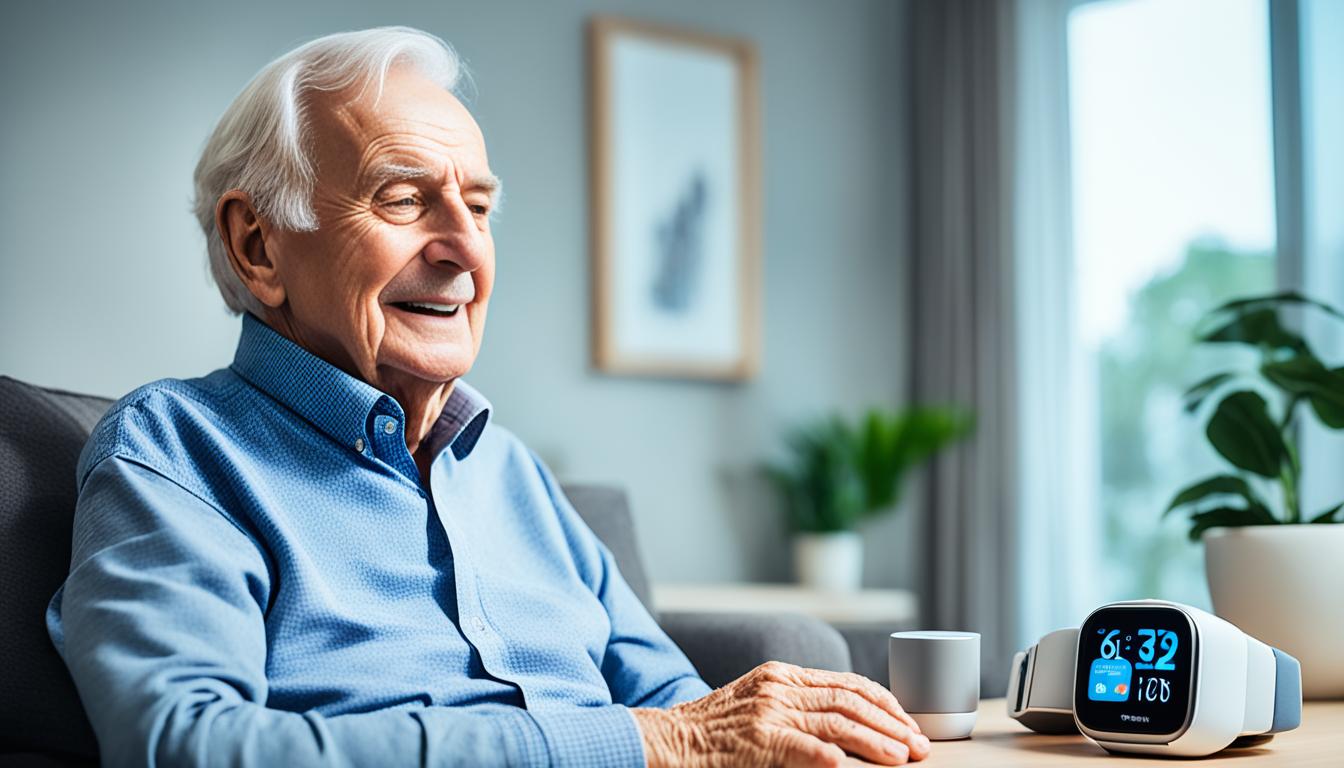
Home automation can greatly improve the daily living experience for elderly individuals suffering from knee pain. By making simple adjustments and implementing smart home solutions, we can create a knee-friendly environment that promotes comfort and reduces pain. These modifications can range from kitchen and bathroom adaptations to improving safety and accessibility throughout the house. Our goal is to preserve the ability to perform daily activities while minimizing joint strain and discomfort.
Key Takeaways:
- Home automation can significantly enhance the lives of elderly individuals with knee pain.
- Implementing smart home solutions can create a knee-friendly environment that promotes comfort and reduces pain.
- Modifications in the kitchen and bathroom, as well as improving safety throughout the house, are essential.
- The goal is to preserve the ability to perform daily activities while minimizing joint strain and discomfort.
- By optimizing homes for seniors with knee pain, we can enhance their overall quality of life and improve knee health.
Identifying the Roadblocks
When it comes to assisting individuals with knee pain, identifying the specific home modifications they require is crucial. This is where the expertise of an occupational therapist specializing in home adaptations becomes invaluable. Occupational therapists with certifications such as Certified Aging-in-Place Specialist (CAPS) or Specialist in Clinical Environmental Modifications (SCEM) possess the knowledge and skills necessary to assess an individual’s daily activities and identify potential roadblocks or areas where they may face challenges.
By collaborating with a CAPS or SCEM-certified occupational therapist, we can ensure that modifications are tailored to meet the unique needs of those with knee pain. These professionals take into consideration the worst days, when pain and mobility are at their peak, and make appropriate modifications to promote safety and independence.
Through their comprehensive evaluation, occupational therapists examine various aspects of the home environment, including accessibility, usability, and potential hazards. They analyze how individuals move within the space and identify areas where modifications are needed to accommodate their specific needs.
With their guidance, we can eliminate potential barriers and create a supportive environment that allows individuals with knee pain to navigate their homes with ease and confidence.
“Occupational therapists play a vital role in identifying the roadblocks individuals with knee pain may face in their homes. Our expertise allows us to pinpoint specific modifications tailored to their needs, ensuring safety and independence.”
To illustrate the significance of identifying roadblocks, below is a table showcasing common roadblocks experienced by individuals with knee pain and the corresponding home modifications that can address these challenges.
| Common Roadblocks | Home Modifications |
|---|---|
| Difficulty navigating stairs | Installing handrails, using slip mats, and utilizing a cane for support |
| High-risk areas like bathrooms | Installing grab bars, a seat in the shower, and a highboy toilet seat |
| Poor lighting in key areas | Adding bedside lighting and ensuring adequate lighting in hallways |
| Low-seating furniture | Opting for higher chairs and sofas for easier sitting and standing |
| Narrow doorways and hallways | Widening doorways and removing obstacles to improve accessibility |
The table represents a fraction of the potential roadblocks individuals with knee pain may encounter and the corresponding modifications that make their homes more accommodating. Working closely with certified occupational therapists allows us to identify and address these roadblocks effectively, ensuring that individuals can navigate their homes with confidence and independence.
Conserving Energy for Everyday Tasks
Managing energy levels is crucial for individuals with knee pain. By making energy-saving adaptations in the kitchen and bathroom, you can reduce strain on your joints and conserve energy throughout the day.
One effective kitchen adaptation for knee pain is keeping items at counter level. This eliminates the need to constantly bend down or reach up, minimizing discomfort and unnecessary strain. Additionally, utilizing grabber tools can allow you to retrieve items without bending or stretching, further reducing stress on your knees.
Investing in smaller size kitchen items can also make a significant difference. These items are easier to handle and require less effort to use. Consider using smaller utensils, pots, and pans to make cooking and meal preparation more manageable.
Another useful tip is to sit while performing everyday activities in the kitchen. Whether you’re washing dishes or chopping vegetables, sitting on a supportive chair or stool can help alleviate knee pain and reduce fatigue.
Adjusting the timing of certain tasks can also help conserve energy. For example, preparing dinner earlier in the day when you have more energy can prevent evening pain and discomfort. By planning your tasks strategically, you can optimize your energy levels and reduce strain on your knees.
Conserving Energy in the Bathroom
In addition to the kitchen, energy-saving adaptations in the bathroom can provide much-needed relief for individuals with knee pain. Consider installing a highboy toilet seat or commode, which eliminates the need for squatting and reduces knee strain during bathroom visits.
Adding grab bars near the tub, shower, and toilet can provide stability and support, reducing the risk of falls and making it easier to maneuver in the bathroom. Placing slip mats in the tub and by the toilet can also help prevent accidents and provide added security.
By incorporating these energy-saving adaptations in both the kitchen and bathroom, you can create a more knee-friendly environment and conserve your energy for the activities that matter most to you.
Ensuring Safety to Prevent Falls
In order to prevent falls, especially in individuals with knee pain, it is crucial to implement safety measures throughout the home. The bathroom, in particular, poses potential hazards that can be mitigated with simple modifications.
Installing a Transfer Bench
A transfer bench is a valuable addition to the bathroom for those with limited mobility or knee pain. It provides a safe and sturdy seat for individuals to use when entering or exiting the shower or bathtub. The bench spans across the edge of the tub or shower, allowing for easy transfer without the need to step over the high ledge, reducing the risk of tripping or falling.
Using a Seat in the Shower
For added convenience and safety, incorporating a seat within the shower area can further enhance the bathing experience for individuals with knee pain. This allows them to sit comfortably while showering, reducing the strain on their knees and minimizing the risk of slips and falls. Choose a seat that is sturdy, lightweight, and designed specifically for bathroom use.
Installing Grab Bars
Placing grab bars strategically around the bathroom can provide stability and support during daily activities. These bars should be installed near the tub, shower, and toilet area to assist with balance and leverage when standing, sitting, or transitioning between positions. Opt for high-quality grab bars that are designed to hold a person’s weight securely.
Utilizing a Highboy Toilet Seat or Commode
Traditional toilets can often cause discomfort and pain for individuals with knee pain due to the squatting motion required for sitting and standing. Using a highboy toilet seat or commode can alleviate the strain on the knees by raising the seat height, making it easier to sit and stand. These elevated seats are typically adjustable and can be installed on existing toilets.
Placing Slip Mats
Slip mats should be placed strategically in the tub and by the toilet to reduce the risk of slips and falls. These mats provide traction and grip, offering stability when entering, exiting, or standing in the bath or shower. Ensure that the slip mats are of high quality and have a non-slip surface for optimal effectiveness.
Installing Bedside Lighting
Safe nighttime trips to the bathroom can be enhanced by installing bedside lighting or using touch lights. This provides adequate illumination to navigate the path without the need to search for light switches or rely solely on ambient lighting. Bedside lighting can prevent accidents and falls in low-light situations.
By implementing these bathroom modifications, individuals with knee pain can enhance their safety and reduce the risk of falls. The combination of a transfer bench, seat in the shower, grab bars, highboy toilet seat, slip mats, and bedside lighting creates a knee-friendly environment that promotes independence and peace of mind.
Creating an Accessible Home Environment
Optimizing your home environment is essential for promoting accessibility and ensuring safety, especially for individuals with knee pain. By implementing modifications that address key areas such as stair and hallway safety, slip prevention, and improved navigation, you can create a more comfortable and secure living space.
Enhancing Stair and Hallway Safety
Stairs and hallways are common areas in the home where accidents can occur. To prevent slips and falls, consider these modifications:
- Install slip mats on stairs to increase traction and reduce the risk of slipping.
- Use a cane for support while navigating stairs to provide stability and balance.
- Ensure guard rails are securely mounted along outdoor steps to aid in safer mobility.
By implementing these measures, you can significantly reduce the likelihood of accidents and promote safer movement in your home.
Improving Lighting and Navigation
Proper lighting and clear pathways are crucial for creating an accessible home environment. Consider the following:
- Ensure outdoor pathways and entryways are well-lit to prevent tripping hazards.
- Remove throw rugs that can cause stumbling or slipping.
- Clear walking paths throughout the house by removing clutter and obstacles.
Implementing these changes will enhance visibility and minimize the risk of falls within your home.
Additional Safety Measures
There are other modifications and precautions you can take to create a safer environment:
- Consider installing grab rails in critical areas such as bathrooms to provide support and stability.
- Remove or secure loose carpets to prevent tripping hazards.
Creating an accessible home environment is crucial for individuals with knee pain to maintain their independence and safety.
By implementing these modifications, you can significantly improve the overall safety and accessibility of your home. It is essential to assess your living space and identify potential areas of concern to make the necessary adjustments. By prioritizing stair and hallway safety, slip prevention, effective lighting, and clear walking paths, you can create a home environment that promotes comfort and reduces the risk of accidents.
Conclusion
Home automation offers significant benefits for elderly individuals managing knee pain. Through the implementation of adaptations and modifications throughout the home, it is possible to create a knee-friendly environment that promotes comfort, safety, and independence. By optimizing homes for seniors with knee pain, we can enhance their overall quality of life and improve knee health.
Conserving energy is crucial for managing knee pain, and smart home technology plays a crucial role in achieving this. By leveraging technology, such as automatic lighting and temperature control, we can reduce the physical demands on seniors with knee pain, allowing them to conserve energy for everyday tasks. Additionally, by utilizing voice-activated devices and automated systems, individuals can easily control various aspects of their home environment, reducing the need for repetitive movements and minimizing strain on their joints.
Furthermore, ensuring safety is paramount in preventing falls and injuries. By incorporating home automation features like motion sensor lights, smart locks, and surveillance systems, we can improve the security of the home and provide peace of mind to seniors with knee pain. Additionally, integrating assistive technologies, such as wearable fall detection devices or emergency response systems, can provide an extra layer of protection in the event of an accident.
Technology continues to advance, offering new and innovative solutions for improving knee health in the elderly. From smart footwear designed to improve stability and balance, to virtual reality rehabilitation programs that promote strength and flexibility, the possibilities for knee pain management through home automation are vast. By embracing these technological advancements and optimizing homes for seniors with knee pain, we can empower individuals to live comfortable and fulfilling lives, free from the limitations imposed by knee pain.
FAQ
How can home automation help elderly individuals with knee pain?
Home automation can greatly improve the daily living experience for elderly individuals suffering from knee pain. By making simple adjustments and implementing smart home solutions, it is possible to create a knee-friendly environment that promotes comfort and reduces pain.
What should I consider when identifying the necessary home modifications for knee pain?
Identifying the specific home modifications necessary for individuals with knee pain is essential. Consulting with an occupational therapist who specializes in home adaptations, such as those with a CAPS or SCEM certification, can provide valuable guidance. These professionals will assess the individual’s daily activities and identify potential roadblocks or areas where they may face challenges.
How can I conserve energy while managing knee pain?
Managing energy levels is crucial for individuals with knee pain. Making adaptations in the kitchen and bathroom can help conserve energy and reduce strain on the joints. This can include keeping items at counter level, utilizing grabber tools to avoid bending and reaching, and purchasing smaller size items that are easier to handle. It is also beneficial to sit while performing common activities, such as washing dishes or preparing meals. Additionally, adjusting the timing of certain tasks, like preparing dinner earlier in the day to avoid evening pain, can help conserve energy.
What safety measures should I implement to prevent falls?
Safety measures should be implemented to prevent falls, which can be particularly hazardous for individuals with knee pain. In the bathroom, installing a transfer bench and using a seat in the shower can assist with getting in and out safely. Grab bars should be placed by the tub, shower, and toilet for added stability. Using a highboy toilet seat or commode can alleviate squatting-related pain. Slip mats should be placed in the tub and by the toilet to prevent accidents. Installing bedside lighting or using touch lights can also ensure safe nighttime trips to the bathroom.
How can I create an accessible home environment for knee pain management?
It is important to optimize the home environment by implementing modifications that promote accessibility and safety. In areas with stairs and hallways, installing slip mats can reduce the risk of slipping. Using a cane for support and holding onto the railing can aid in navigating stairs. Adding guard rails to outdoor steps and ensuring adequate lighting along pathways can prevent accidents. Inside the house, removing throw rugs and securing carpets can eliminate tripping hazards, while clearing walking paths and reducing clutter throughout the house can improve mobility and prevent falls.
How can home automation improve knee health for the elderly?
Home automation offers significant benefits for elderly individuals managing knee pain. By implementing adaptations and modifications throughout the home, it is possible to create a knee-friendly environment that promotes comfort, safety, and independence. With the advancement of technology, smart home solutions are becoming increasingly accessible and effective for knee pain management. By optimizing homes for seniors with knee pain, it is possible to enhance their overall quality of life and improve knee health.
Leave a Reply