• Exercises to Avoid With Meniscus Tear

    Individuals recovering from a torn meniscus must avoid certain exercises to promote healing. Key exercises to avoid with meniscus tear include deep squats, full lunges, rapid pivoting, high-impact running, and jumping. These activities generate compressive loads and rotational shear forces that can worsen the tear, aggravate cartilage, and trigger painful joint swelling. Protecting the knee…

  • |

    Quad Strengthening for Bad Knees: Safe Exercises and Modifications

    Targeted quad strengthening for bad knees stabilizes patellar tracking, absorbs compressive impact during ambulation, and reduces mechanical strain across sensitive articular cartilage. Strengthening the four quadriceps muscles through controlled, low-impact movements creates an active muscular brace that distributes daily loads away from irritated connective structures. Individuals experiencing chronic discomfort benefit most from beginning with isometric…

  • |

    Knee replacement infection signs

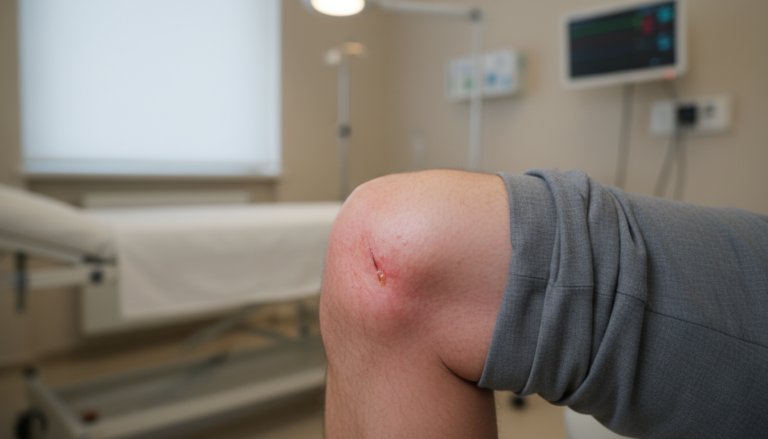
    What if the biggest threat to your new joint isn’t the surgery itself, but something that can surface weeks or even years later? Being aware of Knee replacement infection signs is crucial. Total hip and knee arthroplasties are among the most common elective operations. For most people, they are a resounding success. Yet, data shows about 1 in 100 patients will face a serious complication after their procedure. monitoring knee replacement healing We recognize that a successful outcome relies on two things: the surgical skill and your long-term vigilance. Our goal is to empower you with knowledge. By learning to monitor your recovery, you can protect your investment in a pain-free life. This guide helps you distinguish between normal healing and the early warning signals of a problem. Understanding these signs allows you to seek timely medical attention for a joint replacement. Understanding the Knee replacement infection signs can make a significant difference in your recovery journey. Key Takeaways While highly successful, about 1% of joint replacement patients develop an infection. Early detection of complications is critical for protecting your surgical results. Patient awareness during the recovery process is as important as the initial procedure. Knowing the difference between normal healing and potential warning signs is key. Common indicators include increased pain, new swelling, warmth, redness, or fever. Prompt action and communication with your healthcare team are essential. Long-term joint health requires ongoing attention and care. Overview of Knee Replacement Surgery and Infection Risks With millions of Americans opting for this surgery each year, understanding its scope and associated risks is fundamental. This procedure is a cornerstone of modern orthopedics, offering renewed mobility to those with severe joint conditions. knee replacement surgery overview Introduction to Knee Replacement Procedures Medical projections suggest that by 2030, the number of these operations performed annually in the United States will reach 3.48 million. This type of intervention is highly common and successful. It involves replacing damaged joint surfaces with artificial components. Why Infections Occur Around Implants Bacteria are abundant on our skin and in our bodies. They can enter during surgery or later through the bloodstream. Once they reach the artificial joint, they can form a sticky biofilm. This biofilm makes it extremely difficult for the body’s natural defenses to clear the germs. Implants are made of metal and plastic, which are non-organic materials. The immune system struggles to fight bacteria that colonize these surfaces. Such complications can occur in the surgical wound or deep around the implant itself. Understanding these underlying conditions is the first step in prevention. Knee Replacement Infection Signs: What to Watch For Your vigilance in the weeks and months following the procedure is your first line of defense against potential problems. We empower you to become an expert in your own recovery. Knowing what to expect makes it easier to spot when something is wrong. Common Symptoms and Warning Signals Certain symptoms should prompt immediate contact with your care team. A fever above 100°F (37.8°C) is a classic red flag. Chills or night sweats often accompany it. Pay close attention to the surgical wound. Any foul-smelling or grey liquid drainage is not normal. Increased pain or stiffness that doesn’t improve after several weeks is a concern. A deep joint infection might make walking painful long after your expected recovery period. We remind you that these issues can surface months or years later. knee replacement infection…

  • |

    How long does knee replacement last

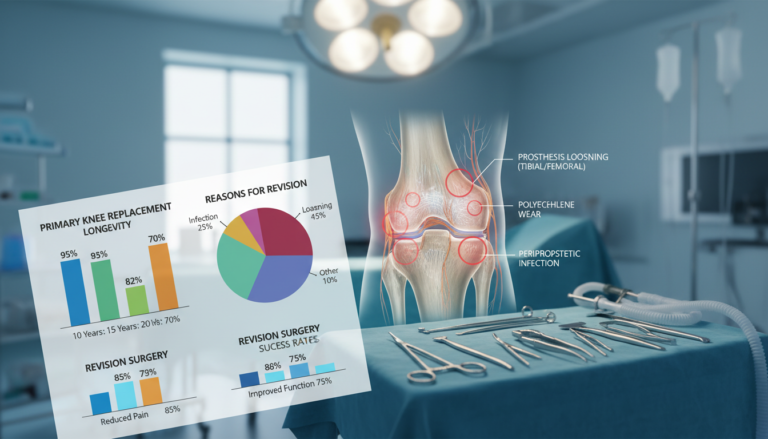
    Is a new knee a permanent fix, or just a temporary solution? This is the pressing question for hundreds of thousands of individuals each year. Many patients are curious about how long does knee replacement last and what factors influence its longevity. knee replacement surgery In the United States, surgeons perform over 600,000 of these procedures annually. The goal is to restore mobility and end chronic pain. This massive effort represents a significant investment in patient health and well-being. Understanding how long does knee replacement last is vital for those considering this surgery. Many patients wonder if their new joint will serve them for the rest of their lives. The answer is not a simple yes or no. A variety of factors influence the durability and success of the procedure. Patients often inquire, how long does knee replacement last? The answer depends on several factors. We explore the evidence behind implant longevity. Modern medical advancements have dramatically improved outcomes. Understanding what affects your new joint is key to a successful, long-term result. By knowing…

  • Best ice machine for knee surgery (Game Ready, Polar Care)

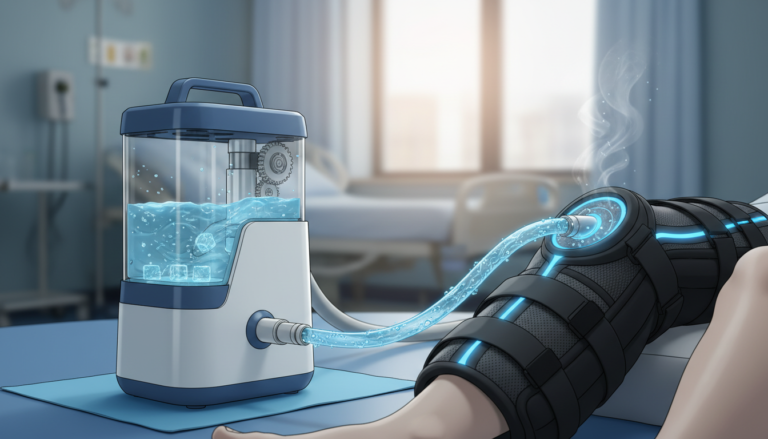
    What if you could recover from knee surgery with less pain and fewer medications? This question is at the heart of modern post-operative care. Managing discomfort and swelling is a major challenge after an orthopedic procedure. cold therapy system Cold therapy offers a powerful, drug-free solution. It is a non-invasive method to control inflammation and pain directly at the source. Specialized units deliver consistent cooling to the affected area. This can significantly reduce the need for strong painkillers during the critical healing phase. We have thoroughly examined the market of recovery tools. Our guide focuses on leading systems, including various Breg Polar Care models and the Game Ready unit. Our goal is to help you navigate your options. You can find a system that fits your needs and supports a smoother, more comfortable recovery at home. Key Takeaways Cold therapy is a proven, drug-free method to manage pain and swelling after surgery. Using a dedicated cooling unit can help reduce reliance on narcotic pain medication. Popular systems like the Breg Polar Care line come in several models, such as the Cube, Kodiak, Glacier, and Wave. Game Ready is a leading unit that combines cold therapy with adjustable compression. Always consult your healthcare provider to ensure this therapy is right for your specific procedure. Selecting the right device involves considering your budget and recovery goals. Effective, consistent cooling can greatly improve comfort and outcomes during the healing process. Introduction to Knee Surgery Recovery and Cold Therapy Successfully navigating the first weeks post-surgery hinges on a structured recovery strategy. This plan must prioritize managing two key issues: discomfort and inflammation. This is where cold therapy, also called cryotherapy, becomes essential. It involves applying controlled cooling to the surgical area to reduce inflammation. After a procedure, fluid often accumulates in the joint. This swelling, known as edema, increases pressure and causes significant pain. The therapy works by constricting blood vessels. This action helps limit the amount of fluid and blood pooling at the injury site. Many surgeons now recommend a dedicated cooling device. These units provide consistent, targeted cold therapy that is far more effective than basic ice packs. Reducing swelling early is crucial. It directly supports efforts to regain a full range of motion in the knee during rehabilitation. Healthcare providers often prescribe this therapy as a safe alternative to stronger pain medications. Patients should always combine its use with specific exercise advice from a physiotherapist. This promotes healthy blood flow and ensures optimal healing. How Cold Therapy Works in Reducing Swelling and Pain Cold therapy targets the root causes of post-operative discomfort through a simple yet powerful process. It directly addresses the inflammation and pain that hinder healing. Mechanism of Action in Cold Therapy The primary mechanism involves using cold water to constrict blood vessels. This reduces blood flow and inflammation in the affected area. A dedicated unit provides a continuous, even distribution of this chilled liquid. It maintains a steady cold temperature for many hours. cold therapy mechanism Advantages Over Traditional Ice Packs Basic ice packs warm up quickly due to body heat. Their effectiveness diminishes within minutes. In contrast, a motorized therapy system eliminates frequent trips to the freezer. Its large, insulated reservoir ensures prolonged cooling. Specialized pads are designed for specific body parts. They deliver targeted cold therapy exactly where needed. This approach prevents the condensation issues of melting ice packs. It keeps the surgical site clean and dry, enhancing comfort and hygiene. Overview of Cold Therapy Devices for Post-Surgical Recovery The market offers two primary types of cold therapy units, each with distinct mechanisms and benefits. Selecting the right one depends on your mobility, budget, and recovery goals. We categorize these devices into gravity-fed and motorized systems. This helps you understand which technology best suits your specific needs. Types of Devices: Motorized and Gravity-Fed Systems Gravity-fed devices, like the Aircast Cryo/Cuff, use elevation to circulate water without a motor. They are cost-effective and portable. The simple physics of elevation moves chilled liquid through the pad. Motorized systems provide constant recirculation of cold water between a cooler and the pad. This is ideal for patients with limited mobility after a procedure. Brands like Breg Polar Care circulate water directly for efficient cooling. The DonJoy IceMan series uses dual pump technology for a comfortable temperature. Some advanced therapy units, such as the Ossur Cold Rush, feature an adjustable flow dial. This allows patients to customize their experience. Understanding these mechanical differences is key before making a purchase. Both types deliver effective cold therapy, but their operation varies. Key Features to Consider When Purchasing an Ice Machine Several practical factors determine how well a cold therapy machine will serve you at home. The right features enhance both effectiveness and convenience during your healing period. Consistency, Coverage, and Temperature Control Look for a unit that maintains a steady cold temperature. Consistent cooling is vital for safe, prolonged sessions. Good coverage means the pad fits your joint properly. This ensures the therapy reaches all affected areas. Adjustable controls let you fine-tune the intensity. This prevents skin irritation while maximizing comfort. cold therapy…