• |

    Knee replacement complications

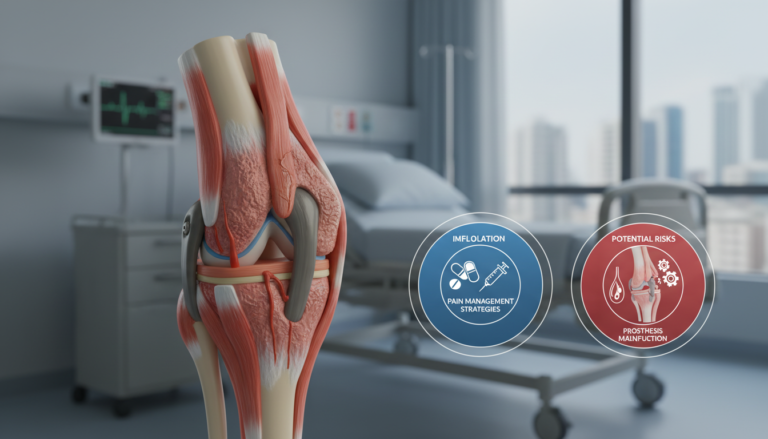
    What if the key to a successful recovery isn’t just about the surgery itself, but what you know beforehand? Every year, over 790,000 people in the United States choose this medical procedure to regain their mobility. It’s a major step toward a life with less pain. knee replacement complications We recognize that while this operation is common, understanding what can happen after is vital. This knowledge transforms a patient from a passive recipient into an active partner in their own care. Our goal is to provide clear, empowering information about the possible risks. This helps you approach your healing journey with eyes wide open and confidence high. Modern advancements have made this intervention safer and more effective than ever. Still, being informed allows you to spot any warning signs early and seek help promptly. This guide is your comprehensive resource. We aim to support you in taking charge of your long-term joint health and overall well-being. Key Takeaways Over three-quarters of a million knee replacement surgeries are performed annually in the U.S. Being informed about potential issues is a crucial part of patient preparation and empowerment. Knowledge of risks helps in early identification of any post-operative warning signs. Modern surgical techniques and care have significantly improved the safety profile of this procedure. An active understanding of your care plan contributes greatly to a successful long-term outcome. This information is designed to build confidence as you move forward with your medical decision. Understanding Knee Replacement Surgery Before diving into the details, let’s build a clear picture of what this surgical process entails. Over 790,000 of these operations happen each year in the United States alone. understanding knee replacement surgery What Is a Knee Replacement? This common operation replaces all three compartments of a damaged joint. Surgeons remove worn bone and cartilage. They then fit precise metal and plastic implants. This creates a new, smooth gliding surface. Aspect Detail Primary Goal Relieve chronic pain and restore joint function Artificial Components Metal and medical-grade plastic Typical Anesthesia General or spinal Average Hospital Stay 1 to 3 days Initial Recovery Period 6 to 12 weeks The Overall Procedure and Its Benefits This intervention is designed to help people regain independence. Most patients report a major improvement in their quality of life. The main benefit is lasting relief from persistent pain. Many return to daily activities and hobbies they love. Understanding the mechanics helps set realistic expectations for recovery and long-term performance. Key Knee Replacement Complications Statistics offer great comfort, but a complete picture includes understanding what could go wrong, even if it’s unlikely. Research confirms a very high success rate for this operation. Over 95% of people recover without any major issues. This statistic highlights the overall safety of the procedure. key knee replacement complications Overview of Common Risks Every medical intervention carries some inherent risks. These can include infection, blood clots, or stiffness. Your surgical team is trained to both prevent and manage these known challenges. They are a standard part of the pre-operative discussion. Why Awareness Matters We believe knowledge is power. Understanding potential warning signs allows you to partner with your care team. You can seek help promptly if something doesn’t feel right. This proactive approach helps prevent minor concerns from becoming serious problems. It’s crucial to discuss your personal health history with your doctor. This conversation helps assess your individual risk profile before surgery….

  • |

    Driving after knee surgery

    What’s the one thing nearly 1.5 million Americans who had a procedure in 2022 desperately want to know? For most, it’s about reclaiming their independence and getting back to their normal routine. We recognize that a total joint replacement is a major event. It significantly impacts your daily mobility and overall sense of freedom. It’s completely natural to look forward to resuming all your regular activities once the operation is complete. driving after knee surgery Our goal is to equip you with clear, reliable information to navigate your healing journey safely. Understanding your personal recovery timeline is not just about convenience—it’s crucial for ensuring the safety of everyone on the road. We will explore the critical physical and mental factors that determine true readiness. This knowledge helps you make informed decisions alongside your medical team. Key Takeaways Regaining the ability to operate a vehicle is a common and important milestone after a major orthopedic procedure. Safety for yourself and others is the paramount concern when considering a return to this activity. Your specific recovery timeline is unique and depends on multiple factors, including which leg was operated on. Medication use, muscle strength, and pain levels are all critical indicators of your readiness. Consulting with your surgeon for a personalized assessment is an essential step before you resume. Being patient with your body during the healing process leads to better long-term outcomes. Planning for assistance with transportation in the initial weeks post-procedure is highly recommended. Understanding Knee Replacement and Recovery Robotically assisted surgery is revolutionizing how patients recover from joint procedures. Specialists like Dr. Jacob in Oklahoma City utilize these minimally invasive, rapid recovery techniques. Their goal is to help individuals return to their daily activities with less discomfort. What Is a Knee Replacement? A total knee replacement, or arthroplasty, is a highly successful procedure. It involves removing damaged tissue and bone from the joint. Surgeons then replace them with durable artificial components. This replacement surgery is typically performed when arthritis or injury severely limits natural mobility. The artificial joint restores smooth movement and alleviates pain. For many, it’s a life-changing operation. knee replacement surgery Overview of the Recovery Process The rehabilitation phase after a knee replacement requires patience. Patients often experience temporary weakness and a limited range of motion initially. This is a normal part of healing from the invasive surgery. Most people find this replacement surgery significantly improves their function. It allows them to eventually return to the activities they enjoy. We emphasize that a personalized recovery plan is key. Recovery Phase Primary Focus Typical Timeline Early (Weeks 1-2) Pain management, basic mobility, wound healing 1-2 weeks post-op Middle (Weeks 3-6) Building strength, improving range of motion 3-6 weeks post-op Late (Months 2-6+) Returning to normal activities, endurance building 2 months and beyond Understanding these phases helps set realistic expectations. Modern techniques aim to accelerate this recovery timeline. Working closely with your care team ensures the best outcome from your knee replacement surgery. Driving after knee surgery: Key Considerations Resuming control behind the wheel is a major milestone that hinges on two critical factors: medication management and physical rehabilitation. Your personal safety and the safety of others depend on an honest evaluation of both. pain medication and physical therapy for driving readiness We cannot overstate the importance of this dual assessment. It forms the foundation for a confident and secure return to operating a vehicle. Impact of Pain Medication on Driving Narcotic pain medication is a standard part of post-operative care. However, these drugs significantly dull mental alertness and slow reaction times. It is both illegal and dangerous to get behind the wheel while under their influence. Your ability to focus on complex traffic situations is compromised. You must be completely off such pain medication before considering any trip. Even lingering pain can be a dangerous distraction if it’s severe….

  • |

    Sleeping after knee replacement

    What if the key to a faster recovery isn’t just what you do during the day, but how you rest at night? We understand that getting proper rest following an operation can be a major hurdle. In fact, research shows about half of all patients report significant discomfort when trying to find a comfortable position. sleeping after knee replacement This cycle of fatigue and increased sensitivity can slow down your progress. That’s why quality rest is not a luxury—it’s a critical part of the healing process, as emphasized by Christynne Helfrich, PT, DPT at Hinge Health. Our guide is designed to break this cycle. We provide expert-backed strategies for managing discomfort and improving your overall rest quality. This includes proven positions and techniques for the crucial first weeks. By addressing the root causes of post-operative disturbances, we aim to help you achieve the restorative rest your body needs. For a comprehensive plan, explore our detailed resource on how to sleep after knee replacement. Key Takeaways Quality rest is a powerful, non-negotiable part of the healing journey after surgery. Many individuals experience increased pain at night or struggle to find a comfortable sleep position. Targeted exercises and proper sleep hygiene can significantly improve your comfort and rest quality. Effective pain management, including techniques like icing, is crucial for uninterrupted sleep. Guidance from your physical therapist and surgical team is essential for a safe and effective recovery. Patience and consistency with your nightly routine are key to long-term success. Understanding Knee Replacement Recovery Your body begins a detailed repair process immediately after joint surgery. A nerve block often provides comfort for the first 18 to 30 hours post-procedure. This offers a valuable window before typical sensations begin. knee replacement recovery Post-Surgery Healing and Body Changes Significant changes occur as you heal from this operation. Natural inflammation and swelling around the new joint are common. Your system is working hard to integrate the artificial components. We note that many individuals report increased difficulty starting around day four. Challenges can persist for up to ten weeks in some cases. Discomfort may also travel to areas like the shin or hip at night. This is a normal part of the adjustment process. Your body is adapting to its new mechanics. How Sleep Supports Recovery Quality rest is vital for repair. Your body focuses on mending the joint and surrounding muscle tissue during deep rest. This is when the most intensive healing occurs. As healing progresses, your sleep quality should gradually improve. Research shows most people see significant progress by the three-month mark. The first month is often the most difficult. We encourage you to stay active during the day. Gentle movement promotes blood flow and prevents stiffness. This daily activity supports better rest at night. Understanding that your body is working hard post-operatively helps manage expectations. Consistency with your routine is key for long-term success. Common Sleep Challenges After Knee Replacement The quiet of the night often amplifies the physical sensations that accompany post-operative healing. We see that nearly half of all individuals report severe disturbances during this critical time. This makes addressing these hurdles a top priority. common sleep challenges after knee replacement Nighttime Pain and Discomfort Without daytime distractions, you may become more aware of persistent sensations. This heightened awareness can make falling asleep difficult. Anxiety about your new joint is also common. Worrying about movement can further disrupt your rest cycles. Dealing with Swelling and Stiffness Inflammation is a natural response to an operation. It often increases when you are lying down for extended periods. Limited mobility prevents natural position shifts. This lack of movement allows stiffness to set in by morning. Challenge Primary Cause Typical Effect Nighttime Pain Increased sensory awareness Difficulty initiating sleep Swelling Post-surgery inflammation Discomfort in bed Joint Stiffness Immobility during rest…

  • |

    Flying after knee replacement

    What if the freedom to travel by air after major joint surgery isn’t as far off as you think? We understand this is a common concern. Many people who have undergone this significant orthopedic procedure worry about their next trip. flying after knee replacement Research shows that managing mobility after an operation is crucial. For instance, data indicates 3-4% of total hip arthroplasty patients develop symptomatic blood clots within three months. Our guide provides essential information for navigating air travel following a successful procedure. We aim to help you feel confident and prepared for your journey. You may wonder when it is safe to resume your plans. We explore how to manage your healing while looking ahead. By following expert-backed advice, you can minimize potential issues. Our focus is on helping you enjoy your restored mobility with peace of mind. Key Takeaways Air travel is a major concern for individuals recovering from joint surgery. Proper planning is essential for a safe and comfortable journey post-operation. Understanding the risks, like blood clots (VTE), is a critical part of preparation. Timing your trip correctly is a key milestone in the overall recovery process. Expert guidance can help reduce complications and build confidence. The goal is to regain freedom of movement and enjoy travel without worry. Understanding the Risks and Benefits of Flying after Knee Replacement The decision to fly after a major joint procedure requires a careful look at safety data and personal mobility gains. We break down the key factors to consider. Assessing Venous Thromboembolism (VTE) Risk A primary concern is venous thromboembolism, which includes deep vein thrombosis (DVT). Research shows the risk of symptomatic VTE after long flights is 1.9 to 5.2 per million person-days. For individuals who have had joint surgery, this risk is heightened. Studies indicate 3-4% of patients develop symptomatic clots within three months of a procedure like total hip arthroplasty. Balancing Recovery and Mobility Benefits The significant improvement in movement is a major positive outcome. However, balancing this benefit with the inherent dangers of blood clots requires medical guidance. Understanding these risks empowers people to make informed choices about travel timing. For comprehensive safety tips, see our detailed guide on flying after knee replacement. Pre-Flight Preparation for Knee Replacement Patients A successful journey begins long before you reach the airport, especially following a significant orthopedic operation. Proper groundwork is essential for safety and comfort. This phase involves close collaboration with your medical team. It also requires a tailored strategy for your specific needs. Consulting with Your Surgeon and Healthcare Team Your first step is to get clear guidance from your orthopedic surgeon. They understand your unique situation best. Dr. Nathan Cafferky of The Steadman Clinic recommends a two-week recovery period near the surgical site before returning home. This allows for immediate post-operative care and monitoring. consulting surgeon for knee surgery travel plan We advise creating a personalized plan with your doctor. This consultation is vital for setting a safe timeline. Creating a Personalized Recovery and Travel Plan Dr. Cafferky also suggests avoiding nonessential trips for six weeks post-surgery. This waiting time helps ensure full healing. Your plan should coordinate support from your entire care team. Focus on rehabilitation during the initial weeks. This approach minimizes risks and builds a solid foundation for future mobility. A thoughtful strategy makes the transition back to daily life much smoother. Planning Your Travel Itinerary and Navigating Airline Requirements Understanding specific carrier policies can make or break your travel plans post-surgery. We guide you through this essential step. Your itinerary must account for unique airline rules. These rules directly impact individuals recovering from an operation. Reviewing Airline Policies and Certification Requirements Research reveals varied carrier stances. A UK study found five airlines restrict flying following arthroplasty. Seven carriers mandate a medical certificate from your doctor. One even requires a 14-day waiting period post-procedure. Always verify your airline’s specific policy before booking. This is a critical precaution for all patients. Policy Type Medical Certificate Required Typical Waiting Period Restricted (No travel allowed) N/A…

  • |

    DVT after knee surgery

    What if the biggest threat to your recovery isn’t the orthopedic procedure itself, but a silent complication that can strike without warning? Deep vein thrombosis is a serious medical concern. It affects approximately 600,000 Americans each year. We recognize that undergoing a major joint operation requires careful attention to potential complications. DVT after knee surgery prevention Our goal is to provide a clear guide on managing this specific risk. Understanding how a dangerous clot forms in the leg is the vital first step. This knowledge empowers you during the post-operative period. We emphasize that proactive management of your health is essential. By following expert-led advice, you can take control. This effort minimizes chances of a serious vascular issue and supports a smoother healing journey. Key Takeaways Deep vein thrombosis is a common but serious risk following major orthopedic procedures. Proactive health management is crucial for a safe post-operative period. Understanding how blood clots form is the first step in prevention. Expert guidance can help you minimize dangers and take control of your healing process. A smooth recovery involves being aware of potential complications from the start. Simple, informed actions can significantly reduce your personal risk. Understanding the Risk of DVT After Knee Surgery Why does a procedure focused on improving mobility simultaneously increase the chance of a dangerous blockage? We must explore the nature of the threat and the specific factors a major operation introduces. What is Deep Vein Thrombosis? This condition involves a blood clot forming in a deep vein, usually in the leg. If such a clot breaks free, it can travel to the lungs. This causes a life-threatening pulmonary embolism. We note that approximately 600,000 Americans are affected each year. It is a critical concern following any major joint replacement. deep vein thrombosis risk factors Why Knee Surgery Increases the Clot Risk Several factors converge during a knee replacement. The body’s natural healing response can make blood more likely to clot. Reduced mobility after the procedure slows circulation in the legs. The risk is highest from two to ten days post-operation. Patients remain at risk for about three months. Without preventative care, studies show blood clot rates of 40-60%. Even with modern care, 18-20% of joint replacement patients may still develop a clot. This highlights the need to watch for swelling in the leg. Timeframe Risk Level Key Data Initial High-Risk Period Highest 2 to 10 days after surgery Extended Risk Period Elevated Up to 3 months post-operation Without Prevention Very High 40-60% clot rate in major orthopedic surgery With Modern Protocols Significant 18-20% of knee replacement patients Prevention and Treatment Approaches Managing the threat of post-operative clots involves a dual strategy of medication and mechanical aids. We focus on keeping your circulation strong during the healing phase. This two-part defense significantly lowers your personal danger. Medication and Anti-Clotting Therapies We often prescribe specific drugs to reduce your body’s ability to form dangerous masses. Options include injections like Heparin or daily pills such as Warfarin. Newer direct oral anticoagulants offer convenient pill-based therapy. Your doctor selects the best type based on your health profile. anti clotting medication and compression…