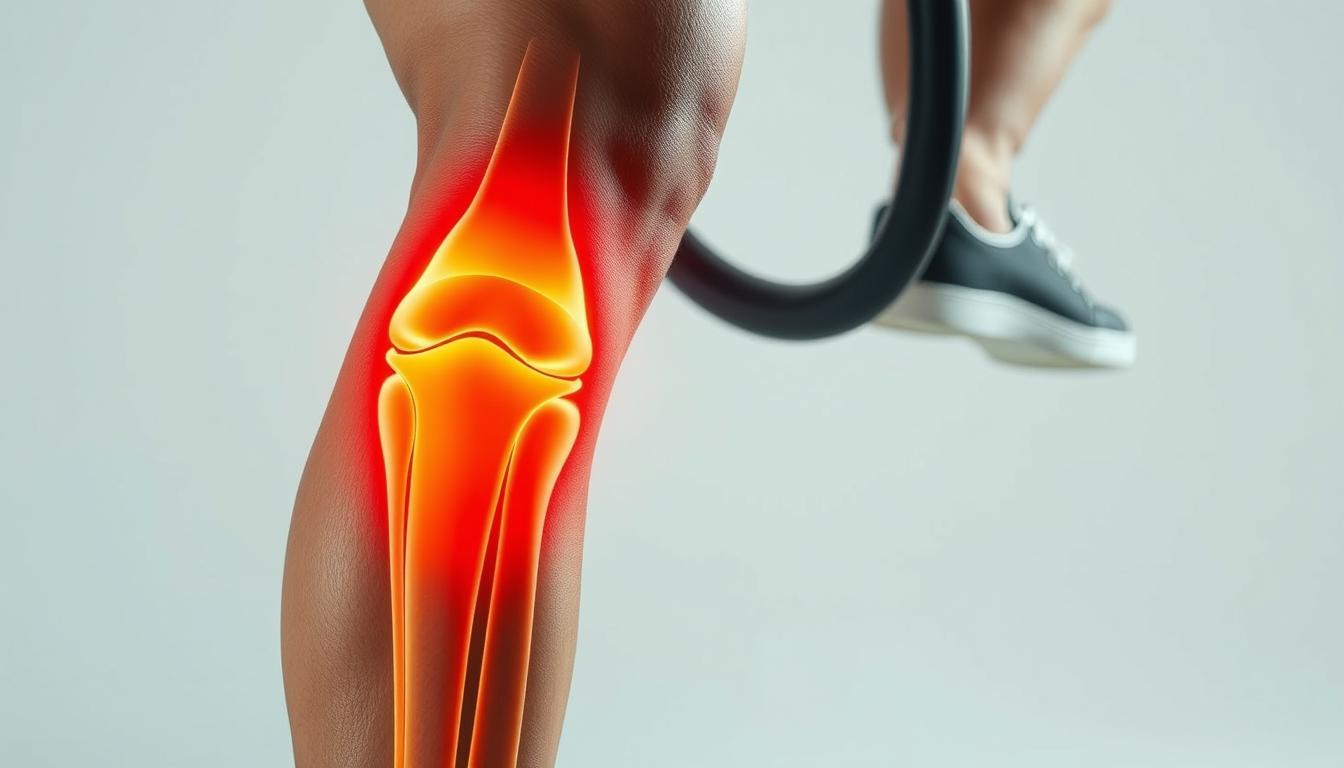
Millions of Americans feel stiffness or discomfort in their legs after time behind the wheel, but few understand why repetitive driving motions strain their bodies. What if the simple act of pressing a gas pedal could lead to chronic issues affecting your mobility?
This condition – often called gas pedal knee or trucker’s knee – stems from inflammation in the tendon linking your kneecap to your shin bone. With over 230 million licensed drivers in the U.S., this repetitive stress injury impacts everyone from delivery workers to parents driving kids to school.
Prolapsed seating positions and constant leg adjustments create micro-tears in connective tissues. Left unaddressed, this can escalate into sharp pain during routine activities like climbing stairs or standing up. We’ll break down how modern driving habits contribute to this issue and share practical ways to protect your joints.
Key Takeaways
- Repetitive leg motions while driving cause inflammation in knee tendons
- 230+ million U.S. drivers are at risk of developing this condition
- Symptoms often worsen without proper seating adjustments
- Early intervention prevents long-term mobility limitations
- Professional drivers face higher risks due to extended road time
Understanding Knee Pain and Patellar Tendonitis
Persistent discomfort below the kneecap often signals deeper issues. Many active adults experience twinges during routine movements without realizing their significance. Let’s explore how to distinguish normal soreness from developing problems.
Common Symptoms and Warning Signs
Early indicators include tenderness when pressing the area beneath the kneecap. Many notice increased stiffness after waking up or sitting for extended periods. Simple actions like bending to tie shoes might trigger sharp twinges.
Discomfort often follows patterns:
| Symptom | Early Stage | Progression |
|---|---|---|
| Pain location | Base of kneecap | Spreads along shin |
| Activity impact | Post-exercise soreness | Constant ache |
| Mobility | Stiff mornings | Difficulty climbing stairs |
Risk Factors and Causes
While exact causes remain debated, repetitive stress tops the list. Muscle imbalances between thighs and calves create uneven pull on connective tissues. Structural issues like flat feet or leg length differences compound the strain.
Key contributors include:
- Occupations requiring frequent kneeling
- Sudden increases in physical activity
- Excess body weight stressing joints
- Poor footwear support during exercise
Recognizing these patterns helps prevent minor irritation from becoming chronic. We recommend consulting specialists if discomfort persists beyond two weeks.
Patellar Tendonitis and Driving

Vehicle operation demands more from our bodies than we realize. The simple act of pressing pedals repeatedly stresses the tendon connecting kneecap to shin, creating a perfect storm for overuse injuries. This condition – often called driver’s knee – develops when poor foot alignment meets constant motion.
Automatic vehicle users face unique risks. The left leg often rests awkwardly, creating muscle imbalances that pull on connective tissues. Manual transmission drivers battle different challenges – frequent clutch engagement forces repetitive knee flexion that strains the same area.
Three primary factors worsen knee pain driving:
- Seat positions that compress the joint
- Hours spent in static postures
- Continuous pedal pressure without breaks
Neglecting early warning signs risks permanent damage. What begins as temporary soreness can erode cartilage in the knee joint, leading to chronic conditions. The confined cabin space amplifies these issues by limiting natural movement.
Recognizing pain driving as a legitimate injury is crucial. Unlike ordinary aches, this repetitive stress injury requires specific interventions. Proper management prevents temporary discomfort from becoming lifelong mobility challenges.
Optimizing Your Driving Posture and Ergonomics
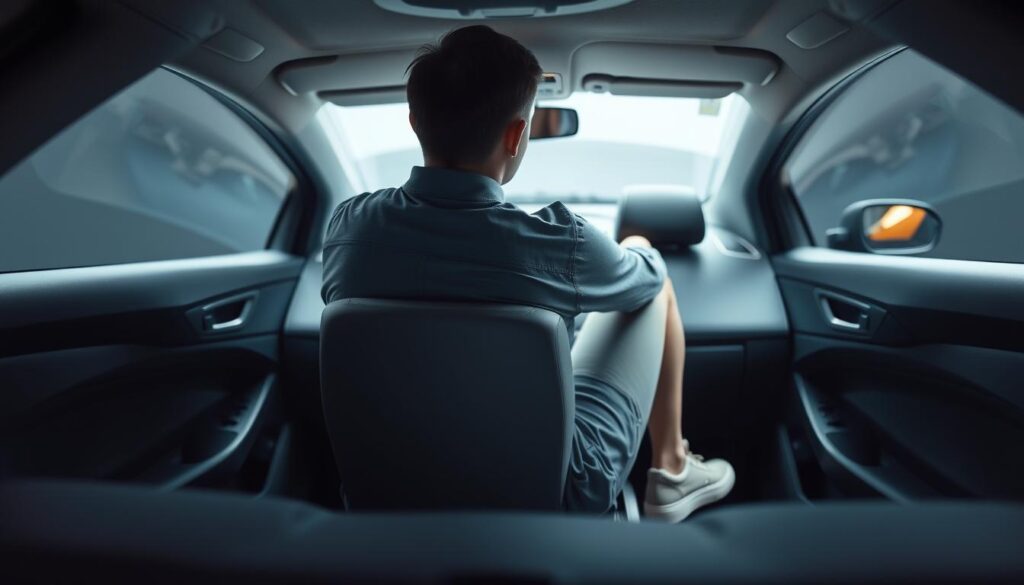
Your car’s cockpit setup could be the missing link in preventing joint strain during commutes. Strategic adjustments to seating and pedal alignment help distribute pressure evenly while maintaining natural joint angles.
Proper Seat Positioning and Support
Ideal seat placement starts with a neutral spine position. Adjust the distance so your knees stay bent below 30 degrees when fully pressing the pedals. Hips should remain level with or slightly higher than your knees to prevent slouching.
| Factor | Ideal Setting | Common Mistake |
|---|---|---|
| Knee Angle | 20-30° bend | Over 45° compression |
| Hip Position | Level with seat edge | Sliding forward |
| Back Support | Lumbar curve maintained | Hunched shoulders |
“A well-adjusted seat transforms your vehicle into a mobile ergonomic station,” notes physical therapist Dr. Elena Marquez. “It’s about creating symmetry between your body and the machine.”
Adjusting Pedal Placement and Foot Position
Feet should contact pedals without ankle twisting or hip shifting. For automatic vehicles, position your right foot to pivot smoothly between gas and brake. Manual drivers need clutch access that doesn’t require overextending the left leg.
During prolonged drives, try this emergency relief technique:
- Stop safely and extend your seat backward
- Keep heels grounded while pressing pedals
- Engage ankles more than knees
Quality seat cushions and lumbar rolls help maintain proper positioning. Memory foam options adapt to your body shape, reducing pressure points by up to 40% according to ergonomic studies.
Effective Exercises and Stretches for Knee Relief
Maintaining joint health requires proactive care both on and off the road. Targeted movements can improve flexibility while building strength in critical support areas. Let’s explore routines that address stiffness and enhance mobility.
Warm-Up and Stretching Routines
Begin with gentle movements to prepare your legs for activity. Try this sequence before driving or exercising:
- Toe touches (hold 10 seconds) to loosen hamstrings
- Standing quad stretches against a wall
- Figure-8 leg swings using smooth motion
Kneeling calf stretches mimic lunge positions, stretching muscles that pull on the knee joint. These techniques help reduce morning stiffness and improve circulation.
Strengthening Exercises for Knee Stability
Build endurance with bodyweight exercises focusing on key muscle groups:
- Chair squats with 3-second holds
- Calf raises while lifting arms overhead
- Step-ups using a low platform
Gradually increase intensity by adding resistance bands or weights. Perform these exercises 2-3 times weekly, ideally after driving sessions. Consistent training strengthens the muscles surrounding your knees, creating natural shock absorption.
For best results, pair stretching with strengthening routines. This combination addresses both flexibility and structural support – crucial factors for lasting relief. Always consult a trainer if movements cause sharp pain.
Practical Tips for Managing Knee Discomfort on the Road
Smart driving habits can significantly reduce joint strain during long trips. While proper posture helps, movement breaks remain critical for maintaining healthy circulation and flexibility.
Taking Regular Breaks and Moving Around
Follow the 30-60 minute rule to prevent stiffness buildup. Stopping every hour allows joints to reset and muscles to relax. Even brief 3-minute walks help reduce pressure on sensitive areas.
| Break Strategy | Benefit | Driver Tip |
|---|---|---|
| Every 60 minutes | Reduces inflammation | Set phone reminders |
| 150-mile intervals | Improves blood flow | Pair with leg stretches |
| 5-minute walks | Restores flexibility | Use rest area markers |
“After 23 years behind the wheel, I plan my routes around truck stops with walking paths. Potassium-rich snacks keep my muscles from cramping up,” shares long-haul driver Mitchell McHugh.
Use break time effectively with these moves:
- Ankle circles while seated
- Standing calf raises
- Forward lunges holding door frame
Parking lot stretches combat the stiffness caused by hours in driver’s seats. These simple actions help maintain mobility throughout your day on the road.
Incorporating RICE and Other Self-Care Strategies
Immediate care after driving sessions makes a significant difference in recovery speed. Simple techniques can prevent minor irritation from escalating into chronic issues. Let’s explore proven methods to address discomfort before it disrupts daily life.
Using the RICE Method Post-Drive
The RICE approach (Rest, Ice, Compression, Elevation) remains the cornerstone of post-drive care. Begin by lying flat with legs raised above heart level for 10-15 minutes. This position reduces swelling by encouraging blood flow back toward the core.
| Step | Duration | Key Benefit |
|---|---|---|
| Ice Application | 15-20 minutes | Reduces inflammation |
| Compression | 2-4 hours | Controls swelling |
| Elevation | 30+ minutes | Improves circulation |
“Think of RICE as first aid for overworked joints,” advises sports therapist Lauren Whitaker. “Timing matters – address inflammation within the first 48 hours to reduce risk of long-term damage.”
Wrap ice packs in thin cloths to protect skin while chilling affected areas. Frozen vegetables conform better to knee contours than rigid ice cubes. Never apply cold therapy directly to bare skin for more than 10 minutes.
Compression sleeves should feel snug but not restrictive. Remove them if you notice numbness or discoloration. Pair these steps with heat therapy before stretching – warm towels boost flexibility by increasing blood vessel dilation.
Over-the-counter medications like ibuprofen provide temporary pain relief when used responsibly. Always consume them with food and limit use to 3-5 days unless directed otherwise. Track symptom changes to determine if professional care becomes necessary.
The Role of Physical Therapy and Advanced Treatments
Persistent knee issues require more than temporary fixes. When self-care methods fall short, specialized interventions become essential for lasting recovery. We’ll explore therapeutic options that address both symptoms and root causes.
When to Seek Professional Help
Consult a specialist if pain lingers beyond three weeks or disrupts daily activities. Physical therapists assess muscle imbalances and joint mechanics through movement analysis. Customized plans often combine manual therapy with targeted exercises to restore proper function.
Warning signs needing immediate attention include:
- Swelling that persists after rest
- Sharp pains during simple movements
- Visible changes in knee shape
Exploring Therapies Like Shockwave Treatment
Extracorporeal Shockwave Therapy (ESWT) offers non-invasive relief for stubborn cases. This treatment uses pressure waves to stimulate healing in damaged tissues. Studies show it increases blood flow to injured areas while reducing inflammation markers.
Patients typically undergo 3-5 sessions spaced one week apart. Most report improved mobility within four weeks post-treatment. Combined with strengthening exercises, ESWT helps break chronic pain cycles without surgery.
Always discuss options with certified providers. Early intervention prevents minor injuries from becoming chronic conditions. Your joints deserve solutions matching your active lifestyle.
FAQ
What are the early signs of knee strain during long drives?
Early signs include stiffness around the kneecap, swelling below the joint, or a dull ache when pressing the gas pedal. Discomfort often worsens with prolonged leg bending or repetitive motions.
How does driving worsen inflammation in the lower body?
Sitting with limited legroom restricts blood flow, while constant pedal use strains muscles and tendons. Poor seat positioning can also compress the shin bone, increasing stress on the knee joint over time.
Can adjusting my car seat reduce knee discomfort?
Yes. Elevate the seat to keep hips level with knees, reducing pressure on the joint. Move the seat forward to avoid overextending your legs when reaching pedals. Lumbar support helps maintain posture, too.
Are there quick stretches to do before driving?
Try calf raises or seated hamstring stretches to improve flexibility. A 2-minute quad stretch while standing can also loosen tight muscles, lowering injury risk during trips.
How often should I take breaks to prevent stiffness?
Stop every 60–90 minutes to walk for 3–5 minutes. Gentle movements like leg swings or ankle rotations boost circulation and ease tension in the knee area.
When should I use ice after a road trip?
Apply ice packs wrapped in cloth for 15–20 minutes post-drive if you notice swelling or warmth around the knee. Pair this with elevation to reduce inflammation effectively.
What therapies help chronic cases of jumper’s knee?
Physical therapy strengthens muscles around the joint, while shockwave treatment promotes tendon healing. Consult a specialist if pain persists despite rest and self-care.