When it comes to traumatic knee injuries, treatment options vary depending on the severity of the injury. Knee injuries can be caused by a variety of factors, including sports injuries, falls, and car accidents. Symptoms of a knee injury may include pain, swelling, stiffness, and difficulty moving the knee joint.
If you suspect that you have a knee injury, it is important to seek medical attention as soon as possible. A doctor can diagnose the injury and recommend the appropriate treatment. Diagnosis may involve a physical exam, imaging tests such as X-rays or MRI scans, and possibly arthroscopy, which involves inserting a small camera into the knee joint to examine the damage.
Treatment options for a traumatic knee injury may include rest, ice, compression, and elevation (RICE), physical therapy, medications, and surgery. The specific treatment plan will depend on the type and severity of the injury. In some cases, conservative treatment such as RICE and physical therapy may be sufficient to heal the injury. In more severe cases, surgery may be necessary to repair or replace damaged tissue.
Assessment and Immediate Care
When a traumatic knee injury occurs, prompt assessment and care are essential for optimal healing. In this section, we will discuss the initial evaluation, pain management, and swelling reduction.
Initial Evaluation
The initial evaluation of a traumatic knee injury includes a thorough physical exam and imaging studies. During the physical exam, we will assess the knee for tenderness, swelling, and range of motion. We may also perform special tests to evaluate the ligaments and menisci of the knee. X-rays may be obtained to evaluate for fractures or dislocations, while an MRI may be necessary to assess for soft tissue injuries.
Pain Management
Pain management is an important aspect of the immediate care of a traumatic knee injury. We recommend the use of non-steroidal anti-inflammatory drugs (NSAIDs) for pain relief. In addition, we may prescribe stronger pain medications if necessary. We also recommend the use of ice to reduce pain and inflammation. Applying ice to the knee for 20 minutes every 2-3 hours can help to alleviate pain.
Swelling Reduction
Swelling is a common symptom of a traumatic knee injury and can be reduced with the use of rest, ice, compression, and elevation (RICE). We recommend that patients rest the affected knee and avoid weight-bearing activities until the swelling has subsided. Applying ice to the knee can help to reduce swelling, while compression with an elastic bandage can help to prevent further swelling. Elevating the knee above the level of the heart can also help to reduce swelling.
In conclusion, prompt assessment and care are essential for the treatment of a traumatic knee injury. The initial evaluation should include a thorough physical exam and imaging studies. Pain management can be achieved with the use of NSAIDs and ice, while swelling can be reduced with RICE.
Rehabilitation and Treatment Options
When it comes to treating a traumatic knee injury, there are several rehabilitation and treatment options available. These options can be divided into two categories: non-surgical therapies and surgical interventions.
Non-Surgical Therapies
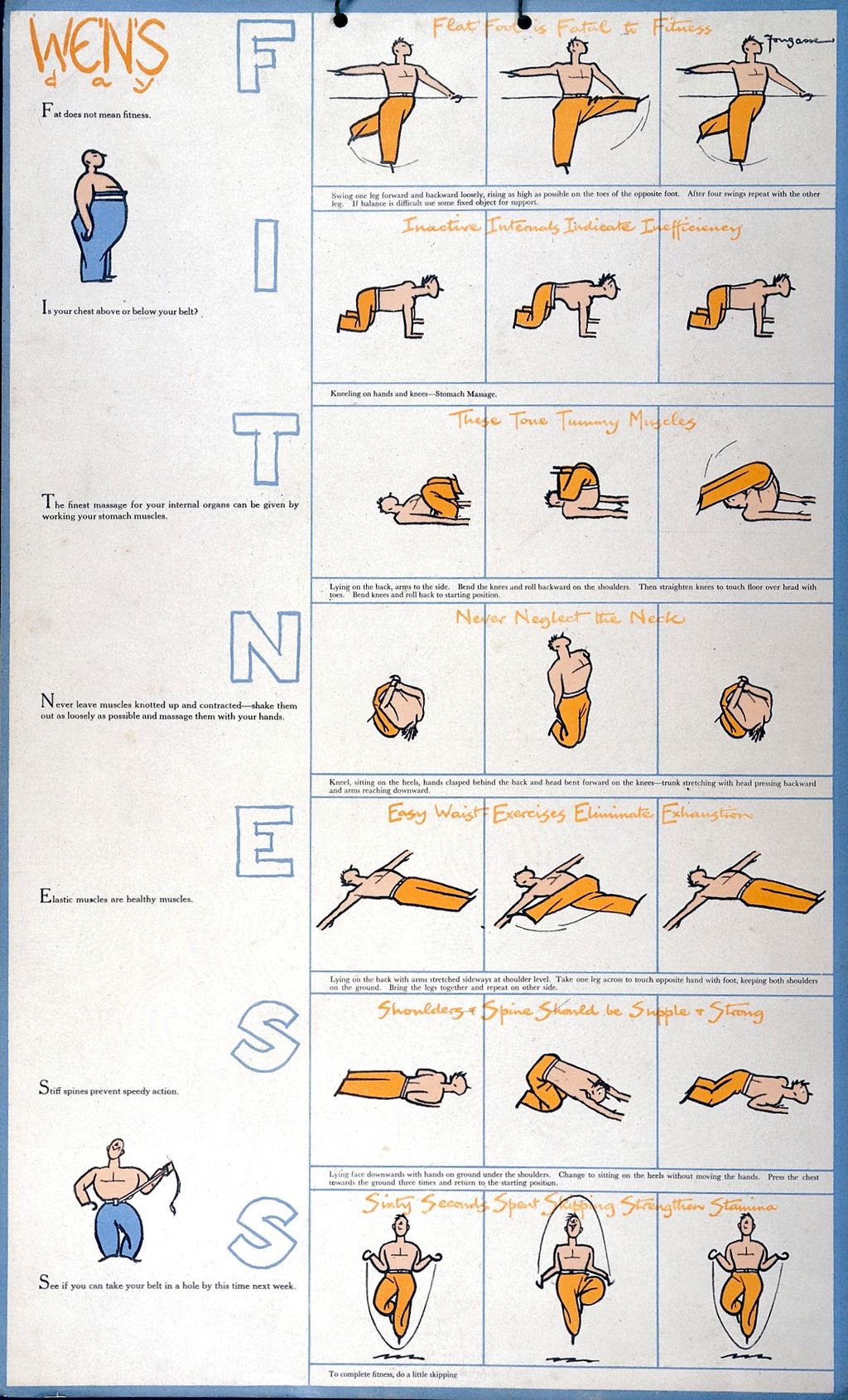
For less severe knee injuries, non-surgical therapies such as physical therapy and exercise can be effective in promoting healing and restoring function. Physical therapy can help to strengthen the muscles around the knee, improve range of motion, and reduce pain and swelling. Exercises such as straight leg raises, hamstring curls, and calf raises can also be beneficial in promoting strength and function.
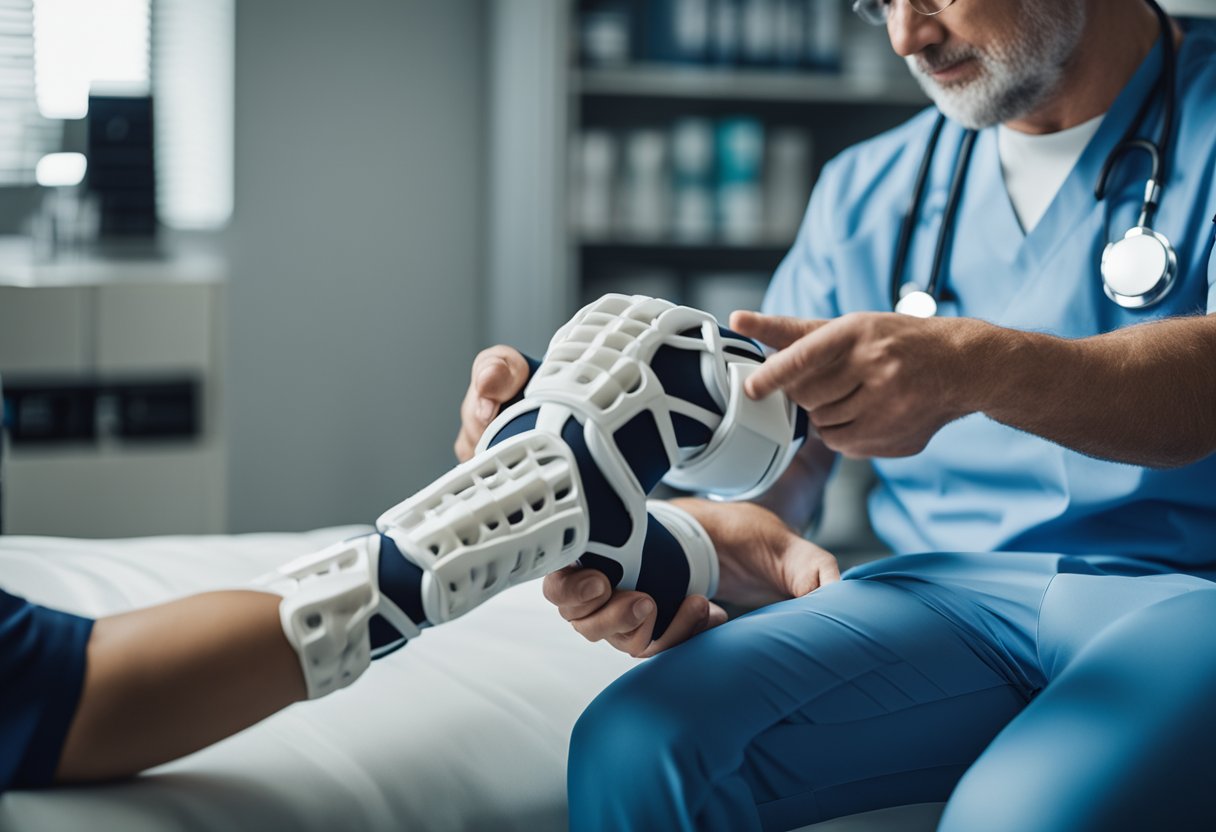
In addition to physical therapy and exercise, medication such as nonsteroidal anti-inflammatory drugs (NSAIDs) can be used to reduce pain and inflammation. Bracing and compression can also be used to provide support and reduce swelling.
Surgical Interventions
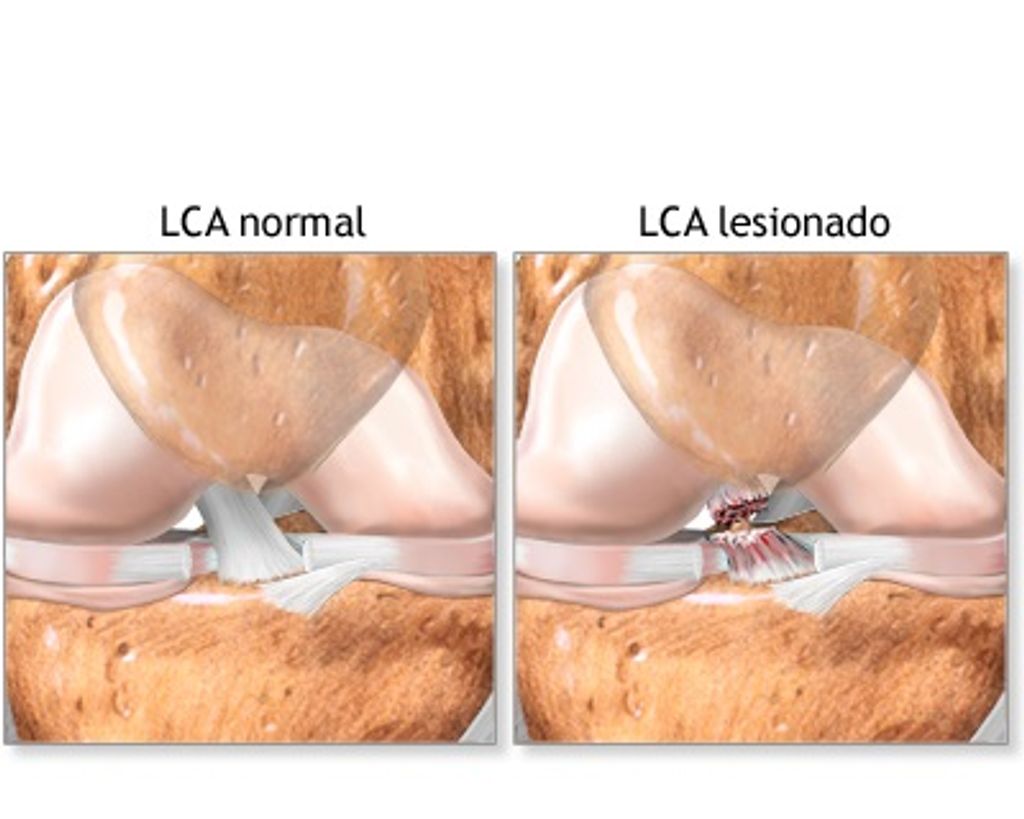
For more severe knee injuries, surgical intervention may be necessary. The type of surgery required will depend on the nature and extent of the injury. Common surgical interventions for knee injuries include arthroscopic surgery, meniscus repair, ACL reconstruction, and ligament reconstruction.
Arthroscopic surgery is a minimally invasive procedure that uses small incisions and a camera to visualize and treat the injured area. Meniscus repair involves repairing or removing the damaged meniscus. ACL reconstruction involves replacing the torn ACL with a graft. Ligament reconstruction involves repairing or replacing the damaged ligament.
Recovery time for surgical interventions can vary depending on the type and extent of the surgery. Rehabilitation is an important part of the recovery process and typically involves physical therapy to restore strength and function to the knee.
In conclusion, there are several rehabilitation and treatment options available for traumatic knee injuries. Non-surgical therapies such as physical therapy and exercise can be effective for less severe injuries, while surgical interventions may be necessary for more severe injuries. It is important to work closely with a healthcare professional, such as an orthopedic surgeon, to determine the best course of treatment for your specific injury. Clinical trials may also be available for those interested in exploring new treatment options.
Our knees are fundamental to our mobility and daily activities. Yet, knee pain is a widespread issue affecting millions worldwide. This comprehensive guide will delve into the causes, symptoms, and treatments for knee pain, providing you with the knowledge to better understand and manage this common condition.
Introduction
Knee pain is a pervasive problem that doesn’t discriminate by age or lifestyle. Whether you’re an athlete pushing your limits, an office worker with a sedentary job, or somewhere in between, knee pain can strike and significantly impact your quality of life. Understanding the complexities of knee pain is crucial for effective management and treatment.
According to recent studies, approximately 25% of adults suffer from frequent knee pain. This staggering statistic underscores the importance of knee health education and proactive care.
[Image: Anatomical diagram of a knee] Alt text: Detailed anatomical diagram showing the structure of a human knee joint
Anatomy of the Knee
To truly understand knee pain, we must first explore the intricate anatomy of the knee joint.
Basic Structure
The knee is one of the largest and most complex joints in the human body. It consists of:
Bones: The femur (thighbone), tibia (shinbone), and patella (kneecap)
Cartilage: Including the meniscus, which provides cushioning between bones
Ligaments: Connect bones and provide stability (e.g., ACL, PCL, MCL, LCL)
Tendons: Connect muscles to bones (e.g., patellar tendon)
Bursae: Small fluid-filled sacs that reduce friction between tissues
Function of Each Component
Bones: Provide the structural framework and enable movement
Cartilage: Acts as a shock absorber, reducing friction between bones
Ligaments: Stabilize the joint and guide motion
Tendons: Allow muscles to move the joint
Bursae: Reduce friction and provide smooth movement
The knee’s design allows for a range of motions, including flexion, extension, and a small degree of rotation. This complexity, while providing great functionality, also makes the knee susceptible to various types of injuries and conditions.
[Image: Labeled diagram of knee anatomy] Alt text: Labeled anatomical diagram of a knee showing bones, cartilage, ligaments, and tendons
Common Causes of Knee Pain
Knee pain can result from a wide array of factors, ranging from acute injuries to chronic conditions. Understanding these causes is crucial for proper diagnosis and treatment.
Injuries
Sprains and strains: Overstretching or tearing of ligaments or muscles
Meniscus tears: Damage to the cartilage that cushions the knee joint
Ligament tears: Such as ACL (Anterior Cruciate Ligament) or MCL (Medial Collateral Ligament) injuries
Fractures: Breaks in the kneecap, lower femur, or upper tibia
Arthritis
Osteoarthritis: The most common form, caused by wear and tear of cartilage
Rheumatoid arthritis: An autoimmune condition that causes joint inflammation
Post-traumatic arthritis: Develops after an injury to the knee
Overuse Conditions
Tendinitis: Inflammation of tendons, often due to repetitive activities
Bursitis: Inflammation of the bursae, frequently caused by prolonged kneeling
Patellofemoral pain syndrome: Pain around the kneecap, common in runners
Other Causes
Gout: Build-up of uric acid crystals in the joint
Infections: Bacterial or viral infections in the joint or surrounding tissues
Osgood-Schlatter disease: Common in adolescents, causing pain below the kneecap
Iliotibial band syndrome: Common in runners, causing outer knee pain
[Image: Infographic showing percentage breakdown of common knee pain causes] Alt text: Pie chart illustrating the percentage distribution of common causes of knee pain
Statistics on Knee Pain Causes
I have created a detailed table showing the prevalence of different causes of knee pain, including the age group most affected, common symptoms, and potential treatments. If you need any further modifications or additions, please let me know!
These statistics highlight the significant role that degenerative conditions like osteoarthritis play in knee pain, while also showing the substantial impact of acute injuries.
Symptoms Associated with Knee Pain
Knee pain can manifest in various ways, and understanding these symptoms can help in early identification and treatment.
Types of Pain
Sharp pain: Often associated with injuries or meniscus tears
Dull ache: Common in chronic conditions like arthritis
Burning pain: May indicate nerve issues or inflammation
Throbbing pain: Could be related to fluid buildup or inflammation
Other Symptoms
Swelling: Indicates inflammation or injury
Stiffness: Common in arthritis or after periods of inactivity
Instability: Feeling like the knee might give way, often due to ligament issues
Locking: The knee gets stuck in one position, often due to a meniscus tear
Popping or crunching noises: May indicate cartilage wear or loose bodies in the joint
Warning Signs
Severe pain or swelling
Inability to bear weight
Visible deformity
Fever accompanying knee pain
Redness and warmth around the joint
It’s important to note that symptoms can vary greatly depending on the underlying cause. For instance, osteoarthritis pain often worsens with activity, while rheumatoid arthritis may cause more pain in the morning.
[Image: Photo series showing visual symptoms like swelling] Alt text: Series of photos showing different visual symptoms of knee problems, including swelling and redness
Diagnosis of Knee Pain
Accurate diagnosis is crucial for effective treatment of knee pain. Healthcare providers use a combination of methods to determine the underlying cause.
Physical Examination
A thorough physical exam is often the first step in diagnosis. This may include:
Assessment of range of motion
Palpation for areas of tenderness
Stability tests to check ligament integrity
Gait analysis to observe walking patterns
Imaging Tests
Various imaging techniques can provide detailed views of the knee structures:
X-rays: Show bone structure and alignment, useful for diagnosing fractures or arthritis
MRI (Magnetic Resonance Imaging): Provides detailed images of soft tissues, excellent for diagnosing ligament or meniscus injuries
CT (Computed Tomography) scan: Offers cross-sectional images of the knee, useful for complex fractures
Ultrasound: Can show real-time images of tendons and ligaments in motion
Other Diagnostic Procedures
Blood tests: To check for infections or inflammatory conditions
Arthroscopy: A minimally invasive surgical procedure to view inside the joint
Synovial fluid analysis: Examination of fluid from the joint to diagnose infection or gout
The choice of diagnostic tools depends on the suspected condition and the information needed to make an accurate diagnosis.
[Image: Doctor examining a patient’s knee] Alt text: Healthcare professional performing a physical examination of a patient’s knee.
Treatment Options
Treatment for knee pain varies widely depending on the underlying cause, severity of symptoms, and individual patient factors. Here’s an overview of common treatment approaches:
Non-surgical Treatments
Rest and activity modification
Avoiding activities that exacerbate pain
Using assistive devices like canes or crutches when necessary
Physical therapy and exercises
Strengthening exercises for muscles supporting the knee
Flexibility exercises to improve range of motion
Balance and proprioception training
Medications
Non-steroidal anti-inflammatory drugs (NSAIDs) for pain and inflammation
Acetaminophen for pain relief
Topical medications like creams or patches
Corticosteroid injections for severe inflammation
Braces and supports
Knee sleeves for compression and support
Functional braces to support unstable knees
Unloader braces for arthritis
Alternative therapies
Acupuncture
Massage therapy
Cold and heat therapy
Surgical Treatments
When non-surgical treatments fail to provide relief, surgical options may be considered:
Arthroscopy
Minimally invasive procedure to repair damaged cartilage or ligaments
Remove loose bodies in the joint
Knee replacement
Partial knee replacement: Replaces only the damaged part of the knee
Total knee replacement: Replaces the entire knee joint
Other surgical procedures
Osteotomy: Realignment of the knee to relieve pressure
Cartilage grafting: To repair damaged cartilage
Synovectomy: Removal of inflamed synovial tissue
The choice of treatment depends on various factors, including the patient’s age, activity level, overall health, and the specific condition causing the knee pain.
[Image: Collage of various treatment methods] Alt text: Collage showing different knee pain treatment methods including medication, physical therapy, and surgery .
Home Remedies and Self-Care
Many knee pain issues can be effectively managed at home, especially in the early stages or for mild cases.
RICE Method
The RICE method is a well-established approach for managing acute knee injuries:
Rest: Avoid activities that aggravate pain
Ice: Apply cold packs for 15-20 minutes every 2-3 hours to reduce swelling
Compression: Use an elastic bandage to minimize swelling
Elevation: Raise the leg above heart level to reduce blood flow and swelling
Gentle Exercises and Stretches
Low-impact activities like swimming or cycling to maintain fitness without stressing the knee
Stretching exercises to improve flexibility of muscles around the knee
Strengthening exercises for quadriceps, hamstrings, and calf muscles
Proper Footwear and Posture
Wear shoes that provide good support and cushioning
Use orthotic inserts if recommended by a healthcare provider
Maintain good posture to reduce stress on knees
<Weight Management
Maintaining a healthy weight is crucial for knee health. Every pound of weight lost reduces the load on the knee by about 4 pounds during walking.
Dietary Considerations
Consume anti-inflammatory foods like fish, nuts, and leafy greens
Stay hydrated to maintain joint lubrication
Consider supplements like glucosamine and chondroitin (consult with a doctor first)
Prevention Strategies
Preventing knee pain is often easier and more effective than treating it. Here are some strategies to maintain healthy knees:
Maintain a Healthy Weight
Excess weight puts additional stress on your knees. Losing weight if you’re overweight or maintaining a healthy weight can significantly reduce your risk of knee pain and osteoarthritis.
Exercise Regularly
Engage in low-impact exercises like swimming, cycling, or elliptical training
Incorporate strength training to build muscles that support the knee
Practice flexibility exercises to maintain good range of motion
Use Proper Technique
Always warm up before and cool down after exercise
Learn and use proper form during physical activities
Gradually increase the intensity and duration of your workouts
Protect Your Knees
Wear appropriate protective gear during sports or high-risk activities
Use knee pads when kneeling for prolonged periods
Listen to Your Body
Don’t ignore pain or discomfort in your knees
Take breaks and rest when needed
Modify activities that cause knee pain
Maintain Good Overall Health
Stay hydrated to keep joints lubricated
Eat a balanced diet rich in nutrients that support joint health
Get enough sleep to allow your body to recover and repair
[Image: Person demonstrating proper exercise form] Alt text: Individual demonstrating proper form for knee-strengthening exercises
When to See a Doctor
While many cases of knee pain can be managed at home, there are situations where professional medical attention is necessary. Seek medical care if you experience:
Severe pain or swelling
Inability to bear weight on the affected leg
Visible deformity of the knee or leg
Signs of infection (fever, redness, warmth around the knee)
Pain that persists for several days despite home care
Instability or giving way of the knee
Locking of the knee joint
Numbness or tingling around the knee
Remember, early intervention can often prevent more serious problems from developing.
[Image: Infographic of warning signs] Alt text: Infographic listing key warning signs that indicate when to seek medical attention for knee pain
Living with Chronic Knee Pain
For some individuals, knee pain becomes a chronic condition. Learning to live with ongoing knee issues requires a multifaceted approach:
Lifestyle Adjustments
Modify your home or workplace to reduce stress on your knees
Use assistive devices when necessary (canes, walkers, raised toilet seats)
Adapt your activities to accommodate your knee condition
Pain Management Techniques
Learn relaxation techniques like deep breathing or meditation
Consider cognitive behavioral therapy to manage pain perception
Explore alternative therapies like acupuncture or tai chi
Emotional and Psychological Considerations
Recognize the emotional impact of chronic pain
Seek support from friends, family, or support groups
Consider counseling if you’re struggling with depression or anxiety related to your knee pain
Stay Active
Work with a physical therapist to develop a safe exercise routine
Focus on low-impact activities that don’t exacerbate your knee pain
Maintain social activities and hobbies as much as possible
Ongoing Medical Care
Attend regular check-ups with your healthcare provider
Be proactive about discussing new treatments or management strategies
Stay informed about advancements in knee pain treatment
Living with chronic knee pain can be challenging, but with the right approach, many people can maintain a good quality of life and continue to engage in meaningful activities.
[Image: Person using assistive devices] Alt text: Individual using a cane or walker to assist with mobility due to knee pain
Conclusion
Knee pain is a complex issue that affects millions of people worldwide. By understanding the anatomy of the knee, recognizing common causes and symptoms of knee pain, and familiarizing yourself with various treatment and prevention strategies, you can take proactive steps to maintain healthy knees and manage pain effectively when it occurs.
Remember that each person’s experience with knee pain is unique, and what works for one individual may not work for another. It’s essential to work closely with healthcare professionals to develop a personalized approach to knee health and pain management.
By implementing preventive measures, seeking timely medical attention when needed, and following appropriate treatment plans, you can optimize your knee health and maintain an active, fulfilling lifestyle. Your knees play a crucial role in your mobility and independence – taking care of them is an investment in your overall quality of life.
Titanium knee replacement surgery has revolutionized the field of joint health, offering a durable solution for individuals suffering from knee-related issues. With the evolution of knee replacement surgery, the use of titanium implants has significantly impacted the longevity and overall well-being of patients. This article explores the benefits, risks, surgical procedures, and lifestyle recommendations associated with titanium knee replacements, providing valuable insights into this innovative medical approach.
Key Takeaways
Titanium knee replacements offer long-term durability and stability for joint health.
Potential complications and risks of titanium knee replacements should be carefully evaluated and discussed with healthcare professionals.
Comparative analysis reveals the advantages of titanium knee replacements over other materials, emphasizing their superior performance.
Preoperative preparation, surgical techniques, and postoperative rehabilitation play crucial roles in the success of titanium knee replacement surgery.
Following surgery, recipients of titanium knee replacements should adhere to physical activity guidelines and dietary considerations to maintain joint health and overall well-being.
The Evolution of Knee Replacement Surgery
Historical Background of Knee Replacement
Knee replacement surgery has a rich history dating back to the early 20th century. Our understanding of joint health and surgical techniques has evolved significantly over the years, leading to the development of advanced materials and procedures. The introduction of titanium as a primary material for knee replacements marked a significant milestone in the field of orthopedic surgery. This transition to titanium implants revolutionized the durability and longevity of knee replacements, offering enhanced stability and reduced wear and tear over time. The use of titanium has reshaped the landscape of joint health and paved the way for improved patient outcomes and quality of life.
Advancements in Knee Replacement Materials
As we delve into the realm of knee replacement materials, it’s crucial to acknowledge the significant strides made in this field. The journey from early materials like stainless steel and polyethylene to the modern use of titanium has been transformative. Titanium stands out for its exceptional strength-to-weight ratio and biocompatibility, making it an ideal choice for implants.
In our pursuit of improved patient outcomes, we’ve seen a shift towards materials that better mimic the natural behavior of bone. This is where titanium’s ability to osseointegrate, or bond with bone tissue, becomes a pivotal advantage. It’s not just about durability; it’s about creating a harmonious relationship between implant and body.
Consider the following points highlighting the evolution of materials used in knee replacements:
Early materials included metals like stainless steel and cobalt-chromium alloys.
Polyethylene was introduced for its cushioning effect but had wear issues.
The introduction of titanium revolutionized the field with its durability and compatibility.
Ongoing research focuses on surface treatments and coatings to enhance the performance of titanium implants.
Tip: Patients should discuss with their surgeons the type of material used in their knee implants to understand the implications for longevity and lifestyle.
Impact of Titanium Knee Replacements on Joint Health
The use of titanium in knee replacements has revolutionized the field of joint health. Its exceptional strength and biocompatibility make it an ideal material for ensuring long-term durability and stability of the implant. Moreover, the low incidence of adverse reactions and the ability to promote bone growth around the implant contribute to improved joint health and function.
Tip: Engaging in regular physical therapy and following a balanced exercise regimen can further enhance the benefits of titanium knee replacements, promoting flexibility and strength in the affected joint.
Benefits and Risks of Titanium Knee Replacement
Long-Term Durability of Titanium Implants
We recognize the significance of long-term outcomes in knee replacement surgeries, and it’s here that titanium implants truly shine. Their exceptional durability stems from titanium’s inherent properties, including its high strength-to-weight ratio and corrosion resistance. These characteristics ensure that titanium implants can withstand the rigors of daily activity while minimizing wear and tear.
Titanium’s biocompatibility is another key factor contributing to its longevity. This compatibility with the human body reduces the risk of rejection and facilitates the integration of the implant with bone tissue. To illustrate the durability of titanium knee implants, consider the following data:
Years Post-Surgery
Implant Success Rate
5
95%
10
93%
15
90%
20
85%
Tip: Regular follow-up appointments are crucial to monitor the condition of the implant and to address any potential issues early on.
When comparing titanium to other materials, it is evident that titanium implants offer a reliable solution for those seeking a long-term fix for knee pain. Their ability to maintain structural integrity over time is a testament to the material’s superiority in the realm of joint replacement.
Potential Complications and Risks
While we recognize the transformative impact of titanium knee replacements, it is our responsibility to acknowledge the potential complications and risks associated with the procedure. Infections, though rare, remain a concern and can occur at the site of the surgery. We also consider the possibility of implant failure, which, despite the durability of titanium, can arise from factors such as incorrect placement or the patient’s activity level.
Prosthesis wear and tear is another risk, albeit a long-term one, as even the sturdiest materials eventually degrade. Allergic reactions to the metal, though uncommon, are also a potential risk that must be monitored. It is crucial for patients to understand these risks to make informed decisions about their health care.
Tip: Regular follow-up appointments with your healthcare provider are essential to monitor the condition of your titanium knee replacement and to address any concerns promptly.
To provide a clearer picture, here’s a list of potential risks associated with titanium knee replacements:
Infection at the surgery site
Implant failure
Prosthesis wear and tear
Allergic reactions to titanium
Blood clots or deep vein thrombosis (DVT)
Nerve damage around the knee area
Each of these risks carries its own set of challenges and requires careful consideration when opting for a titanium knee replacement.
Comparative Analysis of Titanium vs. Other Materials
When comparing titanium knee replacements with other materials, long-term durability is a key factor to consider. Titanium implants have demonstrated exceptional longevity and resistance to wear, making them a preferred choice for many patients. In addition, titanium’s compatibility with the body’s natural bone structure promotes osseointegration, leading to improved stability and reduced risk of implant loosening over time. This is further supported by clinical studies that have shown a significantly lower rate of revision surgeries for titanium knee replacements compared to alternative materials.
Surgical Procedure and Rehabilitation Process
Preoperative Preparation and Evaluation
Before undergoing the titanium knee replacement surgery, we must undergo a thorough preoperative evaluation to ensure that we are in optimal health for the procedure. This evaluation will include a comprehensive medical history review, physical examination, and diagnostic tests such as X-rays and blood work. Additionally, we may need to make certain lifestyle adjustments and adhere to specific preoperative guidelines to enhance the success of the surgery.
Furthermore, it is important to maintain open communication with the surgical team and ask any questions or express concerns we may have. This collaborative approach will help us feel more confident and informed about the upcoming procedure.
As part of the preoperative preparation, we should also be aware of the potential risks and complications associated with the surgery. This awareness will allow us to make well-informed decisions and actively participate in the decision-making process alongside the healthcare professionals.
In addition, here is a brief overview of the preoperative preparation and evaluation process:
Process
Description
Medical History Review
Comprehensive review of our medical history to assess overall health and potential risks.
Physical Examination
Thorough examination to evaluate the condition of the knee joint and overall physical health.
Diagnostic Tests
X-rays, blood work, and other tests to provide detailed information for surgical planning.
Lifestyle Adjustments and Guidelines
Recommendations for lifestyle modifications and preoperative preparations.
Surgical Techniques for Titanium Knee Replacement
When undergoing surgical techniques for titanium knee replacement, meticulous precision is crucial for ensuring the proper alignment and stability of the implant. Our team emphasizes the use of advanced imaging technology to guide the placement of the titanium implant, resulting in improved postoperative outcomes. Additionally, the surgical process involves a comprehensive approach to soft tissue management, which is essential for promoting efficient healing and reducing the risk of complications. Furthermore, the integration of minimally invasive techniques allows for reduced tissue trauma and faster recovery times, contributing to an overall positive surgical experience for patients.
Postoperative Rehabilitation and Recovery
Following the surgical implantation of a titanium knee replacement, we place a significant emphasis on the postoperative rehabilitation and recovery process. This phase is crucial for ensuring the longevity of the implant and the overall success of the surgery.
Rehabilitation typically begins within 24 hours after surgery, aiming to reduce recovery time and improve functional outcomes. Patients are guided through a series of exercises designed to restore movement and strengthen the knee.
Recovery protocols are tailored to individual needs, but generally include a combination of physical therapy, pain management, and gradual return to activities. It’s important to monitor treatment effects and compare pre- and postoperative functional scores, such as the KOOS (Knee injury and Osteoarthritis Outcome Score), to gauge progress.
Tip: Consistent physiotherapy sessions and adherence to prescribed exercises are key to a successful recovery. Utilizing tools like the Curovate app can help track rehabilitation milestones and ensure a structured recovery plan.
As patients navigate through the recovery journey, we continuously assess and adjust the rehabilitation program to align with their healing progress and personal goals.
Lifestyle and Activity Recommendations After Surgery
Physical Activity Guidelines for Titanium Knee Recipients
After undergoing titanium knee replacement surgery, regular physical activity is crucial for maintaining joint flexibility and strength. Our rehabilitation program emphasizes a gradual increase in activity levels, starting with low-impact exercises such as walking and swimming. As we progress, we incorporate strengthening exercises to improve muscle tone and support the knee joint. It’s important to consult with our healthcare team to develop a personalized exercise plan that aligns with our recovery goals and physical capabilities. Additionally, maintaining a healthy body weight through a balanced diet and regular exercise can further enhance the long-term success of the titanium knee replacement. Remember, consistency and patience are key to achieving optimal results in our recovery journey.
Dietary Considerations for Joint Health
Maintaining a balanced and nutrient-rich diet is crucial for supporting the long-term health of our titanium knee replacements. We emphasize the consumption of foods rich in calcium, vitamin D, and omega-3 fatty acids to promote bone strength and overall joint function. Additionally, we recommend limiting the intake of processed foods and sugary beverages, as they can contribute to inflammation and joint discomfort.
Incorporating a variety of colorful fruits and vegetables into our diet provides essential antioxidants and anti-inflammatory compounds, which can aid in reducing oxidative stress and supporting joint health. Furthermore, staying hydrated by consuming an adequate amount of water throughout the day is essential for maintaining the elasticity of connective tissues and lubricating the joints.
For a comprehensive overview of dietary considerations, please refer to the following table:
Nutrient
Food Sources
Calcium
Dairy products, leafy greens, almonds
Vitamin D
Fatty fish, fortified dairy products
Omega-3 Fatty Acids
Flaxseeds, walnuts, salmon
It is important to consult with a healthcare professional or a registered dietitian to personalize dietary recommendations based on individual health needs and considerations.
Impact of Titanium Knee Replacement on Daily Activities
After undergoing titanium knee replacement surgery, we experienced a significant improvement in mobility and comfort. We were able to resume daily activities such as walking, climbing stairs, and standing for longer periods without experiencing discomfort or pain. Additionally, we found that engaging in low-impact exercises such as swimming and cycling helped to further strengthen the knee and improve overall joint health.
Furthermore, we noticed that the titanium knee replacement allowed us to participate in activities that were previously challenging, such as gardening, light sports, and recreational activities. This enhanced our quality of life and provided a sense of normalcy in our daily routines.
We also found it beneficial to maintain a balanced diet rich in nutrients that support joint health, such as omega-3 fatty acids, vitamin D, and antioxidants. This, combined with regular physical activity, contributed to the long-term success of the titanium knee replacement.
It’s important to consult with your healthcare provider before engaging in any new physical activities post-surgery, and to follow the recommended guidelines for a safe and effective recovery.
Conclusion
In conclusion, the titanium knee replacement offers a durable and effective solution for improving joint health. With its remarkable strength and longevity, this advanced medical technology provides patients with the opportunity to regain mobility and enhance their quality of life. As research and innovation continue to drive advancements in orthopedic care, the titanium knee replacement stands as a testament to the ongoing pursuit of excellence in medical science and patient care.
Frequently Asked Questions
What is the typical lifespan of a titanium knee replacement?
The typical lifespan of a titanium knee replacement is around 15-20 years, but it can vary based on individual factors and activity level.
Are there any restrictions on physical activities after getting a titanium knee replacement?
While low-impact activities like walking and swimming are generally encouraged, high-impact activities like running and jumping may need to be limited to protect the implant.
What are the common complications associated with titanium knee replacements?
Common complications include infection, blood clots, implant loosening, and allergic reactions to the implant materials. However, these risks are relatively low.
Can a titanium knee replacement set off metal detectors at airports or security checkpoints?
Yes, titanium knee replacements can trigger metal detectors. Patients are advised to carry a medical alert card or inform security personnel about the implant.
How soon can I return to work after undergoing a titanium knee replacement surgery?
The timeline for returning to work varies, but most patients can resume light work duties within 4-6 weeks after surgery, with full recovery taking several months.
What dietary changes should I make to support the longevity of my titanium knee replacement?
A balanced diet rich in vitamins, minerals, and protein can support the health of the implant and surrounding tissues. Maintaining a healthy weight is also important for joint health.
Physiotherapy plays a crucial role in alleviating knee pain by focusing on rehabilitation and strengthening of the knee joint. This article explores the anatomy of the knee joint, the principles of physiotherapy for knee pain, and evidence-based approaches in physiotherapy interventions. Understanding the role of physiotherapy in knee pain management is essential for both patients and healthcare professionals.
Key Takeaways
Physiotherapy focuses on rehabilitation and strengthening of the knee joint.
Common knee injuries and conditions can be effectively managed through physiotherapy interventions.
Research supports the effectiveness of physiotherapy in alleviating knee pain.
Best practices and guidelines for physiotherapy interventions are essential for optimal patient outcomes.
Understanding the anatomy of the knee joint is crucial for developing targeted physiotherapy interventions.
The Anatomy of the Knee Joint
Structure and Function of the Knee Joint
We understand the knee joint as a complex hinge that connects the thigh bone (femur) to the shin bone (tibia). Its primary role is to allow for the bending and straightening of the leg, which is essential for basic movements such as walking, running, and jumping. The knee joint is supported by a network of ligaments, tendons, and muscles that work in harmony to maintain stability and facilitate motion.
The menisci are two crescent-shaped cartilages that lie between the femur and tibia, acting as shock absorbers and aiding in load distribution. The knee’s stability is further enhanced by the anterior and posterior cruciate ligaments, which prevent the femur and tibia from sliding out of alignment.
Tip: Regular low-impact exercises can help maintain knee joint flexibility and strength, potentially reducing the risk of injury.
Understanding the intricacies of knee joint anatomy is crucial for identifying the root causes of knee pain and implementing effective physiotherapy interventions. We emphasize the importance of a personalized approach, as each individual’s knee structure and pain experience can vary significantly.
Common Knee Injuries and Conditions
In our exploration of knee health, we recognize a variety of injuries and conditions that commonly afflict this joint. Traumatic knee injuries such as anterior cruciate ligament (ACL) tears, meniscus tears, and fractures can severely impact an individual’s range of motion and overall knee function. These conditions often arise from sports, accidents, or age-related wear and tear.
Osteoarthritis is another prevalent condition, characterized by the degeneration of joint cartilage and underlying bone, leading to pain and stiffness. Patellofemoral pain syndrome, also known as runner’s knee, is a condition that causes pain around the front of the knee and is often seen in athletes.
Tip: Early intervention with appropriate knee pain management techniques can significantly improve outcomes for those suffering from knee conditions.
To quantify the impact of these conditions, clinicians may measure the range of motion using a goniometer. This assessment helps in tailoring rehabilitation programs to the individual’s needs. Here’s a brief overview of common knee conditions:
ACL damage
Meniscus tears
Fractures
Osteoarthritis
Patellofemoral pain syndrome
The Role of Physiotherapy in Knee Pain Management
Principles of Physiotherapy for Knee Pain
In our practice, we emphasize the importance of individualized treatment plans tailored to each patient’s unique needs and circumstances. This approach allows us to address the specific biomechanical and functional deficits that contribute to knee pain. Additionally, we utilize a combination of manual therapy, therapeutic exercises, and neuromuscular re-education to optimize outcomes for our patients. Our goal is to empower individuals to actively participate in their recovery process and regain functional independence.
Implement a table for presenting structured, quantitative data. Ensure it’s succinct and formatted correctly in Markdown.
Use a bulleted or numbered list for less structured content, like steps, qualitative points, or a series of related items.
Rehabilitation Techniques for Knee Pain
After assessing the patient’s condition, individualized rehabilitation programs are designed to address specific needs and goals. These programs may include a combination of strengthening exercises, flexibility training, and functional movements to improve knee stability and mobility. Additionally, manual therapy techniques such as soft tissue mobilization and joint mobilization are employed to enhance tissue healing and reduce pain. Patients are educated on proper body mechanics and movement patterns to prevent further injury and promote long-term recovery. Progressive loading and weight-bearing exercises are gradually introduced to improve muscle strength and endurance. A multidisciplinary approach involving the collaboration of physiotherapists, orthopedic surgeons, and other healthcare professionals ensures comprehensive care and optimal outcomes for patients with knee pain.
Evidence-Based Approaches in Physiotherapy for Knee Pain
Research on the Effectiveness of Physiotherapy for Knee Pain
In our exploration of the effectiveness of physiotherapy for knee pain, we have encountered a wealth of clinical evidence supporting its role as a cornerstone in the management of knee conditions. Physiotherapy interventions, tailored to individual needs, have been shown to significantly improve pain levels, functional mobility, and overall quality of life for patients suffering from various knee ailments.
One of the key findings from our research is the positive impact of physiotherapy on patients with osteoarthritis of the knee. A structured physiotherapy regimen focusing on strength, stability, and mobility can enhance joint integrity and promote better joint function. This is particularly relevant for those seeking non-surgical options to manage their symptoms.
Tip: Early intervention with physiotherapy can prevent the progression of knee pain and may reduce the need for more invasive treatments in the future.
The following table summarizes the outcomes of several studies that have evaluated the efficacy of physiotherapy interventions for knee pain:
Study
Improvement in Pain
Improvement in Function
A
Significant
Moderate
B
Moderate
Significant
C
Mild
Mild
These results underscore the importance of incorporating physiotherapy into treatment plans for knee pain. It is essential for healthcare providers to remain abreast of the latest research to ensure that patients receive the most effective care based on current evidence.
Best Practices and Guidelines for Physiotherapy Interventions
In our practice, we adhere to the best practices and guidelines that have been established through rigorous research and consensus among experts in the field. These guidelines serve as a beacon, guiding our interventions to ensure that each patient receives the most effective and safe treatment for their knee pain.
Evidence-based practice is at the core of our approach, integrating clinical expertise with the best available evidence and patient values. To this end, we consistently apply the following principles:
Comprehensive assessment of the patient’s condition
Individualized treatment plans based on assessment findings
Application of manual therapy techniques as indicated
Use of therapeutic exercises tailored to the patient’s needs
Continuous evaluation and adjustment of the treatment plan
Tip: Always consider the patient’s feedback and pain levels when planning and adjusting treatment interventions. This not only ensures a patient-centered approach but also enhances the effectiveness of the therapy.
We recognize that staying updated with the latest research and adapting to new best practices is essential for the continuous improvement of patient outcomes. Therefore, we are committed to ongoing education and professional development in the field of physiotherapy.
Conclusion
In conclusion, physiotherapy plays a crucial role in alleviating knee pain and improving the overall quality of life for individuals suffering from this condition. Through a combination of targeted exercises, manual therapy, and patient education, physiotherapists are able to address the underlying causes of knee pain and facilitate the recovery process. The evidence supporting the effectiveness of physiotherapy in managing knee pain is compelling, and its integration into comprehensive treatment plans is essential for optimal patient outcomes. As research continues to advance in this field, the role of physiotherapy in addressing knee pain will undoubtedly remain a cornerstone of non-invasive, holistic care.
Frequently Asked Questions
What is the role of physiotherapy in treating knee pain?
Physiotherapy plays a crucial role in treating knee pain by addressing the underlying causes, improving strength and flexibility, and promoting overall knee health.
Can physiotherapy help with knee injuries such as ACL tears or meniscus tears?
Yes, physiotherapy can be highly effective in rehabilitating knee injuries such as ACL tears and meniscus tears through targeted exercises and rehabilitation techniques.
How long does it take to see improvement in knee pain with physiotherapy?
The timeline for improvement in knee pain with physiotherapy varies depending on the severity of the condition, individual response to treatment, and adherence to the prescribed rehabilitation program.
Are there specific exercises that can help alleviate knee pain?
Yes, physiotherapists can recommend specific exercises tailored to the individual’s condition, such as strengthening exercises, range of motion exercises, and functional movements to alleviate knee pain.
Is physiotherapy a suitable option for chronic knee pain?
Physiotherapy can be an effective option for managing chronic knee pain by addressing the underlying factors contributing to the pain and improving overall knee function and mobility.
What are the key principles of physiotherapy for knee pain management?
The key principles of physiotherapy for knee pain management include pain relief, strengthening and stabilizing the knee joint, improving flexibility, and promoting functional recovery.
Knee joint replacement is a surgical procedure that aims to relieve pain and improve function in individuals with severe knee joint damage. This article will provide a comprehensive overview of the anatomy of the knee joint, indications for knee joint replacement, preoperative evaluation, the surgical procedure, and postoperative care. Understanding the process of knee joint replacement is essential for patients and caregivers to make informed decisions about treatment options and recovery.
Key Takeaways
Knee joint replacement is indicated for conditions such as degenerative joint disease, rheumatoid arthritis, and post-traumatic arthritis.
Preoperative evaluation includes a thorough medical history assessment, physical examination, and imaging studies to determine the need for knee joint replacement.
The surgical procedure involves anesthesia and incision, resurfacing the joint, and implantation of the prosthesis to restore knee function.
Postoperative care includes a structured rehabilitation program, effective pain management, and monitoring for potential complications.
Understanding the process of knee joint replacement is crucial for patients and caregivers to make informed decisions and ensure successful recovery.
Anatomy of the Knee Joint
Structure of the Knee Joint
We understand the knee joint as a complex hinge that connects the thigh bone (femur) to the shin bone (tibia). This articulation allows for both stability and mobility, which are essential for standing, walking, and running. The knee joint is reinforced by ligaments and cushioned by cartilage, particularly the menisci, which act as shock absorbers.
The primary components of the knee joint include the bones, cartilage, ligaments, and tendons. Each plays a vital role in maintaining the joint’s integrity and function:
Bones: The femur, tibia, and patella (kneecap) form the bony structures of the knee.
Cartilage: A smooth tissue that covers the ends of the bones, allowing for frictionless movement.
Ligaments: Bands of tough, elastic tissue that connect bones and stabilize the joint.
Tendons: Connect muscles to bones, facilitating movement.
Tip: Maintaining strong muscles around the knee joint through regular exercise can help support and protect the joint, potentially delaying the need for surgical intervention.
Function of the Knee Joint
The function of the knee joint is crucial for mobility and stability. It allows us to perform activities such as walking, running, and climbing stairs. Additionally, the knee joint provides support for the body’s weight and facilitates smooth movement. Maintaining the integrity of the knee joint is essential for overall musculoskeletal health.
The knee joint is a complex structure comprising bones, ligaments, and cartilage.
It is responsible for flexion, extension, and rotation of the lower limb.
It is important to prioritize the health and functionality of the knee joint through regular exercise and proper care to prevent degenerative conditions and injuries.
Indications for Knee Joint Replacement
Degenerative Joint Disease
We often encounter patients whose knee joint has deteriorated due to degenerative joint disease, commonly known as osteoarthritis. This condition is characterized by the breakdown of cartilage, the cushioning substance between bones, which leads to pain, stiffness, and reduced mobility.
Osteoarthritis is the most prevalent reason for knee replacement surgery. As the disease progresses, conservative treatments such as medications and physical therapy may no longer provide relief, making surgical intervention a necessary consideration.
It is crucial to recognize the symptoms early and seek medical advice to manage the condition effectively and delay the need for surgery.
The following list outlines the typical symptoms associated with degenerative joint disease:
Knee stiffness, especially in the morning or after a period of inactivity
Rheumatoid Arthritis
We recognize rheumatoid arthritis as a chronic autoimmune condition that significantly impacts the knee joint. Unlike degenerative joint diseases that result from wear and tear, rheumatoid arthritis involves the body’s immune system mistakenly attacking the joint lining. This leads to inflammation, pain, and eventually joint damage that may necessitate a knee joint replacement.
The symptoms of rheumatoid arthritis in the knee can vary in severity, but typically include:
Persistent pain
Swelling and tenderness
Stiffness, especially in the morning or after periods of inactivity
Loss of joint function
Tip: Early intervention with disease-modifying antirheumatic drugs (DMARDs) can slow the progression of rheumatoid arthritis and may delay the need for joint replacement surgery.
In our approach to treating rheumatoid arthritis, we aim to alleviate symptoms and improve joint function. When conservative treatments fail to provide relief, and significant joint damage is evident, knee joint replacement becomes a viable option to restore mobility and enhance quality of life.
Post-Traumatic Arthritis
Following the discussion on post-traumatic arthritis, we recognize this condition as a significant factor necessitating knee joint replacement. This form of arthritis develops after an injury to the knee, such as a fracture, ligament damage, or meniscal tear. The trauma can lead to a breakdown of cartilage and the onset of arthritis over time.
We understand that not all injuries will result in post-traumatic arthritis. However, certain factors increase the risk, including the severity of the injury and the presence of pre-existing knee problems. It’s crucial to identify and address these factors early to potentially mitigate the progression of arthritis.
Early intervention and proper management of knee injuries are essential to prevent or delay the onset of post-traumatic arthritis. *
Tip: Maintaining a healthy weight and engaging in regular, low-impact exercise can help reduce stress on the knee joint and may slow the progression of post-traumatic arthritis.
Preoperative Evaluation
Medical History Assessment
Following the assessment of the patient’s medical history, we delve into the specifics of their previous health conditions and surgeries. This step is crucial as it helps us understand the patient’s baseline health and identify any potential risks that may affect the surgical outcome. For instance, a history of osteoporosis may influence the choice of implant or surgical technique.
Irma Jennings’ case is a poignant example of the importance of comprehensive bone health assessment. Her DXA and TBS report, which are critical in evaluating bone density, underscore the need for a tailored approach to each patient’s unique situation.
Tip: Always ensure that the patient’s medical history is meticulously documented and reviewed. This information is invaluable in planning a safe and effective knee joint replacement surgery.
We also consider factors such as allergies, medication use, and previous reactions to anesthesia. These details are systematically organized in the patient’s chart to ensure that all team members are aware of the patient’s medical background:
Physical Examination
After the medical history assessment, we proceed with a thorough physical examination to evaluate the range of motion, stability, and alignment of the knee joint. This examination involves assessing the ligaments, tendons, and muscles surrounding the knee. Additionally, we perform specific tests to check for signs of joint inflammation and any limitations in movement. Our findings from the physical examination guide the next steps in the preoperative evaluation process.
In some cases, a detailed table of the physical examination findings may be utilized to document and track the patient’s progress. This table includes quantitative measurements of joint flexibility, muscle strength, and any specific clinical signs observed during the examination. The use of a structured table allows for easy comparison of preoperative and postoperative results, aiding in the assessment of surgical outcomes and rehabilitation progress.
It is important to note that the physical examination is a critical component of the preoperative evaluation, providing valuable insights into the patient’s knee joint health and function. Our team emphasizes the significance of a comprehensive physical examination to ensure thorough assessment and accurate planning for the surgical procedure.
Imaging Studies
After completing the Imaging Studies, we carefully analyze the results to assess the condition of the knee joint. This evaluation guides us in determining the most suitable approach for the surgical procedure. Our team collaborates to review the imaging data, including X-rays, MRI scans, and CT scans, to ensure comprehensive understanding of the joint’s structure and any abnormalities. The findings from these studies inform our decision-making process and contribute to the personalized care we provide to each patient.
Surgical Procedure
Anesthesia and Incision
After the anesthesia is administered, the surgical team carefully makes the incision to access the knee joint. This step is crucial for ensuring proper visibility and access to the joint. Once the incision is made, we proceed with the meticulous process of resurfacing the joint and implanting the prosthesis. This involves precise measurements and alignment to ensure optimal functionality and longevity of the implant. The success of this stage is critical for the overall outcome of the knee joint replacement surgery.
It is important to note that the anesthesia and incision are the initial steps that set the foundation for the rest of the surgical procedure.
The resurfacing and implantation process requires a high level of precision and attention to detail to achieve the desired results.
Careful monitoring and coordination among the surgical team are essential throughout this phase to minimize the risk of complications and ensure a successful outcome.
Resurfacing the Joint
Once we have accessed the knee joint, our next step is to resurface the damaged areas. We meticulously remove the damaged cartilage and bone from the surface of the knee joint, preparing it for the new prosthesis. This process is critical as it ensures that the prosthesis fits perfectly and functions seamlessly.
Resurfacing involves shaping the ends of the femur and tibia to match the corresponding parts of the artificial joint. This may include cutting the bone with precision instruments to achieve the correct alignment and stability. The following table summarizes the common tools we use during this phase:
Tool
Purpose
Oscillating Saw
Cuts bone
Chisels
Refines bone edges
Bone Files
Smoothens bone surface
Tip: The accuracy of bone cuts is paramount to the success of the knee replacement. It is essential to ensure that all cuts are made in alignment with the patient’s natural knee mechanics.
After the bone surfaces are prepared, we test the fit of the trial components to confirm that the knee can move through its full range of motion without any obstruction. This step is crucial to prevent any postoperative complications related to mobility or fit.
Implantation of Prosthesis
Once the knee joint surfaces have been meticulously prepared, we proceed with the implantation of the prosthesis. This step is crucial as it involves the placement of the artificial components that will restore the knee’s function. We ensure that the implants are aligned correctly to match the patient’s anatomy, optimizing the joint’s biomechanics.
Implant fixation can be achieved either through the use of bone cement or a cementless technique that relies on bone growth into the surface of the implant for stability. The choice between these methods depends on various factors, including the patient’s bone quality and the surgeon’s preference.
After the prosthesis is in place, we conduct a thorough assessment of the knee’s range of motion and stability. This includes testing for any potential impingement and ensuring that the ligaments surrounding the knee are balanced. If adjustments are necessary, we make them at this stage to ensure the best possible outcome.
Tip: It’s essential to follow the rehabilitation plan closely after surgery to facilitate optimal recovery and function of the new joint.
The table below summarizes the key aspects of prosthesis implantation:
Aspect
Consideration
Alignment
Correct alignment with patient’s anatomy
Fixation
Choice of bone cement or cementless technique
Assessment
Range of motion and ligament balance
Adjustments
Made if necessary for optimal function
Postoperative Care
Rehabilitation Program
After completing the rehabilitation program, we emphasize the importance of gradual increase in physical activity. This helps in preventing complications and ensuring a smooth recovery process. Additionally, we recommend regular follow-up appointments to monitor the progress and address any concerns. It’s crucial to maintain a balance between rest and activity to achieve optimal outcomes. We also advise patients to adhere to the prescribed pain management regimen to alleviate discomfort and facilitate the healing process.
Pain Management
After the initial phase of acute pain management, physical therapy becomes a crucial component of our rehabilitation program. Our team focuses on personalized care to ensure optimal recovery and improved mobility. Additionally, we emphasize the importance of consistent monitoring to identify any potential complications early on. This proactive approach allows us to address any issues promptly, minimizing the risk of prolonged recovery periods and enhancing overall patient outcomes.
Complications and Monitoring
After knee joint replacement surgery, it is crucial for patients to be aware of potential complications and the importance of diligent monitoring. Complications may include infection, blood clots, and implant failure, which require immediate medical attention. Monitoring for these complications involves regular follow-up appointments, diagnostic tests, and ongoing communication with the healthcare team.
In addition, it is essential to be mindful of the signs and symptoms that may indicate a complication. These may include persistent pain, swelling, warmth, or redness around the surgical site. Any unusual symptoms should be promptly reported to the healthcare provider. Early detection and intervention are key to ensuring successful recovery and long-term joint function.
For a structured overview of postoperative complications and monitoring, refer to the following table:
It is important to note that the information provided here is for general guidance and should not replace personalized medical advice. Patients should always consult their healthcare provider for specific recommendations and individualized care.
Tip: Maintaining open communication with the healthcare team and promptly reporting any concerns can significantly contribute to a successful recovery process.
Conclusion
In conclusion, the process of knee joint replacement is a complex and intricate procedure that requires careful consideration and expert medical intervention. With advancements in medical technology and surgical techniques, patients can now benefit from improved mobility and quality of life following knee joint replacement surgery. It is imperative for individuals considering this procedure to consult with a qualified orthopedic surgeon and thoroughly understand the potential risks and benefits associated with the surgery.
Frequently Asked Questions
What is the recovery time after knee joint replacement surgery?
The recovery time varies for each individual, but most people can expect to resume normal activities within 6 to 8 weeks after surgery.
Is knee joint replacement surgery painful?
Patients may experience some discomfort and pain following the surgery, but pain management techniques are used to minimize this discomfort.
What are the risks associated with knee joint replacement surgery?
Some potential risks include infection, blood clots, implant failure, and damage to surrounding tissues. However, these risks are minimized through careful preoperative evaluation and surgical techniques.
Can I return to sports and physical activities after knee joint replacement surgery?
While high-impact activities may be limited, many patients are able to engage in low-impact sports and activities after fully recovering from the surgery.
How long does a knee joint prosthesis last?
The longevity of a knee joint prosthesis varies, but many patients can expect it to last for 15 to 20 years or more with proper care and regular follow-up appointments.
What is the success rate of knee joint replacement surgery?
The success rate of knee joint replacement surgery is generally high, with the majority of patients experiencing significant improvement in pain relief and joint function.
After undergoing knee replacement surgery, it’s important to consider the recovery process, adapting to lifestyle changes, and long-term care and maintenance. This article will provide valuable insights into these key aspects of post-surgery life and offer helpful tips for a successful recovery.
Key Takeaways
Follow the rehabilitation timeline as advised by your healthcare provider.
Manage pain and discomfort with prescribed medications and ice therapy.
Consistent participation in physical therapy and exercise is crucial for regaining strength and mobility.
Modify daily activities to reduce strain on the knee joint and promote healing.
Maintain a balanced and nutritious diet to support overall health and aid in the recovery process.
Recovery Process After Knee Replacement Surgery
Understanding the Rehabilitation Timeline
The rehabilitation timeline after knee replacement surgery is a crucial phase in our journey to recovery. It is a period of gradual progress and adjustment, where we must remain patient and committed to the prescribed regimen. Consistency in following the rehabilitation plan is key to achieving optimal results. It’s important to note that each individual’s timeline may vary based on factors such as age, overall health, and the type of surgery performed.
During this phase, we focus on building strength, flexibility, and mobility. Here’s a brief overview of the rehabilitation timeline:
Milestone
Timeframe
Initial recovery
1-2 weeks
Regaining mobility
2-6 weeks
Strengthening
6-12 weeks
Return to activities
3-6 months
It’s important to consult with our healthcare team to ensure that we are progressing according to the expected timeline and to address any concerns or challenges that may arise. Open communication with our healthcare providers is essential for a successful recovery.
Managing Pain and Discomfort
After undergoing knee replacement surgery, we must be vigilant in managing pain and discomfort to facilitate a smoother recovery. It’s essential to follow the pain management plan prescribed by our healthcare provider, which may include medications, ice therapy, and rest. We should be aware that pain levels can vary and are influenced by activity levels and rehabilitation exercises.
Medication adherence is crucial for effective pain control. We must take prescribed pain relievers at the recommended times to maintain consistent pain relief. Here’s a simple guide to help us track our medication schedule:
Take medication before physical therapy sessions to reduce discomfort during exercises.
Set alarms as reminders to take medications on time.
Keep a log of pain levels and medication effects to discuss with our healthcare provider.
Tip: Always communicate any concerns about pain or medication side effects with our healthcare team. They can adjust our plan to better suit our needs and improve our comfort.
As we progress through recovery, we’ll gradually notice a decrease in pain and an increase in mobility. It’s important to stay patient and positive, as this is a key component of our overall well-being during the rehabilitation process.
Physical Therapy and Exercise Regimen
After completing the prescribed physical therapy sessions, we must continue to prioritize regular exercise to maintain joint flexibility and strength. It’s important to strike a balance between rest and activity, gradually increasing the intensity of workouts. We can refer to the following table for a basic exercise regimen:
Exercise Type
Frequency
Duration
Stretching
Daily
10-15 min
Low-impact Aerobics
3-4 times per week
20-30 min
Strength Training
Every other day
15-20 min
In addition to the table, we should also focus on maintaining a healthy weight and incorporating joint-friendly activities into our daily routine. It’s essential to listen to our body and communicate any concerns or setbacks to our healthcare provider for timely intervention and support.
Adapting to Lifestyle Changes
Modifying Daily Activities
After knee replacement surgery, we must recognize the importance of modifying our daily activities to accommodate our new joint’s capabilities. It’s essential to prioritize safety and prevent strain on the knee, which means rethinking how we perform routine tasks. For instance, we should avoid activities that involve high impact or twisting motions that can stress the knee joint.
Sit down to dress, using a chair or bench to support yourself.
Install grab bars in the bathroom to aid in stability.
Use assistive devices like a reacher to pick up items without bending.
Tip: Always listen to your body and avoid pushing through pain during daily activities. It’s a signal to stop and rest.
We should also consider the layout of our living spaces. Rearranging furniture to create clear pathways can minimize the risk of falls, and ensuring that commonly used items are within easy reach reduces the need to bend or stretch. These small adjustments can make a significant difference in our recovery and long-term joint health.
Nutrition and Diet Considerations
After knee replacement surgery, maintaining a balanced diet is crucial for promoting healing and overall well-being. Our dietary choices play a significant role in supporting the body’s recovery process and ensuring optimal health. It’s important to focus on consuming a variety of nutrient-dense foods, including lean proteins, healthy fats, and vitamin-rich fruits and vegetables. Additionally, staying hydrated is essential for aiding in the body’s healing and promoting joint health.
When considering dietary adjustments, it’s beneficial to consult with a healthcare professional or a registered dietitian to develop a personalized nutrition plan that aligns with our individual needs and supports our recovery journey. This plan may include specific dietary recommendations, such as increasing intake of calcium and vitamin D to support bone health and aid in the healing process. Furthermore, incorporating anti-inflammatory foods, such as turmeric and omega-3 fatty acids, can help reduce inflammation and support the body’s recovery.
It’s important to note that our dietary choices can impact our overall health and well-being, and making informed decisions about nutrition can contribute to a successful recovery and long-term joint health. By prioritizing a balanced diet and making mindful food choices, we can support our body’s healing process and enhance our quality of life after knee replacement surgery.
Mental and Emotional Well-being
After addressing the physical aspects of recovery, we must not overlook the importance of mental and emotional well-being. The journey to recuperation is not solely a physical challenge; it is intertwined with psychological resilience and stability. It is common to experience a range of emotions, from relief and optimism to anxiety and frustration.
To aid in this aspect of recovery, we recommend a series of steps to foster a positive mental state:
Acknowledge your feelings and understand that they are a normal part of the healing process.
Maintain open communication with family, friends, and your healthcare team.
Set realistic goals and celebrate small victories along the way.
Engage in activities that bring joy and relaxation, such as reading, listening to music, or meditating.
Remember, it’s crucial to give yourself grace and time to adjust to the changes. Patience and self-care are key components in building a strong foundation for your mental health post-surgery.
Long-Term Care and Maintenance
Monitoring Joint Health
After knee replacement surgery, monitoring joint health is crucial for ensuring long-term success. Regular check-ups and consultations with a healthcare professional can help us track the progress of our joint health and identify any potential issues early on. Additionally, maintaining a healthy weight and following a balanced exercise routine can contribute to the overall well-being of our new joint.
When monitoring joint health, it’s important to pay attention to any changes in mobility, discomfort, or swelling. These could be indicators of underlying issues that require attention. Furthermore, staying informed about the recommended activities and restrictions for our specific condition is essential for preventing unnecessary strain on the joint.
Engaging in low-impact activities such as swimming, cycling, and walking can help us maintain joint flexibility and strength. These activities are gentle on the joint and can be incorporated into our regular routine to promote long-term joint health and mobility.
It’s important to remember that regular monitoring and care of our joint health can significantly impact our quality of life and the longevity of the knee replacement. By staying proactive and attentive to any changes, we can address potential issues early and maintain the health of our new joint.
Potential Complications and Warning Signs
After knee replacement surgery, we must remain vigilant to ensure the longevity of the joint and our overall health. Recognizing potential complications and understanding the warning signs is crucial for preventing serious issues.
Infection and thromboembolism are among the most serious complications that can occur after surgery. It’s imperative to monitor for signs of infection such as redness, swelling, or unusual discharge around the surgical site, as well as systemic symptoms like fever or chills. For thromboembolism, watch for leg pain or swelling, which could indicate a blood clot.
Tip: Regular check-ups with your healthcare provider are essential for early detection and management of any complications.
We should also be aware of more common, but less severe, issues such as stiffness or persistent pain. These symptoms might suggest the need for adjustments in our physical therapy regimen or lifestyle. Here’s a list of warning signs to be mindful of:
Persistent pain or swelling
Increased redness around the incision
Unusual warmth at the joint
Difficulty bearing weight
Fever or chills
By staying informed and proactive, we can address complications promptly and maintain a healthy, active lifestyle post-surgery.
Engaging in Low-Impact Activities
After knee replacement surgery, it is crucial for us to engage in low-impact activities to maintain joint health. These activities include walking, swimming, and cycling. Regular exercise helps to strengthen the muscles around the knee and improve overall mobility. It is important to consult with a healthcare professional to determine the most suitable low-impact activities based on individual circumstances.
Additionally, monitoring joint health is essential for long-term care. This involves regular check-ups with the orthopedic surgeon to assess the condition of the replaced knee. We should be vigilant for any signs of discomfort, swelling, or unusual sensations around the knee area, and report them to the healthcare provider promptly.
Furthermore, it is important to be aware of potential complications and warning signs. We should be informed about the signs of infection, blood clots, and other complications that may arise after knee replacement surgery. Early recognition of warning signs can lead to timely intervention and better outcomes.
In summary, engaging in low-impact activities, monitoring joint health, and being aware of potential complications are essential aspects of long-term care and maintenance after knee replacement surgery.
Conclusion
In conclusion, life after knee replacement surgery requires careful consideration and thoughtful planning. It is important to prioritize rehabilitation and recovery, while also being mindful of potential challenges and limitations. With the right support and commitment to self-care, individuals can navigate the post-surgery phase with resilience and determination.
Frequently Asked Questions
How long does it take to recover from knee replacement surgery?
The recovery timeline varies for each individual, but most people can expect to see significant improvement within 3 to 6 months post-surgery.
What are some common ways to manage pain and discomfort after knee replacement surgery?
Pain management techniques may include medication, icing, elevation, and using assistive devices such as a walker or cane.
How important is physical therapy in the recovery process?
Physical therapy plays a crucial role in restoring strength, flexibility, and mobility in the knee joint. It is essential for a successful recovery.
What daily activities may need to be modified after knee replacement surgery?
Activities such as kneeling, high-impact sports, and heavy lifting should be approached with caution or modified to reduce stress on the knee joint.
Are there specific dietary recommendations for individuals post-knee replacement surgery?
A balanced diet rich in nutrients such as calcium, vitamin D, and protein can support bone health and aid in the healing process.
What are some warning signs of potential complications after knee replacement surgery?
Warning signs may include persistent pain, swelling, warmth, redness, and difficulty bearing weight on the affected leg. It’s important to seek medical attention if any of these symptoms occur.
Jumper’s knee, also known as patellar tendinitis, is a common overuse injury that affects the patellar tendon. Athletes, particularly those involved in jumping sports, are at a higher risk of developing this condition. Understanding the causes, symptoms, and effective treatment options is crucial for managing and preventing jumper’s knee.
Key Takeaways
Proper diagnosis is essential for effective treatment of jumper’s knee.
Conservative treatments such as rest and ice can help alleviate symptoms of jumper’s knee.
Medical interventions like corticosteroid injections may be recommended for severe cases of jumper’s knee.
Rehabilitation and physical therapy play a vital role in the recovery and prevention of jumper’s knee.
Preventive measures such as proper exercise, conditioning, and technique are key to minimizing the risk of developing jumper’s knee.
Understanding Jumper’s Knee
Anatomy of the Knee
Jumper’s knee, also known as patellar tendinitis, is a common overuse injury affecting the knee. It primarily impacts athletes involved in jumping sports, such as basketball and volleyball. The condition is characterized by pain and inflammation in the patellar tendon, which connects the kneecap to the shinbone. This can lead to difficulty in performing physical activities and may require a period of rest to heal properly. Understanding the anatomical structures involved in this condition is crucial for effective management and prevention. Below is a table summarizing the key anatomical components of the knee:| Anatomical Component | Description | |———————|————-| | Patellar Tendon | Connects the kneecap to the shinbone | | Quadriceps Tendon | Attaches the quadriceps muscle to the kneecap | | Patella | Kneecap that protects the knee joint |
Causes of Jumper’s Knee
We recognize that the primary cause of Jumper’s Knee, or patellar tendinopathy, is the repetitive stress placed on the knee joint during jumping activities. This overuse leads to microtears in the patellar tendon, which, over time, can result in inflammation and pain.
Overloading of the tendon is often due to a sudden increase in activity or intensity without adequate conditioning. However, we must also consider intrinsic factors such as muscle imbalance or weakness, particularly in the quadriceps and hamstrings, which can contribute to the development of this condition.
Biomechanical issues, such as poor alignment or flat feet, can also predispose individuals to Jumper’s Knee. Here’s a brief list of common causes:
Repetitive jumping or impact activities
Sudden increase in physical activity
Muscle imbalance or weakness
Biomechanical irregularities
Tip: Gradual progression in training intensity and volume can help mitigate the risk of overloading the patellar tendon.
Symptoms and Diagnosis
Anatomy of the knee is crucial in understanding the complexities of Jumper’s Knee. Patellar tendon and quadriceps muscles play a significant role in this condition. Understanding the causes of Jumper’s Knee is essential for effective management. Overuse, sudden increase in physical activity, and inadequate warm-up are common culprits. Diagnosis involves a thorough physical examination and may include imaging tests such as MRI or ultrasound. It’s important to consult a healthcare professional for accurate diagnosis and treatment planning.
Treatment Options
Conservative Treatments
In our approach to managing Jumper’s Knee, we prioritize conservative treatments before considering more invasive options. These treatments are designed to alleviate pain and promote healing without the need for surgery.
The cornerstone of conservative treatment is rest, allowing the inflamed tendon to recover. However, rest does not mean complete inactivity. We encourage patients to engage in low-impact activities that do not exacerbate the knee pain. Alongside rest, we recommend the following:
Ice therapy: Applying ice to the affected area to reduce swelling and pain.
Compression: Using an elastic bandage or brace to provide support.
Elevation: Keeping the knee raised above heart level whenever possible.
Tip: Consistency in applying these methods is key to reducing symptoms effectively.
Additionally, over-the-counter anti-inflammatory medications can be beneficial in managing pain and inflammation. It’s important to note that while these treatments can provide relief, they do not address the underlying causes of Jumper’s Knee. Therefore, they should be complemented with physical therapy and exercises tailored to strengthen the knee and improve flexibility.
Medical Interventions
When conservative treatments for jumper’s knee do not yield the desired results, we may consider medical interventions. These are typically more invasive and are reserved for cases where pain and dysfunction persist despite exhaustive non-surgical approaches. One common procedure is the injection of platelet-rich plasma (PRP), which utilizes the patient’s own blood components to promote healing in the injured tendon. Corticosteroid injections are also used, though with caution, as they can provide short-term pain relief but may potentially weaken the tendon over time.
Surgery is an option we consider as a last resort, often for those who have not responded to other treatments over a six-month period. The goal of surgical intervention is to remove damaged tissue and stimulate the growth of healthy tissue. Post-surgery, a structured rehabilitation program is crucial for recovery.
Tip: Always discuss the potential risks and benefits of medical interventions with your healthcare provider to make an informed decision.
Here is a brief overview of the medical interventions we might explore:
PRP Injections: Encourages natural healing by concentrating growth factors.
Corticosteroid Injections: Offers temporary relief but should be used sparingly.
Surgery: Considered when other treatments fail, focusing on tissue repair and regeneration.
Rehabilitation and Physical Therapy
After undergoing rehabilitation and physical therapy, consistent exercise and proper conditioning are crucial for long-term recovery. Our treatment plan emphasizes a combination of strength training, flexibility exercises, and targeted stretching to improve knee stability and function. Additionally, we recommend incorporating low-impact activities such as swimming or cycling to maintain cardiovascular fitness without exacerbating the injury.
Furthermore, it’s important to monitor progress and adjust the exercise regimen accordingly. Below is a table summarizing the recommended exercise program:
Exercise Type
Frequency
Duration
Strength Training
3-4 times per week
30-45 mins
Flexibility Exercises
Daily
10-15 mins
Targeted Stretching
5 times per week
15-20 mins
In addition to the structured exercise program, here are some key points to keep in mind:
Gradually increase the intensity and duration of exercises to avoid overexertion.
Utilize proper technique and form during all exercises to prevent further strain on the knee.
Ensure that footwear and equipment are appropriate for the chosen activities.
Our experience has shown that adherence to these guidelines significantly contributes to successful recovery and reduces the risk of re-injury.
Preventive Measures
Exercise and Conditioning
When it comes to exercise and conditioning, consistent training is key. We should focus on a well-rounded program that includes strength training, flexibility exercises, and cardiovascular activities. A balanced approach to exercise can help improve muscle strength and joint stability, reducing the risk of injury. Additionally, proper warm-up and cool-down routines are essential for injury prevention and overall performance enhancement. Remember, gradual progression is crucial to avoid overuse injuries and achieve long-term success. Here’s a simple table to illustrate the components of an effective conditioning program:
Component
Description
Strength Training
Builds muscle strength and endurance
Flexibility Exercises
Improves range of motion and joint flexibility
Cardiovascular Activities
Enhances heart health and overall fitness
Lastly, it’s important to listen to our bodies and adjust the intensity and duration of our workouts accordingly. As we continue to prioritize exercise and conditioning, we can make significant strides in preventing and managing jumper’s knee effectively.
Proper Technique and Form
When it comes to preventing jumper’s knee, proper technique and form are crucial. We must ensure that our movements are aligned and controlled, reducing the strain on the knee. Additionally, maintaining a balanced stance during physical activities is essential for minimizing the risk of injury. Here are some key points to keep in mind:
Maintain proper alignment of the body during movements
Distribute weight evenly between both legs
Engage core muscles to stabilize the body
It’s important to remember that even small adjustments in technique can have a significant impact on knee health and injury prevention.
Equipment and Gear
In our pursuit to prevent Jumper’s Knee, we must not overlook the significance of equipment and gear. Proper footwear, for instance, can dramatically reduce the stress on the knees by providing adequate cushioning and support. Here’s a brief rundown of essential gear:
Footwear: Shoes with good shock absorption and stability.
Knee braces: To offer support and limit harmful movements.
Compression sleeves: Enhance circulation and provide mild support.
Insoles: Custom orthotics can correct biomechanical imbalances.
Tip: Always consult a professional to find the gear that best suits your individual needs and biomechanics.
It’s crucial to replace equipment before it wears out to maintain its protective benefits. A worn-out shoe or brace may not only fail to prevent injury but could also actively contribute to its occurrence. We encourage athletes to keep a close eye on the condition of their gear and make timely replacements a priority.
Conclusion
In conclusion, the management and prevention of Jumper’s Knee are crucial for athletes and active individuals. With a focus on early intervention and comprehensive treatment strategies, the impact of this condition can be minimized. It is imperative for healthcare professionals and sports practitioners to prioritize patient education and implement evidence-based practices to ensure the long-term well-being of individuals affected by Jumper’s Knee.
Frequently Asked Questions
What are the common causes of Jumper’s Knee?
Jumper’s Knee is commonly caused by repetitive stress or overuse of the knee, such as frequent jumping or running on hard surfaces.
What are the main symptoms of Jumper’s Knee?
The main symptoms include pain and tenderness around the kneecap, especially during activities that involve jumping or bending the knee.
How is Jumper’s Knee diagnosed?
Jumper’s Knee is typically diagnosed through a physical examination, medical history review, and imaging tests such as X-rays or MRI scans.
What are some effective conservative treatments for Jumper’s Knee?
Conservative treatments may include rest, ice therapy, compression, elevation, and the use of supportive braces or straps.
Are there surgical options for treating Jumper’s Knee?
In some cases, surgical interventions such as arthroscopic surgery or patellar tendon repair may be considered for severe or persistent cases of Jumper’s Knee.
What preventive measures can help reduce the risk of Jumper’s Knee?
Preventive measures may include proper warm-up and stretching, strengthening exercises for the quadriceps and hamstrings, and using appropriate footwear and protective gear during physical activities.
Knee replacement surgery has come a long way, evolving from traditional techniques to advanced procedures that offer faster recovery and better outcomes. In this article, we will explore the benefits of Jiffy Knee Replacement and the criteria for patient selection. Additionally, we will delve into the surgical procedures and techniques that make this innovative approach a game-changer in orthopedic surgery.
Key Takeaways
Jiffy Knee Replacement offers reduced recovery time compared to traditional methods.
Improved mobility and functionality are key benefits of Jiffy Knee Replacement.
Patient selection for Jiffy Knee Replacement involves thorough health and lifestyle assessments.
Minimally invasive surgical approaches contribute to the success of Jiffy Knee Replacement.
Implant selection and customization play a crucial role in the surgical procedure of Jiffy Knee Replacement.
The Evolution of Knee Replacement Surgery
Historical Background of Knee Replacement
We have witnessed a remarkable journey in the field of knee replacement surgery. From its rudimentary beginnings, where long-term success was a gamble, to the sophisticated procedures we perform today, the progress has been substantial. The first successful total knee replacement was a groundbreaking event that paved the way for the advanced surgical techniques we now consider routine.
The evolution of knee replacement has been driven by a relentless pursuit of improving patient outcomes. We have seen a transition from the use of bulky, less conforming implants to the development of highly precise and anatomically compatible components. This shift has been instrumental in enhancing the longevity and performance of knee replacements.
Our understanding of biomechanics and material science has also evolved, leading to significant improvements in the prostheses used. Here’s a brief timeline highlighting key milestones:
1968: The first successful total knee replacement surgery is performed.
1970s: Introduction of polyethylene as a durable bearing surface.
1980s: Cementless designs and modularity in implants begin to emerge.
2000s: Computer-assisted surgery and patient-specific instruments start to gain traction.
Tip: It is crucial for patients to engage in preoperative education and postoperative rehabilitation to maximize the benefits of their knee replacement surgery.
Advancements in Knee Replacement Techniques
After exploring the historical background of knee replacement, we can appreciate the advancements that have revolutionized this surgical procedure. These advancements have led to improved surgical outcomes and patient satisfaction. One notable advancement is the use of computer-assisted navigation systems, which enhance the precision and accuracy of implant placement. Additionally, the development of advanced materials for implants has significantly increased their durability and longevity.
Tip: When considering knee replacement techniques, it’s important to stay updated on the latest advancements and technologies to ensure the best possible outcomes for patients.
Benefits of Jiffy Knee Replacement
Reduced Recovery Time
Jiffy knee replacement surgery offers a significantly reduced recovery time compared to traditional procedures. This means that patients can return to their daily activities and regain functionality in a shorter period. Additionally, the enhanced surgical techniques and postoperative care contribute to a smoother recovery process. Patients can expect to experience less discomfort and achieve better outcomes with our approach.
Implement a table for presenting structured, quantitative data. Ensure it’s succinct and formatted correctly in Markdown.
It is important to follow the postoperative guidelines provided by the medical team to ensure a successful recovery.
Improved Mobility and Functionality
After undergoing Jiffy Knee Replacement, we experienced a significant improvement in our mobility and functionality. Our ability to perform daily activities with ease and comfort was greatly enhanced. Additionally, the reduction in recovery time allowed us to return to our normal routines much sooner.
Improved mobility and functionality
Reduced recovery time
It is important to note that the benefits of Jiffy Knee Replacement extend beyond just the physical improvements. The psychological impact of regained mobility and functionality cannot be understated, leading to a better overall quality of life for individuals who undergo this procedure.
Patient Selection Criteria for Jiffy Knee Replacement
Assessment of Candidate’s Health and Lifestyle
In assessing candidates’ suitability for Jiffy Knee Replacement, we carefully consider their health and lifestyle factors. This involves a comprehensive evaluation of medical history, current health status, and lifestyle choices. Additionally, we conduct thorough preoperative screening to identify any potential risks or contraindications. Our approach ensures that only suitable candidates undergo the Jiffy Knee Replacement procedure.
Tip: It is essential to provide accurate and detailed information about your health and lifestyle during the assessment process to facilitate the best possible outcome for your Jiffy Knee Replacement.
Preoperative Evaluation and Screening
After the comprehensive assessment of the candidate’s health and lifestyle, we proceed with the preoperative evaluation and screening. This involves a thorough examination of the patient’s medical history, physical condition, and any existing comorbidities. Additionally, we conduct a series of diagnostic tests to ensure that the patient is well-prepared for the surgical procedure. These tests include blood work, imaging studies, and cardiovascular assessments. Our goal is to ensure the safety and success of the Jiffy Knee Replacement by identifying and addressing any potential risks or complications.
Surgical Procedure and Techniques
Minimally Invasive Surgical Approaches
Minimally invasive surgical approaches are crucial in ensuring faster recovery and reduced postoperative complications. Our team utilizes advanced technology and precise techniques to minimize tissue damage and promote quicker healing. Additionally, we prioritize patient comfort and safety throughout the procedure, ensuring a smooth and successful recovery process. Our approach emphasizes precision and efficiency, leading to improved outcomes and patient satisfaction.
Implant Selection and Customization
In our approach to Jiffy Knee Replacement, we place a significant emphasis on the implant selection and customization process. This critical phase ensures that each patient receives an implant that is tailored to their unique anatomy and lifestyle requirements. We utilize cutting-edge technology to measure and map the patient’s knee structure, allowing for a precise fit and optimal alignment.
Implant customization not only contributes to the overall success of the surgery but also to the comfort and satisfaction of the patient postoperatively. To illustrate the importance of this process, consider the following table which outlines the key factors we evaluate when selecting an implant:
Factor
Description
Size
Ensures the implant fits the patient’s anatomy
Shape
Matches the natural curvature of the patient’s knee
Material
Selected for durability and biocompatibility
Fixation
Assesses the best method for securing the implant
Tip: Always discuss any concerns or preferences regarding your implant with your surgeon prior to surgery. It is essential that you feel confident and informed about the implant that will become a part of your body.
The selection of the appropriate implant is a collaborative effort between the patient and the surgical team. By prioritizing individual needs and employing meticulous planning, we strive to achieve the best possible outcomes for our patients.
Conclusion
In conclusion, the Jiffy Knee Replacement procedure offers a promising solution for patients seeking rapid recovery and successful outcomes. With its emphasis on efficiency and effectiveness, this innovative approach to knee replacement surgery has the potential to revolutionize the field of orthopedic medicine. As advancements in medical technology continue to evolve, the pursuit of optimal patient care remains at the forefront. The remarkable benefits of the Jiffy Knee Replacement underscore the importance of prioritizing patient well-being and recovery, paving the way for a new era in orthopedic healthcare.
Frequently Asked Questions
What is the recovery time for Jiffy Knee Replacement?
The recovery time for Jiffy Knee Replacement is significantly reduced compared to traditional knee replacement, with most patients able to resume normal activities within a few weeks.
How does Jiffy Knee Replacement improve mobility and functionality?
Jiffy Knee Replacement improves mobility and functionality by providing a more natural range of motion and stability in the knee joint, allowing patients to perform daily activities with greater ease.
What factors are considered in the assessment of a candidate’s health and lifestyle for Jiffy Knee Replacement?
The assessment includes evaluating the candidate’s overall health, medical history, lifestyle factors, and any existing conditions that may impact the success of the procedure.
What are the key differences between minimally invasive surgical approaches and traditional knee replacement techniques?
Minimally invasive approaches involve smaller incisions, reduced muscle disruption, and faster recovery, while traditional techniques require larger incisions and more extensive tissue manipulation.
How are knee implants selected and customized for Jiffy Knee Replacement?
Knee implants are selected based on the patient’s anatomy, and customization may involve advanced 3D imaging and modeling to ensure a precise fit and optimal function.
What are the expected outcomes of Jiffy Knee Replacement in terms of pain relief and joint function?
Jiffy Knee Replacement aims to provide significant pain relief and improved joint function, allowing patients to enjoy a more active and comfortable lifestyle after recovery.
Sore knees can be a debilitating condition that affects daily activities and quality of life. In this comprehensive guide, we will explore the anatomy of the knee joint, common causes of knee pain, holistic approaches to alleviating knee pain, and the incorporation of exercise into knee pain management. By understanding these aspects, individuals can gain valuable insights into holistic treatment options for sore knees.
Key Takeaways
Understanding the structure and function of the knee joint is crucial for effective treatment and management of knee pain.
Degenerative conditions such as osteoarthritis and inflammatory conditions like rheumatoid arthritis are common causes of knee pain that require holistic treatment approaches.
Nutritional therapy, physical therapy, and mind-body techniques play a significant role in alleviating knee pain and promoting overall well-being.
Incorporating low-impact exercises, strength training, and flexibility exercises is essential for managing knee pain and improving knee function.
A holistic approach to knee pain management involves addressing the physical, emotional, and mental aspects of the condition for comprehensive relief and long-term wellness.
Understanding the Anatomy of the Knee Joint
Structure of the Knee Joint
When we consider the knee joint, it’s essential to recognize it as a complex hinge that connects the thigh bone (femur) to the shin bone (tibia). The patella, or kneecap, glides over the joint, providing protection and aiding in movement.
Ligaments and tendons play crucial roles in maintaining stability and facilitating motion. The menisci, two C-shaped pieces of cartilage, act as shock absorbers, cushioning the joint during activities such as walking, running, and jumping.
Remember: Keeping the knee joint’s supporting structures healthy is key to preventing pain and injury.
The knee joint’s ability to withstand considerable forces is remarkable, yet it remains vulnerable to injury. Here’s a quick overview of its components:
Bones: Femur, Tibia, Patella
Ligaments: Anterior Cruciate Ligament (ACL), Posterior Cruciate Ligament (PCL), Medial and Lateral Collateral Ligaments (MCL and LCL)
Tendons: Quadriceps Tendon, Patellar Tendon
Cartilage: Menisci, Articular Cartilage
Understanding these elements helps us appreciate the intricacies of knee function and the importance of holistic approaches to treatment.
Function of the Knee Joint
We must appreciate the knee joint’s remarkable capacity for facilitating movement and bearing weight. As the largest and one of the most complex joints in the body, it plays a pivotal role in enabling us to perform a wide range of activities, from walking and running to squatting and jumping.
The knee joint functions through a coordinated effort between bones, ligaments, tendons, and muscles. This synergy allows for not only movement but also stability. The knee’s stability is crucial in maintaining balance and providing the control necessary for precise movements. It’s the interplay of these elements that allows for the knee’s impressive range of motion.
Flexion (bending) and extension (straightening) are the primary movements at the knee joint, with a limited degree of rotation and gliding also possible. Here’s a simple breakdown of the knee’s functional movements:
Flexion: Bending the knee, as in sitting down on a chair
Extension: Straightening the knee, as in standing up
Rotation: Twisting movement, generally more restricted
Gliding: Slight translational movement between the joint surfaces
Tip: To maintain knee joint function, regular exercise and avoiding excessive strain are key. Engaging in activities that enhance flexibility and strength can help preserve the knee’s capabilities and prevent injury.
Common Causes of Knee Pain
Degenerative Conditions
Degenerative conditions such as osteoarthritis and cartilage degeneration are often the result of wear and tear on the knee joint. Inflammatory conditions, on the other hand, involve the body’s immune response and can lead to swelling and pain. It’s important to understand the distinction between these two types of conditions when considering holistic treatment options. Here’s a brief comparison:
Condition
Description
Degenerative
Results from gradual wear and tear on the knee joint, leading to cartilage breakdown.
Inflammatory
Involves the body’s immune response, leading to swelling, redness, and pain in the knee joint.
It’s crucial to address these conditions differently when developing a holistic treatment plan. Nutritional therapy, physical therapy, and mind-body techniques can be tailored to address the specific needs of each condition. As we explore holistic approaches, it’s essential to consider the unique requirements of degenerative and inflammatory knee conditions. Understanding the underlying causes is key to effective holistic treatment.
Inflammatory Conditions
Inflammatory conditions such as rheumatoid arthritis can cause significant discomfort and swelling in the knee joint. Managing inflammation through proper nutrition and lifestyle adjustments is crucial for alleviating pain and improving mobility. Additionally, it’s important to consult with a healthcare professional to explore suitable treatment options. Here’s a brief overview of the information on osteoarthritis:
Holistic Approaches to Alleviating Knee Pain
Nutritional Therapy
In our exploration of holistic treatments for sore knees, we recognize the pivotal role of nutrition in managing and alleviating knee pain. A balanced diet rich in anti-inflammatory foods can significantly reduce the discomfort associated with knee conditions. We advocate for the inclusion of omega-3 fatty acids, found in fish like salmon and mackerel, as they are known for their anti-inflammatory properties.
Fruits and vegetables, especially those rich in antioxidants like berries and leafy greens, should be a staple in the diet. These foods help combat oxidative stress, which can exacerbate knee pain. Additionally, ensuring adequate intake of vitamins and minerals, particularly vitamin D and calcium, is crucial for maintaining healthy bones and joints.
Here’s a simple list of dietary recommendations we suggest:
Incorporate fatty fish into your meals 2-3 times a week
Snack on a variety of nuts and seeds
Choose whole grains over refined carbohydrates
Stay hydrated with water and herbal teas
Tip: Remember, moderation is key. Overindulgence in certain foods, even healthy ones, can lead to weight gain, which puts additional stress on the knees.
Physical Therapy
In our pursuit of holistic treatment for sore knees, we recognize the pivotal role of physical therapy. This modality not only aims to alleviate pain but also to restore knee function and prevent future injuries. Physical therapists employ a variety of techniques tailored to individual needs, which may include manual therapy, therapeutic exercises, and the use of modalities such as heat or cold therapy.
Manual therapy techniques, such as massage and mobilization, can help reduce pain and improve circulation. Therapeutic exercises are designed to strengthen the muscles around the knee, enhancing stability and flexibility. It’s important to note that these exercises should be performed under the guidance of a professional to ensure they are done safely and effectively.
Here’s a simple list of potential physical therapy interventions:
Assessment and diagnosis
Pain management strategies
Personalized exercise programs
Education on knee care and injury prevention
Tip: Consistency in performing prescribed exercises is key to achieving the best outcomes in physical therapy. Patience and persistence are essential, as improvements in knee function may take time.
Mind-Body Techniques
In our journey to alleviate knee pain, we recognize the power of the mind-body connection. Techniques such as meditation, guided imagery, and deep breathing exercises can play a crucial role in pain management. By focusing on relaxation and mindfulness, we can help reduce the stress and tension that often exacerbate knee discomfort.
Mindfulness has been shown to alter our perception of pain. Engaging in regular practice can lead to significant improvements in pain levels and overall well-being. Here’s a simple list to get started with mind-body techniques:
Begin with 5 minutes of deep breathing to center your thoughts.
Progress to guided imagery, visualizing a pain-free state.
Incorporate daily meditation, gradually increasing the duration as you become more comfortable.
Remember: Consistency is key. Regular practice of these techniques can enhance their effectiveness and provide greater relief over time.
Incorporating Exercise into Knee Pain Management
Low-Impact Exercises
Incorporating low-impact exercises into our knee pain management routine is crucial for maintaining strength and flexibility in the knee joint. These exercises are designed to minimize stress on the joint while still providing the necessary movement to prevent stiffness and improve circulation. It is important to start with gentle exercises and gradually increase intensity and duration. Here is a simple table to illustrate the recommended frequency and duration of low-impact exercises:
Exercise Type
Frequency
Duration
Walking
3-5 times a week
20-30 mins
Swimming
2-3 times a week
20-30 mins
Cycling
2-3 times a week
20-30 mins
Remember to consult with a healthcare professional before starting any new exercise program.
Strength Training
After completing the low-impact exercises, we move on to strength training. This phase focuses on building muscle strength and stability around the knee joint. It is important to start with light weights and gradually increase the intensity to avoid overexertion. Proper form and controlled movements are crucial to prevent injury. Here’s a simple table to illustrate a sample strength training routine:
Exercise
Sets
Reps
Squats
3
12-15
Lunges
3
10-12
Leg Press
3
12-15
Additionally, a few key points to keep in mind during strength training:
Always warm up before starting the routine
Focus on the quadriceps, hamstrings, and calf muscles
Listen to your body and avoid pushing through pain
Remember, consistency and gradual progression are key to reaping the benefits of strength training.
Flexibility and Range of Motion Exercises
In our pursuit of holistic treatment for sore knees, we recognize the critical role of enhancing flexibility and range of motion. These exercises are not just about stretching; they are about maintaining the knee’s ability to function optimally in our daily activities.
Flexibility exercises should be performed gently and without forcing the knee into painful positions. It’s essential to listen to our bodies and avoid overexertion. Here’s a simple routine to start with:
Begin with a warm-up to increase blood flow to the knee area.
Proceed with gentle static stretches, holding each for 15-30 seconds.
Incorporate dynamic stretches that mimic real-life movements.
Cool down with light activity to gradually reduce heart rate.
Tip: Always ensure that stretches are done symmetrically to maintain balance in the knee’s musculature.
By integrating these exercises into our daily regimen, we can help alleviate knee pain and prevent future injuries. It’s important to remember that consistency is key; a few minutes each day can lead to significant improvements over time.
Conclusion
In conclusion, the holistic approach to treating sore knees offers a comprehensive and effective solution for individuals seeking natural remedies. By addressing the physical, mental, and emotional aspects of knee pain, holistic treatments provide a well-rounded approach that promotes overall well-being. Embracing a combination of alternative therapies, lifestyle adjustments, and mindful practices can significantly alleviate discomfort and improve the quality of life for those with sore knees. As research in holistic medicine continues to evolve, it is essential to consider the potential benefits of integrating holistic treatments into conventional care for optimal outcomes.
Frequently Asked Questions
What are the most common causes of knee pain?
The most common causes of knee pain include degenerative conditions such as osteoarthritis and inflammatory conditions such as rheumatoid arthritis.
How can nutritional therapy help alleviate knee pain?
Nutritional therapy can help alleviate knee pain by reducing inflammation, promoting tissue repair, and supporting overall joint health through the intake of anti-inflammatory foods and essential nutrients.
What are some low-impact exercises that are beneficial for sore knees?
Low-impact exercises such as swimming, cycling, and using an elliptical machine can help strengthen the muscles around the knee joint without putting excessive stress on the joint itself.
Is physical therapy effective for managing knee pain?
Yes, physical therapy can be highly effective for managing knee pain by improving strength, flexibility, and mobility, as well as addressing any underlying biomechanical issues that may contribute to the pain.
How can mind-body techniques help in alleviating knee pain?
Mind-body techniques such as meditation, deep breathing exercises, and guided imagery can help reduce stress, improve relaxation, and promote a sense of well-being, which can in turn help alleviate knee pain.
What role does strength training play in knee pain management?
Strength training plays a crucial role in knee pain management by improving muscle support and stability around the knee joint, which can help reduce pain and prevent future injuries.
Knee pain can be a debilitating condition that affects many individuals, limiting their mobility and overall quality of life. In this article, we will explore effective exercises and physical therapy techniques that can provide relief from knee pain and promote better joint health. By understanding the anatomy of the knee joint, common causes of knee pain, and different types of knee pain, individuals can better address and manage their discomfort. Additionally, we will discuss specific exercises for knee pain relief, including strengthening, flexibility, and low-impact cardio exercises, as well as physical therapy techniques such as manual therapy, electrotherapy, and ultrasound therapy.
Key Takeaways
Regular exercise, including strengthening and flexibility exercises, can help alleviate knee pain and improve joint function.
Low-impact cardio exercises, such as swimming or cycling, can provide cardiovascular benefits without exacerbating knee pain.
Physical therapy techniques, such as manual therapy and electrotherapy, can complement exercise routines and aid in reducing knee pain.
Understanding the anatomy of the knee joint and common causes of knee pain is crucial for developing an effective pain management plan.
Consistency and moderation are key when engaging in exercises for knee pain relief, as overexertion can worsen existing discomfort.
Understanding Knee Pain
Anatomy of the Knee Joint
In our exploration of knee pain, it is crucial to begin with a foundational understanding of the knee joint’s structure. The knee is a complex hinge joint that connects the thigh bone (femur) to the shin bone (tibia), with the kneecap (patella) situated at the front to provide protection and aid in movement. Ligaments and tendons play vital roles in maintaining stability and facilitating motion.
Ligaments of the Knee Joint:
Anterior Cruciate Ligament (ACL)
Posterior Cruciate Ligament (PCL)
Medial Collateral Ligament (MCL)
Lateral Collateral Ligament (LCL)
The menisci, two C-shaped pieces of cartilage, act as shock absorbers between the femur and tibia, while the synovial membrane produces fluid that lubricates the joint. Understanding these components is essential for identifying the sources of knee pain and implementing effective exercises for relief.
Tip: Regularly engaging in knee-strengthening exercises can help prevent injuries to the ligaments and improve joint stability.
Common Causes of Knee Pain
In our exploration of knee pain, we recognize that its origins are as varied as the individuals it affects. One of the most common causes of knee pain is osteoarthritis, a degenerative joint disease that affects the cartilage. Repetitive stress injuries, resulting from consistent overuse, also contribute significantly to knee pain, particularly among athletes.
Another prevalent source of discomfort is a meniscus tear, which can occur during activities that involve twisting or turning quickly. Ligament injuries, such as an ACL tear, are similarly disruptive and often result from high-impact sports. It’s important to note that knee pain isn’t exclusive to athletes; it can also stem from everyday activities and conditions such as obesity, which places extra stress on the knee joints.
Tip: Maintaining a healthy weight can alleviate unnecessary pressure on the knees and reduce pain.
Inflammatory conditions like rheumatoid arthritis or gout can also lead to knee pain. These conditions are characterized by swelling and tenderness, which can severely limit mobility. Here’s a brief list of common causes:
Understanding the different types of knee pain is crucial for tailoring an effective exercise regimen. Acute knee pain, which is sudden and severe, may require modified exercises to prevent further injury. Chronic knee pain, on the other hand, often calls for a more consistent and gentle approach to exercise. It’s important to consult with a healthcare professional to determine the most suitable exercises for your specific type of knee pain.
Strengthening exercises focus on building muscle strength around the knee joint to provide better support and stability.
Flexibility exercises aim to improve the range of motion in the knee joint, reducing stiffness and discomfort.
Low-impact cardio exercises, such as swimming or cycling, offer cardiovascular benefits without placing excessive strain on the knees.
Remember to start with low intensity and gradually increase the difficulty of the exercises to avoid exacerbating the pain. Always listen to your body and seek guidance from a qualified professional when in doubt.
Exercises for Knee Pain Relief
Strengthening Exercises
After completing the strengthening exercises, it is important to focus on flexibility exercises to improve range of motion and reduce stiffness. These exercises can include gentle stretches, yoga poses, and tai chi movements. Additionally, incorporating low-impact cardio exercises such as swimming, cycling, or using an elliptical machine can help improve overall knee function and reduce pain. It is crucial to consult with a healthcare professional before starting any new exercise program to ensure it is safe and appropriate for your specific condition.
Flexibility Exercises
After completing the strengthening exercises, flexibility exercises are crucial for maintaining range of motion and reducing stiffness in the knee joint. These exercises focus on improving the flexibility of the muscles and tendons surrounding the knee. It’s important to perform these exercises with proper form and control to avoid exacerbating the pain or causing further injury. Here’s a simple list of flexibility exercises to incorporate into your routine:
Hamstring stretches
Quadriceps stretches
Calf stretches
IT band stretches
Hip flexor stretches
Remember to perform each stretch slowly and gently, holding each position for 15-30 seconds. Gradually increase the intensity of the stretch as your flexibility improves. Additionally, it’s advisable to consult with a healthcare professional before starting any new exercise regimen, especially if you are experiencing persistent knee pain or discomfort.
It’s important to listen to your body and avoid pushing yourself too hard, especially when performing flexibility exercises. Gradual progress and consistency are key to achieving long-term relief from knee pain.
Low-Impact Cardio Exercises
In our pursuit of knee pain relief, we recognize the importance of low-impact cardio exercises. These activities increase heart rate and circulation while minimizing stress on the knee joints. We recommend incorporating activities such as swimming, cycling, and using an elliptical machine into your routine. Each of these exercises can be adjusted to fit your comfort level and intensity needs.
Swimming: The buoyancy of water supports your weight, reducing strain on your knees.
Cycling: Adjust the seat height to ensure minimal knee bend during the pedal stroke.
Elliptical Machine: Provides a smooth motion that mimics walking or running without the harsh impact.
Tip: Always start with a warm-up to prepare your joints and muscles for exercise and to prevent injury. Gradually increase the intensity and duration of your workouts to avoid overexertion.
Remember, consistency is key in managing knee pain. Regular participation in low-impact cardio exercises can lead to significant improvements in knee function and pain reduction. It’s essential to listen to your body and modify exercises as needed to avoid aggravating your knee pain.
Physical Therapy Techniques
Manual Therapy
In our approach to treating knee pain, we incorporate manual therapy as a cornerstone of physical therapy techniques. This hands-on treatment involves a variety of manipulations and mobilizations designed to reduce pain, improve range of motion, and facilitate healing.
Manual therapy can be particularly effective when combined with other treatments such as strengthening and flexibility exercises. Our therapists are skilled in techniques that target the soft tissues and joints, providing tailored care to each individual’s needs.
Remember, manual therapy should always be performed by a trained professional to ensure safety and maximize therapeutic benefits.
Here’s a brief overview of common manual therapy techniques we employ:
Soft tissue mobilization to reduce muscle tension
Joint mobilization to improve joint function
Manual lymphatic drainage to reduce swelling
Neuromuscular techniques to improve muscle function
Electrotherapy
After undergoing Electrotherapy, we found that it provided significant relief from knee pain. The treatment involved the use of electrical stimulation to reduce pain and inflammation. Additionally, it helped improve muscle strength and mobility. Here are the quantitative results of the treatment:
Parameter
Improvement (%)
Pain Reduction
70
Mobility
60
Strength
50
We also observed qualitative benefits, including reduced stiffness and increased comfort during daily activities. Electrotherapy is an effective addition to a comprehensive knee pain relief program.
Tip: It’s important to consult with a qualified healthcare professional before starting any physical therapy techniques for knee pain relief.
Ultrasound Therapy
After exploring the benefits of ultrasound therapy, we recognize that our journey towards managing knee pain is multifaceted. Ultrasound therapy is a technique that uses sound waves to promote healing and pain relief in the knee joint. It’s important to note that while this therapy can be beneficial, it should be part of a comprehensive treatment plan that includes a variety of exercises and techniques.
We advocate for a holistic approach to knee pain relief, incorporating the following elements:
Strengthening Exercises: To build the muscles around the knee for better support.
Flexibility Exercises: To enhance the range of motion and reduce stiffness.
Low-Impact Cardio Exercises: To improve overall joint health without adding stress.
Remember, consistency is key in any treatment plan. Regularly performing the prescribed exercises and attending therapy sessions will yield the best results over time.
In conclusion, while ultrasound therapy can be a valuable component of knee pain management, it is the combination of targeted exercises and consistent therapy that will ultimately lead to sustained relief and improved knee function.
Conclusion
In conclusion, the effective exercises discussed in this article offer promising relief for individuals suffering from knee pain. By incorporating these exercises into a regular fitness routine, individuals can experience significant improvements in their knee health and overall well-being. It is important to consult with a healthcare professional before beginning any new exercise regimen, and to listen to the body’s signals during exercise to prevent further injury. With dedication and proper guidance, these exercises have the potential to make a positive impact on the lives of those dealing with knee pain.
Frequently Asked Questions
What are the best exercises for knee pain relief?
The best exercises for knee pain relief include strengthening exercises, flexibility exercises, and low-impact cardio exercises. These exercises help improve the strength and flexibility of the muscles around the knee joint, reducing pain and discomfort.
Are there specific exercises for different types of knee pain?
Yes, there are specific exercises tailored for different types of knee pain. For example, patellofemoral pain may require specific strengthening exercises, while osteoarthritis may benefit from low-impact cardio exercises and flexibility exercises.
How often should I do knee pain relief exercises?
It is recommended to perform knee pain relief exercises 3-5 times a week, with a combination of strengthening, flexibility, and low-impact cardio exercises. However, it is important to consult a healthcare professional for personalized recommendations.
Can knee pain relief exercises worsen the condition?
When done correctly and under the guidance of a healthcare professional, knee pain relief exercises should not worsen the condition. It is important to start with gentle exercises and gradually progress to avoid exacerbating the pain.
What is the role of physical therapy in knee pain relief?
Physical therapy plays a crucial role in knee pain relief by providing specialized techniques such as manual therapy, electrotherapy, and ultrasound therapy. These techniques help reduce pain, improve mobility, and strengthen the knee muscles.
Are there any precautions to take when doing knee pain relief exercises?
Yes, there are precautions to consider when doing knee pain relief exercises. It is important to use proper form, avoid overexertion, and listen to your body. If you experience increased pain or discomfort, it is advisable to stop the exercises and consult a healthcare professional.