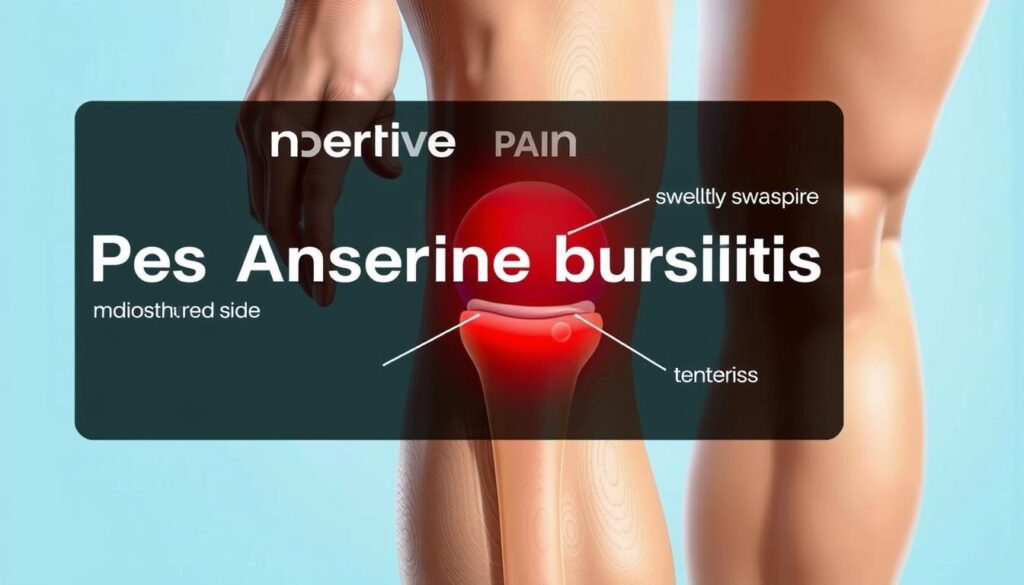
Tag: Knee pain treatment

  • Non-Surgical Treatment Options for Patellofemoral Pain Syndrome

    Non-Surgical Treatment Options for Patellofemoral Pain Syndrome

    Living with knee pain can significantly impact your daily activities, from climbing stairs to simply sitting for extended periods. If you’ve been diagnosed with Patellofemoral Pain Syndrome (PFPS) and are seeking relief without surgery, you’re in the right place. This comprehensive guide explores effective non-surgical approaches that can help you manage pain, improve function, and return to the activities you love.

    Understanding Patellofemoral Pain Syndrome

    The patellofemoral joint and surrounding structures involved in PFPS

    Patellofemoral pain syndrome, often called “runner’s knee,” is characterized by pain around or behind the kneecap (patella). This condition occurs when the patella doesn’t track properly in the groove of the thigh bone (femur), creating stress on the joint and surrounding tissues. PFPS affects approximately one-quarter of adults and one-third of adolescents, with a higher prevalence in women.

    Common Causes of PFPS

    • Overuse from repetitive activities like running or squatting
    • Muscle imbalances, particularly weak quadriceps or hip muscles
    • Poor flexibility in the hamstrings, quadriceps, or iliotibial band
    • Anatomical factors such as a high-riding kneecap or shallow femoral groove
    • Improper footwear or training techniques
    • Lower extremity malalignment affecting knee mechanics
    • Sudden increases in physical activity or training intensity
    • Previous knee injuries or surgeries
    • Tight lateral structures (lateral retinaculum and iliotibial band)
    • Direct trauma to the knee

    Recognizing PFPS Symptoms

    The hallmark symptom of PFPS is a dull, aching pain around or behind the kneecap. This pain typically worsens with activities that increase pressure on the patellofemoral joint, such as:

    • Climbing or descending stairs
    • Squatting or kneeling
    • Running, especially downhill
    • Sitting with knees bent for extended periods (the “theater sign”)
    • Standing up after prolonged sitting

    You may also experience a sensation of your knee “giving way,” popping or cracking sounds, or stiffness after periods of inactivity. Unlike some other knee conditions, PFPS rarely causes significant swelling.

    Diagnosing Patellofemoral Pain Syndrome

    Before exploring treatment options, it’s important to understand how PFPS is diagnosed. Most cases can be identified through a thorough clinical examination without the need for extensive imaging.
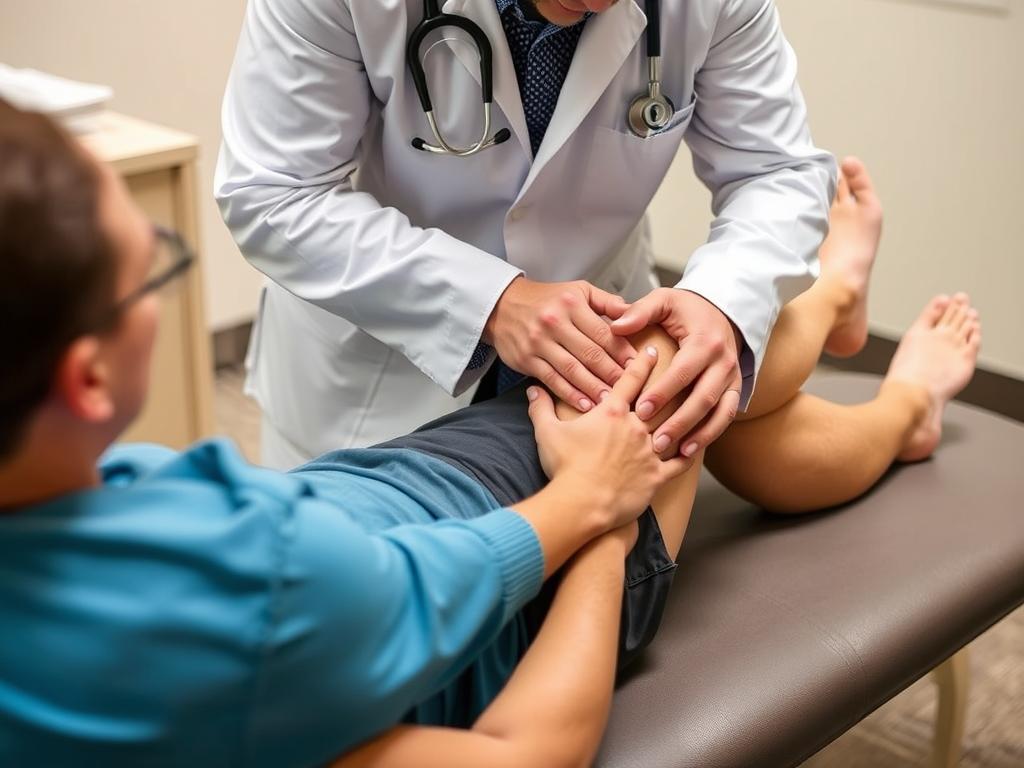
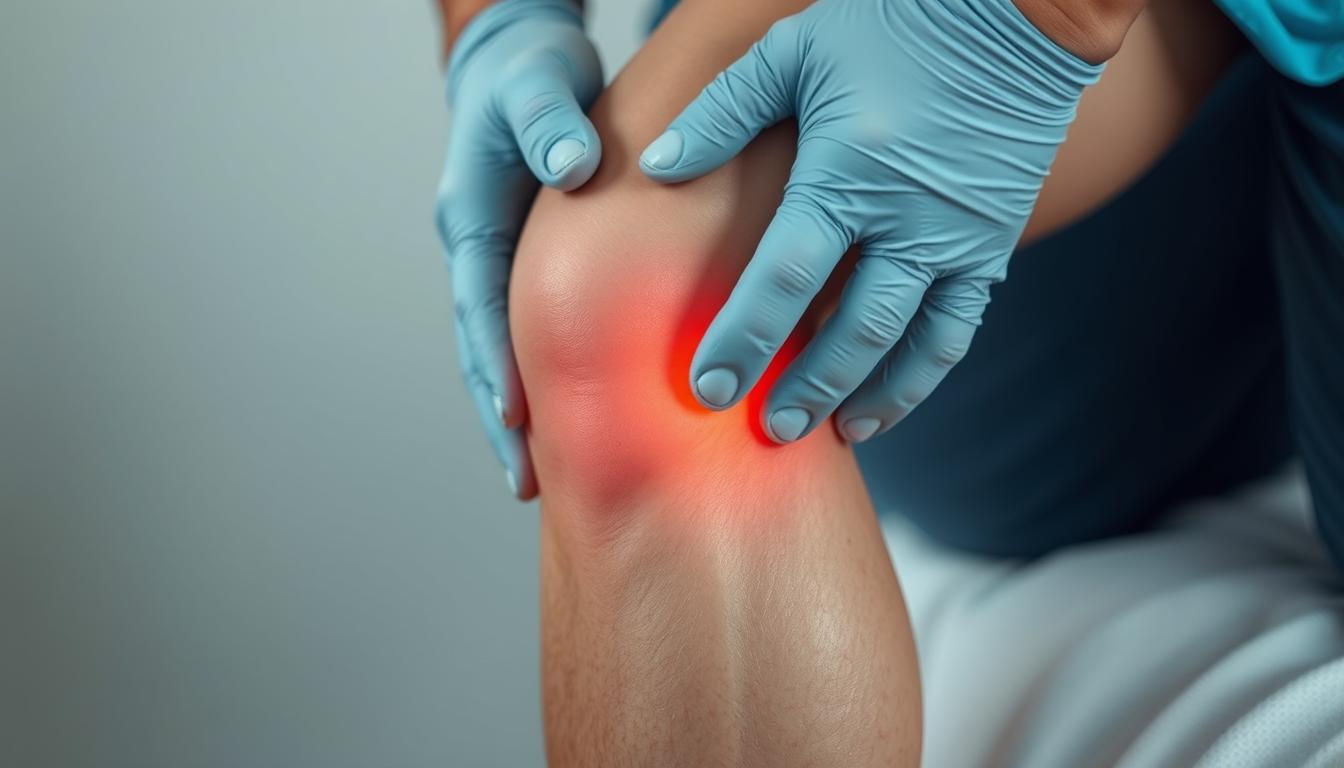
    Doctor examining a patient's knee for patellofemoral pain syndrome using patellar tracking test

    Clinical Examination

    Your healthcare provider will likely perform several tests to assess your knee function and identify the source of your pain:

    • Patellar tracking assessment: Observing how your kneecap moves during knee flexion and extension
    • Patellar glide test: Evaluating the mobility of your kneecap
    • Patellar tilt test: Checking for tightness in lateral structures
    • Patellar grind test: Applying pressure to the kneecap while moving the knee
    • Muscle strength and flexibility testing: Assessing quadriceps, hamstrings, and hip muscles

    When Imaging Is Necessary

    While most PFPS cases don’t require imaging, your doctor may recommend X-rays, MRI, or CT scans in certain situations:

    • History of trauma or previous knee surgery
    • Presence of joint effusion (swelling)
    • Symptoms that don’t improve with standard treatment
    • To rule out other conditions like osteoarthritis or loose bodies

    Effective Non-Surgical Treatment Approaches

    The good news is that most cases of patellofemoral pain syndrome respond well to non-surgical interventions. A comprehensive treatment plan typically includes several components working together to reduce pain and improve function.

    The RICE Method: First-Line Treatment
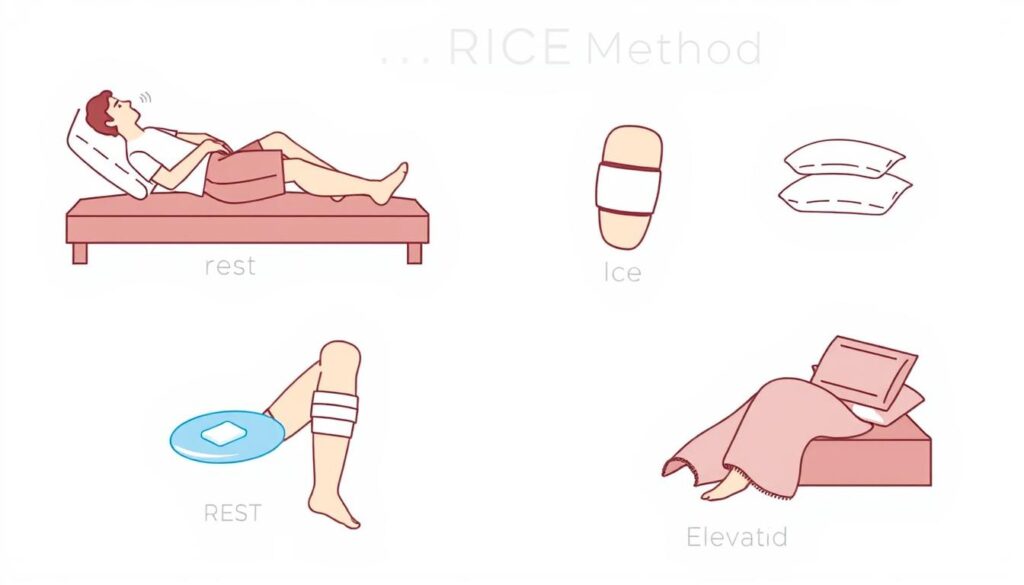
    Visual demonstration of the RICE method (Rest, Ice, Compression, Elevation) for treating patellofemoral pain syndrome

    The RICE method is an effective initial approach for managing PFPS symptoms

    For acute pain flare-ups, the RICE method is often recommended as an initial approach:

    • Rest: Temporarily reduce activities that aggravate your symptoms
    • Ice: Apply cold packs to your knee for 15-20 minutes every 2-3 hours
    • Compression: Use a knee sleeve or wrap to provide support
    • Elevation: Keep your knee elevated above heart level when possible

    Pro Tip: When applying ice, always use a thin towel between the ice pack and your skin to prevent tissue damage. Never apply ice directly to your skin.

    Physical Therapy: The Cornerstone of PFPS Treatment

    Physical therapy is considered the most effective non-surgical treatment for patellofemoral pain syndrome. A well-designed rehabilitation program focuses on correcting muscle imbalances, improving flexibility, and optimizing patellar tracking.

    Key Physical Therapy Exercises for PFPS

    Quadriceps Strengthening

    Straight leg raise exercise for quadriceps strengthening to treat patellofemoral pain syndrome

    Straight Leg Raises: Lie on your back with one leg bent and the other straight. Tighten the quadriceps of your straight leg and slowly raise it to the height of your opposite knee. Hold for 5 seconds, then lower. Perform 3 sets of 10-15 repetitions daily.

    Hip Stabilizer Strengthening

    Clamshell exercise for hip stabilizer strengthening to improve knee alignment

    Clamshells: Lie on your side with knees bent and feet together. Keep your feet touching while raising your top knee. Hold for 2 seconds, then lower. Perform 3 sets of 15-20 repetitions on each side daily to strengthen hip external rotators.

    VMO Activation
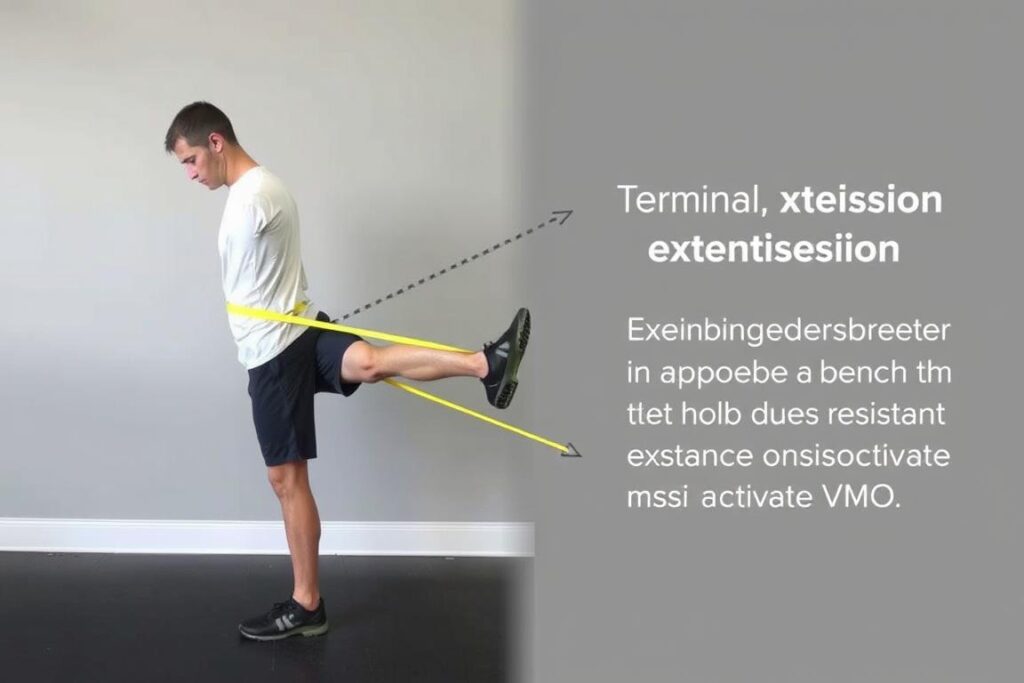
    Terminal knee extension exercise for vastus medialis obliquus (VMO) activation

    Terminal Knee Extensions: Attach a resistance band to a fixed object and loop around your knee. Stand facing away from the anchor point with slight knee bend. Straighten your knee against the resistance, focusing on the last 30 degrees of extension. Perform 3 sets of 15 repetitions daily.

    Stretching Exercises for PFPS

    Quadriceps Stretch
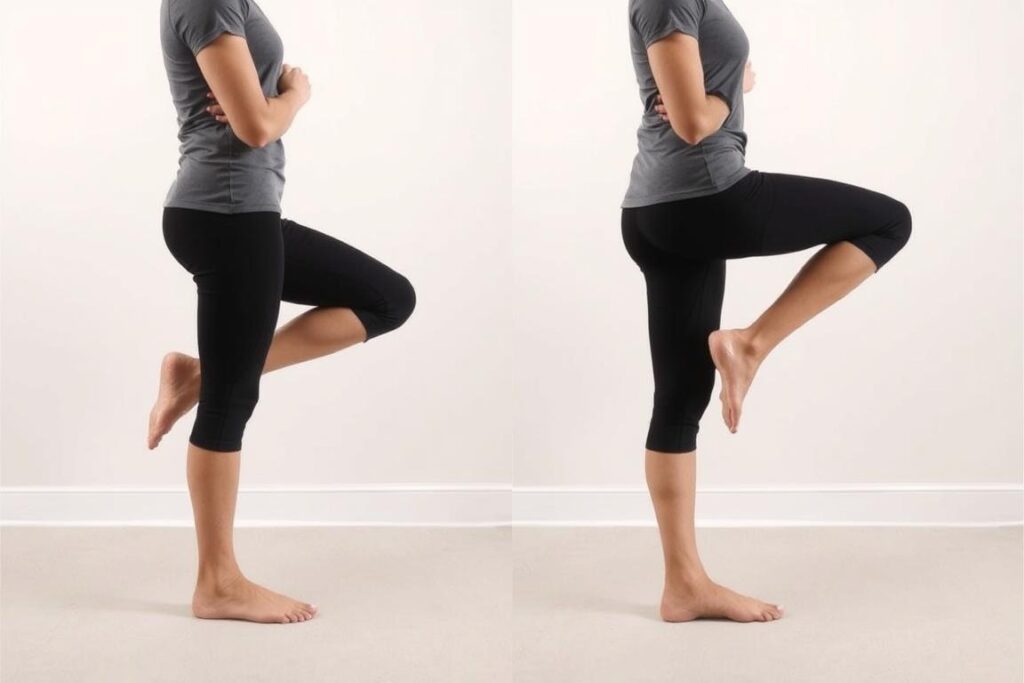
    Standing quadriceps stretch for improving flexibility in patellofemoral pain syndrome treatment

    Stand holding onto a support with one hand. Grasp your ankle with the other hand and gently pull your heel toward your buttocks. Keep your knees close together and maintain an upright posture. Hold for 30 seconds and repeat 3 times on each leg.

    IT Band Stretch

    IT band stretch to reduce lateral knee tension in patellofemoral pain syndrome

    Stand with your right leg crossed behind your left. Extend your right arm overhead and lean to the left, feeling a stretch along the outside of your right hip and thigh. Hold for 30 seconds and repeat 3 times on each side to reduce tension on the lateral knee structures.

    Orthotic Interventions for PFPS

    Orthotic devices can play a supportive role in managing patellofemoral pain syndrome by improving alignment and reducing stress on the knee joint.
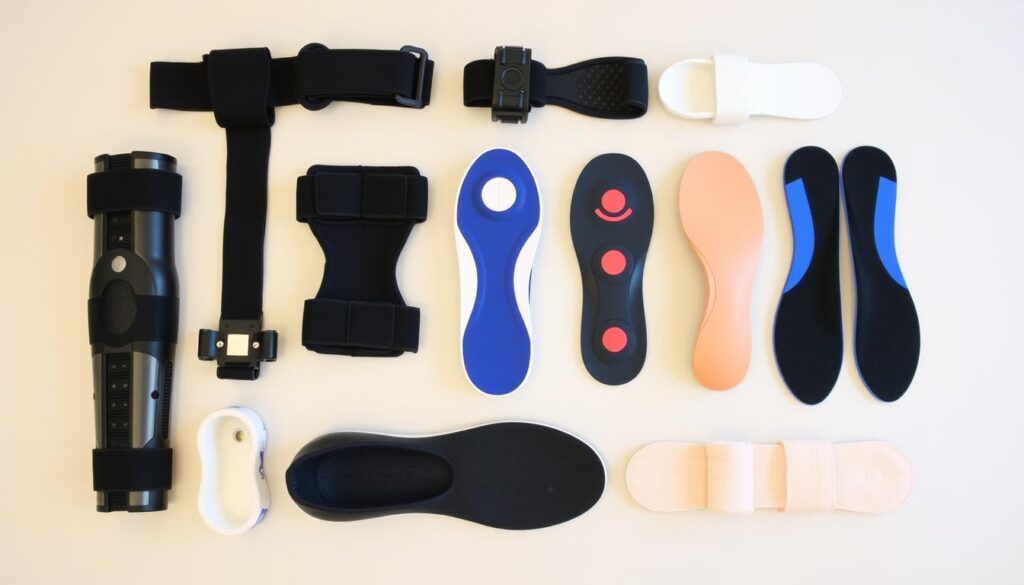
    Various orthotic devices used in treating patellofemoral pain syndrome including knee braces and shoe inserts

    Knee Braces and Sleeves

    Knee braces and sleeves provide external support to help stabilize the patella and reduce pain during activity. Options include:

    • Patellar stabilizing braces: Feature a hole or buttress around the kneecap to help maintain proper tracking
    • Knee sleeves: Provide compression and warmth that may help reduce pain
    • Patellar straps: Apply pressure on the patellar tendon to alter forces across the joint

    Research suggests that while bracing alone may provide symptomatic relief, it’s most effective when used as part of a comprehensive treatment program that includes physical therapy.

    Foot Orthotics

    Custom or over-the-counter foot orthotics can help correct biomechanical issues that contribute to PFPS:

    • Provide arch support to reduce excessive pronation
    • Improve lower limb alignment during walking and running
    • Reduce stress on the knee joint by optimizing foot mechanics

    Patellar Taping

    Kinesiology tape or specialized patellar taping techniques may help:

    • Guide proper patellar tracking during movement
    • Provide sensory feedback to improve muscle activation
    • Reduce pain during activities

    While evidence for taping is mixed, many patients report symptomatic improvement, particularly during the early phases of rehabilitation.

    Pain Management Techniques

    Managing pain effectively is an important component of PFPS treatment, allowing you to participate more comfortably in rehabilitation exercises and daily activities.

    Medication Options

    Over-the-counter pain medications commonly used for patellofemoral pain syndrome management

    Over-the-counter medications can help manage pain and inflammation:

    • NSAIDs (Nonsteroidal anti-inflammatory drugs): Medications like ibuprofen and naproxen can reduce both pain and inflammation
    • Acetaminophen: Helps with pain relief but doesn’t address inflammation

    Always follow dosage instructions and consult with your healthcare provider before starting any medication regimen, especially if you have other health conditions or take other medications.

    Topical Treatments

    Topical pain relievers can be applied directly to the knee area:

    • Menthol or capsaicin creams: Create cooling or warming sensations that can help mask pain
    • Topical NSAIDs: Provide localized anti-inflammatory effects with fewer systemic side effects
    • CBD-infused topicals: Some patients report benefits, though research is still emerging

    Cold and Heat Therapy

    Alternating between cold and heat can help manage symptoms:

    • Cold therapy: Best for acute pain and after activity to reduce inflammation
    • Heat therapy: Helpful before exercise to increase blood flow and tissue elasticity
    • Contrast therapy: Alternating between cold and heat can stimulate circulation and pain relief

    Activity Modification Strategies

    Adjusting your activities is crucial for allowing healing while maintaining fitness and function.
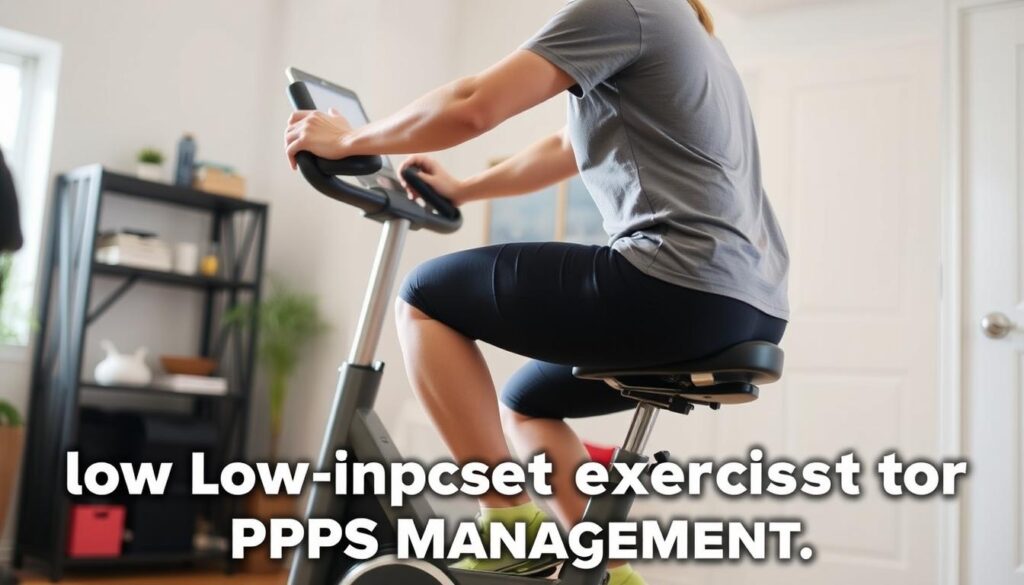
    Person cycling on a stationary bike as a low-impact alternative exercise for patellofemoral pain syndrome

    Temporary Activity Adjustments

    During the acute phase of PFPS, consider these modifications:

    • Reduce activities that aggravate symptoms (deep squats, lunges, stair climbing)
    • Decrease running mileage or intensity if running is a trigger
    • Avoid sitting with knees bent for prolonged periods
    • Use stairs one at a time if necessary

    Low-Impact Alternatives

    Maintain fitness with activities that place less stress on the patellofemoral joint:

    • Swimming: Provides excellent cardiovascular exercise with minimal joint loading
    • Stationary cycling: Low-impact exercise that can strengthen quadriceps (adjust seat height to avoid deep knee flexion)
    • Elliptical training: Offers a running-like motion without the impact
    • Water aerobics: Utilizes water resistance while reducing joint stress

    Gradual Return to Activities

    As symptoms improve, follow these guidelines for returning to regular activities:

    • Increase activity duration and intensity by no more than 10% per week
    • Monitor symptoms during and after activity
    • Incorporate proper warm-up and cool-down routines
    • Continue maintenance exercises even after symptoms resolve

    Comparing Treatment Effectiveness

    Research has evaluated various non-surgical approaches for PFPS. The following table summarizes the evidence for different treatment options:

    Treatment Approach Evidence Level Effectiveness Time to Results Best For
    Physical Therapy (Quadriceps Strengthening) Strong High 4-8 weeks Most PFPS cases
    Hip Strengthening Exercises Strong High 6-12 weeks Cases with hip weakness
    Patellar Taping Moderate Moderate Immediate (temporary) Short-term pain relief
    Knee Bracing Moderate Moderate Immediate Activity-specific support
    Foot Orthotics Moderate Moderate 2-4 weeks Cases with foot pronation
    NSAIDs Moderate Moderate (for pain) Hours to days Short-term pain management
    Activity Modification Moderate High 1-2 weeks Acute pain reduction

    Expert Insights on PFPS Management

    “The most successful non-surgical treatment for patellofemoral pain syndrome is a comprehensive approach that addresses all contributing factors. Physical therapy focusing on both quadriceps and hip strengthening has shown the best long-term outcomes in clinical studies.”

    — Dr. Sarah Johnson, Orthopedic Specialist

    “Many patients expect immediate results, but patience is key with PFPS treatment. Consistent adherence to a rehabilitation program typically shows significant improvement within 6-12 weeks, though some cases may take longer. The good news is that most patients can avoid surgery with proper conservative management.”

    — Dr. Michael Chen, Sports Medicine Physician

    “I emphasize to my patients that addressing biomechanical issues is crucial for long-term success. This means not just treating the symptoms but correcting movement patterns, strengthening weak muscles, and improving flexibility in tight structures. This comprehensive approach prevents recurrence, which is common with PFPS.”

    — Lisa Rodriguez, PT, DPT, Sports Certified Specialist

    Case Study: Successful Non-Surgical Recovery

    Sarah’s Journey: From Sidelined Runner to Marathon Finisher

    Runner successfully returning to training after recovering from patellofemoral pain syndrome

    Patient Profile: Sarah, 34-year-old recreational runner training for her first half marathon

    Symptoms: Developed anterior knee pain after increasing weekly mileage by 50%. Pain worsened when running downhill and climbing stairs. Experienced the “theater sign” with pain after sitting through a movie.

    Diagnosis: Clinical examination revealed patellofemoral pain syndrome with weak hip abductors and tight iliotibial band.

    Treatment Approach:

    • Weeks 1-2: RICE protocol, activity modification (reduced running by 50%, avoided hills), and began basic physical therapy
    • Weeks 3-6: Progressive strengthening of quadriceps and hip muscles, flexibility work, and gait analysis with running form correction
    • Weeks 7-10: Gradual return to running with proper footwear and custom orthotics, continued strengthening exercises
    • Weeks 11-16: Progressive increase in running distance with maintenance exercises

    Outcome: Sarah completed her half marathon six months after beginning treatment, with no return of symptoms. She continues maintenance exercises twice weekly and uses proper warm-up techniques before runs.

    Key Takeaway: A comprehensive, patient-specific approach addressing all contributing factors led to complete recovery without surgical intervention.

    Frequently Asked Questions

    How long does recovery from patellofemoral pain syndrome typically take?

    Recovery time varies depending on the severity of symptoms, adherence to treatment, and individual factors. Most patients see significant improvement within 4-12 weeks of consistent treatment. Complete resolution may take 3-6 months in some cases. Continuing maintenance exercises even after symptoms resolve is important for preventing recurrence.

    When is surgery considered for patellofemoral pain syndrome?

    Surgery is rarely necessary for PFPS and is typically only considered when:

    • Conservative treatment has been consistently applied for at least 6-12 months without improvement
    • There is clear structural damage or anatomical abnormality contributing to symptoms
    • Pain significantly limits daily activities despite comprehensive non-surgical management
    • Diagnostic imaging confirms a specific issue that would benefit from surgical correction

    Less than 15% of PFPS cases ultimately require surgical intervention. Always exhaust all non-surgical options first.

    Can I continue exercising with patellofemoral pain syndrome?

    Yes, but modifications are usually necessary. The key principle is to stay active without aggravating symptoms. This typically means:

    • Switching to lower-impact activities temporarily (swimming, cycling)
    • Reducing intensity and duration of problematic activities
    • Ensuring proper form during exercise
    • Incorporating appropriate warm-up and cool-down routines

    Work with your healthcare provider or physical therapist to develop an appropriate exercise plan that allows for continued activity while promoting healing.

    Will my patellofemoral pain syndrome come back after treatment?

    Recurrence is possible, especially if underlying contributing factors aren’t fully addressed or if maintenance exercises are discontinued. Studies show that approximately 25-30% of patients experience some recurrence of symptoms. To minimize this risk:

    • Continue maintenance exercises even after symptoms resolve
    • Gradually increase activity levels when returning to sports
    • Maintain proper biomechanics during activities
    • Use appropriate footwear and replace shoes when worn
    • Address any new pain promptly rather than pushing through it

    Moving Forward: Your Path to Recovery

    Patellofemoral pain syndrome can be frustrating, but with the right approach, most people achieve significant improvement without surgery. The key to success lies in a comprehensive treatment plan that addresses all contributing factors, from muscle imbalances to activity modifications.

    Remember that consistency is crucial—stick with your exercises, follow your healthcare provider’s recommendations, and be patient with the recovery process. By taking a proactive approach to managing your PFPS, you can return to the activities you love with less pain and better function.

    Key Takeaways:

    • Physical therapy focusing on quadriceps and hip strengthening is the cornerstone of effective PFPS treatment
    • A multi-faceted approach including activity modification, proper footwear, and possibly orthotics yields the best results
    • Patience and consistency with your treatment plan are essential for long-term success
    • Most people with PFPS can achieve significant improvement without surgical intervention

    Experiencing Knee Pain?

    Don’t let patellofemoral pain limit your activities. Our specialists can help determine the exact cause of your symptoms and create a personalized treatment plan.

    Consult with a PFPS Specialist

    Need Expert Guidance for Your PFPS Exercises?

    Our physical therapists specialize in creating customized exercise programs for patellofemoral pain syndrome. Get a personalized plan designed for your specific needs.

    Get a Personalized Treatment Plan

    Ready to Start Your Recovery Journey?

    Our team of specialists can help you develop a comprehensive plan to address your patellofemoral pain syndrome without surgery.

    Schedule a Physical Therapy Assessment

    Take the First Step Toward Pain-Free Movement

    Our team specializes in non-surgical treatment of patellofemoral pain syndrome. Contact us today to schedule a comprehensive evaluation and start your personalized recovery plan.
    Request a Consultation

    Get More Information About PFPS Treatment


    We respect your privacy and will never share your information.

  • Pes anserine bursitis symptoms and treatment

    Pes anserine bursitis symptoms and treatment

    Have you ever wondered why inner knee discomfort lingers despite rest or basic care? This guide dives into a common yet overlooked condition affecting athletes, active adults, and anyone experiencing persistent joint issues. We’ll uncover how a small, fluid-filled sac near your knee could hold answers to your mobility struggles.

    Inflammation in this area often develops from repetitive motions or sudden strain. The result? Sharp aches during movement, tenderness when touched, and stiffness that limits daily activities. While these signs might seem vague, recognizing them early can prevent long-term complications.

    Our focus combines insights from leading medical institutions with practical recovery strategies. You’ll learn how simple adjustments to exercise routines or targeted therapies can accelerate healing. We’ve prioritized clear, actionable steps to help you regain comfort without invasive procedures.

    Key Takeaways

    • Inner knee inflammation often stems from repetitive stress or improper movement patterns.
    • Early intervention typically leads to faster recovery through conservative methods.
    • Diagnosis combines physical exams with imaging to rule out similar conditions.
    • Effective management blends rest, targeted exercises, and anti-inflammatory approaches.
    • Trusted medical resources form the foundation of our recommended strategies.

    Let’s explore how understanding this condition’s nuances can transform your approach to joint health. From identifying warning signs to implementing proven relief methods, we’ll walk through each phase of recovery together.

    Introduction to Pes Anserine Bursitis

    A tiny sac near the knee can lead to significant mobility issues when inflamed. The pes anserine bursa sits just below the knee joint on the inner leg, cushioning tendons during movement. When irritated, this fluid-filled structure swells, creating friction that disrupts natural motion.

    knee bursa inflammation

    Repetitive strain from activities like running or climbing often triggers this condition. Poor training form and underlying issues such as osteoarthritis amplify risks. Athletes and active adults frequently report tenderness when bending or straightening the leg.

    Feature Healthy Bursa Inflamed Bursa
    Function Reduces friction Creates painful friction
    Pain Level None Sharp during activity
    Mobility Unrestricted Stiffness after rest
    Common Triggers Normal use Overuse or injury

    Proper diagnosis separates this issue from similar knee problems. Healthcare providers assess swelling patterns and pressure points while reviewing activity history. Early identification helps avoid prolonged discomfort and supports targeted recovery plans.

    We’ll explore how strategic care restores function while preventing recurrence. Next sections detail practical steps to address root causes rather than just masking discomfort.

    What is Pes Anserine Bursitis?

    Imagine your knee’s shock absorber failing during routine movements. The pes anserine region houses a critical cushioning structure where three tendons converge near the shinbone. This bursa normally prevents bone-to-tendon friction during walking or climbing.

    knee bursa anatomy

    Anatomy and Function of the Bursa

    Located two inches below the kneecap’s inner edge, this fluid-filled sac separates the tibia from connected hamstring tendons. It acts like biological Teflon® – reducing wear from repetitive motions. When functioning properly, you’ll never notice its presence.

    Common Causes and Risk Factors

    Three primary elements trigger irritation in this sensitive area:

    • Repetitive leg motions (running, squatting)
    • Excessive body weight straining connective tissues
    • Biomechanical issues like bowed legs or flat feet

    Runners often develop issues after sudden mileage increases. Weekend warriors risk inflammation through inconsistent training. Tight thigh muscles compound these problems by pulling excessively on the bursa during activity.

    Understanding these mechanisms helps create smarter recovery plans. Next, we’ll examine how professionals distinguish this condition from similar knee issues.

    Pes anserine bursitis symptoms and treatment

    Recognizing early warning signals of inner knee inflammation helps people seek care before limitations escalate. Many dismiss discomfort as normal soreness until simple tasks like rising from chairs become challenging.

    inner knee pain symptoms

    Recognizing the Symptoms

    Three primary markers distinguish this condition from general joint strain:

    • Persistent ache concentrated 2-3 inches below the kneecap
    • Visible puffiness along the shinbone’s upper edge
    • Sharp flares when bending or straightening the leg

    Movement patterns often reveal hidden triggers. Climbing stairs or hills typically intensifies discomfort due to increased tendon friction. Nighttime stiffness after active days also signals irritated tissues.

    Diagnostic Method Key Indicators Purpose
    Physical Exam Localized warmth, pressure sensitivity Rule out meniscus tears
    Activity Analysis Pain patterns during specific motions Identify movement triggers
    Imaging Bursa thickness, tendon alignment Confirm fluid buildup

    Treatment Strategy Foundations

    Initial care focuses on breaking the inflammation cycle. Rest reduces mechanical stress while ice application calms swollen tissues. Over-the-counter NSAIDs provide temporary relief but don’t address root causes.

    Effective plans combine multiple approaches:

    • Activity modifications to protect healing areas
    • Targeted stretches improving tendon mobility
    • Strengthening exercises stabilizing the joint

    Medical professionals often recommend evidence-based non-surgical recovery plans first. Early intervention using these methods typically restores function within weeks while preventing chronic issues.

    Diagnosing Pes Anserine Bursitis

    Modern imaging tools reveal hidden causes of mobility challenges. Healthcare providers start with hands-on evaluations to map discomfort patterns. They press specific areas below the knee while observing reactions to identify tender zones linked to the pes anserinus region.

    Confirming Inflammation Through Testing

    Three-step verification ensures accurate results:

    • Physical assessment: Checking for localized swelling along the upper tibia
    • Movement analysis: Monitoring pain during stair climbing or leg rotations
    • Imaging correlation: Matching symptoms with visual evidence

    X-rays eliminate bone fractures, while ultrasound scans detect fluid buildup in soft tissues. MRI examinations provide detailed views of tendon alignment near the knee joint. These methods help distinguish this condition from meniscus injuries or osteoarthritis.

    Diagnostic Tool Key Function Accuracy Rate
    Clinical Exam Identifies pressure points 78%
    Ultrasound Visualizes bursa thickness 92%
    MRI Assesses surrounding structures 95%

    Definitive diagnosis prevents mismanagement of similar knee issues. Providers combine test results with activity histories to create personalized recovery plans. This precision ensures therapies target the root problem rather than general discomfort.

    Treatment Options and Management Strategies

    Addressing tendon-related discomfort demands methods that target both symptoms and causes. Healthcare teams prioritize approaches that calm irritation while rebuilding strength. We’ll explore proven techniques ranging from basic self-care to advanced clinical interventions.

    Non-Operative Approaches: Rest, Ice, and Medication

    Initial care focuses on reducing strain. Short-term activity changes protect healing tissues – think swapping runs for swimming or cycling. Applying cold packs for 15-minute intervals lowers swelling effectively when done 3-4 times daily.

    Over-the-counter NSAIDs like ibuprofen ease discomfort temporarily. However, prolonged use requires medical supervision. Many find compression sleeves helpful during light activities to support the area without restricting blood flow.

    Approach Key Actions Average Recovery Time
    Rest & Activity Modification Limit bending/squatting 2-4 weeks
    Ice Application 15 mins, 3x/day Immediate relief
    Medication NSAID regimen 3-7 days

    Physical Therapy, Ultrasound, and Injection Therapies

    Structured rehab programs restore mobility safely. Therapists guide patients through gentle stretches that loosen tight hamstrings and improve tendon glide. Ultrasound technology enhances blood flow to accelerate natural repair processes.

    For persistent cases, corticosteroid injections deliver anti-inflammatory agents directly to the affected area. These are often paired with numbing agents for immediate comfort. Clinical studies show 80% of patients report significant improvement within 72 hours post-treatment.

    Every plan adapts to individual needs. Providers monitor progress through follow-up assessments, adjusting techniques as healing advances. This personalized strategy ensures lasting results rather than temporary fixes.

    Practical Exercises and Rehabilitation Guidance

    What if targeted movements could speed up your recovery while protecting vulnerable tissues? Strategic movement plans rebuild strength without overloading healing areas. We focus on methods that restore flexibility while teaching your body safer movement patterns.

    Effective Stretching and Strengthening Exercises

    Hamstring stretches reduce tension pulling on the inner knee. Try seated stretches with legs extended, reaching gently toward your toes. Hold for 20 seconds, repeating 3 times daily. Wall-assisted stretches let you control intensity while standing.

    Strengthen supporting muscles with bridges and side-lying leg lifts. These low-impact exercises build stability without bending the knee excessively. Start with 2 sets of 10 reps, increasing gradually as discomfort decreases.

    Exercise Type Frequency Benefits
    Seated Stretch 3x daily Improves tendon glide
    Wall Push Stretch 2x daily Reduces muscle tightness
    Bridging 4x weekly Strengthens glutes

    Recovery Tips and Activity Modifications

    Modify daily activities to avoid reinjury. Use handrails on stairs and limit squatting motions during household chores. Swap high-impact workouts for swimming or cycling until symptoms improve.

    Track progress with a simple journal. Note pain levels during specific movements and adjust your program accordingly. Many find compression sleeves helpful during light activity, providing support without restricting circulation.

    Lifestyle Adjustments and Preventive Measures

    Protecting joint health requires smart daily choices that outpace wear and tear. For those recovering from or prone to pes anserine issues, small habit shifts create lasting protection. We’ll explore practical ways to maintain mobility while reducing strain on vulnerable areas.

    Building Sustainable Routines

    Three adjustments significantly lower recurrence risks:

    • Footwear upgrades: Choose shoes with arch support and shock absorption
    • Movement pacing: Alternate high-impact sports with low-stress activities
    • Pre-activity prep: Implement dynamic warm-ups targeting hamstrings

    “Gradual progression in training intensity allows tissues to adapt without overload,” notes sports physical therapist Dr. Elena Martinez.

    Focus Area Action Steps Benefits
    Footwear Selection Replace worn shoes every 300-500 miles Reduces knee torque by 18%
    Training Modifications Mix running with swimming or cycling Cuts repetitive stress by 40%
    Weight Management Combine balanced nutrition with strength training Lowers joint pressure 5x per pound lost

    Individuals with osteoarthritis management strategies should prioritize consistent strength programs. Focus on quadriceps and hip stabilizers during workouts – these muscles absorb impact before it reaches the knee.

    Weekly activity plans balance challenge and recovery. Sample schedules might include two days of strength training, three days of moderate cardio, and dedicated flexibility sessions. Tracking progress helps identify patterns that trigger discomfort early.

    Conclusion

    Effective management of knee discomfort begins with understanding its origins. Early recognition of pes anserine bursitis allows for swift action, combining rest with targeted therapies to reduce inflammation. Diagnostic tools like ultrasound help confirm fluid buildup while ruling out other joint issues.

    Successful recovery hinges on tailored plans addressing both symptoms and causes. Physical therapy strengthens surrounding muscles, while activity modifications prevent reinjury. Studies show structured exercise programs improve mobility in 89% of cases within six weeks.

    Consult healthcare providers if inner-leg tenderness persists during daily movements. Accurate imaging and professional guidance create roadmaps for lasting relief. Preventive strategies like supportive footwear and gradual training progressions further protect vulnerable areas.

    With proper care, most individuals regain full function without invasive procedures. Small, consistent changes in movement patterns and self-care routines make recovery achievable. Reach out to specialists to design a plan matching your unique needs and lifestyle.

    FAQ

    How does pes anserine bursitis differ from other knee conditions?

    Unlike arthritis or ligament injuries, this condition specifically involves inflammation of the bursa near the hamstring tendons. Pain typically occurs 2–3 inches below the knee joint and worsens with activities like climbing stairs or prolonged sitting.

    Can physical therapy exercises worsen the pain?

    When guided by a licensed therapist, targeted stretches and strengthening routines often reduce discomfort. We recommend avoiding high-impact movements initially and focusing on low-stress exercises like seated leg lifts or gentle hamstring stretches to avoid aggravating the area.

    Are corticosteroid injections safe for long-term use?

    While effective for short-term relief, repeated injections may weaken nearby tissues. We prioritize combining them with rest, ice therapy, and anti-inflammatory medications to minimize risks. Always discuss treatment plans with your healthcare provider.

    What daily habits contribute to flare-ups?

    Repetitive motions like squatting, sudden increases in exercise intensity, or poor footwear choices often trigger inflammation. We suggest modifying workouts, using supportive shoes, and incorporating rest days to manage stress on the knee.

    How long does recovery typically take?

    Most people see improvement within 4–6 weeks with consistent treatment. Chronic cases linked to osteoarthritis or obesity may require longer rehab. Early diagnosis and a structured therapy program improve outcomes significantly.

    Is ultrasound imaging necessary for diagnosis?

    While MRI or ultrasound can confirm inflammation, many providers diagnose based on physical exams and symptom history. Imaging is usually reserved for unclear cases or to rule out tears in the tendons or meniscus.

    Can ice packs replace prescription medications?

    Ice reduces swelling effectively but doesn’t address underlying inflammation. We combine cryotherapy with NSAIDs like ibuprofen for comprehensive management. Always consult a doctor before starting new medications.

    Are there sports to avoid during recovery?

    High-impact activities like basketball or running often strain the knee. We recommend switching to swimming, cycling, or yoga until tenderness subsides. Gradually reintroduce sports under a therapist’s supervision.