Tag: Knee

  • How to Prevent Knee Replacement

    How to Prevent Knee Replacement

    As we age, our bodies become more susceptible to wear and tear, which can lead to a variety of health issues. One common issue that many people face is knee pain, often caused by osteoarthritis. In severe cases, knee replacement surgery may be necessary. However, there are steps we can take to prevent knee replacement and maintain knee health.

    v2 3lciu u4bcs

    Understanding Knee Health and Preventative Practices is the first step in preventing knee replacement. Maintaining a healthy weight and staying active are two of the most important things we can do to keep our knees healthy. Low-impact exercises such as walking, cycling, and swimming can help strengthen the muscles around our knees and reduce the risk of injury. Additionally, eating a balanced diet rich in vitamins and minerals can help keep our bones and joints healthy.

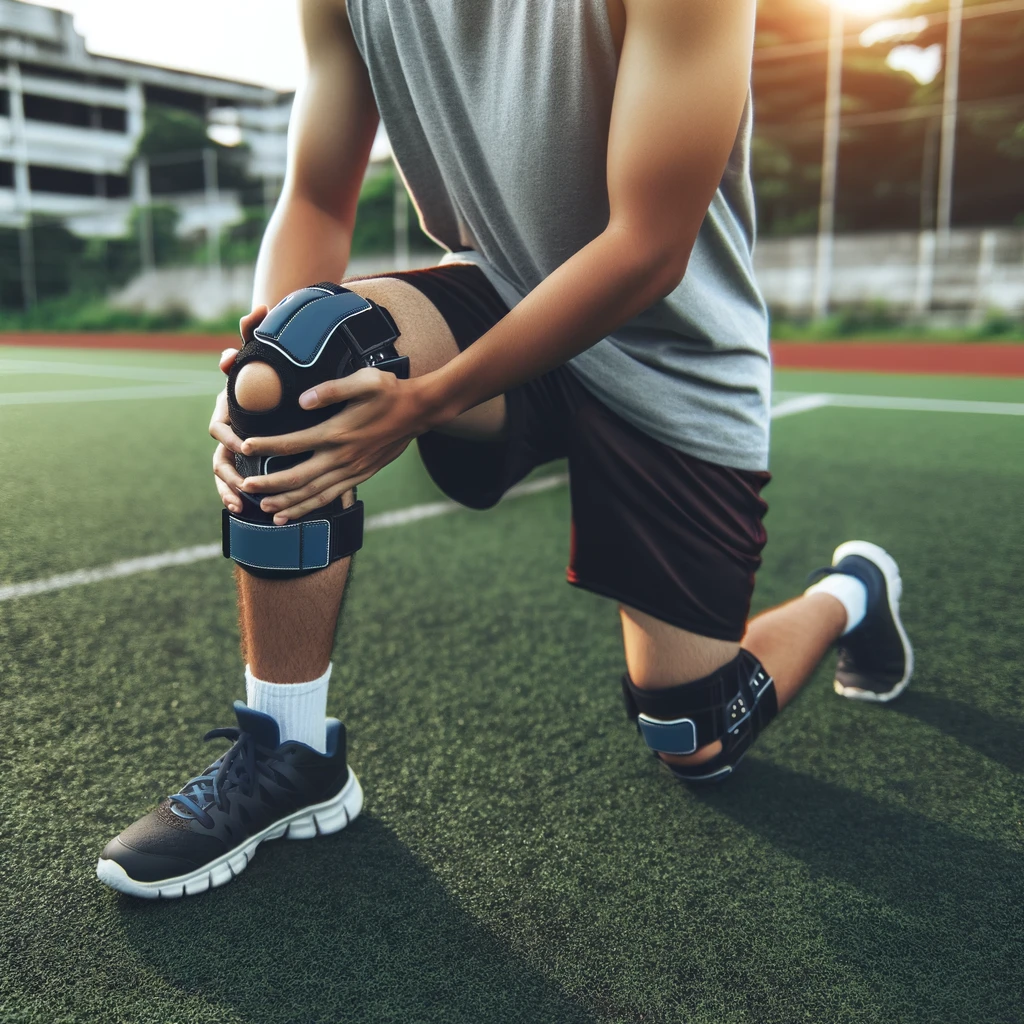
    Non-Surgical Treatment Options and Lifestyle Adjustments can also be effective in preventing knee replacement. Physical therapy, medications, and injections can help manage knee pain and inflammation. Simple lifestyle adjustments such as using a cane or knee brace, wearing supportive shoes, and avoiding high-impact activities can also help reduce the risk of knee injury. By taking these steps, we can maintain knee health and potentially avoid knee replacement surgery.

    309119f1 5484 4258 8cd2 dc3e48ddf6a9

    Key Takeaways

    • Maintaining a healthy weight and staying active are key to preventing knee replacement.
    • Non-surgical treatment options such as physical therapy and lifestyle adjustments can help manage knee pain and reduce the risk of injury.
    • Eating a balanced diet and avoiding high-impact activities can also help maintain knee health.

    Understanding Knee Health and Preventative Practices

    As we age, our knees can become more susceptible to wear and tear, leading to knee pain and potentially knee replacement surgery. However, there are many preventative practices that can help us maintain healthy knees and avoid surgery.

    Recognizing Early Symptoms of Knee Issues

    It is important to recognize early symptoms of knee issues, such as pain, stiffness, or swelling. If you experience any of these symptoms, it is important to seek medical attention and start preventative measures early on.

    Importance of Maintaining a Healthy Weight

    Maintaining a healthy weight is crucial for knee health. Excess body weight puts extra strain on the knees, which can lead to knee pain and joint damage. By maintaining a healthy weight, we can reduce the risk of knee injuries and osteoarthritis.

    Role of Exercise in Knee Strength and Stability

    Exercise is a key component in maintaining knee health. Regular exercise helps to strengthen muscles, tendons, and ligaments around the knee joint, which can improve knee stability and reduce the risk of injury. Incorporating exercises that focus on strengthening the quadriceps, hamstrings, and hip flexors can be particularly beneficial for knee health.

    In addition to strength training, stretching and flexibility exercises can also help to improve knee health. Physical therapy can be a helpful resource for developing an exercise plan that is tailored to your specific needs.

    While exercise is important for knee health, it is also important to engage in weight-bearing activities that are low-impact, such as walking, swimming, or cycling. These activities can help to improve joint mobility and flexibility without putting excessive strain on the knees.

    Dietary Supplements for Knee Health

    Dietary supplements such as glucosamine and chondroitin sulfate have been shown to have some benefits for knee health. These supplements can help to reduce inflammation and improve joint mobility. However, it is important to speak with a healthcare provider before starting any new supplements, as they may interact with other medications or have potential side effects.

    In addition to supplements, maintaining a healthy diet can also be beneficial for knee health. Eating a diet rich in fruits, vegetables, lean protein, and whole grains can help to reduce inflammation and support overall joint health.

    By incorporating these preventative practices into our daily lives, we can maintain healthy knees and reduce the risk of knee replacement surgery.

    Non-Surgical Treatment Options and Lifestyle Adjustments

    When it comes to preventing knee replacement surgery, non-surgical treatment options and lifestyle adjustments can be highly effective. Here are some of the most common non-surgical treatments and lifestyle adjustments that can help reduce knee pain and prevent the need for surgery.

    Incorporating Low-Impact Exercises and Activities

    Low-impact exercises and activities are great for strengthening the muscles around the knee joint without placing undue stress on the joint itself. Some of the best low-impact exercises include swimming, cycling, and using an elliptical machine. These activities can help improve joint mobility and flexibility, reduce inflammation, and promote weight loss, which can also help reduce knee pain.

    Effective Use of Knee Braces and Support

    Knee braces and supports can help provide stability and support to the knee joint, reducing pain and preventing further damage. There are many different types of knee braces and supports available, including compression sleeves, hinged knee braces, and unloader braces. Your doctor can help you determine which type of knee brace or support is best for your specific needs.

    Nutrition and Supplements for Joint Health

    Eating a healthy, balanced diet that is rich in nutrients can help promote joint health and reduce inflammation. Some of the best foods for joint health include fatty fish, leafy greens, nuts and seeds, and colorful fruits and vegetables. Additionally, certain supplements like glucosamine and chondroitin can help reduce joint pain and improve joint function.

    Advanced Non-Invasive Treatments for Pain Relief

    If non-surgical treatments like exercise, knee braces, and nutrition are not effective in reducing knee pain, there are a variety of advanced non-invasive treatments that can help. These treatments include corticosteroid injections, growth factor injections, and stem cell therapy. Your doctor can help you determine which treatment option is best for your specific needs.

    By incorporating these non-surgical treatment options and lifestyle adjustments into your daily routine, you can help reduce knee pain and prevent the need for knee replacement surgery. Remember to always consult with your doctor before starting any new exercise program or treatment plan.

    Frequently Asked Questions

    v2 3lcjf 3d6ej

    What are effective non-surgical treatments for knee pain?

    There are several non-surgical treatments that can be effective for knee pain. These include physical therapy, acupuncture, corticosteroid injections, and hyaluronic acid injections. Physical therapy can help strengthen the muscles around the knee, while acupuncture can help reduce inflammation and pain. Corticosteroid injections can help reduce inflammation and pain, while hyaluronic acid injections can supplement the naturally occurring lubricant in the joints and decrease pain.

    What exercises can strengthen the knee to avoid replacement surgery?

    Exercises that can strengthen the knee and help avoid replacement surgery include low-impact exercises such as swimming, cycling, and yoga. These exercises can help improve flexibility, strengthen the muscles around the knee, and reduce inflammation.

    What lifestyle changes can reduce the risk of needing knee replacement?

    Maintaining a healthy weight, eating a balanced diet, and avoiding high-impact activities can reduce the risk of needing knee replacement. Additionally, wearing comfortable and supportive shoes can help reduce stress on the knees.

    Are there any innovative medical devices that serve as an alternative to knee replacement?

    There are several innovative medical devices that can serve as an alternative to knee replacement. These include knee braces, unloader braces, and viscosupplementation injections. Knee braces can help provide support and reduce pain, while unloader braces can redistribute weight away from the damaged part of the knee. Viscosupplementation injections can supplement the naturally occurring lubricant in the joints and decrease pain.

    What risks should be considered before deciding on knee replacement surgery?

    Before deciding on knee replacement surgery, it is important to consider the risks involved. These include infection, blood clots, nerve damage, and joint stiffness. It is important to discuss these risks with your doctor and weigh the potential benefits against the risks.

    How does age affect the suitability of knee replacement alternatives?

    Age can affect the suitability of knee replacement alternatives. While there is no specific age limit for knee replacement surgery, older adults may have a higher risk of complications. However, there are several alternatives to knee replacement that can be effective at any age. It is important to discuss the best treatment options with your doctor based on your individual needs and circumstances.

  • Prevent Arthritis in Your Knee

    Prevent Arthritis in Your Knee

    As we age, our joints start to wear down, and we become more susceptible to developing arthritis. Knee arthritis, specifically, is a common condition that affects millions of people worldwide. Osteoarthritis and rheumatoid arthritis are the two most common types of knee arthritis, and they both cause joint pain, stiffness, and limited movement.

    v2 3hkhp hkpw6

    Fortunately, there are several ways to prevent knee arthritis and maintain healthy joints. First and foremost, it’s essential to stay physically active. Regular exercise helps strengthen the muscles that provide support to the knees, relieve pain and stiffness, and reduce weight gain that puts excess stress on the knees. Additionally, maintaining a healthy weight and eating a balanced diet can also help prevent knee arthritis.

    Understanding Arthritis in the Knee

    When it comes to preventing arthritis in the knee, it is important to first understand what arthritis is and how it affects the knee joint. Arthritis is a disease that causes inflammation in the joints, leading to pain, stiffness, and swelling. There are different types of arthritis, but the most common type that affects the knee joint is osteoarthritis.

    Identifying Types and Symptoms

    Osteoarthritis is a degenerative disease that occurs when the cartilage in the knee joint starts to wear away, causing the bones to rub against each other. This can lead to pain, stiffness, and swelling in the knee joint. Rheumatoid arthritis, on the other hand, is an autoimmune disease that can also affect the knee joint, causing inflammation and damage to the cartilage and bone. Symptoms of arthritis in the knee can include pain, swelling, stiffness, and limited range of motion.

    Risk Factors and Causes

    There are several risk factors that can increase the likelihood of developing arthritis in the knee. These include age, gender (men are more likely to develop knee arthritis than women), injury to the knee joint, obesity or excess weight, genetics, and overuse of the knee joint.

    Diagnostic Procedures

    If you are experiencing symptoms of arthritis in the knee, it is important to seek medical attention. Your doctor may perform a physical exam to check for swelling, tenderness, and range of motion in the knee joint. They may also order diagnostic tests such as X-rays, MRI, CT scans, or blood tests to help confirm a diagnosis of arthritis in the knee.

    In summary, understanding the different types of arthritis, its symptoms, and risk factors can help in preventing arthritis in the knee. Seeking medical attention and undergoing diagnostic procedures can also help in early detection and treatment of knee arthritis.

    Prevention and Management Strategies

    v2 3hki0 nrqfq

    Arthritis in the knee can be a painful and debilitating condition that can affect your mobility and quality of life. Fortunately, there are several prevention and management strategies that can help you reduce the risk of developing arthritis in your knee or manage the symptoms if you already have the condition.

    Lifestyle Modifications

    One of the most effective ways to prevent arthritis in the knee is to adopt a healthy lifestyle. Maintaining a healthy weight through regular exercise and a healthy diet is essential as excess weight can put extra pressure on your knee joints. A Mediterranean-style diet rich in fruits, vegetables, whole grains, lean protein, and healthy fats can help reduce inflammation and promote joint health.

    Smoking is also a risk factor for developing arthritis, so quitting smoking can also help reduce the risk. Reducing stress levels through relaxation techniques such as deep breathing, meditation, and yoga can also help reduce inflammation and promote joint health.

    Medical Interventions

    If you are experiencing knee pain or stiffness, it is important to seek medical attention promptly. Your doctor may prescribe medication or injections to help manage the pain and inflammation associated with arthritis.

    In severe cases, surgery may be necessary to repair or replace damaged knee joints. Total knee replacement is a common surgical procedure that involves replacing the damaged joint with an artificial one.

    Home Remedies and Supportive Care

    In addition to medical interventions, there are several home remedies and supportive care strategies that can help manage the symptoms of arthritis in the knee. Rest, ice, compression, and elevation (RICE) can help reduce pain and swelling. Heat therapy can also help reduce pain and stiffness by increasing blood flow to the affected area.

    Wearing a knee brace or using a cane or walker can help reduce pressure on the knee joint and improve mobility. Stretching and strengthening exercises can also help improve flexibility, range of motion, and joint health.

    In conclusion, there are several prevention and management strategies that can help reduce the risk of developing arthritis in the knee or manage the symptoms if you already have the condition. By adopting a healthy lifestyle, seeking medical attention promptly, and practicing home remedies and supportive care, we can improve our joint health and reduce the impact of arthritis on our lives.

    Frequently Asked Questions

    v2 3hki8 1j15y

    What are the early symptoms of knee arthritis to look out for?

    The early symptoms of knee arthritis may include pain, stiffness, swelling, and a reduced range of motion in the affected joint. If you experience any of these symptoms, it is best to consult a doctor for a proper diagnosis and treatment plan.

    What natural methods are effective in avoiding arthritis?

    There are several natural methods that can be effective in avoiding arthritis, such as maintaining a healthy weight, eating a balanced diet rich in anti-inflammatory foods, and getting regular exercise. Additionally, some dietary supplements like glucosamine and chondroitin may also be helpful in preventing arthritis.

    What are the primary causes of arthritis and how can it be prevented?

    The primary causes of arthritis include age, genetics, and wear and tear on the joints. While some factors like age and genetics cannot be changed, there are steps you can take to prevent arthritis or slow its progression. These include maintaining a healthy weight, getting regular exercise, and avoiding injury to the joints.

    How can regular exercise contribute to preventing arthritis?

    Regular exercise can help prevent arthritis by strengthening the muscles and bones around the joints, improving flexibility and range of motion, and reducing inflammation in the body. Exercise can also help maintain a healthy weight, which can reduce the stress on the joints.

    Which dietary supplements are recommended for arthritis prevention?

    Some dietary supplements that may be helpful in preventing arthritis include glucosamine, chondroitin, omega-3 fatty acids, and vitamin D. However, it is important to speak with a doctor before taking any supplements, as they may interact with other medications or have side effects.

    What are the latest advancements in treating osteoarthritis of the knee?

    There are several new treatments for osteoarthritis of the knee, including platelet-rich plasma (PRP) therapy, stem cell therapy, and hyaluronic acid injections. However, more research is needed to determine the long-term effectiveness of these treatments, and they may not be covered by insurance.

  • How Knee Arthritis is Diagnosed: Professional Insights

    How Knee Arthritis is Diagnosed: Professional Insights

    Knee arthritis is a common condition that affects millions of people worldwide. It occurs when the cartilage in the knee joint wears down, leading to pain, stiffness, and swelling. While knee arthritis can be a debilitating condition, early diagnosis and treatment can help manage symptoms and prevent further damage to the joint.

    v2 3hkaq ak2lb

    Diagnosing knee arthritis can be challenging, as the symptoms can be similar to other conditions such as gout or rheumatoid arthritis. However, there are several diagnostic tools that doctors use to determine if a patient has knee arthritis. These may include X-rays, MRIs, and blood tests. X-rays are often the first diagnostic tool used and can show signs of joint damage such as bone spurs or narrowing of the joint space. MRIs can provide a more detailed view of the joint and help doctors identify soft tissue damage. Blood tests can help rule out other conditions that may cause joint pain and swelling.

    If you are experiencing knee pain, stiffness, or swelling, it is important to see a doctor for an accurate diagnosis. Early diagnosis and treatment can help manage symptoms, prevent further joint damage, and improve your quality of life. With the right treatment plan, many people with knee arthritis can continue to lead active and fulfilling lives.

    Diagnosis of Knee Arthritis

    Diagnosing knee arthritis involves a comprehensive evaluation of the patient’s medical history and physical examination, followed by imaging and laboratory tests, physical therapy assessment, specialist evaluation, and supplementary assessment methods. In this section, we will discuss the various methods used for diagnosing knee arthritis.

    Medical History and Physical Examination

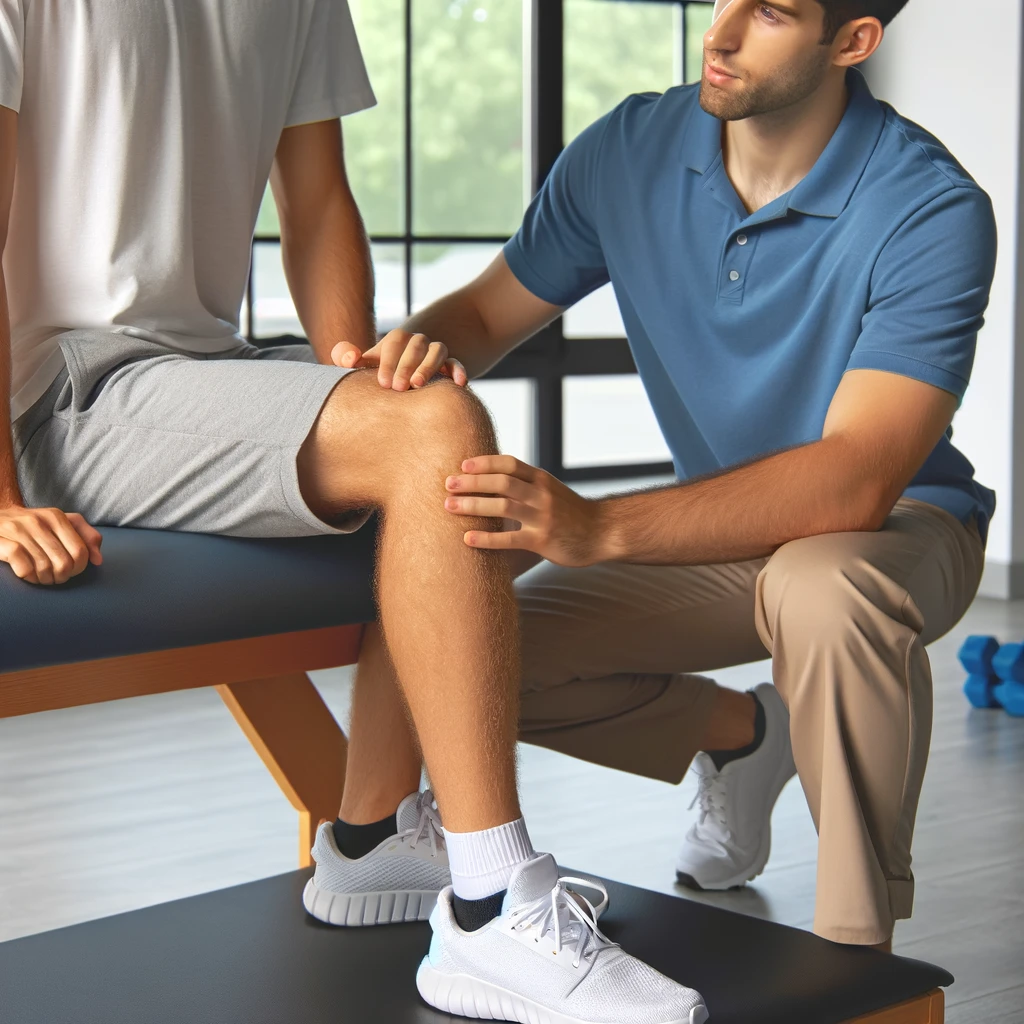
    Medical history and physical examination are the first steps towards diagnosing knee arthritis. During the physical examination, the doctor will look for signs of inflammation, tenderness, and mobility issues. They will also check for stiffness and joint pain in the knee. The doctor may ask about the patient’s symptoms, such as swelling, stiffness, and pain in the knee. They may also ask about the patient’s family history of arthritis.

    Imaging Tests

    Imaging tests are used to diagnose knee arthritis. X-rays are the most common imaging test used to diagnose knee arthritis. X-rays can show bone spurs, cartilage loss, and damaged cartilage. Magnetic resonance imaging (MRI) is another imaging test that can be used to diagnose knee arthritis. MRI can show the joint space and the condition of the cartilage.

    Laboratory Tests

    Laboratory tests can help diagnose knee arthritis. Blood tests can be used to check for infection, gout, and rheumatoid arthritis. In some cases, a procedure called arthrocentesis, in which a small amount of fluid is removed from within the knee joint with a needle and sent to a laboratory for analysis, may be recommended.

    Physical Therapy Assessment

    Physical therapy assessment can help diagnose knee arthritis. A physical therapist can evaluate the patient’s exercise routine, flexibility, strength, and joint mobility. They can also evaluate the patient’s walking and other activities of daily living. Physical therapy can help reduce pain and improve mobility in patients with knee arthritis.

    Specialist Evaluation

    A specialist evaluation may be recommended for patients with knee arthritis. A rheumatologist can help diagnose and treat knee arthritis. They can also provide information about the various treatment options available for knee arthritis.

    Supplementary Assessment Methods

    Supplementary assessment methods can help diagnose knee arthritis. These methods include joint replacement, arthroscopy, meniscus repair, ligament repair, and tendon repair. These methods are used when other methods have failed to provide relief from knee arthritis.

    Differential Diagnosis

    Differential diagnosis is the process of ruling out other conditions that may cause similar symptoms. In the case of knee arthritis, differential diagnosis may include other types of arthritis, such as rheumatoid arthritis or post-traumatic arthritis.

    Home and Self-Assessment

    Home and self-assessment can help diagnose knee arthritis. Patients can track their symptoms and activities of daily living to help identify triggers for knee pain and stiffness. They can also make lifestyle changes, such as losing weight or reducing stress, to help reduce knee pain and stiffness.

    Risk Factor Analysis

    Risk factor analysis can help diagnose knee arthritis. Risk factors for knee arthritis include age, weight, sports injuries, family history, and lifestyle factors such as stress.

    Treatment Response Evaluation

    Treatment response evaluation is the process of evaluating the effectiveness of treatment. Patients with knee arthritis may need to try several treatment options before finding the one that works best for them. Treatment options include medications, therapy, injections, exercise, weight loss, and surgery.

    Advanced Diagnostic Techniques

    Advanced diagnostic techniques can help diagnose knee arthritis. These techniques include magnetic resonance imaging (MRI), which can show the joint space and the condition of the cartilage, and imaging tests, which can show bone spurs, cartilage loss, and damaged cartilage.

    In conclusion, diagnosing knee arthritis involves a comprehensive evaluation of the patient’s medical history and physical examination, followed by imaging and laboratory tests, physical therapy assessment, specialist evaluation, and supplementary assessment methods. By using these methods, doctors can accurately diagnose knee arthritis and recommend the appropriate treatment options for their patients.

    Treatment and Management of Knee Arthritis

    When it comes to treating knee arthritis, there are various options available that can help manage the condition and alleviate symptoms. Treatment plans may vary depending on the severity of the condition, the patient’s age, overall health, and other factors. Here are some of the most common treatment and management options for knee arthritis:

    Non-Pharmacological Therapies

    Non-pharmacological therapies are often recommended as a first-line treatment for knee arthritis. These therapies include:

    • Exercise: Regular exercise can help improve joint mobility and strengthen the muscles around the knee joint, which can help reduce pain and improve function.
    • Weight loss: Losing weight can help reduce the load on the knee joint, which can help alleviate pain and slow down the progression of the condition.
    • Physical therapy: Physical therapy can help improve joint flexibility, muscle strength, and overall function.
    • Ice and heat therapy: Applying ice or heat to the affected knee can help reduce pain and inflammation.
    • Rest: Resting the affected knee can help reduce pain and allow the joint to heal.
    • Braces: Knee braces can help support the joint and reduce pain during activities.

    Medications and Pharmacotherapy

    Medications and pharmacotherapy can also be used to manage knee arthritis symptoms. Some common medications used to treat knee arthritis include:

    • Acetaminophen: Acetaminophen is a pain reliever that can help reduce mild to moderate knee pain.
    • Nonsteroidal anti-inflammatory drugs (NSAIDs): NSAIDs can help reduce pain and inflammation in the knee joint.
    • Corticosteroids: Corticosteroids are powerful anti-inflammatory drugs that can be injected directly into the knee joint to reduce pain and inflammation.
    • Hyaluronic acid: Hyaluronic acid injections can help lubricate the knee joint and reduce pain.

    Surgical and Invasive Procedures

    In some cases, surgical and invasive procedures may be necessary to treat knee arthritis. Some common procedures include:

    • Knee replacement surgery: Knee replacement surgery involves replacing the damaged knee joint with an artificial joint.
    • Knee osteotomy: Knee osteotomy involves cutting and reshaping the bones around the knee joint to shift the weight away from the damaged area.
    • Arthroscopy: Arthroscopy involves using a small camera and surgical tools to repair or remove damaged tissue in the knee joint.

    Rehabilitation and Physical Therapy

    Rehabilitation and physical therapy are an important part of knee arthritis treatment and management. These therapies can help improve joint mobility, muscle strength, and overall function.

    Lifestyle and Supportive Measures

    Making lifestyle changes and using supportive measures can also help manage knee arthritis symptoms. Some common lifestyle and supportive measures include:

    • Braces: Knee braces can help support the joint and reduce pain during activities.
    • Walking aids: Using a cane or walker can help reduce the load on the knee joint and improve mobility.
    • Stress management: Managing stress can help reduce pain and improve overall well-being.

    Emerging Treatments and Research

    There are several emerging treatments and research studies being conducted to find new and innovative ways to treat knee arthritis.

    Long-Term Management and Prognosis

    Long-term management and prognosis for knee arthritis depend on several factors, including the severity of the condition, the patient’s age, overall health, and other factors.

    Patient Education and Self-Care

    Patient education and self-care are important aspects of knee arthritis treatment and management. Patients should be educated on the condition, its symptoms, and how to manage it through lifestyle changes and other treatments.

    Monitoring and Follow-Up

    Monitoring and follow-up appointments are important to ensure that the treatment plan is working effectively and to make any necessary adjustments.

    Pain Management Strategies

    Pain management strategies can help reduce pain and improve overall well-being. These strategies may include medication, physical therapy, and lifestyle changes.

    Alternative and Complementary Therapies

    Alternative and complementary therapies, such as acupuncture and capsaicin, may also be used to manage knee arthritis symptoms.

    Nutritional Considerations and Supplements

    Nutritional considerations and supplements, such as omega-3 fatty acids and glucosamine, may also be helpful in managing knee arthritis symptoms.

    Assistive Devices and Orthotics

    Assistive devices and orthotics, such as knee braces and shoe inserts, can help support the knee joint and improve mobility.

    Psychological Support and Coping

    Psychological support and coping strategies can help patients manage the emotional toll of knee arthritis.

    Surgical Outcomes and Recovery

    Surgical outcomes and recovery time depend on several factors, including the type of surgery performed and the patient’s overall health.

    Complications and Risk Management

    Complications and risk management are important considerations for patients undergoing surgery or other invasive treatments for knee arthritis.

    Advancements in Surgical Techniques

    Advancements in surgical techniques are making knee arthritis treatment and management more effective and less invasive than ever before.

    Frequently Asked Questions

    v2 3hkbk zy0if

    What are the initial signs of arthritis in the knee?

    The initial signs of knee arthritis include pain, stiffness, and swelling in the knee joint. You may also experience a grinding or popping sensation when you move your knee. These symptoms may be mild at first but can worsen over time.

    Can knee arthritis be effectively treated without surgery?

    Yes, knee arthritis can be effectively treated without surgery. Non-surgical treatments for knee arthritis include physical therapy, weight loss, and medications such as nonsteroidal anti-inflammatory drugs (NSAIDs) and corticosteroids. Additionally, lifestyle changes such as avoiding high-impact activities and using assistive devices can help manage symptoms.

    What exercises are recommended for someone with knee osteoarthritis?

    Low-impact exercises such as walking, cycling, and swimming are recommended for someone with knee osteoarthritis. Strengthening exercises that target the muscles around the knee joint can also help reduce pain and improve mobility. It is important to consult with a physical therapist or healthcare provider before starting any exercise program.

    What are the most effective non-surgical treatments for knee arthritis?

    The most effective non-surgical treatments for knee arthritis include physical therapy, weight loss, and medications such as NSAIDs and corticosteroids. Additionally, assistive devices such as knee braces and shoe inserts can help manage symptoms. In some cases, injections of hyaluronic acid or platelet-rich plasma may also be recommended.

    How can rheumatoid arthritis in the knees be identified?

    Rheumatoid arthritis in the knees can be identified through a combination of physical examination, medical history, and diagnostic tests such as blood tests and imaging studies. Symptoms of rheumatoid arthritis in the knees may include pain, swelling, stiffness, and limited range of motion.

    Is walking beneficial for managing knee arthritis symptoms?

    Yes, walking can be beneficial for managing knee arthritis symptoms. Low-impact aerobic exercise such as walking can help improve joint mobility and reduce pain. It is important to wear appropriate footwear and to start with short distances and gradually increase the duration and intensity of the exercise.

  • Types of Arthritis Knee

    Types of Arthritis Knee

    Arthritis is a condition that affects millions of people worldwide. It is a term used to describe joint inflammation that can cause pain, stiffness, and swelling. One of the most common types of arthritis is knee arthritis. Knee arthritis can be caused by a variety of factors, including injury, genetics, and age.

    v2 3hk67 9etuu

    There are several types of arthritis that can affect the knee joint. The most common type of knee arthritis is osteoarthritis. This type of arthritis occurs when the cartilage in the knee joint breaks down over time, causing the bones to rub against each other. Other types of knee arthritis include rheumatoid arthritis, post-traumatic arthritis, and gout. Each type of arthritis has its own set of symptoms and treatment options. Understanding the different types of knee arthritis can help you and your doctor determine the best course of treatment for your specific condition.

    Understanding Knee Arthritis

    https://www.youtube.com/watch?v=iD7qnyI_2EE&embed=true

    Knee arthritis is a condition that affects millions of people worldwide. It is a type of arthritis that affects the knee joint, causing pain, swelling, and stiffness. In this section, we will discuss the different types and causes of knee arthritis, as well as the symptoms and diagnosis of this condition.

    Types and Causes

    There are several types of knee arthritis, including osteoarthritis, rheumatoid arthritis, post-traumatic arthritis, gout, and psoriatic arthritis. Osteoarthritis is the most common type and is caused by wear and tear of the knee joint over time. Rheumatoid arthritis, on the other hand, is an autoimmune disorder that causes inflammation in the joints. Post-traumatic arthritis can occur after a knee injury, while gout is a type of arthritis caused by a buildup of uric acid crystals in the joints. Psoriatic arthritis is a type of arthritis that affects people with psoriasis.

    Age is a significant risk factor for knee arthritis, as the condition is more common in older adults. Other risk factors include obesity, previous knee injuries, and a family history of arthritis.

    Symptoms and Diagnosis

    The symptoms of knee arthritis can vary depending on the type of arthritis and the severity of the condition. Common symptoms include pain, swelling, stiffness, inflammation, and redness in the knee joint. Some people may also experience joint pain in other parts of the body.

    Diagnosing knee arthritis typically involves a physical examination, x-rays, MRI, and blood tests. During the physical examination, the doctor will check for swelling, tenderness, and range of motion in the knee joint. X-rays and MRI can help to determine the extent of joint damage, while blood tests can help to rule out other conditions that may be causing the symptoms.

    In conclusion, knee arthritis is a common condition that can cause significant pain and discomfort. Understanding the different types and causes of knee arthritis, as well as the symptoms and diagnosis, can help individuals to manage the condition and improve their quality of life.

    Management and Treatment

    When it comes to managing and treating arthritis of the knee, there are a variety of options available. The approach taken will depend on the severity of the arthritis, the patient’s overall health, and other factors.

    Non-Surgical Options

    In many cases, non-surgical options can be effective in managing arthritis of the knee. These may include:

    • Exercise: Regular exercise can help to strengthen the muscles around the knee joint, which can help to reduce pain and improve mobility.
    • Medications: Over-the-counter pain relievers such as acetaminophen or nonsteroidal anti-inflammatory drugs (NSAIDs) like ibuprofen can help to reduce pain and inflammation. Prescription medications may also be used in some cases.
    • Physical Therapy: A physical therapist can work with patients to develop an exercise program that is tailored to their specific needs and can help to improve strength, flexibility, and range of motion.
    • Injections: Corticosteroid injections can be used to reduce inflammation and pain in the knee joint. Hyaluronic acid injections may also be used to help lubricate the joint and reduce pain.

    Surgical Procedures

    If non-surgical options are not effective, or if the arthritis is severe, surgical procedures may be necessary. These may include:

    • Knee Replacement: In some cases, a total knee replacement may be necessary. This involves removing the damaged joint and replacing it with an artificial joint made of metal and plastic.
    • Partial Knee Replacement: If the damage is limited to one part of the knee joint, a partial knee replacement may be an option. This involves replacing only the damaged part of the joint with an artificial joint.
    • Synovectomy: This involves removing the synovial membrane, which is the lining of the joint. This can help to reduce inflammation and pain.

    In addition to these treatment options, other measures such as ice or heat therapy may be used to help manage pain and inflammation. Ultimately, the best approach will depend on the individual patient and their specific situation. We will work with patients to develop a treatment plan that is tailored to their needs and that will help them to manage their arthritis and improve their quality of life.

    Frequently Asked Questions

    v2 3hk6q 1mtul

    Can arthritis in the knee cause pain to radiate down the leg?

    Yes, arthritis in the knee can cause pain to radiate down the leg. This is because the knee joint is connected to the muscles, tendons, and nerves in the leg. When the knee joint is inflamed due to arthritis, it can put pressure on these structures, causing pain to radiate down the leg. It is important to consult with a healthcare professional to determine the cause of the pain and develop an appropriate treatment plan.

    What is considered the most effective treatment for arthritis in the knee?

    The most effective treatment for arthritis in the knee depends on the severity of the condition and the individual’s specific needs. Some common treatments for knee arthritis include medication, physical therapy, weight loss, and surgery. Nonsteroidal anti-inflammatory drugs (NSAIDs) are often used to relieve pain and inflammation. Physical therapy can help improve strength and flexibility in the knee joint. Weight loss can reduce the pressure on the knee joint, while surgery may be necessary for more severe cases.

    How can one differentiate between osteoarthritis and rheumatoid arthritis in the knee?

    Osteoarthritis and rheumatoid arthritis are two different types of arthritis that can affect the knee joint. Osteoarthritis is a degenerative condition that occurs when the protective cartilage in the knee joint wears down over time. Rheumatoid arthritis, on the other hand, is an autoimmune disorder that causes the body’s immune system to attack the joints, including the knee joint. A healthcare professional can perform diagnostic tests, including X-rays and blood tests, to differentiate between the two conditions.

    What are recommended exercises for managing knee arthritis?

    Low-impact exercises, such as walking, cycling, and swimming, are often recommended for managing knee arthritis. These exercises can help improve strength and flexibility in the knee joint without putting excessive stress on the joint. It is important to consult with a healthcare professional or physical therapist to develop a safe and effective exercise program.

    What are the surgical options available for treating knee arthritis?

    Surgical options for treating knee arthritis include arthroscopy, osteotomy, and joint replacement. Arthroscopy involves using a small camera to view the inside of the knee joint and remove damaged tissue. Osteotomy involves cutting and repositioning the bones in the knee joint to relieve pressure on the damaged area. Joint replacement involves removing the damaged joint and replacing it with an artificial joint.

    What are the four stages of osteoarthritis in the knee and their symptoms?

    The four stages of osteoarthritis in the knee are:

    • Stage 1: Minor bone spur growth and minor cartilage damage.
    • Stage 2: Mild to moderate cartilage damage and bone spur growth.
    • Stage 3: Moderate to severe cartilage damage, bone spur growth, and joint space narrowing.
    • Stage 4: Severe cartilage damage, bone spur growth, and complete loss of joint space.

    Symptoms of osteoarthritis in the knee may include pain, stiffness, swelling, and a grinding sensation in the knee joint. It is important to consult with a healthcare professional for an accurate diagnosis and treatment plan.

  • Knee Pain Symptoms and Causes

    Knee Pain Symptoms and Causes

    Knee Pain Symptoms and Causes: A Comprehensive Guide

    Knee pain can be a bothersome issue that affects people of all ages. It may result from a number of factors, such as injuries like torn cartilage or ruptured ligaments, or medical conditions like arthritis, gout, and infections. Understanding the causes and symptoms of knee pain is essential for seeking timely and appropriate treatment to alleviate discomfort and prevent complications.

    In this article, we will explore the various factors that contribute to knee pain and gain insights into different treatment approaches. We will also discuss risk factors and preventive measures to help maintain healthy knees and maintain overall well-being.

    patellofemoral pain syndrome:

    Understanding Patellofemoral Pain Syndrome

    CategoryDetails
    DefinitionPain between the kneecap (patella) and thighbone (femur) due to abnormal biomechanical forces
    Common Causes– Kneecap maltracking/dysfunction<br>- Overuse from sports<br>- Tight quadriceps, IT band, calves <br>- Weak hip and gluteal stabilizers
    Contributing Factors– High Q-angle anatomy<br>- Poor movement patterns<br>- Sudden load increases without adaptation
    Affected Populations– Athletes <br>- Young active adults<br>- Older adults with kneecap arthritis
    Conservative Treatment– Taping/bracing to improve tracking <br>- Targeted stretching & strengthening <br>- Movement pattern retraining
    Surgical Options– Lateral release to loosen tight tissues<br>- Patellar reshaping procedures<br>- Kneecap cartilage resurfacing

    Key components of PFPS involve abnormal kneecap gliding, overloading tissue capacities through sports, and anatomical vulnerabilities. Conservative rehabilitation aims to correct the imbalances, while surgery is occasionally utilized for refractory cases to realign structures or halt arthritis progression.

    Key Takeaways

    • Knee pain can be caused by injuries or medical conditions like arthritis and gout.
    • Timely diagnosis and treatment can alleviate discomfort and prevent complications.
    • Understanding risk factors and preventive measures helps maintain healthy knees.

    Overview

    Knee pain is highly prevalent and affects individuals of all age groups. It can stem from injuries such as torn cartilage or ruptured ligaments or be a result of medical conditions like arthritis, gout, and infections. Fortunately, most minor knee pain cases can be managed through self-care measures, while more severe cases may benefit from physical therapy, knee braces, or even surgical intervention. Our discussion will dive deeper into the complexities of knee pain, exploring muscles, joints, ligaments, tendons, and bones (tibia, patella, and femur) involved in the knee joint.

    3260325e cc5f 426e 80e9 6a1a2a7f263b

    Symptoms

    Recognizing the Signs

    Knee pain can manifest in various ways depending on the underlying issue. Some common symptoms accompanying knee pain are:

    • Swelling and stiffness
    • Redness and a warm sensation
    • Weakness or instability
    • Audible popping or crunching sounds
    • Difficulty fully straightening the knee

    Seeking Medical Attention

    We encourage you to consult your doctor if you experience any of the following:

    • Inability to bear weight on your knee or a feeling of instability
    • Significant swelling of the knee
    • Limited extension or flexing of the knee
    • Visible deformities in your leg or knee
    • Fever, accompanied by redness, pain, and swelling in the knee
    • Severe knee pain associated with an injury

    From Mayo Clinic to Your Inbox

    We’re excited to provide you with the latest research advancements, health tips, current health topics, and advice on managing your health straight to your inbox. Sign up for free and stay informed with information tailored to your needs.

    By signing up, we combine your email and website usage information with other details we have about you, ensuring the most relevant and helpful content is delivered to you. For Mayo Clinic patients, rest assured that your protected health information is treated with utmost care and used according to our privacy practices.

    Remember, you have the option to opt-out of our email communications at any time by simply clicking the unsubscribe link provided in the email.

    Causes of Knee Pain

    Injuries Affecting the Knee

    Knee injuries can involve various structures around the knee joint, such as ligaments, tendons, bursae, bones, and cartilage. Some common knee injuries are:

    • ACL injury: A tear in the anterior cruciate ligament, which connects the shinbone to the thighbone, often occurs in sports that require sudden directional changes like basketball or soccer.
    • Fractures: Knee bones, including the kneecap, may break due to falls or vehicle accidents. Osteoporosis can also lead to knee fractures from minor missteps.
    • Torn meniscus: The meniscus, the cartilage cushioning between the shinbone and thighbone, may tear if the knee is suddenly twisted while bearing weight.
    • Knee bursitis: Injuries may cause inflammation in the knee bursae, the fluid-filled sacs that enable smooth movement between tendons, ligaments, and the knee joint.
    • Patellar tendinitis: This refers to the irritation and inflammation of tendons attaching muscles to bones, particularly the patellar tendon connecting the kneecap and shinbone. It often occurs in runners, skiers, cyclists, and people involved in jumping sports.

    Mechanical Issues

    Mechanical problems causing knee pain include:

    • Loose body: Detached bone or cartilage fragments floating in the joint space can obstruct knee joint movement, akin to a pencil caught in a hinge.
    • Iliotibial band syndrome: Tightening of the iliotibial band, which extends from the hip to the outer knee, can cause rubbing against the thighbone. Distance runners and cyclists are prone to this condition.
    • Dislocated kneecap: The kneecap can slip out of place, typically to the knee’s outside. In some instances, the dislocation remains visible.
    • Hip or foot pain: Compensating for pain in the hips or feet by changing one’s gait can place extra stress on the knee joint, leading to pain.

    Forms of Arthritis

    Various types of arthritis can cause knee pain:

    • Osteoarthritis: This wear-and-tear condition results from the knee cartilage’s deterioration due to use and age.
    • Rheumatoid arthritis: An autoimmune disease potentially affecting any joint, including the knees. This chronic condition’s severity may fluctuate.
    • Gout: Occurs when uric acid crystals accumulate in the joint, typically affecting the big toe but also the knee.
    • Pseudogout: Often mistaken for gout, this condition stems from calcium-containing crystals in the joint fluid. The knee is the most frequently affected joint.
    • Septic arthritis: An infection in the knee joint may lead to swelling, pain, redness, and fever. It can quickly damage the knee cartilage, requiring urgent medical attention.

    Additional Issues

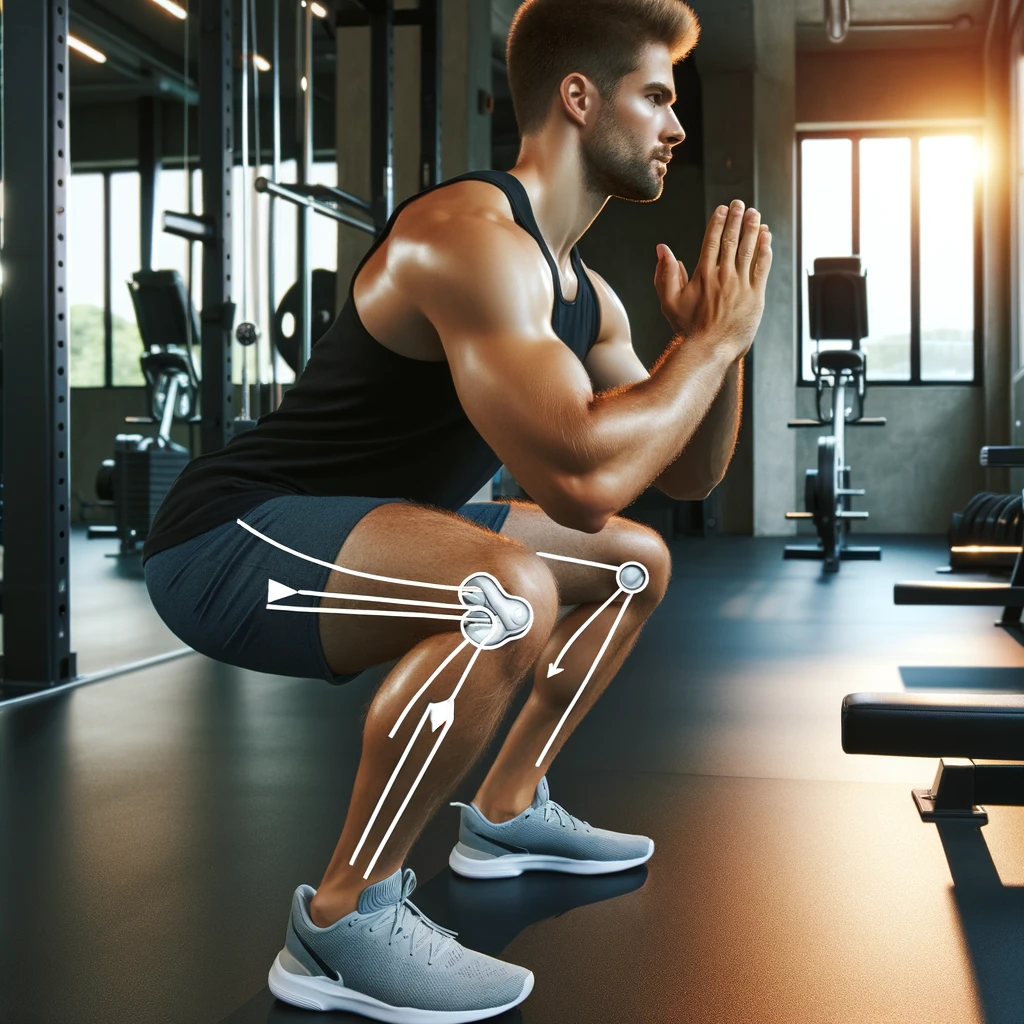
    Patellofemoral pain syndrome (PFPS) refers to discomfort between the kneecap (patella) and underlying thighbone (femur). It involves abnormal forces transmitted through the patellofemoral joint which is the articulation between these two structures. PFPS commonly affects certain populations, especially athletes who overloaded their knees through repetitive overuse from sports.

    The main culprit causing PFPS is maltracking or dysfunction of the kneecap as it glides up and down in a groove on the femur during knee bending. This maltracking indicates a biomechanical imbalance, often from tight muscles or anatomical misalignment pulling the cap sideways. This leads to increased pressures on the back of the patella and the adjacent cartilage, triggering pain.

    PFPS frequently develops in young active adults, particularly females, who have naturally higher “Q angles” – an anatomical measurement of kneecap positioning. It also occurs in some older adults for whom the cartilage under the kneecap has worn away significantly due to arthritis, causing bone-on-bone grinding. These groups appear predisposed towards developing knee pain from the aftermath of abnormal patellofemoral mechanics.

    Besides overuse from sports and vulnerable anatomy, other PFPS triggers involve sudden increases in loading too quickly. The muscles stabilizing the patella require adaptations to control loads safely. When demands exceed abilities, the kneecap tracking suffers. Additionally, poor movement patterns such as unbalanced squatting or jumping/landing with knock knees induces patellofemoral compression. Often tight quadriceps, IT bands and calves paired with weak hips/glutes contributes to dysfunction.

    Several targeted interventions aim at conservatively realigning the patella, strengthening deficient stabilizers, restoring ideal tracking and alleviating compression forces causing PFPS. Using braces, taping, customized exercise corrections and gait pattern retraining are common initial tactics under therapist guidance to calm pain and prevents recurrences. In some cases of refractory PFPS or significant arthritis, surgical options to release or reshape overtightened tissues or resurface damaged articulations provide longer term solutions.

  • Prevention Strategies for Knee Ligament Injuries

    Prevention Strategies for Knee Ligament Injuries

    Prevention Strategies for Knee Ligament Injuries: Professional Tips

    Knee ligament injuries are common among athletes and can be a frustrating setback for anyone who enjoys an active lifestyle. The knee joint is one of the largest and most complex joints in the body, making it vulnerable to various types of injuries. Understanding and identifying knee ligament injuries is crucial to prevent further damage and promote quick recovery.

    v2 32d9h 7v8oi

    The most common knee ligament injuries are the anterior cruciate ligament (ACL), medial collateral ligament (MCL), posterior cruciate ligament (PCL), and lateral collateral ligament (LCL). These injuries can occur due to direct trauma, such as contusions and strains, or from indirect trauma, such as sudden changes in direction. Symptoms of knee ligament injuries include pain, swelling, inflammation, and joint laxity. In this article, we will discuss five prevention strategies for knee ligament injuries to help maintain knee stability and prevent knee instability.

    professional tips for prevention strategies to help avoid knee ligament injuries:

    CategoryTips
    Strength & Flexibility Training– Emphasize hamstring, glute, quad, hip & core exercises<br>- Ensure muscle imbalances are addressed<br>- Use proper form/technique to prevent overstress
    Movement Control & Balance– Practice proper landing mechanics when jumping <br>- Enhance proprioception & body control<br>- Integrate deceleration drills
    Equipment & Environment– Wear supportive & appropriate footwear <br>- Tape or brace vulnerable knees if needed <br>- Ensure safe, even playing surfaces
    Loading & Recovery– Follow loading guidelines for ramping up intensity<br>- Avoid aggressive pivoting until tissues adapted<br>- Schedule adequate rest periods between sessions
    Body Composition & Nutrition– Prevent muscle loss during injury layoffs<br>- Maintain healthy BMI year-round<br>- Support exercise recovery nutritionally
    Mindset & Motivation– Foster positive, confident mentality<br>- Set smaller achievable goal steps <br>- Enlist social support structure

    The most effective ACL/knee ligament injury prevention programs take a comprehensive approach. Optimizing strength, movement mechanics, loading, and nutrition helps create resilience. Confidence in knee stability paired with caution towards unsafe mechanics allows for safer progression. Expert guidance tailoring programs is key for best injury deterrence.

    9c0fad6b da19 4bad 92cb dac1d9705c7d

    Key Takeaways

    • Understanding the anatomy of the knee joint and identifying knee ligament injuries can promote quick recovery.
    • Direct and indirect trauma can cause knee ligament injuries, leading to pain, swelling, inflammation, and joint laxity.
    • Five prevention strategies can help maintain knee stability and prevent knee instability, reducing the risk of knee ligament injuries.

    Understanding and Identifying Knee Ligament Injuries

    Knee ligament injuries are common among athletes and individuals who engage in physical activities that require jumping, pivoting, or sudden changes in direction. In this section, we will discuss the common types and causes of knee ligament injuries, how to identify symptoms and diagnose the injury, treatment and rehabilitation options, and the role of sex and age in knee ligament injuries.

    Common Types and Causes

    The most common types of knee ligament injuries are the anterior cruciate ligament (ACL) and medial collateral ligament (MCL) injuries. The ACL is usually injured during non-contact activities such as landing after a jump or sudden stops and changes in direction. On the other hand, the MCL is usually injured from a direct blow to the outer side of the knee, such as when playing football or hockey.

    Symptoms and Diagnosis

    The symptoms of knee ligament injuries include pain, swelling, bruising, and instability. The diagnosis of knee ligament injuries is usually made through a physical exam and imaging tests such as MRI or X-rays. It is important to seek medical attention if you experience any of these symptoms.

    Treatment and Rehabilitation

    The treatment and rehabilitation of knee ligament injuries depend on the severity of the injury. Treatment options include rest, ice, compression, and elevation (RICE), physical therapy, and surgery. Rehabilitation includes exercises to improve range of motion, strength, and mobility. It is important to follow the guidance of a physical therapist or orthopedic surgeon to ensure proper recovery.

    Role of Sex and Age

    Research shows that females are more prone to knee ligament injuries than males due to differences in anatomy, form, and hormones such as estrogen and relaxin. Additionally, age plays a role in knee ligament injuries, with individuals over 50 years old being at a higher risk due to decreased muscle strength and flexibility.

    Sports and Injuries

    Knee ligament injuries are common in sports that require sudden stops and changes in direction such as soccer, basketball, and football (soccer). Injury prevention programs that include warm-up, neuromuscular training, and proprioception exercises can reduce the frequency of knee ligament injuries by up to 50%. Coaches and athletes should also prioritize proper technique, posture, and fatigue management to prevent knee ligament injuries.

    In conclusion, knee ligament injuries are common among athletes and individuals who engage in physical activities. Understanding the common types and causes of knee ligament injuries, identifying symptoms and diagnosing the injury, and following proper treatment and rehabilitation options can help prevent long-term damage. Coaches, athletes, and individuals should prioritize injury prevention programs and proper technique to reduce the frequency of knee ligament injuries.

    Prevention Strategies for Knee Ligament Injuries

    When it comes to knee ligament injuries, prevention is key. Here are some effective strategies that we recommend:

    Strengthening and Conditioning

    Strengthening and conditioning exercises can help improve muscle strength and endurance, which can help reduce the risk of knee ligament injuries. Exercises that target the hips, ankles, and core can be particularly effective in improving stability and reducing the risk of injury.

    Injury Prevention Programs

    Injury prevention programs can be an effective way to reduce the risk of knee ligament injuries. These programs typically include a combination of warm-up exercises, neuromuscular training, and strength and conditioning exercises. They can be particularly effective for athletes who participate in high-risk sports, such as soccer, basketball, and football.

    Importance of Compliance and Frequency

    Injury prevention strategies are only effective if they are followed consistently and frequently. Compliance with injury prevention programs is essential for reducing the risk of knee ligament injuries. It is important to follow the program as prescribed and to make sure that exercises are performed correctly and with good form.

    In conclusion, preventing knee ligament injuries requires a combination of strategies that target strength, stability, and flexibility. Injury prevention programs that incorporate warm-up exercises, neuromuscular training, and strength and conditioning exercises can be particularly effective. However, compliance with these programs is essential for success. By following these strategies, we can help reduce the risk of knee ligament injuries and keep athletes healthy and active.

  • Rehabilitation Exercises for Knee

    Rehabilitation Exercises for Knee

    Rehabilitation Exercises for Knee Ligaments: Strengthening and Recovery Techniques

    As physical therapists, we often see patients with knee ligament injuries. Knee ligaments are strong bands of tissue that connect the thighbone to the shinbone and provide stability to the knee joint. Injuries to knee ligaments can result in pain, swelling, and decreased range of motion. Rehabilitation exercises for knee ligaments can help improve joint stability, reduce pain, and restore function.

    v2 32db6 rluua

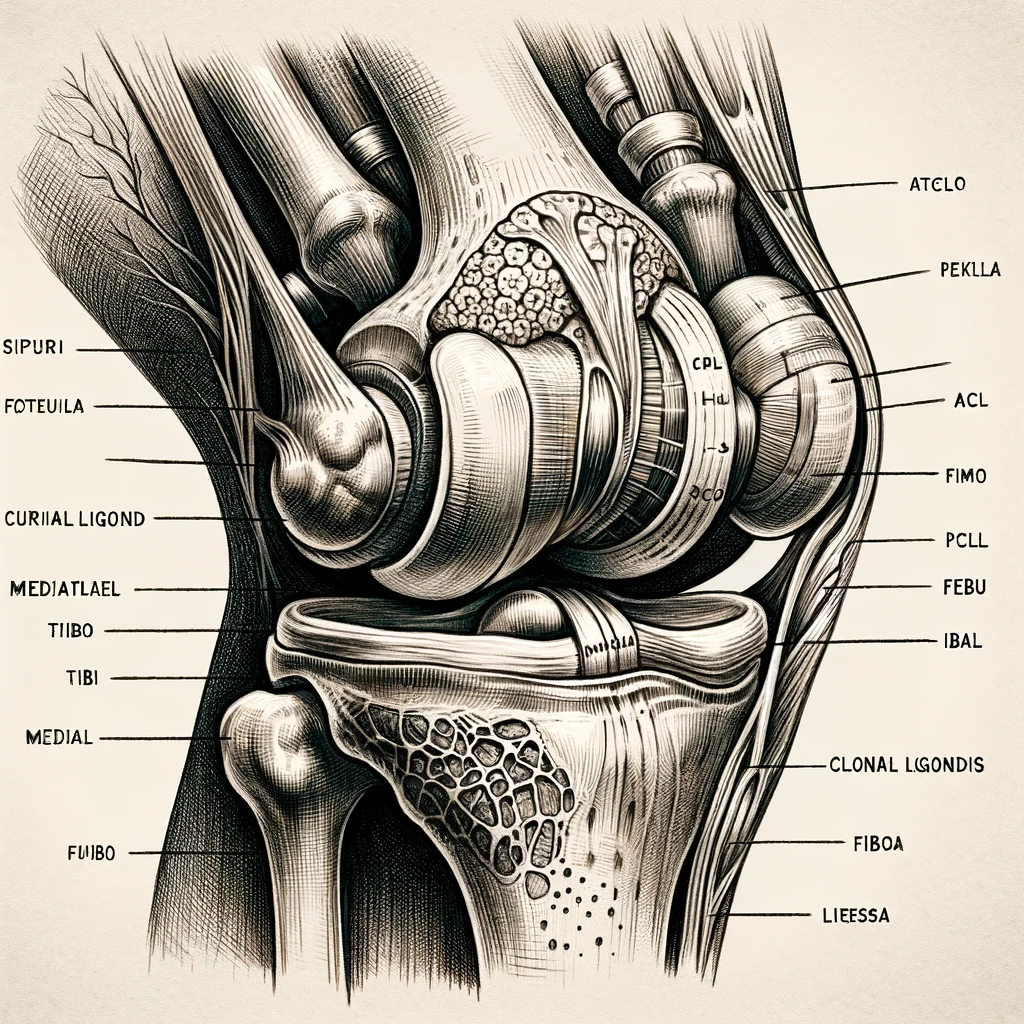
    Understanding Knee Ligament Injuries is important for developing an effective rehabilitation plan. There are four main ligaments in the knee joint: the anterior cruciate ligament (ACL), posterior cruciate ligament (PCL), medial collateral ligament (MCL), and lateral collateral ligament (LCL). ACL and PCL injuries are more common in athletes and can occur during sports that involve sudden stops, changes in direction, or jumping. MCL and LCL injuries can result from a direct blow to the knee or from twisting the knee. Depending on the severity of the injury, surgery may be required to repair or reconstruct the damaged ligament.

    8cbc720a b396 47e0 b03a 307abbe136e3 1

    In this article, we will discuss 6 Rehabilitation Exercises for Knee Ligaments that can help improve joint stability, reduce pain, and restore function. These exercises are designed to strengthen the muscles that support the knee joint and improve biomechanical function. By following a structured rehabilitation program, patients can improve their recovery and return to their daily activities faster.

    Key Takeaways

    • Knee ligament injuries can result in pain, swelling, and decreased range of motion.
    • There are four main ligaments in the knee joint: the anterior cruciate ligament (ACL), posterior cruciate ligament (PCL), medial collateral ligament (MCL), and lateral collateral ligament (LCL).
    • Rehabilitation exercises for knee ligaments can help improve joint stability, reduce pain, and restore function.

    Understanding Knee Ligament Injuries

    Knee ligament injuries are common among athletes and individuals who engage in physical activities. These injuries can be caused by a wide range of factors, including trauma, overuse, and sports-related injuries. The most common types of knee ligament injuries include anterior cruciate ligament (ACL) injuries, medial collateral ligament (MCL) injuries, and posterior cruciate ligament (PCL) injuries.

    Causes and Types of Injuries

    ACL injuries are typically caused by a twisting motion or a direct blow to the knee. MCL injuries, on the other hand, are often caused by a direct blow to the outside of the knee. PCL injuries are usually the result of a direct blow to the front of the knee or a hyperextension injury.

    Ligament injuries can be classified as either partial or complete tears. Partial tears involve damage to a portion of the ligament, while complete tears involve a complete separation of the ligament from the bone. Overuse injuries, such as tendinitis, can also occur in the knee.

    Diagnosis and Assessment

    Diagnosis of knee ligament injuries involves a physical examination, imaging tests, and other diagnostic procedures. Physical examination involves assessing the knee for pain, swelling, and instability. Imaging tests such as magnetic resonance imaging (MRI), radiographs, and ultrasound can also be used to assess the extent of the injury.

    Treatment Options

    Treatment options for knee ligament injuries depend on the severity of the injury. Nonoperative treatment may involve rest, ice, compression, and elevation (RICE), physical therapy, and immobilization. Operative treatment may involve surgery, such as arthroscopy or ACL reconstruction.

    Post-Injury Challenges

    Post-injury challenges may include pain, swelling, and instability. Rehabilitation is essential for restoring full function and reducing the risk of future injuries.

    Understanding the Rehabilitation Process

    Rehabilitation is an essential part of the recovery process for knee ligament injuries. The rehabilitation process involves a series of exercises and other interventions designed to improve muscle strength, proprioception, and joint stability.

    Specific Rehabilitation Exercises

    Specific rehabilitation exercises may include exercises to improve muscle strength, such as knee flexion and extension exercises, as well as exercises to improve proprioception, such as balance training.

    Role of Imaging in Rehabilitation

    Imaging tests such as MRI and radiographs can be used to assess the extent of the injury and monitor progress during rehabilitation.

    Rehabilitation Exercises for Knee Ligament Recovery

    ExerciseDescriptionTarget Area
    Passive Range of MotionGentle movements of knee by therapist/device to improve flexion/extension early post-injury without overstressingRestore mobility; reduce stiffness
    Quad SetsContract quad muscles by pushing knees down into floor/table when in sitting/lying positionActivate quads; prevent atrophy
    Straight Leg RaisesTighten quads to lift straight leg up off floor/bed, keep knee lockedStrengthen quads; knee stabilization
    Hip Abduction/AdductionMove legs outward/inward against resistance or body weightStrengthen hip muscles supporting knee
    Calf RaisesRaise up onto ball/toes of foot, lower with controlStrengthen calves; improve balance/proprioception
    Wall SitsSlide down wall until knees/hips at 90 degree angle, hold positionStrengthen quads; improve endurance
    Terminal Knee ExtensionsSit with resistance band around foot, fully straighten kneeRegain full extension range of motion
    Hamstring CurlsFlex knees to pull heels toward buttress against resistance bandStrengthen hamstrings; decelerate knee extension
    Balance Board/Wobble BoardStand with knee slightly bent on unstable surfaceEnhance balance and knee proprioception
    Mini-SquatsPerform slight squatting motion within pain-free range of motionRegain quad control; restore movement pattern

    The exact exercises and progressions are tailored by physical therapists depending on injury specifics, graft type, and post-surgical timeline. The goal is to restore strength, mobility, proprioception and movement control safely based on healing constraints

    a7918c30 98ad 4e88 b5fa 3668ecb888b6 2

    Preventing Future Injuries

    Preventing future knee ligament injuries involves proper conditioning, warm-up, and cool-down exercises, as well as appropriate protective gear.

    In conclusion, knee ligament injuries are common among athletes and individuals who engage in physical activities. Proper diagnosis, treatment, and rehabilitation are essential for restoring full function and reducing the risk of future injuries.

  • Knee Pain After ACL Surgery

    Knee Pain After ACL Surgery

    Managing Knee Pain After ACL Surgery

    Anterior cruciate ligament (ACL) reconstruction is a common surgical procedure for individuals who have suffered a torn ACL. While outcomes have improved dramatically, knee pain and re-injury continue to be concerns during the recovery process. Recent advances in rehabilitation protocols and biomechanical research are shedding light on optimal recovery strategies.

    9566c6af 8e44 4b28 9740 7d191e646e96

    Understanding Knee Pain After ACL Surgery

    Understanding Knee Pain after ACL Surgery

    Knee pain following ACL reconstruction arises due to multiple interrelated biomechanical and physiological factors. The initial trauma of surgery triggers an inflammatory response which can lead to fluid buildup, swelling, and stiffness, resulting in pain with movement. This acute inflammatory phase usually lasts 6-8 weeks. Concurrently, muscular imbalances around the knee joint develop, most notably quadriceps inhibition and weakness. The quadriceps muscles play a crucial role in stabilizing the knee joint. When weakened and inhibited after surgery, abnormal forces are transmitted through the joint, exacerbating pain and dysfunction. Finally, biomechanical alterations including asymmetric gait patterns and improper landing mechanics cause further pain. A careful evaluation of all these contributing trigger points through a full physical therapy examination is key to pinpointing the optimal treatment approach.

    Causes of Knee Pain

    Knee pain following ACL reconstruction arises due to multiple interrelated biomechanical and physiological factors. The initial trauma of surgery triggers an inflammatory response which can lead to fluid buildup, swelling, and stiffness, resulting in pain with movement.

    Inflammation

    This acute inflammatory phase usually lasts 6-8 weeks.

    A 2022 study found that altered walking biomechanics were present even 2 years after surgery, especially in females (Smith et al). These persistent abnormalities highlight the need for rehabilitation focused on normalizing movement patterns.

    1: Common Causes of Knee Pain after ACL Surgery

    CauseContributing Factors
    Inflammation– Surgical trauma<br>- Swelling<br>- Fluid buildup
    Muscle imbalances– Quadriceps inhibition<br>- Hamstring dominance<br>- Calcium deposits
    Biomechanical abnormalities– Gait asymmetries<br>- Improper landing mechanics<br>- Overpronation

    Managing Knee Pain

    Effective knee pain management requires a multifaceted rehabilitation program tailored to the individual’s specific deficits and dysfunctions. The priority initially is controlling inflammation through ice, compression, medication, and activity modification. Once pain and swelling have been reined in, restoring full knee mobility is essential for reducing stiffness and dysfunction. Gentle manual therapy techniques and range of motion exercises facilitate this process. As mobility improves, muscular imbalances must be addressed through targeted stretching and progressive strength training, focused especially on reactivating the quadriceps. Finally, movement pattern retraining helps ingrain proper mechanics. Areas to emphasize include squatting, lunging, walking gait, running, jumping and landing. The goal is to eliminate any asymmetries or compensations that could lead to abnormal forces through the joint. Throughout this process, communication with the care team is key to calibrate the program to avoid flare-ups while still stimulating progress.

    • Anti-inflammatory medications
    • Ice, compression, elevation
    • Restoring range of motion
    • Eliminating muscle imbalances
    • Normalizing movement patterns

    2: Rehabilitation Phases and Focus Areas

    PhaseTimingGoals
    Inflammation & Early ROM0-2 weeks– Manage swelling/pain<br>- Regain mobility
    Intermediate ROM & Early Strengthening3-6 weeks– Improve quad strength<br>- Single leg stability
    Advanced Strengthening & Neuromuscular Control6-12 weeks– Running mechanics<br>- Multi-plane agility
    Return to Sport4+ months– Sport-specific training<br>- Confidence in knee function

    Muscular Imbalances

    Concurrently, muscular imbalances around the knee joint develop, most notably quadriceps inhibition and weakness. The quadriceps muscles play a crucial role in stabilizing the knee joint. When weakened and inhibited after surgery, abnormal forces are transmitted through the joint, exacerbating pain and dysfunction.

    Biomechanical Changes

    Finally, biomechanical alterations including asymmetric gait patterns and improper landing mechanics cause further pain. A careful evaluation of all these contributing trigger points through a full physical therapy examination is key to pinpointing the optimal treatment approach.

    Managing Knee Pain

    Rehabilitation Program

    Effective knee pain management requires a multifaceted rehabilitation program tailored to the individual’s specific deficits and dysfunctions.

    Early Phase

    The priority initially is controlling inflammation through ice, compression, medication, and activity modification. Once pain and swelling have been reined in, restoring full knee mobility is essential for reducing stiffness and dysfunction. Gentle manual therapy techniques and range of motion exercises facilitate this process.

    Later Phase

    As mobility improves, muscular imbalances must be addressed through targeted stretching and progressive strength training, focused especially on reactivating the quadriceps.

    Movement Retraining

    Finally, movement pattern retraining helps ingrain proper mechanics. Areas to emphasize include squatting, lunging, walking gait, running, jumping and landing. The goal is to eliminate any asymmetries or compensations that could lead to abnormal forces through the joint. Throughout this process, communication with the care team is key to calibrate the program to avoid flare-ups while still stimulating progress.

    Optimizing Long-Term Outcomes

    Preventing Re-Injury

    Due to the high risk of retear after ACL reconstruction, prevention of re-injury is paramount during recovery. Gradually building up strength and then progressing activity in a controlled manner based on specific objective criteria allows tissues to heal while regaining function.

    Maintaining Stability

    Furthermore, consistently practicing ideal movement patterns and positioning trains the neuromuscular system to maintain knee stability. For example, focusing on knee alignment over toes during squats and engaging core muscles protects the ACL graft.

    Return to Sports

    As the graft incorporation stretches beyond 6 months, impact activities can be cautiously integrated. However, pivoting sports may need to wait 9 months or more. Maintaining quadriceps and core strength and allowing the full return of power and agility prior to discharge from therapy ensures the knee can withstand demands of sport. Sticking to activity guidelines, along with smart training periodization can optimize recovery even years after ACL surgery.

    Conclusion

    Knee pain and dysfunction after ACL surgery remain ongoing challenges. However, recent research into biomechanics and rehabilitation is improving long-term outcomes. An individualized, progressive recovery program focused on resolving muscle imbalances and normalizing movement is essential to optimizing recovery.

  • Knee Pain Exercises

    Knee Pain Exercises

     Strengthening and Stretching for Knee Health and Pain Relief: A Comprehensive Guide to Knee Exercises

    Introduction

    Knee pain is a prevalent issue that affects individuals of all ages and activity levels. Regular exercise plays a crucial role in maintaining knee health, strengthening the muscles around the knee joint, improving flexibility, and alleviating pain.

    deeb9681 e2bc 4c61 887f 9315dca4aaf4

    In this comprehensive guide, we will explore a series of targeted knee exercises designed to promote knee health, enhance mobility, and reduce pain. We will provide clear instructions, modifications for different fitness levels, and emphasize the importance of proper form and progression to avoid injury.

    Targeted Knee Exercises

    1. Straight Leg Raises: Lie on your back with one leg extended straight up. Gently lift your leg off the ground, keeping your knee straight, and hold for a few seconds. Lower your leg back down and repeat with the other leg.
    2. Hamstring Curls: Lie on your back with both legs extended straight up. Bending your knees, bring one leg towards your chest, keeping the other leg straight. Hold for a few seconds and extend your leg back to the starting position. Repeat with the other leg.
    3. Quadriceps Stretches: Stand facing a chair or wall for support. Bend one knee, bringing your heel towards your buttocks. Hold for a few seconds and release. Repeat with the other leg.
    4. Calf Raises: Stand facing a wall or chair for support. Raise your heels off the ground, balancing on the balls of your feet. Hold for a few seconds and lower back down. Repeat.
    5. Wall Squats: Stand with your back against a wall, feet hip-width apart. Slowly slide down the wall as if sitting in a chair until your thighs are parallel to the floor. Hold for a few seconds and push back up to the starting position.
    ad2a2377 8a48 42da b2ac c51f36865d1c

    Modifications for Different Fitness Levels

    • Beginner: Start with a few repetitions of each exercise and gradually increase the number as your strength and endurance improve. Use a chair or wall for support if needed.
    • Intermediate: Increase the number of repetitions and consider adding weights or resistance bands for added challenge.
    • Advanced: Perform the exercises with more repetitions, longer holds, and increased resistance.

    Importance of Proper Form and Progression

    • Proper Form: Maintaining proper form is essential to maximize the effectiveness of the exercises and prevent injury. Keep your core engaged, avoid locking your knees, and breathe smoothly throughout the movements.
    • Progression: Gradually increase the intensity, duration, and frequency of your exercise routine as your fitness level improves. Avoid overexertion and listen to your body’s signals.

    Conclusion

    Regularly incorporating targeted knee exercises into your routine can significantly improve knee health, enhance mobility, and reduce pain. By following the guidelines outlined in this comprehensive guide, you can effectively strengthen the muscles around your knee joint, maintain flexibility, and promote overall knee well-being.

    Targeted Knee Exercises

    ExerciseDescription
    Straight Leg RaisesStrengthens the quadriceps
    Hamstring CurlsStrengthens the hamstrings
    Quadriceps StretchesImproves quadriceps flexibility
    Calf RaisesStrengthens calf muscles
    Wall SquatsStrengthens quadriceps, hamstrings, and glutes
  •  Knee Pain Causes

     Knee Pain Causes

    Unraveling the Mystery Behind Knee Discomfort: A Comprehensive Guide to Knee Pain Causes

    f997a0eb 9fa4 436c 9565 a1cdde4bf3ed

    Introduction

    Knee pain is a common ailment that can significantly impact mobility and quality of life. Understanding the underlying causes of knee pain is crucial for effective treatment and prevention.

    In this comprehensive guide, we will delve into the various causes of knee pain, exploring the biomechanics of the knee joint and the role of surrounding muscles and ligaments. We will discuss common knee pain conditions, diagnostic tests, and treatment options for specific knee pain causes.

    Biomechanics of the Knee Joint

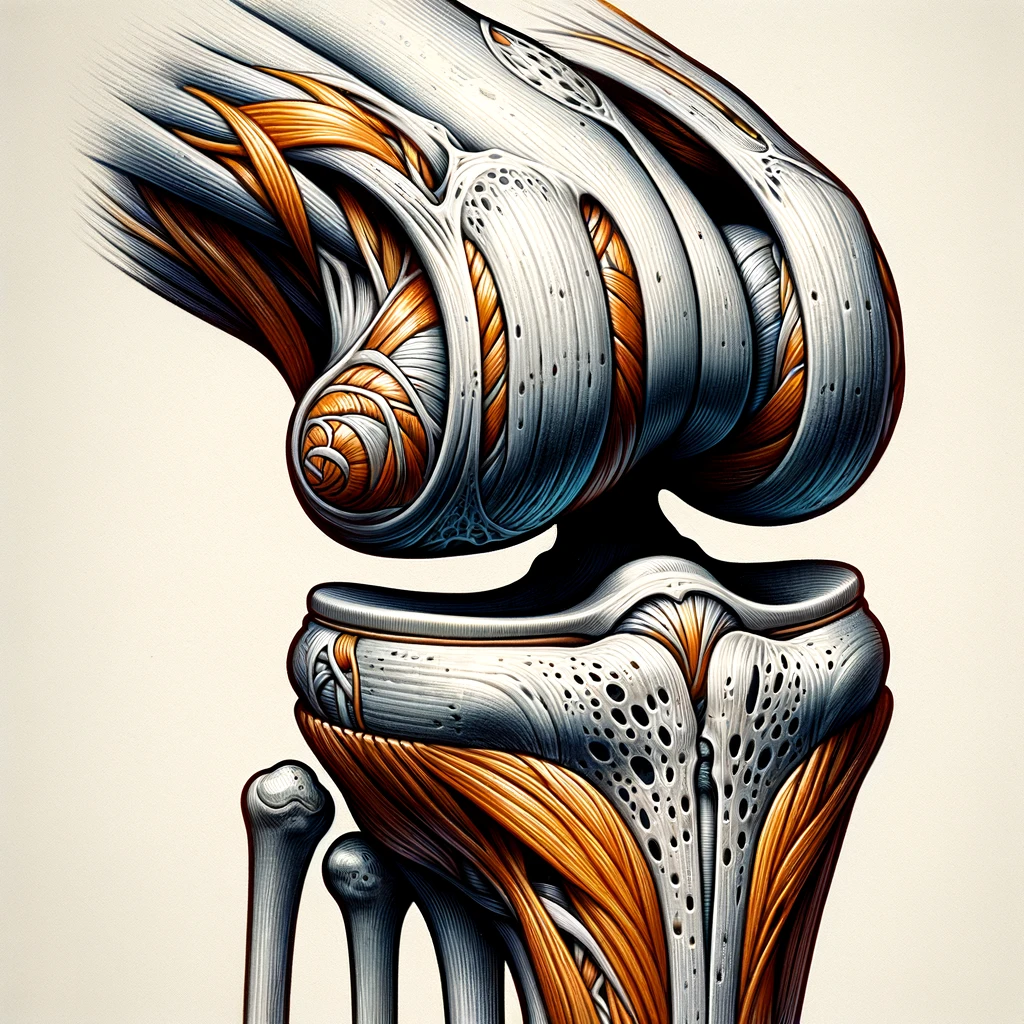
    The knee joint is a complex structure that bears significant weight and facilitates movement. It consists of the thigh bone (femur), shinbone (tibia), kneecap (patella), and various ligaments, tendons, and cartilage.

    • Ligaments: Strong bands of connective tissue that connect bones and provide stability to the joint.
    • Tendons: Connect muscles to bones and transmit the force generated by muscle contraction.
    • Cartilage: Cushions the bones and prevents friction within the joint.

    Common Knee Pain Conditions

    • Patellofemoral pain syndrome (PFPS): Pain caused by misalignment of the kneecap in the groove of the thigh bone.
    • Anterior cruciate ligament (ACL) tear: Injury to the ACL, a key stabilizer of the knee joint.
    • Meniscal tear: Damage to the cartilage discs that cushion
    • Osteoarthritis: Degeneration of the cartilage in the knee joint, causing pain, stiffness, and reduced mobility.
    • Rheumatoid arthritis: An autoimmune disease that causes inflammation in the joints, including the knees.
    • Gout: A condition characterized by sudden and severe attacks of joint pain, often affecting the knees.

    Diagnostic Tests for Knee Pain

    • Physical examination: A doctor will examine your knee for tenderness, swelling, and range of motion.
    • X-rays: Can reveal bone abnormalities, fractures, or arthritis.
    • MRI: Detailed images of the soft tissues, including ligaments, tendons, and cartilage.

    Treatment Options for Specific Knee Pain Causes

    • Patellofemoral pain syndrome (PFPS): Rest, ice, compression, elevation (RICE), strengthening exercises, and physical therapy.
    • Anterior cruciate ligament (ACL) tear: Often requires surgical reconstruction of the ACL.
    • Meniscal tear: Treatment depends on the severity of the tear, ranging from rest and pain management to surgical repair.
    • Osteoarthritis: Weight management, exercise, pain relievers, and joint injections.
    • Rheumatoid arthritis: Medication to manage inflammation and slow joint damage.
    • Gout: Medication to reduce inflammation and prevent gout attacks.

    Conclusion

    Knee pain can arise from various causes, affecting individuals of all ages and activity levels. Understanding the underlying causes of knee pain is essential for proper diagnosis, treatment, and prevention. By consulting a healthcare professional and following their recommendations, you can effectively manage knee pain, improve mobility, and maintain overall joint health.

    Common Knee Pain Conditions and Treatment Options

    ConditionTreatment
    Patellofemoral pain syndrome (PFPS)Rest, ice, compression, elevation (RICE), strengthening exercises, and physical therapy.
    Anterior cruciate ligament (ACL) tearSurgical reconstruction of the ACL.
    Meniscal tearRest, pain management, or surgical repair, depending on severity.
    OsteoarthritisWeight management, exercise, pain relievers, and joint injections.
    Rheumatoid arthritisMedication to manage inflammation and slow joint damage.
    GoutMedication to reduce inflammation and prevent gout attacks.