Tag: Orthopedic concerns

  • Knee pain when bending but not swelling

    Knee pain when bending but not swelling

    Have you ever wondered why your knee hurts when you bend it, yet there’s no visible swelling? This common phenomenon affects millions of Americans, and understanding its causes is crucial for proper treatment.

    The knee joint is complex, comprising various structures that can cause pain during movement without necessarily leading to swelling. Different types of knee pain, such as sharp or dull, can provide important clues about the underlying issue.

    We’ll explore the various causes of knee pain when bending, from mechanical issues to degenerative conditions, and discuss both conservative treatments and medical interventions.

    Key Takeaways

    • Understanding knee anatomy is crucial for diagnosing knee pain.
    • Knee pain without swelling can indicate specific types of issues.
    • Different types of knee pain provide clues about the underlying cause.
    • Conservative treatments and medical interventions can help address knee pain.
    • Knowing when to seek medical attention is essential for proper knee care.

    Understanding Knee Pain When Bending But Not Swelling

    Understanding knee pain that occurs when bending but isn’t accompanied by swelling requires a closer look at the knee’s anatomy and function. The knee is our largest and most complex joint, playing a vital role in daily activities such as walking, climbing stairs, and sitting.

    How the Knee Joint Works

    The knee joint is made up of three bones: the femur, tibia, and patella. These bones work together with cartilage, ligaments, and tendons to enable smooth movement. The knee absorbs significant stress, approximately 1.5 times the body weight with each step, making it vulnerable to wear and tear over time. The menisci, pads of cartilage between the bones, act as shock absorbers. Muscles surrounding the knee joint provide stability, and weakness in these muscles can contribute to pain during bending.

    Why Pain Occurs Without Swelling

    Pain without swelling often indicates mechanical issues rather than inflammatory conditions. Osteoarthritis and other degenerative conditions can cause pain without significant swelling, especially in the early stages. The deterioration of the menisci can lead to pain without visible swelling. Additionally, stiffness and reduced range of motion often accompany knee pain when bending. Understanding the difference between acute injuries, which often cause swelling, and chronic conditions is crucial for proper treatment.

    • The complex structure of the knee joint and its components contributes to its vulnerability to pain.
    • Pain during bending can be related to the biomechanics of knee movement.
    • Mechanical issues, rather than inflammatory conditions, often cause pain without swelling.

    Common Causes of Knee Pain When Bending

    The knee joint is complex, and pain when bending can arise from several potential causes. We will explore the most common conditions that lead to knee pain during bending activities.

    Patellofemoral Pain Syndrome

    Patellofemoral pain syndrome, often referred to as “runner’s knee,” is a common cause of knee pain when bending. This condition occurs when the kneecap doesn’t track properly in its groove, leading to pain around or behind the patella. Activities like squatting, jumping, or climbing stairs can exacerbate the pain.

    Tendonitis Issues

    Tendonitis affecting the patellar tendon, quadriceps tendon, or hamstring tendons can cause significant pain during bending movements. Tendonitis is characterized by inflammation of the tendons, which can result from overuse or repetitive strain. For instance, patellar tendonitis often causes pain at the base of the kneecap, while quadriceps tendonitis causes pain above the kneecap.
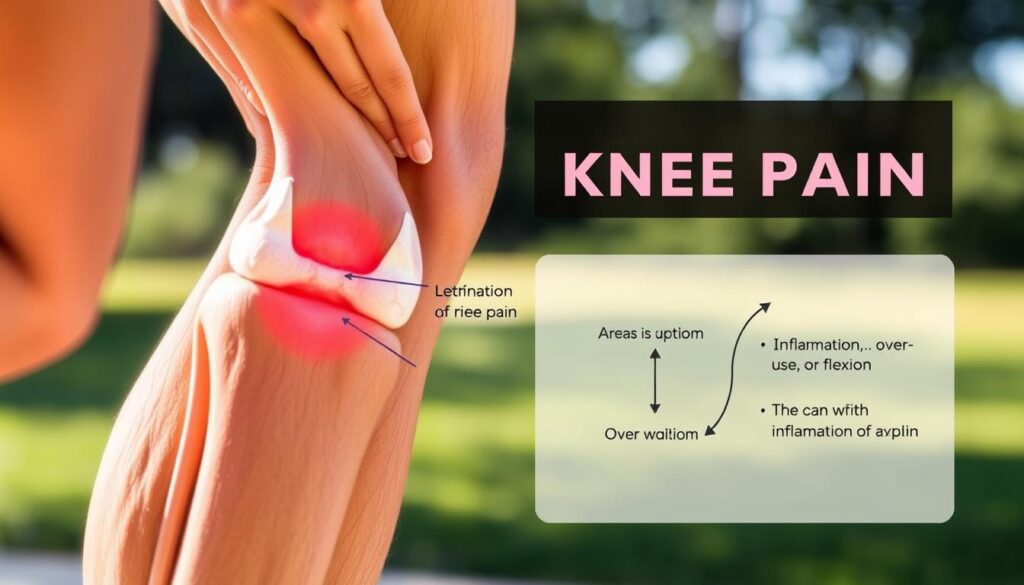
    A detailed illustration of the common causes of knee pain when bending, captured with a wide-angle lens in natural sunlight. The foreground features a close-up view of a human knee joint, showcasing the complex anatomical structures such as tendons, ligaments, and cartilage. The middle ground reveals a labeled diagram highlighting the specific areas prone to inflammation, overuse, or injury, which can contribute to the sensation of knee pain during flexion. The background provides a serene, blurred context, emphasizing the focus on the medical information. The overall mood is informative and objective, guiding the viewer's understanding of the underlying mechanisms behind this particular knee condition.

    Osteoarthritis

    Osteoarthritis is a degenerative joint disease that causes the protective cartilage in the knee to wear away over time. As the cartilage deteriorates, patients may experience pain during weight-bearing activities like bending. This condition is more common in older adults and can lead to stiffness and swelling in the knee joint.

    Meniscus Problems

    Meniscus tears or deterioration are common causes of knee pain, especially during twisting or bending movements. The meniscus is a cartilage structure that cushions the knee joint. When it becomes damaged, it can cause pain, swelling, and limited mobility. For more information on managing knee pain when bending, you can visit Understanding and Managing Knee Pain When.

    Understanding these common causes can help individuals identify the potential source of their knee pain and seek appropriate treatment. It’s essential to address knee pain early to prevent further complications and improve quality of life.

    • Patellofemoral pain syndrome is often associated with activities that put stress on the knee.
    • Tendonitis issues can be managed with rest, ice, and physical therapy.
    • Osteoarthritis management may involve lifestyle changes and medical interventions.
    • Meniscus problems may require arthroscopic surgery or conservative management.

    Location-Specific Knee Pain and What It Means

    The location of knee pain can be a significant indicator of its underlying cause. When experiencing knee pain when bending, identifying the exact location of the discomfort is crucial for determining the potential source of the issue.

    Pain Behind the Knee

    Pain behind the knee when bending is often associated with specific conditions. Hamstring tendonitis, Baker’s cyst, or issues with the posterior cruciate ligament are common causes. These conditions can lead to significant discomfort during activities that involve bending.

    Pain Above the Kneecap

    Pain above the kneecap typically indicates problems with the quadriceps tendon or suprapatellar bursa inflammation. Conditions such as quadriceps tendonitis or osteoarthritis can also cause pain in this area.

    Pain in Front of the Kneecap

    Pain in front of the kneecap when bending could be due to patellofemoral pain syndrome, patellar tendonitis, or quadriceps tendonitis. These conditions often result in significant discomfort during bending activities.

    Sharp vs. Dull Pain

    The quality of pain (sharp vs. dull) provides important information about the nature of the injury or condition. Sharp, sudden pain often indicates acute injuries like meniscus tears or ligament sprains, while dull, aching pain suggests chronic conditions like osteoarthritis.

    Understanding the location and quality of knee pain can help narrow down the potential causes. The following table summarizes the common causes of knee pain based on location and pain quality:

    Pain Location Common Causes Pain Quality
    Behind the Knee Hamstring tendonitis, Baker’s cyst, posterior cruciate ligament issues Sharp or Dull
    Above the Kneecap Quadriceps tendonitis, osteoarthritis, suprapatellar bursa inflammation Dull or Aching
    In Front of the Kneecap Patellofemoral pain syndrome, patellar tendonitis, quadriceps tendonitis Sharp or Aching

    Effective Home Remedies for Knee Pain Relief

    Effective management of knee pain when bending involves a combination of home remedies and lifestyle adjustments. We will explore various methods to alleviate knee pain, focusing on practical and easily implementable solutions.

    The RICE Method

    The RICE method, standing for Rest, Ice, Compression, and Elevation, is a widely recognized first-line treatment for knee pain. By giving your knee a break and avoiding activities that aggravate the pain, you can significantly reduce discomfort. Applying ice helps in reducing inflammation, while compression bandages can provide support. Elevating the knee above heart level can also help reduce swelling.

    Exercise and Stretching

    Specific exercises targeting the quadriceps, hamstrings, and hip muscles can help stabilize the knee joint and reduce pain during bending movements. For instance, straight leg raises and wall squats are effective in strengthening the muscles around the knee. Additionally, proper stretching techniques can improve flexibility and reduce tension that contributes to pain. Activities like biking, swimming, and walking are low-impact and can be beneficial.

    Over-the-Counter Medications

    Over-the-counter anti-inflammatory medications like ibuprofen and naproxen can help manage knee pain and reduce any minor inflammation that may be present. It’s essential to follow the recommended dosage and consult with a healthcare professional if necessary.

    Heat and Cold Therapy

    Alternating between heat and cold therapy can be particularly effective for different types of knee pain. Cold therapy is beneficial for reducing inflammation, while heat therapy can help relax the muscles and increase blood flow. For more information on managing specific types of knee pain, such as patella pain when bending, additional resources are available.

    Maintaining a healthy weight is also crucial, as excess weight can put additional pressure on the knees. By combining these home remedies with appropriate lifestyle changes, individuals can effectively manage knee pain when bending and improve their overall knee health.

    Medical Treatments and Diagnosis

    Knee pain when bending can be a symptom of various conditions, and medical professionals use a range of diagnostic approaches to identify the root cause. Accurate diagnosis is crucial for developing an effective treatment plan.

    Diagnostic Approaches

    Doctors employ several diagnostic techniques to determine the cause of knee pain when bending. A comprehensive physical examination is typically the first step, assessing joint stability, movement patterns, and signs of swelling or inflammation. Imaging studies such as X-rays, MRIs, and ultrasounds provide valuable information about the structures causing pain. MRIs are particularly useful for visualizing soft tissue injuries to menisci, tendons, and ligaments. In some cases, blood tests may be ordered to check for inflammatory disorders or infection.

    Physical Therapy Options

    Physical therapy plays a crucial role in treating knee pain when bending. Protocols are tailored to specific conditions, with different approaches for patellofemoral pain syndrome versus meniscus injuries or osteoarthritis. Physical therapy typically focuses on correcting movement patterns, strengthening supporting muscles, and improving flexibility to reduce pain during bending activities. Specialized treatments like therapeutic ultrasound, electrical stimulation, and manual therapy techniques can complement exercise-based physical therapy.

    Medical Interventions

    For persistent knee pain, various medical interventions may be recommended. Injection therapies, including corticosteroids, hyaluronic acid, and newer regenerative options like platelet-rich plasma, can be effective for conditions like osteoarthritis. In some cases, surgical interventions may be necessary, such as arthroscopic procedures for meniscus tears or more extensive surgeries for severe injuries or advanced osteoarthritis. The recovery timeline varies significantly depending on the treatment, ranging from weeks for minor injuries to months for post-surgical rehabilitation.

    When to See a Doctor and Prevention Strategies

    To maintain optimal knee health, it’s critical to recognize the signs that indicate a need for medical evaluation and to adopt preventive measures. Severe knee pain, chronic knee pain, inability to bend or straighten your knee, limping, swelling or redness, knee weakness, popping or crunching noises with pain, fever, or recent knee injury with popping noise, swelling, or inability to bear weight are all indicators that you should seek medical attention.

    Prevention strategies focus on maintaining a healthy body weight, as excess weight significantly increases pressure on the knee joints during bending activities. Engaging in low-impact activities, strengthening the muscles that support the knee, and using proper technique during activities that involve knee bending can also reduce the risk of injury and pain.

    Additionally, modifying high-impact activities, choosing appropriate footwear, and addressing foot problems can improve knee alignment and reduce stress on knee tissues. Early intervention for minor knee discomfort can prevent more serious conditions, and proper diagnosis and treatment planning with healthcare professionals are essential for managing knee health effectively.

    FAQ

    What are the common causes of knee pain when bending?

    We often see knee pain when bending due to conditions like osteoarthritis, tendonitis, or meniscus problems. These issues can cause discomfort and stiffness in the knee joint, making everyday activities challenging.

    Why does my knee hurt when bending but not swelling?

    We find that knee pain without swelling can be due to various factors, including overuse or repetitive strain on the knee joint, causing irritation to the surrounding tissues and ligaments.

    How can I relieve knee pain when bending?

    We recommend trying the RICE method (Rest, Ice, Compression, Elevation) to alleviate knee pain. Additionally, exercises that strengthen the surrounding muscles, such as the quadriceps, can help reduce discomfort.

    What is the role of weight in knee pain?

    We know that excess weight can put additional stress on the knee joint, exacerbating conditions like osteoarthritis and leading to increased knee pain when bending.

    Can knee pain be prevented?

    We believe that preventive measures, such as maintaining a healthy weight, engaging in regular exercise, and avoiding repetitive strain on the knee joint, can help reduce the risk of developing knee pain.

    When should I see a doctor for knee pain?

    We advise seeking medical attention if knee pain persists or worsens over time, or if you experience sudden severe pain, inflammation, or difficulty moving the knee joint.
  • Knee pain when using stairs but not walking

    Knee pain when using stairs but not walking

    Have you ever wondered why your knee hurts when you’re climbing stairs, but feels fine when you’re walking on flat ground? This puzzling phenomenon is more common than you think, and it’s not just about the act of climbing itself.

    The knee joint, comprising the thigh bone, shin bone, and kneecap, is cushioned by cartilage that prevents friction between these moving parts. However, conditions like chondromalacia patella can cause the cartilage under the kneecap to soften and wear away, leading to pain when climbing stairs.

    We’ll explore the biomechanical differences between stair climbing and walking, and discuss the anatomical structures involved in knee function to understand why stairs often trigger knee pain.

    Key Takeaways

    • Understand the biomechanical differences between stair climbing and walking.
    • Learn about the anatomical structures involved in knee function.
    • Discover common conditions that cause stair-specific knee pain.
    • Find evidence-based solutions for managing and treating knee pain.
    • Explore practical exercises and lifestyle modifications to alleviate knee pain.

    Understanding Why Stairs Cause Knee Pain

    Many individuals experience knee pain when using stairs, but the reasons behind this are not always clear. As we climb stairs, our knees bear a significant amount of force, often ranging from three to six times our body weight. This increased pressure can be problematic, especially for those with underlying health conditions or those who have been engaging in excessive stair climbing.

    The Biomechanics of Climbing Stairs

    The act of climbing stairs involves complex biomechanics that differ significantly from walking on flat surfaces. When ascending stairs, the knee joint is subjected to greater stress due to the increased angle of flexion. This results in higher compression forces between the kneecap and the thigh bone.

    Why Stairs Put More Pressure on Your Knees

    When we climb stairs, our body weight shifts in a way that causes our knee to bear 3-6 times our body weight, compared to just 1.5 times when walking on flat ground. The quadriceps muscles work harder during stair climbing, increasing the pressure on the patellofemoral joint. This combination of increased joint angles, greater muscle activation, and higher compressive forces can trigger pain in vulnerable knees, often leading to conditions like patellofemoral pain syndrome.

    Anatomy of the Knee: How It Works During Stair Climbing

    Understanding the anatomy of the knee is crucial for identifying why stair climbing often triggers knee pain. The knee joint is a complex structure that facilitates a wide range of movements, including flexion, extension, and rotation.

    Key Structures in Your Knee Joint

    The knee consists of several key structures that work together to enable movement. The main bones involved are the thigh bone (femur), shin bone (tibia), and the kneecap (patella). The femur and tibia form the main joint, while the patella sits at the front of the knee, embedded in a tendon that connects the quadriceps muscles to the tibia. The knee joint is cushioned by articular cartilage, which prevents the bones from rubbing against each other. Four main ligaments – the ACL (anterior cruciate ligament), MCL (medial collateral ligament), LCL (lateral collateral ligament), and PCL (posterior cruciate ligament) – provide stability to the knee.

    The knee joint is supported by various muscles, including the quadriceps and hamstrings, which are essential for its movement and stability. The articular cartilage plays a crucial role in reducing friction between the bones.

    How These Structures Function on Stairs vs. Flat Surfaces

    When climbing stairs, the knee joint undergoes significant stress, particularly in the patellofemoral joint, where the patella interacts with the femur. This stress is much higher compared to walking on flat surfaces because stair climbing requires more knee flexion and thus puts more pressure on the knee structures. The patella acts as a pulley for the quadriceps muscles, increasing their mechanical advantage but also experiencing significant pressure.

    Activity Knee Flexion Stress on Knee Structures
    Walking on flat surfaces Low to moderate Low
    Climbing stairs High High

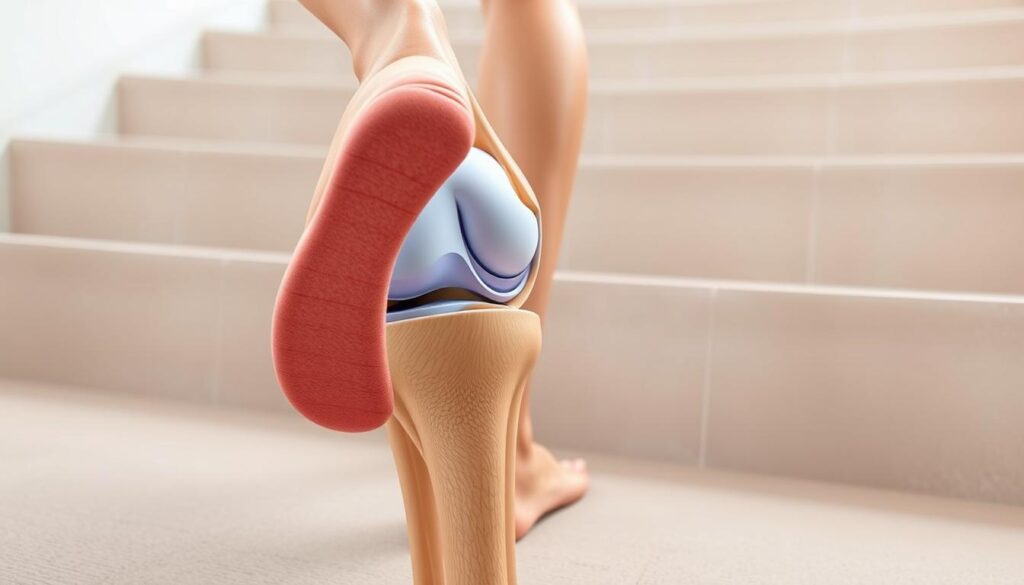
    A detailed cross-section of the human knee joint during the ascending motion of stair climbing. Visible structures include the femur, tibia, patella, menisci, ligaments, and tendons. Anatomical layers are precisely depicted with medical accuracy, showcasing the complex biomechanics and load distribution within the joint. Soft tissues are rendered with realistic textures, while the lighting captures the musculoskeletal system in a clinical yet insightful manner. The viewpoint is slightly elevated, providing an informative perspective on the knee's inner workings during this common weight-bearing activity. The overall mood is educational, conveying the specialized adaptations that enable the knee to safely navigate stairs.

    Understanding these differences helps explain why certain knee structures may become painful specifically during stair activities. By recognizing how the knee anatomy functions during different activities, we can better address knee pain related to stair climbing.

    Common Causes of Knee Pain When Using Stairs But Not Walking

    Stair climbing can trigger knee pain in many people, even if walking doesn’t cause discomfort. This specific type of pain can be attributed to various underlying causes that are exacerbated by the act of climbing stairs. We will examine the five most common conditions that lead to this issue.

    Patellofemoral Pain Syndrome (Runner’s Knee)

    Patellofemoral pain syndrome, commonly known as “runner’s knee,” involves pain at the front of the knee where the kneecap meets the thigh bone. This condition is often triggered by increased compression forces during activities like stair climbing. It’s not exclusive to runners; anyone can develop this syndrome due to overuse or misalignment of the kneecap.

    Chondromalacia Patella

    Chondromalacia Patella refers to the softening and deterioration of the cartilage on the underside of the kneecap. This condition causes pain during activities that increase patellofemoral compression, such as stair climbing. The pain is typically felt when flexing the knee, a common action when navigating stairs.

    Meniscus Tears

    A meniscus tear can cause localized pain on the inner or outer side of the knee. This pain becomes more pronounced during the rotational forces and deeper knee flexion required for stair climbing. Meniscus tears are a common injury that can occur from sudden twists or degenerative changes over time.

    Muscle Imbalances

    Muscle imbalances, particularly between the quadriceps and hamstrings or between the inner and outer thigh muscles, can alter knee mechanics. This imbalance can lead to pain specifically during stair activities. Most people are ‘quad dominant,’ relying heavily on the front thigh muscles, which can contribute to this imbalance.

    Osteoarthritis

    Osteoarthritis of the knee involves the gradual deterioration of joint cartilage. This condition can cause pain during weight-bearing activities that place greater stress on the joint, such as climbing stairs. As the cartilage wears down, the bone-on-bone contact can lead to significant discomfort.

    Understanding these common causes can help in addressing knee pain associated with stair climbing. Each condition produces specific symptoms and pain patterns that may be more noticeable during stair climbing than walking on flat surfaces.

    Diagnosing the Source of Your Stair-Related Knee Pain

    Diagnosing knee pain that occurs when using stairs but not when walking requires a careful examination of symptoms and potential underlying causes. We will guide you through the process of identifying the specific source of your stair-related knee pain.

    Common Symptoms to Watch For

    When experiencing knee pain on stairs, there are several symptoms to watch for that can help identify the underlying cause. These include:

    • The location of pain (front, inside, or outside of the knee)
    • The timing of pain (immediate or delayed after stair use)
    • Associated sounds like clicking, popping, or grinding
    • Accompanying symptoms such as swelling or instability

    For instance, pain at the front of the knee when descending stairs often indicates patellofemoral issues, while pain when ascending may suggest meniscus problems. Recognizing these patterns can help in diagnosing the condition.

    When to Consult a Healthcare Professional

    If you’re experiencing significant swelling, inability to bear weight, or knee locking, it’s crucial to seek medical attention immediately. These are considered red flag symptoms that require prompt evaluation. A healthcare provider may perform specific tests, including physical examination techniques and imaging studies, to diagnose the source of your stair-related knee pain.

    Understanding the diagnostic process helps you communicate more effectively with healthcare providers and participate actively in your treatment planning. By recognizing the symptoms and seeking professional diagnosis, you can take the first step towards relieving your knee pain.

    Effective Exercises to Relieve Knee Pain When Using Stairs

    We can alleviate stair-related knee pain by incorporating effective exercises into our daily routine. Knee pain when climbing stairs is a common complaint that can be addressed through a comprehensive exercise program. By strengthening the muscles around the knee and improving flexibility, we can reduce the strain on our knee joint.

    Quadriceps Strengthening Exercises

    Strengthening the quadriceps muscles is crucial for supporting the knee during stair climbing. Exercises such as straight leg raises, wall sits, and mini squats can be performed safely even with existing knee pain. These exercises help to build strength in the quadriceps, reducing the pain experienced when using stairs.

    • Straight leg raises: Lift your leg straight out in front of you, keeping it straight.
    • Wall sits: Stand with your back against a wall and slide down into a seated position.
    • Mini squats: Perform a squat, but only lower yourself slightly.

    Hamstring and Hip Flexor Stretches

    Hamstring and hip flexor stretches are essential for balancing the forces around the knee joint. Proper stretching techniques can improve flexibility without aggravating knee pain. Hamstring stretches involve leaning forward at the hips, while hip flexor stretches require kneeling on one knee.

    Balance and Stability Training

    Balance and stability training exercises improve proprioception and neuromuscular control around the knee joint. This is particularly important for navigating stairs safely. Examples include single-leg stands and heel-to-toe walks.

    Knee Pain When Using Stairs But Not Walking: Treatment Options

    Treating knee pain that occurs specifically when using stairs requires a comprehensive understanding of the available treatment options. We will explore comprehensive treatment approaches that can effectively address knee pain related to stair climbing activities.

    Physical Therapy Approaches

    Physical therapy plays a significant role in addressing knee pain associated with stair climbing. Techniques such as manual therapy, taping methods, and personalized exercise progression can target specific movement patterns and muscle imbalances. A physical therapist can guide you in strengthening the muscles around your knee, improving flexibility, and enhancing overall knee function.

    Modified Stair Climbing Techniques

    Modifying your stair climbing technique can provide immediate relief from knee pain. Techniques include leading with the non-painful leg when ascending, distributing weight properly, maintaining proper alignment, and utilizing handrails effectively. For instance, holding onto a railing opposite your painful leg or squeezing your glutes as you step up can make a significant difference.

    Pain Management Strategies

    Effective pain management is crucial in treating knee pain related to stair climbing. Strategies include non-pharmacological approaches such as ice/heat application and activity modification, as well as the appropriate use of over-the-counter pain medications when necessary. Combining these strategies with physical therapy and modified stair climbing techniques can yield better results.

    By understanding and implementing these treatment options, individuals can take an active role in managing their knee pain and improving their overall quality of life.

    Lifestyle Modifications to Reduce Stair-Related Knee Pain

    We can alleviate stair-related knee pain by adopting certain lifestyle modifications. These changes can significantly reduce the stress and pressure on our knees when climbing stairs.

    Managing Weight for Knee Health

    Maintaining a healthy weight is crucial for reducing knee pain. For every extra pound of body weight, there’s an additional 4-6 pounds of pressure on the knees during stair climbing. A balanced diet helps in managing weight, which in turn reduces the stress on knee cartilage and joints.

    The Importance of Proper Footwear

    Wearing shoes with adequate support is vital for knee health. Proper footwear helps keep both feet in alignment, ensuring that leg muscles remain balanced. Quality shoes also absorb shock from walking and running, reducing the impact on knees.

    Modifying Activities to Reduce Knee Strain

    Modifying daily activities can help reduce knee strain. This doesn’t mean avoiding stairs completely but making smart choices about frequency, technique, and alternatives. For instance, using handrails when climbing stairs or taking regular breaks can help.

    Lifestyle Modification Benefit for Knee Health
    Weight Management Reduces pressure on knee joints
    Proper Footwear Provides support and absorbs shock
    Activity Modifications Reduces frequency and impact of stair climbing

    Moving Forward: Long-Term Management of Knee Health

    Long-term knee health management involves a combination of proper treatment, lifestyle adjustments, and consistent exercise. We emphasize that with the right approach, most people with stair-related knee pain can maintain an active lifestyle. Early warning signs of returning knee problems should be recognized to take proactive steps. Consistent performance of maintenance exercises is crucial for preventing the return of knee pain. By understanding the chronic nature of many knee conditions, we can develop effective long-term management strategies.

    FAQ

    What causes knee pain when climbing stairs?

    Knee pain when climbing stairs can be caused by various factors, including patellofemoral pain syndrome, also known as runner’s knee, which occurs when the patella doesn’t track properly in its groove, leading to irritation and inflammation. Other causes include chondromalacia patella, a condition where the cartilage on the underside of the patella deteriorates, and meniscus tears, which can cause pain and stiffness in the knee joint.

    Why does my knee hurt when going up stairs but not when walking on flat surfaces?

    The knee joint bears more weight and stress when climbing stairs compared to walking on flat surfaces. This increased stress can exacerbate underlying conditions such as osteoarthritis or patellofemoral pain syndrome, leading to pain. We also put more pressure on our knee joint when climbing stairs due to the bending and straightening motion.

    Can exercises help alleviate knee pain when using stairs?

    Yes, certain exercises can help alleviate knee pain when using stairs. Quadriceps strengthening exercises can help improve knee stability and reduce pain. Additionally, hamstring and hip flexor stretches can help improve flexibility and reduce tension on the knee joint. We recommend consulting with a healthcare professional or physical therapist to develop a personalized exercise program.

    What are some treatment options for knee pain when using stairs?

    Treatment options for knee pain when using stairs include physical therapy approaches, such as exercises and manual therapy, to improve knee function and reduce pain. Modified stair climbing techniques can also help reduce stress on the knee joint. Furthermore, pain management strategies, such as medication or injections, may be necessary to manage pain and inflammation.

    Can lifestyle modifications help reduce stair-related knee pain?

    Yes, certain lifestyle modifications can help reduce stair-related knee pain. Maintaining a healthy weight through weight management can reduce stress on the knee joint. Wearing proper footwear with good arch support and cushioning can also help reduce knee stress. Additionally, modifying activities to avoid exacerbating the condition can help alleviate pain.

  • Knee pain when kneeling on hardwood floors

    Knee pain when kneeling on hardwood floors

    Kneeling on hardwood floors can be a painful experience for many, significantly impacting daily activities and overall quality of life. The discomfort is often due to the increased mechanical compression in the knee joint, which occurs when the kneecap pushes forcefully against the thigh bone.

    We understand that this issue affects many individuals and can be a source of frustration. Throughout this article, we’ll explore the causes, symptoms, and effective treatment options for knee pain when kneeling on hardwood floors. Our goal is to provide practical advice for both immediate relief and long-term management strategies.

    Key Takeaways

    • Understanding the causes of knee pain when kneeling on hardwood floors.
    • Identifying the symptoms associated with this condition.
    • Exploring effective treatment options for relief.
    • Learning strategies for long-term management of knee health.
    • Determining when to seek professional medical advice.

    Understanding Why Hardwood Floors Cause Knee Pain

    Understanding the causes of knee pain when kneeling on hardwood floors is crucial for prevention and treatment. We will explore the underlying factors that contribute to this issue.

    The Biomechanics of Kneeling on Hard Surfaces

    Kneeling on hard surfaces like hardwood floors creates significant pressure on the knee joint. The knee joint’s structure makes it vulnerable to compression forces when bearing weight in a kneeling position. When we kneel, the kneecap (patella) is pressed firmly against the thigh bone (femur), which can lead to discomfort and pain over time.

    How Hardwood Floors Increase Joint Compression

    Hardwood floors lack the natural shock absorption that softer surfaces provide. As a result, the full force of our body weight is transferred directly to the knee’s structures, including cartilage, tendons, and bursae. This direct transfer of pressure can cause tissue irritation and inflammation, leading to both acute pain and chronic conditions.

    By understanding the relationship between body weight, kneeling technique, and surface hardness, we can better explain why some people experience more severe knee pain than others when kneeling on hardwood floors.

    Common Conditions Causing Knee Pain When Kneeling

    Several common conditions can cause knee pain when kneeling on hard surfaces like hardwood floors. Understanding these conditions is crucial for effective management and relief.

    Prepatellar Bursitis: The “Housemaid’s Knee”

    Prepatellar bursitis, often referred to as “Housemaid’s Knee,” is characterized by inflammation of the fluid-filled sac in front of the kneecap. This condition frequently affects individuals who kneel for extended periods, leading to swelling and discomfort.

    Osteoarthritis and Its Impact

    Osteoarthritis involves the deterioration of cartilage in the knee joint. As the protective cushioning between bones diminishes, kneeling on hard surfaces becomes particularly painful. Maintaining healthy cartilage is essential for preventing osteoarthritis.

    Patellar Tendonitis or “Jumper’s Knee”

    Patellar tendonitis, also known as “Jumper’s Knee,” creates inflammation in the tendon connecting the kneecap to the shinbone. This condition causes pain that worsens with kneeling activities. Proper diagnosis is key to treating patellar tendonitis effectively.

    As noted by medical professionals, “Understanding the specific condition causing knee pain is vital for determining the most effective treatment approach.”

    Each of these conditions presents with unique symptoms but shares the common factor of being aggravated by kneeling on unyielding surfaces. Identifying the underlying cause is essential for appropriate treatment and prevention.

    Knee Pain When Kneeling on Hardwood Floors: Symptoms to Watch For

    Identifying the symptoms associated with knee pain when kneeling on hardwood floors is crucial for early intervention. We will explore the various signs that may indicate knee pain and discuss their implications.

    Immediate Pain Signals

    When kneeling on hardwood floors, immediate pain signals can occur, including sharp pain, burning sensations, or feelings of pressure around the knee joint. These symptoms are often a direct response to the stress and pressure applied to the knee.

    Delayed Symptoms That Develop Over Time

    Many individuals experience delayed symptoms that develop hours after kneeling activities. These can include stiffness, swelling, or dull aching that worsens overnight. Recognizing these delayed symptoms is vital for understanding the full impact of kneeling on hardwood floors.

    Warning Signs That Require Medical Attention

    It’s essential to differentiate between normal discomfort and warning signs that indicate more serious conditions. Severe pain, significant swelling, or instability in the knee are indicators that require medical evaluation. For instance, a study highlighted that persistent knee pain can be a precursor to more severe conditions such as osteoarthritis.

    Symptom Description Possible Implication
    Sharp Pain Sudden, intense pain when kneeling Potential ligament or tendon strain
    Stiffness Increased stiffness after kneeling Possible inflammation or bursitis
    Swelling Visible swelling around the knee May indicate fluid accumulation or inflammation

    “Understanding the progression of symptoms can help you identify problems early before they develop into chronic conditions.”

    Diagnosing the Source of Your Knee Pain

    Diagnosing the source of knee pain when kneeling on hardwood floors involves a multi-step process that includes self-assessment and medical evaluation. To effectively address knee pain, it’s crucial to understand the underlying causes and identify the specific condition affecting your knees.

    Self-Assessment Questions

    To help identify potential causes of knee pain, we recommend asking yourself a series of questions. Understanding the pattern, location, and triggers of your pain can provide valuable insights into the underlying condition. Consider the following: when did the pain start, is it constant or intermittent, and are there any specific activities that exacerbate the pain?

    • When did you first notice the knee pain?
    • Is the pain constant or does it occur only when kneeling?
    • Are there any other symptoms, such as swelling or stiffness?

    What to Expect During a Medical Examination

    During a standard knee exam, your doctor will ask about the particulars of your discomfort and perform a physical exam. According to Michael Fredericson, M.D., director of Physical Medicine and Rehabilitation Sports Medicine at Stanford University, the examination will include checking alignment and scanning for any issues with internal ligaments and cartilage.

    Examination Component Description
    Physical Exam Checking alignment and scanning for issues with internal ligaments and cartilage
    Diagnostic Imaging X-rays, MRIs, or ultrasounds to confirm the exact cause of knee pain
    Range of Motion Assessment Evaluating knee mobility and identifying potential limitations

    Immediate Relief Strategies for Kneeling-Related Knee Pain

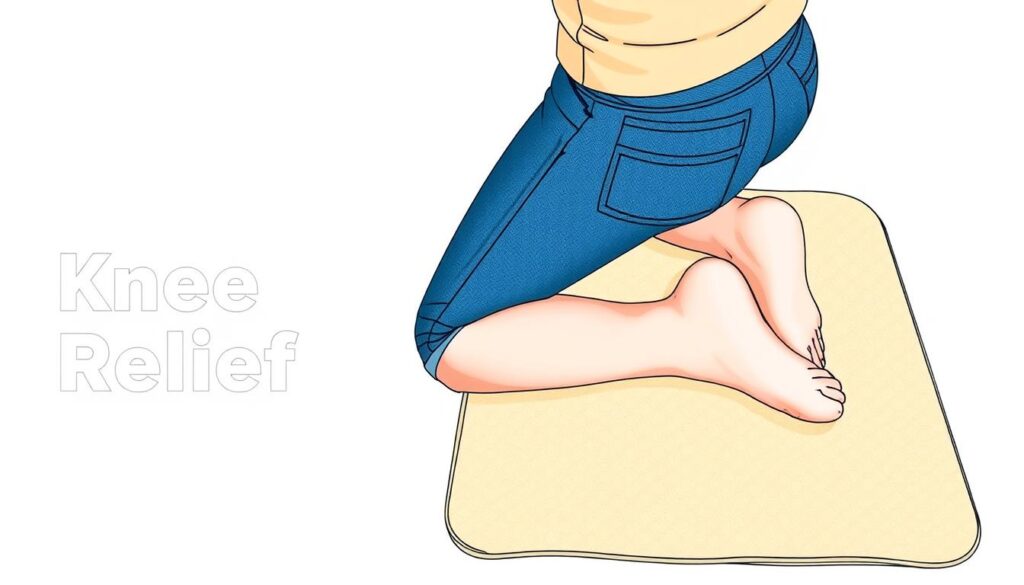
    Image of a person kneeling on a cushioned mat with a caption "Knee Pain Relief"

    Learn More

    For individuals experiencing knee pain after kneeling on hardwood floors, there are effective methods to reduce the discomfort and inflammation. Immediate relief is crucial to prevent further irritation and to facilitate a return to normal activities.

    The RICE Method Explained

    The RICE method, standing for Rest, Ice, Compression, and Elevation, is a first-line approach for immediate relief of knee pain. Resting the knee and avoiding activities that aggravate the condition is the first step. Applying ice helps reduce inflammation, while compression and elevation assist in minimizing swelling.

    Over-the-Counter Pain Management Options

    Pain management can be achieved through over-the-counter medications like NSAIDs, which help reduce inflammation and provide temporary relief. Understanding the proper usage and potential side effects of these medications is crucial for effective treatment.

    Supportive Devices and Braces

    Various supportive devices such as knee braces, sleeves, and pads can provide stability and cushioning when kneeling is unavoidable. These devices can significantly reduce knee pain during necessary kneeling activities.

    Long-Term Treatment Options for Chronic Knee Pain

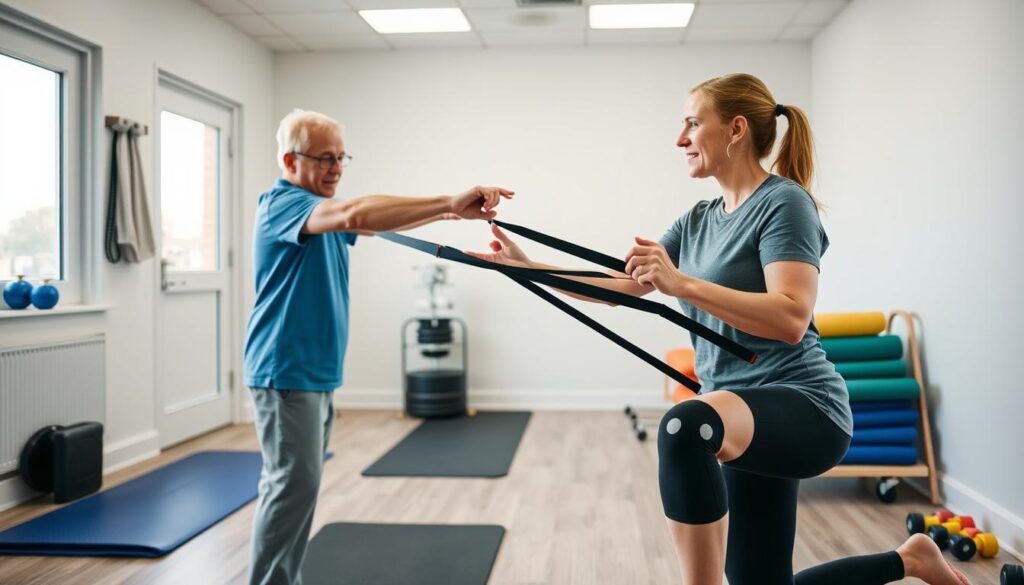
    Image of a patient undergoing physical therapy for knee pain

    Learn More

    Managing chronic knee pain effectively often requires a multi-faceted approach that incorporates various long-term treatment options. We will explore comprehensive strategies to help alleviate knee pain and improve quality of life.

    Physical Therapy Approaches

    Physical therapy plays a crucial role in managing chronic knee pain by strengthening the muscles that support the knee joint, thereby reducing pressure when kneeling. Our physical therapy approaches include customized exercise programs designed to enhance knee stability and flexibility.

    Prescription Medications and Injections

    For some patients, prescription medications and injections are necessary to manage chronic knee pain. Corticosteroid injections have been shown to be effective for about 40% of patients with osteoarthritis of the knee by reducing inflammation. Viscosupplementation, another type of injection, lubricates the knee with hyaluronic acid, providing relief.

    When to Consider Surgical Interventions

    In cases where conservative treatments fail to provide adequate relief, surgical interventions may be considered. Options range from minimally invasive arthroscopic procedures to partial or total knee replacements. Understanding the progression of treatment options helps patients make informed decisions about their care path in consultation with healthcare providers.

    Protective Measures When Kneeling on Hardwood Floors

    To minimize the risk of knee pain, we must consider effective protective measures for kneeling on hardwood floors. Kneeling on hard surfaces can put significant pressure on the knee joint, leading to discomfort and potential injury.

    Image of knee pads for hardwood floors

    Learn More

    Choosing the Right Knee Pads and Cushioning

    We provide detailed guidance on selecting appropriate knee pads and cushioning solutions specifically designed for hardwood floor activities. Different types of knee protection, such as gel-filled pads and memory foam cushions, are available to help you choose the best option for your needs.

    Proper Kneeling Techniques to Reduce Strain

    Demonstrating proper kneeling techniques can help distribute weight more evenly and reduce concentrated stress on sensitive knee structures. This can significantly help reduce knee pain during kneeling activities.

    Alternative Positions and Methods

    Alternative positions and methods for completing tasks that typically require kneeling can help prevent pain while maintaining productivity. Simple modifications to your home or workspace can create more knee-friendly environments. Understanding how to transition between positions safely can prevent sudden movement that might trigger knee pain or injury.

    Strengthening Exercises to Support Healthy Knees

    Exercise plays a vital role in supporting knee health and alleviating pain. As noted by Fredericson, research on osteoarthritis of the knee highlights the importance of exercise beyond just weight loss. Often, orthopedic practices include physical therapists who can help patients find exercises that alleviate their knee pain, no matter the cause.

    Low-Impact Exercises for Knee Stability

    Low-impact exercises are specifically designed to improve knee stability without causing additional stress or pain to the joint. These exercises help in strengthening the muscles around the knee, thereby providing support and reducing the risk of injury. For instance, straight leg raises and knee bends are effective low-impact exercises.

    Targeted Stretches for Knee Flexibility

    Targeted stretching routines can improve flexibility around the knee, reducing tension and improving range of motion for more comfortable kneeling. Stretching exercises such as hamstring and quadriceps stretches are beneficial. For more information on stretches that can soothe knee aches, you can visit Knee Pain Relief: Best Stretches.

    Building Supporting Muscles Around the Knee

    Strengthening the quadriceps, hamstrings, and calf muscles creates a supportive structure that takes pressure off the knee joint during kneeling activities. Exercises like squats and lunges are effective in building these supporting muscles. It’s essential to focus on proper form during these exercises to ensure effectiveness and safety.

    Lifestyle Modifications to Reduce Knee Pain

    We can reduce knee pain when kneeling by making a few key lifestyle adjustments. These modifications not only alleviate the discomfort associated with kneeling on hardwood floors but also contribute to overall knee health.

    Weight Management Strategies

    Managing your weight is crucial for reducing knee pain. Every extra pound on your body means additional pressure on your knees. For every pound of body weight, there’s a corresponding 4-6 pounds of pressure on the knee joints during activities. By maintaining a healthy weight, you can significantly reduce the stress on your knees.

    Dietary Approaches to Reduce Inflammation

    Diet plays a significant role in managing inflammation, which is a key factor in knee pain. Incorporating anti-inflammatory foods and supplements into your diet can help. Foods rich in omega-3 fatty acids, such as salmon, and antioxidants, found in fruits and vegetables, can be beneficial. Adopting an anti-inflammatory diet, like the Mediterranean diet, can complement other treatments for knee pain.

    Activity Adjustments for Daily Living

    Adjusting your daily activities can also help reduce knee pain. Simple changes, such as using knee pads when kneeling, adopting alternative positions for tasks, and choosing proper footwear, can make a significant difference.

    • Using ergonomic tools and equipment
    • Alternating between tasks to avoid prolonged kneeling
    • Maintaining good posture

    When to Seek Professional Help for Your Knee Pain

    If you experience a new significant trauma, immediate swelling, or inability to bear weight on your knee, seek medical help. Symptoms like a misshapen knee, locking, or giving way also warrant immediate attention. A doctor can diagnose the cause through examinations and diagnostic tests like X-rays or MRIs. Understanding your condition helps in choosing the right treatment options, which may include physical therapy, medication, or in some cases, surgery. Early intervention can prevent further damage to the cartilage and joints, ensuring better knee health.

    FAQ

    What causes knee pain when kneeling on hardwood floors?

    Knee pain when kneeling on hardwood floors can be caused by various factors, including prepatellar bursitis, also known as “housemaid’s knee,” which is an inflammation of the bursa in front of the kneecap. Other causes include osteoarthritis, patellar tendonitis, or “jumper’s knee,” and strain on the muscles and joints around the knee.

    How can I alleviate knee pain caused by kneeling?

    We can alleviate knee pain by using the RICE method (Rest, Ice, Compression, Elevation), taking over-the-counter pain management medications, and using supportive devices such as knee pads or braces. Additionally, practicing proper kneeling techniques and taking regular breaks can help reduce strain.

    What are the symptoms of knee pain that require medical attention?

    Symptoms that require medical attention include severe pain, swelling, stiffness, or limited range of motion in the knee. If we experience any of these symptoms, we should seek medical help to determine the underlying cause and receive proper treatment.

    Can exercises help reduce knee pain when kneeling?

    Yes, engaging in low-impact exercises that promote knee stability, flexibility, and strength can help reduce knee pain. We can also benefit from targeted stretches and building supporting muscles around the knee to improve overall knee health.

    Are there any lifestyle modifications that can help reduce knee pain?

    Yes, maintaining a healthy weight, following a diet that reduces inflammation, and making activity adjustments in our daily lives can all contribute to reducing knee pain. By making these modifications, we can alleviate pressure on our knees and promote overall joint health.