Tag: Orthopedic tips

  • Why do knees hurt descending ladders?

    Why do knees hurt descending ladders?

    Have you ever climbed down a ladder and felt a sharp pain in your knees? You’re not alone. Many people feel knee pain when climbing down stairs or ladders. But what causes this discomfort?

    It’s important to understand how our knees move. When we go down ladders, our knees take the impact of each step. This can cause pain and discomfort, especially for those who climb ladders often.

    We’ll look into why knee pain happens when going down ladders. We’ll also talk about how to prevent and ease this pain.

    Key Takeaways

    • Understanding knee mechanics is key to addressing knee pain.
    • Descending ladders puts strain on the knee joint.
    • Frequent ladder climbing can lead to increased knee pain.
    • Proper techniques can help alleviate knee pain when descending ladders.
    • Prevention is crucial to avoiding long-term knee damage.

    Common Causes of Knee Pain When Descending Ladders

    knee pain causes ladder descent

    Many people feel knee pain after coming down from ladders. It’s important to know why this happens to avoid it. Climbing down ladders can be hard and puts a lot of stress on our knees.

    There are several reasons why knee pain happens during this activity. Let’s look at the main causes.

    Pressure on the Joints

    Our knees take a lot of our body weight when we go down a ladder. This can wear down the cartilage and cause pain. People with existing knee problems find this especially hard.

    Muscle Fatigue

    Muscle fatigue is another big reason for knee pain when coming down ladders. Tired leg muscles can’t support our knees well, leading to more strain. This can happen if we use our legs too much or don’t exercise them enough.

    Poor Footwear

    Wearing poor footwear can also lead to knee pain. Shoes that don’t support well or have worn-out soles can make our gait worse. It’s important to wear shoes that support and stabilize our feet.

    To avoid knee pain, we need to tackle these issues. Knowing the causes helps us take steps to prevent pain and make ladder descent safer.

    To lessen knee pain, we can strengthen our leg muscles, wear the right shoes, and pay attention to our ladder descent technique. By doing these things, we can lower the risk of knee pain and make our experience safer.

    Anatomy of the Knee and Its Mechanics

    When we go down ladders, our knees face a lot of stress. It’s key to know how the knee works. The knee is a complex hinge joint. It connects the lower thigh bone (femur) to the upper shin bone (tibia).

    Key Components of the Knee Joint

    The knee has several important parts that help it move. These parts are:

    • The femur and tibia, the main bones of the knee.
    • The patella (kneecap), at the front of the knee.
    • Ligaments, which link bones together.
    • Tendons, which connect muscles to bones.
    • Cartilage, which cushions the joint.

    Knowing these parts helps us understand how the knee works. This is especially true when we’re going down ladders.

    How Descending Affects Knee Alignment

    Going down a ladder puts a lot of stress on our knees. Keeping the knee aligned right is key for its health. But, going down ladders can sometimes mess with this alignment.

    Activity Effect on Knee Alignment Potential for Discomfort
    Descending Ladders Increased stress on knee joint High
    Proper Ladder Technique Maintains optimal knee alignment Low
    Poor Ladder Technique Disrupts knee alignment High

    Knowing how ladders affect knee alignment helps us avoid pain. We can use the right techniques and keep our knees healthy.

    Keeping the knee aligned right is key to avoiding pain on stairs or ladders. By focusing on knee injury prevention descending ladders, we can lower the risk of knee problems.

    The Role of Technique in Preventing Pain

    knee strain descending steps

    Using the right technique is key to avoiding knee pain when using ladders. The way we go down ladders can either help or hurt our knees. By using the best techniques, we can lower the chance of knee pain.

    Proper Ladder Techniques

    It’s important to use the right ladder techniques to avoid knee strain. Always face the ladder when going down, keep three points of contact, and stay centered between the side rails.

    • Face the ladder when descending to maintain control and balance.
    • Maintain three points of contact to reduce the risk of slipping.
    • Keep your body centered between the side rails to avoid putting extra strain on your knees.

    How to Position Your Feet

    How you place your feet is crucial for knee safety. When going down a ladder, put your feet in a way that spreads your weight evenly. This means:

    1. Placing your feet in the center of the rungs to maintain balance.
    2. Avoid standing on the top rung, as this can cause instability.
    3. Keeping your knees slightly bent to absorb the impact of each step.

    By following these tips, we can lessen knee strain and lower the risk of pain when using ladders. Remember, being careful with our technique can also prevent other injuries.

    Strengthening Exercises for Knee Health

    To avoid knee pain when going down stairs or ladders, it’s key to focus on exercises that strengthen the knee. Building muscle around the knee joint can lessen the strain during descent. This helps reduce pain.

    Effective Strengthening Exercises

    Doing specific exercises can make the muscles around the knee stronger. This gives better support and lowers injury risk. Some top exercises include:

    • Straight Leg Raises: This targets the quadriceps, which is key for knee stability.
    • Hamstring Curls: Strengthening the hamstrings helps balance muscle strength around the knee.
    • Wall Squats: This strengthens the quadriceps, hamstrings, and gluteal muscles. All are crucial for knee health.

    Doing these exercises often can make the knee more stable. It also reduces pain from going down stairs or ladders.

    The Importance of Flexibility and Stretching

    Strengthening exercises are not the only thing. Keeping flexible and stretching also supports knee health. Stretching improves range of motion, lowering stiffness and injury risk.

    Some good stretches include:

    1. Quad Stretch: Stand with one hand on a wall for balance. Bend one knee and grab your ankle. Pull your heel towards your buttocks until you feel a stretch.
    2. Hamstring Stretch: Sit on the floor with legs straight out. Lean forward, reaching for your toes, and keep knees straight.

    Combining strengthening exercises with flexibility and stretching can greatly improve knee health. It also reduces pain when going down stairs or ladders.

    When to Seek Professional Help

    Many times, knee pain from ladders can be fixed with simple steps and care. But, some cases need a doctor’s help. Knowing why your knee hurts on ladders helps decide what to do next.

    Identifying Serious Injuries

    Some signs mean you need to see a doctor right away. Severe pain, swelling, or feeling unstable in your knee are red flags. Knowing these signs helps avoid more harm and ensures you heal right.

    Exploring Treatment Options

    There are many ways to treat knee pain from ladders. Why does it hurt? Knowing this helps pick the best treatment. Options range from physical therapy to medical treatments. Understanding these choices helps you find the right care for your knee.

    FAQ

    Why do knees hurt when descending ladders?

    Knees hurt when descending ladders because of the pressure on the joints. Muscle fatigue and poor footwear also play a role. These factors can disrupt the knee’s natural alignment and function.

    What are the common causes of knee pain on ladders?

    Common causes include pressure on the joints and muscle fatigue. Poor footwear is another factor. All these can lead to knee discomfort or pain when descending ladders.

    How can I prevent knee pain when climbing down stairs or ladders?

    To prevent knee pain, use proper ladder techniques and wear suitable footwear. Keeping muscles around the knee strong through exercises and stretching routines is also important.

    What role does technique play in preventing knee pain on ladders?

    Technique is crucial in preventing knee pain. It ensures a smooth and controlled descent. This minimizes strain on the knees.

    Are there exercises that can help alleviate knee pain when descending ladders?

    Yes, exercises that strengthen the muscles around the knee can help. Flexibility and stretching routines also play a role. They can alleviate knee pain and improve knee health.

    When should I seek professional help for knee pain when descending ladders?

    Seek professional help if you have severe pain, swelling, or instability. These signs may indicate a serious injury. They may need medical attention and treatment.

    What are the potential treatments for knee pain caused by descending ladders?

    Treatments include physical therapy and medication for pain relief. In some cases, surgery may be necessary. The choice depends on the cause and severity of the knee pain.

    How can I maintain healthy knees to avoid pain when using ladders?

    To keep knees healthy, exercise regularly and wear proper footwear. Using correct techniques when descending ladders is also key. These steps can help prevent knee pain and discomfort.
  • Knee pain after sleeping on side

    Knee pain after sleeping on side

    Are you waking up with knee pain that disrupts your day, and wondering if your sleeping position is to blame? For many, sleeping on their side is a comfortable and preferred position, but it can sometimes lead to discomfort and pain in the knee.

    We will explore how sleeping on your side can affect your knee health and what you can do to alleviate the discomfort. Understanding the relationship between your sleep position and knee pain is the first step towards finding relief and improving your overall well-being.

    Key Takeaways

    • Discover how sleeping on your side can lead to knee pain.
    • Learn about the anatomical reasons behind this type of pain.
    • Find out practical strategies for relieving knee pain associated with side sleeping.
    • Understand the importance of proper sleep posture for knee health.
    • Explore long-term solutions to prevent knee pain from recurring.

    Understanding Why Knee Pain Occurs During Side Sleeping

    Side sleeping can be a comfortable position, but for many, it leads to knee pain due to specific anatomical and positional factors. When we lie down, our body’s position can significantly affect our joints, particularly the knees. Inflammation can flare up in the knees, making them stiff and painful, especially if we’re sleeping on an uncomfortable mattress.

    The Anatomy of the Knee and Sleep Positions

    The Anatomy of the Knee and Sleep Positions

    The knee joint is a complex structure involving bones, ligaments, and muscles that work together to provide stability and movement. When we sleep on our side, the position of our knees can lead to misalignment in the knee joint. This misalignment occurs because the upper leg tends to fall forward, creating rotational stress on the knee joint.

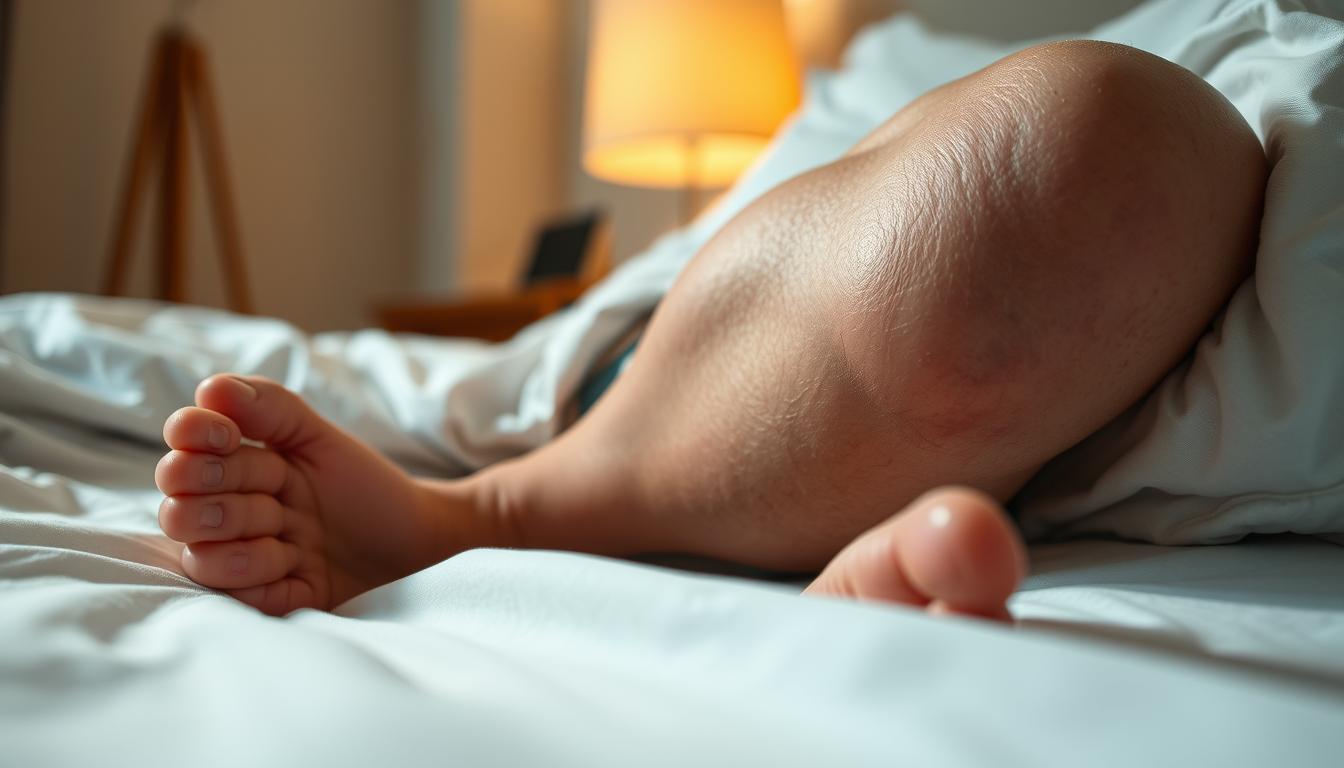
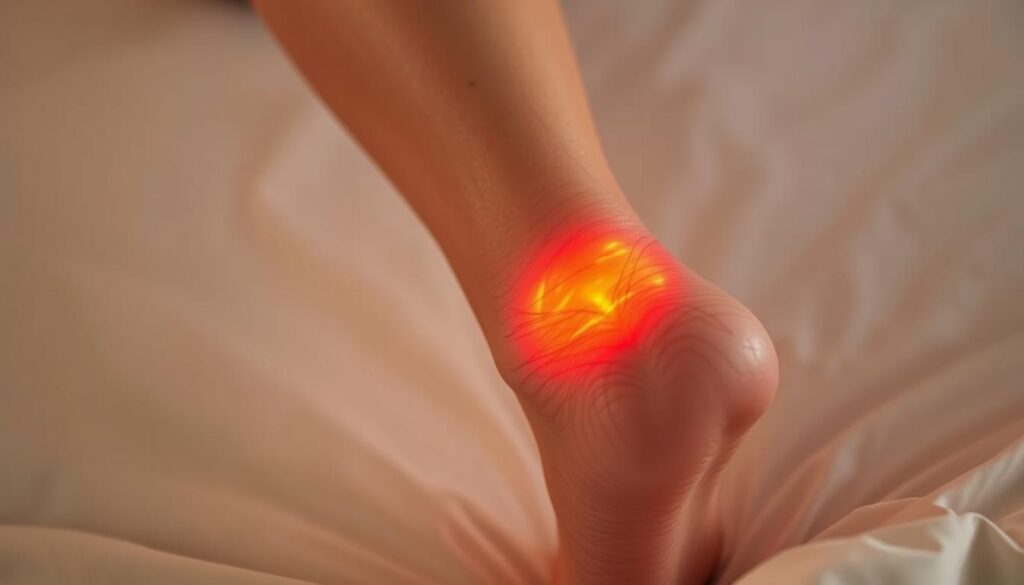
    Knee bent at a slight angle, the lower leg extending outward, revealing an area of inflammation and tension along the joint. Soft ambient lighting casts a warm glow, highlighting the subtle wrinkles and contours of the skin. A neutral, muted color palette evokes a sense of discomfort and unease. The image captures the experience of knee pain during side sleeping, conveying the physical strain and discomfort through a realistic and visually compelling depiction.

    How Side Sleeping Affects Knee Alignment

    Side sleeping without proper support can exacerbate knee misalignment. This misalignment places excessive pressure on either the medial (inner) or lateral (outer) aspects of the knee joint, depending on the exact sleeping position. The muscles surrounding the knee may become imbalanced during prolonged side sleeping, with some becoming overstretched while others tighten. For individuals with existing knee conditions, this misalignment can worsen inflammation and pain during the night and into the morning.

    Furthermore, the natural decrease in cortisol (an anti-inflammatory hormone) during sleep can make knee pain more noticeable when side sleeping. As our body’s natural pain-suppressing mechanisms are reduced, the discomfort can become more pronounced.

    Common Causes of Knee Pain After Sleeping on Side

    Experiencing knee pain after sleeping on your side is a common issue that can stem from a variety of causes, including anatomical and lifestyle factors. Understanding these causes is crucial for finding effective relief and preventing future discomfort.

    Arthritis and Joint Inflammation

    Arthritis and joint inflammation are significant contributors to knee pain, especially after sleeping on your side. Arthritis can cause the knee joint to become inflamed and painful, and side sleeping can exacerbate this condition by putting additional pressure on the joint. As Dr. John Smith, an orthopedic specialist, notes, “Arthritis can make everyday activities, including sleeping, quite painful due to the increased sensitivity of the affected joint.”

    Bursitis and Tendinitis

    Bursitis and tendinitis are other common causes of knee pain that can be aggravated by side sleeping. Bursitis involves the inflammation of the bursae, small fluid-filled sacs that cushion the joints, while tendinitis is the inflammation of the tendons. Both conditions can be irritated by the pressure and alignment issues associated with side sleeping, leading to increased pain and discomfort.

    Improper Sleep Posture and Alignment

    Improper sleep posture and alignment can also contribute to knee pain. When we sleep on our side without properly aligning our knees and hips, it can put strain on the knee joint, leading to pain. Using a supportive pillow between the knees can help maintain proper alignment and reduce strain.

    Previous Knee Injuries and Conditions

    Previous knee injuries, such as torn anterior cruciate ligaments (ACLs), meniscus tears, or fractures, can create lasting vulnerability that manifests as pain during side sleeping. As noted in medical literature, “Torn ACLs occur when one or more ligaments tear between the shinbone and thighbone, often due to contact sports.” The healing process for such injuries can create scar tissue that is less flexible and more sensitive to pressure, contributing to pain.

    Conditions like chondromalacia patella (runner’s knee) can also be problematic during side sleeping as the kneecap may track improperly under pressure. Even fully healed injuries can leave the knee more susceptible to pain when subjected to prolonged pressure, especially on unsupportive surfaces.

    Immediate Relief Methods for Nighttime Knee Pain

    Nighttime knee pain can be debilitating, but there are several strategies that can provide immediate relief. We will explore various methods to alleviate knee pain, focusing on practical techniques and treatments that can be applied immediately.

    Proper Pillow Placement Techniques

    Using the right pillows can make a significant difference in reducing knee pain. For side sleepers, placing a knee pillow between the knees can help maintain proper hip and knee alignment, thereby reducing strain on the knee joint.

    An image of a person sleeping on their side with a knee pillow between their knees.

    Learn More

    Heat and Cold Therapy Applications

    Both heat and cold therapies are effective for relieving knee pain. Cold therapy can help reduce inflammation, while heat therapy relaxes the muscles and increases blood flow. Alternating between the two can provide optimal relief.

    Pain-Relieving Medications and Topical Treatments

    Various over-the-counter (OTC) medications and topical treatments can offer relief from knee pain. Acetaminophen and NSAIDs like ibuprofen are commonly used to manage pain and inflammation. Topical creams containing capsaicin or menthol can also provide localized relief.

    Some key considerations for using pain-relieving medications include:
    – Over-the-counter pain relievers like acetaminophen can help manage pain without addressing inflammation.
    – Non-steroidal anti-inflammatory drugs (NSAIDs) target both pain and inflammation.
    – Topical treatments can provide localized relief without systemic effects.
    – Timing medication intake about 30 minutes before bedtime can enhance effectiveness.
    – Consulting a healthcare provider before starting any new medication is advisable.

    Creating an Optimal Sleep Environment for Knee Pain Relief

    To minimize knee pain after sleeping on your side, it’s essential to optimize your sleep environment. This involves making a few key adjustments to your bedroom setup and pre-bedtime routine.

    Choosing the Right Mattress and Bedding

    Selecting the best mattress for side sleepers with knee pain is crucial. A medium-firm mattress can provide the necessary support and pressure relief.

    Image of a medium-firm mattress suitable for side sleepers

    Learn More

    Bedroom Temperature and Comfort Considerations

    Maintaining a comfortable bedroom temperature is vital for a restful night’s sleep. A cooler bedroom can promote better sleep quality, while a warm environment can relax the muscles around the knee joint.

    Pre-Bedtime Routines to Reduce Knee Pain

    Establishing a pre-bedtime routine can significantly reduce knee pain. This can include:

    • A warm bath or shower 60-90 minutes before bedtime to relax muscles and promote sleepiness.
    • Gentle stretching routines focused on the quadriceps, hamstrings, and calf muscles.
    • Practicing relaxation techniques such as deep breathing or progressive muscle relaxation.
    • Limiting screen time before bed to reduce blue light exposure.
    • Creating a consistent pre-sleep routine to signal to your body that it’s time to wind down.

    By incorporating these practices into your daily routine, you can reduce knee pain and improve the quality of your sleep.

    Knee Pain After Sleeping on Side: Long-Term Prevention Strategies

    Preventing knee pain after sleeping on your side requires a multifaceted approach that includes exercise, weight management, and lifestyle modifications. By addressing the root causes of knee pain and implementing these strategies, individuals can significantly reduce their discomfort.

    Daytime Exercises to Strengthen Knee Joints

    Engaging in exercises that strengthen the knee can help alleviate pain. Activities such as yoga and swimming are particularly beneficial as they are low-impact and easy on the knees. When exercising, it’s essential to do so safely and avoid rushing through routines.

    Weight Management and Its Impact on Knee Health

    Managing one’s weight is crucial for knee health. Excess weight puts additional strain on the knee joints, exacerbating pain. A healthy diet combined with regular exercise can help maintain a healthy weight, thereby reducing the risk of knee pain.

    Lifestyle Modifications to Reduce Knee Strain

    Several lifestyle adjustments can help reduce knee strain. This includes modifying daily activities to minimize knee stress, such as using proper lifting techniques and avoiding prolonged standing. Wearing appropriate footwear with good arch support is also beneficial.

    Lifestyle Modification Benefit
    Regular Exercise Strengthens knee joints and improves flexibility
    Weight Management Reduces strain on knee joints
    Proper Footwear Maintains proper alignment and reduces knee strain

    By incorporating these long-term prevention strategies, individuals can effectively reduce knee pain after sleeping on their side. It’s about making informed lifestyle choices and being proactive about knee health.

    When to Seek Medical Help for Persistent Knee Pain

    Understanding the signs that indicate a need for medical intervention is vital for addressing knee pain effectively. If you develop knee pain of any kind, making an appointment with a doctor for an evaluation is crucial. They can determine what’s causing your symptoms and suggest the best possible treatment.

    You should also see a doctor if you have worsening pain, severe pain, difficulty walking, a knee joint that appears deformed, joint popping, extreme swelling, or fever. These could be indicative of a more serious underlying condition requiring medical intervention.

    A proper diagnosis from healthcare professionals may involve physical examination, imaging studies (X-rays, MRI), or blood tests to identify the specific cause of your knee pain. Treatment options prescribed by doctors may include physical therapy, prescription medications, corticosteroid injections, or in severe cases, surgical intervention.

    It’s essential to consult a doctor if knee pain persists for more than a few weeks despite home treatment. Many people delay seeking treatment for knee pain, which can lead to worsening conditions and more difficult recovery. Early intervention typically results in better outcomes.

    Your doctor may recommend assistive devices, braces, or specialized sleep products that can significantly improve comfort during side sleeping. Follow-up care is essential for monitoring progress and adjusting treatment plans as your condition improves or changes over time.

    FAQ

    What are the common causes of knee pain when sleeping on our side?

    We often experience knee pain due to arthritis, bursitis, or tendinitis, which can be exacerbated by side sleeping. Improper sleep posture and previous knee injuries can also contribute to the discomfort.

    How can we alleviate knee pain immediately after waking up?

    We can try using heat or cold therapy to reduce stiffness and inflammation. Applying a warm or cold compress to the affected area for 15-20 minutes can provide relief.

    What are some long-term strategies to prevent knee pain when sleeping on our side?

    We can strengthen our knee joints through daytime exercises, manage our weight to reduce pressure on our knees, and make lifestyle modifications to minimize knee strain.

    How can our sleep environment impact knee pain?

    A supportive mattress and comfortable bedding can help maintain proper spinal alignment and reduce pressure on our knees. Maintaining a comfortable bedroom temperature can also promote relaxation and reduce discomfort.

    When should we seek medical help for persistent knee pain?

    If we experience persistent or severe knee pain, swelling, or stiffness that interferes with our daily activities, we should consult a doctor to rule out underlying conditions that may require medical attention.

    Can our pre-bedtime routine affect knee pain?

    Yes, engaging in relaxing activities before bed, such as stretching or meditation, can help reduce muscle tension and promote a restful night’s sleep, potentially alleviating knee pain.