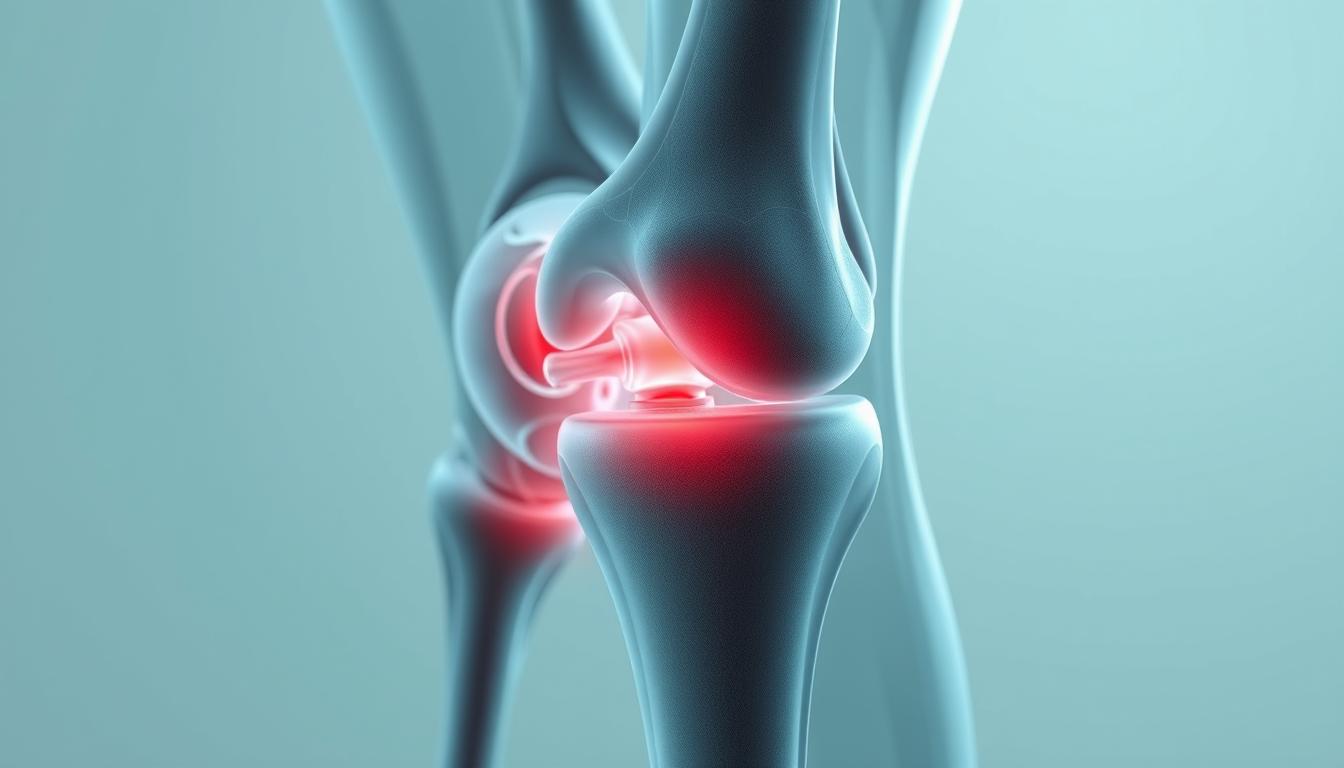
Have you ever experienced a grinding or clicking sensation in your knee, wondering what it could mean? This phenomenon, known as crepitus, occurs when the two bones in the knee joint grind against each other. According to Medical News Today, crepitus can be a sign of arthritis, but it doesn’t always necessitate treatment.
The occurrence of knee clicking without accompanying pain raises questions about its underlying causes. Various factors can contribute to this condition, and understanding them is crucial for determining the appropriate course of action.
Key Takeaways
- Crepitus refers to the grinding or clicking sensation in the knee.
- It can be a sign of arthritis, but treatment may not always be necessary.
- Knee clicking without pain can be caused by various factors.
- Understanding the underlying causes is crucial for determining the right course of action.
- The condition can result from the two bones in the knee joint grinding against each other.
Understanding Knee Clicking: An Overview
Knee clicking, a phenomenon experienced by many, is often a source of curiosity and concern. It is a condition characterized by a clicking or snapping sound emanating from the knee joint. This sound can occur with or without pain and is a common experience for many individuals.
What is Knee Clicking?
Knee clicking, also known as knee cracking or knee snapping, refers to the audible sound produced when the knee joint is moved. This sound is usually caused by the sudden release of gas bubbles in the fluid that surrounds the joint, known as synovial fluid. The release of these gas bubbles creates a popping or clicking sound.
Why Do Knees Click Without Pain?
Knees can click without pain for several reasons. One common reason is the normal movement of tendons and ligaments over bony structures. As these tissues move, they can create a clicking or snapping sound. Another reason is the presence of gas bubbles in the synovial fluid, which can be released as the joint moves, producing the clicking sound.
Common Misconceptions About Clicking Knees
There are several misconceptions surrounding knee clicking. One common myth is that knee clicking is always a sign of an underlying problem or injury. However, in many cases, knee clicking is a benign condition that does not indicate any serious issue. Another misconception is that knee clicking is a sign of arthritis or other degenerative conditions. While it is true that knee clicking can be associated with these conditions, it is not a definitive indicator.
| Cause | Description | Pain Associated |
|---|---|---|
| Tendon or Ligament Movement | Movement of tendons or ligaments over bony structures | No |
| Gas Bubbles in Synovial Fluid | Release of gas bubbles in the synovial fluid | No |
| Joint Cavitation | Release of pressure in the joint, creating a popping sound | Sometimes |
By understanding the causes and characteristics of knee clicking, individuals can better assess their condition and determine whether medical attention is necessary.
Anatomy of the Knee Joint
Delving into the anatomy of the knee joint reveals the underlying reasons for knee clicking when walking or moving. The knee joint is a complex structure that consists of three bones: the thighbone (femur), shinbone (tibia), and kneecap (patella).
The knee joint is supported by various soft tissues, including ligaments, tendons, cartilage, and synovial fluid, each playing a unique role in its function.
Ligaments and Tendons
Ligaments are strong, fibrous tissues that connect bones to other bones, providing stability to the knee joint. Tendons, on the other hand, connect muscles to bones, enabling movement. The anterior cruciate ligament (ACL) and posterior cruciate ligament (PCL) are crucial ligaments that help stabilize the knee.
Cartilage: Its Role in Joint Function
Cartilage is a smooth, white tissue that covers the ends of bones where they come together to form joints. In the knee, cartilage enables the bones to glide smoothly against each other, reducing friction and absorbing shocks. The meniscus, a type of cartilage, plays a vital role in knee joint function by providing additional cushioning and support.
Synovial Fluid and Joint Lubrication
Synovial fluid is a clear, thick liquid produced by the synovial membrane that surrounds the knee joint. It lubricates the joint, reducing friction between the cartilage and joints, and supplies nutrients to the cartilage. For more information on how knee anatomy relates to knee clicking and pain, you can visit https://kneehurt.com/causes-and-treatments-for-knee-pain-clicking/.
Understanding the anatomy of the knee joint is essential for comprehending the causes of knee clicking. By examining the roles of ligaments, tendons, cartilage, and synovial fluid, individuals can better appreciate the complexity of the knee and the reasons behind the clicking sounds they may experience.
Common Causes of Knee Clicking
Knee clicking, or knee crepitus, is a widespread condition that can be caused by multiple factors. Understanding these causes is crucial for determining whether the clicking is a normal occurrence or a sign of an underlying issue that needs medical attention.
Normal Biomechanics of the Knee
The knee joint is complex, involving the interaction of bones, ligaments, tendons, and cartilage. Normal knee movement can sometimes produce clicking sounds due to the natural alignment and movement of these components. For instance, the movement of tendons or ligaments over bony structures can cause a clicking or snapping sensation.
According to a study, the clicking noise is often due to the alignment of joints and the movement of muscles and ligaments around them. This is a common occurrence in individuals with no underlying knee problems.
Popcorn Sound: What Does It Mean?
The “popcorn sound” or the sudden, sharp clicking noise, is often associated with the release of gas bubbles in the fluid that surrounds the joints, known as synovial fluid. This phenomenon is generally harmless and can occur in various joints, not just the knee.
“The sudden release of pressure in the joint can cause the formation and collapse of gas bubbles, leading to the characteristic popping or clicking sound.”
Ligament or Tendon Movement
Ligaments and tendons play a crucial role in knee stability and movement. When these tissues move over bony prominences or other tissues, they can cause clicking or snapping sounds. This is often the case with the iliotibial (IT) band, which can snap over the lateral femoral condyle, producing a clicking noise.
| Cause | Description | Clinical Significance |
|---|---|---|
| Normal Biomechanics | Movement of tendons or ligaments over bony structures | Generally benign |
| Gas Bubbles in Synovial Fluid | Release of pressure causing gas bubble formation and collapse | Usually harmless |
| Ligament or Tendon Movement | Movement of ligaments or tendons over bony prominences | Can be benign or indicative of underlying issues |
Understanding the causes of knee clicking is essential for knee clicking diagnosis. While many instances are benign, some may indicate underlying issues that require medical evaluation.
Age-Related Changes in the Knee
The natural aging process affects the knee joint in various ways, often resulting in audible clicks. As we grow older, the knee undergoes several changes that can impact its function and overall health.
Natural Wear and Tear
One of the primary age-related changes is the natural wear and tear on the knee joint. Over time, the constant stress and strain on the knee can cause the joint’s components to degrade. This degradation can lead to the knee clicking sound many people experience as they age.
Cartilage Changes with Aging
Cartilage plays a crucial role in the knee joint, acting as a cushion between the bones. However, as we age, the cartilage can deteriorate, leading to conditions such as osteoarthritis. According to recent data, osteoarthritis is a common condition that occurs when the cartilage in the knee deteriorates with use and age. This deterioration can contribute to knee clicking and other symptoms.
Impact of Lifestyle on Knee Health
Lifestyle factors significantly influence knee health as we age. Maintaining a healthy weight, engaging in regular exercise, and avoiding repetitive strain on the knee can help mitigate some age-related changes. For instance, incorporating exercises that strengthen the muscles around the knee can provide additional support and potentially reduce knee clicking. Finding knee clicking relief often involves a combination of these lifestyle adjustments and, if necessary, medical interventions.
By understanding the age-related changes that occur in the knee and taking proactive steps to maintain knee health, individuals can reduce the likelihood of experiencing knee clicking and other age-related knee issues.
Relationship Between Knee Clicking and Exercise
The relationship between knee clicking and exercise is complex, involving various factors that influence joint health. Exercise is a crucial aspect of maintaining healthy knees, but it can sometimes be associated with knee clicking.
Activities That May Cause Clicks
Certain exercises and activities can cause knee clicking. For instance, activities that involve deep knee bending, such as squatting or lunging, can lead to clicking sounds due to the movement of tendons and ligaments around the knee joint. It’s essential to understand that not all knee clicking is a cause for concern, but being aware of the activities that may cause it can help in managing or preventing it.
As noted by a third-party source, “exercises to strengthen the muscles around the knee can help protect the knees.” This is a crucial point, as strengthening the surrounding muscles can provide better support to the knee joint, potentially reducing the incidence of clicking.
Stretching and Strengthening Exercises
Engaging in stretching and strengthening exercises can be beneficial for knee health. Exercises that target the quadriceps, hamstrings, and other muscles around the knee can help stabilize the joint and reduce clicking. For example, straight leg raises, wall squats, and leg press exercises are effective for strengthening the knee muscles.
It’s also important to incorporate stretching exercises to improve flexibility and reduce stiffness in the knee. Gentle stretches for the hamstrings, quadriceps, and calf muscles can help maintain a good range of motion and reduce the likelihood of knee clicking.
When to Adjust Your Workout Routine
If knee clicking is accompanied by pain or discomfort, it may be necessary to adjust your workout routine. For individuals experiencing persistent or severe knee clicking, consulting a healthcare professional or a physical therapist can provide insights into the cause and appropriate modifications to exercise routines.
For more information on knee clicking and its implications, you can visit https://complete-physio.co.uk/why-do-your-knees-click-and-should-you-worry/. This resource offers valuable insights into understanding knee clicking and addressing concerns related to knee health.
“The key to maintaining healthy knees is a balanced approach that includes strengthening, stretching, and being mindful of the activities that may cause knee clicking.”
Other Factors Contributing to Knee Clicking
Several factors contribute to knee clicking, and understanding these can help in addressing the issue. While common causes are often discussed, other significant elements can also play a crucial role.
Weight Changes and Joint Stress
Weight changes can significantly impact knee health. Gaining weight puts additional stress on the knee joint, potentially leading to increased clicking. Conversely, rapid weight loss can also affect joint stability. Maintaining a healthy weight is crucial for reducing stress on the knees. According to experts, even a small amount of weight loss can significantly reduce the strain on knee joints.
“Losing just 10 pounds can reduce the stress on your knee joint by 30-40 pounds per step with each step you take,” emphasizes the importance of weight management in knee health.
Footwear Choices and Their Impact
The shoes we wear can have a profound impact on our knee health. Poor footwear choices can lead to altered gait mechanics, putting unnecessary stress on the knee joint. For instance, wearing high heels regularly can change the way we walk, potentially leading to knee clicking. Choosing shoes that support the foot properly and promote a natural gait can help mitigate this issue.
Previous Injuries and Their Effects
Previous injuries to the knee can also contribute to clicking. Scarring or altered mechanics following an injury can lead to the knee clicking over time. It’s essential to properly rehabilitate after any knee injury to minimize long-term effects. In some cases, a rotated pelvis, as mentioned in some studies, can cause knee clicking, highlighting the need to address underlying issues for effective knee clicking treatment.
By understanding these additional factors, individuals can take proactive steps towards maintaining healthier knees and potentially reducing knee clicking.
When to Seek Medical Advice
While knee clicking is often not a cause for concern, certain signs indicate the need for medical evaluation. It’s crucial to be aware of these signs to prevent potential complications.
Signs That Indicate a Problem
If you experience any of the following symptoms, it’s advisable to seek medical attention: persistent pain, swelling, or instability in the knee. Additionally, if the clicking is accompanied by locking or catching sensations in the knee, it may indicate an underlying issue that needs to be addressed.
Other signs that may warrant medical evaluation include a significant change in the clicking sound or an increase in its frequency. It’s also important to consider any recent changes in your activity level or any trauma to the knee.
Importance of Regular Check-Ups
Regular check-ups with a healthcare provider can help identify any potential issues early on. This proactive approach allows for timely intervention, potentially preventing more severe problems from developing.
During these check-ups, your healthcare provider can assess your knee health, provide guidance on maintaining healthy knees, and address any concerns you may have.
Consulting a Physical Therapist
A physical therapist can offer personalized advice on exercises to strengthen the muscles around your knee, improving its stability and function. This can be particularly beneficial if you’re experiencing knee clicking due to biomechanical issues or muscle imbalances.
By consulting a physical therapist, you can learn how to adjust your movements and exercises to reduce stress on your knee joint, potentially alleviating the clicking.
Home Remedies for Knee Health
Simple home remedies can significantly improve knee health and reduce clicking. Knee clicking, or knee crepitus, can be a concerning symptom, but there are several methods to alleviate it without medical intervention.
Ice and Heat Application
Applying ice or heat to the knee can provide relief. Ice application is typically used to reduce inflammation, while heat application relaxes the muscles and increases blood flow. According to Medical News Today, rest, ice, compression, and elevation (RICE) are recommended for treating knee crepitus.
Dietary Considerations for Joint Health
A balanced diet rich in omega-3 fatty acids, vitamin D, and antioxidants can support joint health. Foods like salmon, nuts, and leafy greens are beneficial. Ensuring adequate nutrition helps maintain healthy cartilage and synovial fluid, potentially reducing knee clicking.
| Nutrient | Benefit | Food Sources |
|---|---|---|
| Omega-3 Fatty Acids | Reduces inflammation | Salmon, Walnuts |
| Vitamin D | Supports bone health | Fortified dairy, Sunlight exposure |
| Antioxidants | Reduces oxidative stress | Berries, Leafy Greens |
Gentle Exercises to Reduce Clicking
Gentle exercises such as straight leg raises, knee bends, and cycling can help strengthen the muscles around the knee, improving joint stability and reducing clicking. It’s essential to start slowly and avoid high-impact activities that could exacerbate the condition.
By incorporating these home remedies into your daily routine, you can potentially reduce knee clicking and improve overall knee health.
Myths About Knee Clicking and Pain
The phenomenon of knee clicking without pain is often shrouded in misconception. Many individuals experience knee clicking at some point, and while it’s natural to be concerned, not all instances are indicative of a serious issue. Understanding the facts behind knee clicking can help alleviate unnecessary worry and promote better knee health.
“Clicking Equals Injury”: Debunking the Myth
A common myth surrounding knee clicking is that it always signifies an underlying injury or condition. However, research suggests that knee clicking without pain is often a benign occurrence. The sound associated with knee clicking, known as crepitus, can result from the movement of joints, tendons, or ligaments over bony structures. In many cases, this is a normal anatomical variation and not a cause for concern.
For instance, when tendons or ligaments move over bony prominences, they can create a clicking or snapping sound. This is particularly common in individuals with certain anatomical features or those who engage in specific physical activities. It’s essential to differentiate between harmless knee clicking and sounds that may be indicative of an underlying issue.
Common Misunderstandings About Joint Sounds
There are several misconceptions about joint sounds, including knee clicking. Some believe that if a joint clicks, it must be a sign of arthritis or another degenerative condition. While it’s true that certain conditions can cause joint sounds, knee clicking no pain is not necessarily a direct indicator of such conditions. In fact, many people with knee clicking do not have any underlying serious health issues.
It’s also worth noting that joint sounds can vary widely among individuals. Factors such as age, activity level, and overall health can influence the frequency and characteristics of knee clicking. By understanding these factors, individuals can better assess their own knee health.
The Impact of Social Media on Perceptions
Social media has a significant influence on how people perceive health issues, including knee clicking. Misinformation or exaggerated claims can lead to unnecessary concern and anxiety. It’s crucial to consult credible sources and healthcare professionals when evaluating the significance of knee clicking.
By staying informed and relying on evidence-based information, individuals can make more informed decisions about their knee health. This includes understanding when knee clicking might be a sign of an underlying issue that requires medical attention, such as in cases where it’s accompanied by pain or swelling.
Maintaining Healthy Knee Joints
Protecting your knee health is crucial for maintaining mobility and overall well-being. As discussed, knee clicking without pain is often a benign condition, but it’s still essential to take proactive steps to care for your knees.
Everyday Care Tips
Simple changes to your daily routine can make a significant difference. Maintaining a healthy weight reduces the stress on your knee joints. Wearing suitable shoes can also help protect your knees by providing adequate support and cushioning. Incorporating knee clicking exercises into your daily routine can improve joint mobility and strength.
Regular Physical Activity
Engaging in regular physical activity is vital for knee health. Exercise helps maintain joint mobility, strengthens surrounding muscles, and can reduce the risk of knee problems. Activities like cycling, swimming, or brisk walking are excellent options as they are low-impact and easy on the knees.
Long-Term Strategies
For long-term knee health, consider incorporating knee clicking treatment and exercises into your lifestyle. This may include physical therapy, stretching, and strengthening exercises tailored to your specific needs. By adopting these habits, you can help ensure your knees remain healthy and functional for years to come.
FAQ
What causes knee clicking without pain?
Knee clicking without pain can be caused by various factors, including normal biomechanics, ligament or tendon movement, and age-related changes in the knee joint.
Is knee clicking a sign of a serious condition?
Not always. While knee clicking can be a symptom of an underlying condition, it is often a harmless phenomenon. However, if accompanied by other symptoms such as pain, swelling, or instability, it is recommended to seek medical attention.
Can exercise cause knee clicking?
Yes, certain exercises or activities can cause knee clicking, especially those that involve repetitive knee movements or stress on the knee joint. However, exercises like stretching and strengthening can also help alleviate knee clicking.
How can I reduce knee clicking?
Gentle exercises, maintaining a healthy weight, and wearing proper footwear can help reduce knee clicking. Additionally, applying ice or heat, and incorporating dietary considerations for joint health can also be beneficial.
When should I seek medical advice for knee clicking?
If you experience pain, swelling, or instability accompanying knee clicking, or if the clicking is persistent or severe, it is recommended to consult a healthcare professional or a physical therapist for proper evaluation and guidance.
Can knee clicking be a sign of arthritis?
Knee clicking can be associated with arthritis, particularly osteoarthritis, which involves wear and tear on the cartilage. However, knee clicking alone is not a definitive indicator of arthritis, and a proper diagnosis requires medical evaluation.
Are there any home remedies for knee clicking?
Yes, home remedies such as ice and heat application, gentle exercises, and dietary considerations can help alleviate knee clicking. Maintaining a healthy lifestyle and incorporating joint-friendly habits can also contribute to overall knee health.
Can previous injuries affect knee clicking?
Yes, previous injuries can impact knee clicking, as they may lead to changes in the knee joint’s anatomy or function, potentially causing clicking or other symptoms.
How can I maintain healthy knee joints?
Maintaining healthy knee joints involves a combination of regular physical activity, proper footwear, a balanced diet, and healthy weight management. Additionally, incorporating exercises that strengthen the surrounding muscles and improve joint mobility can help.