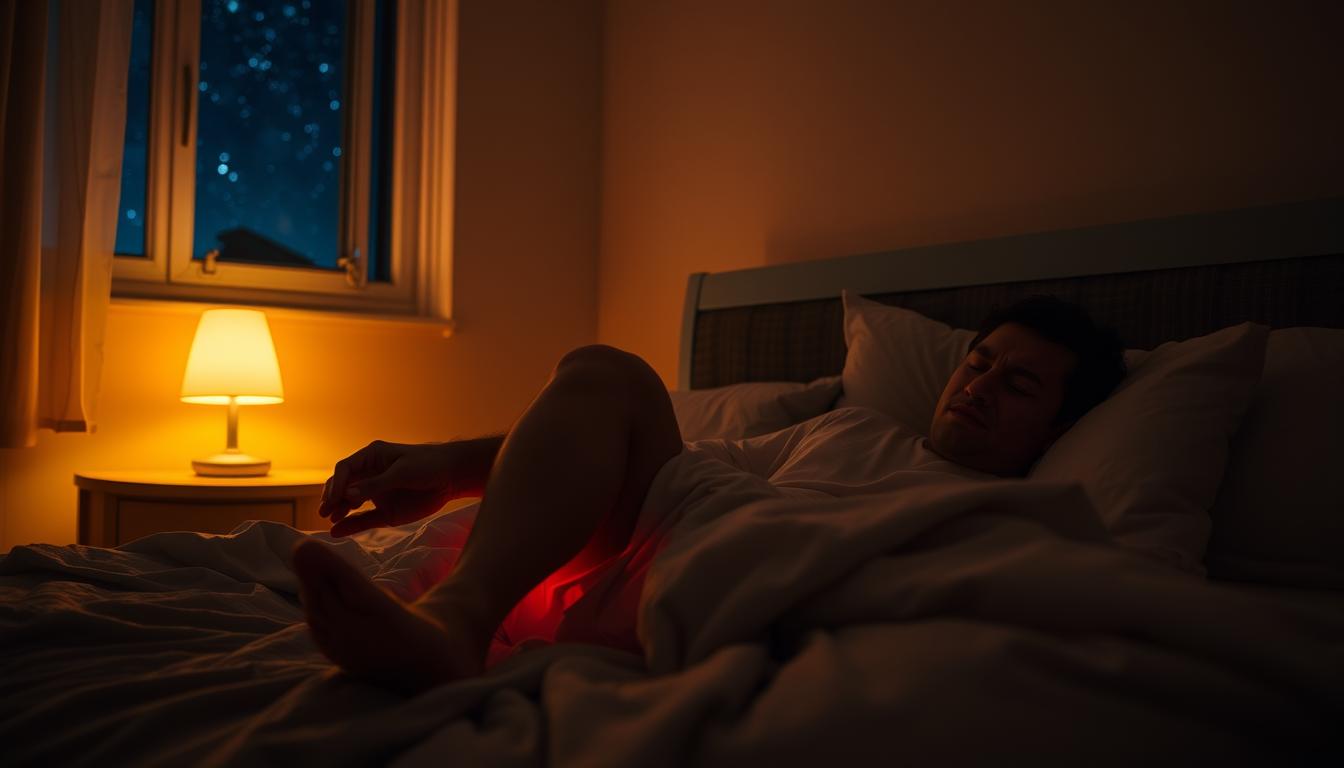
Have you ever wondered why your joints feel more achy after sunset? For millions, this frustrating experience disrupts both rest and daily life. While daytime activities keep us distracted, nighttime often amplifies discomfort in ways that demand attention.
Common conditions like osteoarthritis or bursitis often trigger this pattern. Inflammation builds up during the day, but as cortisol levels naturally dip in the evening, swelling and stiffness become harder to ignore. Even minor injuries can feel magnified when the body shifts into recovery mode.
Sleep position and reduced movement also play roles. Lying still for hours limits blood flow, while pressure on sensitive areas worsens symptoms. The good news? Understanding these factors helps us address the root causes—not just mask the problem.
Key Takeaways
- Evening joint issues often stem from inflammation and reduced cortisol levels
- Common culprits include arthritis, overuse injuries, and nerve pressure
- Proper diagnosis is crucial for effective long-term management
- Lifestyle adjustments can significantly improve sleep quality
- Targeted exercises and supportive tools often provide relief
- Treatment plans should address both physical and environmental factors
We’ll explore practical strategies—from smart exercise routines to sleep hygiene tweaks—that help restore comfort. By combining medical insights with actionable tips, you’ll discover how to break the cycle of nighttime discomfort.
Understanding Knee Pain at Night
As daylight fades, many notice their lower-body joints become less cooperative. This phenomenon stems from multiple biological processes and mechanical factors. Let’s examine why rest periods often amplify specific physical challenges.
Exploring Common Causes
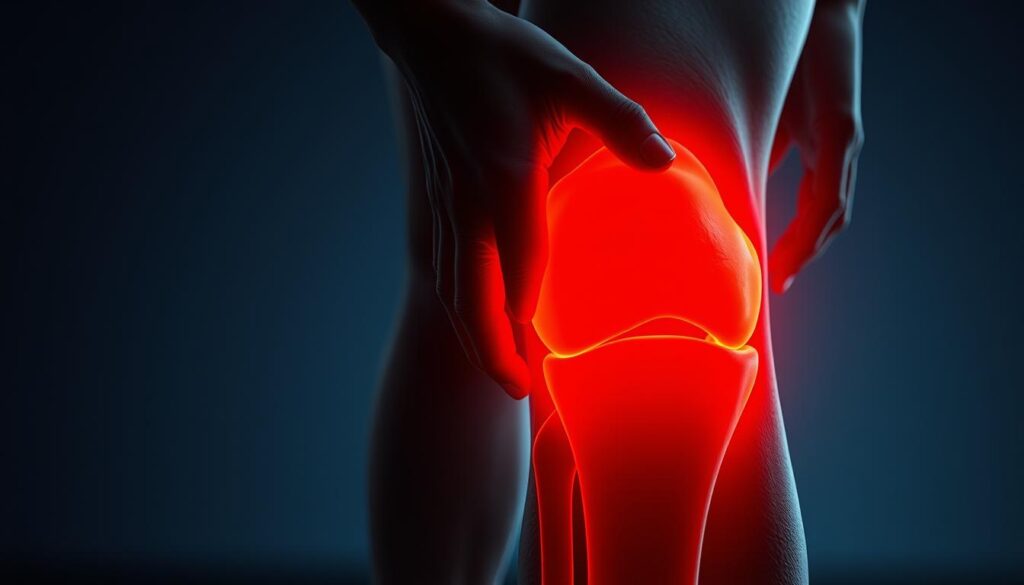
Daily wear-and-tear frequently contributes to evening stiffness. Conditions like runner’s knee (patellofemoral stress syndrome) develop from repetitive motion, while meniscal tears often occur during sudden twists. A 2023 Johns Hopkins study found 68% of adults with cartilage damage report heightened symptoms when lying down.
| Condition | Primary Symptoms | Nighttime Impact |
|---|---|---|
| Osteoarthritis | Cartilage degeneration | Increased friction during immobility |
| Bursitis | Fluid-filled sac inflammation | Pressure sensitivity in side-lying positions |
| Rheumatoid Arthritis | Autoimmune joint attacks | Morning stiffness lasting >1 hour |
The Impact of Inflammation and Arthritis
Our natural cortisol production decreases by 40% after sunset, reducing the body’s anti-inflammatory response. This hormonal shift allows swelling to progress unchecked. Simultaneously, reduced movement during sleep limits synovial fluid circulation – the joint’s natural lubricant.
Patients with autoimmune forms of arthritis face compounded challenges. Flare-ups often peak between 2-4 AM when immune activity increases. Proper diagnosis through blood tests or imaging helps tailor effective treatment plans.
Knee pain worse at night than during day)
When the world quiets down, joint discomfort often speaks louder. Many find their evenings disrupted by physical challenges that seemed manageable hours earlier. This pattern isn’t random—it’s rooted in our biology and daily rhythms.

- Reduced natural anti-inflammatory hormones
- Accumulated fluid in joints from daytime activity
- Decreased blood flow during prolonged rest
Daytime distractions like work or movement temporarily mask discomfort. As one arthritis patient noted: “My joints feel like they’re finally getting my full attention when I try to sleep.” This heightened awareness often reveals issues that busy hours help us ignore.
Various musculoskeletal conditions contribute to this phenomenon. Osteoarthritis and bursitis lead the list, but even minor strains can become pronounced during rest. Proper diagnosis helps identify whether inflammation, cartilage wear, or nerve compression drives the discomfort.
Understanding these mechanisms prepares us to explore effective solutions. The following sections will detail practical adjustments to sleep habits, targeted therapies, and professional interventions that restore comfort.
How Lifestyle and Sleep Hygiene Affect Knee Pain
The quality of our rest often hinges on choices made before bedtime. Simple adjustments to daily routines and sleep setups can significantly influence physical comfort after dark.
Sleep Positions and Their Effects
Alignment matters when resting. Side sleepers benefit from placing a pillow between their legs to maintain hip-spine alignment. Back sleepers can reduce pressure by elevating calves slightly with a rolled towel. One study found proper positioning decreases morning stiffness by 37%.
Creating a Restful Sleep Environment
Keep bedrooms cool (60-67°F) to prevent overheating, which worsens swelling. Use moisture-wicking sheets and avoid heavy blankets that trap heat. Blackout curtains and white noise machines help maintain uninterrupted rest cycles crucial for tissue repair.
Hormonal and Circulatory Factors
Our cortisol levels naturally dip after sunset, reducing the body’s inflammation control. Simultaneously, reduced movement during sleep slows synovial fluid production—the joint’s natural lubricant. Gentle evening stretches improve circulation without overexertion.
- Use supportive bedding to maintain neutral spine alignment
- Limit screen time 90 minutes before bed to support melatonin production
- Stay hydrated during daytime to nourish cartilage
As one physical therapist notes: “Small changes in evening routines often yield big improvements in comfort.” These strategies work best when combined with professional medical guidance.
Effective Treatment and Home Remedies for Knee Pain
Managing discomfort after dark requires smart approaches that address both symptoms and sources. We’ll explore proven methods that combine immediate relief with long-term benefits.
Medications and Over-the-Counter Options
NSAIDs like ibuprofen reduce swelling and block pain signals effectively. For chronic cases, naproxen offers longer-lasting relief. Always follow dosage instructions—overuse can damage stomach lining.
Topical creams containing menthol or capsaicin provide localized relief without systemic effects. Recent studies show 54% of users report improved sleep quality when combining oral and topical treatments.
- Aspirin: Thins blood while reducing inflammation
- Acetaminophen: Pain relief without anti-inflammatory effects
- Prescription options: Corticosteroids for severe flare-ups
Important: Consult a healthcare provider if symptoms persist beyond two weeks. Finding the best knee pain doctor near ensures proper diagnosis and personalized care plans.
Heat, Ice, and Other Therapeutic Strategies
Ice packs numb acute swelling within 20-minute applications. Heat therapy improves flexibility—try warm compresses before bedtime routines. Alternating methods works best for chronic conditions.
| Method | When to Use | Duration |
|---|---|---|
| Cold Therapy | After activity/acute injury | 15-20 mins |
| Heat Therapy | Morning stiffness/chronic issues | 20-30 mins |
Combine these approaches with lifestyle adjustments:
- Elevate legs with pillows during rest
- Avoid late meals that increase inflammation
- Use supportive footwear during daytime activities
One physical therapist notes: “Consistency matters more than intensity. Daily 10-minute treatments often outperform weekly hour-long sessions.”
Exercises, Physical Therapy, and Supportive Aids for Relief
Active movement strategies and proper support systems can transform how our bodies recover during rest. Combining targeted exercises with smart tools addresses stiffness while promoting long-term joint health.
Dynamic and Static Stretching Techniques
Dynamic stretches like leg swings improve blood flow before activity. Static holds such as hamstring stretches (30 seconds each side) increase flexibility. A 2023 study in the Journal of Orthopedic Research found combining both methods reduces stiffness by 42%.
| Type | Purpose | Examples |
|---|---|---|
| Dynamic | Warm-up muscles | Straight-leg marches, ankle circles |
| Static | Improve flexibility | Calf stretches, quad holds |
Utilizing Supportive Tools
Compression sleeves stabilize joints during daytime tasks. For sleep, contour pillows align hips and reduce pressure. One physical therapist advises: “Position supports to maintain natural spinal curves without restricting movement.”
Professional Guidance Options
Virtual programs like Hinge Health provide customized exercise plans through app-based tracking. In-person therapists assess gait patterns and muscle imbalances. Research shows patients using hybrid care models report 58% faster symptom improvement.
- Perform stretches 2-3 times daily
- Replace worn braces every 6-12 months
- Schedule therapy sessions during low-stiffness periods
Conclusion
Finding lasting comfort requires understanding both biology and daily habits. Evening stiffness often stems from hormonal shifts and reduced movement during rest. Addressing these factors through strategic changes helps break discomfort cycles.
Proper sleep positioning and environmental adjustments prove vital for joint support. Elevating limbs and maintaining cool room temperatures minimize pressure points. Combined with therapeutic heat/cold applications, these steps create conditions for better recovery.
Effective solutions blend medical guidance with self-care practices. Over-the-counter medications offer temporary relief, while targeted exercises strengthen supportive muscles. Consistency matters most—daily routines yield better results than occasional interventions.
We encourage exploring personalized care plans with health professionals. Whether adjusting activity levels or testing new therapies, proactive management enhances quality of life. Lasting improvement comes from addressing root causes, not just masking symptoms.
Take charge by applying these insights and seeking expert advice when needed. Small, intentional changes often create significant differences in comfort and mobility.
FAQ
Why does joint discomfort often intensify after lying down?
Reduced activity at night can lead to stiffness, while inflammation from conditions like arthritis may worsen as circulation slows. Cortisol levels, which naturally suppress swelling, also dip during sleep, amplifying sensations.
How do sleeping positions influence joint symptoms?
Positions that strain ligaments or compress tissue—like stomach sleeping—can aggravate sensitive areas. We recommend side-lying with a cushion between the legs or back-sleeping with a rolled towel under the knees to maintain neutral alignment.
What home strategies provide quick relief for nocturnal symptoms?
Alternating heat packs and ice therapy before bed eases stiffness and swelling. Over-the-counter anti-inflammatories like ibuprofen, combined with gentle stretching, often improve comfort. Elevating legs on a foam wedge also reduces fluid retention.
Can specific exercises reduce evening flare-ups?
Yes. Low-impact movements like hamstring stretches or seated leg lifts strengthen muscles around joints without strain. Physical therapists often prescribe isometric holds or aquatic routines to enhance mobility while minimizing pressure.
Do supportive devices like braces improve sleep quality?
Compression sleeves stabilize joints and may reduce nighttime shifting. For osteoarthritis, unloader braces redistribute weight away from damaged cartilage. Pairing these with contour pillows maximizes support and alignment.
How do hormonal changes after dark affect inflammation?
Melatonin rises while cortisol drops during sleep, creating an environment where inflammatory markers like cytokines become more active. This biological shift explains why rheumatoid arthritis sufferers frequently report heightened morning stiffness.