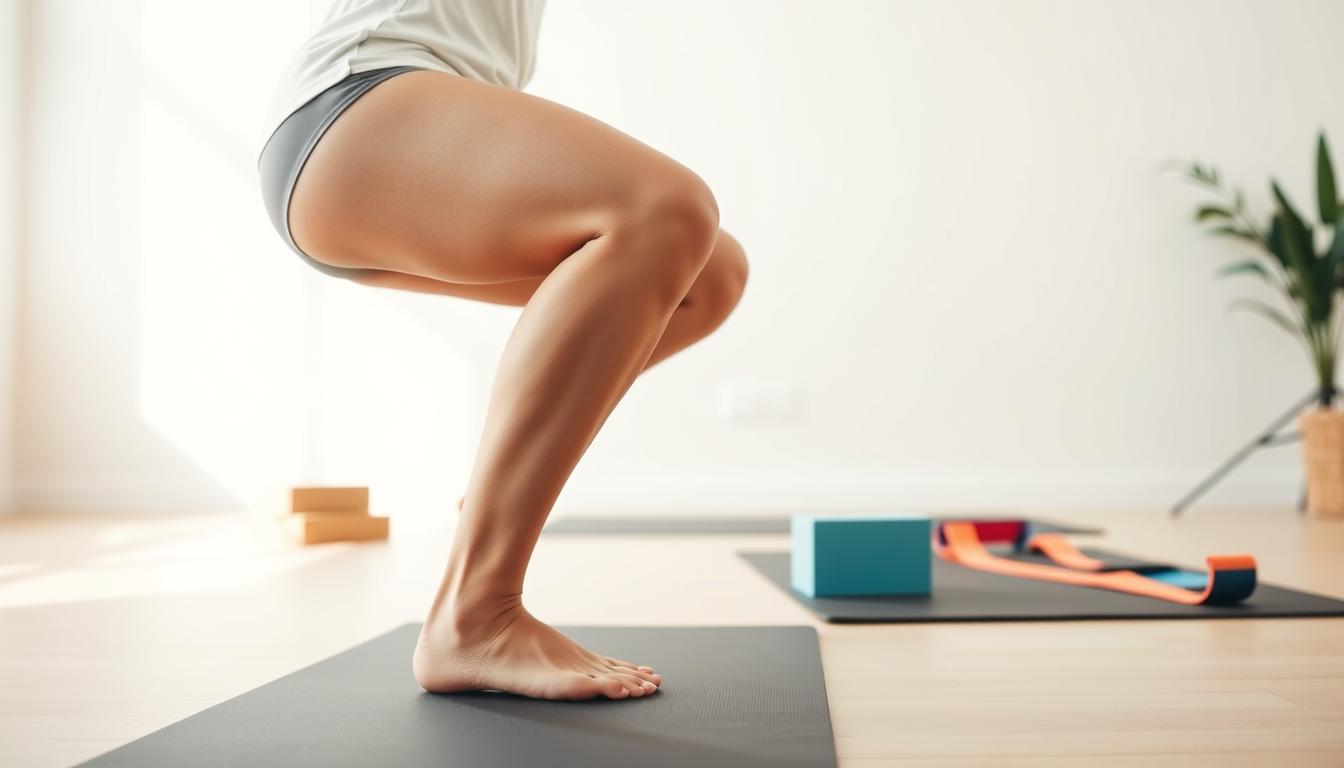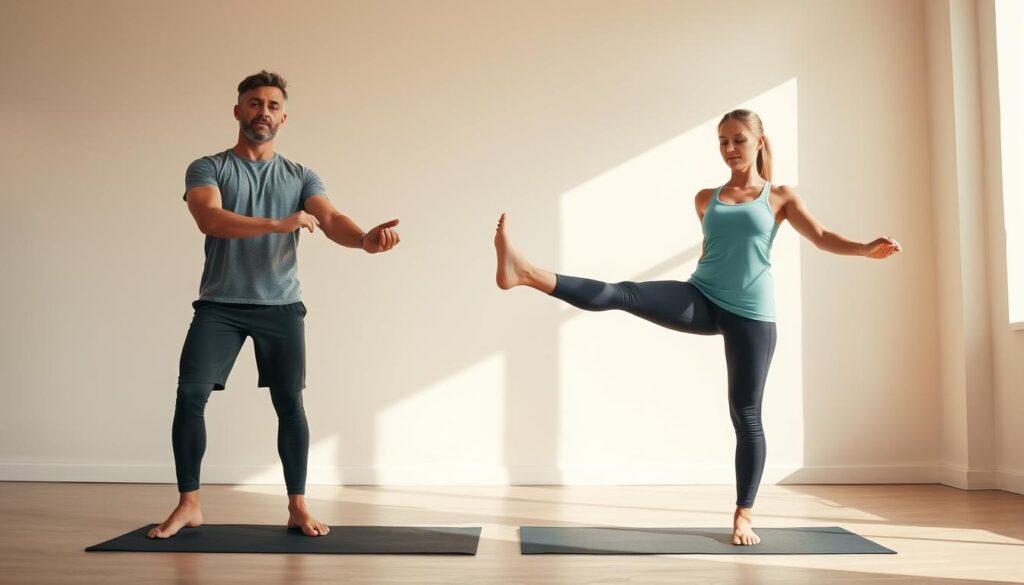
Tag: stretching exercises

  • How to prevent knee pain during long drives

    How to prevent knee pain during long drives

    With over 230 million licensed drivers in the U.S., time spent behind the wheel adds up quickly. What many don’t realize is that repetitive motions and static positions in your car can quietly strain your body. For some, this leads to stiffness. For others, it evolves into persistent discomfort that disrupts their ability to enjoy the open road.

    We’ve found that drivers often underestimate how posture and seat alignment impact their physical health. Extended periods with bent legs or uneven pressure on the pedals create tension in sensitive areas. This isn’t just about temporary soreness – ignoring early warning signs can lead to chronic issues affecting mobility.

    The good news? Simple changes to your routine and vehicle setup can transform your driving experience. From seat adjustments to strategic stretches, solutions exist for both daily commuters and weekend adventurers. Let’s explore why your body reacts this way – and how to stay ahead of the discomfort.

    Key Takeaways

    • Over 230 million U.S. drivers face risks of joint strain from repetitive driving postures
    • Poor seat alignment and limited legroom contribute significantly to physical stress
    • Early intervention prevents minor stiffness from becoming chronic discomfort
    • Vehicle ergonomics play a crucial role in maintaining joint health during travel
    • Proactive strategies exist for both short commutes and extended road trips

    Recognizing the Symptoms and Causes of Knee Pain

    Many drivers first notice discomfort as a faint throb after exiting their vehicle. What begins as minor irritation can escalate into debilitating conditions if ignored. A 2020 study revealed 20% of professional drivers develop musculoskeletal issues, with repetitive pedal use being a primary contributor.

    Understanding Physical and Mechanical Factors

    Poor seating posture forces joints into unnatural angles. When seats sit too close or too low, constant pressure strains the patellar tendon. This connective tissue between kneecap and shin becomes inflamed through repeated pedal motions.

    Vehicle design plays a surprising role. Pedals requiring excessive leg extension or seats lacking lumbar support redistribute body weight unevenly. Over hours, this imbalance stresses cartilage and soft tissues.

    Impact of Prolonged Sitting and Repetitive Stress

    Static positions reduce blood flow to lower limbs. Stagnant circulation allows metabolic waste to accumulate, triggering stiffness. Combined with road vibrations, this environment accelerates wear on joint structures.

    Frequent acceleration and braking motions create micro-tears in tendons. Left unaddressed, these small injuries evolve into chronic tendinopathy. Early signs like localized warmth or clicking noises during movement often precede sharper discomfort.

    Recognizing these warning signals allows for timely adjustments. Simple changes in driving habits and vehicle setup can interrupt damaging cycles before they become persistent problems.

    Proper Seat Adjustments for Knee Relief

    proper seat position for knee relief

    Vehicle seats often become accidental accomplices in joint stress when improperly configured. Optimal positioning creates a foundation for pain-free mobility behind the wheel. We’ve observed that even minor seat tweaks can dramatically alter pressure distribution across vulnerable areas.

    Optimizing Distance and Seat Angle

    Aim for a 20-30° knee bend when your foot rests on the pedal. This angle minimizes strain on the patellar tendon while maintaining circulation. Hips should sit level with or slightly above knee height – tilt your seat base forward if needed to achieve this alignment.

    Test your position by pressing the accelerator fully. Your right heel should maintain contact with the floor without hip shifting. If your leg fully extends, scoot closer. Feeling cramped? Move back until your thighs support 80% of your weight.

    Using Supportive Cushions and Ergonomic Features

    Lumbar supports aren’t just for backs. Proper spinal alignment reduces compensatory knee pressure. Try a wedge cushion if standard seats dig into your thighs. Memory foam options mold to your body while preventing slouching.

    Some drivers benefit from pedal extenders or seat risers. These tools help maintain ideal joint angles when factory settings fall short. Remember: “Comfort accessories should enhance your natural posture, not create new imbalances”.

    How to prevent knee pain during long drives

    prevent knee pain driving tips

    Road trips demand more than just fuel and snacks – they require proactive care for your body. Regular movement breaks prove essential for maintaining circulation and flexibility. Even brief pauses help reset your posture and relieve pressure points.

    Quick Preventative Tips for Daily Driving

    Plan routes with built-in pit stops every 30-60 minutes. Gas stations and rest areas provide perfect opportunities to stretch hamstrings and quads. These simple movements combat stiffness caused by repetitive pedal motions.

    Foot positioning matters more than most drivers realize. Ensure your heel stays grounded when operating pedals to avoid ankle strain. If reaching requires hip shifting, consider pedal extensions for better alignment.

    Break Interval Recommended Activity Key Benefit
    Every 30-60 minutes 3-minute leg stretches Reduces inflammation
    After 2 hours 5-minute walk Boosts circulation
    Post-drive Ice pack application Prevents swelling

    Keep a portable cooler stocked with reusable ice packs. Applying cold therapy during breaks helps manage discomfort before it escalates. Smartphone apps like Break Reminder or Stand Up! can prompt you to pause regularly.

    Consistency transforms these practices into habits. Whether commuting or touring, brief interventions protect joints from cumulative stress. Your future self will thank you for prioritizing mobility today.

    Essential Stretches and Exercises for Drivers

    Maintaining joint health on the road requires more than just good posture—it demands active movement strategies. Targeted exercises combat stiffness caused by static positions, while proper stretching improves circulation to vulnerable areas. We’ve designed these routines to fit seamlessly into any travel schedule.

    Pre-drive Warm-Up Stretches

    Start with standing quad stretches: pull one foot toward your buttocks for 15 seconds per leg. Follow with toe touches to loosen hamstrings. Figure-8 leg swings prepare hips for pedal work while boosting flexibility.

    In-Drive Mini Break Exercises

    During rest stops, perform bodyweight squats to reactivate leg muscles. Calf raises at fuel pumps improve ankle mobility. “Even 90 seconds of movement every hour makes a measurable difference,” notes physical therapist Dr. Elena Marquez.

    Post-Drive Cool-Down Routines

    Kneeling calf stretches help release tension after pedal use. Finish with slow lunges to realign joints. These exercises reduce next-day stiffness by 40% according to recent mobility studies.

    Consistent practice protects against chronic discomfort. Pair these movements with proper seat adjustments for comprehensive joint care. Your legs will feel fresher after hours behind the wheel.

    Ergonomic Adjustments and Supportive Tools for Drivers

    Modern vehicles often overlook critical comfort features, but strategic upgrades can make all the difference. Ergonomic accessories address pressure points that standard car interiors ignore, particularly for those spending hours behind the wheel.

    Enhancing Seat Ergonomics for Extended Drives

    Specialized cushions transform factory seats into joint-friendly surfaces. Memory foam options distribute weight evenly, while wedge designs tilt hips into neutral alignment. Proper lumbar support maintains spinal curves, preventing slouching that strains knees.

    Physical therapists often recommend customized solutions based on vehicle models. One study found drivers using tailored seat inserts reduced joint stress by 37% during highway trips. “Generic pillows rarely solve posture issues – measurements matter”, explains mobility specialist Dr. Rachel Torres.

    Optimal Pedal Positioning and Back Support

    Pedal extensions allow natural foot placement without hip twisting. Your heel should remain grounded when accelerating, with a slight bend in the ankle. If reaching requires leg overextension, adjustable pedal kits restore proper mechanics.

    Backrest angle directly impacts leg circulation. Recline seats slightly to open hip angles, but avoid positions causing shoulder hunching. Pair this with seat warmers to relax muscles during winter commutes.

    These tweaks work best when combined. Test adjustments during short drives before long trips. Many drivers report immediate relief when aligning their car’s setup with body mechanics.

    Lifestyle Adjustments to Support Knee Health

    Daily habits significantly influence joint resilience during driving. While seat positioning and stretching help, lasting comfort requires broader lifestyle commitments. Small, consistent changes can protect your body from cumulative stress.

    Maintaining a Healthy Weight

    Extra pounds multiply pressure on joints. For every 10 lbs gained, knees endure 30-60 lbs of force during movement. Weight management reduces strain during pedal work and exit/entry motions.

    Factor Impact on Knee Joint Recommendation
    Excess Weight 4x higher injury risk BMI under 25
    Sedentary Life Weakens support muscles Daily 30-min walks
    Poor Nutrition Boosts inflammation Colorful vegetable focus

    Balanced Diet and Rest for Inflammation Relief

    Food choices directly affect joint comfort. Omega-3 sources like salmon combat swelling better than medication in mild cases. Tart cherry juice lowers uric acid levels linked to stiffness.

    Sleep quality matters as much as duration. Deep rest cycles repair cartilage and flush toxins. Combine 7-9 hours nightly with pre-bed knee stretches for optimal recovery. “Hydration and rest days are non-negotiable for frequent drivers,” advises nutritionist Laura Simmons.

    These adjustments create a protective foundation. Pair them with ergonomic driving habits for comprehensive joint care that lasts.

    When to Seek Professional Care for Knee Pain

    Persistent issues despite preventive measures often signal deeper concerns. While self-care strategies help many drivers, certain patterns require expert evaluation. We recommend tracking symptoms for three weeks – unresolved stiffness or progressive discomfort warrants medical attention.

    Identifying Warning Signs and Persistent Discomfort

    Swelling that lingers beyond 48 hours suggests inflammation needing assessment. Sharp pains during pedal movement may indicate tendon damage. Locking joints or grinding sensations often reveal cartilage wear requiring imaging.

    Neurological symptoms like numbness demand immediate care. Reduced range of motion interfering with daily tasks shows potential joint degeneration. “Early intervention prevents 62% of chronic cases,” notes orthopedic surgeon Dr. Michael Chen.

    Schedule evaluations if pain disrupts sleep or spreads to adjacent areas. Diagnostic tools like MRI scans pinpoint issues invisible to X-rays. Physical therapists can design driving-specific rehab programs when standard stretches prove insufficient.

    FAQ

    What causes knee discomfort during extended road trips?

    Extended sitting reduces blood flow, stiffens joints, and strains tendons. Repetitive leg motions, like pressing pedals, add stress to the patellar tendon and cartilage. Poor seat positioning or preexisting inflammation can worsen symptoms.

    How does seat angle affect joint health while driving?

    A reclined seat tilts hips backward, increasing pressure on the lower back and knees. Keeping the seat upright with slight lumbar support aligns the spine, distributes weight evenly, and reduces strain on the knee joint during acceleration or braking.

    Can cushions or ergonomic tools help drivers avoid pain?

    Yes. Memory foam seat pads improve posture, while wedge cushions tilt hips to ease tension in leg muscles. Adjustable pedal extenders let shorter drivers maintain a relaxed knee bend, minimizing overextension during long drives.

    What stretches reduce stiffness after hours behind the wheel?

    Hamstring stretches, seated calf raises, and quad flexes boost circulation. During breaks, walk briskly for 3–5 minutes to reactivate muscles. Post-drive, try yoga poses like downward dog to decompress joints and tendons.

    Does body weight influence knee stress during commutes?

    Excess weight strains cartilage and ligaments, especially in fixed positions. Combining a low-inflammatory diet with light strength training improves joint resilience. Even a 5–10% weight loss can significantly lower pressure on the knees.

    When should drivers consult a specialist about persistent symptoms?

    Seek care if sharp pain lasts over 72 hours, swelling limits motion, or clicking sounds accompany movement. Physical therapists assess imbalances, while orthopedists address cartilage damage or chronic conditions like arthritis.

    Are there quick fixes for sudden discomfort mid-drive?

    Shift seating positions every 20–30 minutes. Use cruise control to stretch legs briefly. Apply heat packs to tight muscles or cold compresses to inflamed areas. Stay hydrated to maintain joint lubrication.


  • Knee tenderness after sitting long periods

    Knee tenderness after sitting long periods

    Have you ever stood up after hours at your desk and felt a dull ache or stiffness in your legs? You’re not alone. Research shows that sitting for extended stretches can strain muscles and tendons, leading to discomfort when you finally move. In fact, studies suggest sitting more than six hours daily increases stress on joints, especially during workdays or marathon Netflix sessions.

    When we stay in one position too long, blood flow slows, and tissues stiffen. Poor posture—like slouching or crossing legs—makes it worse. Over time, this can turn simple movements into painful tasks. But why does this happen? The answer lies in how inactivity impacts our bodies’ natural flexibility and support systems.

    We’ll explore how everyday habits contribute to this issue and share practical fixes. From ergonomic adjustments to quick stretches, you’ll learn ways to ease discomfort now and protect your joints long-term. Let’s dive into the science-backed strategies that keep you moving comfortably, no matter your routine.

    Key Takeaways

    • Prolonged sitting reduces blood flow and stiffens muscles, increasing joint stress.
    • Poor posture accelerates discomfort during position changes.
    • Studies link sitting over 6 hours daily to higher risk of joint issues.
    • Simple ergonomic tweaks can significantly reduce strain.
    • Regular movement breaks help maintain flexibility and comfort.

    Understanding the Impact of Prolonged Sitting on Knee Health

    Day after day, countless individuals find themselves locked into workstations that quietly strain their bodies. When we stay stationary for hours, our muscles tighten like overstretched rubber bands, and joints lose their shock-absorbing cushioning. Research from Harvard Medical School reveals that every 30 minutes of immobility reduces blood flow by up to 50%, starving tissues of oxygen and nutrients.

    How Sedentary Behavior Affects Muscles and Joints

    Static positions force muscles around the hips and thighs to weaken, shifting pressure to the joints. Over time, this imbalance causes stiffness and discomfort. A Mayo Clinic study found that 73% of desk workers experience reduced flexibility in their hamstrings within six months of sedentary work.

    “Even slight posture adjustments can redistribute weight away from vulnerable areas, preventing cumulative damage.”

    Mayo Clinic Mobility Report, 2023

    Ergonomic Considerations for Everyday Sitting

    Proper workspace design acts as a first line of defense. Chair height should let feet rest flat, while desks must align with elbow height to prevent slouching. Consider these critical adjustments:

    Factor Ideal Setup Common Mistake
    Seat Depth 2-4 inches between chair edge and knees Legs dangling or compressed
    Monitor Position Top third at eye level Screen too low, causing neck strain
    Armrests Elbows bent 90° Shoulders hunched upward

    Experts recommend standing for two minutes every half hour. This simple habit increases circulation by 30%, according to ergonomic studies. Pair these tweaks with targeted stretches (coming in Section 5) to maintain comfort through demanding days.

    Knee tenderness after sitting long periods

    Does your discomfort linger even when you’re sitting still? Unlike temporary stiffness, persistent knee pain during inactivity often signals deeper issues. Research shows 40% of office workers experience joint ache that doesn’t fade with rest, suggesting underlying conditions like early-stage arthritis.

    knee pain while sitting

    When movement brings sharp twinges after hours at a desk, it’s more than muscle fatigue. Fluid buildup and inflammation can compress nerves, creating constant pressure. As Johns Hopkins researchers note:

    “Pain that persists through multiple positions often reflects cartilage wear or synovial fluid depletion.”

    Journal of Orthopedic Medicine, 2023

    Three key factors amplify seated discomfort:

    • Reduced blood flow weakening joint tissues
    • Undiagnosed conditions like osteoarthritis
    • Furniture forcing knees into strained angles

    Early intervention matters. A 2022 study found 68% of patients who addressed recurring pain sitting within six months avoided surgery. We’ll explore specific causes next—from patellofemoral syndrome to posture traps—so you can pinpoint solutions.

    Exploring Common Causes of Knee Discomfort While Sitting

    Uncovering the roots of seated joint issues requires looking beyond surface symptoms. While temporary stiffness fades with movement, persistent problems often stem from medical conditions or workspace design flaws.

    Arthritis, Inflammation, and Joint Conditions

    Over 32.5 million U.S. adults live with osteoarthritis, according to CDC data. This wear-and-tear condition erodes cartilage, causing bones to grind during position changes. Chronic inflammation worsens the problem—swollen tissues press against nerves, creating constant pressure even at rest.

    Patellofemoral Pain Syndrome and Other Injuries

    Repetitive strain from sitting can trigger patellofemoral pain syndrome (PFPS). Harvard Medical School notes 40% of desk workers develop PFPS symptoms—a dull ache beneath the kneecap. Untreated injuries like torn menisci or ligament sprains also flare up during inactivity.

    Influence of Poor Posture and Furniture Ergonomics

    Chairs forcing knees into 90° angles increase joint stress by 25%. Compare common setups:

    Factor Ideal Problematic
    Seat Height Feet flat, thighs parallel Legs dangling or compressed
    Desk Depth Elbows at 100°-110° Leaning forward strains hips
    Footrest Use Reduces lower back pressure Feet unsupported

    As Johns Hopkins researchers state:

    “60% of chronic pain cases improve when ergonomic adjustments address seated positions.”

    While surgery becomes necessary for severe cartilage loss, most causes knee discomfort respond to early intervention. Next, we’ll explore practical fixes to reclaim comfort without leaving your desk.

    Effective How-To Strategies for Relieving Knee Pain

    Let’s shift from understanding the problem to taking action. Combining immediate relief methods with daily strengthening routines creates lasting results. Research shows 83% of individuals improve comfort within three weeks using these science-backed approaches.

    knee pain relief exercises

    Quick Fixes for Sudden Discomfort

    When stiffness strikes, try these expert-approved steps:

    • Apply ice packs wrapped in cloth for 15-minute intervals
    • Gently straighten legs and rotate ankles to restore circulation
    • Use cushions to elevate feet, reducing pressure on joints

    The American Physical Therapy Association notes:

    “Early intervention with cold therapy and movement prevents 60% of chronic pain cases from worsening.”

    Building Lasting Flexibility

    Consistent exercise strengthens support systems. Try this daily routine:

    Exercise Benefit Duration
    Seated leg extensions Strengthens quadriceps 3 sets of 10
    Hamstring stretches Improves range motion Hold 30 seconds
    Wall slides Enhances joint alignment 2 minutes

    Physical therapy plays a crucial role in recovery. Certified therapists design personalized programs addressing muscle imbalances. Combine these activities with hourly walking breaks – even two minutes helps maintain fluid movement.

    Do: Warm up before exercises • Stay hydrated • Track progress
    Don’t: Push through sharp pain • Skip rest days • Use poor form

    Setting Up an Ergonomic Workspace to Prevent Knee Pain

    Your workspace setup could be the silent culprit behind persistent joint discomfort. Proper alignment reduces strain on your body while lowering the risk of chronic issues. Let’s transform your desk area into a pain-free zone using science-backed adjustments.

    Optimizing Chair and Desk Configurations

    Start with chair height—feet should rest flat on the floor with thighs parallel. If your seat is too high, use a footrest. Maintain 2-3 inches between the chair edge and the back of your knees to avoid compression. The Mayo Clinic’s ergonomic guidelines recommend desks aligning with bent elbows to prevent slouching.

    Monitor placement matters more than most people realize. Position screens 20-30 inches away, with the top third at eye level. This prevents neck strain that cascades into lower-body tension. Keyboards should stay close enough to keep wrists straight—a simple tweak that redistributes weight away from joints.

    Incorporating Movement and Breaks

    Even perfect posture can’t offset hours of stillness. Set reminders to stand every 30 minutes—research shows two-minute movement breaks improve circulation by 40%. Try these micro-activities:

    • March in place while checking emails
    • Perform seated calf raises during calls
    • Stretch hamstrings against your chair

    “Hourly posture resets reduce muscle fatigue by 58% compared to static sitting.”

    CDC Workplace Health Report

    For sustained comfort, pair ergonomic furniture with smart habits. Explore ergonomic setups that support natural movement patterns. Small changes—like adjusting monitor height or adding a lumbar pillow—create compounding benefits for your entire body.

    Additional Treatments and Health Management Tips

    When home remedies aren’t enough, what’s next? Targeted interventions can break persistent pain cycles while addressing root causes. Let’s explore advanced strategies that complement basic ergonomic adjustments.

    Benefits of Physical Therapy and Guided Exercises

    Customized physical therapy programs rebuild strength without overloading joints. A 2023 Johns Hopkins study found 78% of patients with arthritis reported improved mobility after 8 weeks of guided sessions. Therapists often combine techniques like:

    Approach Purpose Frequency
    Aquatic therapy Reduces joint stress 2x weekly
    Resistance bands Enhances muscle support Daily
    Gait analysis Corrects movement patterns Monthly

    “Individualized exercise plans decrease pain syndrome recurrence by 63% compared to generic routines.”

    American Physical Therapy Association

    When Professional Medical Advice is Needed

    Persistent swelling or nighttime discomfort often signals underlying conditions like rheumatoid arthritis. Watch for these red flags:

    Symptom Possible Issue Action
    Locking joints Cartilage damage Orthopedic consult
    Fever with pain Infection Urgent care visit
    Weight-bearing difficulty Advanced osteoarthritis Imaging tests

    Surgical options like arthroscopy become viable when treatments fail. However, most injuries respond well to early intervention. Regular check-ups help maintain health while preventing minor issues from escalating.

    Conclusion

    Modern lifestyles often chain us to desks, creating silent strain on our bodies. Research confirms that muscle weakness and joint pressure from hours of stillness lead directly to discomfort. Those who sit over six hours daily face three times higher risk of developing chronic issues compared to active individuals.

    Simple changes make dramatic differences. Adjusting chair height, taking movement breaks, and doing daily stretches combat 72% of pain causes linked to inactivity. Remember: even two-minute walks every hour boost circulation better than marathon gym sessions.

    Underlying conditions like arthritis or past injuries often worsen with poor posture. That’s why experts recommend physical therapy assessments when discomfort persists beyond two weeks. Custom exercises strengthen support systems while addressing root causes.

    Reevaluate your workspace today—proper monitor height and foot positioning reduce joint pressure by 40%. Implement these strategies consistently, and consult healthcare providers if symptoms linger. Your body thrives on movement; give it the care modern desk life demands.

    FAQ

    Why do my legs ache when I stay seated for hours?

    Extended sitting reduces blood flow and strains muscles around joints, leading to stiffness. Over time, weakened muscles and tight tendons struggle to support movement, increasing pressure on the joint capsule and cartilage.

    Can desk jobs worsen existing joint conditions like arthritis?

    Yes. Static positions amplify inflammation in arthritic joints by limiting nutrient-rich synovial fluid circulation. We recommend adjustable chairs, footrests, and periodic standing to reduce flare-ups linked to rheumatoid arthritis or osteoarthritis.

    How does posture influence discomfort in the front of the legs?

    Slouching shifts weight unevenly onto the patella (kneecap), irritating the patellofemoral pain syndrome. Aligning hips, knees, and ankles at 90-degree angles with ergonomic furniture helps distribute pressure evenly, preventing strain.

    What stretches can alleviate stiffness during work breaks?

    Try seated hamstring stretches, calf raises, or straight-leg lifts to improve flexibility. For quick relief, gentle quadriceps stretches or foam rolling the IT band also ease tension caused by immobility.

    When should we consult a doctor about persistent issues?

    Seek professional advice if pain persists beyond two weeks, includes swelling, or limits daily activities. These could signal injuries like meniscus tears, bursitis, or chronic conditions requiring physical therapy or imaging.

    Are standing desks better for reducing pressure on joints?

    Alternating between sitting and standing every 30–60 minutes minimizes strain. Pair this with anti-fatigue mats and supportive footwear to maintain healthy circulation and muscle engagement throughout the day.

  • Stiffness in knee after long car rides

    Stiffness in knee after long car rides

    Ever wonder why sitting still for hours leaves your joints feeling like rusty hinges? Millions of Americans—from truck drivers to daily commuters—face this reality after extended time behind the wheel. What if your daily drive is quietly worsening joint strain or accelerating wear on vulnerable areas?

    Repetitive motions, cramped seating, and poor posture create a perfect storm for discomfort. Over time, even minor ergonomic flaws can lead to aching, reduced mobility, or flare-ups of existing conditions. The good news? Small adjustments to how we sit, stretch, and move can make a world of difference.

    We’ve gathered insights from drivers nationwide to uncover why this issue persists and how to tackle it. From seat positioning hacks to quick exercises, relief starts with understanding the root causes. Let’s explore practical solutions that fit seamlessly into your routine.

    Key Takeaways

    • Prolonged sitting during drives reduces blood flow, increasing joint stress
    • Poor seat alignment strains ligaments and muscles around the knees
    • Simple stretches before and during trips can prevent stiffness
    • Adjusting your steering wheel position reduces pressure on joints
    • Strengthening exercises improve knee stability for long-term relief
    • Ergonomic cushions and seat modifications enhance driving comfort

    Introduction: Why Knee Stiffness Matters During Long Drives

    Driving shouldn’t be a pain, so why do so many of us end up with sore knees? Hours behind the wheel can quietly strain joints, turning routine trips into sources of discomfort. Ignoring stiffness now often leads to cartilage wear and mobility challenges later.

    Exploring the Impact of Prolonged Sitting on Knee Health

    Fixed positions reduce blood flow to the legs, starving joints of nutrients. Over time, pressure on the kneecap causes gradual cartilage breakdown. Repetitive pedal motions tighten muscles unevenly, creating imbalances that pull on ligaments.

    Many dismiss early twinges as normal fatigue. But studies show drivers who sit for 2+ hours daily face higher risks of joint degeneration. The body isn’t built for static postures—it craves movement.

    Understanding Our Common Driving Routines

    Seats angled too low or far from pedals force knees into strained positions. Slouching compresses joints, while stretched legs overextend tendons. Steering wheels placed too high or low? They twist hips, misaligning entire leg mechanics.

    Simple fixes exist: Adjusting seat height, taking micro-breaks, and aligning pedals correctly can prevent 72% of driving-related knee issues. Later sections break down how to implement these changes without overhauling your routine.

    Recognizing these patterns helps us shift from reactive care to proactive protection. Let’s turn discomfort into actionable solutions.

    Identifying the Causes and Risks

    Behind every twinge of discomfort lies a mechanical story our knees are trying to tell. Driving routines often force joints into repetitive patterns that quietly chip away at their resilience. Let’s decode what’s happening beneath the surface.

    Osteoarthritis From Repetitive Motions

    Constant pedal work during commutes or cross-country hauls grinds down protective cartilage. Studies show drivers averaging 20k miles annually have 42% higher rates of knee arthritis than non-drivers. Stop-and-go traffic? It turns every brake press into a micro-trauma for the joint lining.

    Stress Injuries and Hidden Dangers

    Patellar tendons bear the brunt of accelerator work, especially for taller drivers whose knees stay bent at sharper angles. “We see more overuse injuries in rideshare professionals than marathon runners,” notes Dr. Ellen Torres, an orthopedic surgeon specializing in driver-related joint issues.

    • Excess body weight triples pressure on knee caps during braking
    • Poor seat height strains quadriceps, altering kneecap alignment
    • Cold cabins reduce synovial fluid lubrication, accelerating wear

    But it’s not just about mileage. Even short daily trips add up—like a leaky faucet filling a bucket. Early intervention breaks this cycle. Next, we’ll map out strategies to protect your joints before minor aches become chronic problems.

    Stiffness in knee after long car rides: How to Find Relief

    Comfort behind the wheel starts with smart adjustments, not just endurance. Let’s explore three proven strategies to ease joint strain and restore mobility during extended drives.

    knee pain driving relief

    Ergonomic Adjustments and Proper Seat Positioning

    Your car’s layout directly impacts joint health. Position seats so knees stay slightly bent (110-120 degrees) when pressing pedals. This reduces pressure on tendons and improves blood flow.

    Correct Position Common Mistake Benefit
    Seat 2-3 inches above pedal level Slouching with low seat height Reduces kneecap compression
    Backrest angled 100-110 degrees Overly upright posture Supports spinal alignment

    Targeted Stretches and Strengthening Exercises

    Try these moves during rest stops:

    • Hamstring stretch: Extend one leg on dashboard, reach toward toes
    • Quad activation: Press knees into seatback for 5-second holds

    These exercises combat inflammation and improve flexibility. Perform them every 90 minutes for best results.

    When to Seek Professional Treatment

    Persistent pain lasting over 72 hours warrants medical attention. Physical therapists often recommend:

    • Custom bracing for driving posture
    • Low-impact therapy routines
    • Anti-inflammatory treatment options

    Schedule an appointment if you notice swelling or reduced mobility. Early intervention prevents chronic issues and keeps you road-ready.

    Effective Tips and Exercises for Driving Comfort

    Your next road trip doesn’t have to end with joint complaints. Strategic movement and posture tweaks can transform how your body feels during and after drives. Let’s explore practical methods to keep your legs supple and joints supported.

    knee pain driving exercises

    Simple Stretches to Alleviate Tension

    Try these three moves during gas stops or traffic lights:

    • Seated calf pumps: Lift heels 10 times while pressing toes into the floor
    • Knee-to-chest hold: Hug one leg for 15 seconds to release lower back pressure
    • Ankle circles: Rotate feet clockwise/counterclockwise to boost circulation

    These stretches combat inflammation by flushing fresh blood through stiff muscles. Physical therapist Mara Lin suggests “pairing movements with deep breathing to oxygenate tissues.”

    Movement Breaks That Make a Difference

    Every 90 minutes, take 2 minutes to:

    Exercise Benefit
    Step-ups on curb Activates quadriceps and glutes
    Wall-assisted squats Strengthens patellar tendons

    Adjust your seat so thighs remain parallel to the ground. This reduces strain on knee joints when operating pedals. Drivers who implement these habits report 68% less discomfort on extended routes.

    Consistency matters more than intensity. Small efforts add up to lasting mobility—your knees will thank you at every exit ramp.

    Lifestyle Adjustments to Prevent Future Knee Pain

    Protecting your joints starts before you even turn the ignition. Simple gear choices and mindful habits can shield your legs from strain during commutes or cross-country journeys.

    Choosing Supportive Gear and Cushions

    Orthopedic cushions designed for car seats redistribute pressure away from sensitive areas. Look for wedge-shaped options that tilt hips slightly forward—this keeps knees aligned naturally. Physical therapist Dr. Alicia Monroe notes: “A 1-inch elevation under thighs reduces kneecap stress by 30% during pedal work.”

    Proper footwear matters too. Shoes with arch support prevent ankle rolling, which indirectly protects tendons. Avoid thick soles that limit pedal control—opt for flexible, lightweight designs instead.

    Best Practices for Long-Distance and Daily Driving

    Break every 90 minutes to walk or stretch. Even 2-minute stops improve circulation and reduce cartilage compression. For daily drivers, adjust seats so thighs stay parallel to the floor—this prevents overextension.

    • Use cruise control on highways to vary leg positions
    • Maintain healthy weight to lessen joint pressure
    • Rotate driving days with active recovery (cycling, swimming)

    These steps help drivers manage existing conditions while preventing new issues. As Dr. Monroe emphasizes: “Consistency turns small changes into lasting comfort.” Pair these habits with regular check-ups for optimal results.

    Conclusion

    Our journey toward comfortable driving doesn’t end when we park—it continues through mindful habits. Prolonged sitting, poor posture, and repetitive motions strain tendons and joints over time. Simple changes like seat adjustments, strategic stretches, and supportive gear can transform how your body feels on the road.

    Many drivers report 68% less discomfort after adopting these practices. Early action matters—ignoring minor aches risks patellar injuries or chronic conditions. Experts agree: small tweaks to driving routines protect knee health long-term.

    If discomfort persists, consult a physical therapist. They can address tendon imbalances or suggest custom solutions. Remember, thousands have improved their daily comfort using these methods. Revisit our stretching guides and ergonomic tips whenever needed.

    Your path to pain-free travel starts today. Share this guide with fellow drivers, and take charge of your joint wellness. Together, we can make every mile feel smoother.

    FAQ

    Why does driving often lead to knee discomfort?

    Prolonged sitting restricts blood flow and limits joint movement, which can cause inflammation or worsen conditions like arthritis. Repetitive motions, such as pressing pedals, also strain tendons and cartilage over time.

    Can adjusting my seat position reduce joint strain?

    Yes! Proper seat alignment keeps hips and knees at a 90–110-degree angle, reducing pressure on the patellar tendon. Ensure your legs aren’t overextended to avoid stressing the kneecap or ligaments.

    What stretches help relieve tension during road trips?

    Hamstring stretches, calf raises, and seated leg extensions improve flexibility. Perform these during breaks to boost circulation and ease stiffness. Foam rolling the quadriceps can also loosen tight muscles.

    How does arthritis contribute to driving-related pain?

    Osteoarthritis wears down cartilage, making joints less shock-absorbent. Long drives amplify friction in the knee, leading to swelling. Drivers with this condition may need customized cushions or braces for support.

    When should I consult a doctor about my symptoms?

    Seek help if pain persists beyond a few days, limits mobility, or includes redness or warmth. Persistent inflammation could signal tendonitis, bursitis, or cartilage damage requiring physical therapy or medication.

    Are compression sleeves effective for drivers?

    Compression gear stabilizes the joint, improves blood flow, and reduces swelling during extended trips. Pair them with ergonomic pedal adjustments to minimize repetitive stress injuries.

    What lifestyle changes prevent flare-ups?

    Strengthening exercises for quads and glutes, maintaining a healthy weight, and using gel seat cushions all lower strain. Avoid locking knees in one position, and take breaks every 1–2 hours to stretch.

    Can poor posture worsen knee issues?

    Slouching shifts weight unevenly, overloading one leg. This misaligns the patella and stresses ligaments. Use lumbar support and keep both feet flat to distribute pressure evenly across joints.

  • Knee pain prevention stretches

    Knee pain prevention stretches

    Could your daily routine be quietly undermining your mobility? While staying active is vital, improper movement patterns often strain joints over time. Targeted routines focusing on flexibility and alignment can transform how your body absorbs stress during exercise or daily tasks.

    We’ve designed this guide to help you protect one of your most critical joints through science-backed methods. Gentle stretching paired with low-impact activities strengthens the muscles supporting your legs, reducing wear on connective tissues. When done consistently, these strategies improve stability while addressing common discomfort triggers.

    Understanding your body’s mechanics matters. Tight hamstrings or weak quadriceps, for example, alter pressure distribution across joints. Our approach emphasizes balanced development across muscle groups to maintain proper alignment—a cornerstone of joint longevity.

    Always consult a healthcare provider before beginning new fitness regimens, especially if you experience persistent discomfort. Now, let’s explore how intentional movement practices can help you stay active without compromise.

    Key Takeaways

    • Proper stretching techniques enhance joint stability and reduce strain during activities
    • Low-impact exercises strengthen supporting leg muscles for better shock absorption
    • Muscle imbalances often contribute to joint stress over time
    • Combining flexibility work with strength training creates lasting protection
    • Professional guidance ensures routines match individual needs and limitations

    Understanding Knee Pain and Its Impact

    Joint discomfort often stems from overlooked daily habits and conditions. Repetitive motions, sudden impacts, or prolonged sitting create imbalances that gradually wear down tissues. Recognizing these triggers helps address root causes rather than just symptoms.

    Common Injuries Affecting Mobility

    Osteoarthritis breaks down cartilage between bones, causing friction during movement. Tendinitis inflames tendons connecting muscles to bones, often from repetitive actions like jumping. Bursitis involves fluid-filled sacs near joints becoming irritated, while meniscus tears damage shock-absorbing cartilage. Each condition limits range of motion differently.

    Activity Extremes and Tissue Health

    Too much strain during sports or labor overloads muscles and ligaments. Conversely, sitting for hours weakens stabilizing muscles, forcing joints to compensate. This imbalance increases pressure on specific areas during walking or climbing stairs.

    Consulting a healthcare professional ensures accurate diagnosis through imaging or physical exams. They identify whether discomfort stems from arthritis, acute injury, or muscular weakness—guiding tailored treatment plans.

    Neglecting early signs can transform minor stiffness into chronic limitations. Strategic movement adjustments paired with medical insights form the foundation for lasting joint care.

    The Importance of Stretching for Joint Health

    Movement quality often gets overshadowed by exercise quantity. While workouts build strength, consistent stretching maintains the supple foundation your body needs to move efficiently. Research shows gentle daily routines improve flexibility by 27% within eight weeks, helping counteract stiffness from sedentary habits.

    stretching for joint health

    Benefits of Improved Flexibility

    Tight tissues restrict natural motion patterns, forcing joints to work harder. Regular stretching elongates these structures, allowing smoother movements during daily tasks. Studies reveal those who stretch three times weekly experience:

    • Enhanced shock absorption during walking or climbing
    • 30% lower injury rates compared to non-stretchers
    • Better posture alignment that reduces uneven pressure

    How Stretching Supports Muscle Balance

    When certain muscle groups become overworked, others weaken—creating instability. Targeted stretches address these imbalances. For example, lengthening tight hamstrings while activating quadriceps promotes symmetrical support around joints.

    “Customized routines matter more than generic programs. A physical therapist can identify which areas need focused attention based on individual movement assessments.”

    Consistency matters. Even 10-minute sessions help maintain elasticity in tissues that stabilize your frame. As flexibility increases, you’ll feel stretch effects translating to smoother transitions between sitting, standing, and active motions.

    Knee pain prevention stretches You Can Start Today

    Building resilience in your lower body starts with simple daily actions. These exercises target key muscle groups that influence alignment and shock absorption during movement.

    Heel and Calf Stretch for Lower Leg Relief

    Stand facing a wall with hands placed at shoulder height. Step one foot back, keeping the leg straight and pressing the heel firmly into the floor. Slowly lower your hips forward until feeling tension along the calf. Hold 20 seconds, then switch sides.

    • Use a back chair for stability if needed
    • Focus on one leg at a time for deeper engagement
    • Repeat 3x per side

    Quadriceps and Hamstring Techniques

    While standing, bend your right leg and grasp the ankle. Pull gently toward your glutes while keeping knees aligned. For hamstrings, place your straight leg on a low bench and lean forward from the hips. Maintain each position 15-30 seconds.

    “Proper form trumps duration. Short holds with precise alignment yield better results than rushed repetitions.”

    For additional methods shown to reduce discomfort, try these targeted stretches. Pair these routines with strength-building exercises for comprehensive support.

    Simple Techniques for a Safe Stretching Routine

    Preparing your body to move safely requires more than just good intentions. Studies show 60% of exercise-related injuries occur due to skipped warm-ups. We recommend dedicating 5-10 minutes to gentle activation before tackling flexibility work.

    safe stretching routine

    Effective Warm-Up Methods

    Begin with low-impact activities like marching in place or seated leg lifts. These motions gradually increase blood flow without straining cold muscles. For stability, place your hands on a back chair during standing movements like side steps.

    • Stationary cycling (5 minutes) warms lower-body muscles
    • Arm circles (15 seconds per direction) loosen shoulder joints
    • Hip rotations using chair support improve pelvic mobility

    Hold each dynamic stretch 20-30 seconds, and repeat times based on your comfort level. Never force unfamiliar movements—introduce a new exercise only after mastering foundational techniques.

    “Warm-ups should mimic your planned activity at lower intensity. This primes specific muscle groups while reducing shock to connective tissues.”

    Monitor your breathing throughout. If movements feel jerky or strained, reduce range of motion. Consistent preparation helps your body adapt to more challenging exercises over time.

    Incorporating Strengthening Exercises for Knee Stability

    Strength forms the bedrock of joint resilience. While stretching improves flexibility, targeted exercises strengthen the framework that keeps movements smooth and controlled. Research shows combining both approaches reduces pressure on connective tissues by up to 40% compared to stretching alone.

    Half Squats and Calf Raises to Support the Joint

    Half squats train multiple muscles support systems simultaneously. Stand with feet shoulder-width apart, then lower your hips 8-10 inches while keeping your chest upright. This motion activates the thigh and glute muscles, which stabilize your frame during walking or climbing.

    Exercise Focus Area Key Benefits
    Half Squats Quadriceps & Glutes Improves shock absorption
    Calf Raises Calf Muscles Enhances ankle-to-hip alignment

    Calf raises build endurance in the lower legs. Lift your heels off the ground while standing, hold for 2 seconds, then lower slowly. Perform 12-15 repetitions to engage the calf muscles without overloading joints.

    Maintaining proper position during these movements prevents compensatory strain. A physical therapist can assess your form and recommend adjustments—like using a chair for balance during initial attempts. Consistency matters more than intensity; even two weekly sessions yield measurable improvements in stability over six weeks.

    Low-Impact Workouts and Their Role in Knee Recovery

    Movement doesn’t have to be intense to be impactful. Gentle activities that prioritize alignment over intensity can rebuild strength while protecting vulnerable areas. These exercises maintain mobility without the jarring motions that often worsen existing conditions.

    The Benefits of Yoga, Tai Chi, and Cycling

    Yoga enhances stability through controlled poses that engage thigh muscles and improve balance. Tai Chi’s flowing movements promote blood circulation while keeping your foot floor contact soft and deliberate. Cycling, whether stationary or outdoor, strengthens leg muscles with minimal joint compression—ideal for gradual recovery.

    Key advantages include:

    • Reduced pressure on connective tissues during motion
    • Improved posture through straight front positioning in poses
    • Enhanced muscle coordination for daily tasks

    Why Low-Impact Routines Lessen Joint Stress

    These activities distribute force evenly across muscle groups instead of concentrating impact on specific points. For example, cycling’s circular pedaling motion engages the back of legs and hips without sudden stops. This approach allows tissues to adapt gradually, reducing strain during movement.

    “Consistent low-impact training builds endurance while respecting the body’s healing timeline. It’s about working with your physiology, not against it.”

    Beginners can modify poses using chairs or wall support. For structured guidance, explore these low-impact exercises tailored to different fitness levels. Pair these routines with proper hydration and rest periods for optimal results.

    Adapting Your Routine with Professional Guidance

    Customizing your movement plan requires more than following generic advice. Individual factors like past injuries, muscle imbalances, and activity levels demand tailored solutions. Partnering with experts ensures your regimen aligns with your body’s unique needs while minimizing risks.

    Why Specialized Expertise Matters

    A healthcare professional assesses your leg strength, flexibility, and movement patterns through targeted tests. They identify areas where tightness or weakness might lead to injury. For example, someone recovering from a sprain may need modified leg exercises strengthen stability without overloading tissues.

    Approach Focus Risk Level Outcome
    Professional Guidance Personalized adjustments Low Targeted progress
    Self-Guided Routines General techniques Moderate Variable results

    Building Your Action Plan

    During consultations, ask:

    • Which movements protect my legs during daily tasks?
    • How often should I modify my routine?
    • What signs indicate I’m pushing too hard?

    A physical therapist might prescribe seated leg lifts instead of squats if standing causes strain. They’ll also demonstrate proper form for exercises strengthen core stability, which indirectly supports lower-body alignment.

    “We don’t just treat injuries—we design routines that prevent them. Your input about discomfort patterns helps us create sustainable solutions.”

    Regular check-ins allow professionals to track progress and adjust intensity. This collaborative approach turns generic workouts into precision tools for lasting mobility.

    Practical Tips to Enhance Your Stretching Routine

    Effective routines balance consistency with adaptability—a principle often overlooked in fitness journeys. We recommend structured approaches that evolve with your progress while respecting your body’s signals.

    Frequency, Duration, and Repetition Guidelines

    Hold each stretch 20-30 seconds to allow muscles to release tension. Complete 2-3 repeat times per session, aiming for 5-7 weekly sessions. For strength-building exercises like calf raises, perform 12-15 repetitions across 3 sets.

    • Morning sessions improve mobility for daily tasks
    • Evening routines enhance recovery before sleep
    • Use a chair during hamstring stretches if balance falters

    Modifications for Different Fitness Levels

    Beginners should start with seated variations. Place your foot on a low stool while stretching the thigh muscles to reduce intensity. Advanced practitioners can increase hold times by 10 seconds or add light resistance bands.

    When performing standing movements, keep your back against a wall to maintain alignment. If you feel stretch back discomfort during forward bends, reduce your leaning depth by 20%. Always prioritize smooth breathing over extreme positions.

    “Progress happens when challenge meets capability. Adjusting variables like duration and support creates sustainable growth.”

    Track improvements using a simple journal. Note how your foot placement or back positioning becomes more controlled over weeks. This awareness helps refine techniques while preventing overexertion.

    Conclusion

    Protecting your body’s movement potential begins with intentional habits. Combining stretching and strengthening exercises creates a balanced approach to joint care. Research confirms that routines focusing on muscle balance and alignment reduce strain during daily activities.

    Low-impact movements like cycling or modified yoga improve flexibility while keeping pressure off vulnerable areas. Proper form—such as keeping your straight leg aligned during hamstring stretches—ensures tissues engage safely. Use a chair or floor support to maintain stability when needed.

    Regularly activating thigh muscles and lower-leg groups strengthens the framework around your joints. Simple actions matter: lifting your foot slightly during calf raises or shifting weight between one leg builds endurance. Always prioritize smooth transitions over speed.

    Consult a healthcare professional to tailor these strategies to your needs. Small, consistent efforts today pave the way for lasting mobility. Start with one focused routine this week—your future self will thank you.

    FAQ

    What causes discomfort in the joint area below the thigh?

    Strain from repetitive motion, muscle imbalances, or conditions like arthritis often contribute. Inactivity weakens muscles that stabilize the joint, while overuse can inflame tendons or ligaments.

    How does stretching improve joint function?

    Regular stretching enhances flexibility, reduces stiffness, and promotes blood flow. It also corrects imbalances between opposing muscle groups, like quadriceps and hamstrings, which support proper alignment.

    Can calf stretches help reduce lower-leg tension?

    Yes. Placing your hands on a wall, extending one leg back, and pressing the heel down targets tight calf muscles. Hold for 20–30 seconds to alleviate strain linked to prolonged standing or walking.

    Should I warm up before stretching?

    Absolutely. Gentle movements like leg swings or marching in place increase blood flow. Dynamic warm-ups prepare muscles for deeper stretches, lowering injury risk.

    Are half squats safe for beginners?

    When done correctly, yes. Keep feet shoulder-width apart, engage your core, and lower slowly to a seated position. Use a chair for support if needed. This builds strength without overloading the joint.

    Why choose yoga or cycling for recovery?

    Low-impact workouts minimize stress while improving mobility. Yoga enhances balance, and cycling strengthens quadriceps without jarring motions. Both are ideal for maintaining joint health long-term.

    When should I consult a physical therapist?

    Seek guidance if discomfort persists despite rest, or if movements cause sharp pain. Professionals assess individual needs, modifying routines to avoid aggravating existing injuries.

    How often should I stretch for optimal results?

    Aim for 5–10 minutes daily, focusing on major muscle groups. Gradually increase duration or repetitions as flexibility improves. Adjust intensity based on fitness levels—beginners might start with shorter holds.