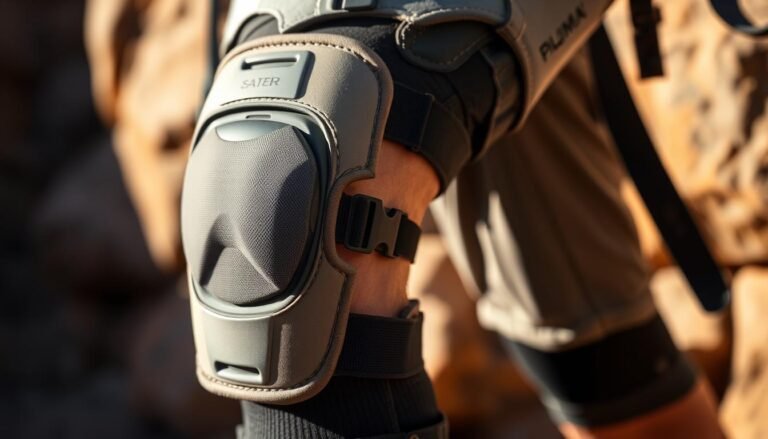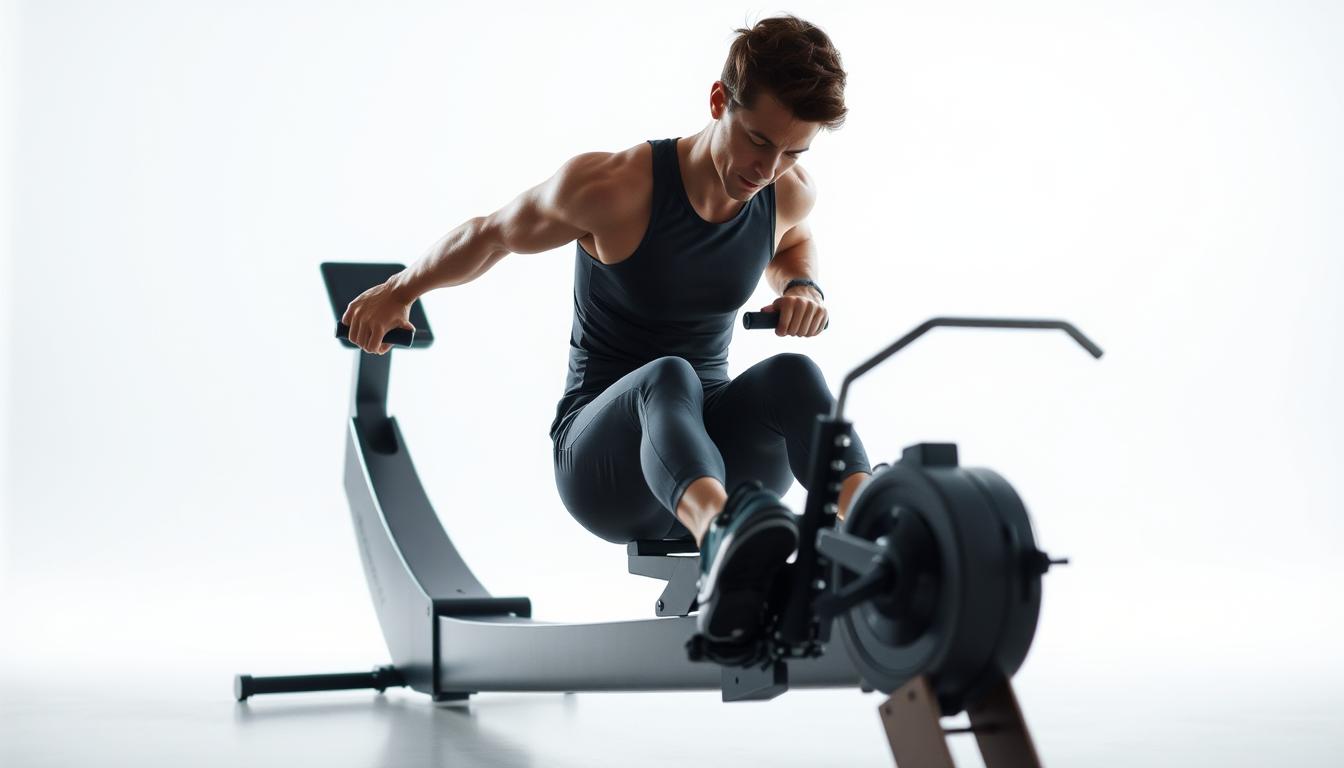
Knee-friendly rowing machine techniques
Are you aware that your rowing technique could be putting unnecessary stress on your knees? Many enthusiasts overlook the importance of proper form, leading to discomfort or even injury. We explore how to adjust your rowing style to protect your knees and maximize your workout.
Using a rowing machine can be an excellent way to improve cardiovascular fitness without high-impact stress on your joints. However, improper technique can still cause knee pain. By understanding how to use the rowing machine correctly, you can minimize the impact on your knees and enjoy a more effective workout.
For those who experience knee pain during other forms of exercise, such as running, rowing can be a viable alternative. By adopting the right techniques and adjustments, you can row safely and effectively.
Key Takeaways
- Proper rowing technique reduces stress on knee joints.
- Adjusting the rowing machine to fit your body type is crucial.
- Strengthening leg muscles improves knee stability during rowing.
- Gradual progression in exercise intensity helps prevent knee injuries.
- Modifications can make rowing accessible for different body types and knee conditions.
Understanding the impact of rowing on knee health
For individuals concerned about knee health, rowing presents an intriguing option as it is perceived to be gentle on the joints. Rowing is a full-body exercise that engages multiple muscle groups without the high-impact stress associated with activities like running or jumping. This characteristic makes it an attractive choice for those looking to maintain or improve their cardiovascular fitness while being mindful of their knee health.
How Rowing Affects Knee Joints
The biomechanics of rowing involve a sliding seat motion that creates a controlled, low-impact environment for knee joints. Unlike high-impact activities, rowing distributes the force across multiple joints, reducing the load specifically on the knees. Proper rowing technique is crucial in maintaining this distribution of force, ensuring that the exercise remains beneficial rather than detrimental to knee health.
- Rowing machines allow for precise adjustment of intensity, making them suitable for individuals with varying degrees of knee sensitivity.
- The smooth, repetitive motion of rowing can improve joint lubrication and circulation to damaged tissues, aiding in rehabilitation.
Benefits of Low-Impact Exercise for Knee Rehabilitation
Low-impact exercises like rowing are particularly beneficial for knee rehabilitation. They provide a means to maintain or improve cardiovascular fitness and strengthen the muscles around the knee without exacerbating existing knee problems. The controlled resistance of rowing machines enables individuals to tailor their workout to their specific needs, making it an ideal exercise for those undergoing rehabilitation or managing chronic knee pain.
By understanding how rowing affects the joints and incorporating proper technique, individuals can harness the benefits of this exercise while protecting their knee health.
Common knee issues that affect rowing performance
Rowing can be an excellent exercise for strengthening the muscles around the knees, but it’s essential to be aware of potential knee issues. Many individuals who take up rowing may have pre-existing knee conditions or develop new issues over time due to overuse or improper technique.
Several common knee issues can impact rowing performance. We’ll explore these conditions and discuss how they affect rowing mechanics.
Osteoarthritis and rowing considerations
Osteoarthritis is a degenerative joint disease that can cause pain and stiffness in the knees. Rowing can be beneficial for osteoarthritis sufferers due to its low-impact nature. However, specific modifications may be necessary to avoid pain flare-ups during rowing.
Previous knee injuries and modifications needed
Previous knee injuries, such as ligament sprains or meniscus tears, can affect rowing performance. Proper rehabilitation before starting a rowing program is crucial. Gradually introducing rowing movements can help prevent re-injury and ensure a safe progression.
Overuse symptoms to watch for
Overuse is a common issue in rowing, particularly for those new to the exercise. It’s essential to distinguish between normal muscle fatigue and problematic joint pain. Sharp pain or persistent discomfort in the knees during or after rowing may indicate overuse or an underlying issue.
By understanding these common knee issues and taking steps to address them, rowers can enjoy the benefits of rowing while minimizing the risk of injury or exacerbating existing conditions.
- Identify the most common knee conditions that rowers encounter.
- Understand how each condition affects rowing mechanics.
- Learn modifications to avoid pain and discomfort.
Proper rowing machine setup for knee protection
Before you begin rowing, it’s essential to adjust your machine to fit your physiology, particularly for knee safety. A well-adjusted rowing machine can significantly reduce the risk of knee pain and injury. As one user shared, “Trying to force the platform usage was uncomfortable. The back of my legs and ankles were sore. Feet on the floor makes me feel more grounded.” This feedback highlights the importance of proper setup for comfort and injury prevention.
Foot Stretcher Positioning and Adjustments
Optimizing foot stretcher positioning is critical for accommodating different leg lengths and knee alignment needs. To adjust the foot stretcher, make sure to consider the height and angle settings, as these can dramatically reduce strain on knee joints during the drive phase of rowing. We recommend adjusting the foot stretcher so that your foot is securely held in place, with your heel slightly raised and your toes pointed slightly outward.
Seat Height Considerations
Seat height is another crucial factor in knee protection while rowing. The seat height should be adjusted so that your knees are not overly compressed at the catch position. For individuals with knee sensitivity, we suggest setting the seat height to allow for a comfortable range of motion, avoiding extreme flexion or extension. This adjustment helps in reducing unnecessary strain on the knees.
Damper Settings for Reduced Knee Strain
The damper setting on your rowing machine affects the resistance level, which in turn impacts knee strain. A higher damper setting increases resistance, potentially putting more strain on the knees. We recommend starting with a lower damper setting and gradually increasing it as you build strength and endurance. This approach helps in minimizing knee pain while rowing.
By following these guidelines for foot stretcher positioning, seat height, and damper settings, you can significantly enhance your rowing experience while protecting your knees. Regular reassessment of your machine setup is also crucial as your fitness level improves or if your knee condition changes.
Mastering the basic knee-friendly rowing form
A knee-friendly rowing form is the foundation of an effective and safe workout. To achieve this, we need to focus on several key elements that work together to minimize strain on the knees while maximizing the efficiency of the rowing motion.
The Importance of Proper Sequencing
Proper sequencing is crucial in rowing as it ensures that the force is distributed evenly across the body, reducing the strain on any single joint, including the knees. The fundamental rowing sequence involves using our legs, back, and arms in a coordinated manner. The correct sequence is legs-back-arms during the drive phase, and arms-back-legs during the recovery phase. This sequencing helps in maintaining a smooth and efficient stroke.
Engaging the core properly is also vital as it improves overall stability and helps in distributing the force more evenly, thereby taking pressure off the knees.
Maintaining Neutral Knee Alignment
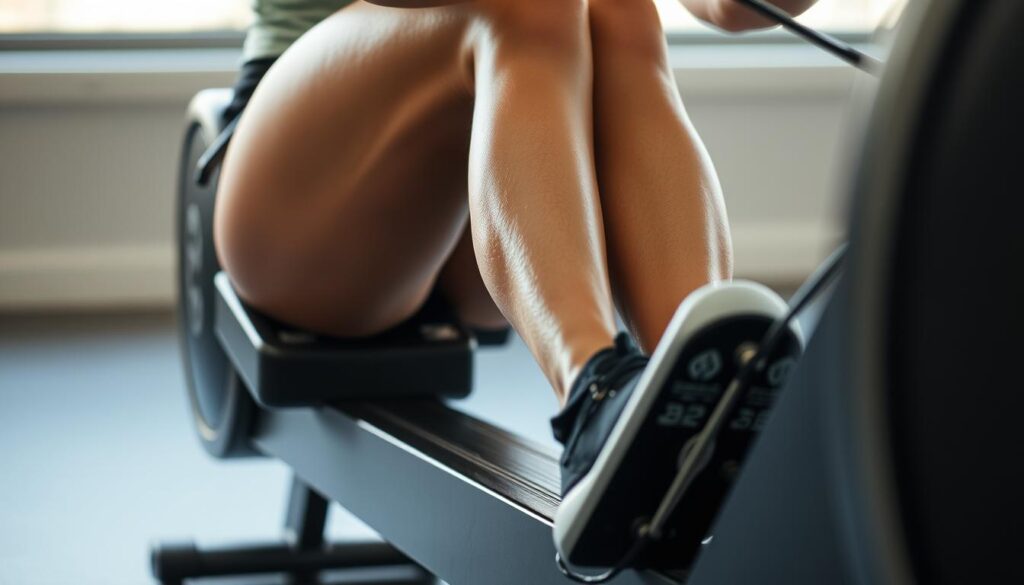
Maintaining neutral knee alignment is essential to prevent unnecessary strain on the knee joints. This means ensuring that our knees track in line with our feet throughout the rowing motion. Practical cues such as keeping the knees in line with the toes can help in achieving and maintaining this alignment.
Avoiding Common Form Mistakes
Common form mistakes can significantly increase knee strain. Mistakes such as “shooting the slide,” collapsing at the catch, and improper recovery sequencing can put unnecessary stress on the knees. To avoid these mistakes, we can use visualization techniques and drills to internalize proper form patterns.
| Common Mistake | Effect on Knees | Correction |
|---|---|---|
| Shooting the slide | Increased strain due to rapid movement | Focus on controlled slide movement |
| Collapsing at the catch | Excessive stress on knee joints | Maintain posture and engage core |
| Improper recovery sequencing | Disrupts knee alignment and strain | Practice arms-back-legs sequencing |
By mastering the basic knee-friendly rowing form, we can enjoy the benefits of rowing while protecting our knees. Proper technique not only enhances the effectiveness of the workout but also contributes to long-term knee health.
37. Knee-friendly rowing machine techniques for beginners
For individuals new to rowing, especially those with knee concerns, mastering knee-friendly techniques is essential. We will guide you through the process of adapting to rowing exercises that are gentle on your knees, ensuring a safe and effective workout.
Starting with Partial Range of Motion
Beginners should start with a limited range of motion to allow their knee joints to adapt gradually to the rowing movements. This approach helps in reducing the initial strain on the knees. We recommend beginning with shorter strokes and gradually increasing the length as your knees become more tolerant.
- Start with a stroke length that feels comfortable, typically around 70-80% of your full range.
- Focus on proper technique over full range of motion initially.
- Monitor your knee response and adjust the stroke length accordingly.
Progressive Adaptation Techniques
As you become more comfortable, it’s essential to incorporate progressive adaptation techniques to continue improving your rowing technique while protecting your knees. This involves gradually increasing your stroke rate, resistance, and session duration over time.
Our suggested protocol includes:
- Increasing stroke rate by 2-3 strokes per minute every week.
- Adjusting resistance levels based on your comfort and fitness level.
- Extending your rowing sessions by 5-10 minutes as your endurance improves.
Building Endurance Safely
Building endurance is crucial for beginners to achieve their fitness goals. It’s vital to do this safely to avoid putting excessive strain on your knees. We advise starting with shorter sessions and gradually increasing the duration as your body adapts.
A sample 4-week beginner program can help you get started:
- Week 1: 10-minute sessions, 2-3 times a week.
- Week 2: 15-minute sessions, 3 times a week.
- Week 3: 20-minute sessions, 3 times a week.
- Week 4: 25-minute sessions, 3-4 times a week.
By following these techniques and training protocols, beginners can enjoy the benefits of rowing while minimizing the risk of knee strain.
Modified rowing techniques for different body types
Modifying rowing techniques can help individuals of all shapes and sizes benefit from this exercise. Rowing is a versatile workout that can be tailored to accommodate different body types, ensuring a comfortable and effective experience.
Adaptations for Larger Body Sizes
Larger-bodied individuals may face challenges with standard rowing machine configurations. To address this, consider adjusting the foot stretcher position to accommodate a larger frame. For instance, a user weighing 488 pounds may need to adjust the foot platform to allow for a more comfortable rowing position. Alternative foot positioning, such as placing feet on the floor, can also be an effective solution. This adaptation allows for a fuller range of motion while maintaining proper leg drive.
Techniques for Those with Limited Mobility
Individuals with limited mobility or knee flexibility can still benefit from rowing by modifying their technique. Partial range of motion can be an effective starting point, allowing users to gradually build up their endurance and flexibility. Adjusting the damper settings on the rower can also help reduce strain on the knees.
Alternative Foot Positioning Options
For those who find standard foot stretchers restrictive, alternative foot positioning can be beneficial. A wider stance or placing feet on the floor can provide a more comfortable rowing experience. This is particularly helpful for individuals with larger body sizes or those who need to accommodate specific physical limitations. By experimenting with different foot positions, users can find a comfortable and effective way to row that suits their body type.
By implementing these modifications, rowers of various body types can enjoy the benefits of rowing while minimizing the risk of discomfort or injury. Whether it’s adjusting the rowing machine setup or altering technique, there’s a way to make rowing work for everyone.
Single-leg rowing variations for knee rehabilitation
By isolating each leg during rowing, individuals can reap significant rehabilitation benefits, making single-leg rowing a worthwhile technique to master.
Benefits of Unilateral Training
Single-leg rowing offers several neurological and biomechanical advantages for knee rehabilitation. It improves proprioception and motor control by challenging the body to maintain balance and proper form on one leg. This type of unilateral training helps identify and address strength imbalances between legs, which can contribute to knee pain.
By enhancing strength and stability in each leg individually, overall rowing performance and knee health can be significantly improved.
Step-by-Step Guide to Single-Leg Rowing
To perform single-leg rowing safely and effectively, start by adjusting the rower to accommodate the single-leg position. Lift one foot off the foot stretcher and hold it in the air or rest it on a stable surface beside the rower.
Begin with a partial range of motion, focusing on proper sequencing and maintaining neutral knee alignment. As you become more comfortable, you can gradually increase the range of motion.
Progression and Regression Options
For those new to single-leg rowing, starting with supported variations can be beneficial. This can involve holding onto a stable object for balance or using a modified foot position.
As strength and stability improve, you can progress to more challenging variations, such as increasing the resistance or rowing with eyes closed to enhance proprioception. Conversely, if standard single-leg rowing is too challenging, regression options like reducing the range of motion or using assistive devices can make the exercise more accessible.
Creating an effective knee-friendly rowing workout plan
To maximize the benefits of rowing for knee health, it’s essential to create a workout plan that balances intensity, duration, and recovery time. This balance ensures that you can enjoy the benefits of rowing while minimizing the risk of knee injury or exacerbating existing knee issues.
Determining Appropriate Workout Duration
The ideal workout duration for knee-friendly rowing depends on several factors, including your current knee condition, fitness level, and recovery capacity. For beginners, starting with shorter sessions of 15-20 minutes and gradually increasing the duration as your body adapts is recommended. More experienced rowers can aim for 30-45 minute sessions, but should remain attentive to their knee response.
When determining workout duration, consider the following guidelines:
- Beginners: 15-20 minutes, 2-3 times a week
- Intermediate rowers: 25-35 minutes, 3-4 times a week
- Advanced rowers: 40-60 minutes, 4-5 times a week
Interval Training vs. Steady-State Rowing
Both interval training and steady-state rowing have their benefits for knee health. Interval training involves alternating between periods of high-intensity rowing and active recovery. This approach can be beneficial for improving cardiovascular fitness and strengthening the muscles around the knee. Steady-state rowing, on the other hand, involves maintaining a consistent pace over a longer period, which can be easier on the knees.
Interval Training Benefits:
- Improved cardiovascular fitness
- Increased caloric burn
- Enhanced muscular endurance
Steady-State Rowing Benefits:
- Reduced impact on knee joints
- Improved aerobic capacity
- Enhanced fat metabolism
Weekly Training Frequency Recommendations
The optimal weekly training frequency for knee-friendly rowing depends on your overall fitness goals and current knee health. For most individuals, starting with 2-3 times per week and gradually increasing to 4-5 times as their bodies adapt is a safe and effective approach. It’s crucial to allow for adequate recovery time between sessions to prevent overuse injuries.
For a balanced fitness program, consider integrating rowing with other forms of exercise that support knee health, such as strength training and flexibility exercises. This holistic approach can help improve overall knee function and reduce the risk of injury.
Complementary exercises to support knee health
To maximize the benefits of rowing for knee health, it’s essential to incorporate complementary exercises into your training regimen. These exercises not only enhance rowing performance but also provide additional support for knee health.
Core strengthening for better rowing form
A strong core is fundamental to maintaining proper rowing form, which in turn reduces the stress on knee joints. Incorporating weight training exercises like planks and Russian twists can significantly improve core strength. This enhancement in core stability allows for more efficient rowing mechanics and decreased compensatory stress on the knees.
Lower body stability exercises
Lower body stability exercises play a crucial role in supporting knee health by strengthening the muscles around the knee joint. Exercises such as single-leg squats and leg press can improve leg strength and stability. Proper form and progressive overload are key to benefiting from these exercises without risking injury.
Flexibility work for improved knee function
Flexibility exercises are vital for maintaining optimal knee function during rowing. Focusing on hip and ankle mobility through targeted stretches can help address common restrictions that may impact knee health. Regular flexibility work can enhance overall rowing performance and reduce the risk of knee-related issues.
Nutrition and recovery strategies for knee health
Nutrition plays a vital role in supporting knee health, and when combined with appropriate recovery techniques, can enhance rowing performance. A well-balanced diet that includes anti-inflammatory foods can help mitigate the stress rowing puts on knee joints.
Anti-inflammatory Foods and Supplements
Incorporating anti-inflammatory foods such as omega-3 rich fish, turmeric, and leafy greens into your diet can help reduce inflammation around the knee joint. While supplements like glucosamine and chondroitin are popular for joint health, their efficacy varies, and it’s essential to consult with a healthcare professional before adding them to your regimen.
Hydration’s Role in Joint Health
Proper hydration is critical for maintaining healthy joints. It helps keep the cartilage hydrated and supports the lubrication of joints, reducing friction and wear. Aim to drink at least eight glasses of water a day, adjusting according to your training intensity and environmental conditions.
Rest and Active Recovery Protocols
Adequate rest and recovery are just as important as training when it comes to knee health. Ensure you’re getting enough sleep (7-9 hours for most adults) and incorporate active recovery techniques such as light swimming or yoga on your rest days. This balance allows your knees to recover while maintaining overall fitness.
| Recovery Activity | Intensity | Frequency |
|---|---|---|
| Light Swimming | Low | 2 times a week |
| Yoga | Low-Moderate | 3 times a week |
| Rest | N/A | A couple of days a week |
By focusing on nutrition, hydration, and recovery, you can create a comprehensive approach to protecting your knee health while enjoying the benefits of rowing.
When to modify or stop: Listening to your body
Listening to your body and responding appropriately is key to avoiding injuries while rowing. As we engage in this exercise, it’s crucial to understand the nuances of our bodily sensations to make informed decisions about our technique and intensity.
Differentiating between discomfort and pain
During rowing, it’s common to experience some level of discomfort, especially if you’re new to the exercise or increasing your intensity. However, there’s a fine line between normal exercise discomfort and pain that may indicate a problem. Pain is typically sharper and more localized, while discomfort is often more generalized and related to fatigue or stretching.
To differentiate between the two, consider using a pain scale. Rate your discomfort or pain from 1 to 10, with 1 being minimal and 10 being severe. If your pain rating is consistently above 5, it’s time to reassess your technique or take a break.
| Pain Level | Description | Action |
|---|---|---|
| 1-3 | Mild discomfort, manageable | Continue rowing, monitor pain level |
| 4-5 | Moderate discomfort, some concern | Adjust technique, reduce intensity |
| 6-10 | Severe pain, significant concern | Stop rowing, rest, and seek medical attention if necessary |
Warning signs that require medical attention
Some warning signs during or after rowing indicate that you should seek medical attention. These include sharp or persistent pain, swelling, instability, or locking of the knee joint. If you experience any of these symptoms, make sure to stop rowing and consult a healthcare professional.
“Pain is the body’s alarm system; it’s trying to tell us something. Ignoring it can lead to more severe injuries.”
By being mindful of our bodies and responding to their signals, we can enjoy the benefits of rowing while protecting our knee health. Regularly check in with yourself during your rowing sessions, and don’t hesitate to adjust your technique or seek medical advice when needed.
Tracking progress and advancing your rowing technique
As we progress in our rowing journey, it’s essential to track our improvements and adjust our technique accordingly. This allows us to optimize our workouts, achieve better results, and maintain knee health.
Measurable benchmarks for improvement
To effectively track progress, we need to establish measurable benchmarks. These may include monitoring our rowing time, tracking the number of meters rowed per session, or assessing our overall fitness level. By setting specific goals, such as rowing a certain distance within a set time or completing a specific number of sessions per week, we can objectively measure our progress.
Some key metrics to track include:
- Average stroke rate
- Distance rowed per session
- Heart rate during exercise
- Perceived exertion levels
Gradually increasing intensity and duration
As we get more comfortable with rowing, it’s essential to gradually increase the intensity and duration of our workouts. This can be achieved by adjusting the resistance on the rowing machine, increasing the number of strokes per minute, or prolonging the training session. By doing so, we can continue to challenge ourselves and avoid plateaus.
For example, we can start by increasing our rowing time by 5-10 minutes each week, or by adding more interval training sessions to our routine. It’s also essential to listen to our bodies and not push ourselves too hard, as overexertion can lead to injury.
“Rowing is a great exercise for building endurance, but it requires patience and progressive overload to achieve optimal results.”
By following a structured training plan and tracking our progress, we can achieve our rowing goals while maintaining knee health.
Rowing as a lifelong activity for knee health
Rowing emerges as a sustainable, lifelong activity that not only supports knee health but also contributes to overall fitness and well-being. As we age, our joints naturally undergo changes that can affect their function and resilience. However, by incorporating rowing into our fitness routine, we can take proactive steps towards maintaining healthy knees throughout our lives.
Adapting Rowing Technique with Age. As we progress through different life stages, it’s essential to adapt our rowing technique to accommodate any changes in knee health. This may involve adjusting our foot stretcher positioning, being mindful of our knee alignment during the rowing motion, or modifying the intensity and frequency of our workouts. By making these adjustments, we can continue to enjoy the benefits of rowing while minimizing the risk of knee strain or injury.
Many long-term rowers have demonstrated that with consistent practice and proper technique, it’s possible to maintain excellent knee health well into old age. These individuals serve as inspiring examples of how rowing can be a lifelong activity that supports not just knee health, but overall fitness and quality of life. Their experiences underscore the importance of patience, persistence, and a willingness to adapt our approach as needed.
The Impact of Rowing on Knee Joint Stability. Regular rowing can contribute significantly to knee joint stability by strengthening the surrounding muscles and improving joint mobility. This enhanced stability can have a positive impact on our everyday movement and functionality, making daily activities easier and less likely to result in knee-related discomfort or injury.
Rowing can be an integral part of a comprehensive approach to long-term joint health. By combining rowing with other forms of exercise, a balanced diet, and appropriate weight management strategies, we can create a holistic fitness plan that supports our knee health and overall well-being. The low-impact nature of rowing makes it an ideal exercise for those looking to manage their weight without putting excessive strain on their joints.
Some individuals may have concerns about the long-term impact of rowing on knee joints. However, evidence suggests that when performed correctly and with appropriate caution, rowing is a safe and sustainable exercise option for maintaining knee health over time. By being mindful of our technique, listening to our bodies, and making adjustments as needed, we can enjoy the many benefits of rowing while protecting our knees.
In conclusion, making rowing a consistent and enjoyable part of our lifelong fitness routine can have a profound impact on our knee health and overall fitness. By embracing rowing as a long-term exercise option and adapting our approach as we age, we can look forward to healthier knees and a more active, fulfilling life in the years to come.
FAQ
Will using a rowing machine help with weight loss?
How often should I use a rowing machine to see results?
Can rowing help alleviate knee pain?
What are some common mistakes that can lead to knee pain while rowing?
How can I modify my rowing technique to accommodate knee issues?
Are there any additional exercises that can help support knee health while rowing?