Knee Valgus Correction Exercises
Are you experiencing discomfort or pain due to misaligned knees? Do you struggle with activities like running or jumping because of knee issues? Knee valgus, a condition where the knees angle inward, can be a significant contributor to these problems.
Correcting knee valgus is crucial for maintaining proper knee alignment and overall lower limb health. By understanding the causes and implementing effective correction exercises, you can alleviate pain, reduce the risk of injury, and improve your mobility.
This article will guide you through the process of correcting knee valgus, enabling you to take the first step towards a healthier and more active lifestyle.
Key Takeaways
- Understanding the causes of knee valgus
- Effective exercises to correct knee alignment
- Tips for maintaining proper lower limb health
- Reducing the risk of injury through correction exercises
- Improving overall mobility and alleviating pain
Understanding Knee Valgus: What You Need to Know
Understanding knee valgus is crucial for anyone looking to correct knee alignment and prevent associated injuries. Knee valgus, a condition where the knees angle inward, can lead to various complications if not properly addressed.
Definition of Knee Valgus
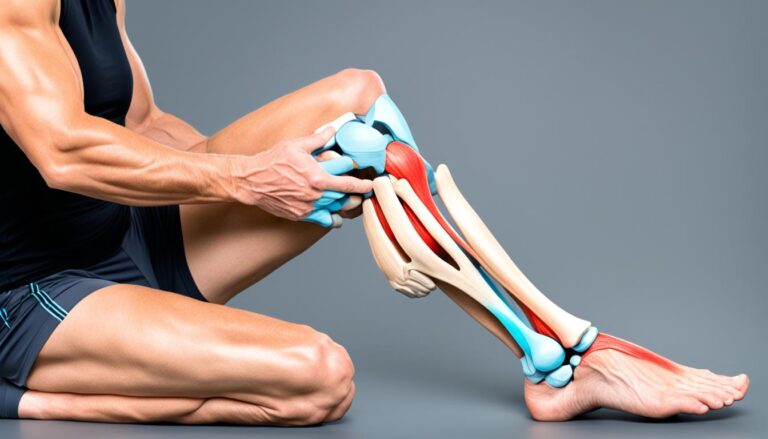
Knee valgus is characterized by the inward angling of the knees, often resulting from muscle imbalances, poor posture, or structural issues. This misalignment can put additional stress on the knee joint, leading to discomfort and potential long-term damage.
Causes of Knee Valgus
The causes of knee valgus can range from weak hip and gluteal muscles to overuse or repetitive strain injuries. Some common factors include:
- Weakness in the hip abductors and gluteal muscles
- Poor posture and biomechanics
- Overuse or repetitive strain injuries
- Structural issues, such as differences in leg length
Potential Risks and Complications
If left unaddressed, knee valgus can lead to various complications, including:
- Increased stress on the knee joint
- Potential for injuries, such as ligament sprains or meniscal tears
- Long-term damage, potentially leading to conditions like osteoarthritis
Recognizing the signs and understanding the underlying causes are crucial for effective correction and prevention of further issues.
Importance of Correcting Knee Valgus
Correcting knee valgus is not just about improving aesthetics; it has significant implications for overall knee health and athletic capability. Proper alignment of the knee joint is crucial for distributing forces evenly during movement, thereby reducing the risk of injuries and improving overall performance.
Benefits of Alignment
Proper knee alignment is essential for maintaining healthy knees. When the knee is correctly aligned, the stress on the knee joint and surrounding structures is minimized. This alignment helps in reducing wear and tear on the joint, potentially delaying the onset of degenerative conditions such as osteoarthritis.
Key benefits of proper knee alignment include:
- Reduced risk of overuse injuries
- Improved joint health
- Enhanced overall lower limb function
Impact on Athletic Performance
Athletes with properly aligned knees tend to perform better due to more efficient power transmission and reduced energy loss during movements. Correcting knee valgus can lead to improved running, jumping, and cutting abilities, giving athletes a competitive edge.
| Athletic Activity | Impact of Proper Alignment | Benefit |
|---|---|---|
| Running | Reduced risk of overuse injuries | Improved endurance |
| Jumping | Efficient power transmission | Enhanced performance |
| Cutting | Better directional control | Quick response |
Preventing Future Injuries
Correcting knee valgus is also crucial for preventing future injuries. By ensuring proper alignment, individuals can reduce their risk of suffering from common knee injuries such as ligament sprains and meniscal tears. This proactive approach to knee health can lead to a significant reduction in injury-related downtime.
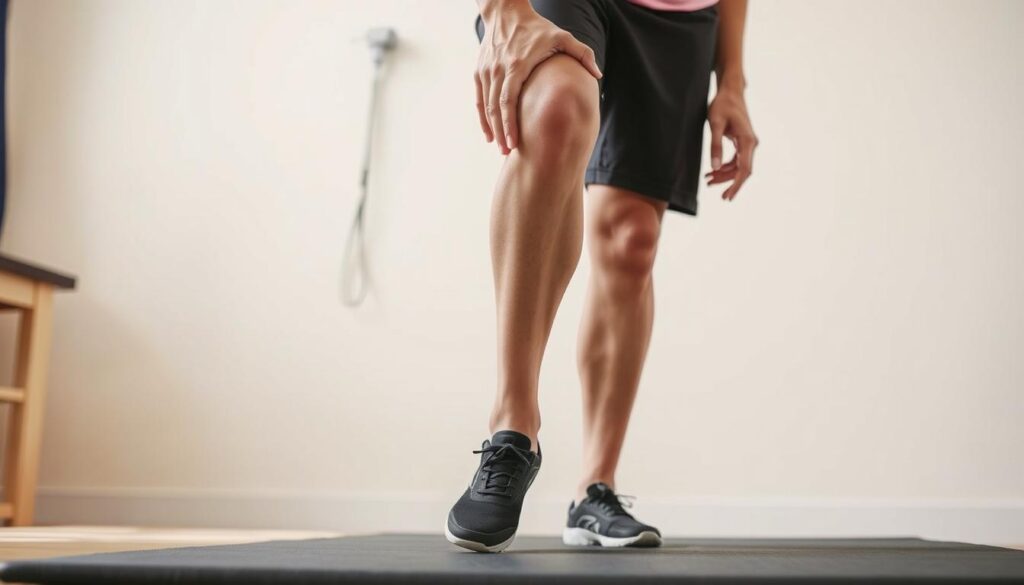
By focusing on knee valgus correction, individuals can enjoy a range of benefits that enhance both their athletic performance and overall knee health. Whether you’re an athlete looking to improve performance or an individual seeking to prevent injuries, addressing knee valgus is a critical step towards achieving your goals.
How to Perform a Self-Assessment for Knee Valgus
Self-assessment is a vital initial step in addressing knee valgus effectively. Understanding the extent of the misalignment is crucial for devising a tailored correction plan. This section will guide you through simple yet effective methods to assess knee valgus.
Observational Techniques
One of the simplest ways to assess knee valgus is through observation. Stand in front of a mirror and observe your knee alignment. Look for any deviations from the normal alignment, such as the knees extending inward.
Key Observational Points:
- Stand with your feet shoulder-width apart.
- Observe the direction of your kneecaps.
- Check if your knees are extending beyond your toes when you bend.
Using Mirrors for Alignment
Using mirrors can provide a more detailed view of your knee alignment. Standing in front of a mirror and using another mirror behind you can help you observe your alignment from multiple angles.
This technique allows you to identify any imbalances or misalignments more accurately.
Seeking Professional Evaluation
While self-assessment is valuable, seeking a professional evaluation can provide a more accurate diagnosis. A healthcare professional or physical therapist can assess your knee valgus and recommend personalized knee alignment exercises.
They can also identify underlying causes and potential complications, ensuring a comprehensive approach to correction.
Essential Knee Valgus Correction Exercises
Knee valgus correction exercises are designed to strengthen the hip, thigh, and core, promoting proper knee alignment. These exercises are crucial for individuals looking to improve their knee health and prevent future injuries.
Strengthening the Hip Muscles
The hip muscles play a significant role in maintaining proper knee alignment. Strengthening these muscles can help alleviate knee valgus. Some effective exercises include:
- Clamshell Exercise: This exercise targets the gluteus medius muscle, which is essential for hip stability.
- Side-Lying Leg Lifts: This exercise strengthens the hip abductors, improving overall hip strength.
- Glute Bridges: Strengthening the glutes helps in maintaining proper hip and knee alignment.
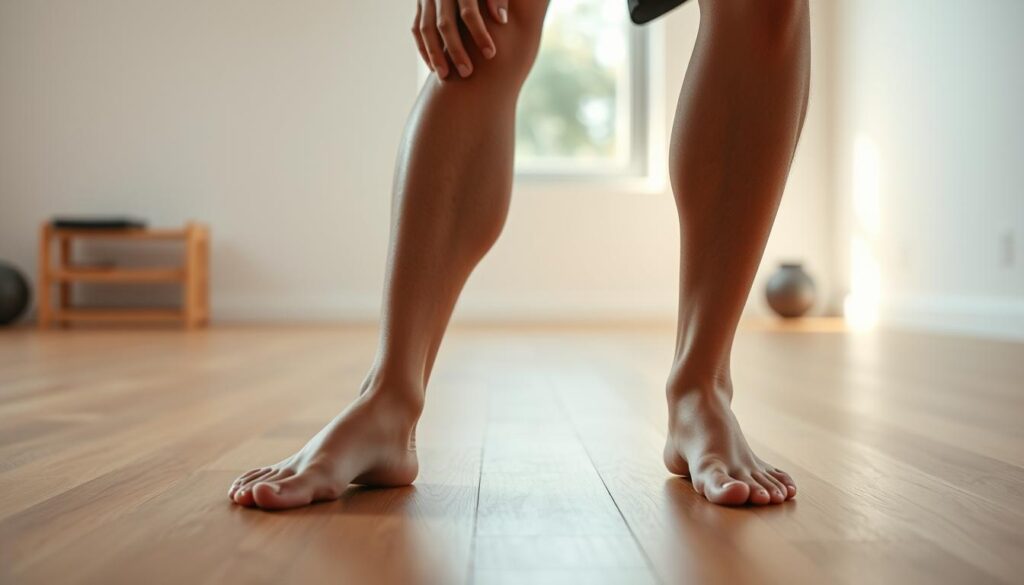
Focusing on the Thighs
The thigh muscles, including the quadriceps and hamstrings, are vital for knee stability. Exercises that target these muscles can help correct knee valgus.
- Squats: Squats are effective for strengthening both the quadriceps and hamstrings.
- Lunges: Lunges target the thigh muscles and help improve knee alignment.
- Leg Press: This exercise isolates the thigh muscles, promoting strength and stability.
Engaging the Core for Stability
A strong core is essential for overall stability and can significantly impact knee alignment. Core exercises can help improve posture and reduce the risk of knee valgus.
- Planks: Planks are effective for building core strength and stability.
- Russian Twists: This exercise targets the obliques, improving rotational strength and stability.
- Bird Dog: The bird dog exercise engages the core and improves overall posture.
By incorporating these exercises into a regular routine, individuals can effectively work towards correcting knee valgus and improving overall knee health.
Dynamic Warm-Up Exercises for Knee Health
Dynamic warm-up exercises play a crucial role in enhancing knee health and preventing injuries. These exercises are designed to prepare the muscles for more strenuous activities, improving flexibility and reducing the risk of strain.
Importance of Warming Up
Warming up before any exercise routine is essential. It increases blood flow to the muscles, enhances neuromuscular coordination, and prepares the cardiovascular system for the upcoming physical activity. For individuals focusing on knee valgus correction exercises, a proper warm-up can significantly reduce the risk of injury and improve the effectiveness of the corrective exercises.
Examples of Warm-Up Exercises
Several dynamic warm-up exercises can be particularly beneficial for knee health. These include:
- Leg swings: Standing leg swings help loosen the hip and knee joints.
- High knees: Running with an exaggerated knee lift can help warm up the knee joint.
- Lunges: Dynamic lunges can prepare the legs and knees for more intense movements.
- Calf raises: Standing calf raises can help warm up the lower leg muscles.
Incorporating these exercises into your warm-up routine can enhance knee stability and prepare your lower body for more strenuous activities. It’s also important to listen to your body and adjust the intensity of your warm-up based on your current fitness level and any existing knee issues.
Stretching for Knee Valgus Correction
Stretching plays a crucial role in correcting knee valgus by improving flexibility and reducing muscle imbalances. When done correctly, stretching can significantly enhance the effectiveness of knee valgus correction exercises.
To achieve optimal results, it’s essential to focus on specific muscle groups that are commonly affected in individuals with knee valgus. These include the hip flexors, IT band, and hamstrings, which are critical in maintaining proper knee alignment.
Key Muscle Groups to Stretch
The following muscle groups are crucial to target when stretching for knee valgus correction:
- Hip Flexors: Tight hip flexors can pull the knee out of alignment, contributing to knee valgus. Stretching these muscles can help improve hip and knee alignment.
- IT Band: The iliotibial band plays a significant role in knee stability. Stretching the IT band can help reduce tension on the knee joint.
- Hamstrings: While strengthening the hamstrings is also important, stretching them can help improve flexibility and reduce muscle imbalances that contribute to knee valgus.
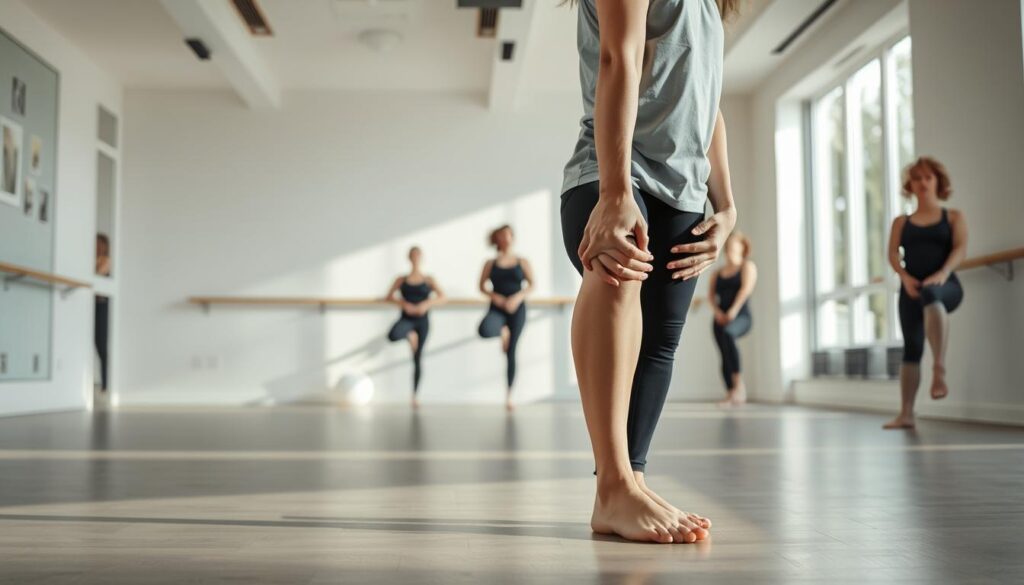
Recommended Stretching Routine
A well-structured stretching routine can significantly enhance knee valgus correction. Here is a summary of recommended stretches and their benefits:
| Stretch | Muscle Group | Benefits |
|---|---|---|
| Kneeling Hip Flexor Stretch | Hip Flexors | Improves hip flexibility, reduces knee misalignment |
| Standing IT Band Stretch | IT Band | Reduces tension on the knee joint, improves knee stability |
| Seated Hamstring Stretch | Hamstrings | Enhances flexibility, reduces muscle imbalances |
By incorporating these stretches into your routine, you can improve your flexibility, reduce muscle imbalances, and enhance your overall knee valgus correction progress.
Incorporating Balance Exercises
Balance training plays a pivotal role in knee valgus correction by improving proprioception and reducing the risk of injuries. By enhancing the body’s ability to maintain proper alignment, individuals can significantly improve their overall knee health.
Advantages of Balance Training
Balance exercises offer numerous benefits, including enhanced proprioception, which is the body’s ability to sense the position and movement of its parts. This improvement in proprioception helps in maintaining proper knee alignment, thereby reducing the risk of knee valgus and associated injuries.
Moreover, balance training strengthens the muscles around the knee, providing additional support and stability. This is particularly beneficial for individuals involved in sports or activities that involve running, jumping, or quick changes in direction.
Effective Balance Exercises
Several balance exercises can be incorporated into a knee valgus correction routine. Some of the most effective exercises include:
- Single-leg squats: Strengthens the muscles around the knee and improves balance.
- Balance boards or wobble boards: Enhances proprioception and stability.
- Heel-to-toe walks: Improves balance and coordination.
To further illustrate the benefits and implementation of balance exercises, consider the following table:
| Exercise | Benefits | Repetitions |
|---|---|---|
| Single-leg squats | Strengthens knee muscles, improves balance | 3 sets of 10 reps per leg |
| Balance boards | Enhances proprioception, stability | 3 sets of 30 seconds |
| Heel-to-toe walks | Improves balance, coordination | 3 sets of 10 steps |
By incorporating these balance exercises into a regular routine, individuals can significantly improve their knee alignment and reduce the risk of knee valgus. It’s essential to start slowly and gradually increase the intensity and difficulty of the exercises as balance and strength improve.
Guidelines for Progressing Your Exercises
The journey to correcting knee valgus involves not just starting exercises, but also knowing how to progress them effectively. As you continue with your knee valgus correction exercises, it’s essential to have a clear understanding of how to advance your routine to achieve optimal results.
Progressing your exercises is not just about increasing the intensity; it’s also about maintaining proper form and establishing a consistent routine. Monitoring your form is crucial as it ensures that you are performing the exercises correctly, thereby reducing the risk of injury and enhancing the effectiveness of the exercises.
Monitoring Your Form
To monitor your form effectively, consider the following tips:
- Use mirrors or record yourself to check your alignment and posture during exercises.
- Practice in front of a professional trainer or physical therapist to get feedback on your form.
- Focus on slow, controlled movements rather than rushing through the exercises.
Gradual Intensity Increase
Gradually increasing the intensity of your knee valgus correction exercises is vital for continuous improvement. This can be achieved by:
- Increasing the number of repetitions or sets over time.
- Adding resistance or weight to your exercises.
- Progressing to more challenging exercises that target the same muscle groups.
A well-structured progression plan will help you fix knee valgus more effectively by challenging your muscles and improving your overall knee alignment.
Establishing a Routine
Establishing a consistent routine is key to seeing lasting results from your knee valgus correction exercises. Here are some tips to help you establish a routine:
| Day | Exercise | Sets/Reps |
|---|---|---|
| Monday | Squats | 3 sets of 10 reps |
| Wednesday | Lunges | 3 sets of 10 reps |
| Friday | Leg Press | 3 sets of 12 reps |
By following these guidelines and maintaining a consistent routine, you can effectively progress your knee valgus correction exercises and achieve your goals.
When to Consult a Physical Therapist
Understanding when to seek professional help is crucial for effectively correcting knee valgus. While self-correction exercises are beneficial, there are instances where professional guidance is necessary to achieve optimal results and prevent further complications.
Signs You Need Professional Help
If you’re experiencing persistent pain or significant misalignment in your knees, it’s a clear indication that you should consult a physical therapist. Other signs include difficulty performing daily activities or exercises due to knee instability, and noticeable differences in the alignment of your knees during simple movements.
Additionally, if you’ve tried self-correction exercises without seeing improvement, or if you have a history of knee injuries, seeking professional help can provide personalized guidance tailored to your specific needs.
What to Expect in Therapy Sessions
During your initial consultation, a physical therapist will conduct a thorough assessment of your knee alignment, strength, and overall mobility. This evaluation will help identify the root causes of your knee valgus and inform the development of a customized treatment plan.
Therapy sessions may include a combination of manual therapy techniques, strengthening exercises tailored to your specific needs, and education on proper movement mechanics to correct knee valgus effectively. The goal is to improve your knee alignment, enhance stability, and reduce the risk of future injuries.
By working with a physical therapist, you can gain a better understanding of your condition and develop a comprehensive plan for knee valgus prevention and correction.
Success Stories: Overcoming Knee Valgus
Real-life experiences and success stories can be a powerful motivator for individuals looking to correct their knee valgus. By sharing case studies and testimonials, we can gain valuable insights into the effectiveness of knee valgus correction exercises and tips.
Transformative Journeys
Many individuals have successfully corrected their knee valgus through a combination of strengthening exercises, stretching routines, and balance training. For instance, incorporating knee valgus correction exercises into a daily routine can lead to significant improvements in knee alignment and overall lower limb function.
Achieving Lasting Results
By following a well-structured program that includes knee valgus correction tips, individuals can achieve lasting results. These success stories demonstrate the importance of persistence and proper technique in overcoming knee valgus. As seen in various case studies, a comprehensive approach to correction can lead to improved athletic performance and reduced risk of future injuries.
FAQ
What is knee valgus and how does it affect the body?
What are the primary causes of knee valgus?
How can knee valgus be corrected?
What exercises are recommended for correcting knee valgus?
How often should I perform knee valgus correction exercises?
Can stretching help in correcting knee valgus?
When should I consult a physical therapist for knee valgus?
How can I monitor my progress in correcting knee valgus?
Are balance exercises beneficial for knee valgus correction?
Can correcting knee valgus improve athletic performance?