Patella Pain Relief Tips for Comfortable Walking
Did you know that walking-related patella pain affects a significant number of individuals? Whether it’s knee discomfort, patellar tendinitis, or pain in the patella while walking, sensitive knees can make walking a challenge. However, walking is crucial for maintaining function and reducing symptoms. In fact, walking is the preferred exercise for people with arthritis and can improve arthritis symptoms, walking speed, and quality of life. Additionally, walking is an essential part of a healthy lifestyle, keeping your heart, bones, and joints strong.
If you’re dealing with patella pain while walking, you’re not alone. Fortunately, there are tips and strategies to help you find relief and make walking comfortable again. In this article, we’ll explore various ways to alleviate patella pain, from resting and strengthening the knee to improving leg alignment and using assistive devices. By implementing these approaches, you can manage your knee discomfort and enjoy pain-free walking.
Understanding Patella Pain and Its Causes
Patella pain, also known as patellofemoral pain syndrome, is a common knee problem that can affect individuals of all activity levels and ages. It is often caused by a combination of factors, including overuse, improper alignment of the knee joint, weak thigh and hip muscles, flat feet, and excessive strain on the knee.
Patellofemoral pain syndrome refers to pain that originates from the contact between the patella (kneecap) and the femur (thigh bone). The exact cause of this condition is not fully understood, but it is believed to result from a combination of factors that include repetitive stress on the patellofemoral joint, abnormal joint mechanics, and muscular imbalances around the knee.
Overuse knee injuries, such as repetitive activities like running, jumping, or squatting, can exacerbate patella pain. These activities place excessive strain on the knee joint, leading to inflammation and discomfort.
Improper alignment of the knee joint can also contribute to patella pain. When the patella is not properly aligned, it may rub against the femur, causing irritation and pain. This misalignment can be due to structural issues, such as flat feet or high arches, or muscular imbalances around the knee.
Weak thigh and hip muscles can also play a role in patella pain. When the muscles surrounding the knee are weak, they are unable to provide adequate support and stability, leading to increased stress on the patellofemoral joint.
Additionally, running technique plays a crucial role in knee health. Individuals with poor running mechanics, such as overstriding or excessive pronation (inward rolling of the foot), are more prone to developing patella pain.

By understanding the causes of patella pain, individuals can take proactive measures to address and manage the condition effectively. Identifying and addressing the underlying factors, such as overuse injuries, improper alignment, and muscular imbalances, can help alleviate symptoms and prevent further injury.
In the next section, we will explore effective strategies for resting the knee and strengthening the surrounding muscles, which are essential in the management of patella pain.
Resting and Strengthening the Knee for Pain Relief
Managing patella pain starts with giving your knee the rest it needs. By reducing activities that worsen the pain, such as interval running or hill climbing, you can provide the necessary time for your knee to heal and recover. Modifying your exercise routine to include low-impact activities, like swimming or cycling, can also help alleviate stress on the knee while still maintaining fitness.
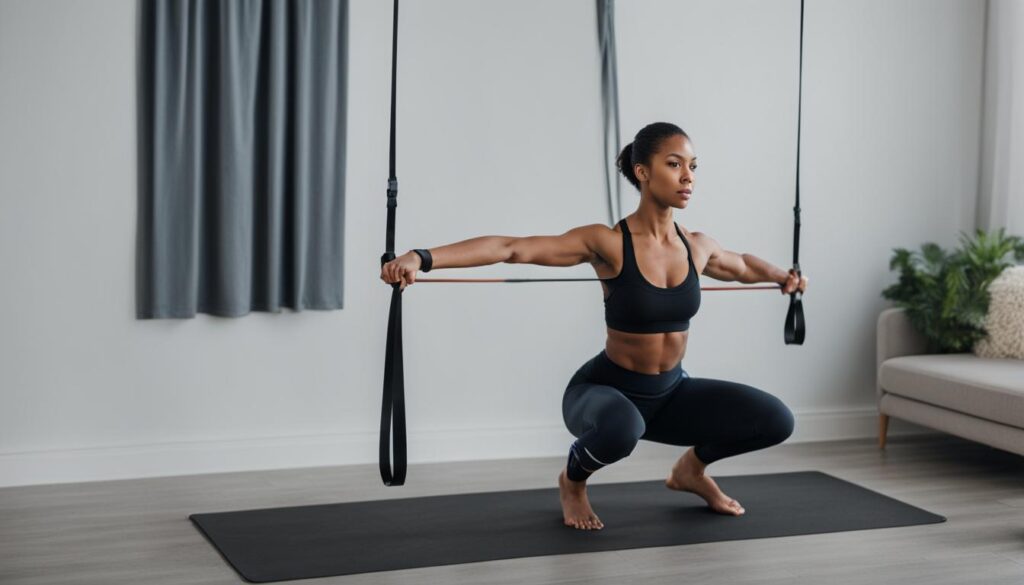
Strengthening the thigh and hip muscles is another essential step in relieving patella pain. Strong muscles in these areas help stabilize the kneecap, reducing strain on the joint and promoting proper alignment. Incorporating exercises that target the quadriceps, hamstrings, and gluteal muscles into your fitness regimen can be highly beneficial in strengthening these muscle groups.
Exercise Programs for Patella Pain Relief
Consult with a physical therapist or a qualified healthcare professional to develop a structured exercise routine tailored to your specific needs. The program may include exercises such as:
- Lunges
- Squats
- Leg presses
- Step-ups
- Clamshells
These exercises target and strengthen the thigh and hip muscles, providing stability and support to the kneecap. It is important to start with light weights or resistance and gradually increase intensity as your strength improves.
Remember to always listen to your body and not push through pain. If an exercise causes discomfort or worsens your patella pain, modify or avoid it. Your healthcare professional can guide you in making the right adjustments to ensure an effective and safe exercise routine.
In addition to strengthening exercises, low-impact activities like swimming or cycling can help maintain cardiovascular fitness without putting excessive pressure on the knees. Including stretching and flexibility exercises in your routine can also aid in relieving muscle tension and promoting overall joint health.
By resting the knee when necessary and actively strengthening the thigh and hip muscles, you can provide the support needed to alleviate patella pain and enhance your overall knee function. Remember to seek guidance from healthcare professionals to ensure an appropriate exercise program that suits your individual needs.
Improving Leg Alignment and Using Assistive Devices
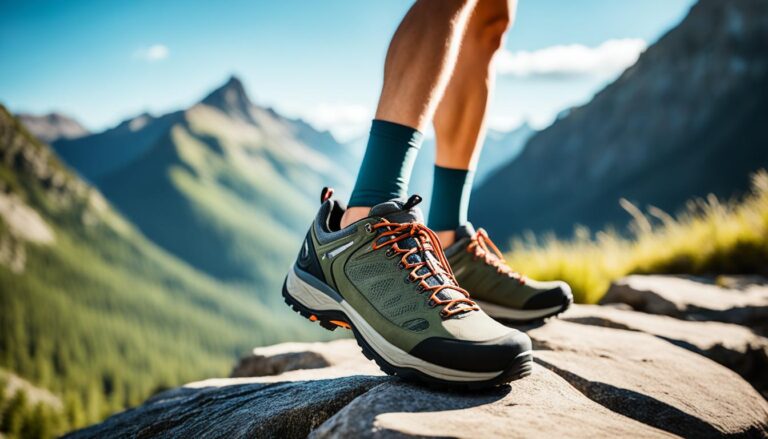
Proper leg alignment is essential in reducing patella pain. By focusing on the correct running technique, such as landing on the center of the foot and pushing off with the front of the foot, you can improve knee tracking and reduce strain on the kneecap. Additionally, using walking poles or other walking aids can provide stability and reduce joint fatigue while walking.
Knee taping is another effective strategy for managing patella pain. It helps control knee movement and supports the kneecap, providing additional stability and reducing discomfort. Similarly, shoe inserts can play a crucial role in improving foot alignment and reducing stress on the knee.
By combining these interventions with targeted strengthening exercises, you can significantly improve patella pain and promote comfortable walking. Strengthening the thigh and hip muscles is particularly important in stabilizing the kneecap and relieving pain.
Benefits of Proper Leg Alignment and Assistive devices:
- Improved knee tracking
- Reduced strain on the kneecap
- Enhanced stability while walking
- Reduced joint fatigue
- Controlled knee movement
- Additional support for the kneecap
- Improved foot alignment
- Reduced stress on the knee
By incorporating these strategies into your daily routine, you can alleviate patella pain and enjoy more comfortable walking.
Continue to the next section to discover effective techniques for managing knee discomfort and promoting pain-free walking.
Conclusion
Patella pain can be a major hindrance when it comes to walking comfortably. However, by implementing the right strategies and interventions, individuals can find relief and regain their ability to walk without discomfort. Resting the knee, strengthening the thigh and hip muscles, improving leg alignment, and utilizing assistive devices like walking poles, knee taping, and shoe inserts are all effective strategies for managing knee discomfort and achieving pain-free walking.
Resting the knee is crucial in giving it the time it needs to recover and heal. By reducing or modifying activities that exacerbate the pain, individuals can create a conducive environment for the healing process to take place. Additionally, strengthening the thigh and hip muscles plays a crucial role in stabilizing the kneecap and alleviating pain. By following a structured exercise routine that targets these muscle groups, individuals can gradually increase strength and alleviate patella pain.
Improving leg alignment is another important aspect of managing knee discomfort. Proper running technique, such as landing on the center of the foot and pushing off with the front of the foot, can significantly improve knee tracking and reduce strain on the kneecap. Furthermore, utilizing assistive devices like walking poles, knee taping, and shoe inserts can provide additional support and reduce stress on the knee joints.
By incorporating these strategies into their daily routines and working closely with healthcare professionals, individuals can find relief from patella pain and enjoy walking without discomfort. Remember, managing knee discomfort and achieving pain-free walking is a journey that requires patience, persistence, and proper guidance. With the right approach, individuals can take control of their knee health and embrace a life free from patella pain.
FAQ
How can I find patella pain relief when walking?
Resting the knee, strengthening thigh and hip muscles, improving leg alignment, and using assistive devices like walking poles, knee taping, and shoe inserts can provide patella pain relief and make walking more comfortable.
What causes patella pain?
Patella pain, also known as patellofemoral pain syndrome, is often caused by overuse, improper alignment of the knee joint, weak thigh and hip muscles, flat feet, and excessive strain on the knee. Activities like running or stair climbing can increase the risk of patella pain.
How can I rest and strengthen my knee to relieve patella pain?
Resting the knee involves reducing or modifying activities that worsen the pain, while strengthening thigh and hip muscles helps in stabilizing the kneecap and relieving pain. Structured exercise programs that target these muscle groups can be effective in reducing patella pain.
How can I improve leg alignment to reduce patella pain?
Focusing on correct running technique, such as landing on the center of the foot and pushing off with the front of the foot, can improve knee tracking and reduce strain on the kneecap. Additional interventions like using walking poles, knee taping, and shoe inserts can help improve leg alignment and reduce stress on the knee.
What can I do to make walking more comfortable with patella pain?
By following the tips mentioned above, individuals can find relief from patella pain and enjoy pain-free walking. Resting the knee, strengthening thigh and hip muscles, improving leg alignment, and using assistive devices like walking poles, knee taping, and shoe inserts can all contribute to pain relief and improved everyday mobility.
Source Links
- https://www.ncbi.nlm.nih.gov/books/NBK561504/
- https://www.verywellfit.com/tips-for-walking-when-you-have-bad-knees-4147680
- https://semrc.blogs.latrobe.edu.au/5-things-to-help-knee-cap-pain/