
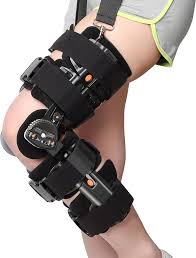
ACL Recovery and Bracing in 2026: What Actually Works for Faster, Safer Knee Healing
Did you know that about 80.4% of people return to sport after ACL reconstruction, but only 54.6% reach their pre-injury level? Understanding ACL recovery and bracing is essential if your knee hurt or instability is holding you back.

Key Takeaways
| Question | Answer |
|---|---|
| What is ACL recovery? | A structured process involving rest, rehab, and sometimes surgery to restore knee stability. Learn more in our ACL injury guide. |
| Do you need a knee brace after ACL surgery? | Not always, but bracing can support healing and reduce knee pain in early stages. |
| How long does recovery take? | Typically 6–12 months depending on severity and rehab consistency. |
| What other injuries affect recovery? | Conditions like torn meniscus or PCL injuries can delay progress. |
| Why does my knee still hurt? | Ongoing knee pain may come from weakness, swelling, or improper rehab. |
| Where can I learn full knee recovery strategies? | See our complete knee pain guide. |
Understanding ACL Injuries and Why the Knee Hurts
The ACL is one of the four major ligaments that stabilize the knee joint. When it tears, the knee becomes unstable, painful, and difficult to trust during movement.
ACL injuries often happen during sports that involve sudden direction changes. Many people feel a pop followed by swelling and immediate knee pain.
If untreated, instability can lead to long-term damage. This is why early diagnosis and proper recovery planning matter.
Common Symptoms During ACL Recovery
After injury or surgery, symptoms vary but often include swelling, stiffness, and reduced mobility. Many patients report that their knee hurt most during bending or weight-bearing.
Other signs include instability and difficulty returning to normal activities. These symptoms can overlap with other ligament injuries.
We often compare ACL symptoms with broader knee ligament injuries to better understand recovery challenges.

Phases of ACL Recovery Explained
Recovery typically progresses through stages, starting with swelling control and ending with return to sport. Each phase builds strength and stability in the knee.
Early rehab focuses on regaining motion. Later phases emphasize strength, balance, and confidence.
-
Phase 1: Pain and swelling control
-
Phase 2: Range of motion
-
Phase 3: Strength rebuilding
-
Phase 4: Functional training
Explore five essential facts about ACL recovery and bracing.
Do You Really Need a Knee Brace After ACL Surgery?
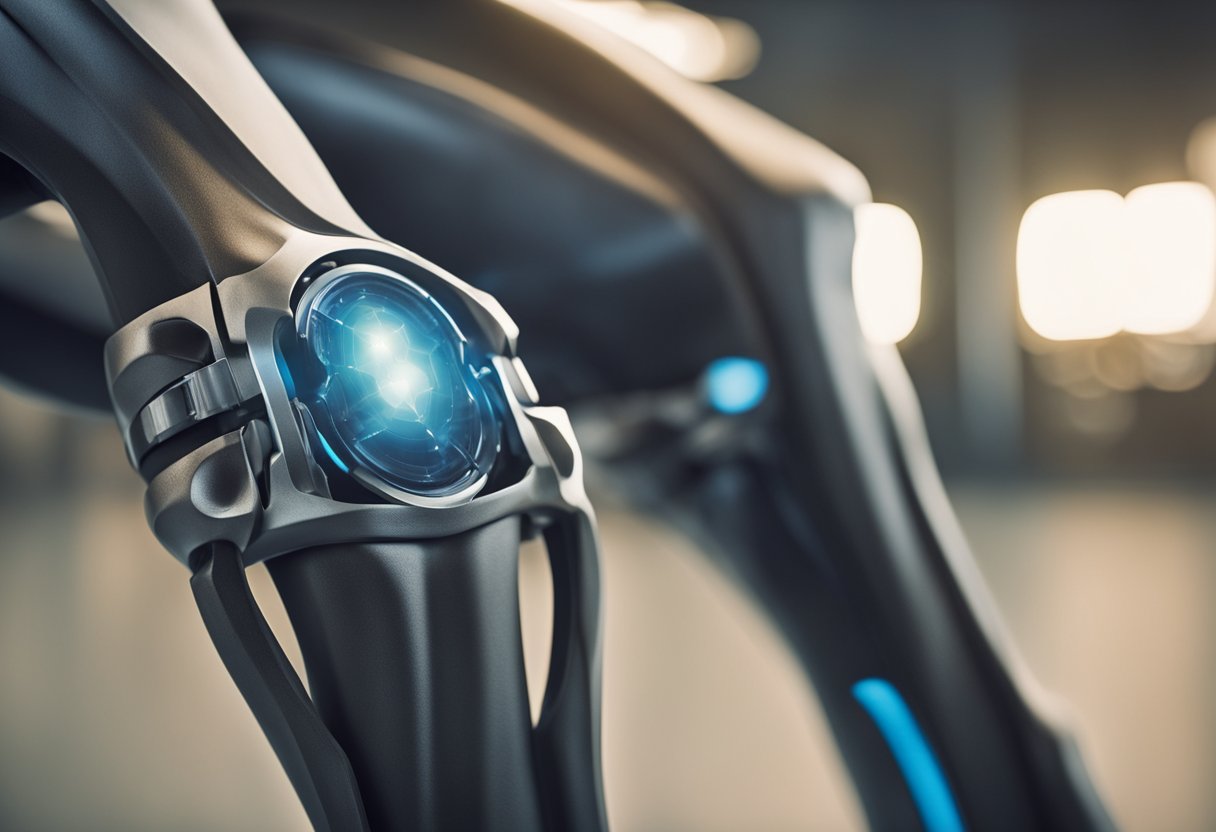
Knee braces are commonly used after ACL surgery to provide stability and protect the joint. However, not every patient needs one for the entire recovery period.
Some individuals benefit more from targeted rehab than prolonged bracing. The decision depends on your injury severity and activity level.
Did You Know?
Brace-free rehabilitation after ACL reconstruction showed similar outcomes to brace-based rehab at 1 year.
Source: Journal of Clinical Medicine
Types of Knee Braces Used in ACL Recovery
Different braces serve different purposes during recovery. Choosing the right one is essential for reducing knee pain and improving mobility.
| Brace Type | Purpose |
|---|---|
| Hinged brace | Provides maximum stability |
| Compression sleeve | Reduces swelling |
| Post-op brace | Limits movement early on |
We guide patients based on their condition and recovery stage. Proper selection improves comfort and confidence.
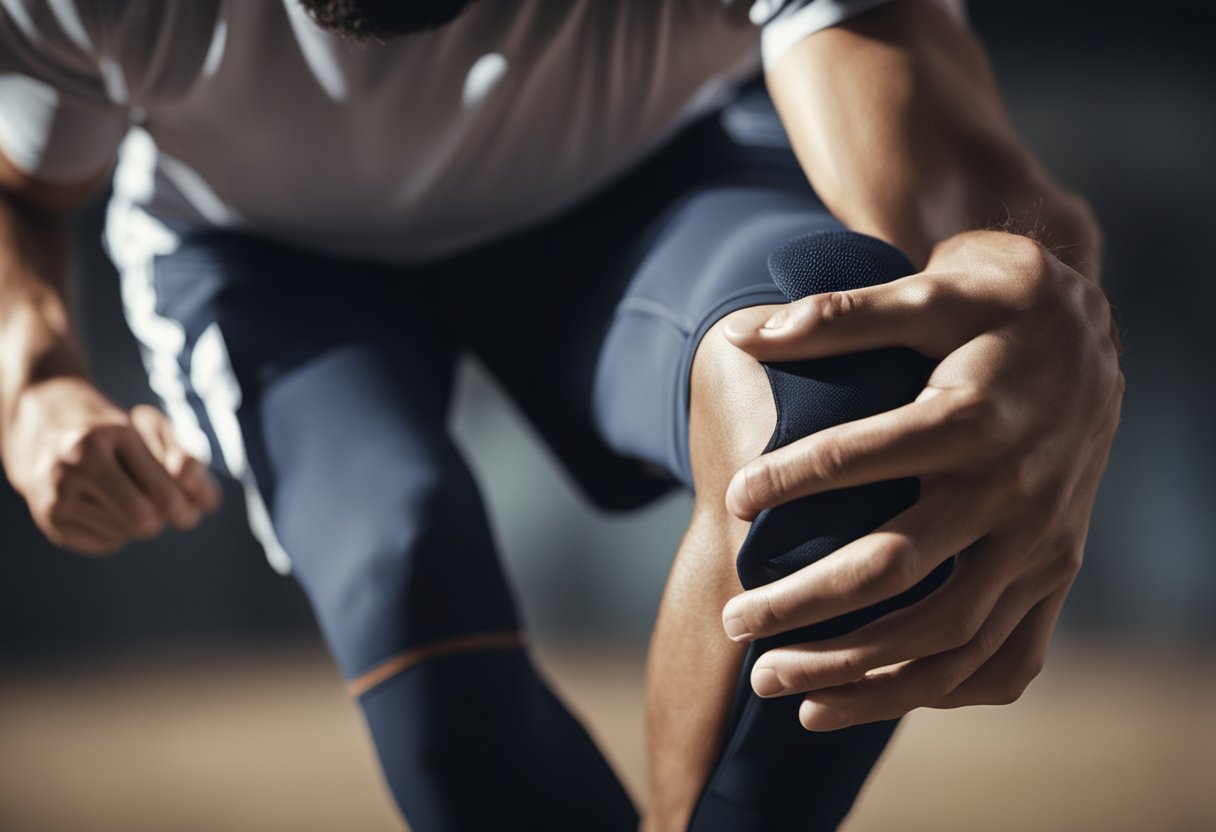
How Long Should You Wear a Knee Brace?
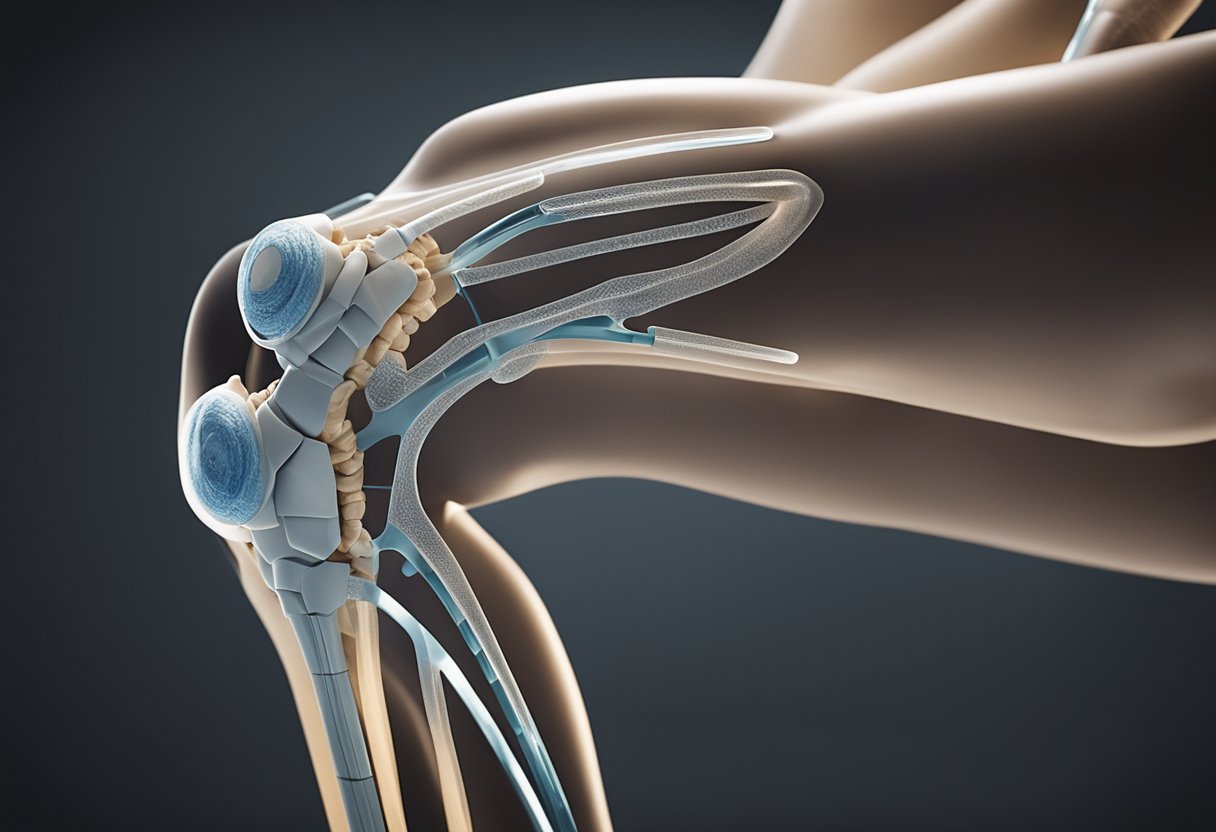
Brace duration varies depending on your recovery progress. Some patients use braces for a few weeks, while others need months.
We recommend gradually reducing brace use as strength improves. This helps your knee adapt naturally.
Gradual reduction prevents dependency and promotes long-term stability.
Exercises That Support ACL Recovery
Rehabilitation exercises are essential for restoring knee strength. They also reduce the chance of reinjury.
Common exercises include:
-
Quadriceps strengthening
-
Hamstring curls
-
Balance training
-
Controlled squats


Preventing Reinjury After ACL Recovery
Returning to activity too early increases reinjury risk. Strength and control must be fully restored before high-impact movements.
We emphasize proper movement patterns and gradual progression. Prevention is as important as recovery.
Did You Know?
Delaying return to sport beyond nine months significantly reduces the risk of ACL reinjury.
Source: AANA

Advanced Surgical Support in ACL Recovery
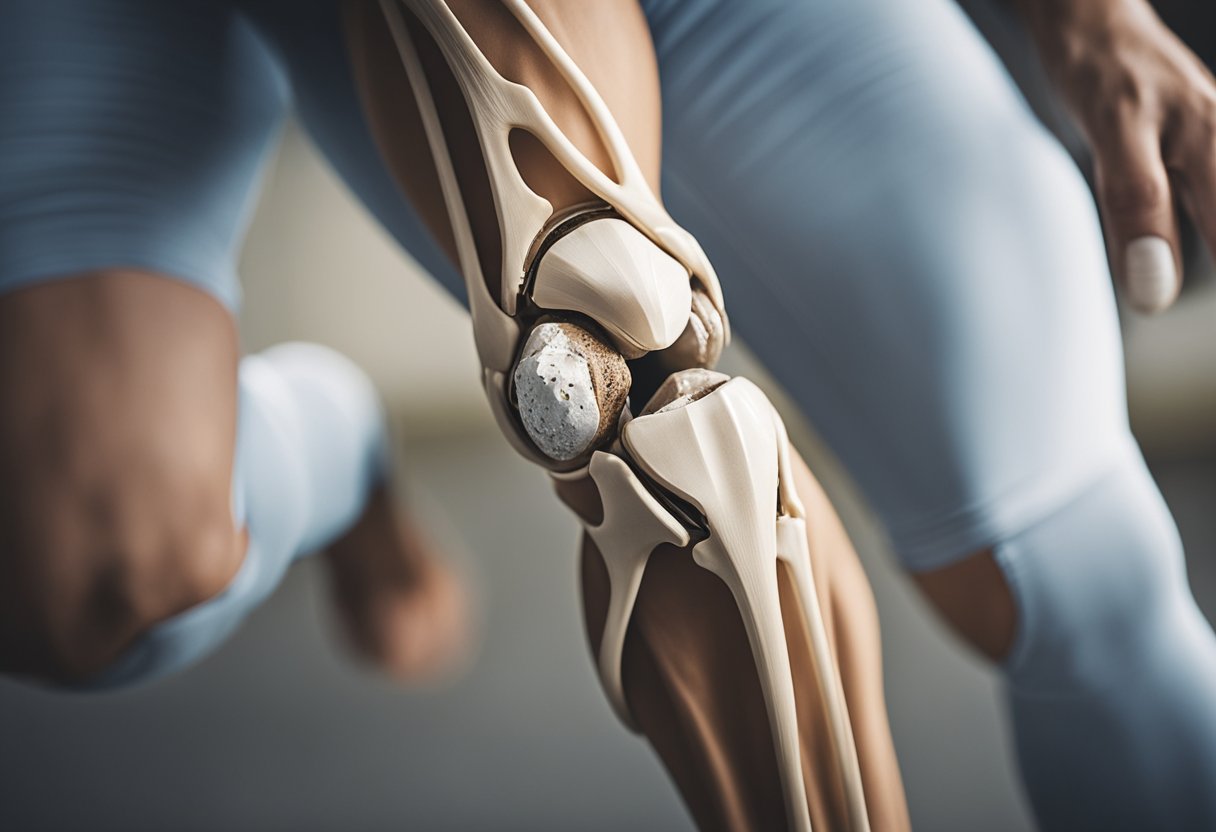
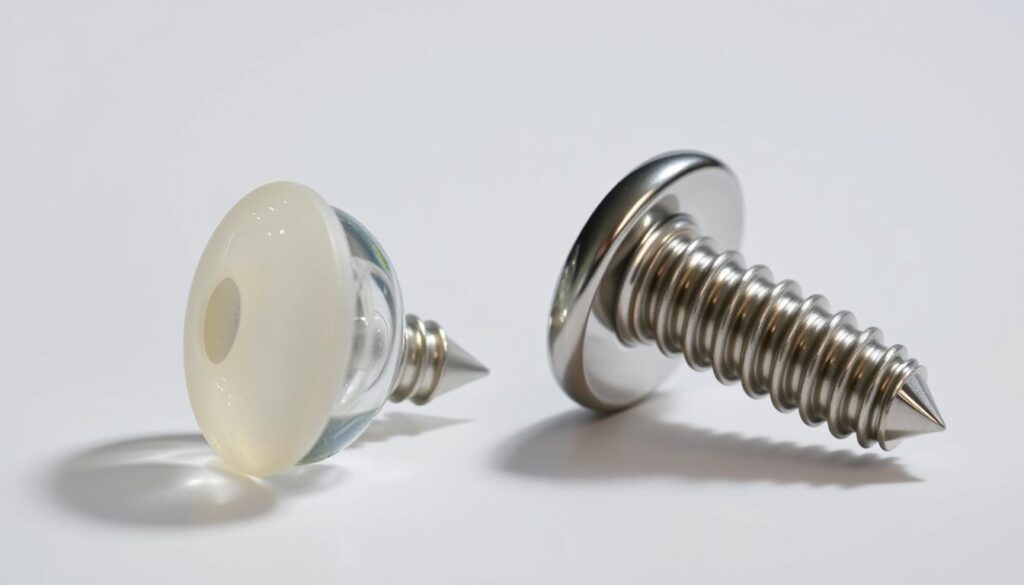
Modern ACL surgery often uses bioabsorbable screws. These help secure the graft while gradually dissolving over time.
This approach reduces the need for hardware removal. It also supports long-term healing of the knee joint.

When to Seek Help for Ongoing Knee Pain
If your knee hurt persists beyond expected recovery time, it may signal complications. Swelling, instability, or sharp pain should not be ignored.
We recommend early evaluation to prevent long-term damage. Addressing issues quickly improves outcomes.


Conclusion
ACL recovery and bracing require a balanced approach that combines protection, rehabilitation, and gradual return to activity. While braces can support healing, they are only one part of a complete recovery plan.
We encourage a structured rehab program, proper guidance, and patience. With the right strategy, most people can regain strength, reduce knee pain, and return to the activities they enjoy.



2 Comments