World Cup Soccer Knee Injury Prevention: A Complete Guide for Players and Coaches in 2026
World Cup soccer knee injury prevention has never been more critical than it is heading into the 2026 tournament, where the physical demands on players reach their absolute peak. Female soccer players are 8 times more likely than their male counterparts to suffer an ACL tear, a statistic that underscores just how urgently every team, coach, and athlete needs a structured, science-backed approach to protecting the knee before, during, and after competition.
In this guide, we break down the key injury types, prevention strategies, and recovery protocols that national teams and club programs rely on to keep players healthy at the world’s biggest stage.

Key Takeaways
| Question | Key Answer |
|---|---|
| What is the most common knee injury in World Cup soccer? | ACL tears are the most devastating, but torn meniscus injuries and ligament sprains are also extremely common at tournament level. |
| Can knee injuries in soccer be prevented? | Yes. Neuromuscular training, proper warm-up protocols (such as FIFA 11+), and targeted strength work significantly reduce injury risk. |
| What exercises help protect the knee in soccer? | Single-leg squats, Nordic hamstring curls, lateral band walks, and plyometric landing drills are widely recommended for players. |
| Are knee braces helpful for World Cup players? | Yes. Functional knee braces are used both for injury prevention and to support players returning from an ACL injury with a knee brace. |
| What type of knee pain do soccer players most often experience? | Patellar tendinitis (“jumper’s knee”), chondromalacia, and ligament-related knee pain are the most reported conditions in competitive soccer. |
| How does fatigue affect knee injury risk? | Fatigued muscles are less capable of absorbing shock and controlling joint movement, dramatically increasing injury vulnerability during late-game periods. |
| What resources help with comprehensive knee pain management? | Our comprehensive guide to understanding and overcoming knee pain provides detailed protocols for all stages of care. |
Why the Knee Is the Most Vulnerable Joint in World Cup Soccer
The knee absorbs enormous forces during soccer. Sprinting, cutting, pivoting, jumping, and tackling all place stress on the knee’s ligaments, cartilage, and tendons simultaneously.
At World Cup level, these forces are compounded by the pace of the game, the compressed tournament schedule, and the pressure players feel to perform at their absolute limits. This combination makes the knee the joint most frequently injured in elite international soccer.
Understanding how and why knee injuries occur is the first step in any effective World Cup soccer knee injury prevention program. When players and coaches recognize the specific mechanisms of injury, they can target training and protocols accordingly.
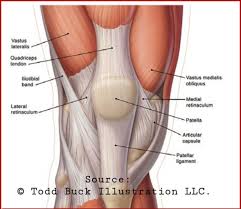
The Most Common Knee Injuries Causing Knee Pain in World Cup Soccer Players
Knowing which injuries are most prevalent helps players and medical teams direct prevention resources where they matter most. These are the knee conditions we see most frequently in high-level tournament soccer.
ACL Tears
The anterior cruciate ligament is the most discussed injury in soccer. It typically occurs during a sudden change of direction, an awkward landing, or a collision. Approximately 57.5% of ACL injuries in female soccer players are non-contact, happening during landings or rapid deceleration, which means they are largely preventable with the right training.
Read more about ACL injuries and knee brace options available to players at every level of the game.
PCL Injuries
The posterior cruciate ligament is typically injured when the shin is driven backward, often from a direct blow or a hard fall. These injuries cause significant knee pain and instability. Learn more about PCL knee injury causes, symptoms, and treatment to better understand this condition.
Torn Meniscus
The menisci act as shock absorbers inside the knee joint. In soccer, they can tear during pivoting or twisting movements, often alongside ligament damage. A torn meniscus can sideline a player for weeks to months depending on severity.
Patellar Tendinitis (Jumper’s Knee)
Repetitive jumping and explosive sprinting create cumulative stress on the patellar tendon, leading to inflammation and chronic knee pain. This overuse injury is particularly common in forwards and midfielders who cover high distances during matches.
Chondromalacia Patella
This condition involves the softening and breakdown of cartilage on the underside of the kneecap, producing a grinding sensation and dull knee pain during activity. Players with poor landing mechanics are especially vulnerable. Our page on chondromalacia patella and the knees explains how this condition develops and how to address it.
Traumatic Knee Injuries
High-speed collisions and awkward falls can cause acute, traumatic damage to multiple knee structures simultaneously. These situations are covered in detail on our page about traumatic knee injuries.
A concise visual guide for protecting players’ knees during World Cup soccer. It highlights five practical knee-injury prevention tips.
World Cup Soccer Knee Injury Prevention: The FIFA 11+ Warm-Up Protocol
The FIFA 11+ program is the gold standard warm-up protocol for World Cup soccer knee injury prevention. It combines running drills, strength exercises, and plyometric movements into a structured 20-minute pre-match or pre-training routine.
Studies consistently show that teams using FIFA 11+ experience significantly fewer ACL tears, knee ligament injuries, and muscle strains than teams using unstructured warm-ups. In 2026, this protocol remains the most widely adopted prevention tool in international soccer.
Key components of the program include:
- Running drills with partner awareness to train body control at speed
- Nordic hamstring curls to build eccentric hamstring strength, reducing ACL load
- Single-leg stance exercises to improve proprioception and balance at the knee
- Plyometric jumping sequences with emphasis on proper landing mechanics
- Hip and glute activation exercises to reduce valgus knee collapse during landing
Players who skip structured warm-ups are putting their knees at unnecessary risk. Every World Cup squad medical team in 2026 should have this protocol built into their daily schedule without exception.
Strength and Conditioning Strategies for Knee Injury Prevention in Soccer
A strong knee is a protected knee. Targeted strength work builds the muscular support system that stabilizes the knee joint during the explosive demands of World Cup play.
We recommend that players and their conditioning staff focus on these key muscle groups throughout the season:
Quadriceps and Hamstring Balance
Imbalances between the quadriceps and hamstrings are one of the primary contributors to ACL vulnerability. Hamstring-strengthening exercises like Nordic curls and Romanian deadlifts should always be paired with quad work to maintain a healthy strength ratio at the knee.
Glute and Hip Abductor Strength
Weak glutes allow the knee to collapse inward (valgus) during landing, dramatically increasing ACL and ligament injury risk. Lateral band walks, clamshells, and single-leg squats directly address this weakness and are essential components of any World Cup soccer knee injury prevention program.
Calf and Ankle Stability
Force that the ankle cannot absorb travels upward to the knee. Calf raises, ankle proprioception drills, and single-leg balance work reduce the stress reaching the knee during play on uneven ground or during late-game fatigue.
Core Stability
A stable core controls the trunk’s position over the legs, which directly influences knee alignment during cutting and landing. Planks, rotational movements, and anti-rotation exercises protect the knee from cascading forces originating from the hips and spine.
Biomechanics and Movement Screening for World Cup Soccer Knee Injury Prevention
One of the most powerful tools in World Cup soccer knee injury prevention is pre-participation movement screening. By identifying faulty movement patterns before they cause injury, medical teams can intervene early and correct high-risk mechanics.
The most important movement patterns to assess include:
- Drop jump landing mechanics – watching for inward knee collapse or stiff-legged landings
- Single-leg squat alignment – detecting hip drop, knee valgus, or ankle overpronation
- Change-of-direction technique – assessing how the player plants the foot and loads the knee during cuts
- Deceleration patterns – identifying players who stop abruptly with the knee in a vulnerable extended position
Players identified as high-risk through screening are placed on individualized corrective programs before the tournament begins. This proactive approach is now standard practice for elite national teams competing in 2026.
If a player’s knee hurt during these screening movements, that pain signal should never be dismissed. Early attention to knee pain prevents minor dysfunction from escalating into a full structural injury. Our detailed page on knee pain assessment and care outlines what different pain patterns may indicate.
Footwear, Surface Considerations, and Bracing for Knee Protection
Equipment choices have a direct impact on knee injury risk in soccer. Cleats that grip the turf too aggressively can prevent the foot from rotating naturally during a planted pivot, transferring that rotational force directly to the knee ligaments.
In 2026, many national teams are paying closer attention to:
- Cleat stud type and length relative to the specific playing surface
- Insole and arch support to control foot pronation that affects knee alignment
- Artificial turf vs. natural grass surface conditions, with artificial turf consistently associated with higher ACL injury rates
Knee Braces in World Cup Soccer
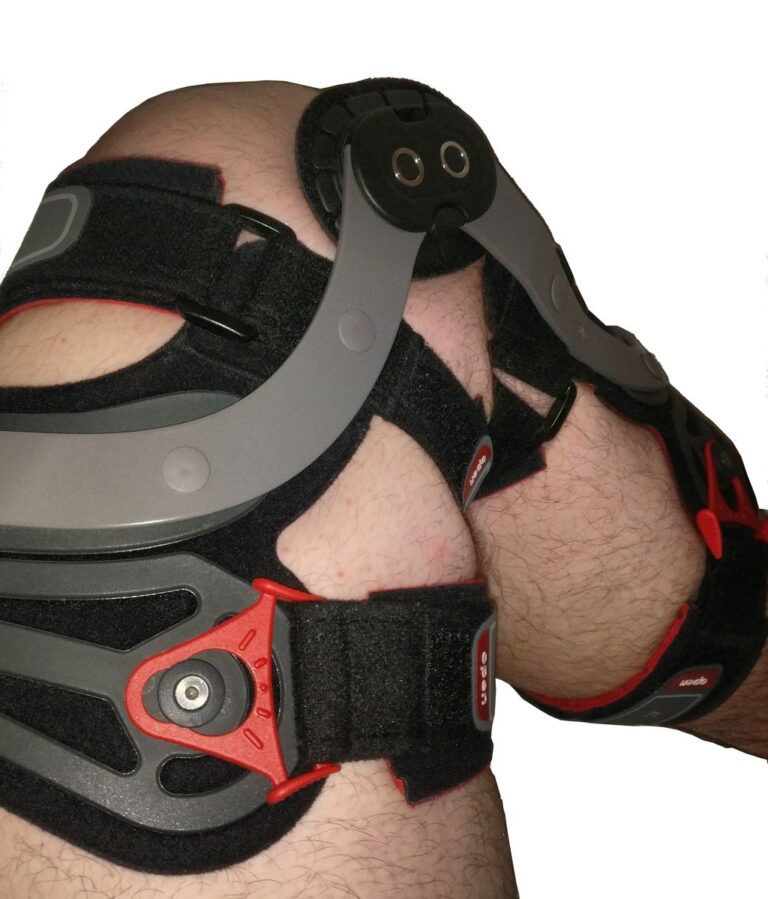
Functional knee braces are used by players recovering from ligament injuries to provide mechanical support during return to play. Prophylactic braces are also worn by some players as a preventive measure, particularly those with a history of ligament knee injury.
Understanding the range of ligament knee injury types and support options helps players make informed decisions about protective equipment with their medical team.
Managing Knee Pain During the World Cup Tournament
Even with the best prevention protocols in place, players may experience knee pain during the tournament. How teams manage that pain determines whether a minor complaint becomes a serious structural injury.
The key principles of in-tournament knee pain management include:
- Immediate assessment – any new knee pain or swelling should be evaluated by a team physician or physiotherapist the same day it appears
- Load modification – training volume and intensity should be adjusted based on pain levels, not pushed through
- Active recovery modalities – ice, compression, elevation, and soft tissue work to manage inflammation without masking underlying problems
- Honest pain monitoring – players should be encouraged to report when their knee hurt during sessions, even if they feel pressure to hide it
- Targeted physiotherapy – specific exercises to address the source of knee pain rather than just treating symptoms
Chronic or recurring knee pain deserves the same level of attention as acute injuries. Ignoring persistent discomfort leads to compensatory movement patterns that put other structures at risk. For players dealing with ongoing issues, our comprehensive guide to managing and overcoming knee pain provides an in-depth framework for long-term care.
World Cup Soccer Knee Injury Prevention: Load Management and Recovery Between Matches
The compressed schedule of a World Cup tournament means players may compete multiple times within a single week. Inadequate recovery between matches is one of the most significant contributors to knee injury risk at tournament level.
Effective load management strategies in 2026 include:
- GPS and heart rate monitoring during training to quantify physical load and prevent overreaching
- Sleep optimization as the most powerful recovery tool available to players without pharmacological intervention
- Nutrition and hydration protocols timed around matches to restore muscle glycogen and reduce inflammatory markers
- Cold water immersion and contrast therapy to accelerate recovery of the muscles surrounding the knee
- Reduced high-intensity training volume in the 48 hours following a match to allow structural tissue recovery
The relationship between fatigue and knee injury is direct and well-documented. When the muscles surrounding the knee are fatigued, they lose their ability to absorb shock and control movement, leaving the ligaments and cartilage far more exposed to injury forces. This is why the final 20 minutes of a match see a disproportionate spike in acute knee injuries.
Gender-Specific Considerations in World Cup Soccer Knee Injury Prevention
The 2026 Women’s World Cup cycle has brought significant attention to the unique biomechanical and hormonal factors that increase knee injury risk in female players. These factors require gender-specific modifications to standard prevention programs.
Research consistently identifies the following contributors to higher ACL risk in female athletes:
- Greater natural knee valgus due to a wider pelvis-to-knee angle (Q-angle)
- Hormonal fluctuations during the menstrual cycle that temporarily alter ligament laxity
- Landing mechanics that tend to involve less hip and knee flexion, increasing joint load
- Relatively lower hamstring-to-quadriceps strength ratios compared to male players
Addressing these factors through tailored neuromuscular training, cycle phase monitoring, and position-specific strength programs gives female players the best possible protection against the knee injuries that have derailed so many careers. A thorough understanding of how ligament knee injuries develop helps coaches design more targeted interventions.
Patellar Tendon Health and IT Band Care for World Cup Players
Beyond the major structural injuries, overuse conditions affecting the front and side of the knee are extremely common in high-volume tournament play. These conditions cause persistent knee pain that, if left unmanaged, can become chronically debilitating.
Patellar Tendon Injury Prevention
Patellar tendinitis develops gradually from repetitive jumping and sprinting loads. Prevention focuses on progressive loading, adequate rest periods, and eccentric strengthening exercises. Players with a history of this condition should monitor for warning signs throughout the tournament.
IT Band Syndrome in Soccer
The iliotibial band runs along the outside of the thigh and can become inflamed where it crosses the knee, causing sharp lateral knee pain during running. Hip abductor strengthening, foam rolling, and running surface variation help manage this condition throughout a demanding tournament schedule.
“Prevention is not a one-time intervention. It is a continuous process of monitoring, adjusting, and responding to what the body communicates. The teams that win World Cups are often the teams that keep their best players healthy throughout the tournament.”
Coaching and Team Medical Protocols for World Cup Knee Injury Prevention
Effective World Cup soccer knee injury prevention is not solely the responsibility of individual players. It requires a coordinated effort between coaches, physiotherapists, sports medicine physicians, and strength and conditioning staff.
Best-practice team protocols in 2026 include:
- Pre-tournament screening of all players for movement risk factors and injury history
- Daily physiotherapy check-ins so that minor knee complaints are captured before they escalate
- Clear communication channels between players and medical staff that encourage honest reporting when a player’s knee hurt
- Individualized prevention programs for players with previous knee injuries or identified risk factors
- Pitch and surface assessments before each match to inform equipment and warm-up decisions
- Post-match recovery protocols standardized across the squad to ensure consistent tissue recovery between games
Coaches play a particularly important role by creating training environments where players feel safe to communicate discomfort. A culture that dismisses pain reports is a culture that produces preventable injuries.
Conclusion: Building a Complete World Cup Soccer Knee Injury Prevention Strategy
World Cup soccer knee injury prevention requires a comprehensive, multi-layered approach that addresses warm-up quality, strength and conditioning, biomechanical screening, equipment selection, load management, and recovery protocols simultaneously. No single intervention is sufficient on its own.
Whether a player is experiencing persistent knee pain, recovering from a past ligament injury, or simply looking to stay on the field for every minute of the tournament, the principles we have outlined in this guide provide a clear roadmap. The knee is a complex and vulnerable joint under the extraordinary demands of World Cup competition, and protecting it demands consistent, science-backed attention throughout the entire tournament cycle.
For players dealing with specific conditions, we encourage you to explore our in-depth resources on ACL injuries and bracing, PCL injuries, meniscus tears, and chondromalacia patella. Every knee deserves proper care, and every player deserves to compete without the fear of a career-altering injury.
Frequently Asked Questions
What are the most effective World Cup soccer knee injury prevention exercises in 2026?
The most effective exercises for World Cup soccer knee injury prevention include Nordic hamstring curls, single-leg squats, lateral band walks, plyometric landing drills, and the full FIFA 11+ warm-up protocol. These exercises target the muscles and movement patterns most directly responsible for protecting the knee during soccer-specific demands.
How do you prevent a knee ACL tear in soccer?
ACL tear prevention in soccer centers on neuromuscular training that improves landing mechanics, hip and glute strength, and hamstring activation. Programs like FIFA 11+ have demonstrated a 30-50% reduction in ACL injury rates when consistently applied by teams. Gender-specific training modifications are especially important for female players who face significantly higher ACL risk.
Is knee pain during the World Cup season normal, and when should a player be concerned?
Some mild muscle soreness around the knee is normal during a high-intensity tournament season, but sharp pain, swelling, locking sensations, or pain that persists beyond 48 hours are all signs that warrant immediate medical evaluation. Players should never dismiss knee pain as routine without a qualified assessment, because early intervention almost always produces better outcomes than delayed treatment.
Can a soccer player compete with a knee ligament injury during the World Cup?
Whether a player can continue competing with a knee ligament injury depends entirely on the severity and type of injury, the affected ligament, and the player’s pain and functional stability. Grade 1 sprains may allow continued play with bracing and physiotherapy support, while Grade 2 or Grade 3 tears typically require the player to stop competition. This decision must always be made by qualified sports medicine physicians, not by coaching staff or the players themselves.
What is the difference between a torn meniscus and an ACL tear in terms of symptoms and recovery?
An ACL tear typically presents with a “pop,” immediate instability, rapid swelling, and the inability to continue playing. A torn meniscus often presents with joint line pain, swelling that builds over 24-48 hours, clicking or locking, and pain with twisting movements. ACL reconstruction typically requires 9-12 months of recovery, while meniscus repair recovery ranges from 3-6 months depending on the repair type and location.
How does the World Cup playing schedule make knee injuries worse in 2026?
The compressed match schedule at the 2026 World Cup gives players as little as 3-4 days between high-intensity matches, which is often insufficient for complete muscular and connective tissue recovery. Fatigue accumulates across the tournament, leaving the muscles around the knee less capable of absorbing shock and controlling joint movement, which significantly raises injury risk. This is why load management and recovery protocols are considered just as important as prevention exercises for national team medical staffs.
What should a soccer player do immediately if their knee hurts during a match?
If a player’s knee hurts acutely during a match, they should immediately communicate the symptom to the team medical staff and stop playing if the pain is sharp, involves swelling, or produces any instability. Continuing to play through significant knee pain risks converting a minor injury into a major structural one. After leaving the field, the player should undergo a clinical assessment before any decision is made about returning to play, even within the same match.