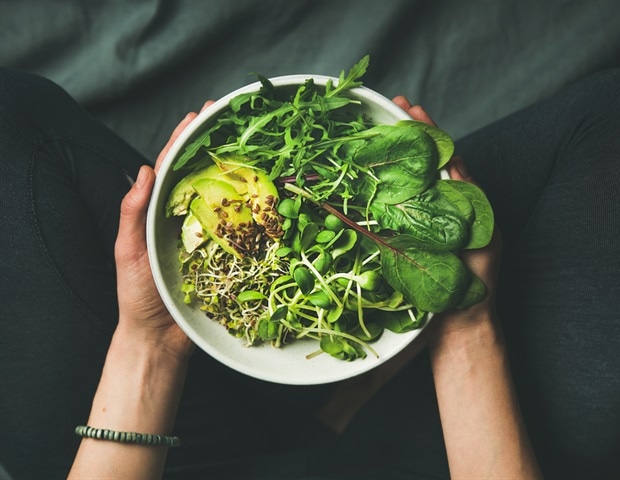
2B RECIPE Youtube Thumbnail Steamed Chicken Shiitake

Steamed Chicken Shiitake | GF, DF | BoneCoach™ Recipes – BoneCoach™


Looking for a healthy alternative to your favorite takeaway meal?

You’ve found it!

Tender, flavorful and comforting, that’s what our steamed chicken shiitake recipe demands little effort deliver great taste.

Plus, thanks to the shiitake mushrooms, this dish is a… nutritional powerhousepacked with essential vitamins and minerals, including potassium, copper, B vitamins and inflammation-fighting antioxidants.

Our steamed chicken shiitake recipe is sure to become a favorite for your family.

Treat yourself tonight!

Bone Coach Recipes | Steamed Chicken Shiitake | Bone loss Bone Healthy diet Nutrients Osteoporosis

SERVES: 2

TOTAL TIME: 30 minutes

Ingredients

340 g skinless, boneless chicken thighs, cubed

5 dried shiitake mushrooms, soaked in hot water for 2 hours

1 teaspoon (5 ml) grated ginger root

2 teaspoons (10 ml) arrowroot starch

2 teaspoons (10 ml) coconut aminos

1 teaspoon (5 ml) molasses

Pinch of ground white pepper (optional)

1 tablespoon green onions (15 ml), thinly sliced

Directions

1) Thinly slice the shiitake mushrooms and discard the stems. Reserve the water.

2) Place the chicken pieces in a bowl. Add the sliced ​​mushrooms, ginger, arrowroot starch, coconut aminos, molasses, white pepper and 3 tablespoons mushroom water. Mix well. Place the chicken mixture in a shallow dish. Let it marinate for 15 minutes before steaming.

3) Fill a steamer with enough water to steam continuously for 10 minutes without evaporating. Bring to the boil and steam the chicken for 10 minutes.

4) Turn off the heat and leave the chicken in the steamer for another 2 minutes. Sprinkle with green onions and serve immediately with cauliflower rice.

Recipe created by BoneCoach™ Team Dietitian Amanda Natividad-Li, RD & Chef.

Medical disclaimer

The information shared above is for informational purposes only and is not intended as medical or nutritional therapy advice; it does not diagnose, treat or cure any disease or condition; it should not be used as a substitute or substitute for medical advice from physicians and trained medical professionals. If you are under the care of a healthcare professional or are currently taking prescription medications, you should discuss any changes in your diet and lifestyle or possible use of nutritional supplements with your doctor. You should not stop prescribed medications without first consulting your doctor.


Source link

Similar Posts

  • August 2023 — Bone Talk

    As team captain of Be Bone Strong™, Barbara Hannah Grufferman, a nationally recognized positive living advocate, award-winning author and avid marathoner, will provide guidance and support to the team. To date, Barbara has run fourteen marathons and countless half marathons and other smaller races, all since she turned 50. She is passionate about motivating people…

  • SANUWAVE will host a conference call to present Q3 2023 financial results on November 10, 2023 at 8:00 AM (ET)

      EDEN PRAIRIE, Minn., November 8, 2023 (GLOBE NEWSWIRE) — through NewMediaWire – SANUWAVE Health, Inc. (OTCQB: SNWV), a leading provider of next-generation wound care products, will host a live conference call to present its third quarter 2023 financial results on Friday, November 10, 2023 at 8:00 AM (ET). Telephone access to the conversation is…

  • Few definitive CTE cases have been detected with and without history of brain injury and collision sports

      Chronic traumatic encephalopathy Neuropathological changes are uncommon in men who played amateur American football Iverson GL, Jamshidi P, Fisher-Hubbard AO, Deep-Soboslay A, Hyde TM, Kleinman JE, deJong JL, Shepherd CE, Hazrati LN, Castellani RJ. Anterior neurol. June 19, 2023; 14:1143882. doi:10.3389/fneur.2023.1143882. PMID: 37404944; PMCID: PMC10315537. Full text freely available Take home message Among the…

  • A vegan diet containing soy significantly reduces hot flashes in postmenopausal women

    A low-fat vegan diet that includes soy promotes changes in the gut microbiome that reduce postmenopausal vasomotor symptoms, or hot flashes, by 95% overall, according to a new study from the Physicians Committee for Responsible Medicine. A vegan diet also eliminated severe hot flashes, led to a 96% reduction in moderate to severe hot flashes…

  • What causes carpal tunnel? – Bone and joint specialists

      Carpal tunnel, also called carpal tunnel syndrome, is a condition that affects the connective tissue and joints of the wrist. It can cause tingling, numbness, weakness, pain and even swelling. You’ve probably heard of carpal tunnel syndrome and its connection to things like typing or using a computer for too long. However, carpal tunnel…

  • |

    What not to do after knee replacement

    Is your post surgery routine secretly working against your healing? Many believe the hardest part is over once they leave the hospital, but the real challenge often begins at home. Your stay after a knee replacement surgery is brief, typically just one to four days. This quick transition home makes your daily choices incredibly powerful for your recovery process. knee replacement recovery We see a common thread: patients who understand which activities to avoid experience fewer setbacks. They enjoy a smoother path back to mobility. Protecting your new joint requires more than just patience. It demands smart, informed action from the very start. Every person heals at their own pace. Setting realistic expectations is a cornerstone of a successful outcome. Our guide focuses on the crucial missteps that can delay your progress. We provide clear insights to help you navigate this important time confidently. Key Takeaways The initial weeks at home are critical for protecting your new knee joint. Knowing which specific actions to avoid is key to preventing pain and complications. Recovery speed varies; patience with your body’s timeline is essential. Informed choices during daily activities directly support a smoother rehabilitation. A successful outcome relies on more than just the surgery itself. Clear guidelines help you build confidence and regain mobility safely. Understanding Knee Replacement Recovery Recovering from joint surgery is as much a mental challenge as it is a physical one. The recovery process involves both your body’s healing and your emotional adjustment. This journey begins right after your procedure, often with a hospital stay of one to four days. knee replacement recovery journey Recognizing the Physical and Emotional Journey It is normal to feel some pain and discomfort as your body adapts. This is part of the healing process. Your mobility will improve gradually with time and consistent effort. Emotional ups and downs are common during this period. Staying positive and patient actively supports your rehabilitation. Every small step forward is a meaningful victory. The Role of a Multidisciplinary Care Team Your surgeon, physical therapist, and doctor form a dedicated care team. They work together to guide your joint health and overall recovery. Open communication with them is vital….

2 Comments

Leave a Reply

Your email address will not be published. Required fields are marked *