

How to Stop Knee Pain: Tips from a Professional
As we age, it’s common to experience knee pain. Knee pain can be caused by a variety of factors, including injury, overuse, and arthritis. Knee pain can be debilitating and interfere with daily activities. Fortunately, there are ways to manage and prevent knee pain.

Understanding Knee Pain and Its Causes is the first step in effectively managing knee pain. Knee pain can be caused by overuse, injury, and arthritis. Overuse injuries are common in athletes and individuals who perform repetitive motions. Injury to the knee can cause pain, swelling, and stiffness. Arthritis is a common cause of knee pain in older adults. Osteoarthritis is the most common type of arthritis that affects the knee joint.
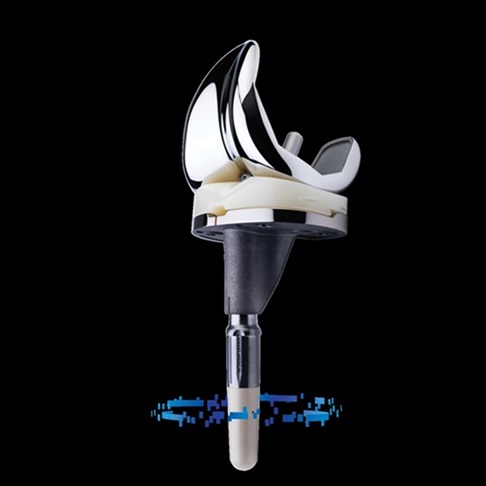
Effective Management and Treatment Strategies are essential in managing knee pain. Rest and ice can help reduce swelling and pain. Physical therapy can help strengthen the muscles around the knee joint, improving stability and reducing pain. Weight loss can also help reduce the pressure on the knee joint. In some cases, surgery may be necessary to repair or replace the knee joint.
Key Takeaways
- Knee pain can be caused by a variety of factors, including overuse, injury, and arthritis.
- Effective management and treatment strategies include rest, ice, physical therapy, weight loss, and surgery.
- Understanding the causes of knee pain is the first step in effectively managing and preventing knee pain.
Understanding Knee Pain and Its Causes
Knee pain is a common complaint that affects people of all ages. It can be caused by a variety of factors, including injury, overuse, and wear and tear. In this section, we will discuss the different types of knee pain and their common causes.
Types of Knee Pain
There are many different types of knee pain, each with its own set of symptoms and causes. Some of the most common types of knee pain include:
- Arthritis: Arthritis is a condition that causes inflammation in the joints. There are many different types of arthritis that can affect the knee, including osteoarthritis and rheumatoid arthritis.
- Injury: Knee injuries are a common cause of knee pain. They can be caused by a variety of factors, including sports, falls, and accidents.
- Overweight: Being overweight can put extra stress on the knee joint, which can lead to pain and discomfort.
- Gout: Gout is a type of arthritis that is caused by a buildup of uric acid in the joints. It can cause sudden, severe pain in the knee.
- Tendinitis: Tendinitis is a condition that occurs when the tendons that attach muscle to bone become inflamed. It can cause pain and stiffness in the knee.
- Wear and Tear: As we age, the cartilage in our joints can start to wear down, which can lead to pain and discomfort in the knee. This is known as degenerative joint disease.
Common Causes of Knee Pain
In addition to the types of knee pain listed above, there are many common causes of knee pain. Some of the most common causes include:
- Ligament Injuries: Ligament injuries are a common cause of knee pain. They can be caused by a variety of factors, including sports, falls, and accidents.
- Cartilage Tears: Tears in the cartilage of the knee can cause pain and discomfort. This is a common injury in athletes and active individuals.
- Meniscus Injuries: The meniscus is a piece of cartilage that acts as a shock absorber in the knee. Injuries to the meniscus can cause pain and discomfort.
- Tendinitis: Tendinitis is a common cause of knee pain, especially in athletes and active individuals. It can be caused by overuse or repetitive movements.
- Osteoarthritis: Osteoarthritis is a type of arthritis that is caused by wear and tear on the joints. It is a common cause of knee pain, especially in older adults.
In conclusion, knee pain can be caused by a variety of factors, including injury, overuse, and wear and tear. It is important to identify the cause of your knee pain in order to determine the best course of treatment.
Effective Management and Treatment Strategies
When it comes to managing and treating knee pain, there are a variety of options available. In this section, we will discuss some of the most effective strategies for addressing knee pain and improving knee health.
Medical Interventions
If you are experiencing severe or chronic knee pain, it is important to seek medical attention. Your doctor may recommend a variety of medical interventions, including medication, physical therapy, or even surgery.
Medications such as ibuprofen, naproxen, and other nonsteroidal anti-inflammatory drugs (NSAIDs) can help to reduce pain and inflammation in the knee. In some cases, corticosteroid injections or hyaluronic acid injections may be recommended to help reduce inflammation and improve knee function.
Exercise and Physical Therapy
Exercise and physical therapy can also be effective for managing knee pain. Strengthening exercises can help to improve the form and function of the muscles surrounding the knee joint, which can help to reduce pain and improve mobility.
Physical therapy can also help to improve range of motion and flexibility in the knee joint, which can help to reduce stiffness and improve overall knee health. A physical therapist can work with you to develop a safe and effective exercise program that is tailored to your specific needs.
Home Remedies and Lifestyle Changes
In addition to medical interventions and physical therapy, there are also a number of home remedies and lifestyle changes that can help to manage knee pain. Rest and elevation can help to reduce swelling and inflammation in the knee, while ice and compression can help to reduce pain and discomfort.
Maintaining a healthy weight can also help to reduce stress on the knee joint, while wearing supportive shoes and using a cane or other walking aid can help to improve balance and reduce the risk of falls. Acupuncture, massage, and traditional Chinese medicine may also be effective for managing knee pain and improving knee health.
In conclusion, there are a variety of effective strategies for managing knee pain and improving knee health. By working with your doctor, physical therapist, and other healthcare providers, you can develop a comprehensive treatment plan that is tailored to your specific needs and goals.
Frequently Asked Questions

What exercises can alleviate knee pain?
Exercises that can help alleviate knee pain include low-impact exercises such as swimming, cycling, and walking. These exercises can help strengthen the muscles around the knee and improve flexibility. Additionally, exercises that focus on stretching and range of motion can help reduce stiffness and pain in the knee joint. It is important to consult with a doctor or physical therapist before beginning any exercise program.
What are the effective treatments for knee pain without surgery?
There are various treatments for knee pain that do not require surgery. These include physical therapy, bracing, and the use of nonsteroidal anti-inflammatory drugs (NSAIDs) such as ibuprofen or naproxen. Additionally, corticosteroid injections can help reduce inflammation and pain in the knee joint. It is important to consult with a doctor to determine the best treatment plan for your individual needs.
Which medications are recommended for elderly patients with knee pain?
For elderly patients with knee pain, acetaminophen is often recommended as a first-line treatment. This medication is generally considered safe for elderly patients and can help reduce pain and inflammation in the knee joint. However, it is important to consult with a doctor before taking any medication, as some medications can interact with other medications or medical conditions.
What lifestyle changes can help manage knee pain?
Lifestyle changes that can help manage knee pain include maintaining a healthy weight, avoiding high-impact activities, and wearing supportive shoes. Additionally, incorporating low-impact exercises such as swimming or cycling into your routine can help strengthen the muscles around the knee joint and improve flexibility. It is important to consult with a doctor or physical therapist before beginning any exercise program.
What are common causes of knee pain?
Common causes of knee pain include overuse injuries, such as runner’s knee or patellar tendinitis, as well as osteoarthritis, rheumatoid arthritis, and gout. Additionally, knee pain can be caused by injuries, such as ligament tears or fractures. It is important to consult with a doctor to determine the underlying cause of knee pain.
How can one reduce knee pain during the night?
To reduce knee pain during the night, it can be helpful to elevate the affected knee with a pillow or cushion while sleeping. Additionally, applying heat or cold to the knee joint before bed can help reduce inflammation and pain. It is important to consult with a doctor to determine the best treatment plan for your individual needs.



One Comment