Effective Medications for Treating Knee Pain
Knee pain is a common condition that can be caused by various factors such as injury, overuse, or underlying medical conditions. It can significantly impact a person’s quality of life and limit their mobility. While there are several treatment options available, including non-medication treatments and surgical interventions, medications can also play a crucial role in managing knee pain. In this article, we will explore the different types of effective medications for treating knee pain and their key takeaways.
Key Takeaways
- Understanding the causes and symptoms of knee pain is essential for proper diagnosis and treatment.
- Non-medication treatments such as physical therapy, exercise, and weight management can help alleviate knee pain.
- Over-the-counter medications like acetaminophen, NSAIDs, and topical analgesics can provide temporary relief.
- Prescription medications like corticosteroids, hyaluronic acid injections, and opioids may be recommended for severe cases.
- Surgical options like arthroscopy, partial knee replacement, and total knee replacement may be necessary for advanced knee pain.
Understanding Knee Pain
Causes of Knee Pain
Knee pain can be caused by a variety of factors, including injury, overuse, and medical conditions. Injuries such as sprains, strains, and fractures can lead to knee pain. Overuse of the knee joint, especially in activities that involve repetitive motions like running or jumping, can also result in pain. Additionally, certain medical conditions like osteoarthritis, rheumatoid arthritis, and gout can cause knee pain.
It is important to note that knee pain can have multiple causes, and a thorough evaluation by a healthcare professional is necessary to determine the underlying cause of the pain.
Here are some common causes of knee pain:
- Injury: Traumatic events like falls or sports-related accidents can cause knee pain.
- Overuse: Excessive strain on the knee joint from repetitive activities can lead to pain.
- Medical conditions: Conditions like osteoarthritis, rheumatoid arthritis, and gout can cause knee pain.
Common Symptoms
Knee pain can manifest in various ways, with individuals experiencing different symptoms. Pain is the most common symptom, which can range from mild to severe. Some people may also experience swelling around the knee joint, making it difficult to move or bend the knee. Stiffness is another common symptom, especially after prolonged periods of inactivity. Additionally, individuals may notice a grating or popping sensation when moving the knee. It is important to consult a healthcare professional if these symptoms persist or worsen.
To better understand the severity and impact of knee pain, here is a table summarizing the different pain levels and their corresponding descriptions:
| Pain Level | Description |
|---|---|
| Mild | Occasional discomfort that does not significantly affect daily activities |
| Moderate | Consistent pain that limits certain activities |
| Severe | Intense pain that greatly impairs mobility and daily functioning |
It is important to note that the severity of symptoms can vary from person to person, and a healthcare professional can provide a more accurate assessment based on individual circumstances.
Tip: Applying ice packs to the affected knee for 15-20 minutes several times a day can help reduce swelling and alleviate pain.
Diagnosing Knee Pain
Diagnosing knee pain involves a thorough evaluation by a healthcare professional. The process typically includes a combination of medical history, physical examination, and diagnostic tests. Important keywords to consider during the evaluation include severity, location, duration, and aggravating factors. The healthcare professional will ask about the onset of the pain, any previous injuries or surgeries, and any activities that worsen or alleviate the pain.
In addition to the medical history, a physical examination will be conducted to assess the knee’s range of motion, stability, and any signs of swelling or tenderness. The healthcare professional may also perform specific tests, such as the McMurray test or the Lachman test, to evaluate the integrity of the knee’s ligaments and menisci.
Diagnostic tests, such as X-rays, MRI scans, or ultrasound, may be ordered to further evaluate the underlying cause of the knee pain. These tests can provide detailed images of the bones, cartilage, ligaments, and other structures within the knee joint.
It is important to accurately diagnose the cause of knee pain to determine the most appropriate treatment plan. A comprehensive evaluation by a healthcare professional is essential for effective management of knee pain.
Non-Medication Treatments
Physical Therapy
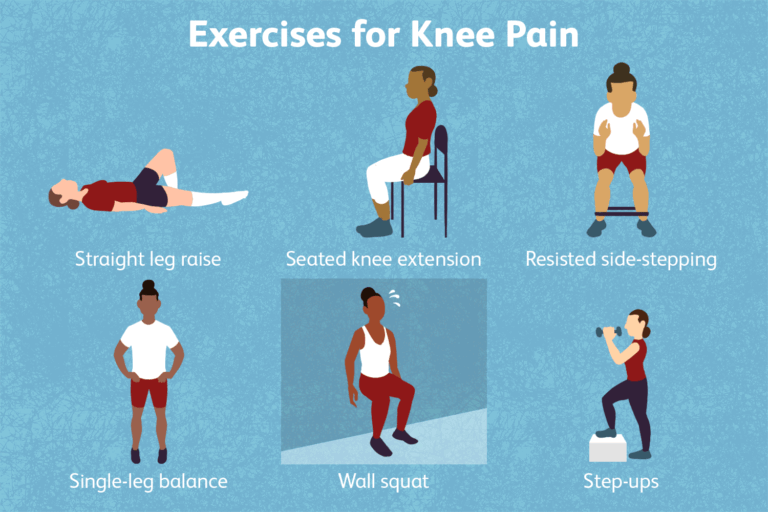
Physical therapy is a crucial component of knee pain treatment. It involves a series of exercises and techniques that aim to strengthen the muscles around the knee, improve flexibility, and reduce pain. The goal of physical therapy is to restore function and mobility to the knee joint.
During physical therapy sessions, a trained therapist will guide you through various exercises and stretches. These may include range of motion exercises, strengthening exercises, and balance training. The therapist will also use manual techniques such as massage and joint mobilization to help alleviate pain and improve joint function.
In addition to in-clinic sessions, physical therapists often provide patients with a home exercise program. This program includes exercises and stretches that can be done at home to supplement the in-clinic sessions and accelerate the recovery process.
It is important to adhere to the physical therapy program as prescribed by the therapist to achieve the best results.
Exercise and Stretching
Exercise and stretching are important components of a comprehensive treatment plan for knee pain. Regular exercise helps strengthen the muscles around the knee joint, providing better support and stability. It also helps improve flexibility and range of motion, reducing the risk of further injury. Low-impact exercises such as swimming, cycling, and walking are particularly beneficial for individuals with knee pain.
In addition to exercise, stretching can help alleviate knee pain and improve mobility. Gentle stretching exercises can help increase flexibility and reduce muscle tightness. Some effective stretches for knee pain include quadriceps stretches, hamstring stretches, and calf stretches.
To get the most out of your exercise and stretching routine, it’s important to follow these tips:
- Start slowly and gradually increase the intensity and duration of your workouts.
- Listen to your body and stop if you experience pain or discomfort.
- Warm up before exercising and cool down afterwards to prevent muscle strain.
- Consider working with a physical therapist who can provide guidance and personalized exercises.
Remember, consistency is key when it comes to exercise and stretching. Incorporating these activities into your daily routine can help manage knee pain and improve overall function.
Weight Management
Maintaining a healthy weight is crucial for managing knee pain. Excess weight puts added stress on the knee joints, leading to increased pain and discomfort. Losing even a small amount of weight can significantly reduce knee pain and improve mobility. Here are some tips for effective weight management:
- Eat a balanced diet: Include a variety of fruits, vegetables, whole grains, and lean proteins in your meals. Avoid processed foods and sugary drinks.
- Control portion sizes: Be mindful of how much you eat and avoid overeating.
- Stay physically active: Engage in regular exercise, such as walking, swimming, or cycling, to help burn calories and strengthen the muscles around the knee.
- Seek professional guidance: Consult a healthcare professional or a registered dietitian for personalized advice and guidance on weight management.
Remember, maintaining a healthy weight is not only beneficial for managing knee pain but also for overall health and well-being.
Over-the-Counter Medications
Acetaminophen
Acetaminophen is a commonly used over-the-counter medication for managing knee pain. It is a pain reliever and fever reducer that can help alleviate mild to moderate knee pain. Acetaminophen works by blocking the production of certain chemicals in the brain that cause pain and inflammation.
While acetaminophen can be effective for relieving knee pain, it is important to follow the recommended dosage and not exceed the maximum daily limit. Taking too much acetaminophen can lead to liver damage.
Here are some key points to keep in mind when using acetaminophen:
- Follow the instructions on the packaging and consult with a healthcare professional if you have any questions.
- Avoid taking acetaminophen for an extended period of time without medical supervision.
- If you are taking other medications, check with your doctor or pharmacist to ensure there are no potential interactions.
Remember, acetaminophen is just one option for managing knee pain. It is always best to consult with a healthcare professional to determine the most appropriate treatment plan for your specific condition.
Nonsteroidal Anti-Inflammatory Drugs (NSAIDs)
Nonsteroidal anti-inflammatory drugs (NSAIDs) are a common type of medication used to treat knee pain. NSAIDs work by reducing inflammation and relieving pain. They are available over-the-counter and by prescription. Some common examples of NSAIDs include ibuprofen, naproxen, and aspirin.
Benefits of NSAIDs:
- NSAIDs can provide effective pain relief for individuals with knee pain.
- They can help reduce swelling and inflammation in the knee joint.
- NSAIDs are often used as a first-line treatment for mild to moderate knee pain.
Considerations when using NSAIDs:
- NSAIDs can have side effects, such as stomach upset, heartburn, and increased risk of bleeding.
- Long-term use of NSAIDs may increase the risk of gastrointestinal problems and cardiovascular events.
- It is important to follow the recommended dosage and duration of use for NSAIDs.
Tip: If you experience any side effects or have concerns about using NSAIDs, consult with your healthcare provider for guidance and alternative treatment options.
Topical Analgesics
Topical analgesics are creams, gels, or patches that can be applied directly to the skin over the painful area. They work by numbing the skin and underlying tissues, providing temporary relief from knee pain. These medications are commonly used for mild to moderate knee pain and can be a convenient option for those who prefer not to take oral medications.
Some common topical analgesics include:
- Capsaicin cream: Derived from chili peppers, capsaicin cream can help reduce pain by depleting substance P, a chemical that transmits pain signals.
- Lidocaine patches: These patches contain lidocaine, a local anesthetic that numbs the skin and reduces pain.
It’s important to follow the instructions provided with the topical analgesic and avoid applying it to broken or irritated skin. If you experience any adverse reactions or the pain persists, it’s recommended to consult with a healthcare professional.
Tip: Before using a topical analgesic, it’s a good idea to do a patch test on a small area of skin to check for any allergic reactions.
Prescription Medications
Corticosteroids
Corticosteroids are a type of medication commonly used to treat knee pain. These medications work by reducing inflammation in the knee joint, which can help alleviate pain and improve mobility. Corticosteroids can be administered in different forms, including oral tablets, injections, or topical creams. Injections are often preferred for knee pain as they can provide targeted relief to the affected area.
One of the main advantages of corticosteroids is their fast-acting nature. They can provide quick relief from knee pain, making them a popular choice for individuals experiencing acute pain or flare-ups. However, it’s important to note that the effects of corticosteroids are temporary, and the pain may return after a certain period of time.
It’s essential to follow the prescribed dosage and duration of corticosteroid treatment as directed by a healthcare professional. Using corticosteroids for an extended period or in high doses can have side effects, such as weakened bones, increased risk of infections, and hormonal imbalances. Therefore, it’s crucial to discuss the potential risks and benefits with a healthcare provider before starting corticosteroid treatment.
In summary, corticosteroids are a commonly used medication for treating knee pain. They work by reducing inflammation in the knee joint and can provide fast-acting relief. However, their effects are temporary, and it’s important to use them as directed by a healthcare professional to minimize potential side effects.
Hyaluronic Acid Injections
Hyaluronic acid injections, also known as viscosupplementation, are a treatment option for knee pain that involves injecting a gel-like substance into the knee joint. Hyaluronic acid is a natural substance found in the synovial fluid of the joints, and it helps to lubricate and cushion the joint. These injections are typically recommended for individuals with osteoarthritis of the knee.
Benefits of hyaluronic acid injections:
- Provides temporary relief from knee pain
- Improves joint mobility
- Reduces inflammation
Procedure:
The procedure for hyaluronic acid injections involves the following steps:
- The knee area is cleaned and sterilized.
- A local anesthetic may be administered to numb the area.
- The hyaluronic acid gel is injected into the knee joint using a thin needle.
- After the injection, the knee may be wrapped with a bandage.
Tips for recovery:
- Avoid strenuous activities for a few days after the injection.
- Apply ice to the knee to reduce swelling.
- Follow any additional instructions provided by your healthcare provider.
It’s important to note that hyaluronic acid injections may not be suitable for everyone, and the effectiveness of the treatment can vary from person to person. It’s best to consult with a healthcare professional to determine if this treatment option is right for you.
Opioids
Opioids are a class of strong pain relievers that are sometimes prescribed for severe knee pain. These medications work by binding to opioid receptors in the brain and spinal cord, reducing the perception of pain. While opioids can be effective in managing pain, they also come with serious risks and potential side effects.
It is important to note that opioids should only be used under the close supervision of a healthcare professional and for a limited duration. Prolonged use of opioids can lead to dependence, addiction, and tolerance, which can be difficult to overcome.
Here are some important considerations when using opioids for knee pain:
- Opioids should be used as a last resort when other treatments have failed to provide relief.
- The dosage and duration of opioid use should be carefully monitored and adjusted as needed.
- Patients should be aware of the potential side effects of opioids, including drowsiness, constipation, and respiratory depression.
- It is important to follow the prescribed instructions and not exceed the recommended dosage.
While opioids can provide temporary relief from severe knee pain, it is crucial to explore other treatment options and consult with a healthcare professional to develop a comprehensive pain management plan.
Surgical Options
Arthroscopy
Arthroscopy is a minimally invasive surgical procedure that allows doctors to visualize, diagnose, and treat problems inside the knee joint. It involves inserting a small camera, called an arthroscope, through a small incision. During arthroscopy, the surgeon can examine the structures of the knee, such as the cartilage, ligaments, and tendons, and address any issues that may be causing knee pain.
Arthroscopy can be used to treat a variety of knee conditions, including meniscal tears, ligament injuries, and cartilage damage. The procedure is typically performed on an outpatient basis, meaning patients can go home the same day. Recovery time after arthroscopy is usually shorter compared to traditional open surgery.
Benefits of arthroscopy include smaller incisions, less pain, and faster recovery. However, it is important to note that not all knee conditions can be treated with arthroscopy. Your doctor will determine if arthroscopy is the right treatment option for your specific condition.
Partial Knee Replacement
Partial knee replacement, also known as unicompartmental knee replacement, is a surgical option for individuals with localized knee pain and damage. This procedure involves replacing only the damaged portion of the knee joint, rather than the entire joint. It is typically recommended for patients who have osteoarthritis that is limited to one compartment of the knee.
One advantage of partial knee replacement is that it is a less invasive procedure compared to total knee replacement. This means that the recovery time is often shorter and there is generally less post-operative pain. However, it is important to note that not all patients are suitable candidates for partial knee replacement.
Here are some key points to consider about partial knee replacement:
- It may not be appropriate for individuals with widespread knee arthritis or significant deformity.
- The success of the procedure depends on proper patient selection and precise surgical technique.
- Physical therapy is an important part of the recovery process to regain strength and mobility in the knee.
Total Knee Replacement
Total knee replacement is a surgical procedure that is typically recommended for individuals with severe knee pain and limited mobility. It involves removing the damaged knee joint and replacing it with an artificial joint made of metal and plastic. The goal of total knee replacement is to relieve pain, improve function, and restore the patient’s ability to perform daily activities.
During the procedure, the surgeon will make an incision in the knee and remove the damaged bone and cartilage. The artificial joint components are then attached to the remaining bone using cement or other fixation methods. Rehabilitation plays a crucial role in the success of total knee replacement, and patients are typically advised to undergo physical therapy to regain strength and mobility.
Benefits of total knee replacement include reduced pain, improved joint function, and increased quality of life. However, it is important to note that like any surgical procedure, there are risks involved. These risks can include infection, blood clots, and complications related to anesthesia. It is essential for patients to discuss the potential risks and benefits with their healthcare provider before deciding to undergo total knee replacement.
If you are considering total knee replacement, it is important to consult with an orthopedic surgeon who specializes in joint replacement surgeries. They will be able to evaluate your condition, discuss the procedure in detail, and determine if total knee replacement is the right option for you.
Conclusion
In conclusion, there are several effective medications available for treating knee pain. Nonsteroidal anti-inflammatory drugs (NSAIDs) are commonly used to reduce pain and inflammation. Corticosteroids can provide short-term relief for severe pain. Physical therapy and exercise are also important components of treatment. It is important to consult with a healthcare professional to determine the most appropriate medication and treatment plan for individual needs.
Frequently Asked Questions
What are the common causes of knee pain?
Common causes of knee pain include injuries, overuse, arthritis, and various medical conditions.
How can I relieve knee pain without medication?
Non-medication treatments such as physical therapy, exercise, stretching, and weight management can help relieve knee pain.
What are some over-the-counter medications for knee pain?
Over-the-counter medications commonly used for knee pain include acetaminophen, nonsteroidal anti-inflammatory drugs (NSAIDs), and topical analgesics.
When should I consider prescription medications for knee pain?
Prescription medications may be considered for knee pain that is severe, persistent, or not adequately relieved by over-the-counter options.
What are the surgical options for treating knee pain?
Surgical options for treating knee pain include arthroscopy, partial knee replacement, and total knee replacement.
Are opioids commonly used for knee pain?
Opioids are generally not the first-line treatment for knee pain and are usually reserved for severe cases or when other treatments have failed.