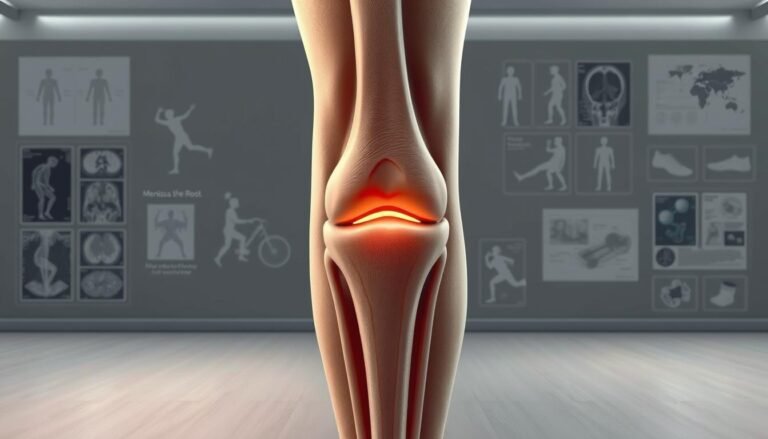
Managing OA Knee: Effective Strategies for Pain Relief
Osteoarthritis (OA) of the knee is a common degenerative joint disease that causes pain, stiffness, and reduced function. Managing OA knee requires a comprehensive approach that includes non-pharmacological and pharmacological treatments, as well as surgical interventions. In this article, we will explore effective strategies for pain relief and management of OA knee.
Key Takeaways
- Understanding the pathophysiology of OA knee is essential for effective management.
- Exercise and physical therapy play a crucial role in improving mobility and reducing pain in OA knee.
- Weight management is important for reducing the load on the knee joint and slowing down the progression of OA.
- Pharmacological treatments such as analgesics and anti-inflammatory medications provide relief from pain and inflammation in OA knee.
- Surgical interventions, including arthroplasty and osteotomy, may be considered for advanced cases of OA knee.
Understanding Osteoarthritis of the Knee
Pathophysiology of OA Knee
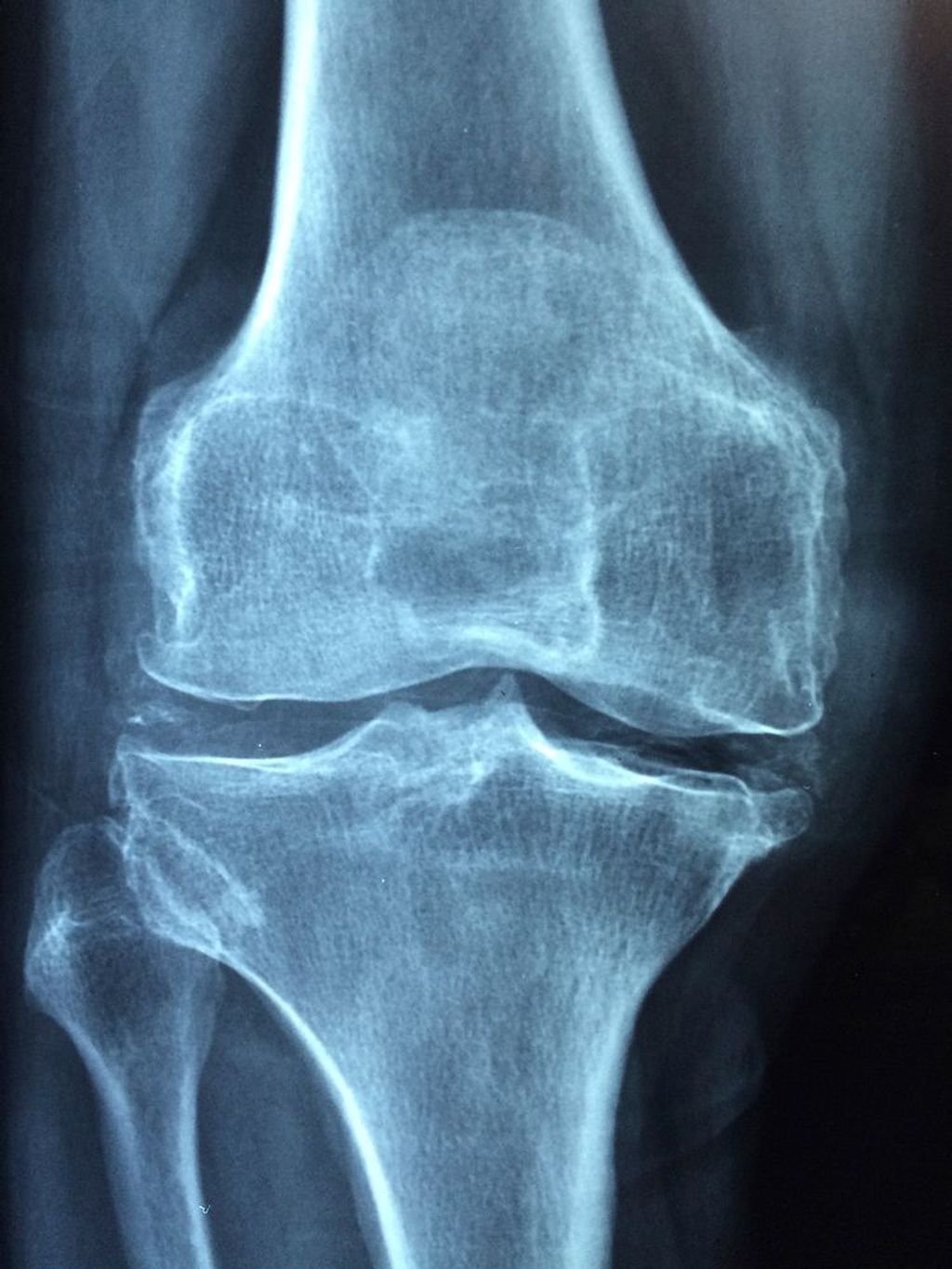
Osteoarthritis of the knee is a common degenerative joint disease characterized by the breakdown of cartilage, bone changes, and joint inflammation. It is often the result of wear and tear on the knee joint, leading to pain, stiffness, and reduced mobility. The progression of OA knee involves a complex interplay of mechanical, genetic, and environmental factors. Physiotherapy plays a crucial role in managing OA knee, addressing weakness, stability, movement, and balance. It is an integral part of the comprehensive treatment plan for OA knee, aiming to improve function and reduce pain.
In addition, research has shown that exercise and physical therapy are effective in improving muscle strength, joint flexibility, and overall physical function in individuals with OA knee. These non-pharmacological interventions are essential components of a holistic approach to managing OA knee, promoting better quality of life and functional independence.
Furthermore, weight management is an important consideration in the management of OA knee. Excess body weight places additional stress on the knee joint, exacerbating symptoms and accelerating joint degeneration. A multidisciplinary approach that includes dietary modifications and lifestyle changes is recommended to achieve and maintain a healthy weight, thereby reducing the burden on the knee joint and improving outcomes for individuals with OA knee.
Risk Factors for OA Knee
We recognize that the development of osteoarthritis (OA) in the knee is influenced by a myriad of factors. Age is a predominant risk factor, as the incidence of OA knee increases with advancing years. However, it’s not just a condition of the elderly; younger individuals may also be affected, particularly if they have a history of knee injury.
Other significant risk factors include gender, with women being more susceptible than men, especially post-menopause. Obesity is another critical factor, as excess weight places additional stress on the knee joints, accelerating the wear and tear process. Here’s a concise list of the primary risk factors:
- Age (increased risk with age)
- Gender (higher incidence in women)
- Obesity (excess weight contributing to joint stress)
- Genetics (family history of OA)
- Previous knee injury (increased vulnerability to OA)
- Occupational hazards (jobs involving knee stress)
- Sports (activities that put stress on the knee joint)
Tip: Maintaining a healthy weight and avoiding joint overuse can significantly reduce the risk of developing OA knee.
Clinical Presentation of OA Knee
The clinical presentation of osteoarthritis of the knee often includes gradual onset of pain, stiffness, and functional limitations. Patients may experience discomfort during weight-bearing activities and report a decrease in range of motion. Additionally, joint tenderness and swelling may be observed upon physical examination. Radiographic evidence of joint space narrowing and osteophyte formation is commonly associated with the clinical presentation of OA knee. These manifestations contribute to the overall impact on the patient’s quality of life and functional ability.
- Implement a table for presenting structured, quantitative data. Ensure it’s succinct and formatted correctly in Markdown.
- Use a bulleted or numbered list for less structured content, like steps, qualitative points, or a series of related items.
Non-Pharmacological Management of OA Knee
Exercise and Physical Therapy
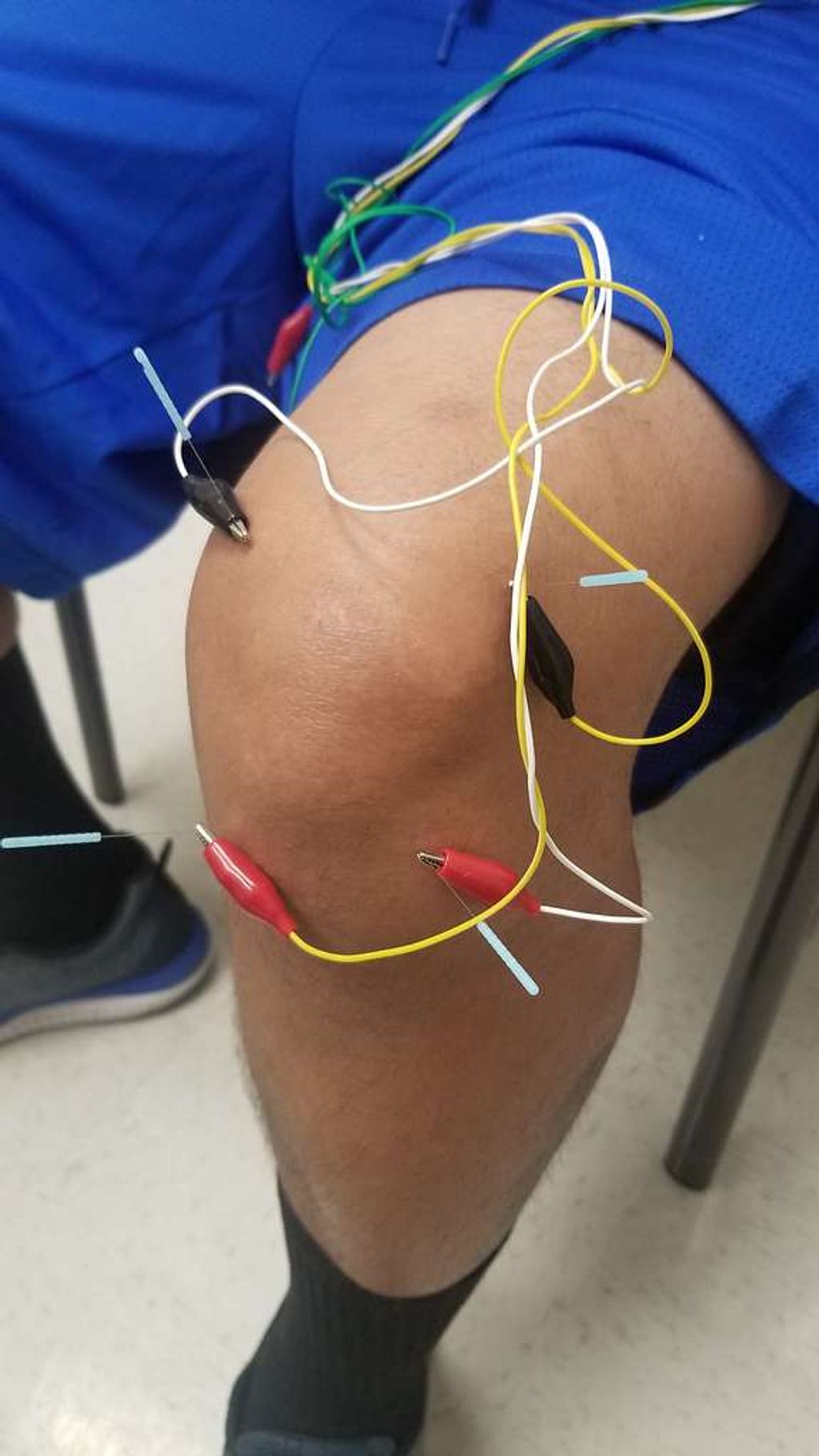
Exercise and physical therapy play a crucial role in the management of OA knee. Tailored exercise programs can improve strength, flexibility, and function of the affected joint. Additionally, physical therapy helps in educating patients about proper body mechanics and provides guidance on using assistive devices and orthoses. It is important to note that physical therapy is not just for athletes and can be beneficial for various conditions and ages. Here’s a brief overview of the benefits of physical therapy:
Weight Management
We recognize the critical role of weight management in managing OA knee pain. Excess weight can significantly increase the stress on knee joints, exacerbating pain and potentially accelerating the degenerative process. By maintaining a healthy weight, individuals can reduce the load on their knees, thereby alleviating pain and improving function.
To effectively manage weight, we advocate for a combination of dietary modifications and regular physical activity. A balanced diet rich in nutrients and low in processed foods can aid in weight loss and overall health. Here’s a simple guide to the components of a balanced diet:
- Fruits and vegetables
- Whole grains
- Lean proteins
- Low-fat dairy products
- Healthy fats
Tip: Small, sustainable changes in eating habits can lead to significant long-term health benefits.
It’s essential to set realistic weight loss goals and to monitor progress regularly. A gradual reduction in weight is more likely to be maintained over time, reducing the risk of yo-yo dieting effects.
Assistive Devices and Orthoses
After discussing the importance of Assistive Devices and Orthoses in managing OA knee, we can now explore the role of these tools in enhancing mobility and reducing pain. Assistive devices such as canes, walkers, and braces provide support and stability, while orthoses help to correct alignment and reduce stress on the affected joint. These tools can significantly improve functional ability and alleviate discomfort during daily activities. It is essential to consider the individual needs and preferences of patients when recommending these supportive measures.
In addition to the use of assistive devices and orthoses, a structured exercise program tailored to the patient’s capabilities is crucial for improving muscle strength, joint flexibility, and overall physical function. Weight management also plays a vital role in reducing the load on the knee joint, thereby minimizing pain and slowing down the progression of osteoarthritis. Patients should be encouraged to maintain a healthy body weight through a balanced diet and regular physical activity.
Furthermore, it is important to educate patients about the proper use and care of assistive devices and orthoses. Providing clear instructions on how to use and maintain these tools can enhance their effectiveness and ensure long-term benefits. Patients should be advised to consult with healthcare professionals for guidance on selecting the most suitable devices and receiving proper training in their use.
Tip: Encouraging patients to actively participate in the selection and use of assistive devices and orthoses can improve their adherence and satisfaction with the recommended non-pharmacological interventions.
Pharmacological Treatment Options for OA Knee
Analgesics and Anti-inflammatory Medications
When considering the use of analgesics and anti-inflammatory medications for managing OA knee, it is essential to weigh the benefits against the potential risks. These medications can provide relief from pain and reduce inflammation, but they may also carry the risk of adverse effects. It is important to carefully assess each patient’s individual needs and medical history before prescribing these medications.
- Analgesics: These medications, such as acetaminophen and tramadol, can help alleviate pain associated with OA knee. However, they should be used cautiously due to the potential for liver toxicity and other side effects.
- Anti-inflammatory Medications: Nonsteroidal anti-inflammatory drugs (NSAIDs) are commonly used to reduce inflammation in OA knee. While effective, they can increase the risk of gastrointestinal bleeding and cardiovascular events in some patients.
It is crucial to monitor patients closely for any signs of adverse effects and to adjust the treatment plan accordingly. Regular follow-up and communication with patients are key to ensuring the safe and effective use of these medications.
Intra-articular Injections
In our exploration of pain relief strategies for osteoarthritis (OA) of the knee, we recognize the significant role of intra-articular injections. These injections deliver medication directly into the knee joint, providing targeted relief. We categorize them mainly into corticosteroids, which offer rapid anti-inflammatory effects, and hyaluronic acid, which aims to lubricate the joint and improve mobility.
- Corticosteroids are typically used for their quick relief of pain and reduction of inflammation. However, their effects are temporary, and repeated injections may lead to joint damage over time.
- Hyaluronic acid injections, on the other hand, are thought to mimic the knee joint’s natural fluid, potentially providing longer-lasting pain relief and improved function.
Tip: It’s crucial to discuss the potential benefits and risks of intra-articular injections with your healthcare provider, as individual responses can vary greatly.
While these injections can be beneficial, we must also consider the potential for adverse effects. For instance, post-injection flare or infection, though rare, are risks that should not be overlooked. It’s important to monitor the knee after the procedure for any signs of complications.
Topical Treatments
Topical treatments are an important aspect of OA knee management. They provide localized relief and can be particularly beneficial for patients with mild to moderate symptoms. Common topical treatments include capsaicin cream, menthol-based gels, and salicylate-containing rubs. These treatments work by targeting pain receptors and reducing inflammation in the affected area. It’s important to note that individual responses to topical treatments may vary, and it’s advisable to consult a healthcare professional before initiating their use.
When considering the efficacy of topical treatments, it’s essential to weigh the potential benefits against the risk of adverse effects. While topical treatments generally have a favorable safety profile, some individuals may experience skin irritation or allergic reactions. Therefore, it’s crucial to conduct a patch test before widespread application. Additionally, patients should be educated on proper application techniques and advised to adhere to recommended dosages.
Implement a table for presenting structured, quantitative data. Ensure it’s succinct and formatted correctly in Markdown.
- Use a bulleted or numbered list for less structured content, like steps, qualitative points, or a series of related items.
It’s important to emphasize that topical treatments should be integrated into a comprehensive management plan that includes non-pharmacological and pharmacological interventions. This holistic approach ensures that patients receive multifaceted care that addresses their individual needs and optimizes their quality of life.
Surgical Interventions for OA Knee
Arthroplasty
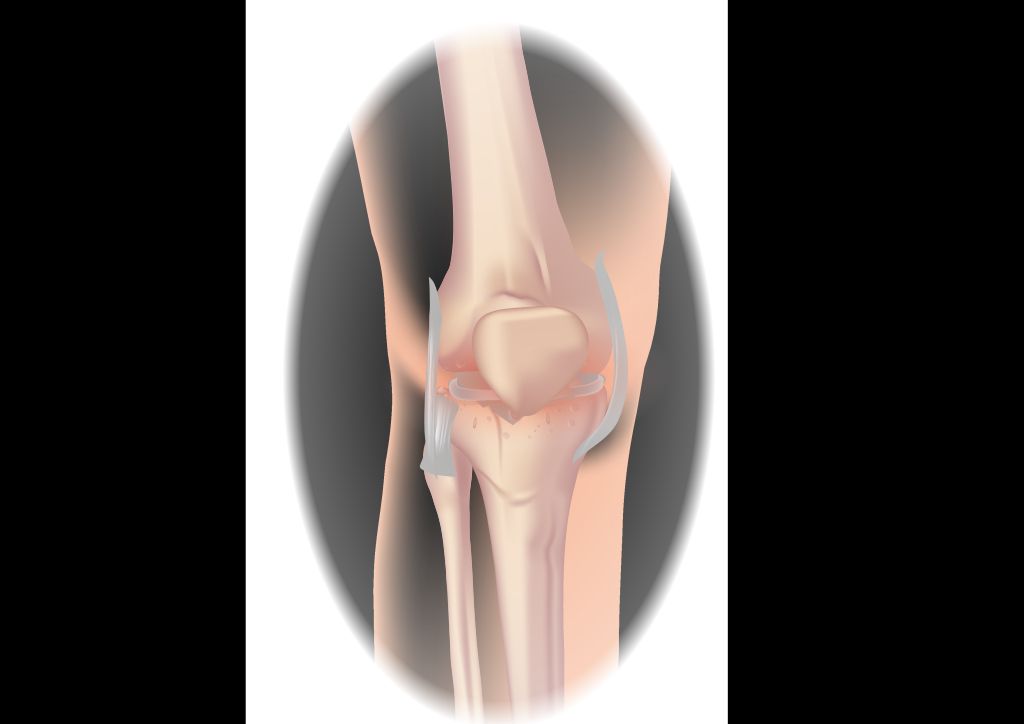
After considering the options for surgical interventions such as arthroplasty, osteotomy, and arthroscopic debridement, we emphasize the importance of thorough pre-operative assessment and patient education. This includes discussing the risks, benefits, and expected outcomes of each procedure. Additionally, we recommend collaborating closely with a multidisciplinary team to optimize post-operative care and rehabilitation. It’s crucial to establish realistic recovery goals and provide ongoing support to patients throughout their surgical journey. We also advise implementing a comprehensive pain management plan that addresses both acute and chronic pain, tailored to the individual needs of each patient. Finally, we underscore the significance of regular follow-up appointments to monitor progress and address any concerns or complications that may arise.
Osteotomy
Following the less invasive options, we often consider osteotomy as a viable surgical intervention for patients with OA knee who are not yet candidates for total knee arthroplasty. This procedure involves cutting and realigning the bones to shift weight from the damaged area to a healthier part of the knee.
The success of an osteotomy largely depends on the correct patient selection and the precision of the surgical technique. We typically recommend this for younger, active individuals with unicompartmental osteoarthritis. Here’s a brief overview of the criteria we use for patient selection:
- Age under 60 years
- Active lifestyle
- Isolated compartment disease
- Intact ligamentous structure
- Adequate range of motion
Tip: It’s crucial to maintain realistic expectations and understand that osteotomy is aimed at pain relief and delaying the need for total knee replacement.
Postoperative care is essential for a successful outcome. We emphasize the importance of physical therapy to regain strength and mobility. The recovery period may vary, but patients are usually able to return to their normal activities within 6 months.
Arthroscopic Debridement
In our pursuit of managing OA knee, we often consider arthroscopic debridement as a less invasive surgical option. This procedure involves the removal of damaged cartilage and bone spurs from the knee joint. While it may offer temporary relief for some patients, we must acknowledge that the benefits are often short-lived and the procedure does not halt the progression of osteoarthritis.
Arthroscopic debridement is typically recommended for patients who have not responded to other treatments and are not yet candidates for more extensive surgery. It’s crucial to set realistic expectations with patients regarding the potential outcomes of this procedure.
- Preoperative assessment
- Patient selection criteria
- Postoperative care
Tip: Careful patient selection is paramount to maximize the potential benefits of arthroscopic debridement. It is most effective for patients with mechanical symptoms such as catching or locking of the knee joint.
Conclusion
In conclusion, the management of osteoarthritis (OA) of the knee requires a multifaceted approach that encompasses both pharmacological and non-pharmacological interventions. By integrating exercise and physical therapy with appropriate medication and lifestyle modifications, individuals with OA knee can experience significant relief from pain and improved quality of life. It is imperative for healthcare professionals to tailor treatment plans to the unique needs of each patient, taking into account their specific symptoms, comorbidities, and preferences. Furthermore, ongoing research and innovation in the field of OA knee management continue to offer promising avenues for enhancing the efficacy of current strategies and developing novel interventions. Collaboration between patients, healthcare providers, and researchers is essential in advancing the management of OA knee and ensuring that individuals receive the most effective and personalized care.
Frequently Asked Questions
What is osteoarthritis of the knee?
Osteoarthritis of the knee is a degenerative joint disease that affects the knee joint, causing pain, stiffness, and reduced mobility.
What are the common risk factors for developing osteoarthritis of the knee?
Common risk factors include aging, obesity, previous joint injury, genetics, and repetitive stress on the knee joint.
What are the symptoms of osteoarthritis of the knee?
Symptoms include pain, swelling, stiffness, decreased range of motion, and difficulty walking or performing daily activities.
How can exercise and physical therapy help manage osteoarthritis of the knee?
Exercise and physical therapy can improve joint flexibility, strengthen muscles around the knee, and reduce pain and stiffness.
What are the different types of surgical interventions for osteoarthritis of the knee?
Surgical interventions include arthroplasty (joint replacement), osteotomy (realignment of the knee), and arthroscopic debridement (removal of damaged tissue).
Are there any topical treatments that can provide relief for osteoarthritis of the knee?
Yes, topical treatments such as creams, gels, and patches containing anti-inflammatory medications can provide localized pain relief for osteoarthritis of the knee.