Ease Pain: Why Knee Brace for Arthritis Works
Arthritis can be a debilitating condition, causing pain, inflammation, and limited mobility in the knees. If you’re struggling with arthritis, you understand the challenges it poses to your daily life. Thankfully, there is a solution that can provide significant relief and improve your quality of life: knee braces for arthritis.
In this article, we will explore why knee braces are effective for relieving arthritis pain and how they can help you regain mobility and functionality. Whether you have osteoarthritis or rheumatoid arthritis, a knee brace can make a significant difference in managing your symptoms.
Key Takeaways:
- Knee braces are an effective tool for alleviating arthritis pain and improving mobility.
- Arthritis can cause pain, inflammation, and limited mobility in the knees.
- Knee braces provide support, stability, and pain relief for individuals with arthritis.
- Choosing the right knee brace is crucial for maximum effectiveness.
- Knee braces can enhance mobility, balance, and range of motion.
Understanding Arthritis and its Impact on the Knees
Arthritis is a common condition that affects millions of people, causing pain and discomfort in various joints throughout the body. When it comes to the knees, arthritis can be particularly debilitating, impairing mobility and hindering everyday activities.
There are different types of arthritis that can affect the knees, with osteoarthritis and rheumatoid arthritis being the most common. Osteoarthritis is a degenerative joint disease that occurs when the protective cartilage between the bones deteriorates over time. Rheumatoid arthritis, on the other hand, is an autoimmune disease where the body’s immune system mistakenly attacks the joints, leading to inflammation and damage.
Regardless of the type of arthritis, the impact on the knees can be significant. Pain, stiffness, swelling, and instability are common symptoms experienced by those with arthritis in the knees. These symptoms can severely limit mobility and make it challenging to perform everyday tasks.
Providing proper knee support is crucial for effectively managing arthritis symptoms. This is where knee braces come into play. Knee braces offer numerous benefits for individuals with arthritis, providing stability, compression, and support to the affected joints. By minimizing excessive movement and reducing pressure on the knees, knee braces help alleviate pain and improve overall knee function.
Additionally, knee braces can help reduce inflammation and swelling in the knees, promoting faster healing and recovery. They also provide warmth to the joints, which can further alleviate pain and improve comfort.
In the next section of this article, we will explore the specific benefits of using knee braces for arthritis, shedding light on how these braces can provide much-needed relief and support for individuals with arthritic knees.
The Benefits of Using a Knee Brace for Arthritis
Managing arthritis symptoms can be a challenge, but a knee brace can offer numerous benefits to individuals with this condition. From reducing pain and inflammation to providing stability and support, knee braces are essential tools in the effective management of arthritis. Let’s explore the various advantages of using a knee brace:
- Pain Relief: A knee brace helps alleviate pain by providing compression and support to the affected joint. The gentle pressure exerted by the brace can reduce discomfort and improve overall mobility.
- Inflammation Reduction: Arthritis often leads to inflammation in the knees, causing swelling and discomfort. By applying gentle pressure on the affected area, a knee brace can help minimize inflammation, allowing for greater comfort and improved joint function.
- Joint Stability: Arthritis can affect the stability of the knee joint, making daily activities challenging. A knee brace offers stability and prevents excessive movement of the joint, reducing the risk of further damage and enhancing overall mobility.
- Improved Functionality: With the support and stability provided by a knee brace, individuals with arthritis can experience increased functionality and perform daily tasks with greater ease. This can enhance their quality of life and enable them to participate in activities they enjoy.
A knee brace can make a significant difference in managing arthritis symptoms, allowing individuals to live a more comfortable and active life. Whether it’s reducing pain, fighting inflammation, providing stability, or improving functionality, knee braces offer a holistic approach to arthritis management.
“Wearing a knee brace has transformed my arthritis journey. The pain relief and stability it provides have allowed me to regain my mobility and participate in activities I once thought were impossible.” – Maria Thompson, Arthritis Patient
To further understand the benefits of knee braces for arthritis, let’s take a look at a comparative table that highlights their advantages:
| Benefits | Knee Brace | No Knee Brace |
|---|---|---|
| Pain Relief | ✅ | ❌ |
| Inflammation Reduction | ✅ | ❌ |
| Joint Stability | ✅ | ❌ |
| Improved Functionality | ✅ | ❌ |
As the table demonstrates, knee braces offer a range of benefits that can significantly improve the lives of individuals with arthritis. With their pain-relieving properties, inflammation reduction capabilities, and enhanced joint stability, knee braces are undoubtedly a valuable asset in the battle against arthritis.
Choosing the Right Knee Brace for Arthritis
When it comes to finding the best knee brace for arthritis, it’s important to consider the specific needs and symptoms of each individual. With a wide variety of options available, understanding the different types of knee braces and their benefits can help you make an informed decision to maximize effectiveness and comfort.
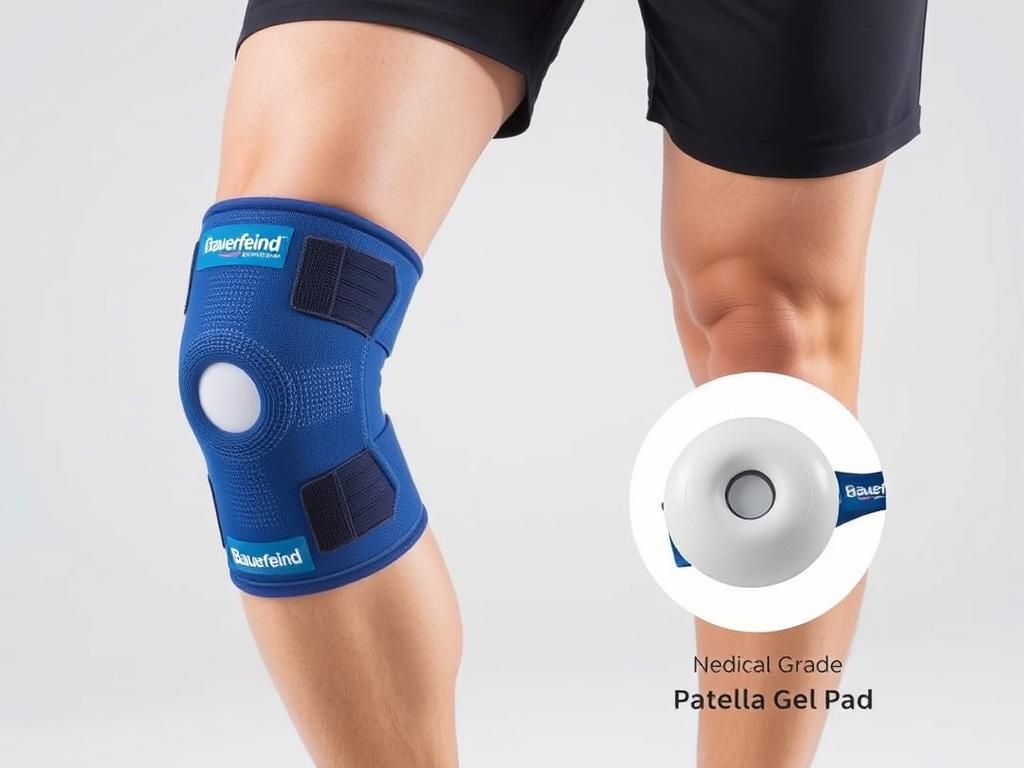
Compression Sleeves: These knee braces provide gentle compression to the affected area, helping to reduce inflammation and alleviate pain. They are lightweight and can be worn comfortably for extended periods of time, making them an excellent choice for individuals with mild arthritis symptoms.
Hinged Braces: If you require more stability and support for your arthritic knee, hinged braces are a great option. These braces feature additional support on the sides of the knee joint, helping to prevent excessive lateral movement and providing enhanced stability. Hinged braces are suitable for individuals with moderate to severe arthritis.
When choosing a knee brace, it’s important to pay attention to the fit. A well-fitting brace ensures maximum effectiveness and prevents discomfort during use. Consider the following tips:
- Measure accurately: Take precise measurements of your knee circumference and consult the sizing guide provided by the manufacturer to select the appropriate size.
- Try before you buy: If possible, try on different knee braces to determine which one feels most comfortable and supportive for your specific needs.
- Adjustability: Look for knee braces with adjustable straps or closures, as they allow for a personalized fit that can be easily adjusted as needed.
Remember, the best knee brace for arthritis is the one that suits your unique needs and provides the right level of support and comfort. By choosing the right knee brace, you can effectively manage your arthritis symptoms and improve your quality of life.
How Knee Braces Alleviate Arthritic Knee Pain
For individuals suffering from arthritic knee pain, knee braces offer a powerful solution for pain relief and improved functionality. These braces work by employing various mechanisms that target the root causes of knee discomfort and inflammation. By providing compression, warmth, and support to the affected joints, knee braces can significantly alleviate arthritic knee pain.
Knee braces are specifically designed to reduce pressure on the knees, allowing for enhanced stability and mobility. They help to distribute the weight and stress evenly across the knee joint, minimizing the impact on the affected areas. This redistribution of force helps to alleviate pain and reduce the strain on the arthritic knee, promoting a more comfortable and functional lifestyle.
The compression provided by knee braces helps to reduce swelling and inflammation, which are common symptoms of arthritis. By applying gentle pressure around the knee joint, these braces promote better blood circulation and encourage the removal of built-up fluid. This not only helps to reduce pain but also aids in the healing process of damaged tissues.
Furthermore, knee braces offer warmth and support to the arthritic knee, which can be especially beneficial during physical activities. The warmth provided by the brace helps to improve blood flow to the knee joint, promoting better flexibility and reducing stiffness. Additionally, the added support offered by knee braces helps to stabilize the knee joint, preventing excessive movement and reducing the risk of further damage.
In summary, knee braces play a vital role in alleviating arthritic knee pain. Their ability to provide compression, warmth, and support to the affected joints helps reduce inflammation, minimize strain, and promote better functionality. Whether you’re managing mild or severe arthritic knee pain, a knee brace can be an effective tool in improving your mobility and quality of life.
The Role of Knee Braces in Managing Osteoarthritis
Osteoarthritis is a common form of arthritis that primarily affects the knee joints. As the deterioration of joint cartilage progresses, pain, stiffness, and reduced mobility become prominent symptoms. However, with the right approach to management, individuals with osteoarthritis can find relief and improve their quality of life.
One effective solution for managing osteoarthritis symptoms is the use of knee braces. Knee braces offer several benefits for individuals with knee osteoarthritis, helping to alleviate pain and support the affected joints. By providing stability, compression, and targeted support, knee braces can significantly improve the management of osteoarthritis.
A knee brace for osteoarthritis works by offloading stress from the affected knee joint. The brace redistributes the weight and pressure, reducing the strain on the damaged cartilage and promoting proper alignment. This can help mitigate pain and discomfort, allowing individuals to engage in daily activities with greater ease.
Moreover, knee braces for osteoarthritis provide compression, which helps to reduce inflammation and swelling around the knee joint. The compression also improves blood circulation, facilitating the delivery of essential nutrients and promoting faster healing.
Another valuable feature of knee braces is their ability to improve stability and reduce the risk of injury. Osteoarthritis can compromise the stability of the knee joint, making it more susceptible to further damage. By providing external support, knee braces help to minimize instability and enhance balance, allowing individuals to move with confidence and reduce the risk of falls.
Overall, the role of knee braces in managing osteoarthritis cannot be overstated. These braces offer a non-invasive and accessible solution for individuals seeking relief from knee osteoarthritis symptoms. By minimizing pain, providing support, and promoting stability, knee braces can enhance the quality of life for those living with osteoarthritis.
How Knee Braces Aid in Rheumatoid Arthritis Management
Rheumatoid arthritis, an autoimmune disease characterized by joint pain and inflammation, can significantly impact one’s quality of life. Fortunately, knee braces can serve as valuable tools in managing the symptoms of rheumatoid arthritis and improving overall joint function. Not only do they provide support and stability, but they also alleviate pain, allowing individuals to engage in daily activities with greater comfort and independence.
One of the key benefits of using a knee brace for rheumatoid arthritis is the reduction of joint stress. These braces help distribute weight evenly across the affected area, easing pressure on the inflamed joints. By minimizing the strain on the knees, knee braces promote pain relief and enable individuals to move more freely.
Moreover, knee braces for rheumatoid arthritis provide compression, which helps reduce swelling and inflammation. The gentle compression exerted by the brace improves blood flow, facilitating the delivery of essential nutrients and oxygen to the affected area. This can aid in reducing pain and promoting the healing process.
Another advantage of knee braces is their ability to improve joint stability. Rheumatoid arthritis can cause joint instability, increasing the risk of falls and injuries. Knee braces provide added support to the knees, enhancing balance and reducing the likelihood of accidents. By improving stability, individuals can perform daily tasks with more confidence and reduced discomfort.
A study conducted by the Arthritis Foundation found that wearing knee braces can lead to improved joint alignment and function. The braces help keep the knees in proper alignment, preventing further damage and deterioration of the joints. They also assist in maintaining proper joint mechanics, allowing individuals to engage in physical activities without exacerbating their symptoms.
“Using a knee brace has made a tremendous difference in managing my rheumatoid arthritis. It provides the support and stability I need to navigate my daily activities, allowing me to enjoy a more active and pain-free life.” – Sarah Thompson, arthritis patient
Benefits of Using a Knee Brace for Rheumatoid Arthritis
| Benefits | Explanation |
|---|---|
| Pain Relief | Knee braces alleviate pain by reducing strain on the joints and providing compression. |
| Inflammation Reduction | The gentle compression exerted by knee braces helps reduce swelling and inflammation. |
| Improved Stability | Knee braces enhance joint stability, reducing the risk of falls and injuries. |
| Joint Alignment | Wearing knee braces helps maintain proper joint alignment, preventing further damage. |
| Enhanced Functionality | Knee braces improve joint mechanics, allowing individuals to engage in physical activities. |
When considering a knee brace for rheumatoid arthritis, it is essential to consult with a healthcare professional to determine the most suitable option for your specific needs. Additionally, proper fitting and regular maintenance of the brace are crucial for ensuring optimal effectiveness and comfort.
By incorporating a knee brace into their arthritis management plan, individuals with rheumatoid arthritis can experience reduced pain, improved joint function, and enhanced quality of life. With the right support, managing the symptoms of rheumatoid arthritis becomes more manageable, empowering individuals to live life to the fullest.
Enhancing Mobility with a Knee Brace
When it comes to managing arthritis, knee braces offer more than just pain relief. These innovative devices have a significant impact on mobility, allowing individuals to regain stability, balance, and range of motion that may have been compromised by arthritis. By providing the right support and protection, knee braces enable individuals to engage in daily activities with greater ease and confidence.
One of the key benefits of wearing a knee brace is improved stability. As arthritis erodes the cartilage in the knee joint, it can lead to instability and difficulty maintaining balance. A knee brace can provide the necessary support to prevent falls and reduce the risk of further injury.
In addition to stability, knee braces also enhance balance, making movement safer and more controlled. People with arthritis often experience joint instability, which can throw off their balance and increase the risk of falls. By providing external support to the knee, a brace helps individuals maintain a steady center of gravity, reducing the chance of tripping or stumbling.
Furthermore, knee braces promote better range of motion. Arthritis can cause stiffness in the knee joint, making it difficult to move freely. By applying compression and gentle pressure, knee braces help to alleviate stiffness and improve flexibility, allowing individuals to bend, stretch, and perform daily tasks more comfortably.
Whether it’s walking, climbing stairs, or participating in sports, knee braces enable individuals with arthritis to stay active and maintain an active lifestyle. By providing stability, balance, and increased range of motion, these braces not only alleviate pain but also enhance mobility, helping individuals regain their independence and enjoy a better quality of life.
Tips for Using a Knee Brace Effectively
When it comes to maximizing the benefits of a knee brace, proper usage and care are essential. Here are some helpful tips and guidelines to ensure optimal comfort and support:
1. Consult with a healthcare professional
Before using a knee brace, it’s important to consult with a healthcare professional, such as a physician or physical therapist. They can provide valuable insights and recommendations based on your specific condition and needs.
2. Choose the right knee brace
There are various types of knee braces available, including compression sleeves, hinged braces, and wrap-around braces. Choosing the right brace that fits properly and provides adequate support is crucial for its effectiveness.
3. Follow the instructions
Read and follow the manufacturer’s instructions carefully, as they will provide guidance on how to properly wear and adjust the knee brace. Pay attention to any specific instructions regarding the duration of wear and the recommended activities.
4. Wear the brace during physical activities
If your healthcare professional recommends it, wear the knee brace during physical activities or exercises that may put stress on your knee. This can provide additional support, stability, and help alleviate pain.
5. Gradually increase usage
If you’re new to using a knee brace, start by wearing it for shorter periods and gradually increase the duration as your comfort level improves. This allows your knee to adjust to the brace and reduces the risk of discomfort.
6. Ensure a proper fit
A proper fit is crucial for the effectiveness of a knee brace. Make sure it is snug but not too tight, and that it doesn’t slide or move around during activity. If you’re unsure about the fit, consult with a healthcare professional or seek assistance from a trained professional.
7. Practice good hygiene
Keep your knee brace clean and dry to maintain its effectiveness and prevent any skin irritation. Follow the care instructions provided by the manufacturer, and if necessary, use mild soap and water to clean the brace. Avoid using harsh chemicals or abrasive materials that could damage the brace.
8. Listen to your body
Pay attention to how your knee feels when wearing the brace. If you experience any increased pain, discomfort, or changes in sensation, remove the brace and consult with your healthcare professional. It’s important to ensure that the brace is providing the intended benefits and not causing any adverse effects.
By following these tips, you can effectively use a knee brace to maximize its benefits and support your knee health.
Arthritis Pain Relief and Functionality with Knee Braces
Real-life stories and testimonials from individuals who have experienced the transformative benefits of knee braces in managing arthritic knee pain are a testament to their efficacy. These heartfelt narratives offer insights into the significant pain relief and improved functionality that can be achieved with the use of knee braces.
“Wearing a knee brace has been a game-changer for me. I was skeptical at first, but the pain relief I experienced was incredible. I can now walk longer distances and engage in activities that were once impossible.”
– Sarah Thompson, Arthritis Patient
For Sarah and many others, knee braces have provided not only pain relief but also the opportunity to regain a sense of normalcy and freedom in their lives. The ability to engage in daily activities, such as climbing stairs or playing with grandchildren, has been restored.
“I never thought a knee brace could make such a difference in my life. It’s like having an extra layer of support that allows me to move with confidence. The stability it provides has been a game-changer.”
– Michael Davis, Arthritis Patient
Michael’s experience highlights the role of knee braces in enhancing stability and balance. By reducing the strain on arthritic knees, these braces offer increased confidence and mobility.
There are countless stories of individuals who have found relief from their arthritic knee pain through the use of knee braces. These testimonials underscore the significant impact that knee braces can have on managing arthritis symptoms and improving overall functionality.
Conclusion
In conclusion, knee braces are essential for managing arthritis pain and improving mobility in individuals with this condition. The use of knee braces provides valuable support, stability, and pain relief, making them a non-invasive and accessible solution for arthritic knee pain.
By wearing a knee brace specifically designed for arthritis, individuals can experience significant benefits. These braces help reduce inflammation, alleviate pain, and provide necessary support to the affected knee joints. With improved stability and reduced pressure, individuals can regain their mobility and engage in daily activities with greater ease.
Whether it’s osteoarthritis or rheumatoid arthritis, knee braces play a crucial role in managing symptoms and slowing down disease progression. They enhance joint function, alleviate pain, and promote better overall mobility. Additionally, knee braces improve balance and range of motion, allowing individuals to navigate their lives more comfortably.
In summary, knee braces are an effective solution for individuals with arthritis seeking pain relief and improved functionality. Investing in a high-quality knee brace specifically designed for arthritis can make a significant difference in managing arthritic knee pain. So, if you are experiencing discomfort due to arthritis, consider using a knee brace for the support and relief you deserve.
FAQ
Why should I use a knee brace for arthritis?
Knee braces are effective in providing pain relief and improving mobility for individuals suffering from arthritis in the knees. They offer support, stability, and compression, which can alleviate discomfort and reduce inflammation.
What are the benefits of using a knee brace for arthritis?
Using a knee brace for arthritis offers several benefits. It can help reduce pain and inflammation, provide support and stability to the knee joints, improve balance and range of motion, and enhance overall mobility.
How do knee braces alleviate arthritic knee pain?
Knee braces alleviate arthritic knee pain by providing compression and warmth to the affected area, reducing pressure on the joints, and improving stability. These factors help to relieve discomfort and promote better knee function.
What is the best knee brace for arthritis?
The best knee brace for arthritis depends on individual needs and preferences. There are different types of knee braces available, including compression sleeves and hinged braces. It’s important to choose a brace that offers the right level of support and fits properly for maximum effectiveness.
Can a knee brace help with osteoarthritis?
Yes, knee braces can be beneficial for managing osteoarthritis. They provide support and stability to the knee joints, reduce pain and inflammation, and help slow down the progression of the disease.
What role do knee braces play in managing rheumatoid arthritis?
Knee braces can play a crucial role in managing rheumatoid arthritis symptoms. They can help reduce pain and inflammation, improve joint function and mobility, and provide support and stability to the knee joints.
How can a knee brace enhance mobility?
Knee braces can enhance mobility by improving stability, balance, and range of motion. They provide support to the knee joints, making it easier to engage in daily activities with greater ease and reduced discomfort.
What tips should I follow for using a knee brace effectively?
To use a knee brace effectively, ensure that it fits properly, follow any instructions provided by the manufacturer, wear it during activities that aggravate your arthritis pain, and maintain proper care and hygiene for the brace.
Are there any real-life stories or testimonials about knee brace effectiveness?
Yes, many individuals have experienced significant pain relief and improved functionality with the help of knee braces. Their stories and testimonials serve as evidence of the effectiveness of knee braces in managing arthritic knee pain.