

Knee Hurts Randomly
Knee Hurts Randomly: Causes and Treatment Options
If you’re experiencing knee pain that seems to come and go without warning, you’re not alone. Many people suffer from knee pain that appears randomly, without any apparent cause. This type of pain can be frustrating and debilitating, making it difficult to go about your daily activities.
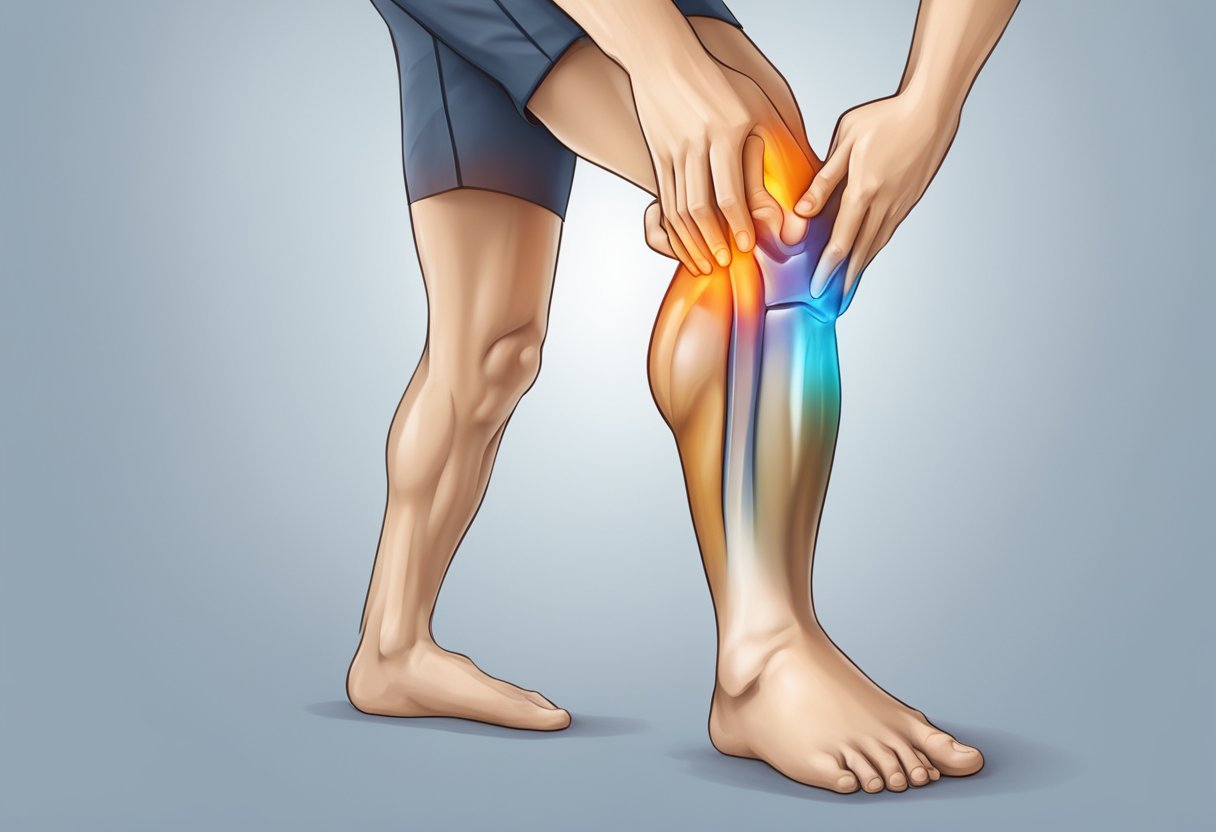
Understanding knee pain can be a challenge, as there are many factors that can contribute to this common problem. In some cases, knee pain may be the result of an injury or overuse, while in other cases it may be caused by underlying medical conditions such as arthritis or gout. Regardless of the cause, it’s important to seek medical attention if you’re experiencing persistent knee pain, as this can indicate a more serious problem.
Diagnosis and treatment of knee pain will depend on the underlying cause of your symptoms. Your doctor may recommend rest, ice, compression, and elevation (RICE) therapy, physical therapy, medication, or even surgery in some cases. It’s important to follow your doctor’s recommendations closely and to take steps to prevent future knee injuries and pain.
Understanding Knee Pain
Knee pain is a common complaint that affects people of all ages. In this section, we will discuss the symptoms and signs, common causes, impact of age and weight, types of arthritis, injuries and conditions, and anatomy of the knee.
Symptoms and Signs
Knee pain can manifest in different ways, including swelling, stiffness, redness, and instability. Some people may also experience weakness or fatigue in the knee joint. In severe cases, knee pain can make it difficult to walk, run, jump, or bend the knee. If you experience any of these symptoms, it is important to consult a medical professional for a proper diagnosis.
Common Causes
Knee pain can be caused by a variety of factors, including injury, inflammation, and wear and tear. Some common causes of knee pain include osteoarthritis, rheumatoid arthritis, gout, pseudogout, and tendinitis. Other causes include bursitis, dislocation, fracture, and ligament injuries such as anterior cruciate ligament (ACL), medial collateral ligament (MCL), and posterior cruciate ligament (PCL) tears.
Impact of Age and Weight
Age and weight can also contribute to knee pain. As we age, the wear and tear on our joints can cause arthritis and other conditions that lead to knee pain. Being overweight or obese puts extra stress on the knee joint, which can lead to pain and other problems.
Types of Arthritis
Arthritis is a common cause of knee pain. Osteoarthritis is the most common type of arthritis and is caused by wear and tear on the joint. Rheumatoid arthritis is an autoimmune disease that causes inflammation in the joint. Gout is a type of arthritis caused by a buildup of uric acid crystals in the joint, while pseudogout is caused by a buildup of calcium crystals.
Injuries and Conditions
Knee injuries and conditions can also cause knee pain. These include tendinitis, bursitis, dislocated kneecap, and fractures. Inflammation of the iliotibial band can cause iliotibial band syndrome, while patellar tendinitis is inflammation of the tendon that connects the kneecap to the shinbone.
Anatomy of the Knee
The knee joint is made up of bones, tendons, ligaments, and cartilage. The femur (thighbone), tibia (shinbone), and patella (kneecap) come together to form the knee joint. The joint is held together by ligaments, while tendons connect the muscles to the bones. Cartilage provides cushioning between the bones and helps absorb shock.
In conclusion, knee pain can be caused by a variety of factors, including injury, arthritis, and wear and tear. If you experience any symptoms of knee pain, it is important to consult a medical professional for a proper diagnosis and treatment plan.
Diagnosis and Treatment
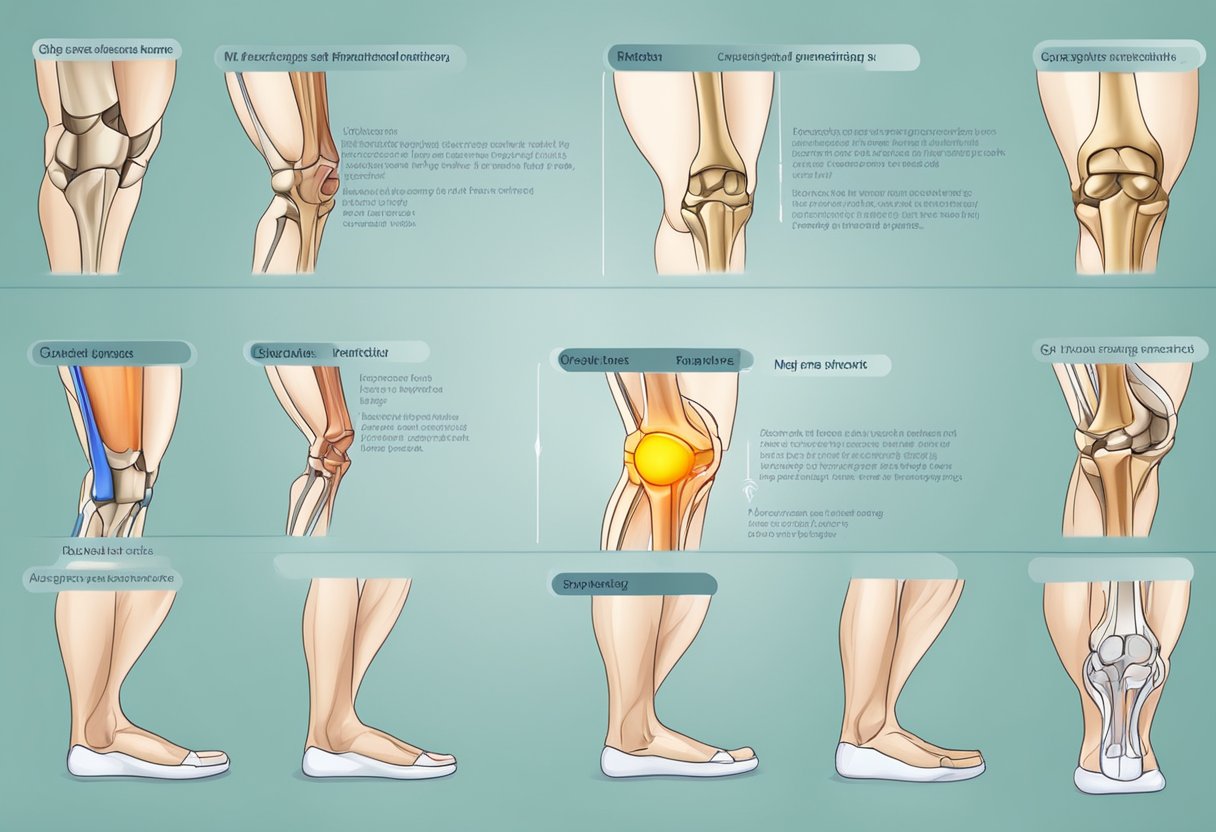
When it comes to knee pain, it’s important to get an accurate diagnosis and start treatment as soon as possible. In this section, we’ll cover the different diagnosis procedures, treatment options, and prevention and care tips.
Diagnosis Procedures
If you’re experiencing knee pain, the first step is to see a medical professional who can perform a physical exam and diagnose the issue. They may also recommend imaging tests such as X-rays or MRIs to get a better look at the knee joint. These tests can help identify issues such as fractures, torn ligaments, or cartilage damage.
Treatment Options
Treatment for knee pain depends on the underlying cause, but some common options include rest, ice, elevation, and compression. Physical therapy can also be helpful in strengthening the muscles around the knee joint and improving flexibility. In some cases, surgery may be necessary to repair damage or replace the knee joint.
NSAIDs (nonsteroidal anti-inflammatory drugs) can be used to reduce pain and inflammation, and a brace can provide support and protect the knee during physical activity. Stretching and maintaining a healthy weight can also help prevent knee pain.
Prevention and Care
To prevent knee pain, it’s important to take care of your knees and avoid activities that put excessive strain on them. This includes maintaining a healthy weight, wearing proper footwear, and using knee pads or braces during physical activity.
If you do experience knee pain, it’s important to rest and avoid activities that aggravate the pain. Ice, elevation, and compression can help reduce swelling and pain. Physical therapy can also be helpful in preventing future knee pain by strengthening the muscles around the knee joint.
In summary, knee pain can be diagnosed through physical exam and imaging tests such as X-rays or MRIs. Treatment options include rest, ice, elevation, compression, physical therapy, surgery, NSAIDs, and braces. To prevent knee pain, it’s important to take care of your knees and avoid activities that put excessive strain on them.
Frequently Asked Questions
What are common causes of knee pain without swelling?
Knee pain without swelling can be caused by a variety of factors, including osteoarthritis, tendinitis, bursitis, or a meniscus tear. It can also be caused by overuse or strain from physical activity or standing for long periods of time.
What are some effective treatments for knee pain?
Effective treatments for knee pain depend on the underlying cause, but can include rest, ice, compression, and elevation (RICE), physical therapy, anti-inflammatory medications, or knee braces. In some cases, surgery may be necessary.
What are some red flags that indicate a more serious knee condition?
Red flags that indicate a more serious knee condition include inability to bear weight on the knee, instability or giving out of the knee, severe pain, fever, redness, or swelling. If you experience any of these symptoms, it is important to seek medical attention immediately.
How can I prevent knee pain from occurring?
To prevent knee pain, it is important to maintain a healthy weight, wear appropriate footwear, warm up and stretch before physical activity, and avoid activities that put excessive stress on the knee joint. Strengthening the muscles around the knee can also help prevent knee pain.
What are some common knee injuries that can cause pain?
Common knee injuries include ACL tears, MCL tears, meniscus tears, and patellar tendonitis. These injuries can be caused by sudden twisting or impact to the knee joint.
What are some exercises that can help alleviate knee pain?
Exercises that can help alleviate knee pain include low-impact activities such as swimming or cycling, as well as exercises that focus on strengthening the muscles around the knee joint, such as squats, lunges, and leg presses. It is important to consult with a physical therapist or healthcare professional before starting any new exercise program.




3 Comments