

Patella Pain When Squatting? Find Relief Now
Did you know that up to 25% of people experience patella pain when squatting?
Squatting is a common movement in daily life and exercise, but it can also cause discomfort and pain in the knees. The pain can be felt under the kneecap or in other parts of the joint, depending on the underlying cause. In this article, we will explore the causes of patella pain when squatting and discuss effective ways to find relief and prevent further knee pain.
Causes of Patella Pain When Squatting
There are several conditions that can cause knee pain while squatting. Let’s take a closer look at each of these potential causes:
- Patellofemoral Syndrome (Runner’s Knee): This is a common cause of pain in the front of the knee near the kneecap. It occurs when the kneecap doesn’t move properly, causing friction and irritation.
- Patellar Tendonitis: This condition involves inflammation and irritation of the patellar tendon, which connects the kneecap to the shinbone. It often occurs due to repetitive strain or overuse.
- Osteoarthritis: Knee osteoarthritis is a degenerative joint disease that can cause pain and stiffness during movement, including squatting. The breakdown of cartilage in the knee joint leads to bone-on-bone friction.
- Injury or Trauma: Previous injuries or trauma to the knee can lead to chronic pain and discomfort when squatting. Ligament tears, meniscus tears, or fractures can all contribute to patella pain.
- Iliotibial Band Syndrome: This condition involves inflammation of the iliotibial band, a thick band of connective tissue that runs down the outside of the thigh. It can cause pain on the outer part of the knee during squatting.
- Bacterial Joint Inflammation: In rare cases, an infection in the knee joint can cause pain and swelling, making squatting uncomfortable or even impossible.
Understanding the underlying cause of your knee pain is crucial in finding the appropriate treatment and relief. In the following sections, we will explore effective ways to relieve and prevent patella pain when squatting.
Home Remedies for Patella Pain When Squatting
If you’re experiencing patella pain when squatting, there are several home remedies that can provide relief. Changing your activity and avoiding movements that cause discomfort can help reduce pain.
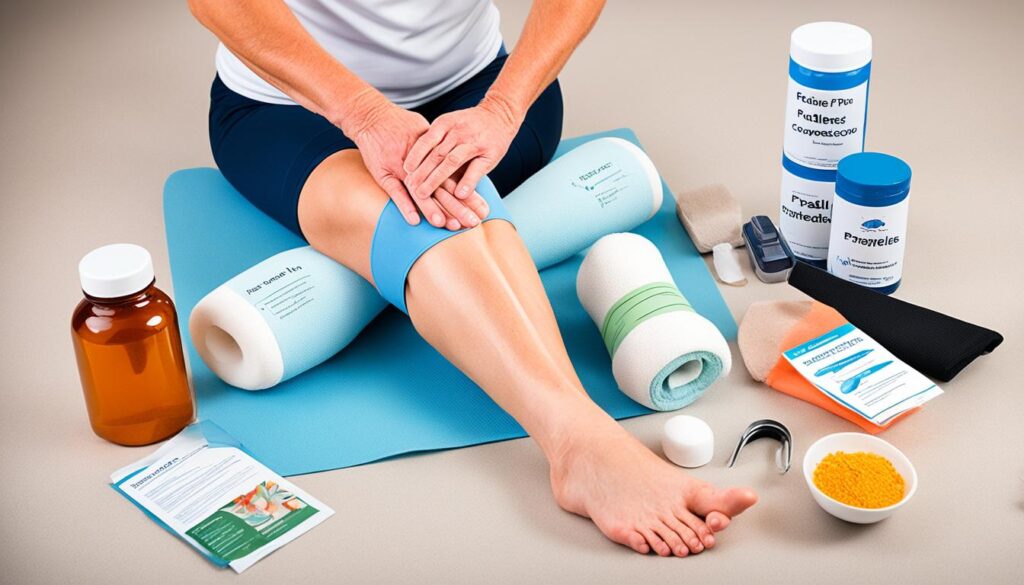
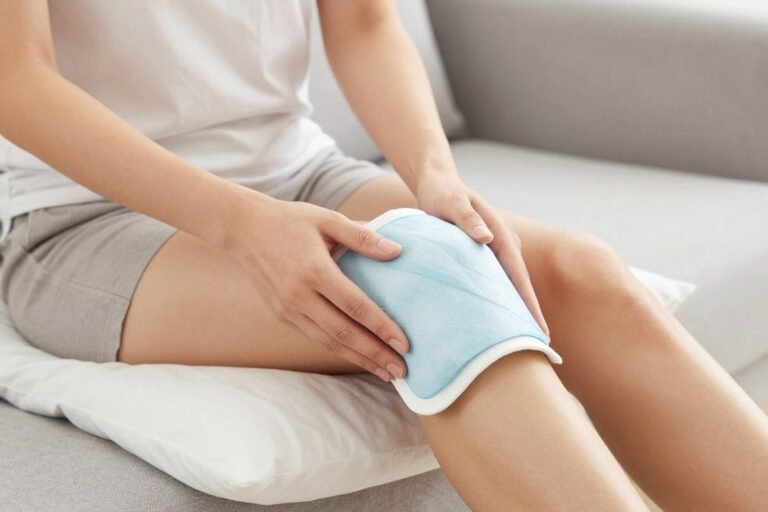
The R.I.C.E. method, which involves rest, ice, compression, and elevation, can also be effective in relieving pain and swelling. Applying heat to the knee may help if the pain is related to arthritis or stiffness in the joint. Over-the-counter pain medications and creams can also provide temporary relief.
Additionally, massage therapy can help ease tension in the muscles surrounding the knee. Massaging the muscles with gentle pressure can promote blood flow and reduce muscle tightness, providing relief from patella pain when squatting.
| Home Remedies for Patella Pain When Squatting | Effectiveness |
|---|---|
| Changing activity and avoiding movements that cause discomfort | ✓✓✓ |
| R.I.C.E. method (rest, ice, compression, elevation) | ✓✓✓✓ |
| Applying heat to the knee | ✓✓✓ |
| Over-the-counter pain medications and creams | ✓✓ |
| Massage therapy | ✓✓✓ |
By implementing these home remedies, you can alleviate patella pain, reduce inflammation, and promote healing. However, it’s important to consult with a healthcare professional if your symptoms persist or worsen.
Diagnosis of Patella Pain When Squatting
If home remedies are not providing sufficient relief, it is important to see a doctor for a proper diagnosis. Seeking medical attention is crucial for identifying the underlying causes of patella pain when squatting. A doctor will conduct a comprehensive evaluation, which may include:
- An in-depth discussion about your injury and health history to gather essential information for diagnosis.
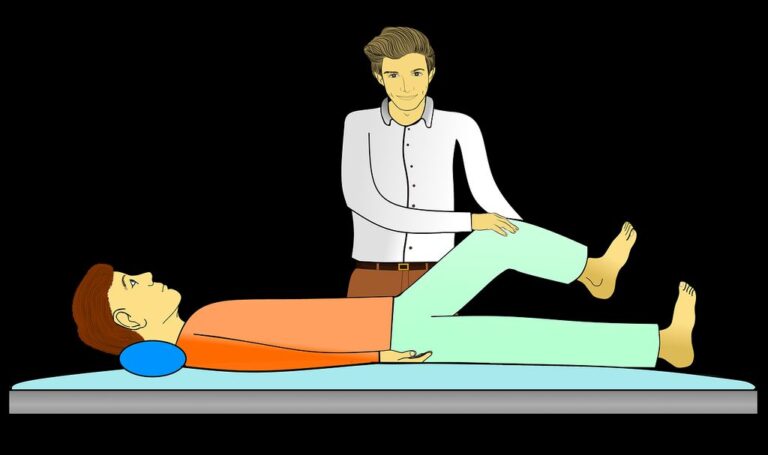
- A thorough physical examination to assess your range of motion, swelling, and other symptoms.
- Imaging studies such as X-rays to obtain a clearer view of the knee and identify any structural abnormalities or damage.
By conducting these diagnostic procedures, healthcare professionals can gain valuable insights into the root cause of your patella pain. This information will guide the development of an effective treatment plan tailored to your specific needs.
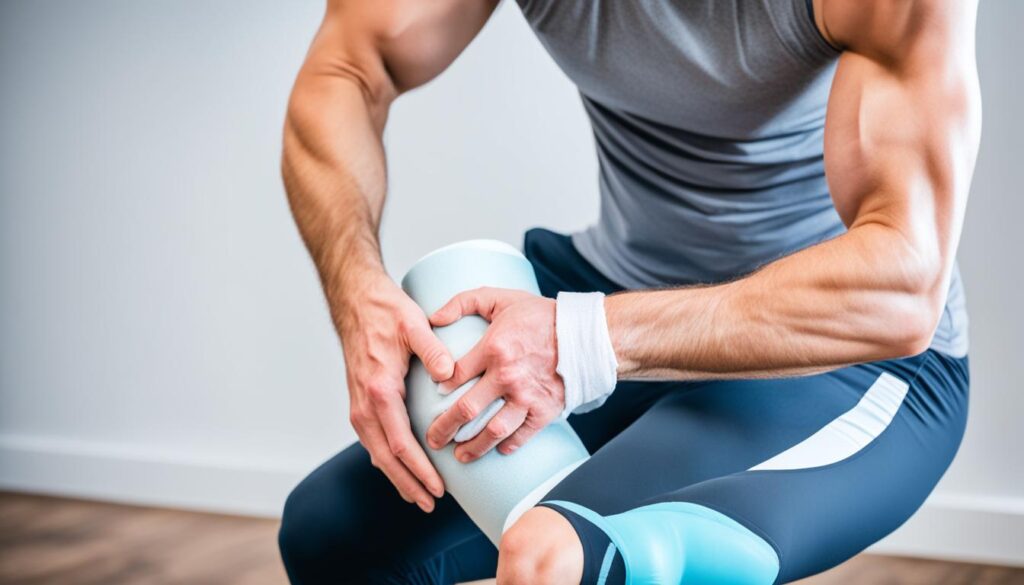
Note: The image above is for illustrative purposes only and does not represent a specific diagnostic procedure. Always consult with a healthcare professional for accurate diagnosis and treatment.
Treatment Options for Patella Pain When Squatting
When it comes to treating patella pain when squatting, the most effective approach depends on the underlying cause. There are various treatment options available, ranging from noninvasive methods to surgical interventions, depending on the severity of the condition.
1. Physical Therapy
Physical therapy is often a primary treatment option for individuals experiencing patella pain when squatting. It focuses on strengthening the muscles that support the knee and correcting any imbalances or alignment issues that may contribute to the pain. Physical therapists use targeted exercises and techniques to improve knee stability and reduce discomfort during squatting.
2. Custom Orthotics
In cases where poor foot or joint alignment contributes to patella pain when squatting, custom orthotics may be recommended. These specially designed shoe inserts can help promote better alignment of the feet and joints, reducing the strain and pressure on the knees during squatting exercises.
3. Medications
Over-the-counter pain medications such as nonsteroidal anti-inflammatory drugs (NSAIDs) can help alleviate pain and reduce inflammation associated with patella pain when squatting. Additionally, topical creams or gels may provide temporary relief by numbing the affected area and reducing discomfort.
4. Surgery
In more severe cases, where conservative treatments have not provided sufficient relief, surgical intervention may be necessary. Surgical options range from minimally invasive procedures, such as arthroscopy, to more extensive surgeries, such as realignment or reconstruction of the knee joint. These surgical interventions aim to correct any structural abnormalities or damage that contribute to the patella pain when squatting.
5. Complementary Therapies
Some individuals may find relief from patella pain when squatting through complementary therapies such as acupuncture, massage therapy, or chiropractic care. These alternative treatments focus on reducing pain, improving circulation, and addressing any muscle imbalances or tightness that may be contributing to the discomfort during squatting.
6. Lifestyle Modifications
In addition to the specific treatment options mentioned above, adopting certain lifestyle modifications can also help alleviate patella pain when squatting. This includes maintaining a healthy body weight to reduce the strain on the knees, practicing proper form and technique during squats, and incorporating stretching and strengthening exercises into your routine to improve knee stability and flexibility.
It is important to consult with a healthcare professional to determine the most appropriate treatment plan for your specific situation. They can evaluate the underlying cause of your patella pain when squatting and recommend the most effective treatment options to alleviate your symptoms and improve your overall knee health.
Recovery and Prevention of Patella Pain When Squatting
The recovery time for patella pain when squatting can vary depending on the severity of the injury and the chosen treatment. In mild cases, resting and treating the pain at home can lead to improvement over time. However, more severe cases may require months of dedicated physical therapy or even surgical recovery.
To prevent future knee pain when squatting, it is important to focus on practicing proper form and alignment during squats. This includes starting with a wide stance, keeping the knees in line with the feet, and engaging the core muscles for stability and support. By maintaining correct posture and technique, you can help alleviate stress and strain on the patella and surrounding structures.
Additionally, incorporating specific strengthening exercises into your routine can help prevent patella pain when squatting. Exercises that target the quadriceps, hamstrings, and glutes can help improve overall knee stability and support. Some effective exercises include leg extensions, hamstring curls, and squats with light weights or resistance bands.
Regular exercise and a well-rounded fitness program are also crucial for preventing knee pain. By keeping your entire body strong and flexible, you can reduce the risk of injuries and imbalances that can contribute to patella pain when squatting. Remember to include a proper warm-up and cool-down routine before and after your workouts to prepare your muscles and joints and prevent unnecessary stress on the knees.
Overall, taking measures to recover properly from patella pain when squatting and implementing preventative strategies are essential for maintaining healthy knees. By combining rest, targeted exercises, and a focus on proper form, you can minimize the risk of developing knee pain and continue enjoying the benefits of squats and other lower-body exercises in your fitness journey.
Tips for Squatting with Proper Form
Squatting with proper form is crucial to prevent knee pain. When performing squats, it’s important to keep the feet flat on the ground, maintaining proper knee alignment, and engaging the core muscles. These key elements ensure that the load is distributed evenly and reduce the strain on the knees.
“Keep your feet flat on the ground.” During a squat, make sure your entire foot is planted firmly on the floor. This helps to stabilize the movement and distribute the weight evenly across the joints.
“Maintain proper knee alignment.” When squatting, your knees should be aligned with your toes. Avoid letting your knees collapse inward or drift too far forward. This helps to protect the patella and prevent unnecessary stress on the knee joint.
“Engage the core muscles.” Activating the core muscles, including the abdominal and lower back muscles, helps to maintain a stable trunk and support the spine during squatting. This can reduce the strain on the knees and improve overall squatting technique.
Remember, everyone’s body is unique, so it’s essential to listen to your body and adjust your squatting technique accordingly. Pay attention to any discomfort or pain and modify your form as needed to prevent knee pain.
“Easing up on activity if you feel discomfort.”
If you experience any pain or discomfort while squatting, it’s important to listen to your body and give it a break. Taking a step back from strenuous activities or reducing the intensity can help prevent further aggravation and allow time for your body to recover.
Additionally, if weight management is a concern, losing excess body weight can relieve stress on the knees and reduce the risk of knee pain when squatting. Maintaining a healthy weight through regular exercise and a balanced diet is beneficial for overall joint health.
Exercising regularly to strengthen the muscles around the knee is also helpful in preventing knee pain when squatting. Incorporate exercises that target the quadriceps, hamstrings, and gluteal muscles to provide stability and support for the knees during squatting movements.
Before jumping into your squat routine, make sure to properly warm up and cool down. Dynamic stretches and mobility exercises can help prepare the muscles and joints for the movements involved in squatting. Cooling down with static stretching and gentle movements can aid in relieving any tension or tightness in the muscles after your workout.
For individuals with existing knee issues or concerns, wearing recommended orthotics can help maintain proper leg alignment and provide additional support during squats. Consult with a healthcare professional to determine if orthotics are suitable for your specific needs.
| Tips for Squatting with Proper Form |
|---|
| Keep your feet flat on the ground |
| Maintain proper knee alignment |
| Engage the core muscles |
| Ease up on activity if you feel discomfort |
| Lose weight if necessary |
| Exercise regularly to strengthen muscles and bones |
| Properly warm up and cool down before and after squatting |
| Wear recommended orthotics to maintain proper leg alignment |
Conclusion
Dealing with patella pain when squatting is essential for preventing further damage and finding relief. By understanding the causes of knee pain while squatting and implementing effective treatments, such as home remedies, physical therapy, and proper form, we can successfully reduce pain and prevent future knee issues. It is crucial to listen to our bodies, consult healthcare professionals when necessary, and prioritize knee health in our exercise routines.
Whether it’s due to patellofemoral syndrome, tendonitis, arthritis, or other underlying conditions, addressing knee pain during squats is vital. Home remedies like the R.I.C.E. method, heat application, and over-the-counter medications can provide temporary relief. Additionally, techniques such as massage therapy, proper warm-up and cool-down routines, and maintaining a healthy weight can help prevent knee pain.
If home remedies are not sufficient, seeking a proper diagnosis from a doctor is important. They may recommend physical therapy to strengthen the supporting muscles or even surgery for more severe cases. Recovery time varies depending on the severity of the injury and the chosen treatment, but with patience and commitment, we can overcome patella pain when squatting and resume our regular activities pain-free.
FAQ
What causes patella pain when squatting?
Patella pain when squatting can be caused by conditions such as patellofemoral syndrome, patellar tendonitis, osteoarthritis, injury or trauma to the knee, iliotibial band syndrome, and bacterial joint inflammation.
How can I find relief from patella pain when squatting?
Home remedies for patella pain when squatting include changing your activity, using the R.I.C.E. method (rest, ice, compression, and elevation), applying heat, using over-the-counter pain medications, and receiving massage therapy.
When should I see a doctor for patella pain when squatting?
It is important to see a doctor if home remedies are not providing relief or if the pain is severe. The doctor can perform a physical exam and order imaging studies to determine the underlying cause of the knee pain.
What are the treatment options for patella pain when squatting?
Treatment options for patella pain when squatting include physical therapy, custom orthotics, and in more serious cases, surgery.
How long does it take to recover from patella pain when squatting?
The recovery time for patella pain when squatting varies depending on the severity of the injury and the chosen treatment. Resting and treating the pain at home can lead to improvement, while more severe cases may require months of physical therapy or surgical recovery.
How can I prevent patella pain when squatting?
To prevent future knee pain when squatting, it is important to practice proper form and alignment, strengthen the muscles that support the knee through exercises, exercise regularly, warm up and cool down properly, maintain a healthy weight, and wear recommended orthotics.
What are some tips for squatting with proper form?
Some tips for squatting with proper form include keeping the feet flat on the ground, maintaining proper knee alignment, engaging the core muscles, and adjusting your technique based on your own unique needs.
Source Links
- https://www.physiotattva.com/blog/what-causes-knee-pain-when-squatting
- https://www.healthline.com/health/knee-pain-when-squatting
- https://www.hingehealth.com/resources/articles/knee-pain-when-squatting/


One Comment