Effective Knee Therapy Techniques for Recovery
Knee injuries can be debilitating, affecting mobility and overall quality of life. Effective knee therapy techniques are essential for recovery and rehabilitation. In this article, we will explore the anatomy and function of the knee joint, common knee injuries and their causes, diagnostic techniques for knee injuries, non-surgical knee therapy approaches, and surgical options for knee recovery. Understanding these aspects is crucial for implementing the most effective therapy techniques for knee recovery.
Key Takeaways
- Proper diagnosis is essential for developing an effective knee therapy plan.
- Physical therapy plays a crucial role in knee recovery and rehabilitation.
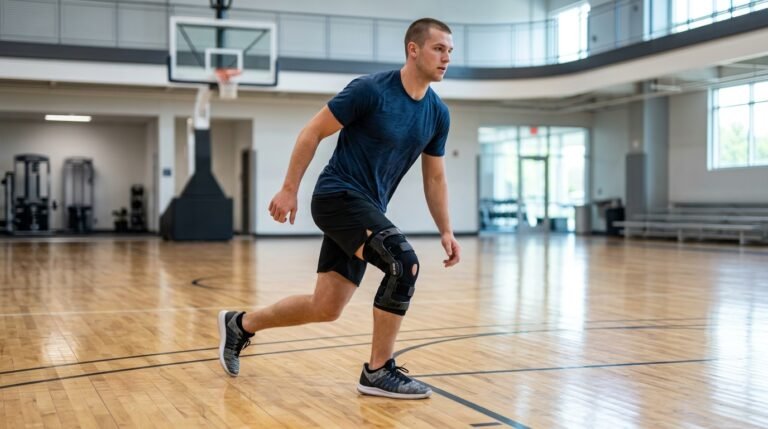
- Bracing and supportive devices can aid in the healing process of knee injuries.
- Arthroscopic surgery is a minimally invasive surgical option for certain knee injuries.
- Total knee replacement may be necessary for severe cases of knee degeneration.
Understanding Knee Anatomy and Function

Structure of the Knee Joint
In our exploration of knee therapy, it’s crucial to grasp the complex structure of the knee joint. This hinge-like joint is pivotal for movement, bearing the body’s weight during activities such as walking, running, and jumping. The knee comprises bones, cartilage, ligaments, and tendons that work in harmony.
The femur (thigh bone), tibia (shin bone), and patella (kneecap) are the primary bony structures that form the knee joint. These bones are connected by a network of ligaments that provide stability, while the tendons attach muscles to the bones, facilitating movement. The menisci, two C-shaped pieces of cartilage, act as shock absorbers and ensure smooth motion.
Prevention of injury to the knee joint begins with understanding its vulnerability and the importance of maintaining strength and flexibility. Regular exercise and proper technique can help safeguard the knee’s intricate architecture.
Tip: Always warm up before engaging in physical activity to prepare the knee joint for the stress of exercise and reduce the risk of injury.
Function of the Knee Joint
We must appreciate the knee joint’s critical role in our daily activities to understand its function fully. As the largest and one of the most complex joints in the body, the knee enables a range of movements such as flexion, extension, and slight rotation. It is essential for weight-bearing activities like standing, walking, and running, and also plays a pivotal role in maintaining balance and stability.
The knee joint works in concert with muscles, ligaments, and tendons to execute these movements smoothly. Here’s a simple breakdown of the knee’s functional capabilities:
- Flexion: Bending the knee to move the heel towards the buttocks
- Extension: Straightening the knee to return the leg to a standing position
- Rotation: Twisting movement, though limited, aids in pivoting
Tip: Regular exercise and maintaining a healthy weight can significantly reduce the strain on your knees, enhancing their function and longevity.
Understanding these functions is vital for anyone undergoing knee therapy, as the goal is to restore these capabilities post-injury or surgery. We’ll explore how various knee therapy techniques can aid in this recovery process in the subsequent sections of our comprehensive guide.
Common Knee Injuries and Causes

Types of Knee Injuries
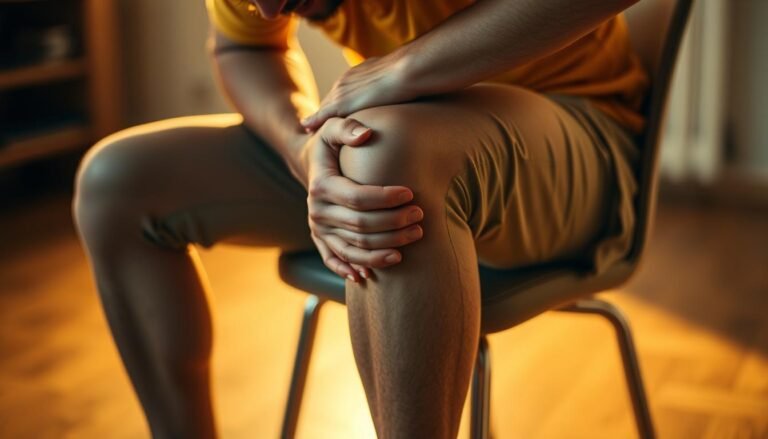
Common knee injuries can result from various causes, including sports-related activities, accidents, and degenerative conditions. These injuries can range from minor strains to severe ligament tears, affecting the stability and function of the knee joint. Understanding the specific type of injury is crucial for developing an effective treatment plan. Information on traumatic knee injuries, ACL tears, knee pain causes, and management techniques for knee pain can provide valuable insights into the nature and severity of the injury. It is important to consider both the acute symptoms and the long-term implications of the injury when determining the most suitable course of action.
Causes of Knee Injuries
In our exploration of knee injuries, we recognize that the causes are as varied as the activities we engage in daily. Osteoarthritis is a prevalent condition that we often encounter, characterized by the degeneration of joint cartilage and underlying bone, most common in middle-aged and older adults. It’s not just about wear and tear; injuries can also stem from acute trauma such as falls, direct blows, or sudden movements that strain the knee beyond its normal range of motion.
Repetitive stress on the knee joint from activities like running, jumping, or cycling can lead to overuse injuries. These are particularly common among athletes but can affect anyone who is active. Factors such as improper technique, inadequate stretching, or poor conditioning can exacerbate the risk of injury. Additionally, obesity is a significant contributor, as the extra weight puts additional pressure on the knee joints, potentially accelerating the wear and tear process.
Tip: To minimize the risk of knee injuries, it’s crucial to maintain a healthy weight, engage in regular conditioning and flexibility exercises, and use proper techniques during physical activities.
Understanding the causes of knee injuries is imperative for prevention and effective treatment. Here’s a list of common causes:
- Acute trauma (e.g., falls, collisions)
- Repetitive stress from certain sports or activities
- Improper sports techniques or equipment
- Obesity and overweight
- Genetic predisposition to joint conditions
- Age-related wear and tear
Diagnostic Techniques for Knee Injuries

Physical Examination
After conducting the physical examination, we gather valuable data that informs our treatment plan. This includes assessing the range of motion, stability, and any signs of inflammation. We also take into account the patient’s medical history and previous injuries to gain a comprehensive understanding of the condition. Additionally, we may use imaging studies such as X-rays and MRI scans to visualize the internal structures of the knee and identify any abnormalities or damage.
Imaging Studies
After conducting the Imaging Studies, we analyze the results to identify any abnormalities or damage to the knee joint. This analysis helps us develop a personalized treatment plan tailored to the patient’s specific condition. In some cases, the use of MRI imaging provides detailed information about soft tissue injuries, which is crucial for accurate diagnosis and treatment planning.
- The table below summarizes the key diagnostic techniques for knee injuries:
| Diagnostic Technique | Description |
|---|---|
| Physical Examination | Assessment of range of motion and stability of the knee joint. |
| Imaging Studies | Utilization of X-rays, MRI, or CT scans to visualize the internal structures of the knee. |
It is important to note that a thorough physical examination combined with imaging studies is essential for a comprehensive understanding of the knee injury and the development of an effective treatment strategy.
Non-Surgical Knee Therapy Approaches

Physical Therapy
In our pursuit of effective knee recovery, we recognize physical therapy as a cornerstone of non-surgical treatment. It is a misconception that physical therapy is solely for athletes or that it is invariably painful. On the contrary, we tailor treatments to accommodate individuals of all ages and conditions, debunking common myths about its scope and nature.
Physical therapy encompasses a range of exercises and techniques aimed at restoring knee function, improving mobility, and alleviating pain. The regimen typically progresses through stages, starting with gentle range-of-motion exercises and advancing to strength-building activities. Here is an example of a progressive physical therapy program:
- Initial Assessment
- Pain Management Techniques
- Range-of-Motion Exercises
- Strengthening Exercises
- Functional Training
Tip: Consistency and adherence to the prescribed physical therapy program are crucial for optimal recovery. It is important to maintain open communication with your therapist to adjust the program as needed based on your progress and feedback.
Bracing and Supportive Devices
After discussing the use of bracing and supportive devices, we can explore the role of physical therapy in knee recovery. Physical therapy plays a crucial role in strengthening the muscles around the knee joint and improving flexibility and range of motion. Additionally, it focuses on reducing pain and swelling, allowing for a smoother recovery process. Customized exercise programs are tailored to each individual’s specific needs and may include a combination of stretching, strengthening, and balance exercises. These programs are designed to gradually improve knee function and promote long-term recovery. In some cases, physical therapy may also involve the use of modalities such as heat, ice, or electrical stimulation to alleviate discomfort and aid in the healing process. It is important to consult a qualified healthcare professional to determine the most suitable physical therapy approach for your condition.
Surgical Options for Knee Recovery

Arthroscopic Surgery
After undergoing Arthroscopic Surgery, it is important to follow a structured rehabilitation program to ensure optimal recovery. This may include a combination of physical therapy, low-impact exercises, and gradual increase in activity levels. It is crucial to adhere to the guidance of healthcare professionals and to communicate any concerns or setbacks during the recovery process.
Additionally, maintaining a balanced diet and proper hydration can support the body’s healing process. Adequate rest and sleep are also essential for the body to recover effectively. It is important to monitor for any signs of infection or unusual pain and to report these to the healthcare team promptly.
For a more detailed overview of the post-surgery rehabilitation program, refer to the following table:
| Rehabilitation Program Components | Description |
|---|---|
| Physical Therapy | Customized exercises and stretches |
| Low-Impact Exercises | Walking, swimming, cycling |
| Gradual Activity Increase | Incremental increase in intensity |
In addition to the rehabilitation program, it is important to remember that recovery is a gradual process. Patience and perseverance are key, and it is normal to experience fluctuations in progress. It is essential to stay motivated and focused on the long-term goal of regaining full function and mobility in the knee.
Tip: Keep a journal to track progress, challenges, and achievements throughout the recovery journey. This can provide valuable insight and motivation during the rehabilitation process.
Total Knee Replacement
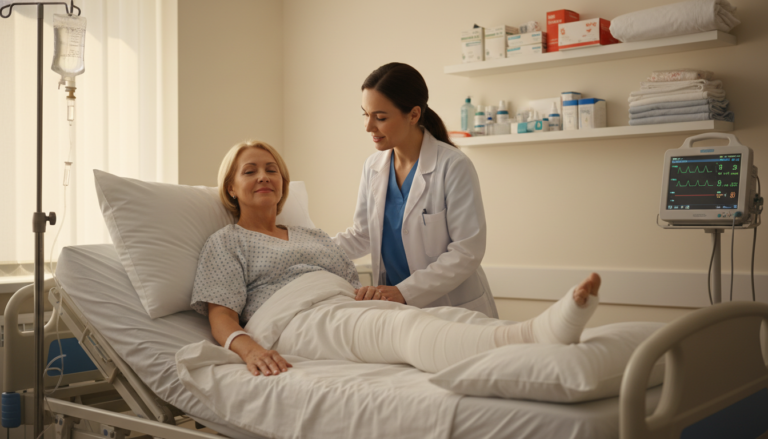
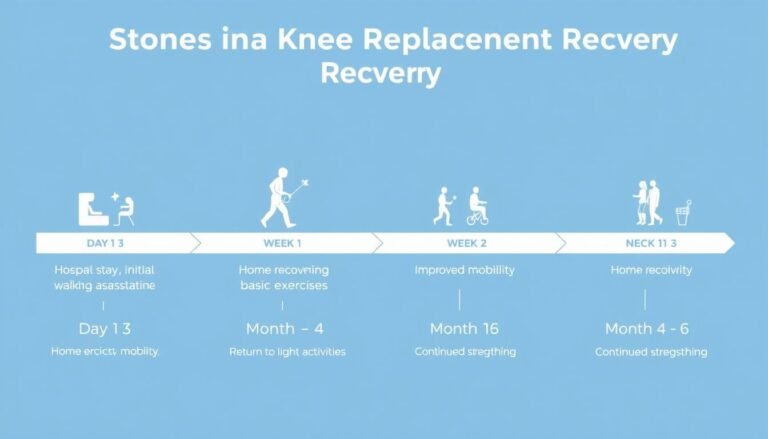
After undergoing a Total Knee Replacement, it is important to follow a structured rehabilitation program to regain strength and mobility. This program typically involves a combination of physical therapy and exercise routines tailored to the individual’s needs. Additionally, maintaining a healthy diet and managing weight are crucial for successful recovery. It is essential to adhere to the guidance provided by healthcare professionals and to communicate any concerns or challenges encountered during the recovery process. Our team at the rehabilitation center is dedicated to supporting patients through every step of their recovery journey.
Conclusion
In conclusion, the effective knee therapy techniques discussed in this article provide valuable insights into the rehabilitation and recovery process for individuals with knee injuries. By emphasizing the importance of early intervention and personalized treatment plans, healthcare professionals can optimize the outcomes for their patients. It is evident that a comprehensive approach, including physical therapy, strength training, and pain management, plays a crucial role in promoting long-term recovery and restoring functionality. As advancements in medical research continue to evolve, the integration of innovative therapies and evidence-based practices will further enhance the efficacy of knee rehabilitation methods. This article serves as a foundation for further exploration and application of cutting-edge knee therapy techniques in clinical settings.
Frequently Asked Questions
What are the most common knee injuries?
The most common knee injuries include ligament tears, meniscus tears, tendonitis, and patellar dislocation.
How can physical therapy help with knee recovery?
Physical therapy can improve strength, flexibility, and range of motion in the knee, as well as reduce pain and swelling.
What is the recovery time for arthroscopic knee surgery?
The recovery time for arthroscopic knee surgery varies, but most patients can expect to resume normal activities within 6-8 weeks.
Are there any alternative treatments for knee injuries besides surgery?
Yes, alternative treatments such as acupuncture, chiropractic care, and regenerative medicine can be effective for certain knee injuries.
What are the risk factors for knee injuries?
Risk factors for knee injuries include overuse, improper training techniques, previous injuries, and obesity.
What is the success rate of total knee replacement surgery?
Total knee replacement surgery has a high success rate, with more than 90% of patients experiencing significant improvement in pain and function.