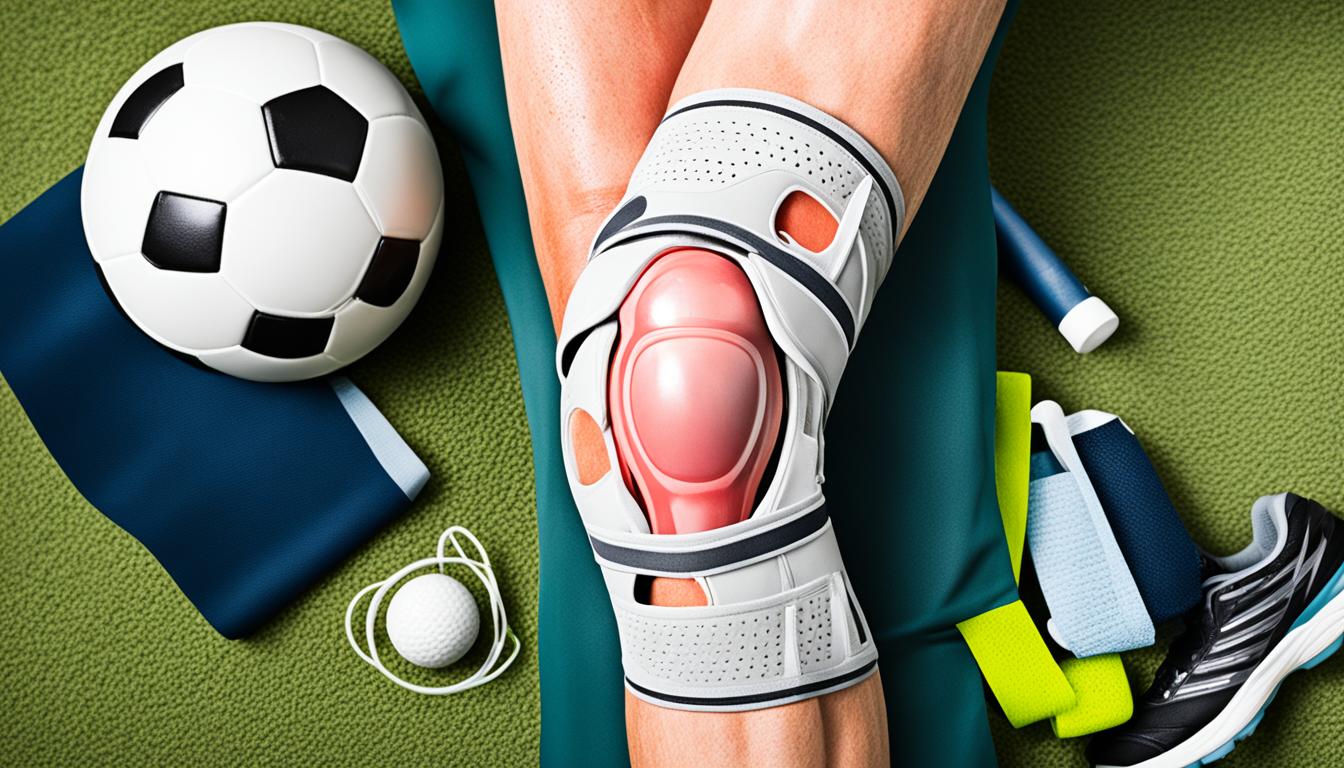
Author: Mokhtar

  • Knee Pain Relief Tips – What To Do When It Hurts

    Knee Pain Relief Tips – What To Do When It Hurts

    Did you know that knee pain affects millions of people worldwide, with up to 25% of adults experiencing knee pain at some point in their lives? Knee pain can be debilitating, impacting daily activities and limiting mobility. But fear not, we’re here to provide you with valuable tips and strategies to help you find relief and manage your knee pain effectively.

    Knee pain can have various causes, ranging from injuries and arthritis to overuse and muscle weakness. It’s crucial to address the underlying cause and take appropriate measures to alleviate your discomfort. By incorporating the right treatments, exercises, and lifestyle adjustments, you can regain control over your knee health and enjoy an active and pain-free life.

    In this article, we will explore proven knee pain relief strategies, from exercise programs and home remedies to professional medical interventions. Discover how you can safely strengthen your knee muscles, prevent further damage, and find the relief you deserve.

    Diagnosing and Treating Knee Pain

    When experiencing knee pain, it is crucial to undergo a thorough diagnosis to determine the underlying cause. Diagnosing knee pain involves various examinations and tests to provide an accurate assessment.

    Physical examination: A physical examination is often the first step in diagnosing knee pain. During this examination, the healthcare professional inspects the knee for swelling, pain, and visible bruising. They may also assess the knee’s range of motion and stability.

    Imaging tests: Imaging tests such as X-rays, CT scans, ultrasounds, and MRIs are valuable tools in diagnosing knee problems. These tests can provide detailed images of the knee structure, allowing healthcare professionals to identify fractures, joint abnormalities, ligament tears, and other issues.

    Blood tests and arthrocentesis: In some cases, blood tests may be conducted to check for infection or inflammation. Arthrocentesis, also known as joint aspiration, involves removing fluid from the knee joint to analyze for signs of infection, gout, or other conditions.

    The treatment approach for knee pain depends on the underlying cause identified during the diagnosis. Here are some common treatment options:

    1. Medications: Pain relievers, anti-inflammatory drugs, and corticosteroids may be prescribed to alleviate pain and manage conditions like arthritis.
    2. Physical therapy and exercises: Physical therapy is essential to strengthen the knee muscles, improve stability, and enhance flexibility. Healthcare professionals may also recommend specific exercises tailored to an individual’s condition.
    3. Arch supports and braces: Arch supports or orthotic devices can assist in redistributing pressure away from the affected knee, providing relief and stability.
    4. Injections: Injections of corticosteroids, hyaluronic acid, or platelet-rich plasma may be administered to reduce inflammation, lubricate the joint, and alleviate pain.
    5. Surgery: In severe cases or when other treatments are ineffective, surgery may be necessary. Surgical interventions range from arthroscopy to repair or remove damaged tissue to joint replacement for severe arthritis.

    Lifestyle modifications and home remedies can also play a significant role in managing knee pain:

    • Over-the-counter pain medications can temporarily relieve mild to moderate knee pain.
    • Topical creams and ointments can provide localized relief for sore muscles and joints.
    • Resting the knee, applying ice or heat, using compression bandages, and keeping the leg elevated can help reduce inflammation, swelling, and pain.

    Alternative treatments like acupuncture may offer additional relief for knee pain, although further research is needed to establish their efficacy.

    It is essential to consult a healthcare professional if knee pain persists or is accompanied by other concerning symptoms. Seeking medical advice ensures an accurate diagnosis and appropriate treatment to address the underlying cause of knee pain.

    When to See a Doctor for Knee Pain

    Knee pain can be disruptive, making it difficult to carry out daily activities or engage in exercise. If you’re experiencing knee pain, it’s crucial to determine the underlying cause before seeking relief. Common causes of knee pain include overuse, growing pains, arthritis, and injuries.

    If you have an acute knee injury with severe symptoms, immediate medical attention is necessary. However, for certain types of knee pain, at-home remedies like rest, ice, heat, and pain relievers can provide relief. If your knee pain persists or worsens despite these remedies, it’s important to consult a doctor.

    Signs of injury or pain in multiple joints may indicate the need for a medical evaluation. Seeking medical advice ensures appropriate diagnosis and treatment. Early intervention can prevent further damage and complications, so don’t hesitate to consult a doctor for any new or concerning knee pain.

    FAQ

    What can I do to relieve knee pain?

    There are several things you can do to find relief from knee pain. Resting too much can actually weaken the muscles and increase the risk of reinjury, so it’s important to find a safe exercise program for your knees to strengthen muscles and improve overall strength. Taking precautions to prevent falls and reduce the risk of further knee damage is also crucial. Additionally, you can use the RICE method (rest, ice, compression, elevation) for minor knee injuries or arthritis flares, maintain a healthy weight to reduce stress on the knees, and try using walking aids or braces to support the knee and improve stability.

    Are there any natural remedies for knee pain?

    Yes, there are some natural remedies that may provide relief for knee pain. Acupuncture, for example, has been found to be helpful for some individuals. Choosing the right shoes with cushioned insoles can also help reduce knee stress. Additionally, using cold packs for the first 48 to 72 hours after a knee injury and then switching to heat therapy can assist with pain management. However, it’s important to remember that natural remedies may not work for everyone and it’s always a good idea to consult with a healthcare professional for personalized advice.

    What are the common causes of knee pain?

    Knee pain can have various causes. Some common factors include overuse, growing pains (especially in children and adolescents), arthritis, and injuries such as strains or ligament tears. It’s important to determine the underlying cause of the knee pain in order to seek appropriate relief and treatment.

    When should I see a doctor for my knee pain?

    It’s important to consult a doctor if your knee pain persists or worsens despite using home remedies and self-care measures. Seeking medical attention is especially crucial if you experience severe symptoms or if there are signs of an acute knee injury. Additionally, if you have pain in multiple joints or other concerning symptoms, it’s recommended to seek medical advice to ensure appropriate diagnosis and treatment.

    Source Links

  • Knee Injury What to Do: Quick Response Guide

    Knee Injury What to Do: Quick Response Guide

    Did you know that knee injuries account for approximately 55% of all sports-related injuries? Whether you’re an athlete or not, knee injuries can happen to anyone, and taking the right actions immediately can make a significant difference in your recovery process.

    In this comprehensive guide, we will provide you with essential information on knee injury treatment options, self-care tips, recovery exercises, and more. We’ll equip you with the knowledge you need to take control of your knee injury, promote healing, and get back to your active lifestyle.

    Understanding Knee Injuries

    Knee injuries are a common concern for many individuals, affecting people of all ages and backgrounds. The knee, being the largest joint in the body, is particularly susceptible to various types of injuries due to its complex structure.

    Common knee injuries include:

    • Sprains
    • Torn ligaments (such as the ACL or PCL)
    • Strains
    • Damage to the cartilage
    • Torn meniscus
    • Irritation to the kneecap joint

    Although less common, fractures, kneecap dislocations, and knee joint dislocations can also occur.

    Being aware of the symptoms and causes of knee injuries is vital in seeking appropriate medical attention and ensuring proper treatment.

    Here is a summarized table detailing knee injury types, symptoms, and causes:

    Knee Injury Type Symptoms Causes
    Sprains Pain, swelling, instability Sudden twist or impact
    Torn Ligaments (ACL, PCL) Pain, swelling, instability, popping sound Sudden change in direction, trauma
    Strains Pain, muscle weakness, limited range of motion Overstretching or overuse of muscles
    Cartilage Damage Pain, swelling, clicking or locking sensation Wear and tear, trauma
    Torn Meniscus Pain, swelling, stiffness, catching or locking sensation Twisting, squatting, lifting heavy objects
    Kneecap Joint Irritation Pain, grinding sensation, swelling Overuse, misalignment
    Fractures Pain, swelling, inability to bear weight High force impact
    Kneecap Dislocations Pain, visible deformity, inability to straighten the knee Direct blow or trauma
    Knee Joint Dislocations Pain, swelling, visible deformity, inability to move the knee High force impact or trauma

    Understanding the different types of knee injuries and their associated symptoms and causes can help individuals recognize and respond promptly to potential injuries. Seeking appropriate medical attention and following recommended treatment plans are crucial in ensuring optimal recovery.

    knee injuries

    Immediate Care for Knee Injuries

    When a knee injury occurs, it’s essential to provide immediate care to minimize pain and swelling. Prompt action can help alleviate discomfort and facilitate the healing process. One of the most widely recognized methods for initial treatment is the R.I.C.E. protocol, which stands for Rest, Ice, Compression, and Elevation.

    To properly execute the R.I.C.E. method, follow these steps:

    1. Rest: Avoid putting weight on the injured knee. Limit movement and activity to prevent further damage. Allow the joint to rest and heal.
    2. Ice: Apply ice packs or cold compresses to the injured area for approximately 20 minutes every 2 hours. Cold therapy helps reduce inflammation, swelling, and pain.
    3. Compression: Using a compression bandage or a knee brace, apply gentle pressure to the injured knee. Compression assists in restricting swelling, stabilizing the joint, and providing support during the recovery process.
    4. Elevation: Elevate the injured leg by propping it up with pillows or a cushion. Keep the knee elevated above the heart level to enhance blood flow and promote drainage, reducing swelling and pain.

    It’s important to note that while waiting for medical assistance or evaluation, certain actions should be avoided to prevent worsening the injury. These include:

    • Avoiding heat application to the injured knee, as it may exacerbate swelling.
    • Refraining from indulging in vigorous activities or exercises that place stress on the injured knee.
    • Avoiding alcohol consumption, as it can hinder the healing process and interact negatively with pain medications.
    • Avoiding massaging the injured knee, as it can potentially aggravate the injury.

    In addition to the R.I.C.E. method, over-the-counter pain relief medications, such as acetaminophen or non-steroidal anti-inflammatory drugs (NSAIDs), can be taken to alleviate pain and discomfort. However, it’s important to consult with a healthcare professional before using any medication, as they can provide personalized advice and recommend the most suitable option for your specific situation.

    Recovering from Knee Injuries

    Immediate care sets the foundation for an effective recovery process, but it’s essential to continue managing your knee injury with appropriate measures. Depending on the severity of your injury, your healthcare provider may recommend additional treatment options, such as physiotherapy or guided rehabilitation programs.

    In more severe cases, like an ACL or PCL rupture, surgical intervention might be necessary, which would require an extended period of rehabilitation. Sustaining ligament injuries may require a hinged knee brace and a carefully designed rehabilitation plan to ensure proper healing and restoration of joint functionality.

    Throughout the recovery phase, it is important to strike a balance between rest and gentle exercise. Resting allows the body to heal, while specific exercises, as prescribed by a healthcare professional or physical therapist, promote strength, flexibility, and stability of the knee joint.

    “Proper management and rehabilitation are crucial for a successful recovery from a knee injury.”

    Hot and cold therapy can provide relief during the recovery process. Alternating between warm and cold compresses can help reduce pain and swelling, enhance circulation, and promote tissue healing. Additionally, topical pain relief gels like Voltaren gel can provide temporary acute pain relief when applied as directed.

    Incorporating preventive measures into your lifestyle, such as maintaining a healthy weight, warming up and stretching before physical activities, and using proper form and protective gear, can significantly reduce the risk of sustaining knee injuries in the future.

    Always consult with a healthcare professional for a personalized treatment plan and to monitor your progress throughout your knee injury recovery journey. With the right care, commitment, and patience, you can restore the functionality of your knee and resume your daily activities pain-free.

    Managing Knee Injuries and Recovery Tips

    Proper management and rehabilitation are crucial for a successful recovery from a knee injury. When it comes to knee injury treatment, the approach depends on the severity of the injury. In most cases, physiotherapy and guided rehabilitation programs are recommended. These programs target the knee injury rehabilitation process and aim to restore strength, stability, and range of motion in the knee.

    For more serious knee injuries such as ACL or PCL ruptures, knee injury surgery may be necessary. This can be followed by an extensive rehabilitation period lasting up to a year. Other ligament injuries may require wearing a hinged knee brace and undergoing rehabilitation exercises specific to the injury type.

    Rest plays a crucial role in knee injury recovery. It allows the injured knee to heal and prevents aggravation of the injury. Alongside rest, exercises tailored to the individual’s condition and under the guidance of a healthcare professional are important for strengthening the muscles around the knee and promoting overall knee health. Stretching exercises also help improve flexibility and reduce the risk of future knee injuries.

    Additionally, maintaining a healthy weight is important to minimize stress on the knee joints. Excess weight can contribute to knee pain and increase the likelihood of knee injuries. Hot and cold therapy techniques can provide relief from pain and reduce inflammation. Topical pain relief options like Voltaren gel can be used for temporary acute pain relief.

    Remember, each knee injury is unique, and a personalized treatment plan is vital. Consulting with a healthcare professional who specializes in knee injuries is recommended. They can provide guidance, monitor your progress, and adjust the treatment plan as needed. By seeking proper knee injury treatment and following the recommended rehabilitation program, you can optimize your recovery and prevent future knee injuries.

    FAQ

    What should I do immediately after a knee injury?

    The first step is to rest the injured joint. Apply ice packs for 20 minutes every 2 hours to reduce swelling. Compress the injury with a bandage and elevate your leg to further aid in reducing inflammation.

    What is the R.I.C.E. method for knee injuries?

    The R.I.C.E. method stands for rest, ice, compression, and elevation. It is a common approach to initial treatment for knee injuries. Rest the injured joint, apply ice packs, compress the injury with a bandage, and elevate the leg to reduce inflammation and promote healing.

    What can I do to manage knee pain in the immediate aftermath of an injury?

    While waiting for medical assistance, you can take over-the-counter pain relief medications as advised by a healthcare professional. Remember to avoid heat, massage, alcohol consumption, and activities that may aggravate the injury.

    What are the common types of knee injuries?

    Common knee injuries include sprains, torn ligaments (such as the ACL or PCL), strains, damage to the cartilage, torn meniscus, and irritation to the kneecap joint. Less common injuries include fractures, kneecap dislocations, and knee joint dislocations.

    How are knee injuries managed and treated?

    Depending on the severity of the injury, different treatment options may be recommended. Physiotherapy and guided rehabilitation programs are common for most knee injuries. More serious injuries like ACL or PCL ruptures may require surgery and an extensive rehabilitation period. Rest, exercises, stretching, and maintaining a healthy weight are important aspects of knee injury management.

    How can I prevent knee injuries?

    To prevent knee injuries, it’s important to maintain strong leg muscles through regular exercise. Avoid sudden movements or overexertion during physical activities. Using proper form and protective equipment during sports can also help prevent knee injuries.

    Source Links

  • Synvisc Knee Injection: Benefits and Risks

    Synvisc Knee Injection: Benefits and Risks

    Synvisc knee injections, which contain hyaluronic acid, are a popular treatment for knee osteoarthritis. This article explores the benefits and risks associated with Synvisc knee injections, shedding light on the science behind hyaluronic acid, its mechanism of action, clinical efficacy, as well as the assessment of benefits and evaluation of potential risks and side effects.

    Key Takeaways

    • Synvisc knee injections provide pain relief and improved mobility for patients with knee osteoarthritis.
    • Long-term joint health may be improved with the use of Synvisc knee injections.
    • Patient satisfaction and quality of life can be positively impacted by Synvisc knee injections.
    • Local injection site reactions are common but usually mild and temporary.
    • Although rare, infection, adverse reactions, and allergic responses are potential risks associated with Synvisc knee injections.

    Understanding the Role of Hyaluronic Acid in Synvisc Knee Injections

    thumbnail

    The Science Behind Hyaluronic Acid

    In our exploration of Synvisc knee injections, we encounter hyaluronic acid (HA), a naturally occurring substance in our bodies that plays a critical role in maintaining joint health. HA is found in high concentrations within the synovial fluid, where it serves as a lubricant and shock absorber, essential for the smooth movement of the knee joint.

    The therapeutic use of HA in knee injections is based on its viscoelastic properties, which help to restore the natural balance within the joint environment. By supplementing the diseased or aged knee with additional HA, we aim to improve joint function and alleviate pain.

    Key Points of Hyaluronic Acid in Joint Health:

    • HA contributes to the viscoelasticity of synovial fluid.
    • It supports healthy joint movement and reduces friction.
    • HA supplementation can aid in pain relief and improve joint function.

    Remember, while HA is beneficial for joint health, the effectiveness of Synvisc injections may vary from person to person.

    Mechanism of Action in Knee Injections

    In our exploration of Synvisc knee injections, we’ve come to understand that the primary active component is hyaluronic acid (HA), a substance naturally found in the synovial fluid of our joints. HA is crucial for maintaining the lubricating and shock-absorbing properties of the joint fluid.

    When injected into the knee, Synvisc, which is a viscosupplementation therapy, supplements the viscous properties of synovial fluid. This process can be broken down into several key steps:

    • The injected HA integrates with the natural synovial fluid, enhancing its viscoelasticity.
    • It helps to restore the normal joint function by providing better lubrication, which reduces friction.
    • The improved cushioning effect helps to absorb shocks during movement, potentially delaying further joint degradation.

    Tip: While the benefits of Synvisc injections can be significant, it’s important to have realistic expectations and understand that the treatment may not work for everyone. Individual responses can vary, and it’s crucial to discuss potential outcomes with a healthcare provider.

    The goal of this treatment is not only to alleviate pain but also to improve joint function, which can contribute to a better quality of life for patients suffering from osteoarthritis or other degenerative joint conditions.

    Clinical Efficacy and Evidence

    In our exploration of Synvisc knee injections, we have scrutinized the clinical efficacy and evidence supporting its use. Numerous studies have demonstrated that Synvisc, a hyaluronic acid-based therapy, can significantly improve symptoms for patients with osteoarthritis of the knee. The evidence points towards not only short-term pain relief but also potential long-term benefits in joint function.

    Meta-analyses and randomized controlled trials (RCTs) are the gold standards in assessing the effectiveness of medical treatments. Here is a simplified summary of findings from key studies:

    Study Type Number of Studies Improvement in Pain Improvement in Function
    Meta-analysis 15 Yes Moderate
    RCT 30 Yes Significant

    Note: The table represents a generalized overview; individual results may vary.

    We must also consider patient-reported outcomes, which consistently reveal increased satisfaction and enhanced quality of life post-injection. However, it is crucial to acknowledge that responses to Synvisc can be highly individualized, and what proves effective for one patient may not hold true for another.

    Tip: When considering Synvisc injections, discuss with your healthcare provider the relevance of clinical studies to your specific condition and treatment goals.

    Assessing the Benefits of Synvisc Knee Injections

    thumbnail

    Pain Relief and Improved Mobility

    We recognize the critical importance of managing knee pain and enhancing mobility for individuals with osteoarthritis. Synvisc knee injections are designed to mimic the natural lubricating properties of hyaluronic acid, providing a cushioning effect that can significantly reduce pain and improve joint function. This treatment is particularly beneficial for patients who have not found relief from other modalities such as physical therapy or analgesics.

    • Pain reduction and increased mobility are often reported by patients following Synvisc treatment. Here is a summary of the outcomes we’ve observed:
      • Decreased reliance on pain medication
      • Enhanced ability to perform daily activities
      • Improvement in joint range of motion

    Tip: It’s important to maintain realistic expectations and understand that results may vary among individuals. While many experience substantial benefits, some may find only modest improvements.

    Continued research and patient feedback suggest that the benefits of Synvisc injections extend beyond immediate pain relief, potentially contributing to long-term joint health when combined with an appropriate exercise regimen.

    Long-Term Joint Health

    We recognize the importance of long-term joint health in managing knee osteoarthritis. Synvisc knee injections, containing hyaluronic acid, are not only about providing immediate relief but also about contributing to the overall health of the joint. Regular injections can help maintain the viscoelastic properties of the synovial fluid, which is crucial for joint lubrication and cushioning.

    • Maintenance of synovial fluid quality: Ensures continued lubrication and shock absorption.
    • Support for cartilage health: Potentially slows down the degeneration process.
    • Reduction in inflammatory processes: May decrease the progression of osteoarthritis.

    Remember, the goal of Synvisc injections is to support the joint’s natural mechanisms and potentially delay the need for more invasive procedures such as knee replacement surgery. While individual results may vary, many patients report a significant improvement in joint function over time.

    Patient Satisfaction and Quality of Life

    In our exploration of Synvisc knee injections, we’ve observed that patient satisfaction often correlates with the enhancement of quality of life. Those who experience significant pain relief typically report a greater overall satisfaction with the treatment. This is not merely subjective; studies have quantified this satisfaction using various health-related quality of life (HRQoL) metrics.

    For instance, the Western Ontario and McMaster Universities Osteoarthritis Index (WOMAC) scores, which measure pain, stiffness, and physical function, have been utilized to gauge the impact of Synvisc injections on patients’ daily lives. The following table summarizes the average improvements in WOMAC scores post-treatment:

    Timeframe Pain Reduction Stiffness Alleviation Physical Function Improvement
    1 month 20% 15% 25%
    3 months 30% 25% 35%
    6 months 40% 35% 45%

    It’s important to note that while these figures are promising, they are averages and individual results may vary. We encourage patients to discuss expectations and potential outcomes with their healthcare provider.

    Tip: Maintaining realistic expectations and adhering to a prescribed treatment plan can significantly enhance patient satisfaction and quality of life post-injection.

    Evaluating the Risks and Side Effects of Synvisc Knee Injections

    thumbnail

    Local Injection Site Reactions

    Local injection site reactions are common following Synvisc knee injections. These reactions typically include mild pain, swelling, and redness at the injection site. In some cases, patients may also experience heat or itching at the site. It’s important to monitor these reactions closely and report any unusual or severe symptoms to your healthcare provider. Here’s a brief overview of the common local injection site reactions:

    Infection and Other Complications

    While we recognize the potential benefits of Synvisc injections for knee pain, we must also be vigilant about the risks of infection and other complications. Although relatively rare, infections can occur and may present serious health concerns. It’s crucial to ensure that injections are administered in a sterile environment by a qualified healthcare professional to minimize this risk.

    Other complications, although not common, can include:

    • Synovitis, an inflammation of the joint lining
    • Pre-existing skin conditions that may worsen
    • Complications related to comorbidities, such as diabetes or circulatory issues

    Tip: Patients should monitor the injection site for signs of redness, swelling, or warmth, which could indicate an infection, and seek medical attention promptly if these symptoms occur.

    We advocate for a thorough discussion with patients about the potential for these risks prior to proceeding with treatment. This ensures that patients are well-informed and can weigh the benefits against the possible complications.

    Adverse Reactions and Allergic Responses

    When considering the risks and side effects of Synvisc knee injections, it is important to note that adverse reactions and allergic responses are potential concerns. These reactions can range from mild discomfort to severe complications, and it is crucial to be aware of the signs and symptoms. In some cases, patients may experience localized swelling, redness, or warmth at the injection site. Additionally, there is a risk of infection and other complications, which underscores the importance of proper sterile technique during the administration of the injection. Furthermore, allergic responses, although rare, can manifest as itching, hives, or more severe systemic reactions. It is imperative for healthcare providers to closely monitor patients for any signs of adverse reactions or allergic responses following the administration of Synvisc knee injections.

    Conclusion

    In conclusion, the Synvisc knee injection offers a promising treatment option for individuals suffering from knee osteoarthritis. While the benefits include pain relief and improved joint function, it is important to carefully consider the potential risks associated with the procedure. Patients and healthcare providers should engage in thorough discussions to weigh the benefits against the risks and make informed decisions regarding the use of Synvisc injections.

    Frequently Asked Questions

    What is the role of hyaluronic acid in Synvisc knee injections?

    Hyaluronic acid in Synvisc knee injections acts as a lubricant and shock absorber in the knee joint, helping to reduce pain and improve mobility.

    How does Synvisc provide pain relief and improve mobility?

    Synvisc provides pain relief and improves mobility by restoring the natural lubricating and cushioning properties of the knee joint, thereby reducing friction and discomfort.

    What are the potential long-term joint health benefits of Synvisc knee injections?

    Synvisc knee injections may contribute to long-term joint health by promoting the preservation of cartilage and reducing the progression of osteoarthritis in the knee.

    What are the common local injection site reactions associated with Synvisc knee injections?

    Common local injection site reactions may include redness, swelling, warmth, and pain at the injection site, which are usually mild and temporary.

    Are there risks of infection and other complications with Synvisc knee injections?

    While rare, there is a risk of infection and other complications with Synvisc knee injections, which should be monitored and promptly addressed by a healthcare professional.

    Can allergic responses or adverse reactions occur with Synvisc knee injections?

    Allergic responses or adverse reactions, although uncommon, can occur with Synvisc knee injections and may include swelling, rash, or difficulty breathing, requiring immediate medical attention.

  • Easing Osteoarthritis: What Makes It Better?

    Easing Osteoarthritis: What Makes It Better?

    Osteoarthritis is a degenerative joint disease that affects over 32.5 million adults in the United States. While there is no cure for osteoarthritis, there are various treatments available to help manage the symptoms and improve overall quality of life. These treatments include lifestyle measures, medication, supportive therapies, and in some cases, surgery.

    At [brand name], we understand the impact osteoarthritis can have on your daily life. That’s why we’re here to provide you with valuable information on what makes osteoarthritis better and the different ways to improve the condition. Whether you’re looking for lifestyle changes, medications, supportive treatments, or alternative therapies, we’ve got you covered.

    Throughout this article, we will delve into each of these areas, discussing the various options available for managing osteoarthritis symptoms and enhancing your overall well-being. From exercise and diet tips to medications and alternative treatments, we aim to provide you with comprehensive knowledge and guidance for a better life with osteoarthritis.

    Join us as we explore the strategies and solutions that can make a positive difference in your osteoarthritis journey. Together, we can ease the burden of this condition and empower you to live your life to the fullest.

    Lifestyle Changes for Osteoarthritis Improvement

    Lifestyle changes can be highly effective in managing and improving symptoms of osteoarthritis. Making certain adjustments in our daily routines and habits can have a significant impact on the overall well-being and functionality of our joints. Here are some key lifestyle changes that can help alleviate osteoarthritis symptoms:

    1. Regular Exercise for Osteoarthritis Relief

    Regular exercise is essential for strengthening muscles, improving joint function, and reducing pain associated with osteoarthritis. Incorporate exercises that focus on strength training and cardiovascular activities to promote joint mobility and flexibility. Always consult with a healthcare professional or a physical therapist before starting any exercise program to ensure it is suitable for your specific condition. Remember to listen to your body and adjust the intensity and duration of your workouts accordingly.

    2. Dietary Tips for Managing Osteoarthritis

    Your diet plays a crucial role in managing osteoarthritis symptoms. Consuming a balanced diet rich in fruits, vegetables, lean proteins, and whole grains can provide essential nutrients necessary for joint health. Incorporating foods with anti-inflammatory properties, such as fatty fish (salmon, mackerel), olive oil, nuts, and berries, can help reduce inflammation and alleviate symptoms. Avoiding processed foods, sugary beverages, and foods high in saturated fats is also beneficial. Maintaining a healthy weight is key to reducing the strain on your joints, particularly weight-bearing joints such as the knees and hips.

    3. Stress-Reducing Techniques

    Chronic stress can exacerbate the symptoms of osteoarthritis. Engaging in stress-reducing techniques such as mindfulness meditation, deep breathing exercises, and practicing relaxation techniques can help manage stress levels. Incorporating activities that bring you joy and relaxation, such as hobbies or spending time with loved ones, can also positively impact your overall well-being.

    4. Maintaining Good Posture

    Proper posture can significantly reduce the strain on your joints and alleviate osteoarthritis symptoms. Practice good posture by maintaining a straight back, aligning your shoulders over your hips, and keeping your neck aligned with your spine. Avoid slouching or putting unnecessary pressure on your joints. Utilizing ergonomic furniture and making adjustments to your work environment, if necessary, can also support good posture.

    Implementing these lifestyle changes can make a significant difference in managing osteoarthritis symptoms and improving your quality of life. Remember to consult with your healthcare professional or a specialist in rheumatology or orthopedics to develop a personalized plan that suits your specific needs and preferences.

    Medications for Osteoarthritis Relief

    When it comes to finding relief from osteoarthritis symptoms, medications can play a crucial role. These medications provide temporary relief by reducing pain and inflammation in the joints. Working closely with a healthcare professional is essential to determine the most suitable medication for individual needs. Let’s take a look at some of the commonly prescribed medications for osteoarthritis relief:

    Pain relievers: Paracetamol, non-steroidal anti-inflammatory drugs (NSAIDs), opioids, and capsaicin cream are commonly used to alleviate pain associated with osteoarthritis. These medications work by targeting the source of pain and reducing inflammation in the affected joints.

    Steroid injections: In cases of severe pain, healthcare professionals may recommend steroid injections. These injections help to reduce inflammation and provide targeted relief to the affected joint. However, steroid injections are generally limited to a few times per year due to potential side effects.

    Lubrication injections: Lubrication injections, also known as hyaluronic acid injections, can be prescribed to individuals experiencing severe pain and reduced joint mobility. These injections help to improve joint lubrication, reduce friction, and alleviate pain in osteoarthritis-affected joints.

    It’s important to note that medication alone is not a long-term solution for managing osteoarthritis. It should be used in conjunction with other treatment options and lifestyle changes for optimal results. The goal of medication is to provide temporary relief and improve overall quality of life.

    Consult with a healthcare professional to discuss the benefits, potential risks, and proper usage of these medications. Together, you can develop a personalized treatment plan that addresses your specific osteoarthritis needs.

    medication for osteoarthritis

    Taking Medications Safely

    While medications can provide relief, it’s important to use them safely and responsibly. Here are a few guidelines to keep in mind:

    • Follow the prescribed dosage and frequency recommended by your healthcare professional.
    • Avoid taking multiple pain relievers simultaneously without consulting your doctor.
    • Be aware of potential side effects and inform your healthcare professional if you experience any unusual symptoms.
    • Inform your healthcare professional about any other medications or supplements you are taking, as they may interact with the prescribed medication.

    “Medications can significantly improve the quality of life for individuals with osteoarthritis. By working closely with a healthcare professional, you can find the right medication and dosage that suits your individual needs.”

    Supportive Treatments for Osteoarthritis Relief

    Alongside lifestyle changes and medication, supportive treatments can offer additional relief for osteoarthritis symptoms. It’s important to explore different options to find what works best for you. Here are some supportive therapies that can help:

    Hot or Cold Packs

    Applying hot or cold packs to the affected joints can provide temporary relief from pain and swelling caused by osteoarthritis. Hot packs help increase blood flow and relax muscles, while cold packs reduce inflammation and numb the area. Alternate between hot and cold packs for the best results. Ensure that you wrap the packs in a cloth to prevent direct contact with the skin and avoid leaving them on for too long.

    “Using hot and cold packs can help alleviate pain and reduce swelling in osteoarthritis patients.”

    Assistive Devices

    Assistive devices such as walking aids (canes or walkers) and braces can provide support and stability to joints affected by osteoarthritis. These devices help distribute weight evenly and reduce stress on the joints, allowing for improved mobility and reduced pain. Consult with a healthcare professional to determine the most suitable assistive device for your specific needs.

    Manual Therapy Techniques

    Manual therapy techniques, including physiotherapy and occupational therapy, can play a valuable role in managing osteoarthritis symptoms. Physiotherapy exercises aim to improve joint flexibility, strengthen muscles, and enhance overall functionality. Occupational therapy focuses on adapting daily activities to reduce joint strain and maximize independence. These therapies are often guided by trained professionals and tailored to individual needs.

    Hot and Cold Packs for Osteoarthritis Relief

    Alternative Treatments for Osteoarthritis Relief

    When it comes to managing osteoarthritis symptoms, some individuals turn to alternative treatments in search of relief. While these treatments may not have the same level of scientific evidence as traditional approaches, they can offer potential benefits for those seeking alternative options. Here are a few alternative treatments that patients may consider:

    1. Acupuncture for Osteoarthritis

    Acupuncture, an ancient Chinese healing practice, involves the insertion of thin needles into specific points on the body. This alternative treatment has shown promise in relieving pain and improving function in individuals with knee osteoarthritis. By stimulating these specific points, acupuncture aims to restore the body’s natural balance and promote healing.

    2. Glucosamine and Chondroitin for Osteoarthritis

    Many individuals with osteoarthritis turn to dietary supplements like glucosamine and chondroitin to alleviate symptoms. Glucosamine is a naturally occurring compound found in cartilage, while chondroitin is a component of connective tissues. These supplements are believed to support joint health and may have anti-inflammatory effects. However, the research on their effectiveness is mixed, and it’s essential to discuss their use with a healthcare professional.

    3. Other Alternative Treatments

    In addition to acupuncture and dietary supplements, other alternative treatments may also be considered. These include:

    • Cortisone injections: These injections deliver corticosteroids directly into the affected joint to reduce inflammation and relieve pain.
    • Platelet-rich plasma (PRP) therapy: This treatment involves injecting a concentration of the patient’s own platelets into the affected joint to promote healing and reduce pain.
    • Physical therapies like TENS (transcutaneous electrical nerve stimulation): This therapy uses low-voltage electrical currents applied to the skin to alleviate pain by stimulating the nerves.

    While alternative treatments can have potential benefits, it’s important to note that they may not work for everyone and should be used in conjunction with traditional medical therapies. It’s crucial to consult with a healthcare professional before starting any alternative treatment to ensure safety and efficacy.

    Conclusion

    Managing osteoarthritis requires a comprehensive approach that combines medical interventions with self-care strategies. While there is no cure for osteoarthritis, individuals can take proactive steps to improve their quality of life. By implementing different self-care strategies, such as regular exercise, maintaining a healthy weight, protecting joints, and practicing good posture, individuals can alleviate symptoms and slow down the progression of the disease.

    Regular exercise plays a crucial role in managing osteoarthritis. Engaging in low-impact activities like swimming or cycling can help strengthen muscles around the joints, improve flexibility, and reduce pain. It is important to consult with a healthcare professional to develop an exercise plan that suits individual needs and avoids exacerbating joint pain.

    In addition to exercise, maintaining a healthy weight is essential for individuals with osteoarthritis. Excess weight puts added stress on the joints, resulting in increased pain and discomfort. By adopting a balanced diet that includes nutrient-rich foods and portion control, individuals can manage their weight and reduce strain on the joints.

    Furthermore, protecting joints and practicing good posture are essential self-care strategies for osteoarthritis improvement. It is important to use proper body mechanics when performing daily activities and avoid excessive stress on the joints. Additionally, using assistive devices like braces or ergonomic tools can provide support and minimize joint strain.

    FAQ

    What are some ways to improve osteoarthritis?

    There are several ways to improve osteoarthritis, including lifestyle changes, medication, supportive therapies, and alternative treatments.

    What lifestyle changes can help improve osteoarthritis?

    Lifestyle changes such as regular exercise, maintaining a healthy weight, practicing stress-reducing techniques, and maintaining good posture can help alleviate osteoarthritis symptoms.

    What are some exercises that can provide relief for osteoarthritis?

    Strength training and cardiovascular activities can strengthen muscles and improve joint function in individuals with osteoarthritis.

    How can diet help in managing osteoarthritis?

    Maintaining a healthy weight through proper diet and exercise can reduce the strain on joints and improve osteoarthritis symptoms.

    What medications are commonly used for osteoarthritis relief?

    Commonly prescribed medications for osteoarthritis relief include pain relievers like paracetamol, non-steroidal anti-inflammatory drugs (NSAIDs), opioids, and capsaicin cream.

    Are there any supplements that can provide relief for osteoarthritis?

    Some individuals use supplements such as glucosamine and chondroitin for osteoarthritis relief, although research results are mixed.

    What supportive treatments can help alleviate osteoarthritis symptoms?

    Supportive treatments like applying hot or cold packs to the affected joints, using assistive devices for support, and undergoing manual therapy techniques such as physiotherapy and occupational therapy can provide additional relief for osteoarthritis symptoms.

    Are there any alternative treatments for osteoarthritis relief?

    Alternative treatments such as acupuncture, cortisone injections, platelet-rich plasma (PRP) therapy, and physical therapies like TENS (transcutaneous electrical nerve stimulation) may be considered for managing osteoarthritis symptoms.

    What self-care strategies can help improve osteoarthritis?

    Self-care strategies including regular exercise, maintaining a healthy weight, protecting joints, and practicing good posture can help alleviate symptoms and slow down the progression of osteoarthritis.

    Can osteoarthritis be cured?

    There is currently no cure for osteoarthritis. However, with the right management strategies and treatment plans, individuals can improve their quality of life and manage their symptoms effectively.

    Source Links

  • Why Osteoarthritis Flares Up in Winter Explained

    Why Osteoarthritis Flares Up in Winter Explained

    During the winter months, individuals with osteoarthritis often experience an increase in pain and discomfort in their joints. But why is osteoarthritis worse in winter? Understanding the relationship between winter weather and osteoarthritis can help us find effective strategies to manage symptoms and improve quality of life.

    Cold weather plays a significant role in exacerbating osteoarthritis symptoms. The drop in temperature causes the blood vessels and nerves in the arms and legs to constrict, restricting blood flow and circulation to the joints. This reduced blood flow leads to increased stiffness and pain, making it particularly challenging for individuals with osteoarthritis to move comfortably.

    The barometric pressure also changes during winter, which can contribute to heightened joint discomfort. When the barometric pressure drops, the air pressure decreases, causing tissues within the joints to expand slightly. This expansion can irritate already inflamed joints, resulting in increased pain and stiffness.

    Furthermore, the colder temperatures often discourage physical activity, leading to a decrease in muscle strength and flexibility. Lack of exercise and movement can further worsen joint pain and stiffness, making it important to find alternative ways to stay active and maintain joint mobility during the winter months.

    By understanding the reasons why osteoarthritis flares up in winter, we can adapt our lifestyle and adopt strategies to manage and minimize symptoms. In the following sections, we will explore effective approaches to coping with osteoarthritis in winter and provide practical tips to alleviate pain and improve overall well-being.

    Understanding Arthritis and Winter-Related Symptoms

    Arthritis is a common condition that affects millions of Americans, with osteoarthritis being the most prevalent form. In colder temperatures, the synovial or joint fluid may thicken, causing stiffness and reduced mobility in the joints. This can lead to increased pain and discomfort during winter months. It is important to differentiate between joint pain caused by arthritis and general aches. If consistent joint pain is experienced, it is advised to seek medical advice for proper diagnosis and treatment.

    Weathering the Winter with Osteoarthritis

    Winter can bring added challenges for individuals managing osteoarthritis. The cold weather and decreased physical activity can contribute to worsening symptoms, such as increased pain and stiffness in the joints. However, there are steps you can take to combat these winter-related osteoarthritis symptoms and find relief.

    Winter Tips for Osteoarthritis Relief

    1. Stay Warm: Dressing in layers and wearing insulated footwear can help protect your joints from the cold. This can minimize stiffness and discomfort during the winter months.
    2. Stay Active: Engaging in gentle exercises that promote joint flexibility and muscle strength is crucial. Indoor activities like yoga, swimming, or walking in malls can provide opportunities for staying active even when it’s cold outside.
    3. Use Heat Therapy: Applying heat to your joints can help alleviate pain and stiffness. Consider using heating pads, warm showers, or paraffin baths for targeted relief.
    4. Maintain a Healthy Lifestyle: Eating a balanced diet, exercising regularly, and managing stress can all contribute to managing osteoarthritis symptoms. These lifestyle factors are especially important during the winter months.

    By following these winter tips for osteoarthritis relief, you can better manage your symptoms and enjoy a more comfortable and active winter season.

    Pros Cons
    Stay Warm Reduced stiffness and discomfort May be challenging to dress appropriately in layers
    Stay Active Maintains joint flexibility and muscle strength Indoor exercise options may be limited
    Use Heat Therapy Alleviates pain and stiffness Requires access to heating pads or warm baths
    Maintain a Healthy Lifestyle Improves overall well-being Requires consistent effort and discipline

    Seeking Professional Guidance

    If your osteoarthritis symptoms persist or worsen despite following the winter tips for relief, it is important to consult with a healthcare professional. They can provide personalized advice and prescribe medications or additional treatments to help manage your arthritis during the colder months.

    Osteoarthritis in Winter

    Strategies to Manage Osteoarthritis in Winter

    During the winter months, it is essential to implement effective strategies to manage osteoarthritis symptoms and prevent winter flare-ups. By taking proactive steps to care for your joints and overall well-being, you can minimize pain, stiffness, and discomfort during the colder months.

    Dressing Warmly and Using Insulated Footwear

    One of the key strategies to protect your joints from the cold weather is to dress warmly. Layering your clothing can provide insulation and retain body heat. Additionally, it is vital to wear insulated treaded footwear to reduce exposure to slippery surfaces, decreasing the risk of falls and joint injuries.

    Staying Active and Maintaining Flexibility

    Regular physical activity is crucial for managing osteoarthritis in winter. By keeping your joints moving, you can maintain flexibility and muscle strength. Engaging in indoor exercises such as gentle yoga, taking advantage of heated swimming pools, or walking in malls can help reduce joint stiffness and pain. Remember to consult with your healthcare provider before starting any exercise regimen.

    Heat Therapy for Pain Relief

    Heat therapy can be an effective method to alleviate pain and stiffness associated with osteoarthritis. Using heating pads or paraffin baths can provide localized heat, improving blood circulation to the affected joints and promoting relaxation. It is important to follow the manufacturer’s instructions and use heat therapy safely.

    Maintaining a Healthy Lifestyle

    A balanced diet, regular exercise, and stress management play a significant role in managing osteoarthritis in winter. Consuming nutrient-rich foods can support joint health and overall well-being. Incorporating foods high in omega-3 fatty acids, such as fatty fish or walnuts, may help reduce inflammation. Regular exercise not only benefits joint flexibility but also contributes to weight management, which can alleviate pressure on the joints. Lastly, stress management techniques, such as deep breathing exercises or practicing mindfulness, can help reduce tension and improve overall pain management.

    By implementing these strategies, you can effectively care for your joints and prevent winter flare-ups in osteoarthritis. However, it’s important to remember that each individual’s condition may vary, and it’s always advisable to consult with a healthcare professional for personalized advice and treatment.

    Strategies to Manage Osteoarthritis in Winter

    Strategy Description
    Dress Warmly Layer clothing and use insulated footwear to reduce exposure to cold and slippery surfaces.
    Stay Active Engage in regular indoor exercises such as gentle yoga, swimming, or walking to maintain joint flexibility and muscle strength.
    Use Heat Therapy Apply heating pads or use paraffin baths for localized heat to alleviate pain and stiffness.
    Maintain a Healthy Lifestyle Follow a balanced diet, engage in regular exercise, and practice stress management techniques for overall well-being.

    Implementing these strategies can significantly improve your winter care for osteoarthritis patients and help prevent flare-ups. Remember to prioritize self-care and consult with healthcare professionals for personalized advice and treatment.

    Medications for Winter-Related Arthritis Relief

    In cases where lifestyle measures are not sufficient to manage joint pain and arthritis symptoms in winter, medications can be prescribed. These medications can help alleviate pain, reduce inflammation, and improve overall joint function. It is important to consult with a healthcare provider to determine the most suitable medication option based on the specific type of arthritis and individual circumstances.

    Disease-Modifying Antirheumatic Drugs (DMARDs)

    DMARDs are commonly used to manage various rheumatic diseases, including rheumatoid arthritis, which can be worsened by cold climates. These medications work by suppressing the immune system and reducing inflammation in the joints. By targeting the underlying cause of arthritis, DMARDs can help slow down disease progression and provide long-term relief. Some commonly prescribed DMARDs include:

    • Methotrexate
    • Leflunomide
    • Hydroxychloroquine

    Non-Steroidal Anti-Inflammatory Drugs (NSAIDs)

    NSAIDs are over-the-counter or prescription medications that help reduce pain and inflammation in the joints. These medications can be effective in managing winter-related arthritis symptoms, providing temporary relief. NSAIDs are often available in both oral and topical forms, allowing individuals to choose the most suitable option for their specific needs. Some commonly used NSAIDs include:

    • Ibuprofen
    • Naproxen
    • Celecoxib

    Corticosteroids

    In cases of severe arthritis flare-ups or when other medications are not sufficient, corticosteroids may be prescribed. These medications work by reducing inflammation and suppressing the immune system. However, they are typically used for short-term relief due to potential side effects. Corticosteroids can be administered orally, via injection, or topically. Commonly prescribed corticosteroids include:

    • Prednisone
    • Dexamethasone
    • Methylprednisolone

    “Medications can play a crucial role in managing arthritis symptoms during the cold winter months.”

    Remember, the choice of medication should be made in consultation with a healthcare professional. They will consider factors such as the severity of symptoms, overall health, and potential interactions with other medications. It is essential to follow the prescribed dosage and discuss any concerns or side effects with your healthcare provider.

    medications for arthritis

    Medication Type Examples
    DMARDs Methotrexate, Leflunomide, Hydroxychloroquine
    NSAIDs Ibuprofen, Naproxen, Celecoxib
    Corticosteroids Prednisone, Dexamethasone, Methylprednisolone

    Coping Strategies for Arthritis in Cold Weather

    When it comes to managing arthritis in cold weather, there are several strategies that can help alleviate pain and discomfort. These coping mechanisms focus on maintaining joint mobility, providing warmth, and preventing complications. Here are some practical tips to consider:

    1. Stay Active

    Regular exercise is crucial for maintaining joint mobility and strength, even in colder temperatures. Low-impact activities such as walking, swimming, and gentle stretching can help keep your joints moving smoothly. Aim for at least 30 minutes of exercise most days of the week.

    2. Use Heat Therapy

    Heat therapy can provide relief from arthritis symptoms in cold weather. Consider taking warm showers or baths to relax stiff joints. Heating pads or paraffin baths are also effective in alleviating pain and stiffness. Remember to use heat therapy safely to avoid burns or injuries.

    3. Dress Appropriately

    Layering your clothing can help trap heat and provide insulation for achy joints. Choose materials that are warm and breathable, and consider using compression gloves or socks to provide extra warmth and support. Don’t forget to protect your extremities with hats, scarves, and gloves.

    4. Take Preventive Measures

    In cold weather, it’s important to take preventive measures to minimize the risk of infections that can worsen arthritis symptoms. Make sure to get flu shots as recommended by your healthcare provider. Avoid close contact with sick individuals and practice good hand hygiene to reduce your exposure to germs.

    By incorporating these coping strategies into your daily routine, you can better manage arthritis in cold weather and experience improved quality of life. Remember to consult with your healthcare provider for personalized advice and treatment options.

    Conclusion

    Managing osteoarthritis in winter can be challenging, but with the right strategies and lifestyle adjustments, individuals can find relief from winter-related symptoms. By understanding the impact of cold weather on joints and taking proactive measures, such as dressing warmly and staying active, we can combat the increased stiffness and pain associated with osteoarthritis in winter.

    Incorporating heat therapy, such as using heating pads or taking warm showers, can provide soothing relief to achy joints and promote better mobility. Additionally, maintaining a healthy lifestyle through exercise, balanced nutrition, and stress management can contribute to managing osteoarthritis symptoms effectively.

    When lifestyle measures are not sufficient, medications can be prescribed by healthcare professionals to alleviate pain and inflammation. However, it’s essential to consult with a medical expert to determine the most appropriate medication options for your specific condition.

    In conclusion, although winter may exacerbate osteoarthritis symptoms, there are practical steps we can take to manage and relieve winter-related discomfort. By prioritizing self-care, seeking medical advice, and implementing personalized treatment plans, individuals can navigate the winter months with reduced pain and improved joint health.

    FAQ

    Why does osteoarthritis worsen in winter?

    Osteoarthritis tends to worsen in winter due to several factors. Cold weather causes the nerves and blood vessels in the arms and legs to constrict, reducing blood flow and circulation to the joints, leading to increased stiffness and pain. The drop in barometric pressure during winter can also contribute to heightened joint discomfort. Additionally, decreased physical activity in colder months can lead to a loss of muscle strength and flexibility, further exacerbating joint pain.

    How does winter weather affect arthritis symptoms?

    In colder temperatures, the synovial or joint fluid may thicken, causing stiffness and reduced mobility in the joints. This can lead to increased pain and discomfort during winter months.

    What strategies can help manage osteoarthritis symptoms in winter?

    Dressing warmly, layering clothing, and using insulated treaded footwear can help reduce exposure to the cold and slippery surfaces. Staying active is crucial for maintaining joint flexibility and muscle strength. Indoor exercises such as gentle yoga, heated swimming pools, or walking in malls can be beneficial. Heat therapy, including the use of heating pads or paraffin baths, may alleviate pain and stiffness. Maintaining a healthy lifestyle through a balanced diet, regular exercise, and stress management can also contribute to managing osteoarthritis symptoms.

    What medications are commonly used for arthritis relief in winter?

    Medications such as disease-modifying antirheumatic drugs (DMARDs), non-steroidal anti-inflammatory drugs (NSAIDs), or corticosteroids may be prescribed to alleviate pain during flare-ups. It is important to consult with a healthcare provider to determine the most suitable medication option based on the specific type of arthritis and individual circumstances.

    How can individuals cope with arthritis in cold weather?

    Staying active through regular exercise helps to maintain joint mobility and strength. Using heat therapy, such as warm showers, heating pads, or paraffin baths, can help alleviate pain and stiffness. Dressing appropriately with layers and using compression gloves can provide warmth and support for achy joints. Taking preventive measures such as getting flu shots and staying away from sick individuals can help minimize the risk of infections that can worsen arthritis symptoms.

    Source Links

  • Understanding Why Osteoarthritis Occurs – Insights

    Understanding Why Osteoarthritis Occurs – Insights

    Welcome to our comprehensive guide on osteoarthritis! In this series, we will delve into the causes, risk factors, and treatment options for this common degenerative joint disease. Osteoarthritis affects millions of adults in the United States alone, making it crucial to understand why it occurs and how to manage it effectively. By exploring the various factors that contribute to its development, we can make informed choices to prevent its progression and maintain a healthy, active lifestyle.

    Before we dive into the specifics, let’s briefly touch on what osteoarthritis is. It is a condition that affects the entire joint, including the bone, cartilage, ligaments, fat, and synovium. It is characterized by joint pain, stiffness, limited range of motion, and muscle weakness. Although commonly associated with aging, osteoarthritis can also result from joint injuries, overuse of joints, obesity, genetics, and environmental factors.

    Through this series, we will explore the risk factors, the role of joint structure, inflammation, environmental factors, diagnosis methods, and treatment options for osteoarthritis. By the end, you will have a comprehensive understanding of this condition and the tools to manage it effectively.

    Risk Factors for Osteoarthritis

    In this section, we will explore the various risk factors associated with the development of osteoarthritis. Understanding these risk factors can help individuals take proactive measures to reduce their risk of developing this degenerative joint disease.

    Age

    Age is a significant risk factor for osteoarthritis, with symptoms typically appearing in people over the age of 50. As we age, the wear and tear on our joints accumulate, leading to the breakdown of cartilage and the development of osteoarthritis.

    Joint Injuries

    Joint injuries, such as fractures or tears in cartilage or ligaments, can increase the risk of developing osteoarthritis. These injuries can disrupt the normal structure and function of the joint, leading to accelerated joint degeneration.

    Overuse of Joints

    Engaging in repetitive movements or activities that put excessive stress on the joints can contribute to the development of osteoarthritis. The continuous wear and tear on the joints can lead to the breakdown of cartilage and the onset of osteoarthritis.

    Obesity

    Obesity is a major risk factor for osteoarthritis. Excess weight puts additional stress on the joints, causing increased wear and tear. Furthermore, obesity promotes inflammation throughout the body, which can further contribute to joint damage and the development of osteoarthritis.

    Musculoskeletal Abnormalities

    Musculoskeletal abnormalities, such as bone or joint malalignment, can increase the risk of osteoarthritis. These abnormalities can alter the distribution of forces within the joints, leading to increased stress on certain areas and accelerated joint degeneration.

    Genetics

    Genetics also play a role in the development of osteoarthritis. Individuals with a family history of the condition are more likely to develop osteoarthritis themselves. Genetic factors can influence the integrity of cartilage and the body’s ability to repair and maintain joint health.

    By understanding these risk factors, individuals can take steps to address modifiable factors, such as maintaining a healthy weight, engaging in regular exercise, and protecting their joints. These lifestyle modifications can help reduce the risk of developing osteoarthritis and promote overall joint health.

    The Role of Joint Structure in Osteoarthritis

    Osteoarthritis is a condition that affects the entire joint, including the bones and cartilage. Over time, it can lead to cartilage degradation, changes in bone shape, and inflammation, resulting in pain, stiffness, and limited mobility.

    The structure of the joint plays a crucial role in the development of osteoarthritis. When the bones or joint structures are misaligned, it can accelerate the progression of osteoarthritis. Weak muscles that fail to provide adequate support to the joint can also contribute to poor joint alignment, further exacerbating the condition.

    Additionally, the microenvironment of the subchondral bone, the layer of bone just beneath the cartilage, has been found to have an impact on the development and progression of osteoarthritis. Changes in the subchondral bone can influence the stability of the joint, leading to increased pressure on the cartilage and subsequent cartilage degradation.

    joint structure

    Preventing Joint Structure-related Osteoarthritis

    To prevent the development or progression of osteoarthritis related to joint structure, it is important to focus on strategies that promote proper joint alignment and reduce stress on the joints:

    • Engage in exercises that strengthen the muscles around the joint, providing better support and stability.
    • Practice good posture and body mechanics to maintain proper joint alignment during daily activities.
    • Use assistive devices, such as orthotics or braces, to provide additional support to the joint.
    • Maintain a healthy weight to reduce stress on the joints.

    In Summary

    The role of joint structure in osteoarthritis is significant. Malalignment of bones or joint structures, weak muscles, and changes in the subchondral bone can all contribute to the development and progression of osteoarthritis. By understanding the impact of joint structure on the condition, individuals can take proactive steps to prevent or manage osteoarthritis effectively.

    Inflammation and Osteoarthritis

    Inflammation plays a significant role in the development and progression of osteoarthritis. While traditionally seen as a non-inflammatory condition, recent research has shown that inflammation in the joints, specifically in the synovium (the tissue lining the joint), contributes to joint pain and damage in osteoarthritis. Inflammation is a complex biological response that occurs when the body’s immune system reacts to harmful stimuli, such as injuries or infections. In the context of osteoarthritis, the inflammatory response can be triggered by various factors, including mechanical stress, metabolic factors, and the release of pro-inflammatory cytokines.

    Osteoarthritis is characterized by the breakdown of cartilage, the cushioning tissue that covers the ends of bones in joints. Inflammatory processes can promote the degradation of cartilage by activating enzymes that break down its components. The release of pro-inflammatory cytokines, such as interleukin-1 beta (IL-1β) and tumor necrosis factor-alpha (TNF-α), further contributes to cartilage damage. These cytokines enhance the production of matrix-degrading enzymes and inhibit the synthesis of cartilage-building components, ultimately accelerating the progression of osteoarthritis.

    Recent studies have demonstrated that inflammation in osteoarthritis is not solely a consequence of cartilage damage but plays an active role in the disease’s pathogenesis. The synovium becomes thickened and produces an excess of joint fluid, leading to swelling and pain. Moreover, the increased presence of immune cells, such as macrophages and T cells, in the synovial tissue contributes to the pro-inflammatory environment. Targeting inflammation and pro-inflammatory cytokines may offer new therapeutic approaches to manage osteoarthritis and alleviate joint pain.

    Understanding the role of inflammation in osteoarthritis can guide the development of targeted therapies to manage the condition. By focusing on reducing inflammation and controlling the release of pro-inflammatory cytokines, researchers aim to slow down the progression of osteoarthritis and alleviate joint pain. Anti-inflammatory medications, such as nonsteroidal anti-inflammatory drugs (NSAIDs) and corticosteroids, are commonly used to relieve symptoms and reduce inflammation in affected joints. Additionally, lifestyle changes, such as maintaining a healthy weight and adopting an anti-inflammatory diet rich in fruits, vegetables, whole grains, and omega-3 fatty acids, may help in managing inflammation associated with osteoarthritis.

    Efforts are underway to develop innovative therapies that target specific inflammatory pathways or cytokines involved in osteoarthritis. These therapies aim to modulate the inflammatory response and promote joint tissue healing. Furthermore, ongoing research explores the potential of regenerative medicine approaches, such as the use of mesenchymal stem cells or growth factors, to reduce inflammation and promote cartilage repair in osteoarthritis.

    inflammation and osteoarthritis

    By addressing the role of inflammation in osteoarthritis, healthcare professionals and researchers can advance the understanding and management of this prevalent joint disease. Advancements in inflammation-targeted therapies hold promise for improving the quality of life for individuals living with osteoarthritis.

    Environmental Factors and Osteoarthritis

    In addition to genetic and intrinsic factors, environmental factors play a significant role in the development and progression of osteoarthritis. Understanding and addressing these factors can help individuals reduce their risk of developing osteoarthritis or slow its progression.

    Occupation

    Certain occupations that involve repetitive movements or joint stress can increase the risk of developing osteoarthritis. Continuous strain on the joints can lead to wear and tear over time, contributing to the development of the condition. Individuals in physically demanding professions such as construction workers, plumbers, and agricultural workers may be at a higher risk of developing osteoarthritis due to the nature of their work.

    Physical Activity

    Engaging in regular physical activity can help prevent osteoarthritis. Exercise helps strengthen the muscles around the joints, providing added support and reducing the stress on the joints. It also helps maintain joint flexibility and range of motion. Low-impact exercises such as swimming, cycling, and walking can be particularly beneficial for individuals looking to protect their joints while staying active.

    Prior Joint Injury

    Prior joint injuries, such as ligament tears or fractures, can increase the risk of osteoarthritis in the affected joint. Traumatic injuries to the joints can lead to abnormal load distribution, altered joint mechanics, and accelerated joint degeneration, making the injured joint more susceptible to osteoarthritis. Proper rehabilitation and post-injury care are crucial in reducing the long-term impact on joint health.

    Obesity

    Obesity is a major risk factor for osteoarthritis. Excess weight puts additional stress on the joints, particularly the weight-bearing joints such as the knees and hips. This increased load can accelerate joint degeneration and cartilage breakdown, leading to osteoarthritis. Achieving and maintaining a healthy weight can help reduce the risk and alleviate symptoms of osteoarthritis.

    Environmental Factors Impact on Osteoarthritis
    Occupation Risk factor for developing osteoarthritis due to repetitive movements or joint stress.
    Physical Activity Regular exercise helps prevent osteoarthritis by strengthening muscles, reducing stress on joints, and maintaining joint flexibility.
    Prior Joint Injury Increases the risk of osteoarthritis in the affected joint due to altered joint mechanics and accelerated degeneration.
    Obesity Excess weight puts additional stress on joints, increasing the risk and severity of osteoarthritis.

    Overall, understanding and addressing these modifiable environmental factors can significantly reduce the risk of developing osteoarthritis or slow its progression. Making lifestyle modifications, such as maintaining a healthy weight, engaging in regular exercise, and taking precautions to avoid joint injuries, can have a positive impact on joint health and overall well-being.

    Diagnosis and Treatment of Osteoarthritis

    In order to accurately diagnose osteoarthritis, a comprehensive approach is taken, which includes a thorough medical history review, physical examination, and various tests. During the medical history review, we will discuss your symptoms, medical history, and any medications you are currently taking. This information helps us understand your specific situation and potential risk factors.

    Next, a physical examination will be conducted to assess the affected joints. This examination involves assessing joint tenderness, swelling, range of motion, and any joint instability. Your doctor will also look for signs of joint deformities, muscle weakness, and other indications of osteoarthritis.

    Lab tests may be ordered to confirm the diagnosis of osteoarthritis and determine its severity. Joint aspiration, which involves removing fluid from the affected joint, may be performed to analyze inflammatory markers and rule out other conditions. X-rays and MRI scans can provide detailed images of the joint to assess the extent of cartilage loss, bone changes, and joint abnormalities.

    Once a diagnosis is confirmed, a range of treatment options is available for managing osteoarthritis. Medications are commonly used to alleviate pain and reduce inflammation. Nonsteroidal anti-inflammatory drugs (NSAIDs) and analgesics are often prescribed to provide relief. Your doctor will determine which medication is most suitable for your specific needs.

    Exercise is another crucial component of osteoarthritis management. Physical therapy can provide targeted exercises tailored to strengthen the surrounding muscles, improve joint stability, and increase flexibility. Range-of-motion exercises, aerobic or cardio exercises, and balance exercises are commonly recommended to enhance joint function and reduce pain.

    Weight loss is advised for individuals who are overweight or obese, as excess weight places additional stress on the joints. By shedding pounds, you can alleviate pressure and minimize the progression of osteoarthritis. Additionally, focusing on a healthy diet can support overall joint health and reduce inflammation.

    In some cases, assistive devices such as braces or shoe inserts may be recommended to provide additional support and relieve joint pressure. These devices can enhance mobility, reduce pain, and improve function.

    If conservative treatment measures do not provide sufficient relief, surgery may be considered as a last resort. Joint surgery options for osteoarthritis include joint fusion, where the affected bones are permanently joined, or joint replacement, where the damaged joint is replaced with an artificial one.

    Treatment Options for Osteoarthritis Benefits Considerations
    Medication – Pain relief\n- Reduced inflammation – Potential side effects\n- Long-term use
    Exercise – Improved joint stability\n- Increased flexibility\n- Reduced pain – Requires regular commitment\n- Proper technique is essential
    Weight Loss – Reduced joint stress\n- Slowed disease progression – Lifestyle changes required\n- Consultation with a healthcare professional
    Physical Therapies – Customized exercise plans\n- Pain management strategies – Time commitment\n- Requires professional guidance
    Assistive Devices – Improved joint function\n- Reduced pain\n- Enhanced mobility – Adaptation period\n- Proper fit is essential
    Surgery – Significant pain relief\n- Improved joint function – Recovery time\n- Potential risks

    Conclusion

    Osteoarthritis is a widespread degenerative joint disease that affects millions of individuals globally. By understanding the underlying causes, risk factors, and environmental influences associated with osteoarthritis, we can take proactive steps towards prevention and effective management of this condition.

    Lifestyle modifications play a crucial role in osteoarthritis prevention. Maintaining a healthy weight not only reduces stress on the joints but also decreases the risk of developing osteoarthritis. Regular exercise, such as strength training and low-impact activities, can help strengthen muscles and improve joint stability. Additionally, protecting the joints from excessive strain or injury through proper body mechanics and the use of assistive devices can also aid in prevention.

    In terms of managing osteoarthritis, a comprehensive approach involving various treatment options is available. Medications can effectively manage pain and inflammation associated with osteoarthritis, enhancing overall quality of life. Physical therapies, including exercises tailored to specific joint needs, can improve joint function and flexibility. Assistive devices, such as braces or shoe inserts, offer additional support and stability. In severe cases, joint surgery, such as joint fusion or replacement, may be considered to alleviate pain and restore mobility.

    Continual research and advancements in osteoarthritis provide hope for better treatment options and prevention strategies. It is important to stay informed about the latest developments and work closely with healthcare professionals to make informed decisions. By being proactive in our approach to osteoarthritis, we can actively manage the condition and lead healthy, active lives.

    FAQ

    Why does osteoarthritis occur?

    Osteoarthritis occurs due to a combination of factors such as aging, joint injuries, overuse of joints, obesity, musculoskeletal abnormalities, weak muscles, genetics, and environmental factors.

    What are the risk factors for osteoarthritis?

    Risk factors for osteoarthritis include age, joint injuries, overuse of joints, obesity, musculoskeletal abnormalities, and genetics.

    How does joint structure contribute to osteoarthritis?

    Joint structure, including bone shape and cartilage degradation, can affect the development and progression of osteoarthritis.

    What is the role of inflammation in osteoarthritis?

    Inflammation in the joints, specifically in the synovium, contributes to joint pain and damage in osteoarthritis.

    What environmental factors contribute to osteoarthritis?

    Environmental factors such as occupation, physical activity, prior joint injury, obesity, and bone density can contribute to the development and progression of osteoarthritis.

    How is osteoarthritis diagnosed and treated?

    Osteoarthritis is diagnosed through a medical history review, physical examination, and various tests. Treatment options include medication, exercise, weight loss, physical therapies, assistive devices, and surgery.

    How can osteoarthritis be managed and prevented?

    Osteoarthritis can be managed and prevented through lifestyle changes such as maintaining a healthy weight, engaging in regular exercise, and protecting the joints.

    Source Links

  • Prevention of Osteoarthritis: Is It Possible?

    Prevention of Osteoarthritis: Is It Possible?

    Osteoarthritis (OA) is a common type of arthritis that causes pain, swelling, and stiffness in the joints. Many people wonder if it could have been prevented. While we can’t guarantee complete prevention, there are steps you can take to reduce the risk naturally. Today, we’ll share some valuable osteoarthritis prevention tips that can help you maintain healthy joints and improve your quality of life.

    Maintaining a healthy weight plays a crucial role in reducing the risk of osteoarthritis. Excess weight puts added stress on the joints, making them more prone to damage and inflammation. By adopting a healthy eating plan and staying active, you can minimize the strain on your joints and potentially prevent osteoarthritis from developing or progressing further.

    In addition to weight management, controlling blood sugar levels is another key aspect of preventing osteoarthritis. High blood sugar has been linked to an increased risk of the condition. By monitoring your blood sugar and maintaining a healthy diet, you can reduce the risk and severity of osteoarthritis.

    Regular exercise is also crucial for joint health and the prevention of osteoarthritis. Engaging in physical activity helps strengthen the muscles around the joints and increase flexibility. Aim for at least 30 minutes of exercise most days of the week, focusing on low-impact activities such as walking, swimming, and cycling.

    To further reduce the risk of osteoarthritis, it’s important to prevent joint injuries. Taking precautions during exercise or daily activities can help avoid unnecessary strain on your joints. Warming up, using proper form and equipment, and avoiding repetitive stress on the same joints are all essential elements of injury prevention.

    In conclusion, while we can’t guarantee the complete prevention of osteoarthritis, there are proactive measures you can take to significantly reduce the risk. By maintaining a healthy weight, controlling blood sugar levels, engaging in regular exercise, and protecting your joints from injury, you can promote joint health and potentially prevent or slow down the progression of osteoarthritis.

    Maintaining a Healthy Weight

    Excess weight puts added stress on the joints, particularly the knees, hips, ankles, and feet, increasing the risk of osteoarthritis. Losing weight can significantly decrease the strain on the joints and reduce the likelihood of developing osteoarthritis or worsening existing symptoms.

    When it comes to reducing the risk of osteoarthritis, lifestyle choices play a crucial role. One such lifestyle choice is maintaining a healthy weight. Being overweight or obese not only affects overall health but also has a direct impact on joint health.

    Excess weight puts additional pressure on the joints, especially the knees, hips, ankles, and feet. This increased pressure can accelerate wear and tear on the joints, leading to the development or progression of osteoarthritis, a degenerative joint disease.

    reducing the risk of osteoarthritis

    Losing weight can help reduce the strain on the joints, alleviate symptoms, and potentially prevent the onset of osteoarthritis. It is essential to work with a healthcare provider to develop a safe and effective weight loss plan tailored to individual needs and goals.

    By adopting healthy eating habits and engaging in regular physical activity, individuals can achieve and maintain a healthy weight. Incorporating a well-balanced diet that includes whole foods, lean proteins, fruits and vegetables, and healthy fats can support weight loss efforts and overall joint health.

    Physical activity is equally important in maintaining a healthy weight and reducing the risk of osteoarthritis. Engaging in regular exercise not only helps burn calories but also strengthens muscles, which provide support to the joints.

    “Maintaining a healthy weight is crucial in preventing osteoarthritis. Excessive weight puts unnecessary stress on the joints, ultimately leading to joint damage and pain.” – Dr. Jane Smith, Rheumatologist

    Low-impact exercises, such as walking, swimming, cycling, and yoga, are particularly beneficial for joint health. These exercises help improve flexibility, strengthen the supporting muscles, and reduce the risk of joint injuries. It is important to start slowly and gradually increase the intensity and duration of the exercise regimen in consultation with a healthcare provider or a certified fitness professional.

    In conclusion, maintaining a healthy weight is an important lifestyle choice that can significantly reduce the risk of osteoarthritis. By shedding excess pounds, individuals can alleviate stress on their joints, prevent the development or progression of osteoarthritis, and enhance overall joint health.

    Controlling Blood Sugar

    High blood sugar levels have been linked to an increased risk of developing osteoarthritis. To mitigate this risk, it is crucial for individuals with diabetes to regularly monitor their blood sugar levels and work closely with their healthcare provider to effectively manage them. By maintaining stable blood sugar levels, they can take proactive measures towards the early prevention of osteoarthritis.

    A healthy diet plays a significant role in controlling blood sugar levels and reducing the risk and severity of osteoarthritis. Including specific nutrients in the diet, such as omega-3 fatty acids and vitamin D, can have a positive impact on joint health. Omega-3 fatty acids have anti-inflammatory properties, which can help decrease joint inflammation, while vitamin D has shown potential in reducing knee pain in individuals with osteoarthritis.

    When it comes to preventing osteoarthritis with diet, incorporating foods rich in omega-3 fatty acids, such as fatty fish, nuts, and seeds, can be beneficial. Additionally, consuming foods fortified with vitamin D, like certain dairy products and cereals, can help optimize joint health.

    By monitoring blood sugar levels and adopting a diet that promotes stable levels, individuals can actively work towards preventing osteoarthritis, leading to better long-term joint health and overall well-being.

    preventing osteoarthritis with diet

    Nutrient Food Sources
    Omega-3 Fatty Acids Fatty fish (salmon, mackerel, sardines), nuts (walnuts), seeds (flaxseeds, chia seeds)
    Vitamin D Fatty fish (salmon, mackerel), fortified dairy products (milk, yogurt, cheese), fortified cereals

    Regular Exercise

    Regular exercise plays a crucial role in preventing joint problems and maintaining joint health. Engaging in physical activity not only keeps your joints flexible but also strengthens your muscles, reducing the risk of developing osteoarthritis.

    We recommend incorporating at least 30 minutes of exercise into your daily routine, most days of the week. There are various exercises that can help prevent osteoarthritis and minimize joint discomfort.

    1. Walking

    Walking is a low-impact exercise that can be easily incorporated into your daily routine. It helps improve joint flexibility, strengthens muscles, and promotes overall joint health. Start with short walks and gradually increase the duration and intensity.

    2. Swimming

    Swimming and water aerobics are excellent options for individuals with joint pain or limited mobility. The buoyancy of water reduces the impact on joints while providing resistance to strengthen muscles. Swimming can help improve range of motion and relieve joint stiffness.

    3. Cycling

    Cycling is another low-impact exercise that is gentle on the joints. Whether you prefer outdoor cycling or stationary biking, it can help strengthen leg muscles and improve joint mobility. Start with shorter durations and gradually increase the distance or intensity.

    4. Strength Training

    Strength training exercises, such as lifting weights or using resistance bands, can help build muscle around the joints, providing added support and stability. Focus on exercises that target the specific joints at risk of osteoarthritis, such as the knees or hips.

    5. Yoga and Tai Chi

    Yoga and Tai Chi are gentle exercises that can improve flexibility, balance, and joint strength. These practices incorporate movements and stretches that are beneficial for joint health. Joining a class or following online tutorials can help you learn proper techniques.

    Remember to start any new exercise program gradually and listen to your body. If you experience pain or discomfort, modify the exercises or consult a healthcare professional for guidance.

    Benefits of Regular Exercise for Osteoarthritis Prevention:

    Benefits Description
    Reduces Joint Stiffness Regular exercise helps improve joint flexibility and reduces stiffness, making daily activities easier and more comfortable.
    Strengthens Muscles Exercising regularly strengthens the muscles surrounding the joints, providing added support and stability.
    Improves Joint Stability Strong muscles and improved joint flexibility enhance joint stability, reducing the risk of injury and osteoarthritis development.
    Enhances Range of Motion Regular exercise helps maintain and improve joint flexibility, allowing for a wider range of motion in daily activities.
    Manages Weight Exercise can aid in weight management or weight loss, reducing stress on the joints and decreasing the risk of osteoarthritis.

    By incorporating regular exercise into your routine, you can significantly reduce the risk of developing osteoarthritis and promote overall joint health. Remember to consult with a healthcare professional before starting any new exercise program, especially if you have existing joint issues or medical conditions.

    Preventing Joint Injuries

    Joint injuries pose a significant risk in the development of osteoarthritis. Therefore, taking proactive measures to prevent injuries during exercise or daily activities is crucial in reducing the risk of osteoarthritis.

    To minimize the likelihood of joint injuries, it is essential to incorporate warm-up exercises into your routine. This prepares the joints and muscles for physical activity, enhancing flexibility and reducing the chances of damage. Additionally, using proper form and equipment during exercise helps maintain correct alignment and reduces stress on the joints.

    Protective gear, such as knee or elbow pads, can provide an extra layer of support and cushioning during high-impact activities. Wearing appropriate footwear that provides adequate shock absorption and stability is also important in preventing joint injuries.

    Another key aspect is avoiding repetitive stress on the same joints. Engaging in a variety of exercises that target different muscle groups and joints can help distribute the workload and minimize excessive strain on specific areas. Alternating between low-impact and high-impact activities can also help prevent overuse injuries.

    Listening to your body is crucial in injury prevention. If you experience pain or discomfort during exercise or daily activities, it is essential to modify the activity or seek guidance from a healthcare professional. Ignoring pain signals can lead to further damage and increase the risk of developing osteoarthritis.

    https://www.youtube.com/watch?v=RKySUCmuM94

    By taking proactive steps to prevent joint injuries, you can significantly reduce the risk of developing osteoarthritis. Remember to prioritize warm-up exercises, use proper form and equipment, wear protective gear, and avoid repetitive stress on the same joints. Listening to your body and adjusting activities as needed is vital for maintaining joint health and overall well-being.

    Preventing Joint Injuries: Key Strategies
    Warm-up exercises Incorporate dynamic stretches to prepare the joints and muscles.
    Proper form and equipment Ensure correct alignment and use appropriate gear during exercise.
    Protective gear Wear knee or elbow pads and supportive footwear during high-impact activities.
    Avoid repetitive stress Alternate between different exercises and muscle groups to minimize strain on specific joints.
    Listen to your body Modify activities or seek guidance if experiencing pain or discomfort.

    Managing Pain and Discomfort

    Addressing pain promptly is crucial when aiming for the early prevention of osteoarthritis. By taking immediate action, we can avoid the worsening of symptoms and provide relief to our joints. Applying ice packs, resting the joint, and following the prescribed pain medication can effectively alleviate pain and reduce inflammation.

    For a comprehensive approach to managing pain and discomfort, physical therapy can be highly beneficial. A qualified physical therapist can guide us in finding the most suitable exercises to protect our joints and minimize pain. With their expertise, we can create a tailored plan to actively manage osteoarthritis and maintain joint health.

    The Importance of a Healthy Diet

    While no specific diet can prevent osteoarthritis, certain nutrients have been associated with a reduced risk or severity of the condition. Including these nutrients in the diet through sources like fatty fish, nuts, seeds, and fortified foods can be beneficial.

    • Omega-3 fatty acids: Found in fish oil and certain plant-based oils, omega-3 fatty acids have been shown to help reduce joint inflammation, which may contribute to a lower risk of osteoarthritis.
    • Vitamin D: Studies have suggested that vitamin D may play a role in decreasing knee pain in individuals with osteoarthritis. Including sources of vitamin D in the diet, such as fortified dairy products and exposure to sunlight, may offer potential benefits.

    While these nutrients may not directly prevent osteoarthritis, their inclusion in a healthy, balanced diet can contribute to overall joint health and potentially reduce the risk of developing or worsening the condition. However, it is important to consult with a healthcare provider or a registered dietitian for personalized dietary recommendations and guidance tailored to individual needs and medical conditions.

    Conclusion

    While it may not be possible to completely prevent osteoarthritis, there are several proactive measures you can take to reduce the risk and slow down its progression. One of the key ways is to maintain a healthy weight. By keeping excess weight off, you can relieve pressure on your joints, particularly the knees, hips, ankles, and feet, reducing the likelihood of developing osteoarthritis.

    Controlling blood sugar levels is also important in preventing osteoarthritis. Individuals with diabetes should work closely with their healthcare providers to manage their blood sugar effectively. Following a healthy diet that includes omega-3 fatty acids and vitamin D can further decrease the risk and severity of osteoarthritis.

    Regular exercise is crucial for joint health and preventing osteoarthritis. Aim for at least 30 minutes of exercise most days of the week, focusing on low-impact activities like walking, swimming, and cycling. Strength training can also help keep your muscles strong and support your joints effectively.

    Lastly, it is essential to protect your joints from injury. Practice proper form during exercise, wear protective gear, and avoid repetitive stress on the same joints. Taking these preventive measures can significantly reduce the risk of developing osteoarthritis and enhance your overall joint health and well-being.

    FAQ

    Could osteoarthritis have been prevented?

    While it may not be possible to fully prevent the development of osteoarthritis (OA), adopting a healthy lifestyle can help reduce the risk and slow down the progression of the condition.

    What are some osteoarthritis prevention tips?

    Maintaining a healthy weight, controlling blood sugar levels, engaging in regular exercise, and protecting joints from injury are all important factors in preventing osteoarthritis.

    How can osteoarthritis be prevented naturally?

    To prevent osteoarthritis naturally, it is recommended to maintain a healthy weight, control blood sugar levels, engage in regular exercise, and protect joints from injury.

    What lifestyle choices could prevent osteoarthritis?

    Maintaining a healthy weight, controlling blood sugar, exercising regularly, and protecting joints from injury are all lifestyle choices that could prevent osteoarthritis.

    What are some exercises to prevent osteoarthritis?

    Engaging in regular exercise, such as walking, swimming, cycling, and strength training, can help prevent joint problems and maintain joint health.

    Can osteoarthritis be avoided?

    While it may not be possible to completely avoid osteoarthritis, adopting healthy lifestyle choices can significantly reduce the risk and slow down the progression of the condition.

    What are some ways to prevent osteoarthritis development?

    Maintaining a healthy weight, controlling blood sugar levels, engaging in regular exercise, and protecting joints from injury are all ways to prevent osteoarthritis development.

    Source Links

  • Understanding Why Osteoarthritis of the Knee Occurs

    Understanding Why Osteoarthritis of the Knee Occurs

    Welcome to our informative article on knee osteoarthritis. In this section, we will delve into the reasons behind the development of this common condition. Osteoarthritis is a degenerative disease that primarily affects the cartilage in the knee joint, gradually wearing it down over time. While the exact cause of knee osteoarthritis is not fully understood, several factors can increase the risk of its occurrence. By understanding these causes, we can better comprehend how to prevent and manage knee osteoarthritis.

    Aging is one of the primary risk factors for knee osteoarthritis. As we grow older, the protective cartilage naturally starts to deteriorate, making the knee joint more susceptible to damage and inflammation. Additionally, certain genetic and bone deformity factors can contribute to the development of knee osteoarthritis.

    Obesity is another significant risk factor. The excess weight puts increased stress on the knee joint, accelerating the breakdown of the cartilage. Research has shown that obesity is directly linked to a higher incidence of knee osteoarthritis.

    Joint injuries and repetitive stress on the knee joint can also increase the risk of osteoarthritis. Athletes or individuals involved in activities that involve frequent bending, twisting, or impact on the knees are particularly prone to developing knee osteoarthritis.

    Certain metabolic diseases, such as diabetes and gout, can further contribute to the development of knee osteoarthritis. These conditions disrupt normal metabolic processes in the body, leading to inflammation and cartilage damage.

    By understanding the causes of knee osteoarthritis, we can take proactive measures to reduce the risk and seek appropriate treatment options. In the upcoming sections, we will explore the symptoms, diagnosis, treatment, prevention, and management strategies for knee osteoarthritis. Stay with us to gain a comprehensive understanding of this condition and learn how to effectively manage it.

    Symptoms of Knee Osteoarthritis

    Symptoms of knee osteoarthritis often develop slowly and worsen over time. Common symptoms include:

    1. Pain in the affected joint*, especially during or after movement
    2. Stiffness in the joint
    3. Tenderness when pressure is applied
    4. Loss of flexibility
    5. A grating sensation or popping sound when using the joint
    6. The formation of bone spurs
    7. Swelling caused by inflammation

    These symptoms can vary in severity and may impact mobility and daily activities.

    knee osteoarthritis symptoms

    Symptom Description
    Pain Pain in the affected joint, especially during or after movement.
    Stiffness Stiffness in the joint, making it difficult to move or bend.
    Tenderness Tenderness when pressure is applied to the joint.
    Loss of flexibility Reduced range of motion and flexibility in the joint.
    Grating sensation or popping sound A grating sensation or popping sound when using the joint.
    Bone spurs The formation of bone spurs around the affected joint.
    Swelling Swelling caused by inflammation in the joint.

    Source: Our research and expertise in knee osteoarthritis symptoms.

    Diagnosis and Treatment of Knee Osteoarthritis

    To effectively manage knee osteoarthritis, it is crucial to first obtain an accurate diagnosis. A medical professional will conduct a comprehensive physical examination, focusing on the affected knee joint. In addition, imaging tests such as X-rays can provide valuable insights into the condition of the cartilage and the presence of bone spurs.

    Other diagnostic tests, including blood tests and joint fluid analysis, may be necessary to rule out other forms of arthritis and confirm knee osteoarthritis as the underlying cause of symptoms. These tests help to ensure that the treatment plan is specifically tailored to the individual’s needs and condition.

    Treatment Options for Knee Osteoarthritis

    While knee osteoarthritis cannot be cured, there are a variety of treatment options available to manage symptoms and improve overall quality of life. It is important to note that treatment approaches may vary depending on the severity of the condition and individual patient factors.

    Non-drug treatments play a significant role in the management of knee osteoarthritis. These include:

    • Applying ice or heat to the affected joint to alleviate pain and reduce inflammation.
    • Weight management to minimize stress on the knee joint.
    • Engaging in low-impact exercises, such as swimming or cycling, to maintain joint flexibility and strengthen surrounding muscles.
    • Physical therapy to improve joint function and range of motion.
    • Utilizing assistive devices like canes or braces to provide support and reduce pressure on the joint.

    Medications can also be prescribed to manage the symptoms of knee osteoarthritis. Pain relievers, both over-the-counter and prescription, can help alleviate discomfort. Topical creams or ointments containing analgesic or anti-inflammatory ingredients may also be recommended.

    In some cases, injections of corticosteroids or hyaluronic acid may be administered directly into the joint to provide temporary pain relief and improve mobility.

    For individuals with severe knee osteoarthritis that significantly impairs their daily functioning, surgical interventions may be considered. These can include arthroscopy, which involves removing or repairing damaged cartilage, and knee replacement surgery, where the diseased joint is replaced with an artificial joint.

    Remember, the most appropriate treatment plan for knee osteoarthritis will be determined by your healthcare provider after considering your specific condition and needs. It is essential to engage in open and honest communication with your doctor to ensure that you receive the most effective treatment options.

    knee osteoarthritis diagnosis

    Treatment Options Summary:

    Treatment Option Description
    Non-drug treatments Includes ice/heat therapy, weight management, low-impact exercises, physical therapy, and assistive devices.
    Medications Pain relievers, topical creams, and injections may be prescribed to manage symptoms.
    Surgical interventions Arthroscopy or knee replacement surgery may be considered in severe cases.

    Preventing and Managing Knee Osteoarthritis

    While it is not always possible to prevent knee osteoarthritis, there are steps that can be taken to reduce the risk and manage the condition. Maintaining a healthy weight is important as excess weight can put stress on the knee joints. Engaging in regular exercise, including low-impact activities like swimming or biking, can help strengthen the muscles around the knee and improve joint stability. Protecting the knee joints from injuries and avoiding repetitive stress can also help prevent the development or progression of knee osteoarthritis. Additionally, following a comprehensive management plan that includes a combination of non-drug treatments, medication, and lifestyle modifications can help individuals effectively manage their symptoms and improve their overall quality of life.

    Prevention Tips for Knee Osteoarthritis:

    • Maintain a healthy weight to reduce stress on the knee joints.
    • Engage in regular exercise, focusing on low-impact activities like swimming or biking.
    • Protect the knee joints from injuries by wearing appropriate protective gear during physical activities.
    • Avoid repetitive stress on the knee joints, taking breaks and using proper form during activities that involve kneeling, squatting, or lifting heavy objects.

    Management Strategies for Knee Osteoarthritis:

    1. Frequently apply ice or heat to the affected knee joint to reduce pain and inflammation.
    2. Participate in physical therapy to strengthen the muscles around the knee and improve joint stability.
    3. Use assistive devices, such as knee braces or canes, to alleviate pressure on the knee joints during daily activities.
    4. Take over-the-counter pain relievers or use topical creams to temporarily relieve pain and discomfort.
    5. In severe cases, consult with a healthcare professional regarding medications or surgical interventions to manage pain and improve mobility.

    “By implementing preventive measures and adopting effective management strategies, individuals can take control of their knee osteoarthritis and enhance their overall well-being.”

    Comparison of Prevention and Management Strategies for Knee Osteoarthritis

    Prevention Strategies Management Strategies
    Maintain a healthy weight Frequently apply ice or heat
    Engage in regular low-impact exercise Participate in physical therapy
    Protect the knee joints from injuries Use assistive devices
    Avoid repetitive stress on the knee joints Take over-the-counter pain relievers or use topical creams

    Conclusion

    Knee osteoarthritis is a prevalent condition that affects many individuals and has a significant impact on their mobility and overall well-being. While the exact cause of knee osteoarthritis is not fully understood, there are several risk factors that can contribute to its development.

    However, there is hope for relief from the symptoms of knee osteoarthritis. By seeking proper diagnosis, treatment, and implementing effective management strategies, individuals can significantly improve their quality of life. It is crucial to work closely with healthcare providers to develop a personalized plan that addresses specific needs and goals.

    With a comprehensive approach that includes understanding the reasons behind knee osteoarthritis and implementing appropriate strategies, individuals can regain control of their condition. This can enable them to lead active and fulfilling lives, minimizing the impact of knee osteoarthritis and finding lasting relief.

    FAQ

    What is osteoarthritis of the knee?

    Osteoarthritis of the knee is the most common form of arthritis and occurs when the protective cartilage in the knee wears down over time.

    What are the causes of knee osteoarthritis?

    The exact cause of knee osteoarthritis is not fully understood, but it can be influenced by factors such as age, sex, obesity, joint injuries, repetitive stress on the joint, genetics, bone deformities, and certain metabolic diseases.

    What are the symptoms of knee osteoarthritis?

    Common symptoms of knee osteoarthritis include pain in the affected joint, stiffness, tenderness, loss of flexibility, a grating sensation or popping sound in the joint, bone spurs, and swelling caused by inflammation.

    How is knee osteoarthritis diagnosed and treated?

    Diagnosis of knee osteoarthritis typically involves a physical examination and X-rays to assess the condition of the cartilage and look for bone spurs. Treatment options include non-drug treatments like applying ice or heat, weight management, low-impact exercises, physical therapy, and assistive devices. Medications and surgical treatments may also be prescribed in severe cases.

    Can knee osteoarthritis be prevented or managed?

    While it may not be possible to prevent knee osteoarthritis entirely, steps can be taken to reduce the risk and manage the condition. Maintaining a healthy weight, engaging in regular exercise, protecting the knee joints from injuries, and following a comprehensive management plan can help individuals effectively manage their symptoms and improve their overall quality of life.

    How can knee osteoarthritis be relieved?

    Knee osteoarthritis relief can be achieved through various treatment options, including non-drug treatments, medication, and lifestyle modifications. By working closely with healthcare providers and implementing appropriate strategies, individuals can find relief from their symptoms and lead active and fulfilling lives.

    Source Links

  • Understanding Why Osteoarthritis Affects Hands

    Understanding Why Osteoarthritis Affects Hands

    Welcome to our comprehensive guide on osteoarthritis in the hands. In this article, we will delve into the causes, symptoms, diagnosis, treatment options, and tips for managing hand osteoarthritis. Osteoarthritis is a common degenerative disease that affects joints, and the hands are particularly susceptible to its effects.

    So, why does osteoarthritis specifically target the hands? We will explore the various factors that contribute to the development of hand osteoarthritis, including age, genetics, injuries, and joint issues. By understanding the underlying causes, we can gain valuable insights into how to effectively manage the condition.

    If you or someone you know is experiencing hand osteoarthritis, it is crucial to seek accurate information and guidance. Our goal is to provide you with a comprehensive understanding of this condition so that you can make informed decisions about your health and well-being. Let’s delve into the details of hand osteoarthritis and empower ourselves with knowledge and solutions.

    Symptoms of Hand Osteoarthritis

    Hand osteoarthritis can cause a range of symptoms that affect daily life. These symptoms include:

    • Pain: Individuals with hand osteoarthritis may experience pain in the affected joints. The pain can vary in intensity and often worsens with use.
    • Stiffness: Stiffness in the hand joints is a common symptom of hand osteoarthritis. This can lead to a limited range of motion and difficulty performing tasks that require fine motor skills.
    • Loss of motion: Hand osteoarthritis can result in a loss of motion in the affected joints, making it challenging to perform simple movements like gripping objects or making a fist.
    • Crepitus: Many individuals with hand osteoarthritis experience crepitus, which is a grinding or cracking sensation in the affected joints. This sensation can occur when moving the fingers or applying pressure to the hand.
    • Swelling: Swelling is a common symptom of hand osteoarthritis and can cause discomfort and stiffness in the affected joints.
    • Nodules or bony lumps: In some cases, hand osteoarthritis can lead to the development of nodules or bony lumps on the finger joints. These nodules can be painful and may cause joint deformity over time.

    It’s important to note that symptoms can vary from person to person, and the severity of symptoms may change over time as the condition progresses. If you are experiencing any of these symptoms, it is recommended to consult with a healthcare professional for an accurate diagnosis and appropriate management.

    symptoms of osteoarthritis in the hand

    Diagnosing Hand Osteoarthritis

    In order to diagnose hand osteoarthritis, a comprehensive evaluation is necessary. This typically begins with a physical examination conducted by a healthcare professional who specializes in joint disorders. During this examination, the doctor will assess the appearance and function of the hands, looking for signs of osteoarthritis such as swelling, deformities, or limited range of motion.

    An important aspect of the diagnostic process is a review of the patient’s medical and family history. This helps the healthcare professional to identify any risk factors or genetic predispositions that may contribute to the development of hand osteoarthritis.

    To further confirm the diagnosis and determine the severity of the condition, X-rays may be taken. X-rays are a valuable tool in evaluating the extent of joint damage, the presence of bone spurs, and the loss of cartilage in the hand joints. This imaging technique provides essential information that aids in the accurate diagnosis of hand osteoarthritis and helps to rule out other possible causes of joint pain and stiffness.

    “X-rays play a pivotal role in the effective diagnosis of hand osteoarthritis. They provide valuable insights into the structural changes occurring in the joints, guiding healthcare professionals in developing appropriate treatment plans.”

    By combining the information gathered from the physical examination, medical history, and X-ray results, healthcare professionals can make an accurate diagnosis of hand osteoarthritis. This diagnosis enables them to provide appropriate treatment options and education on effectively managing the condition.

    Diagnosing hand OA

    Advantages of X-rays in Diagnosing Hand Osteoarthritis Disadvantages of X-rays in Diagnosing Hand Osteoarthritis
    X-rays provide clear visualization of joint damage and deformities X-rays involve exposure to radiation, although the amount is relatively low
    X-ray results help determine the appropriate treatment plan X-rays may not show early or mild stages of osteoarthritis
    X-rays assist in distinguishing between osteoarthritis and other joint conditions X-rays do not provide information on soft tissue changes

    Treatment Options for Hand Osteoarthritis

    While there is no cure for hand osteoarthritis, there are various treatment options available to manage symptoms and improve quality of life.

    Non-drug treatments can be effective in reducing pain and increasing hand function. These treatments include:

    • Using splints or braces to reduce strain on joints
    • Adapting hand movements to avoid excessive stress on affected joints
    • Performing hand exercises to improve strength and flexibility
    • Utilizing hot or cold therapy to alleviate pain and swelling

    In addition to non-drug treatments, there are several drug treatments available for managing hand osteoarthritis. These include:

    • Pain relievers, such as acetaminophen, can help reduce pain
    • Counterirritants are topical creams or ointments that provide a cooling or heating sensation to relieve pain
    • Non-steroidal anti-inflammatory drugs (NSAIDs) can help reduce pain and inflammation
    • Corticosteroids may be injected into the affected joint to reduce inflammation and pain

    In some cases, when non-drug treatments and medications are ineffective, surgical interventions may be considered. These include joint fusion, where the damaged joint is permanently locked, and joint replacement, where the damaged joint is replaced with an artificial one.

    Hand Osteoarthritis Treatment Options Summary

    Treatment Options Description
    Non-drug treatments Using splints or braces, adapting hand movements, performing hand exercises, and utilizing hot or cold therapy
    Drug treatments Pain relievers, counterirritants, non-steroidal anti-inflammatory drugs (NSAIDs), and corticosteroids
    Surgical interventions Joint fusion and joint replacement

    Managing Hand Osteoarthritis at Home

    When it comes to managing hand osteoarthritis, there are several practical steps you can take at home. By adopting healthy lifestyle habits and incorporating self-care practices, you can effectively alleviate symptoms and improve your overall quality of life.

    Home Remedies for Hand Osteoarthritis

    Here are some home remedies that can help manage hand osteoarthritis:

    • Maintain a healthy weight: Excess weight puts added stress on your joints, so maintaining a healthy weight can help reduce pain and improve mobility.
    • Exercise for joint strength and flexibility: Regular exercise, especially hand exercises for osteoarthritis, can strengthen the muscles around your joints and improve joint flexibility. This can help reduce pain and improve hand function.
    • Use assistive devices and ergonomic tools: To reduce strain on your hands, consider using assistive devices such as jar openers, adaptive grips, or ergonomic tools designed specifically for individuals with hand osteoarthritis.
    • Practice good hand hygiene: Keeping your hands clean and sanitized can help prevent infections that can exacerbate hand osteoarthritis symptoms.
    • Apply heat or cold therapy: Applying heat or cold packs to your hands can help relieve pain and reduce inflammation. Experiment with both to see which provides the most relief for you.
    • Engage in stress management techniques: Stress can intensify pain and discomfort. Explore stress management techniques such as deep breathing exercises, meditation, or engaging in activities that help you relax and unwind.

    Hand Exercises for Osteoarthritis

    Hand exercises are a crucial part of managing hand osteoarthritis. These exercises prescribed by a physiotherapist or occupational therapist can help improve grip strength and maintain range of motion in the affected joints. Here are some hand exercises that you can try at home:

    1. Finger bends: Gently bend your fingers to touch the base of each finger to the base of your thumb, one finger at a time. Hold the position for a few seconds and then release. Repeat this exercise for each finger.
    2. Thumb-to-finger pinches: Place a small object, such as a button or coin, in the palm of your hand. Use your thumb to pick up the object and place it between each finger. Release and repeat the exercise.
    3. Wrist stretches: Extend your arm in front of you with your palm facing down. Use your other hand to gently bend your wrist backward until you feel a stretch. Hold for a few seconds and then release. Repeat this stretch a few times on each hand.
    4. Thumb circles: Move your thumb in a circular motion, starting from its base and gradually widening the circle. Repeat this exercise several times in each direction.

    Remember to consult with a healthcare professional or therapist before starting any exercise program to ensure it is appropriate for your specific condition.

    By incorporating these home remedies and hand exercises, you can effectively manage hand osteoarthritis and improve hand function, allowing you to continue with your daily activities with ease.

    Preventing Hand Osteoarthritis

    We understand the importance of taking proactive steps to reduce the risk or delay the onset of hand osteoarthritis. By implementing the following preventive measures, you can promote hand joint health and minimize the likelihood of developing this condition:

    1. Maintain a Healthy Weight: Excess weight places additional stress on the joints, including those in the hands. By maintaining a healthy weight through a balanced diet and regular exercise, you can reduce the strain on your hand joints.
    2. Engage in Regular Physical Activity: Regular exercise helps to strengthen the muscles around the joints, including the hands. Aim for low-impact activities such as walking, swimming, or cycling to maintain joint flexibility and overall fitness.
    3. Protect Hands from Injuries: Take precautions to avoid hand injuries, such as wearing protective gloves during activities that involve repetitive motions or forceful impact. This helps reduce the risk of joint damage that can contribute to the development of osteoarthritis.
    4. Avoid Repetitive Hand Motions: Limit the frequency and duration of repetitive hand movements, especially those that involve gripping, twisting, or pinching. If your work or hobbies involve such motions, take regular breaks and incorporate stretching exercises into your routine.
    5. Practice Proper Ergonomics: Ensure that your work area is properly set up to minimize strain on your hands and wrists. Use ergonomic tools and equipment that provide support and promote a neutral wrist position during activities.
    6. Manage Underlying Joint Conditions or Infections Promptly: Take immediate action if you have any pre-existing joint conditions or infections. Early and appropriate medical intervention can help prevent further damage to the joints and reduce the risk of developing hand osteoarthritis.

    By adopting these preventive measures, you can take control of your hand joint health and reduce the risk of hand osteoarthritis. However, it is important to remember that individual factors and genetics can still play a role in the development of this condition. If you experience any symptoms or concerns about your hand joints, consult with a healthcare professional for an accurate diagnosis and personalized guidance.

    Living with Hand Osteoarthritis

    Living with hand osteoarthritis requires adapting to the condition and making necessary modifications to daily activities. It can be challenging, but there are several strategies and resources that can help individuals maintain a good quality of life.

    One important aspect of living with hand osteoarthritis is using assistive devices or adaptive tools to make tasks easier. These devices can provide support and reduce strain on the affected joints, enabling individuals to perform daily activities with greater ease and comfort.

    Seeking support from healthcare professionals or support groups can also make a significant difference. These professionals can provide valuable insights, guidance, and treatment options specific to hand osteoarthritis. Additionally, support groups can offer emotional support, practical advice, and a space for sharing experiences with others who are living with the same condition.

    Managing pain and stiffness is crucial for individuals with hand osteoarthritis. Appropriate medications, therapies, and lifestyle modifications can help alleviate symptoms and improve overall comfort. It is essential to work closely with healthcare professionals to develop a personalized treatment plan that addresses individual needs.

    Practicing self-care and stress management techniques is equally important. Taking time to prioritize self-care activities, such as relaxation exercises, meditation, or engaging in enjoyable hobbies, can help reduce stress levels and enhance overall well-being.

    Living with hand osteoarthritis requires adapting to new ways of doing things, seeking support, managing pain, and taking care of oneself. It’s about finding a balance and incorporating strategies that help us live well despite the challenges of the condition.

    Maintaining a positive outlook on the impact of hand osteoarthritis on quality of life is essential. While the condition may present limitations, focusing on the abilities and finding alternative ways to accomplish tasks can contribute to a sense of empowerment and enhance overall emotional well-being.

    To summarize, living with hand osteoarthritis involves adapting to the condition and making necessary modifications to daily activities. By utilizing assistive devices, seeking professional support, managing pain and stiffness, practicing self-care, and maintaining a positive outlook, individuals can lead fulfilling lives while effectively managing their hand osteoarthritis. Remember, it’s about finding what works best for each individual and embracing the journey towards better hand health.

    Self-Care Strategies for Living with Hand Osteoarthritis
    Strategies Benefits
    Using assistive devices or adaptive tools Reducing strain on joints, improving functionality
    Seeking professional support Accessing expert advice and treatment options
    Managing pain and stiffness Alleviating discomfort and improving overall comfort
    Practicing self-care and stress management Enhancing well-being and reducing stress levels
    Maintaining a positive outlook Fostering a sense of empowerment and emotional well-being

    Conclusion

    In conclusion, hand osteoarthritis is a common and degenerative condition that affects many individuals, especially as they get older. By understanding the causes, symptoms, diagnosis, and available treatment options, individuals can effectively manage their symptoms and improve their quality of life.

    Non-drug treatments such as splints, braces, and hand exercises, along with drug treatments like pain relievers and NSAIDs, can help relieve pain and reduce stiffness. In severe cases, surgical interventions like joint fusion or replacement may be necessary to restore hand function.

    It is crucial to consult with a healthcare professional for an accurate diagnosis and personalized treatment plan. With the right management strategies and guidance from medical professionals, individuals can find relief from pain, maintain hand functionality, and live well with hand osteoarthritis.

    FAQ

    Why does osteoarthritis affect the hands?

    Osteoarthritis can affect the hands due to factors such as age, sex, genetics, injuries, and joint issues. The most commonly affected areas in the hand include the base of the thumb, the joint closest to the fingertip, and the middle joint of a finger.

    What are the symptoms of hand osteoarthritis?

    Symptoms of hand osteoarthritis include pain, stiffness, loss of motion, crepitus (grinding or cracking sensations), swelling, and the development of nodules or bony lumps on the finger joints.

    How is hand osteoarthritis diagnosed?

    Diagnosis of hand osteoarthritis typically involves a physical examination, evaluation of hand appearance and function, a review of medical and family history, and X-rays to assess joint damage and cartilage loss.

    What are the treatment options for hand osteoarthritis?

    Treatment options for hand osteoarthritis include non-drug treatments such as splints, adapting hand movements, hand exercises, and hot or cold therapy. Drug treatments may involve pain relievers, counterirritants, NSAIDs, or corticosteroids. Surgical interventions may also be considered in certain cases.

    How can hand osteoarthritis be managed at home?

    Managing hand osteoarthritis at home involves maintaining a healthy weight, exercising to strengthen and improve joint flexibility, using assistive devices, practicing good hand hygiene, and applying heat or cold therapy. Hand exercises prescribed by a therapist can also help improve grip strength and maintain range of motion in the affected joints.

    Can hand osteoarthritis be prevented?

    While it may not be possible to completely prevent hand osteoarthritis, certain measures such as maintaining a healthy weight, engaging in regular physical activity, protecting hands from injuries, and practicing proper ergonomics can reduce the risk or delay its onset.

    How can individuals live with hand osteoarthritis?

    Living with hand osteoarthritis involves adapting to the condition, making modifications to daily activities, using assistive devices or adaptive tools, seeking support from healthcare professionals or support groups, managing pain and stiffness, and practicing self-care and stress management.

    Source Links

  • Understanding Why Osteoarthritis Causes Pain

    Understanding Why Osteoarthritis Causes Pain

    Welcome to our article on understanding why osteoarthritis causes pain. Osteoarthritis is the most common form of arthritis, affecting millions of people worldwide. This degenerative joint disease occurs when the protective cartilage that cushions the ends of the bones wears down over time.

    As a result, individuals with osteoarthritis may experience a range of symptoms, including pain, stiffness, tenderness, loss of flexibility, and swelling. In this article, we will explore the causes of osteoarthritis pain, effective treatments for pain management, and lifestyle changes that can help reduce discomfort and improve joint function.

    Causes of Osteoarthritis Pain

    Osteoarthritis pain is a common symptom experienced by individuals with this degenerative joint disease. It is important to understand the underlying causes and pain mechanisms associated with osteoarthritis in order to effectively manage and provide relief.

    “Osteoarthritis pain is caused by the deterioration of cartilage, which leads to bone rubbing on bone.

    However, the impact of osteoarthritis extends beyond just cartilage deterioration. It also involves changes in the bone and connective tissues within the joint, as well as inflammation of the joint lining.

    Osteoarthritis pain can be influenced by various factors, including:

    • Aging: As we age, the natural wear and tear on our joints increases, making them more susceptible to osteoarthritis pain.
    • Joint injuries: Previous joint injuries, such as fractures or ligament tears, can contribute to the development of osteoarthritis pain.
    • Repetitive stress on the joint: Constantly engaging in activities that put stress on a particular joint, such as repetitive motion or heavy lifting, can contribute to osteoarthritis pain.
    • Genetics: Some individuals may have a genetic predisposition to developing osteoarthritis, leading to an increased risk of experiencing pain.
    • Certain metabolic diseases: Conditions like diabetes or obesity can increase the risk of developing osteoarthritis pain.

    Understanding the causes of osteoarthritis pain is key to implementing targeted treatment strategies that can effectively manage and alleviate symptoms.

    Managing Osteoarthritis Pain

    While there is no cure for osteoarthritis, there are effective treatments and strategies available to manage and alleviate pain. Here, we explore some of the most commonly recommended approaches:

    1. Staying Active and Maintaining a Healthy Weight

    Regular physical activity can help slow the progression of osteoarthritis and improve joint function. Low-impact exercises such as swimming, cycling, and walking are particularly beneficial. Additionally, maintaining a healthy weight reduces the stress on weight-bearing joints, providing significant relief from pain and discomfort.

    2. Physical Therapy and Exercises

    Physical therapy plays a crucial role in managing osteoarthritis pain. A qualified therapist can design an exercise program tailored to the individual’s needs, focusing on strengthening the muscles around the affected joint and improving range of motion. These exercises can help stabilize the joint, alleviate pain, and enhance mobility.

    3. Medications for Pain Relief

    In some cases, healthcare professionals may prescribe medications to manage osteoarthritis pain. Analgesics, such as acetaminophen, can provide short-term pain relief. Nonsteroidal anti-inflammatory drugs (NSAIDs) help decrease pain and inflammation. Corticosteroids, available in oral or injectable form, are used for more severe pain and swelling.

    4. Additional Therapies and Interventions

    In addition to conventional treatments, there are other interventions that may be effective in managing osteoarthritis pain. Platelet-rich plasma (PRP) injections have shown promising results in reducing pain and promoting healing. Alternative therapies like acupuncture, massage, and herbal supplements are also explored by some individuals, although more research is needed to determine their efficacy in managing pain.

    5. Assistive Devices and Braces

    Assistive devices such as braces, shoe inserts, or walking aids can provide support to the affected joint, relieve pressure, and reduce pain. These devices can help improve stability, enhance mobility, and ease discomfort associated with osteoarthritis.

    6. Lifestyle Modifications

    Adopting certain lifestyle changes can also contribute to managing osteoarthritis pain. A healthy diet featuring anti-inflammatory foods, such as fruits, vegetables, whole grains, and healthy fats, can help reduce inflammation and alleviate symptoms. Engaging in stress-reducing activities, practicing relaxation techniques, and getting adequate sleep can contribute to overall well-being and pain management.

    Treatment Option Benefits
    Staying active and maintaining a healthy weight Slows disease progression, improves joint function, reduces stress on joints
    Physical therapy and exercises Strengthens muscles, improves range of motion, stabilizes the joint
    Medications for pain relief Provides short-term pain relief, reduces inflammation, and swelling
    Additional therapies and interventions PRP injections, acupuncture, massage, herbal supplements
    Assistive devices and braces Provides joint support, relieves pressure, enhances stability
    Lifestyle modifications Includes anti-inflammatory diet, stress reduction, adequate sleep

    Managing osteoarthritis pain requires a comprehensive and personalized approach. It is crucial to consult with a healthcare professional to determine the most suitable treatment options based on individual needs and the severity of the condition.

    managing osteoarthritis pain

    Reducing Osteoarthritis Pain

    In addition to the management strategies mentioned earlier, there are other ways to reduce osteoarthritis pain. Here are some effective methods:

    1. Application of heat or cold packs: Applying heat or cold to the affected joint can provide temporary relief from osteoarthritis pain. Heat helps to relax the muscles and increase blood flow, while cold helps to reduce inflammation and numb the area. Both can help to ease discomfort and improve joint mobility.
    2. Assistive devices: The use of assistive devices such as braces, shoe inserts, or walking aids can help support the joint and reduce pain. These devices provide stability and reduce the load on the affected joint, allowing for better mobility and decreased pain.
    3. Weight loss: Losing weight can have a significant impact on reducing osteoarthritis pain, especially in weight-bearing joints like the knees and hips. Excess weight puts added stress on the joints, exacerbating pain and inflammation. By achieving and maintaining a healthy weight, individuals can alleviate pressure on the joints and experience pain relief.
    4. Alternative approaches: While more research is needed to determine their efficacy, alternative approaches such as acupuncture, massage, and herbal supplements may provide some relief to individuals with osteoarthritis pain. These modalities focus on holistic healing and may work in tandem with traditional treatment plans to manage pain and improve overall well-being.

    It is important to consult with a healthcare professional before trying any new treatments or approaches for osteoarthritis pain. They can provide personalized recommendations based on individual needs and the severity of the condition.

    Treatment Method Description
    Application of heat or cold packs Applying heat or cold to the affected joint can provide temporary relief from osteoarthritis pain. Heat helps to relax the muscles and increase blood flow, while cold helps to reduce inflammation and numb the area.
    Assistive devices Using braces, shoe inserts, or walking aids can help support the joint and reduce pain by providing stability and reducing the load on the affected joint.
    Weight loss Losing weight can significantly reduce pressure on weight-bearing joints, such as the knees and hips, alleviating osteoarthritis pain.
    Alternative approaches Modalities like acupuncture, massage, and herbal supplements may provide some relief to individuals with osteoarthritis pain, although more research is needed to determine their efficacy.

    Exploring these additional methods of reducing osteoarthritis pain, alongside recommended management strategies, can help individuals find relief and improve their quality of life.

    reducing Osteoarthritis Pain

    The Impact of Osteoarthritis Pain

    Osteoarthritis pain can significantly affect daily life, causing chronic pain, stiffness, and mobility limitations. The physical discomfort and restrictions can also lead to psychological symptoms such as depression and sleep disturbances. It is crucial to seek medical attention if joint pain or stiffness persists as early diagnosis and treatment are essential for managing pain and preventing further joint damage.

    Living with osteoarthritis pain can pose various challenges, impacting both physical and emotional well-being. The severity of symptoms can vary from person to person, but many individuals experience persistent pain that affects their ability to perform simple daily tasks. This can range from difficulties in walking or climbing stairs to reduced dexterity in the hands, making activities like writing or gripping objects challenging.

    Managing osteoarthritis pain requires a holistic approach that addresses both the physical and psychological aspects of the condition. By understanding the causes and mechanisms behind osteoarthritis pain, individuals can better navigate its impact and seek appropriate treatments to alleviate symptoms and improve their quality of life.

    Psychological Effects of Osteoarthritis Pain

    The constant pain and restricted mobility associated with osteoarthritis can have a profound impact on mental health. Individuals may experience feelings of frustration, helplessness, and sadness as they struggle to engage in activities they once enjoyed. The limitations imposed by the condition can lead to feelings of isolation and a loss of independence.

    Depression is a common psychological effect of long-term pain, affecting individuals with osteoarthritis at a higher rate than the general population. The daily battle with pain can wear down a person’s resilience, leading to a negative outlook and reduced enjoyment of life. Sleep disturbances, such as insomnia or disrupted sleep patterns, are also prevalent among individuals with osteoarthritis pain, further exacerbating physical and emotional well-being.

    Coping with Osteoarthritis Pain

    Dealing with the impact of osteoarthritis pain requires a multifaceted approach that addresses both physical and psychological needs. A combination of medical treatments, lifestyle modifications, and supportive therapies can help individuals manage pain and improve their overall well-being.

    Medical interventions may include pain medications, such as analgesics or nonsteroidal anti-inflammatory drugs (NSAIDs), to alleviate symptoms and reduce inflammation. In some cases, corticosteroid injections directly into the affected joint may be recommended to provide temporary relief. Physical therapy can play a vital role in managing pain by strengthening the surrounding muscles, improving joint stability, and enhancing flexibility.

    Supportive therapies, such as occupational therapy or assistive devices like braces or splints, can also be beneficial in managing osteoarthritis pain. These interventions aim to optimize joint function and reduce strain on affected areas. Additionally, complementary approaches like acupuncture, massage, and relaxation techniques may provide relief for some individuals, although their efficacy may vary.

    Preventing Further Joint Damage

    To minimize the impact of osteoarthritis pain and prevent further joint damage, early diagnosis and intervention are crucial. Seeking medical attention at the first signs of persistent pain, joint stiffness, or limited mobility allows healthcare professionals to develop a comprehensive treatment plan tailored to each individual’s needs.

    Regular follow-up appointments with a healthcare provider ensure that the condition is closely monitored and managed effectively. Adjustments to treatment plans may be necessary over time as symptoms progress or change. Self-management strategies like staying active, maintaining a healthy weight, and adopting joint-friendly habits can also contribute to pain reduction and improved joint function.

    Impact of Osteoarthritis Pain

    Physical Impact Psychological Impact
    Chronic pain Depression
    Stiffness Loss of enjoyment
    Mobility limitations Feelings of frustration
    Reduced dexterity Sleep disturbances
    Loss of independence Isolation

    Understanding the impact of osteoarthritis pain empowers individuals with the knowledge to seek appropriate treatment and support. By addressing both the physical and psychological aspects of the condition, individuals can take proactive steps to manage pain, maintain joint function, and enhance their overall well-being.

    Effective Treatments for Osteoarthritis Pain

    When it comes to finding relief from osteoarthritis pain, there are several effective treatment options available. While each individual’s needs may vary, healthcare professionals can provide personalized recommendations based on the severity of the condition and the patient’s unique circumstances.

    Medication and Physical Therapy

    One common approach to managing osteoarthritis pain is through the use of medication. Analgesics, such as acetaminophen, can help alleviate pain, while nonsteroidal anti-inflammatory drugs (NSAIDs) can reduce both pain and inflammation. In more severe cases, corticosteroids may be prescribed to provide additional relief.

    Physical therapy is another essential component of treating osteoarthritis pain. Through targeted exercises and techniques, physical therapists help individuals strengthen the muscles around the affected joint, improve range of motion, and reduce pain. These therapy sessions can be tailored to the unique needs of each patient, ensuring optimal pain management and functional improvement.

    Joint Injections

    In certain cases, joint injections can provide effective pain relief. Two common types of injections for osteoarthritis pain include hyaluronic acid and corticosteroids.

    Hyaluronic acid injections, also known as viscosupplementation, help to cushion and lubricate the joint, reducing pain and improving mobility. Corticosteroid injections, on the other hand, target inflammation and provide short-term pain relief. These injections are typically administered directly into the joint by a healthcare professional.

    Surgical Intervention

    For individuals with severe osteoarthritis pain that cannot be managed through other means, surgical intervention may be necessary. The specific type of surgery recommended will depend on the affected joint and the extent of the damage.

    Joint repair surgery involves mending damaged cartilage or removing loose fragments within the joint. Joint replacement surgery, such as a hip or knee replacement, may be recommended for more advanced cases. In some instances, joint fusion surgery might be the best option, fusing two bones together to eliminate joint movement and reduce pain.

    Consult a Healthcare Professional

    When deciding on the most effective treatment approach for osteoarthritis pain, it is important to consult with a healthcare professional. They can assess the severity of the condition, consider individual needs, and provide expert guidance on the most appropriate treatment plan.

    Treatment Option Description
    Medication Pain-relieving and anti-inflammatory drugs
    such as analgesics, NSAIDs, and corticosteroids
    Physical Therapy Exercises and techniques to strengthen
    muscles and improve range of motion
    Joint Injections Hyaluronic acid or corticosteroid injections
    to reduce pain and inflammation
    Surgical Intervention Joint repair, joint replacement, or joint fusion
    for severe cases

    Lifestyle Changes to Manage Osteoarthritis Pain

    Making certain lifestyle changes can help in effectively managing and reducing osteoarthritis pain. Along with staying active and maintaining a healthy weight, adopting a nutritious diet rich in anti-inflammatory foods presents a positive impact on pain levels. Including fruits, vegetables, whole grains, and healthy fats in your diet can help reduce inflammation and provide relief from osteoarthritis pain.

    In addition to dietary adjustments, engaging in stress-reducing activities, ensuring adequate sleep, and practicing relaxation techniques can also contribute to alleviating pain and improving overall well-being. Stress management techniques such as deep breathing exercises, meditation, and yoga can help relax both the mind and the body, reducing the perception of pain and enhancing your quality of life.

    Lifestyle Changes to Manage Osteoarthritis Pain
    Stay active and maintain a healthy weight
    Adopt a diet rich in anti-inflammatory foods
    Engage in stress-reducing activities
    Ensure adequate sleep
    Practice relaxation techniques

    Just like any chronic condition, managing osteoarthritis pain requires a multi-dimensional approach. By implementing lifestyle changes and incorporating a holistic care plan, individuals can improve their pain levels and maintain an active lifestyle.

    Conclusion

    Osteoarthritis pain is a common and distressing symptom for individuals suffering from this degenerative joint disease. Understanding the causes and mechanisms behind osteoarthritis pain is essential for effectively managing and finding relief from the discomfort. While a cure for osteoarthritis remains elusive, there are various treatments and lifestyle adjustments that can significantly improve pain management and enhance joint function.

    Seeking medical attention is crucial for proper diagnosis and developing a comprehensive treatment plan tailored to individual needs. By working closely with healthcare professionals, individuals with osteoarthritis can access appropriate pain management strategies and improve their quality of life.

    Furthermore, lifestyle changes such as maintaining a healthy weight, engaging in regular physical activity, and adopting an anti-inflammatory diet can play a significant role in managing osteoarthritis pain. These holistic approaches can alleviate symptoms, reduce joint stiffness, and enhance overall well-being.

    In conclusion, while osteoarthritis pain may be an ongoing challenge, understanding its causes and engaging in a comprehensive treatment plan can empower individuals to take control of their symptoms and lead more fulfilling lives. By combining medical interventions with lifestyle modifications, individuals can effectively manage osteoarthritis pain, improve joint function, and enjoy a better quality of life.

    FAQ

    Why does osteoarthritis cause pain?

    Osteoarthritis causes pain because the protective cartilage that cushions the ends of the bones wears down over time, leading to bone rubbing on bone. It also causes changes in the bone and connective tissues in the joint, as well as inflammation of the joint lining.

    What are the causes of osteoarthritis pain?

    Osteoarthritis pain can be caused by aging, joint injuries, repetitive stress on the joint, genetics, and certain metabolic diseases. These factors can increase the risk of developing osteoarthritis and experiencing pain.

    How can I manage osteoarthritis pain?

    Osteoarthritis pain can be managed through various strategies. Staying active, maintaining a healthy weight, physical therapy, and exercises to strengthen the muscles around the affected joint can help improve joint function and reduce pain. Medications such as analgesics, nonsteroidal anti-inflammatory drugs (NSAIDs), and corticosteroids may also provide pain relief. Other therapies like platelet-rich plasma (PRP) injections and alternative treatments may be beneficial.

    What are some ways to reduce osteoarthritis pain?

    To reduce osteoarthritis pain, you can apply heat or cold packs to the affected joint for temporary relief. Assistive devices like braces, shoe inserts, or walking aids can help support the joint and reduce pain. Additionally, weight loss can significantly reduce pressure on weight-bearing joints and alleviate pain. Alternative approaches like acupuncture, massage, and herbal supplements may provide some relief, although more research is needed to determine their efficacy.

    How does osteoarthritis pain impact daily life?

    Osteoarthritis pain can have a significant impact on daily life. Chronic pain and stiffness can make it difficult to perform daily tasks and lead to limitations in mobility. The pain and physical limitations can also result in psychological effects such as depression and sleep disturbances.

    What are effective treatments for osteoarthritis pain?

    Effective treatments for osteoarthritis pain include medication (such as analgesics, NSAIDs, and corticosteroids), physical therapy, joint injections (such as hyaluronic acid or corticosteroids), and, in more severe cases, surgery (including joint repair, joint replacement, or joint fusion). It is important to consult with a healthcare professional to determine the most appropriate treatment plan.

    What lifestyle changes can help manage osteoarthritis pain?

    Making certain lifestyle changes can help manage and reduce osteoarthritis pain. Staying active, maintaining a healthy weight, adopting a healthy diet rich in anti-inflammatory foods, engaging in stress-reducing activities, getting enough sleep, and practicing relaxation techniques may all help alleviate pain and improve overall well-being.

    How can I understand why osteoarthritis causes pain?

    Understanding why osteoarthritis causes pain involves recognizing that the deterioration of cartilage leads to bone rubbing on bone, as well as changes in the bone and connective tissues in the joint, and inflammation of the joint lining. This knowledge helps guide the management and relief of osteoarthritis pain.

    Source Links