knee injury when to go to er

Knee Injury: When to Go to the ER? | Urgent Care Tips

Did you know that over 6 million Americans seek medical treatment for knee injuries every year? Whether it’s due to a sports-related mishap, an accidental fall, or everyday activities, knee injuries can range from mild to severe, causing pain, discomfort, and limited mobility. Knowing when to seek emergency medical care is crucial when it comes to protecting the long-term health and function of your knee.

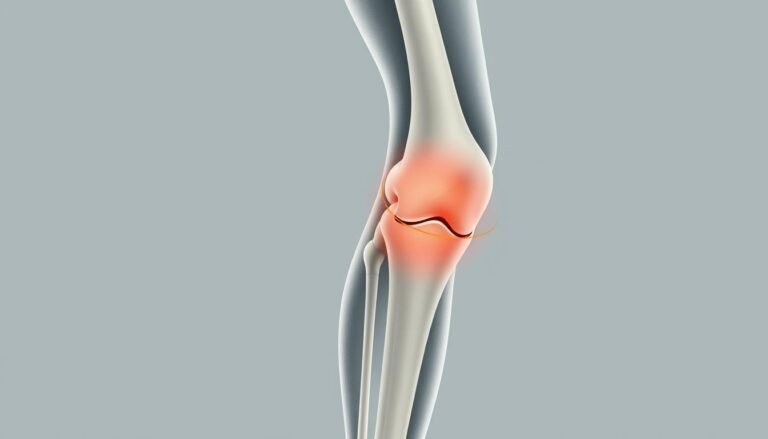
When it comes to a knee injury, it’s important to know when to seek emergency medical care. According to Mayo Clinic, urgent medical attention is necessary if your knee pain is caused by a major injury and you experience the following symptoms: a bent or deformed knee joint, a “popping” sound at the time of injury, inability to bear weight on the knee, intense pain, or sudden swelling. Additionally, seeking medical attention is recommended if your knee pain occurs after forceful impact or injury and you experience symptoms such as severe swelling, redness, warmth, tenderness, or if the pain disrupts your sleep or daily tasks.

Self-care at home may be appropriate for knee pain that has no clear signs of trauma and doesn’t severely impact your daily life. However, if the pain persists or worsens, it’s important to seek medical evaluation to determine the underlying cause and appropriate treatment.

Signs of a Severe Knee Injury

When it comes to knee injuries, it’s crucial to be aware of signs that indicate a severe condition which requires immediate medical attention. Failing to seek prompt treatment for a serious knee injury can lead to complications and long-term damage.

Here are some signs to watch out for:

  • Severe pain: If you experience intense pain in your knee, it could be a sign of a significant injury.
  • Swelling and tenderness: Noticeable swelling and tenderness in the knee can indicate a severe injury.
  • Inability to bear weight: If you cannot put any weight on the affected leg without experiencing excruciating pain, it may be a sign of a severe knee injury.
  • Visible deformity: If your knee appears misaligned or deformed, it could indicate a serious injury and require immediate medical attention.
  • Symptoms of infection: Redness, warmth, and fever in the knee area might be signs of an infection, which could worsen if left untreated.

If you experience any of these signs, it is essential to seek emergency medical care right away. Delaying treatment for a severe knee injury can have serious consequences. Visit the emergency room or call 911 to receive the immediate attention necessary for proper evaluation and treatment of your knee injury.

Comparison of Knee Injury Severity Levels

Severity Level Symptoms Recommended Action
Mild Minor pain, slight swelling Self-care with rest, ice, compression, and elevation (RICE) method
Moderate Moderate pain, moderate swelling, difficulty walking Seek medical evaluation and treatment at an urgent care center
Severe Severe pain, significant swelling, inability to bear weight, visible deformity Seek immediate medical attention at the emergency room

Remember, recognizing the signs of a severe knee injury is crucial in order to receive timely and appropriate medical care. Prioritize your health and well-being by seeking immediate medical attention if you suspect a severe knee injury.

Non-Emergency Knee Injuries and Self-Care Options

Not all knee injuries require immediate emergency room care. In cases where the injury is less severe and doesn’t exhibit signs of a major injury or infection, self-care options may be appropriate.

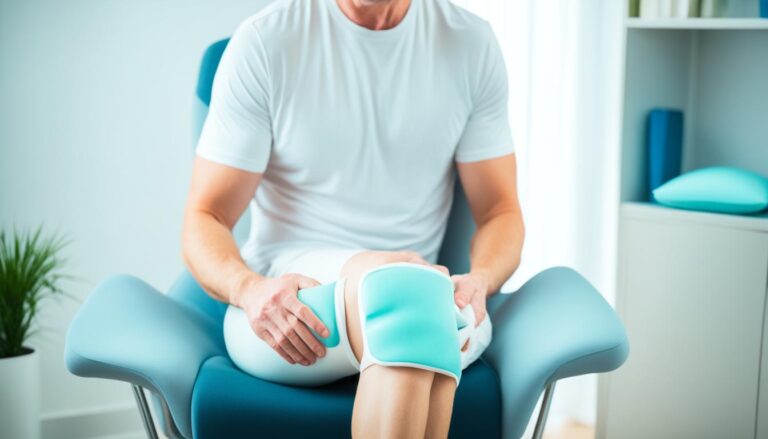
Resting the knee joint and avoiding activities that exacerbate the pain is essential in the initial stages of recovery. Applying ice to the affected area for 15 to 20 minutes multiple times a day can help reduce pain and swelling. Compression bandages or knee braces can provide support and stability. Elevating the knee above heart level can aid in pain and swelling reduction. Over-the-counter pain relievers, such as NSAIDs or acetaminophen, can help alleviate pain.

However, it’s important to consult a healthcare professional to determine the underlying cause of the injury and receive a proper diagnosis and treatment plan. If the pain persists or worsens, it may be necessary to seek urgent care or make an appointment with a healthcare provider for further evaluation and treatment options.

FAQ

When should I go to the emergency room for a knee injury?

Seek emergency medical care if your knee pain is caused by a major injury, and you experience symptoms such as a bent or deformed knee joint, a “popping” sound at the time of injury, inability to bear weight on the knee, intense pain, or sudden swelling. Additionally, if your knee pain occurs after forceful impact or injury and is accompanied by severe swelling, redness, warmth, tenderness, or if the pain disrupts your sleep or daily tasks, it’s recommended to seek medical attention.

What are the signs of a severe knee injury?

Signs of a severe knee injury that require immediate medical attention include severe pain, swelling, or tenderness in the knee, inability to bear weight on the affected leg, a visibly misaligned or deformed knee joint, and symptoms of infection such as redness, warmth, and fever.

Do all knee injuries require a trip to the emergency room?

Not all knee injuries require immediate emergency room care. In cases where the injury is less severe and doesn’t exhibit signs of a major injury or infection, self-care options may be appropriate. However, it’s important to consult a healthcare professional to determine the underlying cause of the injury and receive a proper diagnosis and treatment plan.

Source Links


Similar Posts

  • | |

    Celebrating Patient Recognition Week: the importance of keeping your bones and joints healthy

      February 1 marks the start of Patient Recognition Week, an annual event celebrating the important role of patients in the healthcare system. As the name suggests, this week is all about recognizing and honoring the hardworking patients who place their trust in the hands of medical professionals. But it’s not just about celebrating patients;…

  • |

    Knee replacement recovery week by week

    What if the key to a successful knee surgery wasn’t just the operation itself, but how you navigate the healing process afterward? Total joint arthroplasty is a life changing solution for chronic pain and limited mobility. This major procedure offers a new beginning. Yet, the path to regaining your active life is a unique journey for every patient. knee replacement recovery timeline We provide this ultimate guide to help you navigate your post-operative phase with confidence. Understanding the nuances of your operation is the first step. Our comprehensive resource covers every stage. We ensure you are prepared for the challenges and milestones ahead. Your personal healing timeline is influenced by individual health factors. By following a structured approach, you can better manage expectations. This focus is on achieving a successful long-term outcome. We are committed to supporting your transition back to favorite activities. This guide serves as your roadmap. It provides essential insights into the rehabilitation process. Being well-informed is the most effective way to reduce anxiety. Key Takeaways Total knee arthroplasty is a transformative procedure for ending pain and restoring movement. Every patient’s healing journey is personal and follows its own timeline. A clear, week-by-week guide can build confidence and reduce post-surgery anxiety. Understanding what to expect after the operation is crucial for a smooth rehabilitation. Proper preparation and information are your best tools for a successful outcome. The goal is a structured return to mobility and the activities you enjoy. Introduction to Our Knee Replacement Recovery Journey The foundation for a smooth rehabilitation is laid well before you enter the operating room. We recognize your decision to pursue this operation is a major step toward a life with less pain. Our goal is to demystify what comes next. The healing process can seem overwhelming at first. We are here to provide clarity and set the stage for your success….

  • |

    Sleeping after knee replacement

    What if the key to a faster recovery isn’t just what you do during the day, but how you rest at night? We understand that getting proper rest following an operation can be a major hurdle. In fact, research shows about half of all patients report significant discomfort when trying to find a comfortable position. sleeping after knee replacement This cycle of fatigue and increased sensitivity can slow down your progress. That’s why quality rest is not a luxury—it’s a critical part of the healing process, as emphasized by Christynne Helfrich, PT, DPT at Hinge Health. Our guide is designed to break this cycle. We provide expert-backed strategies for managing discomfort and improving your overall rest quality. This includes proven positions and techniques for the crucial first weeks. By addressing the root causes of post-operative disturbances, we aim to help you achieve the restorative rest your body needs. For a comprehensive plan, explore our detailed resource on how to sleep after knee replacement. Key Takeaways Quality rest is a powerful, non-negotiable part of the healing journey after surgery. Many individuals experience increased pain at night or struggle to find a comfortable sleep position. Targeted exercises and proper sleep hygiene can significantly improve your comfort and rest quality. Effective pain management, including techniques like icing, is crucial for uninterrupted sleep. Guidance from your physical therapist and surgical team is essential for a safe and effective recovery. Patience and consistency with your nightly routine are key to long-term success. Understanding Knee Replacement Recovery Your body begins a detailed repair process immediately after joint surgery. A nerve block often provides comfort for the first 18 to 30 hours post-procedure. This offers a valuable window before typical sensations begin. knee replacement recovery Post-Surgery Healing and Body Changes Significant changes occur as you heal from this operation. Natural inflammation and swelling around the new joint are common. Your system is working hard to integrate the artificial components. We note that many individuals report increased difficulty starting around day four. Challenges can persist for up to ten weeks in some cases. Discomfort may also travel to areas like the shin or hip at night. This is a normal part of the adjustment process. Your body is adapting to its new mechanics. How Sleep Supports Recovery Quality rest is vital for repair. Your body focuses on mending the joint and surrounding muscle tissue during deep rest. This is when the most intensive healing occurs. As healing progresses, your sleep quality should gradually improve. Research shows most people see significant progress by the three-month mark. The first month is often the most difficult. We encourage you to stay active during the day. Gentle movement promotes blood flow and prevents stiffness. This daily activity supports better rest at night. Understanding that your body is working hard post-operatively helps manage expectations. Consistency with your routine is key for long-term success. Common Sleep Challenges After Knee Replacement The quiet of the night often amplifies the physical sensations that accompany post-operative healing. We see that nearly half of all individuals report severe disturbances during this critical time. This makes addressing these hurdles a top priority. common sleep challenges after knee replacement Nighttime Pain and Discomfort Without daytime distractions, you may become more aware of persistent sensations. This heightened awareness can make falling asleep difficult. Anxiety about your new joint is also common. Worrying about movement can further disrupt your rest cycles. Dealing with Swelling and Stiffness Inflammation is a natural response to an operation. It often increases when you are lying down for extended periods. Limited mobility prevents natural position shifts. This lack of movement allows stiffness to set in by morning. Challenge Primary Cause Typical Effect Nighttime Pain Increased sensory awareness Difficulty initiating sleep Swelling Post-surgery inflammation Discomfort in bed Joint Stiffness Immobility during rest…

  • |

    Regulation, production and safety of cellular allografts

    Once all tissues from a single donor have been isolated and processed, they are recombined to form the cellular allograft product. Because cellular allograft products must be stored frozen at low temperatures (< -70°C), a cryopreservative solution is added to maintain cell viability. At this point, additional batch testing is performed. This involves testing each...

  • Sudden Knee Pain Without Injury: Causes And Tips

    Many individuals experience sudden knee pain without a clear cause or injury. While certain knee pain may be the result of a twist, strain, or sprain, there are instances where pain arises without any apparent trauma. In this article, we will explore the common causes of knee pain without injury and provide helpful tips for…

  • Best Foods for Knee Osteoarthritis Relief

    When it comes to managing knee osteoarthritis, making changes to your diet can play a crucial role in providing relief and improving your overall joint health. By incorporating specific foods into your meals, you can reduce inflammation, maintain a moderate weight, and strengthen your bones, muscles, and joints. In this article, we will explore the…

Leave a Reply

Your email address will not be published. Required fields are marked *