Author: Mokhtar

  • Knee Osteoarthritis Relief: Next Steps & Tips

    Knee Osteoarthritis Relief: Next Steps & Tips

    Welcome to our comprehensive guide on knee osteoarthritis! If you or a loved one is dealing with knee osteoarthritis, you’re in the right place. We understand the challenges and pain that come with this condition, and we’re here to provide you with valuable information and guidance on how to manage and find relief from knee osteoarthritis.

    In this article, we will explore various treatment options, lifestyle changes, self-care strategies, and alternative therapies that can help alleviate knee osteoarthritis symptoms. Whether you’re looking for exercises to strengthen your knee, tips on pain relief, or alternative therapies for holistic healing, we’ve got you covered.

    When it comes to knee osteoarthritis, it’s essential to take proactive steps to manage the condition and improve your quality of life. In the next sections, we will discuss treatment options, including weight management, exercise, pain management, injections, and surgical interventions. We’ll also delve into the importance of lifestyle changes and self-care strategies, such as maintaining a healthy weight, regular exercise routines, and effective pain relief techniques.

    Additionally, we’ll explore alternative therapies that have shown promise in alleviating knee osteoarthritis symptoms. From topical creams and acupuncture to supplements and assistive devices, we’ll provide you with a comprehensive overview of the available options.

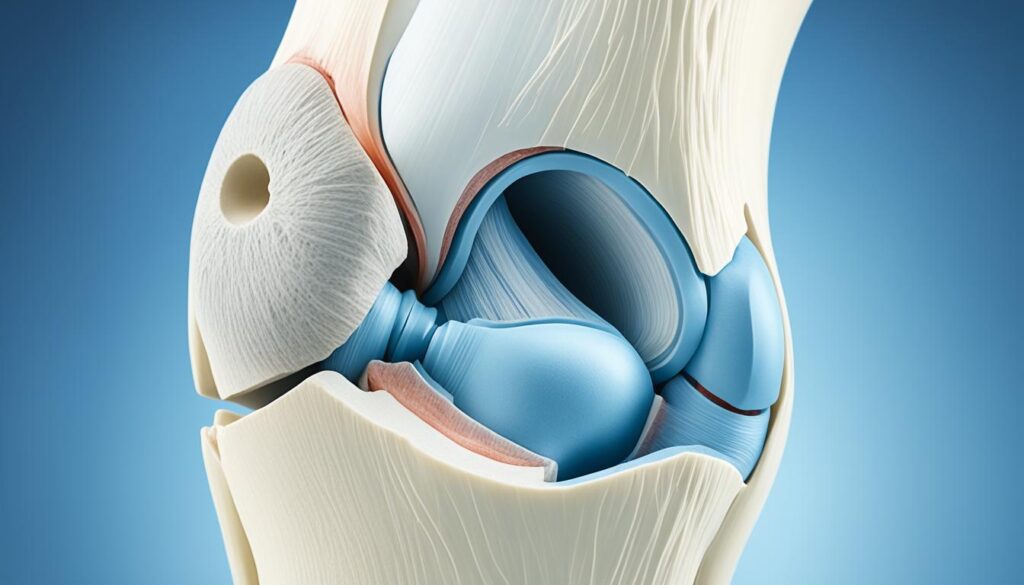
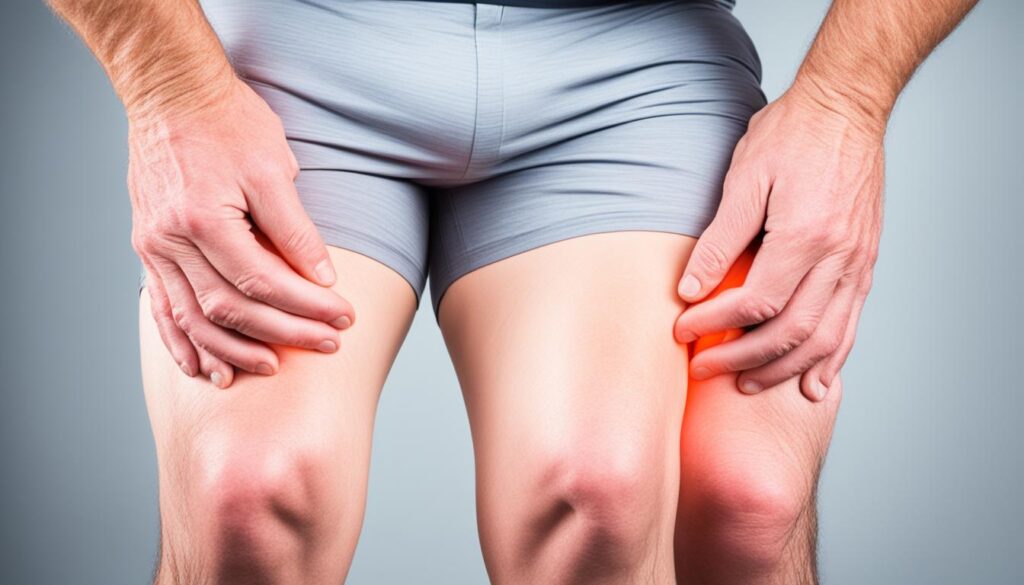
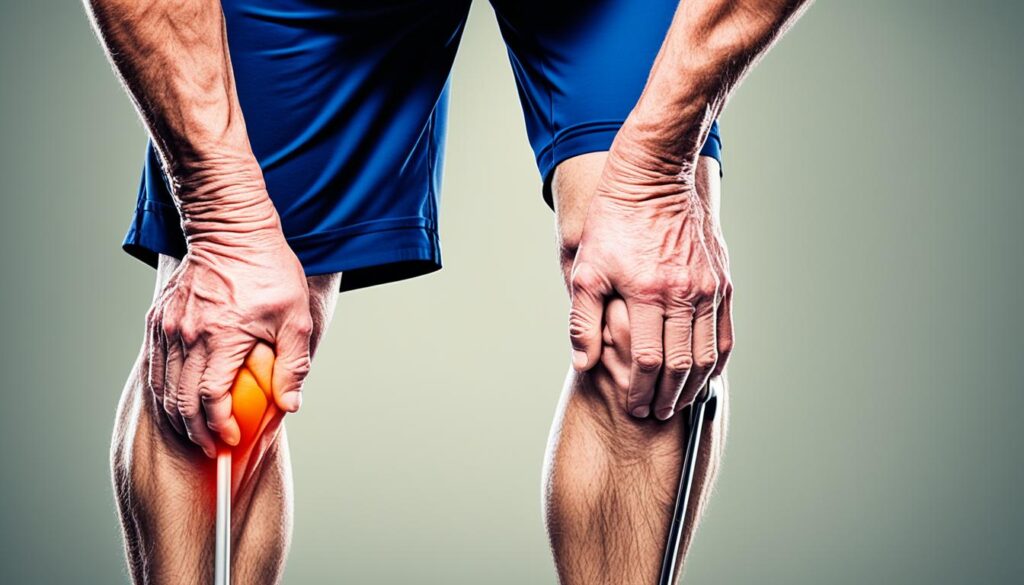
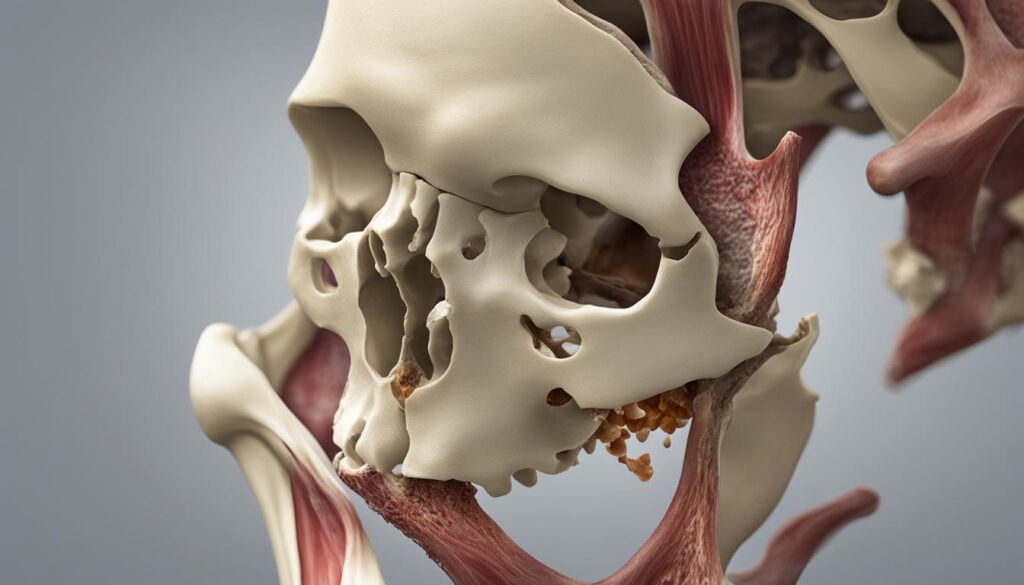
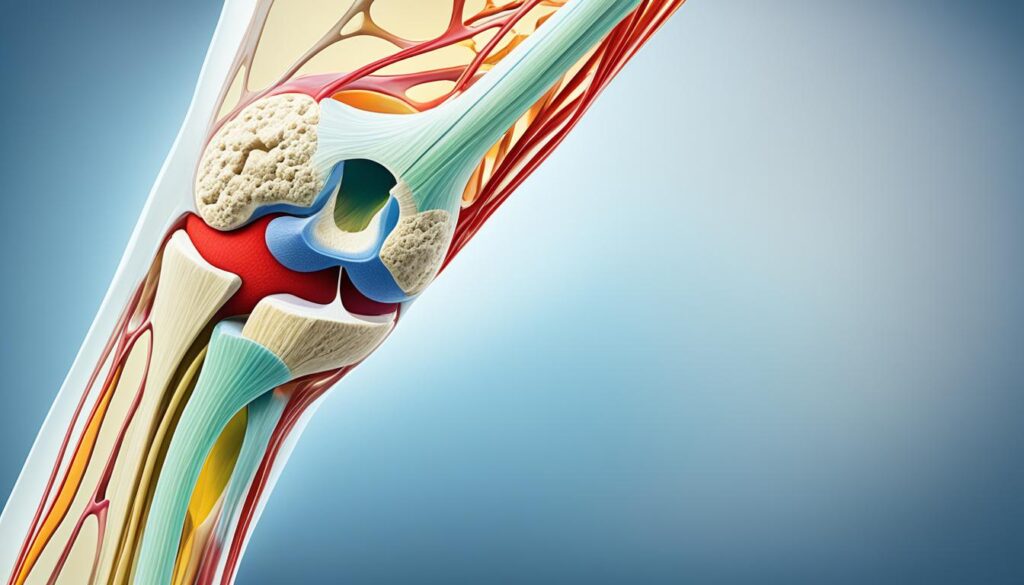
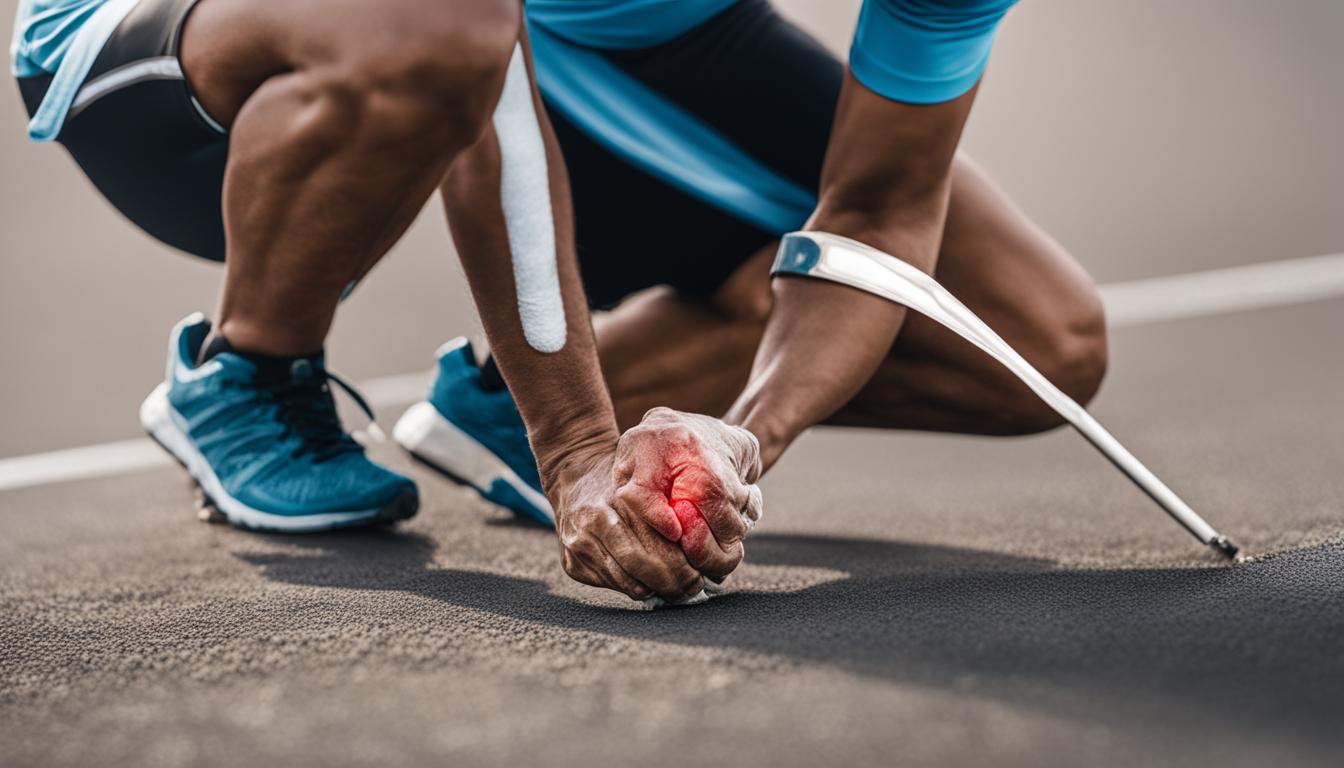
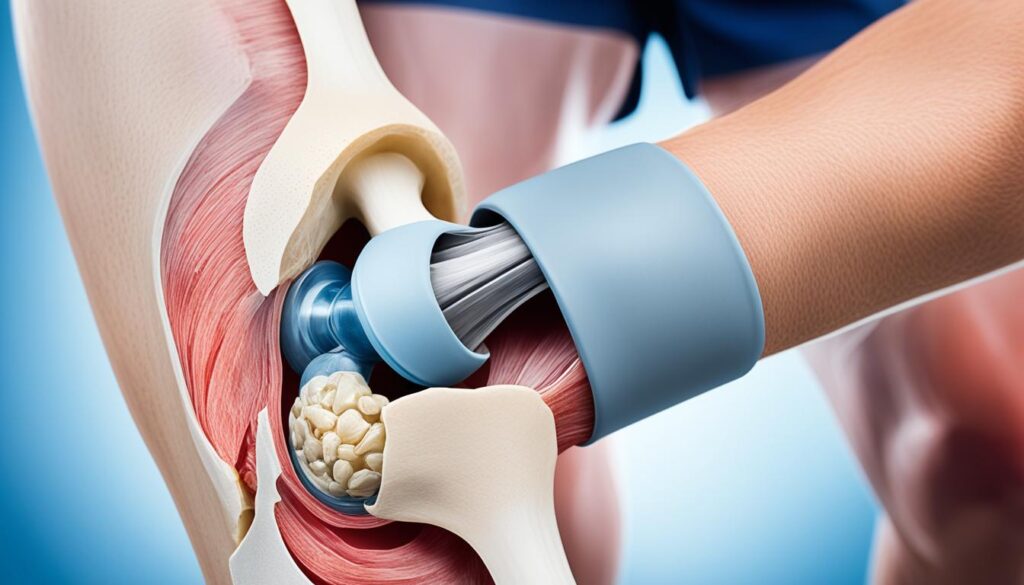
    Your well-being is our priority, and we want to ensure you have all the tools and knowledge to make informed decisions about managing knee osteoarthritis. So let’s dive into the next sections to discover the next steps you can take to find relief and improve your quality of life. Before we proceed, take a moment to check out the image below, which captures the essence of knee osteoarthritis relief.

    Understanding Knee Osteoarthritis Causes and Risk Factors

    In order to effectively manage knee osteoarthritis, it’s crucial to understand the causes and risk factors associated with this condition. By identifying these factors, we can take proactive measures to reduce the likelihood of developing knee osteoarthritis and minimize its impact on our lives.

    The Leading Cause: Age

    As we age, the ability of cartilage to heal naturally decreases, making age the most common cause of knee osteoarthritis. Over time, wear and tear on the knee joint can lead to the breakdown of protective cartilage, resulting in pain, stiffness, and reduced mobility.

    The Impact of Excess Weight

    Excess weight places additional stress on the knees, increasing the risk of developing knee osteoarthritis. Maintaining a healthy weight through proper diet and regular exercise can help reduce this risk and alleviate the burden on our joints.

    Heredity and Genetic Factors

    Heredity can also play a role in knee osteoarthritis. Genetic mutations and abnormalities in the shape of the bones surrounding the knee joint can increase the likelihood of developing this condition. Understanding our genetic predispositions can help us take proactive measures to manage and minimize the impact of these factors.

    Gender and Age

    Women over the age of 55 have a higher risk of developing knee osteoarthritis compared to men. Hormonal changes and genetic factors specific to women can contribute to this increased risk. By understanding these gender and age-specific factors, women can take the necessary steps to protect their knee health.

    Occupational Risks and Sports Participation

    Repetitive stress injuries resulting from certain occupations can contribute to the development of knee osteoarthritis. Jobs that involve prolonged kneeling, squatting, or heavy lifting can put excessive strain on the knees, accelerating cartilage wear and tear. Additionally, athletes who regularly engage in high-impact sports like soccer, tennis, and long-distance running are at a higher risk of knee osteoarthritis due to the repetitive stress placed on their joints.

    Other Health Conditions

    Certain illnesses, such as rheumatoid arthritis and specific metabolic disorders, can increase the risk of knee osteoarthritis. These conditions can contribute to joint inflammation, accelerating cartilage breakdown and exacerbating symptoms. Understanding these additional health conditions is essential in developing comprehensive treatment plans that address all aspects of joint health.

    By understanding the causes and risk factors associated with knee osteoarthritis, we can make informed decisions about our lifestyle and take preventive measures to mitigate the impact of this condition. From maintaining a healthy weight to protecting our knees during high-impact activities, every effort counts in promoting long-term joint health and reducing the risk of knee osteoarthritis.

    Risk Factors for Knee Osteoarthritis

    Factor Description
    Age The most common cause of knee osteoarthritis. Cartilage healing ability decreases with age, leading to wear and tear on the joint.
    Excess Weight Increases stress on the knees and accelerates cartilage breakdown, raising the risk of knee osteoarthritis.
    Heredity and Genetic Factors Genetic mutations and abnormalities in bone structure can contribute to the development of knee osteoarthritis.
    Gender and Age Women over 55 have a higher risk of knee osteoarthritis due to hormonal changes and specific genetic factors.
    Occupational Risks Jobs involving repetitive knee stress, like kneeling or squatting, can accelerate cartilage wear and tear.
    Sports Participation High-impact sports, such as soccer and running, increase the risk of knee osteoarthritis due to joint stress.
    Other Health Conditions Rheumatoid arthritis and certain metabolic disorders can contribute to the development of knee osteoarthritis.

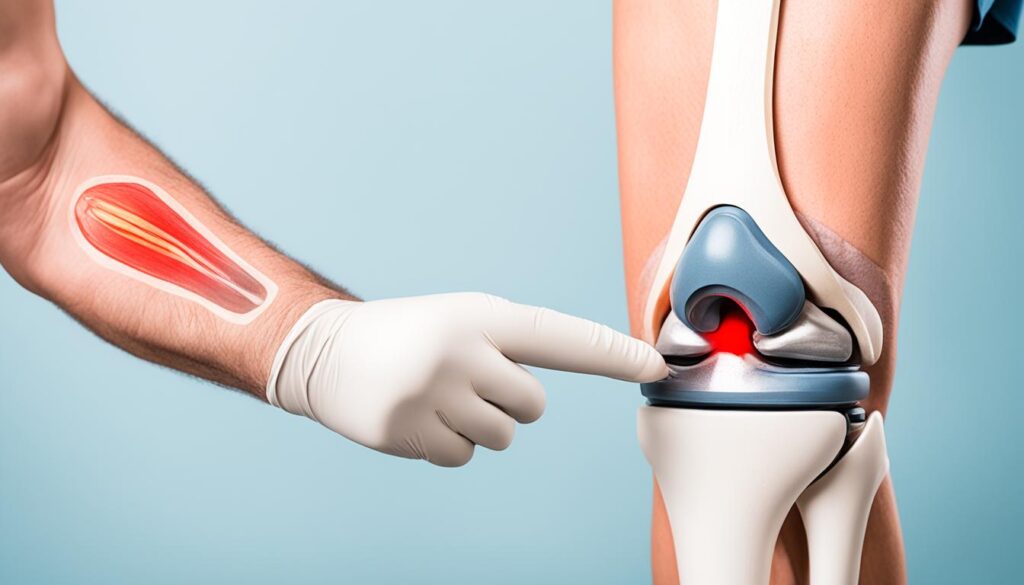
    knee osteoarthritis causes

    Identifying Symptoms and Diagnosing Knee Osteoarthritis

    In order to effectively manage knee osteoarthritis, it is crucial to identify the symptoms and receive a proper diagnosis. The following are common symptoms associated with knee osteoarthritis:

    • Pain that worsens with activity
    • Swelling
    • Stiffness, especially in the morning or after periods of rest
    • Reduced mobility
    • A crackling sound in the knee

    When you experience these symptoms, it is important to consult with a doctor for a physical examination, which is the first step in diagnosing knee osteoarthritis. During this examination, the doctor will assess your knee joint for signs of inflammation, tenderness, and instability.

    Your medical history and specific symptoms are also important factors in the diagnostic process. Be prepared to discuss what worsens or relieves your knee pain, as this information can provide valuable insights for the diagnosis.

    In some cases, your doctor may recommend imaging tests to further evaluate the condition of your knee. X-rays can reveal any damage to the cartilage or bones, while MRIs provide detailed images of the soft tissues. These tests can help determine the extent of cartilage loss and identify the presence of bone spurs.

    Additionally, blood tests may be used to rule out other conditions that could be causing the knee pain. By analyzing blood samples, doctors can identify markers of inflammation or other underlying conditions that may mimic the symptoms of knee osteoarthritis.

    knee osteoarthritis symptoms

    Having a clear understanding of the symptoms and receiving an accurate diagnosis are crucial steps in managing knee osteoarthritis. This knowledge allows for the implementation of appropriate treatment strategies to alleviate pain and improve quality of life.

    Managing Knee Osteoarthritis: Lifestyle Changes and Self-Care

    When it comes to managing knee osteoarthritis, there are several lifestyle changes and self-care strategies that can make a significant difference in reducing pain and improving overall quality of life. These strategies can be implemented alongside other treatment options to provide comprehensive care for individuals with knee osteoarthritis.

    Lifestyle Changes

    One of the most effective lifestyle changes for knee osteoarthritis management is weight loss. Excess weight puts additional stress on the knee joint, exacerbating pain and reducing mobility. By shedding pounds through a combination of healthy eating and regular exercise, individuals with knee osteoarthritis can experience significant pain relief and improved joint function.

    In addition to weight loss, regular exercise is crucial for stabilizing the knee joint, strengthening the surrounding muscles, and improving mobility. A combination of strengthening exercises to target the muscles supporting the knee, and stretching exercises to maintain flexibility, can help manage pain and prevent further deterioration of the joint.

    Self-Care Strategies

    In addition to lifestyle changes, there are various self-care strategies that individuals with knee osteoarthritis can implement to alleviate symptoms and improve daily functioning:

    • Over-the-counter pain relievers: Medications like acetaminophen and ibuprofen can provide temporary relief from knee pain. However, it’s important to follow the recommended dosage and consult with a healthcare professional before long-term use.
    • Injections: Corticosteroid injections can help reduce inflammation and provide pain relief in the knee joint. Hyaluronic acid injections can also be an option to improve lubrication and cushioning in the joint.
    • Alternative therapies: Some individuals find relief through alternative therapies such as topical creams containing capsaicin, acupuncture, and dietary supplements like glucosamine and chondroitin.
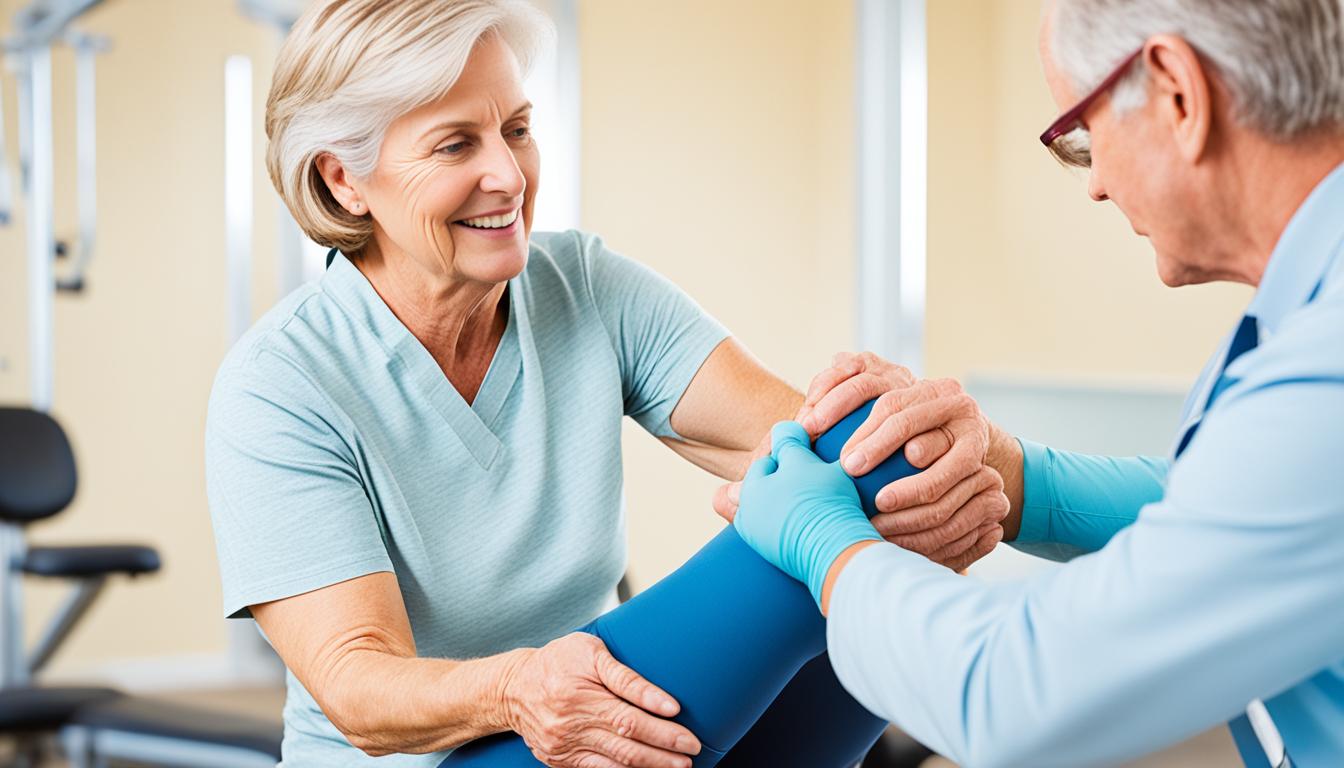
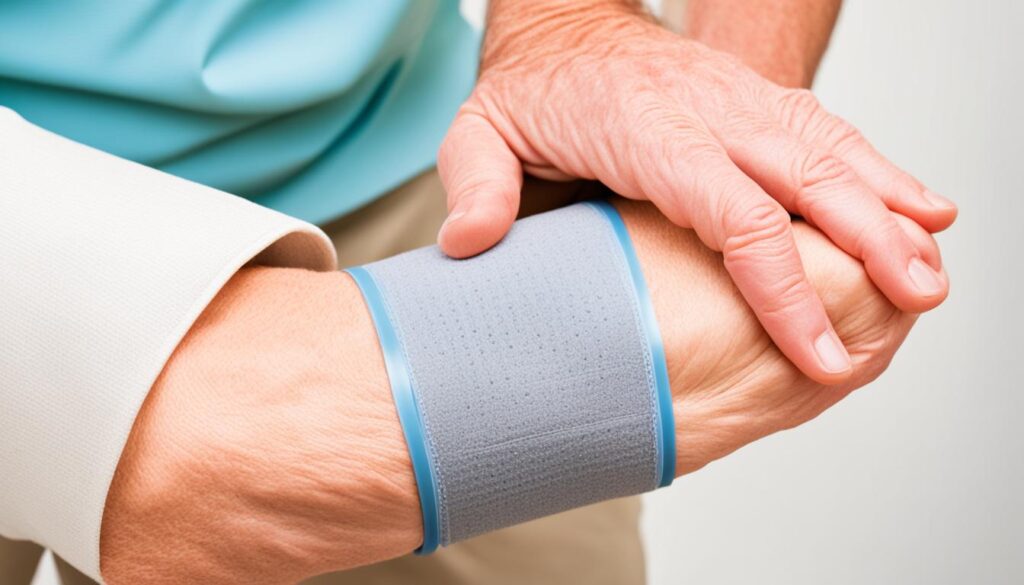
    • Braces and physical therapy: The use of braces and physical or occupational therapy can help individuals with knee osteoarthritis manage pain, improve mobility, and continue with daily activities more comfortably.

    Surgery

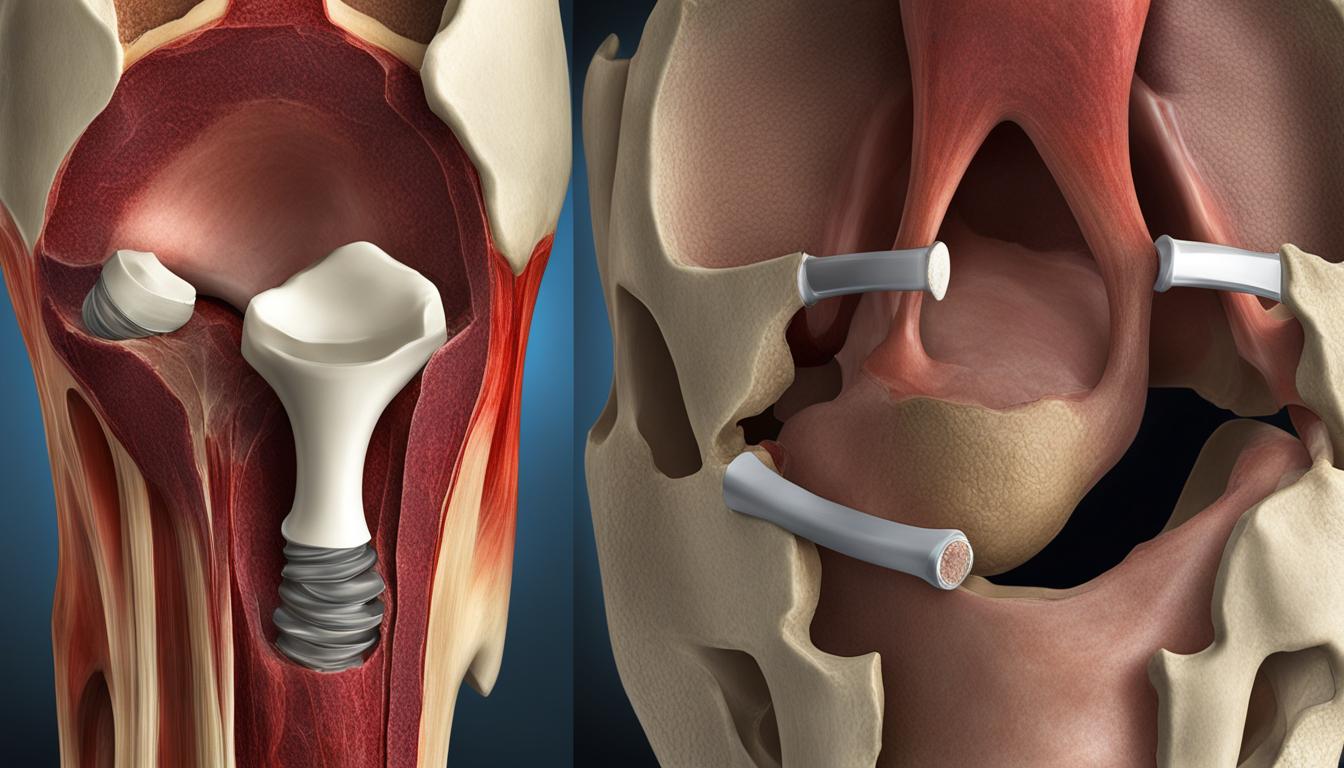
    When conservative treatments are not effective in managing knee osteoarthritis, surgery may be recommended. Depending on the severity of the condition and the individual’s needs, surgical options such as arthroscopy, osteotomy, or joint replacement may be considered. These procedures aim to alleviate pain, improve joint function, and enhance overall quality of life.

    It’s important to note that each individual’s experience with knee osteoarthritis is unique. Therefore, consulting with a healthcare professional is essential to develop a comprehensive treatment plan tailored to the individual’s specific needs and goals.

    Exploring Advanced Knee Osteoarthritis Treatments

    Knee osteoarthritis can significantly impact a person’s quality of life, causing pain and reducing mobility. While conventional treatment options, such as weight loss, exercise, and pain management, can provide relief for many individuals, some cases of knee osteoarthritis may require more advanced interventions. In this section, we will explore several advanced treatments and surgical options that can help manage knee osteoarthritis and improve overall joint health.

    Platelet-Rich Plasma (PRP) Injections

    One advanced treatment for knee osteoarthritis is the use of platelet-rich plasma (PRP) injections. PRP injections involve extracting the patient’s blood, separating the platelets and plasma, and then injecting the concentrated solution back into the knee joint. Platelets contain growth factors that can promote healing and reduce inflammation, potentially improving the symptoms associated with knee osteoarthritis.

    Mesenchymal Stem Cells (MSCs)

    Mesenchymal stem cells (MSCs) are a type of adult stem cell that can differentiate into various cell types, including cartilage cells. In knee osteoarthritis treatment, MSCs can be extracted from the patient’s bone marrow and injected directly into the knee joint. These cells have the potential to stimulate cartilage regrowth and reduce inflammation, providing a more targeted approach to managing knee osteoarthritis.

    Bone Marrow Aspirate Concentrate

    Another advanced treatment option for knee osteoarthritis involves using bone marrow aspirate concentrate. This procedure involves extracting cells from the patient’s own bone marrow and concentrating them to create a solution rich in growth factors and regenerative cells. When injected into the knee joint, these cells can stimulate the healing process and promote cartilage regrowth.

    Autologous Cultured Chondrocytes

    Autologous cultured chondrocytes is a treatment option that involves harvesting cells from the patient’s own joints, typically the knee, and culturing them in a laboratory to generate a larger population. These cultured cells are then injected into the knee joint to repair injuries and promote the growth of healthy cartilage. This personalized approach can provide targeted treatment for knee osteoarthritis.

    Surgical Options

    In some cases, when conservative treatments have not been effective or the knee osteoarthritis is severe, surgical intervention may be necessary. Several surgical options are available for advanced knee osteoarthritis:

    • Arthroscopy: A minimally invasive procedure where a small camera is inserted into the knee joint to examine and repair damaged tissues.
    • Osteotomy: This surgical procedure involves cutting and reshaping the bones around the knee joint to redistribute the weight and relieve pressure on the affected area.
    • Joint Replacement: In severe cases of knee osteoarthritis, joint replacement surgery may be recommended. This involves removing the damaged surfaces of the knee joint and replacing them with artificial implants.

    It is important to note that surgical options for knee osteoarthritis should be considered after careful evaluation and discussion with a qualified medical professional.

    These advanced treatments for knee osteoarthritis provide promising possibilities for individuals seeking long-term relief and improved joint function. However, it is essential to consult with a healthcare professional to determine which treatment option is most suitable based on individual needs and medical history.

    Diagnosing and Treating Knee Osteoarthritis: Insights from Medical Professionals

    In this section, we will explore the diagnostic process and treatment options for knee osteoarthritis, as seen through the lens of medical professionals. A thorough understanding of the diagnosis and available treatments is crucial for effective management of this condition.

    Diagnosing Knee Osteoarthritis

    Medical professionals employ various methods to diagnose knee osteoarthritis. These include:

    • Physical examinations: Doctors assess the range of motion, stability, and any signs of inflammation or joint deformities.
    • Medical history: Gathering information about symptoms, previous injuries, and family medical history helps in forming an accurate diagnosis.
    • Imaging tests: X-rays and MRIs are commonly used to visualize the knee joint and evaluate the extent of cartilage damage, bone spurs, and other structural abnormalities.

    By combining these diagnostic tools, medical professionals can confidently determine if a patient has knee osteoarthritis.

    Treating Knee Osteoarthritis

    The treatment plan for knee osteoarthritis is tailored to the individual and may include:

    • Weight loss: Shedding excess pounds helps reduce stress on the knee joint, alleviating pain and improving mobility.
    • Exercise: Regular physical activity, including specific exercises targeting the knee joint, can strengthen the surrounding muscles, improve joint stability, and alleviate pain.
    • Pain management: Over-the-counter medications, such as acetaminophen or nonsteroidal anti-inflammatory drugs (NSAIDs), can provide temporary relief from pain and inflammation.
    • Injections: Corticosteroid injections can help reduce inflammation and pain, while hyaluronic acid injections provide lubrication to the joint, improving movement.
    • Alternative therapies: Some individuals find relief through alternative treatments like topical creams with capsaicin or acupuncture.
    • Surgery: In severe cases, surgical interventions like arthroscopy, osteotomy, or joint replacement may be considered to repair or replace damaged joint structures.

    Medical professionals play a crucial role in guiding patients through the diagnosis and treatment journey for knee osteoarthritis. Their expertise ensures that individuals receive personalized care and access to the most effective interventions available.

    Living with Knee Osteoarthritis: Self-Care Strategies and Alternative Therapies

    Living with knee osteoarthritis requires proactive self-care strategies and exploring alternative therapies to manage symptoms effectively. By incorporating lifestyle changes and seeking alternative treatments, individuals can improve their quality of life and minimize discomfort.

    Self-Care Strategies for Knee Osteoarthritis

    • Weight management: Maintaining a healthy weight reduces the stress on the knee joint, relieving pain and improving mobility.
    • Regular exercise: Engaging in low-impact exercises, such as swimming or cycling, helps strengthen the muscles around the knee and improves joint stability.
    • Proper body mechanics: Practicing good posture and using proper lifting techniques can help reduce strain on the knee joint and minimize pain.

    Alternative Therapies for Knee Osteoarthritis

    In addition to self-care strategies, exploring alternative therapies can provide additional relief for knee osteoarthritis symptoms:

    1. Heat and cold therapy: Applying heat or cold packs to the affected knee can help alleviate pain and reduce swelling in the joint.

    2. Capsaicin creams: Topical creams containing capsaicin, derived from chili peppers, can provide temporary pain relief by blocking pain signals.

    3. Acupuncture: This ancient practice involves the insertion of thin needles at specific points on the body to promote pain relief and improve overall well-being.

    4. Supplements: Glucosamine and chondroitin supplements may help reduce joint pain and improve joint function in some individuals with knee osteoarthritis. However, it is essential to consult with a healthcare professional before starting any supplement regimen.

    5. Assistive devices: Braces and shoe inserts can help support the knee joint, reduce stress, and improve mobility in individuals with knee osteoarthritis.

    6. Support groups and group exercise classes: Participating in support groups and group exercise classes can provide valuable motivation, emotional support, and camaraderie for individuals living with knee osteoarthritis.

    By implementing self-care strategies and exploring alternative therapies, individuals with knee osteoarthritis can alleviate symptoms, improve function, and enhance their overall well-being. It is essential to consult with a healthcare professional for personalized advice and guidance on incorporating these strategies into a comprehensive treatment plan.

    Conclusion

    Knee osteoarthritis is a common condition that affects many individuals, causing pain, swelling, and reduced mobility in the knee joint. It is often a result of the breakdown of cartilage within the joint. Several factors such as age, weight, heredity, repetitive stress injuries, and certain sports can increase the risk of developing knee osteoarthritis.

    Diagnosing knee osteoarthritis involves a thorough physical examination, evaluation of medical history, and the use of imaging tests such as X-rays and MRIs to assess the extent of cartilage and bone damage. Once diagnosed, there are various treatment options available to manage the condition. These include weight loss, exercise programs tailored to strengthen the knee joint, pain management approaches, injections, alternative therapies, the use of braces, and in severe cases, surgical interventions.

    While advanced treatments like PRP injections, MSCs, bone marrow aspirate concentrate, and autologous cultured chondrocytes present promising avenues for future knee osteoarthritis management, they are still being researched and evaluated for their effectiveness. In the meantime, self-care strategies, involving lifestyle changes such as weight management, along with alternative therapies and the use of assistive devices, can significantly contribute to effectively managing the condition and improving quality of life. Furthermore, seeking support from medical professionals and participating in support groups can provide valuable guidance and emotional support throughout the journey of living with knee osteoarthritis.

    As ongoing research continues to advance our understanding of knee osteoarthritis, there is hope that improved treatment options will become available. With a combination of proper medical care, self-care strategies, and advancements in treatment, individuals living with knee osteoarthritis can strive towards a better quality of life and enhanced management of their condition.

    FAQ

    What can I do to manage knee osteoarthritis?

    There are several strategies you can try to manage knee osteoarthritis. These include weight loss, regular exercise, pain management, injections, alternative therapies, braces, and surgery. It’s important to work with your healthcare provider to develop a personalized treatment plan.

    What are the causes and risk factors for knee osteoarthritis?

    Knee osteoarthritis can be caused by age, injury, infection, being overweight, heredity, certain occupations, and participation in high-impact sports. Women over the age of 55 are more likely to develop knee osteoarthritis than men. Rheumatoid arthritis and certain metabolic disorders can also increase the risk.

    How is knee osteoarthritis diagnosed?

    Diagnosis of knee osteoarthritis involves a physical examination, medical history, and imaging tests such as X-rays and MRIs. Blood tests may also be used to rule out other conditions. It’s important to consult with a healthcare professional for an accurate diagnosis.

    What lifestyle changes and self-care strategies can help manage knee osteoarthritis?

    Lifestyle changes such as weight management, regular exercise, and practicing proper body mechanics can significantly help manage knee osteoarthritis. Additionally, self-care strategies like heat and cold therapy, using assistive devices, and participating in support groups or group exercise classes can provide pain relief and support.

    What are the advanced treatment options for knee osteoarthritis?

    Advanced treatments for knee osteoarthritis, such as platelet-rich plasma injections, mesenchymal stem cells, bone marrow aspirate concentrate, and autologous cultured chondrocytes, are still being researched. These treatments show promise in promoting cartilage regrowth and reducing inflammation in the knee joint.

    How do medical professionals diagnose and treat knee osteoarthritis?

    Medical professionals diagnose knee osteoarthritis through a physical examination, medical history, and imaging tests. Treatment options vary depending on the individual but may include weight loss, exercise, pain management, and, in severe cases, surgery. Consultation with a healthcare provider is essential for proper diagnosis and treatment.

    What self-care strategies and alternative therapies can help with knee osteoarthritis?

    Self-care strategies for knee osteoarthritis include weight management, regular exercise, and practicing proper body mechanics. Alternative therapies such as capsaicin creams, acupuncture, and supplements like glucosamine and chondroitin may provide relief for some individuals. It’s important to consult with a healthcare professional before trying alternative therapies.

    In conclusion, what are the main takeaways about knee osteoarthritis?

    Knee osteoarthritis is a common condition characterized by the breakdown of cartilage in the knee joint, resulting in pain, swelling, and reduced mobility. It can be managed through a combination of weight loss, exercise, pain management, injections, alternative therapies, braces, and surgery. Advancements in treatments, such as platelet-rich plasma injections and stem cell therapies, are still being researched. Self-care strategies and alternative therapies can also play a significant role in managing knee osteoarthritis.

    Source Links

  • Understanding Knee Osteoarthritis Causes

    Understanding Knee Osteoarthritis Causes

    At some point in our lives, many of us may experience knee pain or discomfort. This can be attributed to various factors, one of which is knee osteoarthritis. Understanding the causes of knee osteoarthritis is crucial in order to better manage and prevent its progression.

    Knee osteoarthritis is primarily caused by the degeneration of the knee joint, specifically the articular cartilage. This degeneration happens gradually and is often characterized by wear and tear. It can be further divided into two types: primary and secondary knee osteoarthritis.

    Primary knee osteoarthritis refers to articular degeneration without any known underlying reason. On the other hand, secondary knee osteoarthritis is caused by factors such as abnormal concentration of force across the knee joint or abnormal articular cartilage, which can be seen in conditions like rheumatoid arthritis.

    The contributing factors of knee osteoarthritis can vary from individual to individual. However, some common risk factors include knee cartilage wear and tear, previous injuries or trauma to the knee, joint deformities, and certain metabolic diseases. Additionally, age, genetics, and gender can also contribute to the development of knee osteoarthritis.

    Identifying these risk factors and understanding the triggers and contributing factors of knee osteoarthritis can help us make informed decisions about prevention, management, and treatment options. It is important to note that while there are no proven disease-modifying agents for knee osteoarthritis, various conservative measures and surgical interventions are available to alleviate symptoms and improve quality of life for those affected.

    In the following sections, we will delve deeper into the etiology, risk factors, pathophysiology, epidemiology, and clinical symptoms of knee osteoarthritis, providing a comprehensive understanding of this common degenerative joint disease.

    Etiology of Knee Osteoarthritis

    Knee osteoarthritis, a prevalent degenerative joint disease, can be categorized into two types: primary and secondary. Primary knee osteoarthritis occurs when articular cartilage degenerates without a known cause. It is commonly associated with age-related wear and tear on the knee joint. On the other hand, secondary knee osteoarthritis is caused by specific factors such as post-traumatic injuries, congenital or limb malformations, abnormal joint forces, or certain diseases like rheumatoid arthritis. Understanding the etiology of knee osteoarthritis is crucial for developing effective management strategies.

    Primary knee osteoarthritis is characterized by articular cartilage degeneration without any apparent underlying reason. It is often associated with factors such as advancing age, obesity, and genetic predisposition. The gradual breakdown of cartilage results in joint pain, stiffness, and limited mobility.

    Secondary knee osteoarthritis, on the other hand, is caused by identifiable factors that contribute to the deterioration of the knee joint. These factors include trauma, such as sports injuries or accidents, congenital or limb malformations, abnormal forces exerted on the joint, and certain chronic conditions like rheumatoid arthritis.

    Regardless of the type, knee osteoarthritis leads to articular cartilage degradation and eventually affects the overall function of the knee joint. By understanding the etiology of knee osteoarthritis, healthcare professionals can tailor treatment plans and interventions to address the specific underlying causes and improve patient outcomes.

    knee osteoarthritis

    Risk Factors for Knee Osteoarthritis

    Various risk factors contribute to the development of knee osteoarthritis. It’s important to understand these risk factors to prevent and intervene early in the progression of the disease.

    Modifiable Risk Factors

    • Articular Trauma: Injuries to the knee joint, such as ligament tears or fractures, can increase the risk of developing knee osteoarthritis later in life.
    • Occupation-related Factors: Prolonged standing and repetitive knee bending, which are common in occupations that require heavy physical labor, can contribute to knee joint degeneration.
    • Muscle Weakness or Imbalance: Weak or imbalanced muscles around the knee can lead to abnormal joint forces and increased stress on the knee joint, increasing the risk of osteoarthritis.
    • Weight: Excess weight puts additional stress on the knee joint, accelerating the wear and tear of articular cartilage and increasing the risk of knee osteoarthritis.
    • Metabolic Syndrome: Conditions such as obesity, high blood pressure, insulin resistance, and abnormal blood lipid levels that make up metabolic syndrome can contribute to the development of knee osteoarthritis.

    Non-modifiable Risk Factors

    • Gender: Females are more commonly affected by knee osteoarthritis compared to males.
    • Age: Advanced age increases the risk of knee osteoarthritis due to the natural wear and tear of articular cartilage over time.
    • Genetics: Certain genetic factors can predispose individuals to develop knee osteoarthritis, including inherited abnormalities in the structure of the joint or cartilage.
    • Race: Some ethnicities, such as African Americans, have a higher prevalence of knee osteoarthritis compared to other populations.

    In addition to these risk factors, factors such as previous joint injuries, repeated stress on the joint, bone deformities, and certain metabolic diseases can also increase the risk of knee osteoarthritis. By identifying and understanding these risk factors, healthcare professionals can implement preventive measures and early intervention strategies to minimize the impact of knee osteoarthritis.

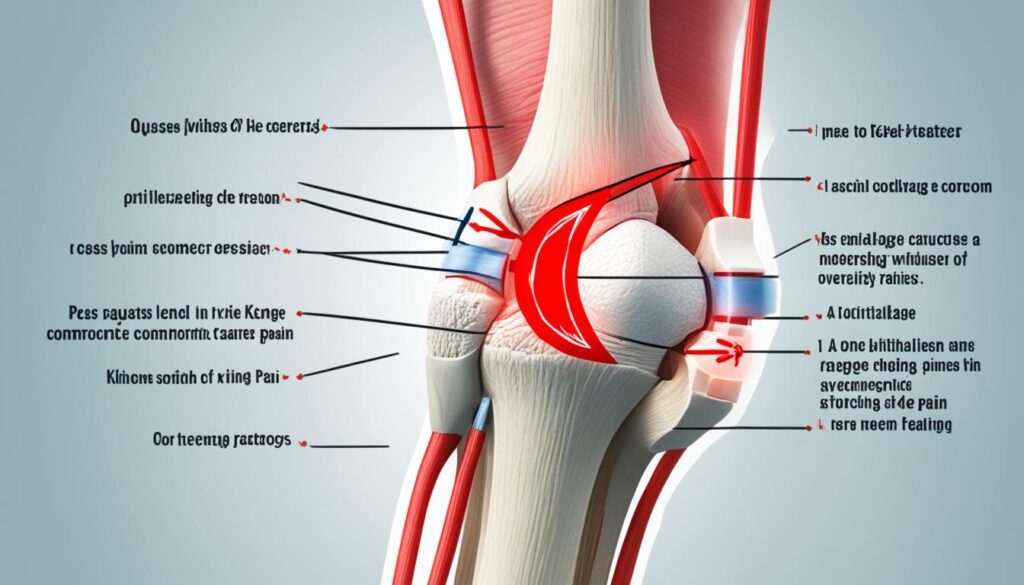
    knee osteoarthritis risk factors

    Epidemiology of Knee Osteoarthritis

    Knee osteoarthritis is a highly prevalent condition, making it the most common type of arthritis affecting individuals worldwide. With the global population aging and increasing rates of obesity, the prevalence of knee osteoarthritis is expected to rise in the coming years.

    Demographically, the prevalence of symptomatic knee osteoarthritis is influenced by both gender and age. Studies have shown that approximately 13% of women and 10% of men aged 60 and older experience symptomatic knee osteoarthritis. Among individuals older than 70, the prevalence can be as high as 40%. These statistics highlight the significant impact of knee osteoarthritis in the older population.

    In terms of incidence, knee osteoarthritis affects a considerable number of individuals each year. The incidence of symptomatic knee osteoarthritis is estimated to be around 240 cases per 100,000 people annually. However, it is important to note that not all individuals with radiographic evidence of knee osteoarthritis will experience symptomatic manifestations of the disease.

    Understanding the epidemiology of knee osteoarthritis is crucial for healthcare professionals in terms of resource allocation, management strategies, and public health interventions. By comprehending the prevalence, incidence, and demographics of knee osteoarthritis, we can better address the needs of individuals affected by this condition and work towards improving their quality of life.

    Pathophysiology of Knee Osteoarthritis

    The pathophysiology of knee osteoarthritis involves the progressive degradation of articular cartilage. In healthy cartilage, there is a delicate balance between collagen, proteoglycans, and chondrocytes. However, in osteoarthritis, this equilibrium is disrupted, leading to the loss of cartilage integrity.

    Matrix metalloproteases (MMPs) play a crucial role in the degradation of the cartilage matrix. These enzymes are overexpressed in osteoarthritis, resulting in the breakdown of collagen and proteoglycans. As a result, the cartilage becomes thinner and less resistant to mechanical stress.

    In response to the cartilage damage, chondrocytes, the cells responsible for maintaining and repairing cartilage, attempt to counteract the matrix degradation. They secrete tissue inhibitors of MMPs (TIMPs) to inhibit the activity of MMPs, and they increase the synthesis of proteoglycans. However, these reparative processes are insufficient to fully restore the damaged cartilage.

    The progressive degradation of articular cartilage in knee osteoarthritis ultimately leads to the development of fissures, cracks, and erosion. The loss of cartilage cushioning between the bones results in increased friction and can cause pain, stiffness, and swelling in the knee joint.

    While knee osteoarthritis is commonly associated with aging, it is important to recognize that it is a distinct disease characterized by specific biochemical changes in the cartilage. Understanding the pathophysiology of knee osteoarthritis is essential for developing targeted treatments and interventions that can slow down or prevent the progression of the disease.

    Clinical Symptoms of Knee Osteoarthritis

    The clinical symptoms of knee osteoarthritis can vary among individuals, but they typically include:

    1. Gradual onset knee pain: Many individuals with knee osteoarthritis experience gradual onset pain, which may start as a mild discomfort and progress over time.
    2. Increased pain with activity: Knee pain often worsens with activities such as walking, climbing stairs, or prolonged standing.
    3. Knee stiffness: Stiffness is a common symptom of knee osteoarthritis, especially after periods of rest or inactivity.
    4. Knee swelling: Some individuals may notice swelling around the knee joint, which can be accompanied by warmth or redness.
    5. Pain after prolonged periods of sitting or resting: After sitting or resting for an extended period, individuals with knee osteoarthritis may experience pain or stiffness when they first stand up and start moving.
    6. Pain that worsens over time: The pain associated with knee osteoarthritis tends to progress gradually, worsening over time if left untreated.

    These clinical symptoms can significantly impact an individual’s functional capacity and quality of life. Recognizing and understanding the symptoms of knee osteoarthritis is crucial for timely diagnosis and appropriate management.

    Symptoms Description
    Gradual onset knee pain Slowly developing pain in the knee joint
    Increased pain with activity Pain worsens during movement or weight-bearing activities
    Knee stiffness Feeling of tightness or limited range of motion in the knee
    Knee swelling Swelling or fluid accumulation around the knee joint
    Pain after prolonged periods of sitting or resting Pain or stiffness when standing up after periods of inactivity
    Pain that worsens over time Pain becomes more severe and persistent as knee osteoarthritis progresses

    Conclusion

    Knee osteoarthritis is a prevalent degenerative joint disease characterized by the progressive loss of articular cartilage. The causes of knee osteoarthritis can be classified into primary and secondary factors, with wear and tear playing a significant role. Various risk factors, both modifiable and non-modifiable, contribute to the development of knee osteoarthritis. Understanding these factors is crucial for implementing appropriate prevention and early intervention strategies.

    The pathophysiology of knee osteoarthritis involves the disruption of cartilage equilibrium, leading to the degradation of collagen and proteoglycans. This process occurs due to the overexpression of matrix metalloproteases, resulting in cracking, fissuring, and erosion of the articular cartilage. Clinically, knee osteoarthritis presents with symptoms such as knee pain, stiffness, swelling, and functional limitations. Recognizing and understanding these symptoms is essential for timely diagnosis and effective management.

    In conclusion, knee osteoarthritis is a complex condition influenced by various causes, risk factors, and pathophysiological changes in the joint. By comprehending the underlying factors and recognizing the clinical manifestations, healthcare professionals can develop targeted treatment plans to enhance patients’ quality of life. Continuous research and education in the field of knee osteoarthritis are crucial for advancing the understanding and management of this prevalent joint disease.

    FAQ

    What are the causes of knee osteoarthritis?

    Knee osteoarthritis is primarily caused by wear and tear and progressive loss of articular cartilage. It can be categorized into primary, which has no known underlying cause, and secondary, which is caused by factors like abnormal joint forces or diseases.

    What are the risk factors for knee osteoarthritis?

    Risk factors for knee osteoarthritis include modifiable factors like articular trauma, occupation-related factors, muscle weakness or imbalance, weight, and metabolic syndrome. Non-modifiable factors include gender, age, genetics, race, joint injuries, repeated stress on the joint, bone deformities, and certain metabolic diseases.

    What is the prevalence of knee osteoarthritis?

    The prevalence of symptomatic knee osteoarthritis varies by gender and age. Approximately 13% of women and 10% of men aged 60 and older experience symptomatic knee osteoarthritis. Among individuals older than 70, the prevalence can be as high as 40%. The incidence of symptomatic knee osteoarthritis is around 240 cases per 100,000 people per year.

    What is the pathophysiology of knee osteoarthritis?

    Knee osteoarthritis is characterized by the progressive degradation of articular cartilage. The equilibrium between collagen, proteoglycans, and chondrocytes is disrupted, leading to the overexpression of matrix metalloproteases (MMPs) and the loss of collagen and proteoglycans. Chondrocytes attempt to repair the damage but are unable to fully restore the cartilage, resulting in its degradation.

    What are the clinical symptoms of knee osteoarthritis?

    Clinical symptoms of knee osteoarthritis include gradual onset knee pain, increased pain with activity, knee stiffness, knee swelling, pain after prolonged periods of sitting or resting, and pain that worsens over time.

    Source Links

  • Knee Osteoarthritis: What Age Does It Affect?

    Knee Osteoarthritis: What Age Does It Affect?

    Welcome to our comprehensive guide on knee osteoarthritis. In this article, we will delve into the impact of age on this degenerative joint condition, exploring the age range at which it commonly occurs and discussing the onset of knee osteoarthritis. If you’re curious about knee osteoarthritis and want to understand how age plays a role, you’re in the right place.

    Knee osteoarthritis is a prevalent condition that affects millions around the world. As of 2019, approximately 528 million individuals globally were living with osteoarthritis, making it a significant health concern. While knee osteoarthritis is commonly associated with aging, it is important to note that it can also impact younger individuals, particularly those who have experienced joint injury or trauma.

    In this article, we will explore the prevalence of knee osteoarthritis by age, highlighting the age groups that are most commonly affected. We will also delve into the demographics of knee osteoarthritis and the various signs and symptoms associated with this condition. Additionally, we will discuss the causes and risk factors that contribute to the development of knee osteoarthritis.

    Finally, we will provide insights into the prevention and management of knee osteoarthritis, offering practical tips and strategies to reduce the risk and improve the overall quality of life for individuals living with this condition.

    Join us as we explore the complexities of knee osteoarthritis and gain a deeper understanding of how age impacts this common joint condition.

    The Prevalence of Knee Osteoarthritis by Age

    When it comes to knee osteoarthritis, age plays a significant role. While the condition can occur at younger ages, it typically starts to develop in the late 40s to mid-50s. Studies have shown that the prevalence of knee osteoarthritis tends to increase with age, with a higher incidence observed in individuals between 60 and 69 years old compared to those in their 40s. These findings highlight the importance of age as a risk factor for knee osteoarthritis.

    However, it’s important to note that knee osteoarthritis is influenced by various factors, not just age. Genetics, obesity, joint injury, and metabolic diseases such as diabetes can all contribute to the development of knee osteoarthritis. Understanding these risk factors is crucial in identifying individuals who may be more susceptible to the condition.

    To visualize the distribution of knee osteoarthritis by age, we have created a table showcasing the prevalence in different age groups:

    Age Group Osteoarthritis Prevalence (%)
    40s 10%
    50s 20%
    60s 30%
    70s 40%

    This table clearly demonstrates how the prevalence of knee osteoarthritis increases with age. Individuals in their 70s are four times more likely to have knee osteoarthritis compared to those in their 40s. These statistics emphasize the need for effective preventive measures and early intervention strategies for older adults who are at higher risk of developing knee osteoarthritis.

    It is worth mentioning that age-related knee osteoarthritis is a complex condition that requires further research to fully understand its underlying mechanisms and develop targeted treatments. By considering age alongside other risk factors, healthcare professionals can better identify those who are at greater risk and provide tailored interventions to manage knee osteoarthritis.

    knee osteoarthritis by age

    Knee Osteoarthritis Demographics

    Knee osteoarthritis affects a significant proportion of the population, with certain demographic factors playing a role. Around 60% of individuals living with knee osteoarthritis are female. The prevalence of knee osteoarthritis is also influenced by sociodemographic factors such as age, with the majority of cases occurring in individuals over 55 years old. Furthermore, obesity has been identified as a risk factor for knee osteoarthritis, particularly in the hip and knee joints.

    Other demographic factors such as race and ethnicity may also have an impact on knee osteoarthritis prevalence, although further research is needed to fully understand these associations.

    Demographic Factors Impact on Knee Osteoarthritis Prevalence
    Gender Higher prevalence in females
    Age Majority of cases occur in individuals over 55 years old
    Obesity Increased risk, particularly in the hip and knee joints
    Race and Ethnicity Potential impact, further research needed for conclusive evidence

    Knee Osteoarthritis Demographics

    Understanding the demographic factors associated with knee osteoarthritis can help healthcare professionals and researchers tailor prevention strategies and treatment approaches. By addressing these factors, we can work towards reducing the burden of knee osteoarthritis and improving the overall quality of life for individuals affected by this condition.

    Signs and Symptoms of Knee Osteoarthritis

    Knee osteoarthritis is a chronic condition that manifests through a range of signs and symptoms, causing discomfort and limitations in daily life. It is important to recognize these indicators to seek proper diagnosis and management.

    Pain

    One of the primary manifestations of knee osteoarthritis is pain. Individuals with this condition often experience pain during physical activity, after prolonged periods of exercise, or at the end of the day. The pain may vary in intensity, ranging from mild discomfort to severe and debilitating.

    Swelling

    Inflammation and swelling are common in knee osteoarthritis. The affected joint may appear swollen, causing visible changes in size and shape. Swelling can contribute to stiffness and difficulty in mobility.

    Stiffness

    Stiffness is a typical symptom of knee osteoarthritis, often felt in the morning or after prolonged periods of rest. Individuals may experience difficulty bending or straightening the knee, limiting their range of motion.

    Decreased Range of Motion

    Knee osteoarthritis can lead to a decreased range of motion in the affected joint. Activities that involve activities such as squatting, climbing stairs, or kneeling may become challenging due to the limited movement ability of the knee.

    Clicking or Popping Sound

    Some individuals may notice a clicking or popping sound when they move their knee joint. This may occur due to the roughening and wearing down of the cartilage, resulting in friction and abnormalities in the joint.

    Muscle Weakness

    Knee osteoarthritis can cause muscle weakness around the knee joint. This may affect the stability and support provided by the surrounding muscles, leading to difficulties in maintaining balance and overall joint stability.

    Joint Instability

    Individuals with knee osteoarthritis may experience a sense of joint instability. The knee joint may feel wobbly, making it challenging to bear weight or engage in activities that require balance.

    Knee osteoarthritis symptoms can significantly impact an individual’s quality of life, making movement painful and difficult. If you are experiencing any of these signs or symptoms, consult a healthcare professional for an accurate diagnosis and appropriate management.

    Causes and Risk Factors of Knee Osteoarthritis

    When it comes to knee osteoarthritis, several factors can contribute to its development. Understanding these causes and risk factors is crucial in order to effectively manage and potentially prevent the condition. Here, we explore the various factors that play a role in knee osteoarthritis.

    Joint Injuries

    Joint injuries, such as fractures or strains, can significantly increase the risk of developing knee osteoarthritis. The trauma to the joint can lead to the breakdown of cartilage and subsequent joint degeneration. It is important to seek appropriate medical attention and engage in proper rehabilitation following joint injuries to minimize the risk.

    Pre-Existing Joint Diseases

    Individuals with pre-existing joint diseases, such as rheumatoid arthritis or gout, have an increased likelihood of developing knee osteoarthritis. These conditions can contribute to joint inflammation and damage over time, leading to the onset of osteoarthritis. Managing and treating underlying joint diseases is essential in reducing the risk of knee osteoarthritis.

    Obesity

    Obesity is a significant risk factor for knee osteoarthritis. Excess weight places additional stress on the joints, particularly the knees, leading to accelerated wear and tear of the cartilage. Furthermore, obesity is often associated with metabolic abnormalities and systemic inflammation, which further contribute to the development and progression of knee osteoarthritis.

    Genetic Factors

    Genetics can also play a role in the risk of developing knee osteoarthritis. Certain genetic variations may predispose individuals to cartilage breakdown and joint degeneration. While genetics cannot be changed, understanding the presence of these factors can help individuals make informed decisions about their lifestyle and healthcare habits.

    Sociodemographic Factors

    Several sociodemographic factors have been associated with an increased risk of knee osteoarthritis. Age is a significant factor, with older individuals being more susceptible to developing the condition. Additionally, being female has been shown to increase the risk of knee osteoarthritis, although the exact reasons for this are still being studied.

    In summary, knee osteoarthritis can arise from various causes and risk factors, including joint injuries, pre-existing joint diseases, obesity, genetic factors, and sociodemographic factors. These factors can interact with each other, further influencing an individual’s risk of developing knee osteoarthritis. By understanding these underlying causes, individuals can take proactive steps to manage the condition and potentially reduce the risk of its occurrence.

    Prevention and Management of Knee Osteoarthritis

    While it may not be possible to completely prevent the development of knee osteoarthritis, there are measures that can be taken to reduce the risk and manage the condition.

    Prevention strategies include:

    • Avoiding overuse of joints
    • Maintaining a healthy lifestyle with regular physical activity
    • Maintaining a normal body weight

    For individuals already diagnosed with knee osteoarthritis, management often involves a multidisciplinary approach. This may include:

    • Exercise to strengthen the affected muscles
    • Physical therapies
    • Assistive devices such as braces
    • Medications to control pain and inflammation

    In severe cases, joint replacement surgery may be recommended to improve mobility and reduce pain. It is crucial for individuals with knee osteoarthritis to engage in self-care practices, including maintaining a healthy weight, managing symptoms, and following a tailored care plan.

    Image:

    Conclusion

    Knee osteoarthritis is a prevalent joint condition that affects individuals primarily over the age of 55, although it can also occur in younger individuals. The development and progression of knee osteoarthritis are influenced by various factors, including age, gender, obesity, and joint injuries. Understanding these factors is essential in the early diagnosis, prevention, and effective management of knee osteoarthritis.

    By diagnosing knee osteoarthritis early, healthcare professionals can implement personalized prevention strategies to reduce the risk of further joint deterioration. These strategies may include lifestyle modifications, such as maintaining a healthy weight and engaging in regular physical activity, as well as avoiding overuse of the affected joint.

    For individuals already diagnosed with knee osteoarthritis, effective management is crucial in minimizing pain, improving mobility, and enhancing overall quality of life. This may involve a multidisciplinary approach, including exercise programs to strengthen muscles surrounding the knee joint, physical therapies, assistive devices, and medications to control pain and inflammation. In severe cases, joint replacement surgery may be recommended.

    While significant progress has been made in understanding knee osteoarthritis, further research is still needed to comprehensively identify and comprehend the complex factors contributing to the condition. Continued efforts in research will allow for the development of more targeted interventions and treatments to prevent and manage knee osteoarthritis effectively.

    FAQ

    At what age does knee osteoarthritis typically occur?

    The onset of knee osteoarthritis typically occurs in the late 40s to mid-50s, although it can occur at younger ages as well.

    What is the prevalence of knee osteoarthritis by age?

    The majority of individuals affected by knee osteoarthritis are over the age of 55, with a higher prevalence observed in individuals between 60 and 69 years old compared to those in their 40s.

    What are the demographics of knee osteoarthritis?

    Knee osteoarthritis affects a significant proportion of the population, with around 60% of individuals with knee osteoarthritis being female. The majority of cases occur in individuals over 55 years old.

    What are the signs and symptoms of knee osteoarthritis?

    The signs and symptoms of knee osteoarthritis include pain, swelling, stiffness, decreased range of motion, muscle weakness around the knee, and joint instability.

    What are the causes and risk factors of knee osteoarthritis?

    The causes and risk factors of knee osteoarthritis include joint injuries, pre-existing joint diseases, obesity, genetics, age, and female sex.

    How can knee osteoarthritis be prevented and managed?

    While it may not be possible to completely prevent knee osteoarthritis, measures can be taken to reduce the risk and manage the condition. This includes avoiding overuse of joints, maintaining a healthy lifestyle with regular physical activity, maintaining a normal body weight, and engaging in exercise, physical therapies, and medication for pain and inflammation.

    What is the conclusion regarding knee osteoarthritis?

    Knee osteoarthritis is a common joint condition that primarily affects individuals over the age of 55, although it can also occur in younger individuals. Prevention strategies, early diagnosis, and effective management can help individuals maintain their mobility, reduce pain, and improve their overall quality of life.

    Source Links

  • Knee Osteoarthritis: Understanding the Condition

    Knee Osteoarthritis: Understanding the Condition

    Welcome to our comprehensive guide on knee osteoarthritis. In this article, we will delve into the details of this common condition, exploring what it is and how it affects the knee joint. Whether you are personally dealing with knee osteoarthritis or seeking knowledge to support a loved one, we are here to provide you with valuable insights.

    Knee osteoarthritis, also known as degenerative joint disease of the knee, is a condition characterized by the gradual loss of articular cartilage in the knee joint. This wear and tear over time can lead to pain, stiffness, and decreased mobility. Understanding the causes, symptoms, and treatment options for knee osteoarthritis is vital for managing the condition effectively.

    So, what exactly is knee osteoarthritis? It is a form of joint disease that affects millions of people worldwide, particularly those over the age of 50. The knee joint is one of the most commonly affected joints due to its weight-bearing nature and constant use.

    In the following sections, we will explore the causes and risk factors of knee osteoarthritis, the symptoms to watch out for, the diagnostic methods used by healthcare professionals, and the various treatment and management options available. This guide aims to provide you with a comprehensive understanding of knee osteoarthritis, empowering you to make informed decisions regarding your joint health.

    Continue reading to discover everything you need to know about knee osteoarthritis and how to effectively manage this degenerative joint disease.

    Causes and Risk Factors of Knee Osteoarthritis

    Knee osteoarthritis is a complex condition that can have various underlying causes and risk factors. Understanding these factors can help us better comprehend the development and progression of this debilitating condition.

    Primary Knee Osteoarthritis

    Primary knee osteoarthritis refers to the degeneration of articular cartilage without any discernible reason. It is commonly associated with age and the natural wear and tear our joints experience over time. As we age, the protective cartilage that cushions our joints gradually diminishes, leading to the onset of osteoarthritis in the knee. While primary knee osteoarthritis is a natural consequence of aging, certain risk factors can exacerbate its development.

    Secondary Knee Osteoarthritis

    Secondary knee osteoarthritis is characterized by specific causative factors that contribute to its occurrence. These factors include:

    1. Post-Traumatic Causes: Injuries to the knee joint, such as fractures or ligament tears, can lead to secondary osteoarthritis.
    2. Abnormal Articular Cartilage: Structural abnormalities in the cartilage, such as uneven thickness or defects, can increase the risk of developing osteoarthritis.
    3. Underlying Conditions: Certain medical conditions, such as rheumatoid arthritis or infectious arthritis, can predispose individuals to secondary knee osteoarthritis.

    Risk Factors

    In addition to the causes mentioned above, several risk factors can increase the likelihood of developing knee osteoarthritis. These risk factors include:

    • Articular Trauma: Previous knee injuries, particularly those involving direct impact or repeated trauma, can accelerate the degenerative process in the knee joint.
    • Occupation: Professions that involve prolonged standing or repetitive knee bending put individuals at a higher risk of developing knee osteoarthritis.
    • Muscle Weakness or Imbalance: Weakness or dysfunction in the muscles surrounding the knee joint can contribute to increased stress on the joint, leading to osteoarthritis.
    • Weight: Excess body weight places additional strain on the knee joint, increasing the risk of developing osteoarthritis.
    • Health Conditions: Conditions like metabolic syndrome, which includes factors such as obesity, high blood pressure, and abnormal cholesterol levels, can further predispose individuals to knee osteoarthritis.

    By recognizing the various causes and risk factors associated with knee osteoarthritis, we can adopt preventive measures and targeted interventions to mitigate its impact on individuals’ lives.

    Cause Description
    Primary Knee Osteoarthritis Degeneration of articular cartilage associated with aging and wear and tear.
    Post-Traumatic Causes Injuries to the knee joint, such as fractures or ligament tears.
    Abnormal Articular Cartilage Structural abnormalities in the cartilage, such as uneven thickness or defects.
    Underlying Conditions Medical conditions like rheumatoid arthritis or infectious arthritis.
    Articular Trauma Previous knee injuries, particularly involving direct impact or repeated trauma.
    Occupation Professions involving prolonged standing or repetitive knee bending.
    Muscle Weakness or Imbalance Weakness or dysfunction in the muscles surrounding the knee joint.
    Weight Excess body weight placing strain on the knee joint.
    Health Conditions Conditions like metabolic syndrome, including obesity, high blood pressure, and abnormal cholesterol levels.

    Symptoms of Knee Osteoarthritis

    Knee osteoarthritis is characterized by a variety of symptoms that can significantly impact an individual’s daily life. Recognizing and understanding these symptoms is key to seeking appropriate treatment and management strategies. The most common symptoms of knee osteoarthritis include:

    1. Knee pain: Gradual onset of knee pain that worsens with activity is a hallmark symptom of knee osteoarthritis. The pain is often described as a dull ache or throbbing sensation in the knee joint.
    2. Knee stiffness and swelling: Individuals with knee osteoarthritis may experience stiffness and swelling in the affected knee. This can make it difficult to fully extend or bend the knee.
    3. Pain after prolonged sitting or resting: After a period of inactivity, such as sitting or resting, individuals with knee osteoarthritis may experience pain and stiffness in the knee joint when attempting to stand up or move.
    4. Pain that worsens over time: Knee osteoarthritis is a progressive condition, and over time, the pain may become more intense and persistent.
    5. Decreased ambulatory capacity: Knee osteoarthritis can cause a decrease in an individual’s ability to walk or move comfortably. Daily activities like walking, climbing stairs, or participating in physical activities may become challenging.
    6. Morning stiffness and gelling: Many individuals with knee osteoarthritis experience morning stiffness, where the knee joint feels stiff and difficult to move after periods of inactivity. This stiffness often improves with movement throughout the day.

    It’s important to note that the severity and combination of symptoms may vary from person to person. Consulting a healthcare professional is crucial for an accurate diagnosis and personalized treatment plan.

    “Knee osteoarthritis is a complex condition that manifests through various symptoms, such as knee pain, stiffness, and decreased mobility. Identifying these symptoms early on can help individuals seek appropriate care and improve their quality of life.”

    symptoms of knee osteoarthritis

    Symptom Description
    Knee pain Gradual onset of knee pain that worsens with activity.
    Knee stiffness and swelling Stiffness and swelling in the affected knee joint.
    Pain after prolonged sitting or resting Pain and stiffness in the knee when moving after a period of inactivity.
    Pain that worsens over time Progressive increase in the intensity and persistence of knee pain.
    Decreased ambulatory capacity Difficulty walking, climbing stairs, or engaging in physical activities.
    Morning stiffness and gelling Stiffness in the knee joint after periods of inactivity, improving with movement.

    Diagnosis of Knee Osteoarthritis

    The diagnosis of knee osteoarthritis involves a comprehensive evaluation that combines a detailed history, physical examination, laboratory tests, and imaging features. By considering these factors, healthcare professionals can accurately diagnose and differentiate knee osteoarthritis from other conditions.

    During the diagnostic process, obtaining a detailed history is crucial. We assess the onset and duration of symptoms, the specific location and characteristics of pain, any factors that worsen or alleviate the pain, and the impact on functional activities. This information helps us gain a better understanding of the patient’s symptoms and aids in making an accurate diagnosis.

    Physical examination plays a vital role in diagnosing knee osteoarthritis. Through visual inspection, range of motion testing, and palpation of the knee joint, we can assess the joint for signs such as swelling, tenderness, and limited mobility. These findings contribute to the overall diagnostic process.

    To further support the diagnosis, imaging tests are often utilized. X-rays are commonly used to visualize the joint and confirm the presence of osteoarthritic changes, such as joint space narrowing, osteophyte formation, and subchondral sclerosis. Additionally, laboratory tests may be performed to rule out other conditions that may present with similar symptoms.

    It is important to note that a diagnosis of knee osteoarthritis cannot be made solely based on imaging findings. The clinical presentation and patient history must align with the imaging results to establish a definitive diagnosis.diagnosis of knee osteoarthritis

    Diagnostic Methods Description
    Detailed history Gathering information on symptoms, pain characteristics, and functional impact
    Physical examination Visual inspection, range of motion testing, and palpation of the knee joint
    X-rays Visualizing the joint for osteoarthritic changes
    Laboratory tests Ruling out other conditions with similar symptoms

    By utilizing these diagnostic approaches, healthcare professionals can accurately diagnose knee osteoarthritis and develop a personalized treatment plan tailored to the patient’s needs.

    Treatment for Knee Osteoarthritis

    When it comes to knee osteoarthritis, finding an effective treatment plan is crucial for managing symptoms and improving overall joint health. Treatment typically begins with conservative methods and may progress to surgical options if conservative measures prove ineffective.

    Lifestyle changes play a significant role in the treatment of knee osteoarthritis. This includes maintaining a healthy weight through diet and exercise, which can help alleviate stress on the affected joint. Physical therapy is also a key component, as it aims to strengthen the muscles around the knee, improve mobility, and reduce pain.

    Pain management is an integral part of knee osteoarthritis treatment. Nonsteroidal anti-inflammatory drugs (NSAIDs) and acetaminophen are commonly prescribed to help manage pain and reduce inflammation. The use of assistive devices like braces or orthotics can provide additional support and help alleviate discomfort.

    If conservative measures fail to provide adequate relief, surgical options may be considered. These can include arthroscopic debridement, a minimally invasive procedure to remove damaged tissue, osteotomy, which involves reshaping the bone to reduce stress on the joint, or joint replacement surgery, where the damaged joint is replaced with an artificial one.

    Overall, the goal of treatment for knee osteoarthritis is to reduce pain, improve function, and enhance the quality of life for individuals living with this condition.

    As always, it is important to consult with a healthcare professional for an accurate diagnosis and personalized treatment plan that addresses your specific needs and goals. With the right approach, treatment for knee osteoarthritis can make a significant difference in managing symptoms and maintaining joint health.

    Management of Knee Osteoarthritis

    The management of knee osteoarthritis requires a comprehensive and integrated approach that combines non-pharmacologic interventions, medications, exercise, and assistive devices. By addressing multiple aspects of the condition, we can effectively manage symptoms and improve the overall quality of life for individuals with knee osteoarthritis.

    Non-pharmacologic Interventions

    Non-pharmacologic interventions play a crucial role in the management of knee osteoarthritis. These interventions focus on lifestyle modifications and self-care strategies to reduce pain and improve joint function. Key non-pharmacologic interventions include:

    • Weight Management: Maintaining a healthy weight can help alleviate stress on the knee joints, reducing pain and slowing down the progression of osteoarthritis. A combination of regular exercise and a balanced diet can support weight loss.
    • Physical Therapy: Working with a physical therapist can provide personalized exercise programs and techniques to improve joint mobility, strengthen muscles around the knee, and enhance overall stability. Physical therapy may involve a combination of stretching, strengthening, and range of motion exercises.
    • Assistive Devices: Braces, shoe inserts, or assistive devices such as canes or walkers can help reduce pressure on the affected knee joint, provide stability, and alleviate pain during weight-bearing activities.

    Medications

    In some cases, medications may be prescribed to manage pain and inflammation associated with knee osteoarthritis. Common medications include:

    • Nonsteroidal Anti-inflammatory Drugs (NSAIDs): These medications help reduce pain and inflammation in the knee joint. NSAIDs are available over-the-counter or may be prescribed by a healthcare professional.
    • Acetaminophen: Acetaminophen can be used to relieve pain, but it does not have the anti-inflammatory effects of NSAIDs. It is often recommended as a first-line treatment for individuals who cannot take NSAIDs or have mild to moderate pain.

    Exercise Programs

    Regular exercise is an essential component of managing knee osteoarthritis. Exercise can improve joint function, reduce pain, increase flexibility, and strengthen the muscles that support the knee joint. Recommended exercises for knee osteoarthritis include:

    • Strengthening Exercises: These exercises target the muscles around the knee joint, helping to provide support and stability. Examples include leg presses, squats, and lunges.
    • Aerobic Exercises: Low-impact activities such as walking, swimming, or cycling can help improve cardiovascular fitness while minimizing stress on the knee joints.

    It is important to consult with a healthcare professional or a physical therapist to develop an exercise program that suits individual abilities and needs. Starting slowly and gradually increasing the intensity and duration of exercises can help prevent injury and optimize the benefits.

    Complementary Therapies

    In addition to non-pharmacologic interventions, some individuals with knee osteoarthritis may consider complementary therapies for symptom management. These include:

    • Acupuncture: This technique involves the insertion of thin needles into specific points on the body to alleviate pain and promote healing. Acupuncture may provide temporary pain relief for some individuals with knee osteoarthritis.
    • Massage: Massage therapy can help improve circulation, reduce muscle tension, and provide temporary pain relief. It may be used as a complementary therapy alongside other treatments for knee osteoarthritis.

    It is important to note that while complementary therapies may offer symptom relief for some individuals, scientific evidence supporting their efficacy for knee osteoarthritis is limited. Consulting with a healthcare professional before trying any complementary therapy is advisable.

    Exercise Description Benefits
    Hamstring Stretch Lie on your back with one leg extended. Lift the other leg and gently pull it towards your chest, feeling a stretch in the back of the thigh. – Increases flexibility
    – Relieves muscle tension
    – Improves range of motion
    Quad Set Sit or lie down with your legs extended. Tighten the muscles on the front of your thigh and hold for a few seconds. Relax and repeat. – Strengthens the quadriceps muscles
    – Improves knee stability
    – Enhances joint support
    Water Aerobics Participate in low-impact aerobic exercises in a pool, such as water walking or water aerobics classes. – Provides cardiovascular exercise
    – Reduces joint stress
    – Enhances overall fitness

    Conclusion

    Knee osteoarthritis is a degenerative joint disease that primarily affects the knee joint, leading to symptoms such as pain, stiffness, and reduced joint function. This condition is commonly caused by the wear and tear of the joint’s articular cartilage over time. Although there is no cure for knee osteoarthritis, various treatment options are available to manage symptoms and improve joint health.

    Conservative approaches form the initial line of treatment, including lifestyle modifications such as weight loss, exercise, and pain management. These measures aim to relieve pain and maintain joint flexibility. In cases where conservative methods prove ineffective, surgical options may be considered, such as arthroscopic debridement, osteotomy, or joint replacement surgery.

    Individuals diagnosed with knee osteoarthritis should actively collaborate with their healthcare team to develop a personalized treatment plan tailored to their specific needs and goals. By adhering to the recommended treatment strategies, patients can potentially enhance their joint health and overall quality of life.

    FAQ

    What is knee osteoarthritis?

    Knee osteoarthritis, also known as degenerative joint disease of the knee, is the result of wear and tear and progressive loss of articular cartilage. It is a degenerative joint disease that affects the knee joint and can lead to pain, stiffness, and decreased joint function.

    What are the causes and risk factors of knee osteoarthritis?

    Knee osteoarthritis can be classified as primary or secondary. Primary osteoarthritis occurs without any apparent underlying reason, usually associated with age and wear and tear. Secondary osteoarthritis is caused by factors such as post-traumatic causes, abnormal articular cartilage, or underlying conditions like rheumatoid arthritis or infectious arthritis. Risk factors include articular trauma, occupation involving prolonged standing and repetitive knee bending, muscle weakness or imbalance, weight, and health conditions like metabolic syndrome.

    What are the symptoms of knee osteoarthritis?

    The common symptoms of knee osteoarthritis include gradual onset knee pain that worsens with activity, knee stiffness and swelling, pain after prolonged sitting or resting, and pain that worsens over time. Patients may also experience decreased ambulatory capacity and may have difficulty walking, climbing stairs, or performing daily activities. Morning stiffness and gelling, where the knee joint becomes stiff after periods of inactivity, are also common symptoms.

    How is knee osteoarthritis diagnosed?

    The diagnosis of knee osteoarthritis is based on a combination of history, physical examination findings, laboratory tests, and imaging features. A detailed history should be obtained, including the onset of symptoms, specific location of pain, duration of pain and symptoms, characteristics of the pain, aggravating and alleviating factors, and functional activity impact. Physical examination may include visual inspection, range of motion testing, and palpation of the knee joint. X-rays are commonly used to confirm the diagnosis, and laboratory tests may be done to rule out other diagnoses.

    What are the treatment options for knee osteoarthritis?

    Treatment for knee osteoarthritis begins with conservative methods and progresses to surgical options when conservative treatment fails. Conservative treatment methods include lifestyle changes such as weight loss and exercise, physical therapy, pain management with medications like nonsteroidal anti-inflammatory drugs (NSAIDs) or acetaminophen, and the use of assistive devices like braces or orthotics. In cases where conservative measures are not effective, surgical options such as arthroscopic debridement, osteotomy, or joint replacement surgery may be considered.

    How is knee osteoarthritis managed?

    The management of knee osteoarthritis involves a multidisciplinary approach and includes the use of non-pharmacologic interventions, medications, exercise, and assistive devices. Non-pharmacologic interventions may include weight management, physical therapy, and the use of assistive devices like braces or shoe inserts. Medications such as nonsteroidal anti-inflammatory drugs (NSAIDs) or acetaminophen may be prescribed for pain management. Exercise programs, including strengthening and aerobic exercises, are recommended to improve joint function and reduce pain. Patients may also benefit from complementary therapies such as acupuncture or massage.

    Are there any proven disease-modifying agents for knee osteoarthritis?

    Currently, there are no proven disease-modifying agents for the treatment of knee osteoarthritis.

    Source Links

  • Ease Patella Pain When Walking Down Stairs

    Ease Patella Pain When Walking Down Stairs

    If you’ve ever experienced knee pain when walking down stairs, you’re not alone. This common issue affects a significant number of individuals worldwide, causing discomfort and limiting their ability to navigate stairs with ease. In fact, studies show that knee pain when descending stairs is a prevalent problem, with millions of people suffering from this condition on a daily basis.

    As we go about our daily activities, the patella (kneecap) slides over the femur (thigh bone) when we bend our legs to go up and down stairs. The cartilage supporting the patella can become damaged, causing the kneecap to slide out of position and triggering pain. Going downstairs exacerbates this issue, as it puts even more pressure on the knees, with a force 3.5 times our body weight exerted on the kneecap. This increased pressure can lead to discomfort and difficulty in descending stairs.

    There are several conditions that can cause knee pain when walking down stairs, including knee osteoarthritis, patellofemoral pain syndrome, muscle strain, IT band syndrome, ligament injury, and compensation injury. It’s crucial to address the underlying causes of knee pain and seek appropriate treatment options to reduce inflammation and pain.

    Don’t let knee pain hinder your daily activities. In this article, we will explore the various conditions that can cause knee pain when descending stairs and discuss effective treatments to alleviate discomfort. Whether you’re dealing with knee osteoarthritis, patellofemoral pain syndrome, muscle strain, IT band syndrome, ligament injury, or compensation injury, it’s essential to find the right solutions for your unique situation. Let’s delve into the causes, symptoms, and management strategies for knee pain when walking down stairs.

    Knee Osteoarthritis

    Knee osteoarthritis is a degenerative condition that affects the knee joint. It is characterized by the breakdown of cartilage, leading to irregular bone movement and inadequate cushioning. Knee osteoarthritis is a prevalent condition, accounting for more than 80% of cases of osteoarthritis.

    Individuals with knee osteoarthritis may experience symptoms such as knee pain, inflammation, stiffness, and a grinding or clicking sensation in the knee when moving. They may also experience increased pain and stiffness after periods of sitting or lying down.

    While there is currently no cure for knee osteoarthritis, there are various treatment options available to manage the symptoms and improve overall knee health. These treatments can be classified into invasive and non-invasive approaches.

    Non-invasive treatments for knee osteoarthritis focus on reducing pain and inflammation, improving joint mobility, and enhancing overall functional ability. One effective non-invasive treatment option is AposHealth, which has shown a high satisfaction rate of 96%. AposHealth utilizes a personalized approach by providing a specially designed shoe device that helps redistribute forces throughout the knee joint, providing relief and improving knee function.

    “AposHealth has revolutionized the way we approach knee osteoarthritis treatment. Its non-invasive nature, combined with its high patient satisfaction rate, makes it an attractive option for individuals seeking relief from knee pain and improved knee function.”

    With the use of AposHealth and other non-invasive treatments, individuals with knee osteoarthritis can experience a reduction in pain, improved joint function, and enhanced quality of life.

    Treatment Options for Knee Osteoarthritis

    Here is a breakdown of the treatment options for knee osteoarthritis:

    Treatment Description
    Non-invasive treatments – AposHealth: Utilizes a personalized shoe device to redistribute forces throughout the knee joint, reducing pain and improving function.
    Physical therapy: Includes exercises to strengthen the muscles around the knee and improve joint stability.
    – Weight management: Maintaining a healthy weight can reduce stress on the knee joints.
    – Medications: Over-the-counter pain relievers, such as acetaminophen or nonsteroidal anti-inflammatory drugs (NSAIDs), may help manage pain and inflammation.
    – Assistive devices: Canes, crutches, or knee braces can provide support and relieve pressure on the knee joint.
    – Injections: Corticosteroid or hyaluronic acid injections may be used to reduce inflammation and provide temporary pain relief.
    – Transcutaneous Electrical Nerve Stimulation (TENS): Involves the use of low-voltage electrical currents to reduce pain.
    – Acupuncture: Involves the insertion of thin needles into specific points on the body to alleviate pain and promote healing.
    Invasive treatments – Arthroscopy: Minimally invasive procedure that involves the insertion of a small camera and surgical instruments into the knee joint to repair or remove damaged tissue.
    – Osteotomy: Involves cutting and realigning the bones around the knee joint to relieve pressure on the damaged area.
    – Knee replacement surgery: In severe cases, the damaged knee joint is replaced with an artificial joint made of metal or plastic.

    It is important for individuals with knee osteoarthritis to consult with a healthcare professional to determine the most suitable treatment option based on their unique condition and preferences.

    Patellofemoral Pain Syndrome

    Patellofemoral pain syndrome, also known as jumper’s knee or runner’s knee, is a common cause of knee pain when going down stairs. It occurs when there is irregular movement of the patella, causing damage to the soft tissues around the knee joint.

    Chondromalacia patella is a condition that can contribute to patellofemoral pain syndrome, where the cartilage on the underside of the kneecap deteriorates, leading to inflammation and pain.

    Other factors that can cause patellofemoral pain when going down stairs include anatomical abnormalities, flat feet, and muscle weakness. Individuals with flat feet may experience misalignment in the knee joint, putting additional stress on the patella. Muscle weakness, particularly in the quadriceps muscles, can also contribute to patellofemoral pain syndrome as it affects the stability of the knee.

    In some cases, individuals with anatomical abnormalities may have a patella that doesn’t track properly, causing friction and irritation. This can result in grinding or clicking in the knee when going downstairs.

    Patellofemoral pain syndrome can affect individuals of all ages and activity levels. It is important to address the underlying causes of pain and discomfort to prevent further damage and promote healing. Treatment options may include physical therapy, exercises to strengthen the muscles around the knee, footwear modifications, and orthotic inserts to correct biomechanical issues.

    “Patellofemoral pain syndrome can be a frustrating and painful condition. It’s important to seek appropriate treatment and work on addressing the underlying causes to alleviate knee pain and improve mobility.” – Dr. Jane Smith, Orthopedic Specialist

    In severe cases, when conservative treatments do not provide relief, surgical intervention may be necessary to realign the patella or repair damaged tissues.

    patellofemoral pain syndrome

    Muscle Strain

    Minor muscle injuries, including muscle strain, can cause knee pain when going down stairs. While these injuries are usually not serious and can heal with time, when they affect the muscles around the knee, they can lead to pain and discomfort when descending stairs. Rest and appropriate management of the muscle strain are important for recovery and reducing knee pain.

    A muscle strain occurs when the muscle fibers are stretched or torn. This can happen due to sudden movements, overexertion, or improper lifting techniques. Prolonged or repetitive activities that strain the muscles can also contribute to muscle strain. Common symptoms of muscle strain include pain, swelling, stiffness, and limited range of motion.

    “Muscle strain can cause knee pain when going down stairs due to the increased pressure on the muscles and joints. It is important to rest the affected muscles, apply ice to reduce inflammation, and avoid activities that exacerbate the pain.”

    When experiencing knee pain due to muscle strain, it is essential to take the necessary steps to promote healing and prevent further injury. Here are some tips for managing muscle strain and reducing knee pain:

    • Rest the affected muscles: Avoid activities that aggravate the pain and allow the muscles time to heal.
    • Apply ice: Ice packs can help reduce inflammation and relieve pain. Apply ice for 15-20 minutes several times a day.
    • Use compression: Compression bandages or wraps can provide support to the injured muscles and help reduce swelling.
    • Elevate the leg: Elevating the leg can help reduce swelling and promote blood flow to the injured area.
    • Take over-the-counter pain relievers: Nonsteroidal anti-inflammatory drugs (NSAIDs), such as ibuprofen, can help alleviate pain and reduce inflammation.
    • Stretch and strengthen: Once the initial pain and swelling have subsided, gentle stretching and strengthening exercises can help promote healing and prevent future muscle strains.

    Preventing Muscle Strain

    While muscle strains can sometimes be unavoidable, taking preventive measures can help reduce the risk of injury. Here are some tips to prevent muscle strain:

    • Warm-up: Always warm up before engaging in physical activity or exercise to prepare your muscles for the demands of the activity.
    • Use proper techniques: Learn and use the correct techniques for lifting heavy objects and performing repetitive motions to avoid unnecessary strain on the muscles.
    • Take regular breaks: If your work involves repetitive activities, take regular breaks to allow your muscles time to rest and recover.
    • Build strength: Maintain a regular exercise routine that includes strength training exercises to help strengthen your muscles and protect them from injury.
    • Listen to your body: Pay attention to any signs of discomfort or pain. If you feel strain or fatigue in your muscles, take a break and rest.

    By taking precautions and addressing muscle strain promptly, you can effectively manage knee pain and promote a speedy recovery.

    muscle strain

    IT Band Syndrome

    IT band syndrome is a common injury that affects individuals who frequently engage in repetitive knee-bending activities such as running, biking, or hiking. The iliotibial band (IT band) is a thick tendon that runs from the pelvis to the top of the shin, passing over the side of the knee. When the IT band becomes inflamed, it can result in severe knee pain, particularly when climbing stairs.

    Repetitive knee-bending activities such as running, biking, or hiking can cause inflammation in the IT band.

    Individuals with IT band syndrome often experience intense knee pain due to the constant friction between the IT band and the underlying structures of the knee. Climbing stairs can exacerbate this pain, as the bending motion places additional strain on the inflamed IT band.

    Proper treatment and management techniques are crucial for alleviating knee pain and promoting recovery from IT band syndrome. Physical therapy exercises, stretching routines, and targeted strengthening exercises can help improve the flexibility and strength of the IT band and surrounding muscles. Additionally, using foam rollers or massage therapy techniques can help alleviate tension and reduce inflammation.

    Physical therapy exercises and stretching routines can promote flexibility and strength in the IT band, aiding in the management of IT band syndrome.

    It is important to rest and avoid activities that aggravate the IT band, allowing it to heal and reduce inflammation. Applying ice to the affected area after activity can help alleviate pain and reduce swelling. In severe cases, a healthcare professional may recommend anti-inflammatory medications or corticosteroid injections to provide temporary relief.

    Resting and applying ice to the affected area can help reduce inflammation and alleviate knee pain caused by IT band syndrome.

    Remember, early detection and appropriate management are key to preventing the progression of IT band syndrome and minimizing the severity of knee pain. If you experience severe knee pain when climbing stairs or participating in repetitive knee-bending activities, consult with a healthcare professional to receive an accurate diagnosis and develop a personalized treatment plan.

    Symptoms of IT Band Syndrome Treatment and Management Techniques
    • Severe knee pain
    • Pain on the outside of the knee
    • Tenderness or swelling
    • Clicking or popping sensation
    • Difficulty bending or straightening the knee
    • Physical therapy exercises
    • Stretching routines
    • Strengthening exercises
    • Foam rolling or massage therapy
    • Icing the affected area
    • Rest and activity modification
    • Anti-inflammatory medications or injections (in severe cases)

    Table: Symptoms of IT Band Syndrome and Treatment and Management Techniques

    Ligament Injury

    Injuries to the ligaments, such as ACL and MCL sprains or tears, can be a significant cause of knee pain, especially when climbing stairs. These types of injuries are often the result of sudden twists or impacts that put excessive stress on the knee joint. When the ligaments that connect to the knee are damaged, it can lead to instability, swelling, and discomfort in the affected knee.

    Tearing or spraining ligaments is not uncommon in sports or activities that involve quick changes in direction, jumping, or pivoting. These injuries can range from mild strains to severe disruptions of the ligament fibers.

    In cases where the ligament injury is severe and other treatment options have been exhausted, surgery may be necessary to repair the damaged ligaments. Surgical interventions for ligament injuries often involve reconstructing the torn or sprained ligament using either autografts (tissue from the patient’s body) or allografts (tissue from a donor).

    In addition to surgical intervention, rehabilitation and physical therapy are essential components of the recovery process. These exercises and therapies aim to restore strength, stability, and range of motion in the knee and reduce the risk of further injury.

    It is crucial to seek appropriate medical attention and treatment for ligament injuries to promote healing, decrease knee pain, and improve overall knee function. Proper diagnosis and timely management can help individuals regain full mobility and return to their daily activities.

    Signs and Symptoms of Ligament Injury

    • Knee pain
    • Swelling and inflammation
    • Instability or a feeling of giving way
    • Limited range of motion
    • Difficulty walking or bearing weight on the affected knee

    Treatment and Rehabilitation for Ligament Injury

    The approach to treating a ligament injury will depend on various factors, such as the severity of the injury, the specific ligament involved, and the individual’s overall health. Treatment options may include:

    • Rest, ice, compression, and elevation (RICE) to reduce pain and inflammation
    • Physical therapy to improve knee strength, stability, and range of motion
    • Bracing or taping to provide support and stability to the injured ligament
    • Non-steroidal anti-inflammatory drugs (NSAIDs) to manage pain and reduce inflammation
    • In severe cases, surgical intervention to repair or reconstruct the damaged ligament

    Your healthcare provider will determine the most appropriate treatment plan based on your specific condition and needs. It is essential to follow their guidance and actively participate in the rehabilitation process to achieve optimal recovery.

    Compensation Injury

    An injury to the foot or ankle can have a significant impact on an individual’s gait and overall walking pattern. When this occurs, it forces the body to compensate in order to maintain balance and mobility. One common consequence of a compensation injury is the altered gait, which can lead to additional stress and strain on the knees.

    When descending stairs, the altered gait can result in an increased load on the knees, causing knee pain and discomfort. The knee joints are not designed to handle this excessive pressure and can become inflamed, leading to further pain and limitations in mobility.

    Biomechanical intervention is often necessary to correct the altered gait and reduce knee pain. This can involve the use of specialized footwear, orthotic devices, or physical therapy exercises aimed at improving gait mechanics and redistributing forces during walking.

    It is crucial to address the underlying foot or ankle injury and seek appropriate treatment to minimize knee pain when going down stairs. By addressing the compensation injury and restoring proper biomechanics, individuals can experience relief from knee pain and improve their overall quality of life.

    Biomechanical Intervention for Compensation Injury

    Treatment Description
    Specialized Footwear Shoes designed to provide support, stability, and proper alignment for individuals with altered gait patterns.
    Orthotic Devices Custom-made inserts or braces that correct foot and ankle alignment, minimizing the impact on the knees.
    Physical Therapy Exercises and stretches that target specific muscle imbalances and improve gait mechanics.

    By integrating biomechanical intervention into the treatment plan, individuals can address the root cause of their knee pain and work towards restoring normal function and reducing discomfort when going down stairs.

    Conclusion

    Knee pain on stairs can significantly impact our daily activities, making it crucial to seek effective solutions for relief and improved knee health. Understanding the underlying causes of knee pain when descending stairs is the first step towards finding the right management options.

    Fortunately, there are several treatment approaches available, ranging from non-invasive methods to supportive aids and biomechanical devices. AposHealth, a non-invasive treatment with a high satisfaction rate, has shown promising results for knee osteoarthritis. It’s essential to consult with a healthcare professional to determine the most suitable course of action for managing knee pain on stairs.

    In addition to professional guidance, incorporating strategies such as the RICE method (rest, ice, compression, elevation), over-the-counter medications, weight management, exercise, physical therapy, and supportive aids can significantly contribute to knee pain relief and overall knee health. By adopting a comprehensive approach, we can alleviate pain, reduce inflammation, and improve our ability to navigate stairs with ease.

    When it comes to our knee health, proactive management is key. By prioritizing consultation with healthcare professionals and implementing appropriate treatments and self-care practices, we can effectively manage knee pain when descending stairs and maintain optimal knee health for a better quality of life.

    FAQ

    What causes knee pain when walking down stairs?

    Knee pain when walking down stairs can be caused by various conditions such as knee osteoarthritis, patellofemoral pain syndrome, muscle strain, IT band syndrome, ligament injury, and compensation injury.

    What is knee osteoarthritis?

    Knee osteoarthritis is a degenerative condition characterized by the breakdown of cartilage in the knee joint, resulting in inflammation, pain, stiffness, and grinding or clicking in the knee when moving.

    How can knee osteoarthritis be treated?

    Knee osteoarthritis can be managed with both invasive and non-invasive treatments. AposHealth is a non-invasive treatment option with a high satisfaction rate of 96%.

    What is patellofemoral pain syndrome?

    Patellofemoral pain syndrome, also known as jumper’s knee or runner’s knee, is a condition characterized by irregular movement of the patella, causing damage to the soft tissues around the knee joint.

    What are the possible causes of patellofemoral pain syndrome?

    Patellofemoral pain syndrome can be caused by factors such as chondromalacia patella, anatomical abnormalities, flat feet, and muscle weakness.

    Can muscle strain cause knee pain when going down stairs?

    Yes, minor muscle injuries such as muscle strain can lead to knee pain when going down stairs. Rest and appropriate management are crucial for recovery.

    What is IT band syndrome?

    IT band syndrome is an injury caused by repetitive knee-bending activities. It involves inflammation of the iliotibial band, resulting in severe knee pain, especially when climbing stairs.

    How serious are ligament injuries?

    Ligament injuries, such as ACL and MCL sprains or tears, can be serious and may require surgical intervention. They can cause knee pain when climbing stairs.

    What is a compensation injury?

    A compensation injury occurs when an injury to the foot or ankle alters an individual’s gait and forces them to put excess load on the knee when going down stairs, resulting in knee pain. Biomechanical intervention may be necessary to correct the altered gait.

    What can I do to manage knee pain when walking down stairs?

    It is important to address the underlying causes of knee pain and seek appropriate treatment options. This may include non-invasive treatments like AposHealth, as well as utilizing techniques such as RICE (rest, ice, compression, elevation), over-the-counter medications, weight management, exercise and physical therapy, supportive aids, and biomechanical devices.

    When should I consult a healthcare professional for knee pain when walking down stairs?

    It is recommended to consult with a healthcare professional if you experience persistent or severe knee pain when walking down stairs, as they can provide an accurate diagnosis and recommend appropriate treatment options.

    Source Links

  • Patella Pain Relief Tips for Comfortable Walking

    Patella Pain Relief Tips for Comfortable Walking

    Did you know that walking-related patella pain affects a significant number of individuals? Whether it’s knee discomfort, patellar tendinitis, or pain in the patella while walking, sensitive knees can make walking a challenge. However, walking is crucial for maintaining function and reducing symptoms. In fact, walking is the preferred exercise for people with arthritis and can improve arthritis symptoms, walking speed, and quality of life. Additionally, walking is an essential part of a healthy lifestyle, keeping your heart, bones, and joints strong.

    If you’re dealing with patella pain while walking, you’re not alone. Fortunately, there are tips and strategies to help you find relief and make walking comfortable again. In this article, we’ll explore various ways to alleviate patella pain, from resting and strengthening the knee to improving leg alignment and using assistive devices. By implementing these approaches, you can manage your knee discomfort and enjoy pain-free walking.

    Understanding Patella Pain and Its Causes

    Patella pain, also known as patellofemoral pain syndrome, is a common knee problem that can affect individuals of all activity levels and ages. It is often caused by a combination of factors, including overuse, improper alignment of the knee joint, weak thigh and hip muscles, flat feet, and excessive strain on the knee.

    Patellofemoral pain syndrome refers to pain that originates from the contact between the patella (kneecap) and the femur (thigh bone). The exact cause of this condition is not fully understood, but it is believed to result from a combination of factors that include repetitive stress on the patellofemoral joint, abnormal joint mechanics, and muscular imbalances around the knee.

    Overuse knee injuries, such as repetitive activities like running, jumping, or squatting, can exacerbate patella pain. These activities place excessive strain on the knee joint, leading to inflammation and discomfort.

    Improper alignment of the knee joint can also contribute to patella pain. When the patella is not properly aligned, it may rub against the femur, causing irritation and pain. This misalignment can be due to structural issues, such as flat feet or high arches, or muscular imbalances around the knee.

    Weak thigh and hip muscles can also play a role in patella pain. When the muscles surrounding the knee are weak, they are unable to provide adequate support and stability, leading to increased stress on the patellofemoral joint.

    Additionally, running technique plays a crucial role in knee health. Individuals with poor running mechanics, such as overstriding or excessive pronation (inward rolling of the foot), are more prone to developing patella pain.

    causes of patella pain

    By understanding the causes of patella pain, individuals can take proactive measures to address and manage the condition effectively. Identifying and addressing the underlying factors, such as overuse injuries, improper alignment, and muscular imbalances, can help alleviate symptoms and prevent further injury.

    In the next section, we will explore effective strategies for resting the knee and strengthening the surrounding muscles, which are essential in the management of patella pain.

    Resting and Strengthening the Knee for Pain Relief

    Managing patella pain starts with giving your knee the rest it needs. By reducing activities that worsen the pain, such as interval running or hill climbing, you can provide the necessary time for your knee to heal and recover. Modifying your exercise routine to include low-impact activities, like swimming or cycling, can also help alleviate stress on the knee while still maintaining fitness.

    Strengthening the thigh and hip muscles is another essential step in relieving patella pain. Strong muscles in these areas help stabilize the kneecap, reducing strain on the joint and promoting proper alignment. Incorporating exercises that target the quadriceps, hamstrings, and gluteal muscles into your fitness regimen can be highly beneficial in strengthening these muscle groups.

    Exercise Programs for Patella Pain Relief

    Consult with a physical therapist or a qualified healthcare professional to develop a structured exercise routine tailored to your specific needs. The program may include exercises such as:
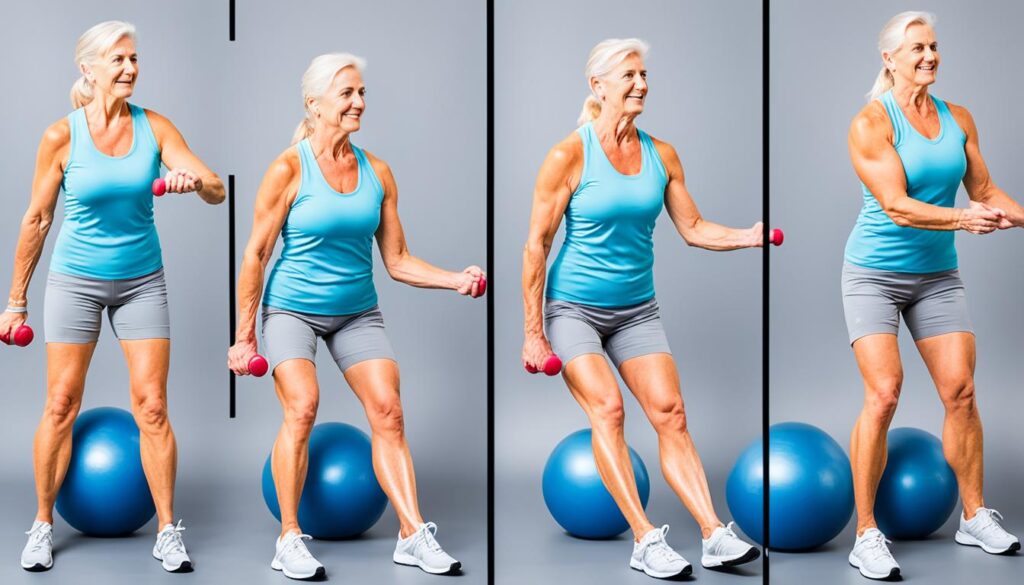
    • Lunges
    • Squats
    • Leg presses
    • Step-ups
    • Clamshells

    These exercises target and strengthen the thigh and hip muscles, providing stability and support to the kneecap. It is important to start with light weights or resistance and gradually increase intensity as your strength improves.

    Remember to always listen to your body and not push through pain. If an exercise causes discomfort or worsens your patella pain, modify or avoid it. Your healthcare professional can guide you in making the right adjustments to ensure an effective and safe exercise routine.

    strengthening thigh and hip muscles

    In addition to strengthening exercises, low-impact activities like swimming or cycling can help maintain cardiovascular fitness without putting excessive pressure on the knees. Including stretching and flexibility exercises in your routine can also aid in relieving muscle tension and promoting overall joint health.

    By resting the knee when necessary and actively strengthening the thigh and hip muscles, you can provide the support needed to alleviate patella pain and enhance your overall knee function. Remember to seek guidance from healthcare professionals to ensure an appropriate exercise program that suits your individual needs.

    Improving Leg Alignment and Using Assistive Devices

    Proper leg alignment is essential in reducing patella pain. By focusing on the correct running technique, such as landing on the center of the foot and pushing off with the front of the foot, you can improve knee tracking and reduce strain on the kneecap. Additionally, using walking poles or other walking aids can provide stability and reduce joint fatigue while walking.

    Knee taping is another effective strategy for managing patella pain. It helps control knee movement and supports the kneecap, providing additional stability and reducing discomfort. Similarly, shoe inserts can play a crucial role in improving foot alignment and reducing stress on the knee.

    By combining these interventions with targeted strengthening exercises, you can significantly improve patella pain and promote comfortable walking. Strengthening the thigh and hip muscles is particularly important in stabilizing the kneecap and relieving pain.

    Benefits of Proper Leg Alignment and Assistive devices:

    • Improved knee tracking
    • Reduced strain on the kneecap
    • Enhanced stability while walking
    • Reduced joint fatigue
    • Controlled knee movement
    • Additional support for the kneecap
    • Improved foot alignment
    • Reduced stress on the knee

    By incorporating these strategies into your daily routine, you can alleviate patella pain and enjoy more comfortable walking.

    Continue to the next section to discover effective techniques for managing knee discomfort and promoting pain-free walking.

    Conclusion

    Patella pain can be a major hindrance when it comes to walking comfortably. However, by implementing the right strategies and interventions, individuals can find relief and regain their ability to walk without discomfort. Resting the knee, strengthening the thigh and hip muscles, improving leg alignment, and utilizing assistive devices like walking poles, knee taping, and shoe inserts are all effective strategies for managing knee discomfort and achieving pain-free walking.

    Resting the knee is crucial in giving it the time it needs to recover and heal. By reducing or modifying activities that exacerbate the pain, individuals can create a conducive environment for the healing process to take place. Additionally, strengthening the thigh and hip muscles plays a crucial role in stabilizing the kneecap and alleviating pain. By following a structured exercise routine that targets these muscle groups, individuals can gradually increase strength and alleviate patella pain.

    Improving leg alignment is another important aspect of managing knee discomfort. Proper running technique, such as landing on the center of the foot and pushing off with the front of the foot, can significantly improve knee tracking and reduce strain on the kneecap. Furthermore, utilizing assistive devices like walking poles, knee taping, and shoe inserts can provide additional support and reduce stress on the knee joints.

    By incorporating these strategies into their daily routines and working closely with healthcare professionals, individuals can find relief from patella pain and enjoy walking without discomfort. Remember, managing knee discomfort and achieving pain-free walking is a journey that requires patience, persistence, and proper guidance. With the right approach, individuals can take control of their knee health and embrace a life free from patella pain.

    FAQ

    How can I find patella pain relief when walking?

    Resting the knee, strengthening thigh and hip muscles, improving leg alignment, and using assistive devices like walking poles, knee taping, and shoe inserts can provide patella pain relief and make walking more comfortable.

    What causes patella pain?

    Patella pain, also known as patellofemoral pain syndrome, is often caused by overuse, improper alignment of the knee joint, weak thigh and hip muscles, flat feet, and excessive strain on the knee. Activities like running or stair climbing can increase the risk of patella pain.

    How can I rest and strengthen my knee to relieve patella pain?

    Resting the knee involves reducing or modifying activities that worsen the pain, while strengthening thigh and hip muscles helps in stabilizing the kneecap and relieving pain. Structured exercise programs that target these muscle groups can be effective in reducing patella pain.

    How can I improve leg alignment to reduce patella pain?

    Focusing on correct running technique, such as landing on the center of the foot and pushing off with the front of the foot, can improve knee tracking and reduce strain on the kneecap. Additional interventions like using walking poles, knee taping, and shoe inserts can help improve leg alignment and reduce stress on the knee.

    What can I do to make walking more comfortable with patella pain?

    By following the tips mentioned above, individuals can find relief from patella pain and enjoy pain-free walking. Resting the knee, strengthening thigh and hip muscles, improving leg alignment, and using assistive devices like walking poles, knee taping, and shoe inserts can all contribute to pain relief and improved everyday mobility.

    Source Links

  • Patella Hurts When Running? Relieve Knee Pain Now

    Patella Hurts When Running? Relieve Knee Pain Now

    Did you know that knee pain affects approximately 25% of runners? If you’re among the countless athletes who experience discomfort while running, particularly in the patella (kneecap), you’re not alone. This common condition, also known as patellofemoral pain syndrome or runner’s knee, can significantly impact your training and performance.

    Runner’s knee is often caused by overuse, weak thigh muscles, malalignment of the knee bones, or issues with the feet. Symptoms may include pain in the front of the kneecap that worsens with activities such as bending the knee or walking downstairs. Ignoring the pain can lead to chronic discomfort and even long-term damage.

    But fear not! There are practical steps you can take to relieve knee pain and get back to enjoying your runs. In this article, we’ll explore the causes of knee pain while running, common injuries experienced by runners, preventive measures, treatment options, and strategies for a safe return to running.

    Let’s dive in and discover how you can put an end to that nagging knee pain, improve your running experience, and reach your full athletic potential.

    Common Knee Injuries in Runners

    Aside from runner’s knee, there are various other knee injuries that runners may encounter. It is crucial to understand and address these injuries properly to ensure a safe and effective recovery. Here are some common knee injuries among runners:

    1. Patellar Tendinitis: This injury causes pain below the kneecap and can be aggravated by running. It often results from repetitive stress on the patellar tendon.
    2. Iliotibial Band Syndrome (ITBS): Runners with ITBS experience pain on the outside of the knee. The iliotibial band, a thick band of tissue, becomes irritated from friction against the femur.
    3. Jumper’s Knee: Also known as patellar tendonitis, jumper’s knee is characterized by pain in the front of the knee, especially when squatting or jumping. It occurs due to repeated stress on the patellar tendon.
    4. ACL, PCL, and Collateral Ligament Injuries: These injuries involve damage to the ligaments that stabilize the knee joint. They can result from sudden twists, pivots, or direct impact on the knee.
    5. Meniscus Tears: The meniscus is a cartilage that acts as a cushion between the thigh bone and shinbone. Tears can occur due to sudden twisting movements while running.
    6. Cartilage and Tendon Injuries: Runners can often experience injuries to the cartilage within the knee joint or the tendons surrounding the knee. These injuries can result from overuse or trauma.

    In order to properly diagnose and treat these knee injuries, it is essential to seek professional medical advice. A doctor or physical therapist can provide an accurate diagnosis and recommend appropriate treatment options tailored to the specific injury.

    Since each injury may require different approaches for effective recovery, a qualified professional can guide runners in developing a personalized treatment plan. By addressing knee injuries promptly and following the prescribed treatment, runners can regain their strength, overcome pain, and return to their beloved activity.

    How to Prevent Knee Pain While Running

    There are several steps that runners can take to prevent knee pain while running. By following these strategies, you can minimize the risk of injury and ensure a comfortable and enjoyable running experience.

    1. Strengthen Your Thigh Muscles

    One of the key factors in preventing knee pain is maintaining strong and balanced thigh muscles, particularly the quadriceps. These muscles play a crucial role in stabilizing the kneecap and reducing stress on the knee joint. Incorporate exercises that target the quadriceps, such as squats, lunges, and leg presses, into your regular workout routine. Remember to start with lighter weights and gradually increase the intensity as your strength improves.

    2. Stretch and Strengthen Your Lower Body

    Besides focusing on the quadriceps, it’s essential to stretch and strengthen the entire lower body to maintain proper alignment and mechanics. Incorporate exercises that target the hamstrings, calves, and hip muscles. Additionally, incorporating exercises that improve core stability can help distribute the load more evenly and reduce strain on the knees.

    3. Use Arch Supports or Orthotics

    Consider using arch supports or orthotics in your running shoes. These inserts can help provide extra support and improve foot mechanics, which in turn reduces stress on your knees. Consult with a podiatrist or a knowledgeable running shoe store employee to find the appropriate arch supports or orthotics for your feet.

    4. Avoid Sudden Changes in Your Workout Routine

    To prevent knee pain, it’s crucial to avoid sudden changes in your workout routines, including mileage, speed, or running surfaces. Gradually increase the intensity or mileage of your runs to allow your body to adapt and minimize the risk of overuse injuries. Always listen to your body and pay attention to any signs of discomfort or pain.

    5. Opt for Softer Running Surfaces

    Running on hard surfaces like concrete can increase the impact on your joints, including your knees. Whenever possible, choose softer surfaces such as grass, dirt trails, or a rubber track. These surfaces provide more cushioning and reduce the strain on your knees.

    6. Warm Up Properly

    Before each run, take the time to warm up properly. Engage in dynamic stretching exercises that target the lower body, including the hip flexors, hamstrings, and calves. A proper warm-up increases blood flow to the muscles, improves flexibility, and prepares your body for the activity ahead.

    By following these preventive measures, you can minimize the risk of knee pain while running and enjoy your training sessions to the fullest.

    how to prevent knee pain while running

    Treatment Options for Running Knee Pain

    When faced with running knee pain, there are various treatment options available. It’s important to address the pain and discomfort promptly to prevent further damage and ensure a speedy recovery.

    Here are some common treatment options for running knee pain:

    1. Rest and activity modification: Resting the knee and avoiding activities that exacerbate the pain is often recommended. This allows the knee to heal and prevents further strain.
    2. Icing the knee: Applying ice to the affected area can help reduce pain and swelling. Ice should be applied for 15-20 minutes every 2-3 hours.
    3. Over-the-counter medications: Nonsteroidal anti-inflammatory drugs (NSAIDs) like ibuprofen can help relieve pain and reduce inflammation. It’s important to follow the recommended dosage and consult a healthcare professional if necessary.
    4. Physical therapy: A physical therapist can design a personalized exercise program to strengthen the surrounding muscles and improve joint stability. This can help alleviate knee pain and prevent future injuries.
    5. Specialized treatments: Depending on the specific condition and severity of the knee pain, healthcare professionals may recommend specialized treatments such as orthotics, massage, shockwave therapy, or bracing devices.

    Remember, it’s always best to consult a healthcare professional for an accurate diagnosis and personalized treatment plan. They can provide expert guidance based on your individual needs and help you get back to pain-free running.

    If you’re unsure about which treatment option you should pursue, seek medical advice to determine the most suitable course of action.

    treatment for running knee pain

    Treatment Options Comparison

    Treatment Option Pros Cons
    Rest and activity modification – Allows the knee to heal
    – Prevents further strain
    – May require significant downtime
    – Can impact training schedule
    Icing the knee – Reduces pain and swelling
    – Easy to apply
    – Temporary relief
    – May not address the underlying cause
    Over-the-counter medications – Provides pain relief
    – Reduces inflammation
    – Temporary relief
    – Potential side effects
    Physical therapy – Strengthens surrounding muscles
    – Enhances joint stability
    – Requires time and commitment
    – May be costly
    Specialized treatments – Targeted approach
    – Can provide relief for specific conditions
    – May be expensive
    – Not always necessary

    Running with Knee Pain: When to Seek Help

    While some mild knee pain during running can be managed with rest and self-care, it is important to know when to seek professional help. If the pain persists despite conservative measures, if it worsens over time, or if it is accompanied by other concerning symptoms such as swelling, instability, or difficulty bearing weight, it is recommended to consult a doctor. A healthcare professional can provide a proper diagnosis, determine the underlying cause of the pain, and recommend appropriate treatment options. Ignoring persistent knee pain and continuing to run can lead to further damage and prolong the recovery process.

    When experiencing knee pain while running, it’s crucial to pay attention to your body’s signals. If the pain persists or worsens, it may indicate an underlying problem that needs medical attention. Seeking help from a healthcare professional can ensure an accurate diagnosis and the most effective treatment plan for your specific condition.

    “If the pain persists despite conservative measures, worsens over time, or is accompanied by other concerning symptoms such as swelling, instability, or difficulty bearing weight, it is recommended to consult a doctor.”

    Running with knee pain can lead to further injury and delay the healing process. It is important to address any persistent pain or worsening symptoms promptly to prevent long-term consequences and ensure a safe return to running.

    It is always better to err on the side of caution and seek professional help rather than risk exacerbating the injury. Remember, running should be enjoyable and pain-free, and seeking the appropriate medical attention can help you get back on track to achieving your running goals.


    Strategies for a Safe Return to Running

    After recovering from a knee injury and receiving clearance from a healthcare professional, we understand the importance of planning a safe return to running. To help rebuild strength and endurance while minimizing the risk of re-injury, it is crucial to gradually increase the intensity and duration of running sessions.

    One effective strategy for a safe return is to incorporate strengthening exercises that target the muscles around the knees, hips, and core. These exercises can help improve stability and support the knee joint during running. Here are a few examples:

    1. Leg Extensions: Sit on a leg extension machine and extend your legs, focusing on strengthening your quadriceps.
    2. Clamshells: Lie on your side with your knees bent, then lift your top knee while keeping your feet together. This exercise targets the hip abductors.
    3. Plank Holds: Assume a plank position on your forearms, engaging your core muscles. Hold this position for a specific duration, gradually increasing the time as your strength improves.

    Listening to your body and paying attention to any signs of pain or discomfort is crucial during the recovery process. If you experience any discomfort while running, it’s essential to make adjustments as needed. This could involve reducing your running distance or pace, incorporating more rest days, or modifying your running surface to reduce impact.

    Striking a balance between pushing your limits and allowing adequate recovery time is key to a successful return to running. It’s important to be patient and gradually increase the intensity and duration of your runs over time. Remember, running is a lifelong journey, and taking care of your body is essential for long-term success.

    Strategies for a Safe Return to Running Benefits
    Gradually increase intensity and duration of running sessions – Minimizes the risk of re-injury
    – Allows the body to adjust to the demands of running
    Incorporate strengthening exercises – Improves stability and support for the knee joint
    – Builds strength in the muscles around the knees, hips, and core
    Listen to your body – Helps identify signs of pain or discomfort
    – Allows for prompt adjustments and modifications
    Strike a balance between pushing limits and recovery – Prevents overexertion and potential setbacks
    – Promotes gradual progress and long-term running success

    Conclusion

    Knee pain while running, such as runner’s knee, can be a common problem for many athletes. However, with proper care and preventive measures, it is possible to manage and alleviate knee pain. Rest, ice, and elevation are useful for reducing pain and swelling. Applying ice for 20 minutes every 2 to 3 hours can help relieve inflammation. It is important to wrap the knee with an elastic bandage and elevate it to reduce swelling. Meanwhile, stretching and strengthening exercises can help prevent future injuries. Focusing on exercises that target the quadriceps, hamstrings, and glutes can improve the stability of the knee joint and reduce the risk of knee pain. Additionally, wearing appropriate footwear with proper cushioning and support is crucial in preventing running-related knee pain. Investing in quality running shoes that are suitable for your foot type and running style can help absorb shock and reduce impact on the knees. Maintaining good running form is also essential in protecting the knees. Avoid overstriding and try to land with a midfoot strike to minimize stress on the knees. Gradually increasing mileage or intensity is another key factor in preventing knee pain. Avoid sudden increases in training volume or intensity, as this can lead to overuse injuries. Instead, gradually progress your workouts and give your body time to adapt. If you experience persistent pain or worsening symptoms despite rest and self-care, it is crucial to seek medical advice. A healthcare professional can accurately diagnose the underlying cause of your knee pain and recommend tailored treatment options. Remember, taking care of your knees is essential for long-term running success. By incorporating these preventive measures into your running routine, you can reduce the risk of knee pain and enjoy a pain-free running experience.

    FAQ

    Why does my patella hurt when I run?

    Patella pain while running can be caused by conditions such as runner’s knee or patellar tendonitis, which are often a result of overuse or imbalances in the knee and thigh muscles. It is important to rest and seek proper treatment to alleviate the pain.

    What are the common knee injuries in runners?

    Runners may experience various knee injuries such as runner’s knee, patellar tendinitis, iliotibial band syndrome, jumper’s knee, ACL or PCL injuries, collateral ligament injuries, meniscus injuries, cartilage injuries, and tendon injuries. Seeking proper diagnosis and treatment is crucial for managing these injuries.

    How can I prevent knee pain while running?

    To prevent knee pain while running, it is important to maintain strong thigh muscles, do stretching and strengthening exercises, use arch supports or orthotics in running shoes, avoid sudden changes in workout routines, run on softer surfaces, and use proper warm-up techniques.

    What are the treatment options for running knee pain?

    Treatment options for running knee pain include rest, ice, elevation, over-the-counter anti-inflammatory medications, physical therapy, orthotics, massage, shockwave therapy, bracing devices, and, in severe cases, surgery. Seeking professional advice is recommended for an accurate diagnosis and personalized treatment plan.

    When should I seek help for running knee pain?

    If running knee pain persists, worsens, or is accompanied by swelling, instability, or difficulty bearing weight, it is recommended to consult a doctor. Ignoring persistent knee pain can lead to further damage and delay the recovery process.

    How can I safely return to running after a knee injury?

    After recovering from a knee injury, it is important to plan a safe return to running by gradually increasing intensity and duration, doing strengthening exercises for the knees, hips, and core, and paying attention to any signs of pain or discomfort. Balancing pushing the limits and allowing adequate recovery time is crucial for a successful return.

    Can knee pain while running be managed?

    Yes, knee pain while running, such as runner’s knee, can be managed through rest, ice, elevation, stretching, strengthening exercises, proper footwear, correct running form, gradual increase in mileage or intensity, and seeking professional help for diagnosis and treatment.

    Source Links

  • Knee Pain Relief: Patella Hurts When Kneeling

    Knee Pain Relief: Patella Hurts When Kneeling

    Did you know that approximately 25% of adults experience knee pain at some point in their lives? If you’re among those who have felt the discomfort of knee pain, particularly when kneeling, you’re not alone. This common issue can be caused by various conditions and can significantly impact your daily activities. In this article, we will explore the causes of knee pain when kneeling, effective treatment options, self-care tips, and when to seek medical attention. So, let’s dive in and discover how to find relief for that nagging patella pain.

    Causes of Knee Pain When Kneeling

    Knee pain when kneeling can be caused by several conditions. Understanding the underlying cause is crucial in order to find the appropriate treatment. Here are some common conditions that can result in knee pain when kneeling:

    1. Patellar Tendonitis (Jumper’s Knee)

    Patellar tendonitis occurs when the tendons connecting the kneecap to the shinbone become inflamed. This condition is often seen in athletes and individuals who participate in activities that involve repetitive jumping or kneeling. The constant stress on the patellar tendon can lead to pain and discomfort when kneeling.

    2. Knee Bursitis

    Knee bursitis is another common cause of knee pain when kneeling. Bursae are small sacs filled with fluid that act as cushions between bones, tendons, and muscles. When these bursae become irritated or inflamed, usually due to repetitive pressure or friction, it can cause pain and tenderness in the knee, especially when kneeling.

    3. Knee Arthritis

    Knee arthritis, including osteoarthritis, can lead to knee pain when kneeling. Arthritis is a condition characterized by the degeneration and inflammation of the joints. When the knee joint is affected, it can become painful and stiff, making movements like kneeling uncomfortable.

    4. Osgood-Schlatter Disease

    Osgood-Schlatter disease is a common cause of knee pain in children and adolescents, particularly during growth spurts. It occurs when the patellar tendon pulls on the immature bony prominence at the top of the shinbone. Kneeling can exacerbate the pain associated with this condition.

    Identifying the specific cause of your knee pain when kneeling is essential for developing an appropriate treatment plan. Consulting with a healthcare professional will help determine the underlying condition and guide you towards the most effective treatment options.

    Condition Symptoms Treatment
    Patellar Tendonitis Pain, swelling, tenderness around the kneecap
    • Rest and avoid activities that worsen the symptoms
    • Physical therapy to strengthen the muscles around the knee
    • Icing the affected area
    • Using knee braces or supports
    • Anti-inflammatory medications
    Knee Bursitis Pain, swelling, tenderness, warmth around the knee
    • Rest and avoid activities that aggravate the symptoms
    • Applying ice or heat to the affected area
    • Anti-inflammatory medications
    • Physical therapy
    • Fluid drainage or corticosteroid injections in severe cases
    Knee Arthritis Pain, stiffness, swelling, decreased range of motion
    • Weight management
    • Low-impact exercises
    • Physical therapy
    • Medications to relieve pain and inflammation
    • In severe cases, joint replacement surgery
    Osgood-Schlatter Disease Swelling, tenderness below the kneecap, pain that worsens with activity
    • Rest and avoiding activities that worsen the symptoms
    • Stretching and strengthening exercises
    • Icing the affected area after activity
    • Using knee straps or braces for support
    • Over-the-counter pain relievers

    Treating Knee Pain When Kneeling

    The treatment options for knee pain when kneeling vary depending on the underlying condition causing the discomfort. It is important to address the root cause of the pain in order to provide effective relief and prevent further damage. Here are some common treatment approaches:

    1. Rest: Taking a break from activities that aggravate the knee pain can help reduce inflammation and give the knee time to heal.
    2. Ice or Heat Therapy: Applying ice packs or heat packs to the affected knee can help alleviate pain and reduce swelling. Ice is best for acute injuries, while heat is beneficial for chronic conditions.
    3. Over-the-Counter Pain Relievers: Nonsteroidal anti-inflammatory drugs (NSAIDs) such as ibuprofen or acetaminophen can provide temporary relief from knee pain. However, it is important to consult a healthcare professional before using these medications to ensure they are safe for you.
    4. Physical Therapy: Engaging in targeted exercises and stretches under the guidance of a physical therapist can help strengthen the muscles surrounding the knee, improve flexibility, and reduce pain. Physical therapy can be particularly beneficial for conditions like patellar tendonitis or arthritis.
    5. Knee Surgery: In cases where conservative treatments are ineffective or if there is significant damage to the knee, surgical intervention may be required. Knee surgery aims to repair or replace damaged structures in the knee joint, providing long-term relief and improving knee function.

    It is important to consult with a healthcare professional to determine the most appropriate treatment plan for your specific condition. They will be able to assess your symptoms, perform any necessary diagnostic tests, and recommend the best course of action to alleviate your knee pain when kneeling.

    knee pain relief image

    Self-Care Tips to Relieve Knee Pain When Kneeling

    In addition to professional treatment options, there are several self-care measures that individuals can take to relieve knee pain when kneeling. By implementing these simple strategies, you can find relief and improve your knee health.

    1. Modify Kneeling Positions

    One effective way to reduce knee discomfort when kneeling is to modify your kneeling positions. Avoid putting excessive pressure on the knees by using padding or cushions to provide additional support. By distributing the weight evenly, you can alleviate strain on the knee joint and reduce pain.

    2. Perform Knee-Strengthening Exercises

    Strengthening the muscles around the knee joint can help provide stability and support, reducing knee pain. Incorporate exercises that target the quadriceps, hamstrings, and calves into your fitness routine. Some effective exercises include leg presses, squats, step-ups, and hamstring curls.

    3. Seek Medical Help for Underlying Conditions

    If your knee pain when kneeling is caused by an underlying condition, it is important to seek medical assistance. Conditions such as patellar tendonitis, arthritis, or bursitis require professional diagnosis and treatment. A healthcare professional can provide personalized recommendations and potential treatment options to relieve your knee pain.

    Remember, it’s important to listen to your body and rest when needed. If the pain persists or worsens despite these self-care measures, consult a healthcare professional for further evaluation and guidance.

    knee pain relief

    Implementing these self-care tips can help you find relief from knee pain when kneeling and improve your overall knee health. By taking proactive measures, you can continue to stay active and enjoy your daily activities without discomfort.

    When to Seek Medical Attention for Knee Pain When Kneeling

    While some cases of knee pain when kneeling can be managed with self-care measures, there are certain situations in which it is important to seek medical attention. It’s crucial to listen to your body and recognize when the pain may be a sign of a more serious condition or knee injury.

    If you have experienced significant trauma to the knee within the past week, it is essential to get medical attention. Traumatic incidents such as falls, direct blows, or sports injuries can result in severe damage to the knee, potentially leading to long-term consequences.

    Another important consideration is if you are unable to put weight on the affected leg. This inability to bear weight suggests that the knee pain may be due to an underlying structural problem or instability that requires further evaluation and treatment.

    Immediate swelling or misshapenness in the knee is also a red flag that demands medical attention. These symptoms could indicate a severe injury, such as a dislocation or fracture, which necessitates urgent intervention to prevent further damage.

    “To ensure accurate diagnosis and treatment, seek medical help if you experience significant trauma, are unable to bear weight on the leg, or have immediate swelling or misshapenness in the knee.”

    Additionally, if your knee locks or gives way, it is crucial to consult a healthcare professional. These symptoms may indicate structural abnormalities in the knee, such as torn ligaments or meniscus tears, which may require surgical intervention.

    A healthcare professional, such as an orthopedic specialist or sports medicine physician, can provide a proper diagnosis, offer insights into the knee pain causes, and recommend appropriate treatment options based on your specific circumstances. They may order diagnostic tests, such as X-rays or MRI scans, to further evaluate the knee and guide the treatment plan.

    Remember, seeking timely medical attention is vital to prevent further damage and ensure effective management of knee pain when kneeling.

    When to Seek Medical Attention for Knee Pain When Kneeling
    Significant trauma to the knee within the past week
    Inability to put weight on the affected leg
    Immediate swelling or misshapenness in the knee
    Knee locking or giving way

    Conclusion

    Knee pain when kneeling can be a common issue experienced by individuals due to a variety of underlying causes. It is crucial to understand the specific cause of the pain in order to determine the most effective treatment approach. Implementing self-care measures, such as modifying kneeling positions and engaging in knee-strengthening exercises, can often provide relief for mild cases of knee pain. However, if the pain persists or is accompanied by other concerning symptoms, it is advisable to seek medical attention for a proper diagnosis and personalized treatment plan.

    By addressing the underlying cause of knee pain, individuals can find the relief they seek and regain their ability to lead an active lifestyle comfortably. Some of the common conditions that contribute to knee pain when kneeling include patellar tendonitis, knee bursitis, knee arthritis, and even patellofemoral pain syndrome. Patellofemoral pain syndrome, specifically, refers to the pain experienced at the front of the knee due to improper alignment of the patella (kneecap) with the femur (thighbone).

    It is important to prioritize the health and well-being of our knees, as they play a crucial role in our mobility and daily activities. Whether through self-care measures or medical intervention, finding effective knee pain relief is essential for a better quality of life. Remember, if you are experiencing persistent knee pain or debilitating symptoms, consult with a healthcare professional to gain a proper diagnosis and receive guidance on the most suitable treatment options for your specific condition.

    FAQ

    What are the common causes of knee pain when kneeling?

    Knee pain when kneeling can be caused by conditions such as patellar tendonitis, knee bursitis, knee arthritis, and Osgood-Schlatter disease.

    How can knee pain when kneeling be treated?

    Treatment options for knee pain when kneeling vary depending on the underlying cause and may include rest, ice or heat therapy, over-the-counter pain relievers, physical therapy exercises, and in some cases, knee surgery.

    Are there self-care measures to relieve knee pain when kneeling?

    Yes, individuals can modify kneeling positions, perform knee-strengthening exercises, and seek medical help if the pain is caused by an underlying condition affecting the knee.

    When should I seek medical attention for knee pain when kneeling?

    It is important to seek medical attention if you have experienced significant trauma to the knee within the past week, are unable to put weight on the affected leg, if the knee becomes immediately swollen or misshapen, or if the knee locks or gives way.

    Source Links

  • Patella Pain Relief When Knee Bent | Tips & Care

    Patella Pain Relief When Knee Bent | Tips & Care

    Did you know that over 25% of people experience patella pain when the knee is bent?

    Patella pain, also known as patellofemoral pain syndrome or runner’s knee, can cause discomfort and limit mobility when the knee is flexed. This condition can affect individuals of all ages and activity levels, from athletes to sedentary individuals.

    In this article, we will explore the causes, symptoms, diagnosis, treatment, and prevention of patella pain when the knee is bent. Whether you’re an avid runner, a fitness enthusiast, or someone looking for relief from knee pain, we’ve got you covered with expert tips and care strategies to help you alleviate discomfort and improve your knee health.

    Causes of Patella Pain When Knee Bent

    Patella pain when the knee is bent can be caused by various factors. One possible cause is a structural defect, such as a high position of the kneecap within the knee joint. This misalignment can result in increased pressure on the patella when the knee is flexed.

    Another common cause of patella pain is improper walking or running technique. When the feet roll inwards while the thigh muscles pull the kneecap outward, it can lead to excessive stress and irritation on the patellofemoral joint, resulting in pain.

    Weakness in the thigh muscles, particularly the quadriceps, can also contribute to patella pain when the knee is bent. When these muscles are weak, the patella may not track properly during movement, leading to abnormal stress on the joint.

    Tightness in the hamstrings and Achilles tendons can also be a contributing factor. When these muscles are tight, they can alter the mechanics of the knee joint and increase the strain on the patella when the knee is bent.

    Other causes of patella pain when the knee is bent include poor foot support, excessive training or overuse of the knee joint, and previous knee injuries. These factors can further aggravate the patellofemoral joint and lead to pain and discomfort.

    In summary, there are several potential causes of patella pain when the knee is bent. Structural defects, improper walking or running technique, weak thigh muscles, tight hamstrings and Achilles tendons, poor foot support, excessive training, and previous knee injuries can all contribute to this type of knee pain. Identifying the underlying cause is crucial in order to implement the appropriate treatment and management strategies.

    Symptoms of Patella Pain When Knee Bent

    When experiencing patella pain when the knee is bent, several symptoms may manifest, indicating the presence of a knee condition. The most common symptom is a dull pain in and around the kneecap. This discomfort is typically felt during physical activity or after prolonged periods of sitting with the knees bent.

    Additional symptoms that individuals may experience include:

    • Rubbing, grinding, or clicking sound: Some individuals with patella pain may notice these sounds emanating from the kneecap while moving.
    • Tenderness to touch: The kneecap area may feel tender to touch due to inflammation and irritation.
    • Weakness or feelings of instability: Individuals may experience a sense of weakness in the knee or feelings of instability when standing or participating in activities.
    • Swelling: Inflammation can lead to swelling around the kneecap, exacerbating discomfort.

    If you are encountering any of these symptoms, it is crucial to consult with a healthcare provider for a proper diagnosis. They can evaluate your condition and determine the appropriate treatment plan. It is essential to differentiate between patella pain and other health issues that exhibit similar symptoms.

    Symptoms of Patella Pain When Knee Bent

    Diagnosis of Patella Pain When Knee Bent

    To accurately diagnose patella pain when the knee is bent, a thorough evaluation by a healthcare provider is essential. The diagnostic process typically involves considering the individual’s health history, conducting a physical examination, and, if necessary, using imaging tests.

    During the physical examination, the healthcare provider will assess various aspects related to the knee and surrounding areas. This assessment helps in determining the underlying cause of the patella pain. The following evaluations are commonly performed:

    • Checking for tenderness in the kneecap area
    • Assessing the alignment of the lower leg and kneecap
    • Evaluating knee stability and range of motion
    • Testing the strength and flexibility of the thigh muscles

    In some cases, X-rays may be ordered to provide a more detailed evaluation of the knee joint. X-rays can help identify any structural abnormalities or defects that contribute to the patella pain when the knee is bent. These images assist in differentiating runner’s knee (patellofemoral pain syndrome) from other knee conditions and guide in developing an appropriate treatment plan.

    The accurate diagnosis of patella pain when the knee is bent is crucial for effective management and targeted treatment. It allows healthcare providers to tailor interventions specific to individual needs, promoting optimal recovery and long-term knee health.

    Treatment for Patella Pain When Knee Bent

    The primary goal of treatment for patella pain when the knee is bent is to relieve pain and improve knee function. The recommended treatment plan may vary depending on factors such as age, overall health, pain level, and individual preferences.

    Treatment options commonly include:

    1. Resting from activities that cause pain.
    2. Using cold packs and compression knee wrap to reduce inflammation.
    3. Taking nonsteroidal anti-inflammatory drugs (NSAIDs) like ibuprofen for pain relief.
    4. Performing stretching and strengthening exercises under the guidance of a healthcare professional.
    5. Using arch support in shoes to provide better foot support.

    In severe cases, additional interventions such as viscosupplementation injections or surgery may be considered.

    treatment for patella pain when knee bent

    Treatment Options Description
    Resting Avoiding activities that cause pain allows the knee to heal and reduces further irritation.
    Cold packs and compression knee wrap Applying cold packs and using a compression knee wrap helps reduce inflammation and alleviate pain.
    NSAIDs Taking nonsteroidal anti-inflammatory drugs like ibuprofen can provide pain relief and reduce inflammation.
    Stretching and strengthening exercises Performing specific exercises recommended by a healthcare professional can help improve knee strength and flexibility.
    Arch support in shoes Using footwear with arch support can provide better foot stability and support, reducing strain on the knees.
    Viscosupplementation injections In severe cases, injections of hyaluronic acid may be used to provide lubrication and cushioning to the knee joint.
    Surgery In rare cases when conservative treatments fail, surgical intervention may be necessary to correct any underlying structural issues causing patella pain.

    Prevention of Patella Pain When Knee Bent

    Preventing patella pain when the knee is bent is crucial for maintaining knee health and avoiding the discomfort associated with conditions like runner’s knee or patellofemoral pain syndrome. By adopting preventive measures, you can reduce the risk of experiencing knee pain when the knee is bent and enjoy pain-free physical activities. Here are some strategies to help prevent patella pain:

    1. Maintain a healthy weight: Excess weight puts added strain on the knees, increasing the likelihood of experiencing knee pain when bent. By maintaining a healthy weight through a balanced diet and regular exercise, you can reduce stress on the knees and protect against patella pain.
    2. Stretch and warm up: Before engaging in physical activities that involve bending the knee, it’s important to stretch and warm up. This helps prepare your muscles for movement, improves flexibility, and reduces the risk of knee injuries and pain.
    3. Gradually increase activity intensity: If you’re new to exercise or planning to engage in activities that involve knee bending, it’s essential to gradually increase the intensity and duration of your workouts. This gives your knees time to adapt and strengthens the surrounding muscles, reducing the risk of patella pain.
    4. Wear proper running shoes: Choosing the right footwear is crucial for maintaining optimal knee health. When engaging in activities that involve knee bending, such as running or jogging, make sure to wear shoes that provide adequate support and cushioning to minimize impact on the knees.
    5. Practice correct body alignment and movement: Proper body alignment and movement techniques during exercise can help reduce stress on the knees. When engaging in activities that involve knee bending, such as squats or lunges, focus on maintaining proper posture and form to avoid putting excessive strain on the patella.
    6. Seek guidance from a healthcare professional: If you’re unsure about the right exercises or techniques to prevent knee pain when the knee is bent, consider seeking guidance from a healthcare professional or physical therapist. They can provide personalized advice and recommend exercises tailored to your specific needs.
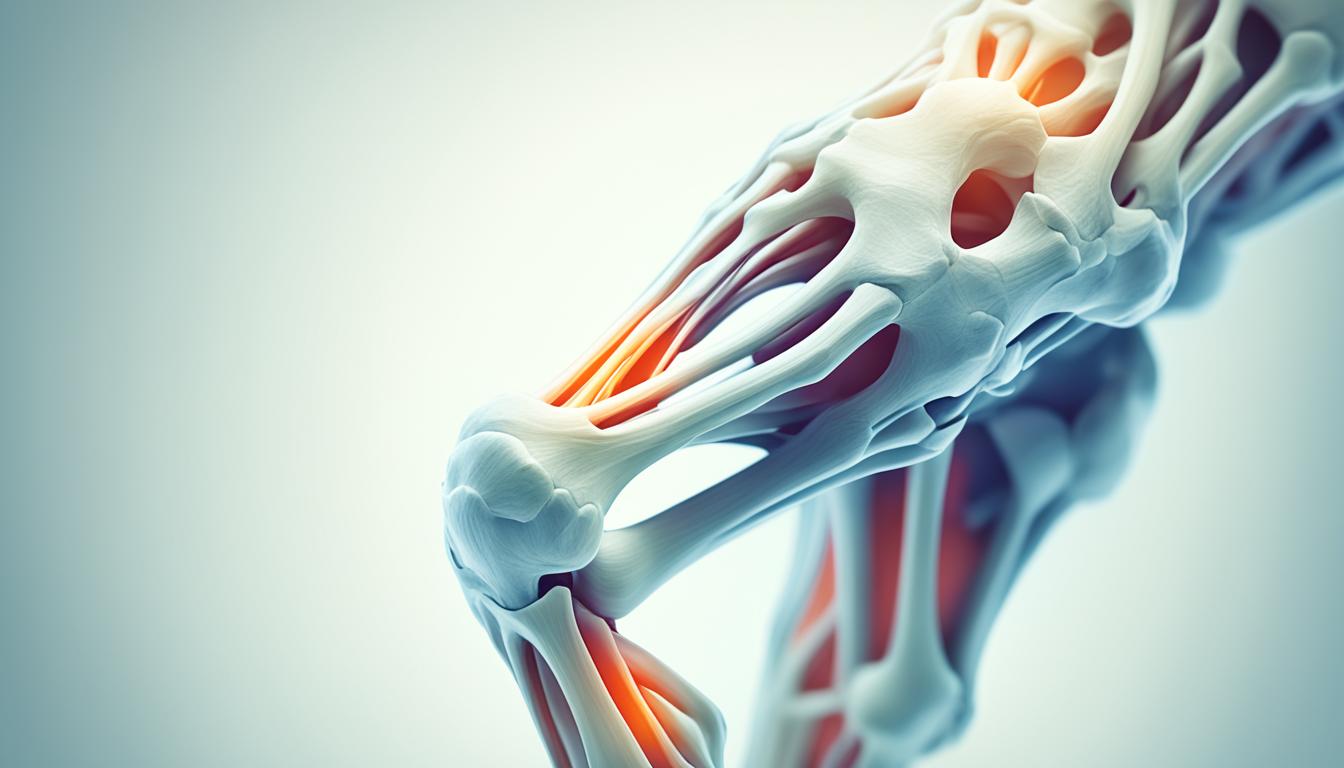
    By implementing these preventive measures, you can significantly reduce the risk of experiencing patella pain when the knee is bent. However, if you do develop knee pain or suspect an underlying condition, it’s essential to consult with a healthcare professional for a proper diagnosis and personalized treatment plan.

    Preventive Measures Benefits
    Maintain a healthy weight Reduces strain on the knees
    Stretch and warm up Prepares muscles for movement and reduces the risk of injuries
    Gradually increase activity intensity Gives knees time to adapt and strengthens surrounding muscles
    Wear proper running shoes Provides adequate support and cushioning to minimize impact
    Practice correct body alignment and movement Reduces stress on the knees during exercise
    Seek guidance from a healthcare professional Obtain personalized advice and exercise recommendations

    Conclusion

    Patella pain when the knee is bent, also known as runner’s knee or patellofemoral pain syndrome, can be a common and bothersome issue. However, with proper care and treatment, relief is possible.

    There are several strategies that can help alleviate patella pain when the knee is bent. First and foremost, it is important to rest from activities that cause pain and allow the knee to heal. Additionally, using cold packs and compression can reduce inflammation and provide temporary relief. Taking nonsteroidal anti-inflammatory drugs (NSAIDs) like ibuprofen can also help manage pain and discomfort.

    Furthermore, performing specific stretching and strengthening exercises under the guidance of a healthcare professional can help improve knee stability and prevent future pain. Using arch support in shoes can provide better foot support and alleviate stress on the knee joint. It is also important to maintain a healthy weight to reduce the strain on the knees and practice proper warm-up and gradual activity progression to prevent knee pain in the first place.

    In conclusion, by following these tips for knee health and implementing the appropriate strategies for patella pain relief, individuals can find relief from knee pain and improve their overall knee health. However, it is always advisable to consult a healthcare provider for a proper diagnosis and personalized treatment plan.

    FAQ

    What is patellofemoral pain syndrome?

    Patellofemoral pain syndrome, also known as runner’s knee, refers to the dull pain felt in the front of the knee (patella) when the knee is bent. It can be caused by various factors, such as a structural defect, improper walking or running technique, weak thigh muscles, tight hamstrings or Achilles tendons, poor foot support, and excessive training.

    What are the causes of patella pain when the knee is bent?

    Patella pain when the knee is bent can be caused by various factors. It may be due to a structural defect, such as a high kneecap position in the knee joint. Improper walking or running technique, such as feet rolling inwards while the thigh muscles pull the kneecap outward, can also contribute to patella pain. Weak thigh muscles, tight hamstrings, and tight Achilles tendons can put extra strain on the patella when the knee is bent. Other causes include poor foot support, excessive training or overuse of the knee joint, and previous knee injury.

    What are the symptoms of patella pain when the knee is bent?

    The most common symptom of patella pain when the knee is bent is a dull pain in and around the kneecap. This pain is usually felt during physical activity or after sitting for a long time with the knees bent. Other symptoms may include rubbing, grinding, or clicking sound of the kneecap, tenderness to touch in the kneecap area, weakness or feelings of instability in the knee, and swelling.

    How is patella pain when the knee is bent diagnosed?

    To diagnose patella pain when the knee is bent, a healthcare provider will typically take into account the individual’s health history and perform a physical examination. During the examination, the provider may check for tenderness in the kneecap area, assess the alignment of the lower leg and kneecap, evaluate knee stability and range of motion, and test the strength and flexibility of the thigh muscles. X-rays may be ordered to evaluate the knee joint.

    What are the treatment options for patella pain when the knee is bent?

    The primary goal of treatment for patella pain when the knee is bent is to relieve pain and improve knee function. The recommended treatment plan may vary depending on factors such as age, overall health, pain level, and individual preferences. Treatment options commonly include resting from activities that cause pain, using cold packs and compression knee wrap to reduce inflammation, taking nonsteroidal anti-inflammatory drugs (NSAIDs) like ibuprofen for pain relief, performing stretching and strengthening exercises under the guidance of a healthcare professional, and using arch support in shoes to provide better foot support. In severe cases, additional interventions such as viscosupplementation injections or surgery may be considered.

    How can patella pain when the knee is bent be prevented?

    Preventing patella pain when the knee is bent involves taking proper care of the knees and avoiding activities that put excessive stress on them. Some preventive measures include maintaining a healthy weight to reduce the strain on the knees, stretching and warming up before engaging in physical activities, gradually increasing the intensity and duration of activities to allow the knees to adapt, wearing proper running shoes that provide adequate support and cushioning, and practicing correct body alignment and movement techniques during exercise. Seeking guidance from a healthcare professional or physical therapist can also help in preventing knee pain.

    Source Links

  • Relief for Patella Hurts When Bending | Tips & Care

    Relief for Patella Hurts When Bending | Tips & Care

    Did you know that knee pain when bending affects approximately 25% of adults at some point in their lives? It’s a widespread issue that can have a significant impact on daily functioning and overall quality of life. Whether you experience patella hurts when bending, knee pain when bending, patellar pain, or general knee discomfort, there are practical steps you can take to find relief and improve your knee health.

    In this article, we will explore common causes of knee pain when bending, understand the anatomy of the knee, and provide preventive measures, targeted exercises, and lifestyle tips to alleviate knee discomfort. We will also discuss when it’s necessary to seek medical attention for knee pain and how to manage it effectively. By implementing these strategies, you can regain comfort and get back to your regular activities without the limitations imposed by knee pain.

    Understanding the Anatomy of the Knee

    The knee joint is a complex structure that consists of several important components. Understanding the anatomy of the knee can provide valuable insights into how this joint functions and the potential causes of knee pain when bending.

    At the core of the knee joint is the knee joint itself, which is formed by the lower end of the thighbone (femur) and the upper end of the shinbone (tibia). The kneecap, also known as the patella, sits in front of the knee joint and acts as a protective shield for the joint.

    knee joint

    Maintaining the stability of the knee joint are various ligaments and tendons. Ligaments are tough bands of connective tissue that attach bone to bone and provide support. Tendons, on the other hand, connect muscles to bones and help transmit forces.

    Another crucial component of the knee joint is cartilage. Cartilage covers the ends of the femur, tibia, and patella, providing a smooth surface that allows for frictionless movement. It acts as a shock absorber, reducing the impact on the joint during weight-bearing activities.

    Quote: “The knee is a remarkable joint that relies on a delicate balance of bones, ligaments, tendons, and cartilage for optimal function and stability.”

    Within the knee joint, there is also a structure known as the meniscus. The meniscus is a C-shaped piece of cartilage located between the femur and tibia. It serves as a cushion, absorbing shock and distributing forces evenly across the joint.

    The knee joint contains a thin lining called the synovial membrane, which produces a lubricating fluid known as synovial fluid. This fluid helps reduce friction and enables smooth movement within the joint.

    Finally, the knee joint is connected to the surrounding muscles through two important tendons: the quadriceps tendon and the patellar tendon. The quadriceps tendon connects the quadriceps muscles to the top of the patella, while the patellar tendon connects the bottom of the patella to the tibia. These tendons work together to facilitate movement and provide stability during activities that involve bending and straightening the knee.

    Components of the Knee Joint

    Component Description
    Bones Femur, tibia, patella
    Ligaments Provide stability
    Tendons Connect muscles to bones
    Cartilage Smooth surface, shock absorption
    Meniscus Shock-absorbing cushion
    Synovial membrane Produces synovial fluid for lubrication
    Quadriceps tendon Connects quadriceps muscles to the patella
    Patellar tendon Connects the patella to the tibia

    Common Causes of Knee Pain When Bending

    Knee pain when bending can be attributed to various conditions that affect the knee joint and surrounding tissues.

    1. Patellofemoral Syndrome (Runner’s Knee)

    Patellofemoral syndrome, commonly known as runner’s knee, is a condition characterized by pain behind or around the kneecap. It occurs when the kneecap is not properly aligned, causing increased pressure and stress on the patellar joint surface. This condition often results from overuse, weak thigh muscles, or improper tracking of the kneecap.

    2. Osteoarthritis

    Osteoarthritis is a degenerative joint disease that commonly affects the knees. It occurs when the protective cartilage within the joint gradually wears away, leading to pain, stiffness, and swelling. Knee osteoarthritis can cause discomfort and limited range of motion, particularly when bending the knee.

    3. Meniscus Tears

    A meniscus tear is a common knee injury that can occur due to sudden twisting or pivoting movements. The meniscus is a rubbery, C-shaped cartilage that acts as a shock absorber between the thighbone and shinbone. Tears in the meniscus can cause knee pain, especially when bending or flexing the knee joint.

    4. Patellar Tendon Tear or Tendinitis

    The patellar tendon connects the kneecap to the shinbone and plays a crucial role in knee extension. Overuse, repetitive jumping, or sudden, forceful contractions of the quadriceps muscles can lead to patellar tendon tears or tendinitis. These conditions can cause pain and weakness when bending the knee.

    5. IT Band Syndrome

    The iliotibial (IT) band is a thick band of tissue that runs along the outside of the thigh, from the hip to the shin. IT band syndrome occurs when the IT band becomes tight or inflamed, causing pain on the outside of the knee. Bending the knee can exacerbate this discomfort.

    6. Prepatellar Bursitis

    Prepatellar bursitis is the inflammation of the bursa located in front of the kneecap. The bursa is a small sac filled with fluid that helps reduce friction between bones, tendons, and muscles. When the bursa becomes inflamed, it can cause pain and swelling, especially when bending the knee.

    knee pain illustration

    Identifying the underlying cause of knee pain when bending is crucial for effective treatment and management. Understanding these common conditions can help individuals seek appropriate medical attention and implement the necessary measures to relieve their knee pain.

    Prevention and Lifestyle Tips to Alleviate Knee Pain

    Incorporating preventive measures and making certain lifestyle changes can play a crucial role in alleviating knee pain. By incorporating these tips into your routine, you can promote knee health and minimize discomfort:

    Regular Exercise

    Engaging in regular exercise is essential for strengthening the muscles that support the knee and improving overall joint health. Low-impact activities, such as walking and swimming, are particularly beneficial in preventing knee pain. These exercises reduce stress on the joints while still providing an effective workout.

    Proper Warm-Up and Stretching

    Before engaging in any physical activity or exercise, it is crucial to warm up properly. This can involve light cardio exercises like walking or cycling to increase blood flow to the muscles and prepare them for the upcoming activity. Additionally, incorporating stretching exercises specific to the knees can help improve flexibility and range of motion, reducing the risk of knee pain.

    Low-Impact Activities

    Choosing low-impact activities, such as cycling, elliptical training, or using an exercise bike, can help reduce stress on the knee joints. These activities provide cardiovascular benefits without putting excessive strain on the knees.

    Strengthening Exercises

    Specific strengthening exercises can help improve knee stability and reduce the risk of pain. Focus on exercises that target the quadriceps, hamstrings, and glutes. Examples include squats, lunges, leg presses, and step-ups. These exercises help build stronger muscles around the knee joint, providing better support and protection.

    Flexibility and Range of Motion Exercises

    Incorporating exercises that enhance flexibility and range of motion can help prevent stiffness and improve overall knee health. Examples include leg swings, leg circles, and knee extensions. These exercises promote better joint mobility and reduce the likelihood of knee pain.

    Remember to consult with a healthcare professional or a licensed physical therapist before starting any new exercise regimen. They can provide personalized guidance and ensure that your exercises are suitable for your specific condition.

    Exercise Type Benefits
    Low-impact activities (walking, swimming) Strengthening the knee-supporting muscles, improving joint health
    Proper warm-up and stretching Preventing knee pain and improving flexibility and range of motion
    Low-impact activities (cycling, elliptical training) Reducing stress on the knee joints while providing cardiovascular benefits
    Strengthening exercises (squats, lunges, leg presses) Enhancing knee stability and building stronger supporting muscles
    Flexibility and range of motion exercises (leg swings, leg circles) Improving joint mobility and reducing the likelihood of knee pain

    Exercises to Relieve Knee Pain When Bending

    Targeted exercises can provide effective relief for knee pain when bending. Incorporating these exercises into a regular routine can help improve knee flexibility, range of motion, and overall strength. Here are some exercises that can help alleviate knee pain:

    1. Stretching Exercises

    Stretching exercises are essential for improving knee flexibility and reducing pain. The following stretches can be beneficial:

    • Lunges: Take a step forward, keeping your back straight and toes pointing forward. Lower your body toward the floor, allowing your back knee to bend. Hold for a few seconds, then switch legs.
    • Squats: Stand with your feet shoulder-width apart and lower your body into a squatting position. Keep your knees aligned with your toes. Hold for a few seconds before slowly standing back up.
    • Knee Circles: Sit on a chair with your feet flat on the floor. Slowly rotate your knees in a circular motion, first clockwise and then counterclockwise.
    • Side Leg Lifts: Lie on your side with your legs extended. Lift your top leg toward the ceiling, keeping it straight. Lower it back down and repeat on the other side.

    2. Strengthening Exercises

    Strengthening exercises can help enhance knee stability and improve range of motion. Consider incorporating the following exercises into your routine:

    • Squats: Stand with your feet shoulder-width apart and lower your body into a squatting position. Focus on engaging your thigh and buttocks muscles as you rise back up.
    • Leg Curls: Use a resistance band or leg curl machine to target the muscles on the back of your thighs. Bend your knee, lifting your foot toward your buttocks, and slowly release back down.

    Regular exercise that includes both stretching and strengthening exercises can have significant benefits for knee health and provide relief from knee pain when bending. Remember to listen to your body and adjust the intensity and frequency of these exercises based on your comfort levels.

    When to Seek Medical Attention for Knee Pain

    While mild knee pain can often be managed with home remedies, there are situations when medical attention is necessary. If you experience any of the following symptoms, it is important to seek immediate medical help:

    • Severe knee pain: If your knee pain is intense and significantly affects your daily activities, it may be indicative of a more serious underlying condition.
    • Chronic knee pain: If your knee pain persists for more than a few weeks and shows no signs of improvement, it is important to consult a healthcare professional for further evaluation.
    • Swelling and redness: If your knee is swollen and accompanied by redness, it may indicate an inflammation or infection that requires medical attention.
    • Inability to bear weight: If you are unable to put weight on your affected knee or experience difficulty walking, it is crucial to seek immediate medical assistance to prevent further damage or injury.

    A doctor can provide a proper diagnosis and determine the appropriate treatment plan for your specific condition. Depending on the severity of your knee pain, they may recommend physical therapy, medications, or even surgical intervention to alleviate your symptoms and promote healing.

    Remember, early intervention and proper medical care can prevent the progression of knee injuries and chronic knee pain, leading to a faster and more successful recovery.

    It is important to consult a healthcare professional for an accurate diagnosis and personalized treatment plan to manage knee pain effectively.

    For a visual representation of the symptoms that warrant medical attention for knee pain, refer to the table below:

    Symptom When to Seek Medical Attention
    Severe knee pain If the pain is intense and significantly affects daily activities
    Chronic knee pain If the pain persists for more than a few weeks with no improvement
    Swelling and redness If the knee is swollen and accompanied by redness
    Inability to bear weight If there is an inability to put weight on the affected knee or difficulty walking

    Conclusion

    Knee pain when bending can be a common issue that significantly impacts daily functioning. However, the good news is that it is both treatable and preventable. By understanding the causes of knee pain and implementing targeted exercises, lifestyle changes, and proper care, you can find relief and improve your knee health.

    One of the most important steps in managing knee pain is consulting with a healthcare provider. They can provide an accurate diagnosis and create a personalized treatment plan based on your specific needs. Whether it’s physical therapy, medication, or in some cases, surgery, a healthcare professional can guide you in your journey towards effective knee pain management.

    Alongside professional guidance, incorporating exercises, such as stretching and strengthening exercises, into your routine can also alleviate knee pain. These exercises can improve knee flexibility, stability, and range of motion, promoting overall knee health. Additionally, making lifestyle changes, like participating in low-impact activities and implementing proper warm-up and stretching techniques, can further prevent knee pain.

    Remember, taking care of your knees is essential to maintaining an active and pain-free lifestyle. With the right approach, you can find relief for your patella when it hurts while bending and effectively manage knee pain. Start implementing these tips and strategies today to prioritize your knee health and enjoy a life free from knee discomfort.

    FAQ

    Can knee pain be relieved without surgery?

    Yes, in many cases knee pain when bending can be treated and prevented without surgery. It is important to understand the causes of patella pain and implement targeted exercises and care to provide relief.

    What is the anatomy of the knee?

    The knee joint is a complex structure comprising bones (femur, tibia, and patella), ligaments, tendons, and cartilage. The meniscus acts as a shock-absorbing cushion, while the synovial membrane produces joint fluid for lubrication. The quadriceps tendon and patellar tendon connect the muscles to the kneecap and shin bone, respectively.

    What are the common causes of knee pain when bending?

    Knee pain when bending can be caused by various conditions, including patellofemoral syndrome, osteoarthritis, meniscus tears, patellar tendon tear or tendinitis, IT band syndrome, and prepatellar bursitis. These conditions can result from overuse, weak muscles, misalignment, inflammation, or trauma to the knee joint or surrounding tissues.

    How can I prevent and alleviate knee pain?

    Making lifestyle changes and taking preventive measures can help alleviate knee pain. Regular exercise, including low-impact activities like walking and swimming, can strengthen the muscles supporting the knee and improve joint health. Proper warm-up and stretching before physical activity can also prevent knee pain. Incorporating flexibility and range of motion exercises into a routine can further enhance knee health.

    What exercises can relieve knee pain when bending?

    Targeted exercises can provide relief for knee pain when bending. Stretching exercises, such as lunges, squats, knee circles, and side leg lifts, can improve knee flexibility and reduce pain. Strengthening exercises like squats and leg curls can enhance knee stability and range of motion. Regular exercise, including both stretching and strengthening, can have significant benefits for knee health.

    When should I seek medical attention for knee pain?

    Seek medical help if the pain is severe, chronic, or accompanied by swelling, redness, or an inability to bear weight. A doctor can provide a proper diagnosis and determine the appropriate treatment plan, which may include physical therapy, medications, or surgery.

    How can knee pain be managed?

    Knee pain when bending can be a common issue, but it is treatable and preventable. Understanding the causes of knee pain and implementing exercises, lifestyle changes, and proper care can provide relief and improve knee health. Consult with a healthcare provider for an accurate diagnosis and personalized treatment plan to manage knee pain effectively and maintain an active lifestyle.

    Source Links