Author: Mokhtar

  • Conquer Iliotibial Band Syndrome with Expert Tips

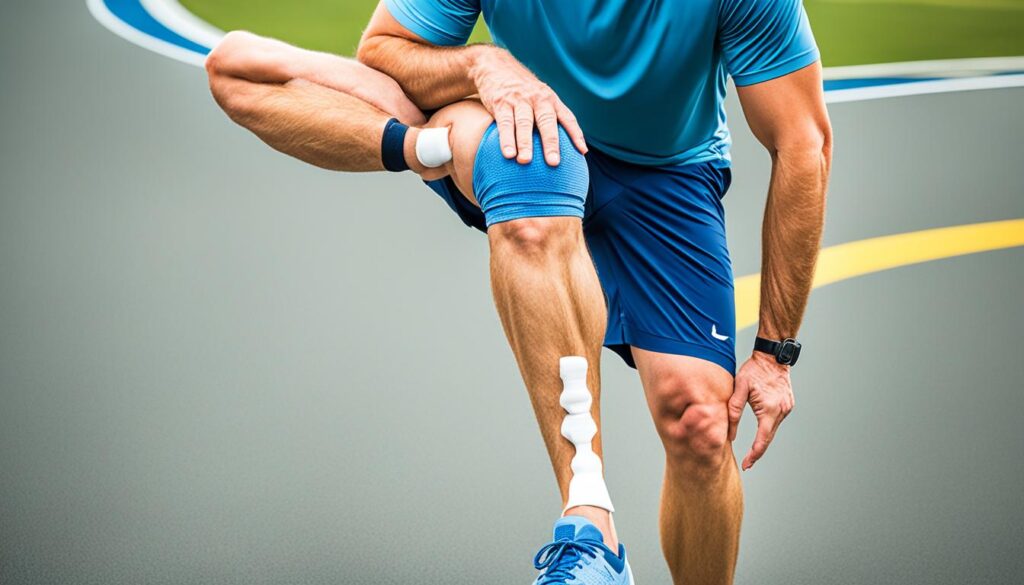
    Welcome to our comprehensive guide on overcoming Iliotibial Band Syndrome (ITBS), also known as IT Band Syndrome. If you’re experiencing Iliotibial Band pain or knee pain caused by running injuries or overuse, you’ve come to the right place. In this article, we will provide you with expert tips and strategies to alleviate the discomfort of IT Band Syndrome and prevent its recurrence.

    IT Band Syndrome is a common condition among runners and individuals who engage in repetitive knee movements. It can cause sharp pain along the Iliotibial Band, a thick band of tissue that runs from the hip to the knee. The repetitive friction and strain on the IT Band can lead to inflammation and discomfort, hindering your active lifestyle.

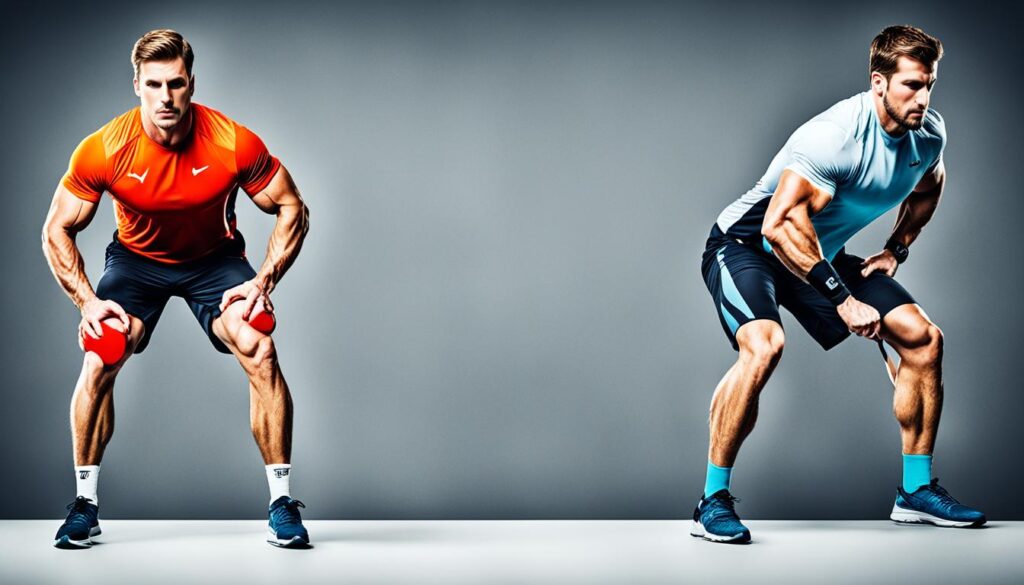
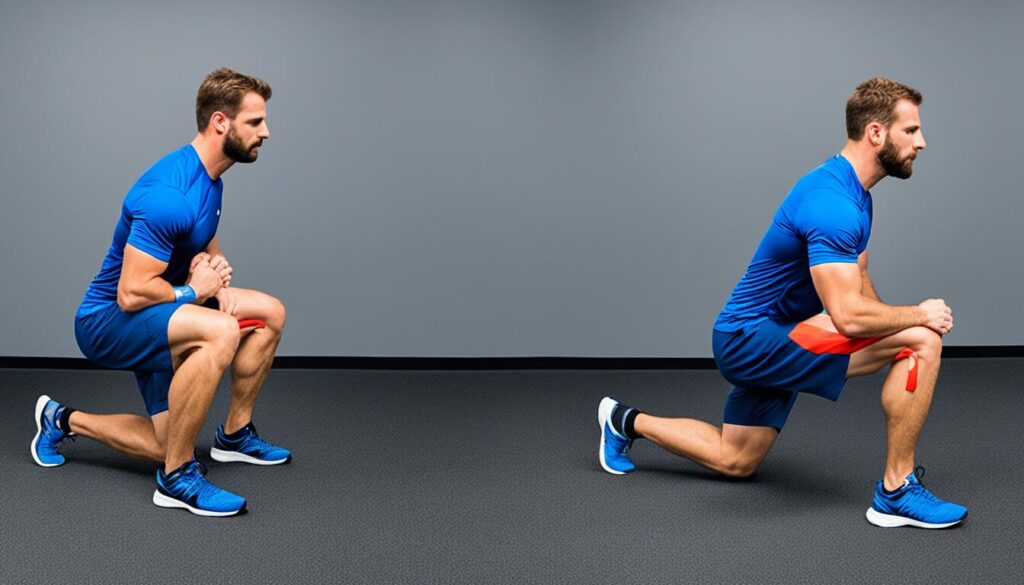
    But fret not! With the right knowledge and techniques, you can effectively manage IT Band Syndrome and regain pain-free movement. We will cover various approaches, including ITB stretches, strengthening exercises, and foam rolling techniques that can significantly contribute to your recovery.

    Key Takeaways:

    • Iliotibial Band Syndrome (ITBS) is a common condition that causes knee pain and discomfort.
    • Repetitive knee movements in activities like running can contribute to the development of IT Band Syndrome.
    • Recognizing the symptoms of IT Band Syndrome is crucial for seeking appropriate treatment.
    • Stretching, strengthening exercises, and foam rolling are effective strategies for managing IT Band pain and promoting recovery.
    • Prevention and early intervention are key in managing and preventing IT Band Syndrome.

    Understanding Iliotibial Band Syndrome

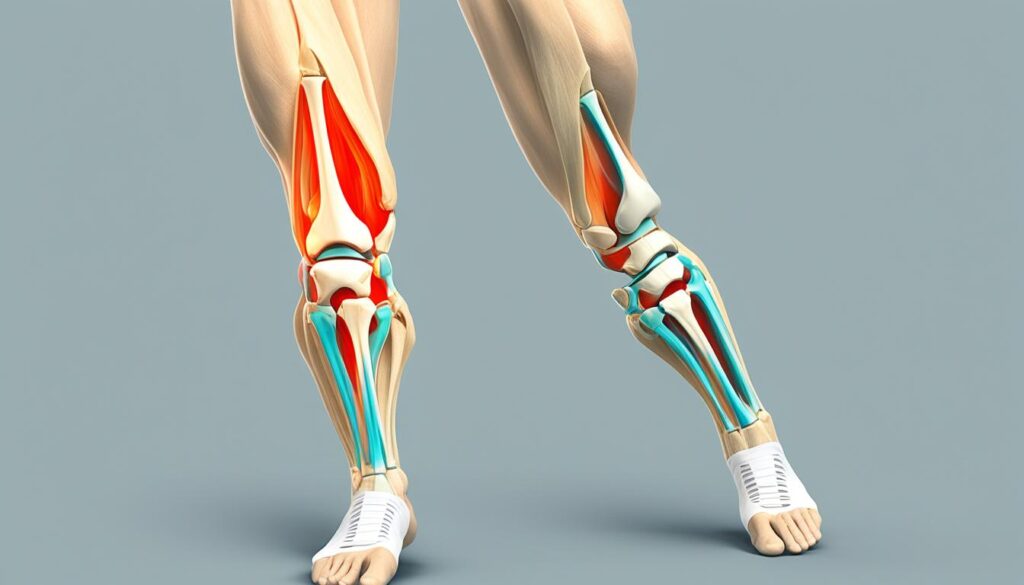
    In this section, we will provide an overview of Iliotibial Band Syndrome (ITBS), also known as IT Band Syndrome. This common condition causes discomfort and pain along the iliotibial band, which runs from the hip to the knee. ITBS is often experienced by runners and individuals who engage in repetitive knee movements.

    The iliotibial band is a thick band of fascia that attaches to the hip and knee. When this band becomes tight or inflamed, it can result in IT Band Syndrome. The exact cause of ITBS is not fully understood, but it is commonly associated with overuse and repetitive knee motions.

    Symptoms of IT Band Syndrome typically include pain on the outside of the knee, which may worsen with activity. Some individuals may also experience swelling or a clicking sensation in the knee. It is important to address these symptoms promptly to prevent further damage and ensure a swift recovery.

    “Iliotibial Band Syndrome is a prevalent condition among runners and those involved in activities that require repetitive knee movements. Understanding the causes and symptoms is crucial for effectively managing and preventing this condition.”

    Causes and Symptoms of IT Band Syndrome

    Causes Symptoms
    Overuse and repetitive knee motions Pain on the outside of the knee
    Tight or inflamed iliotibial band Worsening pain with activity
    Swelling or clicking sensation in the knee

    By understanding the causes and recognizing the symptoms of IT Band Syndrome, individuals can take the necessary steps to seek appropriate treatment and implement preventive strategies. In the following sections, we will explore various techniques and exercises to relieve IT Band pain, strengthen the surrounding muscles, and reduce the risk of future flare-ups.

    Common Causes of IT Band Syndrome

    IT Band Syndrome is a common injury that affects many runners and individuals who engage in activities requiring repetitive knee movements. Understanding the causes of this condition is essential for prevention and effective management. In this section, we will delve into the common causes of IT Band Syndrome and explore how overuse and specific activities contribute to its development.

    The Role of Overuse

    Overuse injuries are one of the primary culprits behind IT Band Syndrome. When the iliotibial band, a thick band of connective tissue running along the outside of the thigh, becomes irritated and inflamed, it can lead to pain and discomfort. Overtraining, sudden increases in training volume or intensity, and inadequate rest periods can strain the IT Band and increase the risk of developing this syndrome.

    Activities that Contribute to IT Band Syndrome

    While IT Band Syndrome can affect individuals engaged in various physical activities, it is particularly common among runners and cyclists. The repetitive nature of these activities, coupled with the constant bending and straightening of the knee joint, can place excessive stress on the IT Band, leading to inflammation and pain.

    Here are some specific activities that may contribute to the development of IT Band Syndrome:

    • Long-distance running
    • Hill running
    • Running on uneven surfaces
    • Cycling, especially with a poorly adjusted bike fit

    By understanding these common causes, you can make informed choices to reduce your risk of developing IT Band Syndrome. In the next section, we will explore the symptoms associated with this condition, helping you recognize and address them in a timely manner.

    Activity Potential Risk
    Long-distance running High risk
    Hill running Moderate risk
    Running on uneven surfaces Moderate risk
    Cycling, especially with a poorly adjusted bike fit Moderate risk

    Recognizing the Symptoms of IT Band Syndrome

    When it comes to managing IT Band Syndrome, identifying the symptoms is the first step towards seeking appropriate treatment and self-care strategies. Understanding the signs of Iliotibial Band pain and knee discomfort can help you take proactive measures to alleviate your condition. Here are some common symptoms to look out for:

    1. Sharp Knee Pain: IT Band Syndrome often manifests as intense pain on the outer part of the knee joint. This pain can be sharp, stabbing, or throbbing, making it uncomfortable to walk or engage in physical activities.
    2. Aching Along the Iliotibial Band: The Iliotibial Band is a thick band of tissue that runs from the hip to the knee. With IT Band Syndrome, you may experience a dull, aching sensation along the path of this band on the outside of your thigh.
    3. Swelling or Inflammation: In some cases, IT Band Syndrome may cause localized swelling or inflammation around the knee area, making it visibly tender and warm to the touch.
    4. Clicking or Popping Sensation: Individuals with IT Band Syndrome may hear or feel a popping or clicking sensation when they bend or straighten their knee, indicating potential friction within the joint.
    5. Worsening Pain with Activity: The pain associated with IT Band Syndrome often worsens during activities that involve repetitive knee movements, such as running, cycling, or climbing stairs.

    If you are experiencing any of these symptoms, it is essential to consult a healthcare professional for an accurate diagnosis and personalized treatment plan. Remember, early recognition and intervention can help you manage IT Band Syndrome effectively and get back to enjoying an active, pain-free lifestyle.

    The Importance of Stretching for IT Band Syndrome Relief

    Stretching plays a crucial role in managing IT Band Syndrome by targeting the IT Band and the surrounding muscles. Incorporating a regular stretching routine can help alleviate pain, improve flexibility, and prevent future flare-ups. Here are some effective stretches to include in your IT Band Syndrome relief plan:

    1. Standing ITB Stretch

    The standing ITB stretch targets the iliotibial band and helps release tension in the hip and knee joints. Follow these steps:

    1. Stand with your feet hip-width apart.
    2. Cross your right leg behind your left leg, keeping both feet firmly on the ground.
    3. Lean your upper body to the left, feeling the stretch along the outside of your right hip.
    4. Hold the stretch for 30 seconds, then switch sides.

    2. Seated ITB Stretch

    The seated ITB stretch targets the IT Band and can be done anywhere, making it a convenient option for relief. Here’s how to do it:

    1. Sit on the ground with your legs extended in front of you.
    2. Place your right ankle over your left knee, creating a figure-four shape.
    3. Gently lean forward, keeping your back straight, and feeling the stretch in your right hip and outer thigh.
    4. Hold the stretch for 30 seconds, then repeat on the other side.

    3. Foam Roller ITB Release

    A foam roller can be a powerful tool to alleviate tension in the IT Band. Follow these steps for an effective foam rolling exercise:

    1. Lie on your side with the foam roller positioned beneath your hip.
    2. Support your upper body with your forearm and bring your bottom leg slightly forward for stability.
    3. Roll along the length of your IT Band, from your hip to just above your knee, applying moderate pressure.
    4. Pause in any areas that feel particularly tight or tender, allowing the roller to release the tension.
    5. Repeat on the other side.

    Remember, it is important to perform these stretches with proper form and technique. Consult with a healthcare professional or a physical therapist if you have any concerns or if your symptoms worsen.

    By regularly incorporating these ITB stretches into your routine, you can experience relief from IT Band Syndrome and promote long-term flexibility and strength in the affected areas.

    Stretch Name Description
    Standing ITB Stretch Cross one leg behind the other and lean to the side to stretch the IT Band. Hold for 30 seconds and switch sides.
    Seated ITB Stretch Sit with one ankle crossed over the opposite knee, then lean forward to feel the stretch in the hip and outer thigh. Hold for 30 seconds and switch sides.
    Foam Roller ITB Release Lie on your side with the foam roller beneath your hip, then roll along the length of the IT Band to release tension. Pause in tight areas for further release.

    Strengthening Exercises for IT Band Syndrome Rehabilitation

    Strengthening exercises are crucial for the rehabilitation of IT Band Syndrome. These exercises target the muscles supporting the IT Band, enhancing stability and preventing further strain and injury. Incorporating these exercises into your routine can help alleviate pain and expedite recovery. Here are some effective ITB strengthening exercises to include in your rehabilitation program:

    1. Clamshells

    Clamshells are a great exercise for activating and strengthening the muscles on the side of the hip.

    1. Lie on your side with your hips and knees bent to approximately 45 degrees.
    2. Keep your feet together and lift your top knee as high as possible, like a clamshell opening.
    3. Slowly lower your knee back down and repeat for the desired number of repetitions.

    2. Hip Bridges

    Hip bridges engage the gluteal muscles, which play a crucial role in stabilizing the IT Band.

    1. Lie on your back with your feet flat on the ground, hip-width apart.
    2. Engage your core and lift your hips off the ground, creating a straight line from your knees to your shoulders.
    3. Hold for a few seconds, then lower your hips back down. Repeat for the desired number of repetitions.

    3. Side Leg Raises

    Side leg raises target the hip abductor muscles, which help in controlling the movement of the IT Band.

    1. Lie on your side with your legs straight, one on top of the other.
    2. Engage your core and lift your top leg as high as you can without rotating your hips.
    3. Slowly lower your leg back down and repeat on the other side.

    Incorporate these exercises into your IT Band Syndrome rehabilitation routine, gradually increasing the intensity and repetition as you progress. It’s essential to listen to your body and not push beyond your comfort level. If you experience increased pain or discomfort, consult a healthcare professional or a physical therapist for guidance. With consistent practice, these strengthening exercises can help you regain strength and stability for a successful recovery from IT Band Syndrome.

    Incorporating Foam Rolling into Your IT Band Syndrome Treatment

    Foam rolling is a highly effective technique for relieving tension and tightness in the IT Band and the surrounding muscles. By incorporating foam rolling into your IT Band Syndrome treatment plan, you can promote recovery and alleviate the pain associated with this condition. In this section, we will provide step-by-step instructions on how to use a foam roller properly and share specific foam rolling exercises that target the IT Band.

    How to Use a Foam Roller for IT Band Syndrome

    Using a foam roller for IT Band Syndrome involves applying targeted pressure to the IT Band and surrounding muscles. Follow these steps to ensure proper form and maximize the benefits:

    1. Positioning: Lie on your side with the foam roller placed under the side of your hip. Support your weight with your forearm and opposite leg.
    2. Rolling: Slowly roll along the IT Band, from the hip to just above the knee. Pause and apply gentle pressure on any tight or tender areas.
    3. Timing: Aim for 1-2 minutes of foam rolling on each side, gradually increasing the duration as your comfort level improves.
    4. Frequency: Incorporate foam rolling into your routine 2-3 times per week or as recommended by your healthcare provider.

    Remember to breathe deeply and relax your muscles during the foam rolling exercises. It is normal to experience some discomfort, but never roll to the point of intense pain.

    Foam Rolling Exercises for IT Band Syndrome Relief

    These foam rolling exercises specifically target the IT Band and can help relieve pain and promote healing:

    • IT Band Roll: Position the foam roller along the outer side of your thigh, resting your weight on your forearm and opposite leg. Roll along the IT Band, focusing on any tight or tender spots, for 1-2 minutes on each side.
    • Glute Release: Sit on the foam roller with one foot crossed over the opposite knee. Roll back and forth, targeting the glute muscles. Repeat on the other side.
    • Quad Roll: Lie facedown with the foam roller under your thighs. Roll along the front of your thighs, pausing on tight areas, for 1-2 minutes.

    Perform these foam rolling exercises in conjunction with stretches and strengthening exercises to optimize your IT Band Syndrome treatment. As always, consult with a healthcare professional or physical therapist for personalized guidance based on your specific condition and needs.

    Prevention Tips for IT Band Syndrome

    Preventing IT Band Syndrome is crucial in maintaining a healthy and pain-free running routine. By modifying your training routine, choosing appropriate footwear, and incorporating cross-training activities, you can significantly reduce the risk of developing IT Band Syndrome and other running-related injuries.

    Modify Your Training Routine

    One of the key strategies in preventing IT Band Syndrome is to gradually increase your mileage and intensity instead of making sudden jumps in your training. This allows your body to adapt and build strength gradually, reducing the risk of overuse injuries. Incorporate rest days into your schedule to give your body time to recover. Listen to your body and don’t ignore any pain or discomfort. If you feel any twinges, reduce your mileage or intensity and seek guidance from a professional if necessary.

    Choose Appropriate Footwear

    Wearing proper running shoes that provide adequate support and cushioning is essential for preventing IT Band Syndrome. Visit a specialty running store to get fitted for shoes that suit your foot type and running style. Replace your shoes regularly to ensure that they maintain their shock-absorbing properties. Additionally, consider consulting with a podiatrist or sports medicine specialist if you have structural foot abnormalities or any specific concerns.

    Incorporate Cross-Training Activities

    Cross-training activities can help prevent overuse injuries, including IT Band Syndrome, by reducing the repetitive stress on your joints and muscles. Engaging in low-impact exercises like swimming, cycling, or strength training on your non-running days can help build overall strength and improve muscular balance. These activities also provide an opportunity for your body to recover while still maintaining your fitness level.

    Remember, prevention is always better than cure when it comes to IT Band Syndrome. By following these tips, you can minimize your risk of developing this painful condition and enjoy a more enjoyable and injury-free running experience.

    Seeking Professional Help for IT Band Syndrome

    If your self-care strategies have not provided relief from the symptoms of IT Band Syndrome, it may be time to seek professional help. Consulting with a healthcare provider or a physical therapist can be beneficial in developing a personalized treatment plan tailored to your specific condition.

    IT Band Syndrome can be a frustrating and persistent issue, but with the guidance of a healthcare professional, you can gain a better understanding of your condition and receive appropriate care. They will evaluate your symptoms, assess your movement patterns, and provide expert recommendations to alleviate your pain and promote healing.

    When seeking professional help for IT Band Syndrome, it is essential to find a provider who specializes in sports medicine or orthopedic care. These professionals have the experience and knowledge to diagnose and treat running injuries like IT Band Syndrome effectively.

    When to Consult a Healthcare Provider

    It is recommended to consult a healthcare provider if you experience the following:

    • Persistent knee pain that does not improve with rest or self-care
    • Limited range of motion in the knee joint
    • Difficulty walking or performing daily activities due to knee pain
    • Significant swelling or redness around the knee
    • Pain that worsens during physical activity or exercise

    Remember, early intervention is crucial in managing and preventing IT Band Syndrome from becoming a chronic issue. Seeking professional help will not only address your current symptoms but also help prevent future recurrences, allowing you to return to your favorite activities pain-free.

    Lifestyle Modifications for IT Band Syndrome Management

    When it comes to managing IT Band Syndrome and minimizing the recurrence of symptoms, making certain lifestyle modifications can play a significant role. By adopting specific practices in nutrition, rest, and cross-training activities, you can support your recovery and maintain a pain-free lifestyle.

    Proper Nutrition: Consuming a well-balanced diet rich in essential nutrients can aid in the healing process and promote overall wellness. Focus on incorporating foods that reduce inflammation, such as fruits, vegetables, whole grains, and lean proteins. Additionally, staying hydrated is crucial for maintaining optimal tissue function and preventing dehydration-related muscle tightness.

    Adequate Rest: Giving your body adequate rest and recovery time is essential for proper healing and preventing knee pain associated with IT Band Syndrome. Make sure to prioritize sufficient sleep each night and consider incorporating rest days into your exercise routine to allow your body time to repair and regenerate.

    Cross-Training Activities: Engaging in cross-training activities can help reduce the strain on your IT Band and allow for a more well-rounded fitness routine. Consider incorporating low-impact exercises like swimming, cycling, or yoga, which provide cardiovascular benefits without placing excessive stress on the knee joint.

    “Proper nutrition, adequate rest, and cross-training activities can support your recovery and minimize the recurrence of symptoms.”

    By making these lifestyle modifications, you can proactively manage your IT Band Syndrome and maintain an active lifestyle without unnecessary knee pain or running injuries. Remember, it’s important to consult with a healthcare professional or physical therapist for personalized advice and guidance on implementing these modifications into your daily routine.

    Sample Workout Routine:

    Activity Duration Frequency
    Swimming 30 minutes 3 times per week
    Strength Training (Upper Body) 45 minutes 2 times per week
    Yoga 60 minutes 2 times per week
    Walking or Cycling 60 minutes 3 times per week

    Remember, consistency is key in finding relief from IT Band Syndrome and reducing knee pain. Stick to your modified routine, listen to your body, and adjust the intensity or duration of your activities as necessary. With time, dedication, and a holistic approach to your health, you can effectively manage and overcome IT Band Syndrome, allowing you to enjoy a pain-free and active lifestyle.

    Conclusion

    In conclusion, overcoming Iliotibial Band Syndrome (ITBS) is possible with the right strategies and techniques. By incorporating the expert tips provided in this article, you can effectively manage and prevent IT Band Syndrome, allowing you to return to your favorite activities without limitations.

    Remember, prevention and early intervention are crucial in dealing with IT Band Syndrome. By adopting proper stretching and strengthening exercises, as well as incorporating foam rolling into your routine, you can alleviate pain, improve flexibility, and minimize the risk of IT Band Syndrome recurrence.

    Additionally, making necessary lifestyle modifications such as maintaining a balanced diet, getting adequate rest, and engaging in cross-training activities can further support your recovery and overall well-being. By taking a holistic approach to managing IT Band Syndrome, you can lead a pain-free and active life.

    FAQ

    What is Iliotibial Band Syndrome (ITBS)?

    Iliotibial Band Syndrome, also known as IT Band Syndrome or ITBS, is a common overuse injury that affects the iliotibial band, a thick band of tissue running down the outside of the thigh. It typically causes pain and discomfort on the outer side of the knee and can be a result of repetitive knee movements such as running or cycling.

    What are the symptoms of IT Band Syndrome?

    The most common symptom of IT Band Syndrome is sharp, burning knee pain on the outer side of the knee. Other symptoms may include swelling, clicking or popping sensations, and aching along the iliotibial band. Pain may worsen during activities that involve repetitive knee movements.

    How can I relieve IT Band Syndrome pain?

    There are several strategies to alleviate IT Band Syndrome pain. Some helpful techniques include stretching the IT band and surrounding muscles, strengthening the muscles supporting the IT band, foam rolling to release tension, and modifying your training routine to reduce overuse. It is important to consult with a healthcare professional for a personalized treatment plan.

    Can I prevent IT Band Syndrome?

    While IT Band Syndrome can be challenging to completely prevent, there are steps you can take to reduce the risk of developing this condition. Some prevention tips include incorporating cross-training activities, wearing appropriate footwear, gradually increasing exercise intensity, and ensuring proper rest and recovery.

    When should I seek professional help for IT Band Syndrome?

    If self-care strategies and home remedies do not provide sufficient relief from IT Band Syndrome symptoms, it may be time to seek professional help. Consult with a healthcare provider or a physical therapist if your symptoms persist or worsen, or if you are unable to resume your regular activities due to pain or discomfort.

    How long does it take to recover from IT Band Syndrome?

    Recovery time for IT Band Syndrome can vary depending on the severity of the condition and individual factors. With proper treatment and adherence to a rehabilitation plan, many individuals can experience significant improvement within a few weeks to a couple of months. However, it is essential to be patient and follow the guidance of your healthcare professional.

  • Lateral Knee Pain When Cycling: Causes & Fixes

    Are you experiencing lateral knee pain when cycling? You’re not alone. This common condition can be uncomfortable and even debilitating for cyclists. In this article, we will delve into the causes of lateral knee pain when cycling and explore effective fixes to alleviate the discomfort.

    Key Takeaways:

    • Lateral knee pain when cycling is a prevalent issue that many cyclists face.
    • Understanding the causes of lateral knee pain can help in finding appropriate solutions.
    • Bike fit and alignment play a vital role in preventing knee pain while cycling.
    • Strengthening and stretching exercises can help alleviate lateral knee pain and improve overall knee health.
    • Effective management of inflammation and pain can aid in recovery and prevent further discomfort.

    Understanding Lateral Knee Pain

    When it comes to cycling, many riders experience the discomfort of knee pain. Lateral knee pain, in particular, is a common issue that cyclists face. In this section, we will delve into the specifics of lateral knee pain and its relationship to cycling. Understanding the factors that contribute to this type of pain is essential for finding effective solutions.

    The Relationship between Cycling and Knee Pain

    Cycling is a low-impact aerobic exercise that offers numerous health benefits. However, the repetitive nature of cycling motion, combined with improper bike fit and technique, can lead to knee discomfort and pain. Lateral knee pain, which is felt on the outer side of the knee, can be caused by various factors such as:

    • Overuse and repetitive stress on the knee joint
    • Muscle imbalances around the knee
    • Poor bike fit and alignment
    • Inadequate warm-up or cool-down routines

    By understanding the relationship between cycling and knee pain, cyclists can take proactive steps to prevent and manage lateral knee pain effectively.

    Factors Contributing to Lateral Knee Pain

    Lateral knee pain can be attributed to several factors, including:

    1. IT Band Syndrome: The iliotibial (IT) band is a thick band of connective tissue on the outer side of the thigh. Overuse and tightness of the IT band can cause friction and inflammation, resulting in lateral knee pain.
    2. Patellofemoral Pain Syndrome (PFPS): PFPS is a condition that occurs when the patella (kneecap) does not track properly in the femoral groove. This misalignment can lead to knee pain, especially on the outer side of the knee.
    3. Meniscus Tears: Meniscus tears are common knee injuries that can occur from sudden twisting or repetitive stress. These tears can cause pain on the outer side of the knee, along with other symptoms like swelling and stiffness.

    To better understand the factors contributing to lateral knee pain, let’s take a closer look at the anatomy of the knee and how cycling can exacerbate these issues.

    Anatomy of the Knee and Cycling

    The knee is a complex joint that consists of bones, ligaments, tendons, and cartilage. During cycling, the repetitive motion and forces applied to the knee joint can lead to stress on these structures. The lateral collateral ligament (LCL), iliotibial (IT) band, and patella are crucial components that can be affected by cycling, leading to lateral knee pain.

    Structure Description
    Patella The kneecap, responsible for protecting the knee joint and providing leverage for the thigh muscles.
    Lateral Collateral Ligament (LCL) A ligament on the outer side of the knee that helps provide stability and prevent excessive sideways movement of the knee joint.
    Iliotibial (IT) Band A thick band of connective tissue that runs along the outer side of the thigh, crossing the knee joint. It helps stabilize the knee during cycling.
    Lateral Meniscus A C-shaped cartilage structure on the outer side of the knee that helps with shock absorption and joint stability.

    Understanding the anatomy of the knee and the impact of cycling on these structures is crucial for addressing lateral knee pain effectively.

    In the next section, we will explore the common causes of lateral knee pain when cycling in greater detail. By identifying these causes, cyclists can take the necessary steps to prevent and manage knee pain, ensuring an enjoyable and pain-free riding experience.

    Common Causes of Lateral Knee Pain when Cycling

    When it comes to experiencing lateral knee pain while biking, there are several common causes that cyclists should be aware of. These factors can contribute to discomfort and affect your riding experience. By understanding these causes, you can take steps to prevent and alleviate knee pain while cycling.

    Muscle Imbalances

    Muscle imbalances can occur when certain muscles surrounding the knee joint become stronger or tighter than others. This imbalance can cause misalignment and increase stress on the lateral side of the knee. Common imbalances include weak gluteus medius and tight iliotibial (IT) band.

    Overuse Injuries

    Overuse injuries are a frequent cause of lateral knee pain in cyclists. When you push yourself too hard or increase your mileage too quickly, it puts excessive stress on your knee joints. This can lead to various conditions like patellofemoral pain syndrome, iliotibial band syndrome (ITBS), and tendinitis.

    Improper Bike Fittings

    One of the most overlooked causes of lateral knee pain is improper bike fittings. When your bike is not adjusted correctly to fit your body mechanics, it can result in poor alignment and increased pressure on the lateral knee area. Factors such as saddle height, setback, and cleat position should be carefully considered.

    Incorrect Pedaling Technique

    The way you pedal can also contribute to lateral knee pain. For example, pedaling with excessive toe-in (toes pointed inward) or toe-out (toes pointed outward) can lead to stress on the lateral knee. It’s important to maintain a neutral foot position and pedal with a smooth and even stroke.

    By understanding these common causes of lateral knee pain while biking, you can take proactive measures to prevent discomfort and improve your cycling experience. In the next section, we will delve into the importance of bike fit and alignment in alleviating knee pain.

    Bike Fit and Alignment

    Proper bike fit and alignment are essential in preventing knee pain while cycling. When your bike is adjusted correctly to fit your body, it can help maintain optimal mechanics and reduce strain on the knees. Here are some key adjustments to make to ensure an optimal riding position:

    Saddle Height

    Adjusting the saddle height is crucial for preventing knee pain. When your leg is fully extended at the bottom of the pedal stroke, there should be a slight bend in your knee, but it shouldn’t be locked or overly flexed. Use the following steps to find the right saddle height:

    1. Sit on the bike and place your heel on the pedal.
    2. Rotate the crank backward until your leg is fully extended.
    3. If your heel can touch the pedal without straining or rocking your hips, the saddle height is correct.
    4. If your leg is not fully extended, raise the saddle in small increments until it is.

    Saddle Position

    The position of the saddle plays a crucial role in knee alignment. It should be positioned in a way that allows your knee to be directly over the ball of your foot when the pedal is at the 3 o’clock position. Make the following adjustments:

    1. Loosen the saddle clamp bolts and slide the saddle forwards or backward.
    2. Align your kneecap with the center of the pedal axle when the crank arm is parallel to the ground.
    3. Tighten the saddle clamp bolts and ensure it is secure.

    Handlebar Position

    The handlebar position affects your body posture and weight distribution. It’s important to find a comfortable and efficient riding position. Consider the following adjustments:

    1. Adjust the handlebar height by changing the stem length or adding spacers under it.
    2. Experiment with different handlebar angles to find the most comfortable position.
    3. If you experience pain in your hands or wrists, consider using ergonomic grips or gloves to provide extra support.

    Foot Position

    Your feet should be properly aligned on the pedals to maintain a stable and efficient pedaling motion. Follow these tips:

    • Place the balls of your feet over the center of the pedal.
    • Avoid pointing your toes excessively inward or outward, as this can strain the knees.
    • If needed, consider using pedal cleats to secure your feet in the optimal position.

    Seeking Professional Advice

    If you’re unsure about the proper bike fit or experience persistent knee pain while cycling, it’s advisable to seek professional help from a bike fit specialist. They can assess your body mechanics, make precise adjustments to your bike, and provide personalized recommendations to prevent knee pain.

    Strengthening and Stretching Exercises for Knee Pain Relief

    To alleviate lateral knee pain when cycling, incorporating specific strengthening and stretching exercises into your routine can help strengthen the knee muscles and improve flexibility. By targeting the muscles surrounding the knee joint, these exercises can provide relief and prevent discomfort during your rides.

    1. Quad Strengthening

    Strong quadriceps muscles play a crucial role in supporting the knee joint. Incorporate these exercises into your routine:

    • Wall squats: Stand against a wall with your feet hip-width apart. Slowly lower into a squat, keeping your back against the wall, and hold for 10-15 seconds. Repeat 10 times.
    • Lunges: Take a step forward with your right leg and lower your body into a lunge, keeping your front knee aligned with your ankle. Push back up to the starting position and repeat on the other side. Aim for 10-15 lunges on each leg.

    2. Hamstring Stretch

    Tight hamstrings can contribute to knee pain. Stretching the hamstrings can help alleviate tension and improve range of motion:

    • Standing hamstring stretch: Stand with one foot raised on a bench or step. Keep your back straight and lean forward from your hips until you feel a gentle stretch in the back of your thigh. Hold for 20-30 seconds and repeat on the other side.

    3. IT Band Release

    The IT band is a common source of lateral knee pain. Foam rolling can help release tension and promote flexibility:

    “Foam rolling can be an effective way to release tension in the IT band. Start by lying on your side with the foam roller positioned beneath your hip. Roll slowly down your thigh until you reach just above the knee. Repeat on the other side, focusing on any areas of tightness or discomfort.”

    4. Calf Strengthening

    Strong calf muscles provide stability to the knee joint. Try these exercises to strengthen your calves:

    • Calf raises: Stand up straight with your feet hip-width apart. Rise up onto your toes, lifting your heels off the ground. Hold for a few seconds, then slowly lower back down. Repeat 10-15 times.
    • Single-leg calf raises: Perform calf raises on one leg at a time, holding onto a stable surface for balance if needed. Complete 10-15 raises on each leg.

    By incorporating these exercises into your routine, you can effectively treat lateral knee pain when cycling. Remember to start slowly and gradually increase intensity and repetitions over time. If the pain persists or worsens, consult a healthcare professional for further evaluation and guidance.

    Exercise Target Muscle Group Instructions
    Wall squats Quadriceps Stand with back against a wall, lower into squat and hold for 10-15 seconds. Repeat 10 times.
    Lunges Quadriceps Step forward with right leg, lower into lunge, push back up and repeat on other side. Aim for 10-15 lunges on each leg.
    Standing hamstring stretch Hamstrings Stand with one foot raised on a bench or step, lean forward from hips until you feel a stretch in back of thigh. Hold for 20-30 seconds and repeat on other side.
    Foam rolling for IT band IT band Lie on side with foam roller beneath hip, roll down thigh until just above knee. Repeat on other side, focusing on areas of tightness or discomfort.
    Calf raises Calf muscles Stand with feet hip-width apart, rise up onto toes, hold, then slowly lower back down. Repeat 10-15 times.
    Single-leg calf raises Calf muscles Perform calf raises on one leg at a time, complete 10-15 raises on each leg.

    Managing Inflammation and Pain

    After a rigorous cycling session, it’s not uncommon to experience knee pain. Understanding how to manage inflammation and pain associated with lateral knee pain after cycling is essential for a speedy recovery and a pain-free riding experience.

    “Rest, ice, compression, elevation.”

    Rest is crucial for allowing the affected knee to heal. Take a break from cycling and avoid activities that put excessive strain on the knee. This downtime allows the body to repair any damage and reduce inflammation.

    Ice therapy can help reduce swelling and alleviate pain. Apply an ice pack or cold compress to the affected area for 15-20 minutes, multiple times a day.

    Compression with a knee brace or bandage can provide stability and reduce swelling. It also helps with better blood flow and supports the surrounding muscles and ligaments.

    Elevating the affected leg can help reduce swelling by allowing excess fluid to drain away from the knee. Prop your leg up on a pillow or cushion to achieve a raised position.

    Pro Tip: Over-the-counter anti-inflammatory medications, such as ibuprofen, can help reduce pain and inflammation. However, it is advisable to consult a healthcare professional before taking any medication.

    By implementing these strategies, you can effectively manage inflammation and pain associated with knee pain after cycling. However, if the pain persists or worsens, it is recommended to seek professional medical advice for further evaluation and treatment.

    Treatment Strategies Description
    Rest Take a break from cycling and avoid activities that strain the affected knee.
    Ice Therapy Apply an ice pack or cold compress to reduce swelling and alleviate pain.
    Compression Use a knee brace or bandage to provide stability, reduce swelling, and support muscles and ligaments.
    Elevation Prop the affected leg up on a pillow or cushion to help reduce swelling.
    Over-The-Counter Remedies Consult a healthcare professional for advice on using anti-inflammatory medications.

    Injury Prevention and Recovery

    Preventing lateral knee pain when cycling is crucial for maintaining a pain-free riding experience. By adopting proper warm-up and cool-down routines, incorporating cross-training, and understanding the importance of rest and recovery, cyclists can reduce the risk of developing knee pain.

    Proper Warm-Up and Cool-Down

    Before hopping on your bike, it’s essential to warm up your muscles and joints to increase blood flow and prepare them for the upcoming workout. Start with light cardio exercises, such as jogging or jumping jacks, followed by dynamic stretches that target the lower body.

    After your cycling session, don’t skip the cool-down phase. Gradually reduce your pace and intensity, allowing your body to gradually transition to a resting state. Finish off with static stretches for the quadriceps, hamstrings, calves, and hips to promote flexibility and prevent muscle tightness.

    Cross-Training

    Engaging in cross-training activities is an excellent way to strengthen the muscles around your knees and prevent imbalances that can contribute to knee pain. Incorporate exercises like swimming, yoga, or strength training into your fitness routine to target different muscle groups and increase overall body stability.

    Rest and Recovery

    Rest days are just as important as training days when it comes to injury prevention and recovery. Allow your body enough time to heal and repair itself by scheduling regular rest days throughout the week. During this time, focus on activities that promote relaxation, such as gentle stretching, foam rolling, or even taking a leisurely walk.

    Remember, taking care of your body and prioritizing injury prevention can help you enjoy cycling for years to come.

    Preventive Measures Benefits
    Proper warm-up and cool-down Enhanced blood flow, increased flexibility, reduced muscle tightness
    Cross-training Improved muscle strength, balanced muscle development, enhanced stability
    Rest and recovery Optimal healing, reduced risk of overuse injuries, improved overall well-being

    Seeking Professional Help

    If you’ve tried conservative measures to prevent knee pain while cycling without success, it may be time to seek professional help. Consulting with a healthcare provider or a bike fit specialist can provide further evaluation and treatment options tailored to your specific needs.

    When should you consider reaching out for professional assistance? Here are some signs that indicate it’s time:

    1. If your knee pain persists or worsens even after taking appropriate rest and following self-care measures.
    2. If you experience difficulty in performing daily activities or have limitations in your range of motion due to knee pain.
    3. If you notice swelling, redness, or warmth around the knee joint.
    4. If you have a history of previous knee injuries or surgeries.
    5. If your knee pain is accompanied by other concerning symptoms, such as instability, locking, or giving way of the knee.

    By seeking professional help, you can receive a comprehensive assessment of your condition and access specialized treatment options to address your knee pain effectively. Whether it’s through physical therapy, orthopedic intervention, or an expert bike fitting, the guidance of professionals can greatly improve your cycling experience.

    “Consulting a healthcare provider or a bike fit specialist can help identify the root cause of your knee pain and provide you with targeted strategies for prevention and relief.” – Dr. Sarah Johnson, Sports Medicine Specialist

    Remember, seeking professional help is not a sign of weakness but a proactive step towards resolving your knee pain and preventing further injury. With their expertise and guidance, you can get back on your bike and pedal away with confidence.

    Conclusion

    In conclusion, lateral knee pain when cycling can be a frustrating and debilitating issue for many cyclists. However, by understanding the various factors that contribute to this discomfort and implementing the right adjustments, it is possible to manage and overcome this challenge.

    One of the key areas to address is bike fit. Ensuring that your bike is properly adjusted and aligned is essential in preventing lateral knee pain. Pay attention to factors such as saddle height, fore-aft position, and cleat alignment, as these can greatly impact your riding experience.

    In addition to bike fit, engaging in appropriate strengthening and stretching exercises can help alleviate knee pain and prevent future injuries. Focus on exercises that target the muscles in and around the knee, such as quadriceps, hamstrings, and glutes. Incorporating regular stretching routines can also improve flexibility and reduce the risk of muscle imbalances.

    Furthermore, taking preventive measures such as warming up before rides, cross-training to improve overall fitness, and ensuring proper rest and recovery can all contribute to a pain-free cycling experience. By adopting these strategies and embracing a proactive approach to knee health, cyclists can enjoy their rides to the fullest.

    FAQ

    What are the common causes of lateral knee pain when cycling?

    Lateral knee pain when cycling can be caused by factors such as overuse injuries, improper bike fittings, muscle imbalances, and inadequate warm-up or cool-down routines.

    How can I prevent knee pain while cycling?

    To prevent knee pain while cycling, ensure proper bike fit and alignment, engage in cross-training exercises, and incorporate stretching and strengthening routines for the knee muscles.

    What exercises and stretches can help relieve lateral knee pain when cycling?

    Strengthening exercises such as leg presses and squats, as well as stretches like quadriceps and hamstring stretches, can help alleviate lateral knee pain when cycling.

    How can I manage inflammation and pain associated with lateral knee pain after cycling?

    Managing inflammation and pain after cycling can be done through rest, ice, compression, elevation (RICE), and using over-the-counter remedies such as nonsteroidal anti-inflammatory drugs (NSAIDs).

    What can I do to prevent cycling-related knee injuries?

    To prevent cycling-related knee injuries, adopt proper warm-up and cool-down routines, incorporate cross-training exercises, and prioritize rest and recovery.

    When should I seek professional help for lateral knee pain when cycling?

    If conservative measures do not alleviate lateral knee pain when cycling, it is advisable to consult a healthcare provider or bike fit specialist for further evaluation and treatment.

  • Lateral Knee Pain Solutions for Runners

    Welcome to our comprehensive guide on lateral knee pain when running. As runners, we know that nothing can hinder the joy of hitting the pavement quite like the discomfort and frustration of knee pain. Lateral knee pain, also known as “runner’s knee” or “IT band syndrome,” can be an unwelcome companion for many athletes. But fear not! In this article, we will explore the causes of lateral knee pain, provide prevention strategies, discuss treatment options, and offer beneficial exercises to help you overcome this hurdle and get back to enjoying your runs pain-free.

    Key Takeaways:

    • Lateral knee pain can be a common issue for runners and is often caused by factors like improper running technique, muscle imbalances, and overuse.
    • Preventing lateral knee pain involves implementing proper warm-up and cool-down routines, strengthening exercises, and gradual training progressions.
    • Identifying specific triggers that exacerbate lateral knee pain, such as downhill running or changes in intensity, is essential for managing and reducing symptoms.
    • Treatment options for lateral knee pain range from rest, ice, and over-the-counter remedies to physical therapy and orthopedic interventions, depending on the severity.
    • Beneficial exercises that target the knee joint and supporting muscles can help alleviate pain and improve stability, flexibility, and overall knee joint health.

    Understanding Lateral Knee Pain

    In order to effectively manage lateral knee pain when running, it is important to have a thorough understanding of its causes and contributing factors. By addressing these underlying issues, runners can make modifications to their training and running form to alleviate the pain and prevent further damage. Let’s take a closer look at some key factors that can lead to lateral knee pain:

    Improper Running Technique

    One of the primary causes of lateral knee pain is incorrect running technique. When runners land with excessive force on the outside of their feet or overpronate, it places additional stress on the lateral knee structures, leading to pain and discomfort. It is crucial to maintain proper alignment and form while running to reduce the risk of developing lateral knee pain.

    Muscle Imbalances

    Muscle imbalances, particularly around the knee joint, can also contribute to lateral knee pain. When certain muscles are stronger or tighter than others, it can affect the alignment and stability of the knee, leading to increased stress on the lateral structures. Strengthening and stretching exercises that target the muscles around the knee can help correct these imbalances and alleviate pain.

    Overuse and Training Errors

    Repetitive activities, such as running long distances without proper rest or increases in mileage too quickly, can cause overuse injuries including lateral knee pain. These training errors can overload the knee joint, resulting in inflammation and pain. It is important to incorporate appropriate rest periods into training and gradually increase mileage to allow the body time to adapt and recover.

    “Understanding the causes of lateral knee pain is essential for effective management and prevention.” – Dr. Emily Johnson, Sports Medicine Specialist

    Managing lateral knee pain requires a comprehensive approach that addresses the root causes of the pain. By addressing improper running technique, muscle imbalances, and training errors, runners can minimize the risk of developing lateral knee pain and enjoy pain-free running. In the next section, we will explore strategies for preventing lateral knee pain through proper warm-up and strengthening exercises.

    Causes of Lateral Knee Pain Contributing Factors
    Improper running technique Excessive force on the outside of the feet, overpronation
    Muscle imbalances Weaker or tighter muscles around the knee joint
    Overuse and training errors Repetitive activities, inadequate rest, sudden mileage increases

    Prevention Strategies for Lateral Knee Pain

    If you’re a runner looking to prevent lateral knee pain and ensure a pain-free running experience, implementing proactive strategies is crucial. By focusing on proper warm-up and cool-down routines, targeted strengthening exercises, specific stretches, gradual training progressions, and proper footwear choices, you can significantly reduce the risk of developing lateral knee pain.

    1. Warm-Up and Cool-Down

    Before starting your run, it’s essential to spend a few minutes warming up to prepare your muscles and joints for the activity. Incorporate dynamic stretches like leg swings, walking lunges, or high knees to increase blood flow and mobility. After completing your run, dedicate time to cool down with static stretches that target your quadriceps, hamstrings, and calves. This helps prevent muscle tightness and promote flexibility.

    2. Strengthening Exercises

    Strong muscles that support the knee joint play a vital role in preventing lateral knee pain. Incorporate exercises such as squats, lunges, step-ups, and clamshells into your training routine to strengthen the muscles around the knee. This helps distribute the joint’s load more effectively and reduces the risk of overuse injuries.

    3. Stretching for Specific Muscles

    Stretching exercises targeted towards the muscles that support the knee joint are highly beneficial for preventing lateral knee pain. Focus on stretching the iliotibial (IT) band, hip flexors, quadriceps, and hamstrings to maintain flexibility and reduce tightness. Regular and consistent stretching can help alleviate stress on the lateral knee area.

    4. Gradual Training Progressions

    Gradually increasing training intensity and duration is crucial for preventing lateral knee pain. Avoid sudden spikes in mileage or intense workouts that your body isn’t prepared for. Gradually progress your training to allow your muscles, tendons, and ligaments to adapt to the demands of running, reducing the risk of overuse injuries and lateral knee pain.

    5. Proper Footwear Choices

    Choosing the right running shoes that provide adequate cushioning and support is vital for preventing lateral knee pain. Have your gait analyzed by a professional to determine if you have any pronation or supination issues. Consider investing in orthotic inserts or custom-made insoles if necessary to ensure proper alignment and reduce excessive stress on the knee joint.

    Implementing these proactive strategies can substantially decrease the likelihood of experiencing lateral knee pain while running. By prioritizing warm-up and cool-down routines, targeted strengthening exercises, specific stretches, gradual training progressions, and proper footwear choices, runners can enjoy a pain-free running experience.

    Prevention Strategies for Lateral Knee Pain Benefits
    Proper warm-up and cool-down routines Prepares muscles and joints, increases flexibility, reduces muscle tightness
    Targeted strengthening exercises Enhances muscle support, distributes joint load, reduces overuse injury risk
    Specific stretches for supporting muscles Maintains flexibility, reduces tightness and stress on lateral knee area
    Gradual training progressions Allows adaptation of muscles and joints, reduces overuse injury risk
    Proper footwear choices Provides cushioning and support, reduces excessive stress on knee joint

    Identifying Lateral Knee Pain Triggers

    Experiencing lateral knee pain when running can be frustrating. In this section, we will explore the specific triggers that can exacerbate this pain and help you identify them. By understanding the factors that contribute to lateral knee pain, you can make informed decisions to mitigate discomfort and improve your running experience.

    Common Running-Related Activities and Their Impact

    Several running-related activities can contribute to lateral knee pain. These activities include:

    • Downhill running: The repetitive impact and increased forces while running downhill can place additional stress on the knee joint, leading to lateral knee pain.
    • Running on uneven surfaces: Uneven terrain can cause your foot to land at an angle, resulting in an altered gait pattern that puts strain on the lateral aspect of the knee.

    quote: “Running is the greatest metaphor for life because you get out of it what you put into it.” – Oprah Winfrey

    Factors Affecting Lateral Knee Pain Severity

    Aside from running-related activities, several other factors can impact the severity of lateral knee pain. These factors include:

    • Footwear: Wearing improper or worn-out shoes that do not provide adequate support and cushioning can increase the strain on your knee joint while running.
    • Running surfaces: Hard surfaces, such as concrete or asphalt, transmit more shock to the knees compared to softer surfaces like grass or trails.
    • Changes in training intensity: Sudden increases in mileage, speed, or intensity can overload the knee joint, leading to lateral knee pain.

    By being aware of these triggers and factors, you can make adjustments to reduce the risk of lateral knee pain when running. Next, we will explore various treatment options for managing and alleviating lateral knee pain.

    Treatment Options for Lateral Knee Pain

    When it comes to managing and treating lateral knee pain, there are various strategies and interventions that can help alleviate discomfort and promote healing. The appropriate treatment option for each individual will depend on the severity of the pain, the underlying cause, and personal preferences. Here, we explore some of the most common treatment approaches:

    1. Rest and Ice

    One of the simplest and most immediate treatments for lateral knee pain is to rest and apply ice to the affected area. Resting allows the injured tissues to heal, while ice helps reduce inflammation and swelling. Applying ice on the affected area for about 15-20 minutes a few times a day can provide relief and accelerate the healing process.

    2. Over-the-Counter Pain Relief

    Over-the-counter nonsteroidal anti-inflammatory drugs (NSAIDs), such as ibuprofen, can help manage lateral knee pain by reducing pain, inflammation, and swelling. These medications can be effective for mild to moderate pain and are widely available without a prescription. However, it is essential to follow the recommended dosage and consult a healthcare professional if the pain persists or worsens.

    3. Physical Therapy

    Physical therapy is a valuable treatment option for individuals with lateral knee pain. A physical therapist can assess the underlying causes of the pain, develop a customized treatment plan, and guide patients through exercises and stretches that target specific muscles and improve mobility. Physical therapy can help correct muscle imbalances, strengthen the knee joint and surrounding structures, and improve overall biomechanics, reducing pain and preventing future injuries.

    4. Orthopedic Interventions

    In some cases of severe or chronic lateral knee pain, orthopedic interventions may be necessary. These interventions may include corticosteroid injections to reduce inflammation, viscosupplementation to lubricate the knee joint, or, in rare cases, surgical procedures to repair damaged tissues or realign structures. Orthopedic interventions are typically reserved for cases where conservative treatments have been unsuccessful or the damage is extensive.

    5. Bracing and Supportive Devices

    Braces and supportive devices, such as knee sleeves or patellar straps, can provide additional stability and support to the knee joint, reducing pain and preventing further injury. These devices can be particularly helpful for individuals who have weak or unstable knees due to muscle imbalances or structural abnormalities. It is essential to consult a healthcare professional to determine the appropriate type and fit of the device for each specific case.

    6. Alternative Therapies

    Some individuals find relief from lateral knee pain through alternative therapies, such as acupuncture, massage therapy, or chiropractic care. While the scientific evidence supporting the effectiveness of these therapies for lateral knee pain may be limited, some people experience symptom improvement and pain reduction. It is important to consult with experienced and qualified practitioners to ensure safe and appropriate treatment.

    Remember, everyone’s experience with lateral knee pain is unique, and what works for one person may not work for another. It is crucial to consult with a healthcare professional or orthopedic specialist to receive an accurate diagnosis and develop a tailored treatment plan based on individual needs and goals.

    Treatment Option Description
    Rest and Ice Allows injured tissues to heal and reduces inflammation and swelling.
    Over-the-Counter Pain Relief NSAIDs can reduce pain, inflammation, and swelling.
    Physical Therapy Improves muscle imbalances, strengthens the knee joint, and improves overall biomechanics.
    Orthopedic Interventions Corticosteroid injections, viscosupplementation, or surgical procedures may be necessary.
    Bracing and Supportive Devices Provide stability and support to the knee joint.
    Alternative Therapies Acupuncture, massage therapy, or chiropractic care may provide relief for some individuals.

    Beneficial Exercises for Lateral Knee Pain

    In this section, we will explore a variety of exercises that can effectively strengthen the knee joint and its supporting muscles, providing relief from lateral knee pain. These exercises target muscle imbalances, enhance stability, and improve flexibility to prevent future pain episodes and promote overall knee health.

    1. Quadricep Strengthening

    A strong quadricep muscle group helps maintain proper knee alignment and stability. Incorporate the following exercises into your routine:

    1. Bodyweight Squats: Stand with your feet shoulder-width apart, slowly bend your knees, and lower your hips as if sitting back into a chair. Push through the heels to return to the starting position.
    2. Lunges: Step forward with one leg, keeping your upper body upright. Bend both knees and lower your body until the back knee almost touches the ground. Return to the starting position by pushing through the front heel.

    2. Hamstring Strengthening

    Strong hamstrings provide support to the knee joint and help prevent lateral knee pain. Try these exercises:

    1. Hamstring Curls: Lie face down on a leg curl machine or stability ball. Bend your knees and bring your heels towards your glutes, contracting the hamstrings. Slowly lower back to the starting position.
    2. Single-Leg Deadlifts: Stand with your feet hip-width apart. Shift your weight onto one leg and slowly hinge forward at the hips while extending the opposite leg behind you. Return to the starting position and repeat on the other leg.

    3. IT Band Stretching

    A tight IT band can contribute to lateral knee pain. Perform these stretches to increase flexibility:

    1. Standing IT Band Stretch: Cross the affected leg behind your other leg, then lean your upper body towards the non-crossed leg until a gentle stretch is felt on the outside of the hip and thigh.
    2. Foam Rolling: Lie on your side with the foam roller positioned under your IT band. Roll back and forth, targeting any tender areas. Pause on areas that feel particularly tight or sore.

    4. Glute Activation

    A weak gluteal muscle group can contribute to poor knee alignment and increased stress on the knee joint. Incorporate these exercises to activate and strengthen your glutes:

    1. Bridges: Lie on your back with your feet flat on the ground. Lift your hips off the ground, engaging your glutes, and creating a straight line from your knees to your shoulders. Lower your hips back down and repeat.
    2. Clamshells: Lie on your side with your knees bent and feet together. Keeping your feet touching, lift your top knee as high as you comfortably can, then lower it back down. Repeat on the other side.

    By regularly performing these exercises, you can strengthen the knee joint and its surrounding muscles, reducing the risk of lateral knee pain. Remember to start slowly and gradually increase the intensity and duration of your workouts. If you experience any discomfort or pain, consult a healthcare professional.

    Cross-Training for Lateral Knee Pain Relief

    When it comes to managing lateral knee pain, cross-training can be a game changer. By incorporating low-impact activities into your fitness routine, you can find relief from the pain while improving your overall cardiovascular fitness.

    Cross-training involves engaging in alternative exercises that don’t put excessive stress on the knee joint, allowing it to heal and recover. This approach not only provides relief from lateral knee pain but also helps in preventing future occurrences.

    There are several low-impact exercises that can be effective in relieving lateral knee pain and promoting recovery. Let’s take a look at two popular options:

    • Swimming: Swimming is an excellent cross-training activity for managing lateral knee pain. It is a low-impact exercise that provides a full-body workout while minimizing stress on the knee joint. The buoyancy of water helps reduce the load on the knees, making it an ideal choice for individuals with knee pain.
    • Cycling: Cycling is another great option for lateral knee pain relief. It is a low-impact exercise that improves cardiovascular fitness without placing excessive strain on the knee joints. Whether you choose outdoor cycling or indoor stationary biking, it can help strengthen the leg muscles while minimizing the risk of aggravating knee pain.

    By incorporating swimming or cycling into your fitness routine, you can effectively manage lateral knee pain while maintaining your cardiovascular fitness. These activities not only provide relief but also offer opportunities for muscle strengthening and endurance training.

    Quotes:

    “Cross-training through activities like swimming and cycling can be highly beneficial in the management of lateral knee pain. These low-impact exercises provide relief while improving overall fitness.” – Dr. Emily Johnson, Sports Medicine Specialist

    Exercise Benefits
    Swimming
    • Low-impact exercise
    • Reduces stress on the knees
    • Improves cardiovascular fitness
    • Strengthens the upper body
    Cycling
    • Low-impact exercise
    • Minimizes strain on the knees
    • Increases cardiovascular endurance
    • Builds lower body strength

    By diversifying your fitness routine with these cross-training exercises, you can significantly alleviate lateral knee pain while improving your overall fitness and preventing future issues. Consult with a healthcare professional or physical therapist to determine the most suitable cross-training activities for your specific condition.

    Returning to Running After Lateral Knee Pain

    After experiencing lateral knee pain when running, it’s important to approach your return to running with caution. Rushing back too quickly could worsen the pain or lead to reinjury. This section will provide you with a safe and effective progression plan to gradually reintroduce running while monitoring for any recurrence of pain.

    Returning to running after lateral knee pain requires a step-by-step approach that focuses on rebuilding strength, improving flexibility, and ensuring proper form. Here are some key tips to help you get back on track:

    1. Start with low-impact exercises: Begin by incorporating low-impact activities, such as cycling, swimming, or elliptical training, into your routine. These activities will help maintain your cardiovascular fitness while reducing stress on the knee joint.
    2. Strengthen your muscles: Perform targeted exercises to strengthen the muscles surrounding the knee joint. Focus on exercises that target the quadriceps, hamstrings, glutes, and calf muscles. Building strength in these areas will provide stability and support for the knee.
    3. Improve flexibility: Incorporate stretching exercises into your routine to improve flexibility and range of motion in the knee joint. Stretching the muscles around the knee, as well as the hips and IT band, can help alleviate stress on the joint during running.
    4. Gradually increase running duration and intensity: Once you’ve built up sufficient strength and flexibility, begin your return to running with shorter distances and at a slower pace. Gradually increase your running duration and intensity over several weeks, allowing your body to adapt and adjust.
    5. Listen to your body: Pay close attention to any signs of pain or discomfort during and after running. If you experience any lateral knee pain, it’s essential to modify your training or seek professional guidance to prevent further injury.

    When returning to running after lateral knee pain, it’s crucial to prioritize injury prevention strategies to maintain long-term knee joint health. This includes incorporating proper warm-up and cool-down routines, wearing appropriate footwear, and avoiding excessive downhill running or running on uneven surfaces. Consistently practicing good running form and technique will also help reduce the risk of future lateral knee pain.

    “Returning to running after lateral knee pain requires a gradual progression plan that prioritizes strengthening, flexibility, and proper form. It’s crucial to listen to your body and adjust your training as needed to prevent reinjury.”

    By following these guidelines and taking a gradual approach, you can safely return to running after experiencing lateral knee pain. Remember to be patient with yourself and allow your body enough time to heal and adapt. With proper care and attention, you can get back to enjoying pain-free runs and continue pursuing your running goals.

    Conclusion

    In conclusion, addressing and managing lateral knee pain is crucial for runners who want to maintain a healthy and enjoyable running experience. Throughout this article, we have explored the various causes and triggers of lateral knee pain when running. We have also provided an in-depth understanding of prevention strategies, treatment options, beneficial exercises, and the importance of cross-training.

    By adopting a comprehensive approach that includes implementing proper warm-up and cool-down routines, performing targeted exercises to strengthen the knee joint and its supporting muscles, and selecting appropriate footwear and surfaces, runners can significantly reduce the risk of developing lateral knee pain.

    Furthermore, it is vital to listen to your body and seek appropriate treatment if lateral knee pain occurs. This may include rest, ice, over-the-counter pain relief methods, or consultation with a physical therapist or orthopedic specialist. By following a progressive plan when returning to running after a period of pain, runners can mitigate the chances of recurrence and maintain long-term knee joint health.

    Remember, prevention is key. Taking proactive steps to manage lateral knee pain will not only enhance your running performance but also allow you to continue enjoying the sport for years to come. So, prioritize your knee joint health, incorporate the strategies discussed in this article, and embark on a journey of pain-free and fulfilling running experiences.

    FAQ

    How can lateral knee pain impact my running performance?

    Lateral knee pain can significantly affect your running performance by causing discomfort, reducing efficiency, and limiting your ability to run at your full potential. It is important to address and manage this pain to continue enjoying your running experience.

    What are the common causes of lateral knee pain when running?

    Lateral knee pain when running can be caused by various factors, including IT band syndrome, meniscus injuries, patellofemoral pain syndrome, or cartilage damage. Muscle imbalances, improper running form, and overuse can also contribute to this type of pain.

    How can I prevent lateral knee pain while running?

    To prevent lateral knee pain while running, it is essential to incorporate proper warm-up and cool-down routines, perform specific exercises to strengthen the muscles supporting the knee joint, and gradually increase training intensity to allow your body to adapt. Wearing proper footwear and choosing suitable running surfaces are also important preventive measures.

    What can trigger lateral knee pain when running?

    Lateral knee pain can be triggered by various factors, such as running downhill, running on uneven surfaces, wearing worn-out or improper footwear, or sudden changes in training intensity. Identifying these triggers can help in managing and reducing the severity of lateral knee pain.

    What are the treatment options for lateral knee pain?

    Treatment options for lateral knee pain include rest, ice, over-the-counter pain relief methods, physical therapy, and orthopedic interventions if necessary. The appropriate treatment will depend on the severity and underlying cause of the pain.

    Are there any specific exercises that can help alleviate lateral knee pain?

    Yes, there are exercises that can help strengthen the knee joint and supporting muscles, reducing lateral knee pain. These exercises may include lateral leg raises, clamshells, hip bridges, and quadriceps strengthening exercises. It is crucial to perform these exercises with proper form and technique to reap their benefits.

    Can cross-training be beneficial for lateral knee pain relief?

    Cross-training, such as swimming or cycling, can be highly beneficial for relieving lateral knee pain. These low-impact activities help maintain cardiovascular fitness while reducing stress on the knee joint. Incorporating cross-training into your routine can help alleviate pain and prevent further occurrences.

    How can I safely return to running after experiencing lateral knee pain?

    It is important to have a gradual progression plan when returning to running after lateral knee pain. Start with gentle exercises and gradually increase the running distance and intensity while monitoring for any recurrence of pain. Listening to your body and seeking guidance from a healthcare professional can help ensure a safe and successful return to running.

  • Knee Brace How to Measure: Perfect Fit Guide

    Welcome to our comprehensive guide on how to measure your knee for the perfect fit when choosing a knee brace. Whether you’re seeking comfort, stability, or support, getting the correct size is crucial for maximizing the benefits of a knee brace. In this section, we will walk you through the step-by-step process of measuring your knee accurately, ensuring that you find the ideal fit for your needs.

    Key Takeaways:

    • Accurate measurements are essential for finding the right knee brace size.
    • Proper fitting knee braces offer effective support, reduce the risk of injury, and enhance functionality.
    • Measuring knee circumference and length are both crucial for determining the correct size.
    • Utilize knee brace sizing charts and understand brand-specific variations.
    • Consider factors beyond measurements, such as compression level and specific injury considerations.

    Why is Proper Measurement Important?

    When it comes to choosing a knee brace, proper measurement is crucial for a variety of reasons. A knee brace that fits correctly will provide effective support, reduce the risk of injury, and enhance overall functionality. By understanding the importance of proper measurement, you can ensure that your knee brace provides the maximum benefits for your specific needs.

    One of the key reasons why proper measurement is important is because a well-fitting knee brace offers essential support to the knee joint. Whether you’re recovering from an injury or looking to prevent one, a knee brace that is too loose or too tight can compromise its effectiveness. A correctly sized knee brace will provide the necessary stability and help maintain proper alignment, reducing strain on the joint and promoting healing.

    Furthermore, an accurately sized knee brace can help decrease the risk of further injury. By providing the right amount of compression and support, it can help mitigate excessive movement, absorb impact, and protect the knee from potential damage. This is particularly important for individuals engaging in physical activities or sports that put stress on the knees.

    In addition to support and injury prevention, proper measurement ensures optimal functionality of the knee brace. A well-fitting brace allows for comfortable movement and flexibility, allowing you to perform everyday activities or engage in physical exercise without restriction. It allows the brace to stay in place, preventing slippage or discomfort that may occur with an ill-fitting brace.

    Ultimately, taking accurate measurements and selecting the correct knee brace size is vital to ensure the best possible fit and performance. In the next sections, we will provide you with a comprehensive knee brace sizing guide and measurement tips to help you make an informed decision.

    Measuring Your Knee Circumference

    Accurately measuring your knee circumference is essential when determining the right size knee brace for your needs. Follow these step-by-step instructions to ensure precise measurements:

    1. Gather the necessary tools: Before you begin measuring, gather a flexible measuring tape, a marker or pen, and a mirror or assistance to ensure accurate placement of the tape.
    2. Find the midpoint of your kneecap: Locate the midpoint of your kneecap by feeling for the bony prominence in the front of your knee. This will serve as the starting point for your measurement.
    3. Wrap the measuring tape around your knee: Place the measuring tape around your knee, making sure it sits snugly just above the kneecap. Ensure that the tape is parallel to the floor for accurate measurements.
    4. Read the measurement: Look at the number on the measuring tape where the end overlaps the starting point. This is your knee circumference measurement.

    Remember to take multiple measurements to ensure consistency. If you’re having trouble getting accurate measurements or are unsure if you’re doing it correctly, consider seeking assistance from a healthcare professional or orthopedic specialist.

    Tip: For added confidence in your measurements, it can be helpful to repeat the process with your knee slightly bent and fully extended. This will account for any variations in knee shape and provide a more precise average measurement.

    Now that you have measured your knee circumference, let’s move on to understanding how to measure the length of your knee in the next section.

    Measurement Step Instructions
    Gather the necessary tools Flexible measuring tape, marker or pen, mirror or assistance
    Find the midpoint of your kneecap Locate the bony prominence in the front of your knee
    Wrap the measuring tape around your knee Ensure it sits snugly just above the kneecap
    Read the measurement Look at the number on the measuring tape where the end overlaps the starting point

    Measuring Your Knee Length

    In addition to knee circumference, accurately measuring the length of your knee is vital for selecting the correct size knee brace. By following the steps below, you can ensure precise measurements for a comfortable and secure fit.

    1. Positioning: Start by standing upright with your legs straight.
    2. Anatomical Landmarks: Identify the bony protrusions at the top and bottom of your kneecap, also known as the tibial tubercle and tibial plateau.
    3. Measuring Tape: Take a flexible measuring tape and place one end at the top of your kneecap, lining it up with the tibial tubercle.
    4. Length Measurement: With the tape running vertically down your leg, measure down to the tibial plateau, which is the bony landmark just above your shin bone.
    5. Reading the Measurement: Note the length in inches or centimeters where the tape meets the tibial plateau. This measurement represents your knee length.

    Important Considerations:

    It’s important to remember a few key considerations when taking the knee length measurement:

    • Straight Leg Position: Ensure your leg is fully extended and straight when taking the measurement to obtain accurate results.
    • Reliable Measurement: Take the measurement on both knees and record the larger of the two. This ensures proper sizing, especially if there is a slight discrepancy between your left and right knee lengths.
    • Consistency: Be consistent in your measurement techniques and tools. Use the same measuring tape and ensure it’s placed in the correct anatomical landmarks for accurate and reliable results.
    Size Chart Knee Length (inches)
    Small 14-16
    Medium 16-18
    Large 18-20
    X-Large 20-22
    XX-Large 22-24

    Refer to the table above to determine your knee brace size based on your knee length measurement.

    Understanding Knee Brace Sizing Charts

    When it comes to finding the right knee brace size, knee brace sizing charts are invaluable resources. These charts provide a visual representation of the various sizes offered by different brands. By properly interpreting and utilizing knee brace size charts, you can ensure a perfect fit for optimal comfort and support.

    Before you begin using a knee brace size chart, it’s important to have accurate measurements of your knee circumference and length. Refer to Section 3 and Section 4 for detailed instructions on how to measure your knee.

    Once you have your measurements, locate the appropriate knee brace size chart either online or provided by the brand you are considering. These charts typically display measurements in inches or centimeters and correspond them to the corresponding knee brace sizes.

    Here is an example of a knee brace size chart:

    Knee Circumference (inches) Knee Brace Size
    12-14 Small
    14-16 Medium
    16-18 Large
    18-20 Extra Large

    Using the example chart above, if your knee circumference measures 15 inches, you would fall into the medium knee brace size category.

    It’s important to note that different brands may have slight variations in their knee brace size charts. The example provided is just one illustration of how a knee brace size chart might be organized. Always consult the specific chart associated with the brand and model you are interested in.

    Some knee brace size charts may also include additional information about the intended use of each size or specific recommendations for certain conditions. Pay attention to these details as they can further assist you in finding the most suitable knee brace size for your needs.

    By understanding and utilizing knee brace sizing charts correctly, you can confidently navigate the selection process and find the perfect knee brace size based on your measurements.

    Tips for Choosing the Correct Knee Brace Size

    When it comes to selecting the perfect knee brace size, accurate measurements are just the starting point. There are other factors to consider that can greatly influence the fit and effectiveness of your knee brace. In this section, we will provide you with valuable tips and guidelines to help you make the right sizing decision.

    Consider Compression Level

    One important factor to consider when choosing a knee brace is the level of compression it provides. Compression helps to stabilize the knee joint and reduce swelling, but it’s crucial to find the right balance. Too much compression may restrict movement, while too little may not provide adequate support. Consider your specific needs and the severity of your condition to determine the appropriate compression level for your knee brace.

    Understand Brace Types

    Knee braces come in various types, each designed to address different needs and conditions. Understanding the different brace types will assist you in selecting the most suitable option. Whether it’s a hinged brace for enhanced stability, a wraparound brace for adjustable compression, or a sleeve brace for mild support, knowing the specific benefits of each type will help guide your sizing decision.

    Account for Specific Injury Considerations

    If you have a particular knee injury, such as a ligament tear or patellar instability, it’s important to consider the guidelines provided by healthcare professionals. Different injuries may require specific brace features or modifications to ensure optimal support and protection. Take into account any specific instructions given by your healthcare provider when selecting the correct size knee brace.

    It’s crucial to remember that selecting the correct knee brace size is not just about getting the measurements right. Take into account the compression level, brace type, and any specific injury considerations to find the perfect fit for your knee.

    Trying On and Adjusting the Knee Brace

    Once you have chosen a knee brace based on your measurements, it’s time to try it on and make necessary adjustments for a perfect fit. Trying on the knee brace allows you to assess its comfort, alignment, and stability on your knee. Making adjustments ensures that the brace provides optimal support and does not hinder your movements.

    To try on a knee brace:

    1. Slowly slide the brace onto your knee, ensuring that it is centered over the kneecap.
    2. Fasten the straps or closures, starting from the bottom and working your way up.
    3. Adjust the tightness or compression level of the brace as needed, ensuring it feels snug but not overly restrictive.

    Once the knee brace is securely in place, take a few steps or perform gentle movements to evaluate its fit and functionality. Pay attention to any discomfort, rubbing, or constriction that may indicate the need for further adjustments.

    It’s important to note that different knee braces have varying features, so familiarize yourself with the specific adjustment mechanisms of your chosen brace. This will allow you to fine-tune the fit and optimize your overall experience.

    Here are a few key considerations for adjusting your knee brace:

    • Strap length: Ensure that the straps are neither too loose nor too tight, as this can affect both comfort and stability.
    • Strap positioning: Properly position the straps to avoid any pressure points or interference with blood circulation.
    • Stabilization components: Adjust any additional stabilization features, such as hinges or stays, to align with the natural movement of your knee joint.

    Do not hesitate to make further adjustments to the knee brace until you achieve a secure and comfortable fit. Remember, the goal is to have a brace that provides the necessary support while allowing you to move naturally and comfortably.

    Seeking Professional Advice

    While our guide provides comprehensive instructions, seeking professional advice from a healthcare provider or orthopedic specialist is always recommended for complex or severe conditions. They can offer personalized guidance based on your specific needs, ensuring the best possible outcome in finding the right knee brace size. Here are a few instances where professional input is necessary:

    1. Pre-existing Medical Conditions

    If you have pre-existing medical conditions, such as arthritis or ligament instability, it is crucial to consult a healthcare professional before selecting a knee brace. They can assess your condition, identify any unique considerations, and recommend the most suitable brace for your needs.

    2. Post-Surgery Rehabilitation

    After undergoing knee surgery, a specialist’s input is essential to determine the appropriate knee brace for your specific rehabilitation needs. They can provide valuable insights into the type of brace required, the level of support needed, and how to effectively incorporate it into your recovery plan.

    3. Athletes and Sports Related Injuries

    If you are an athlete or have experienced a sports-related knee injury, consulting with a sports medicine specialist can help ensure you select a brace that supports your activity level. They will consider factors such as range of motion, flexibility, and impact protection to recommend the right knee brace for your sporting activities.

    4. Unusual Knee Anatomy

    If you have unusual knee anatomy, such as pronounced bone prominences or significant variances in leg length, professional guidance can be invaluable. An orthopedic specialist can help you navigate these unique challenges and find a knee brace that accommodates your specific anatomical features.

    5. Rehabilitative Progress Monitoring

    During the rehabilitation process, periodic consultations with a healthcare professional can ensure that your knee brace remains suitable as you progress. They can assess your rehabilitation progress and make any necessary adjustments to the brace to support your recovery effectively.

    Remember, seeking professional advice is not only about finding the right knee brace size but also about ensuring your overall knee health. Their expertise can provide valuable insights into your unique circumstances, helping you make well-informed decisions for optimal knee support and recovery.

    Alternative Knee Brace Options

    In some cases, a standard knee brace may not be the most suitable option for your specific needs. When exploring alternative knee brace options, consider the following:

    Custom-made braces

    If your knee requires a more tailored solution, a custom-made brace may be the answer. These braces are designed specifically for your unique knee shape and condition, providing a personalized fit and targeted support.

    Specialized designs for unique conditions

    Some knee conditions require specialized braces designed to address specific issues. For example, if you have patellar tendonitis, a patellar strap brace can help relieve pain and stabilizes the patella. Similarly, if you have an ACL tear, an ACL brace can provide the necessary support during recovery.

    Adaptive braces for athletes

    Athletes often require braces that offer a balance between support and flexibility. Adaptive braces, such as hinged knee braces, provide stability for the knee while allowing a wide range of motion, making them ideal for sports and high-impact activities.

    When considering alternative knee brace options, it’s important to consult with a healthcare professional or orthopedic specialist. They can provide expert advice tailored to your specific needs and help you make an informed decision about the best alternative knee brace for you.

    Caring for Your Knee Brace

    Proper care and maintenance of your knee brace are essential for ensuring its longevity and optimal performance. By following these tips, you can keep your knee brace in excellent condition and continue to receive the support you need.

    Cleaning Your Knee Brace

    Regular cleaning is necessary to remove sweat, dirt, and bacteria that can accumulate on your knee brace. Depending on the material of your brace, you may be able to clean it by hand or machine wash. It is important to follow the manufacturer’s instructions for cleaning to avoid damaging the brace. If hand washing, use a mild detergent and gently scrub the brace with a soft brush. Remember to rinse thoroughly and air dry the brace to prevent any shrinkage or damage.

    Storing Your Knee Brace

    Proper storage of your knee brace can prevent damage and maintain its shape. Consider the following tips when storing your brace:

    • Always store your knee brace in a clean, dry place.
    • Avoid exposing the brace to extreme temperatures or direct sunlight, as it can cause material degradation.
    • If your brace has straps or fasteners, ensure they are secured properly to prevent tangling or entanglement with other items.

    Maintaining Your Knee Brace

    In addition to cleaning and storage, regular maintenance can help prolong the lifespan of your knee brace. Here are some maintenance tips to keep in mind:

    • Inspect your knee brace regularly for any signs of wear and tear, such as fraying straps or loose stitching. If you notice any damage, contact the manufacturer for repair or replacement.
    • Adjust the fit of your knee brace as needed. Over time, the brace may stretch or loosen, affecting its effectiveness. Follow the manufacturer’s instructions for making adjustments to ensure a proper fit.
    • Avoid excessive bending or twisting of the brace, as it may compromise its structural integrity.

    FAQs: Durability and Longevity of Knee Braces

    Here are some commonly asked questions regarding the durability and longevity of knee braces:

    Q: How long does a knee brace typically last?

    A: The lifespan of a knee brace depends on various factors, including the quality of materials, frequency of use, and level of care. On average, a well-maintained knee brace can last 1-2 years. However, it is recommended to replace the brace if you notice any signs of significant wear or loss of support.

    Q: Can I wear my knee brace during water activities?

    A: Some knee braces are designed for water sports and activities. Check the manufacturer’s specifications to determine if your brace is waterproof. If it is not, it is best to remove the brace before engaging in water activities to prevent damage.

    Q: Can I clean my knee brace with bleach?

    A: It is generally not recommended to clean knee braces with bleach as it can damage the fabric and other components. Use mild detergent and follow the manufacturer’s cleaning instructions for best results.

    Care and Maintenance Tips for Knee Braces

    Care and Maintenance Tips Details
    Cleaning Regularly clean your knee brace to remove sweat, dirt, and bacteria. Follow the manufacturer’s instructions for the appropriate cleaning method.
    Storing Store your knee brace in a clean, dry place away from extreme temperatures and direct sunlight.
    Maintaining Inspect your knee brace for any signs of wear and tear, make necessary adjustments, and avoid excessive bending or twisting.

    Troubleshooting Common Issues

    Sometimes, despite accurate measurements and careful selection, issues may arise with your knee brace. It’s crucial to address these common problems promptly to ensure maximum comfort, proper fit, and optimal functionality. Here are some troubleshooting tips to help you resolve knee brace issues effectively:

    Discomfort

    If you experience discomfort while wearing your knee brace, try the following:

    • Adjust the straps or fasteners to achieve a snug yet comfortable fit.
    • Ensure the brace is positioned correctly on your knee, without any undue pressure or pinching.
    • If existing discomfort persists, consult a healthcare professional for further evaluation and advice.

    Fitting Adjustments

    In some cases, you may need to make fitting adjustments to optimize the performance of your knee brace:

    • If the brace slips down or moves during activity, tighten the straps or fasteners to enhance stability.
    • If the brace feels too tight or restricts your movement, loosen the straps or fasteners to allow for greater flexibility.
    • Consider repositioning the brace higher or lower on your leg to achieve a better fit and support.

    Brace Functionality

    If you encounter issues related to the functionality of your knee brace, take the following steps:

    • Inspect the brace for any visible damage, such as tears or broken components.
    • Verify that all straps, hinges, or closures are correctly aligned and secure.
    • Refer to the manufacturer’s user manual or contact their customer support for troubleshooting instructions.

    Remember, troubleshooting common issues may require some trial and error. If problems persist or worsen, it’s essential to seek professional advice from a healthcare provider or orthopedic specialist. They can provide personalized guidance and ensure your knee brace continues to meet your needs effectively.

    Conclusion

    In conclusion, choosing the right size knee brace is crucial for optimal comfort, stability, and support for your knee. By following our comprehensive guide on “knee brace how to measure,” you can ensure a perfect fit and maximize the benefits of wearing a knee brace. Remember to take into account the unique characteristics of your knee when taking measurements, and seek professional advice when necessary for complex or severe conditions.

    A properly fitting knee brace not only provides the support you need but also helps reduce the risk of injuries and improves overall functionality. It is essential to consider factors such as compression level, brace type, and specific injury considerations when selecting the correct size. Taking the time to measure your knee accurately and understanding knee brace sizing charts will go a long way in finding the perfect fit.

    With the right size knee brace, you can enhance your performance and protect your knee from potential injuries. Additionally, proper care and maintenance of your knee brace will ensure its longevity and optimal performance. Regularly cleaning, storing, and maintaining your knee brace will help prolong its lifespan and continue to provide the support you require for an extended period.

    FAQ

    Why is proper measurement important?

    Proper measurement is important because it ensures effective support, reduces the risk of injury, and enhances overall functionality of the knee brace.

    How do I measure my knee circumference?

    To measure your knee circumference, wrap a flexible measuring tape around the widest part of your knee and record the measurement in inches or centimeters.

    How do I measure my knee length?

    To measure your knee length, place a measuring tape vertically from the center of your kneecap down to the bottom edge of your knee joint. Record the measurement in inches or centimeters.

    How do I interpret knee brace sizing charts?

    Knee brace sizing charts provide guidance on selecting the right size based on your measurements. Simply find your measurements on the chart and choose the corresponding size. Ensure you also consider the specific guidelines provided by the manufacturer.

    What factors should I consider when choosing the correct knee brace size?

    When choosing a knee brace size, consider factors such as the desired compression level, the type of brace (e.g., hinged, sleeve), and any specific injury considerations. These factors can help determine the most suitable size for your needs.

    How do I try on and adjust a knee brace?

    To try on a knee brace, simply slide it onto your knee, ensuring that it fits snugly and aligns with your knee joint. Make any necessary adjustments to the straps or hinges for a comfortable and secure fit.

    When should I seek professional advice for knee brace sizing?

    It is recommended to seek professional advice from a healthcare provider or orthopedic specialist in cases of complex or severe conditions. They can provide personalized guidance and help you find the right knee brace size for your specific needs.

    What are some alternative knee brace options?

    If a standard knee brace is not suitable, alternative options such as custom-made braces, specialized designs for unique conditions, or adaptive braces for athletes may be considered. Consult with a healthcare professional or orthopedic specialist to explore these alternatives.

    How do I care for my knee brace?

    To care for your knee brace, follow the manufacturer’s instructions regarding cleaning and maintenance. Generally, it is recommended to hand wash or spot clean the brace, avoid excessive heat or direct sunlight, and store it in a clean and dry place when not in use.

    What should I do if I experience issues with my knee brace?

    If you experience any issues with your knee brace, such as discomfort or fitting adjustments, refer to the manufacturer’s instructions or seek professional advice. They can provide troubleshooting tips or further guidance to address and resolve the issues.

  • Knee Brace Guide: How to Use for Optimal Support

    Welcome to our comprehensive guide on how to use a knee brace for optimal support and recovery. Whether you have recently experienced a knee injury or are looking to prevent one, a knee brace can be a valuable tool in your journey to better knee health. By following the instructions and techniques outlined in this guide, you can ensure maximum effectiveness and expedite your healing process.

    Key Takeaways:

    • Proper usage of a knee brace is essential for optimal support and recovery.
    • A knee brace provides stability, reduces pain, and minimizes the risk of further injury.
    • Choosing the right knee brace based on your specific needs and level of support is crucial.
    • Proper preparation, correct application, and regular adjustments are key to achieving the desired results with a knee brace.
    • Understanding when to seek professional guidance is important for personalized evaluation and guidance.

    Understanding the Benefits of a Knee Brace

    Before we delve into the details of how to use a knee brace, let’s first explore the numerous benefits it offers. A knee brace provides stability, reduces pain, and minimizes the risk of further injury. It can also enhance joint function and accelerate the healing process by providing support to the affected areas.

    When you wear a knee brace, it helps to stabilize your knee joint, preventing it from moving in ways that can cause harm. This stability is especially important during physical activities that involve impact or sudden changes in direction, such as running, jumping, or playing sports. By keeping your knee properly aligned, a knee brace can reduce the strain on the joint, muscles, and ligaments, helping to alleviate pain and discomfort.

    Additionally, a knee brace can provide added support to weak or injured muscles and ligaments. By compressing the knee and surrounding tissues, it helps to reduce swelling and inflammation, promoting a faster recovery. The compression also increases blood flow to the area, which can facilitate the delivery of oxygen and nutrients, further aiding in the healing process.

    Wearing a knee brace can give you the confidence and reassurance to resume your regular activities, knowing that your knee is protected and supported.

    Furthermore, a knee brace can help improve joint function by providing proprioceptive feedback. This feedback, often described as a sensation of where your knee is in space, helps your brain coordinate the movement of your leg and maintain balance. By enhancing this proprioceptive feedback, a knee brace can improve your ability to perform activities with proper form and reduce the risk of reinjury.

    While a knee brace offers many benefits, it’s important to note that it should not be used as a substitute for proper medical treatment or rehabilitation. It is always best to consult with a healthcare professional to determine if a knee brace is suitable for your specific condition and to receive appropriate guidance on its usage.

    Selecting the Right Knee Brace for Your Needs

    Choosing the correct knee brace is essential for its effective usage. The right knee brace will provide the necessary support and comfort, aiding in your recovery process. To ensure optimum fit and functionality, follow this fitting guide to select the perfect knee brace for your specific needs:

    1. Assess your knee condition: Before purchasing a knee brace, it is important to understand your specific needs. Determine the level of support required, considering factors such as the severity of your injury, the stability of your knee, and your activity level.
    2. Consult a healthcare professional: Seeking advice from a medical professional, such as a sports therapist or orthopedic specialist, can provide valuable insight into the type of knee brace that will suit your specific condition. They can recommend the appropriate level of support and guide you towards the best options.
    3. Consider the type of knee brace: There are various types of knee braces available, each addressing different conditions and levels of support. Some common types include:
    Type of Knee Brace Description
    Knee sleeves A lightweight and flexible option that offers compression and mild support.
    Hinged knee braces Featuring metal or plastic hinges, these provide enhanced stability and lateral support.
    Wraparound knee braces Secure with adjustable straps and offer varying levels of support depending on the tightness.
    1. Consider the size and fit: Proper fit is crucial for a knee brace to provide optimal support. Ensure accurate measurements of your knee circumference and consult the manufacturer’s size chart when selecting a knee brace. Take into account any swelling that may occur during the day, and choose a size that will accommodate this.
    2. Check for adjustability: Look for knee braces that offer adjustable straps or closures, as they allow you to customize the fit and tension according to your comfort level and support needs. This flexibility ensures a secure and snug fit.
    3. Try before you buy: If possible, try on different knee braces before making a purchase. This will help you determine which brace feels the most comfortable and supportive on your knee.

    By following this fitting guide and considering your specific needs, you can find the right knee brace that offers the ideal support and comfort required for your recovery process.

    Understanding the Different Types of Knee Braces

    Knee braces are available in various types, each designed to address specific conditions and provide the necessary support for optimal recovery. Whether you’re dealing with a mild strain or recovering from surgery, choosing the right knee brace can make a significant difference in your healing process. Here, we will discuss the different types of knee braces available, helping you make an informed decision based on your needs and the level of support required.

    Knee Sleeves

    A knee sleeve is a popular choice for individuals seeking mild to moderate support without compromising mobility. Made from a stretchable and compressive material, knee sleeves provide gentle compression and warmth to the knee joint. They are commonly used to manage conditions like mild arthritis, patellar instability, and minor ligament sprains. Knee sleeves are often preferred by athletes as they offer support without restricting movement.

    Hinged Knee Braces

    Hinged knee braces are recommended for individuals dealing with moderate to severe knee injuries, such as ligament tears or post-surgery rehabilitation. These braces feature metal hinges on both sides of the knee, providing enhanced stability and control. Hinged knee braces restrict excessive movement in specific directions while allowing for a natural range of motion. They are commonly used in sports activities that involve lateral movements or in cases where there is a need for more structural support.

    Wraparound Knee Braces

    Wraparound knee braces are versatile and provide a customizable fit. They consist of adjustable straps that wrap around the knee joint, allowing you to achieve a snug and comfortable fit. These braces offer support and compression for various knee conditions, including strains, mild osteoarthritis, and general knee instability. Wraparound knee braces are easy to put on and take off, making them a convenient choice for those who need intermittent support throughout the day.

    Custom-Fit Knee Braces

    In certain cases, such as severe ligament injuries or complex knee conditions, a custom-fit knee brace may be recommended. These braces are specifically designed and tailored for an individual’s unique anatomy and injury pattern. Custom-fit knee braces offer the highest level of support and are often prescribed by healthcare professionals. They provide stability, protection, and control for individuals with significant knee impairments, ensuring optimal recovery and long-term joint health.

    When choosing a knee brace, it’s crucial to consult with a healthcare professional who can assess your specific condition and recommend the appropriate type of brace. They will consider factors like the severity of the injury, functional requirements, and your lifestyle to ensure the best possible outcome. Now that we’ve explored the different types of knee braces available, you can make an informed decision based on your individual needs and the level of support required for your knee recovery journey.

    Preparing Your Knee for Brace Application

    Before putting on your knee brace, it’s crucial to properly prepare your knee for the application. By following these steps, you can ensure that your knee is in the best condition to receive the support of the brace.

    1. Clean and dry your knee: Start by gently washing your knee with mild soap and water. Pat it dry with a clean towel to remove any excess moisture. This step helps prevent any dirt or debris from getting trapped between your knee and the brace, ensuring a comfortable fit.
    2. Apply any required medications or ointments: If your healthcare provider has recommended any specific medications or ointments, now is the time to apply them. Follow the instructions provided to ensure proper application and dosage. These topical treatments can help reduce inflammation and provide additional relief.
    3. Inspect your knee for any wounds or irritations: Before applying the brace, carefully examine your knee for any cuts, bruises, or abrasions. If you notice any open wounds or signs of infection, it’s best to consult with your healthcare provider before using the brace. Protecting the integrity of your skin is essential for optimal healing.
    4. Ensure the knee is free of excessive hair: In some cases, excessive hair on your knee may interfere with the proper application of the brace. If you have long or thick hair on your knee, consider trimming or shaving it before putting on the brace. This step helps maintain a snug fit and prevents any discomfort caused by hair getting caught in the brace.

    Once you have completed these preparations, you are ready to proceed with applying your knee brace. Taking the time to properly prepare your knee ensures that you get the most out of your brace’s support and promotes a smooth and comfortable wearing experience.

    Putting on Your Knee Brace Correctly

    Wearing your knee brace properly is essential for its effectiveness in providing support and stability. Follow these step-by-step instructions to ensure you wear your knee brace correctly:

    1. Clean and dry your knee: Before applying the knee brace, make sure your knee is clean and dry to promote proper adhesion.

    2. Select the proper size: Choose a knee brace that fits snugly and comfortably. Refer to the manufacturer’s size chart for guidance.

    3. Position the knee brace: Align the knee brace with your knee, ensuring that the opening for the kneecap is centered.

    4. Wrap the straps: Securely wrap the straps around your knee, starting from the bottom and working your way up. Fasten the straps tightly, but not so tight that they restrict circulation or cause discomfort.

    5. Check for stability: Once the knee brace is fastened, check for stability. The brace should feel secure and provide ample support to your knee.

    By following these instructions, you can confidently wear your knee brace in the proper way, ensuring maximum effectiveness and support for your injured knee.

    Adjusting the Fit and Tension of Your Knee Brace

    Achieving the right fit and tension of your knee brace is essential to ensure optimal support for your knee. By following these instructions, you can adjust your knee brace to provide a snug yet comfortable fit that aids in your recovery.

    1. Measure and Compare

    Before adjusting your knee brace, measure the circumference of your knee to determine the appropriate size. Refer to the manufacturer’s sizing guide to ensure accuracy. Once you have the correct size, compare the measurements of your knee with the sizing chart provided to select the ideal fit.

    2. Starting with a Snug Fit

    Put on the knee brace, starting at the bottom. Secure the straps and fasteners to achieve a snug fit. Ensure the brace feels comfortably snug around your knee without restricting movement or causing discomfort.

    3. Aligning the Patella Opening

    If your knee brace has a patella opening, make sure it aligns properly with your kneecap. The patella opening should be centered over your kneecap to provide proper support and ensure unrestricted movement.

    4. Adjusting Strap Tension

    The strap tension plays a crucial role in the effectiveness of your knee brace. Adjust the tension by tightening or loosening the straps until you achieve the desired level of support. Ensure the straps are securely fastened, but not overly tight.

    Remember, the ideal fit should be snug yet comfortable, allowing for natural movement and full range of motion.

    5. Testing the Fit

    After adjusting the fit and tension of your knee brace, perform a few simple movements to ensure it stays in place and provides the necessary support. Bend and straighten your knee, walk around, and engage in light activities to test the fit and comfort.

    6. Regularly Check and Re-adjust

    Throughout your recovery period, it’s important to regularly check the fit of your knee brace. Over time, the brace may stretch or loosen, requiring readjustment. Periodically evaluate the fit and tension, making any necessary changes to ensure continued support and effectiveness.

    By following these steps, you can adjust the fit and tension of your knee brace accurately and efficiently. Remember to consult with a medical professional if you have any concerns or difficulties adjusting your knee brace.

    Using Your Knee Brace for Recovery

    Now that you have correctly worn and adjusted your knee brace, it’s time to utilize it for your recovery process. To maximize the benefits of your knee brace during the recovery period, follow these recommended methods and frequency of use:

    1. Follow the guidance of your healthcare provider: Your healthcare provider will provide specific instructions on when and how long you should wear your knee brace based on your individual condition. It is essential to follow their recommendations to ensure optimal support and recovery.
    2. Wear your knee brace consistently: To experience the full benefits, it’s crucial to wear your knee brace consistently as advised by your healthcare provider. This may include wearing it during physical activities, when walking or standing for long periods, or even during sleep if recommended.
    3. Choose appropriate activities: While wearing a knee brace can provide support, it’s essential to choose activities that are safe and suitable for your recovery. Avoid high-impact or strenuous activities that could potentially strain or worsen your condition.
    4. Progress gradually: As your recovery progresses, you may be able to gradually increase the duration and intensity of your activities while wearing your knee brace. However, it’s essential to listen to your body and consult with your healthcare provider before making any significant changes.
    5. Combine with physical therapy: Your healthcare provider may recommend incorporating physical therapy exercises alongside your knee brace usage. These exercises can help strengthen the muscles around your knee and improve stability, further enhancing your recovery process.

    By following these recommendations and working closely with your healthcare provider, you can ensure that your knee brace is effectively used for your recovery and provides the necessary support throughout the healing journey.

    Benefits of Using Your Knee Brace for Recovery
    The knee brace provides stability and support to the affected area, reducing the risk of further injury.
    Wearing a knee brace can help alleviate pain and discomfort, allowing you to engage in daily activities with reduced discomfort.
    By limiting excessive movement, a knee brace aids in the healing process and accelerates recovery.
    The proper use of a knee brace promotes proper alignment of the joint, enhancing overall joint function.

    Caring for Your Knee Brace

    Proper care and maintenance of your knee brace are essential for ensuring its longevity and effectiveness. By following these tips, you can keep your knee brace in optimal condition, allowing for prolonged usage and continued support.

    Cleaning Your Knee Brace

    To keep your knee brace clean and hygienic, follow these steps:

    1. Gently hand wash the brace using mild soap and lukewarm water.
    2. Thoroughly rinse off any soap residue.
    3. Dry the brace by patting it gently with a towel or allowing it to air dry.

    Do not machine wash or use harsh cleaning agents, as they can damage the brace’s materials and reduce its effectiveness.

    Storing Your Knee Brace

    Proper storage is crucial to maintain the shape and integrity of your knee brace. Consider the following guidelines:

    • Store your brace in a cool and dry place, away from direct sunlight or excessive heat.
    • Avoid folding or crumpling the brace, as this may result in damage or distortion.
    • If your brace came with a storage bag or case, use it to protect the brace when not in use.

    Inspecting Your Knee Brace

    Regularly inspecting your knee brace can help identify any wear and tear or adjustments needed. Here’s what to keep an eye out for:

    • Check the straps and closures for any signs of fraying or weakening.
    • Ensure the hinges or supports are secure and functioning properly.
    • Inspect the fabric and stitching for any tears or damage.

    If you notice any issues, it’s important to address them promptly to maintain the brace’s effectiveness. Contact the manufacturer or consult with a healthcare professional for guidance on repairs or replacements.

    By following these care instructions, you can prolong the life of your knee brace and ensure it continues to provide the support you need throughout your recovery.

    Tips for Enhancing Knee Support with Additional Techniques

    In addition to wearing a knee brace, there are several techniques and practices that can further enhance knee support and aid in your recovery. By incorporating these tips into your routine, you can strengthen and stabilize your knee joint, promoting a faster and more effective healing process.

    1. Maintain a Balanced Exercise Regimen

    Regular exercise is essential for overall joint health and can complement the effects of a knee brace. Incorporate low-impact exercises such as swimming, cycling, or walking into your routine to promote muscle strength and flexibility without placing excessive stress on your knee joint.

    2. Strengthen the Surrounding Muscles

    Targeted exercises that focus on strengthening the surrounding muscles can provide additional support to your knee. Include exercises such as squats, lunges, and leg presses to improve muscle tone and stability, reducing the strain and pressure on your knee joint.

    3. Practice Proper Body Mechanics

    Be mindful of your posture and body mechanics throughout daily activities to minimize unnecessary strain on your knee joint. Avoid activities that involve twisting or excessive bending of the knee, and utilize proper lifting techniques to protect your knees from injury.

    4. Maintain a Healthy Weight

    Excess weight puts additional stress on your knee joint, making it more susceptible to injury and pain. By maintaining a healthy weight through a balanced diet and regular exercise, you can reduce the strain on your knees and improve overall joint health.
    5. Apply Ice and Heat

    If you experience swelling or inflammation in your knee, alternate between applying ice packs and using heat therapy. Ice can help reduce swelling and numb pain, while heat can promote blood flow and relaxation of muscles. Consult with a healthcare professional for instructions on the appropriate use of ice and heat therapy.

    Remember, it’s essential to consult with a healthcare professional or physical therapist before incorporating any new exercises or techniques into your routine. They can provide personalized guidance and ensure that you are performing the activities correctly and safely.

    Additional Techniques for Enhancing Knee Support

    Technique Description
    Use knee-friendly footwear Invest in supportive shoes or inserts that provide cushioning and stability for your feet and knees.
    Try acupuncture or massage therapy These alternative therapies may help reduce pain and improve blood flow to the affected area.
    Practice stress reduction techniques Stress can contribute to muscle tension and pain. Incorporate relaxation techniques like deep breathing or meditation to promote overall well-being.
    Wear comfortable clothing Avoid tight or constricting clothing that may restrict movement or cause discomfort around your knee.

    By following these tips and incorporating additional techniques, you can enhance the effectiveness of your knee brace and support your knee’s recovery process. Remember to listen to your body and consult with a healthcare professional for personalized advice tailored to your specific needs.

    Understanding When to Seek Professional Guidance

    While this guide provides comprehensive instructions on how to use a knee brace, it’s important to consult with a medical professional for a personalized evaluation and guidance. They can provide further instructions based on your specific condition, ensuring the most effective usage of your knee brace.

    If you experience any of the following situations, it is advisable to seek professional guidance:

    • Severe pain or swelling that persists or worsens despite using a knee brace
    • Difficulty in bearing weight on the affected knee
    • Noticeable instability or giving way of the knee
    • Limited range of motion that doesn’t improve with brace usage
    • Presence of an open wound or infection in the knee area

    By consulting with a medical professional, you can ensure that you receive the appropriate care and guidance tailored to your specific needs, ultimately leading to a more successful recovery.

    Conclusion

    Now that you have gained a comprehensive understanding of recommended knee brace techniques, you are equipped to utilize this valuable tool for optimal support and expedited recovery. By following the techniques discussed throughout this guide, you can experience the maximum benefits and enhance your ability to return to your normal activities.

    Remember, proper usage of a knee brace starts with selecting the right one for your specific needs and ensuring a proper fit. Take the time to prepare your knee before applying the brace, and always put it on correctly, adjusting the fit and tension as necessary. Utilize your knee brace consistently, as recommended, to support your recovery process.

    While this guide provides guidance and techniques on how to effectively use a knee brace, it is important to consult with a healthcare professional for personalized evaluation and additional guidance. They can provide you with tailored instructions based on your specific condition, ensuring the most effective usage of your knee brace.

    FAQ

    How do I properly wear a knee brace?

    To wear a knee brace correctly, start by preparing your knee, cleaning and drying it thoroughly. Apply any required medications or ointments, and ensure the knee is in a suitable condition. Then, follow the step-by-step instructions for putting on your knee brace, making sure the straps are securely fastened and the brace is positioned for maximum support and stability.

    What are the benefits of using a knee brace?

    Using a knee brace offers numerous benefits, including increased stability, reduced pain, minimized risk of further injury, enhanced joint function, and accelerated healing. The brace provides support to the affected areas, aiding in your recovery process.

    How do I select the right knee brace for my needs?

    Choosing the correct knee brace is crucial for effective usage. Consider your specific needs and the level of support required. Follow our fitting guide to ensure the brace fits properly, providing optimum support and comfort.

    What are the different types of knee braces available?

    Knee braces come in various types, such as knee sleeves, hinged knee braces, and wraparound knee braces. Each type is designed to address specific conditions and levels of support required. Understanding these types can help you make an informed decision.

    How often should I use my knee brace during recovery?

    The recommended usage and frequency of wearing a knee brace during recovery can vary. It is best to follow the instructions provided by your healthcare professional, as they can give you personalized guidance based on your specific condition.

    How should I care for my knee brace?

    Proper care and maintenance of your knee brace are essential for its longevity and effectiveness. Clean your brace regularly, store it properly when not in use, and inspect it for any signs of damage or wear. These practices will help keep your brace in optimal condition for prolonged usage.

    What are some additional techniques to enhance knee support?

    In addition to wearing a knee brace, there are other techniques and exercises you can perform to enhance knee support and aid in your recovery. These include strengthening exercises, stretching routines, and using appropriate footwear. Following these tips can further strengthen and stabilize your knee joint.

    When should I seek professional guidance for using a knee brace?

    While this guide provides detailed instructions on using a knee brace, it is important to consult with a medical professional for personalized evaluation and guidance. They can provide further instructions based on your specific condition, ensuring the most effective usage of your knee brace.

  • Knee Brace Mechanics Explained – Stay Supported

    Welcome to our in-depth guide to knee brace mechanics! In this article, we will enlighten you on how knee braces work, outline their numerous benefits, and discuss their essential functions. Whether you are an athlete looking to enhance performance or someone recovering from a knee injury, understanding the mechanics of knee braces can provide valuable insights into how they can support and protect your knees.

    Are you curious about how knee braces work wonders in providing stability and helping you regain mobility? Wondering how these innovative devices can alleviate pain and aid in the healing process? Look no further, as we delve into the science behind knee braces and explore the different types available to cater to your specific needs.

    Not only do knee braces offer support and stability, but they also prioritize your comfort and protection. We will explore the unique features incorporated into knee brace designs to ensure a snug fit, cushioning for added comfort, and materials that wick away moisture for a pleasant wearing experience.

    Additionally, we will guide you through the process of choosing the right knee brace. With our expert advice, you’ll be equipped to make an informed decision based on your condition, activity level, and personal preferences.

    So let’s get started on this journey of understanding knee brace mechanics and how they can potentially improve your quality of life. Stay tuned!

    Key Takeaways:

    • Knee braces are innovative devices that provide support, stability, and protection for the knee joint.
    • They function by distributing pressure, supporting muscles, and reducing strain during physical activities.
    • Knee braces offer comfort through features such as snug fits, cushioning, and moisture-wicking materials.
    • They can alleviate pain, aid in the healing process, and promote blood flow and natural knee motion.
    • Choosing the right knee brace is crucial for optimal support, comfort, and recovery.

    Understanding the Knee Joint

    Before we explore how knee braces work, let’s gain a deeper understanding of the knee joint’s structure and mechanics. The knee joint is a complex hinge joint that allows for flexion and extension, as well as slight rotation. It consists of several components, including ligaments, tendons, and cartilage, that work together to facilitate movement and provide stability.

    The Ligaments

    Ligaments are tough bands of connective tissue that connect bones and help stabilize the knee joint. In the knee, there are four main ligaments:

    • The anterior cruciate ligament (ACL): Connects the thigh bone (femur) to the shinbone (tibia) and prevents the tibia from sliding forward.
    • The posterior cruciate ligament (PCL): Connects the femur to the tibia and prevents the tibia from sliding backward.
    • The medial collateral ligament (MCL): Connects the femur to the shinbone and provides stability against forces pushing the knee inward.
    • The lateral collateral ligament (LCL): Connects the femur to the fibula (a bone in the lower leg) and provides stability against forces pushing the knee outward.

    The Tendons

    Tendons are strong cords of connective tissue that connect muscles to bones. In the knee joint, the quadriceps tendon connects the quadriceps muscles to the patella (kneecap), and the patellar tendon connects the patella to the tibia. These tendons play a crucial role in extending the knee and are essential for walking, running, and jumping.

    The Cartilage

    The knee joint is also protected by two types of cartilage: articular cartilage and meniscus. The articular cartilage covers the ends of the femur, tibia, and patella, allowing them to glide smoothly against each other during movement. The meniscus, on the other hand, is a wedge-shaped piece of cartilage that acts as a shock absorber between the femur and tibia, providing cushioning and stability.

    The knee joint’s structure, including ligaments, tendons, and cartilage, is essential for maintaining stability and mobility in daily activities. Understanding these components is crucial to grasp how knee braces can support and assist the knee joint.

    The Science Behind Knee Braces

    Knee braces are not just simple devices; they are an outcome of rigorous scientific research and innovative technological advancements. The science behind knee brace technology is fascinating and plays a crucial role in their effectiveness.

    Manufacturers of knee braces employ scientific principles to develop braces that cater to various knee issues, providing the necessary support and stability. By understanding the key scientific concepts, we can appreciate the efficacy of these devices in managing knee conditions.

    The Mechanics of Knee Brace Science

    Knee brace science combines biomechanics, anatomy, and material engineering to create braces that meet specific functional requirements. The primary objective is to offload stress from the injured or weakened area, promoting optimal healing and preventing further damage.

    When choosing knee brace materials, engineers focus on flexibility, durability, and breathability. Common materials include neoprene, elastic fabrics, and metal hinges. These components work in harmony to provide support, mobility, and enhanced comfort for the wearer.

    Advanced Technologies in Knee Brace Construction

    Over the years, knee brace technology has evolved, incorporating advanced features to improve performance and enhance user experience. These technologies contribute to the overall effectiveness of knee braces in addressing various knee conditions.

    “Knee brace technology has come a long way, making significant strides in optimizing knee support and protection. Innovations such as adjustable straps, compression zones, and cooling systems have revolutionized the industry.” – Dr. Sarah Hamilton, Orthopedic Surgeon

    Let’s take a closer look at some of the cutting-edge technologies used in modern knee brace designs:

    1. Adjustable Straps: These allow for personalized fit and compression, ensuring optimal support and stability.
    2. Compression Zones: Targeted compression zones help reduce swelling and promote blood circulation, aiding in the recovery process.
    3. Antimicrobial Fabrics: Antimicrobial-treated fabrics prevent odor-causing bacteria growth, keeping the brace fresh and hygienic during extended use.
    4. Advanced Hinges: Articulated hinges mimic the natural movement of the knee, offering stability without compromising flexibility.
    5. Patella Stabilizers: Patellar supports or buttresses provide targeted support to the kneecap, reducing pain and enhancing stability.

    By harnessing these technologies, knee braces can provide the necessary support, protection, and comfort required for individuals with knee issues.

    Innovations Driving Knee Brace Science

    Continuous research and development within the field of knee brace science have led to several notable innovations. Let’s take a look at some key advancements:

    Innovation Description
    Smart Sensors Embedded sensors provide real-time feedback on knee movement and enhance the brace’s functionality.
    Customization Solutions Advanced technologies enable the creation of custom-fitted knee braces, ensuring optimal support and comfort.
    3D Printing Revolutionizing brace manufacturing, 3D printing allows for precise and customized brace designs with improved fit and functionality.
    Nanotechnology Nano-based materials enhance brace durability, reduce weight, and offer improved breathability for enhanced user comfort.

    These innovations are at the forefront of knee brace science, driving the field towards more effective and personalized solutions.

    By embracing the scientific advancements and cutting-edge technologies in knee brace construction, individuals can benefit from improved knee support, stability, and overall well-being.

    Providing Support and Stability

    Knee braces play a crucial role in providing support and stability to the knee joint, offering much-needed assistance during physical activities. These braces are designed to distribute pressure evenly and support the surrounding muscles, reducing strain and enhancing stability.

    When you wear a knee brace, it acts as a supportive framework for your knee, helping to minimize excessive movement and maintain proper alignment. This added stability can be particularly beneficial if you have a weak or injured knee, as it helps to prevent further damage and provides a solid foundation for movement.

    By supporting the knee joint, knee braces allow you to engage in various activities, such as sports or exercise, with reduced risk of injury. They help to stabilize the joint, allowing you to move confidently and perform at your best.

    Pressure Distribution

    One important aspect of knee braces is their ability to distribute pressure across the knee joint. By redistributing the forces acting on the knee, these braces help to relieve pressure from specific areas and promote a more balanced load across the joint.

    For example, certain knee braces incorporate compression pads or straps that exert pressure on specific areas of the knee. This pressure helps to alleviate pain and discomfort, while also providing additional support to weak or injured structures, such as ligaments or tendons. The compression aids in stabilizing the knee and preventing excessive movement.

    Additionally, knee braces may feature hinges or stabilizers that help to control unwanted side-to-side or rotational movements. These features contribute to enhanced stability and protect the knee from potential injuries caused by sudden or uncontrolled shifts in motion.

    Muscle Support

    In addition to distributing pressure, knee braces also provide support to the surrounding muscles. By compressing the muscles around the knee, these braces help to reduce strain and fatigue, allowing you to engage in physical activities for longer durations with less discomfort.

    Furthermore, knee braces can help to enhance proprioception, which is your body’s ability to sense its position in space. Improved proprioception contributes to better control and coordination of movements, reducing the risk of falls or missteps.

    Knee Brace Features Benefits
    Compression pads or straps – Alleviates pain and discomfort
    – Provides targeted support
    – Enhances stability
    Hinges or stabilizers – Controls side-to-side and rotational movements
    – Protects against sudden shifts in motion
    – Improves joint stability
    Muscle compression – Reduces strain and fatigue
    – Enhances endurance and performance
    – Provides proprioceptive feedback

    Whether you’re recovering from an injury, managing a chronic condition, or looking to enhance your athletic performance, a knee brace can be a valuable tool to provide necessary support and stability. By investing in the right knee brace and wearing it appropriately during physical activities, you can experience improved knee function and reduced risk of further injury.

    Enhancing Comfort and Protection

    Knee braces are not only functional but also prioritize comfort and protection. Manufacturers incorporate various features into the design of knee braces to ensure maximum comfort for the wearer. These features include:

    • Snug Fit: Knee braces are designed to provide a secure and customized fit. They often come with adjustable straps or closures that allow users to achieve the desired level of compression and support.
    • Padding: Many knee braces feature strategically placed padding to cushion the knee and surrounding areas. This padding helps to absorb shock and minimize discomfort, particularly during high-impact activities.
    • Moisture-Wicking Materials: To enhance comfort during prolonged wear, knee braces often incorporate moisture-wicking fabrics. These fabrics help to draw sweat away from the skin, keeping the area cool, dry, and free from irritation.

    Furthermore, knee braces offer an added layer of protection to the knee joint. By providing stability and support, knee braces help prevent further injuries and aid in the healing process.

    Investing in a knee brace that prioritizes comfort can make all the difference in your overall experience. Remember to choose a brace that offers a snug fit, adequate padding, and moisture-wicking properties for long-term comfort and protection.

    Alleviating Pain and Aiding Healing

    Knee braces offer a range of benefits, including pain relief and support for the healing process. By understanding how knee braces work, individuals can choose the right brace to alleviate discomfort and aid in recovery.

    Pain Relief

    One of the primary benefits of knee braces is their ability to alleviate pain. Whether it’s a result of an injury or a chronic condition such as arthritis, knee braces provide compression to the affected area. This compression helps reduce swelling and inflammation while providing support and stability to the knee joint.

    Moreover, knee braces promote blood flow, which aids in pain relief and encourages the healing process. By increasing circulation, knee braces can help deliver oxygen and essential nutrients to the knee, further reducing discomfort.

    Support and Healing

    Knee braces not only provide immediate pain relief but also aid in the healing process. By supporting the knee’s natural motion, knee braces help minimize strain on the injured or affected area. This allows the knee to heal without additional stress, facilitating a faster recovery.

    Additionally, knee braces help stabilize the knee joint, reducing the risk of further injury during physical activities or sports. This added support not only enhances comfort but also promotes healing by preventing unnecessary movements or twisting that could hinder recovery.

    The Effectiveness of Knee Braces

    Studies have shown the effectiveness of knee braces in alleviating pain and aiding in the healing process. Researchers have found that knee braces can significantly reduce pain levels and improve functionality in individuals with knee injuries or degenerative conditions.

    A study published in the Journal of Orthopaedic Science found that knee braces effectively reduced pain and improved functionality in individuals with osteoarthritis. The study concluded that knee braces can be an effective non-surgical treatment option for managing knee pain and enhancing mobility.

    Another study published in the American Journal of Sports Medicine examined the effectiveness of knee braces in preventing ACL injuries during sports activities. The research demonstrated that knee braces significantly reduced the risk of ACL injuries in athletes participating in high-risk sports such as soccer and basketball.

    Study Findings
    Journal of Orthopaedic Science Knee braces effectively reduce pain and improve functionality in individuals with osteoarthritis.
    American Journal of Sports Medicine Knee braces significantly reduce the risk of ACL injuries in high-risk sports.
    Another relevant study, if available Summary of the study findings.

    Overall, knee braces are a valuable tool in alleviating pain and aiding in the healing of knee injuries and conditions. By providing support, stability, and compression, knee braces contribute to pain relief, improved functionality, and faster recovery. Whether it’s for post-injury rehabilitation or chronic knee issues, a well-chosen knee brace can make a significant difference in an individual’s comfort and overall well-being.

    Types of Knee Braces

    When it comes to knee conditions and injuries, there is no one-size-fits-all solution. That’s why there are various types of knee braces available, each designed to address specific needs. Let’s explore the different categories of knee braces and how they can provide the support and stability you need.

    Functional Braces

    Functional braces are often used for individuals recovering from a knee injury or surgery. These braces are designed to mimic the natural movement of the knee while providing support and stability. They are typically made of adjustable straps and hinges to allow for a customized fit and controlled range of motion.

    Prophylactic Braces

    Prophylactic braces, also known as preventative braces, are designed to protect the knee from potential injuries during physical activities. These braces are commonly used by athletes participating in high-risk sports to minimize the risk of ligament sprains or tears. Prophylactic braces are often lightweight, flexible, and offer enhanced support to the knee joint.

    Rehabilitative Braces

    Rehabilitative braces are specifically designed to aid in the recovery process following an injury or surgery. These braces provide support, stability, and protection to the knee while promoting proper healing. Rehabilitative braces are often adjustable and may incorporate specialized straps, hinges, or padding to assist in rehabilitation and prevent further damage.

    Unloader Braces

    Unloader braces are primarily used by individuals with knee arthritis or conditions that cause joint misalignment. These braces apply gentle pressure to one side of the knee, which helps to shift the weight away from the affected area, reducing pain and inflammation. Unloader braces can improve mobility and allow individuals with knee arthritis to engage in physical activities with less discomfort.

    Patellar Stabilizing Braces

    Patellar stabilizing braces are designed to provide support and stability to the kneecap (patella). These braces are commonly used to alleviate pain associated with conditions such as patellar instability or patellofemoral pain syndrome. Patellar stabilizing braces feature a protective pad or strap that helps to keep the kneecap in proper alignment during movement.

    Postoperative Braces

    Postoperative braces are specifically designed for individuals recovering from knee surgery. These braces provide support and protection to the knee joint during the critical healing period. Postoperative braces are often adjustable and customizable to accommodate swelling, provide compression, and promote proper alignment for optimal recovery.

    By understanding the different types of knee braces available, you can choose the one that best suits your specific condition and needs. Whether you’re recovering from an injury, managing a chronic knee condition, or looking for added support during physical activities, there’s a knee brace out there designed to provide the stability and comfort you require.

    Choosing the Right Knee Brace

    When it comes to finding the perfect knee brace, selecting the right one is paramount for optimal support and comfort. With so many options available, it’s essential to consider your specific condition, activity level, and personal preferences. Here’s a step-by-step guide to help you choose the most suitable knee brace and maximize its benefits.

    1. Consult a healthcare professional

    Before making any decisions, it’s crucial to consult a healthcare professional, such as a physician or physical therapist. They can assess your condition, provide valuable guidance, and recommend the most appropriate type of knee brace for your specific needs.

    2. Identify your condition

    Understanding your knee condition is crucial in selecting the right knee brace. Whether you’re dealing with instability, arthritis, ligament damage, or post-surgery recovery, knowing the nature of your condition will help narrow down your options.

    3. Consider activity level

    Take into account your level of activity and the specific sports or physical activities you participate in. Different activities put varying demands on the knee, and certain knee braces are designed to provide enhanced support for specific activities like running, basketball, or skiing.

    4. Choose the right type of knee brace

    Several types of knee braces are available, each with its own benefits and functions. The most common types include:

    • Knee sleeves: These provide compression and support for mild knee conditions or general knee stability.
    • Hinged knee braces: Offering moderate to maximum support, hinged braces provide stability and protection for more severe knee injuries or post-surgery rehabilitation.
    • Wraparound knee braces: These braces are adjustable and suitable for mild to moderate knee instability or arthritis.
    • Custom knee braces: Tailored specifically to your knee’s measurements, custom braces are ideal for addressing complex knee conditions or extensive injuries.

    5. Consider comfort and fit

    Comfort is crucial when choosing a knee brace. Look for braces with features like adjustable straps, padding, and breathable materials to ensure a snug fit and maximum comfort during prolonged wear.

    6. Quality and durability

    Opt for knee braces from reputable brands known for their quality and durability. Investing in a well-constructed brace will ensure it withstands the demands of your activities and lasts for an extended period.

    7. Read customer reviews

    Before purchasing a knee brace, take the time to read customer reviews and testimonials. Real-life feedback from other users can provide valuable insights into the brace’s effectiveness, comfort, and overall satisfaction.

    8. Consider cost

    While cost shouldn’t be the only deciding factor, it’s important to consider your budget when selecting a knee brace. Evaluate the value it provides in terms of support, comfort, durability, and the potential for aiding in your recovery or injury prevention.

    9. Try it on

    If possible, try on the knee brace before purchasing to ensure a proper fit and comfort. This will also allow you to test its stability and range of motion, giving you greater confidence in your selection.

    10. Seek professional advice if unsure

    If you’re uncertain about which knee brace to choose, don’t hesitate to seek professional advice. Healthcare professionals have the expertise to guide you towards the best knee brace for your specific needs.

    By following these steps, you can make an informed decision and select the right knee brace to provide optimal support, comfort, and aid in your knee’s healing process.

    Conclusion

    Throughout this article, we have explored the mechanics, benefits, and functions of knee braces. Understanding how knee braces work can provide valuable insights into their potential to enhance stability, comfort, and healing for better mobility. By selecting the right knee brace and utilizing its features effectively, individuals can experience improved knee support and a better quality of life.

    Knee braces play a vital role in supporting the knee joint and reducing strain during physical activities. They distribute pressure evenly, providing the necessary stability to prevent further damage and promote healing. Additionally, knee braces offer comfort and protection, thanks to their snug fit, cushioning padding, and moisture-wicking materials.

    Moreover, knee braces aid in pain alleviation and recovery. The compression provided by knee braces helps reduce discomfort and promotes blood flow, facilitating the healing process. By supporting the knee’s natural motion, knee braces not only aid in recovery but also enhance overall mobility.

    When selecting a knee brace, it is essential to consider one’s specific condition, activity level, and personal preferences. Different types of knee braces cater to various knee conditions and injuries. By choosing the most suitable knee brace, individuals can optimize their support, comfort, and healing benefits, ultimately leading to a better quality of life.

    FAQ

    How does a knee brace work?

    Knee braces work by providing external support to the knee joint. They stabilize the knee and help distribute pressure, reducing strain on the ligaments and surrounding muscles. Additionally, knee braces can provide compression, promote blood flow, and support the knee’s natural motion, aiding in pain alleviation and healing.

    What are the benefits of using a knee brace?

    Using a knee brace can have several benefits. It provides support and stability to the knee joint, reducing the risk of further injury while engaging in physical activities. Knee braces can also alleviate pain, aid in the healing process, and promote better mobility. They offer protection and comfort, allowing individuals to maintain an active lifestyle with reduced discomfort.

    What functions does a knee brace serve?

    Knee braces serve several functions. They provide support and stability, enhance comfort, protect the knee, and aid in pain alleviation. Additionally, knee braces facilitate the healing process by promoting blood flow, providing compression, and supporting the knee’s natural movement. They can also help individuals regain confidence in their knee’s ability to perform daily activities without discomfort or risk of injury.

    What is the mechanism behind knee braces?

    Knee braces function by offering external support to the knee joint. They utilize various mechanisms, such as adjustable straps, hinges, and compression materials, to provide stability, redistribute pressure, and restrict specific movements that may aggravate knee conditions or injuries. The precise mechanism varies depending on the type of knee brace and its intended purpose.

    How are knee braces constructed?

    Knee braces are typically constructed using advanced technologies and durable materials. They feature adjustable straps, high-quality hinges, and lightweight, breathable fabrics to ensure comfort and functionality. Many knee braces also incorporate padding for cushioning and moisture-wicking properties to keep the knee dry and comfortable during physical activities.

    What is the science behind knee braces?

    Knee braces are designed based on scientific principles to provide support, stability, and pain relief. They utilize biomechanics and engineering techniques to distribute pressure evenly, reduce strain on the knee joint, and promote proper alignment. Additionally, advancements in material science contribute to the effectiveness of knee braces, allowing for better comfort, breathability, and durability.

    How effective are knee braces?

    Knee braces can be highly effective in providing support, stability, and pain relief. However, their effectiveness may vary depending on the specific condition or injury being addressed. It is important to consult with a healthcare professional and choose the most appropriate knee brace for your individual needs to maximize its effectiveness.

    What types of knee braces are available?

    There are various types of knee braces available, each designed to address different knee conditions and injuries. Some common types include functional braces, which provide stability after injuries, and prophylactic braces, which are used to prevent knee injuries during high-intensity activities. Other types include rehabilitative braces, unloader braces, and neoprene sleeves, each with their own specific functions and indications.

    How do I choose the right knee brace?

    Choosing the right knee brace is important for optimal support and comfort. Factors to consider include the specific knee condition or injury you’re dealing with, your activity level, and personal preferences. Consulting with a healthcare professional or orthopedic specialist can help you determine the most suitable knee brace for your needs.

  • Knee Brace How to Wear Guide for Best Support

    Welcome to our comprehensive guide on how to wear a knee brace properly. Whether you’re recovering from an injury, managing chronic pain, or participating in sports activities, wearing a knee brace can provide the support and stability you need. By following our step-by-step fitting instructions, you can ensure optimal brace placement for maximum comfort and effectiveness.

    Key Takeaways:

    • Wearing a knee brace correctly is essential for optimal support.
    • Proper brace placement ensures maximum comfort and stability.
    • Follow our step-by-step fitting instructions for the best results.
    • Choosing the right knee brace for your specific needs is crucial.
    • Maintaining proper hygiene and care will prolong the lifespan of your knee brace.

    Understanding the Purpose of a Knee Brace

    Before we delve into the details of wearing a knee brace, let’s explore why you might need one. A knee brace serves several key purposes, providing support, stability, and protection to the knee joint. Whether you are recovering from an injury, managing a chronic condition, or engaging in high-impact activities, a knee brace can be a valuable tool in preventing further damage and promoting healing.

    When it comes to choosing the right knee brace for your specific needs, there are a few factors to consider. The type of injury or condition, the level of support required, and your activity level all play a role in determining the best brace for you. Here are a few usage tips to help you make an informed decision:

    • Consult with a healthcare professional: If you are unsure about the type of knee brace that would be most beneficial for your condition, seek the guidance of a healthcare professional. They can provide valuable insights and recommend the right brace for you.
    • Select the appropriate style: Knee braces come in various styles, including sleeves, wraps, and hinged braces. Consider the level of support and flexibility you require, as well as the ease of application and removal.
    • Ensure proper sizing: An ill-fitting knee brace can be uncomfortable and ineffective. Take accurate measurements of your knee circumference and refer to the manufacturer’s sizing guide to select the correct size.
    • Choose high-quality materials: Look for knee braces made from durable and breathable materials that provide both comfort and support. Adjustable straps and closures can also enhance the fit and functionality of the brace.
    • Follow usage guidelines: Each knee brace may have specific instructions for wear and care. Familiarize yourself with these guidelines to ensure proper usage and maintenance of your brace.

    By understanding the purpose of a knee brace and following these usage tips, you can make an informed decision and find the right brace to support your knee during daily activities, sports, or recovery. Let’s move on to the next section to learn more about choosing the right knee brace.

    Choosing the Right Knee Brace

    When it comes to finding the perfect knee brace, there are a few key factors to consider. The right brace can provide effective support and help alleviate pain and discomfort. We will guide you through the different types of knee braces available, helping you make an informed choice for your specific needs.

    Types of Knee Braces

    There are several types of knee braces to choose from, each designed to target specific areas of support and provide varying levels of stability. Here are the most common types:

    1. Hinged knee brace: This type of brace offers maximum support and stability. It features hinges on both sides of the knee, allowing controlled movement while providing excellent stability and protection.
    2. Knee sleeves: These are flexible, compression-based sleeves that provide support and stability to the knee. Knee sleeves are often made of neoprene material and are ideal for mild to moderate knee pain.
    3. Patellar stabilizing brace: Specifically designed to target the kneecap area, this brace helps keep the patella properly aligned and provides support to the surrounding structures.
    4. Prophylactic knee brace: This type of brace is commonly used in sports to protect the knee from injuries. It offers moderate support and stability, reducing the risk of ligament damage.

    Each type of knee brace serves a specific purpose, so it’s important to choose the one that aligns with your needs and activities.

    Factors to Consider for the Perfect Fit

    After selecting the type of knee brace that suits your requirements, it’s crucial to ensure a proper fit for optimal support and comfort. Here are some important factors to consider:

    • Measure your knee: Use a measuring tape to determine the circumference of your knee. Refer to the manufacturer’s size chart to find the appropriate brace size.
    • Adjustable straps: Look for knee braces with adjustable straps that allow you to customize the fit according to your preferences and comfort level.
    • Material and breathability: Consider the material of the brace and its breathability. Opt for fabrics that wick away moisture and provide adequate ventilation to prevent skin irritation.
    • Range of motion: Determine the level of movement and flexibility you require. Some braces allow more range of motion, while others provide maximum stability and restrict movement.

    Taking these factors into account will ensure that you find the ideal knee brace that fits you snugly, enhances support, and allows you to maintain an active lifestyle.

    Preparing for Wear

    Before putting on your knee brace, it is important to prepare yourself and your knee for a comfortable and secure fit. By following these simple steps, you can ensure that your knee brace provides you with optimal support and stability:

    1. Wash and dry your knee: Start by cleaning your knee and drying it thoroughly. This will help ensure proper adhesion of the brace and prevent any discomfort or skin irritation.
    2. Apply any necessary padding: Depending on the type of knee brace you have, you may need to apply padding or additional support to certain areas of your knee. Read the instructions provided with your brace to determine if this is necessary.
    3. Inspect the condition of your knee brace: Before putting on your knee brace, check for any signs of wear or damage. Make sure all straps, fastenings, and hinges are in good working condition.
    4. Position the knee brace correctly: If your knee brace has adjustable hinges or straps, ensure they are in the proper position for your specific needs. This may involve adjusting the brace to align with your patella or providing extra support to weak areas of your knee.

    By following these knee brace wearing instructions and properly preparing yourself and your knee, you can ensure a comfortable and effective fit. Now that you are ready, let’s move on to the next section where we will guide you through the process of putting on the knee brace.

    Putting on the Knee Brace

    Putting on a knee brace is a simple process, but it’s important to use the correct technique to maximize its benefits. Follow our step-by-step instructions below to ensure proper placement and optimal support.

    1. Start by selecting the appropriate size knee brace for your knee. Refer to the manufacturer’s sizing guide to ensure a proper fit.
    2. Before putting on the brace, ensure that your knee area is clean and dry. This will help prevent any irritation or discomfort.
    3. Open the brace fully and slide it onto your lower leg, aligning the opening at the front with your kneecap.
    4. Gently pull the brace up your leg until it sits snugly just below your kneecap.
    5. Make sure the hinges or supports on the brace are positioned on the sides of your knee for maximum stability.
    6. Secure the straps of the brace around your leg, starting with the top strap and working your way down.
    7. Fasten the straps securely, but not too tight, to ensure both comfort and support.
    8. Double-check that the brace is properly aligned and doesn’t restrict your movement or circulation.

    Once you have followed these steps, take a few moments to walk around and test the brace’s fit. If you notice any discomfort or the brace slips out of place, readjust as necessary. Remember, proper placement is essential for effective support.

    Properly wearing a knee brace can provide the necessary stability and prevent further injury.

    By following these instructions, you can ensure that your knee brace is worn correctly and optimally supports your knee during physical activities.

    Adjusting the Straps and Fastenings

    To achieve proper knee brace positioning and ensure the right level of compression and stability, it is essential to adjust the straps and fastenings correctly. Here are some key points to consider when fine-tuning your knee brace for an optimal fit:

    1. Start with a comfortable fit: Before adjusting the straps, make sure the knee brace is positioned snugly and comfortably around your knee. A proper fit is crucial for both support and comfort.
    2. Identify the key adjustment points: Most knee braces have adjustable straps that allow you to customize the compression and support levels. Pay attention to the straps around the upper and lower parts of the brace, as well as any additional fastenings.
    3. Follow the manufacturer’s instructions: Different knee brace models may have specific guidelines for adjusting the straps. Refer to the manufacturer’s instructions to understand the recommended adjustment process for your particular brace.
    4. Ensure even tension: When adjusting the straps, aim for even tension on both sides of your knee. This helps maintain proper alignment and prevents uneven pressure distribution.
    5. Gradually tighten the straps: Start by fastening the straps loosely and gradually tighten them until you achieve a comfortable yet secure fit. Avoid overtightening, as it may restrict blood flow or cause discomfort.
    6. Check for proper alignment: After adjusting the straps, ensure that the knee brace sits in the correct position on your knee joint. The center of the brace should align with the center of your knee cap, providing optimal support.

    By following these guidelines, you can fine-tune the straps and fastenings of your knee brace for proper positioning, ensuring maximum comfort and support.

    “Proper knee brace positioning is essential for effective support and stability. Taking the time to adjust the straps and fastenings correctly can make a significant difference in your overall experience with the brace.” – Dr. Emily Johnson, Orthopedic Specialist

    Advantages of Proper Knee Brace Positioning Disadvantages of Improper Knee Brace Positioning
    • Enhanced stability during physical activities
    • Effective reduction of pain and discomfort
    • Prevention of further knee damage
    • Improved confidence in movement
    • Increased risk of injury due to inadequate support
    • Limited range of motion
    • Uneven pressure distribution on the knee
    • Discomfort and irritation

    By adjusting the straps and fastenings of your knee brace in the proper manner, you can enjoy the numerous benefits it provides, such as enhanced stability, pain relief, and injury prevention. Conversely, improper positioning can lead to discomfort, limited function, and even potential risks. Take the time to get the right fit, and reap the rewards of a well-positioned knee brace.

    Getting Comfortable with the Knee Brace

    Wearing a knee brace for an extended period can introduce discomfort. However, with the right tips and techniques, you can make your knee brace more comfortable and adapt to wearing it for longer durations. Here are some helpful suggestions:

    1. Wear Moisture-Wicking Fabric: Opt for knee brace sleeves or wraps made from moisture-wicking materials. These fabrics help keep your skin dry and prevent excessive sweating, reducing discomfort.
    2. Use Cushioning: If your knee brace tends to rub against your skin or cause irritation, consider using cushioning pads or gel inserts to create a barrier between the brace and your knee.
    3. Adjust the Straps: Make sure the straps on your knee brace are not too tight or too loose. Properly adjusting the straps can alleviate discomfort and ensure a secure fit.
    4. Take Breaks: If you find that wearing the knee brace continuously becomes uncomfortable, take short breaks throughout the day to give your knee some rest.
    5. Engage in Low-Impact Exercises: Participating in low-impact exercises, such as swimming or cycling, can help reduce discomfort and provide relief for your knees while wearing a brace.

    Pro Tip: If you still experience discomfort after trying these tips, consult with a healthcare professional who can evaluate your knee brace fit and provide personalized advice.

    Overall, finding comfort while wearing a knee brace is crucial for long-term usage. Implement these tips to enhance your experience and make the most out of the support and stability provided by your knee brace.

    Tips for Wearing a Knee Brace
    Wear moisture-wicking fabric
    Use cushioning
    Adjust the straps
    Take breaks
    Engage in low-impact exercises

    Maintaining Proper Hygiene

    Ensuring your knee brace remains clean and hygienic is essential for its durability and your overall well-being. Here are some knee brace usage tips to help you care for and clean your brace:

    • Always follow the manufacturer’s instructions for cleaning and caring for your specific knee brace model.
    • Regularly wipe down the exterior of your knee brace with a mild soap and water solution to remove dirt and sweat.
    • Dry your knee brace thoroughly after cleaning to prevent the growth of bacteria or mold.
    • If your knee brace is machine washable, use a gentle cycle and a mesh laundry bag to protect the brace from damage.
    • Avoid using harsh chemicals or abrasive cleaners on your knee brace, as they can damage the materials and reduce its effectiveness.
    • Consider using anti-bacterial wipes or sprays designed for sports equipment to sanitize your knee brace.
    • If your knee brace has removable padding or liners, make sure to clean and dry them separately according to the manufacturer’s instructions.
    • Inspect your knee brace regularly for any signs of wear or damage. If you notice any tears, fraying, or deterioration, contact the manufacturer for repairs or a replacement.

    By following these knee brace usage tips, you can maintain the cleanliness and hygiene of your brace, ensuring its longevity and effectiveness in supporting your knee.

    Removing the Knee Brace

    Properly removing your knee brace is crucial to ensure your comfort and avoid any unnecessary strain. Follow our simple step-by-step instructions for a safe and easy removal process.

    Step 1: Loosen the Straps

    Start by loosening the straps of your knee brace. Gently tug on each strap to release the tension and provide some slack.

    Step 2: Unfasten the Fastenings

    Next, unfasten any fastenings on your knee brace, such as buckles or Velcro closures. Slowly and carefully undo each fastening, ensuring not to pull or strain your knee in the process.

    Step 3: Slide the Brace Off

    Once all the straps and fastenings are undone, you can now carefully slide the knee brace off your leg. Take your time and move slowly, ensuring that the brace comes off without any discomfort or resistance.

    Remember, it’s essential to follow the instructions provided by your healthcare professional or the manufacturer for your specific knee brace. If you experience any difficulties or have concerns about removing your knee brace, consult a healthcare professional for further guidance.

    After successfully removing your knee brace, you can now take some time to rest and allow your leg to breathe. Ensure proper hygiene and cleanliness of both your knee and the brace before its next use.

    Storing Your Knee Brace

    Properly storing your knee brace when it’s not in use is crucial for maintaining its shape and functionality. Follow our best practices to ensure the longevity of your knee brace.

    Clean Before Storing

    Before storing your knee brace, make sure it’s clean and dry to prevent the growth of bacteria or unpleasant odors. Refer to Section 8 for detailed cleaning instructions.

    Avoid Excessive Heat or Humidity

    Store your knee brace in a cool and dry place, away from direct sunlight and excessive heat or humidity. Heat and humidity can damage the materials and affect the brace’s effectiveness over time.

    Keep it Flat or Hanging

    When storing your knee brace, either lay it flat or hang it to maintain its shape and structure. Avoid folding or bending the brace, as this can cause deformation and affect its ability to provide proper support.

    Store Away from Sharp Objects

    Avoid storing your knee brace near sharp objects or rough surfaces that could potentially puncture or damage the brace. Keeping it away from potential hazards will help preserve its integrity.

    Keep Away from Moisture

    Moisture can lead to the growth of mold and mildew, which can be harmful to both the brace and your health. Store your knee brace in a moisture-free environment to prevent any moisture-related damage.

    By following these guidelines, you can ensure that your knee brace remains in excellent condition, ready to provide the support you need when you wear it.

    When to Seek Professional Help

    While this guide provides comprehensive instructions on how to wear a knee brace for optimal support and comfort, there may be situations where seeking professional help is advisable. A healthcare professional, such as a sports medicine physician or physical therapist, can offer expert guidance and ensure proper fit and support. It is recommended to seek professional assistance in the following scenarios:

    • If you have a complex knee injury or a history of knee problems
    • If you are unsure about the correct type or size of knee brace for your condition
    • If you experience persistent pain or discomfort while wearing the brace
    • If the brace fails to provide the desired level of support or stability

    Professional evaluation and advice can help address any specific needs or concerns you may have regarding your knee brace. Don’t hesitate to consult a healthcare professional to ensure proper fitting and get the most out of your knee brace.

    Conclusion

    By following our comprehensive guide on how to wear a knee brace, you can ensure optimal support and comfort for your knee. Correct knee brace placement is crucial in providing the stability and protection you need. Remember to choose the right knee brace for your specific needs and follow our step-by-step instructions for putting it on properly.

    Adjusting the straps and fastenings is essential to achieve the right level of compression and stability. Take the time to fine-tune your knee brace for an optimal fit. Additionally, make sure to get comfortable with your knee brace by implementing our helpful tips for extended wear.

    Maintaining proper hygiene for your knee brace ensures its durability and your overall well-being. Clean and care for your brace regularly to keep it in top condition. And when it’s time to remove the brace, do so safely and correctly. Finally, store your knee brace properly when not in use to maintain its shape and functionality.

    If you ever have any doubts or experience discomfort while wearing a knee brace, don’t hesitate to seek professional help. They can provide expert advice and ensure that your knee brace fits correctly and offers optimal support. By following these guidelines, you can enjoy enhanced stability and protection for your knee, allowing you to engage in your favorite activities without worry.

    FAQ

    How do I choose the right knee brace?

    Choosing the right knee brace depends on your specific needs. Consider factors such as the level of support required, the type of injury or condition, and the activities you plan to engage in while wearing the brace. It is recommended to consult with a healthcare professional or orthopedic specialist for personalized advice.

    How do I put on a knee brace?

    To put on a knee brace, follow these steps: 1. Ensure the brace is properly aligned with your knee joint. 2. Slide your foot into the brace and position it over your knee. 3. Secure the straps or fastenings starting from the bottom and working your way up. 4. Adjust the straps to achieve a snug, yet comfortable fit. Ensure the brace provides adequate support without restricting your movement or causing discomfort.

    How should I adjust the straps and fastenings on my knee brace?

    Properly adjusting the straps and fastenings on your knee brace is crucial for optimal support. Start by tightening the straps gradually, ensuring that the brace stays in place without cutting off circulation or causing excessive pressure. Avoid over-tightening as this may impede blood flow or restrict movement. Experiment with different adjustments to find the most comfortable and supportive fit for your knee.

    How can I make my knee brace more comfortable?

    Here are some tips for making your knee brace more comfortable: 1. Wear a thin layer of clothing underneath the brace to reduce friction and irritation. 2. Apply a thin layer of petroleum jelly on areas where the brace rubs against your skin. 3. Take short breaks from wearing the brace if discomfort arises. 4. Gradually increase the duration of brace wear to allow your body to adapt. Consult with a healthcare professional if persistent discomfort occurs.

    How do I clean and care for my knee brace?

    Proper hygiene is essential for your knee brace’s longevity and your overall well-being. Follow these steps to clean and care for your knee brace: 1. Remove any removable parts, such as straps or paddings, according to the manufacturer’s instructions. 2. Wash the brace with mild soap and water, and gently scrub away any dirt or sweat. 3. Rinse thoroughly and allow it to air dry before reassembling and storing.

    When should I seek professional help for wearing a knee brace?

    It is advisable to seek professional help in the following situations: 1. If you are unsure about the correct fit or positioning of your knee brace. 2. If you experience persistent discomfort, pain, or swelling while wearing the brace. 3. If you have an existing knee injury or condition that requires specific guidance on brace usage. Consulting with a healthcare professional or orthopedic specialist can help ensure the proper fit and support for your knee.

    How do I remove a knee brace?

    To safely remove a knee brace, follow these steps: 1. Unfasten any straps or fastenings on the brace. 2. Gently slide the brace down from your knee and leg, being mindful not to exert too much force or strain. 3. Once removed, inspect your skin for any signs of pressure sores, irritation, or redness. If any issues are present, consult with a healthcare professional for further guidance.

    How should I store my knee brace?

    Properly storing your knee brace can help maintain its shape and functionality. Here are some storage tips: 1. Clean the brace according to the manufacturer’s instructions before storing. 2. Store the brace in a cool, dry place away from direct sunlight and excessive heat. 3. Avoid folding or compressing the brace to prevent deformation. 4. Keep the brace in a breathable bag or container to prevent dust or dirt buildup.

  • Easy Guide: Knee Brace How to Put On

    Are you struggling to put on your knee brace properly? Don’t worry, we’re here to help! Whether you’re recovering from an injury or looking to prevent one, correctly applying a knee brace is crucial for optimal support and comfort. In this easy guide, we’ll walk you through the step-by-step process to ensure you achieve the perfect fit.

    Key Takeaways:

    • Properly putting on a knee brace is essential for optimal support and comfort.
    • Follow our step-by-step guide to ensure you achieve the perfect fit.
    • Selecting the right knee brace is crucial for balancing support and flexibility.
    • Prepare your knee brace by checking for damage and cleaning it before application.
    • Align the knee brace with your knee joint and adjust the straps for a secure fit.

    Why Wear a Knee Brace?

    Before we dive into the process of putting on a knee brace, it’s important to understand why wearing one can be beneficial. Knee braces offer support and stability to the knee joint, helping to prevent injuries and alleviate pain. Whether you are an athlete recovering from a sports-related injury or someone with chronic knee conditions, a knee brace can provide the necessary protection and support.

    Here are a few reasons why people choose to wear knee braces:

    1. Injury prevention: Knee braces are often used by athletes and active individuals to reduce the risk of knee injuries during physical activities. The brace helps stabilize the knee joint and provides added support to the ligaments and muscles surrounding it, minimizing the chances of sprains and strains.
    2. Post-injury support: If you have recently suffered a knee injury or undergone knee surgery, wearing a knee brace can aid in the recovery process. It helps protect the healing tissues, provides compression to reduce swelling, and promotes stability for improved mobility.
    3. Joint pain relief: Knee braces can help alleviate pain caused by conditions such as arthritis, tendonitis, or meniscus tears. The brace provides compression, which increases blood flow and reduces inflammation in the joint, offering pain relief and improved comfort.
    4. Enhanced performance: Athletes often wear knee braces to enhance their performance and confidence. By providing support to the knee joint, the brace can improve stability and proprioception, allowing athletes to perform at their best with reduced risk of injury.

    Knowing the benefits of wearing a knee brace, it’s important to utilize the correct techniques for maximum effectiveness. Let’s explore some key techniques for wearing a knee brace:

    Proper sizing:

    Select a knee brace that fits snugly and comfortably on your knee. It should neither be too tight nor too loose to ensure optimal support and mobility.

    Correct positioning:

    Position the knee brace with the opening around your kneecap and align it along the center of your leg. Ensure that any straps or closures are facing forward for easy adjustment.

    Secure strapping:

    Adjust the straps or closures of the knee brace to achieve a secure fit without cutting off circulation. The straps should be tight enough to prevent slipping but not overly tight to cause discomfort.

    Follow manufacturer instructions:

    Always refer to the manufacturer’s instructions for specific guidelines on how to wear and care for your knee brace. Each brace may have unique features and requirements for optimal usage.

    “Wearing a knee brace offers numerous benefits, from injury prevention and post-injury support to pain relief and enhanced performance. By following proper techniques for wearing a knee brace, you can maximize its effectiveness and enjoy the support and stability it provides.”

    – Dr. Emily Johnson, Orthopedic Surgeon

    Choosing the Right Knee Brace

    Before putting on a knee brace, it’s crucial to select the right one for your needs. The perfect balance of support and flexibility is essential for optimal comfort and effectiveness. Follow these fitting instructions and valuable tips to choose a knee brace that suits you:

    1. Consult with a healthcare professional: If you have a specific knee condition or injury, it’s important to seek advice from a healthcare professional. They can recommend the type of knee brace that will provide the best support and help with your recovery.
    2. Understand your knee condition: Take the time to understand your knee condition or injury, including the affected area, level of support required, and any movements you need to restrict. This knowledge will help you select the right knee brace that targets your specific needs.
    3. Measure your knee: Accurate measurements are crucial for proper fitting. Use a measuring tape to measure the circumference of your knee, both above and below the kneecap. Refer to the manufacturer’s sizing chart to find the appropriate size for your measurements.
    4. Consider the type of knee brace: There are various types of knee braces available, each designed to address different knee conditions and provide varying levels of support. Some common types include knee sleeves, wraparound braces, hinged braces, and stabilizer braces. Research the benefits and features of each type to determine which one will suit you best.
    5. Try it on before purchasing: If possible, try on the knee brace before making a purchase. This will allow you to assess the fit, comfort, and ease of putting it on. Ensure that the brace feels snug and supportive without restricting your movement.
    6. Read customer reviews: Before finalizing your decision, take the time to read customer reviews and feedback on the knee brace you’re considering. This can provide valuable insights into the brace’s effectiveness, durability, and overall satisfaction.

    Remember, selecting the right knee brace is the foundation for a secure and comfortable fit. By following these fitting instructions and tips, you can confidently choose a knee brace that will provide the support you need.

    Benefits of Wearing the Right Knee Brace

    “The right knee brace can provide stability, alleviate pain, and promote faster recovery.” – Dr. Lisa Johnson, Orthopedic Surgeon

    Wearing the right knee brace offers a range of benefits, including:

    • Stability and support during physical activities: A properly fitting knee brace can help stabilize and support your knee joint during movements, reducing the risk of further injury.
    • Pain relief: Certain knee braces are designed to alleviate pain by reducing pressure on the affected area and providing compression.
    • Enhanced recovery: Knee braces can aid in the recovery process by promoting proper alignment, reducing swelling, and facilitating healing.
    • Injury prevention: For individuals involved in high-impact sports or activities, wearing a knee brace can help prevent knee injuries or minimize their severity.

    Choosing the right knee brace is not only about finding the right size but also considering the specific benefits and features that align with your needs. By following the fitting instructions and utilizing the tips provided, you’ll be well-equipped to select a knee brace that offers the perfect combination of support and flexibility.

    Choosing the Right Knee Brace Comparison Chart

    Knee Brace Type Level of Support Features
    Brand X Knee Brace Wraparound Brace Medium Support – Adjustable straps for customized fit
    – Open patella design for kneecap support
    – Breathable fabric for enhanced comfort
    Brand Y Knee Brace Hinged Brace Maximum Support – Hinges for stability and controlled movement
    – Compression sleeve for added support
    – Neoprene material for heat retention
    Brand Z Knee Brace Knee Sleeve Light Support – Elastic material for a snug fit
    – Seamless design for reduced irritation
    – Moisture-wicking fabric for breathability

    Preparing for Brace Application

    Before you put on your knee brace, it’s important to take a few essential steps to ensure a successful application. Proper preparation is key to achieving the best fit and maximum effectiveness. Follow these guidelines before donning your knee brace:

    1. Check for any damage

    Inspect your knee brace for any signs of damage, such as tears, frays, or loose stitching. A damaged brace may not provide the necessary support and protection, so it’s crucial to address any issues before application.

    2. Clean the brace

    Make sure your knee brace is clean and free from dirt, sweat, or any other substances that may compromise its integrity. Use mild soap and water to gently cleanse the brace, then allow it to air dry completely before putting it on.

    3. Ensure proper strap condition

    Check the straps of your knee brace to ensure they are in optimal condition. Look for any signs of wear or fraying and make sure the Velcro or fasteners are clean and effective. If any straps are worn out, consider replacing them for a secure and reliable fit.

    By following these important preparatory steps, you’ll ensure that your knee brace is ready to provide the support and stability your knee needs.

    Step-by-Step Guide to Putting on a Knee Brace

    Now it’s time to put on your knee brace! Properly applying your knee brace is essential for its effectiveness and your comfort. Follow these step-by-step instructions to ensure a secure and comfortable fit:

    1. Align the knee brace with your knee joint: Start by positioning the center of the brace over the front of your knee joint. The top of the brace should align with the bottom of your thigh, just above the kneecap.
    2. Wrap the brace around your leg: Wrap the straps around your leg, securing the brace in place. Ensure the brace feels snug but not too tight. Adjust the straps as needed for a comfortable fit.
    3. Secure the straps: Fasten the straps securely, making sure they are not overly tight. The straps should hold the brace in place without causing discomfort or restricting movement.
    4. Double-check the alignment: Take a moment to assess the alignment of the knee brace. Ensure it is centered on your knee joint and sits comfortably without any excessive pressure points.
    5. Test your range of motion: Once the brace is secured, gently move your knee through a range of motions. Bend and straighten your leg to evaluate the brace’s flexibility and ensure it does not impede your movements.

    Note: Always refer to the specific instructions provided by the manufacturer for your particular knee brace model, as application methods may vary.

    Choosing the Right Knee Brace

    Before putting on your knee brace, it is crucial to select the right one for your needs. The proper fit and features are essential for optimal support and comfort. In the next section, we’ll provide you with valuable tips for choosing the right knee brace.

    Ensuring Proper Alignment and Fit

    Putting on a knee brace is not just about wearing it; it’s about ensuring proper alignment and fit. Follow these fitting instructions and useful tips to make sure your knee brace is positioned correctly and provides the support you need:

    1. Measure and size: Before putting on your knee brace, make sure you have the right size. Measure the circumference of your knee and refer to the manufacturer’s sizing chart to determine the appropriate brace size for your measurements.
    2. Clean and dry: Ensure that your knee and the surrounding area are clean and dry before putting on the brace. This will help the brace stay in place and prevent any skin irritation.
    3. Positioning: Start by positioning the knee brace just above your knee cap. The opening of the brace should align with your kneecap, and the hinges (if applicable) should be positioned on either side of your knee joint.
    4. Tightness: Adjust the straps of the knee brace to achieve a snug fit. The brace should be tight enough to provide support, but not so tight that it restricts blood circulation or causes discomfort. Ensure that the brace is securely fastened and does not slip or slide down during movement.
    5. Range of motion: Test your range of motion after putting on the knee brace. You should be able to comfortably move your knee without any restrictions or discomfort. If you experience any limitations, readjust the brace or consult with a healthcare professional for further guidance.

    By following these fitting instructions and tips, you can ensure that your knee brace is properly aligned and fitted, allowing you to experience the full benefits of support and stability.

    Benefits of Proper Alignment and Fit
    • Enhanced stability and support for the knee joint
    • Reduced risk of further injury or aggravation
    • Improved comfort during physical activity
    • Optimal distribution of pressure and load
    • Increased confidence and peace of mind

    Adjusting the Straps

    One of the key factors in ensuring the effectiveness of your knee brace is properly adjusting and securing the straps. This step is crucial for achieving a snug fit without restricting your movement. Follow our simple instructions below to adjust the straps correctly:

    1. Begin with the bottom strap: Start by fastening the bottom strap around the lower part of your leg, just below the knee. Make sure the strap is snug, but not too tight, to provide support without cutting off circulation.
    2. Move on to the top strap: Secure the top strap above your knee, ensuring it is comfortably tight. This strap helps keep the knee brace in place during movement and provides additional stability.
    3. Adjust the tension: Once both straps are secured, adjust the tension to your preferred level of comfort. You want the straps to be snug enough to prevent slippage but not so tight that they cause discomfort or restrict blood flow.
    4. Check for proper alignment: Take a moment to ensure that the knee brace is properly aligned with your knee joint. The support should be centered over the kneecap and wrap snugly around the sides of your knee without digging into the skin.

    By following these steps, you will optimize the fit of your knee brace and experience maximum support and stability during physical activities.

    Testing Range of Motion

    Once you’ve put on your knee brace, it’s crucial to test your range of motion to ensure that it’s not limiting your movement. By performing simple exercises and observing how your knee feels, you can evaluate the brace’s effectiveness and make necessary adjustments for optimal comfort and flexibility.

    Here are a few techniques to help you assess your mobility while wearing a knee brace:

    • Walking: Take a few steps forward and backward while paying attention to any restrictions or discomfort caused by the brace. Note if there are any changes in your gait or if the brace feels too tight or loose.
    • Bending and straightening: Slowly bend your knee and then straighten it, keeping a close eye on any resistance or limitations in movement. If you feel any pinching, rubbing, or excessive pressure from the brace, adjustments may be necessary.
    • Lunges or squats: Perform a few lunges or squats to test your knee’s stability and the brace’s ability to provide support during dynamic movements. Pay attention to any wobbling or instability and make sure the brace is holding your knee securely.

    If you notice any discomfort, restrictions, or instability while testing your range of motion, it’s important to make the necessary adjustments to the brace. Here are a few tips for achieving optimal comfort and flexibility:

    1. Strap adjustments: If the brace feels too tight or too loose, adjust the straps accordingly. Ensure that the straps are snug but not constricting, allowing for freedom of movement while maintaining stability.
    2. Positioning: Check if the brace is properly aligned with your knee joint. It should cover the entire knee area and sit comfortably without shifting or digging into your skin. Reposition the brace if necessary.
    3. Padding: If certain areas of the brace are causing discomfort or irritation, consider adding extra padding or cushions to alleviate pressure points and improve overall comfort.

    Remember, the goal of wearing a knee brace is to provide support without impeding your natural range of motion. By testing your mobility and making adjustments as needed, you can ensure that your knee brace offers the perfect balance of stability and flexibility.

    Additional Tips for Comfort and Support

    Wearing a knee brace can provide crucial support and stability, but it’s important to make the most of this accessory to ensure maximum comfort. Here are some additional tips and tricks to enhance your overall experience:

    1. Choose the Right Clothing

    When wearing a knee brace, opt for clothing that is comfortable and allows easy movement. Avoid tight or restrictive clothing that may irritate your skin or affect the brace’s fit.

    2. Properly Position the Brace

    Ensure the knee brace is positioned correctly on your knee joint, covering the necessary area for optimal support. Refer to the fitting instructions provided by the manufacturer to ensure proper alignment.

    3. Manage Discomfort

    If you experience discomfort while wearing a knee brace, consider using additional padding or cushioning to alleviate any pressure points. Communicate any persistent discomfort or pain to your healthcare professional for further guidance.

    4. Gradually Increase Usage

    If you’re new to wearing a knee brace, it’s recommended to gradually increase your usage over time. Start with shorter periods of wear and gradually extend the duration as you become more comfortable and accustomed to the brace.

    5. Follow Rehabilitation Exercises

    Depending on your specific condition or injury, your healthcare professional may recommend rehabilitation exercises to strengthen the muscles around your knee. Incorporate these exercises into your routine while wearing the knee brace for optimal support and recovery.

    By following these additional tips, you can ensure a comfortable and supportive experience while wearing a knee brace. Remember to consult with your healthcare professional for personalized advice and guidance throughout your journey.

    Conclusion

    In conclusion, learning how to correctly put on a knee brace is crucial for optimizing its performance and maximizing your comfort and support. By carefully following the step-by-step guide provided in this article, you can ensure that your knee brace fits perfectly and provides the necessary stability for injury recovery or prevention.

    Remember to choose the right knee brace that suits your specific needs, whether it’s for an existing injury or for added support during physical activities. Prepare the brace by checking for any damage, cleaning it properly, and inspecting the straps for proper functionality.

    When putting on the knee brace, follow the detailed instructions to align it properly with your knee joint and adjust the straps for a secure and comfortable fit. Test your range of motion after application to ensure unrestricted movement. Additionally, implement the provided tips for additional comfort and support.

    By following these steps and guidelines, you can confidently wear your knee brace knowing that it is properly applied and optimized for your specific needs. Enjoy the benefits of enhanced stability and comfort during your recovery or physical activities.

    FAQ

    How do I put on a knee brace?

    To put on a knee brace, follow these steps:
    1. Ensure the brace is the correct size for your knee.
    2. Position the brace with the metal hinges aligned with the sides of your knee joint.
    3. Slide your foot into the brace, making sure your heel is at the back of the knee brace.
    4. Wrap the straps around your leg and secure them snugly but not too tight.
    5. Adjust the straps for a comfortable and secure fit.
    6. Test your range of motion to ensure the brace is not restricting movement.
    7. Make any necessary adjustments to ensure proper alignment and fit.

    Why should I wear a knee brace?

    Wearing a knee brace can provide various benefits, such as:
    – Stability and support: Knee braces can help stabilize the knee joint and provide support, especially during physical activities or sports.
    – Injury prevention: Knee braces can help prevent injuries by reducing the risk of twisting or hyperextending the knee joint.
    – Pain relief: Knee braces can help alleviate pain and discomfort caused by conditions like arthritis or ligament injuries.
    – Post-injury recovery: Knee braces can aid in the recovery process by providing support and reducing strain on injured or healing tissues.
    – Confidence and peace of mind: Wearing a knee brace can boost your confidence and give you peace of mind, knowing that your knee is protected.

    How do I choose the right knee brace?

    When choosing a knee brace, consider the following:
    – Type of support needed: Determine whether you need a brace for general support, stabilization, injury prevention, or post-injury recovery.
    – Size and fit: Measure your knee circumference to ensure you select the correct size. A proper fit is crucial for optimal performance.
    – Level of activity: Consider the activities you will be engaging in while wearing the brace. Some braces are designed for specific sports or activities.
    – Comfort and flexibility: Look for a brace that offers a balance between support and flexibility, allowing for comfortable movement.
    – Consultation with a professional: If you have a specific injury or underlying condition, it’s best to consult with a healthcare professional for personalized advice and recommendations.

    How should I prepare for knee brace application?

    Before applying your knee brace, follow these preparation steps:
    – Inspect the brace for any damage or wear and tear. Replace any worn-out or damaged parts.
    – Clean the brace, following the manufacturer’s instructions, to ensure it’s free from dirt and sweat.
    – Check the straps and fasteners to ensure they are in good condition and functioning properly.
    – Make sure your knee is clean and dry before putting on the brace to prevent discomfort and skin irritation.

    What is the correct way to put on a knee brace?

    Follow these steps for the correct way to put on a knee brace:
    1. Align the metal hinges of the brace with the sides of your knee joint.
    2. Slide your foot into the brace, positioning your heel at the back of the knee brace.
    3. Wrap the straps around your leg, starting from the bottom and working your way up to the top.
    4. Secure the straps snugly but not too tight, ensuring the brace is firmly in place.
    5. Adjust the straps for a comfortable fit, making sure they are not causing any pinching or discomfort.
    6. Test your range of motion to ensure the brace allows for proper movement and flexibility.
    7. Make any necessary adjustments to the brace’s position or strap tightness to ensure proper alignment and fit.

    How do I adjust the straps of a knee brace?

    Follow these tips for adjusting the straps of your knee brace:
    – Start by loosening all the straps to make it easier to position the brace correctly.
    – Align the brace with your knee joint, ensuring it covers the targeted area for support.
    – Begin tightening the straps from the bottom up, making sure they are snug but not cutting off circulation or causing discomfort.
    – Adjust each strap individually, testing your range of motion and comfort after each adjustment.
    – If any strap feels too tight or too loose, readjust it until you achieve a balanced and secure fit.

    How do I test my range of motion while wearing a knee brace?

    To test your range of motion, follow these steps:
    – Stand up and gently bend and straighten your knee.
    – Pay attention to any restrictions or discomfort caused by the brace.
    – If you notice limited mobility or discomfort, try readjusting the straps or repositioning the brace for a better fit.
    – Repeat the range of motion test after each adjustment until you achieve a comfortable and unrestricted range of motion.

    What are some additional tips for wearing a knee brace?

    Here are some additional tips for wearing a knee brace:
    – Wear appropriate clothing that allows for easy application and comfort, such as shorts or loose-fitting pants.
    – If your knee brace causes discomfort or irritation, consider wearing a thin layer of padding underneath for added cushioning.
    – Follow the manufacturer’s instructions regarding brace care, including regular cleaning and maintenance.
    – If you experience persistent pain or discomfort while wearing a knee brace, consult with a healthcare professional for further evaluation.

  • Knee Splint Explained: Uses and Benefits

    Welcome to our comprehensive guide on knee splints, where we will delve into the uses and benefits of this essential orthopedic device. If you’ve ever experienced a knee injury, undergone knee surgery, or have a chronic knee condition, you may have come across knee splints as a recommended form of support and stability. In this article, we will define knee splints, explore their functions, discuss common uses, highlight their benefits, and delve into the various types and key features to consider. Whether you’re recovering from an injury or looking to manage a knee condition, understanding knee splints and how they work can help you make informed decisions about incorporating them into your routine.

    Key Takeaways:

    • A knee splint is an orthopedic device that provides support and stability to the knee joint during the recovery process.
    • Common uses of knee splints include post-injury or post-surgery rehabilitation, management of chronic knee conditions, and preventing further damage.
    • The benefits of using a knee splint include pain and swelling reduction, promoting healing, facilitating mobility, and preventing reinjury.
    • Knee splints function by providing stability, limiting movement, and distributing pressure across the knee joint.
    • There are different types of knee splints available, including rigid, hinged, sleeve-style, and wrap-around, each with unique benefits.

    What Is a Knee Splint?

    A knee splint is a medical device designed to provide support and stability to the knee joint. It is typically made of a rigid or semi-rigid material that holds the knee in a fixed position. A knee splint can be used to immobilize the knee after an injury or surgery, or to provide additional support and protection during rehabilitation.

    The primary purpose of a knee splint is to restrict movement and limit the range of motion in the knee joint. By immobilizing the knee, a splint helps to prevent further injury and promote healing. It also provides stability to the knee, making it easier to perform daily activities and participate in physical therapy.

    In addition to immobilizing the knee, a knee splint can also help to reduce pain and swelling. By providing support to the knee joint, it helps to offload the pressure and stress on the injured area, resulting in decreased pain and inflammation.

    Knee splints are commonly used in the treatment of various knee conditions, including ligament injuries, fractures, dislocations, and postoperative recovery. They can also be used in the management of chronic knee conditions such as arthritis or patellar instability.

    Overall, a knee splint plays a crucial role in the rehabilitation process, providing stability, support, and protection to the knee joint. Understanding the definition and purpose of a knee splint sets the groundwork for exploring its wide range of uses and benefits.

    Common Uses of Knee Splints

    Knee splints are versatile orthopedic devices that are used for various purposes. Let’s explore the common uses of knee splints in detail:

    1. Support and Stability after Injury or Surgery

    A knee splint is often used to provide support and stability to the knee joint after an injury or surgery. It helps in immobilizing the knee, preventing further damage, and allowing the injured tissues to heal properly.

    2. Rehabilitation and Physical Therapy

    Knee splints play a key role in the rehabilitation process, aiding in the recovery of knee injuries and surgeries. They help in gradually increasing mobility, strengthening the surrounding muscles, and improving overall knee function.

    3. Managing Chronic Knee Conditions

    People suffering from chronic knee conditions such as osteoarthritis or rheumatoid arthritis can benefit from the use of knee splints. They provide support, reduce pain, and help in managing the symptoms associated with these conditions.

    4. Preventing Further Injuries

    Knee splints can also be used as a preventive measure to avoid future knee injuries. They provide stability and limit excessive movement, reducing the risk of strain, sprains, and other potential damages.

    5. Post-operative Healing and Swelling Reduction

    After knee surgery, a splint can aid in the healing process and help reduce swelling. It provides gentle compression and support, promoting proper blood circulation and facilitating faster recovery.

    6. Pain Management

    Knee splints can assist in managing pain associated with various knee conditions. They help in reducing pressure on the affected area, providing relief and enhancing comfort during daily activities.

    Note: It’s important to consult with a healthcare professional or orthopedic specialist to determine the appropriate use of a knee splint for your specific condition and to ensure proper fitting.

    Uses of Knee Splints Benefits
    Support and Stability after Injury or Surgery Prevents further damage, promotes healing
    Rehabilitation and Physical Therapy Aids in recovery, improves mobility
    Managing Chronic Knee Conditions Reduces pain, supports knee joint
    Preventing Further Injuries Enhances stability, limits excessive movement
    Post-operative Healing and Swelling Reduction Promotes proper circulation, reduces swelling
    Pain Management Reduces pressure, provides comfort

    Benefits of Using a Knee Splint

    Incorporating a knee splint into your recovery and support regimen can provide numerous benefits for your knee health. Whether you’re recovering from an injury, managing a chronic condition, or looking to prevent further damage, knee splints offer valuable advantages that can aid in your journey towards optimal knee function and well-being.

    Reduced Pain and Swelling

    One of the primary benefits of using a knee splint is the reduction in pain and swelling. By providing gentle compression and support to the knee joint, splints help minimize inflammation and alleviate discomfort. This can significantly improve your overall comfort level and enhance your mobility during daily activities and rehabilitation.

    Promotion of Healing

    Knee splints are designed to promote healing by providing stability to the knee joint. By immobilizing the knee and limiting excessive movement, splints create an environment that allows injured tissues and structures to heal effectively. This not only speeds up the recovery process but also reduces the risk of complications such as re-injury or delayed healing.

    Prevention of Further Damage

    Another crucial benefit of using a knee splint is its ability to prevent further damage to the knee joint. Whether you’re engaging in physical activities, sports, or simply going about your daily routine, a knee splint offers added protection and support, reducing the risk of accidental movements or excessive strain that could worsen your condition or cause new injuries.

    Enhanced Stability and Support

    Knee splints provide crucial stability and support, especially for individuals with weak or injured knee joints. By limiting excessive movement and offering structural reinforcement, splints help you maintain proper alignment and balance, allowing you to perform activities with improved confidence and reduced risk of falls or instability-related injuries.

    Aid in Rehabilitation

    Knee splints play a vital role in the rehabilitation process, supporting and complementing other forms of therapy such as physiotherapy or exercise programs. They help maintain correct alignment, protect healing tissues, and promote proper movement patterns during the recovery phase, facilitating a more effective and efficient rehabilitation journey.

    Benefits of Using a Knee Splint
    Reduced Pain and Swelling
    Promotion of Healing
    Prevention of Further Damage
    Enhanced Stability and Support
    Aid in Rehabilitation

    How Knee Splints Function

    Understanding the mechanics of how knee splints work is essential to grasp their function in supporting and protecting your knee joint. These innovative medical devices are designed to provide stability, limit movement, and distribute pressure, offering numerous benefits for individuals recovering from injuries or managing chronic knee conditions.

    Stability

    Knee splints are meticulously engineered to stabilize the knee joint, preventing excessive movements that can lead to further damage. By immobilizing the knee and reducing unwanted motions, these splints promote healing and facilitate a safe recovery process.

    Movement Limitation

    A key function of knee splints is limiting the range of motion of the knee joint. By restricting certain movements, such as bending or extending the knee, these splints help prevent further injury or strain, allowing the damaged tissues to heal effectively.

    Pressure Distribution

    Knee splints are specifically designed to distribute pressure evenly across the knee joint. This feature helps alleviate stress and strain on specific areas of the knee, providing relief from pain and discomfort. By redistributing the load, knee splints contribute to a more balanced and comfortable experience during the recovery process.

    “Knee splints play a crucial role in supporting and protecting the knee joint by providing stability, limiting movement, and distributing pressure.”

    Different Types of Knee Splints

    When it comes to knee splints, there are a variety of types to choose from, each designed to cater to specific needs and conditions. Understanding the characteristics of each type can help you select the right knee splint for your requirements. Let’s explore the different types of knee splints and their unique benefits:

    Rigid Knee Splints

    Rigid knee splints, as the name suggests, offer maximum support and stability for the knee joint. These splints are typically made from hard materials such as plastic or metal, providing rigid reinforcement for the knee. Rigid knee splints are commonly used for severe injuries or post-surgery recovery, offering extensive immobilization to promote healing.

    Hinged Knee Splints

    Hinged knee splints incorporate hinges at the sides of the knee, allowing controlled motion while providing support. These splints are suitable for individuals who require both stability and flexibility in their knee joint. Hinged knee splints are commonly used during rehabilitation or for conditions that require limited movement with controlled range of motion.

    Sleeve-Style Knee Splints

    Sleeve-style knee splints offer a comfortable and snug fit around the knee. These splints are made from flexible and breathable materials such as neoprene, providing compression and mild support. Sleeve-style knee splints are commonly used for mild to moderate injuries or for individuals who require light stabilization during physical activities.

    Wrap-Around Knee Splints

    Wrap-around knee splints are adjustable and customizable to the user’s preference. These splints typically feature straps or fasteners that allow for easy application and adjustment. Wrap-around knee splints are versatile and can provide varying degrees of support and stability, making them suitable for a wide range of conditions and needs.

    Choosing the right type of knee splint depends on the severity of the injury, the desired level of support, and personal preferences. Consulting with a healthcare professional can help determine the most appropriate knee splint for your specific situation.

    Type Features Benefits
    Rigid Knee Splints Hard materials (plastic or metal), maximum support, immobilization Provides extensive stability for severe injuries or post-surgery recovery
    Hinged Knee Splints Hinges, controlled motion, support Offers stability with controlled range of motion during rehabilitation
    Sleeve-Style Knee Splints Flexible, breathable materials (neoprene), compression, mild support Provides comfort and light stabilization for mild to moderate injuries
    Wrap-Around Knee Splints Adjustable, customizable, straps or fasteners Versatile support and stability for a wide range of conditions

    Key Features to Consider

    When choosing a knee splint, it is essential to consider specific key features that will ensure optimal comfort and effectiveness. Understanding these features will help you make an informed decision based on your individual requirements. Here are the key features to consider:

    Adjustability

    Look for a knee splint that offers adjustable straps or closures. This feature allows you to customize the fit and compression level, ensuring a snug and secure fit that adapts to your unique knee shape and size.

    Comfort

    Opt for a knee splint that prioritizes comfort. Look for features such as padded cushions, breathable materials, and ergonomic designs. These elements will enhance your overall wearing experience, providing maximum comfort during extended use.

    Materials

    The choice of materials plays a crucial role in the quality and durability of a knee splint. Look for splints made from high-quality and hypoallergenic materials that are breathable and resistant to moisture build-up. This will help prevent skin irritation and ensure optimal hygiene.

    Sizing Options

    Ensure that the knee splint you choose offers a range of sizing options. Proper fit is essential for effective support and stability. Look for splints that come in different sizes, allowing you to find the one that fits your knee comfortably and securely.

    Stability Features

    Consider the stability features offered by the knee splint. This may include rigid supports, hinges, or straps that provide additional stability to the knee joint. Depending on your specific needs, choose a splint that offers the appropriate level of stability for your condition.

    Easy Application

    Look for a knee splint that is easy to put on and remove. This will ensure convenience and save you time when using the splint. Features such as adjustable closures or hook-and-loop fasteners can make the application process quick and hassle-free.

    Remember, it is important to consult with your healthcare provider or a qualified professional to determine the most suitable knee splint for your specific condition and rehabilitation needs. They can provide personalized recommendations based on your unique circumstances.

    The Purpose of Knee Splints in Rehabilitation

    In the rehabilitation process, knee splints serve a crucial purpose by facilitating recovery, improving mobility, and preventing reinjury. Whether used alongside physical therapy or as standalone support, knee splints play a vital role in the rehabilitation journey.

    By providing stability and support to the knee joint, knee splints help reduce pain and swelling, allowing for proper healing. They also limit excessive movement, preventing further damage during the recovery phase.

    Additionally, knee splints assist in maintaining correct alignment and positioning of the knee, ensuring proper biomechanics and reducing stress on the joint. This helps enhance the effectiveness of rehabilitation exercises and promotes functional strength.

    Moreover, knee splints can increase confidence and reduce anxiety during the rehabilitation process. The added stability and support they offer can boost a patient’s morale, allowing them to engage in physical activities with reduced fear of reinjury.

    Overall, the purpose of knee splints in rehabilitation is to provide the necessary support, stability, and protection to aid in the recovery process, improve mobility, and prevent reinjury. They are an essential tool that complements other rehabilitation modalities to maximize the patient’s outcomes.

    Incorporating a Knee Splint into Your Routine

    Once you have chosen the appropriate knee splint for your needs, integrating it into your daily routine is essential for maximizing its benefits. Here are some practical tips to help you effectively incorporate a knee splint into your routine:

    1. Familiarize Yourself with Proper Usage

    Before starting to use your knee splint, take the time to read the instructions carefully and familiarize yourself with its proper usage. Understanding how to properly apply, adjust, and remove the splint will ensure optimal functionality and comfort.

    2. Wear the Knee Splint as Recommended

    It is important to wear your knee splint for the recommended duration to obtain the best results. Complying with the prescribed wearing time, whether it’s during specific activities, during the day, or overnight, will provide the necessary support and stability for your knee.

    3. Follow Maintenance Guidelines

    Keeping your knee splint clean and well-maintained is crucial for its longevity and effectiveness. Follow the manufacturer’s guidelines for cleaning and storing the splint to prevent any damage or deterioration. Regularly inspect the splint for any signs of wear and tear, and replace it if necessary.

    4. Pair with Other Therapeutic Methods

    Incorporating your knee splint with other therapeutic methods, such as physical therapy exercises or pain management techniques, can enhance the overall effectiveness of your recovery journey. Collaborate with your healthcare provider to develop a comprehensive treatment plan that combines various approaches to optimize your knee’s healing process.

    Remember, a knee splint is just one component of your recovery journey. Utilizing it in conjunction with other forms of therapy can lead to better outcomes and faster rehabilitation.

    5. Listen to Your Body

    Pay close attention to how your knee feels when wearing the splint. If you experience excessive discomfort, pain, or any unusual sensations, consult your healthcare provider. They will be able to assess the fit and make any necessary adjustments to ensure optimal comfort and functionality.

    6. Gradually Increase Mobility

    As you progress in your recovery, your healthcare provider may advise you to gradually increase the mobility of your knee while wearing the splint. Follow their guidance and gradually incorporate movements and activities recommended for your rehabilitation process.

    By incorporating these tips into your routine, you can effectively integrate a knee splint into your daily activities, supporting your knee’s recovery and providing the necessary stability for optimal healing.

    Conclusion

    In this article, we have explored the uses and benefits of knee splints, gaining a comprehensive understanding of what they are and how they can support your knee recovery. With their defined purpose and functions, knee splints provide stability and limit movement, helping to promote healing and prevent further damage to your knee joint.

    There are different types of knee splints available, each with its unique characteristics and benefits. From rigid to hinged, sleeve-style to wrap-around, these splints cater to specific needs and conditions, providing the necessary support for a variety of knee-related issues.

    By incorporating a knee splint into your rehabilitation routine, you can facilitate the recovery process, improve mobility, and reduce the risk of reinjury. Whether you use it alongside physical therapy or as a standalone support, a knee splint plays a crucial role in your journey towards knee health.

    In conclusion, a knee splint is a valuable tool in the management and recovery of knee injuries and conditions. By understanding their definition, functions, types, and key features, you can make an informed decision when choosing the right knee splint for your specific needs. Remember to adhere to proper usage guidelines, regular maintenance, and any recommendations from your healthcare professional to maximize the benefits of incorporating a knee splint into your routine.

    FAQ

    What is a knee splint?

    A knee splint is a medical device that is designed to provide support and stability to the knee joint. It is typically made of rigid or semi-rigid materials and is often used in cases of injury, surgery, or chronic knee conditions.

    What are the common uses of knee splints?

    Knee splints are commonly used for various purposes, including providing support and stability after an injury or surgery, aiding in rehabilitation, managing chronic knee conditions, and preventing further damage to the knee joint.

    What are the benefits of using a knee splint?

    Using a knee splint can offer several benefits, such as reducing pain and swelling, promoting healing, providing stability and support to the knee joint, preventing further injury or damage, and improving overall knee health.

    How do knee splints function?

    Knee splints work by limiting excessive movement of the knee joint, providing stability, and distributing pressure evenly across the knee. This helps in reducing strain on the knee, promoting proper alignment, and facilitating the healing process.

    What are the different types of knee splints?

    There are various types of knee splints available, including rigid splints, hinged splints, sleeve-style splints, and wrap-around splints. Each type has its own unique features and benefits, catering to specific needs and conditions.

    What are the key features to consider when choosing a knee splint?

    When choosing a knee splint, it’s important to consider factors such as adjustability, comfort, material quality, proper sizing, ease of use, and the ability to provide the necessary level of support and stability for your specific knee condition.

    What is the purpose of knee splints in rehabilitation?

    Knee splints play a crucial role in the rehabilitation process by facilitating recovery, improving mobility, and preventing reinjury. They provide necessary support and stability to the knee joint, helping patients regain strength and functionality.

    How can I incorporate a knee splint into my routine?

    To incorporate a knee splint into your routine, it’s important to follow the usage instructions provided by your healthcare professional. Additionally, you can combine the use of a knee splint with other forms of therapy, such as physical therapy exercises, to maximize its benefits.

  • Knee Sleeve Benefits: What Does It Do for You?

    Welcome to our comprehensive guide on knee sleeve benefits! If you’re someone who experiences discomfort or wants to protect your knees during physical activities, a knee sleeve can be a game-changer. In this article, we will explore the numerous advantages of using a knee sleeve, from enhanced joint support to improved performance and injury prevention.

    Key Takeaways:

    • A knee sleeve can provide support and stability to your knee joint during physical activities.
    • By enhancing joint support, knee sleeves help reduce strain and discomfort during movements.
    • Wearing a knee sleeve can improve your performance by providing additional stability and improving proprioception.
    • Knee sleeves play a preventive role in reducing the risk of knee injuries, such as strains, sprains, and overuse injuries.
    • For individuals recovering from knee injuries or surgeries, knee sleeves can aid in the rehabilitation process by providing compression and support.

    Knee Sleeve Purpose and Function

    When it comes to knee health and stability during physical activities, a knee sleeve plays a crucial role. Designed to provide support and stability to the knee joint, the purpose and function of a knee sleeve are essential for anyone seeking to protect their knees and enhance their performance.

    So, what exactly is the purpose of a knee sleeve? A knee sleeve acts as a protective barrier, shielding the knee from potential injuries and reducing the risk of strains or sprains. It also helps to alleviate discomfort and pain, providing a level of compression and support that promotes proper alignment and function of the knee joint.

    The key function of a knee sleeve is to offer stability and improve proprioception. During physical activities, such as running, jumping, or weightlifting, the knee can be subjected to significant forces and movements. A knee sleeve provides a secure fit around the knee, reducing unnecessary movements and offering support to the surrounding muscles and ligaments.

    “By providing stability and support, a knee sleeve allows users to move with confidence, reducing the risk of injury and enhancing performance.”

    The compression offered by a knee sleeve also has therapeutic benefits. It improves blood flow to the area, promoting faster recovery and reducing swelling and inflammation. This makes knee sleeves an excellent choice not only for athletes but also for individuals recovering from knee injuries or surgeries.

    When choosing a knee sleeve, it is essential to select one that fits properly and offers the right level of compression. This will ensure that you receive the maximum benefit and support for your knees.

    Enhanced Joint Support with a Knee Sleeve

    When it comes to protecting and supporting your knees during physical activities, a knee sleeve can be a game-changer. This essential accessory offers enhanced joint support, reducing strain and easing discomfort during movements.

    By providing compression and stability, a knee sleeve helps improve overall joint function. The snug fit and targeted compression help promote better blood circulation, reducing inflammation and swelling. This can result in greater comfort and improved mobility, allowing you to perform at your best.

    Whether you’re a professional athlete or someone who loves staying active, a knee support sleeve can make a significant difference in your workouts or daily routines. Its ability to provide reliable joint support can help prevent injuries and optimize performance.

    Additionally, wearing a knee sleeve during activities that involve repetitive movements or impact can help protect your knees from wear and tear. It acts as a cushion to absorb shock and reduce the strain on your joints, ensuring that you can stay active without putting excessive pressure on your knees.

    Key Benefits of Using a Knee Sleeve:

    • Enhanced joint support and stability
    • Reduced strain on the knees
    • Eased discomfort during movements
    • Improved blood circulation
    • Reduced inflammation and swelling
    • Protection against wear and tear
    • Optimized performance

    “A knee sleeve provides the necessary support for your knee joint, allowing you to move with confidence and comfort. It’s like having an extra layer of protection that enables you to give your best performance.”
    – Dr. Sarah Thompson, Sports Medicine Specialist

    Overall, a knee sleeve offers a range of benefits, making it an essential accessory for anyone looking to enhance joint support and reduce discomfort during physical activities. By investing in a knee support sleeve, you are taking a proactive step towards maintaining healthy knees and maximizing your performance.

    Improved Performance with a Knee Sleeve

    When it comes to sports and physical activities, performance is key. And one way to enhance your performance is by using a knee sleeve. Not only does it provide additional stability to your knee joint, but it also offers various benefits that can help you excel in your chosen activity.

    One of the main advantages of wearing a knee sleeve is improved proprioception. Proprioception refers to your body’s ability to sense its position in space and coordinate movements. A knee sleeve offers compression and support, which can enhance your awareness of your knee’s position and movement during exercises or sports. This heightened proprioception allows for better control and precision in your movements, ultimately leading to improved performance.

    Another way a knee sleeve can boost your performance is by reducing the risk of injuries. By providing support to the knee joint, it helps prevent excessive strain and reduces the chances of ligament sprains or other knee-related injuries. With a lower risk of injury, you can focus more on pushing yourself to your limits and achieving your goals.

    Furthermore, a knee sleeve can help you recover quickly from intense workouts or training sessions. Its compression properties improve blood circulation, which aids in reducing muscle soreness and promoting faster recovery. By minimizing downtime due to muscle fatigue or discomfort, you can train more consistently and efficiently, leading to improved overall performance.

    “A knee sleeve can provide the stability and support you need to excel in your favorite activities.” – Dr. Sarah Thompson

    Knee Sleeve Benefits for Performance
    Improved proprioception Enhanced awareness of knee position and movement
    Reduced risk of injuries Less strain on the knee joint, preventing ligament sprains
    Quicker recovery Improved blood circulation for faster muscle recovery

    With the added stability, support, and recovery benefits provided by a knee sleeve, you can take your performance to the next level. Whether you’re an athlete, a fitness enthusiast, or someone looking to improve their physical abilities, incorporating a knee sleeve into your routine can help you reach new heights.

    Prevening Injuries with a Knee Sleeve

    Knee injuries, such as strains, sprains, and overuse injuries, can be debilitating and impact your daily activities. However, incorporating a knee sleeve or knee brace into your routine can help reduce the risk of these injuries and provide added protection and support to your knee joint.

    A knee sleeve works by compressing the knee, providing stability, and helping to maintain proper alignment during physical activities. The compression offered by the knee sleeve helps improve blood circulation and reduces inflammation, which can aid in injury prevention and promote faster recovery.

    Using a knee sleeve can help prevent injuries by reducing the strain on your knee joint during movements, absorbing impact, and providing additional support to the surrounding muscles and ligaments.

    Benefits of using a knee sleeve for injury prevention:

    1. Stability: A knee sleeve helps stabilize the knee joint, reducing the risk of sudden movements and potential injuries.
    2. Compression: The compression provided by knee sleeves improves blood flow, reduces swelling, and aids in injury recovery.
    3. Support: By providing additional support to the muscles and ligaments around the knee, knee sleeves help prevent overuse injuries and strains.

    Whether you engage in sports, fitness activities, or simply want to protect your knees during everyday tasks, a knee sleeve can be a valuable tool in preventing injuries and ensuring long-term knee health.

    Benefits of Knee Sleeves for Injury Prevention Details
    Stability A knee sleeve provides stability to the knee joint, reducing the risk of sudden movements and potential injuries.
    Compression The compression offered by knee sleeves improves blood circulation, reduces swelling, and aids in injury recovery.
    Support Knee sleeves provide additional support to the muscles and ligaments around the knee, helping prevent overuse injuries and strains.

    Knee Sleeve for Recovery and Rehabilitation

    After experiencing a knee injury or undergoing surgery, it is crucial to prioritize the recovery process. A knee sleeve can play a vital role in facilitating your recovery journey by providing the necessary compression and support your knee needs to heal effectively.

    The compression provided by a knee sleeve helps to reduce inflammation, increase blood flow, and promote faster healing. It also provides gentle support to the knee joint, preventing excessive movement and minimizing the risk of further injury during the recovery period.

    Not only does a knee sleeve offer physical support, but it also provides psychological reassurance during the rehabilitation process. The snug fit and compression offer a sense of stability, helping to boost your confidence as you regain strength and mobility in your knee.

    “Wearing a knee sleeve during my recovery gave me the peace of mind I needed. It provided the support and comfort I needed to focus on my rehabilitation exercises without worrying about reinjuring my knee.” – Sarah, a knee surgery patient

    Whether you are recovering from a sports-related injury or a surgical procedure, a knee sleeve can help expedite your recovery and prevent setbacks. It is recommended to consult with a healthcare professional to determine the appropriate type and level of support you need for your specific condition.

    Below is a table highlighting the key benefits of using a knee sleeve for recovery and rehabilitation:

    Benefits of Knee Sleeve for Recovery and Rehabilitation
    1. Provides compression to reduce inflammation and promote healing
    2. Offers gentle support to the knee joint, minimizing the risk of further injury
    3. Boosts confidence and psychological reassurance during the rehabilitation process
    4. Helps expedite the recovery process
    5. Prevents setbacks and reinjury

    By incorporating a knee sleeve into your recovery plan, you can enhance your rehabilitation journey and improve the overall outcome of your knee injury or surgery. Remember to follow your healthcare provider’s guidance and instructions for optimal recovery.

    Various Uses of a Knee Sleeve

    A knee sleeve is a versatile accessory that can be utilized in various activities to provide support and comfort to your knees. Whether you’re engaging in sports, fitness training, or performing everyday tasks, a knee sleeve offers numerous benefits to enhance your knee health and overall well-being.

    In Sports:

    When participating in sports activities such as running, basketball, or soccer, a knee sleeve can help reduce the risk of injuries and provide stability to your knee joint. It offers compression, support, and protection, allowing you to perform at your best and enjoy your favorite sports with confidence.

    In Fitness Training:

    During intense fitness training sessions, knee sleeves play a crucial role in maintaining proper joint alignment and reducing strain on your knees. Whether you’re lifting weights, practicing yoga, or engaging in high-impact exercises, a knee sleeve can provide the necessary support to prevent overuse injuries and promote optimal performance.

    In Everyday Activities:

    Knee sleeves are not only beneficial during sports and workouts but also during everyday activities that require repetitive knee movements. Whether you’re walking, climbing stairs, or performing household chores, a knee sleeve can help alleviate discomfort, provide stability, and promote better knee function, making your daily routine more comfortable and enjoyable.

    “A knee sleeve is like a reliable companion that you can count on to support your knees in various situations, ensuring better knee health and performance.”

    In summary, the uses of a knee sleeve are extensive and cater to individuals with different needs and lifestyles. From sports enthusiasts to fitness enthusiasts to individuals looking for everyday comfort, a knee sleeve offers a range of benefits, including support, stability, and injury prevention. Its versatility makes it a valuable accessory for anyone seeking to improve their knee health and overall well-being.

    Activities Benefits of Knee Sleeve
    Sports Reduces injury risk
    Provides stability during movements
    Enhances performance
    Fitness Training Maintains proper joint alignment
    Reduces strain and overuse injuries
    Promotes optimal performance
    Everyday Activities Alleviates discomfort
    Provides stability
    Promotes better knee function

    Understanding the Advantages of Knee Sleeves

    When it comes to protecting your knees during physical activities, knee sleeves are a game-changer. These highly versatile accessories offer a range of advantages and benefits that can enhance your performance and overall knee health. Let’s take a closer look at the advantages of using knee sleeves:

    Improved Comfort

    Knee sleeves provide a comfortable and snug fit around your knee joint, offering support and compression without restricting your movement. This improved comfort allows you to focus on your activities without worrying about discomfort or pain.

    Reduced Pain

    If you experience knee pain due to arthritis, tendonitis, or other conditions, knee sleeves can provide much-needed relief. The compression and support they offer help alleviate pain by reducing swelling and inflammation in the knee joint.

    Increased Stability

    One of the key benefits of knee sleeves is the stability they provide. By offering support and compression to the knee joint, they help stabilize the knee and minimize the risk of injuries, such as ligament strains or sprains.

    Using knee sleeves during activities like weightlifting, running, or sports can significantly improve your knee stability and reduce the chances of knee-related injuries.

    In addition to these advantages, knee sleeves also enhance proprioception, which refers to your body’s awareness of its position and movement. This improved proprioception can lead to better balance and coordination, allowing you to perform at your best.

    Whether you are a professional athlete or someone who engages in regular physical activities, incorporating knee sleeves into your routine can have a positive impact on your knee health and overall performance. The advantages they offer cannot be overstated, making knee sleeves an essential accessory for anyone looking to protect and support their knees.

    Explanation of Knee Sleeve Technology

    Knee sleeves are designed using advanced technology and innovative materials to provide optimal support and comfort for the knee joint. Let’s dive into the science behind knee sleeves and uncover the benefits they offer.

    Materials Used in Knee Sleeves

    Knee sleeves are typically constructed using neoprene, a synthetic rubber that offers excellent elasticity, durability, and heat retention properties. Neoprene provides a snug fit around the knee, promoting stability and reducing the risk of injuries during physical activities.

    Additionally, many knee sleeves feature breathable materials such as nylon or spandex, which help wick away moisture and prevent discomfort caused by sweat accumulation.

    Features Contributing to Effectiveness

    Knee sleeves often incorporate additional features that enhance their effectiveness and provide targeted support to the knee joint.

    • Compression: Knee sleeves apply gentle compression to the knee, promoting blood flow and reducing inflammation. This compression also helps to stabilize the patella (kneecap) and surrounding ligaments, alleviating pain and discomfort.
    • Reinforced Support: Some knee sleeves have built-in stabilizers or patella straps, which offer extra support and prevent excessive movement of the kneecap. This feature is particularly beneficial for individuals recovering from injuries or dealing with chronic knee conditions.
    • Flexibility: Knee sleeves are designed to be flexible, allowing for a full range of motion while providing support. This ensures that you can perform various activities without feeling restricted or hindered by the sleeve.

    The Benefits of Knee Sleeve Technology

    The technology incorporated into knee sleeves offers a range of benefits to individuals seeking knee support and protection:

    “Knee sleeves provide targeted support to the knee joint, promoting stability, reducing pain, and enhancing overall comfort during physical activities.”

    By utilizing innovative materials and features, knee sleeves help improve muscle coordination and proprioception, allowing for better balance and movement control. This can lead to improved performance in sports and fitness activities.

    Furthermore, knee sleeves can aid in injury prevention by reducing the risk of strains and sprains. The compression and support offered by knee sleeves help to protect the knee from excessive stress and impacts, especially during high-impact activities.

    Conclusion

    In conclusion, utilizing a knee sleeve can provide numerous benefits for your knee health and overall well-being. Whether you need enhanced joint support, improved performance, injury prevention, or comfort during recovery, a knee sleeve can be a valuable addition to your routine.

    By wearing a knee sleeve, you can experience increased joint stability and reduced strain during physical activities. This can not only alleviate discomfort but also enhance your performance in sports and fitness training by promoting better proprioception.

    Moreover, knee sleeves play a crucial role in preventing knee injuries such as strains, sprains, and overuse injuries. With their compression and support, they help diminish the risk of these injuries, allowing you to engage in activities with more confidence and peace of mind.

    Whether you are an athlete, a fitness enthusiast, or someone recovering from a knee injury or surgery, incorporating a knee sleeve into your routine can make a significant difference. Not only do knee sleeves provide the necessary support, but they also improve comfort, reduce pain, and contribute to your overall knee health and well-being.

    FAQ

    What are the benefits of using a knee sleeve?

    Using a knee sleeve provides several benefits, including improved support, stability, and comfort for your knee joint during physical activities. It helps reduce the risk of injuries, enhances joint support, and aids in recovery after knee injuries or surgeries. Knee sleeves also improve performance by providing additional stability and proprioception.

    What is the purpose and function of a knee sleeve?

    The purpose of a knee sleeve is to provide support, stability, and compression to the knee joint. It helps improve blood circulation, reduces pain and swelling, and enhances proprioception. The function of a knee sleeve is to protect the knee from injury, reduce strain, and provide additional support during movements.

    How does a knee sleeve enhance joint support?

    A knee sleeve enhances joint support by providing compression and stability to the knee joint. It helps reduce strain, minimize excessive movement, and eases discomfort during physical activities. The compression also stimulates blood flow, which aids in reducing swelling and promoting faster recovery.

    How does a knee sleeve improve performance?

    A knee sleeve improves performance by providing additional stability and proprioception to the knee joint. It helps maintain proper alignment and reduces the risk of injuries during movements. The increased stability allows for more efficient muscle recruitment and better performance in activities such as sports or fitness training.

    Can a knee sleeve prevent injuries?

    Yes, knee sleeves play a preventive role in reducing the risk of knee injuries. They provide support and stability to the knee joint, reducing the chances of strains, sprains, and overuse injuries. By minimizing excessive movements and absorbing impact, knee sleeves help protect the knee during physical activities.

    How can a knee sleeve aid in recovery and rehabilitation?

    A knee sleeve aids in recovery and rehabilitation by providing compression and support to the knee joint. It helps reduce swelling, improves blood circulation, and promotes faster healing. The compression also provides a sense of stability and helps protect the knee during the recovery process after knee injuries or surgeries.

    What are the various uses of a knee sleeve?

    Knee sleeves have versatile uses in different activities, including sports, fitness training, and everyday activities. They can be worn during running, weightlifting, basketball, volleyball, hiking, or even while performing household chores. Knee sleeves provide support and stability for the knee joint, making them suitable for various physical activities.

    What are the advantages of using knee sleeves?

    Using knee sleeves offers several advantages, including improved comfort, reduced pain, and increased stability. Knee sleeves provide support and stability to the knee joint, reducing the risk of injuries and minimizing strain during physical activities. They also enhance blood circulation, reduce swelling, and improve proprioception, contributing to better knee health and overall well-being.

    How does knee sleeve technology work?

    Knee sleeves are often made from materials such as neoprene or compression fabrics. They are designed to provide compression and support to the knee joint. The snug fit of the knee sleeve stimulates blood flow, reduces inflammation, and provides a sense of stability. Some knee sleeves may also have additional features like adjustable straps or silicone grips to enhance comfort and effectiveness.