Author: Mokhtar

  • Best Heating Pad For Knee Arthritis: Top Picks & Buyer’s Guide (2024)

    Best Heating Pad For Knee Arthritis: Top Picks & Buyer’s Guide (2024)

    Living with knee arthritis means dealing with persistent pain, stiffness, and inflammation that can significantly impact your daily activities. Heat therapy has long been recognized as an effective, non-invasive method for managing arthritis symptoms. The right heating pad can increase blood flow to affected areas, relax tense muscles, and provide much-needed relief from the discomfort of knee arthritis. But with countless options available, finding the perfect heating pad specifically designed for knee arthritis can be overwhelming.

    In this comprehensive guide, we’ll explore the most effective heating pads designed specifically for knee arthritis relief. We’ve researched and evaluated numerous products based on their design, heat settings, comfort, and effectiveness for arthritis pain management. Whether you’re looking for a wrap-around design, moist heat therapy, or portable options for on-the-go relief, our expert recommendations will help you find the perfect solution for your knee arthritis pain.

    Heat therapy can provide significant relief for knee arthritis pain by increasing blood flow and relaxing muscles around the joint.

    Key Criteria for Choosing a Heating Pad for Knee Arthritis

    When selecting a heating pad specifically for knee arthritis, certain features are particularly important for effective pain relief. Here are the essential factors to consider before making your purchase:

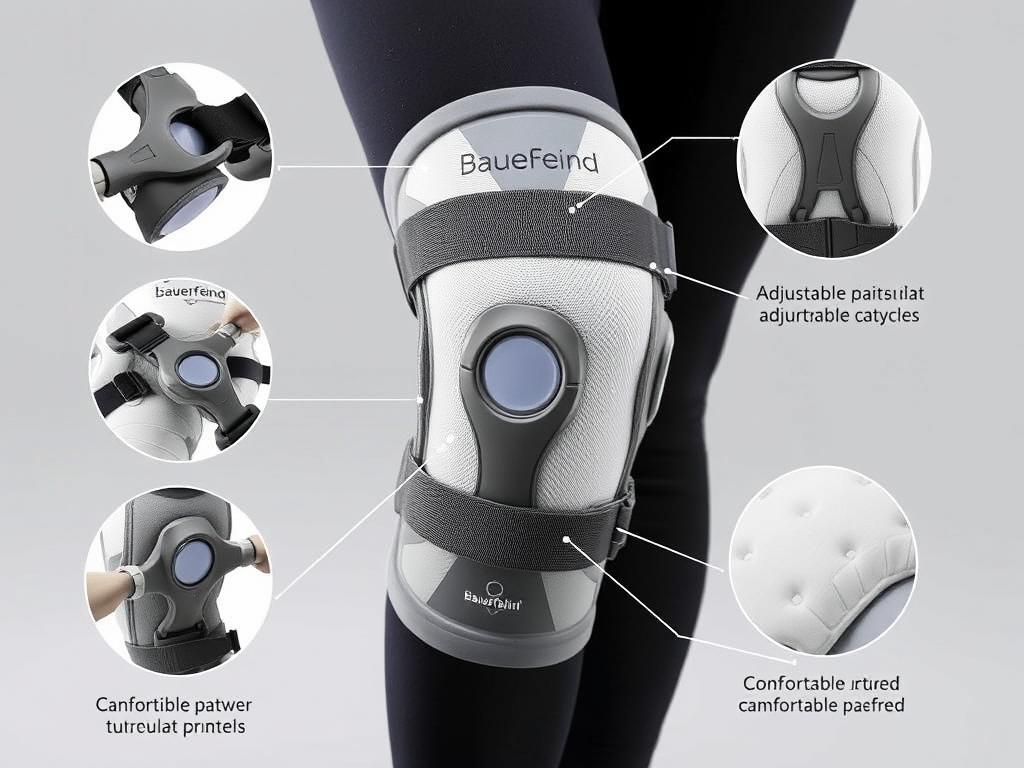
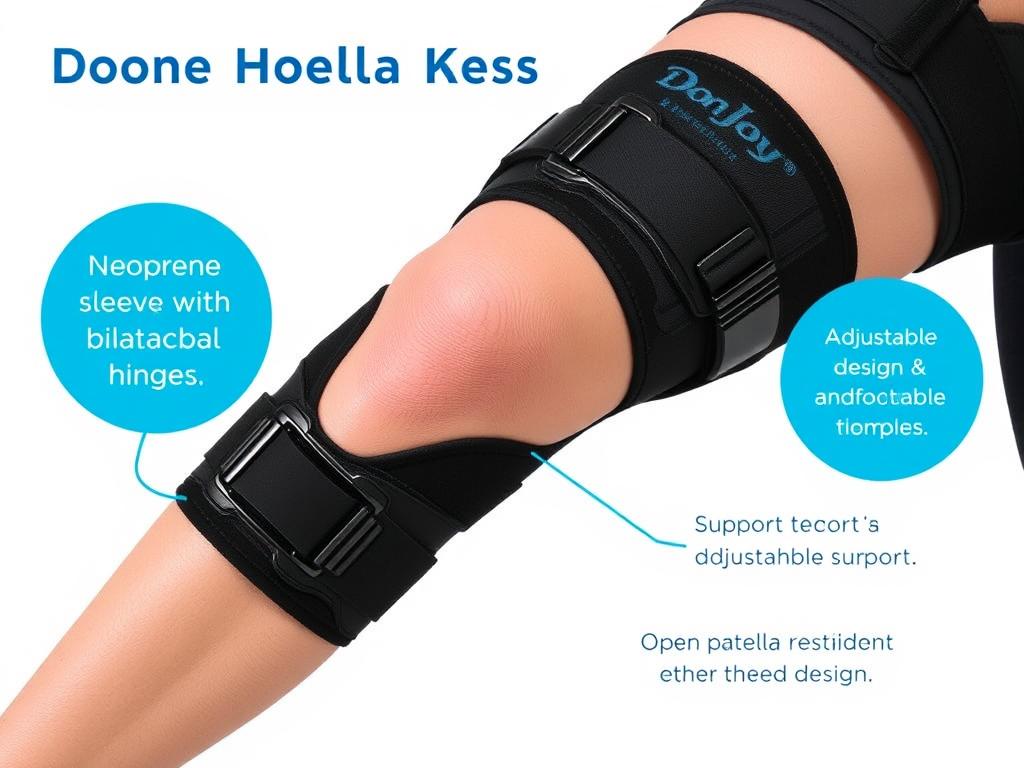
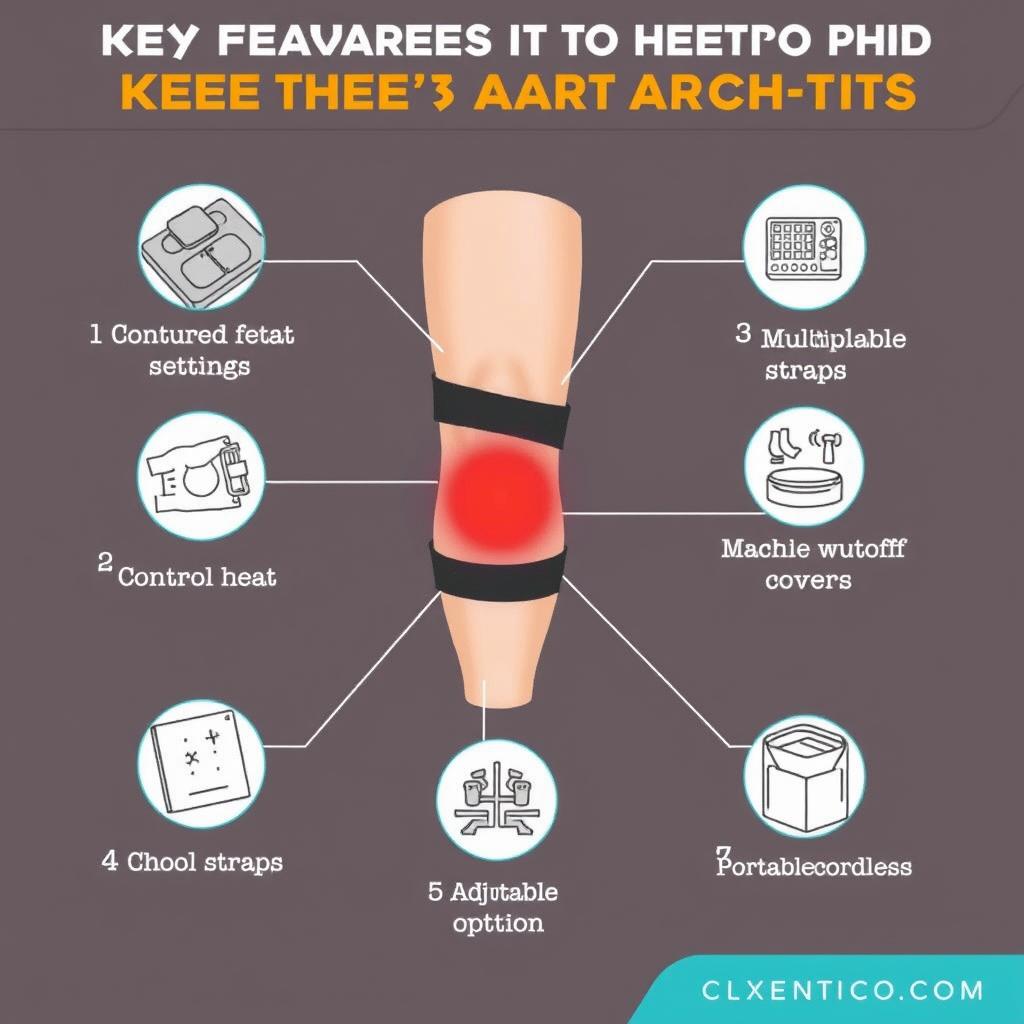
    Diagram showing key features of an ideal heating pad for knee arthritis
    • Contoured Design: Look for pads specifically shaped to wrap around the knee joint, providing targeted heat therapy to all affected areas.
    • Heat Settings: Multiple temperature options allow you to customize the intensity based on your pain level and sensitivity.
    • Moist vs. Dry Heat: Moist heat penetrates deeper into tissues and joints, often providing better relief for arthritis pain than dry heat.
    • Size and Coverage: Ensure the pad is large enough to cover your entire knee area but not so bulky that it’s uncomfortable to wear.
    • Adjustable Straps: Secure fastening mechanisms keep the pad in place, allowing for mobility while using it.
    • Auto Shut-off: This safety feature prevents overheating and is especially important if you tend to fall asleep during treatment.
    • Material and Comfort: Soft, non-irritating fabrics prevent skin irritation during extended use.
    • Portability: Consider whether you need a cordless option for mobility or travel.

    Expert Tip: Dr. Sarah Johnson, Rheumatologist, recommends: “For knee arthritis, look for heating pads that maintain a consistent temperature between 104°F and 113°F, which research shows is the optimal range for increasing blood flow to affected joints without risking skin damage.”

    Top 5 Heating Pads for Knee Arthritis in 2024

    After extensive research and testing, we’ve identified the five best heating pads specifically designed to address knee arthritis pain. Each product has been evaluated based on effectiveness, comfort, durability, and user satisfaction.

    UTK Infrared Heating Pad for Knee

    Best Overall: UTK Infrared Heating Pad for Knee

    4.8
    Excellent
    Heat Effectiveness
    4.8/5
    Comfort
    4.7/5
    Ease of Use
    4.5/5
    Durability
    4.6/5

    The UTK Infrared Heating Pad stands out as our top recommendation for knee arthritis sufferers. This innovative pad uses far infrared heat technology combined with natural jade and tourmaline stones to deliver deep, penetrating heat that reaches well below the skin’s surface to the affected joint tissues.

    What sets this heating pad apart is its ability to provide consistent, therapeutic heat that penetrates up to 3 inches into the tissue—significantly deeper than conventional heating pads. The contoured design wraps perfectly around the knee joint, ensuring complete coverage of the affected area.

    Pros

    • Deep-penetrating infrared heat technology
    • Perfectly contoured for knee joint
    • Digital controller with precise temperature settings (95°F-159°F)
    • Auto shut-off with timer options (15-60 minutes)
    • Memory function saves preferred settings
    • Soft, washable cover

    Cons

    • Higher price point than standard heating pads
    • Requires access to electrical outlet
    • Slightly heavier than basic models

    Price Range: $89-$129

    Warranty: 1-year manufacturer warranty with option to extend

    Comfier Wireless Heated Knee Brace Massager

    Best Cordless: Comfier Wireless Heated Knee Brace Massager

    4.6
    Excellent
    Heat Effectiveness
    4.5/5
    Comfort
    4.6/5
    Portability
    4.9/5
    Battery Life
    4.3/5

    For those who need mobility while treating their knee arthritis, the Comfier Wireless Heated Knee Brace Massager offers the perfect solution. This cordless device combines targeted heat therapy with gentle vibration massage to provide comprehensive pain relief without restricting movement.

    The rechargeable battery provides up to 2 hours of continuous heat therapy, making it ideal for use during daily activities or while traveling. The brace design ensures the heating elements stay in direct contact with the knee joint, maximizing the therapeutic benefits.

    Pros

    • Completely wireless and portable
    • Combined heat and vibration massage therapy
    • Three heat levels and two massage modes
    • Rechargeable battery (2-hour runtime)
    • Adjustable straps fit knee circumference 12″-22″
    • Can be worn under clothing

    Cons

    • Limited heat duration compared to corded models
    • Heat not as intense as some corded options
    • Requires regular recharging

    Price Range: $45-$65

    Warranty: 1-year limited warranty

    Thermophore MaxHEAT Arthritis Pad

    Best for Deep Heat: Thermophore MaxHEAT Arthritis Pad

    4.7
    Excellent
    Heat Intensity
    4.9/5
    Comfort
    4.4/5
    Durability
    4.7/5
    Ease of Use
    4.5/5

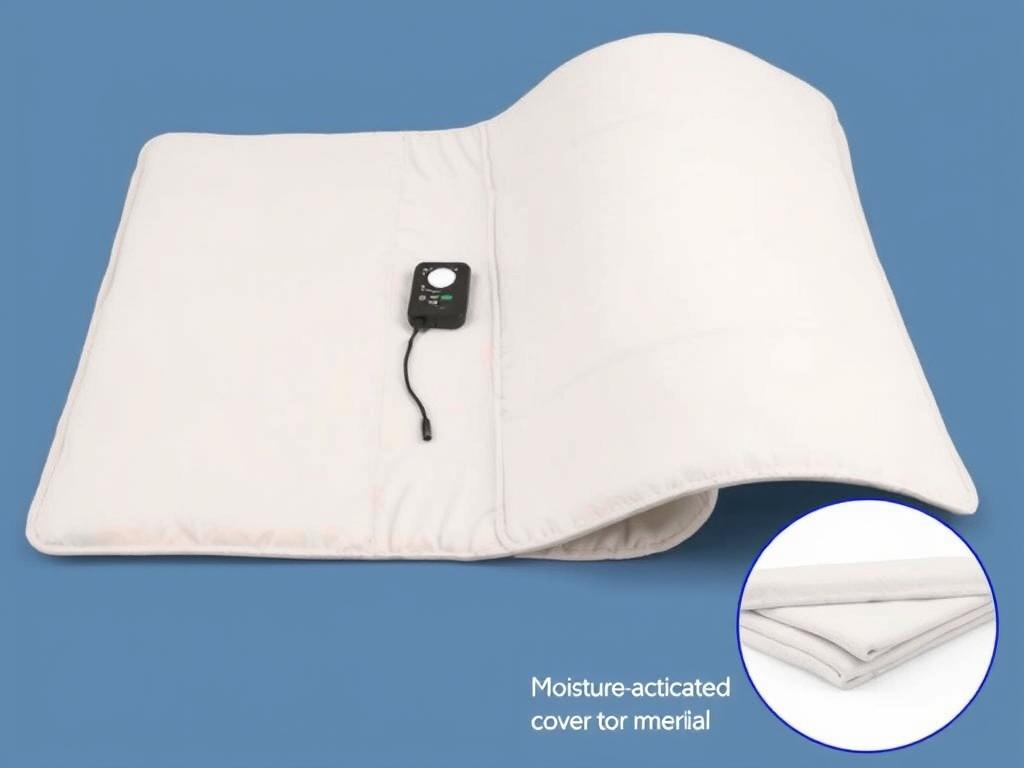
    The Thermophore MaxHEAT Arthritis Pad is a professional-grade heating solution widely recommended by physical therapists and rheumatologists for severe arthritis pain. This pad delivers intense, penetrating moist heat without requiring water application—the special fabric naturally draws moisture from the air.

    While not specifically contoured for the knee, its flexible design allows it to be wrapped or draped around the joint effectively. What truly sets the Thermophore apart is its ability to reach and maintain higher temperatures than most consumer heating pads, providing deeper tissue penetration for serious arthritis relief.

    Pros

    • Hospital-grade heating intensity
    • Automatic moist heat without adding water
    • Simple switch controller (no digital components to fail)
    • Stays hot for longer periods
    • Flexible enough to wrap around joints
    • Durable construction (many users report 10+ years of use)

    Cons

    • No specific knee contour design
    • Heavier than most consumer models
    • Limited temperature adjustment options
    • Requires staying relatively stationary during use

    Price Range: $60-$80

    Warranty: 2-year manufacturer warranty

    Sunbeam Flextemp Joint Wrap

    Best Budget Option: Sunbeam Flextemp Joint Wrap

    4.4
    Very Good
    Heat Effectiveness
    4.3/5
    Comfort
    4.4/5
    Value for Money
    4.7/5
    Durability
    4.2/5

    The Sunbeam Flextemp Joint Wrap offers excellent value for those seeking effective knee arthritis relief without breaking the bank. This affordable option features a contoured design specifically made for joints like knees and elbows, with adjustable straps to secure it in place.

    Despite its lower price point, this heating pad doesn’t compromise on essential features. It offers three heat settings, a machine-washable cover, and a 2-hour auto shut-off for safety. The flexible design conforms well to the knee joint, providing targeted heat therapy exactly where it’s needed.

    Pros

    • Affordable price point
    • Specifically designed for joint use
    • Three heat settings
    • Adjustable velcro straps
    • Machine-washable cover
    • 2-hour auto shut-off

    Cons

    • Less durable than premium options
    • Heat not as intense as therapeutic models
    • Limited size may not cover larger knees completely
    • No moist heat option

    Price Range: $25-$35

    Warranty: 1-year limited warranty

    SuzziPad Microwavable Knee Wrap

    Best Natural Option: SuzziPad Microwavable Knee Wrap

    4.3
    Very Good
    Heat Retention
    4.2/5
    Comfort
    4.5/5
    Eco-Friendliness
    4.8/5
    Ease of Use
    4.4/5

    For those who prefer natural, chemical-free solutions, the SuzziPad Microwavable Knee Wrap offers an excellent alternative to electric heating pads. This eco-friendly option is filled with a proprietary blend of flaxseed, millet, and clay beads that retain heat effectively while conforming perfectly to the knee joint.

    Simply microwave for 1-2 minutes, and the pad provides soothing moist heat for up to 30 minutes. The natural materials never get too hot, eliminating the risk of burns while still delivering therapeutic warmth. Many users with sensitive skin or those who prefer to avoid electromagnetic fields appreciate this natural approach to heat therapy.

    Pros

    • 100% natural materials
    • No electricity or cords required
    • Contoured design specifically for knee
    • Provides natural moist heat
    • Adjustable straps keep it in place
    • Can be chilled in freezer for cold therapy

    Cons

    • Heat duration limited to 20-30 minutes
    • Requires access to microwave
    • Cannot adjust temperature once heated
    • May absorb odors from microwave

    Price Range: $20-$30

    Warranty: 30-day satisfaction guarantee

    Comparison Table: Best Heating Pads for Knee Arthritis

    To help you quickly compare the key features of our top recommendations, we’ve created this comprehensive comparison table:

    Product Type Heat Settings Auto Shut-off Moist Heat Portability Price Range Best For
    UTK Infrared Heating Pad Electric Infrared 6 settings (95°F-159°F) Yes (15-60 min) Yes Corded $89-$129 Deep, penetrating relief
    Comfier Wireless Knee Brace Electric Cordless 3 levels Yes (30 min) No Excellent (Wireless) $45-$65 Active users, travel
    Thermophore MaxHEAT Electric 3 levels Yes (20 min) Yes Corded $60-$80 Intense, therapeutic heat
    Sunbeam Flextemp Electric 3 levels Yes (2 hours) No Corded $25-$35 Budget-conscious users
    SuzziPad Knee Wrap Microwavable N/A N/A Yes Excellent (No cords) $20-$30 Natural therapy, sensitive skin

    Need Immediate Relief?

    Our top pick, the UTK Infrared Heating Pad, offers the most effective deep-tissue relief for knee arthritis pain. With medical-grade heating technology and a perfect knee-contoured design, it’s the closest you can get to professional therapy at home.

    View Best Price Now

    How to Use a Heating Pad Effectively for Knee Arthritis

    To maximize the benefits of heat therapy for your knee arthritis, follow these expert-recommended guidelines:

    Recommended Treatment Protocol

    1. Prepare your space – Find a comfortable position where you can relax with your knee supported.
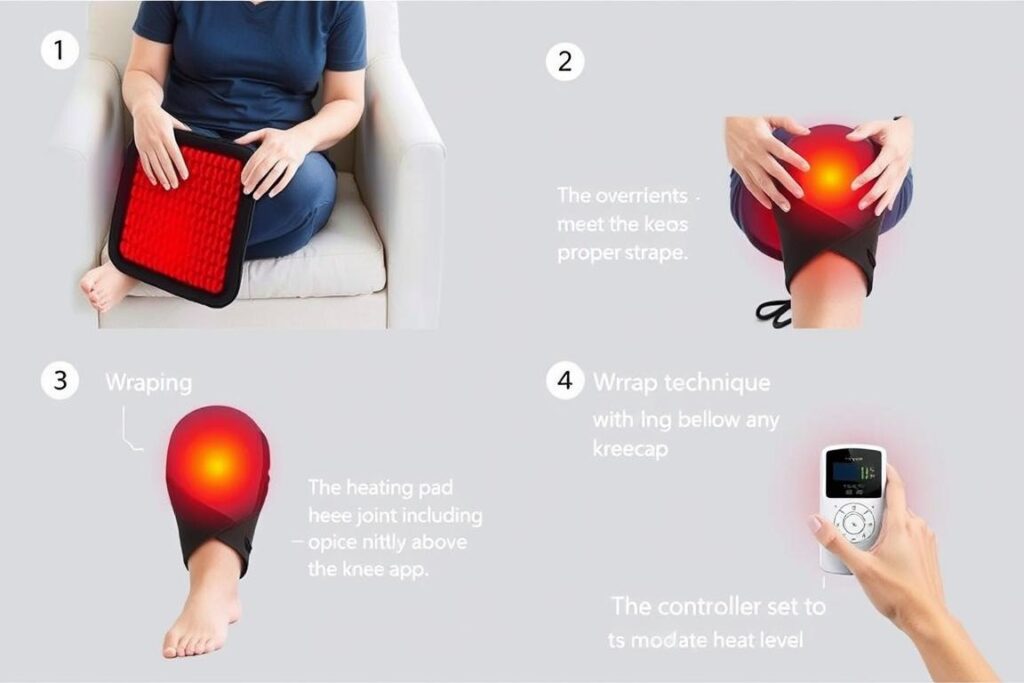
    2. Apply the heating pad – Ensure it covers the entire knee joint, including areas above and below where pain radiates.
    3. Set appropriate temperature – Start with a lower setting and gradually increase as needed. The heat should feel comfortably warm, never painful.
    4. Time your session – Most experts recommend 15-20 minute sessions. Using heat for too long can increase inflammation.
    5. Allow cooling periods – Wait at least 1-2 hours between heat therapy sessions to prevent skin irritation.
    6. Stay hydrated – Heat therapy increases blood flow and can lead to mild dehydration.
    Proper positioning of heating pad on knee for arthritis relief

    Important Safety Precautions:

    • Never sleep with a heating pad on high settings
    • Don’t use if you have decreased sensation in your knees
    • Stop immediately if skin becomes very red or irritated
    • Consult your doctor before use if you have circulatory problems
    • Don’t use over open wounds or recent injuries

    When to Use Heat vs. Cold Therapy

    Condition Heat Therapy Cold Therapy
    Chronic arthritis pain ✓ Recommended Sometimes helpful
    Acute inflammation flare-up ✗ Not recommended ✓ Recommended
    Morning stiffness ✓ Highly effective Not typically helpful
    After physical activity ✓ Good for relaxation ✓ Good for inflammation
    Before exercise ✓ Helps increase flexibility Not typically helpful

    “For most of my patients with knee osteoarthritis, I recommend applying heat for 15-20 minutes before activities to improve flexibility and reduce stiffness. This can significantly improve mobility and reduce pain during daily tasks.”

    — Dr. Michael Chen, Physical Medicine & Rehabilitation Specialist

    Complementary Treatments to Use with Heating Pads

    While heating pads provide excellent relief for knee arthritis, combining them with other therapies can enhance their effectiveness. Consider these complementary approaches:

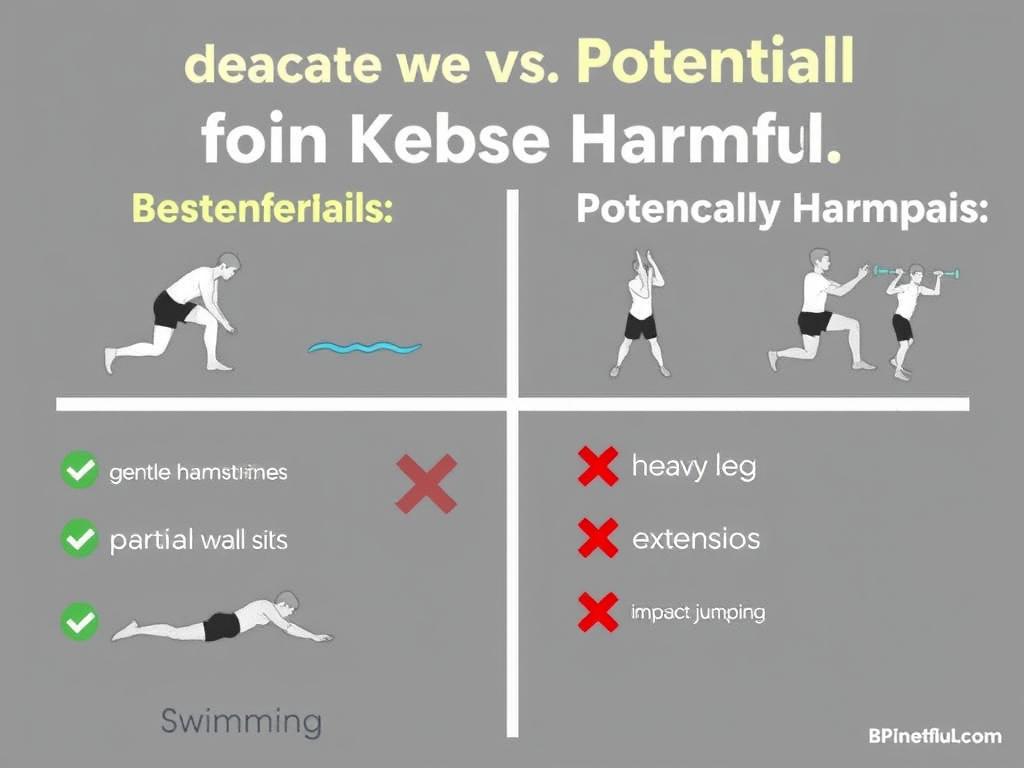
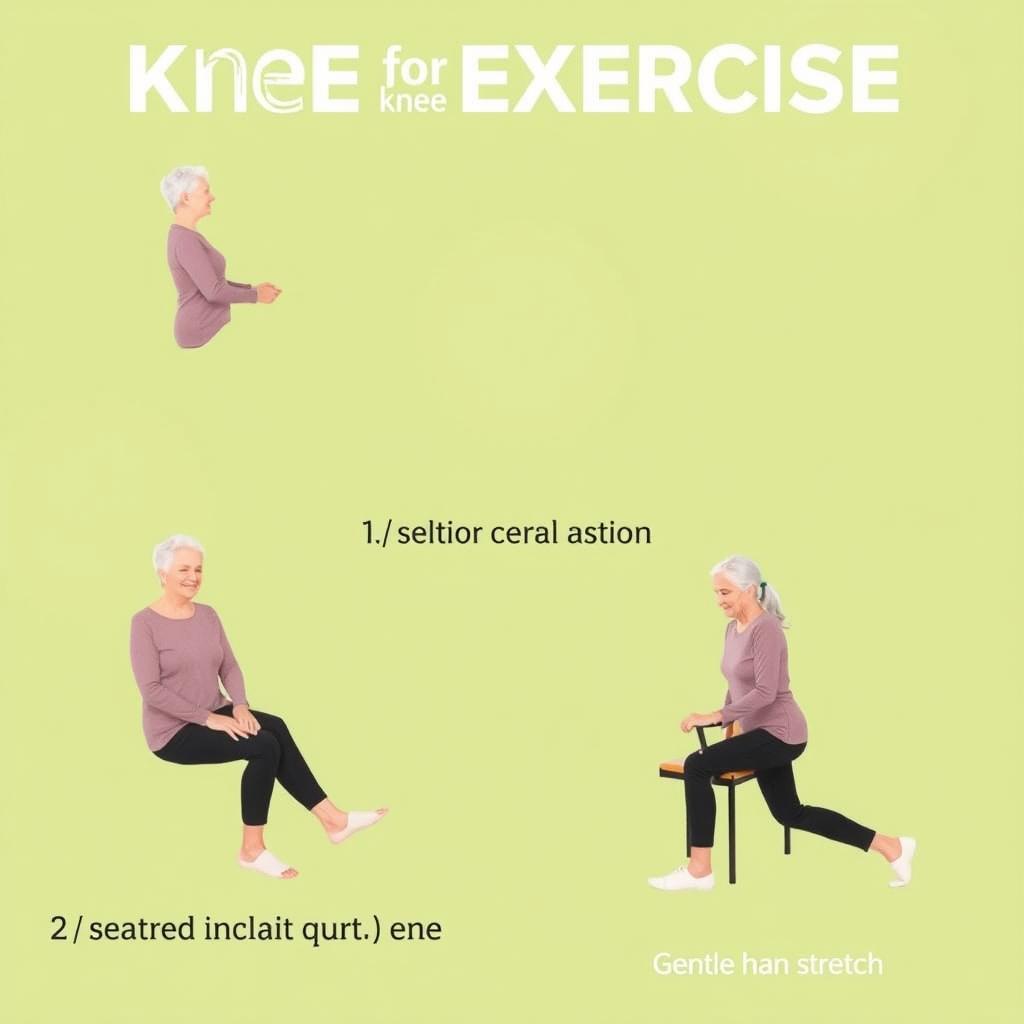
    Gentle knee exercises for arthritis

    Gentle Exercise

    Low-impact activities like swimming, cycling, or specific knee-strengthening exercises can improve joint stability and reduce pain when combined with regular heat therapy.

    Anti-inflammatory foods for arthritis

    Anti-inflammatory Diet

    Foods rich in omega-3 fatty acids, antioxidants, and anti-inflammatory compounds can help reduce arthritis inflammation from within.

    Topical pain relief creams for arthritis

    Topical Treatments

    Applying menthol, capsaicin, or CBD-infused creams before heat therapy can enhance pain relief by activating different pain receptors.

    Pro Tip: For maximum relief, apply a topical analgesic cream to your knee, wait 10 minutes for absorption, then use your heating pad. This combination therapy often provides greater pain reduction than either treatment alone.

    Frequently Asked Questions About Heating Pads for Knee Arthritis

    How long should I use a heating pad for knee arthritis?

    Most medical professionals recommend using a heating pad for 15-20 minutes at a time, up to 3-4 times daily. Using heat for longer periods doesn’t provide additional benefits and may increase inflammation or cause skin irritation. Always follow the specific recommendations provided with your heating pad and consult your healthcare provider for personalized advice.

    Is moist heat better than dry heat for knee arthritis?

    Moist heat is generally considered more effective for arthritis pain because it penetrates deeper into tissues and joints. The moisture helps heat transfer more efficiently through skin and into the affected joint tissues. However, some people find dry heat more comfortable or convenient. Both types can provide significant relief, so the best choice depends on your personal preference and how your body responds.

    Can I use a heating pad if I have knee implants or metal hardware?

    If you have metal implants in your knee, consult your orthopedic surgeon before using any heating pad. Generally, most standard heating pads are safe with implants, but some doctors advise against using certain types of electromagnetic heating devices directly over metal implants. Your surgeon can provide specific guidance based on your particular implant type and condition.

    Should I use heat or ice for knee arthritis?

    For chronic knee arthritis pain, heat is typically more beneficial as it increases blood flow, relaxes muscles, and improves joint flexibility. Ice is more appropriate for acute inflammation, swelling, or after activity that causes increased pain. Many arthritis patients benefit from alternating between heat and cold therapy depending on their symptoms. Heat before activity can improve mobility, while cold after activity can reduce inflammation.

    Can I sleep with a heating pad on my knee?

    It’s not recommended to sleep with a heating pad, even those with auto shut-off features. The risk of burns increases when you’re asleep as you may not notice if the pad becomes too hot or shifts position. If you need overnight relief, consider applying heat before bed and using arthritis-friendly pillows to support your knee during sleep. Alternatively, some microwavable products cool gradually and can be safer for use while falling asleep.

    Final Recommendations: Choosing the Best Heating Pad for Your Knee Arthritis

    After thoroughly evaluating the top heating pads for knee arthritis, we’ve found that different options excel in different situations. Here are our final recommendations based on specific needs:

    • For maximum pain relief: The UTK Infrared Heating Pad offers the deepest penetrating heat and most comprehensive therapy for severe arthritis pain.
    • For active lifestyles: The Comfier Wireless Heated Knee Brace provides the mobility and convenience needed for those who can’t stay stationary during treatment.
    • For intensive therapy: The Thermophore MaxHEAT delivers professional-grade heat intensity that’s ideal for those with severe, persistent arthritis pain.
    • For budget-conscious users: The Sunbeam Flextemp Joint Wrap offers excellent value without sacrificing essential features needed for effective arthritis relief.
    • For natural approach: The SuzziPad Microwavable Knee Wrap provides chemical-free, gentle therapy that’s perfect for those with sensitive skin or who prefer natural remedies.
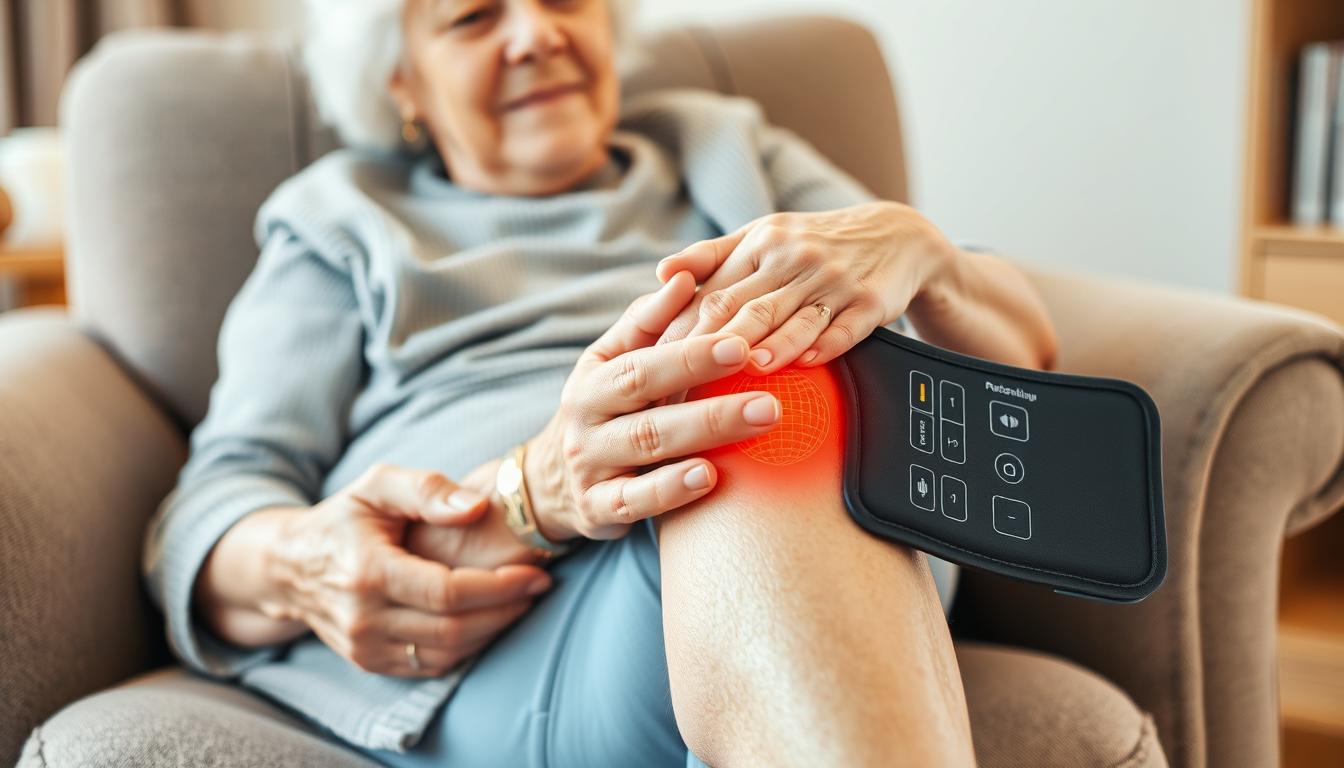
    Person experiencing relief from knee arthritis pain using a heating pad

    Remember that heat therapy is most effective when used as part of a comprehensive approach to managing knee arthritis. Consult with your healthcare provider about incorporating heating pad therapy into your overall treatment plan, which may include appropriate exercise, medication, and other therapies.

    By selecting the right heating pad and using it correctly, you can experience significant relief from the pain and stiffness of knee arthritis, helping you maintain mobility and enjoy a better quality of life.

    Ready to Find Relief from Knee Arthritis Pain?

    Our top recommendation, the UTK Infrared Heating Pad, offers the most effective combination of deep-penetrating heat, comfortable design, and durable construction for long-term arthritis management.

    Check Price & Availability

  • Why Does My Knee Hurt When Walking? Understanding Intermittent Pain

    Why Does My Knee Hurt When Walking? Understanding Intermittent Pain

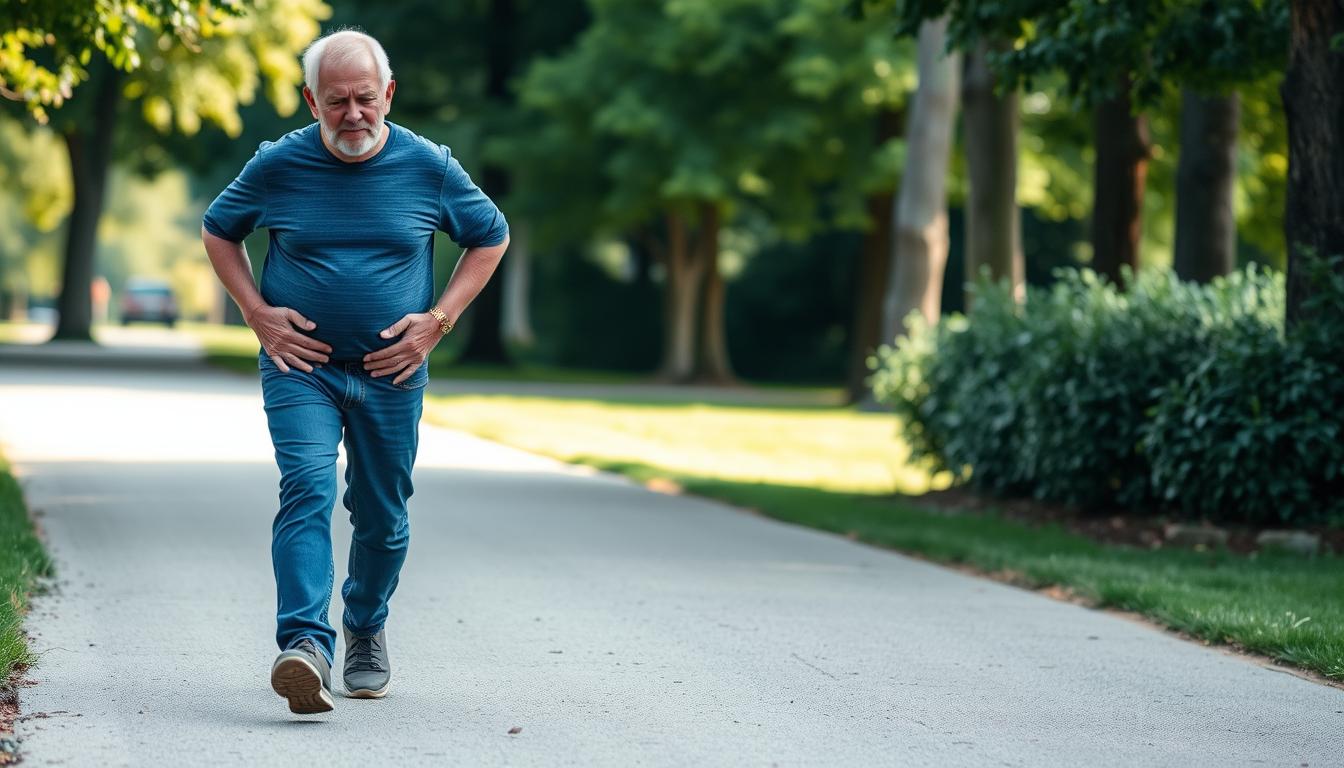
    That familiar twinge in your knee that appears when you’re walking, only to mysteriously vanish when you rest, can be both puzzling and frustrating. Knee pain that comes and goes while walking affects millions of people, disrupting daily activities and diminishing quality of life. Whether it strikes during your morning stroll, while climbing stairs, or after standing for extended periods, intermittent knee pain can limit your mobility and prevent you from enjoying activities you love.

    Understanding why this on-again, off-again pain occurs is the first step toward finding relief. In this comprehensive guide, we’ll explore the common causes of intermittent knee pain while walking, help you distinguish between different types of pain, and provide practical strategies for both immediate relief and long-term management.

    Common Causes of On-and-Off Knee Pain While Walking

    Intermittent knee pain while walking rarely appears without reason. Several conditions can cause this pattern of discomfort that comes and goes. Understanding these potential causes can help you identify what might be happening in your own knee joint.

    Patellofemoral Pain Syndrome

    Often called “runner’s knee,” patellofemoral pain syndrome is one of the most common causes of knee pain that comes and goes while walking. This condition occurs when the kneecap (patella) doesn’t track properly over the femur (thigh bone), creating friction and irritation. The pain typically worsens when walking uphill or climbing stairs and improves with rest. You might notice aching around or behind the kneecap that intensifies after sitting for long periods with bent knees.

    Meniscus Tears

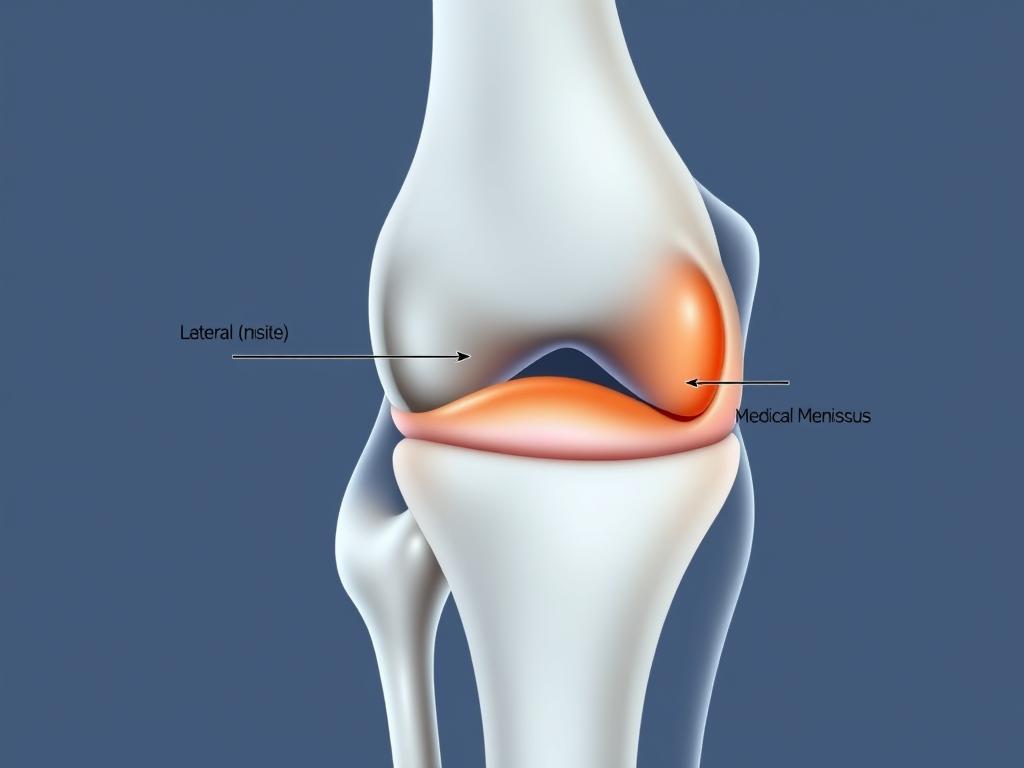
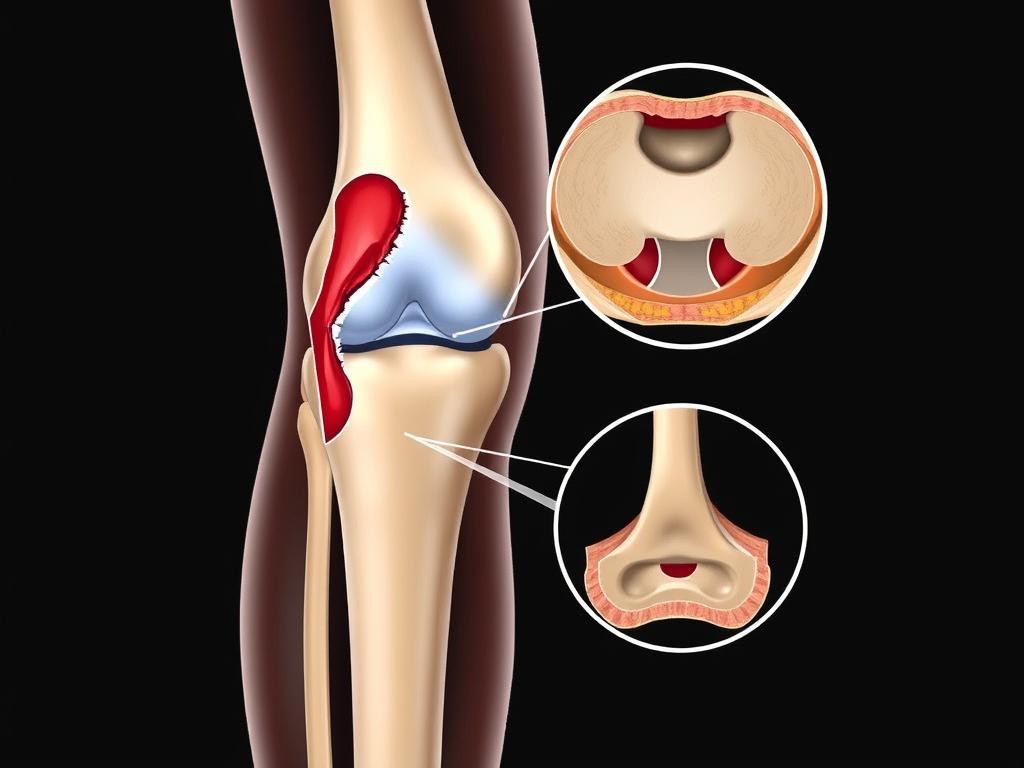
    The meniscus is a C-shaped piece of cartilage that cushions your knee joint. Small tears in this cartilage can cause intermittent pain, especially during twisting movements or when bearing weight on the affected leg. A torn meniscus might cause clicking or catching sensations in addition to pain that comes and goes while walking. The discomfort often worsens after activity and improves with rest.

    Early Osteoarthritis

    While osteoarthritis is typically associated with constant pain, in its early stages it can manifest as intermittent discomfort. This degenerative joint condition involves the breakdown of cartilage that normally cushions the bones in your knee joint. The resulting pain often starts gradually, coming and going during activities like walking, before potentially becoming more persistent as the condition progresses.

    IT Band Syndrome

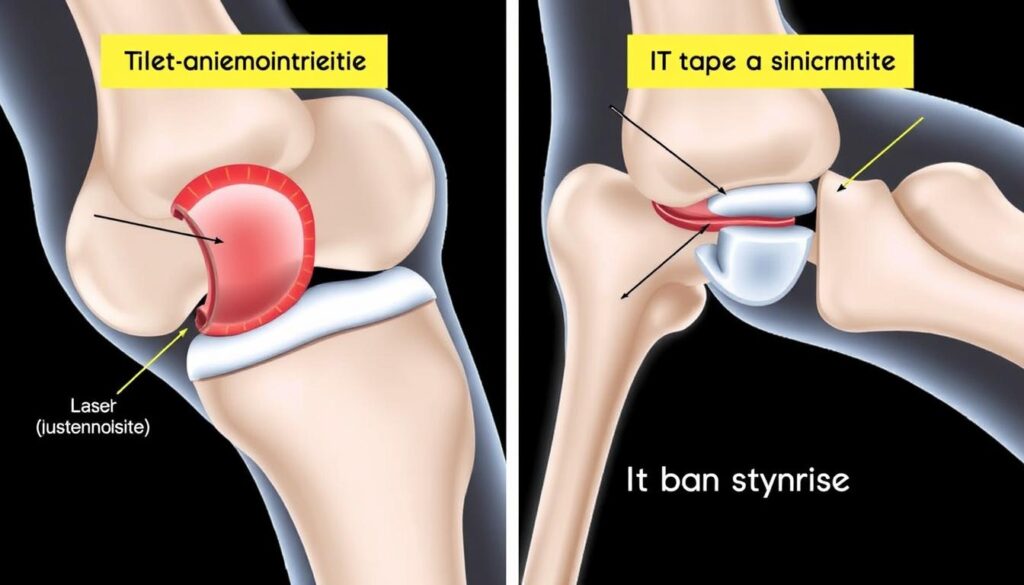
    The iliotibial (IT) band is a thick band of tissue that runs from your hip to the outside of your knee. When this band becomes tight or inflamed, it can cause sharp pain on the outside of the knee that typically comes and goes during walking or running. The pain often starts after you’ve been active for a while and may disappear with rest.

    Bursitis

    Tiny fluid-filled sacs called bursae cushion the bones, tendons, and muscles near your joints. When these become inflamed, the condition is called bursitis. In the knee, this inflammation can cause pain that worsens with movement and pressure but may subside when resting. The discomfort often comes and goes depending on your activity level.

    Mechanical vs Inflammatory Pain: Key Differences

    Understanding whether your intermittent knee pain is mechanical or inflammatory in nature can help guide treatment approaches. These two types of pain have different characteristics and often respond to different interventions.

    Characteristic Mechanical Pain Inflammatory Pain
    Onset Usually sudden, often related to specific movement Typically gradual, builds over time
    Timing Worse with activity, better with rest Often worse after inactivity (morning stiffness)
    Swelling Minimal or localized Often more pronounced and diffuse
    Warmth Rarely present Area may feel warm to touch
    Response to NSAIDs Moderate improvement Often significant improvement

    Mechanical Pain Explained

    Mechanical knee pain is typically caused by physical issues within the joint structure. This might include cartilage tears, bone alignment problems, or issues with how the kneecap tracks. The hallmark of mechanical pain is that it’s directly related to movement and weight-bearing. When you rest, the pain often subsides completely, only to return when you resume walking or other activities that stress the knee joint.

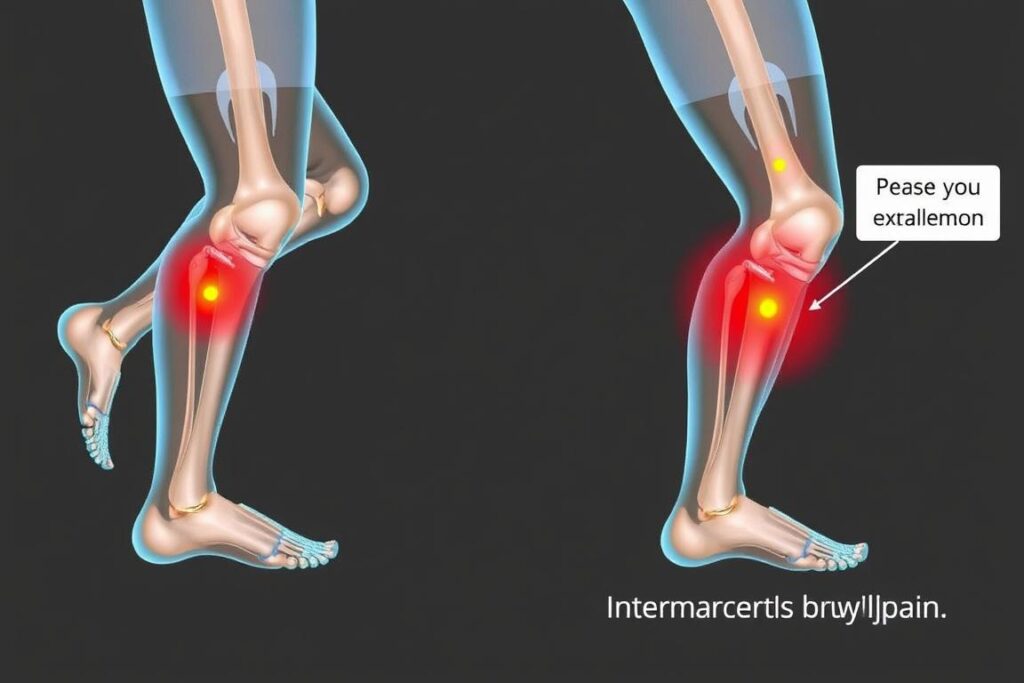
    Illustration showing mechanical stress on knee joint during walking causing knee pain that comes and goes

    Inflammatory Pain Explained

    Inflammatory knee pain results from the body’s immune response causing inflammation in the joint tissues. This type of pain often includes swelling, warmth, and stiffness, particularly after periods of inactivity. While it may also come and goes while walking, inflammatory pain tends to have a less direct relationship with specific movements and may persist to some degree even at rest, especially in the morning or after sitting for extended periods.

    When to Worry: Red Flags for Serious Conditions

    While most intermittent knee pain while walking isn’t cause for immediate alarm, certain symptoms should prompt you to seek medical attention without delay. Being aware of these warning signs can help you determine when self-care is appropriate and when professional evaluation is necessary.

    Seek immediate medical attention if you experience:

    • Severe pain that makes weight-bearing impossible
    • Significant swelling that develops rapidly
    • Visible deformity of the knee joint
    • Inability to bend or straighten the knee
    • Fever accompanying knee pain
    • Redness and significant warmth around the joint
    • Pain following a traumatic injury or fall

    Even if your symptoms don’t require emergency care, certain patterns of knee pain that comes and goes while walking warrant professional evaluation. Consider consulting a healthcare provider if:

    • Your knee pain persists for more than 1-2 weeks despite home treatment
    • The pain interferes significantly with daily activities or sleep
    • You experience recurrent episodes of knee pain with increasing frequency
    • Your knee repeatedly “gives way” or feels unstable when walking
    • You notice progressive worsening of symptoms over time
    • You have a history of arthritis or previous knee injuries
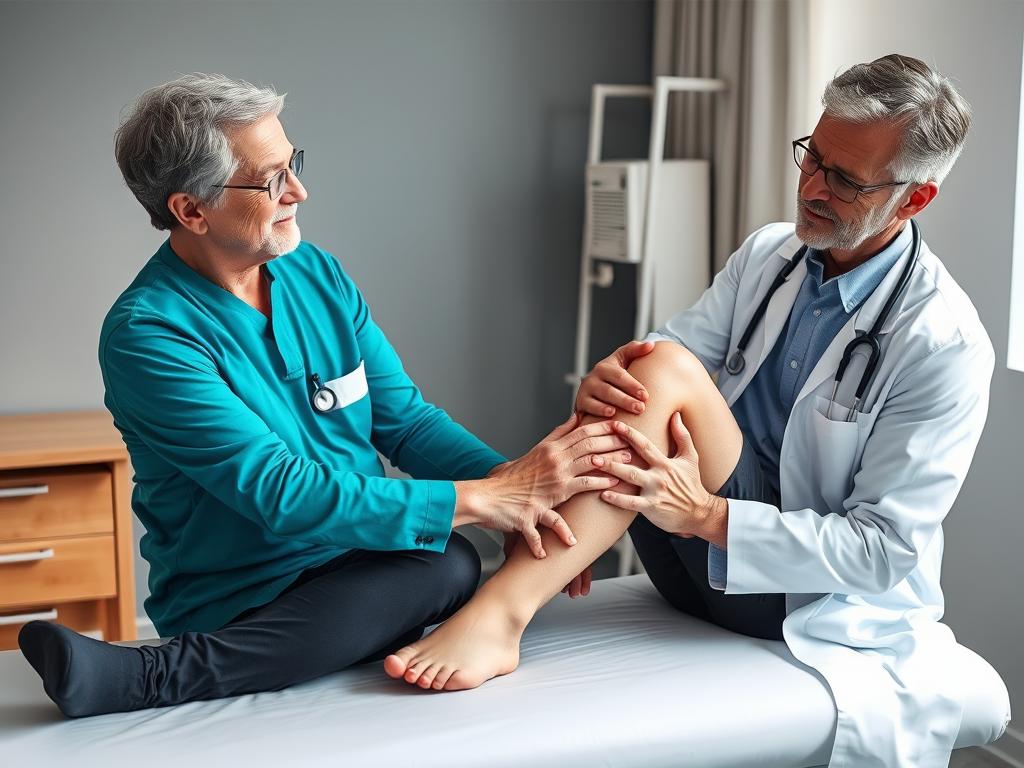
    Doctor examining patient with knee pain that comes and goes walking

    Not Sure About Your Knee Pain?

    If you’re experiencing persistent or concerning knee pain that comes and goes while walking, a professional evaluation can provide clarity and peace of mind. Our knee specialists can help determine the exact cause and create a personalized treatment plan.

    Schedule a Consultation

    At-Home Relief Strategies

    For many cases of knee pain that comes and goes while walking, simple at-home measures can provide significant relief. These strategies can help manage symptoms while addressing the underlying causes of your intermittent knee discomfort.

    The RICE Protocol

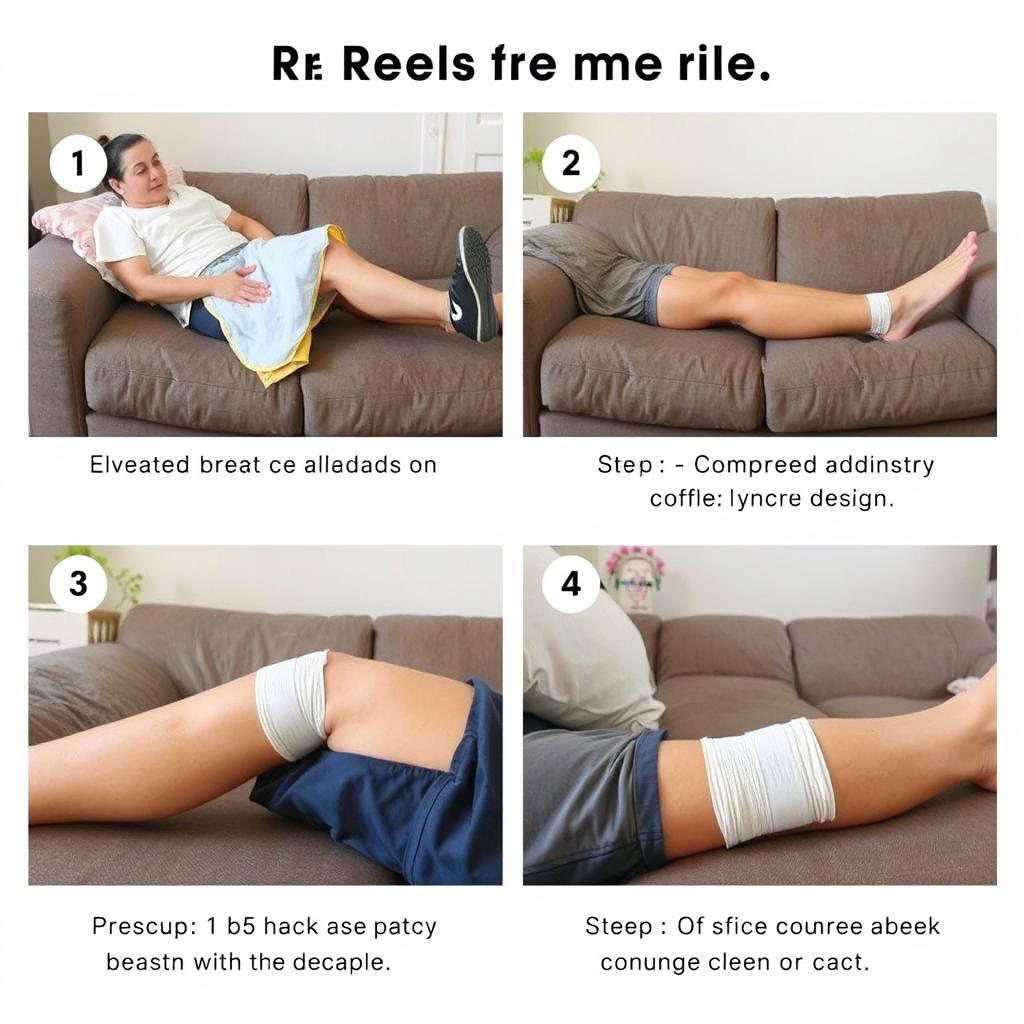
    The RICE method remains one of the most effective first-line treatments for knee pain, especially when it’s related to minor injuries or overuse:

    • Rest: Reduce activities that aggravate your knee pain, but avoid complete inactivity which can lead to stiffness and muscle weakness
    • Ice: Apply ice to the painful area for 15-20 minutes every 2-3 hours to reduce inflammation and numb pain
    • Compression: Use an elastic bandage to provide support and reduce swelling, but not so tight that it impairs circulation
    • Elevation: Keep your leg elevated when sitting or lying down to help minimize swelling
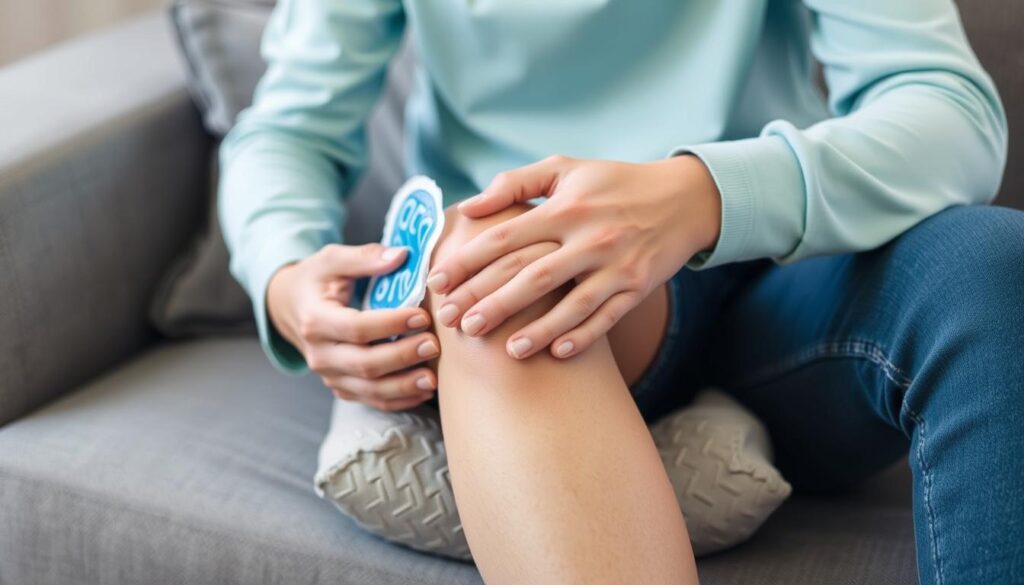
    Person applying ice pack to knee for pain relief from knee pain that comes and goes walking

    Stretching and Strengthening Exercises

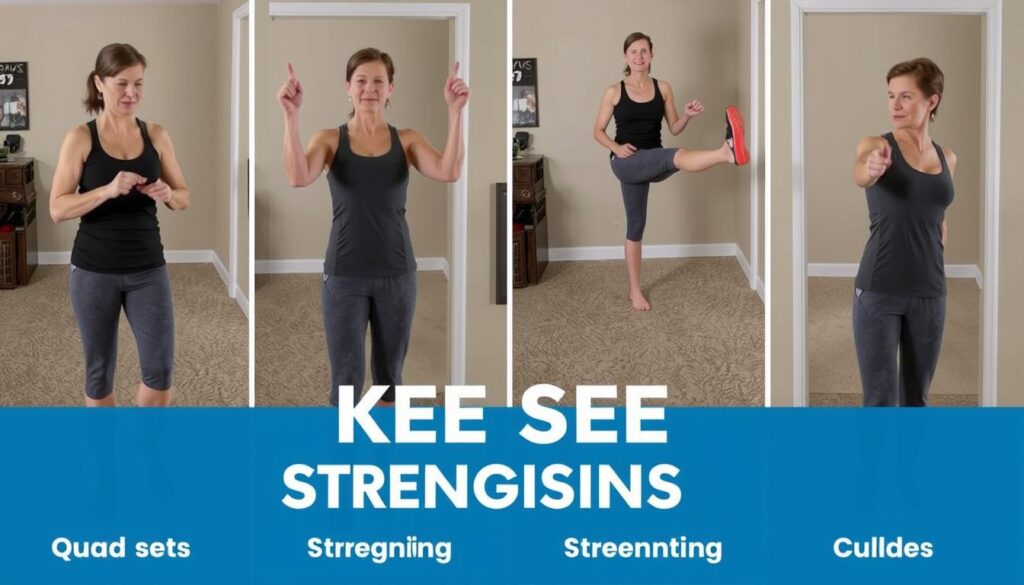
    Gentle stretching and targeted strengthening exercises can help address muscle imbalances that may contribute to knee pain that comes and goes while walking:

    • Quadriceps stretch: Stand holding onto a wall for balance, bend your knee and bring your foot toward your buttock, hold for 30 seconds
    • Hamstring stretch: Sit with one leg extended, reach toward your toes while keeping your back straight, hold for 30 seconds
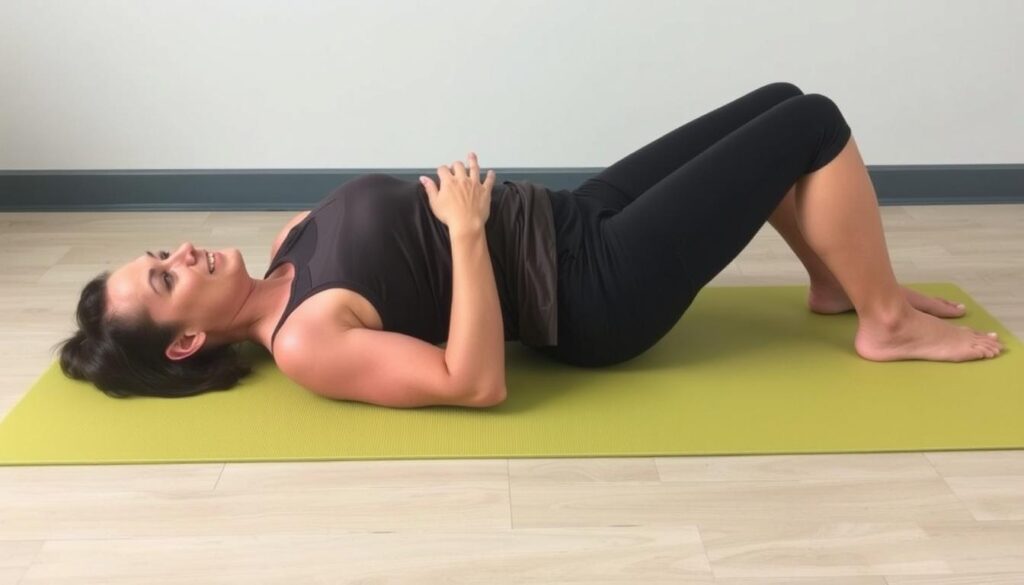
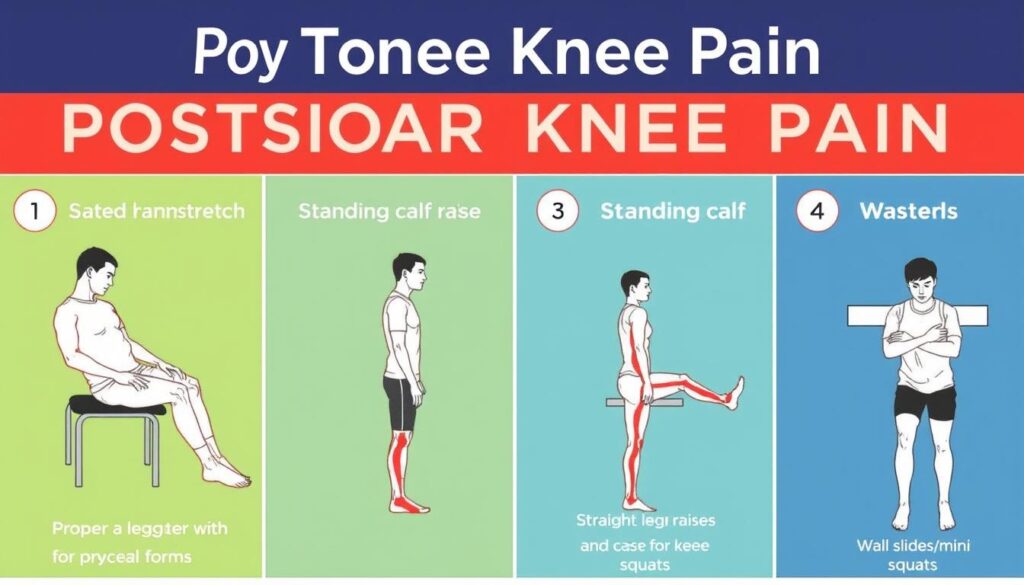
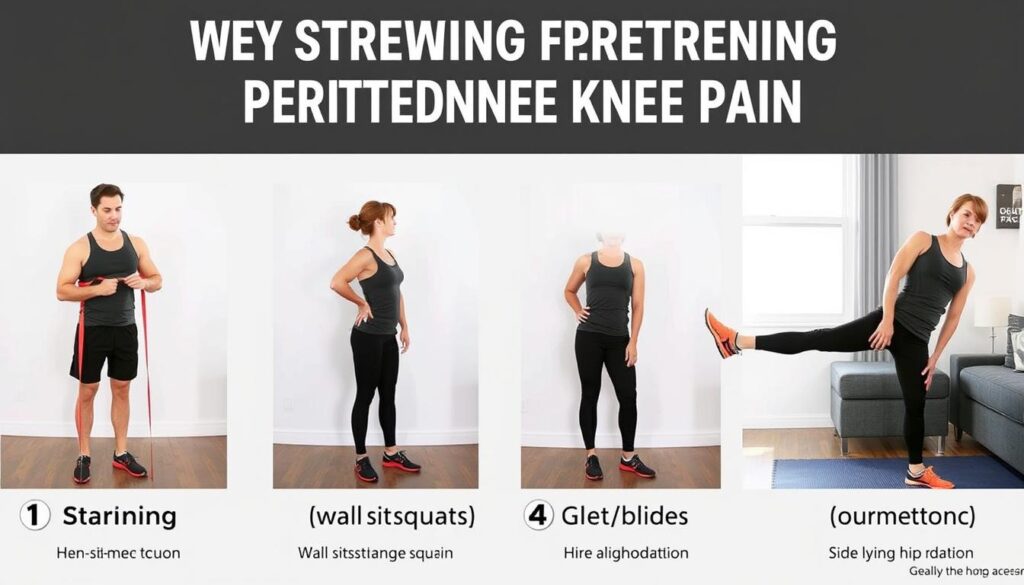
    • Straight leg raises: Lie on your back, keep one knee bent and the other straight, lift the straight leg about 12 inches off the ground
    • Wall sits: Stand with your back against a wall, slide down until your knees are bent at about 45 degrees, hold for 10-30 seconds
    • Calf raises: Stand with feet shoulder-width apart, rise onto your toes, then slowly lower back down

    Start slowly with any new exercise routine. Begin with 5-10 repetitions of each exercise, gradually increasing as your strength improves. Stop immediately if any exercise causes sharp pain.

    Footwear and Support

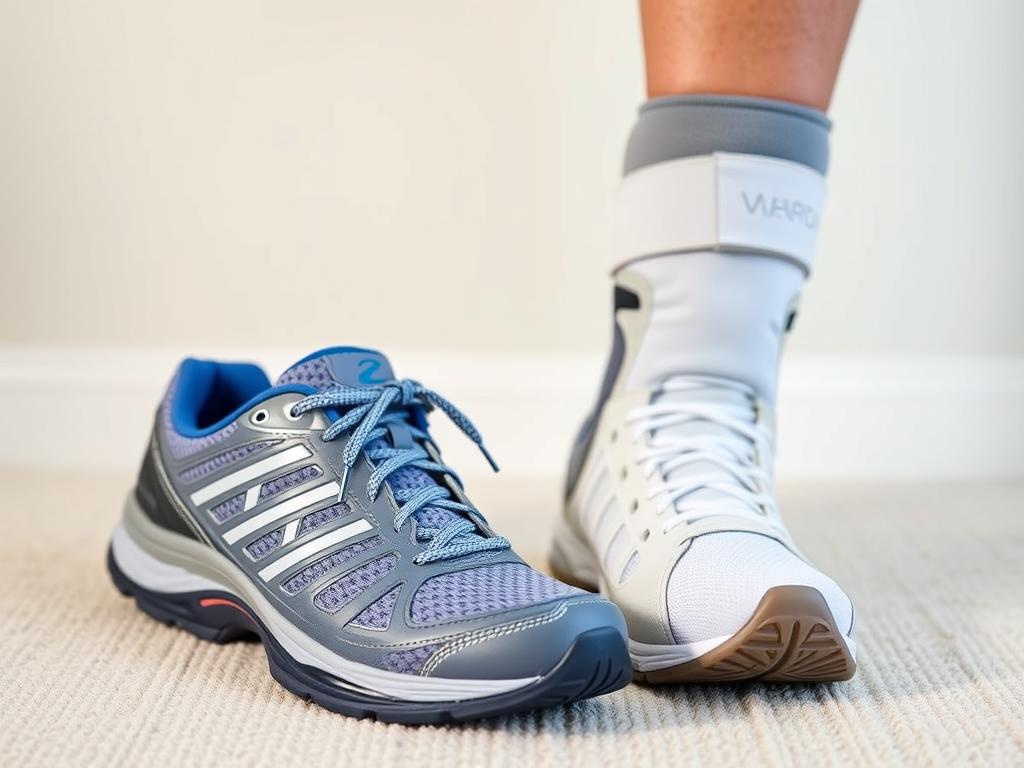
    Proper footwear can significantly impact knee pain that comes and goes while walking:

    • Choose shoes with good arch support and cushioning
    • Replace walking or running shoes every 300-500 miles
    • Consider specialized insoles or orthotics if you have flat feet or high arches
    • Use a knee brace or sleeve for additional support during activities
    • Avoid high heels and completely flat shoes that lack support
    Supportive walking shoes that help with knee pain that comes and goes walking

    Over-the-Counter Pain Relief

    Non-prescription medications can help manage pain and inflammation:

    • Nonsteroidal anti-inflammatory drugs (NSAIDs) like ibuprofen or naproxen can reduce both pain and inflammation
    • Acetaminophen (Tylenol) can help with pain but doesn’t address inflammation
    • Topical analgesics (creams, gels) can provide localized relief without systemic side effects

    Always consult with your healthcare provider before starting any new medication regimen, especially if you have other health conditions or take other medications.

    Get Our Free Knee-Friendly Exercise Guide

    Download our comprehensive guide to gentle exercises specifically designed to strengthen the muscles supporting your knee joint and reduce pain while walking.

    Download Free Exercise Guide

    Professional Treatment Options

    When at-home measures aren’t enough to address knee pain that comes and goes while walking, several professional treatment options can provide relief and address underlying causes.

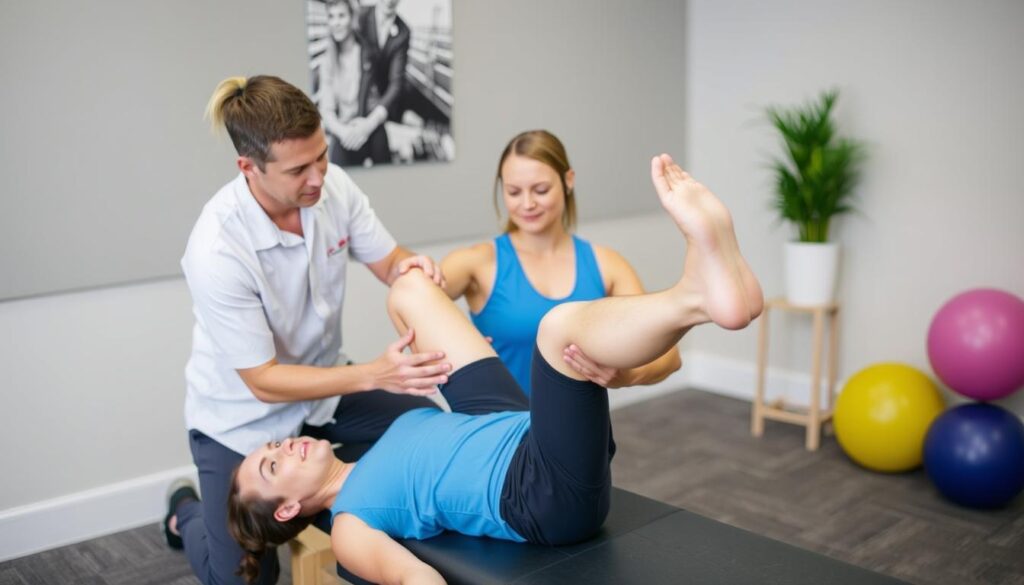
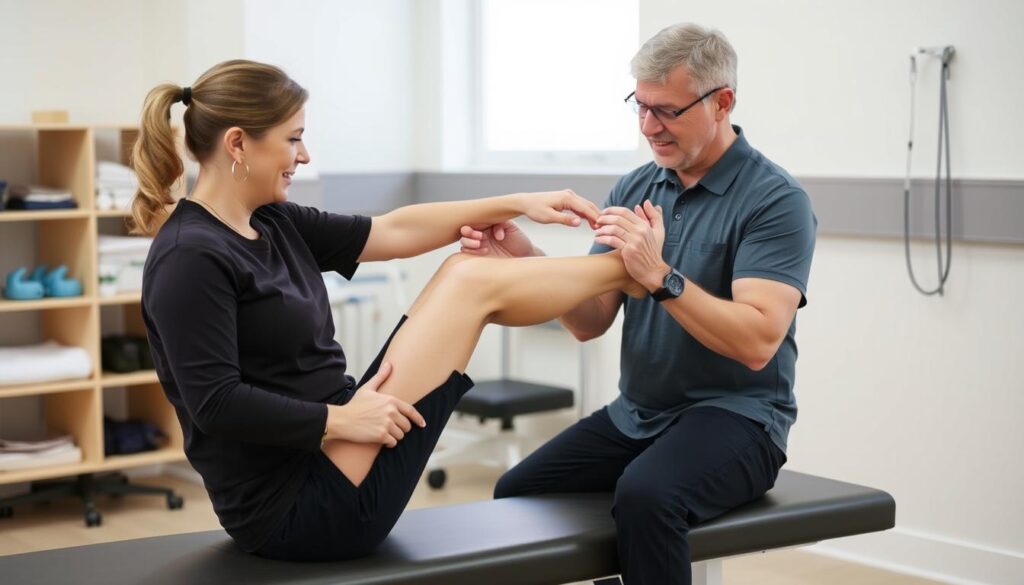
    Physical therapist helping patient with exercises for knee pain that comes and goes walking

    Physical Therapy

    A physical therapist can develop a customized program to address the specific causes of your knee pain that comes and goes while walking. This typically includes:

    • Targeted exercises to strengthen muscles supporting the knee joint
    • Manual therapy techniques to improve joint mobility
    • Gait analysis to identify and correct walking patterns that may contribute to pain
    • Education on proper body mechanics for daily activities
    • Modalities such as ultrasound or electrical stimulation for pain relief

    Medical Interventions

    Depending on the underlying cause of your intermittent knee pain, a doctor might recommend:

    • Prescription-strength anti-inflammatory medications
    • Corticosteroid injections to reduce inflammation in the joint
    • Hyaluronic acid injections to supplement joint lubrication
    • Platelet-rich plasma (PRP) therapy to promote healing
    • Bracing or taping techniques to improve joint alignment

    Surgical Options

    Surgery is typically reserved for cases where conservative treatments haven’t provided relief. Depending on the specific condition causing your knee pain that comes and goes while walking, surgical options might include:

    • Arthroscopy to repair damaged cartilage or remove loose fragments
    • Partial or total knee replacement for advanced joint degeneration
    • Ligament reconstruction for instability issues
    • Realignment procedures to correct structural problems
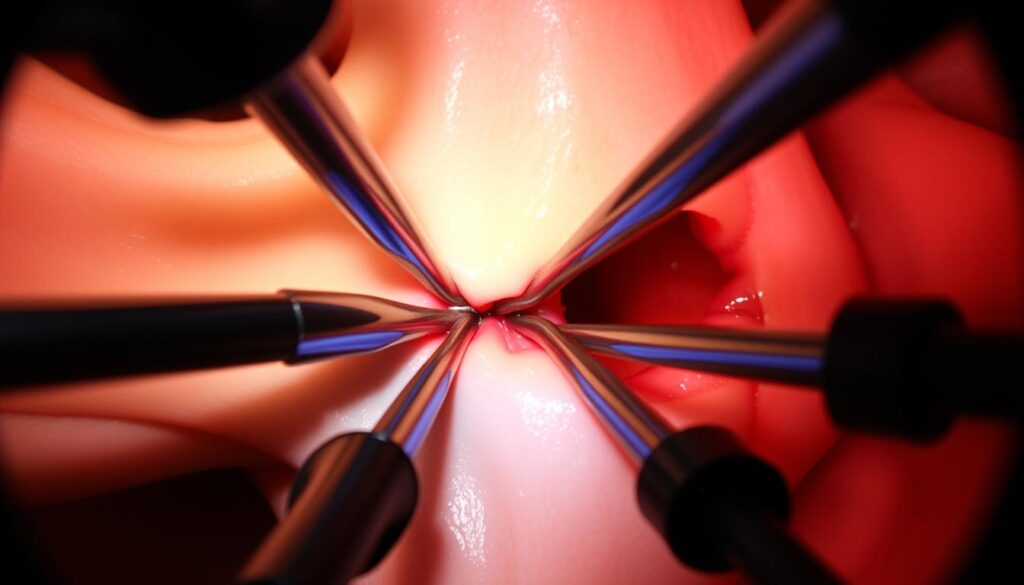
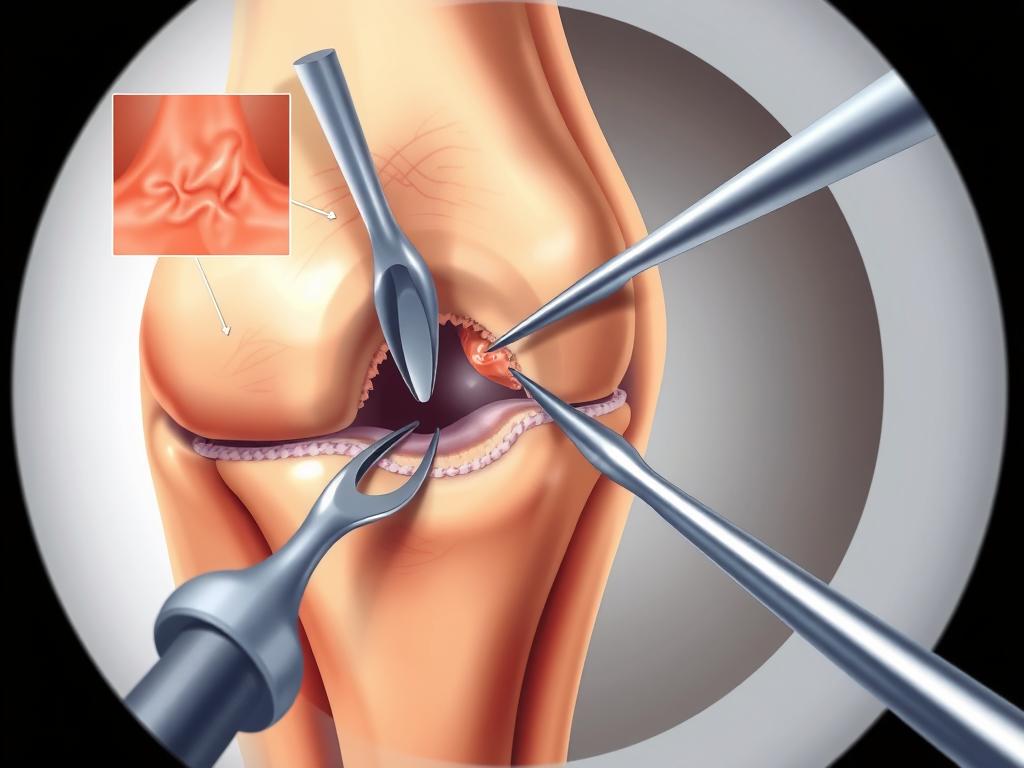
    Arthroscopic knee surgery procedure for treating severe knee pain that comes and goes walking

    Most cases of knee pain that comes and goes while walking can be successfully managed with non-surgical approaches. Surgery is typically considered only after conservative treatments have been given adequate time to work.

    5 Key Prevention Strategies for Intermittent Knee Pain

    Preventing knee pain that comes and goes while walking is often easier than treating it once it develops. These five strategies can help keep your knees healthy and pain-free.

    1. Maintain a healthy weight

      Every extra pound puts additional stress on your knee joints. Even modest weight loss can significantly reduce pressure on your knees and decrease pain while walking. For every pound lost, there’s a four-pound reduction in the load exerted on the knee during daily activities.

    2. Build strength in supporting muscles

      Strong quadriceps, hamstrings, and calf muscles help stabilize the knee joint and absorb shock during walking. Incorporate low-impact strength training exercises like swimming, cycling, or using an elliptical machine at least 2-3 times per week.

    3. Improve flexibility and range of motion

      Regular stretching helps maintain proper joint function and prevents the muscle tightness that can contribute to knee pain. Focus on stretching the quadriceps, hamstrings, calves, and iliotibial band to support healthy knee movement.

    4. Use proper footwear and walking technique

      Wear supportive shoes appropriate for your foot type and walking surface. Pay attention to your walking mechanics—maintain good posture, take reasonably sized steps, and allow your foot to roll naturally from heel to toe.

    5. Progress activity levels gradually

      Sudden increases in walking distance or intensity can overwhelm your knee joints. Follow the 10% rule—don’t increase your activity level by more than 10% per week—to give your body time to adapt to new demands.

    Person performing gentle knee strengthening exercises to prevent knee pain that comes and goes walking

    Frequently Asked Questions

    Is walking good for knee pain?

    Walking can be beneficial for many types of knee pain, as it strengthens the muscles supporting the joint without high impact. However, if walking consistently worsens your knee pain that comes and goes, it’s important to modify your approach. Try walking shorter distances, walking on softer surfaces like grass or a track instead of concrete, or using walking poles to reduce knee stress. If pain persists or worsens with walking, consult a healthcare professional to rule out conditions that might be aggravated by walking.

    Why does my knee pain come and go while walking but not at rest?

    Knee pain that appears during walking but subsides at rest typically indicates a mechanical issue within the joint. When you walk, your knee bears weight and moves through its range of motion, which can trigger pain if there are problems with alignment, cartilage, or tracking of the kneecap. Common causes include patellofemoral pain syndrome, meniscus tears, or early osteoarthritis. The absence of pain at rest suggests that inflammation might not be the primary driver of your symptoms, though some inflammatory conditions can also follow this pattern in their early stages.

    How long should I rest my knee if I experience pain while walking?

    For knee pain that comes and goes while walking, complete rest is rarely the best approach. Instead, consider relative rest—reducing activities that provoke pain while maintaining gentle movement to prevent stiffness and muscle weakness. If you experience a sudden increase in knee pain, taking 1-2 days of reduced activity followed by a gradual return to walking is often appropriate. Apply ice after walking if pain occurs, and consider using a knee brace for support during activities. If pain persists beyond 1-2 weeks despite these measures, consult a healthcare provider for evaluation.

    Person discussing knee pain that comes and goes walking with a healthcare provider

    The 3 Most Likely Diagnoses for Intermittent Knee Pain While Walking

    Patellofemoral Pain Syndrome

    This condition, often called “runner’s knee,” is characterized by pain around or behind the kneecap that typically worsens when walking upstairs, hiking uphill, or after sitting with bent knees for extended periods.

    Key Symptoms:

    • Dull, aching pain around the kneecap
    • Pain worsens with stairs, squatting, or kneeling
    • Occasional grinding sensation when bending the knee
    • Pain that comes and goes depending on activity level
    • Often affects both knees
    Most Common in Ages 15-45

    Meniscus Tear

    The meniscus is a C-shaped piece of cartilage that cushions your knee joint. Tears can occur from sudden twisting movements or develop gradually with age, causing pain that comes and goes while walking, especially with pivoting or twisting motions.

    Key Symptoms:

    • Pain along the joint line (inside or outside of knee)
    • Catching or locking sensations
    • Swelling that develops hours after activity
    • Difficulty fully straightening the knee
    • Pain that worsens with pivoting or twisting
    Common in Athletes & Adults 40+

    Early Osteoarthritis

    In its early stages, knee osteoarthritis often manifests as intermittent pain during weight-bearing activities like walking. This degenerative condition involves the gradual breakdown of cartilage in the knee joint.

    Key Symptoms:

    • Pain that develops gradually over months or years
    • Morning stiffness that improves within 30 minutes
    • Pain that worsens toward the end of the day
    • Mild swelling after extended activity
    • Occasional clicking or crunching sounds
    Most Common After Age 50

    Symptom Comparison Patellofemoral Pain Meniscus Tear Early Osteoarthritis
    Pain Location Around or behind kneecap Joint line (side of knee) Throughout knee, often deep
    Pain Onset Gradual Often sudden with injury Very gradual
    Age Group Most Affected 15-45 years All ages (traumatic in young, degenerative in older) Usually over 50
    Swelling Minimal Often present Mild to moderate
    Locking/Catching Rare Common Occasional
    Morning Stiffness Minimal Minimal Common (usually

    Taking Control of Your Knee Health

    Knee pain that comes and goes while walking doesn’t have to limit your mobility or quality of life. By understanding the potential causes, recognizing warning signs, and implementing appropriate self-care strategies, you can effectively manage many types of intermittent knee pain. Remember that early intervention often leads to better outcomes, so don’t hesitate to seek professional guidance if your symptoms persist or worsen despite home treatment.

    Whether your knee pain stems from a mechanical issue like patellofemoral pain syndrome, a cartilage problem like a meniscus tear, or early degenerative changes, there are effective treatment approaches available. By combining proper self-care with professional guidance when needed, you can develop a comprehensive plan to address your specific knee condition and return to pain-free walking.

    Active older adult walking comfortably after recovering from knee pain that comes and goes walking

    Ready to Address Your Knee Pain?

    Our team of specialists can help diagnose the exact cause of your knee pain that comes and goes while walking and develop a personalized treatment plan to get you back to the activities you love.

  • Non-Surgical Treatment Options for Patellofemoral Pain Syndrome

    Non-Surgical Treatment Options for Patellofemoral Pain Syndrome

    Living with knee pain can significantly impact your daily activities, from climbing stairs to simply sitting for extended periods. If you’ve been diagnosed with Patellofemoral Pain Syndrome (PFPS) and are seeking relief without surgery, you’re in the right place. This comprehensive guide explores effective non-surgical approaches that can help you manage pain, improve function, and return to the activities you love.

    Understanding Patellofemoral Pain Syndrome

    The patellofemoral joint and surrounding structures involved in PFPS

    Patellofemoral pain syndrome, often called “runner’s knee,” is characterized by pain around or behind the kneecap (patella). This condition occurs when the patella doesn’t track properly in the groove of the thigh bone (femur), creating stress on the joint and surrounding tissues. PFPS affects approximately one-quarter of adults and one-third of adolescents, with a higher prevalence in women.

    Common Causes of PFPS

    • Overuse from repetitive activities like running or squatting
    • Muscle imbalances, particularly weak quadriceps or hip muscles
    • Poor flexibility in the hamstrings, quadriceps, or iliotibial band
    • Anatomical factors such as a high-riding kneecap or shallow femoral groove
    • Improper footwear or training techniques
    • Lower extremity malalignment affecting knee mechanics
    • Sudden increases in physical activity or training intensity
    • Previous knee injuries or surgeries
    • Tight lateral structures (lateral retinaculum and iliotibial band)
    • Direct trauma to the knee

    Recognizing PFPS Symptoms

    The hallmark symptom of PFPS is a dull, aching pain around or behind the kneecap. This pain typically worsens with activities that increase pressure on the patellofemoral joint, such as:

    • Climbing or descending stairs
    • Squatting or kneeling
    • Running, especially downhill
    • Sitting with knees bent for extended periods (the “theater sign”)
    • Standing up after prolonged sitting

    You may also experience a sensation of your knee “giving way,” popping or cracking sounds, or stiffness after periods of inactivity. Unlike some other knee conditions, PFPS rarely causes significant swelling.

    Diagnosing Patellofemoral Pain Syndrome

    Before exploring treatment options, it’s important to understand how PFPS is diagnosed. Most cases can be identified through a thorough clinical examination without the need for extensive imaging.

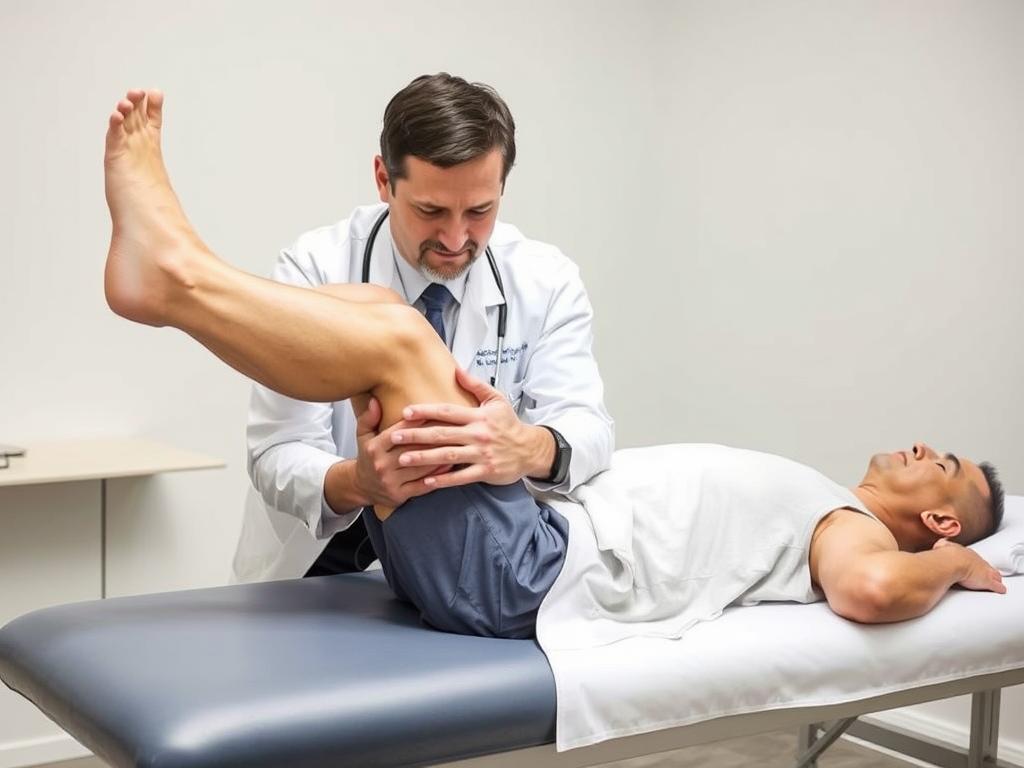
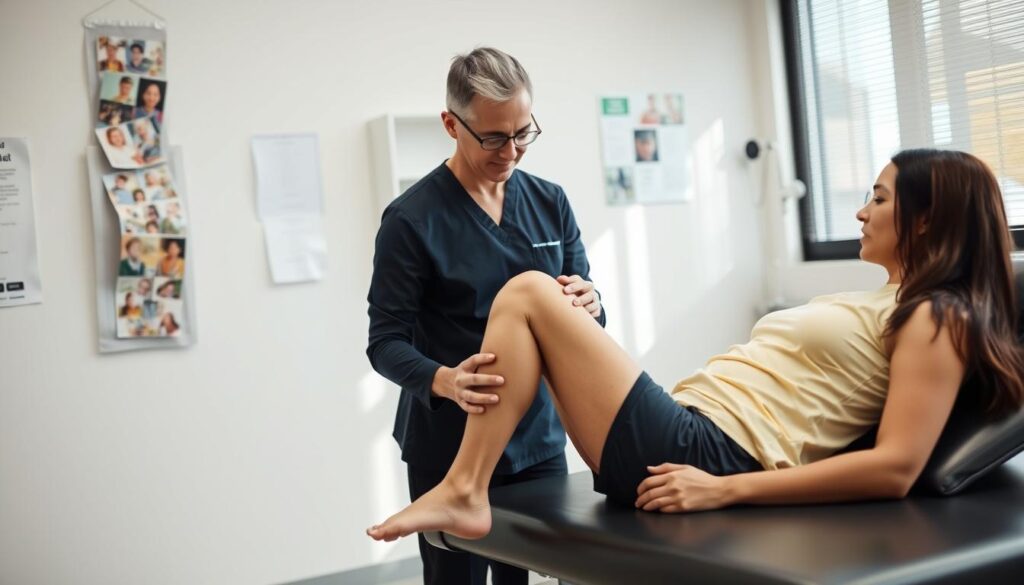
    Doctor examining a patient's knee for patellofemoral pain syndrome using patellar tracking test

    Clinical Examination

    Your healthcare provider will likely perform several tests to assess your knee function and identify the source of your pain:

    • Patellar tracking assessment: Observing how your kneecap moves during knee flexion and extension
    • Patellar glide test: Evaluating the mobility of your kneecap
    • Patellar tilt test: Checking for tightness in lateral structures
    • Patellar grind test: Applying pressure to the kneecap while moving the knee
    • Muscle strength and flexibility testing: Assessing quadriceps, hamstrings, and hip muscles

    When Imaging Is Necessary

    While most PFPS cases don’t require imaging, your doctor may recommend X-rays, MRI, or CT scans in certain situations:

    • History of trauma or previous knee surgery
    • Presence of joint effusion (swelling)
    • Symptoms that don’t improve with standard treatment
    • To rule out other conditions like osteoarthritis or loose bodies

    Effective Non-Surgical Treatment Approaches

    The good news is that most cases of patellofemoral pain syndrome respond well to non-surgical interventions. A comprehensive treatment plan typically includes several components working together to reduce pain and improve function.

    The RICE Method: First-Line Treatment

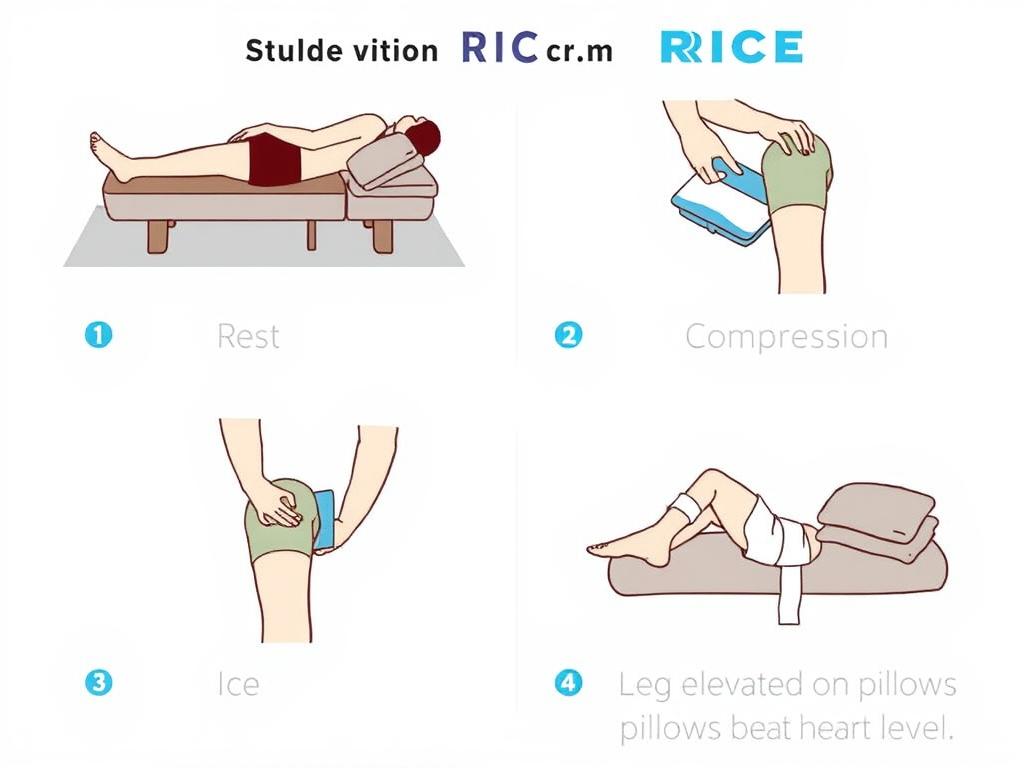
    Visual demonstration of the RICE method (Rest, Ice, Compression, Elevation) for treating patellofemoral pain syndrome

    The RICE method is an effective initial approach for managing PFPS symptoms

    For acute pain flare-ups, the RICE method is often recommended as an initial approach:

    • Rest: Temporarily reduce activities that aggravate your symptoms
    • Ice: Apply cold packs to your knee for 15-20 minutes every 2-3 hours
    • Compression: Use a knee sleeve or wrap to provide support
    • Elevation: Keep your knee elevated above heart level when possible

    Pro Tip: When applying ice, always use a thin towel between the ice pack and your skin to prevent tissue damage. Never apply ice directly to your skin.

    Physical Therapy: The Cornerstone of PFPS Treatment

    Physical therapy is considered the most effective non-surgical treatment for patellofemoral pain syndrome. A well-designed rehabilitation program focuses on correcting muscle imbalances, improving flexibility, and optimizing patellar tracking.

    Key Physical Therapy Exercises for PFPS

    Quadriceps Strengthening

    Straight leg raise exercise for quadriceps strengthening to treat patellofemoral pain syndrome

    Straight Leg Raises: Lie on your back with one leg bent and the other straight. Tighten the quadriceps of your straight leg and slowly raise it to the height of your opposite knee. Hold for 5 seconds, then lower. Perform 3 sets of 10-15 repetitions daily.

    Hip Stabilizer Strengthening

    Clamshell exercise for hip stabilizer strengthening to improve knee alignment

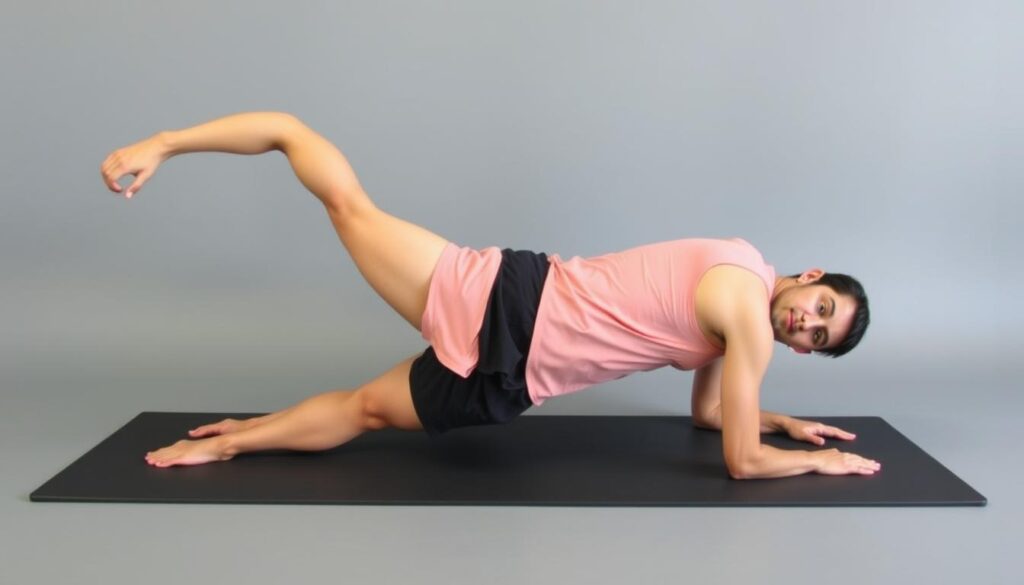
    Clamshells: Lie on your side with knees bent and feet together. Keep your feet touching while raising your top knee. Hold for 2 seconds, then lower. Perform 3 sets of 15-20 repetitions on each side daily to strengthen hip external rotators.

    VMO Activation

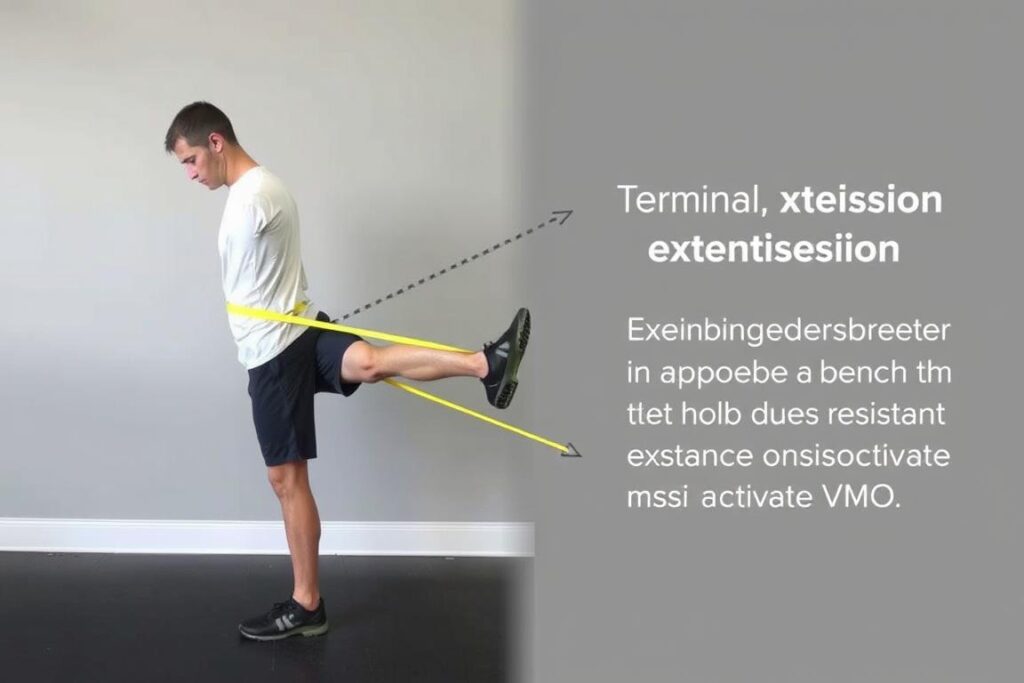
    Terminal knee extension exercise for vastus medialis obliquus (VMO) activation

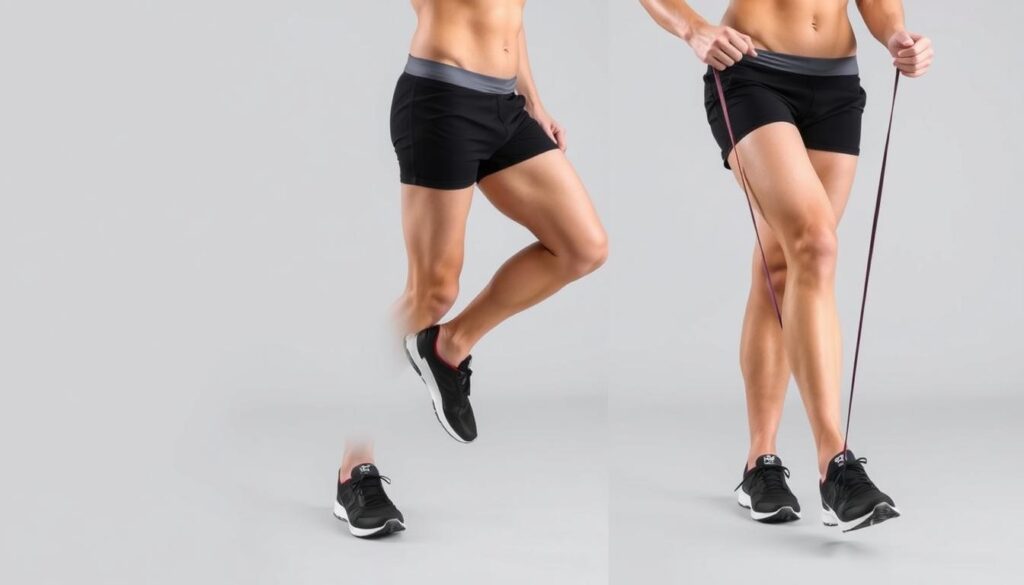
    Terminal Knee Extensions: Attach a resistance band to a fixed object and loop around your knee. Stand facing away from the anchor point with slight knee bend. Straighten your knee against the resistance, focusing on the last 30 degrees of extension. Perform 3 sets of 15 repetitions daily.

    Stretching Exercises for PFPS

    Quadriceps Stretch

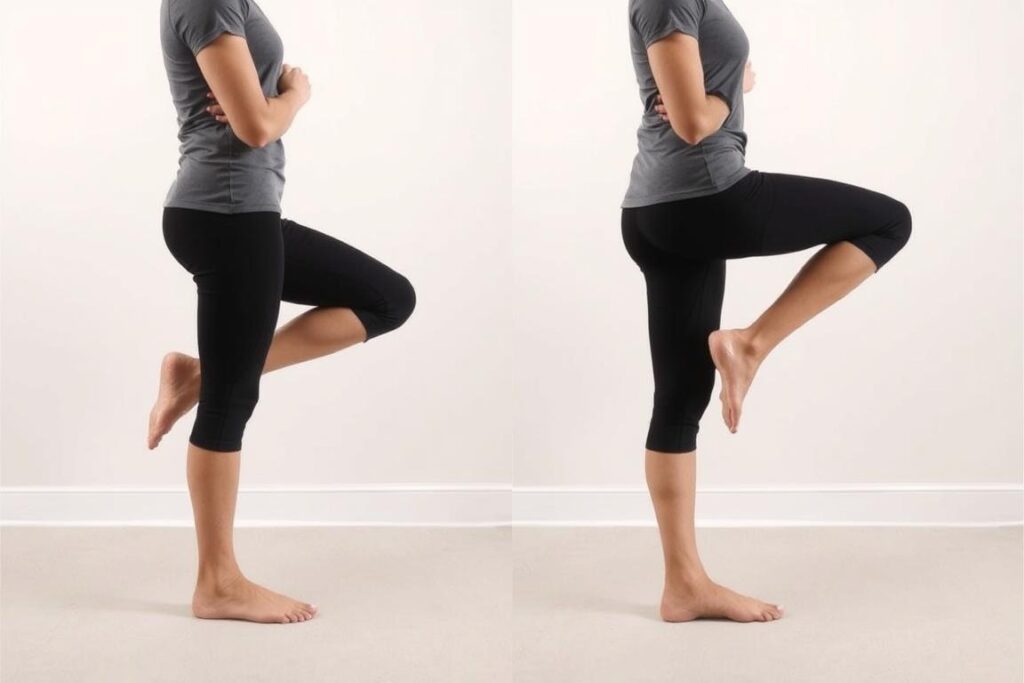
    Standing quadriceps stretch for improving flexibility in patellofemoral pain syndrome treatment

    Stand holding onto a support with one hand. Grasp your ankle with the other hand and gently pull your heel toward your buttocks. Keep your knees close together and maintain an upright posture. Hold for 30 seconds and repeat 3 times on each leg.

    IT Band Stretch

    IT band stretch to reduce lateral knee tension in patellofemoral pain syndrome

    Stand with your right leg crossed behind your left. Extend your right arm overhead and lean to the left, feeling a stretch along the outside of your right hip and thigh. Hold for 30 seconds and repeat 3 times on each side to reduce tension on the lateral knee structures.

    Orthotic Interventions for PFPS

    Orthotic devices can play a supportive role in managing patellofemoral pain syndrome by improving alignment and reducing stress on the knee joint.

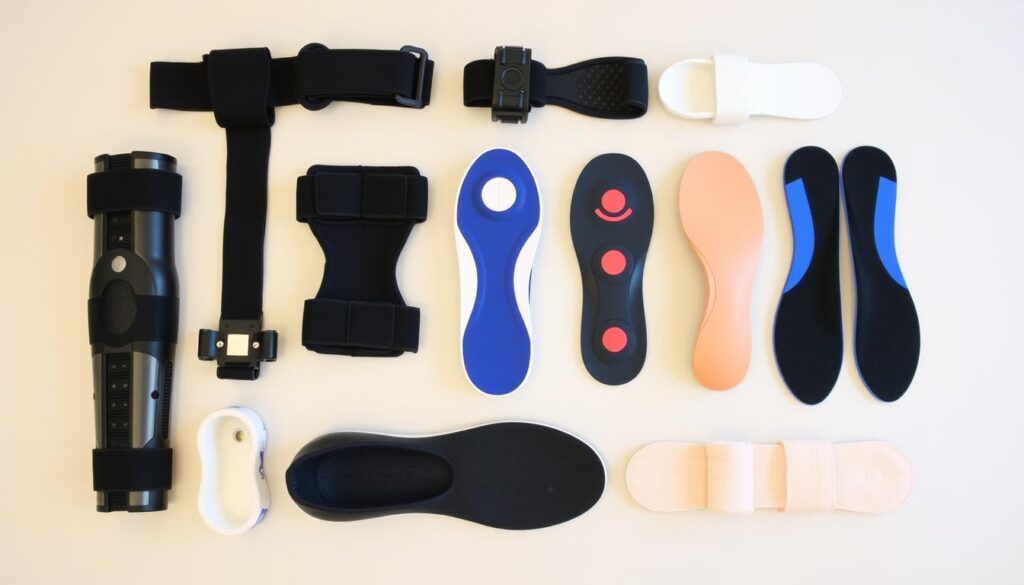
    Various orthotic devices used in treating patellofemoral pain syndrome including knee braces and shoe inserts

    Knee Braces and Sleeves

    Knee braces and sleeves provide external support to help stabilize the patella and reduce pain during activity. Options include:

    • Patellar stabilizing braces: Feature a hole or buttress around the kneecap to help maintain proper tracking
    • Knee sleeves: Provide compression and warmth that may help reduce pain
    • Patellar straps: Apply pressure on the patellar tendon to alter forces across the joint

    Research suggests that while bracing alone may provide symptomatic relief, it’s most effective when used as part of a comprehensive treatment program that includes physical therapy.

    Foot Orthotics

    Custom or over-the-counter foot orthotics can help correct biomechanical issues that contribute to PFPS:

    • Provide arch support to reduce excessive pronation
    • Improve lower limb alignment during walking and running
    • Reduce stress on the knee joint by optimizing foot mechanics

    Patellar Taping

    Kinesiology tape or specialized patellar taping techniques may help:

    • Guide proper patellar tracking during movement
    • Provide sensory feedback to improve muscle activation
    • Reduce pain during activities

    While evidence for taping is mixed, many patients report symptomatic improvement, particularly during the early phases of rehabilitation.

    Pain Management Techniques

    Managing pain effectively is an important component of PFPS treatment, allowing you to participate more comfortably in rehabilitation exercises and daily activities.

    Medication Options

    Over-the-counter pain medications commonly used for patellofemoral pain syndrome management

    Over-the-counter medications can help manage pain and inflammation:

    • NSAIDs (Nonsteroidal anti-inflammatory drugs): Medications like ibuprofen and naproxen can reduce both pain and inflammation
    • Acetaminophen: Helps with pain relief but doesn’t address inflammation

    Always follow dosage instructions and consult with your healthcare provider before starting any medication regimen, especially if you have other health conditions or take other medications.

    Topical Treatments

    Topical pain relievers can be applied directly to the knee area:

    • Menthol or capsaicin creams: Create cooling or warming sensations that can help mask pain
    • Topical NSAIDs: Provide localized anti-inflammatory effects with fewer systemic side effects
    • CBD-infused topicals: Some patients report benefits, though research is still emerging

    Cold and Heat Therapy

    Alternating between cold and heat can help manage symptoms:

    • Cold therapy: Best for acute pain and after activity to reduce inflammation
    • Heat therapy: Helpful before exercise to increase blood flow and tissue elasticity
    • Contrast therapy: Alternating between cold and heat can stimulate circulation and pain relief

    Activity Modification Strategies

    Adjusting your activities is crucial for allowing healing while maintaining fitness and function.

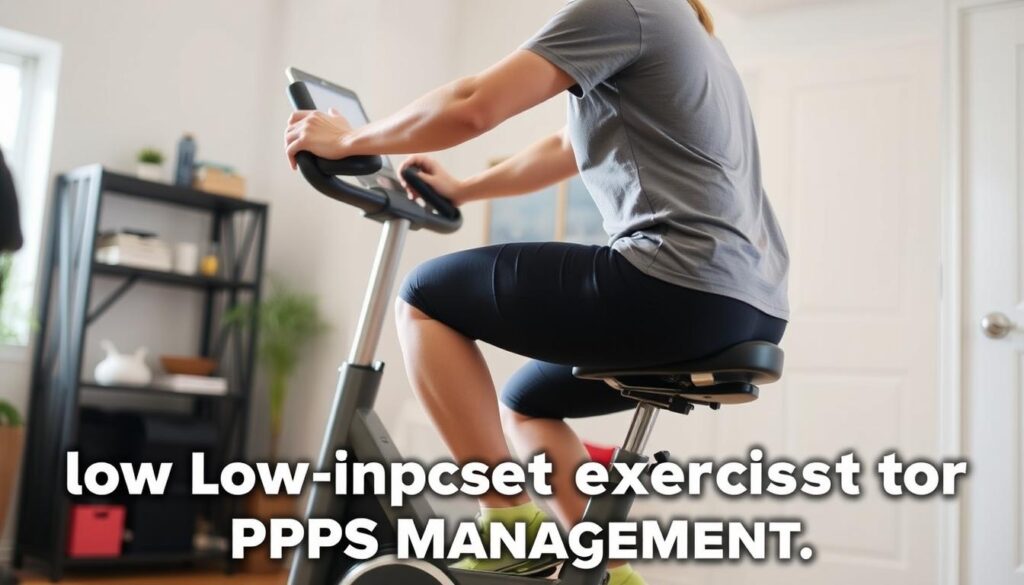
    Person cycling on a stationary bike as a low-impact alternative exercise for patellofemoral pain syndrome

    Temporary Activity Adjustments

    During the acute phase of PFPS, consider these modifications:

    • Reduce activities that aggravate symptoms (deep squats, lunges, stair climbing)
    • Decrease running mileage or intensity if running is a trigger
    • Avoid sitting with knees bent for prolonged periods
    • Use stairs one at a time if necessary

    Low-Impact Alternatives

    Maintain fitness with activities that place less stress on the patellofemoral joint:

    • Swimming: Provides excellent cardiovascular exercise with minimal joint loading
    • Stationary cycling: Low-impact exercise that can strengthen quadriceps (adjust seat height to avoid deep knee flexion)
    • Elliptical training: Offers a running-like motion without the impact
    • Water aerobics: Utilizes water resistance while reducing joint stress

    Gradual Return to Activities

    As symptoms improve, follow these guidelines for returning to regular activities:

    • Increase activity duration and intensity by no more than 10% per week
    • Monitor symptoms during and after activity
    • Incorporate proper warm-up and cool-down routines
    • Continue maintenance exercises even after symptoms resolve

    Comparing Treatment Effectiveness

    Research has evaluated various non-surgical approaches for PFPS. The following table summarizes the evidence for different treatment options:

    Treatment Approach Evidence Level Effectiveness Time to Results Best For
    Physical Therapy (Quadriceps Strengthening) Strong High 4-8 weeks Most PFPS cases
    Hip Strengthening Exercises Strong High 6-12 weeks Cases with hip weakness
    Patellar Taping Moderate Moderate Immediate (temporary) Short-term pain relief
    Knee Bracing Moderate Moderate Immediate Activity-specific support
    Foot Orthotics Moderate Moderate 2-4 weeks Cases with foot pronation
    NSAIDs Moderate Moderate (for pain) Hours to days Short-term pain management
    Activity Modification Moderate High 1-2 weeks Acute pain reduction

    Expert Insights on PFPS Management

    “The most successful non-surgical treatment for patellofemoral pain syndrome is a comprehensive approach that addresses all contributing factors. Physical therapy focusing on both quadriceps and hip strengthening has shown the best long-term outcomes in clinical studies.”

    — Dr. Sarah Johnson, Orthopedic Specialist

    “Many patients expect immediate results, but patience is key with PFPS treatment. Consistent adherence to a rehabilitation program typically shows significant improvement within 6-12 weeks, though some cases may take longer. The good news is that most patients can avoid surgery with proper conservative management.”

    — Dr. Michael Chen, Sports Medicine Physician

    “I emphasize to my patients that addressing biomechanical issues is crucial for long-term success. This means not just treating the symptoms but correcting movement patterns, strengthening weak muscles, and improving flexibility in tight structures. This comprehensive approach prevents recurrence, which is common with PFPS.”

    — Lisa Rodriguez, PT, DPT, Sports Certified Specialist

    Case Study: Successful Non-Surgical Recovery

    Sarah’s Journey: From Sidelined Runner to Marathon Finisher

    Runner successfully returning to training after recovering from patellofemoral pain syndrome

    Patient Profile: Sarah, 34-year-old recreational runner training for her first half marathon

    Symptoms: Developed anterior knee pain after increasing weekly mileage by 50%. Pain worsened when running downhill and climbing stairs. Experienced the “theater sign” with pain after sitting through a movie.

    Diagnosis: Clinical examination revealed patellofemoral pain syndrome with weak hip abductors and tight iliotibial band.

    Treatment Approach:

    • Weeks 1-2: RICE protocol, activity modification (reduced running by 50%, avoided hills), and began basic physical therapy
    • Weeks 3-6: Progressive strengthening of quadriceps and hip muscles, flexibility work, and gait analysis with running form correction
    • Weeks 7-10: Gradual return to running with proper footwear and custom orthotics, continued strengthening exercises
    • Weeks 11-16: Progressive increase in running distance with maintenance exercises

    Outcome: Sarah completed her half marathon six months after beginning treatment, with no return of symptoms. She continues maintenance exercises twice weekly and uses proper warm-up techniques before runs.

    Key Takeaway: A comprehensive, patient-specific approach addressing all contributing factors led to complete recovery without surgical intervention.

    Frequently Asked Questions

    How long does recovery from patellofemoral pain syndrome typically take?

    Recovery time varies depending on the severity of symptoms, adherence to treatment, and individual factors. Most patients see significant improvement within 4-12 weeks of consistent treatment. Complete resolution may take 3-6 months in some cases. Continuing maintenance exercises even after symptoms resolve is important for preventing recurrence.

    When is surgery considered for patellofemoral pain syndrome?

    Surgery is rarely necessary for PFPS and is typically only considered when:

    • Conservative treatment has been consistently applied for at least 6-12 months without improvement
    • There is clear structural damage or anatomical abnormality contributing to symptoms
    • Pain significantly limits daily activities despite comprehensive non-surgical management
    • Diagnostic imaging confirms a specific issue that would benefit from surgical correction

    Less than 15% of PFPS cases ultimately require surgical intervention. Always exhaust all non-surgical options first.

    Can I continue exercising with patellofemoral pain syndrome?

    Yes, but modifications are usually necessary. The key principle is to stay active without aggravating symptoms. This typically means:

    • Switching to lower-impact activities temporarily (swimming, cycling)
    • Reducing intensity and duration of problematic activities
    • Ensuring proper form during exercise
    • Incorporating appropriate warm-up and cool-down routines

    Work with your healthcare provider or physical therapist to develop an appropriate exercise plan that allows for continued activity while promoting healing.

    Will my patellofemoral pain syndrome come back after treatment?

    Recurrence is possible, especially if underlying contributing factors aren’t fully addressed or if maintenance exercises are discontinued. Studies show that approximately 25-30% of patients experience some recurrence of symptoms. To minimize this risk:

    • Continue maintenance exercises even after symptoms resolve
    • Gradually increase activity levels when returning to sports
    • Maintain proper biomechanics during activities
    • Use appropriate footwear and replace shoes when worn
    • Address any new pain promptly rather than pushing through it

    Moving Forward: Your Path to Recovery

    Patellofemoral pain syndrome can be frustrating, but with the right approach, most people achieve significant improvement without surgery. The key to success lies in a comprehensive treatment plan that addresses all contributing factors, from muscle imbalances to activity modifications.

    Remember that consistency is crucial—stick with your exercises, follow your healthcare provider’s recommendations, and be patient with the recovery process. By taking a proactive approach to managing your PFPS, you can return to the activities you love with less pain and better function.

    Key Takeaways:

    • Physical therapy focusing on quadriceps and hip strengthening is the cornerstone of effective PFPS treatment
    • A multi-faceted approach including activity modification, proper footwear, and possibly orthotics yields the best results
    • Patience and consistency with your treatment plan are essential for long-term success
    • Most people with PFPS can achieve significant improvement without surgical intervention

    Experiencing Knee Pain?

    Don’t let patellofemoral pain limit your activities. Our specialists can help determine the exact cause of your symptoms and create a personalized treatment plan.

    Consult with a PFPS Specialist

    Need Expert Guidance for Your PFPS Exercises?

    Our physical therapists specialize in creating customized exercise programs for patellofemoral pain syndrome. Get a personalized plan designed for your specific needs.

    Get a Personalized Treatment Plan

    Ready to Start Your Recovery Journey?

    Our team of specialists can help you develop a comprehensive plan to address your patellofemoral pain syndrome without surgery.

    Schedule a Physical Therapy Assessment

    Take the First Step Toward Pain-Free Movement

    Our team specializes in non-surgical treatment of patellofemoral pain syndrome. Contact us today to schedule a comprehensive evaluation and start your personalized recovery plan.

    Request a Consultation

    Get More Information About PFPS Treatment


    We respect your privacy and will never share your information.

  • Why Does My Knee Pain Come and Go When Walking? Causes & Solutions

    Why Does My Knee Pain Come and Go When Walking? Causes & Solutions

    Do you experience knee pain that comes and goes when walking? This intermittent discomfort can be frustrating and concerning, especially when it appears without warning and then vanishes just as mysteriously. Understanding why your knee hurts during certain moments of activity—but not others—is the first step toward finding relief. In this comprehensive guide, we’ll explore the common causes of intermittent knee pain while walking, what triggers these episodes, and practical solutions to help you stay active and pain-free.

    Common Causes of Intermittent Knee Pain While Walking

    Knee pain that comes and goes when walking can stem from various conditions. Understanding these potential causes can help you identify what might be happening in your specific case.

    Osteoarthritis

    Osteoarthritis is one of the most common causes of intermittent knee pain, especially in adults over 50. This degenerative joint condition occurs when the protective cartilage that cushions the ends of your bones wears down over time.

    Osteoarthritis causes the cartilage in your knee joint to gradually wear away, leading to pain that often comes and goes with activity.

    With osteoarthritis, you might notice:

    • Pain that worsens after periods of activity
    • Stiffness that improves with movement but returns after rest
    • A grinding sensation when moving your knee
    • Pain that’s typically worse at the end of the day

    Meniscus Tears

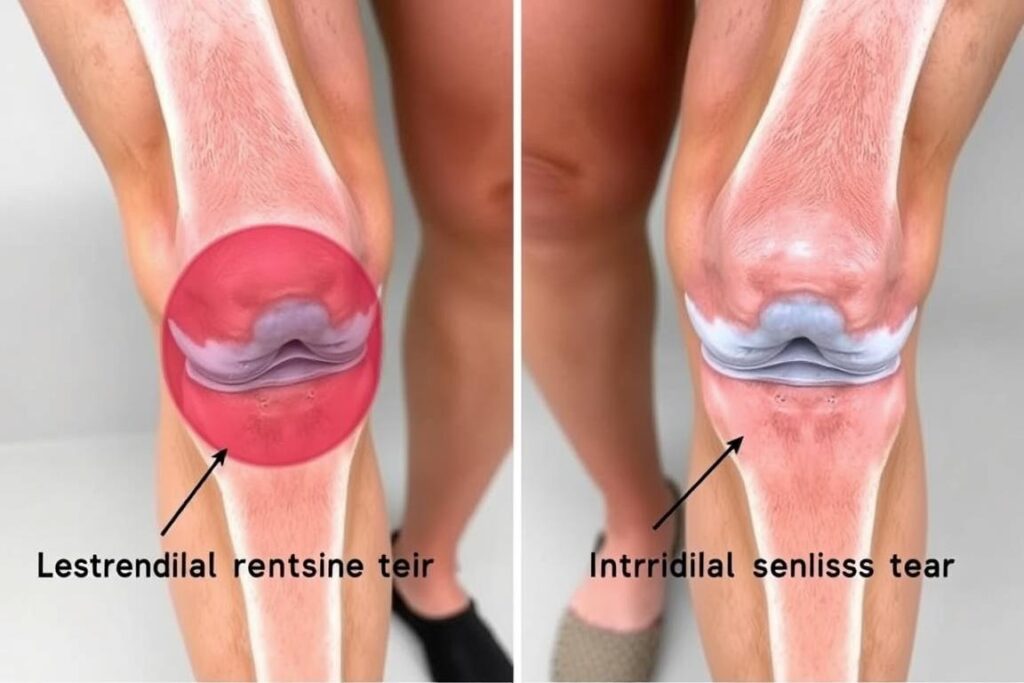
    The meniscus is a C-shaped piece of cartilage that acts as a cushion between your thighbone and shinbone. Tears in this cartilage can cause knee pain that comes and goes when walking, especially when turning or pivoting.

    Illustration of a torn meniscus in the knee joint

    Meniscus tears often cause:

    • Pain that worsens when twisting or rotating your knee
    • A popping sensation during the injury
    • Swelling that develops over 24-48 hours
    • Difficulty fully extending your knee
    • The feeling that your knee is “catching” or locking

    Patellofemoral Pain Syndrome

    Often called “runner’s knee,” patellofemoral pain syndrome causes pain around and behind the kneecap. This condition is particularly common in active individuals and can lead to knee pain that comes and goes when walking, especially on stairs or uneven surfaces.

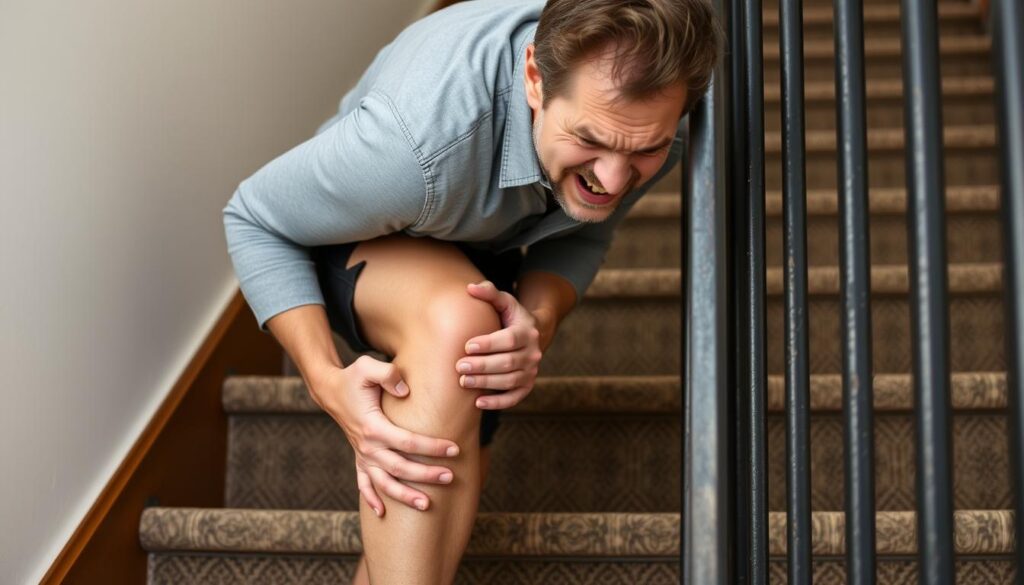
    Person experiencing patellofemoral pain syndrome while climbing stairs

    Symptoms typically include:

    • Dull, aching pain around or behind the kneecap
    • Pain that worsens when walking uphill or climbing stairs
    • Discomfort after sitting for extended periods (theater sign)
    • Occasional clicking or popping sounds

    Bursitis

    Bursae are small fluid-filled sacs that reduce friction between tissues in your knee. When these become inflamed (bursitis), they can cause knee pain that comes and goes when walking, particularly if you’ve been kneeling or putting pressure on the joint.

    Knee bursitis typically presents with:

    • Localized pain and tenderness
    • Visible swelling over the affected area
    • Pain that improves with rest but returns with activity
    • Warmth and redness in severe cases

    Ligament Strains

    Your knee has several important ligaments that can become strained or partially torn, including the ACL (anterior cruciate ligament), MCL (medial collateral ligament), and others. These injuries can cause knee pain that comes and goes when walking, especially during certain movements.

    Ligament strains often cause:

    • Pain during specific movements (like pivoting or side-to-side motion)
    • Mild to moderate swelling
    • A feeling of instability when bearing weight
    • Tenderness along the affected ligament

    What Triggers Knee Pain That Comes and Goes When Walking?

    If you’re experiencing knee pain that comes and goes while walking, certain factors may be triggering or worsening your symptoms. Understanding these triggers can help you manage and potentially avoid painful episodes.

    Person walking on uneven terrain experiencing knee pain

    Uneven walking surfaces can trigger episodes of knee pain that might not occur on flat ground.

    Walking Surface and Terrain

    • Uneven surfaces: Walking on cobblestones, gravel, or natural trails can increase stress on your knee joint
    • Inclines and declines: Walking uphill or downhill puts additional pressure on your knees
    • Hard surfaces: Concrete and other hard surfaces provide less shock absorption than softer alternatives

    Walking Habits and Patterns

    • Sudden increases in activity: Dramatically increasing your walking distance or duration without proper conditioning
    • Poor walking mechanics: Improper foot placement or gait abnormalities can stress your knee joint
    • Inadequate rest: Not allowing sufficient recovery time between walking sessions
    • Speed changes: Rapidly changing pace or stopping and starting frequently

    Other Contributing Factors

    • Weather changes: Many people report increased knee pain during damp or cold weather
    • Footwear: Worn-out or inappropriate shoes can affect alignment and shock absorption
    • Weight fluctuations: Even small increases in body weight can significantly increase pressure on knee joints
    • Hydration and nutrition: Dehydration and inflammatory foods may contribute to joint discomfort

    Key Takeaway: Knee pain that comes and goes when walking is often triggered by specific conditions like walking surface, duration, mechanics, and environmental factors. Identifying your personal triggers is crucial for managing symptoms.

    Effective Solutions for Intermittent Knee Pain While Walking

    Managing knee pain that comes and goes when walking requires a multi-faceted approach. Here are proven strategies to help you find relief and prevent future episodes.

    Immediate Relief Strategies

    The RICE Method

    • Rest: Limit activities that cause pain to allow healing
    • Ice: Apply cold packs for 15-20 minutes several times daily
    • Compression: Use a knee sleeve or wrap to reduce swelling
    • Elevation: Keep your leg raised above heart level when possible
    Demonstration of RICE method for knee pain relief

    Strengthening Exercises

    Building strength in the muscles surrounding your knee can provide better joint support and reduce pain episodes. These exercises are particularly effective for knee pain that comes and goes when walking:

    Quad Sets

    Sit with your leg extended and tighten your thigh muscle, holding for 5-10 seconds. Repeat 10-15 times, several times daily.

    Straight Leg Raises

    Lie on your back, tighten your thigh muscle, and lift your leg about 12 inches off the ground. Hold for 5 seconds, then lower slowly. Repeat 10-15 times.

    Wall Slides

    Stand with your back against a wall, feet shoulder-width apart. Slowly slide down until your knees are at about 45 degrees, hold for 5-10 seconds, then slide back up. Repeat 10 times.

    Hamstring Curls

    Stand holding onto a chair for support. Slowly bend your knee, bringing your heel toward your buttocks. Hold for 5 seconds, then lower. Repeat 10-15 times on each leg.

    Person performing knee strengthening exercises at home

    Regular strengthening exercises can significantly reduce episodes of knee pain that comes and goes when walking.

    Proper Footwear and Support

    The right footwear can make a significant difference for those experiencing knee pain that comes and goes when walking:

    • Supportive shoes: Look for options with good arch support and cushioning
    • Orthotic inserts: Custom or over-the-counter insoles can improve alignment
    • Knee braces: Compression sleeves or more structured braces can provide stability
    Supportive walking shoes and knee brace for pain relief

    Walking Modifications

    Adjusting how you walk can help manage knee pain that comes and goes:

    • Shorter strides: Taking smaller steps reduces impact on your knees
    • Pace management: Walking at a moderate, consistent pace
    • Surface selection: Choose softer surfaces like tracks or grass when possible
    • Gradual progression: Slowly increase walking distance and duration

    Need Personalized Exercise Guidance?

    Download our free knee-friendly walking program designed by physical therapists to help you stay active while managing knee pain that comes and goes when walking.

    Download Exercise Guide

    When to See a Doctor for Knee Pain That Comes and Goes

    While intermittent knee pain while walking is common and often manageable at home, certain symptoms warrant professional medical attention. Don’t ignore these warning signs:

    Seek Medical Attention If You Experience:

    • Severe pain that prevents you from bearing weight on your leg
    • Significant swelling, redness, or warmth around the knee joint
    • Visible deformity or inability to fully extend or bend your knee
    • Knee pain accompanied by fever or feeling unwell
    • A popping sound at the time of injury followed by immediate swelling
    • Knee pain that persists for more than 2-3 weeks despite home treatment
    • Recurring episodes of knee “giving way” or instability
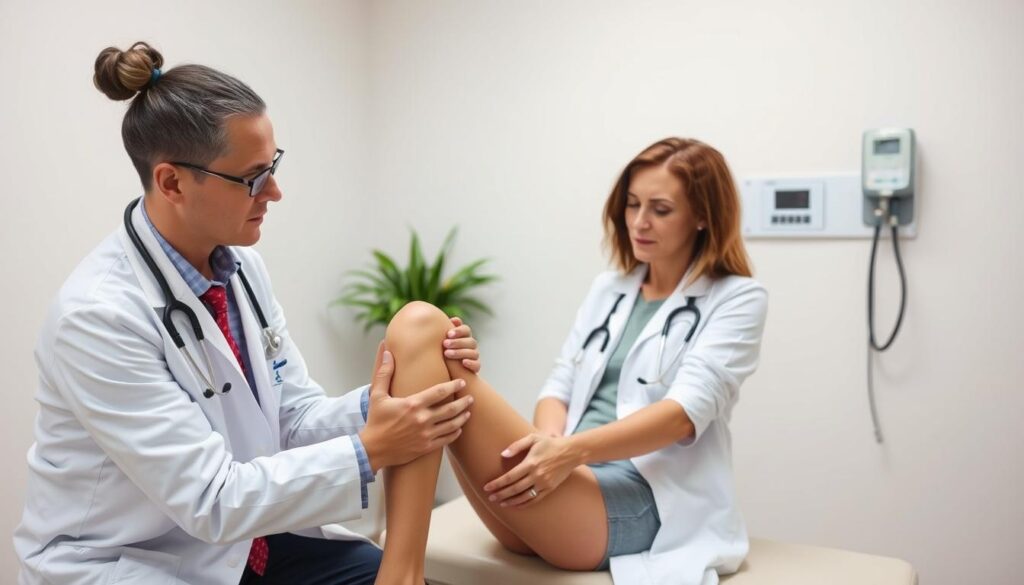
    Doctor examining patient with knee pain that comes and goes when walking

    A healthcare professional can properly diagnose the cause of your knee pain and recommend appropriate treatment options.

    Early intervention for knee pain that comes and goes when walking can prevent the condition from worsening and help you avoid more invasive treatments down the road. Your doctor may recommend:

    • Physical therapy to strengthen supporting muscles
    • Prescription medications for pain and inflammation
    • Injections to reduce inflammation and pain
    • Advanced imaging like MRI to assess joint structures
    • Referral to an orthopedic specialist if needed

    Don’t Let Knee Pain Limit Your Activity

    If you’re experiencing persistent or worsening knee pain that comes and goes when walking, our specialists can help diagnose the cause and create a personalized treatment plan.

    Consult a Specialist

    Frequently Asked Questions About Knee Pain That Comes and Goes When Walking

    Is walking good for knee pain?

    In many cases, yes. Low-impact walking can strengthen the muscles around your knee joint and improve flexibility. However, if walking consistently causes pain, you should modify your routine and consult a healthcare provider. The key is finding the right balance—enough activity to maintain strength and mobility without overloading the joint.

    Why does my knee pain come and go rather than hurt all the time?

    Intermittent knee pain often occurs because certain positions or movements trigger symptoms. For example, walking might cause pain when your knee is bearing weight at specific angles. Additionally, inflammation can fluctuate throughout the day, and factors like activity level, hydration, and even weather can influence how your knee feels at different times.

    Can I continue walking if I experience knee pain that comes and goes?

    Mild discomfort that quickly resolves may not require completely stopping your walking routine. However, you should consider modifying your activity by reducing distance, changing terrain, or incorporating more rest days. If pain persists or worsens during walking, take a break and apply the RICE method. Persistent or severe pain warrants medical attention.

    How long should I rest my knee if I experience pain while walking?

    For mild to moderate knee pain that comes and goes when walking, a short rest period of 1-2 days may be sufficient. During this time, you can still perform gentle range-of-motion exercises to prevent stiffness. For more severe pain, rest until you can walk without significant discomfort, typically 3-7 days, while following your doctor’s recommendations.

    Can weight loss help with knee pain that comes and goes when walking?

    Yes, maintaining a healthy weight can significantly reduce knee pain. Each pound of weight loss reduces the pressure on your knees by approximately four pounds when walking. Even modest weight loss of 5-10% can lead to meaningful improvements in knee pain symptoms and function, particularly for conditions like osteoarthritis.

    Person walking comfortably after implementing knee pain management strategies

    With proper management strategies, many people can continue enjoying walking despite occasional knee pain.

    Taking Control of Knee Pain That Comes and Goes When Walking

    Intermittent knee pain while walking doesn’t have to limit your mobility or quality of life. By understanding the underlying causes, identifying your specific triggers, and implementing appropriate management strategies, you can take proactive steps toward relief.

    Remember that early intervention is key—addressing knee pain when it first appears can prevent it from developing into a chronic condition. Whether through self-care measures like strengthening exercises and proper footwear, or professional treatment when needed, there are effective solutions available.

    Key Takeaway: Knee pain that comes and goes when walking is often manageable with the right approach. Listen to your body, make appropriate modifications to your activities, and don’t hesitate to seek professional help when warning signs appear.

    Ready to Walk Without Knee Pain?

    Our team specializes in diagnosing and treating knee conditions that cause intermittent pain during walking. Schedule a consultation today to start your journey toward pain-free mobility.

    Schedule a Consultation

  • How To Strengthen Knee Ligaments Naturally: Science-Backed Methods

    How To Strengthen Knee Ligaments Naturally: Science-Backed Methods

    Knee ligaments are the unsung heroes of mobility, acting as strong fibrous connective tissues that bind bones together and provide crucial stability to your knee joint. When these ligaments weaken or become injured, everyday movements can become painful challenges. Fortunately, there are natural, non-invasive ways to strengthen these vital structures. This guide explores science-backed methods to strengthen knee ligaments naturally, helping you maintain mobility and prevent injuries without resorting to surgery or medications.

    Understanding Knee Ligaments and Their Function

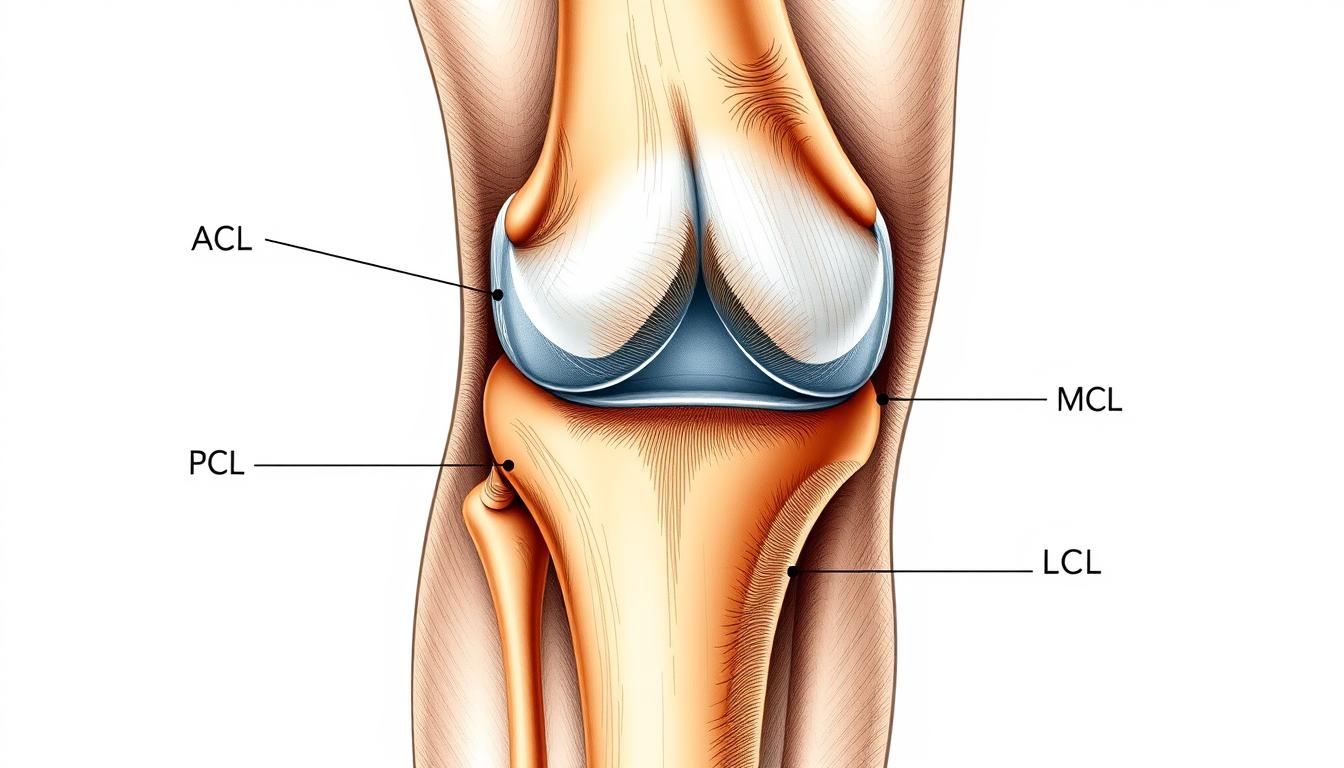
    The four main ligaments of the knee provide stability in different directions.

    Think of knee ligaments as nature’s stabilizing cables. Your knee has four main ligaments: the anterior cruciate ligament (ACL), posterior cruciate ligament (PCL), medial collateral ligament (MCL), and lateral collateral ligament (LCL). Each plays a specific role in keeping your knee stable during different movements. When these ligaments are strong and healthy, they allow for smooth, pain-free motion while preventing excessive movement that could damage the joint.

    Unlike muscles, ligaments have limited blood supply, which means they heal slowly after injury. This makes prevention and natural strengthening particularly important. By focusing on natural methods to strengthen knee ligaments, you can avoid the lengthy recovery times associated with ligament injuries and the potential complications of surgical interventions.

    Targeted Exercises to Strengthen Knee Ligaments

    The foundation of natural knee ligament strengthening lies in specific exercises that build the supporting muscles around the knee. Strong muscles take pressure off ligaments, providing better joint stability and reducing injury risk. Here are effective, low-impact exercises that research has shown to strengthen the knee complex:

    1. Leg Lifts for Quadriceps Strength

    1. Lie flat on your back on a comfortable surface.
    2. Keep one leg straight and bend the other slightly at the knee.
    3. Engage your core by pulling your belly button toward your spine.
    4. Slowly lift the straight leg about 12 inches off the floor without bending the knee.
    5. Hold for 5 seconds, then slowly lower.
    6. Complete 3 sets of 10 repetitions for each leg.

    This exercise strengthens the quadriceps, which are crucial for knee stability. A 2019 study in the Journal of Exercise Rehabilitation found that straight leg raises significantly improved knee function in patients with knee osteoarthritis.

    2. Standing Hamstring Curls

    Person performing standing hamstring curl exercise holding onto chair for balance
    1. Stand straight with feet hip-width apart, holding onto a chair or wall for balance.
    2. Slowly bend one knee, bringing your heel toward your buttocks.
    3. Keep your thighs aligned and knees close together.
    4. Hold for 5 seconds at the top of the movement.
    5. Lower slowly and repeat 10 times before switching legs.
    6. Complete 3 sets for each leg.

    This exercise targets the hamstrings, which work in tandem with the ACL to prevent forward sliding of the tibia (shin bone). Research published in the American Journal of Sports Medicine indicates that balanced hamstring-to-quadriceps strength ratios reduce ACL injury risk.

    3. Wall Squats for Overall Knee Stability

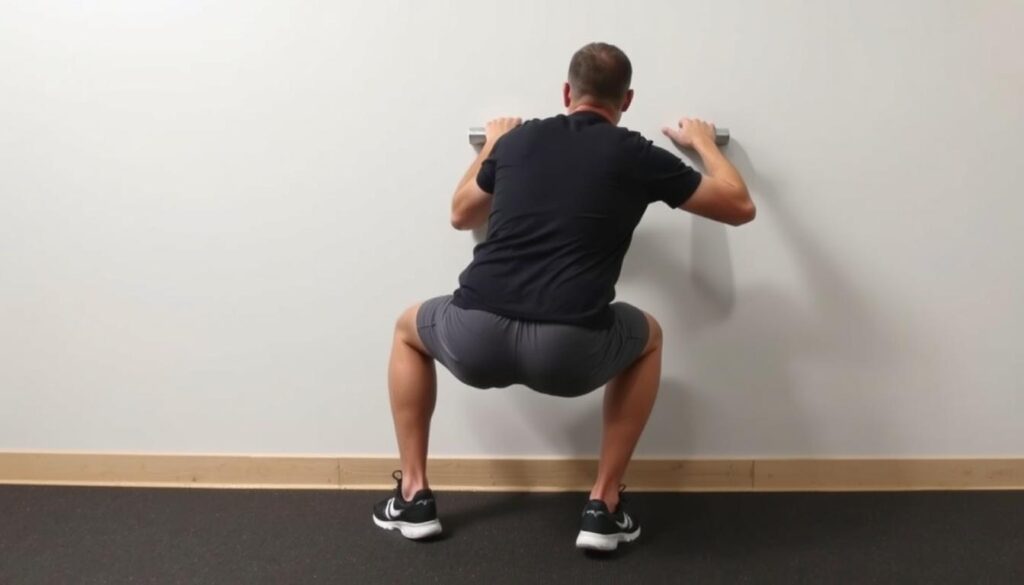
    Person performing wall squat with back against wall and knees at 90 degrees
    1. Stand with your back against a wall, feet about 24 inches away from the wall.
    2. Slowly slide your back down until your knees are bent at approximately 90 degrees.
    3. Ensure your knees don’t extend past your toes.
    4. Hold this position for 5-10 seconds.
    5. Slowly slide back up to the starting position.
    6. Repeat 10 times for 2-3 sets.

    Wall squats build strength in multiple muscle groups that support the knee joint. A controlled environment reduces the risk of improper form that could stress ligaments.

    4. Resistance Band Exercises

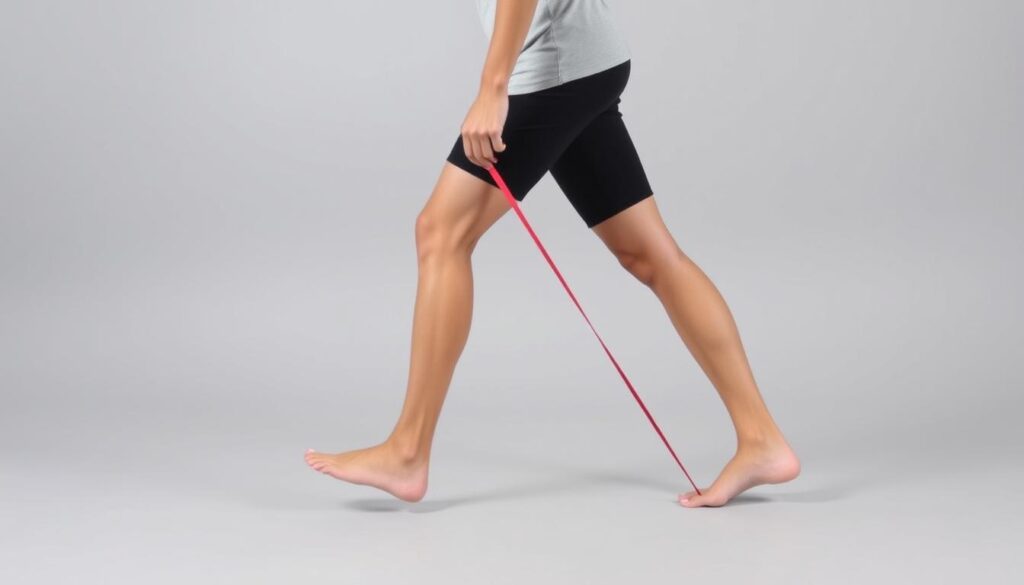
    Person performing lateral walks with resistance band around knees

    Resistance bands provide an excellent way to strengthen the muscles around the knee without putting excessive stress on the joint. The “monster walk” is particularly effective:

    1. Place a resistance band just above your ankles or knees.
    2. Stand with feet hip-width apart, knees slightly bent.
    3. Step sideways while maintaining tension in the band.
    4. Take 10-15 steps in one direction, then reverse.
    5. Complete 3 sets in each direction.

    A study in the Journal of Physical Therapy Science found that resistance band exercises significantly improved knee stability in patients with mild knee osteoarthritis by strengthening the hip abductors that support proper knee alignment.

    Nutrition for Ligament Health

    Assortment of foods rich in collagen and vitamin C for ligament health

    What you eat plays a crucial role in maintaining and strengthening knee ligaments. Certain nutrients are particularly important for ligament health:

    Collagen-Rich Foods

    Ligaments are primarily made of collagen, so consuming collagen-rich foods can help provide the building blocks needed for repair and strengthening. Include these in your diet:

    • Bone broth (simmered for at least 12 hours to extract collagen)
    • Chicken skin and cartilage
    • Fish with edible bones (sardines, salmon)
    • Pork or beef tendon

    Vitamin C for Collagen Synthesis

    Vitamin C is essential for collagen production. Without adequate vitamin C, your body cannot effectively create new collagen. Research published in the Journal of Biological Chemistry confirms vitamin C’s critical role in collagen synthesis. Include these vitamin C-rich foods:

    • Citrus fruits (oranges, grapefruits, lemons)
    • Bell peppers
    • Strawberries
    • Kiwi
    • Broccoli

    Omega-3 Fatty Acids for Inflammation Control

    Omega-3 fatty acids help reduce inflammation that can damage ligaments over time. A study in the Journal of the American College of Nutrition found that omega-3 supplementation reduced joint pain and increased grip strength in patients with rheumatoid arthritis. Good sources include:

    • Fatty fish (salmon, mackerel, sardines)
    • Walnuts
    • Flaxseeds and chia seeds
    • Algal oil (plant-based option)

    Hydration for Ligament Function

    Water makes up about 70% of ligament tissue. Dehydration can make ligaments less elastic and more prone to injury. Aim to drink at least 8 glasses of water daily, more if you’re active or in hot weather. A study in the Journal of Athletic Training found that even mild dehydration negatively affected joint proprioception, potentially increasing injury risk.

    Lifestyle Adjustments for Stronger Knee Ligaments

    Person with good posture sitting at ergonomic desk setup

    Weight Management

    Excess weight places additional stress on knee ligaments. Research published in Arthritis & Rheumatism found that for every pound of weight loss, there is a four-pound reduction in knee joint load. Maintaining a healthy weight through balanced nutrition and regular exercise significantly reduces strain on knee ligaments.

    Proper Posture and Alignment

    Poor posture doesn’t just affect your back—it changes how weight is distributed through your knees. Practice these alignment principles:

    • Keep knees in line with toes when squatting or climbing stairs
    • Avoid sitting with legs crossed for extended periods
    • Use proper form during all exercises
    • Consider consulting with a physical therapist for personalized posture correction

    Appropriate Footwear

    Shoes with proper support help maintain correct knee alignment. A study in the Journal of Foot and Ankle Research found that appropriate footwear can reduce knee adduction moment, a key factor in knee osteoarthritis progression. Look for shoes with:

    • Good arch support
    • Cushioning for shock absorption
    • Proper fit (not too tight or too loose)
    • Replacement every 300-500 miles if used for running

    Avoiding High-Risk Activities

    While staying active is important, certain activities place excessive stress on knee ligaments. Consider limiting or modifying:

    • Deep squats with heavy weights
    • High-impact activities on hard surfaces
    • Sudden direction changes in sports without proper training
    • Excessive downhill running

    Instead, incorporate low-impact activities like swimming, cycling, or elliptical training that strengthen muscles without stressing ligaments.

    Natural Supplements for Ligament Support

    Natural supplements for knee ligament health including turmeric, ginger, and glucosamine

    Certain supplements may help strengthen knee ligaments naturally. Always consult with a healthcare provider before starting any supplement regimen, especially if you have existing health conditions or take medications.

    Turmeric (Curcumin)

    Turmeric contains curcumin, a compound with powerful anti-inflammatory properties. A 2016 systematic review published in the Journal of Medicinal Food found that turmeric extract was as effective as ibuprofen for knee osteoarthritis pain. Typical dosage: 500-1000mg of curcumin daily, preferably with black pepper extract (piperine) to enhance absorption.

    Ginger

    Like turmeric, ginger has anti-inflammatory properties that may help reduce knee pain and improve function. Research in Arthritis & Rheumatism showed that ginger extract reduced pain and stiffness in people with osteoarthritis. Typical dosage: 250-500mg, 2-3 times daily.

    Glucosamine and Chondroitin

    These compounds are natural components of cartilage. While research results are mixed, some studies suggest they may help maintain joint health and reduce pain, particularly when taken together. A large-scale study called GAIT (Glucosamine/Chondroitin Arthritis Intervention Trial) found that the combination helped people with moderate-to-severe knee pain. Typical dosage: 1500mg glucosamine and 1200mg chondroitin daily.

    Collagen Supplements

    Hydrolyzed collagen supplements may support ligament health. A 2017 review in the Journal of Sports Science & Medicine found that collagen peptide supplementation improved joint pain and function in athletes. Typical dosage: 10-15g daily.

    Important: Supplements are not regulated as strictly as medications. Choose products from reputable manufacturers, and always discuss supplement use with your healthcare provider, especially if you have existing health conditions or take medications.

    Precautions and When to Seek Professional Help

    Physical therapist examining patient's knee

    While natural methods can be effective for strengthening knee ligaments, it’s important to approach them with caution and know when professional help is needed.

    Warning Signs That Require Medical Attention

    • Sudden, severe pain following an injury
    • Audible popping sound at the time of injury
    • Inability to bear weight on the affected leg
    • Visible deformity or significant swelling
    • Joint instability or feeling that the knee “gives way”
    • Pain that persists or worsens despite rest and home treatment

    Avoiding Overexertion

    When strengthening knee ligaments, more is not always better. Overexertion can lead to injury or worsen existing conditions. Follow these guidelines:

    • Start with low intensity and gradually increase
    • Allow 48 hours of recovery between strength training sessions for the same muscle groups
    • Listen to your body—pain beyond mild muscle soreness is a warning sign
    • Modify exercises if they cause pain

    The Value of Professional Guidance

    A physical therapist or sports medicine specialist can provide:

    • Personalized exercise programs based on your specific needs
    • Proper technique instruction to maximize benefits and prevent injury
    • Progressive advancement of exercises as your strength improves
    • Complementary treatments like manual therapy or taping techniques

    Get Personalized Knee Strengthening Guidance

    For a customized program tailored to your specific knee condition, consider consulting with a physical therapist who specializes in knee rehabilitation.

    Find a Physical Therapist Near You

    Implementation Plan: Putting It All Together

    Person tracking progress in exercise journal next to water bottle and resistance band

    Creating a sustainable routine is key to strengthening knee ligaments naturally. Here’s a sample 8-week plan that incorporates all the elements discussed:

    Weeks 1-2: Foundation Building

    • Exercise: 2-3 days per week of basic exercises (leg lifts, wall sits) with low repetitions
    • Nutrition: Begin incorporating collagen-rich foods and increase water intake
    • Lifestyle: Assess and correct posture during daily activities

    Weeks 3-4: Progressive Development

    • Exercise: Increase to 3-4 days per week, add resistance band exercises
    • Nutrition: Add vitamin C-rich foods to enhance collagen synthesis
    • Supplements: Consider introducing one supplement (after consulting healthcare provider)

    Weeks 5-6: Advancing Strength

    • Exercise: Increase repetitions and sets, add more challenging variations
    • Nutrition: Ensure balanced intake of all supportive nutrients
    • Lifestyle: Implement proper footwear and activity modifications

    Weeks 7-8: Maintenance and Progress

    • Exercise: Full program 3-4 days per week with appropriate progression
    • Evaluation: Assess improvements in pain, stability, and function
    • Adjustment: Modify program based on progress and challenges

    “Consistency, not intensity, is the key to strengthening knee ligaments naturally. Small, regular efforts yield greater results than occasional intense sessions.”

    — Dr. Robert Wilson, Sports Medicine Specialist

    Conclusion: The Path to Stronger Knee Ligaments

    Strengthening knee ligaments naturally is a journey that combines targeted exercises, proper nutrition, lifestyle adjustments, and potentially beneficial supplements. By taking a comprehensive approach, you can improve knee stability, reduce pain, and enhance your overall quality of life without resorting to invasive procedures.

    Remember that natural strengthening takes time—ligaments respond slowly to interventions due to their limited blood supply. Be patient with your progress and consistent with your efforts. Small improvements add up to significant changes over time.

    Most importantly, listen to your body throughout this process. Pain is a signal that something isn’t right. If you experience persistent or worsening pain, consult with a healthcare professional for personalized guidance.

    By implementing the science-backed methods outlined in this guide, you’re taking an important step toward healthier, stronger knee ligaments that will support your mobility and active lifestyle for years to come.

    Ready to Start Your Knee Strengthening Journey?

    Download our free printable exercise guide with detailed instructions and progress tracking tools.

    Download Free Knee Strengthening Guide

    Frequently Asked Questions

    How long does it take to strengthen knee ligaments naturally?

    Ligaments respond more slowly than muscles due to their limited blood supply. Most people begin to notice improvements in knee stability and reduced pain after 6-8 weeks of consistent exercise and proper nutrition. However, significant strengthening may take 3-6 months of dedicated effort. Individual results vary based on age, overall health, and the current condition of your ligaments.

    Can damaged knee ligaments heal completely without surgery?

    Minor ligament sprains (Grade I and some Grade II injuries) can often heal without surgery through proper rest, rehabilitation exercises, and natural strengthening methods. However, complete tears (Grade III injuries) typically require surgical intervention. Always consult with a healthcare provider for proper diagnosis and treatment recommendations for ligament injuries.

    Is it safe to strengthen knee ligaments naturally if I already have knee pain?

    Mild to moderate knee pain can often improve with appropriate strengthening exercises. However, you should first get a proper diagnosis from a healthcare provider to understand the cause of your pain. They can recommend specific exercises that are safe for your condition. Never push through sharp or increasing pain during exercises, as this could indicate you’re causing further damage.

  • Knee Pain Relief Products That Actually Work: Expert-Approved Solutions

    Knee Pain Relief Products That Actually Work: Expert-Approved Solutions

    Knee pain affects millions of Americans, limiting mobility and diminishing quality of life. Whether you’re dealing with arthritis, sports injuries, or age-related wear and tear, finding effective relief can feel overwhelming amid countless products promising miraculous results. The impact goes beyond physical discomfort—it can prevent you from enjoying favorite activities, disrupt sleep, and even lead to dependency on pain medications.

    The good news? Science-backed solutions do exist. This comprehensive guide cuts through marketing hype to present knee pain relief products with proven effectiveness. Drawing on clinical research and expert recommendations, we’ve identified options that deliver meaningful results for different types of knee pain. From compression sleeves to topical treatments, we’ll help you navigate the choices and find solutions that can get you back to living comfortably.

    Types of Knee Pain Relief Products

    Knee pain relief products come in various forms, each targeting different aspects of pain management. Understanding these categories will help you identify which solutions might work best for your specific condition and lifestyle needs.

    Various knee pain relief products displayed together including braces, creams and heat packs
    • Compression Sleeves and Braces: These provide stability and support to the knee joint, reducing pressure and improving alignment. They range from simple elastic sleeves to more structured braces with hinges and straps.
    • Topical Creams and Gels: Applied directly to the skin, these products deliver pain-relieving ingredients like menthol, capsaicin, or NSAIDs directly to the affected area, often providing quick temporary relief.
    • Oral Supplements: Ingredients like glucosamine, chondroitin, turmeric, and omega-3 fatty acids may help reduce inflammation and support joint health when taken regularly.
    • Cold and Heat Therapy Tools: Ice packs reduce inflammation and swelling, while heat therapy improves circulation and relaxes muscles. Specialized wraps and devices are designed specifically for knee application.
    • Supportive Footwear and Insoles: Proper foot support can significantly impact knee alignment and reduce pain, especially for those with flat feet or overpronation issues.
    • TENS Units: These devices use electrical stimulation to disrupt pain signals and provide temporary relief for chronic knee pain conditions.

    Each category offers unique benefits, and many people find that combining approaches provides the most comprehensive relief. Let’s examine the top-performing products in each category that have demonstrated real results for knee pain sufferers.

    Top 5 Knee Pain Relief Products That Deliver Results

    After analyzing clinical studies, expert recommendations, and user experiences, we’ve identified five standout products that consistently deliver effective knee pain relief. These selections represent the best options across different categories.

    Person applying Voltaren Gel to knee
    Product Type Key Features Pros Cons
    Voltaren Arthritis Pain Gel Topical NSAID 1% diclofenac sodium, non-greasy formula, prescription-strength now available OTC Clinically proven to reduce inflammation, targets pain directly, minimal systemic absorption Requires multiple daily applications, may take 7+ days for maximum effect
    Copper Fit Compression Knee Sleeve Compression Support Copper-infused compression fabric, contoured fit, moisture-wicking material Provides stability while maintaining mobility, comfortable for all-day wear, machine washable Compression level may be insufficient for severe instability, sizing can be challenging
    Biofreeze Pain Relief Gel Topical Analgesic 4% menthol, cold therapy effect, available in gel, spray, and roll-on formats Fast-acting relief, cooling sensation masks pain, doesn’t stain clothing, long-lasting effect Temporary symptom relief rather than treating underlying causes, strong menthol scent
    Dr. Scholl’s Knee Pain Relief Orthotics Supportive Insoles Shock Guard technology, arch support, designed specifically for knee pain Improves alignment from feet up, fits in most shoes, helps with pain from walking/standing May not fit in all footwear, requires breaking-in period, less effective for severe misalignment
    Move Free Ultra Triple Action Joint Supplement Oral Supplement Glucosamine, chondroitin, hyaluronic acid, and boron combination Supports joint structure and cartilage health, once-daily dosing, comprehensive formula Takes weeks to notice effects, mixed scientific evidence, relatively expensive

    1. Voltaren Arthritis Pain Gel

    Voltaren Gel tube and application on knee

    Voltaren stands out as one of the few topical products with substantial clinical evidence supporting its effectiveness for arthritis pain. This diclofenac sodium gel works by targeting inflammation directly at the source, rather than just masking pain sensations.

    What makes Voltaren particularly effective is its ability to penetrate the skin and reach the painful joint without significant systemic absorption, reducing the risk of side effects associated with oral NSAIDs. Users report noticeable improvement in knee mobility and reduced pain within days of consistent use.

    4.7
    Overall Rating
    Effectiveness
    4.7/5
    Ease of Use
    4.5/5
    Value for Money
    4.3/5

    Experience Targeted Knee Pain Relief

    Voltaren Gel delivers prescription-strength relief without a prescription. Apply 3-4 times daily for best results.

    Check Price & Availability

    2. Copper Fit Compression Knee Sleeve

    Person wearing Copper Fit knee sleeve during activity

    Copper Fit has gained popularity for combining moderate compression with copper-infused fabric. The compression element helps stabilize the knee joint and improve proprioception (your awareness of joint position), which can reduce pain during movement.

    The sleeve provides gentle warmth that increases blood circulation to the area, potentially accelerating healing and reducing stiffness. Many users report that the sleeve allows them to remain active while managing pain, making it ideal for those who want to maintain their exercise routines despite knee discomfort.

    4.5
    Overall Rating
    Support Level
    4.3/5
    Comfort
    4.5/5
    Durability
    4.2/5

    Stay Active With Knee Support

    Copper Fit sleeves provide all-day comfort and support without restricting movement. Available in multiple sizes.

    Find Your Size & Order

    3. Biofreeze Pain Relief Gel

    Biofreeze gel application demonstration

    Biofreeze utilizes cold therapy through its active ingredient menthol to create a cooling sensation that interrupts pain signals. This approach, known as “gate control theory,” essentially distracts the nervous system from transmitting pain messages to the brain.

    What distinguishes Biofreeze from other menthol products is its long-lasting formula and variety of application methods. The roll-on and spray options make it particularly convenient for targeting knee pain without messy application. Athletes and physical therapists frequently recommend Biofreeze for its ability to provide quick relief before or after physical activity.

    4.6
    Overall Rating
    Speed of Relief
    4.8/5
    Duration of Effect
    4.2/5
    Application Options
    4.7/5

    Experience Fast-Acting Cooling Relief

    Biofreeze provides immediate cooling sensation that blocks pain signals. Available in gel, spray, or roll-on formats.

    See Application Options

    4. Dr. Scholl’s Knee Pain Relief Orthotics

    Dr. Scholl's orthotics in shoes with diagram showing knee alignment

    Many people don’t realize that knee pain often stems from improper foot alignment. Dr. Scholl’s Knee Pain Relief Orthotics address this root cause by providing arch support and shock absorption that helps align the entire leg from the ground up.

    These insoles are specifically designed to reduce the load on the knees during walking and standing. The shock-absorbing technology helps minimize impact forces that can aggravate knee pain, while the arch support promotes proper biomechanical alignment. Users with mild to moderate knee osteoarthritis often report significant improvement in pain levels during daily activities.

    4.4
    Overall Rating
    Alignment Correction
    4.4/5
    Shock Absorption
    4.5/5
    Fit in Different Shoes
    4.1/5

    Address Knee Pain from the Ground Up

    Dr. Scholl’s orthotics improve alignment and reduce impact forces that contribute to knee pain. Fits most shoes.

    Find Your Perfect Fit

    5. Move Free Ultra Triple Action Joint Supplement

    Move Free supplement bottle with pills and joint diagram

    For those seeking a long-term approach to knee pain management, Move Free Ultra combines three key ingredients that support joint structure and function. Glucosamine and chondroitin have been studied extensively for their potential to maintain cartilage health, while hyaluronic acid helps with joint lubrication.

    What sets this supplement apart is the addition of boron, which research suggests may help reduce inflammation and improve the body’s use of other nutrients important for joint health. While supplements generally take longer to show effects than topical treatments, many users report improved mobility and reduced discomfort after 4-6 weeks of consistent use.

    4.3
    Overall Rating
    Formula Completeness
    4.6/5
    Long-term Results
    4.2/5
    Value for Money
    3.9/5

    Support Long-Term Joint Health

    Move Free’s comprehensive formula supports cartilage, lubricates joints, and reduces inflammation with just one pill daily.

    Start Your Joint Health Regimen

    How to Choose the Right Knee Pain Relief Product

    Selecting the most effective knee pain solution depends on several factors unique to your situation. Consider these key criteria when making your decision:

    Doctor discussing knee pain options with patient

    Pain Severity and Type

    • Mild pain: Topical treatments like Biofreeze may be sufficient
    • Moderate pain: Combination of compression and topical NSAIDs
    • Severe pain: Structured braces plus multiple treatment approaches
    • Inflammatory pain: Products with anti-inflammatory properties
    • Mechanical pain: Support products that improve alignment

    Activity Level and Goals

    • Active lifestyle: Flexible support that doesn’t restrict movement
    • Sports participation: Sport-specific braces with lateral support
    • Daily activities: Comfortable all-day solutions
    • Sedentary needs: Focus on alignment and circulation
    • Recovery focus: Comprehensive approach with multiple products

    Practical Considerations

    • Budget: Balance cost with effectiveness and durability
    • Application ease: Consider your mobility limitations
    • Allergies: Check ingredients for potential sensitivities
    • Clothing compatibility: Will it work with your wardrobe?
    • Lifestyle fit: Choose products you’ll actually use consistently

    Always consult with a healthcare provider before starting any new treatment regimen, especially if you have underlying health conditions or take other medications. Your doctor can help identify the source of your knee pain and recommend appropriate products based on your specific diagnosis.

    “The most effective approach to knee pain relief often involves combining multiple strategies. For example, using a topical anti-inflammatory during the day, wearing a supportive brace during activity, and applying cold therapy after exertion.”

    — Dr. Jennifer Martinez, Sports Medicine Specialist

    Lifestyle Tips to Enhance Knee Pain Relief

    While the right products can significantly reduce knee pain, combining them with appropriate lifestyle modifications can maximize your results and promote long-term joint health.

    Person doing gentle knee exercises at home
    • Low-impact exercises: Activities like swimming, cycling, and elliptical training strengthen muscles around the knee without excessive impact. Strong quadriceps and hamstrings provide better support for the knee joint.
    • Weight management: Every pound of excess weight adds 4 pounds of pressure to your knees when walking. Even modest weight loss can significantly reduce knee pain and slow osteoarthritis progression.
    • Proper stretching routines: Regular stretching improves flexibility and range of motion. Focus on quadriceps, hamstrings, and calf muscles to maintain proper knee alignment.
    • Posture awareness: Poor posture can contribute to knee misalignment. Practice proper sitting, standing, and walking techniques to reduce unnecessary strain.
    • Adequate hydration: Well-hydrated joints have better shock-absorbing capabilities. Aim for at least 8 glasses of water daily to support cartilage health.

    Pro Tip: Create a consistent routine that combines your knee pain relief products with these lifestyle practices. For example, apply a topical treatment after your stretching routine, or wear your compression sleeve during low-impact exercise sessions.

    Frequently Asked Questions About Knee Pain Relief

    Person researching knee pain solutions on computer

    Do knee braces actually work for arthritis pain?

    Yes, studies show that properly fitted knee braces can reduce pain and improve function in people with knee osteoarthritis. Braces work by offloading pressure from the damaged part of the joint, improving alignment, and providing proprioceptive feedback that helps with stability. The effectiveness depends on the type of brace and the specific arthritis condition. Unloader braces are particularly helpful for unicompartmental osteoarthritis (affecting just one side of the knee).

    How long should I use ice versus heat for knee pain?

    Ice is most effective for acute pain, swelling, and inflammation, typically within 48-72 hours after an injury or flare-up. Apply cold therapy for 15-20 minutes at a time, several times daily. Heat works better for chronic, stiff joints and muscle tension. Use heat therapy for 15-20 minutes before activity to increase flexibility. Never sleep with heating pads, and always place a thin towel between thermal therapies and your skin to prevent damage.

    Can supplements really help with knee cartilage repair?

    The evidence is mixed. Glucosamine and chondroitin have shown modest benefits in some studies, particularly for moderate to severe osteoarthritis pain. These supplements may help slow cartilage degradation rather than repair existing damage. Collagen peptides and omega-3 fatty acids show promising results in reducing inflammation and supporting joint health. Results typically take 2-3 months of consistent use, and effects vary significantly between individuals.

    Are prescription options better than over-the-counter products?

    Not necessarily. Many effective knee pain relief products are available over the counter, including Voltaren Gel (previously prescription-only). Prescription options may offer higher strengths or specialized formulations for severe cases. The best approach often combines OTC products with proper exercise, weight management, and occasional prescription interventions when needed. Always consult your healthcare provider to determine the most appropriate treatment plan for your specific condition.

    Finding Your Ideal Knee Pain Solution

    Effective knee pain management typically requires a multi-faceted approach. The products highlighted in this guide represent some of the most reliable options backed by scientific evidence and real-world effectiveness. Remember that what works best varies from person to person, and finding your ideal solution may involve some trial and error.

    Active senior couple walking comfortably outdoors

    Start with addressing the underlying cause of your knee pain whenever possible. Combine targeted products with appropriate lifestyle modifications and proper medical guidance. For chronic or severe knee pain, always work with healthcare professionals who can help develop a comprehensive treatment plan that may include physical therapy, appropriate exercise, and periodic monitoring.

    By taking a proactive approach to knee pain management with evidence-based products and healthy habits, you can significantly improve your mobility, reduce discomfort, and enhance your quality of life.

    Take the First Step Toward Knee Pain Relief

    Don’t let knee pain limit your life any longer. Start with one of our expert-recommended products and build your personalized relief strategy.

    Explore Top-Rated Solutions

  • The Ultimate Guide to Women’s Knee High Support Socks: Benefits, Features & Top Picks

    The Ultimate Guide to Women’s Knee High Support Socks: Benefits, Features & Top Picks

    Women’s knee high support socks have evolved from purely medical devices to versatile accessories that combine function with fashion. Whether you’re an athlete seeking enhanced performance, a traveler looking to prevent swelling during long flights, or someone managing circulation issues, these specialized socks offer remarkable benefits. This comprehensive guide explores everything you need to know about choosing and using knee high support socks to improve your comfort and health.

    Key Benefits of Women’s Knee High Support Socks

    Understanding the advantages of compression socks can help you determine if they’re right for your needs. These specialized garments offer multiple benefits beyond basic foot coverage.

    Improved Circulation and Reduced Swelling

    The graduated compression in knee high support socks is tightest at the ankle and gradually decreases up the leg. This design helps blood flow upward against gravity, preventing pooling in the lower extremities. For women who stand or sit for extended periods, this improved circulation can significantly reduce swelling and discomfort.

    Diagram showing how knee high support socks improve circulation

    Muscle Fatigue Prevention

    Athletes and active women benefit from the muscle support provided by compression stockings. The gentle pressure helps stabilize muscles during activity and can reduce vibration, which contributes to fatigue. Studies show that wearing compression socks during and after exercise may improve performance and speed recovery time.

    Woman wearing knee high support socks while running

    Versatility for Multiple Needs

    One of the greatest advantages of modern knee-high support stockings is their versatility. Medical-grade compression socks help manage conditions like varicose veins and edema, while travel-specific designs reduce the risk of deep vein thrombosis during long flights. For pregnant women, specialized compression socks can alleviate leg discomfort associated with pregnancy.

    Different types of women's knee high support socks for various activities

    Style Options

    Gone are the days when compression socks came only in clinical beige. Today’s women’s knee high support socks come in countless colors, patterns, and materials. From subtle neutrals that blend with business attire to bold patterns for making a statement, you can find compression socks to match any outfit or occasion.

    Colorful collection of women's knee high support socks

    Ready to Experience These Benefits?

    Discover how the right pair of support socks can transform your comfort and health.

    Explore Top Recommendations

    Essential Features to Look For in Women’s Knee High Support Socks

    Not all compression socks are created equal. Understanding the key features will help you select the perfect pair for your specific needs.

    Compression Level (mmHg)

    Compression strength is measured in millimeters of mercury (mmHg), indicating the pressure applied to your legs. Here’s what each level offers:

    Compression Level Pressure (mmHg) Best For
    Light 8-15 mmHg Everyday wear, mild swelling, travel
    Medium 15-20 mmHg Sports, pregnancy, long periods of standing
    Firm 20-30 mmHg Varicose veins, post-surgery, moderate edema
    Extra Firm 30-40 mmHg Severe edema, lymphedema (usually requires prescription)

    Visual representation of different compression levels in knee high socks

    Material Composition

    The fabric blend significantly impacts comfort, durability, and functionality:

    • Nylon/Spandex Blend: Offers excellent elasticity and durability, ideal for daily wear
    • Cotton Blends: Provide breathability and comfort, good for sensitive skin
    • Moisture-Wicking Fabrics: Perfect for athletic activities, keeping legs dry during exercise
    • Merino Wool Blends: Offer natural temperature regulation, ideal for travel and outdoor activities
    • Microfiber: Creates a soft, smooth feel against the skin while maintaining compression

    Different materials used in women's knee high support socks

    Anti-Slip Silicone Bands

    Quality knee high support socks often feature silicone bands at the top to prevent slipping or rolling down. This feature is particularly important for active women or those who will be wearing their socks for extended periods. The best designs provide secure hold without digging into the skin or causing discomfort.

    Close-up of anti-slip silicone band on knee high support sock

    Seamless Toe Design

    A seamless toe box prevents friction and irritation, especially important for those with sensitive feet or diabetes. This design feature eliminates the uncomfortable ridge that can cause blisters or pressure points during extended wear. Look for reinforced toe areas for additional durability in high-wear zones.

    Seamless toe design in women's knee high support socks

    Find Your Perfect Fit

    The right features make all the difference in comfort and effectiveness.

    Learn How to Choose

    How to Choose the Right Women’s Knee High Support Socks

    Selecting the perfect pair of compression socks depends on your specific needs, activities, and preferences. Follow these guidelines to make the best choice.

    Activity-Specific Recommendations

    For Running & Athletics

    Woman wearing knee high support socks for running

    • Choose 15-20 mmHg for training
    • Select 20-30 mmHg for racing or recovery
    • Prioritize moisture-wicking materials
    • Look for extra cushioning in high-impact areas
    • Consider reflective elements for safety

    For Travel

    Woman wearing knee high support socks while traveling

    • Choose 15-20 mmHg for most travelers
    • Select breathable, comfortable fabrics
    • Opt for neutral colors that don’t show dirt
    • Consider open-toe designs for warmer climates
    • Look for antimicrobial properties for multi-day use

    For Pregnancy

    Pregnant woman wearing knee high support socks

    • Start with 15-20 mmHg in early pregnancy
    • Consider 20-30 mmHg for later trimesters
    • Choose wider top bands for comfort
    • Select natural fiber blends for sensitive skin
    • Look for extra stretch to accommodate changes

    Sizing Guide

    Proper sizing is crucial for effective compression. Too tight, and the socks can restrict circulation; too loose, and they won’t provide adequate support.

    How to Measure

    1. Measure your ankle circumference at the narrowest point
    2. Measure your calf circumference at the widest point
    3. Measure the length from the floor to the bend of your knee
    4. Take measurements in the morning when swelling is minimal
    5. Refer to the manufacturer’s size chart (they vary by brand)

    Diagram showing how to measure for knee high support socks

    Common Sizing Mistakes to Avoid

    • Choosing based on shoe size alone
    • Not accounting for wider calves
    • Selecting too high compression for beginners
    • Ignoring the specific brand’s sizing guide
    • Not considering seasonal swelling variations

    Pro Tip: If you fall between sizes, it’s usually better to size up rather than down. Many brands also offer wide-calf options for more comfortable fit.

    Seasonal Considerations

    Warm Weather Options

    • Look for lightweight, breathable fabrics
    • Consider open-toe designs for ventilation
    • Choose moisture-wicking materials to manage sweat
    • Opt for lighter colors to reflect heat
    • Select thinner knit patterns for better airflow

    Cold Weather Options

    • Consider merino wool blends for warmth
    • Look for thermal compression options
    • Choose closed-toe designs for full coverage
    • Select darker colors that absorb heat
    • Opt for slightly thicker materials for insulation

    Ready to Find Your Perfect Pair?

    Now that you know what to look for, discover our top recommended brands.

    See Top Recommendations

    Top 5 Brands for Women’s Knee High Support Socks

    After extensive research and testing, we’ve identified the best brands offering quality, comfort, and effectiveness for various needs and budgets.

    Vim & Vigr women's knee high support socks collection

    1. Vim & Vigr: Best for Style Variety

    4.7
    Overall Rating

    Compression Quality

    4.7/5

    Comfort

    4.5/5

    Style Options

    4.9/5

    Durability

    4.6/5

    Vim & Vigr stands out for combining medical-grade compression with fashion-forward designs. Their socks come in multiple fabrics (cotton, nylon, wool) and compression levels (15-20mmHg and 20-30mmHg). What sets them apart is their vast array of patterns and colors that make compression socks feel like a style choice rather than a medical necessity.

    Pros

    • Extensive pattern and color selection
    • Multiple fabric options for different needs
    • Consistent compression technology
    • Wide calf options available

    Cons

    • Premium price point ($30-40 per pair)
    • Limited higher compression options
    • Some patterns may show wear faster

    Jobst women's knee high medical compression stockings

    2. Jobst: Best for Medical-Grade Compression

    4.8
    Overall Rating

    Compression Quality

    4.9/5

    Comfort

    4.7/5

    Style Options

    4.0/5

    Durability

    4.8/5

    Jobst is the gold standard for medical-grade compression stockings. Their products are often recommended by healthcare providers for managing various circulatory issues. They offer precise compression levels from 8-15mmHg up to 30-40mmHg, with options for open or closed toe. While style isn’t their primary focus, they’ve expanded their color options beyond basic beige.

    Pros

    • Medical-grade compression accuracy
    • Extensive size range including plus sizes
    • Exceptional durability
    • Often covered by insurance with prescription

    Cons

    • Limited style options
    • Higher price point ($40-60 per pair)
    • Can be challenging to put on

    Bombas women's knee high performance compression socks

    3. Bombas: Best for Athletic Performance

    4.6
    Overall Rating

    Compression Quality

    4.4/5

    Comfort

    4.8/5

    Style Options

    4.5/5

    Durability

    4.7/5

    Bombas has built a reputation for exceptional comfort and performance in their athletic compression socks. Their knee-high options feature strategic cushioning, seamless toe boxes, and honeycomb arch support. While they offer moderate compression (generally 15-20mmHg), their focus is on athletic performance and recovery rather than medical-grade compression.

    Pros

    • Superior comfort for active wear
    • Excellent moisture management
    • Donation program (one pair donated for each purchased)
    • Lifetime guarantee

    Cons

    • Limited compression levels
    • Not ideal for serious medical conditions
    • Premium pricing ($16-28 per pair)

    SB SOX women's compression socks in various colors

    4. SB SOX: Best Budget-Friendly Option

    4.3
    Overall Rating

    Compression Quality

    4.2/5

    Comfort

    4.3/5

    Style Options

    4.4/5

    Durability

    4.1/5

    SB SOX offers quality compression socks at a significantly lower price point than premium brands. Their 20-30mmHg knee-high options provide good graduated compression for everyday use, travel, and light athletic activities. While they may not match the durability of higher-end brands, they offer excellent value for those new to compression socks or needing multiple pairs.

    Pros

    • Affordable price ($10-15 per pair)
    • Good variety of colors and patterns
    • Frequently available in multi-packs
    • Decent compression consistency

    Cons

    • Less durable than premium brands
    • Limited size range for larger calves
    • Compression may diminish after multiple washes

    Nurse Mates women's compression trouser socks

    5. Nurse Mates: Best for All-Day Professional Wear

    4.5
    Overall Rating

    Compression Quality

    4.4/5

    Comfort

    4.7/5

    Style Options

    4.0/5

    Durability

    4.5/5

    Designed specifically for healthcare professionals who stand for 12+ hour shifts, Nurse Mates compression socks excel at all-day comfort. Their 12-14mmHg compression level is mild enough for beginners while still providing meaningful support. They feature extra cushioning in high-impact areas and antimicrobial properties to keep feet fresh through long shifts.

    Pros

    • Superior all-day comfort
    • Antimicrobial treatment
    • Extra cushioning in heel and toe
    • Moderate price point ($12-18 per pair)

    Cons

    • Limited compression level options
    • Conservative style choices
    • Not ideal for serious medical conditions

    Find Your Perfect Support Socks

    The right compression socks can make a significant difference in your comfort and health.

    Learn How to Care for Your Socks

    Care Tips for Women’s Knee High Support Socks

    Proper care extends the life of your compression socks and maintains their effectiveness. Follow these guidelines to get the most from your investment.

    Washing Instructions

    • Hand wash in lukewarm water with mild soap
    • If machine washing, use a gentle cycle in a mesh laundry bag
    • Avoid bleach, fabric softeners, and harsh detergents
    • Wash after each wear to maintain elasticity
    • Rinse thoroughly to remove all soap residue

    Proper washing technique for knee high support socks

    Drying and Storage

    • Air dry flat or hanging (never in direct sunlight)
    • Avoid wringing or twisting which can damage fibers
    • Never use a dryer as heat damages elasticity
    • Store flat or loosely rolled, not folded
    • Keep away from sharp objects that could snag

    Proper drying and storage of knee high support socks

    Replacement Frequency

    Even with proper care, compression socks will eventually lose their elasticity and effectiveness. Here’s when to replace them:

    Usage Frequency Recommended Replacement Signs It’s Time to Replace
    Daily wear Every 3-6 months Loosening at ankle, sagging, loss of compression
    2-3 times per week Every 6-9 months Thinning fabric, stretched cuff, fading compression
    Occasional use Every 9-12 months Visible wear, holes, inconsistent pressure

    Pro Tip: Rotate between 2-3 pairs of compression socks to extend their lifespan and ensure you always have a clean pair available.

    Frequently Asked Questions About Women’s Knee High Support Socks

    Can I sleep in compression socks?

    Generally, it’s not recommended to sleep in compression socks unless specifically directed by a healthcare provider. Nighttime is when your legs naturally recover, and constant compression can potentially interfere with this process. However, there are specific compression garments designed for nighttime use that provide gentler pressure. If you have a medical condition that might benefit from overnight compression, consult with your doctor for personalized advice.

    Are knee high support socks suitable for diabetics?

    People with diabetes should exercise caution with compression socks. While mild compression (8-15mmHg) may be beneficial for some diabetics, stronger compression can potentially restrict circulation in those with peripheral neuropathy or arterial issues. Always consult with your healthcare provider before using compression socks if you have diabetes. If approved, look for seamless designs specifically made for diabetic comfort, and monitor your feet regularly for any signs of irritation or circulation problems.

    How tight should compression socks feel?

    Properly fitted compression socks should feel snug but not painful. They should be tightest at the ankle and gradually looser as they move up the leg. You should be able to fit two fingers under the band at the top. If your socks leave deep indentations in your skin, cause numbness, tingling, or pain, they’re too tight. Conversely, if they slide down or wrinkle, they’re too loose. Finding the right balance is essential for both comfort and effectiveness.

    Can I wear knee high support socks with open-toe shoes?

    Yes, there are open-toe compression socks specifically designed to be worn with sandals or open-toe shoes. These provide the same graduated compression benefits while leaving your toes free. They’re particularly popular in warmer weather or for those who find closed-toe compression socks too constricting around the toes. Many major brands offer open-toe options in their knee-high compression sock lines.

    How long should I wear compression socks each day?

    For most people, wearing compression socks during waking hours (typically 12-16 hours) is sufficient. Put them on in the morning when swelling is minimal and remove them before bed. However, optimal wearing time varies based on your specific needs and condition. Those new to compression socks might start with shorter periods (4-6 hours) and gradually increase. Always follow your healthcare provider’s recommendations if you’re wearing them for a medical condition.

    Conclusion: Finding Your Perfect Women’s Knee High Support Socks

    Women’s knee high support socks have evolved from purely medical devices to versatile accessories that combine health benefits with style and comfort. Whether you’re an athlete seeking enhanced performance, a professional who stands all day, or someone managing circulation issues, the right compression socks can make a significant difference in how your legs feel at the end of the day.

    Remember to consider your specific needs when choosing compression level, material, and features. Proper sizing is crucial for both comfort and effectiveness, so take accurate measurements and consult size charts before purchasing. With proper care, your compression socks will provide reliable support for months of regular use.

    As compression technology continues to advance, we’re seeing more options that combine effective support with fashionable designs, making it easier than ever to incorporate these beneficial garments into your daily wardrobe. Your legs will thank you for the improved circulation, reduced fatigue, and overall comfort that quality knee high support socks provide.

    Ready to Experience the Benefits?

    Explore our top recommended brands and find the perfect pair for your needs.

    Shop Top Brands Now

  • Understanding Knee Replacement Surgery Through Educational Videos

    Understanding Knee Replacement Surgery Through Educational Videos

    Facing knee replacement surgery can feel overwhelming. The unfamiliar medical terminology, uncertainty about the procedure, and concerns about recovery can create anxiety. Educational knee replacement videos offer a powerful way to demystify the process, helping patients and caregivers understand what to expect before, during, and after surgery. This visual approach to learning about knee replacement surgery has been shown to reduce patient anxiety and improve recovery outcomes.

    Benefits of Watching Knee Replacement Videos

    Educational videos help patients understand the knee replacement procedure

    Watching knee replacement videos before your surgery offers several important benefits. These visual resources can significantly reduce anxiety by showing you exactly what happens during the procedure. When you can see each step of the knee replacement surgery, the unknown becomes familiar, making the prospect of surgery less intimidating.

    Educational knee replacement videos also help set realistic expectations about the recovery process. By seeing real patients progress through rehabilitation, you’ll gain a clearer understanding of the timeline and effort involved in recovery. This mental preparation is crucial for achieving optimal outcomes after surgery.

    Medical professionals, including surgeons and physical therapists, often use these videos to explain complex concepts in simple terms. The visual nature of video content makes it easier to understand anatomical structures and surgical techniques that might be difficult to grasp from text descriptions alone.

    Ready to See What Happens During Surgery?

    Watch our comprehensive knee replacement video to understand the procedure step-by-step.

    Watch Knee Replacement Video

    What You’ll Learn From Knee Replacement Videos

    Educational knee replacement videos typically cover the entire journey from diagnosis to full recovery. They provide valuable insights into each phase of the process, helping you prepare mentally and physically for what lies ahead.

    Pre-Surgery Preparation

    Doctor explaining knee replacement to patient using model

    Videos show how to prepare your home for recovery, exercises to strengthen muscles before surgery, and what to expect during pre-operative appointments.

    Surgical Procedure

    Animation of knee replacement surgical procedure

    Detailed animations and real surgical footage demonstrate how damaged bone and cartilage are removed and replaced with prosthetic components.

    Recovery Process

    Patient doing physical therapy after knee replacement

    Videos show realistic timelines for recovery, physical therapy exercises, and milestones to expect during the rehabilitation process.

    Key Topics Covered in Knee Replacement Videos

    • Anatomy of the knee joint and how it functions
    • Different types of knee replacements (total vs. partial)
    • Step-by-step surgical procedure explanation
    • Anesthesia options and pain management techniques
    • Computer-assisted navigation systems used during surgery
    • Physical therapy protocols and exercises
    • Expected timeline for returning to daily activities
    • Potential complications and how they’re addressed
    • Patient testimonials and success stories
    • Tips for optimizing recovery outcomes

    Understanding the Knee Replacement Surgical Procedure

    Surgeon performing knee replacement surgery

    Surgeons use specialized instruments and prosthetic components during knee replacement

    Knee replacement videos provide a clear visual understanding of what happens during surgery. The procedure typically begins with the surgeon making an incision at the front of the knee to access the joint. The damaged portions of the femur (thigh bone) and tibia (shin bone) are carefully removed using precision instruments.

    Modern knee replacement surgery often utilizes computer navigation systems to ensure optimal alignment of the new joint components. These systems help surgeons achieve precise positioning, which is crucial for the long-term success of the implant. Educational videos often highlight this technology, showing how it improves surgical outcomes.

    After preparing the bone surfaces, the surgeon places metal components on the femur and tibia, with a plastic spacer between them to allow smooth movement. In some cases, the back of the kneecap (patella) may also be resurfaced with a plastic component. The entire procedure typically takes 1-2 hours to complete.

    “Watching a knee replacement video before my surgery helped me understand exactly what would happen. It made the whole process much less scary and gave me confidence in my decision to proceed with surgery.”

    – Maria T., Knee Replacement Patient

    Have Questions About Knee Replacement?

    Our orthopedic specialists can help determine if knee replacement is right for you.

    Find a Knee Specialist

    Recovery After Knee Replacement Surgery

    Patient doing physical therapy exercises after knee replacement

    Physical therapy is essential for successful recovery after knee replacement

    Educational knee replacement videos offer valuable insights into the recovery process, which typically takes several months to a year. Immediately after surgery, you’ll begin gentle exercises to restore movement and strengthen the muscles around your new knee joint. These early movements are crucial for preventing stiffness and promoting healing.

    Most patients begin walking with assistance (walker or crutches) within 24 hours after surgery. Videos often demonstrate proper walking techniques and show how to safely navigate stairs and other daily challenges during early recovery. As strength improves, patients gradually transition to a cane and eventually walk independently.

    Typical Recovery Timeline

    Recovery Phase Timeline Key Activities Expected Progress
    Hospital Stay 1-3 days Initial walking, basic exercises Standing and walking with assistance
    Early Home Recovery Weeks 1-3 Physical therapy 2-3 times weekly Walking with walker or crutches
    Intermediate Recovery Weeks 4-6 Advanced exercises, increased walking Transition to cane, improved flexibility
    Advanced Recovery Weeks 7-12 Strength training, balance exercises Walking without assistance, stairs
    Full Recovery 3-12 months Return to normal activities Full function, minimal to no pain

    Physical therapy plays a crucial role in recovery, and knee replacement videos often demonstrate specific exercises that help restore range of motion and build strength. These visual guides are invaluable for ensuring proper form and understanding the progression of exercises throughout the rehabilitation process.

    Before and after comparison of knee replacement patient mobility

    Patients typically experience significant improvement in mobility after recovery

    Prepare for a Successful Recovery

    Download our comprehensive guide to knee replacement recovery.

    Download Recovery Guide

    The Patient Experience: What to Expect

    Patient discussing knee replacement with healthcare team

    A comprehensive healthcare team supports patients throughout the knee replacement journey

    Educational knee replacement videos often include patient testimonials that provide authentic perspectives on the surgery experience. These real-life accounts help set realistic expectations and offer reassurance that others have successfully navigated the same journey.

    Benefits of Knee Replacement

    • Significant reduction or elimination of knee pain
    • Improved mobility and function
    • Enhanced quality of life
    • Return to most daily activities
    • Long-lasting results (10-15+ years for most patients)

    Challenges to Consider

    • Recovery requires commitment to physical therapy
    • Initial weeks involve some pain and discomfort
    • Full recovery can take up to a year
    • Some activities may remain restricted
    • Small risk of complications (infection, blood clots)

    Videos that show the entire patient journey help create a comprehensive understanding of what to expect at each stage. From the initial consultation and pre-operative preparation to the surgery itself and the rehabilitation process, these visual guides provide valuable context that written information alone cannot convey.

    Patient using continuous passive motion machine after knee replacement

    Continuous Passive Motion (CPM) machines are often used in early recovery

    Many knee replacement videos also address common concerns and questions, such as pain management strategies, when to contact your doctor about potential complications, and tips for adapting your home environment for a safer recovery. This practical information helps patients feel more prepared and confident as they approach surgery.

    Types of Knee Replacement Procedures

    Comparison of total and partial knee replacement prosthetics

    Total knee replacement (left) replaces all joint surfaces, while partial knee replacement (right) addresses only damaged areas

    Educational videos often explain the different types of knee replacement procedures available. Understanding these options can help patients have more informed discussions with their surgeons about which approach might be best for their specific condition.

    Total Knee Replacement

    This is the most common type of knee replacement, where all three compartments of the knee joint are replaced with prosthetic components. The surgeon removes damaged cartilage and bone from the lower end of the femur, the upper end of the tibia, and often resurfaces the patella (kneecap). Metal components are placed on the femur and tibia with a plastic spacer between them to create a smooth, functional joint.

    Partial Knee Replacement

    Also called unicompartmental knee replacement, this procedure is an option when damage is limited to just one area of the knee. Only the damaged compartment is replaced, leaving healthy bone and tissue intact. This typically results in a smaller incision, less blood loss, faster recovery, and more natural knee motion. However, it’s only suitable for patients with damage limited to one compartment of the knee.

    Videos that explain these different approaches often include animations showing how each procedure is performed and the types of prosthetic components used. This visual information helps patients understand why their surgeon might recommend one approach over another based on their specific condition.

    Surgeon using computer navigation during knee replacement

    Modern knee replacement often utilizes computer navigation for precise alignment

    Preparing for Your Knee Replacement Journey

    Patient reviewing knee replacement educational materials with family

    Involving family in your preparation can provide valuable support during recovery

    Educational knee replacement videos serve as powerful tools to help patients and their families prepare for surgery and recovery. By providing visual explanations of complex medical procedures, these resources demystify the process and help set realistic expectations for outcomes and recovery timelines.

    When preparing for knee replacement surgery, take advantage of these visual resources alongside written materials and conversations with your healthcare team. The combination of different learning approaches will give you the most comprehensive understanding of what to expect and how to achieve the best possible outcome.

    Remember that every patient’s experience is unique, and your surgeon will provide guidance specific to your individual needs and circumstances. Use educational videos as a supplement to—not a replacement for—personalized medical advice from your healthcare providers.

    Ready to Take the Next Step?

    Schedule a consultation with a knee specialist to discuss if knee replacement is right for you.

    Schedule a Consultation

    Remember: Watching knee replacement videos is an excellent way to prepare, but always discuss any questions or concerns with your healthcare provider. They can provide personalized guidance based on your specific medical situation.

  • Copper Sleeve for Knee: Complete Guide to Pain Relief and Support

    Copper Sleeve for Knee: Complete Guide to Pain Relief and Support

    If you’re dealing with knee pain, whether from arthritis, sports injuries, or everyday strain, a copper sleeve for knee support might be the solution you’re looking for. These specialized compression garments have gained popularity among athletes, fitness enthusiasts, and individuals with chronic knee conditions for their unique combination of support, comfort, and potential therapeutic benefits. In this comprehensive guide, we’ll explore everything you need to know about copper knee sleeves – from how they work to the top products on the market today.

    What Is a Copper Knee Sleeve?

    A copper knee sleeve is a compression garment designed to provide support to the knee joint while incorporating copper-infused fibers into the fabric. These sleeves typically fit snugly around the knee, extending several inches above and below the joint to provide comprehensive support. The compression element helps stabilize the knee, while the copper component is believed to offer additional benefits.

    The basic design includes a tubular, elastic sleeve that slides over your foot and is positioned around your knee. Most copper sleeves feature a contoured design that follows the natural shape of your knee joint, often with additional padding or support in key areas. The copper is typically infused directly into the nylon fibers of the fabric, making it an integral part of the material rather than a coating that might wear off.

    Close-up of copper knee sleeve fabric showing copper-infused fibers

    These sleeves have become increasingly popular in both medical and athletic communities as a non-invasive, drug-free approach to managing knee discomfort and supporting joint function during physical activities.

    Key Benefits of Copper Knee Sleeves

    Copper knee sleeves offer several potential advantages that make them worth considering for anyone dealing with knee issues. Here’s a closer look at the key benefits:

    Compression Support

    The primary benefit comes from the compression itself, which helps stabilize the knee joint, reduce excess movement, and provide structural support. This compression can help:

    • Improve joint stability during movement
    • Reduce strain on tendons and ligaments
    • Minimize swelling by improving circulation
    • Provide proprioceptive feedback (awareness of joint position)

    Copper Properties

    The addition of copper to the fabric is believed to provide several unique benefits:

    • Antimicrobial properties that reduce odor-causing bacteria
    • Potential anti-inflammatory effects
    • Possible improvement in local blood circulation
    • Extended product lifespan due to copper’s durability

    Thermal Regulation

    Copper knee sleeves help maintain optimal joint temperature, which can be beneficial for recovery and performance:

    • Retains heat around the joint to soothe discomfort
    • Helps keep muscles warm to prevent strain
    • May reduce stiffness, especially in cold conditions
    • Many designs include moisture-wicking properties

    Person demonstrating improved mobility with a copper sleeve for knee

    Experience Relief Today

    Don’t let knee pain limit your activities. Copper knee sleeves provide the support and comfort you need to stay active.

    View Top Recommended Products

    How Copper Knee Sleeves Work

    The Science Behind Compression

    Compression therapy has been used for decades to improve circulation and reduce swelling. When applied to the knee, compression works by:

    • Applying graduated pressure that helps push blood and fluid back toward the heart
    • Reducing the space available for fluid to accumulate, minimizing swelling
    • Providing mechanical support that helps align the joint and surrounding structures
    • Creating mild warmth that can increase blood flow to the area

    Copper’s Role

    While research on copper’s therapeutic effects when worn externally is still developing, there are several proposed mechanisms:

    • Copper ions may be absorbed in trace amounts through the skin
    • These ions might help reduce inflammation at a local level
    • Copper’s antimicrobial properties help prevent bacterial growth and odor
    • The durability of copper-infused fabrics extends the life of the product

    While individual results may vary, many users report significant pain reduction and improved mobility when using copper knee sleeves regularly, especially during physical activity.

    Diagram showing how a copper sleeve for knee provides compression and support

    How to Choose the Right Copper Knee Sleeve

    Selecting the perfect copper sleeve for your knee requires consideration of several important factors. Here’s what to look for:

    Proper Sizing

    The most critical factor in choosing a knee sleeve is getting the right size:

    • Measure the circumference of your thigh about 4-5 inches above your kneecap
    • Compare your measurement to the manufacturer’s sizing chart
    • Consider sizing down if you’re between sizes and want firmer compression
    • Remember that sleeves typically stretch slightly with use

    Compression Level

    Different sleeves offer varying levels of compression:

    • Light compression: Good for daily wear and mild discomfort
    • Medium compression: Ideal for moderate support during activities
    • Firm compression: Best for serious athletic activities or significant joint issues
    • Consider your activity level and support needs

    Design Features

    Look for these important design elements:

    • Non-slip silicone bands to prevent sliding
    • Reinforced patella (kneecap) area for targeted support
    • Breathable, moisture-wicking fabric for comfort
    • Flexible material that doesn’t restrict movement

    Intended Use Recommended Compression Key Features to Look For
    Daily Wear / Mild Support Light to Medium Breathable fabric, comfortable fit, easy to wear under clothing
    Athletic Activities Medium to Firm Non-slip bands, reinforced patella area, moisture-wicking
    Recovery / Injury Support Medium to Firm Targeted compression, stabilizing elements, comfortable for extended wear
    Arthritis / Joint Pain Medium Thermal properties, flexible material, gentle on skin
    Person measuring their leg for proper copper sleeve for knee sizing

    Proper measurement is crucial for finding the right fit. Measure 4-5 inches above your kneecap for accurate sizing.

    Top 5 Copper Knee Sleeves for Pain Relief and Support

    After extensive research and analysis of user feedback, we’ve identified the top copper knee sleeves currently available. Each offers unique features to address different needs and preferences.

    Copper Fit Freedom Knee Compression Sleeve

    1. Copper Fit Freedom Knee Sleeve

    4.5
    Overall Rating

    Comfort

    4.5/5

    Support

    4.3/5

    Durability

    4.4/5

    The Copper Fit Freedom Knee Sleeve offers everyday compression with a comfortable, lightweight design. It’s particularly popular for its balance of support and flexibility, making it ideal for daily wear.

    Pros

    • Lightweight, breathable fabric
    • Comfortable for all-day wear
    • Doesn’t restrict movement
    • Fits well under clothing

    Cons

    • Moderate rather than firm support
    • May slide down during intense activity
    • Limited size range for larger individuals

    Best for: Everyday use, mild to moderate knee pain, and those who need a comfortable sleeve for extended wear.

    Price range: $20-$25

    Copper Compression Recovery Knee Sleeve

    2. Copper Compression Recovery Knee Sleeve

    4.3
    Overall Rating

    Comfort

    4.2/5

    Support

    4.5/5

    Durability

    4.3/5

    This high-copper-content sleeve provides firm compression and excellent support for active individuals. It’s designed to maintain its compression level throughout extended use, making it ideal for sports and recovery.

    Pros

    • High copper content for maximum benefits
    • Excellent support for ligaments and tendons
    • Maintains compression level over time
    • Durable construction

    Cons

    • Slightly higher price point
    • May feel too tight for some users
    • Limited color options

    Best for: Athletes, active individuals, and those needing firm support for recovery from injuries.

    Price range: $25-$30

    JIUFENTIAN Copper Knee Brace

    3. JIUFENTIAN Copper Knee Brace

    4.3
    Overall Rating

    Comfort

    4.3/5

    Support

    4.4/5

    Durability

    4.1/5

    The JIUFENTIAN Copper Knee Brace features a silicone patella pad and side stabilizers for enhanced support. With 60% copper-infused nylon, it offers excellent compression while helping to reduce swelling and promote recovery.

    Pros

    • Silicone patella pad for targeted support
    • Side stabilizers for additional joint stability
    • Anti-slip design prevents sliding
    • Wide size range (S-4XL)

    Cons

    • Some users report it runs large
    • May be too thick for wearing under tight clothing
    • Can bunch behind the knee for some users

    Best for: Those needing extra patella support, individuals with meniscus tears or ligament issues, and users with larger thighs.

    Price range: $15-$20

    Copper Fit Ice Knee Sleeve

    4. Copper Fit Ice Knee Sleeve

    4.6
    Overall Rating

    Comfort

    4.6/5

    Support

    4.4/5

    Cooling Effect

    4.7/5

    This innovative sleeve combines copper-infused fabric with menthol for a cooling sensation that helps reduce pain and inflammation. It’s particularly effective for acute injuries and post-workout recovery.

    Pros

    • Cooling menthol provides immediate relief
    • Good compression level for support
    • Comfortable for extended wear
    • Moisture-wicking fabric

    Cons

    • Cooling effect diminishes with washing
    • Higher price point
    • Menthol scent may be strong for some

    Best for: Acute injuries, post-workout recovery, and those who benefit from cooling therapy.

    Price range: $24-$30

    Copper Fit Pro Series Knee Sleeve

    5. Copper Fit Pro Series Knee Sleeve

    4.0
    Overall Rating

    Comfort

    3.9/5

    Support

    4.3/5

    Durability

    4.0/5

    The Pro Series features built-in kinesiology bands for enhanced support and stability. This advanced design helps improve proprioception and provides targeted compression to key areas around the knee.

    Pros

    • Kinesiology bands provide targeted support
    • Contoured design for better fit
    • Good for high-impact activities
    • Reinforced stitching for durability

    Cons

    • Firmer feel may not be comfortable for all-day wear
    • Some users report it runs small
    • Higher price point than basic models

    Best for: Athletes, serious fitness enthusiasts, and those needing targeted support for specific knee issues.

    Price range: $24-$30

    Find Your Perfect Copper Knee Sleeve Today

    Don’t let knee pain hold you back. Choose from our top-rated copper knee sleeves and experience the difference proper support can make.

    Shop All Copper Knee Sleeves

    How to Properly Use a Copper Knee Sleeve

    Correct Application

    1. Start with a clean, dry knee
    2. Gather the sleeve from top to bottom
    3. Slide it over your foot and up to your knee
    4. Position the sleeve so the kneecap is centered in any padded area
    5. Adjust for comfort, ensuring there are no wrinkles

    When to Wear

    • During physical activities that stress the knee
    • When experiencing mild to moderate knee pain
    • For recovery after intense exercise
    • During cold weather to keep joints warm
    Step-by-step guide to putting on a copper sleeve for knee

    Important Tips

    • Don’t wear for more than 8-10 hours continuously
    • Remove if you experience numbness or increased pain
    • Allow your skin to breathe for a few hours between uses
    • Follow manufacturer’s care instructions to maintain effectiveness

    Care and Maintenance of Copper Knee Sleeves

    Proper care will extend the life of your copper knee sleeve and maintain its effectiveness. Follow these guidelines:

    Washing Instructions

    • Hand wash in cool water with mild detergent
    • Avoid bleach, fabric softeners, and harsh chemicals
    • Gently squeeze out excess water (don’t wring)
    • Some sleeves are machine washable on gentle cycle (check label)

    Drying Methods

    • Air dry flat on a towel
    • Keep away from direct sunlight
    • Never use a dryer as heat can damage elastic fibers
    • Ensure completely dry before storing

    Storage Tips

    • Store flat or loosely rolled
    • Avoid folding which can create permanent creases
    • Keep in a dry, clean place
    • Don’t store compressed under other items

    Warning

    Using fabric softeners or bleach can damage the copper-infused fibers and reduce the effectiveness of your knee sleeve. Always follow the manufacturer’s specific care instructions for best results.

    Frequently Asked Questions About Copper Knee Sleeves

    Does copper really help with knee pain?

    While scientific evidence for copper’s direct effect on pain is limited, many users report benefits. The primary pain relief comes from the compression itself, which improves circulation and provides support. The copper component may offer additional benefits through its antimicrobial properties and potential to reduce inflammation, though more research is needed to confirm these effects.

    How long should I wear a copper knee sleeve each day?

    Most manufacturers recommend wearing copper knee sleeves for no more than 8-10 hours at a time. It’s important to give your skin a break to breathe. For specific conditions, follow your healthcare provider’s recommendations. Some people wear them only during activities, while others find benefit from wearing them throughout the day.

    Can I wear a copper knee sleeve while sleeping?

    Generally, it’s not recommended to wear compression sleeves during sleep as prolonged compression can potentially restrict blood flow. However, some people with specific conditions may be advised by their healthcare provider to wear them overnight. If you do wear one while sleeping, choose a sleeve with lighter compression.

    How tight should a copper knee sleeve be?

    A properly fitted copper knee sleeve should feel snug but not painful. You should be able to insert two fingers under the top band with some resistance. If the sleeve leaves deep indentations in your skin, causes numbness, or changes the color of your skin, it’s too tight. Conversely, if it slides down easily, it’s too loose.

    Can copper knee sleeves help with arthritis?

    Many arthritis sufferers report relief when using copper knee sleeves. The compression and warmth can help reduce pain and swelling associated with arthritis. The sleeve also provides stability to the joint, which can make movement more comfortable. While not a cure, copper knee sleeves can be part of a comprehensive approach to managing arthritis symptoms.

    How often should I replace my copper knee sleeve?

    With proper care, a quality copper knee sleeve should last 6-12 months with regular use. Signs that it’s time to replace include: loss of elasticity, compression, or support; visible wear and tear; persistent odor despite washing; or changes in fit. Athletes and those who use their sleeves daily may need to replace them more frequently.

    Conclusion: Is a Copper Knee Sleeve Right for You?

    Copper knee sleeves offer a combination of compression support and potential therapeutic benefits that make them worth considering for anyone dealing with knee pain or seeking joint support during physical activities. While the scientific evidence for copper’s direct effects is still developing, the compression benefits are well-established, and many users report significant improvement in comfort and mobility.

    Ideal For:

    • Athletes and fitness enthusiasts seeking joint support
    • Individuals with mild to moderate knee pain
    • Those recovering from minor knee injuries
    • People with arthritis or joint inflammation
    • Anyone wanting preventative support during activities

    May Not Be Suitable For:

    • Severe injuries requiring medical-grade bracing
    • Those with copper allergies or sensitive skin
    • Conditions where compression is contraindicated
    • Replacement for professional medical treatment

    Remember that while copper knee sleeves can provide relief and support, they’re not a substitute for professional medical advice. If you’re experiencing persistent or severe knee pain, consult with a healthcare provider before relying solely on a compression sleeve.

    With the right copper knee sleeve, properly sized and used appropriately, you may find the support and comfort you need to stay active and manage knee discomfort effectively.

    Take the First Step Toward Knee Pain Relief

    Don’t let knee pain limit your activities any longer. Find the perfect copper knee sleeve and experience the difference proper support can make.

    View Top Recommended Products

  • How Knee Boots Can Alleviate Pain: Causes, Solutions, and Product Recommendations

    How Knee Boots Can Alleviate Pain: Causes, Solutions, and Product Recommendations

    If you’ve ever experienced the nagging discomfort of knee pain after wearing boots all day, you’re not alone. Many people struggle with this common issue, especially those who work in professions requiring sturdy footwear for extended periods. Fortunately, specialized knee boots for pain relief offer a practical solution to this widespread problem. These therapeutic boots are designed to provide proper support, reduce pressure on sensitive joints, and promote better alignment while you’re on your feet.
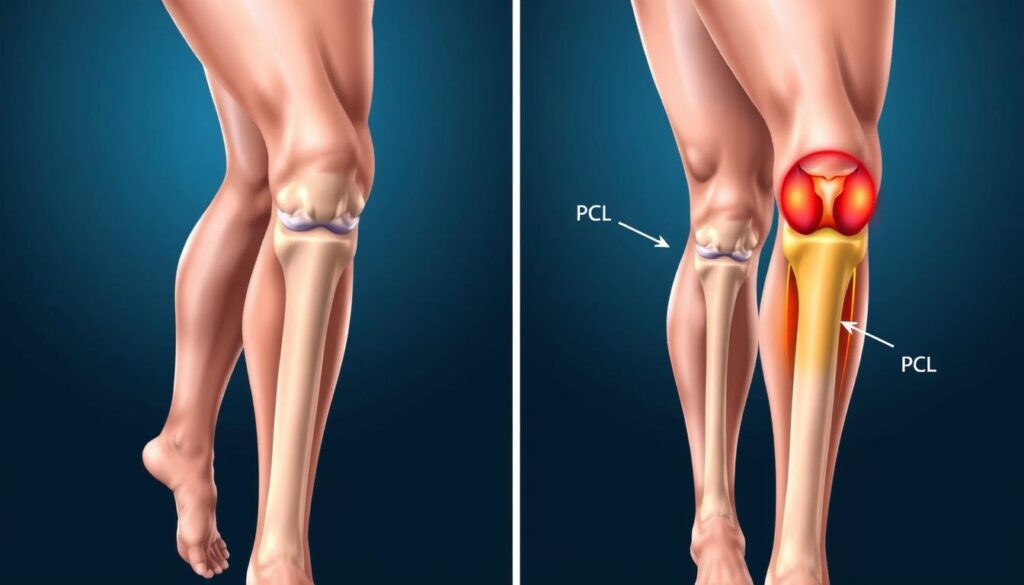
    In this comprehensive guide, we’ll explore the root causes of boot-related knee pain, how specialized knee boots can help alleviate discomfort, and recommend top products that have proven effective for many sufferers. Whether you’re dealing with occasional soreness or chronic pain, understanding the connection between your footwear and knee health is the first step toward finding relief.

    Causes of Knee Pain from Boots

    Understanding why your boots might be causing knee pain is essential for finding effective solutions. Several factors can contribute to this discomfort, and identifying the specific issues with your current footwear can help you make better choices moving forward.

    Poor Arch Support

    One of the primary culprits behind boot-related knee pain is inadequate arch support. When your arches aren’t properly supported, your feet may roll inward (overpronation) or outward (supination), creating a chain reaction that affects your entire leg alignment. This misalignment places extra stress on your knee joints, leading to pain and inflammation over time.

    Many standard boots lack the necessary arch support to maintain proper foot positioning. Without this crucial feature, each step you take can contribute to gradual knee strain, especially if you’re on your feet for extended periods.

    Restrictive Design

    Boots with overly restrictive designs can limit your natural range of motion, forcing your knees to compensate in ways that cause strain. When your ankle mobility is constrained, your knees often bear additional stress during walking or standing. This is particularly problematic with stiff work boots that prioritize protection over flexibility.

    The rigid structure of many traditional boots can prevent your feet and ankles from moving naturally, creating a domino effect that ultimately impacts your knees. Finding boots that offer both protection and appropriate flexibility is key to preventing this type of pain.

    Heavy Materials

    Comparison of heavy traditional boots versus lightweight knee-friendly boots

    The weight of your boots plays a significant role in knee comfort. Heavy footwear requires more effort with each step, increasing the workload on your knee joints. Over the course of a long day, this added weight can lead to fatigue and pain, particularly in the front of the knee.

    Many traditional work and winter boots are constructed with heavy materials that, while durable, create unnecessary strain. Modern boot designs that utilize lightweight yet strong materials can significantly reduce this burden on your knees.

    Improper Fit

    Boots that don’t fit correctly can cause a cascade of alignment issues that ultimately affect your knees. Too-tight boots restrict blood flow and natural movement, while too-loose boots fail to provide adequate support and stability. Both scenarios can alter your gait and place abnormal stress on your knee joints.

    Finding boots with the right fit—snug but not constricting, with appropriate width and length—is essential for preventing knee pain. Many people make the mistake of prioritizing other features without ensuring proper sizing, leading to preventable discomfort.

    How Knee Boots Relieve Pain

    Specialized knee boots designed for pain relief incorporate several key features that address the common causes of discomfort. Understanding how these elements work together can help you select the most effective options for your specific needs.

    Anatomical diagram showing how knee boots provide support and relieve pressure points

    Orthopedic Insoles

    Quality knee boots for pain relief feature orthopedic insoles that provide crucial arch support and cushioning. These specialized insoles are designed to maintain proper foot alignment, which in turn helps keep your knees in their optimal position during movement.

    The best orthopedic insoles distribute pressure evenly across your foot, preventing the concentration of force on sensitive areas. This balanced support system helps reduce the strain on your knee joints, allowing for more comfortable movement throughout the day.

    Adjustable Straps

    Many therapeutic knee boots include adjustable straps that allow for a customized fit. These straps help secure the boot properly around your foot and ankle, providing stability without restricting natural movement. The ability to adjust the tightness ensures that the boot offers optimal support for your specific foot shape and size.

    Properly adjusted straps can help control excessive pronation or supination, keeping your feet in a neutral position that reduces stress on your knees. This customizable feature is especially valuable for people with unique foot structures or those who experience swelling throughout the day.

    Shock-Absorbing Soles

    Close-up of shock-absorbing boot sole technology

    One of the most important features of knee-friendly boots is their shock-absorbing soles. These specialized soles are designed to cushion the impact of each step, preventing the jarring forces that can aggravate knee pain. By absorbing shock at the ground level, these boots reduce the amount of impact that travels up to your knee joints.

    Advanced knee boots for pain relief often incorporate multiple layers of cushioning materials with different densities. This thoughtful construction allows the boot to respond appropriately to various surfaces and walking conditions, providing consistent protection for your knees.

    Ergonomic Designs

    The overall design of therapeutic knee boots takes into account the biomechanics of walking and standing. These ergonomic designs promote natural foot movement while providing necessary support, creating an optimal balance between flexibility and stability.

    Features like rocker soles can help facilitate a smoother gait cycle, reducing the strain on your knees during the push-off phase of walking. Similarly, boots with a slight heel-to-toe drop can help distribute your body weight more evenly, minimizing pressure on the front of your knees.

    Ready to Find Relief for Your Knee Pain?

    Discover how the right boots can make a significant difference in your daily comfort. Explore our top recommendations for knee boots pain relief and take the first step toward pain-free movement.

    View Top Recommendations

    Top 5 Knee Boots for Pain Relief

    After extensive research and analysis of customer feedback, we’ve identified five standout knee boots that effectively address pain and discomfort. Each option offers unique benefits for different needs and preferences, helping you find the perfect match for your specific situation.

    OrthoComfort Therapeutic Knee Boots with orthopedic features

    OrthoComfort Therapeutic Knee Boots

    4.7
    Excellent

    Support

    4.8

    Comfort

    4.7

    Durability

    4.5

    The OrthoComfort Therapeutic Knee Boots stand out for their exceptional orthopedic design specifically targeting knee pain relief. These boots feature premium arch support, shock-absorbing EVA midsoles, and a rocker bottom design that promotes natural walking motion while reducing strain on the knees.

    Pros

    • Medical-grade arch support prevents overpronation
    • Gel cushioning in heel absorbs impact effectively
    • Adjustable straps allow for customized fit
    • Lightweight design reduces fatigue during extended wear

    Cons

    • Premium price point
    • Limited style options
    • May require break-in period

    CompressionPlus Therapeutic Knee Support Boots

    CompressionPlus Therapeutic Knee Support Boots

    4.5
    Very Good

    Support

    4.6

    Comfort

    4.5

    Durability

    4.4

    The CompressionPlus boots combine therapeutic compression with excellent knee support. These innovative boots feature graduated compression technology that improves circulation while reducing inflammation around the knee joint. The integrated knee support system helps maintain proper alignment during movement.

    Pros

    • Graduated compression improves blood flow
    • Built-in knee stabilizers prevent excessive movement
    • Breathable materials prevent overheating
    • Suitable for arthritis and post-injury recovery

    Cons

    • Compression may feel too tight for some users
    • Requires proper sizing for effective results
    • Not ideal for extremely cold weather

    ErgoStep Lightweight Knee Relief Work Boots

    ErgoStep Lightweight Knee Relief Work Boots

    4.6
    Excellent

    Support

    4.5

    Comfort

    4.7

    Durability

    4.6

    Designed specifically for workers who need both protection and knee pain relief, the ErgoStep boots offer an ideal balance of safety features and orthopedic support. These lightweight boots are 30% lighter than traditional work boots while maintaining ASTM safety standards and providing excellent knee support.

    Pros

    • Significantly lighter than standard work boots
    • Meets safety standards for workplace protection
    • Anti-fatigue technology reduces knee strain
    • Durable construction for long-term use

    Cons

    • Less insulation than heavier boots
    • Break-in period required for optimal comfort
    • Limited color options

    ThermaFlex Winter Knee Protection Boots

    ThermaFlex Winter Knee Protection Boots

    4.4
    Very Good

    Support

    4.4

    Comfort

    4.5

    Durability

    4.3

    The ThermaFlex boots address the unique challenges of winter conditions while providing excellent knee pain relief. These insulated boots combine thermal protection with orthopedic support features, making them ideal for those who experience increased knee pain in cold weather.

    Pros

    • Superior insulation for cold weather comfort
    • Waterproof construction keeps feet dry
    • Flexible design despite insulation
    • Excellent traction on icy surfaces

    Cons

    • Heavier than non-insulated options
    • May be too warm for mild conditions
    • Higher price point than basic winter boots

    FlexStride Adjustable Support Knee Boots

    FlexStride Adjustable Support Knee Boots

    4.3
    Very Good

    Support

    4.5

    Comfort

    4.3

    Durability

    4.1

    The FlexStride boots offer unparalleled customization for those with specific knee support needs. With their innovative adjustable support system, these boots allow you to modify the level of stability and compression based on your activity level and pain intensity throughout the day.

    Pros

    • Highly customizable support settings
    • Adapts to changing needs throughout the day
    • Lightweight construction reduces fatigue
    • Modern, less medical appearance

    Cons

    • Adjustment system has learning curve
    • More moving parts may affect long-term durability
    • Mid-range water resistance

    Find Your Perfect Knee Pain Relief Solution

    Don’t let knee pain limit your mobility and comfort. Explore our top-rated knee boots for pain relief and take the first step toward a more comfortable, active lifestyle.

    Shop Best Supportive Knee Boots

    DIY Pain Relief Tips

    While specialized knee boots can provide significant relief, there are several complementary approaches you can use to further reduce discomfort. These DIY methods can be particularly helpful when used alongside proper footwear for comprehensive knee pain management.

    Person performing simple knee stretches for pain relief

    Effective Stretches

    Regular stretching can help maintain flexibility and reduce tension in the muscles surrounding your knees. These simple exercises can be performed daily to support knee health and complement the benefits of your supportive boots.

    Hamstring Stretch

    Sit on the edge of a chair with one leg extended straight out. Keeping your back straight, gently lean forward until you feel a stretch in the back of your thigh. Hold for 30 seconds and repeat 3 times on each leg.

    Quadriceps Stretch

    Stand near a wall for support. Bend one knee and bring your foot toward your buttocks, grasping your ankle with your hand. Keep your knees close together and stand tall. Hold for 30 seconds and repeat 3 times on each leg.

    Calf Stretch

    Stand facing a wall with one foot forward and one back. Keep your back leg straight with the heel on the ground, and gently lean forward until you feel a stretch in your calf. Hold for 30 seconds and repeat 3 times on each leg.

    Ice Therapy

    Applying ice to sore knees can help reduce inflammation and provide temporary pain relief. This simple technique is especially effective after long periods of standing or walking in boots.

    • Apply an ice pack wrapped in a thin towel to your knee for 15-20 minutes
    • Repeat every 2-3 hours as needed
    • Always use a cloth barrier between ice and skin to prevent damage
    • Consider alternating between ice and heat for chronic pain

    Temporary Fixes

    Gel inserts and other temporary knee pain relief solutions

    When you need immediate relief or can’t immediately replace your current boots, these temporary solutions can help reduce knee pain while wearing your existing footwear.

    • Gel Inserts: Add cushioning and shock absorption to your current boots
    • Compression Sleeves: Provide support and stability for the knee joint
    • Supportive Wraps: Offer temporary stability for acute pain
    • Heel Lifts: Help correct alignment issues that contribute to knee strain

    While these temporary solutions can provide relief, they’re most effective when used alongside proper footwear designed specifically for knee pain relief. For long-term comfort, investing in quality knee boots remains the most comprehensive approach to addressing boot-related knee pain.

    When to See a Doctor

    While many cases of boot-related knee pain can be addressed with proper footwear and self-care, certain symptoms warrant professional medical attention. Don’t ignore these warning signs that could indicate a more serious condition.

    Doctor examining patient's knee for chronic pain

    Red Flags That Require Medical Attention

    Be vigilant about the following symptoms and seek medical advice if you experience any of these warning signs:

    • Severe Pain: Intense pain that doesn’t improve with rest or over-the-counter pain relievers
    • Significant Swelling: Noticeable swelling that doesn’t subside within a few days
    • Joint Instability: Feeling that your knee might give way or inability to bear weight
    • Limited Range of Motion: Inability to fully bend or straighten your knee
    • Locking or Catching: Sensation that your knee is locking or catching during movement
    • Visible Deformity: Any obvious misalignment or deformity of the knee joint
    • Persistent Pain: Discomfort that persists for more than two weeks despite self-care

    A healthcare professional can provide a proper diagnosis and recommend appropriate treatment options, which may include physical therapy, prescription medications, or in some cases, more advanced interventions. Early treatment of serious knee conditions can prevent long-term damage and chronic pain.

    Remember: While proper footwear is essential for preventing and managing knee pain, it’s not a substitute for medical care when serious symptoms are present. Always prioritize your long-term joint health by seeking professional advice when needed.

    Frequently Asked Questions

    Can knee boots prevent long-term damage?

    Yes, properly designed knee boots can help prevent long-term joint damage by providing adequate support and reducing stress on the knee structures. By maintaining proper alignment and absorbing shock, these specialized boots minimize the repetitive strain that can lead to chronic conditions like osteoarthritis. However, they work best as part of a comprehensive approach that includes proper exercise, weight management, and addressing any underlying biomechanical issues.

    Are knee boots good for arthritis?

    Knee boots with proper support features can be beneficial for individuals with arthritis by reducing joint stress and providing stability. The shock-absorbing properties help minimize impact forces that can aggravate arthritic joints, while supportive elements help maintain proper alignment. Many arthritis sufferers report significant pain reduction when wearing properly designed knee boots. However, it’s important to consult with your healthcare provider about specific recommendations for your type and severity of arthritis.

    How long should I wear knee boots for maximum pain relief?

    For maximum knee pain relief, it’s generally recommended to wear supportive knee boots whenever you’re on your feet for extended periods. Unlike some medical devices that have strict usage limitations, properly fitted knee boots designed for pain relief can typically be worn throughout your normal daily activities. Some people may need a short adjustment period when first transitioning to these specialized boots, starting with a few hours per day and gradually increasing wear time as comfort improves.

    How do I know if my current boots are causing knee pain?

    Several signs indicate your current boots may be contributing to knee pain: pain that develops or worsens after wearing the boots, discomfort that improves when barefoot or in different shoes, visible wear patterns showing uneven weight distribution, and pain specifically in the front of the knee (patellofemoral area). You might also notice that your boots lack arch support, have worn-down cushioning, or feel particularly heavy. If you experience these issues, it may be time to consider boots specifically designed for knee pain relief.

    What’s the difference between regular boots and knee pain relief boots?

    Knee pain relief boots differ from regular boots in several key ways: they feature enhanced arch support to maintain proper alignment, shock-absorbing midsoles to reduce impact forces, lightweight materials to decrease joint strain, and ergonomic designs that promote natural movement patterns. Many also include customizable elements like adjustable straps or removable orthotic insoles. While regular boots primarily focus on protection or style, knee pain relief boots are specifically engineered to address biomechanical issues that contribute to knee discomfort.

    Final Thoughts on Knee Boots for Pain Relief

    Finding the right knee boots for pain relief can make a significant difference in your daily comfort and mobility. By understanding the causes of boot-related knee pain and the features that help alleviate it, you can make informed choices about your footwear that support your joint health for years to come.

    Remember that the best approach to managing knee pain often involves a combination of proper footwear, supportive exercises, and good self-care practices. For persistent or severe pain, don’t hesitate to consult with a healthcare professional who can provide personalized guidance for your specific situation.

    Whether you’re dealing with occasional discomfort or chronic knee issues, investing in quality boots designed specifically for knee pain relief is a step worth taking. Your knees support you throughout your daily activities—make sure your boots are doing the same for your knees.

    Take Action Against Knee Pain Today

    Don’t let boot-related knee pain limit your activities or diminish your quality of life. Explore our recommended knee boots for pain relief and take a positive step toward greater comfort and mobility.

    View Top Recommendations