Knee Pain: Causes, Symptoms, and Treatment Options
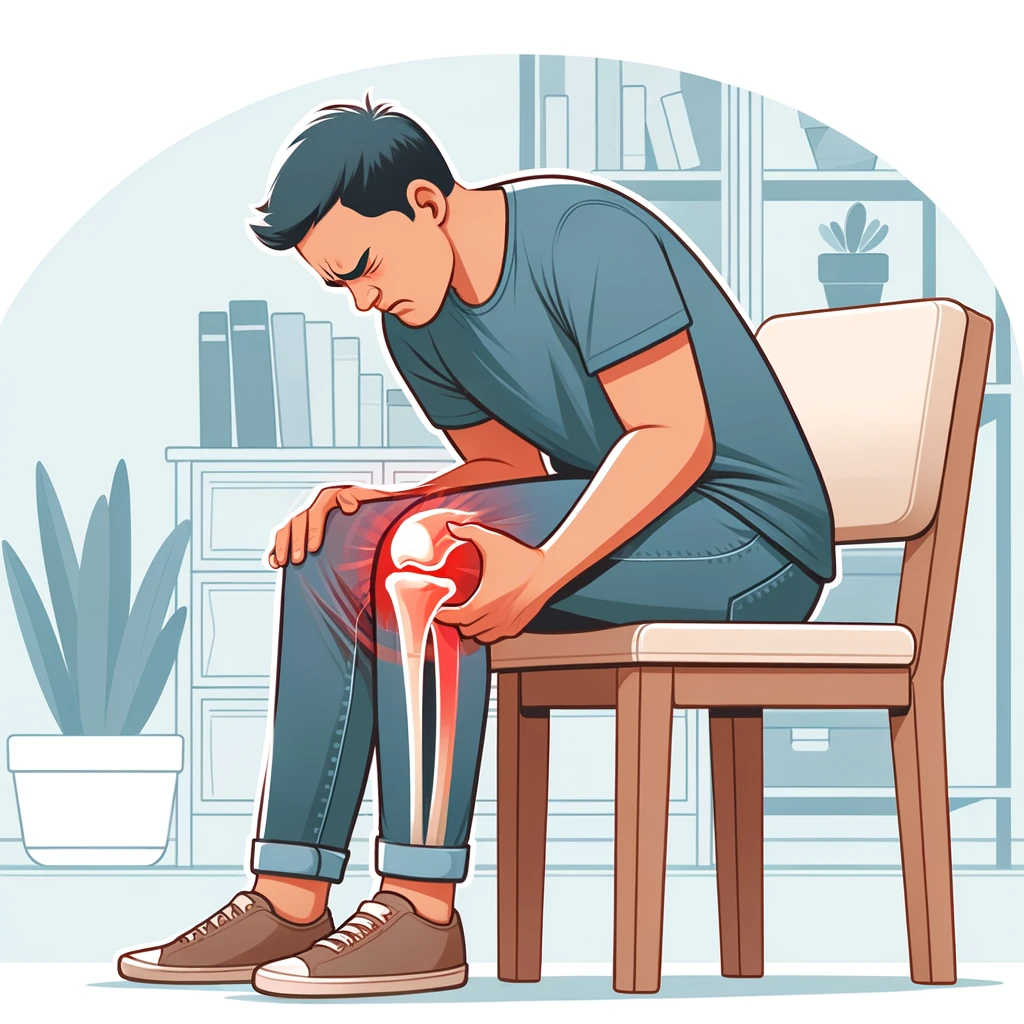
Knee pain is a common condition that affects millions of people worldwide. It can be caused by a variety of factors, including injury, overuse, and arthritis. Knee pain can range from mild discomfort to severe pain that can limit your mobility and affect your quality of life. In this article, we will explore the causes of knee pain, common knee injuries and conditions, diagnosis and treatment options, as well as prevention and management strategies.
Understanding knee pain is essential to effectively manage and treat the condition. The knee joint is one of the largest and most complex joints in the body, consisting of bones, cartilage, ligaments, and tendons. Any damage or injury to these structures can cause knee pain. Knee pain can also be a symptom of an underlying medical condition such as osteoarthritis or rheumatoid arthritis. It’s important to seek medical attention if you experience persistent knee pain or if your knee pain is accompanied by other symptoms such as swelling, redness, or fever.
If you are experiencing knee pain, it’s important to seek a proper diagnosis and treatment plan to alleviate your symptoms and prevent further damage. Treatment options may include rest, physical therapy, medication, or surgery. In addition, there are several preventative measures you can take to reduce your risk of knee injury and pain. In the following sections, we will discuss these topics in more detail and provide key takeaways to help you better understand and manage knee pain.
Key Takeaways
Knee pain can be caused by a variety of factors and can range from mild discomfort to severe pain.
Understanding the knee joint and common injuries and conditions is essential to effectively manage and treat knee pain.
Treatment options for knee pain may include rest, physical therapy, medication, or surgery, and preventative measures can help reduce your risk of knee injury and pain.
Understanding Knee Pain
Knee pain is a common issue that affects many of us at some point in our lives. It can be caused by a variety of factors, including injury, overuse, and age-related wear and tear. In this section, we will explore the various causes of knee pain and discuss some of the ways in which it can be treated.
One of the most common causes of knee pain is inflammation. This can occur as a result of injury, infection, or chronic conditions such as arthritis or bursitis. Inflammation can cause swelling, stiffness, and pain in the knee joint, making it difficult to move or put weight on the affected leg.
Age is another factor that can contribute to knee pain. As we get older, the cartilage in our joints can begin to wear down, leading to conditions such as osteoarthritis. This can cause pain and stiffness in the knee joint, as well as a decreased range of motion.
Chronic knee pain can also be caused by being overweight or obese. The extra weight puts added pressure on the knee joint, which can lead to inflammation and pain. Losing weight can help to alleviate these symptoms and improve overall knee health.
Treatment for knee pain will depend on the underlying cause of the issue. In some cases, rest and ice may be enough to reduce inflammation and alleviate pain. Other treatments may include physical therapy, medication, or surgery.
In conclusion, knee pain can be caused by a variety of factors, including inflammation, age-related wear and tear, and being overweight. Understanding the underlying cause of the issue is key to finding an effective treatment.
Common Knee Injuries and Conditions
Knee pain can be caused by a variety of injuries and conditions. Here are some of the most common ones:
Ligament Injuries
The knee has four main ligaments that connect the bones and provide stability. The anterior cruciate ligament (ACL) and the medial collateral ligament (MCL) are most commonly injured. ACL injuries can occur during sports or other physical activities that involve sudden stops or changes in direction. MCL injuries are often caused by a direct blow to the knee.
Tendinitis
Tendinitis is inflammation of a tendon. The patellar tendon, which connects the kneecap to the shinbone, is often affected. This condition is common in athletes who jump frequently, such as basketball players.
Bursitis
Bursae are small sacs of fluid that cushion the knee joint. When these sacs become inflamed, it is called bursitis. Prepatellar bursitis, which affects the bursa in front of the kneecap, is a common type of knee bursitis.
Patellofemoral Syndrome
Patellofemoral syndrome is a condition in which the kneecap does not move properly. This can cause pain and discomfort, especially when going up or down stairs.
Osgood-Schlatter Disease
Osgood-Schlatter disease is a condition that affects young athletes. It occurs when the tendon that attaches the kneecap to the shinbone becomes inflamed. This can cause pain and swelling below the kneecap.
Meniscus Tears
The meniscus is a piece of cartilage that cushions the knee joint. Tears in this cartilage can occur during physical activity or as a result of aging.
Gout
Gout is a type of arthritis that can cause sudden and severe pain in the knee. It occurs when uric acid crystals build up in the joint.
Overall, knee pain can be caused by a variety of injuries and conditions. If you are experiencing knee pain, it is important to see a doctor for an accurate diagnosis and appropriate treatment.
Diagnosis and Treatment of Knee Pain
When patients come to us with knee pain, we begin by conducting a thorough physical exam and taking a detailed medical history. We may also order diagnostic tests such as X-rays, MRIs, or CT scans to help us diagnose the underlying cause of the pain.
Once we have made a diagnosis, we will begin treatment. In many cases, knee pain can be managed with rest, ice, compression, and elevation (RICE). We may also recommend over-the-counter pain medications such as acetaminophen or nonsteroidal anti-inflammatory drugs (NSAIDs) like ibuprofen or naproxen.
For more severe cases, we may recommend prescription medications or injections to manage pain and inflammation. In some cases, surgery may be necessary, such as knee replacement surgery or arthroscopy.
In addition to medical treatments, we may also recommend physical therapy to help patients regain strength and mobility in their knees. This can be an important part of the recovery process and can help prevent future knee injuries.
Overall, our goal is to provide patients with an accurate diagnosis and effective treatment plan for their knee pain. We are confident in our ability to help patients manage their pain and regain their mobility.
Prevention and Management of Knee Pain
When it comes to knee pain, prevention is key. There are several steps we can take to reduce the risk of developing knee pain, especially if we engage in sports or activities that involve running, jumping, or stress on the knees.
One effective way to prevent knee pain is to engage in stretching and strengthening exercises. This can help to improve flexibility and reduce the risk of injury. Additionally, wearing knee braces or using an elastic bandage can help to provide support and reduce stress on the knees.
If you do experience knee pain, there are several management techniques that can help to alleviate symptoms. Swimming is a low-impact activity that can help to reduce stress on the knees while still providing a great workout. Additionally, over-the-counter pain relievers can help to reduce pain and inflammation.
It’s important to keep in mind that knee pain can be caused by wear and tear over time, so it’s important to take care of our knees as we age. This includes avoiding activities that put excessive stress on the knees and maintaining a healthy weight.
Overall, by taking steps to prevent knee pain and managing symptoms when they do occur, we can help to keep our knees healthy and pain-free.
Frequently Asked Questions
What are common causes of knee pain in young adults?
Young adults may experience knee pain due to a variety of reasons, including injury, overuse, or underlying medical conditions. Some common causes of knee pain in young adults include ligament sprains, meniscal tears, patellar tendinitis, and osteochondritis dissecans.
What are some effective treatments for knee pain in women?
Effective treatments for knee pain in women may vary depending on the underlying cause of the pain. Some common treatments include rest, ice, compression, and elevation (RICE), physical therapy, nonsteroidal anti-inflammatory drugs (NSAIDs), and corticosteroid injections.
What are some natural ways to relieve knee pain?
Some natural ways to relieve knee pain include maintaining a healthy weight, practicing low-impact exercises such as swimming or cycling, stretching regularly, using heat or cold therapy, and taking supplements such as glucosamine and chondroitin.
What are some types of knee pain and their symptoms?
There are many types of knee pain, each with their own unique symptoms. Some common types of knee pain include anterior knee pain, patellar tendinitis, iliotibial band syndrome, and osteoarthritis. Symptoms may include swelling, stiffness, clicking or popping sounds, and difficulty walking or standing.
What are some things to avoid if experiencing knee pain?
If experiencing knee pain, it is important to avoid high-impact activities such as running or jumping, wearing high-heeled shoes, and sitting or standing for long periods of time. It is also important to avoid activities that cause pain or discomfort in the knee.
When should I seek medical attention for knee pain?
It is important to seek medical attention for knee pain if the pain is severe, if there is swelling or redness around the knee, if there is difficulty moving the knee, or if the pain persists for more than a few days. A medical professional can help diagnose the underlying cause of the pain and recommend appropriate treatment options.
Knee Post-Traumatic Arthritis: Causes, Symptoms, and Treatment Options
Knee post-traumatic arthritis is a condition that can develop after an injury to the knee. It is a type of osteoarthritis that occurs when the cartilage in the knee joint wears down over time, leading to pain, stiffness, and swelling. This condition can be debilitating and significantly impact a person’s quality of life.
Understanding knee post-traumatic arthritis is essential for those who have experienced a knee injury or are at risk of developing this condition. Causes and risk factors can include previous knee injuries, such as fractures or ligament tears, as well as age and obesity. Early diagnosis and progression monitoring are crucial for effective treatment and management of knee post-traumatic arthritis.
Key Takeaways
Knee post-traumatic arthritis is a type of osteoarthritis that can occur after a knee injury.
Causes and risk factors include previous knee injuries, age, and obesity.
Early diagnosis and progression monitoring are essential for effective treatment and management.
Understanding Knee Post-Traumatic Arthritis
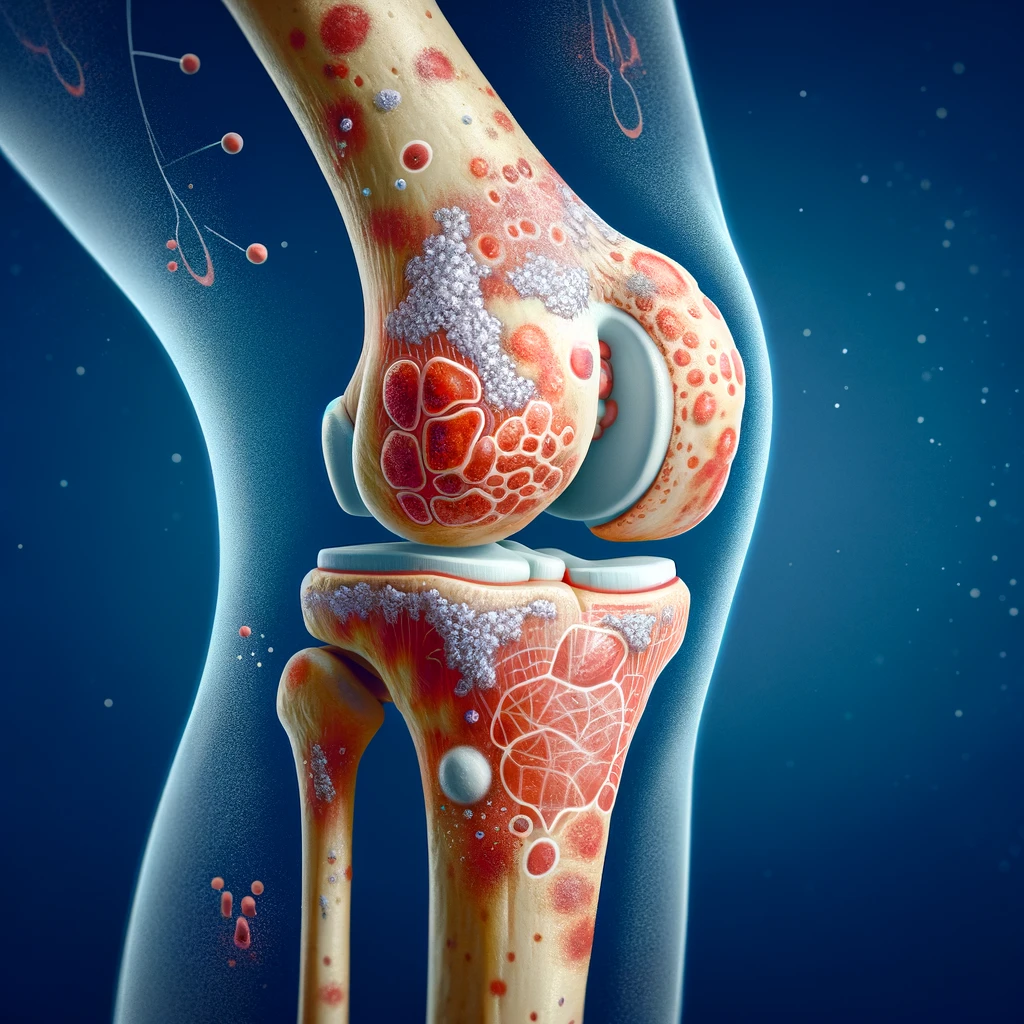
Post-traumatic arthritis is a type of arthritis that occurs after an injury to a joint. When the knee joint is injured, it can lead to inflammation and damage to the articular cartilage, which is the smooth surface that covers the ends of the bones in the joint. If the cartilage is damaged, it can lead to chronic joint pain and inflammation, which can eventually lead to osteoarthritis.
Knee post-traumatic arthritis is a common condition that can affect people of all ages. It is most often caused by a joint injury, such as a fracture, dislocation, or ligament tear. The severity of the injury can determine the risk of developing post-traumatic arthritis.
The symptoms of post-traumatic arthritis can include joint pain, stiffness, and swelling. In some cases, the joint may feel unstable or give way. Over time, the joint may become more damaged, leading to cartilage loss and bone spurs.
Treatment for knee post-traumatic arthritis depends on the severity of the condition. In some cases, conservative treatments such as rest, physical therapy, and medication may be enough to manage symptoms. In more severe cases, surgery may be necessary to repair or replace the damaged joint.
In conclusion, knee post-traumatic arthritis is a chronic condition that can lead to joint pain and inflammation. If you have experienced a knee injury, it is important to seek medical attention to prevent or manage post-traumatic arthritis.
Causes and Risk Factors
Post-traumatic arthritis (PTA) of the knee is a type of arthritis that occurs after a severe injury or trauma to the knee joint. In this section, we will explore the causes and risk factors associated with PTA of the knee.
Injury and Trauma
Injury and trauma to the knee joint are the most common causes of PTA. This includes acute injuries such as bone fractures, dislocations, meniscus injuries, and ACL ruptures. Internal bleeding and joint instability can also contribute to the development of PTA.
PTA can also develop as a result of chronic wear and tear on the knee joint. This is more common in older individuals and those who engage in activities that put a lot of stress on the knee joint, such as athletes.
Other risk factors for PTA include aging, a history of joint injuries or surgeries, and certain medical conditions that affect the immune system. Women are also more likely to develop PTA than men.
In summary, PTA of the knee is typically caused by injury or trauma to the knee joint, but can also develop as a result of chronic wear and tear or underlying medical conditions. Understanding the risk factors associated with PTA can help individuals take steps to prevent its development and seek appropriate treatment if necessary.
Diagnosis and Progression
When a patient presents with symptoms of knee pain, stiffness, and swelling, we consider the possibility of knee post-traumatic arthritis (PTA) as a potential diagnosis. To confirm the diagnosis, we typically perform a physical examination and imaging techniques.
Physical Examination
During the physical exam, we assess the patient’s knee for signs of synovial effusion, which is a buildup of fluid in the joint. We also evaluate the patient’s range of motion, looking for any limitations or stiffness. Additionally, we may ask the patient about their medical history and any previous knee injuries.
Imaging Techniques
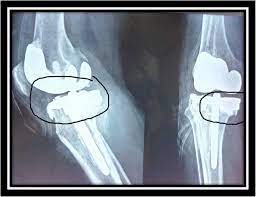
Imaging techniques, such as x-rays, are also used to diagnose knee PTA. X-rays can show changes in the joint space, bone spurs, and other signs of osteoarthritis. MRI scans may also be used to evaluate the soft tissues of the knee.
Once knee PTA has been diagnosed, we monitor the progression of the disease. The progression of knee PTA varies from patient to patient, but it generally worsens over time. Patients may experience increasing pain, stiffness, and limitations in mobility.
In some cases, knee PTA can lead to knee osteoarthritis, which is a chronic condition that may require ongoing treatment. It is important to diagnose and manage knee PTA early to prevent further damage to the joint.
Treatment and Management
When it comes to treating knee post-traumatic arthritis, there are several options available to improve quality of life, function, and mobility. In this section, we will discuss the different treatments and management strategies available for this condition.
Medications and Injections
Medications and injections can help manage pain and inflammation associated with knee post-traumatic arthritis. Analgesics, such as acetaminophen and nonsteroidal anti-inflammatory drugs (NSAIDs), can be taken orally to help manage pain. Intra-articular injections, such as corticosteroids and hyaluronic acid, can also be administered to reduce inflammation and improve joint lubrication.
Surgery
In some cases, surgery may be necessary to treat knee post-traumatic arthritis. Joint replacement (arthroplasty) is a common surgical procedure that involves replacing the damaged joint with a prosthetic one. This can help improve mobility and reduce pain associated with the condition.
Physical Therapy and Lifestyle Changes
Exercise and physical therapy can help improve knee function and mobility in patients with knee post-traumatic arthritis. Low-impact exercises, such as swimming and cycling, can help improve joint flexibility and strength. Physical therapy can also help patients learn exercises to improve range of motion and reduce pain.
Lifestyle changes, such as losing weight and avoiding high-impact activities, can also help manage knee post-traumatic arthritis. This can reduce stress on the knee joint and improve overall joint health.
In conclusion, there are several treatment and management options available for knee post-traumatic arthritis. Medications and injections can help manage pain and inflammation, while surgery and physical therapy can improve knee function and mobility. Lifestyle changes, such as weight loss and avoiding high-impact activities, can also help manage the condition.
Frequently Asked Questions
What are the symptoms of post-traumatic arthritis in the knee?
Symptoms of post-traumatic arthritis in the knee include pain, stiffness, swelling, and decreased range of motion. The pain may be worse with activity and may improve with rest. Some people may also experience a grinding or clicking sensation in the knee joint.
What are the treatment options for post-traumatic arthritis in the knee?
Treatment options for post-traumatic arthritis in the knee may include non-surgical treatments such as physical therapy, medications, and injections. In some cases, surgery may be necessary to repair or replace damaged joint tissues.
Can post-traumatic arthritis in the knee be prevented?
While it may not be possible to completely prevent post-traumatic arthritis in the knee, there are steps you can take to reduce your risk. These include maintaining a healthy weight, avoiding activities that put excessive strain on the knee joint, and wearing protective gear when participating in sports or other high-impact activities.
How long does it take for post-traumatic arthritis to develop after a knee injury?
Post-traumatic arthritis can develop at any time after a knee injury, but it may take several years for symptoms to appear. The risk of developing post-traumatic arthritis increases with the severity of the initial injury.
Is post-traumatic arthritis in the knee permanent?
Post-traumatic arthritis in the knee is a chronic condition that can be managed with appropriate treatment, but it is generally not curable. However, with proper care, many people with post-traumatic arthritis in the knee are able to maintain an active lifestyle.
Can post-traumatic arthritis in the knee improve over time?
While post-traumatic arthritis in the knee may not improve on its own, many people are able to find relief from their symptoms with appropriate treatment. With physical therapy, medications, and other interventions, it may be possible to improve joint function and reduce pain and stiffness.
Psoriatic Arthritis of the Knees: Symptoms, Causes, and Treatment
Psoriatic arthritis is a chronic autoimmune disease that causes inflammation in the joints and skin. It is a type of arthritis that affects people who have psoriasis, a skin condition that causes red, scaly patches on the skin. Psoriatic arthritis can affect any joint in the body, including the knees, and can cause pain, stiffness, and swelling.
Psoriatic arthritis of the knees can be particularly debilitating, as it can affect a person’s ability to walk, climb stairs, and perform everyday activities. The symptoms of psoriatic arthritis in the knees can vary from person to person, but common symptoms include pain, swelling, stiffness, and difficulty moving the knee joint. It is important to diagnose and treat psoriatic arthritis of the knees early on to prevent further joint damage and improve quality of life.
Key Takeaways
Psoriatic arthritis is a chronic autoimmune disease that affects people who have psoriasis.
Psoriatic arthritis of the knees can cause pain, swelling, stiffness, and difficulty moving the knee joint.
Early diagnosis and treatment of psoriatic arthritis of the knees is important to prevent further joint damage and improve quality of life.
Understanding Psoriatic Arthritis
Psoriatic arthritis (PsA) is a chronic, inflammatory arthritis that affects people who have psoriasis. Psoriasis is a skin condition that causes skin cells to build up and form plaques—dry, itchy patches of skin. PsA can cause pain, stiffness, and swelling in the joints, including the knees.
PsA is an autoimmune disease, which means that the immune system attacks healthy cells in the body. In PsA, the immune system attacks the joints, causing inflammation and damage. Over time, this can lead to joint deformities and disability.
PsA is a chronic condition, which means that it lasts for a long time—often for the rest of a person’s life. However, with the right treatment, many people with PsA can lead full, active lives.
The goal of treatment for PsA is to reduce inflammation, relieve pain, and prevent joint damage. There are several types of medications that are used to treat PsA, including disease-modifying antirheumatic drugs (DMARDs), nonsteroidal anti-inflammatory drugs (NSAIDs), and biologics.
DMARDs are a type of medication that can slow down the progression of joint damage in PsA. They work by suppressing the immune system, which reduces inflammation in the joints. Some common DMARDs used to treat PsA include methotrexate, sulfasalazine, and leflunomide.
NSAIDs are a type of pain reliever that can help reduce inflammation and relieve pain in the joints. They are available over-the-counter or by prescription, and include drugs like ibuprofen and naproxen.
Biologics are a type of medication that are designed to target specific parts of the immune system that are involved in inflammation. They are given by injection or infusion, and include drugs like etanercept, adalimumab, and infliximab.
In addition to medication, there are other treatments that can help manage the symptoms of PsA. Physical therapy and exercise can help improve joint mobility and reduce pain. Lifestyle changes, such as maintaining a healthy weight and avoiding smoking, can also help reduce inflammation and improve overall health.
Overall, PsA is a chronic condition that can cause pain, stiffness, and swelling in the joints, including the knees. However, with the right treatment, many people with PsA can lead full, active lives.
Psoriatic Arthritis and the Knees
Psoriatic arthritis (PsA) is a type of inflammatory arthritis that can affect many joints in the body, including the knees. PsA is a chronic autoimmune disease that can cause joint damage, leading to stiffness, swelling, and pain. It can also cause tendons and ligaments to become inflamed, making it difficult to move the affected joints.
When PsA affects the knees, it can cause significant discomfort and make it difficult to walk. Knee pain is a common symptom of PsA, and it can be accompanied by stiffness and swelling. In some cases, PsA flares can cause such severe pain that walking becomes nearly impossible.
PsA can cause joint damage over time, leading to permanent disability. It’s important to seek medical treatment as soon as possible to prevent joint damage and manage symptoms. Treatment options for PsA of the knees may include nonsteroidal anti-inflammatory drugs (NSAIDs) to reduce pain and inflammation, disease-modifying antirheumatic drugs (DMARDs) to slow the progression of the disease, and biologic medications to target specific parts of the immune system.
In addition to medical treatment, there are also lifestyle changes that can help manage symptoms of PsA and improve overall joint health. Maintaining a healthy weight, staying physically active, and avoiding activities that put excessive stress on the knees can all help reduce symptoms and prevent further joint damage.
In conclusion, PsA can affect the knees and cause significant pain, stiffness, and swelling. It’s important to seek medical treatment and make lifestyle changes to manage symptoms and prevent joint damage. With proper treatment and care, it’s possible to live a full and active life with PsA.
Symptoms of Psoriatic Arthritis in the Knees
Psoriatic arthritis is a chronic autoimmune disease that affects millions of people worldwide. It is a type of arthritis that can cause inflammation and pain in the joints, including the knees. Here are some of the common symptoms of psoriatic arthritis in the knees:
Pain: Joint pain is one of the most common symptoms of psoriatic arthritis in the knees. The pain can be mild to severe and can be felt in one or both knees. It can also be felt in other joints in the body, such as the hips, ankles, and wrists.
Swelling: Swelling and inflammation are also common symptoms of psoriatic arthritis in the knees. The swelling can be mild or severe and can make it difficult to move the knee joint.
Stiffness: Stiffness in the knee joint is another common symptom of psoriatic arthritis. The stiffness can be worse in the morning or after periods of inactivity. It can also be caused by inflammation in the knee joint.
Flares: Psoriatic arthritis can cause flares, which are periods of increased joint pain, swelling, and stiffness. Flares can be triggered by stress, illness, or other factors.
Fatigue: Fatigue is a common symptom of psoriatic arthritis. It can be caused by the inflammation in the body and the stress of living with a chronic condition.
Tenderness: Tenderness in the knee joint is another symptom of psoriatic arthritis. The knee joint may be tender to the touch, and it may be painful to put weight on the affected leg.
If you are experiencing any of these symptoms, it is important to talk to your doctor. Your doctor can help you manage your symptoms and develop a treatment plan that works for you.
Diagnosis of Psoriatic Arthritis
If you suspect that you may have psoriatic arthritis, it is important to see a doctor who specializes in rheumatology. A rheumatologist can diagnose psoriatic arthritis based on your medical history, physical exam, and certain tests.
During the physical exam, the doctor will look for signs of psoriasis, such as red, scaly patches of skin. They will also examine your joints for signs of inflammation, such as swelling, warmth, and tenderness.
To confirm a diagnosis of psoriatic arthritis, the doctor may order certain tests, including blood tests, X-rays, MRI scans, and ultrasounds. These tests can help the doctor determine the extent of joint damage and rule out other conditions that can cause similar symptoms.
One blood test that may be ordered is the rheumatoid factor (RF) test. This test can help distinguish between psoriatic arthritis and rheumatoid arthritis. While RF is often present in the blood of people with rheumatoid arthritis, it is not typically present in people with psoriatic arthritis.
An X-ray can show joint damage and bone loss, while an MRI can provide more detailed images of the joints and surrounding tissues. An ultrasound can also be used to visualize inflammation in the joints.
Overall, the diagnosis of psoriatic arthritis can be challenging because it shares many symptoms with other types of arthritis. However, with the help of a rheumatologist and various diagnostic tests, a diagnosis can be made and appropriate treatment can be started.
02 Tables
Tables can be a useful way to display information about Psoriatic arthritis of the knees. Here are some examples of information that can be displayed in tables:
Symptoms: Common symptoms of Psoriatic arthritis of the knees include pain, stiffness, swelling, and warmth in the joint. Other symptoms may include fatigue, nail changes, and eye inflammation.
Diagnosis: A diagnosis of Psoriatic arthritis of the knees may involve a physical exam, blood tests, imaging tests (such as X-rays or MRI), and joint fluid tests.
Treatment: Treatment for Psoriatic arthritis of the knees may involve medications (such as nonsteroidal anti-inflammatory drugs, disease-modifying antirheumatic drugs, or biologic agents), physical therapy, and surgery (in severe cases).
Prevention: There is no known way to prevent Psoriatic arthritis of the knees, but maintaining a healthy weight, avoiding smoking, and managing stress may help reduce the risk of developing the condition.
Tables can also be used to compare different treatment options for Psoriatic arthritis of the knees, such as the benefits and risks of different medications. It is important to discuss treatment options with a healthcare provider to determine the best course of action for each individual case.
In addition to tables, bullet points can be used to summarize key information about Psoriatic arthritis of the knees. Bold text can be used to highlight important terms or concepts, making it easier for readers to quickly scan the information and find what they are looking for.
Overall, tables and other formatting tools can be a helpful way to present information about Psoriatic arthritis of the knees in a clear and organized manner.
Causes and Risk Factors
Psoriatic arthritis (PsA) is a type of inflammatory arthritis that can develop in people who have psoriasis. The exact cause of PsA is not yet known, but research suggests that it may result from a combination of genetic, environmental, and immune system factors.
One of the main risk factors for developing PsA is having psoriasis, a chronic autoimmune skin disorder that causes red patches of skin topped with silvery scales. In fact, up to 30% of people with psoriasis may develop PsA. The severity of psoriasis does not necessarily predict the development of PsA.
Age is another risk factor for developing PsA, with most people being diagnosed between the ages of 30 and 50. However, PsA can occur at any age, including in children.
Family history is also a significant risk factor for PsA. People with a family history of PsA or psoriasis are more likely to develop the condition themselves.
Certain environmental factors, such as smoking, obesity, and stress, may also increase the risk of developing PsA. Infections, particularly those caused by streptococcal bacteria, may also trigger the onset of PsA in some people.
PsA can also be associated with nail disease, such as nail pitting or separation from the nail bed. In some cases, PsA can also be associated with rheumatoid arthritis.
In conclusion, the exact cause of PsA is not yet known, but research suggests that it may result from a combination of genetic, environmental, and immune system factors. Having psoriasis, a family history of PsA or psoriasis, and certain environmental factors may increase the risk of developing PsA.
Effects on Other Body Parts
Psoriatic arthritis is a chronic inflammatory disease that affects not only the joints but also other parts of the body. In addition to joint pain, swelling, and stiffness, psoriatic arthritis can cause a range of symptoms in different body parts.
Skin and Nails
Psoriasis, a skin condition characterized by red, scaly patches on the skin, is often associated with psoriatic arthritis. In fact, up to 30% of people with psoriasis develop psoriatic arthritis. In addition to skin patches, psoriasis can also cause nail changes such as pitting, ridges, and discoloration.
Hands, Elbows, Feet, and Fingers
Psoriatic arthritis can affect any joint in the body, but it most commonly affects the joints of the hands, feet, and fingers. This can cause pain, swelling, and stiffness in these joints, making it difficult to perform daily activities.
Spine
Psoriatic arthritis can also affect the spine, causing pain and stiffness in the neck and lower back. This can make it difficult to bend, twist, or move the spine.
Eyes
Psoriatic arthritis can cause eye inflammation, a condition known as uveitis. Uveitis can cause eye redness, pain, and sensitivity to light. It is important to seek medical attention if you experience any of these symptoms.
Lungs
In rare cases, psoriatic arthritis can cause inflammation in the lungs, leading to shortness of breath and chest pain. This is known as psoriatic arthritis-associated interstitial lung disease.
Toes
Psoriatic arthritis can also affect the toes, causing pain and swelling in the joints of the toes. This can make it difficult to walk or wear shoes.
In conclusion, psoriatic arthritis can affect various body parts, causing a range of symptoms. It is important to seek medical attention if you experience any of these symptoms to receive an accurate diagnosis and appropriate treatment.
Treatment and Management
When it comes to psoriatic arthritis of the knees, treatment and management are essential for reducing pain and inflammation, preventing joint damage, and improving overall quality of life.
There are several treatment options available, including medications such as nonsteroidal anti-inflammatory drugs (NSAIDs) like ibuprofen, corticosteroid injections, disease-modifying antirheumatic drugs (DMARDs) like methotrexate, and biologics. The type of medication prescribed will depend on the severity of the disease and the patient’s overall health.
In addition to medication, managing pain and inflammation can be achieved through physical therapy, exercise, and lifestyle changes such as maintaining a healthy weight and avoiding triggers that worsen symptoms. Surgery may also be an option in severe cases where joint damage is significant.
It’s important to note that while there is no cure for psoriatic arthritis, achieving remission is possible with the right treatment plan. Regular checkups with a healthcare provider can help monitor the disease and adjust treatment as needed.
Overall, by working closely with healthcare providers and following a comprehensive treatment plan, individuals with psoriatic arthritis of the knees can effectively manage symptoms and improve their quality of life.
Living with Psoriatic Arthritis
Living with psoriatic arthritis can be challenging, but there are ways to manage symptoms and improve quality of life. We have compiled some tips and strategies to help those with psoriatic arthritis.
Exercise
Exercise is important for maintaining joint flexibility, muscle strength, and overall health. Low-impact exercises such as swimming, cycling, and yoga can be beneficial for those with psoriatic arthritis. It is important to consult with a healthcare provider before starting any new exercise program.
Damage
Psoriatic arthritis can cause joint damage if left untreated. It is important to work with a healthcare provider to develop a treatment plan to manage symptoms and prevent joint damage.
Diarrhea
Some medications used to treat psoriatic arthritis can cause diarrhea. It is important to discuss any side effects with a healthcare provider and to follow their recommendations for managing symptoms.
Heart
Psoriatic arthritis has been linked to an increased risk of heart disease. It is important to manage cardiovascular risk factors such as high blood pressure, high cholesterol, and smoking.
Skin Cells and Plaques
Psoriasis is a chronic autoimmune skin disorder that causes skin cells to build up and form plaques. Psoriatic arthritis is a type of inflammatory arthritis that develops in people who have psoriasis. It is important to manage symptoms of psoriasis and psoriatic arthritis to prevent joint damage and other complications.
Depression
Living with a chronic condition such as psoriatic arthritis can be difficult and can lead to depression. It is important to seek support from family, friends, and healthcare providers to manage symptoms of depression.
Metabolic Syndrome and Diabetes
Psoriatic arthritis has been linked to an increased risk of metabolic syndrome and diabetes. It is important to manage these conditions with a healthy diet, regular exercise, and medication as prescribed by a healthcare provider.
Family Member
Psoriatic arthritis can run in families. It is important to inform family members of the condition and to encourage them to seek medical attention if they experience symptoms.
Healthcare Provider
Working with a healthcare provider is essential for managing psoriatic arthritis. It is important to communicate any symptoms or side effects of medication to a healthcare provider and to follow their recommendations for managing the condition.
Back Pain
Psoriatic arthritis can cause back pain and stiffness. It is important to work with a healthcare provider to develop a treatment plan to manage symptoms and prevent joint damage.
Bloating
Some medications used to treat psoriatic arthritis can cause bloating. It is important to discuss any side effects with a healthcare provider and to follow their recommendations for managing symptoms.
Frequently Asked Questions
What are the early warning signs of psoriatic arthritis?
Psoriatic arthritis is a type of arthritis that affects some people who have psoriasis. The symptoms of psoriatic arthritis can vary, but some early warning signs include joint pain, stiffness, and swelling. Other common symptoms include fatigue, nail changes, and skin rashes. If you experience any of these symptoms, it is important to talk to your doctor.
What does psoriatic arthritis in knees feel like?
Psoriatic arthritis in knees can cause pain, swelling, and stiffness in the joints. This can make it difficult to walk, climb stairs, or stand for long periods of time. Some people with psoriatic arthritis in knees may also experience redness and warmth in the affected joint.
Does psoriatic arthritis hurt all the time?
No, psoriatic arthritis does not always hurt all the time. Some people with psoriatic arthritis may experience periods of time when their symptoms are mild or absent, while others may have ongoing pain and discomfort. It is important to work with your doctor to find a treatment plan that works for you.
Is walking good for psoriatic arthritis?
Yes, walking can be good for psoriatic arthritis. Exercise can help improve joint flexibility, reduce pain and stiffness, and improve overall health and well-being. However, it is important to talk to your doctor before starting any exercise program to make sure it is safe for you.
What are some common treatments for psoriatic arthritis?
There are several treatments available for psoriatic arthritis, including nonsteroidal anti-inflammatory drugs (NSAIDs), disease-modifying antirheumatic drugs (DMARDs), and biologic therapies. Your doctor may also recommend physical therapy, occupational therapy, or other treatments depending on your symptoms and the severity of your condition.
What does a psoriatic arthritis flare feel like?
A psoriatic arthritis flare can cause sudden and severe joint pain, swelling, and stiffness. This can make it difficult to move or perform everyday tasks. Flares can last for several days or weeks and may be triggered by stress, illness, or other factors. If you experience a flare, it is important to talk to your doctor about adjusting your treatment plan.
Rheumatoid Arthritis: Causes, Symptoms, and Treatment Options
Rheumatoid arthritis is a chronic autoimmune disorder that affects millions of people worldwide. It is a type of arthritis that occurs when the immune system attacks the body’s own tissues, particularly the joints. This leads to inflammation and pain, which can be debilitating and affect the quality of life of those who suffer from the condition.
Understanding Rheumatoid Arthritis is important in order to manage the symptoms and improve the quality of life of those who suffer from it. It is important to recognize the symptoms early on, as early diagnosis and treatment can help prevent further joint damage and complications. There are a variety of treatment options available, including medications, physical therapy, and surgery, which can help manage the symptoms and improve joint function. In this article, we will explore the causes, symptoms, diagnosis, and treatment options for Rheumatoid Arthritis.
Key Takeaways
Rheumatoid arthritis is a chronic autoimmune disorder that affects the joints and can be debilitating.
Early diagnosis and treatment can help prevent further joint damage and complications.
Treatment options include medications, physical therapy, and surgery.
Understanding Rheumatoid Arthritis
Rheumatoid arthritis (RA) is a chronic autoimmune disorder that affects the joints, causing pain, stiffness, and swelling. It is a systemic disease, which means it can affect other parts of the body as well, such as the eyes, skin, lungs, and blood vessels.
The exact cause of RA is still unknown, but it is believed to be caused by a combination of genetic and environmental factors. In RA, the immune system mistakenly attacks the synovial membrane, which is the lining that surrounds the joints. This results in inflammation, which can cause damage to the joints over time.
RA is a chronic disease, which means that it can last for a long time and may require ongoing treatment. However, with early diagnosis and appropriate treatment, it is possible to manage the symptoms of RA and prevent joint damage.
The symptoms of RA can vary from person to person, but some common symptoms include joint pain, stiffness, and swelling, especially in the hands, feet, and wrists. Other symptoms may include fatigue, fever, and weight loss.
There is no cure for RA, but there are several treatment options available to manage the symptoms and slow down the progression of the disease. These may include medications, such as nonsteroidal anti-inflammatory drugs (NSAIDs), disease-modifying antirheumatic drugs (DMARDs), and biologic agents. In addition, physical therapy and lifestyle changes, such as regular exercise and a healthy diet, may also be helpful in managing the symptoms of RA.
In summary, RA is a chronic autoimmune disorder that affects the joints and other parts of the body. It is caused by a combination of genetic and environmental factors, and there is no cure for the disease. However, with early diagnosis and appropriate treatment, it is possible to manage the symptoms of RA and prevent joint damage.
Symptoms of Rheumatoid Arthritis
Rheumatoid arthritis (RA) is a chronic autoimmune disease that affects the joints and other parts of the body. The symptoms of RA can vary from person to person, but they generally include joint pain, swelling, and stiffness.
One of the most common symptoms of RA is joint pain. This pain is often described as a deep ache or a burning sensation, and it can be felt in the joints of the hands, wrists, feet, and ankles. The pain is usually worse in the morning or after periods of inactivity, and it can be accompanied by joint stiffness that lasts for several hours.
Swelling is another common symptom of RA. The joints affected by RA can become swollen and tender to the touch. This swelling can make it difficult to move the affected joint, and it may also cause the joint to feel warm to the touch.
Fatigue is also a common symptom of RA. People with RA may feel tired and run down, even if they have had enough sleep. This fatigue can be caused by the inflammation associated with RA, as well as by the stress of dealing with a chronic illness.
In some cases, people with RA may develop rheumatoid nodules. These are small, firm lumps that can form under the skin, usually around the elbows or fingers. While these nodules are not usually painful, they can be unsightly and may interfere with joint movement.
Fever is another symptom that can occur in people with RA. This fever is usually low-grade, and it may be accompanied by other flu-like symptoms such as chills and muscle aches.
Overall, the symptoms of RA can be quite debilitating, and they can have a significant impact on a person’s quality of life. If you are experiencing any of the symptoms associated with RA, it is important to speak with your healthcare provider as soon as possible.
Causes and Risk Factors
Rheumatoid arthritis (RA) is a chronic inflammatory disease that affects the joints, causing pain, stiffness, and swelling. While the exact cause of RA is unknown, there are several factors that are believed to contribute to the development of the disease.
Genetics
One of the most significant risk factors for developing RA is genetics. Research has shown that certain genes may make a person more susceptible to the disease. For example, a specific gene called HLA-DRB1 has been linked to an increased risk of developing RA. However, having this gene does not necessarily mean that a person will develop the disease.
Smoking
Smoking is another significant risk factor for RA. Studies have shown that smokers are more likely to develop the disease than non-smokers. In addition, smoking can also make the symptoms of RA worse, making it more difficult to manage the disease.
Sex
RA is more common in women than men. In fact, women are two to three times more likely to develop the disease than men. The reason for this is not entirely clear, but hormones may play a role. Some researchers believe that estrogen may contribute to the development of RA.
Other Risk Factors
In addition to genetics, smoking, and sex, there are several other factors that may increase a person’s risk of developing RA. These include:
Age: RA can occur at any age, but it most commonly begins in middle age.
Family history: If a member of your family has RA, you may have an increased risk of the disease.
Obesity: Being overweight or obese can increase the risk of developing RA, as well as make the symptoms worse.
Environmental factors: Exposure to certain environmental factors, such as pollution or toxins, may increase the risk of developing RA.
Overall, while the exact cause of RA is unknown, there are several factors that are believed to contribute to the development of the disease. By understanding these risk factors, we can take steps to reduce our risk of developing RA and manage the disease more effectively if we do develop it.
Diagnosis Process
When it comes to diagnosing Rheumatoid arthritis (RA), there is no one definitive test or physical finding that can confirm the diagnosis. Instead, doctors use a combination of medical history, physical examination, and laboratory tests to diagnose RA.
During the medical history, we will ask questions about the patient’s symptoms, family history, and medical history. We will also ask about any medications the patient is taking, as some medications can cause symptoms similar to RA.
During the physical exam, we will check the patient’s joints for swelling, redness, and warmth. We will also check the patient’s reflexes and muscle strength. The physical exam can help us determine the severity of the patient’s symptoms and which joints are affected.
Laboratory tests are also an important part of the diagnosis process. We may order a blood test to check for the presence of rheumatoid factor (RF) or anti-cyclic citrullinated peptide (anti-CCP) antibodies. These antibodies are often present in people with RA, but not always. A negative result does not rule out RA.
Imaging tests, such as X-rays or ultrasound, can also be helpful in diagnosing RA. X-rays can show changes in the joints that are consistent with RA, such as joint erosion or narrowing of the joint space. Ultrasound can show inflammation in the joints and surrounding tissues.
It is important to note that RA can be difficult to diagnose in the early stages because the disease develops over time, and only a few symptoms may be present. However, with a thorough medical history, physical exam, and laboratory tests, we can diagnose RA and begin treatment to manage symptoms and prevent further joint damage.
Treatment Options
When it comes to treating rheumatoid arthritis, there are a variety of options available. The goal of treatment is to reduce inflammation, relieve pain, prevent joint damage, and improve overall function. Treatment plans are often tailored to each individual and may involve a combination of medications, therapies, and lifestyle changes.
Medications
There are several types of medications used to treat rheumatoid arthritis. Nonsteroidal anti-inflammatory drugs (NSAIDs) can help relieve pain and reduce inflammation. Over-the-counter NSAIDs include ibuprofen (Advil, Motrin IB, others) and naproxen sodium (Aleve). Stronger NSAIDs are available by prescription. Side effects may include stomach irritation, heart problems, and kidney damage.
Disease-modifying antirheumatic drugs (DMARDs) slow the progression of rheumatoid arthritis and can prevent joint damage. Methotrexate (Rheumatrex, Trexall) is a commonly used DMARD. Other DMARDs include hydroxychloroquine (Plaquenil), sulfasalazine (Azulfidine), and leflunomide (Arava).
Corticosteroids are powerful anti-inflammatory medications that can provide quick relief of symptoms. However, they can have serious side effects if used long-term. Janus kinase (JAK) inhibitors are a newer class of medications that block the action of certain enzymes involved in inflammation.
Therapies
Physical and occupational therapy can help improve joint function, reduce pain, and increase range of motion. Splints and braces may also be recommended to support and protect joints.
Surgery may be necessary in severe cases of rheumatoid arthritis. Joint replacement surgery can help relieve pain and improve function in damaged joints. Synovectomy is a surgical procedure that involves removing the inflamed lining of a joint.
Lifestyle Changes
In addition to medications and therapies, making certain lifestyle changes can also help manage rheumatoid arthritis. Maintaining a healthy weight can reduce stress on joints. Regular exercise can help improve joint function and flexibility. Eating a healthy diet rich in fruits, vegetables, and whole grains can also help reduce inflammation.
Overall, there are a variety of treatment options available for rheumatoid arthritis. Working closely with a healthcare provider to develop a personalized treatment plan can help manage symptoms and improve overall quality of life.
Managing Rheumatoid Arthritis
As individuals with Rheumatoid Arthritis, we know how difficult it can be to manage the symptoms of this chronic condition. However, with proper management, we can improve our quality of life and reduce the impact of RA on our daily activities. Here are some tips for managing Rheumatoid Arthritis:
Rest
Rest is crucial for managing RA symptoms. It is important to listen to our body and take breaks when we feel fatigued. This can help reduce inflammation and pain in our joints. We should aim to get enough sleep each night and take naps during the day if needed.
Exercise
Exercise is also important for managing RA symptoms. Low-impact exercises such as walking, swimming, and cycling can help improve joint flexibility and reduce inflammation. We should aim to exercise regularly, but it is important to listen to our body and not overdo it. It is also important to speak with our doctor before starting any new exercise routine.
Diet
Maintaining a healthy diet can also help manage RA symptoms. We should aim to eat a well-balanced diet that includes plenty of fruits, vegetables, whole grains, and lean protein. Some foods may trigger inflammation, so it is important to identify and avoid these foods. We should also stay hydrated by drinking plenty of water.
Medications
There are several medications available that can help manage RA symptoms. Nonsteroidal anti-inflammatory drugs (NSAIDs) can help relieve pain and reduce inflammation. Disease-modifying antirheumatic drugs (DMARDs) can help slow the progression of RA. It is important to speak with our doctor about the best medication options for us.
Support
Living with RA can be challenging, and it is important to have a support system. We should reach out to family, friends, and support groups for help and encouragement. We may also benefit from counseling or therapy to help manage the emotional impact of RA.
By following these tips, we can effectively manage our Rheumatoid Arthritis symptoms and improve our overall quality of life.
02 Tables
We can use tables to organize information about Rheumatoid arthritis. Here is an example of a table that shows the diagnostic criteria for Rheumatoid arthritis:
Criteria
Definition
Morning stiffness
Stiffness in joints lasting at least 1 hour in the morning
Arthritis of three or more joint areas
Swelling or tenderness in at least three joint areas
Arthritis of hand joints
Swelling or tenderness in the joints of the hand
Symmetric arthritis
Swelling or tenderness in the same joint areas on both sides of the body
Another useful table is the one that shows the severity scale of Rheumatoid arthritis. Here is an example of that table:
Severity
Definition
Mild
Fewer than 3 swollen joints, no systemic symptoms
Moderate
4-10 swollen joints, mild systemic symptoms
Severe
More than 10 swollen joints, significant systemic symptoms
It is important to note that these tables are just examples and should not be used as a diagnostic tool. Only a qualified healthcare professional can diagnose Rheumatoid arthritis.
Effect on Joints and Other Body Parts
Rheumatoid arthritis (RA) is a chronic inflammatory autoimmune disease that affects various parts of the body. It mainly affects joints, but it can also impact other body parts such as muscles, eyes, and organs.
RA usually affects both sides of the body symmetrically. It primarily affects small joints, especially those in the hands and feet, but it can also affect larger joints such as the hips, knees, and shoulders.
RA can cause pain, stiffness, swelling, and tenderness in the joints. In some cases, it can lead to joint deformities such as claw toe, bunions, and hammer toe. RA can also cause joint effusion, which is an abnormal accumulation of fluid inside the joint. This can lead to joint stiffness and difficulty moving or impaired range of motion.
As RA progresses, it can spread to other joints, including the wrists, ankles, and elbows. It can also affect muscles, causing weakness and fatigue. In some cases, RA can cause osteopenia and stress fractures, making it difficult to walk stairs and up inclined surfaces.
RA can also affect the eyes, causing dryness, redness, and inflammation. In rare cases, it can lead to scleritis, which is a serious condition that can cause blindness.
In conclusion, RA can affect various parts of the body, including joints, muscles, eyes, and organs. It primarily affects small joints in the hands and feet but can also impact larger joints such as the hips and knees. RA can cause pain, stiffness, swelling, and tenderness in the joints, as well as joint deformities, joint effusion, and muscle weakness. It is important to seek medical attention if you experience any symptoms of RA.
Complications and Progression
Rheumatoid arthritis (RA) is a chronic autoimmune disease that can lead to various complications and progression of symptoms over time.
One of the most common complications of RA is joint damage, which can result in deformity and loss of function. Joint inflammation, stiffness, and redness are also common symptoms of RA that can affect the quality of life of individuals with the condition.
In addition to joint-related complications, RA can also lead to systemic inflammation, which can affect other organs and systems in the body. This inflammation can increase the risk of infection and other health issues.
The severity of RA symptoms can vary from person to person, and some individuals may experience periods of remission where symptoms improve or disappear. However, flares of symptoms can also occur, which can be unpredictable and difficult to manage.
Treatment for RA can help manage symptoms and slow the progression of joint damage. This can include medications, physical therapy, and lifestyle changes. It is important for individuals with RA to work closely with their healthcare team to develop a personalized treatment plan.
Overall, RA is a complex condition that requires ongoing management and monitoring. While it can lead to various complications and progression of symptoms, treatment and self-care can help improve function and quality of life for individuals with the condition.
The Role of Rheumatologists
As rheumatoid arthritis is a complex autoimmune disorder that affects the joints and other parts of the body, it is essential to seek medical care from a specialist who has extensive knowledge and experience in treating this condition. This is where rheumatologists come in.
Rheumatologists are medical doctors who specialize in diagnosing and treating musculoskeletal diseases and systemic autoimmune conditions like rheumatoid arthritis. They receive special training in this area, which allows them to provide the best possible care for patients with rheumatoid arthritis.
The role of rheumatologists is to work with patients to develop an appropriate treatment plan based on their individual needs. They use a variety of diagnostic tools and techniques to determine the severity of the disease and its impact on the patient’s quality of life. This may include X-rays, blood tests, and physical examinations.
Once a diagnosis has been made, rheumatologists work with patients to develop a treatment plan that may include medication, physical therapy, and lifestyle changes. They also provide ongoing care and support to help patients manage their symptoms and improve their overall health.
In addition to treating rheumatoid arthritis, rheumatologists may also treat other autoimmune conditions that affect the musculoskeletal system, such as lupus and scleroderma. They may also work with other specialists, such as orthopedic surgeons and physical therapists, to provide comprehensive care for their patients.
Overall, the role of rheumatologists is essential in the diagnosis and treatment of rheumatoid arthritis. If you are experiencing joint pain, stiffness, or other symptoms associated with this condition, it is important to seek medical care from a rheumatologist to receive the best possible care and support.
Impact on Specific Populations
Rheumatoid arthritis (RA) is a chronic inflammatory joint disease that affects people of all ages, genders, and ethnicities. However, certain populations may be more susceptible to developing RA or may experience different outcomes. In this section, we will discuss the impact of RA on specific populations.
Women
RA is more common in women than men, with women being three times more likely to develop the disease. Women also tend to develop RA at a younger age than men. The reasons for this gender disparity are not yet fully understood, but hormonal factors may play a role. Women with RA may also experience more severe symptoms and disability than men with RA.
Men
Although less common, men can also develop RA. Men with RA may experience a more aggressive disease course and are more likely to develop complications such as heart disease and lung problems. However, men with RA may also have better outcomes in terms of joint damage and disability than women with RA.
Age
RA can affect people of all ages, but it most commonly develops in middle age. Older adults with RA may have different treatment considerations due to age-related health concerns and the potential for drug interactions with other medications they may be taking. Children with RA, also known as juvenile idiopathic arthritis, may have different symptoms and treatment options than adults with RA.
Ethnicity
RA can affect people of all ethnicities, but some ethnic groups may be more likely to develop the disease or experience more severe symptoms. For example, Native Americans and Alaska Natives have a higher prevalence of RA than other ethnic groups in the United States. African Americans with RA may experience more severe joint damage and disability than other racial or ethnic groups.
In conclusion, RA can impact people of all ages, genders, and ethnicities, but certain populations may be more susceptible to developing the disease or may experience different outcomes. It is important for healthcare providers to consider these factors when diagnosing and treating RA to ensure the best possible outcomes for all patients.
Other Related Conditions
In addition to rheumatoid arthritis (RA), there are other related conditions that individuals with RA may have. These conditions can be comorbidities, which means they occur at the same time as RA, or they can be conditions that mimic RA symptoms.
Osteoarthritis (OA) is a common type of arthritis that can occur in addition to RA. OA is a degenerative joint disease that affects the cartilage in joints, causing pain, stiffness, and swelling. Unlike RA, which is an autoimmune disease, OA is caused by wear and tear on the joints over time. While RA can affect any joint in the body, OA most commonly affects the knees, hips, and hands.
Individuals with RA may also have other autoimmune diseases, such as lupus or psoriatic arthritis. Lupus is a chronic autoimmune disease that can affect many parts of the body, including the skin, joints, and organs. Psoriatic arthritis is a type of arthritis that occurs in individuals with psoriasis, a skin condition that causes red, scaly patches on the skin.
In addition to these conditions, individuals with RA may also be at an increased risk for developing other health problems, such as cardiovascular disease and osteoporosis. This is because chronic inflammation, which is a hallmark of RA, can damage blood vessels and bones over time.
It is important for individuals with RA to work closely with their healthcare provider to manage their condition and any related health problems. This may involve a combination of medications, lifestyle changes, and other treatments to help reduce inflammation, manage pain, and improve overall health.
Frequently Asked Questions
What are the early signs of rheumatoid arthritis?
The early signs of rheumatoid arthritis (RA) include tender, warm, and swollen joints, joint stiffness that is usually worse in the mornings and after inactivity, fatigue, fever, and loss of appetite. Early RA tends to affect smaller joints first, particularly the joints that attach fingers to hands and toes to feet. If you experience any of these symptoms, it is important to consult a doctor.
What is the difference between rheumatoid arthritis and other types of arthritis?
Rheumatoid arthritis is an autoimmune and inflammatory disease, which means that the immune system attacks healthy cells in the body by mistake, causing inflammation in the affected parts of the body. The most common form of arthritis in the United States is osteoarthritis, which is caused by wear and tear on the joints. Other common types of arthritis include gout and fibromyalgia.
How is rheumatoid arthritis diagnosed?
Rheumatoid arthritis is diagnosed through a combination of physical exams, medical history, blood tests, and imaging tests. Doctors will look for signs of joint inflammation, such as swelling, tenderness, and warmth, and may order blood tests to check for specific antibodies that are commonly associated with RA.
What are the most effective medications for treating rheumatoid arthritis?
There are several types of medications that can be used to treat rheumatoid arthritis, including nonsteroidal anti-inflammatory drugs (NSAIDs), corticosteroids, disease-modifying antirheumatic drugs (DMARDs), and biologic agents. The most effective medications will vary depending on the individual and the severity of their symptoms. It is important to work closely with a doctor to find the best treatment plan.
What are some dietary recommendations for managing rheumatoid arthritis?
While there is no specific diet that has been proven to cure rheumatoid arthritis, some dietary changes may help manage symptoms. A diet rich in anti-inflammatory foods, such as fruits, vegetables, whole grains, and omega-3 fatty acids, may help reduce inflammation and pain. It is also important to maintain a healthy weight, as excess weight can put additional stress on joints.
What are some common struggles experienced by people with rheumatoid arthritis?
Living with rheumatoid arthritis can be challenging, both physically and emotionally. Some common struggles include chronic pain, fatigue, difficulty performing daily tasks, and feelings of isolation and depression. It is important to seek support from loved ones and healthcare professionals to manage these challenges and maintain a good quality of life.
As we age, our bodies go through various changes, and one of the most common conditions that develop is osteoarthritis. Osteoarthritis is a type of arthritis that affects millions of people worldwide, and it occurs when the protective cartilage that cushions the ends of our bones wears down over time. Although it can damage any joint, the disorder most commonly affects joints in our hands, knees, hips, and spine.
Understanding Osteoarthritis is crucial for anyone who may be experiencing joint pain or stiffness. This condition is often referred to as “wear and tear” arthritis, and it occurs when the cartilage within a joint begins to break down, causing the underlying bone to change. These changes usually develop slowly and get worse over time, leading to pain, stiffness, and difficulty moving the joint.
Key Takeaways
Osteoarthritis is a type of arthritis that affects millions of people worldwide, and it occurs when the protective cartilage that cushions the ends of our bones wears down over time.
This condition is often referred to as “wear and tear” arthritis, and it occurs when the cartilage within a joint begins to break down, causing the underlying bone to change.
Symptoms of osteoarthritis include joint pain, stiffness, and difficulty moving the joint.
Understanding Osteoarthritis
Osteoarthritis is a degenerative joint disease that affects millions of people worldwide. It is the most common form of arthritis, and it occurs when the protective cartilage that cushions the ends of the bones wears down over time. This can cause discomfort when moving the joint, and it can lead to stiffness and pain.
Osteoarthritis is also known as “wear and tear” arthritis or degenerative joint disease. It can damage any joint in the body, but it most commonly affects joints in the hands, knees, hips, and spine. In some cases, osteoarthritis can also affect the neck, shoulders, and ankles.
The main cause of osteoarthritis is the breakdown of joint cartilage, which can be caused by a combination of factors such as heredity, obesity, injury, and overuse. Cartilage is a tough, flexible tissue that covers the ends of bones where they meet to form a joint. It acts as a cushion and helps to absorb shock when the joint is used.
When cartilage breaks down, the underlying bone can also change, leading to the development of osteoarthritis. The changes usually develop slowly and get worse over time. As the condition progresses, the joint may become painful and stiff, making it difficult to move.
There is no cure for osteoarthritis, but there are several treatments available to help manage the symptoms. These include medications, physical therapy, and surgery. In some cases, lifestyle changes such as losing weight or exercising regularly can also help to reduce the symptoms of osteoarthritis.
In conclusion, osteoarthritis is a common joint disease that affects millions of people worldwide. It is caused by the breakdown of joint cartilage, and it can lead to pain and stiffness in the affected joints. While there is no cure for osteoarthritis, there are several treatments available to help manage the symptoms and improve quality of life.
Symptoms of Osteoarthritis
Osteoarthritis is a type of arthritis that affects the joints. It is a degenerative disease that causes the cartilage in the joints to break down, leading to pain, stiffness, and other symptoms. In this section, we will discuss the most common symptoms of osteoarthritis.
Pain and Stiffness
The most common symptoms of osteoarthritis are pain and stiffness in the affected joints. The pain may be mild or severe and can be felt during or after movement. Joint stiffness is most noticeable in the morning or after being inactive for a period of time. The affected joint may also feel tender when light pressure is applied to it.
Decreased Range of Motion
Osteoarthritis can also cause a decreased range of motion in the affected joint. This means that you may not be able to move the joint as freely as you used to. This can make it difficult to perform daily tasks, such as getting dressed or reaching for objects.
Swelling and Tenderness
Swelling and tenderness are also common symptoms of osteoarthritis. The affected joint may become swollen and tender to the touch. This can make it difficult to move the joint and can cause discomfort.
Osteoarthritis can lead to complications, such as disability and falls. In some cases, the pain and stiffness caused by osteoarthritis can make it difficult to perform daily tasks, such as walking or climbing stairs. This can lead to disability and a decreased quality of life. Falls are also a common complication of osteoarthritis, as the pain and stiffness can cause a loss of balance.
Joint Damage
Osteoarthritis can also cause damage to the joint over time. The cartilage in the affected joint can wear down, leading to bone-on-bone contact. This can cause further pain and damage to the joint.
Other Symptoms
Other symptoms of osteoarthritis may include joint inflammation, a cracking or popping sound in the joint, and the formation of cysts around the joint.
Risk Factors
There are several risk factors that can increase your likelihood of developing osteoarthritis. These include age, obesity, joint injuries, and genetics.
In summary, osteoarthritis is a degenerative disease that affects the joints. The most common symptoms of osteoarthritis include pain, stiffness, decreased range of motion, swelling, tenderness, bone spurs, complications, joint damage, and other symptoms. If you are experiencing any of these symptoms, it is important to seek medical attention to receive an accurate diagnosis and appropriate treatment.
Frequently Asked Questions
What are the risk factors for developing osteoarthritis?
We can develop osteoarthritis due to various factors such as age, obesity, previous injuries, and genetics. Women are also more likely to develop osteoarthritis than men.
What are the different types of osteoarthritis?
There are different types of osteoarthritis that can affect different parts of the body. Some of the common types include knee osteoarthritis, hip osteoarthritis, and hand osteoarthritis.
What are some common medications used to treat osteoarthritis?
There are various medications that can help manage osteoarthritis symptoms such as pain and inflammation. Some common medications include acetaminophen, nonsteroidal anti-inflammatory drugs (NSAIDs), and corticosteroids.
What are some ways to prevent osteoarthritis?
While we cannot prevent osteoarthritis entirely, we can take steps to reduce our risk of developing it. Maintaining a healthy weight, staying active, and avoiding injuries can help prevent osteoarthritis.
How does osteoarthritis affect the body?
Osteoarthritis can cause pain, stiffness, and decreased range of motion in the affected joints. It can also lead to the breakdown of joint cartilage and the development of bone spurs.
What are some strategies to manage osteoarthritis pain?
There are various strategies that can help manage osteoarthritis pain such as exercise, physical therapy, and hot/cold therapy. We can also use assistive devices like braces or canes to help reduce joint stress.
Add Tables
We can use tables to organize and present information about osteoarthritis in a clear and concise manner. Here are some examples of tables that can be useful:
Table 1: Common Symptoms of Osteoarthritis
Symptom
Description
Pain
Pain in the affected joint, especially during or after movement.
Stiffness
Stiffness in the affected joint, especially after periods of inactivity.
Swelling
Swelling and tenderness in the affected joint.
Cracking or popping sounds
Cracking or popping sounds when moving the affected joint.
Limited range of motion
Difficulty moving the affected joint through its full range of motion.
Table 2: Risk Factors for Osteoarthritis
Risk Factor
Description
Age
The risk of developing osteoarthritis increases with age.
Gender
Women are more likely to develop osteoarthritis than men.
Obesity
Excess weight puts extra stress on the joints, increasing the risk of osteoarthritis.
Joint injuries
Previous joint injuries or surgeries can increase the risk of osteoarthritis.
Genetics
Osteoarthritis may run in families.
Table 3: Treatment Options for Osteoarthritis
Treatment
Description
Medications
Pain relievers, nonsteroidal anti-inflammatory drugs (NSAIDs), and corticosteroids can help manage pain and inflammation.
Physical therapy
Exercises and stretches can help improve joint flexibility and strength.
Assistive devices
Braces, canes, and other devices can help take pressure off the affected joint.
Surgery
Joint replacement surgery may be necessary in severe cases.
By using tables, we can easily compare and contrast different symptoms, risk factors, and treatment options for osteoarthritis. This can help us make informed decisions about managing this common joint condition.
I woke up early so I could go to the farmers market. I like looking at the crafts. This time I bought a ring. It is a stainless steel brushed silver ring with very thin rainbow colors along each edge. I had the word ‘resilience’ engraved on it. I like it very much. I also gave my niece a birthday present.
Then I went to the Hawaii Tropical Bioreserve and Garden. It is very beautiful. Jungle and flowers and ocean.
When I got back to my hotel and opened my door, the hotel cat ran into my room. He wouldn’t leave. I tried to ignore him, use a cord to play with him and feed him. Nothing worked. It took more than an hour before he could leave. I used a paper bag! He wanted to climb in. After I got him out, he climbed onto a table outside my door and tried to knock over a vase. I told him to stop and then he lay down in front of my door and scratched it.
New research at ACR Convergence 2023, the annual meeting of the American College of Rheumatology (ACR), found that patients with rheumatoid arthritis (RA) in sustained remission who stopped taking TNF inhibitors (TNFi) had significantly more flares and lower Boolean 2.0 remission rates compared to those who continued treatment. Boolean 2.0 is a revised definition for evaluating disease activity in RA, classifying more patients as achieving remission than Boolean 1.0. It is endorsed by the American College of Rheumatology and the European Alliance for Associations in Rheumatology (EULAR) (Abstract #L07).
As more RA patients achieve durable remission, questions remain about the long-term effectiveness of tapering and stopping TNFi treatment. In the randomized, multicenter, noninferiority ARCTIC REWIND trial, Siri Lillegraven, MD, MPH, PhD at Diakonhjemmet Hospital, Oslo, Norway, and colleagues compared the three-year effect of tapering versus stable treatment in RA patients in sustained remission. It follows a trial last year.
The current study included 92 patients from Norwegian rheumatology centers who were randomized 1:1 to taper off TNF inhibitors until discontinuation or continuation of treatment. During the three-year study period, all received study visits every four months. Patients restarted treatment at the full dose if they experienced a flare, which was defined as loss of remission plus an increase in disease activity score of 0.6 units or more and two or more swollen joints. In lieu of these criteria, a doctor and a patient might agree that a significant flare had occurred. The study also looked at remission status, medication use and serious side effects or complications.
Of the original 92 patients, 80 (87%) completed three-year follow-up. At the end of the study, 75% of patients in the tapering group experienced a flare, compared to 15% in the stable group. Most of those who experienced a flare were in remission by their next office visit (81% in the taper group and 67% in the stable group), although the taper group had significantly lower Boolean 2.0 remission rates throughout the study.
Lillegraven says the researchers were “somewhat surprised by the difference in the proportion of patients in ACR/EULAR Boolean remission in the two groups,” noting that “although most patients in the taper group experienced a flare within the first year and the earlier resume treatment at full dose Boolean 2.0 remission rates were significantly lower in the tapering TNFi group than in the stable group throughout the study period.”
The risk difference for flares observed in this data [-24% over three years] is quite similar to what was observed in the one-year study. That’s a bit surprising, because we might have expected that more patients receiving stable treatment would develop a flare over time, narrowing the difference between the two groups.”
Siri Lillegraven, MD, MPH, PhD at Diakonhjemmet Hospital, Oslo, Norway
Lillegraven notes that the study’s open-label design could influence the evaluation of flares, but says that study staff “were continuously instructed on the importance of recording flares similarly in both groups, a pragmatic approach that will improve clinical care reflects, where patients know which treatment they are receiving. received.”
Lillegraven says her team has many studies planned to better understand how to personalize treatment for RA patients in remission. This includes factors that can help determine which patients should and should not taper off their treatment.
“We have begun planning a 10-year follow-up of the study to better understand the long-term outcomes of different treatment strategies in RA remission. We are [also] consider studies to better understand patient preferences regarding medication tapering.”
Shared decision-making is central to any consideration of tapering, she says.
“The patient should be informed of the risks and benefits of tapering, and the patient’s overall situation should be taken into account before the decision is made. Although the data do not support tapering off TNFi at a group level, factors such as side effects related to the treatment or the patient having a strong preference for tapering will obviously influence such a decision.”
Rheumatoid arthritis (RA) is one of the first autoimmune diseases to be identified and remains incurable. Despite the discovery of several disease-modifying treatments, the response to each treatment remains unpredictable. This indicates a difference in the pathophysiology of RA between patients.
Study: Deconstruction of the synovium of rheumatoid arthritis defines inflammatory subtypes. Image credits: Oporty786/Shutterstock.com
A new article recently appeared in Nature, reported the examination of synovial tissue from the joints of nearly 80 people with RA, combined with RNA sequencing and surface protein analyses. This allowed the researchers to assemble an atlas of RA synovial changes from more than 314,000 individual cells. This could help develop targeted therapies that recognize the diversity of RA disease processes.
Background
RA affects about 1 in 100 people worldwide. The main feature is the painful swelling of synovial joints that ultimately culminates in joint damage and disability. Recognition of the immunological origins of RA has led to the deployment of therapies that target inflammatory cytokines and pathways, including tumor necrosis factor (TNF), IL-6, stimulation of T and B cells together, and the pro-inflammatory JAK -STAT transcription. regulatory process.
Genetic differences have been identified, as well as diverse clinical features, but these do not fully predict or explain why treatment response varies between patients, nor do they help identify therapeutic targets. The need for a more detailed picture of RA synovial disease activity motivated the current study.
Multiple effector cells participate in RA activity at the synovial level. Previous research suggests that the synovial cellular profile could predict response to treatment. Furthermore, the presence of common cell state compounds could extend the utility of this study to other autoimmune or inflammatory conditions.
What does the research show?
The study was based on 82 synovial tissue samples taken from patients with a spectrum of RA activity from moderate to high. This is measured by the CDAI (clinical disease activity index), which was ten or higher for all participants. The samples came from those who had not yet started treatment, some with a poor response to methotrexate (which stops the proliferation of inflammatory cells), those who responded poorly to anti-TNF agents (to stop pro-inflammatory signaling) and some who had osteoarthritis.
The scientists were able to divide the RA synovium into six groups based on the cell types that were selectively enriched in each group. Each group is accordingly called a cell type abundance phenotype (CTAP) and is defined by specific cell states.
While some samples showed very low levels of lymphocytes, others were abundant in T and B cells, indicating clear synovial differences. Each cell state reflects different disease stages and types, as well as varying cytokine profiles, and the risk genes were differentially expressed between groups.
The researchers created an atlas of RA synovial cell states, consisting of 77 cell states, including 24 T cell clusters, 9 B cell clusters, 14 natural killer (NK) cell clusters, and 15 myeloid clusters. There were also ten stromal cells and five endothelial clusters. This confirmed RA-associated cell states identified in a previous study from more than 5,000 synovial cells.
For example, the CTAP-TB was enriched in TPH and TFH cells, perhaps because these promote the differentiation of B cells into plasmablasts and ABC cells, as opposed to non-TFH/TPH memory CD4+ T cells that only do the latter. Both TFH and TPH cells are enriched in the synovial tissue of all CTAPs, but extra-follicular activation pathways also appear to be present in CTAP-TB.
Conversely, the CTAP-TF mainly involves cytotoxic together with naive CD4 and CD8 T cells, with selective NK cells that can share their transcriptional profile promoted by the tissue microenvironment. Fibroblast subsets were differentially enriched in this CTAP versus CTAP-M. The latter also showed enrichment of myeloid cells, perhaps because inflammatory monocytes were recruited to transform into macrophages as a result of exposure to the specific cell types and soluble factors present in each CTAP.
These cell neighborhoods did not show consistent associations with aggregated RA scores from histology, which are based on the extent and type of inflammatory cell infiltration. This is probably because the former are so diverse. However, the CTAPs each contribute one-fifth of the variance of the histological density and total scores and are associated with inflammation scores.
Interestingly, the CTAPs showed a close relationship with clinical parameters such as the commonly used autoantibodies against cyclic citrullinated peptide (CCP), reflecting increased lymphocyte infiltration into CCP-positive synovial tissue. CTAP-M was associated with CCP-negative synovial tissue. There was no clear association with the strongest genetic risk predictor, HLA–DRB1.
The CTAPs showed distinct cytokine profiles. For example, the T cell neighborhood of CTAP-TB expressed the TFH/TPH highlight genes CXCL13 as expected, while for CTAP-TF the T and NK cell neighborhood was associated with the expression of the genes IFNG And TNF.
As expected, there was little correlation between disease activity and CTAP or treatment response. This supports the theory that inflammatory phenotypes in different types of RA are reflected in the CTAPs and not in clinical disease activity, as reflected by CDAI and other clinical scores.
However, CTAPs change over time, usually to CTAP-F, after anti-inflammatory therapies such as rituximab and the anti-IL-6 agent tocilizumab. CTAP-F is a predictor of poor response to treatment.
What are the implications?
“The CTAP paradigm has the potential to serve as a powerful prototype to classify other types of tissue inflammation.” The subtypes of enriched inflammatory cells in different CTAPs also reveal new research questions about how these interact to produce a range of inflammatory phenotypes in such diseases.
“CTAPs are dynamic and can predict response to treatment, highlighting the clinical utility of classifying synovial phenotypes of rheumatoid arthritis.” It was possible to predict the CTAP using RNA sequencing with different methods. This offers potential therapeutic targets for the future.
Meanwhile, the spectrum of inflammatory changes in RA explains why treatment responses vary so widely among patients treated with anti-TNF agents. This may imply that specific therapies that target the cells and pathways enriched in each CTAP could induce better responses, and advance drug development and precision medicine.
I woke up super early. I had difficulty sleeping. At first it was a bit warm and the fan is very noisy, but the main problems were 1) another guest was snoring and 2) someone was blaring pop music at 3am. It was one song from Judy, but it woke me up. Now back to the snoring. All quests have the windows open because it is hot and there is no air conditioning. A guest snores or snores so loudly that we can all hear it! It kept waking me up. It was loud! It sounded like someone said “ew.” I don’t know, but I hope it’s milder tonight.
Then I drove to the farmers market and met my friend. It started to rain very hard. I never found my umbrella, so all I had was my windbreaker. We walked around and saw all the little stalls. I bought someone a Christmas present. Then we got in our cars and went to another small market. Between the two markets I was given lettuce, a red pepper and a tomato so I can make sandwiches. The only thing I don’t have is vegan Mayo, but I’ll have to suffer through it.
Family drove to my friend’s house. It’s the first time I’ve seen it in real life and it’s beautiful. It’s the kind of house I’d like to live in. He’s doing some renovations and additions, but he gave me a full tour. We sat outside on his lanai for a few hours and talked.
Then I drove back to Hilo where I stopped at a vegan restaurant to get a sandwich. It started raining really hard and I wanted to eat outside, so I took my sandwich back to my hotel room. Since it was almost four in the afternoon, that’s both my lunch and dinner. I’m so tired and I’m not going to get up very late tonight.
I woke up early this morning and headed to Rainbow Falls. I should have seen a rainbow, but I didn’t. I walked up the rock steps to get to the top and see the hot pools. (I think that’s what they’re called). Walking down was a bit slow.
I returned to find that my friend’s cat wouldn’t be seen at the vet until later that day and our outing was postponed. I went shopping for items like t-shirts and a dream catcher.
I came back to my room for lunch. I have a kitchen in my room so I can make my own food.
After lunch I wrote out some postcards. I was smart to put them in the car because on my next trip I stopped by a post office and was able to mail them. I drove to another waterfall called ‘Akaka. It was so beautiful.
When I got there, the employee told me to take the shortcut. I hate when people tell me what to do, so I did the whole walk. It was a total of half a mile with a lot of stairs. I took a detour to drive along the scenic route.
I got back to my hotel room just in time to meditate with the other members. When I was done, I drove to a restaurant that had vegan food for takeout.