
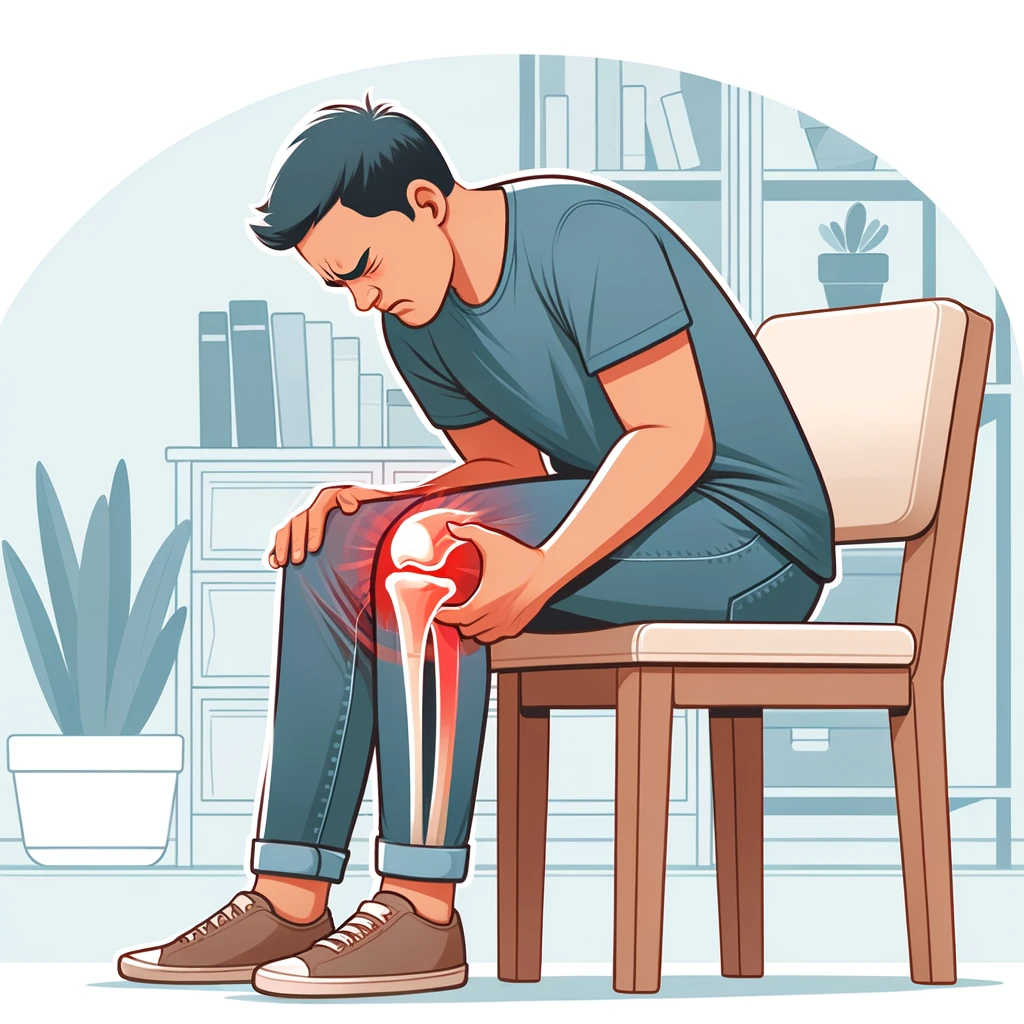
Knee Pain
Knee Pain: Causes, Symptoms, and Treatment Options
Knee pain is a common condition that affects millions of people worldwide. It can be caused by a variety of factors, including injury, overuse, and arthritis. Knee pain can range from mild discomfort to severe pain that can limit your mobility and affect your quality of life. In this article, we will explore the causes of knee pain, common knee injuries and conditions, diagnosis and treatment options, as well as prevention and management strategies.

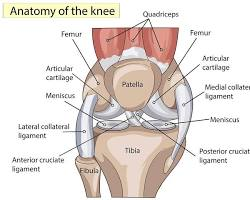
Understanding knee pain is essential to effectively manage and treat the condition. The knee joint is one of the largest and most complex joints in the body, consisting of bones, cartilage, ligaments, and tendons. Any damage or injury to these structures can cause knee pain. Knee pain can also be a symptom of an underlying medical condition such as osteoarthritis or rheumatoid arthritis. It’s important to seek medical attention if you experience persistent knee pain or if your knee pain is accompanied by other symptoms such as swelling, redness, or fever.
If you are experiencing knee pain, it’s important to seek a proper diagnosis and treatment plan to alleviate your symptoms and prevent further damage. Treatment options may include rest, physical therapy, medication, or surgery. In addition, there are several preventative measures you can take to reduce your risk of knee injury and pain. In the following sections, we will discuss these topics in more detail and provide key takeaways to help you better understand and manage knee pain.
Key Takeaways
- Knee pain can be caused by a variety of factors and can range from mild discomfort to severe pain.
- Understanding the knee joint and common injuries and conditions is essential to effectively manage and treat knee pain.
- Treatment options for knee pain may include rest, physical therapy, medication, or surgery, and preventative measures can help reduce your risk of knee injury and pain.
Understanding Knee Pain
Knee pain is a common issue that affects many of us at some point in our lives. It can be caused by a variety of factors, including injury, overuse, and age-related wear and tear. In this section, we will explore the various causes of knee pain and discuss some of the ways in which it can be treated.
One of the most common causes of knee pain is inflammation. This can occur as a result of injury, infection, or chronic conditions such as arthritis or bursitis. Inflammation can cause swelling, stiffness, and pain in the knee joint, making it difficult to move or put weight on the affected leg.
Age is another factor that can contribute to knee pain. As we get older, the cartilage in our joints can begin to wear down, leading to conditions such as osteoarthritis. This can cause pain and stiffness in the knee joint, as well as a decreased range of motion.
Chronic knee pain can also be caused by being overweight or obese. The extra weight puts added pressure on the knee joint, which can lead to inflammation and pain. Losing weight can help to alleviate these symptoms and improve overall knee health.
Treatment for knee pain will depend on the underlying cause of the issue. In some cases, rest and ice may be enough to reduce inflammation and alleviate pain. Other treatments may include physical therapy, medication, or surgery.
In conclusion, knee pain can be caused by a variety of factors, including inflammation, age-related wear and tear, and being overweight. Understanding the underlying cause of the issue is key to finding an effective treatment.
Common Knee Injuries and Conditions
Knee pain can be caused by a variety of injuries and conditions. Here are some of the most common ones:
Ligament Injuries
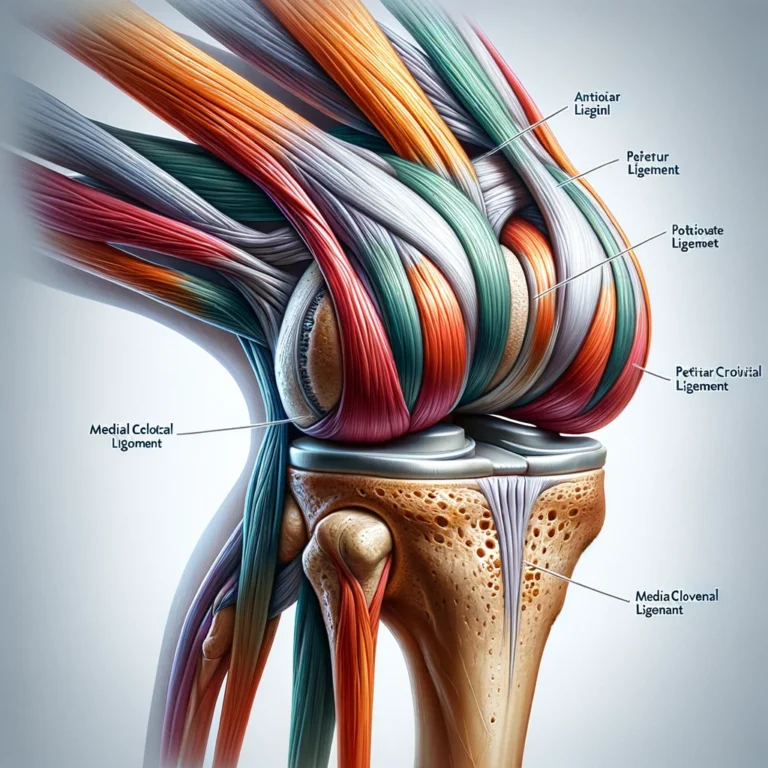
The knee has four main ligaments that connect the bones and provide stability. The anterior cruciate ligament (ACL) and the medial collateral ligament (MCL) are most commonly injured. ACL injuries can occur during sports or other physical activities that involve sudden stops or changes in direction. MCL injuries are often caused by a direct blow to the knee.
Tendinitis
Tendinitis is inflammation of a tendon. The patellar tendon, which connects the kneecap to the shinbone, is often affected. This condition is common in athletes who jump frequently, such as basketball players.
Bursitis
Bursae are small sacs of fluid that cushion the knee joint. When these sacs become inflamed, it is called bursitis. Prepatellar bursitis, which affects the bursa in front of the kneecap, is a common type of knee bursitis.
Patellofemoral Syndrome
Patellofemoral syndrome is a condition in which the kneecap does not move properly. This can cause pain and discomfort, especially when going up or down stairs.
Osgood-Schlatter Disease
Osgood-Schlatter disease is a condition that affects young athletes. It occurs when the tendon that attaches the kneecap to the shinbone becomes inflamed. This can cause pain and swelling below the kneecap.
Meniscus Tears
The meniscus is a piece of cartilage that cushions the knee joint. Tears in this cartilage can occur during physical activity or as a result of aging.
Gout
Gout is a type of arthritis that can cause sudden and severe pain in the knee. It occurs when uric acid crystals build up in the joint.
Fractures and Dislocations
Fractures and dislocations can occur as a result of trauma or injury to the knee. These injuries can cause severe pain and may require surgery to repair.
Overall, knee pain can be caused by a variety of injuries and conditions. If you are experiencing knee pain, it is important to see a doctor for an accurate diagnosis and appropriate treatment.
Diagnosis and Treatment of Knee Pain
When patients come to us with knee pain, we begin by conducting a thorough physical exam and taking a detailed medical history. We may also order diagnostic tests such as X-rays, MRIs, or CT scans to help us diagnose the underlying cause of the pain.
Once we have made a diagnosis, we will begin treatment. In many cases, knee pain can be managed with rest, ice, compression, and elevation (RICE). We may also recommend over-the-counter pain medications such as acetaminophen or nonsteroidal anti-inflammatory drugs (NSAIDs) like ibuprofen or naproxen.
For more severe cases, we may recommend prescription medications or injections to manage pain and inflammation. In some cases, surgery may be necessary, such as knee replacement surgery or arthroscopy.
In addition to medical treatments, we may also recommend physical therapy to help patients regain strength and mobility in their knees. This can be an important part of the recovery process and can help prevent future knee injuries.
Overall, our goal is to provide patients with an accurate diagnosis and effective treatment plan for their knee pain. We are confident in our ability to help patients manage their pain and regain their mobility.
Prevention and Management of Knee Pain

When it comes to knee pain, prevention is key. There are several steps we can take to reduce the risk of developing knee pain, especially if we engage in sports or activities that involve running, jumping, or stress on the knees.
One effective way to prevent knee pain is to engage in stretching and strengthening exercises. This can help to improve flexibility and reduce the risk of injury. Additionally, wearing knee braces or using an elastic bandage can help to provide support and reduce stress on the knees.
If you do experience knee pain, there are several management techniques that can help to alleviate symptoms. Swimming is a low-impact activity that can help to reduce stress on the knees while still providing a great workout. Additionally, over-the-counter pain relievers can help to reduce pain and inflammation.
It’s important to keep in mind that knee pain can be caused by wear and tear over time, so it’s important to take care of our knees as we age. This includes avoiding activities that put excessive stress on the knees and maintaining a healthy weight.
Overall, by taking steps to prevent knee pain and managing symptoms when they do occur, we can help to keep our knees healthy and pain-free.
Frequently Asked Questions

What are common causes of knee pain in young adults?
Young adults may experience knee pain due to a variety of reasons, including injury, overuse, or underlying medical conditions. Some common causes of knee pain in young adults include ligament sprains, meniscal tears, patellar tendinitis, and osteochondritis dissecans.
What are some effective treatments for knee pain in women?
Effective treatments for knee pain in women may vary depending on the underlying cause of the pain. Some common treatments include rest, ice, compression, and elevation (RICE), physical therapy, nonsteroidal anti-inflammatory drugs (NSAIDs), and corticosteroid injections.
What are some natural ways to relieve knee pain?
Some natural ways to relieve knee pain include maintaining a healthy weight, practicing low-impact exercises such as swimming or cycling, stretching regularly, using heat or cold therapy, and taking supplements such as glucosamine and chondroitin.
What are some types of knee pain and their symptoms?
There are many types of knee pain, each with their own unique symptoms. Some common types of knee pain include anterior knee pain, patellar tendinitis, iliotibial band syndrome, and osteoarthritis. Symptoms may include swelling, stiffness, clicking or popping sounds, and difficulty walking or standing.
What are some things to avoid if experiencing knee pain?
If experiencing knee pain, it is important to avoid high-impact activities such as running or jumping, wearing high-heeled shoes, and sitting or standing for long periods of time. It is also important to avoid activities that cause pain or discomfort in the knee.
When should I seek medical attention for knee pain?
It is important to seek medical attention for knee pain if the pain is severe, if there is swelling or redness around the knee, if there is difficulty moving the knee, or if the pain persists for more than a few days. A medical professional can help diagnose the underlying cause of the pain and recommend appropriate treatment options.


9 Comments