Category: Knee Arthritis

  • Inflammation in rheumatoid arthritis: unraveling the mechanisms

    Inflammation in rheumatoid arthritis: unraveling the mechanisms

    Rheumatoid arthritis (RA) is a chronic autoimmune disease that affects millions of people worldwide. It is characterized by joint inflammation, pain and stiffness, which can significantly affect a person’s quality of life. Understanding the mechanisms behind inflammation in rheumatoid arthritis is crucial for developing effective treatments and improving patient outcomes.

    Introduction

    Rheumatoid arthritis is a chronic inflammatory disease that mainly affects the joints. It is an autoimmune disease in which the body’s immune system mistakenly attacks its own tissues, leading to inflammation and damage. This chronic inflammation can lead to joint deformity, loss of function and disability if left untreated. Therefore, gaining insight into the mechanisms that drive inflammation in rheumatoid arthritis is crucial.

    What is inflammation?

    Inflammation is a natural process that occurs when the body’s immune system responds to injury or infection. It involves the release of various chemical signals and the activation of immune cells to protect the body and promote healing. While acute inflammation is a temporary response to a specific trigger, chronic inflammation, as seen in rheumatoid arthritis, persists for an extended period of time. It is this inflammation that causes the symptoms seen in RA.

    Inflammation in rheumatoid arthritis

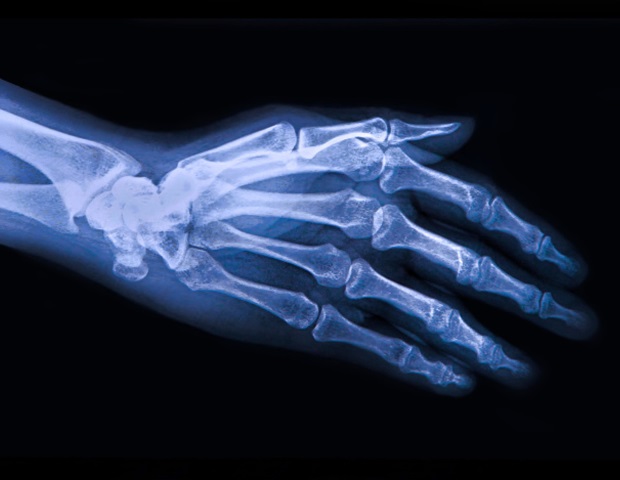
    Rheumatoid arthritis is characterized by persistent inflammation in the synovial joints, mainly affecting the hands, feet and wrists. The synovium, a thin membrane that lines the joints, becomes inflamed, leading to pain, swelling and stiffness. If left untreated, this inflammation can gradually damage the joints, cartilage and surrounding tissues.

    Inflammatory mechanisms in rheumatoid arthritis

    The inflammatory process in rheumatoid arthritis involves a complex interplay of immune cells, cytokines and genetic factors. Initially, immune cells such as macrophages and dendritic cells are activated, causing an immune response. These cells produce pro-inflammatory cytokines, including tumor necrosis factor-alpha (TNF-alpha), interleukin-1 (IL-1), and interleukin-6 (IL-6), which play an important role in promoting inflammation and joint destruction . .

    The role of the immune system

    In rheumatoid arthritis, the immune system plays a crucial role in causing inflammation. T cells and B cells, two types of lymphocytes, are mainly involved in the inflammatory process. T cells recognize specific antigens and release cytokines that further activate immune cells and enhance the inflammatory response. B cells produce autoantibodies that target the body’s own tissues, contributing to tissue damage and inflammation.

    Inflammatory mediators

    Several inflammatory mediators contribute to the persistent inflammation that occurs in rheumatoid arthritis. Prostaglandins, leukotrienes and cytokines are among the key players in the inflammatory cascade. Prostaglandins and leukotrienes are lipid mediators that promote vasodilation, increase vascular permeability, and recruit immune cells to the site of inflammation. Cytokines, such as TNF-alpha, IL-1 and IL-6, enhance the immune response and support the inflammatory process.

    Inflammation and joint damage

    The chronic inflammation in rheumatoid arthritis can lead to irreversible joint damage. The continued presence of inflammatory mediators and immune cells promotes the destruction of cartilage and bone. Over time, this can result in joint deformities, loss of mobility and functional limitations. Early intervention to control inflammation is crucial in preventing or minimizing joint damage.

    Inflammation and systemic effects

    Inflammation in rheumatoid arthritis not only affects the joints, but can also have systemic consequences. Chronic inflammation increases the risk of developing cardiovascular diseases, such as heart attack and stroke. Additionally, it can lead to osteoporosis, a condition characterized by weakened bones, making people more susceptible to fractures. Controlling inflammation in rheumatoid arthritis is therefore essential for overall health and well-being.

    Current treatment methods

    Treatment for rheumatoid arthritis aims to reduce inflammation, relieve symptoms and prevent joint damage. Conventional medications, including nonsteroidal anti-inflammatory drugs (NSAIDs), disease-modifying antirheumatic drugs (DMARDs), and corticosteroids, are often prescribed to control inflammation and manage pain. Biological therapies, such as TNF inhibitors and interleukin blockers, target specific inflammatory pathways and have revolutionized the treatment of rheumatoid arthritis.

    Possible future directions

    Research into inflammation in rheumatoid arthritis is constantly evolving, leading to the development of new treatment methods. Emerging therapies, including Janus kinase (JAK) inhibitors and small molecule inhibitors, show promise in targeting specific molecules involved in the inflammatory process. Personalized medicine, based on an individual’s genetic profile, is also an area of ​​active research, aimed at optimizing treatment outcomes and minimizing side effects.

    Lifestyle and diet adjustments

    In addition to medical interventions, lifestyle changes can play an important role in controlling inflammation in rheumatoid arthritis. Regular physical activity, tailored to individual capabilities, helps reduce joint stiffness and maintain joint flexibility. Following an anti-inflammatory diet rich in fruits, vegetables, whole grains and omega-3 fatty acids can provide essential nutrients and possibly ease symptoms.

    Conclusion

    Inflammation is a major cause of rheumatoid arthritis and contributes to joint damage and systemic effects. Understanding the complicated mechanisms involved in inflammation can help develop targeted therapies and improve the lives of people with rheumatoid arthritis. By controlling inflammation, maintaining joint function, and taking a comprehensive approach that includes lifestyle changes, people with rheumatoid arthritis can live fulfilling lives with a reduced burden of disease.


    Source link

  • 4 women get real about living with rheumatoid arthritis

    4 women get real about living with rheumatoid arthritis

    pexels pixabay 53364

    Your immune system is supposed to protect your body, but when you have rheumatoid arthritis (RA), it accidentally attacks healthy joints, tissues, and organs, including the eyes and lungs. As a result, the chronic autoimmune disease causes pain, swelling, stiffness and loss of function in the joints. It can also cause other symptoms, including fatigue, loss of appetite and dry eyes.

    RA affects 1.5 million Americans and there is no cure. But it can be managed with medications and lifestyle changes.

    Women’s health

    Women’s Health magazine featured four women – including Mariah Leach, founder of Mamas Facing Forward – discussing the diagnosis of rheumatoid arthritis, how they cope and what they’ve learned from living with RA.

    4 women get real about living with rheumatoid arthritis

    Women’s health

    Source link

  • You Don’t Look Sick – Living With Rheumatoid Arthritis: DAY 3 IN YOSEMITE

    This morning started early after a long day yesterday. The burning sensation disappeared. I’m pretty sure it was something in the bath oil that caused me to have a bad reaction.

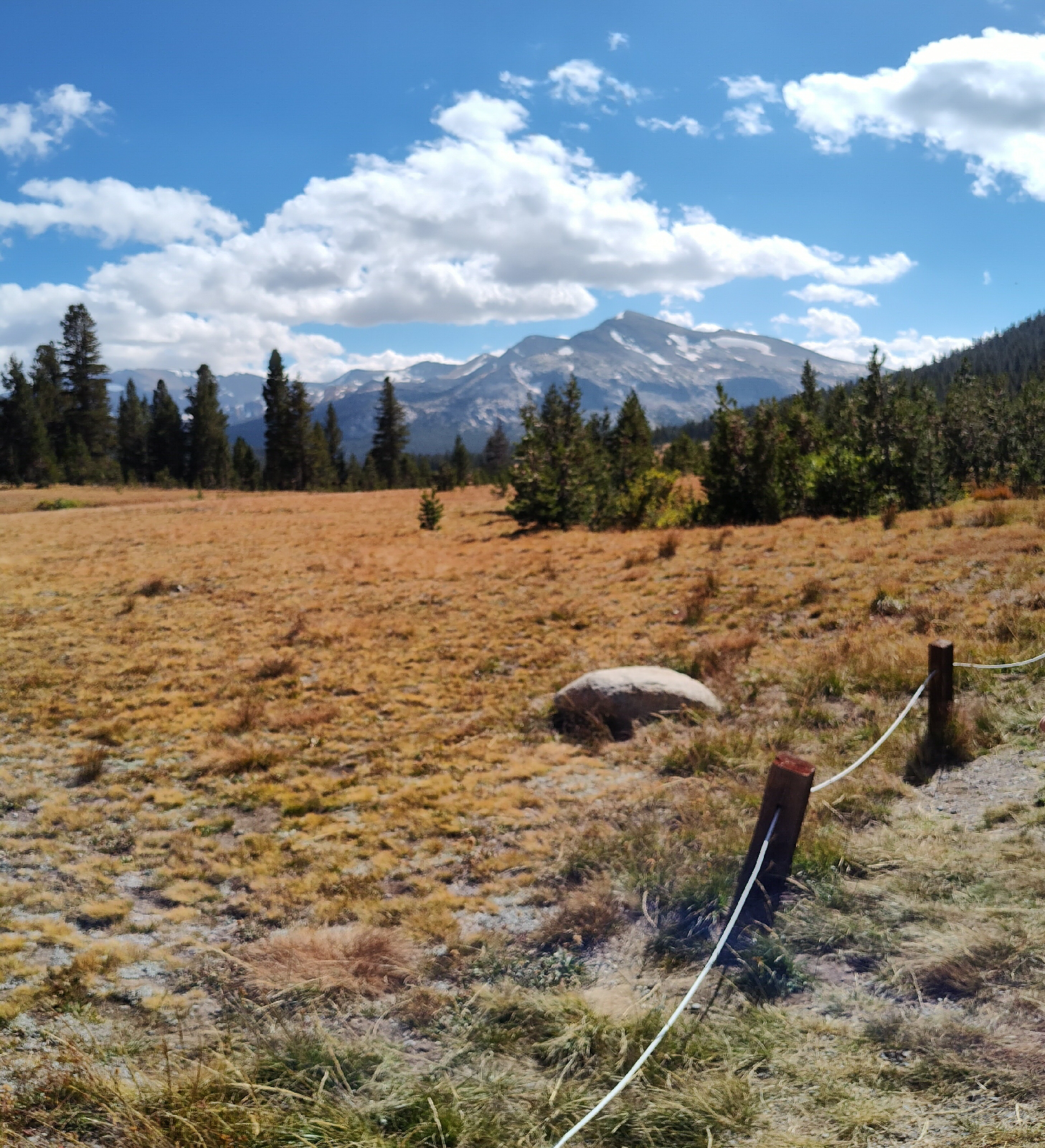
    I drove to Yosemite (it’s an hour away) via the one-way bridge that cars cross in both directions. I got into the Yosemite gate pretty quickly. I drove another 20 minutes to the meeting spot. I was early so I stopped to take some photos at some take-out points.

    AVvXsEj8fQFzX37CqWuTC2jscUzBzo I312LPh1ehpBTflwEXhv8EQw8ghDh4l0lGd6L7hi3LibIaKRMDGybeyNloXfPggwjTVRYa49EGOLV3wOTtOgcntGmT3g9JYih2wwNq 9hShgJZG73Y7fd 4skaxWXZjW0IDtE9 eMZD3KQLCpQXW4aN1Wg8r8AKWzh14

    I met up with Katherine and we got in her car to go to the next spot. It was Tuolumne Grove to see the gigantic majestic redwood trees. We walk through the forest.

    AVvXsEi4yLA 7L1du3 K46ylU7j5SvD yAZuB PcPY3leZ5wvYjyLCgMgzLTKxxNApCOCmLLxKoC4WfJ0Cvx8vOVGkyKLLWDMajXIcZ1neG33sTLuycIYTPOI3BMA e1A9CVfREjQ g6lEIjV sCsq80Zy6xQMhcuRym GMRySi5shIGkV TjujrLfFx7 7T3k

    Then we got in the car and drove to Olmsted Point where we walked a bit, took pictures and meditated for a while. There’s a fire in the park, so today the air was smoky.

    AVvXsEgli5LrIkMuER1svV8Afg5S2DwmfmPD8EDb2k hevvJd7rvJ5mdvAu4YofgKd5eTPeYyzqNld6n7 Bh9PYPRZloBfRKmqiDMv1Xn0fHbOreTQxZ0kpxE4F5VHAB7wroXm94phIgnHiv0vraqZr6P0OPHJebfIwSve5b8m6Q4RfayBh0ncreR2E cdc JzM

    Then we went to Taneya Lake where we ate a packed lunch she brought. It was nice to sit in her camp chairs and have lunch by a beautiful lake. One interesting fact: the boulders and trees all had rings around them. It was a trail left by the lake this year after the historic snowfall. The water rose so high!

    AVvXsEizIOYmk5AWD5gXMKAzsQPtpSg4BZMq5b2iEWbwKLCC8YLqvEwgCVc6M4sOd0qkbBj 39ssfPqRitZs295 zH3ZdJVvZrhj fPU VGu0yXPR0Tv2BVWPUEtBmejSsT6AzcZ

    AVvXsEheUXX pzP96brRcZT5f li9hN3vFO3FenrbrrCQhqcyJOXfaNsgdGo6A6RiJ3m75jHxg fRJbBpnGVmKV pHhLA031onSIpFQBj2AEoOeGqsJJJW1mz3dcjbS QN1GhP3M1E YrYhJCahM tIrJP tcgYl8Nl

    Then we went to Tuolumne Meadow to Soda Springs. It’s a nice walk to see water that is actually naturally carbonated. Scientists can’t figure out why. I also used an outhouse for the first time in a long time.

    AVvXsEgLrqKSsDFTG0SRqWl65m3NylngC9bpIYz3YDzG6dhKVQJDsvXvuGZ EQIdFK4m1vjhnjdDziLLD72P2YbDPfGAil2aPaVrfMjm4a3SWC3Ey4W cbKiXHDcjYRcEubfRqut00DbaFcq8WrXwgpOXLZLweW3iJ5fFmS2l7vEqBvJQjHvLj7cCRWMyRGQuaI

    AVvXsEjGh2TrFwFIhCeOjW3UE7wWj r 04fD5SAPcaf71xAF kIEO3bt1TZxdLwddPHBW

    We then headed back to Olmsted Point because the smoke cleared and I was able to get a better photo.

    AVvXsEhMPTTAwnqOxw37KDMnNfwdUynBY6N05oGBhITFyJPKn5E nAEmo5 o5zr8 iNsJZCXEG2eE 2MiSEO4oLxixb3dgeeJl8J23GedmGH9OZU98kXesVsojpFIbnb0vV5mH0WAb5JPBIux3EsllMMe7 kDaSNY4ft0z0LT yq8Q1ZDEHJksH2jHXBo4M8q2s

    That was the end of my tour/walk for the day. I drove back to the room to shower and get ready for dinner. Tonight I decided to get take out and eat on my porch.

    AVvXsEjjJNyKfZ7BaJuiiVniaRil5J9oayHFJ7W5rLRj3OuoFThoH5g2u3H QA66v8V47s49rsdV8K1RIYaIm9ozldos176TSRRQnojaiObZxEiipaPlbl3UaERkjbEN tYyD1Lyp0zS59VdR8opLX7VVvayIodsIPwEBwr2KRoG088gMTz34zWOXF22a3fZU w

    Now I have to go to bed, because tomorrow is coming soon. It was going to rain, so this walk will be interesting!

    By the way, if you’re interested in the dog, she was caught watching football with her boyfriend.

    AVvXsEgoL2D1V0m6Nm X7m0BkPpkfM5v2V96SidcOAtZEFsuJBpd p3ReujvzosbB87uzyWuA9kFGfb2Un 19osec3fDLg4 b4REONLUbo11JcCLswGrVCud5RiOwI3VyILSED

    Of course she comes from Chihuahua Mexico….

    See you tomorrow…

    Source link

  • Real-world treatment patterns of rheumatoid arthritis in Brazil: analysis of DATASUS national administrative claims data for pharmacoepidemiological studies (2010-2020)

    Study design and database

    This was a descriptive, retrospective claims database study using the DATASUS database. The study identified patients with RA who sought care within SUS between January 1, 2010 and December 31, 2020.

    The administrative claims data in DATASUS is presented as procedure codes from billing data and includes demographic information, all procedures (inpatient and outpatient), costs, and additional information23. Hospital admission (SIH [Sistema de Informações Hospitalares])24 and outpatient (SIA [Sistema de Informações Ambulatoriais])11 data exists separately and is linked at the patient level through multiple steps with different combinations of individual level information (date of birth, gender, city and zip code) for a probabilistic linkage approach. This Brazilian Healthcare Record Linkage (BRHC-RLK) methodology has been used in previous studies to enable a more comprehensive recording of each patient’s health record and thus allow a more complete evaluation of their journey through the SUS system.25. The method is based on multiple steps with different combinations of patient information from both databases, making it possible to identify or link patient data in both systems, while maintaining the anonymized nature of the database.

    Patient-level data within DATASUS is anonymized and encrypted before being made available to researchers. DATASUS is publicly available and does not require further approval from ethics committees, according to Brazilian Ethics Resolution No. 510/2016.

    Study population

    The study population included patients with at least one claim of RA (according to the International Classification of Disease, 10th edition). [ICD-10] codes: M05.0, M05.3, M05.8, M06.0, M06.8, or M08.0) and ≥ 2 claims for disease-modifying antirheumatic drugs (DMARDs) ≥ 1 month apart in the 2010 survey– 2020 period. This study examined a treated population where the index date was the first DMARD claim and followed until the end of the study period (December 31, 2020) or the last available information. Detailed DMARD definitions can be found in Supplementary Table S1.

    To capture initial treatment and address the potential for misclassification common in claims data, patients with a DMARD claim without an RA ICD-10 code 12 months prior to the index date were excluded. The index date was defined as the date of the first RA ICD-10 and DMARD prescription in the public health system during the study period. Patients with RA with less than six months of follow-up were excluded, in an effort to reduce the number of individuals with a false diagnosis or lack of follow-up in the database.

    Because SUS is a healthcare system with universal coverage, patients with additional private health insurance can also receive medications (such as expensive drugs) covered by SUS at no out-of-pocket cost. This is often observed in other therapeutic areas26. For this reason, we stratified the results across the following cohorts: Cohort 1 is the entire study population, Cohort 2 is SUS-exclusive (i.e., dependent on SUS for all healthcare-related encounters, procedures, and treatments), and Cohort 3 represents SUS + private patients ( i.e. depending only on SUS for prescription drug coverage)26.

    Measurements of DMARD treatment

    DMARD treatments measured using procedure codes (see Supplementary Table S1) were grouped into the following categories: csDMARD for conventional synthetics and/or immunosuppressants (ciclosporin, cyclophosphamide, chloroquine, hydroxychloroquine, leflunomide, methotrexate, azathioprine and sulfasalazine), bDMARD for biological drugs (adalimumab, abatacept, etanercept, infliximab, rituximab, tocilizumab, golimumab, certolizumab) and tsDMARD for a synthetic, oral target therapy [Janus kinase (JAK) inhibitor, tofacitinib].

    Treatment patterns were evaluated by specific drug (independently of monotherapy or in combination) as provided for RA treatment and the order of available treatments in SUS, by line of therapy (LOT), time point of each drug, previous and subsequent DMARD treatments in SUS. The first treatment was the first therapy from the admission according to RA ICD-10 code. LOT was defined as at least three claims (dispensation) of the same drug (b/tsDMARD) in a row. A new series of at least three claims (dispensation) of the same drug in the correct order was considered a new line of treatment. Thus, the switch to a treatment was identified as at least three claims for drugs other than the previous one, which are not included in the definition of drugs used in combination. Gaps were allowed regardless of time and did not constitute a new LOT. First-line (LOT1) refers to initial treatment, first b/tsDMARD claim of RA during the study period. Second-line (LOT2) refers to the second b/tsDMARD used for RA treatment, when the first b/tsDMARD was stopped. Third line (LOT3) refers to the third b/tsDMARD, when the previous b/tsDMARD was terminated. csDMARDs used before b/tsDMARD were also assessed. Switching treatment was defined as at least three claims for drugs different from the previous one (new LOT), and not part of drugs used in combination.

    static analysis

    Derived variables included age and distance to the clinic. Age was defined as the age at the first claim of an ICD-10 code for RA in the database. Distance was calculated as the Euclidean distance (km) between two zip codes: the patient’s place of residence and the health care facility or tomography or antiangiogenic treatment facility, as applicable. Treatment switch, discontinuation and end of follow-up were the main outcomes of censoring events of interest, also relevant in defining LOT and creating Sankey diagrams.

    Continuous variables (e.g., age) are summarized by central tendency (means, medians) and dispersion (variance, range); and for categorical variables (e.g. gender) based on absolute number and percentage. Stratifications and/or sensitivity analyzes were performed to evaluate differences in gender, age groups, patient region of residence, drug use, treatment line, and others.

    Stratified analyzes for mainstream and new users were prespecified, and for SUS-exclusive and SUS+ private cohorts. Frequent users were patients with RA who were currently receiving bDMARD treatment, and new users were patients with RA who were starting a new bDMARD treatment (i.e., their first prescription). To describe the use and sequential patterns of RA bDMARD treatments, patients were stratified by treatment type, LOT-specific drug, and SUS-exclusive status.

    In multivariable logistic regression analyses, age, SUS-exclusive status, distance to clinic (160+ km), and pre-index cs/imsDMARD and other independent predictors were included to evaluate initiated therapy (LOT1) with b/tsDMARD (JAKi). Multivariable analyzes were performed using Cox regression models evaluating predictors by time to switch to tsDMARD (JAKi) compared to bDMARD (LOT2+), applying the same independent predictors from multivariable logistic regression analyzes (age, SUS-exclusive status , distance to clinic, pre-index cs/imsDMARD, other), plus the number of previously used bDMARDs. Sankey diagrams were used for visualizations of treatment patterns. Sankey diagrams quantitatively illustrate the sequence of treatment (and/or duration of treatment) and allow stratification by subpopulations of interest with censoring based on different treatment, discontinuation, or end of follow-up. Kaplan Meier survival analyzes and plots were generated for time to switch from LOT1 to LOT2, among those treated with b/tsDMARD, analyzed by drug type and by SUS-exclusive status.

    The visual representation of the time-to-event of the switch from LOT1 to LOT2 in patients receiving b/tsDMARD therapies was presented in Kaplan-Meier curves. The last available patient information or end of study period was considered censored for patients who did not switch from LOT1 to LOT2.

    All analyzes were performed using Python version 3.6.9 and statistical significance was set at p < 0.05.

    Source link

  • New treatment option for hand osteoarthritis identified

    New treatment option for hand osteoarthritis identified

    Osteoarthritis

    Relief could be on the way for people with painful hand osteoarthritis after a Monash University and Alfred Health-led study found that an affordable existing drug could help. Until now, no effective treatment existed.

    Published in The Lancetthe article examined methotrexate, a cheap, effective treatment for inflammatory joint diseases such as rheumatoid arthritis and psoriatic arthritis. It has been widely used in Australia and worldwide since the early 1980s.

    Researchers found that methotrexate reduced symptoms in people with hand osteoarthritis (OA). A weekly oral dose of 20 mg for six months had a moderate effect on reducing pain and stiffness in patients with symptomatic hand osteoarthritis.

    Hand osteoarthritis is a debilitating condition that causes pain and affects function, interfering with daily activities such as dressing and eating. It can significantly reduce the quality of life. About one in two women and one in four men will experience symptoms of hand osteoarthritis by the time they turn 85.

    About half have inflamed joints, which cause pain and are associated with significant joint damage. Despite the high prevalence and burden of disease, no effective medications exist.

    Senior author Professor Flavia Cicuttini, head of Monash University’s Musculoskeletal Unit and head of rheumatology at The Alfred, said the study identified the role of inflammation in hand osteoarthritis and the potential benefit of targeting patients experiencing painful hand osteoarthritis.

    “In our study, as in most osteoarthritis studies, pain improved in both the placebo and methotrexate groups in the first month or so,” Professor Cicuttini said.

    “However, pain levels remained the same in the placebo group but continued to decrease in the methotrexate group at three and six months, while still decreasing. The pain improvement in the methotrexate group was twice as much as in the placebo group.

    “Based on these results, the use of methotrexate may be considered in the treatment of hand osteoarthritis with an inflammatory pattern. This provides physicians with a treatment option for this group, which tends to sustain more joint damage.”

    Professor Cicuttini said that in patients with hand osteoarthritis and inflammation, the effects of methotrexate were visible after about three months and it was very clear after six months whether it was working.

    At that point, patients and their doctors can decide whether to continue or stop. This is very similar to what we are currently doing with other forms of inflammatory arthritis.”

    Professor Flavia Cicuttini, Monash University

    The NHMRC-funded randomized, double-blind, placebo-controlled trial of 97 people assessed whether methotrexate 20 mg weekly reduced pain and improved function compared to placebo in patients with symptomatic hand osteoarthritis and synovitis (inflammation) for six months.

    Participants with hand osteoarthritis and MRI-detected inflammation were recruited from Melbourne, Hobart, Adelaide and Perth.

    Professor Cicuttini said the results could provide relief for people with hand osteoarthritis, which was particularly common in women during the menopause.

    “Further studies are needed to determine whether the effect of methotrexate lasts longer than six months, how long we should treat patients and whether methotrexate reduces joint damage in patients with hand osteoarthritis and associated inflammation,” she said.

    Professor Cicuttini now plans to conduct a follow-up study to answer these questions, specifically whether women who develop hand osteoarthritis around menopause and often have severe pain and joint damage can benefit.

    Source:

    Magazine reference:

    Wang, Y., et al. (2023) Methotrexate for the treatment of hand osteoarthritis with synovitis (METHODS): an Australian, multisite, parallel group, double-blind, randomized, placebo-controlled trial. The Lancet. doi.org/10.1016/S0140-6736(23)01572-6.

    Source link

  • “If you’re trying to get pregnant, you should actually have sex”

    “If you’re trying to get pregnant, you should actually have sex”

    Screen Shot 2021 03 14 at 2.19.43 PM

    When I first started thinking about getting pregnant after being diagnosed with rheumatoid arthritis, I was eager to hear from other women who had succeeded in this goal. At the time there wasn’t much social media, but I did find a great book called Arthritis, Pregnancy and the Path to Parenthood. It contained quotes and advice from real women, and I found it invaluable.

    But I also discovered a problem: the book started by talking about the possibility of changing some of your medications before getting pregnant, and then skipped straight to being pregnant. But wait! If I stop taking my meds, won’t I flare up? And if I’m in pain, how can I ever get pregnant? Is there a chapter missing from this book about trying to get pregnant while living with arthritis?

    That’s the question I asked Iris Zink, a rheumatology nurse who recently wrote a book with Jenny Thorn Palter about intimacy and chronic illness. (The book is called “Sex – Interrupted” and you can read my review of it here!) Their book recommends many alternatives to intercourse – which I think is generally good advice for maintaining intimacy in a relationship while dealing with a chronic illness! But what if you want to start a family? If you’re trying to get pregnant, you actually have to have sex!

    Iris and I decided to have a discussion about a topic we haven’t seen anyone else talk about: the challenges many women face when actually trying to conceive while living with a chronic illness. I share my personal experiences, and Iris shares her expert advice this video!

    Source link

  • You Don’t Look Sick – Living With Rheumatoid Arthritis: DAY 4 IN YOSEMITE

    The day started so well. I got up extra early to get to Yosemite before the Saturday crowds. I went to Tunnel View where I thought I was supposed to be, then I saw a text message with a different location so I went to that location. Turns out I was supposed to be at Tunnel View. Emily, my guide, and I finally connected.

    Since Tunnel View was fogged up, we headed to Glacier Point. It was also fogged up. To say it was foggy is an understatement. It was foggy in San Francisco. We couldn’t see any mountains.

    AVvXsEhKk2qKiZ2axvQzdcDUtY 6NEB5ACV6GBiJWDghH5 F9gYJMluhxK mzNjxU5fRbLLwB9olW6kjV0XNeFXVcoz31cE fbKTchl2WszwJ9vEGH2H9gcF 2tyZaLIp8Dr2V6waQXfJLYipaDEFMnn3oi64nyjv

    We hiked at Glacier Point.

    AVvXsEgtvV axvQK8sevA5561N0i9k9vLrxp4UJ7832KpJMh8ebS NODITkccYxUVx95pPiTdpepgo0ocWp8GhfuLLJtGUU57o8EeEa3joWPAliDQBhSKWDQvE1oU0TJD9wKrJ5rhYbtUL0P2AjjWy6oqd2oMRY

    AVvXsEjBe7MU1e5hyJzFlQZ1ZzE2JnMx8dcQaEaNMkP6 RU9y5h0AxnCSTdf6lpGDIaK83CH4tx5q1m92e8SHvAfPrv68gXyzwqkI PixL241CuARFk14Gh0vcu0tElJHB2 mTrzhBOzgDtWZ6nnm8yKnnOP5FwjRLHoks7FMYRdDXgnbyo5KyJXyLUEce0H3E

    AVvXsEgjU5XZEjsclFjfioW3DRbGlj9jInxajE0fhd7aXftPvNgrPtfdTAFaNOdAVzw 9ZbPBhfr4 2m7tHMK

    Then we walked to Taft Point. We had some lunch during the walk. It started sprinkling every now and then. We climbed to the top of Taft Point and right as we were getting to the top it started raining heavily. We were scrambling to get down when the heavy rain came. I put one foot down and slipped, so I put my other foot down, twisted both feet and fell down. I think I screamed. I stood up and couldn’t put weight on my right foot. The guide and I slowly got off the rock because it started to snow! It’s too early for snow in Yosemite. Once off the rock, the guide sat me down and took off my shoes. She bandaged it and I tried to put weight on it, but it didn’t work. I also fell on my camera so I have to look at it to see if I broke it. 😫

    Meanwhile, these four students were hanging out. They came to me and asked if I needed help. We said yes. They were students from Spain. There were three boys and a girl. The four of them, along with the guide, helped me down the hill and to my car. Before you say the big problem. The terrain was amazing. Rocks, puddles, slopes and it was snowing heavily. None of us were dressed for snow.

    AVvXsEhEa1vUJ5l2a0 Oi3HEF1CL4uVRCrUzvZNYsOb9vUq 29D5K1lOggff2eQxIHXAOTqWLqGy eMKSkP2LxvsSscJW dF1jtAtIt7njMoJAf255DLbxTcQyHayifa72pZ77C6LPKCjH x2 KZO6oYiBELk QYC5EP c4aUtLGA5ZdKNTcHChWNGJk6VPdV0

    AVvXsEj5nLCarI D23Q0OdbH0QAYGPstSP1s IT BL4DLpqrrdVo8yWvgOaYKEcr wyHASIk848i2PqKFunT yMc4YdEvbon2y6 f8iRLm pn1uYN2UjOJ2UQiOcrqftgLXgSl8uUQFYbfQUG

    It took me about an hour to get to the parking lot. We had to go down and then immediately up again to get to the parking lot. About halfway through, a couple from another country asked if we needed help. They ended up carrying everyone’s backpacks.

    We finally go to the parking lot where the students parked. Our cars were further away, so the guide ran to get her car to take me to my car or the hospital. I chose my car because I didn’t know how much snow the park would get and I didn’t want my car to get stuck.

    Before we all parted ways, we took a group photo of the rescuers. They have to tell their friends a story about the lady they saved from a mountain in Yosemite.

    I could drive, but my foot really hurt when I hit the brakes. I had to get from my car to my cabin. I did it, but I’m not going to eat. I ate a lot of things I brought with me.

    Here are some photos:

    Source link

  • The histone acetyltransferases CBP and p300 regulate stress response pathways in synovial fibroblasts at transcriptional and functional levels

    Hypoxia, the formation of reactive oxygen species (ROS) and subsequent oxidative stress in synovial tissues are key events in the pathogenesis of RA1. We provide evidence here that CBP and p300 are critical regulators of the adaptive response of SF that integrate the transcriptional and functional regulation of stress response pathways throughout the cell.

    CBP and p300 are HATs and H3K27ac mark writers, which activate post-translational histone modifications present in enhancers and promoters20. Among the CBP/p300 target proteins are several non-histone proteins in addition to histones, including many transcription factors and signaling effectors16.21. Despite their high protein sequence homology, CBP and p300 have distinct individual functions identified by our own and other studies12,13,14.

    In SF, persistent H3K27ac in inflammatory gene promoters was associated with long-lasting and persistent expression of the corresponding genes22. We recently demonstrated that p300 is the major HAT in SF that exerts a pro- and anti-inflammatory role. This is in contrast to CBP, which exerted anti-inflammatory effects upon silencing, and specifically regulated TNF-induced interferon signature gene expression14. Although we have ruled out that silencing p300 additionally reduced CBP and vice versa, we cannot completely rule out other potential off-target effects after our silencing approach. Krosel etc already. have shown that inhibitors targeting the HAT or bromodomain of CBP/p300 closely resemble the effects of p300 silencing, including increased expression of TNF-induced proinflammatory gene expression14.

    Our RNAseq data provide evidence that the number of p300-regulated target genes is greater than that of CBP-regulated target genes, also in terms of stress response. While the cellular response to oxidative stress and autophagy was co-regulated by CBP and p300, genes associated with response to oxygen levels, hypoxia, and pathways associated with proteasome regulation and function were specifically enriched upon knockdown of p300. In pathways co-regulated by CBP and p300, we identified several genes that were regulated in opposite directions. These results point to individual functions of the two enzymes at the level of target genes, similar to what we have already observed for many inflammatory genes14. Furthermore, a small number of measured CBP and p300 target genes, namely BCL2, SOD3 and HDAC6, could be regulated in a joint-specific manner, as indicated by our Real-time PCR results in a limited number of samples for each joint site. Frank-Bertoncelj et al. have previously shown that H3K27ac is one of the mechanisms controlling the joint-specific expression of homeobox (HOX) transcription factors in SF from different locations7. To draw a definitive conclusion whether stress-associated target genes are regulated in a joint-specific manner, larger numbers of SF from different joints would be needed, together with H3K27ac ChIPseq data in unstimulated and TNF-stimulated SF from different joints.

    In addition to the differential roles of CBP and p300 in regulating target gene expression, we showed here a differential regulation of CBP and p300 by stimulating SF with 4-HNE and TNF (Fig. 6). These factors are present in the synovial microenvironment in RA and mimic the oxidative stress and inflammation, respectively. While 4-HNE and TNF, similar to H2O2suppressed the expression of p300, CBP was not affected. 4-HNE is a lipid peroxidation product generated at elevated levels of ROS. Levels of 4-HNE are elevated in serum, synovial fluids, and synovial tissues of RA patients, and serum levels of 4-HNE correlate with structural damage such as erosions in the early stage of RA23,24. As mimicked by our silencing approach, the TNF- and 4-HNE-mediated suppression of p300 expression in the synovial RA microenvironment has fundamental consequences for SF behavior. Our datasets from the previous one14 and the present study indicates that reduced expression of p300 was associated with increased expression of many inflammatory cytokines, chemokines matrix metalloproteinases and stress response genes in SF. Among these genes were HK2, a marker indicating the metabolic switch from SF to glycolysis, and VEGF, a pro-angiogenic factor secreted to overcome hypoxia.1.

    Figure 6
    figure 6

    Summary of CBP- and p300-regulated pathways in SF. The expression of p300 but not CBP is down-regulated in synovial fibroblasts after exposure to TNF and oxidative stress. The effects of p300 and CBP silencing are demonstrated based on findings from this and a previous study14. Downward arrows indicate suppressed expression or function, upward arrows indicate increased expression or function. The figure was created by BioRender.com.

    TNF stimulation of SF markers of endoplasmic reticulum (ER) was shown to induce stress and autophagy25. Our data suggest that CBP and p300 regulate autophagy at the transcriptional level and influence autophagic flux. The assessment of autophagy in the presence of the lysosomal inhibitor bafilomycin A1 indicated that CBP and p300 regulate autophagy function at different stages within the autophagic process. CBP silencing affected autophagosome synthesis. In contrast, knockdown of p300 induced autophagy in unstimulated SF, and induced a late-stage block of autophagy in TNF-stimulated SF, a condition in which polyubiquitinated proteins in SF accumulated. Accordingly, knocking down p300 only increased cell death in the presence of TNF, as previously indicated14. Kato etc already. have previously shown that autophagy induction partially compensated for reduced clearance of polyubiquitinated proteins in SF after blocking proteasome function, indicating a protective effect of autophagy induction in SF under such conditions5. Here we observed a similar compensatory mechanism after p300 knockdown, which was associated with a suppression of proteasome enzymatic activities and an induction of autophagy. This finding is consistent with a previous study in HeLa cells in which p300 knockdown was associated with reduced acetylation of autophagy-related proteins and increased levels of autophagy.26.

    Acetylation and deacetylation of components of the autophagy machinery control all steps of this catabolic process, from autophagosome initiation to LC3 conjugation, cargo assembly, and autophagosome-lysosome fusion27,28. Several classes of acetyltransferases, including CBP and p300, and deacetylases, including sirtuin1, HDAC4 and HDAC6 are involved in the regulation of autophagy27.29. Furthermore, the function of autophagy-related transcription factors, such as transcription factor EB (TFEB), Foxo1 and Foxo3, is regulated by deacetylation28.30. Recently, the increased translation of FOXO3 mRNA has been described to facilitate the initiation of autophagy31. We showed here that in unstimulated SF, FOXO3 mRNA increased after p300 knockdown, a condition in which autophagic flux increased. HDAC6 binds to polyubiquitinated proteins in SF29and promotes autophagy by facilitating autophagosome-lysosome fusion27. On the other hand, HDAC6 was also shown to suppress autophagy by deacetylating TFEB and Foxo130. This could explain the inverse regulation of HDAC6 and ATG5 and ATG16L1 in SF.

    A global analysis of the CBP/p300-dependent acetylome in mouse embryonic fibroblasts (MEF) suggested that proteasome functions might also be regulated by these enzymes.21. The majority of proteasome machinery components showed numerous CBP/p300-dependent acetylation sites in regulatory and enzymatic subunits in MEF (http://p300db.choudharylab.org). Furthermore, ATG5 and ATG16L1, two proteins essential for autophagosome assembly, showed CBP/p300-dependent acetylation sites21. Whether proteasome and autophagy components are acetylated in a CBP- and p300-dependent manner in SF remains to be functionally evaluated21. Because CBP/p300-dependent acetylation sites in MEF were analyzed after a combinatorial knockout of both enzymes, it is not clear which of them is the key enzyme in regulating the post-translational acetylation of proteins involved in the regulation of autophagy and proteasome activities.

    In summary, we have identified CBP and p300 in particular as critical regulators of stress response pathways in SF, with overlapping and distinct functions within specific pathways. The downregulation of p300 by TNF and oxidative stress provides a mechanism underlying SF activation in the synovial microenvironment.

    Source link

  • Medicare enrollees can now switch coverage.  Here’s what’s new and what you should keep in mind.

    Medicare enrollees can now switch coverage. Here’s what’s new and what you should keep in mind.

    Consumers know it’s fall when stores start offering Halloween candy and flu shots — and the airwaves and mailboxes fill with ads for Medicare options.

    It’s annual open enrollment time again for the 65 million Americans covered by Medicare, the federal health program for the elderly and some people with disabilities.

    From October 15 to December 7, participants in the traditional program or Medicare Advantage plans, which are offered by private insurers, can change their coverage. (First-time enrollees typically sign up within a few months of their 65th birthday, whether during open enrollment season or not.)

    There are a few new features for 2024, including a lower out-of-pocket limit for some patients on expensive medications.

    Whatever happens, experts say, it’s a good idea for beneficiaries to examine their current coverage, because health and drug plans may have made changes, including to the pharmacies or medical providers in their networks and how much prescriptions cost.

    “The advice is to check, check and check again,” says Bonnie Burns, a consultant with California Health Advocates, a nonprofit Medicare advocacy program.

    But as anyone in the program or who helps friends or family members with coverage decisions knows, it’s complicated.

    Here are a few things to keep in mind.

    Know the Basics: Medicare vs. Medicare Advantage

    People in traditional Medicare can see any participating doctor or hospital (and most do participate), while those in Medicare Advantage must choose from an itemized list of providers – a network – that is unique to that plan. Some Advantage plans offer a broader network than others. Always check whether your preferred doctors, hospitals and pharmacies are covered.

    Because traditional Medicare does not cover prescriptions, members should also consider signing up for Part D, the optional drug benefit, which includes a separate premium.

    Conversely, most Medicare Advantage plans include drug coverage, but be sure to check before you enroll because some do not. These private plans are heavily advertised, often touting that they offer “extras” not available in traditional Medicare, such as dental or vision coverage. Read the fine print to see what restrictions, if any, are placed on such benefits.

    Those age 65 and older who are new to traditional Medicare can purchase a supplemental or “Medigap” policy, which covers many out-of-pocket costs, such as deductibles and copays, which can be significant. Generally, beneficiaries have six months after enrolling in Medicare Part B to purchase a Medigap policy.

    So switching from Medicare Advantage to traditional Medicare during open enrollment could pose problems for those who want to purchase a supplemental Medigap policy. That’s because private insurers offering Medigap plans, with some exceptions, can turn away applicants with health problems, or increase premiums or limit coverage of pre-existing conditions.

    Some states offer beneficiaries more guarantees that they can switch Medigap plans without answering health questions, although the rules vary.

    To make all this even more confusing, there is a second open enrollment period each year, but it is only for those with a Medicare Advantage plan. They can change their plans or return to traditional Medicare from January 1 to March 31.

    Drug coverage has changed – for the better

    Beneficiaries who have enrolled in a Part D drug plan or receive drug coverage through their Medicare Advantage plan know that there are many copays and deductibles. But by 2024, some of these expenses will disappear for those who need a lot of expensive medicines.

    President Joe Biden’s Inflation Reduction Act places a new annual cap on Medicare beneficiaries’ out-of-pocket costs for medications.

    “That policy is going to help people who are taking very expensive medications for conditions like cancer, rheumatoid arthritis and hepatitis,” said Tricia Neuman, senior vice president and head of KFF’s Medicare policy program.

    The cap will greatly help beneficiaries who fall into Medicare’s “catastrophic” coverage — an estimated 1.5 million Americans in 2019, according to KFF.

    Here’s how it works: The cap is triggered after patients and their drug plans together spend about $8,000 on medications. KFF estimates that this means about $3,300 in out-of-pocket expenses for many patients.

    Some people could reach the limit within one month, given the high prices of many drugs for serious conditions. After the limit is reached, beneficiaries will not have to pay anything out of pocket for their medications that year, saving them thousands of dollars annually.

    It is important to note that this new limit will not apply to medications administered to patients, usually in doctor’s offices, such as many cancer chemotherapeutics. These drugs are covered by Medicare Part B, which pays for doctor visits and other outpatient services.

    According to the Medicare Rights Center, next year Medicare will also expand opportunities for some low-income beneficiaries to qualify for low- or zero-premium drug coverage with no deductibles and lower copayments.

    Insurers offering Part D and Advantage plans may also have made other changes to drug coverage, Burns said.

    Beneficiaries should consult their plan’s “formulary,” a list of covered medications, and how much they will have to pay for the medications. Be sure to note whether prescriptions require a co-pay, which is a fixed dollar amount, or coinsurance, which is a percentage of the drug cost. In general, copayments mean lower out-of-pocket costs than coinsurance, Burns said.

    Help is available

    In many parts of the country, consumers can choose from more than 40 Medicare Advantage plans. That can be overwhelming.

    Medicare’s online plan finder provides details on the Advantage and Part D drug plans available by zip code. Allows users to view details about each plan’s benefits, costs, and healthcare provider network.

    Insurers are expected to keep their supplier directories up to date. But experts say enrollees should contact directly the doctors and hospitals they would most like to confirm that they are participating in a particular Advantage plan. People concerned about drug costs should “check to see if their pharmacy is a ‘preferred pharmacy’ and if it is in network” under their Advantage or Part D plan, Neuman said.

    “There can be a significant difference in out-of-pocket expenses between one pharmacy and another, even in the same plan,” she said.

    To get the most complete picture of estimated drug costs, Medicare beneficiaries should look up their prescriptions, dosages and their pharmacies, says Emily Whicheloe, education director at the Medicare Rights Center.

    “For people with specific drug needs, it’s also a good idea to contact the plan and say, ‘Hey, will you still cover this drug next year?’ If not, change to a plan,” she said.

    Additional enrollment assistance can be obtained for free through the State Health Insurance Assistance Program, which operates in all states.

    Beneficiaries can also ask questions through a toll-free Medicare hotline: 1-800-633-4227 or 1-800-MEDICARE.

    Insurance brokers can also help, but with a caveat. “Working with a broker can be fun for that personal touch, but know that they may not represent all plans in their state,” says Whicheloe.

    Whatever you do, avoid telemarketers, Burns said. In addition to TV and mail ads, many Medicare beneficiaries are inundated with phone calls promoting private plans.

    “Hang up,” Burns said.


    Kaiser health newsThis article was adapted from khn.org, a national newsroom that produces in-depth journalism on health issues and is one of the core operating programs at KFF – the independent source for health policy research, polling and journalism.

    Source link

  • Chronic pain and movement and why I went to my physiotherapist for help

    Chronic pain and movement and why I went to my physiotherapist for help

    woman lifting dumbbell
    Photo by Leon Ardho on Pexels.com

    Okay, so I wanted to get back into doing more resistance training. Currently my resistance training involves my dogs pulling on the leash when we go for walks. While that certainly gives me a solid upper body workout, it is neither consistent nor conducive to gradually building strength and capacity.

    I also do archery, which is also a great upper body workout. I usually shoot about 4 times a week with a recurve bow. It’s also a lot of fun. My bow weighs about 36 pounds, so I’m fairly strong. Possibly, more accurately, “fairly strong for someone living with multiple chronic illnesses.”

    Although I get tired quickly. Part of the reason I want to do a good resistance training program is to get stronger for archery so I can shoot longer and have longer archery sessions. To build my endurance and increase my strength. If it’s easier to pull back a 36-pound bow, I can do it longer. Maybe I can even go every day.

    So that was the idea.

    I started two weeks ago and created a very simple program for myself.

    This is what I did.

    Upper body exercises

    All exercises consist of 3 sets of 10 repetitions.

    Bench press – 15kg

    Curved dumbbell rows – 8 kg

    Seated shoulder press – 3 kg

    Biceps curls – 5 kg

    Overhead Triceps Extension – 5kg Plate

    Lateral raises – 3 kg

    Lower body exercises

    Goblet squats body weight to sitting level and stands up

    Dumbbell lunges bodyweight

    Romanian deadlifts 20kg

    Calf increases body weight

    Dumbbell increases body weight

    My upper body was fine. I hardly had any pain anymore. But it’s a very easy, lightweight start. That’s what I was aiming for, and I got it right for my upper body.

    Now my lower body was something completely different.

    I woke up that night around 1am in terrible pain. And I mean *terrible*. It was an electric, diffuse, terrible pain through my legs. I’ve heard others call it an “electric storm in my muscles” and that’s a good description. A painful electrical storm.

    I had no control over my legs, they wouldn’t do what I wanted. Or they would…eventually. The response was slow. Talk about ‘delay’. Standing was almost impossible and walking was almost impossible used to be impossible, until I discovered that my legs were responding, just very slowly.

    I sat on the steps and lowered myself onto my butt. I didn’t feel safe walking down. I scooted on my butt, but it was the slowest scoot you’ve ever seen! It was more of a painful, slow lowering of my body, step by step, with most of my weight on my arms.

    Thank the gods you still have good upper body strength!

    This was all a big shock to me. I didn’t expect to react this way…I guess this is what happens when you do it too much when you have CIDP. I know how inflammatory arthritis responds to exercise, and too much exercise. But this neuropathic pain? This is new. A surprise. And not a nice one. But it’s all a learning experience, right?

    I took my usual painkillers, opioids, and the pain subsided a bit. But it was still unbearable. I took another dose.

    Long story short, I was in pain all day and couldn’t do anything. The next day things got better, but I still spent most of the day lying down. I couldn’t work or deliver my orders. It was the first time that I received NO orders within 24 hours. I pride myself on getting my orders FAST, so that was a big hit for me. I will NOT do that again!

    Day 3 my legs started to feel more normal. I walked normally; my legs responded in the normal time. Previously I felt like my upper body was leaning forward and my legs were catching up, way back. Very strange sensation and very unpleasant. Now I felt like I was walking normally, albeit a little slower.

    Please note, this is NOT muscle pain due to overdoing it, due to a heavy training. I’ve been a gym junkie my entire adult life. I know what sore muscles in the gym feel like. I’ve had DOMs and the cliche ‘can’t lower yourself onto the toilet because it hurts too much’. I know what it feels like when you’ve been working hard in the gym and overtraining your muscles.

    This was NOT that.

    This was something completely different. Something I’ve never felt before.

    And it took three days for me to feel vaguely normal.

    Those three statements were incredibly painful, and I was completely disabled for most of that time. It was a wake-up call.

    I made a big mistake.

    So.

    Solution? Lighten the weight. Reduce the reps. And try again.

    I’ve tried. I have failed. I felt terrible. I felt depressed.

    So.

    I went to my physio because I need support with this. The whole experience was very disappointing, disturbing even. Frustrating too. And even though I knew what to do, I knew how to do it, I didn’t do it right.

    I realized I needed some advice, with a dose of support and encouragement. Quality advice. I knew my physio would give me all that.

    He gave me two options: do it the easy way. Return it immediately to a small load. Try to do 5 reps, one set of everything. And only increased once every two weeks. And then increase the tax by 10%.

    Or do it the hard way. Start with 5 reps, but do 2 sets. If that goes well, increase by 10-20% every week. Whatever makes sense with the weights I use. If things aren’t going well, reduce the weight. And look what happens.

    Option one has the advantage that it causes absolutely NO pain. Because I can certainly do very light loads. I know it won’t leave me on the couch for two to three days, it won’t disable me and it won’t hurt. But the downside is that it will be very slow. Working slowly to find my baseline could take weeks from now. Many weeks.

    As we know, I am a very impatient person.

    Option 2 can cause pain. It might be too much. It may mean that you have to lie on the couch again for a day or two. While this would be very disappointing, my natural optimism (and perhaps my habit of overestimating my abilities) tells me I want to do it this way. If it’s too much, I wait until the pain goes away and reduce it by 20%. And try again.

    So today I’m starting over.

    I’m going to do the same upper body. It was fine. I might even increase it a bit.

    However, the lower body will be much, much less. There will be 2 sets of each.

    Squats – 5 reps

    Lunges – 5 reps per leg

    Romanian deadlifts – 10 kg

    Calf raises – 5 reps

    Step-ups – 5 per leg

    And then I’ll see how I can handle it. This is about a quarter of what I was doing before, even less. So I hope this doesn’t cause me any severe pain. A little pain is fine. And to be expected. Maybe even appreciated as a sign of progress.

    But we’ll see.

    I keep notes on what’s happening and how I’m going. It should be interesting.

    Above all, I will be honest. This is a challenge, and I’ve messed up before. And now I’m trying again, with the support of my physiotherapist.

    I don’t want people to think this is a walk in the park, it’s not. It’s a serious undertaking and I hope it will help me maintain muscle strength in my arms and legs. It will take a lot of energy, it will reduce my upright hours, hours of which I currently have too little. And it may not help. But in the worst case even if it doesn’t help. At least I’ll feel like I did everything I could to avoid muscle wasting and further disability.

    In four weeks I will go back to the physio to see how I am doing. I will also post progress reports here.

    I don’t want people to think this is easy. It’s not. But it IS feasible. And it IS worth it.

    Buy me a coffee

    Source link