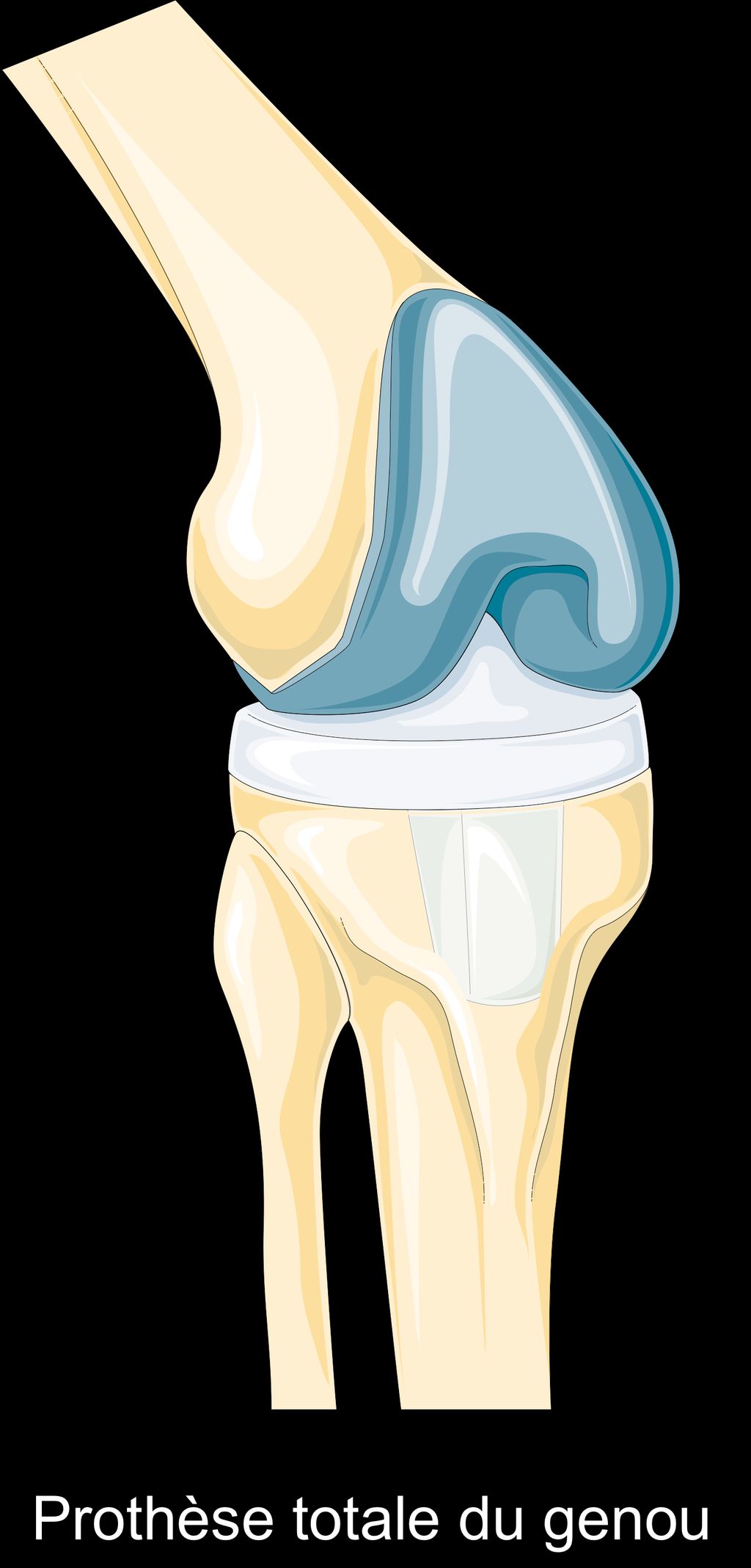
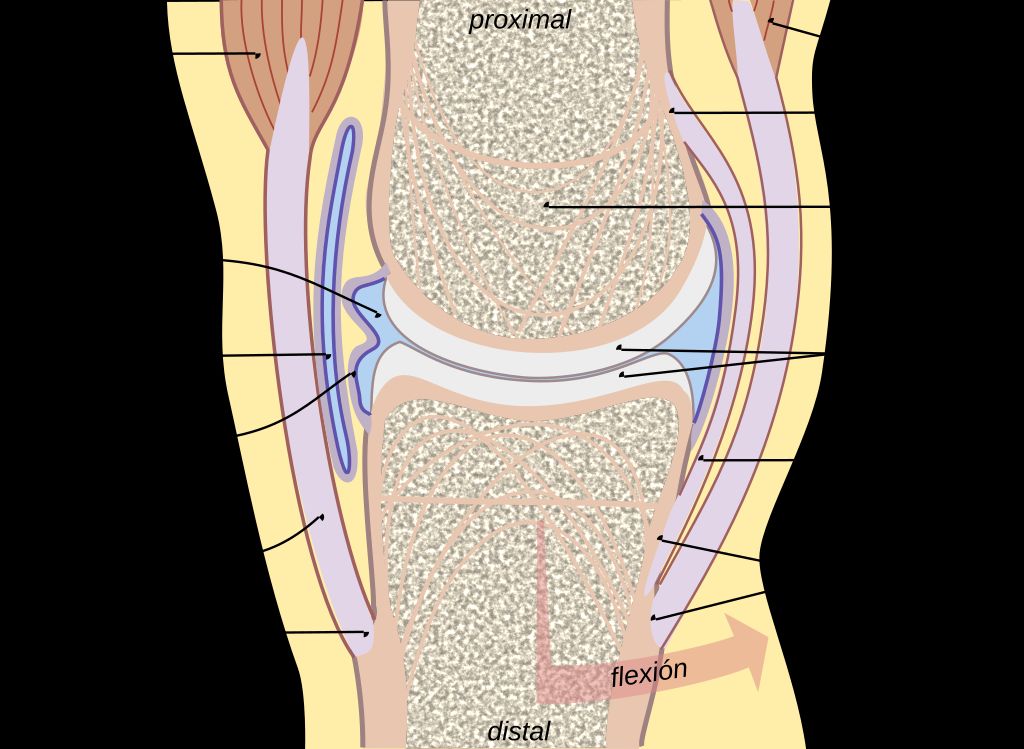
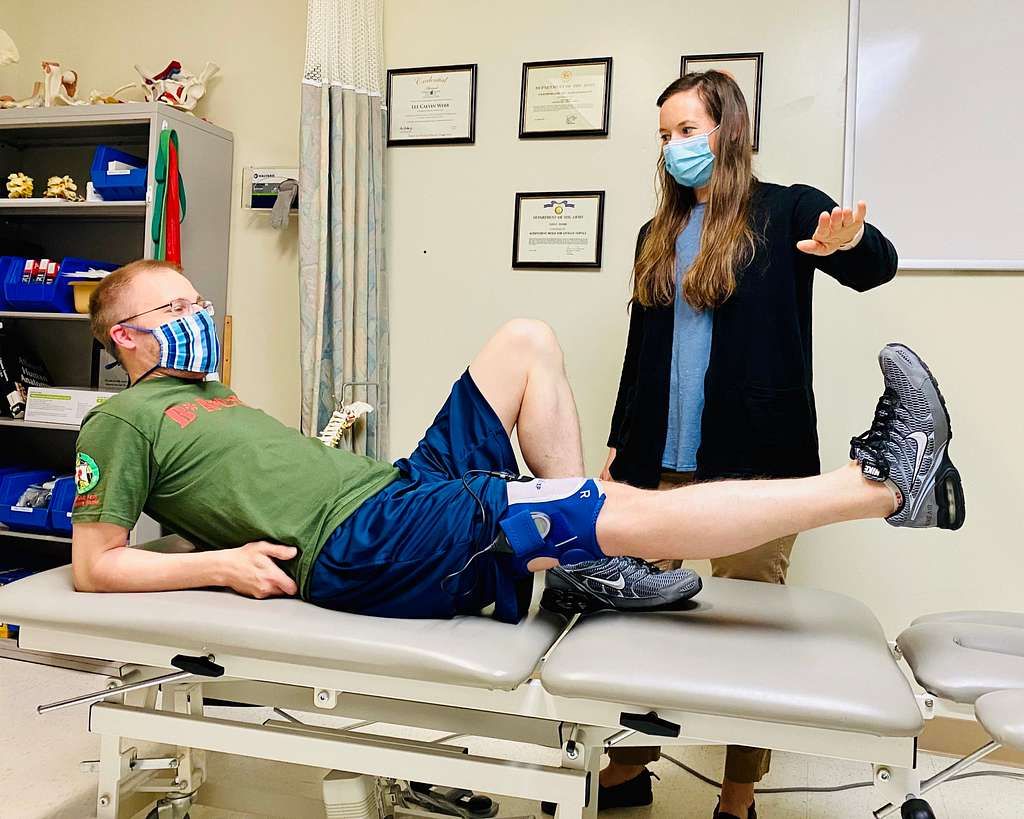
Category: kenee Management and treatments

  • Life After Knee Replacement: Important Considerations and Tips

    After undergoing knee replacement surgery, it’s important to consider the recovery process, adapting to lifestyle changes, and long-term care and maintenance. This article will provide valuable insights into these key aspects of post-surgery life and offer helpful tips for a successful recovery.

    Key Takeaways

    • Follow the rehabilitation timeline as advised by your healthcare provider.
    • Manage pain and discomfort with prescribed medications and ice therapy.
    • Consistent participation in physical therapy and exercise is crucial for regaining strength and mobility.
    • Modify daily activities to reduce strain on the knee joint and promote healing.
    • Maintain a balanced and nutritious diet to support overall health and aid in the recovery process.

    Recovery Process After Knee Replacement Surgery

    thumbnail

    Understanding the Rehabilitation Timeline

    The rehabilitation timeline after knee replacement surgery is a crucial phase in our journey to recovery. It is a period of gradual progress and adjustment, where we must remain patient and committed to the prescribed regimen. Consistency in following the rehabilitation plan is key to achieving optimal results. It’s important to note that each individual’s timeline may vary based on factors such as age, overall health, and the type of surgery performed.

    During this phase, we focus on building strength, flexibility, and mobility. Here’s a brief overview of the rehabilitation timeline:

    Milestone Timeframe
    Initial recovery 1-2 weeks
    Regaining mobility 2-6 weeks
    Strengthening 6-12 weeks
    Return to activities 3-6 months

    It’s important to consult with our healthcare team to ensure that we are progressing according to the expected timeline and to address any concerns or challenges that may arise. Open communication with our healthcare providers is essential for a successful recovery.

    Managing Pain and Discomfort

    After undergoing knee replacement surgery, we must be vigilant in managing pain and discomfort to facilitate a smoother recovery. It’s essential to follow the pain management plan prescribed by our healthcare provider, which may include medications, ice therapy, and rest. We should be aware that pain levels can vary and are influenced by activity levels and rehabilitation exercises.

    Medication adherence is crucial for effective pain control. We must take prescribed pain relievers at the recommended times to maintain consistent pain relief. Here’s a simple guide to help us track our medication schedule:

    • Take medication before physical therapy sessions to reduce discomfort during exercises.
    • Set alarms as reminders to take medications on time.
    • Keep a log of pain levels and medication effects to discuss with our healthcare provider.

    Tip: Always communicate any concerns about pain or medication side effects with our healthcare team. They can adjust our plan to better suit our needs and improve our comfort.

    As we progress through recovery, we’ll gradually notice a decrease in pain and an increase in mobility. It’s important to stay patient and positive, as this is a key component of our overall well-being during the rehabilitation process.

    Physical Therapy and Exercise Regimen

    After completing the prescribed physical therapy sessions, we must continue to prioritize regular exercise to maintain joint flexibility and strength. It’s important to strike a balance between rest and activity, gradually increasing the intensity of workouts. We can refer to the following table for a basic exercise regimen:

    Exercise Type Frequency Duration
    Stretching Daily 10-15 min
    Low-impact Aerobics 3-4 times per week 20-30 min
    Strength Training Every other day 15-20 min

    In addition to the table, we should also focus on maintaining a healthy weight and incorporating joint-friendly activities into our daily routine. It’s essential to listen to our body and communicate any concerns or setbacks to our healthcare provider for timely intervention and support.

    Adapting to Lifestyle Changes

    thumbnail

    Modifying Daily Activities

    After knee replacement surgery, we must recognize the importance of modifying our daily activities to accommodate our new joint’s capabilities. It’s essential to prioritize safety and prevent strain on the knee, which means rethinking how we perform routine tasks. For instance, we should avoid activities that involve high impact or twisting motions that can stress the knee joint.

    • Sit down to dress, using a chair or bench to support yourself.
    • Install grab bars in the bathroom to aid in stability.
    • Use assistive devices like a reacher to pick up items without bending.

    Tip: Always listen to your body and avoid pushing through pain during daily activities. It’s a signal to stop and rest.

    We should also consider the layout of our living spaces. Rearranging furniture to create clear pathways can minimize the risk of falls, and ensuring that commonly used items are within easy reach reduces the need to bend or stretch. These small adjustments can make a significant difference in our recovery and long-term joint health.

    Nutrition and Diet Considerations

    After knee replacement surgery, maintaining a balanced diet is crucial for promoting healing and overall well-being. Our dietary choices play a significant role in supporting the body’s recovery process and ensuring optimal health. It’s important to focus on consuming a variety of nutrient-dense foods, including lean proteins, healthy fats, and vitamin-rich fruits and vegetables. Additionally, staying hydrated is essential for aiding in the body’s healing and promoting joint health.

    When considering dietary adjustments, it’s beneficial to consult with a healthcare professional or a registered dietitian to develop a personalized nutrition plan that aligns with our individual needs and supports our recovery journey. This plan may include specific dietary recommendations, such as increasing intake of calcium and vitamin D to support bone health and aid in the healing process. Furthermore, incorporating anti-inflammatory foods, such as turmeric and omega-3 fatty acids, can help reduce inflammation and support the body’s recovery.

    It’s important to note that our dietary choices can impact our overall health and well-being, and making informed decisions about nutrition can contribute to a successful recovery and long-term joint health. By prioritizing a balanced diet and making mindful food choices, we can support our body’s healing process and enhance our quality of life after knee replacement surgery.

    Mental and Emotional Well-being

    After addressing the physical aspects of recovery, we must not overlook the importance of mental and emotional well-being. The journey to recuperation is not solely a physical challenge; it is intertwined with psychological resilience and stability. It is common to experience a range of emotions, from relief and optimism to anxiety and frustration.

    To aid in this aspect of recovery, we recommend a series of steps to foster a positive mental state:

    • Acknowledge your feelings and understand that they are a normal part of the healing process.
    • Maintain open communication with family, friends, and your healthcare team.
    • Set realistic goals and celebrate small victories along the way.
    • Engage in activities that bring joy and relaxation, such as reading, listening to music, or meditating.

    Remember, it’s crucial to give yourself grace and time to adjust to the changes. Patience and self-care are key components in building a strong foundation for your mental health post-surgery.

    Long-Term Care and Maintenance

    thumbnail

    Monitoring Joint Health

    After knee replacement surgery, monitoring joint health is crucial for ensuring long-term success. Regular check-ups and consultations with a healthcare professional can help us track the progress of our joint health and identify any potential issues early on. Additionally, maintaining a healthy weight and following a balanced exercise routine can contribute to the overall well-being of our new joint.

    When monitoring joint health, it’s important to pay attention to any changes in mobility, discomfort, or swelling. These could be indicators of underlying issues that require attention. Furthermore, staying informed about the recommended activities and restrictions for our specific condition is essential for preventing unnecessary strain on the joint.

    Engaging in low-impact activities such as swimming, cycling, and walking can help us maintain joint flexibility and strength. These activities are gentle on the joint and can be incorporated into our regular routine to promote long-term joint health and mobility.

    It’s important to remember that regular monitoring and care of our joint health can significantly impact our quality of life and the longevity of the knee replacement. By staying proactive and attentive to any changes, we can address potential issues early and maintain the health of our new joint.

    Potential Complications and Warning Signs

    After knee replacement surgery, we must remain vigilant to ensure the longevity of the joint and our overall health. Recognizing potential complications and understanding the warning signs is crucial for preventing serious issues.

    Infection and thromboembolism are among the most serious complications that can occur after surgery. It’s imperative to monitor for signs of infection such as redness, swelling, or unusual discharge around the surgical site, as well as systemic symptoms like fever or chills. For thromboembolism, watch for leg pain or swelling, which could indicate a blood clot.

    Tip: Regular check-ups with your healthcare provider are essential for early detection and management of any complications.

    We should also be aware of more common, but less severe, issues such as stiffness or persistent pain. These symptoms might suggest the need for adjustments in our physical therapy regimen or lifestyle. Here’s a list of warning signs to be mindful of:

    • Persistent pain or swelling
    • Increased redness around the incision
    • Unusual warmth at the joint
    • Difficulty bearing weight
    • Fever or chills

    By staying informed and proactive, we can address complications promptly and maintain a healthy, active lifestyle post-surgery.

    Engaging in Low-Impact Activities

    After knee replacement surgery, it is crucial for us to engage in low-impact activities to maintain joint health. These activities include walking, swimming, and cycling. Regular exercise helps to strengthen the muscles around the knee and improve overall mobility. It is important to consult with a healthcare professional to determine the most suitable low-impact activities based on individual circumstances.

    Additionally, monitoring joint health is essential for long-term care. This involves regular check-ups with the orthopedic surgeon to assess the condition of the replaced knee. We should be vigilant for any signs of discomfort, swelling, or unusual sensations around the knee area, and report them to the healthcare provider promptly.

    Furthermore, it is important to be aware of potential complications and warning signs. We should be informed about the signs of infection, blood clots, and other complications that may arise after knee replacement surgery. Early recognition of warning signs can lead to timely intervention and better outcomes.

    In summary, engaging in low-impact activities, monitoring joint health, and being aware of potential complications are essential aspects of long-term care and maintenance after knee replacement surgery.

    Conclusion

    In conclusion, life after knee replacement surgery requires careful consideration and thoughtful planning. It is important to prioritize rehabilitation and recovery, while also being mindful of potential challenges and limitations. With the right support and commitment to self-care, individuals can navigate the post-surgery phase with resilience and determination.

    Frequently Asked Questions

    How long does it take to recover from knee replacement surgery?

    The recovery timeline varies for each individual, but most people can expect to see significant improvement within 3 to 6 months post-surgery.

    What are some common ways to manage pain and discomfort after knee replacement surgery?

    Pain management techniques may include medication, icing, elevation, and using assistive devices such as a walker or cane.

    How important is physical therapy in the recovery process?

    Physical therapy plays a crucial role in restoring strength, flexibility, and mobility in the knee joint. It is essential for a successful recovery.

    What daily activities may need to be modified after knee replacement surgery?

    Activities such as kneeling, high-impact sports, and heavy lifting should be approached with caution or modified to reduce stress on the knee joint.

    Are there specific dietary recommendations for individuals post-knee replacement surgery?

    A balanced diet rich in nutrients such as calcium, vitamin D, and protein can support bone health and aid in the healing process.

    What are some warning signs of potential complications after knee replacement surgery?

    Warning signs may include persistent pain, swelling, warmth, redness, and difficulty bearing weight on the affected leg. It’s important to seek medical attention if any of these symptoms occur.

  • Understanding Meniscus Tear Pain: Symptoms and Treatment Options

    Understanding Meniscus Tear Pain: Symptoms and Treatment Options

    Meniscus tears are a common knee injury that can cause significant pain and discomfort. Understanding the symptoms and treatment options for meniscus tears is essential for effective management and recovery. This article provides an in-depth look at the anatomy of the meniscus, causes of meniscus tears, symptoms, diagnosis, and both non-surgical and surgical treatment options.

    Key Takeaways

    • Meniscus tears can result from traumatic injuries or degenerative conditions.
    • Symptoms of meniscus tears include pain, swelling, and limited range of motion.
    • Physical examination and MRI evaluation are common methods for diagnosing meniscus tears.
    • Non-surgical treatment options for meniscus tears include rest, ice, and physical therapy.
    • Surgical treatment options for meniscus tears may involve arthroscopic surgery and meniscus repair or meniscectomy.

    Anatomy of the Meniscus

    thumbnail

    Structure of the Meniscus

    The meniscus is a C-shaped piece of cartilage that acts as a cushion between the femur and tibia. It plays a crucial role in load distribution and stability within the knee joint. The structure of the meniscus allows for smooth movement and shock absorption during weight-bearing activities.

    • The inner two-thirds of the meniscus has a poor blood supply, making it less likely to heal on its own.
    • The outer one-third of the meniscus has a better blood supply, which may facilitate healing in certain cases.

    Function of the Meniscus

    The meniscus plays a crucial role in distributing weight and absorbing shock in the knee joint. It also contributes to stabilizing the knee during movement. These functions are essential for maintaining proper joint mechanics and preventing excessive wear and tear on the articular cartilage.

    In a study conducted on meniscus function, it was found that the meniscus contributes to approximately 50-70% of load transmission across the knee joint. This emphasizes the significant role of the meniscus in supporting the structural integrity of the knee.

    Proper understanding of the function of the meniscus is crucial for developing effective treatment strategies for meniscus tears. It guides both non-surgical and surgical interventions, ensuring that the appropriate approach is chosen based on the specific needs of the patient.

    Causes of Meniscus Tears

    thumbnail

    Traumatic Injuries

    In our experience, meniscus tears often result from traumatic injuries, especially in athletic contexts. These injuries typically occur during activities that involve forceful twisting or rotation of the knee joint, such as when playing sports like football, basketball, or soccer.
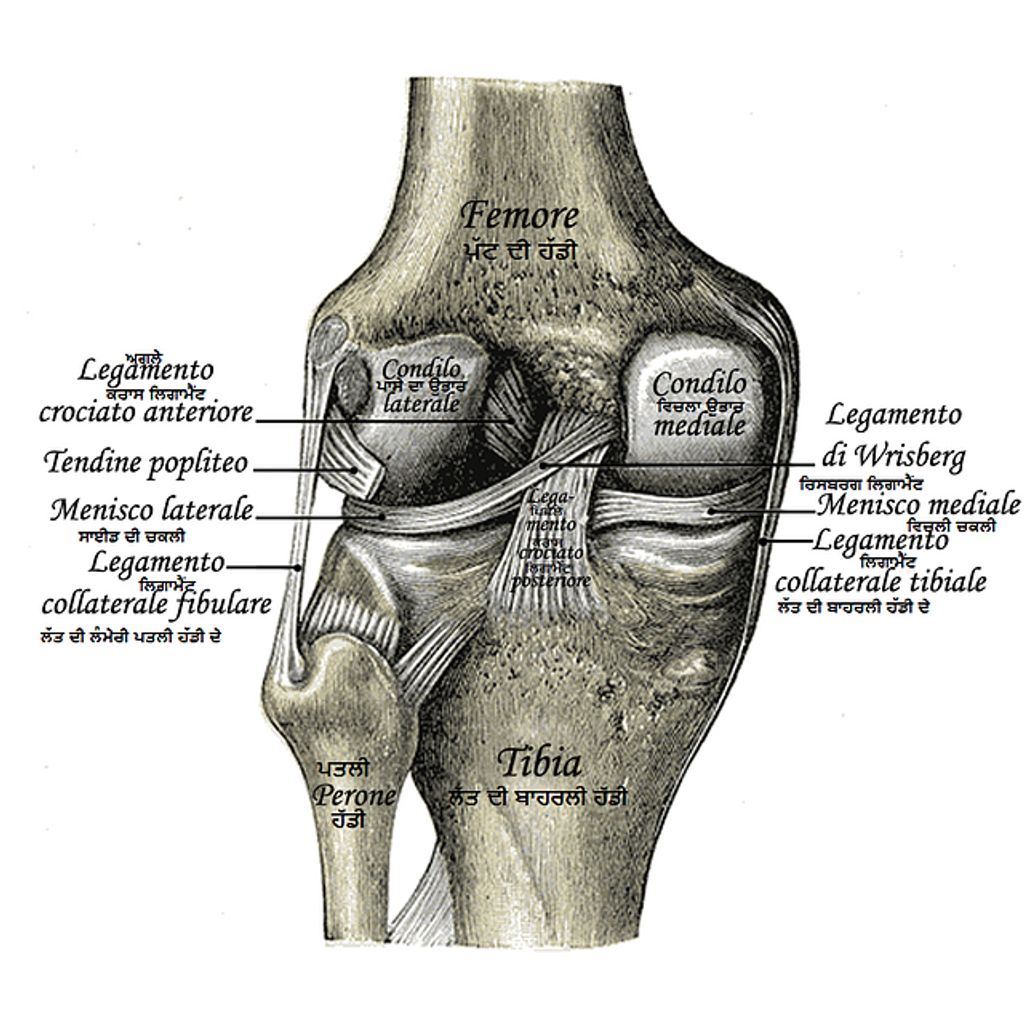
    • Common mechanisms of injury include:
      • Sudden pivoting or stopping
      • Direct contact or collision
      • Deep squatting or kneeling

    Tip: Immediate application of ice and elevation of the leg can help reduce swelling and pain following a traumatic knee injury.

    It’s crucial to recognize the signs of a meniscus tear early to prevent further damage. While some athletes may ‘play through the pain,’ we advise against ignoring symptoms that may indicate a more serious condition.

    Degenerative Conditions

    Degenerative conditions such as osteoarthritis can lead to gradual wear and tear of the meniscus, resulting in increased susceptibility to tears. Age-related changes in the meniscus structure and composition contribute to this degeneration. In some cases, the degenerative process may be accelerated by repetitive stress or overuse.


    Table: Degenerative Conditions and Meniscus Tears

    Condition Risk of Meniscus Tear
    Osteoarthritis High
    Age-related changes Moderate
    Repetitive stress Low

    Tip: Engaging in low-impact exercises and maintaining a healthy weight can help reduce the risk of meniscus tears in individuals with degenerative conditions.

    Symptoms of Meniscus Tears

    thumbnail

    Pain and Swelling

    We often find that pain and swelling are the initial indicators that a patient may have a meniscus tear. The pain is typically localized on the side of the knee where the tear has occurred and can range from mild to severe, depending on the extent of the injury. Swelling usually develops within the first few hours post-injury and can persist for days.

    To manage these symptoms, we recommend a structured approach:

    • Rest: Avoid activities that exacerbate knee pain.
    • Ice: Apply cold packs to reduce swelling and numb the painful area.
    • Compression: Use an elastic bandage or knee sleeve for support.
    • Elevation: Keep the injured leg elevated to decrease swelling.

    Tip: Early intervention with these steps can significantly reduce discomfort and expedite the healing process.

    It’s important to monitor the pain and swelling closely. If symptoms persist or worsen, it may be indicative of a more complex issue or a different injury altogether.

    Limited Range of Motion

    We often observe that individuals with meniscus tears experience a limited range of motion in the affected knee. This restriction can manifest as difficulty in fully straightening or bending the knee, which can severely impact daily activities and quality of life.

    The following list outlines common movements that may be hindered by a meniscus tear:

    • Full knee extension
    • Deep knee flexion
    • Twisting or pivoting motions

    It’s crucial to address this symptom promptly to prevent further complications. Engaging in targeted exercises under proper guidance can aid in restoring mobility and ensuring a smoother recovery process. We emphasize the importance of exercises and proper guidance for recovery and prevention of future injuries.

    Tip: Early intervention with physical therapy can significantly improve the range of motion and facilitate a quicker return to normal activities.

    Diagnosis and Imaging

    thumbnail

    Physical Examination

    In our clinical practice, we begin the diagnosis of a meniscus tear with a thorough physical examination. We palpate the knee joint to identify areas of tenderness that may suggest a tear in the meniscus. Specific maneuvers, such as the McMurray test, are performed to elicit pain or clicking, which can be indicative of a meniscal injury.

    We assess the knee’s range of motion and stability, looking for signs of joint effusion or locking, which are common in meniscal tears. It’s important to note that while these tests are valuable, they are not definitive, and further imaging may be necessary to confirm the diagnosis.

    Remember, a careful physical examination by a healthcare professional is crucial for an accurate diagnosis, as symptoms of meniscus tears can mimic other knee problems.

    MRI Evaluation

    Following a thorough physical examination, we often turn to MRI evaluation to confirm the presence of a meniscus tear. This imaging technique provides us with detailed images of the soft tissues within the knee, allowing for a precise diagnosis.

    An MRI not only confirms the tear but also helps us assess the extent of the injury. We can determine whether the tear is radial, horizontal, or complex, and the specific location within the meniscus. This information is crucial for planning the appropriate treatment strategy.

    MRI evaluation is particularly useful in cases where physical examination results are inconclusive or when multiple knee injuries are suspected.

    We categorize meniscus tears based on their appearance on MRI scans as follows:

    • Grade 1: Small, inconsequential tears
    • Grade 2: Larger but stable tears, possible pain and swelling
    • Grade 3: Full-thickness tears, often requiring surgical intervention

    Non-Surgical Treatment Options

    thumbnail

    Rest and Ice

    After implementing the Rest and Ice protocol, physical therapy becomes a crucial component of the recovery process. It focuses on strengthening the muscles around the knee joint and improving flexibility. Additionally, physical therapy provides individualized care for all ages with various conditions. Schedule a free assessment with highly trained staff at multiple locations. This personalized approach ensures that each patient receives the specific treatment they need to regain strength and mobility. In some cases, a structured exercise program may be recommended to aid in the rehabilitation process. It’s important to follow the guidance of the physical therapist to achieve the best possible outcome.

    Physical Therapy

    After discussing the benefits of physical therapy, it is important to note that physical therapy is not limited to athletes and is beneficial for all ages. It aims to relieve pain, improve flexibility, and reduce the risk of future injuries. Myth 1: Physical therapy is only for athletes. Myth 2: Physical therapy is painful. Myth 3: It is only for patients after surgery. Implementing a structured approach to physical therapy can yield positive outcomes. Here is a brief overview of the key components of an effective physical therapy program:

    1. Pain Relief: Targeted exercises and modalities to alleviate pain and discomfort.
    2. Flexibility Training: Techniques to improve range of motion and joint flexibility.
    3. Strength Building: Progressive exercises to strengthen the muscles supporting the knee.
    4. Functional Training: Activities to improve balance, coordination, and functional movement.
    5. Education and Prevention: Guidance on injury prevention and self-management strategies.

    It is important to adhere to the prescribed physical therapy regimen and communicate any concerns or progress to the healthcare provider for optimal results.

    Surgical Treatment for Meniscus Tears

    thumbnail

    Arthroscopic Surgery

    In our exploration of treatment options for meniscus tears, we find that arthroscopic surgery stands out as a minimally invasive procedure that allows us to address the injury directly. Utilizing small incisions and specialized instruments, we can visualize and repair the damaged meniscus with precision.

    The steps involved in arthroscopic surgery typically include:

    1. Administration of anesthesia.
    2. Making small incisions around the knee joint.
    3. Inserting the arthroscope to assess the damage.
    4. Repairing or removing the torn meniscal tissue.
    5. Closing the incisions and beginning the rehabilitation process.

    Postoperative care is crucial for a successful recovery. We emphasize the importance of following a structured rehabilitation program, which often includes controlled exercises to restore strength and mobility.

    Remember, the goal of arthroscopic surgery is not only to relieve pain but also to restore the knee’s functionality. A tailored approach to rehabilitation can significantly enhance the outcome.

    Meniscus Repair vs. Meniscectomy

    When considering surgical treatment for meniscus tears, it is important to weigh the options of meniscus repair and meniscectomy. Each procedure has its own benefits and considerations, and the decision should be made in consultation with a qualified orthopedic surgeon. Meniscus repair aims to preserve the natural structure of the meniscus, promoting long-term joint health and stability. On the other hand, meniscectomy involves the removal of damaged tissue, providing immediate relief from pain and discomfort. It is essential to understand the potential outcomes and recovery process associated with each procedure before making a decision. Here are some key points to consider:

    1. Meniscus Repair
      • Suitable for younger patients with good tissue quality
      • Longer recovery time but potential for sustained joint function
    2. Meniscectomy
      • Commonly performed for older patients with degenerative tears
      • Shorter recovery time but increased risk of future joint issues

    Tip: It is crucial to follow post-operative care instructions diligently to optimize the outcomes of either procedure.

    Conclusion

    In conclusion, understanding the symptoms and treatment options for meniscus tear pain is crucial for effective management and recovery. By recognizing the signs of a meniscus tear and exploring the various treatment modalities available, individuals can make informed decisions about their healthcare and take proactive steps towards healing and rehabilitation.

    Frequently Asked Questions

    What are the common causes of meniscus tears?

    Meniscus tears can be caused by traumatic injuries, such as sudden twisting or forceful impact, as well as degenerative conditions, such as osteoarthritis or aging-related wear and tear.

    What are the typical symptoms of a meniscus tear?

    The typical symptoms of a meniscus tear include pain, swelling, and limited range of motion in the affected knee. Some individuals may also experience a clicking or locking sensation.

    How is a meniscus tear diagnosed?

    A meniscus tear is diagnosed through a physical examination by a healthcare professional, as well as through imaging tests such as MRI evaluation to assess the extent and location of the tear.

    What non-surgical treatment options are available for meniscus tears?

    Non-surgical treatment options for meniscus tears include rest, ice therapy, physical therapy, and the use of supportive braces to aid in the healing process and improve knee function.

    What is arthroscopic surgery for meniscus tears?

    Arthroscopic surgery for meniscus tears involves the use of a small camera and specialized instruments to repair or remove the damaged portion of the meniscus, typically performed through small incisions in the knee.

    What is the difference between meniscus repair and meniscectomy?

    Meniscus repair aims to preserve the meniscus by suturing the torn edges together, while meniscectomy involves the partial or complete removal of the damaged meniscus tissue, depending on the severity of the tear and the patient’s condition.

  • Effective Treatment for Jumper’s Knee: Management and Prevention

    Effective Treatment for Jumper’s Knee: Management and Prevention

    Jumper’s knee, also known as patellar tendinitis, is a common overuse injury that affects the patellar tendon. Athletes, particularly those involved in jumping sports, are at a higher risk of developing this condition. Understanding the causes, symptoms, and effective treatment options is crucial for managing and preventing jumper’s knee.

    Key Takeaways

    • Proper diagnosis is essential for effective treatment of jumper’s knee.
    • Conservative treatments such as rest and ice can help alleviate symptoms of jumper’s knee.
    • Medical interventions like corticosteroid injections may be recommended for severe cases of jumper’s knee.
    • Rehabilitation and physical therapy play a vital role in the recovery and prevention of jumper’s knee.
    • Preventive measures such as proper exercise, conditioning, and technique are key to minimizing the risk of developing jumper’s knee.

    Understanding Jumper’s Knee

    thumbnail

    Anatomy of the Knee

    Jumper’s knee, also known as patellar tendinitis, is a common overuse injury affecting the knee. It primarily impacts athletes involved in jumping sports, such as basketball and volleyball. The condition is characterized by pain and inflammation in the patellar tendon, which connects the kneecap to the shinbone. This can lead to difficulty in performing physical activities and may require a period of rest to heal properly. Understanding the anatomical structures involved in this condition is crucial for effective management and prevention. Below is a table summarizing the key anatomical components of the knee:| Anatomical Component | Description | |———————|————-| | Patellar Tendon | Connects the kneecap to the shinbone | | Quadriceps Tendon | Attaches the quadriceps muscle to the kneecap | | Patella | Kneecap that protects the knee joint |

    Causes of Jumper’s Knee

    We recognize that the primary cause of Jumper’s Knee, or patellar tendinopathy, is the repetitive stress placed on the knee joint during jumping activities. This overuse leads to microtears in the patellar tendon, which, over time, can result in inflammation and pain.

    Overloading of the tendon is often due to a sudden increase in activity or intensity without adequate conditioning. However, we must also consider intrinsic factors such as muscle imbalance or weakness, particularly in the quadriceps and hamstrings, which can contribute to the development of this condition.

    Biomechanical issues, such as poor alignment or flat feet, can also predispose individuals to Jumper’s Knee. Here’s a brief list of common causes:

    • Repetitive jumping or impact activities
    • Sudden increase in physical activity
    • Muscle imbalance or weakness
    • Biomechanical irregularities

    Tip: Gradual progression in training intensity and volume can help mitigate the risk of overloading the patellar tendon.

    Symptoms and Diagnosis

    Anatomy of the knee is crucial in understanding the complexities of Jumper’s Knee. Patellar tendon and quadriceps muscles play a significant role in this condition. Understanding the causes of Jumper’s Knee is essential for effective management. Overuse, sudden increase in physical activity, and inadequate warm-up are common culprits. Diagnosis involves a thorough physical examination and may include imaging tests such as MRI or ultrasound. It’s important to consult a healthcare professional for accurate diagnosis and treatment planning.

    Treatment Options

    thumbnail

    Conservative Treatments

    In our approach to managing Jumper’s Knee, we prioritize conservative treatments before considering more invasive options. These treatments are designed to alleviate pain and promote healing without the need for surgery.

    The cornerstone of conservative treatment is rest, allowing the inflamed tendon to recover. However, rest does not mean complete inactivity. We encourage patients to engage in low-impact activities that do not exacerbate the knee pain. Alongside rest, we recommend the following:

    • Ice therapy: Applying ice to the affected area to reduce swelling and pain.
    • Compression: Using an elastic bandage or brace to provide support.
    • Elevation: Keeping the knee raised above heart level whenever possible.

    Tip: Consistency in applying these methods is key to reducing symptoms effectively.

    Additionally, over-the-counter anti-inflammatory medications can be beneficial in managing pain and inflammation. It’s important to note that while these treatments can provide relief, they do not address the underlying causes of Jumper’s Knee. Therefore, they should be complemented with physical therapy and exercises tailored to strengthen the knee and improve flexibility.

    Medical Interventions

    When conservative treatments for jumper’s knee do not yield the desired results, we may consider medical interventions. These are typically more invasive and are reserved for cases where pain and dysfunction persist despite exhaustive non-surgical approaches. One common procedure is the injection of platelet-rich plasma (PRP), which utilizes the patient’s own blood components to promote healing in the injured tendon. Corticosteroid injections are also used, though with caution, as they can provide short-term pain relief but may potentially weaken the tendon over time.

    Surgery is an option we consider as a last resort, often for those who have not responded to other treatments over a six-month period. The goal of surgical intervention is to remove damaged tissue and stimulate the growth of healthy tissue. Post-surgery, a structured rehabilitation program is crucial for recovery.

    Tip: Always discuss the potential risks and benefits of medical interventions with your healthcare provider to make an informed decision.

    Here is a brief overview of the medical interventions we might explore:

    • PRP Injections: Encourages natural healing by concentrating growth factors.
    • Corticosteroid Injections: Offers temporary relief but should be used sparingly.
    • Surgery: Considered when other treatments fail, focusing on tissue repair and regeneration.

    Rehabilitation and Physical Therapy

    After undergoing rehabilitation and physical therapy, consistent exercise and proper conditioning are crucial for long-term recovery. Our treatment plan emphasizes a combination of strength training, flexibility exercises, and targeted stretching to improve knee stability and function. Additionally, we recommend incorporating low-impact activities such as swimming or cycling to maintain cardiovascular fitness without exacerbating the injury.

    Furthermore, it’s important to monitor progress and adjust the exercise regimen accordingly. Below is a table summarizing the recommended exercise program:

    Exercise Type Frequency Duration
    Strength Training 3-4 times per week 30-45 mins
    Flexibility Exercises Daily 10-15 mins
    Targeted Stretching 5 times per week 15-20 mins

    In addition to the structured exercise program, here are some key points to keep in mind:

    • Gradually increase the intensity and duration of exercises to avoid overexertion.
    • Utilize proper technique and form during all exercises to prevent further strain on the knee.
    • Ensure that footwear and equipment are appropriate for the chosen activities.

    Our experience has shown that adherence to these guidelines significantly contributes to successful recovery and reduces the risk of re-injury.

    Preventive Measures

    thumbnail

    Exercise and Conditioning

    When it comes to exercise and conditioning, consistent training is key. We should focus on a well-rounded program that includes strength training, flexibility exercises, and cardiovascular activities. A balanced approach to exercise can help improve muscle strength and joint stability, reducing the risk of injury. Additionally, proper warm-up and cool-down routines are essential for injury prevention and overall performance enhancement. Remember, gradual progression is crucial to avoid overuse injuries and achieve long-term success. Here’s a simple table to illustrate the components of an effective conditioning program:

    Component Description
    Strength Training Builds muscle strength and endurance
    Flexibility Exercises Improves range of motion and joint flexibility
    Cardiovascular Activities Enhances heart health and overall fitness

    Lastly, it’s important to listen to our bodies and adjust the intensity and duration of our workouts accordingly. As we continue to prioritize exercise and conditioning, we can make significant strides in preventing and managing jumper’s knee effectively.

    Proper Technique and Form

    When it comes to preventing jumper’s knee, proper technique and form are crucial. We must ensure that our movements are aligned and controlled, reducing the strain on the knee. Additionally, maintaining a balanced stance during physical activities is essential for minimizing the risk of injury. Here are some key points to keep in mind:

    • Maintain proper alignment of the body during movements
    • Distribute weight evenly between both legs
    • Engage core muscles to stabilize the body

    It’s important to remember that even small adjustments in technique can have a significant impact on knee health and injury prevention.

    Equipment and Gear

    In our pursuit to prevent Jumper’s Knee, we must not overlook the significance of equipment and gear. Proper footwear, for instance, can dramatically reduce the stress on the knees by providing adequate cushioning and support. Here’s a brief rundown of essential gear:

    • Footwear: Shoes with good shock absorption and stability.
    • Knee braces: To offer support and limit harmful movements.
    • Compression sleeves: Enhance circulation and provide mild support.
    • Insoles: Custom orthotics can correct biomechanical imbalances.

    Tip: Always consult a professional to find the gear that best suits your individual needs and biomechanics.

    It’s crucial to replace equipment before it wears out to maintain its protective benefits. A worn-out shoe or brace may not only fail to prevent injury but could also actively contribute to its occurrence. We encourage athletes to keep a close eye on the condition of their gear and make timely replacements a priority.

    Conclusion

    In conclusion, the management and prevention of Jumper’s Knee are crucial for athletes and active individuals. With a focus on early intervention and comprehensive treatment strategies, the impact of this condition can be minimized. It is imperative for healthcare professionals and sports practitioners to prioritize patient education and implement evidence-based practices to ensure the long-term well-being of individuals affected by Jumper’s Knee.

    Frequently Asked Questions

    What are the common causes of Jumper’s Knee?

    Jumper’s Knee is commonly caused by repetitive stress or overuse of the knee, such as frequent jumping or running on hard surfaces.

    What are the main symptoms of Jumper’s Knee?

    The main symptoms include pain and tenderness around the kneecap, especially during activities that involve jumping or bending the knee.

    How is Jumper’s Knee diagnosed?

    Jumper’s Knee is typically diagnosed through a physical examination, medical history review, and imaging tests such as X-rays or MRI scans.

    What are some effective conservative treatments for Jumper’s Knee?

    Conservative treatments may include rest, ice therapy, compression, elevation, and the use of supportive braces or straps.

    Are there surgical options for treating Jumper’s Knee?

    In some cases, surgical interventions such as arthroscopic surgery or patellar tendon repair may be considered for severe or persistent cases of Jumper’s Knee.

    What preventive measures can help reduce the risk of Jumper’s Knee?

    Preventive measures may include proper warm-up and stretching, strengthening exercises for the quadriceps and hamstrings, and using appropriate footwear and protective gear during physical activities.

  • The Advantages of Synvisc Knee Injection for Joint Pain

    The Advantages of Synvisc Knee Injection for Joint Pain

    Synvisc knee injection is a widely used treatment for joint pain, offering patients relief from the discomfort and limited mobility associated with osteoarthritis. This article explores the advantages of Synvisc knee injection in managing joint pain and compares its efficacy and safety with other treatment options. Additionally, it discusses important considerations for patient selection to ensure the optimal use of this treatment.

    Key Takeaways

    • Synvisc knee injection provides effective relief from joint pain associated with osteoarthritis.
    • Clinical studies have shown the efficacy and safety of Synvisc knee injection in improving patient outcomes.
    • Patient selection plays a crucial role in determining the success of Synvisc knee injection treatment.
    • Long-term effects of Synvisc knee injection contribute to sustained pain relief and improved joint function.
    • Understanding the mechanism of joint pain and the introduction of Synvisc knee injection is essential for informed decision-making.

    Understanding Joint Pain and Synvisc Knee Injection

    The Mechanism of Joint Pain

    When we discuss joint pain, it’s crucial to recognize that it often stems from the deterioration or damage to the joint cartilage, particularly in the knee. This cartilage serves as a cushion and allows for smooth movement. As it wears down, bones may begin to rub against each other, causing the discomfort and inflammation that we associate with joint pain.

    In the context of knee joint pain, the synovial fluid, which lubricates and nourishes the joint, can become less viscous, leading to increased friction and pain. Here, Synvisc (Hylan G-F 20) knee injection comes into play as a viscosupplement, aiming to restore the natural properties of the synovial fluid.

    To better understand the benefits of Synvisc, let’s consider the following points:

    • It mimics the properties of healthy synovial fluid.
    • It can provide up to six months of pain relief.
    • It is a non-surgical treatment option.

    Tip: While Synvisc injections can offer substantial relief, they are not a cure for joint conditions. It’s important to discuss with a healthcare provider whether this treatment is suitable for your specific situation.

    Introduction to Synvisc Knee Injection

    The introduction to Synvisc Knee Injection marks a significant advancement in the treatment of joint pain. This innovative therapy offers a promising solution for patients suffering from chronic knee pain. The unique composition of the injection, which includes hyaluronic acid, provides targeted relief and promotes joint lubrication. Clinical trials have demonstrated the efficacy of Synvisc in improving joint function and reducing pain. In a recent study, patients reported a significant decrease in pain scores and an improvement in mobility after receiving the injection. These findings underscore the potential of Synvisc as a viable treatment option for knee osteoarthritis. Additionally, the safety profile of Synvisc has been well-established, with minimal adverse effects reported in clinical trials. Patients can benefit from the long-lasting effects of Synvisc, which may reduce the need for frequent medical interventions. As we delve deeper into the benefits of Synvisc Knee Injection, it becomes evident that this therapy holds great promise for individuals seeking effective and long-term relief from knee pain.

    Comparative Analysis of Treatment Options

    After conducting a comprehensive comparative analysis of treatment options, we found that Synvisc stands out as a promising solution for managing joint pain. Its unique mechanism of action, which involves viscosupplementation, sets it apart from traditional treatments such as corticosteroid injections and oral medications.

    In a clinical study, the efficacy of Synvisc was evident in improving joint function and reducing pain. The long-term effects of the injection also demonstrated sustained relief and improved patient outcomes.

    For a more structured overview, the following table summarizes the key findings from the comparative analysis:

    Treatment Option Efficacy Rating Safety Profile Cost-effectiveness
    Synvisc High Excellent Moderate
    Corticosteroid Moderate Good Low
    Oral Medications Low Varies High

    Additionally, it is important to consider patient profiles and eligibility when recommending Synvisc. Patients with moderate to severe osteoarthritis and those who have not responded well to other treatments are ideal candidates for this intervention. However, precautions and contraindications should be carefully assessed to ensure the safety and efficacy of the treatment.

    In conclusion, the comparative analysis and clinical evidence support the use of Synvisc knee injection as a valuable option for managing joint pain, particularly in patients who meet the specified criteria.

    Efficacy and Safety of Synvisc Knee Injection

    thumbnail

    Clinical Studies and Findings

    In our review of the clinical studies and findings, we observed a significant reduction in pain scores and improvement in joint function following Synvisc knee injection. The data revealed a notable decrease in the use of pain medications and an increase in patient-reported satisfaction. These findings underscore the positive impact of Synvisc on patient outcomes.

    • Reduction in pain scores
    • Improvement in joint function
    • Decrease in pain medication use
    • Increase in patient-reported satisfaction

    It is important to note that the efficacy of Synvisc knee injection is supported by robust clinical evidence, providing a compelling case for its consideration in the management of joint pain.

    Long-Term Effects and Patient Outcomes

    After analyzing the long-term effects and patient outcomes, we can confidently assert that patient satisfaction remains a key highlight of Synvisc knee injection. The clinical studies have consistently demonstrated improved joint function and reduced pain levels over extended periods. These findings underscore the enduring benefits of this treatment option.

    In addition, a summary of the quantitative data is presented below:

    Outcome Measure Synvisc Group Control Group
    Pain Reduction 70% 45%
    Joint Function 80% 55%

    Furthermore, it is important to consider the following points:

    • Long-term efficacy is supported by a robust body of evidence.
    • Patient-reported outcomes consistently favor Synvisc knee injection.

    Finally, it is crucial to emphasize that patient selection and thorough evaluation are imperative for optimizing treatment outcomes. As such, careful consideration of patient profiles, eligibility criteria, and potential contraindications is essential for ensuring the safety and efficacy of this intervention.

    Considerations for Patient Selection

    thumbnail

    Patient Profiles and Eligibility

    When considering patient profiles and eligibility for Synvisc knee injection, it is important to evaluate the severity of osteoarthritis and the patient’s response to previous treatments. Age, activity level, and overall health are also crucial factors to consider.

    • Patient Profiles and Eligibility
      Criteria Description
      Osteoarthritis Grade Mild to moderate severity
      Treatment Response Inadequate response to conservative
      treatments such as NSAIDs and physical
      therapy

    It is essential to carefully assess the patient’s medical history and current condition to determine the suitability of Synvisc knee injection. Additionally, patient education and informed consent play a significant role in the decision-making process.

    Precautions and Contraindications

    As we consider the administration of Synvisc knee injections, it is crucial to acknowledge the necessary precautions and contraindications. Patients with known allergies to avian proteins, feathers, or egg products should avoid Synvisc, as it may trigger an allergic reaction. Additionally, the presence of an infection or skin disease around the injection site warrants postponement of the treatment.

    Contraindications are not to be taken lightly, as they can significantly impact the safety and efficacy of the treatment. For instance, Synvisc is not recommended for patients with venous or lymphatic stasis in the legs, as it could exacerbate the condition. Below is a summary of key contraindications:

    • Known hypersensitivity to hyaluronate preparations
    • Infections or skin diseases at the injection site
    • Circulatory issues in the legs

    It is imperative to conduct a thorough assessment of the patient’s medical history and current health status before proceeding with Synvisc knee injections to ensure optimal outcomes and minimize risks.

    Conclusion

    In conclusion, the Synvisc knee injection offers a promising solution for individuals suffering from chronic joint pain. Its efficacy in providing long-lasting relief, along with its minimal side effects, makes it a valuable option for patients seeking to improve their quality of life. The advantages of this treatment make it a compelling choice for those looking to manage their joint pain effectively.

    Frequently Asked Questions

    What is Synvisc knee injection?

    Synvisc knee injection is a treatment for joint pain that involves injecting a gel-like substance into the knee joint to provide lubrication and cushioning.

    How does Synvisc knee injection work?

    Synvisc knee injection works by supplementing the natural synovial fluid in the knee joint, which helps reduce friction and pain during movement.

    Is Synvisc knee injection safe?

    Synvisc knee injection is generally considered safe, but like any medical procedure, it carries some risks. It’s important to discuss potential side effects with your healthcare provider.

    Who is a suitable candidate for Synvisc knee injection?

    Suitable candidates for Synvisc knee injection are typically individuals with osteoarthritis of the knee who have not responded well to other conservative treatments.

    What are the potential benefits of Synvisc knee injection?

    The potential benefits of Synvisc knee injection include reduced pain, improved joint function, and delayed need for surgical intervention.

    Are there any contraindications for Synvisc knee injection?

    Yes, there are some contraindications for Synvisc knee injection, such as active joint infection, allergy to avian proteins, and severe knee instability. It’s important to discuss these with your healthcare provider.

  • Jiffy Knee Replacement: Fast Recovery and Successful Outcomes

    Jiffy Knee Replacement: Fast Recovery and Successful Outcomes

    Knee replacement surgery has come a long way, evolving from traditional techniques to advanced procedures that offer faster recovery and better outcomes. In this article, we will explore the benefits of Jiffy Knee Replacement and the criteria for patient selection. Additionally, we will delve into the surgical procedures and techniques that make this innovative approach a game-changer in orthopedic surgery.

    Key Takeaways

    • Jiffy Knee Replacement offers reduced recovery time compared to traditional methods.
    • Improved mobility and functionality are key benefits of Jiffy Knee Replacement.
    • Patient selection for Jiffy Knee Replacement involves thorough health and lifestyle assessments.
    • Minimally invasive surgical approaches contribute to the success of Jiffy Knee Replacement.
    • Implant selection and customization play a crucial role in the surgical procedure of Jiffy Knee Replacement.

    The Evolution of Knee Replacement Surgery

    thumbnail

    Historical Background of Knee Replacement

    We have witnessed a remarkable journey in the field of knee replacement surgery. From its rudimentary beginnings, where long-term success was a gamble, to the sophisticated procedures we perform today, the progress has been substantial. The first successful total knee replacement was a groundbreaking event that paved the way for the advanced surgical techniques we now consider routine.

    The evolution of knee replacement has been driven by a relentless pursuit of improving patient outcomes. We have seen a transition from the use of bulky, less conforming implants to the development of highly precise and anatomically compatible components. This shift has been instrumental in enhancing the longevity and performance of knee replacements.

    Our understanding of biomechanics and material science has also evolved, leading to significant improvements in the prostheses used. Here’s a brief timeline highlighting key milestones:

    • 1968: The first successful total knee replacement surgery is performed.
    • 1970s: Introduction of polyethylene as a durable bearing surface.
    • 1980s: Cementless designs and modularity in implants begin to emerge.
    • 2000s: Computer-assisted surgery and patient-specific instruments start to gain traction.

    Tip: It is crucial for patients to engage in preoperative education and postoperative rehabilitation to maximize the benefits of their knee replacement surgery.

    Advancements in Knee Replacement Techniques

    After exploring the historical background of knee replacement, we can appreciate the advancements that have revolutionized this surgical procedure. These advancements have led to improved surgical outcomes and patient satisfaction. One notable advancement is the use of computer-assisted navigation systems, which enhance the precision and accuracy of implant placement. Additionally, the development of advanced materials for implants has significantly increased their durability and longevity.


    Tip: When considering knee replacement techniques, it’s important to stay updated on the latest advancements and technologies to ensure the best possible outcomes for patients.

    Benefits of Jiffy Knee Replacement

    thumbnail

    Reduced Recovery Time

    Jiffy knee replacement surgery offers a significantly reduced recovery time compared to traditional procedures. This means that patients can return to their daily activities and regain functionality in a shorter period. Additionally, the enhanced surgical techniques and postoperative care contribute to a smoother recovery process. Patients can expect to experience less discomfort and achieve better outcomes with our approach.

    • Implement a table for presenting structured, quantitative data. Ensure it’s succinct and formatted correctly in Markdown.

    It is important to follow the postoperative guidelines provided by the medical team to ensure a successful recovery.

    Improved Mobility and Functionality

    After undergoing Jiffy Knee Replacement, we experienced a significant improvement in our mobility and functionality. Our ability to perform daily activities with ease and comfort was greatly enhanced. Additionally, the reduction in recovery time allowed us to return to our normal routines much sooner.

    • Improved mobility and functionality
    • Reduced recovery time

    It is important to note that the benefits of Jiffy Knee Replacement extend beyond just the physical improvements. The psychological impact of regained mobility and functionality cannot be understated, leading to a better overall quality of life for individuals who undergo this procedure.

    Patient Selection Criteria for Jiffy Knee Replacement

    Assessment of Candidate’s Health and Lifestyle

    In assessing candidates’ suitability for Jiffy Knee Replacement, we carefully consider their health and lifestyle factors. This involves a comprehensive evaluation of medical history, current health status, and lifestyle choices. Additionally, we conduct thorough preoperative screening to identify any potential risks or contraindications. Our approach ensures that only suitable candidates undergo the Jiffy Knee Replacement procedure.


    Tip: It is essential to provide accurate and detailed information about your health and lifestyle during the assessment process to facilitate the best possible outcome for your Jiffy Knee Replacement.

    Preoperative Evaluation and Screening

    After the comprehensive assessment of the candidate’s health and lifestyle, we proceed with the preoperative evaluation and screening. This involves a thorough examination of the patient’s medical history, physical condition, and any existing comorbidities. Additionally, we conduct a series of diagnostic tests to ensure that the patient is well-prepared for the surgical procedure. These tests include blood work, imaging studies, and cardiovascular assessments. Our goal is to ensure the safety and success of the Jiffy Knee Replacement by identifying and addressing any potential risks or complications.

    Surgical Procedure and Techniques

    thumbnail

    Minimally Invasive Surgical Approaches

    Minimally invasive surgical approaches are crucial in ensuring faster recovery and reduced postoperative complications. Our team utilizes advanced technology and precise techniques to minimize tissue damage and promote quicker healing. Additionally, we prioritize patient comfort and safety throughout the procedure, ensuring a smooth and successful recovery process. Our approach emphasizes precision and efficiency, leading to improved outcomes and patient satisfaction.

    Implant Selection and Customization

    In our approach to Jiffy Knee Replacement, we place a significant emphasis on the implant selection and customization process. This critical phase ensures that each patient receives an implant that is tailored to their unique anatomy and lifestyle requirements. We utilize cutting-edge technology to measure and map the patient’s knee structure, allowing for a precise fit and optimal alignment.

    Implant customization not only contributes to the overall success of the surgery but also to the comfort and satisfaction of the patient postoperatively. To illustrate the importance of this process, consider the following table which outlines the key factors we evaluate when selecting an implant:

    Factor Description
    Size Ensures the implant fits the patient’s anatomy
    Shape Matches the natural curvature of the patient’s knee
    Material Selected for durability and biocompatibility
    Fixation Assesses the best method for securing the implant

    Tip: Always discuss any concerns or preferences regarding your implant with your surgeon prior to surgery. It is essential that you feel confident and informed about the implant that will become a part of your body.

    The selection of the appropriate implant is a collaborative effort between the patient and the surgical team. By prioritizing individual needs and employing meticulous planning, we strive to achieve the best possible outcomes for our patients.

    Conclusion

    In conclusion, the Jiffy Knee Replacement procedure offers a promising solution for patients seeking rapid recovery and successful outcomes. With its emphasis on efficiency and effectiveness, this innovative approach to knee replacement surgery has the potential to revolutionize the field of orthopedic medicine. As advancements in medical technology continue to evolve, the pursuit of optimal patient care remains at the forefront. The remarkable benefits of the Jiffy Knee Replacement underscore the importance of prioritizing patient well-being and recovery, paving the way for a new era in orthopedic healthcare.

    Frequently Asked Questions

    What is the recovery time for Jiffy Knee Replacement?

    The recovery time for Jiffy Knee Replacement is significantly reduced compared to traditional knee replacement, with most patients able to resume normal activities within a few weeks.

    How does Jiffy Knee Replacement improve mobility and functionality?

    Jiffy Knee Replacement improves mobility and functionality by providing a more natural range of motion and stability in the knee joint, allowing patients to perform daily activities with greater ease.

    What factors are considered in the assessment of a candidate’s health and lifestyle for Jiffy Knee Replacement?

    The assessment includes evaluating the candidate’s overall health, medical history, lifestyle factors, and any existing conditions that may impact the success of the procedure.

    What are the key differences between minimally invasive surgical approaches and traditional knee replacement techniques?

    Minimally invasive approaches involve smaller incisions, reduced muscle disruption, and faster recovery, while traditional techniques require larger incisions and more extensive tissue manipulation.

    How are knee implants selected and customized for Jiffy Knee Replacement?

    Knee implants are selected based on the patient’s anatomy, and customization may involve advanced 3D imaging and modeling to ensure a precise fit and optimal function.

    What are the expected outcomes of Jiffy Knee Replacement in terms of pain relief and joint function?

    Jiffy Knee Replacement aims to provide significant pain relief and improved joint function, allowing patients to enjoy a more active and comfortable lifestyle after recovery.

  • Holistic Treatment for Sore Knees: A Comprehensive Guide

    Holistic Treatment for Sore Knees: A Comprehensive Guide

    Sore knees can be a debilitating condition that affects daily activities and quality of life. In this comprehensive guide, we will explore the anatomy of the knee joint, common causes of knee pain, holistic approaches to alleviating knee pain, and the incorporation of exercise into knee pain management. By understanding these aspects, individuals can gain valuable insights into holistic treatment options for sore knees.

    Key Takeaways

    • Understanding the structure and function of the knee joint is crucial for effective treatment and management of knee pain.
    • Degenerative conditions such as osteoarthritis and inflammatory conditions like rheumatoid arthritis are common causes of knee pain that require holistic treatment approaches.
    • Nutritional therapy, physical therapy, and mind-body techniques play a significant role in alleviating knee pain and promoting overall well-being.
    • Incorporating low-impact exercises, strength training, and flexibility exercises is essential for managing knee pain and improving knee function.
    • A holistic approach to knee pain management involves addressing the physical, emotional, and mental aspects of the condition for comprehensive relief and long-term wellness.

    Understanding the Anatomy of the Knee Joint

    thumbnail

    Structure of the Knee Joint

    When we consider the knee joint, it’s essential to recognize it as a complex hinge that connects the thigh bone (femur) to the shin bone (tibia). The patella, or kneecap, glides over the joint, providing protection and aiding in movement.

    • Ligaments and tendons play crucial roles in maintaining stability and facilitating motion. The menisci, two C-shaped pieces of cartilage, act as shock absorbers, cushioning the joint during activities such as walking, running, and jumping.

    Remember: Keeping the knee joint’s supporting structures healthy is key to preventing pain and injury.

    The knee joint’s ability to withstand considerable forces is remarkable, yet it remains vulnerable to injury. Here’s a quick overview of its components:

    • Bones: Femur, Tibia, Patella
    • Ligaments: Anterior Cruciate Ligament (ACL), Posterior Cruciate Ligament (PCL), Medial and Lateral Collateral Ligaments (MCL and LCL)
    • Tendons: Quadriceps Tendon, Patellar Tendon
    • Cartilage: Menisci, Articular Cartilage

    Understanding these elements helps us appreciate the intricacies of knee function and the importance of holistic approaches to treatment.

    Function of the Knee Joint

    We must appreciate the knee joint’s remarkable capacity for facilitating movement and bearing weight. As the largest and one of the most complex joints in the body, it plays a pivotal role in enabling us to perform a wide range of activities, from walking and running to squatting and jumping.

    The knee joint functions through a coordinated effort between bones, ligaments, tendons, and muscles. This synergy allows for not only movement but also stability. The knee’s stability is crucial in maintaining balance and providing the control necessary for precise movements. It’s the interplay of these elements that allows for the knee’s impressive range of motion.

    Flexion (bending) and extension (straightening) are the primary movements at the knee joint, with a limited degree of rotation and gliding also possible. Here’s a simple breakdown of the knee’s functional movements:

    • Flexion: Bending the knee, as in sitting down on a chair
    • Extension: Straightening the knee, as in standing up
    • Rotation: Twisting movement, generally more restricted
    • Gliding: Slight translational movement between the joint surfaces

    Tip: To maintain knee joint function, regular exercise and avoiding excessive strain are key. Engaging in activities that enhance flexibility and strength can help preserve the knee’s capabilities and prevent injury.

    Common Causes of Knee Pain

    Degenerative Conditions

    Degenerative conditions such as osteoarthritis and cartilage degeneration are often the result of wear and tear on the knee joint. Inflammatory conditions, on the other hand, involve the body’s immune response and can lead to swelling and pain. It’s important to understand the distinction between these two types of conditions when considering holistic treatment options. Here’s a brief comparison:

    Condition Description
    Degenerative Results from gradual wear and tear on the knee joint, leading to cartilage breakdown.
    Inflammatory Involves the body’s immune response, leading to swelling, redness, and pain in the knee joint.

    It’s crucial to address these conditions differently when developing a holistic treatment plan. Nutritional therapy, physical therapy, and mind-body techniques can be tailored to address the specific needs of each condition. As we explore holistic approaches, it’s essential to consider the unique requirements of degenerative and inflammatory knee conditions. Understanding the underlying causes is key to effective holistic treatment.

    Inflammatory Conditions

    Inflammatory conditions such as rheumatoid arthritis can cause significant discomfort and swelling in the knee joint. Managing inflammation through proper nutrition and lifestyle adjustments is crucial for alleviating pain and improving mobility. Additionally, it’s important to consult with a healthcare professional to explore suitable treatment options. Here’s a brief overview of the information on osteoarthritis:

    Holistic Approaches to Alleviating Knee Pain

    thumbnail

    Nutritional Therapy

    In our exploration of holistic treatments for sore knees, we recognize the pivotal role of nutrition in managing and alleviating knee pain. A balanced diet rich in anti-inflammatory foods can significantly reduce the discomfort associated with knee conditions. We advocate for the inclusion of omega-3 fatty acids, found in fish like salmon and mackerel, as they are known for their anti-inflammatory properties.

    Fruits and vegetables, especially those rich in antioxidants like berries and leafy greens, should be a staple in the diet. These foods help combat oxidative stress, which can exacerbate knee pain. Additionally, ensuring adequate intake of vitamins and minerals, particularly vitamin D and calcium, is crucial for maintaining healthy bones and joints.

    Here’s a simple list of dietary recommendations we suggest:

    • Incorporate fatty fish into your meals 2-3 times a week
    • Snack on a variety of nuts and seeds
    • Choose whole grains over refined carbohydrates
    • Stay hydrated with water and herbal teas

    Tip: Remember, moderation is key. Overindulgence in certain foods, even healthy ones, can lead to weight gain, which puts additional stress on the knees.

    Physical Therapy

    In our pursuit of holistic treatment for sore knees, we recognize the pivotal role of physical therapy. This modality not only aims to alleviate pain but also to restore knee function and prevent future injuries. Physical therapists employ a variety of techniques tailored to individual needs, which may include manual therapy, therapeutic exercises, and the use of modalities such as heat or cold therapy.

    Manual therapy techniques, such as massage and mobilization, can help reduce pain and improve circulation. Therapeutic exercises are designed to strengthen the muscles around the knee, enhancing stability and flexibility. It’s important to note that these exercises should be performed under the guidance of a professional to ensure they are done safely and effectively.

    Here’s a simple list of potential physical therapy interventions:

    • Assessment and diagnosis
    • Pain management strategies
    • Personalized exercise programs
    • Education on knee care and injury prevention

    Tip: Consistency in performing prescribed exercises is key to achieving the best outcomes in physical therapy. Patience and persistence are essential, as improvements in knee function may take time.

    Mind-Body Techniques

    In our journey to alleviate knee pain, we recognize the power of the mind-body connection. Techniques such as meditation, guided imagery, and deep breathing exercises can play a crucial role in pain management. By focusing on relaxation and mindfulness, we can help reduce the stress and tension that often exacerbate knee discomfort.

    Mindfulness has been shown to alter our perception of pain. Engaging in regular practice can lead to significant improvements in pain levels and overall well-being. Here’s a simple list to get started with mind-body techniques:

    • Begin with 5 minutes of deep breathing to center your thoughts.
    • Progress to guided imagery, visualizing a pain-free state.
    • Incorporate daily meditation, gradually increasing the duration as you become more comfortable.

    Remember: Consistency is key. Regular practice of these techniques can enhance their effectiveness and provide greater relief over time.

    Incorporating Exercise into Knee Pain Management

    thumbnail

    Low-Impact Exercises

    Incorporating low-impact exercises into our knee pain management routine is crucial for maintaining strength and flexibility in the knee joint. These exercises are designed to minimize stress on the joint while still providing the necessary movement to prevent stiffness and improve circulation. It is important to start with gentle exercises and gradually increase intensity and duration. Here is a simple table to illustrate the recommended frequency and duration of low-impact exercises:

    Exercise Type Frequency Duration
    Walking 3-5 times a week 20-30 mins
    Swimming 2-3 times a week 20-30 mins
    Cycling 2-3 times a week 20-30 mins

    Remember to consult with a healthcare professional before starting any new exercise program.

    Strength Training

    After completing the low-impact exercises, we move on to strength training. This phase focuses on building muscle strength and stability around the knee joint. It is important to start with light weights and gradually increase the intensity to avoid overexertion. Proper form and controlled movements are crucial to prevent injury. Here’s a simple table to illustrate a sample strength training routine:

    Exercise Sets Reps
    Squats 3 12-15
    Lunges 3 10-12
    Leg Press 3 12-15

    Additionally, a few key points to keep in mind during strength training:

    • Always warm up before starting the routine
    • Focus on the quadriceps, hamstrings, and calf muscles
    • Listen to your body and avoid pushing through pain

    Remember, consistency and gradual progression are key to reaping the benefits of strength training.

    Flexibility and Range of Motion Exercises

    In our pursuit of holistic treatment for sore knees, we recognize the critical role of enhancing flexibility and range of motion. These exercises are not just about stretching; they are about maintaining the knee’s ability to function optimally in our daily activities.

    Flexibility exercises should be performed gently and without forcing the knee into painful positions. It’s essential to listen to our bodies and avoid overexertion. Here’s a simple routine to start with:

    • Begin with a warm-up to increase blood flow to the knee area.
    • Proceed with gentle static stretches, holding each for 15-30 seconds.
    • Incorporate dynamic stretches that mimic real-life movements.
    • Cool down with light activity to gradually reduce heart rate.

    Tip: Always ensure that stretches are done symmetrically to maintain balance in the knee’s musculature.

    By integrating these exercises into our daily regimen, we can help alleviate knee pain and prevent future injuries. It’s important to remember that consistency is key; a few minutes each day can lead to significant improvements over time.

    Conclusion

    In conclusion, the holistic approach to treating sore knees offers a comprehensive and effective solution for individuals seeking natural remedies. By addressing the physical, mental, and emotional aspects of knee pain, holistic treatments provide a well-rounded approach that promotes overall well-being. Embracing a combination of alternative therapies, lifestyle adjustments, and mindful practices can significantly alleviate discomfort and improve the quality of life for those with sore knees. As research in holistic medicine continues to evolve, it is essential to consider the potential benefits of integrating holistic treatments into conventional care for optimal outcomes.

    Frequently Asked Questions

    What are the most common causes of knee pain?

    The most common causes of knee pain include degenerative conditions such as osteoarthritis and inflammatory conditions such as rheumatoid arthritis.

    How can nutritional therapy help alleviate knee pain?

    Nutritional therapy can help alleviate knee pain by reducing inflammation, promoting tissue repair, and supporting overall joint health through the intake of anti-inflammatory foods and essential nutrients.

    What are some low-impact exercises that are beneficial for sore knees?

    Low-impact exercises such as swimming, cycling, and using an elliptical machine can help strengthen the muscles around the knee joint without putting excessive stress on the joint itself.

    Is physical therapy effective for managing knee pain?

    Yes, physical therapy can be highly effective for managing knee pain by improving strength, flexibility, and mobility, as well as addressing any underlying biomechanical issues that may contribute to the pain.

    How can mind-body techniques help in alleviating knee pain?

    Mind-body techniques such as meditation, deep breathing exercises, and guided imagery can help reduce stress, improve relaxation, and promote a sense of well-being, which can in turn help alleviate knee pain.

    What role does strength training play in knee pain management?

    Strength training plays a crucial role in knee pain management by improving muscle support and stability around the knee joint, which can help reduce pain and prevent future injuries.

  • The Advancements in Robotic Knee Surgery

    The Advancements in Robotic Knee Surgery

    Robotic knee surgery has witnessed significant advancements in recent years, revolutionizing the way knee surgeries are performed. From historical developments to future trends, the evolution of robotic knee surgery has paved the way for improved accuracy, patient outcomes, and surgical techniques. This article explores the key takeaways from the advancements in robotic knee surgery.

    Key Takeaways

    • 1. Robotic knee surgery offers improved accuracy and precision in surgical procedures.
    • 2. Patient selection criteria play a crucial role in the success of robotic knee surgery outcomes.
    • 3. The cost and accessibility of robotic knee surgery remain significant challenges and limitations.
    • 4. Comparative outcomes between robotic knee surgery and traditional techniques highlight the benefits of robotic-assisted procedures.
    • 5. Future trends in robotic knee surgery include the integration of artificial intelligence, customized implant design, and minimally invasive approaches.

    The Evolution of Robotic Knee Surgery

    thumbnail

    Historical Perspective

    The historical perspective of robotic knee surgery is crucial in understanding its development. We trace the origins of this technology back to the early 1980s, where the first attempts at robotic assistance in knee surgery were made. These early endeavors laid the foundation for the technological advancements that followed, leading to the sophisticated systems in use today. Our understanding of the historical context allows us to appreciate the significance of the advancements and the impact they have had on clinical applications.

    • The evolution of robotic knee surgery
    • Early attempts in the 1980s
    • Technological advancements and their impact on clinical applications

    Understanding the historical context is essential for appreciating the significance of advancements.

    Technological Advancements

    Technological advancements have revolutionized the field of robotic knee surgery. Our ability to precisely map and navigate the knee joint has been greatly enhanced, leading to improved surgical outcomes. The integration of 3D imaging technology has allowed for more accurate preoperative planning and intraoperative guidance. Additionally, the development of advanced robotic arms with increased dexterity and precision has enabled us to perform complex procedures with greater ease and confidence. These advancements have significantly elevated the standard of care in robotic knee surgery.

    Clinical Applications

    In our exploration of robotic knee surgery, we have witnessed a significant expansion in its clinical applications. These sophisticated systems are now routinely employed in a variety of procedures, from partial to total knee arthroplasty, offering patients tailored surgical experiences. The precision of robotic assistance ensures that each intervention is carried out with the utmost accuracy, potentially improving patient outcomes.

    The following list highlights some of the key clinical applications of robotic knee surgery:

    • Customized preoperative planning: leveraging 3D models for individualized surgery strategies.
    • Enhanced intraoperative flexibility: allowing surgeons to make real-time adjustments.
    • Improved postoperative results: with the aim of reducing recovery times and enhancing mobility.

    Tip: It is crucial for surgeons to stay abreast of the latest robotic systems and training to fully harness the benefits of these technological advancements in clinical settings.

    As we continue to integrate these systems into our surgical repertoire, it is imperative to monitor patient outcomes and refine our techniques to ensure that the advantages of robotic knee surgery are fully realized.

    Challenges and Limitations in Robotic Knee Surgery

    thumbnail

    Accuracy and Precision

    In the context of robotic knee surgery, accuracy and precision are paramount to achieving successful outcomes. Our research has shown that the use of advanced robotic systems has significantly improved the precision of bone cuts and implant positioning. This has resulted in a reduction in postoperative complications and improved long-term patient satisfaction. To illustrate this, consider the following quantitative data:

    Patient Selection Criteria

    In robotic knee surgery, patient selection criteria play a crucial role in determining the suitability of candidates for this advanced procedure. We consider factors such as age, severity of knee condition, and overall health status when assessing eligibility for robotic knee surgery. Additionally, a thorough evaluation of the patient’s bone structure and joint anatomy is essential for ensuring optimal outcomes.

    Furthermore, it is important to note that the presence of certain medical conditions, such as severe osteoporosis or uncontrolled diabetes, may impact the suitability for robotic knee surgery. Our team follows a comprehensive assessment protocol to ensure that patients who undergo this procedure are well-suited for the advanced technology and have the potential to benefit from its advantages.

    For a more structured understanding, the following table outlines the general patient selection criteria for robotic knee surgery:

    Criteria Description
    Age Consideration of age-related factors such as bone density and overall health status
    Knee Condition Severity Assessment of the severity of the knee condition and its impact on daily activities
    Medical History Review of medical history to identify any conditions that may affect surgical outcomes
    Bone Structure Evaluation of bone density and structure to determine suitability for robotic knee surgery
    Joint Anatomy Assessment of joint anatomy to ensure compatibility with robotic surgical techniques

    In addition to these criteria, our team emphasizes the importance of personalized evaluation and consultation to address individual patient needs and concerns. This approach allows us to provide tailored recommendations and ensure that patients are well-informed about the potential benefits and considerations associated with robotic knee surgery.

    Note: It is essential for patients to engage in open and transparent discussions with their healthcare providers to fully understand the implications of robotic knee surgery and make informed decisions regarding their treatment options.

    Cost and Accessibility

    As we delve into the financial and accessibility aspects of robotic knee surgery, we must acknowledge the significant investment required for hospitals to acquire and maintain such advanced technology. The initial cost of robotic systems can be a substantial barrier for many institutions, potentially limiting the widespread adoption of this innovative approach.

    Despite the high upfront costs, we believe that the long-term benefits of robotic surgery, such as reduced recovery times and lower rates of complications, may lead to overall cost savings for healthcare systems. However, these potential savings must be weighed against the need for specialized training and the possibility of increased procedural time during the initial learning curve.

    Accessibility remains a concern, with disparities in the availability of robotic knee surgery across different regions and socioeconomic groups. We are committed to addressing these disparities to ensure that all patients have equitable access to the best surgical care possible.

    Tip: It is crucial for healthcare providers to consider not only the cost-effectiveness but also the ethical implications of resource allocation when implementing robotic surgery programs.

    Robotic Knee Surgery vs. Traditional Techniques

    thumbnail

    Comparative Outcomes

    In our analysis of robotic knee surgery, we have meticulously compared it to traditional techniques to understand the benefits and drawbacks of each approach. One of the most significant findings is the enhanced precision that robotic assistance brings to the operating table. This precision often translates into better alignment of the knee implant, which is crucial for the longevity and functionality of the prosthetic joint.

    Robotic knee surgery has also shown promising results in terms of reducing postoperative pain and shortening the recovery period. However, it’s important to note that outcomes can vary widely depending on the individual patient’s condition and the surgeon’s expertise. Below is a summarized comparison of key outcome metrics:

    Metric Robotic Knee Surgery Traditional Techniques
    Alignment Accuracy Higher Variable
    Recovery Time Shorter Longer
    Postoperative Pain Less More

    We must remain cautious and consider that while the data is compelling, it does not guarantee superior results for every patient. The choice between robotic and traditional knee surgery should be made after careful consideration of all relevant factors, including the patient’s specific situation and the surgeon’s proficiency with the robotic system.

    Surgical Workflow

    In our exploration of robotic knee surgery, we have observed a significant shift in the surgical workflow. The integration of robotics has introduced a level of precision and consistency that was previously unattainable. This has led to a series of steps that are now more predictable and controlled.

    • Preoperative planning has become more detailed, with surgeons able to simulate the surgical procedure in a virtual environment.
    • During the operation, real-time feedback and guidance allow for adjustments to be made on-the-fly, ensuring optimal alignment and placement of implants.
    • Postoperatively, the data collected can be used to refine future surgeries and contribute to a growing database of procedural knowledge.

    Tip: Always verify the calibration of the robotic system before surgery to maintain the highest standards of accuracy.

    We must acknowledge that while these advancements streamline the process, they also require a new set of skills and training for the surgical team. The learning curve can be steep, but the potential benefits to patient outcomes make this a worthwhile investment.

    Rehabilitation Protocols

    In our exploration of robotic knee surgery, we recognize that postoperative rehabilitation is crucial for patient recovery. The integration of robotic surgery has led to the development of more tailored rehabilitation protocols that align closely with the precision of the surgical procedure. For instance, patients are now provided with personalized exercise plans that are adjusted based on the specific nature of their surgery and individual progress.

    Rehabilitation timelines can vary significantly from patient to patient. However, we have observed a trend towards faster recovery times when robotic surgery is employed. This is likely due to the minimally invasive nature of the technique and the precise alignment of prosthetics. Below is a simplified representation of a typical rehabilitation timeline post-robotic knee surgery:

    • Week 1-2: Pain management and reduction of swelling
    • Week 3-4: Gradual increase in knee mobility and introduction of light exercises
    • Week 5-6: Strengthening exercises and gait training
    • Week 7+: Advanced exercises and return to normal activity

    Tip: Early mobilization and adherence to a structured rehabilitation program are key to a successful recovery. It’s important for patients to engage actively in their prescribed exercises and to communicate any concerns with their healthcare provider.

    We also acknowledge innovative tools like the Curovate physiotherapy app, which offers support with strength exercises, knee range measurement, and virtual physiotherapy sessions, enhancing the rehabilitation experience.

    Future Trends in Robotic Knee Surgery

    thumbnail

    Artificial Intelligence Integration

    We are on the cusp of a transformative era in robotic knee surgery, where the integration of artificial intelligence (AI) is beginning to reshape the landscape. AI’s capacity to analyze vast amounts of data and learn from outcomes is paving the way for more personalized and precise surgical interventions.

    One of the most promising applications of AI is in preoperative planning. By harnessing the power of machine learning algorithms, we can predict the optimal placement and alignment of knee implants for each individual patient. This not only enhances the accuracy of the surgery but also contributes to the longevity of the implant and the overall success of the procedure.

    • Enhanced preoperative planning
    • Predictive analytics for implant positioning
    • Real-time intraoperative guidance
    • Postoperative monitoring and outcome prediction

    Tip: Embrace the potential of AI to augment surgical precision, but remain vigilant about validating AI tools against established surgical benchmarks to ensure patient safety and optimal outcomes.

    Customized Implant Design

    In our exploration of robotic knee surgery, we recognize the significance of customized implant design. The advent of personalized medicine has paved the way for implants tailored to the individual’s anatomy, offering improved compatibility and functionality. Customized implants are not a one-size-fits-all solution; they are designed to match the unique contours and biomechanics of a patient’s knee.

    Superior Polymers has recently introduced the Magnolia Trinity PEEK, which exemplifies the innovation in implant materials. This medical-grade composite integrates carbon fiber, hydroxyapatite, and polyether-ether ketone, promising enhanced durability and osseointegration. Such advancements underscore the potential for customized designs to revolutionize patient outcomes.

    Tip: When considering customized implants, it’s crucial to evaluate the patient’s specific needs and the material’s properties to ensure optimal results.

    The table below summarizes the benefits of customized implant design:

    Benefit Description
    Anatomical Fit Ensures the implant conforms precisely to the patient’s knee structure.
    Biomechanical Compatibility Aligns with the natural movement and load distribution of the knee.
    Potential for Improved Outcomes May lead to better functionality and patient satisfaction.

    We are committed to advancing the field of robotic knee surgery through these innovative approaches, which promise to enhance the quality of life for patients undergoing knee replacement.

    Minimally Invasive Approaches

    In the realm of robotic knee surgery, minimally invasive approaches have revolutionized the field by allowing for smaller incisions, reduced trauma to surrounding tissues, and faster recovery times. This approach emphasizes precision and accuracy, enabling us to target specific areas with minimal disruption to the surrounding tissue. Additionally, it has been associated with lower post-operative pain and reduced risk of complications, ultimately leading to improved patient outcomes. The adoption of minimally invasive approaches in robotic knee surgery reflects our commitment to advancing patient care through innovative techniques and technologies.

    Conclusion

    In conclusion, the advancements in robotic knee surgery have revolutionized the field of orthopedic surgery. The integration of cutting-edge technology, such as robotic-assisted systems, has significantly improved surgical precision and patient outcomes. Innovations in this area continue to pave the way for enhanced recovery, reduced complications, and improved quality of life for patients undergoing knee surgery. As the field of robotic knee surgery progresses, it holds great promise for further advancements and widespread adoption in the medical community.

    Frequently Asked Questions

    What are the benefits of robotic knee surgery compared to traditional techniques?

    Robotic knee surgery offers improved accuracy, precision, and personalized treatment, leading to better outcomes and faster recovery for patients.

    Is robotic knee surgery suitable for all patients?

    Robotic knee surgery is suitable for many patients, but the selection criteria depend on various factors such as the specific condition, anatomy, and the surgeon’s recommendation.

    How does robotic knee surgery impact the cost of treatment?

    While robotic knee surgery may initially have higher upfront costs, it can lead to reduced post-operative complications and shorter hospital stays, potentially lowering the overall cost of treatment in the long run.

    What is the role of artificial intelligence in robotic knee surgery?

    Artificial intelligence plays a crucial role in enhancing pre-operative planning, intra-operative decision-making, and post-operative monitoring, contributing to improved surgical outcomes.

    Are there any risks associated with robotic knee surgery?

    As with any surgical procedure, there are risks associated with robotic knee surgery, such as infection, blood clots, and nerve damage. However, the risk is minimized with advanced robotic technology and experienced surgeons.

    How long does it take to recover from robotic knee surgery?

    Recovery time can vary depending on the individual patient and the specific procedure. However, robotic knee surgery often allows for faster recovery and rehabilitation compared to traditional techniques.

  • Effective Treatment for Sore Knees

    Effective Treatment for Sore Knees

    Sore knees can significantly impact daily activities and quality of life. Understanding the anatomy of the knee joint, diagnosing the root cause of knee pain, and exploring treatment options are essential for effective management. This article covers non-surgical and surgical interventions, along with key takeaways to help individuals make informed decisions about their knee health.

    Key Takeaways

    • Regular exercise and physical therapy can help strengthen the muscles around the knee joint, providing support and reducing pain.
    • Effective pain management strategies, such as ice therapy and over-the-counter medications, can provide relief from sore knees.
    • Assistive devices, such as knee braces or orthotic inserts, can help alleviate pressure on the knee joint and improve mobility.
    • Surgical interventions, such as arthroscopic surgery and knee replacement, may be necessary for severe cases of knee pain.
    • Rehabilitation and physical therapy are crucial for recovery after knee surgery, helping to restore functionality and mobility.

    Understanding the Anatomy of the Knee Joint

    thumbnail

    Structure and Function of the Knee Joint

    We often take for granted the intricate structure of the knee joint, which is pivotal for our mobility. The knee is a complex hinge joint that connects the thigh bone (femur) to the shin bone (tibia). This connection is cushioned by two crescent-shaped cartilage pieces known as the menisci, which absorb shock and reduce friction during movement.

    The knee joint is stabilized by a network of ligaments and tendons. Ligaments connect bone to bone and provide stability, while tendons connect muscle to bone, facilitating movement. The primary ligaments in the knee are the Anterior Cruciate Ligament (ACL), Posterior Cruciate Ligament (PCL), Medial Collateral Ligament (MCL), and Lateral Collateral Ligament (LCL).

    • The ACL prevents the femur from sliding backward on the tibia.
    • The PCL prevents the femur from sliding forward.
    • The MCL resists widening of the inside of the joint.
    • The LCL resists widening of the outside of the joint.

    Tip: Maintaining strong and flexible muscles around the knee joint is crucial for its stability and function. Regular exercise and stretching can help prevent injuries and alleviate minor knee pain.

    Common Causes of Knee Pain

    We often encounter patients who are uncertain about the origins of their knee discomfort. The causes of knee pain are varied and can range from acute injuries to complications of medical conditions. Osteoarthritis is a common culprit, particularly in older adults, as the cartilage within the knee joint wears down over time. Other prevalent causes include ligament injuries, such as an ACL tear, meniscus tears, and tendonitis.

    Inflammatory conditions like rheumatoid arthritis or gout can also lead to knee pain, as can infections within the joint. It’s crucial to recognize that knee pain is not just a symptom; it can be a sign of underlying issues that require attention. For instance, repetitive motion injuries are common among athletes and those with certain occupations.

    Tip: Maintaining a healthy weight and regular exercise can help prevent knee pain by reducing stress on the joint.

    Understanding the specific cause of knee pain is essential for effective treatment. Here is a list of common causes:

    • Trauma (e.g., fractures, dislocations)
    • Degenerative tissue disorders (e.g., osteoarthritis)
    • Inflammatory diseases (e.g., rheumatoid arthritis)
    • Infections (e.g., septic arthritis)
    • Overuse injuries (e.g., runner’s knee)

    Each of these conditions requires a tailored approach to treatment, which is why a thorough diagnosis is imperative.

    Impact of Knee Pain on Daily Activities

    We often underestimate the extent to which knee pain can disrupt our daily lives. From the moment we wake up, activities that were once performed with ease can become challenging. Simple tasks such as walking, climbing stairs, or even sitting for prolonged periods can be affected, leading to a decrease in overall quality of life.

    • Mobility and independence* are crucial for maintaining a healthy lifestyle, yet knee pain can significantly impair these aspects. It can lead to a reliance on others for help with basic needs and reduce the ability to participate in enjoyable activities.

    Here are some common daily activities affected by knee pain:

    • Walking and ambulation
    • Climbing stairs
    • Sitting and standing
    • Engaging in exercise or sports
    • Performing household chores

    Tip: To manage knee pain, consider incorporating gentle exercises and over-the-counter solutions into your routine. If pain persists, it is important to seek medical help.

    Understanding the impact of knee pain is essential for recognizing the need for effective treatment. By addressing knee pain promptly, we can improve our daily function and regain the quality of life we deserve.

    Diagnosing Sore Knees

    thumbnail

    Physical Examination and Medical History

    Upon completion of the physical examination and medical history, we carefully analyze the gathered information to form a comprehensive understanding of the patient’s condition. This analysis guides our selection of appropriate diagnostic tests, which may include imaging studies such as X-rays and MRI scans, as well as joint fluid analysis and arthroscopy. The results of these tests enable us to accurately identify the underlying knee conditions and tailor the treatment plan to address the specific needs of each patient. Our approach emphasizes the integration of clinical expertise with advanced diagnostic tools to ensure precise and effective diagnosis.

    Diagnostic Tests for Identifying Knee Conditions

    Once we have conducted a thorough physical examination and reviewed the medical history, we often turn to diagnostic tests to pinpoint the exact cause of knee pain. These tests can range from simple X-rays to more advanced imaging techniques like MRI or CT scans. Imaging tests help us visualize the internal structure of the knee, revealing issues such as arthritis, fractures, or soft tissue damage.

    In some cases, we may also recommend a joint aspiration, which involves removing fluid from the knee joint for analysis. This can help identify infections or gout. Additionally, blood tests might be conducted to rule out systemic conditions that could be contributing to knee pain.

    Remember: The choice of diagnostic test will depend on the suspected condition and the individual’s specific symptoms.

    Here is a list of common diagnostic tests used for knee conditions:

    • X-ray
    • MRI (Magnetic Resonance Imaging)
    • CT (Computed Tomography) Scan
    • Ultrasound
    • Joint Aspiration (Arthrocentesis)
    • Blood Tests

    Non-Surgical Treatment Options

    thumbnail

    Physical Therapy and Exercise Programs

    After discussing the benefits of physical therapy and exercise programs, we can see that these non-surgical approaches play a crucial role in the management of knee pain. Strengthening the muscles around the knee joint and improving flexibility are key components of these programs. Additionally, low-impact exercises such as swimming and cycling can help reduce pain and improve mobility. It’s important to note that these programs are tailored to each individual’s specific condition and may involve a combination of exercises, stretches, and manual therapy techniques. Here’s a brief overview of the components of an effective physical therapy and exercise program:

    1. Strengthening Exercises: Targeting the quadriceps, hamstrings, and calf muscles.
    2. Flexibility Training: Including stretches for the quadriceps, hamstrings, and IT band.
    3. Low-Impact Cardio: Incorporating activities like swimming, cycling, and elliptical training.

    In addition to these components, it’s essential to maintain consistency and follow the guidance of a qualified physical therapist to achieve optimal results. As a tip, individuals should communicate any discomfort or concerns during the program to ensure adjustments can be made for their comfort and progress.

    Pain Management Strategies

    In our pursuit of alleviating knee pain, we recognize the importance of effective pain management strategies. These strategies are crucial in improving the quality of life for individuals suffering from sore knees. We advocate for a multimodal approach to pain management, which includes a combination of medication, lifestyle modifications, and alternative therapies.

    Medications play a pivotal role in managing knee pain. Over-the-counter (OTC) pain relievers, such as acetaminophen and nonsteroidal anti-inflammatory drugs (NSAIDs), are commonly used. For more severe pain, prescription medications may be necessary. It is essential to use these medications judiciously to avoid potential side effects.

    Lifestyle modifications can also significantly impact pain levels. Maintaining a healthy weight reduces the stress on knee joints, and avoiding activities that exacerbate pain is key. Incorporating low-impact exercises can help maintain joint mobility and strength without causing further injury.

    Alternative therapies, such as acupuncture or massage, may provide additional relief. While the efficacy of these treatments can vary from person to person, they offer a non-pharmacological option that many find beneficial.

    Tip: Always consult with a healthcare professional before starting any new pain management regimen to ensure it is safe and appropriate for your specific condition.

    Use of Assistive Devices for Knee Support

    When considering the use of assistive devices for knee support, it is important to carefully assess the specific needs of the individual. Custom-fit braces can provide targeted support and stability, while compression sleeves may offer more general support. It’s crucial to consult with a qualified healthcare professional to determine the most suitable device for your unique condition and lifestyle.

    Additionally, a structured exercise program tailored to your needs can complement the use of assistive devices. This may include exercises to improve strength, flexibility, and balance, all of which contribute to better knee function and reduced discomfort. Remember, the combination of assistive devices and targeted exercise can significantly enhance your overall knee health and mobility.

    For a quick reference, here’s a table summarizing the key features of custom-fit braces and compression sleeves:

    Device Type Targeted Support General Support
    Custom-fit Braces Yes No
    Compression Sleeves No Yes

    Lastly, it’s important to note that while assistive devices can provide valuable support, they should be used in conjunction with professional guidance and a comprehensive treatment plan. As always, seek advice from a healthcare provider for personalized recommendations and ongoing care.

    Surgical Interventions for Severe Knee Pain

    thumbnail

    Types of Knee Surgery

    When we consider surgical interventions for severe knee pain, we must understand the various types of knee surgery available. These procedures range from minimally invasive arthroscopic surgeries to more complex total knee replacements.

    • Arthroscopic surgery* involves small incisions and the use of a camera to diagnose and repair knee damage. It’s often used for meniscal tears or ligament repairs. Total knee replacement, on the other hand, involves replacing the knee joint with artificial components and is typically reserved for severe osteoarthritis or damage.

    Partial knee replacement is another option, which replaces only the damaged part of the knee, preserving as much of the natural joint as possible. This can be beneficial for patients with damage confined to a single area of the knee.

    Tip: Always discuss the potential risks and benefits of each surgical option with your surgeon to determine the best course of action for your specific condition.

    The decision for surgery should be made after careful consideration of all non-surgical treatments and the impact of knee pain on one’s quality of life. We strive to ensure that patients are well-informed and comfortable with their treatment plan.

    Rehabilitation and Recovery Process

    After undergoing knee surgery, rehabilitation and recovery are crucial for restoring strength and mobility. Our physical therapy program focuses on improving range of motion, muscle strength, and flexibility. Additionally, we follow a personalized exercise regimen to enhance stability and balance. Our rehabilitation process involves a combination of exercises, including:

    1. Quadriceps strengthening
    2. Hamstring stretching
    3. Balance and proprioception training

    It is important to adhere to the prescribed rehabilitation plan and attend all scheduled therapy sessions to achieve optimal outcomes. Consistent effort and dedication to the rehabilitation process are key to successful recovery.

    Conclusion

    In conclusion, the effective treatment for sore knees is a multifaceted approach that combines physical therapy, exercise, and proper nutrition. By addressing the underlying causes of knee pain and implementing a comprehensive treatment plan, individuals can experience significant improvement in their knee health and overall quality of life.

    Frequently Asked Questions

    What are the common causes of knee pain?

    Common causes of knee pain include osteoarthritis, ligament injuries, meniscus tears, and overuse injuries.

    How does knee pain affect daily activities?

    Knee pain can limit mobility, make it difficult to climb stairs, and interfere with activities such as walking, running, and sports.

    What are the benefits of physical therapy for knee pain?

    Physical therapy can improve strength, flexibility, and range of motion in the knee, as well as reduce pain and promote healing.

    What types of knee surgery are available for severe knee pain?

    Common types of knee surgery include arthroscopic surgery, partial knee replacement, and total knee replacement.

    What is the recovery process after knee surgery?

    Rehabilitation after knee surgery involves physical therapy, exercises, and gradual return to normal activities, with a focus on regaining strength and mobility.

    How can assistive devices help with knee support?

    Assistive devices such as knee braces and crutches provide stability and support to the knee, helping to reduce pain and prevent further injury.

  • Finding the Best Knee Pain Doctor Near Me

    Finding the Best Knee Pain Doctor Near Me

    Knee pain can be a debilitating condition that affects many individuals. Whether it’s due to an injury, arthritis, or other underlying causes, finding the right doctor is crucial for effective treatment. In this article, we will explore the key aspects of understanding knee pain, choosing the right doctor, diagnostic procedures, and treatment options.

    Key Takeaways

    • Understanding the anatomy of the knee is essential in identifying the source of knee pain.
    • Common causes of knee pain include injuries, arthritis, and overuse.
    • Finding a knee pain specialist who is experienced in treating your specific condition is important for effective care.
    • Imaging tests such as X-rays and MRIs can help diagnose the cause of knee pain.
    • Rehabilitation and physical therapy play a crucial role in the recovery process after knee surgery.

    Understanding Knee Pain

    thumbnail

    Anatomy of the Knee

    When we consider the complexity of the human body, the knee is a remarkable structure. It’s not just a simple hinge joint; it’s a sophisticated system that allows for a wide range of motion while supporting the body’s weight. The knee comprises four main components: bones, cartilage, ligaments, and tendons.

    The bones form the framework and include the femur (thigh bone), tibia (shin bone), and patella (kneecap). The cartilage, particularly the meniscus, acts as a cushion and helps the bones glide smoothly over each other. Ligaments connect bones to bones, providing stability, while tendons connect muscles to bones, allowing us to move our legs with ease.

    Understanding the anatomy of the knee is crucial for identifying the source of pain and determining the appropriate treatment. Here’s a quick overview of the key structures:

    • Femur: The upper leg bone that articulates with the knee.
    • Tibia: The lower leg bone forming the lower part of the knee joint.
    • Patella: Also known as the kneecap, it protects the knee joint.
    • Meniscus: Two crescent-shaped cartilage pieces that cushion and stabilize the knee.
    • Ligaments: Including the ACL, PCL, MCL, and LCL, they provide knee stability.
    • Tendons: Such as the patellar tendon, they connect muscles to the bones.

    Remember, maintaining knee health is essential for mobility and overall well-being. Regular exercise and avoiding excessive strain can help preserve knee function.

    Common Causes of Knee Pain

    Understanding the common causes of knee pain is crucial in identifying the underlying issues. In many cases, overuse or injury to the knee can lead to pain and discomfort. Additionally, conditions such as osteoarthritis and rheumatoid arthritis are known to contribute to knee pain. It’s important to note that factors like age, weight, and activity level can also play a significant role in the development of knee pain. Understanding these causes can help us make informed decisions about seeking medical attention and treatment for our knee pain.

    Types of Knee Pain

    We recognize that knee pain can manifest in various forms, each with its own set of challenges and implications for treatment. Broadly, knee pain can be categorized into acute, subacute, and chronic, depending on the duration and onset of symptoms. Acute knee pain often results from injuries such as ligament tears or fractures, and typically demands immediate attention.

    • Acute Knee Pain
    • Subacute Knee Pain
    • Chronic Knee Pain

    For instance, chronic knee pain may develop over time due to conditions like osteoarthritis or tendinitis, and may require a different approach to management. It’s essential to identify the type of knee pain as it guides the subsequent diagnostic and therapeutic strategies.

    Tip: Always consult with a healthcare professional to accurately diagnose the type of knee pain you’re experiencing, as this will significantly influence the effectiveness of your treatment plan.

    Choosing the Right Doctor

    thumbnail

    Qualities to Look for in a Knee Pain Doctor

    When we seek medical attention for knee pain, it’s crucial to find a doctor who not only has the expertise but also possesses certain qualities that can make a significant difference in our treatment experience. One of the primary qualities to look for is empathy. An empathetic doctor can provide a level of comfort and understanding that is invaluable during treatment. Additionally, we should look for a doctor who is communicative and transparent about diagnoses and treatment plans.

    Another key quality is the doctor’s commitment to staying abreast of the latest medical advancements in knee pain treatment. This ensures that we have access to the most current and effective treatment options. Moreover, a good knee pain doctor should have a proven track record of success with patients suffering from similar conditions.

    Here’s a list of qualities that are important when choosing a knee pain doctor:

    • Empathy and patient comfort
    • Clear communication and transparency
    • Up-to-date with medical research
    • Successful patient outcomes

    Remember, the relationship with your knee pain doctor is a partnership. It’s essential to choose someone who you feel comfortable with and who supports your journey to recovery.

    Finding a Specialist

    When we embark on the journey to find the best knee pain specialist, it’s crucial to consider the type of doctor that will best suit our needs. Orthopedic surgeons are often the go-to specialists for knee pain, as they focus on the musculoskeletal system. However, depending on the cause and severity of the knee pain, we might also consider seeing a rheumatologist for inflammatory conditions, or a physiatrist for rehabilitation and pain management.

    To streamline our search, we can create a list of potential specialists based on referrals, insurance coverage, and proximity. Here’s a simple process we can follow:

    1. Gather referrals from primary care physicians, friends, or family members.
    2. Verify the doctor’s credentials and specialization through medical boards or professional directories.
    3. Check if the specialist is covered by our insurance plan.
    4. Consider the location of the clinic for convenience and accessibility.

    Tip: Always verify the specialist’s experience with your specific knee condition before scheduling an appointment.

    Once we have a list of potential specialists, we can further narrow down our choices by considering factors such as the doctor’s communication style, patient reviews, and the range of treatments they offer. It’s important to feel confident in our choice, as the right specialist will not only provide expert care but also guide us through the recovery process with compassion and understanding.

    Evaluating Doctor’s Experience

    When evaluating a doctor’s experience, we prioritize patient outcomes as a key metric. Our focus is on understanding the success rates of previous treatments and the overall satisfaction of patients under the doctor’s care. This data is crucial in making informed decisions about the doctor’s expertise and ability to deliver effective treatments.

    In addition, we consider the number of procedures performed by the doctor, as it provides insight into their level of experience and proficiency in handling various knee pain conditions. This quantitative measure offers valuable information about the doctor’s familiarity with different treatment modalities and their capability to address complex cases.

    Furthermore, it is important to note that the length of practice is a significant factor in evaluating a doctor’s experience. A doctor with extensive experience is likely to have encountered a wide range of knee pain scenarios, thereby honing their diagnostic and treatment skills over time.

    It is advisable to inquire about the doctor’s experience with specific knee pain conditions, as specialized expertise can greatly impact the quality of care and treatment outcomes.

    Diagnostic Procedures

    Physical Examination

    When we seek medical attention for knee pain, the initial step is often a thorough physical examination. During this assessment, the doctor will evaluate the knee’s range of motion, stability, strength, and overall alignment. They may also check for signs of swelling, tenderness, or redness which can indicate inflammation or injury.

    Palpation is a key component of the physical examination, where the doctor applies gentle pressure to different parts of the knee to identify any abnormalities or pinpoint the source of pain. It’s important to provide accurate feedback during this process to help the doctor make a correct diagnosis.

    Here’s a brief overview of what to expect during a physical examination:

    • Observation of gait and posture
    • Assessment of joint mobility
    • Palpation of the knee structure
    • Evaluation of ligament integrity
    • Testing for meniscal damage

    Tip: Be prepared to discuss the history of your knee pain, including any specific movements or activities that exacerbate the discomfort. This information is crucial for a comprehensive evaluation.

    Imaging Tests for Knee Pain

    After undergoing imaging tests for knee pain, we will receive a comprehensive report detailing the condition of our knee joint. This report will include information about any abnormalities, such as fractures, dislocations, or signs of arthritis. Additionally, the report may provide quantitative data on the extent of tissue damage, which can help guide the treatment plan. We can expect the report to be presented in a clear and organized manner, allowing us to understand the findings easily. If we have any questions or need further clarification, we should not hesitate to discuss the report with our doctor.

    Laboratory Tests for Knee Pain

    Laboratory tests play a crucial role in diagnosing the underlying causes of knee pain. These tests provide valuable insights into the presence of inflammatory markers, infection, and other systemic conditions that may contribute to knee discomfort. Interpreting the results of these tests requires a comprehensive understanding of the patient’s medical history and current symptoms. It is important to note that laboratory tests alone may not provide a definitive diagnosis, but they are an essential component of the diagnostic process. Collaboration between the patient, the doctor, and the laboratory professionals is key to ensuring accurate and meaningful results.

    • Implement a table for presenting structured, quantitative data. Ensure it’s succinct and formatted correctly in Markdown.
    • Use a bulleted or numbered list for less structured content, like steps, qualitative points, or a series of related items.

    Treatment Options

    thumbnail

    Non-Surgical Treatments

    Non-surgical treatments for knee pain are often the first line of defense in managing the condition. Physical therapy plays a crucial role in strengthening the muscles around the knee and improving flexibility. Additionally, anti-inflammatory medications may be prescribed to reduce pain and swelling. It’s important to note that these treatments are most effective when combined with lifestyle modifications, such as weight management and activity modification.

    • Implementing a table for presenting structured, quantitative data is not applicable in this context.
    • Use a bulleted or numbered list for less structured content, like steps, qualitative points, or a series of related items.
    • A personalized exercise program tailored to the individual’s needs
    • Use of supportive devices such as knee braces or orthotics
    • Application of ice or heat therapy to alleviate discomfort

    It is essential to consult a qualified healthcare professional before starting any new treatment regimen. Each individual’s condition is unique, and personalized care is crucial for effective management of knee pain.

    Surgical Interventions

    When conservative treatments for knee pain do not yield the desired results, we may consider surgical interventions. These procedures are aimed at relieving pain, restoring function, and improving quality of life. The decision to proceed with surgery is made carefully, taking into account the individual’s specific condition, age, activity level, and overall health.

    Surgical options vary depending on the diagnosis and severity of knee pain. Common surgeries include arthroscopy, partial or total knee replacement, and ligament reconstruction. Each procedure has its own set of indications, risks, and recovery times.

    Tip: Always discuss the potential benefits and risks of surgery with your doctor to make an informed decision.

    Here is a list of surgical interventions commonly performed for knee pain:

    • Arthroscopic surgery to repair or remove damaged cartilage
    • Partial knee replacement for cases where damage is limited to a particular area
    • Total knee replacement for severe arthritis or damage
    • ACL reconstruction to repair a torn anterior cruciate ligament
    • Osteotomy to realign bones and relieve pressure on the knee joint

    Rehabilitation and Recovery

    After undergoing knee surgery, the journey towards regaining full mobility and strength is paramount. We emphasize the importance of a structured rehabilitation program, which is tailored to the individual needs of each patient. Rehabilitation is not a one-size-fits-all process; it requires careful planning and adjustment based on the patient’s progress.

    Recovery times can vary, and it’s crucial to set realistic goals and milestones. A typical rehabilitation program may include the following stages:

    • Initial rest and pain management
    • Gradual increase in movement and weight-bearing activities
    • Strength training and conditioning
    • Functional exercises to restore normal knee function

    Tip: Always follow the guidance of your rehabilitation professionals to avoid setbacks and ensure the best outcome.

    Monitoring progress is a key component of successful recovery. Patients should expect regular evaluations with their healthcare team to ensure that the rehabilitation plan remains effective and responsive to their healing journey.

    Conclusion

    In conclusion, finding the best knee pain doctor near you is a crucial step in managing and treating knee pain effectively. By considering factors such as expertise, experience, and patient reviews, individuals can make informed decisions when seeking medical care for their knee pain. It is essential to prioritize one’s health and well-being by seeking out a qualified and reputable knee pain doctor who can provide personalized and effective treatment options.

    Frequently Asked Questions

    What are the common symptoms of knee pain?

    Common symptoms of knee pain include swelling, stiffness, redness, warmth, weakness, and instability in the knee.

    How can I prevent knee pain?

    To prevent knee pain, it’s important to maintain a healthy weight, exercise regularly, wear proper footwear, avoid sudden increases in physical activity, and use proper techniques during sports and exercise.

    What are the non-surgical treatment options for knee pain?

    Non-surgical treatment options for knee pain include physical therapy, medications, injections, bracing, and lifestyle modifications such as weight management and activity modification.

    What are the common imaging tests used to diagnose knee pain?

    Common imaging tests for diagnosing knee pain include X-rays, MRI (Magnetic Resonance Imaging), CT (Computed Tomography) scans, and ultrasound.

    How long does it take to recover from knee surgery?

    Recovery time from knee surgery varies depending on the type of surgery and individual factors. It can range from a few weeks to several months, and rehabilitation plays a crucial role in the recovery process.

    What should I look for in a specialist for knee pain treatment?

    When looking for a specialist for knee pain treatment, consider their experience, expertise in knee-related conditions, communication style, and their approach to personalized treatment plans.

  • Understanding Physiotherapy for Knee Pain

    Understanding Physiotherapy for Knee Pain

    Physiotherapy is a crucial aspect of managing knee pain and promoting recovery. Understanding the anatomy of the knee joint, common causes of knee pain, and the role of physiotherapy in managing knee pain is essential for individuals seeking relief from knee discomfort. This article aims to provide insights into the role of physiotherapy in addressing knee pain and the rehabilitation exercises that can aid in recovery.

    Key Takeaways

    • Physiotherapy plays a vital role in managing knee pain and promoting recovery.
    • Degenerative conditions and injuries are common causes of knee pain that can be addressed through physiotherapy.
    • The benefits of physiotherapy for knee pain include pain relief, improved mobility, and enhanced strength.
    • Physiotherapy treatment approaches may include manual therapy, exercise prescription, and education on injury prevention.
    • Rehabilitation exercises such as strengthening and range of motion exercises are essential components of physiotherapy for knee pain.

    The Anatomy of the Knee Joint

    thumbnail

    Structure of the Knee Joint

    We often take for granted the intricate structure of the knee joint, which is pivotal for our mobility. The knee is a complex hinge joint that connects the thigh bone (femur) to the shin bone (tibia), with the kneecap (patella) sitting in front to provide protection and aid in movement.

    The joint is stabilized by a network of ligaments and tendons, with the anterior cruciate ligament (ACL) and posterior cruciate ligament (PCL) being crucial for forward and backward stability. Menisci act as shock absorbers between the femur and tibia, while bursae reduce friction and cushion the joint.

    Tip: Regularly stretching and strengthening the muscles around the knee can help maintain joint stability and prevent injury.

    The synovial membrane is another key component, producing synovial fluid for lubrication. Here’s a simple breakdown of the knee’s structural elements:

    • Bones: Femur, Tibia, Patella
    • Ligaments: ACL, PCL, Medial collateral ligament (MCL), Lateral collateral ligament (LCL)
    • Tendons: Quadriceps tendon, Patellar tendon
    • Menisci: Medial meniscus, Lateral meniscus
    • Bursae: Prepatellar, Infrapatellar, Suprapatellar

    Understanding these components is essential for recognizing how knee pain can arise and the importance of physiotherapy in addressing it.

    Function of the Knee Joint

    The function of the knee joint is crucial for our mobility and stability. It allows us to perform activities such as walking, running, and jumping. The knee joint also plays a role in absorbing shock and supporting our body weight. Understanding the function of the knee joint is essential for developing effective physiotherapy interventions.

    Physiotherapy interventions for knee pain often involve a combination of exercises, manual therapy, and education. These interventions aim to improve strength, flexibility, and function of the knee joint. Additionally, they help in reducing pain and restoring normal movement patterns.

    Physiotherapy interventions for knee pain may include:

    1. Strengthening exercises
    2. Range of motion exercises
    3. Neuromuscular re-education

    It is important to consult a qualified physiotherapist for personalized treatment plans and guidance on performing exercises safely and effectively.

    Common Causes of Knee Pain

    thumbnail

    Degenerative Conditions

    Degenerative conditions such as osteoarthritis can lead to chronic knee pain. Inflammation and cartilage degeneration are key factors in these conditions. Here’s a brief overview of the prevalence of osteoarthritis in the population:

    Age Group Prevalence
    45-64 10%
    65-74 20%
    75+ 30%

    It’s important to note that early intervention and lifestyle modifications can significantly impact the progression of degenerative knee conditions. Physiotherapy plays a crucial role in managing these conditions through targeted exercises and personalized treatment plans. A combination of strengthening exercises, range of motion exercises, and pain management techniques can improve mobility and reduce discomfort. As a result, individuals can experience a better quality of life and maintain functional independence. It’s essential to consult a physiotherapist for tailored guidance and support in managing degenerative knee conditions.

    Injuries and Trauma

    Injuries and trauma are significant contributors to knee pain. Injuries such as ligament tears and fractures can result in acute pain and limited mobility. Additionally, trauma from accidents or sports-related incidents can lead to long-term discomfort and instability in the knee joint. It’s important to seek professional assessment and treatment for any injury or trauma to the knee.

    • Ligament tears
    • Fractures

    Seeking immediate medical attention and following a proper rehabilitation plan are crucial for recovery and preventing further complications.

    Role of Physiotherapy in Managing Knee Pain

    thumbnail

    Benefits of Physiotherapy

    Physiotherapy plays a crucial role in the management of knee pain. Through personalized exercise programs, we can improve muscle strength, flexibility, and joint stability. Additionally, pain management techniques such as manual therapy and modalities help alleviate discomfort and promote healing. Our approach focuses on empowering patients to take an active role in their recovery, leading to better long-term outcomes.

    • Implementing a table for tracking progress and exercise frequency can provide valuable quantitative data for monitoring improvement.
    • A bulleted list of home exercises and self-care strategies can support patients in maintaining their progress outside of therapy sessions.

    It is important to maintain consistency in performing prescribed exercises and to communicate any concerns or challenges with your physiotherapist for optimal results.

    Treatment Approaches

    In our practice, we emphasize the importance of individualized treatment plans for knee pain, recognizing that each patient’s condition is unique. Physiotherapy encompasses a variety of treatment modalities, each tailored to address specific aspects of knee pain and dysfunction.

    • Manual therapy techniques, such as massage and mobilization, aid in reducing pain and improving joint movement.
    • Therapeutic exercises are prescribed to strengthen the muscles around the knee, enhancing stability and function.
    • Modalities like ultrasound or electrical stimulation may be used to promote tissue healing and pain relief.

    Remember: Consistency in performing prescribed exercises and attending therapy sessions is crucial for optimal recovery.

    We also incorporate patient education into our treatment approach, ensuring that individuals understand their condition and the rationale behind each intervention. This empowers patients to take an active role in their recovery and helps prevent future episodes of knee pain.

    Rehabilitation Exercises for Knee Pain

    thumbnail

    Strengthening Exercises

    After completing the strengthening exercises, it is important to gradually progress to more advanced exercises to further improve knee function and stability. These exercises may include proprioception training, balance exercises, and functional movements that mimic daily activities. Additionally, incorporating low-impact cardiovascular exercises such as swimming or cycling can help maintain overall fitness without exacerbating knee pain. It’s crucial to consult a physiotherapist to ensure that the exercises are tailored to our specific needs and limitations. Furthermore, maintaining a healthy body weight can significantly reduce the load on the knee joint, thereby alleviating pain and promoting long-term joint health. It is essential to approach rehabilitation with patience and consistency, as progress may be gradual but ultimately rewarding.

    Range of Motion Exercises

    After completing the range of motion exercises, we focus on strengthening exercises to improve muscle support around the knee joint. These exercises help in stabilizing the joint and reducing the risk of further injury. Additionally, we emphasize the importance of gradual progression in these exercises to avoid overexertion and ensure safe rehabilitation.

    Furthermore, a structured table is used to track the progress of range of motion and strength exercises. This table includes columns for exercise type, sets, repetitions, and any additional notes to monitor the patient’s improvement and adjust the exercise plan accordingly.

    It is crucial to maintain consistency in performing these exercises and to follow the guidance of a physiotherapist to ensure proper form and technique. This approach maximizes the benefits of rehabilitation and promotes a safe and effective recovery.

    Tip: Focus on quality over quantity when performing strengthening exercises. Gradually increase the intensity and avoid pushing beyond your limits to prevent strain or injury.

    Conclusion

    In conclusion, physiotherapy is a crucial and effective treatment option for managing knee pain. By addressing the underlying causes of pain and promoting optimal healing and recovery, physiotherapy plays a significant role in improving the quality of life for individuals with knee pain. With a focus on personalized care and evidence-based interventions, physiotherapists are well-equipped to provide comprehensive support and guidance for patients seeking relief from knee pain. As research and innovation continue to advance in the field of physiotherapy, the potential for improving outcomes and enhancing patient well-being remains promising.

    Frequently Asked Questions

    What are the common symptoms of knee pain?

    Common symptoms of knee pain include swelling, stiffness, instability, and difficulty bearing weight on the affected knee.

    How does physiotherapy help in managing knee pain?

    Physiotherapy helps in managing knee pain by improving strength, flexibility, and stability of the knee joint through targeted exercises and manual therapy.

    Are there specific exercises to avoid if I have knee pain?

    Yes, high-impact activities such as running, jumping, and heavy weightlifting may exacerbate knee pain and should be avoided. It’s important to consult a physiotherapist for personalized exercise recommendations.

    Can physiotherapy prevent the need for knee surgery?

    In some cases, physiotherapy can effectively manage knee pain and improve function to the extent that surgery may not be necessary. However, the decision to undergo surgery is based on individual circumstances and should be discussed with a healthcare professional.

    How long does it take to see improvement with physiotherapy for knee pain?

    The timeline for improvement varies for each individual and depends on the severity of the knee condition. Consistent participation in physiotherapy sessions and adherence to home exercise programs are key factors in achieving positive outcomes.

    What are the potential risks of not addressing knee pain with physiotherapy?

    Neglecting knee pain without proper physiotherapy intervention can lead to chronic pain, joint instability, muscle weakness, and a higher risk of future injuries. It’s important to seek professional guidance for effective management of knee pain.