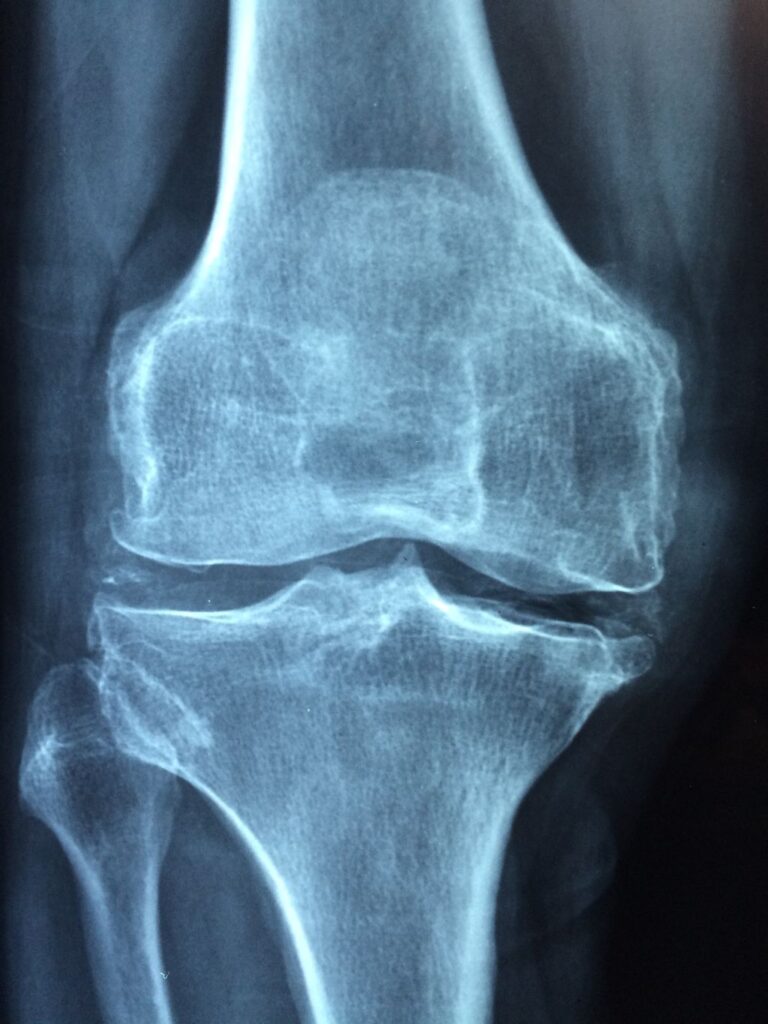
Understanding Meniscus Tear Pain: Symptoms and Treatment Options
Meniscus tears are a common knee injury that can cause significant pain and discomfort. Understanding the symptoms and treatment options for meniscus tears is essential for effective management and recovery. This article provides an in-depth look at the anatomy of the meniscus, causes of meniscus tears, symptoms, diagnosis, and both non-surgical and surgical treatment options.
Key Takeaways
- Meniscus tears can result from traumatic injuries or degenerative conditions.
- Symptoms of meniscus tears include pain, swelling, and limited range of motion.
- Physical examination and MRI evaluation are common methods for diagnosing meniscus tears.
- Non-surgical treatment options for meniscus tears include rest, ice, and physical therapy.
- Surgical treatment options for meniscus tears may involve arthroscopic surgery and meniscus repair or meniscectomy.
Anatomy of the Meniscus

Structure of the Meniscus
The meniscus is a C-shaped piece of cartilage that acts as a cushion between the femur and tibia. It plays a crucial role in load distribution and stability within the knee joint. The structure of the meniscus allows for smooth movement and shock absorption during weight-bearing activities.
- The inner two-thirds of the meniscus has a poor blood supply, making it less likely to heal on its own.
- The outer one-third of the meniscus has a better blood supply, which may facilitate healing in certain cases.
Function of the Meniscus
The meniscus plays a crucial role in distributing weight and absorbing shock in the knee joint. It also contributes to stabilizing the knee during movement. These functions are essential for maintaining proper joint mechanics and preventing excessive wear and tear on the articular cartilage.
In a study conducted on meniscus function, it was found that the meniscus contributes to approximately 50-70% of load transmission across the knee joint. This emphasizes the significant role of the meniscus in supporting the structural integrity of the knee.
Proper understanding of the function of the meniscus is crucial for developing effective treatment strategies for meniscus tears. It guides both non-surgical and surgical interventions, ensuring that the appropriate approach is chosen based on the specific needs of the patient.
Causes of Meniscus Tears

Traumatic Injuries
In our experience, meniscus tears often result from traumatic injuries, especially in athletic contexts. These injuries typically occur during activities that involve forceful twisting or rotation of the knee joint, such as when playing sports like football, basketball, or soccer.
- Common mechanisms of injury include:
- Sudden pivoting or stopping
- Direct contact or collision
- Deep squatting or kneeling
Tip: Immediate application of ice and elevation of the leg can help reduce swelling and pain following a traumatic knee injury.
It’s crucial to recognize the signs of a meniscus tear early to prevent further damage. While some athletes may ‘play through the pain,’ we advise against ignoring symptoms that may indicate a more serious condition.
Degenerative Conditions
Degenerative conditions such as osteoarthritis can lead to gradual wear and tear of the meniscus, resulting in increased susceptibility to tears. Age-related changes in the meniscus structure and composition contribute to this degeneration. In some cases, the degenerative process may be accelerated by repetitive stress or overuse.
Table: Degenerative Conditions and Meniscus Tears
| Condition | Risk of Meniscus Tear |
|---|---|
| Osteoarthritis | High |
| Age-related changes | Moderate |
| Repetitive stress | Low |
Tip: Engaging in low-impact exercises and maintaining a healthy weight can help reduce the risk of meniscus tears in individuals with degenerative conditions.
Symptoms of Meniscus Tears

Pain and Swelling
We often find that pain and swelling are the initial indicators that a patient may have a meniscus tear. The pain is typically localized on the side of the knee where the tear has occurred and can range from mild to severe, depending on the extent of the injury. Swelling usually develops within the first few hours post-injury and can persist for days.
To manage these symptoms, we recommend a structured approach:
- Rest: Avoid activities that exacerbate knee pain.
- Ice: Apply cold packs to reduce swelling and numb the painful area.
- Compression: Use an elastic bandage or knee sleeve for support.
- Elevation: Keep the injured leg elevated to decrease swelling.
Tip: Early intervention with these steps can significantly reduce discomfort and expedite the healing process.
It’s important to monitor the pain and swelling closely. If symptoms persist or worsen, it may be indicative of a more complex issue or a different injury altogether.
Limited Range of Motion
We often observe that individuals with meniscus tears experience a limited range of motion in the affected knee. This restriction can manifest as difficulty in fully straightening or bending the knee, which can severely impact daily activities and quality of life.
The following list outlines common movements that may be hindered by a meniscus tear:
- Full knee extension
- Deep knee flexion
- Twisting or pivoting motions
It’s crucial to address this symptom promptly to prevent further complications. Engaging in targeted exercises under proper guidance can aid in restoring mobility and ensuring a smoother recovery process. We emphasize the importance of exercises and proper guidance for recovery and prevention of future injuries.
Tip: Early intervention with physical therapy can significantly improve the range of motion and facilitate a quicker return to normal activities.
Diagnosis and Imaging

Physical Examination
In our clinical practice, we begin the diagnosis of a meniscus tear with a thorough physical examination. We palpate the knee joint to identify areas of tenderness that may suggest a tear in the meniscus. Specific maneuvers, such as the McMurray test, are performed to elicit pain or clicking, which can be indicative of a meniscal injury.
We assess the knee’s range of motion and stability, looking for signs of joint effusion or locking, which are common in meniscal tears. It’s important to note that while these tests are valuable, they are not definitive, and further imaging may be necessary to confirm the diagnosis.
Remember, a careful physical examination by a healthcare professional is crucial for an accurate diagnosis, as symptoms of meniscus tears can mimic other knee problems.
MRI Evaluation
Following a thorough physical examination, we often turn to MRI evaluation to confirm the presence of a meniscus tear. This imaging technique provides us with detailed images of the soft tissues within the knee, allowing for a precise diagnosis.
An MRI not only confirms the tear but also helps us assess the extent of the injury. We can determine whether the tear is radial, horizontal, or complex, and the specific location within the meniscus. This information is crucial for planning the appropriate treatment strategy.
MRI evaluation is particularly useful in cases where physical examination results are inconclusive or when multiple knee injuries are suspected.
We categorize meniscus tears based on their appearance on MRI scans as follows:
- Grade 1: Small, inconsequential tears
- Grade 2: Larger but stable tears, possible pain and swelling
- Grade 3: Full-thickness tears, often requiring surgical intervention
Non-Surgical Treatment Options

Rest and Ice
After implementing the Rest and Ice protocol, physical therapy becomes a crucial component of the recovery process. It focuses on strengthening the muscles around the knee joint and improving flexibility. Additionally, physical therapy provides individualized care for all ages with various conditions. Schedule a free assessment with highly trained staff at multiple locations. This personalized approach ensures that each patient receives the specific treatment they need to regain strength and mobility. In some cases, a structured exercise program may be recommended to aid in the rehabilitation process. It’s important to follow the guidance of the physical therapist to achieve the best possible outcome.
Physical Therapy
After discussing the benefits of physical therapy, it is important to note that physical therapy is not limited to athletes and is beneficial for all ages. It aims to relieve pain, improve flexibility, and reduce the risk of future injuries. Myth 1: Physical therapy is only for athletes. Myth 2: Physical therapy is painful. Myth 3: It is only for patients after surgery. Implementing a structured approach to physical therapy can yield positive outcomes. Here is a brief overview of the key components of an effective physical therapy program:
- Pain Relief: Targeted exercises and modalities to alleviate pain and discomfort.
- Flexibility Training: Techniques to improve range of motion and joint flexibility.
- Strength Building: Progressive exercises to strengthen the muscles supporting the knee.
- Functional Training: Activities to improve balance, coordination, and functional movement.
- Education and Prevention: Guidance on injury prevention and self-management strategies.
It is important to adhere to the prescribed physical therapy regimen and communicate any concerns or progress to the healthcare provider for optimal results.
Surgical Treatment for Meniscus Tears

Arthroscopic Surgery
In our exploration of treatment options for meniscus tears, we find that arthroscopic surgery stands out as a minimally invasive procedure that allows us to address the injury directly. Utilizing small incisions and specialized instruments, we can visualize and repair the damaged meniscus with precision.
The steps involved in arthroscopic surgery typically include:
- Administration of anesthesia.
- Making small incisions around the knee joint.
- Inserting the arthroscope to assess the damage.
- Repairing or removing the torn meniscal tissue.
- Closing the incisions and beginning the rehabilitation process.
Postoperative care is crucial for a successful recovery. We emphasize the importance of following a structured rehabilitation program, which often includes controlled exercises to restore strength and mobility.
Remember, the goal of arthroscopic surgery is not only to relieve pain but also to restore the knee’s functionality. A tailored approach to rehabilitation can significantly enhance the outcome.
Meniscus Repair vs. Meniscectomy
When considering surgical treatment for meniscus tears, it is important to weigh the options of meniscus repair and meniscectomy. Each procedure has its own benefits and considerations, and the decision should be made in consultation with a qualified orthopedic surgeon. Meniscus repair aims to preserve the natural structure of the meniscus, promoting long-term joint health and stability. On the other hand, meniscectomy involves the removal of damaged tissue, providing immediate relief from pain and discomfort. It is essential to understand the potential outcomes and recovery process associated with each procedure before making a decision. Here are some key points to consider:
- Meniscus Repair
- Suitable for younger patients with good tissue quality
- Longer recovery time but potential for sustained joint function
- Meniscectomy
- Commonly performed for older patients with degenerative tears
- Shorter recovery time but increased risk of future joint issues
Tip: It is crucial to follow post-operative care instructions diligently to optimize the outcomes of either procedure.
Conclusion
In conclusion, understanding the symptoms and treatment options for meniscus tear pain is crucial for effective management and recovery. By recognizing the signs of a meniscus tear and exploring the various treatment modalities available, individuals can make informed decisions about their healthcare and take proactive steps towards healing and rehabilitation.
Frequently Asked Questions
What are the common causes of meniscus tears?
Meniscus tears can be caused by traumatic injuries, such as sudden twisting or forceful impact, as well as degenerative conditions, such as osteoarthritis or aging-related wear and tear.
What are the typical symptoms of a meniscus tear?
The typical symptoms of a meniscus tear include pain, swelling, and limited range of motion in the affected knee. Some individuals may also experience a clicking or locking sensation.
How is a meniscus tear diagnosed?
A meniscus tear is diagnosed through a physical examination by a healthcare professional, as well as through imaging tests such as MRI evaluation to assess the extent and location of the tear.
What non-surgical treatment options are available for meniscus tears?
Non-surgical treatment options for meniscus tears include rest, ice therapy, physical therapy, and the use of supportive braces to aid in the healing process and improve knee function.
What is arthroscopic surgery for meniscus tears?
Arthroscopic surgery for meniscus tears involves the use of a small camera and specialized instruments to repair or remove the damaged portion of the meniscus, typically performed through small incisions in the knee.
What is the difference between meniscus repair and meniscectomy?
Meniscus repair aims to preserve the meniscus by suturing the torn edges together, while meniscectomy involves the partial or complete removal of the damaged meniscus tissue, depending on the severity of the tear and the patient’s condition.