Category: kenee Management and treatments

  • Rehabilitation Exercises for Knee

    Rehabilitation Exercises for Knee

    Rehabilitation Exercises for Knee Ligaments: Strengthening and Recovery Techniques

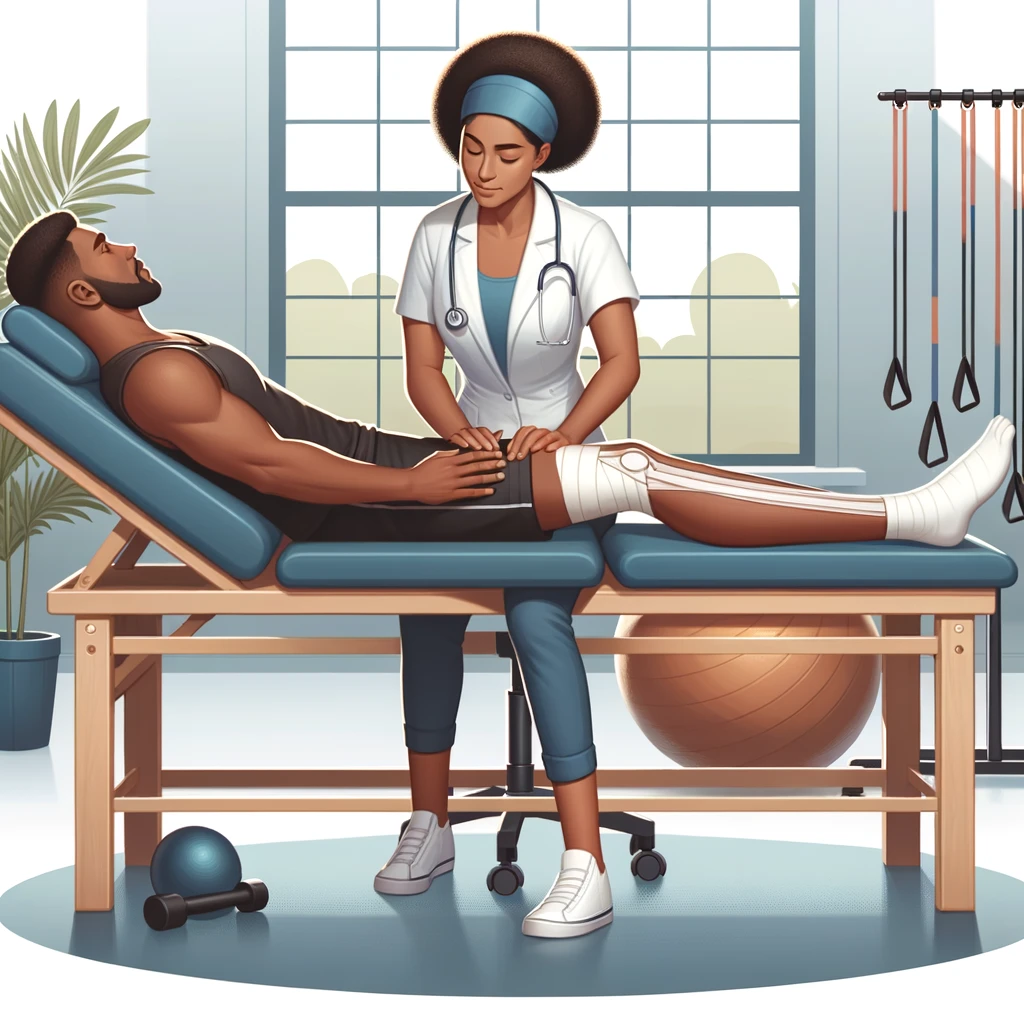
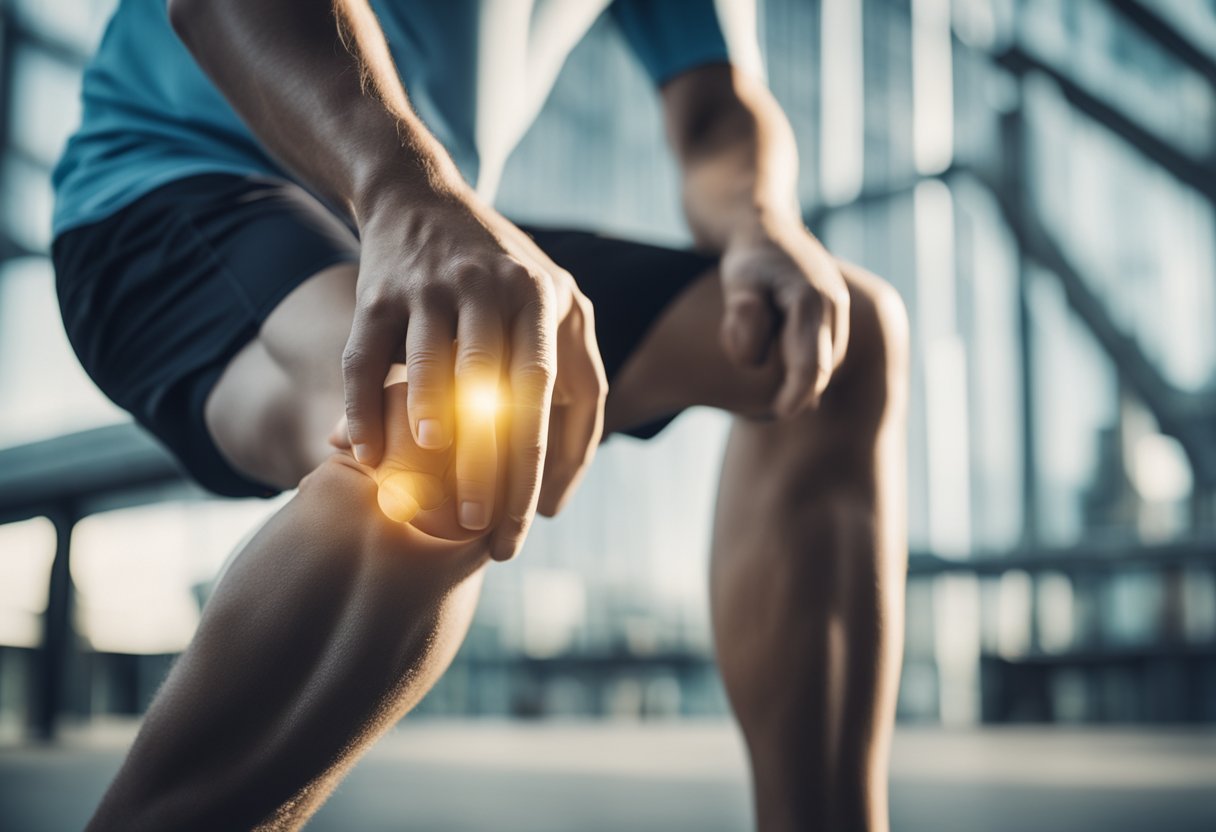
    As physical therapists, we often see patients with knee ligament injuries. Knee ligaments are strong bands of tissue that connect the thighbone to the shinbone and provide stability to the knee joint. Injuries to knee ligaments can result in pain, swelling, and decreased range of motion. Rehabilitation exercises for knee ligaments can help improve joint stability, reduce pain, and restore function.

    v2 32db6 rluua

    Understanding Knee Ligament Injuries is important for developing an effective rehabilitation plan. There are four main ligaments in the knee joint: the anterior cruciate ligament (ACL), posterior cruciate ligament (PCL), medial collateral ligament (MCL), and lateral collateral ligament (LCL). ACL and PCL injuries are more common in athletes and can occur during sports that involve sudden stops, changes in direction, or jumping. MCL and LCL injuries can result from a direct blow to the knee or from twisting the knee. Depending on the severity of the injury, surgery may be required to repair or reconstruct the damaged ligament.

    8cbc720a b396 47e0 b03a 307abbe136e3 1

    In this article, we will discuss 6 Rehabilitation Exercises for Knee Ligaments that can help improve joint stability, reduce pain, and restore function. These exercises are designed to strengthen the muscles that support the knee joint and improve biomechanical function. By following a structured rehabilitation program, patients can improve their recovery and return to their daily activities faster.

    Key Takeaways

    • Knee ligament injuries can result in pain, swelling, and decreased range of motion.
    • There are four main ligaments in the knee joint: the anterior cruciate ligament (ACL), posterior cruciate ligament (PCL), medial collateral ligament (MCL), and lateral collateral ligament (LCL).
    • Rehabilitation exercises for knee ligaments can help improve joint stability, reduce pain, and restore function.

    Understanding Knee Ligament Injuries

    Knee ligament injuries are common among athletes and individuals who engage in physical activities. These injuries can be caused by a wide range of factors, including trauma, overuse, and sports-related injuries. The most common types of knee ligament injuries include anterior cruciate ligament (ACL) injuries, medial collateral ligament (MCL) injuries, and posterior cruciate ligament (PCL) injuries.

    Causes and Types of Injuries

    ACL injuries are typically caused by a twisting motion or a direct blow to the knee. MCL injuries, on the other hand, are often caused by a direct blow to the outside of the knee. PCL injuries are usually the result of a direct blow to the front of the knee or a hyperextension injury.

    Ligament injuries can be classified as either partial or complete tears. Partial tears involve damage to a portion of the ligament, while complete tears involve a complete separation of the ligament from the bone. Overuse injuries, such as tendinitis, can also occur in the knee.

    Diagnosis and Assessment

    Diagnosis of knee ligament injuries involves a physical examination, imaging tests, and other diagnostic procedures. Physical examination involves assessing the knee for pain, swelling, and instability. Imaging tests such as magnetic resonance imaging (MRI), radiographs, and ultrasound can also be used to assess the extent of the injury.

    Treatment Options

    Treatment options for knee ligament injuries depend on the severity of the injury. Nonoperative treatment may involve rest, ice, compression, and elevation (RICE), physical therapy, and immobilization. Operative treatment may involve surgery, such as arthroscopy or ACL reconstruction.

    Post-Injury Challenges

    Post-injury challenges may include pain, swelling, and instability. Rehabilitation is essential for restoring full function and reducing the risk of future injuries.

    Understanding the Rehabilitation Process

    Rehabilitation is an essential part of the recovery process for knee ligament injuries. The rehabilitation process involves a series of exercises and other interventions designed to improve muscle strength, proprioception, and joint stability.

    Specific Rehabilitation Exercises

    Specific rehabilitation exercises may include exercises to improve muscle strength, such as knee flexion and extension exercises, as well as exercises to improve proprioception, such as balance training.

    Role of Imaging in Rehabilitation

    Imaging tests such as MRI and radiographs can be used to assess the extent of the injury and monitor progress during rehabilitation.

    Rehabilitation Exercises for Knee Ligament Recovery

    ExerciseDescriptionTarget Area
    Passive Range of MotionGentle movements of knee by therapist/device to improve flexion/extension early post-injury without overstressingRestore mobility; reduce stiffness
    Quad SetsContract quad muscles by pushing knees down into floor/table when in sitting/lying positionActivate quads; prevent atrophy
    Straight Leg RaisesTighten quads to lift straight leg up off floor/bed, keep knee lockedStrengthen quads; knee stabilization
    Hip Abduction/AdductionMove legs outward/inward against resistance or body weightStrengthen hip muscles supporting knee
    Calf RaisesRaise up onto ball/toes of foot, lower with controlStrengthen calves; improve balance/proprioception
    Wall SitsSlide down wall until knees/hips at 90 degree angle, hold positionStrengthen quads; improve endurance
    Terminal Knee ExtensionsSit with resistance band around foot, fully straighten kneeRegain full extension range of motion
    Hamstring CurlsFlex knees to pull heels toward buttress against resistance bandStrengthen hamstrings; decelerate knee extension
    Balance Board/Wobble BoardStand with knee slightly bent on unstable surfaceEnhance balance and knee proprioception
    Mini-SquatsPerform slight squatting motion within pain-free range of motionRegain quad control; restore movement pattern

    The exact exercises and progressions are tailored by physical therapists depending on injury specifics, graft type, and post-surgical timeline. The goal is to restore strength, mobility, proprioception and movement control safely based on healing constraints

    a7918c30 98ad 4e88 b5fa 3668ecb888b6 2

    Preventing Future Injuries

    Preventing future knee ligament injuries involves proper conditioning, warm-up, and cool-down exercises, as well as appropriate protective gear.

    In conclusion, knee ligament injuries are common among athletes and individuals who engage in physical activities. Proper diagnosis, treatment, and rehabilitation are essential for restoring full function and reducing the risk of future injuries.

  • Knee Hurt from Walking

    Knee Hurt from Walking

    Knee Hurt from Walking: Causes and Treatment

    Knee pain is a common complaint that affects people of all ages, especially those who enjoy walking or running. Knee pain from walking can be caused by a variety of factors, including injury, overuse, or underlying medical conditions such as arthritis. It can be difficult to determine the exact cause of knee pain, but understanding the possible causes and treatment options can help manage the pain and prevent future discomfort.

    v2 21ol3 fci18

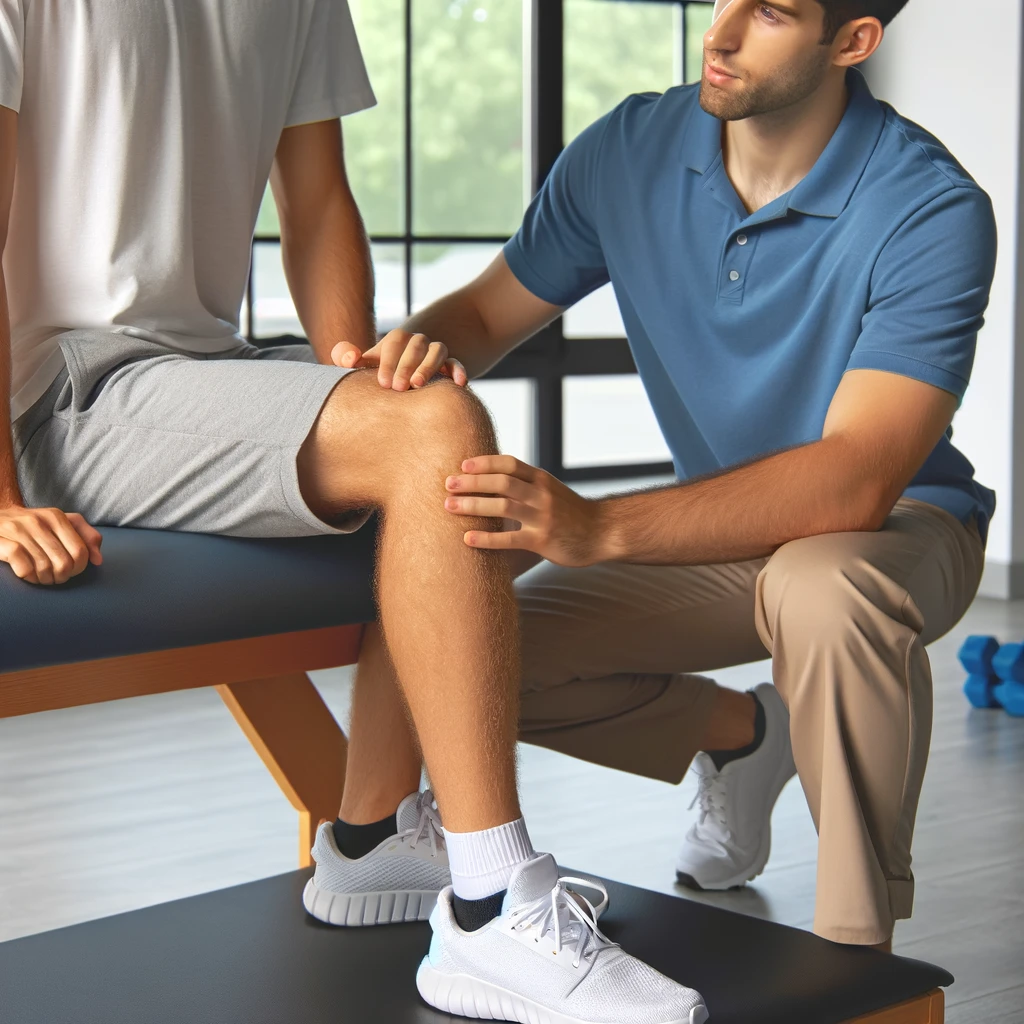
    If you experience knee pain from walking, it is important to seek medical attention to determine the underlying cause. Your doctor may recommend imaging tests, such as X-rays or MRI scans, to assess the extent of the damage or identify any abnormalities. Treatment options may include medication, physical therapy, or even surgery, depending on the severity of the injury or condition.

    Key Takeaways

    • Knee pain from walking can be caused by a variety of factors, including injury, overuse, or underlying medical conditions such as arthritis.
    • Seeking medical attention is important to determine the underlying cause of knee pain and to develop an appropriate treatment plan.
    • Treatment options may include medication, physical therapy, or surgery, depending on the severity of the injury or condition.

    Understanding Knee Pain from Walking

    When we walk, our knees bear the weight of our body and absorb the impact of each step. This repetitive motion can lead to knee pain, especially if we walk on hard surfaces or wear shoes that do not provide enough support. Knee pain can be caused by various factors, such as injury, overuse, or underlying medical conditions.

    The knee joint is made up of bones, cartilage, tendons, ligaments, and bursae. The kneecap, or patella, is a bone that protects the knee joint and helps to extend and flex the leg. The femur, or thigh bone, and the tibia, or shinbone, are the two major bones that make up the knee joint. Cartilage is a tough, rubbery tissue that covers the ends of the bones and provides a smooth surface for them to glide over each other. Tendons connect the muscles to the bones, and ligaments connect the bones to each other. Bursae are small sacs of fluid that cushion the joint and reduce friction.

    Knee injuries, such as a torn cartilage or an anterior cruciate ligament (ACL) injury, can cause knee pain. Overuse injuries, such as patellofemoral pain syndrome or iliotibial band syndrome, can also cause knee pain. Dislocated kneecap and knee bursitis are other common injuries that can cause knee pain. Knee pain can also be caused by underlying medical conditions, such as arthritis or gout, that damage the joint.

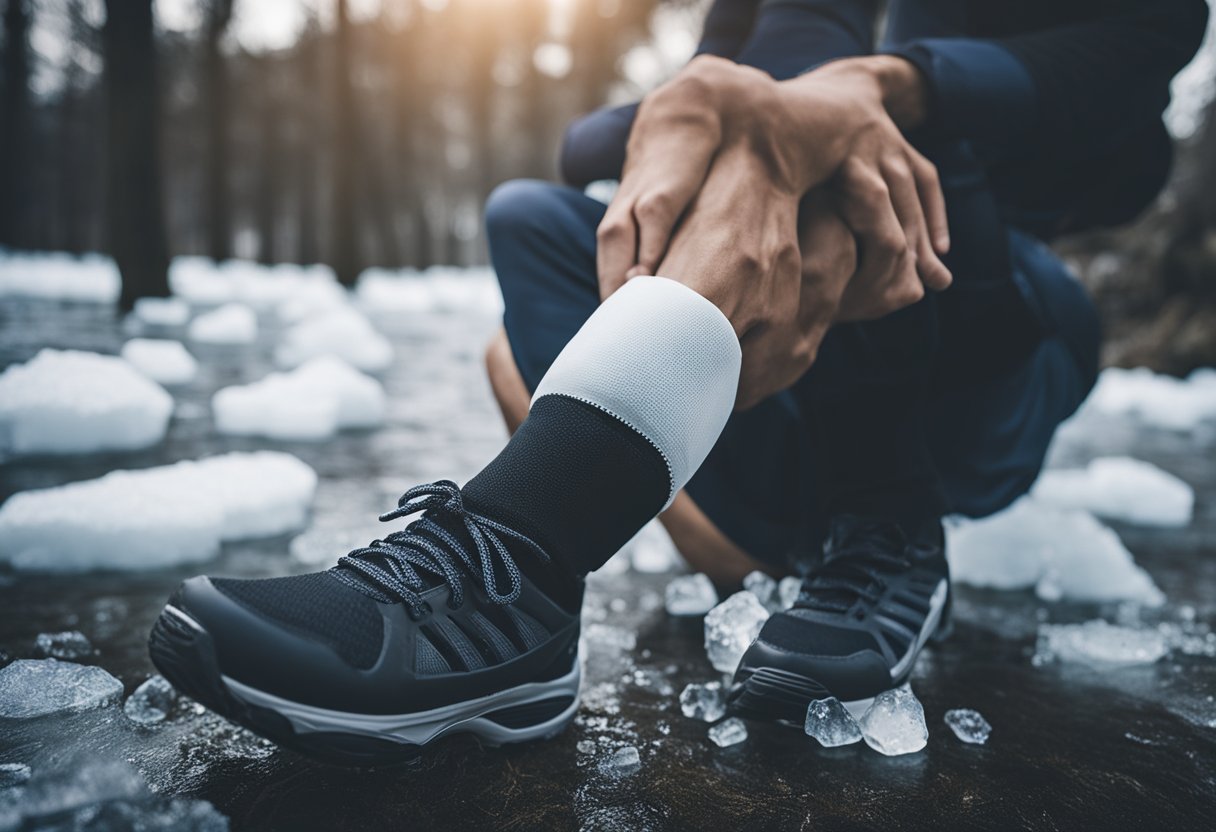
    To prevent knee pain from walking, it’s important to wear comfortable shoes that provide good support and cushioning. It’s also important to stretch before and after walking to warm up the muscles and reduce the risk of injury. If you experience knee pain from walking, it’s important to rest, ice, and elevate the knee to reduce swelling and pain. If the pain persists, it’s important to seek medical attention to determine the underlying cause and receive appropriate treatment.

    In conclusion, knee pain from walking can be caused by various factors, including injury, overuse, or underlying medical conditions. To prevent knee pain, it’s important to wear comfortable shoes, stretch, and rest when necessary. If knee pain persists, seek medical attention to determine the underlying cause and receive appropriate treatment.

    Common Causes and Conditions

    v2 21olg 688ng

    Knee pain from walking can be caused by a variety of factors, including aging, injuries, and excess weight. In this section, we will discuss the most common causes and conditions that can lead to knee pain when walking.

    Aging and Arthritis

    As we age, our joints naturally experience wear and tear, which can lead to arthritis. Osteoarthritis is the most common type of arthritis that affects the knee joint. It occurs when the cartilage that cushions the joint begins to break down, leading to pain, swelling, and stiffness. Rheumatoid arthritis is another type of arthritis that can affect the knee joint, causing inflammation and joint damage.

    Injuries and Overuse

    Knee injuries can occur from a variety of activities, including running, jumping, and other high-impact sports. Tendinitis and bursitis are common conditions that can occur from overuse of the knee joint. Patellar tendinitis, also known as jumper’s knee, is a condition that results from inflammation of the tendon that connects the kneecap to the shinbone. Bursitis occurs when the small fluid-filled sacs that cushion the knee joint become swollen and irritated.

    Torn meniscus is another common knee injury that can occur from twisting or turning the knee. The meniscus is a shock absorber in the knee joint, and a tear can cause pain, swelling, and stiffness.

    Weight and Knee Stress

    Excess weight can put stress on the knee joint, leading to pain and inflammation. Overweight individuals are at a higher risk of developing knee problems, including osteoarthritis. In addition, excess weight can cause the knee joint to become unstable, leading to an increased risk of anterior cruciate ligament (ACL) injuries and fractures.

    In conclusion, knee pain from walking can be caused by a variety of factors, including aging, injuries, and excess weight. It is important to consult with a doctor if you experience knee pain that does not improve with self-care measures, as it may be a sign of a more serious condition such as a torn meniscus or autoimmune condition like septic arthritis.

    Diagnosis and Treatment

    v2 21oln 4bvwn

    Diagnostic Procedures

    If you are experiencing knee pain after walking, it is important to see a doctor for a proper diagnosis. A physical exam and medical history review will be conducted by a healthcare professional to diagnose the underlying cause of the pain. Diagnostic procedures such as x-rays or MRI scans may be ordered to identify any swelling, inflammation, or torn meniscus.

    Treatment Options

    Once the underlying cause of your knee pain has been identified, there are several treatment options available. Self-care measures such as ice, rest, and warm compresses can help alleviate symptoms of knee pain. Over-the-counter pain relievers such as NSAIDs can also be helpful.

    Physical therapy can be an effective treatment option for knee pain caused by tendinitis or bursitis. Swimming can also be a low-impact exercise that can help alleviate knee pain. In more severe cases, knee surgery may be necessary to repair any damage or relieve pressure on the joint.

    Compression and elevation can also be helpful in reducing swelling and promoting healing. It is important to follow the treatment plan recommended by your doctor to ensure a full recovery.

    In summary, knee pain after walking can be caused by a variety of factors and it is important to seek medical attention for a proper diagnosis. Treatment options include self-care measures, physical therapy, and in severe cases, knee surgery. Following the recommended treatment plan can help alleviate symptoms and promote healing.

    Prevention and Self-Care

    v2 21olt s3g01

    If you experience knee pain from walking, there are several things you can do to prevent further discomfort and promote healing. Here are some self-care tips to help you get back on your feet:

    Exercise and Lifestyle

    Regular exercise can help strengthen the muscles around your knees, reducing the risk of knee injuries and tendinitis. Low-impact activities such as swimming, cycling, and walking are ideal for those with knee pain. It’s important to warm up before exercise and stretch afterwards to prevent muscle strain and injuries.

    Maintaining a healthy weight can also reduce the strain on your knees. Excess weight can cause instability and overuse, leading to knee pain and injuries.

    Weight Management

    If you are overweight, losing weight can help reduce knee pain and prevent further injuries. A healthy diet and regular exercise can help you shed excess weight and reduce the strain on your knees.

    Shoes and Inserts

    Wearing supportive shoes can help reduce knee pain while walking. Look for shoes with good cushioning and arch support. Inserts can also provide extra cushioning and support for your feet.

    Kneepads and Kneeling

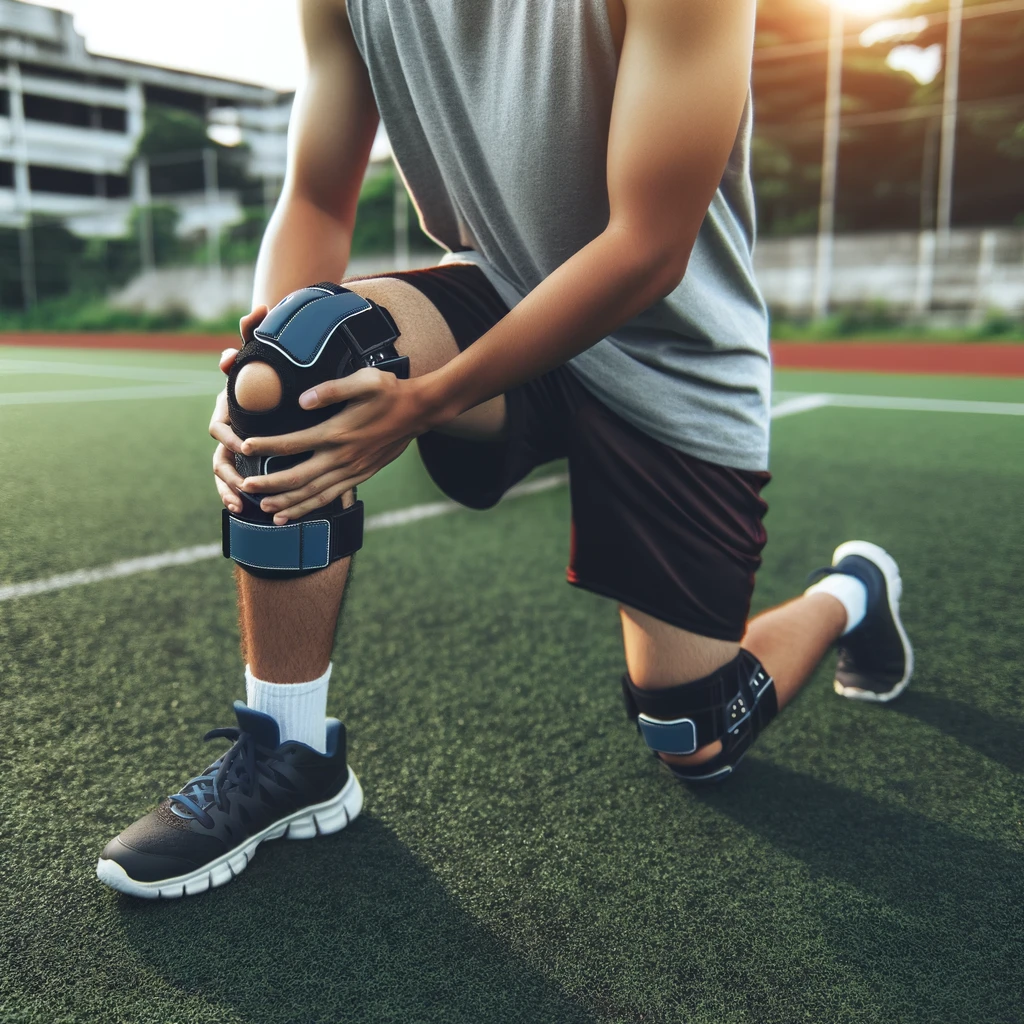
    If you frequently kneel or crawl, wearing kneepads can help reduce the strain on your knees. When kneeling, keep your knees directly under your hips and avoid putting too much weight on your knees.

    Rest and Self-Care

    If you experience knee pain from walking, it’s important to rest and allow your knees to heal. Apply ice to the affected area to reduce swelling and pain. Elevating your legs can also help reduce swelling.

    Stretching and gentle range-of-motion exercises can help promote healing and prevent further knee pain. Avoid activities that cause pain, such as running or jumping, until your knees have fully healed.

    In conclusion, knee pain from walking can be prevented and managed with proper self-care and exercise. By maintaining a healthy weight, wearing supportive shoes, and taking care of your knees, you can reduce the risk of knee injuries and tendinitis.

    Frequently Asked Questions

    v2 21olz hwquf

    How can knee pain from walking be treated?

    If you experience knee pain from walking, there are several treatments that can help alleviate the pain. Resting, icing, compression, and elevation (RICE) can be effective in reducing swelling and inflammation. Over-the-counter pain relievers such as ibuprofen or acetaminophen can also help reduce pain. Physical therapy, stretching, and strengthening exercises can help improve knee function and prevent future injuries.

    What causes pain behind the knee when walking?

    Pain behind the knee when walking can be caused by a variety of factors, including injuries to the ligaments, tendons, or cartilage in the knee joint. Arthritis, muscle strains, or nerve damage can also cause pain behind the knee. In some cases, the pain may be due to a blood clot or other medical condition. If you experience persistent pain behind the knee, it is important to seek medical attention.

    What are common reasons for knee pain when lifting leg while walking?

    Knee pain when lifting your leg while walking can be caused by a variety of factors, including muscle strains, ligament sprains, or inflammation of the knee joint. Arthritis, tendonitis, or meniscal tears can also cause knee pain when lifting your leg while walking. In some cases, the pain may be due to an underlying medical condition. If you experience persistent knee pain when lifting your leg while walking, it is important to seek medical attention.

    How can knee pain from standing all day be relieved?

    If you experience knee pain from standing all day, there are several things you can do to relieve the pain. Wearing comfortable shoes with good arch support can help reduce pressure on the knees. Taking frequent breaks to sit down and stretch can also help alleviate knee pain. Resting, icing, compression, and elevation (RICE) can also be effective in reducing swelling and inflammation. Over-the-counter pain relievers such as ibuprofen or acetaminophen can also help reduce pain.

    What are some effective knee pain treatments?

    Effective knee pain treatments include rest, ice, compression, and elevation (RICE), over-the-counter pain relievers, physical therapy, stretching, and strengthening exercises. In some cases, corticosteroid injections or surgery may be necessary to alleviate knee pain. It is important to consult with a medical professional to determine the best course of treatment for your specific condition.

    When should I stop walking if my knee hurts?

    If you experience knee pain while walking, it is important to listen to your body and stop walking if the pain becomes too severe. Continuing to walk through the pain can exacerbate the injury and lead to further damage. Resting, icing, compression, and elevation (RICE) can be effective in reducing swelling and inflammation. If the pain persists, it is important to seek medical attention to determine the underlying cause of the pain.

  • Knee Pain Relief Patch Reviews

    Knee Pain Relief Patch Reviews

    Knee Pain Relief Patch Reviews: Top Products for Soothing Sore Joints

    Are you tired of knee pain interfering with your daily life? You’re not alone. Millions of people suffer from knee pain caused by arthritis, injuries, or other conditions. Finding relief can be challenging, but there are many options available, including knee pain relief patches.

    v2 21nia ol27y

    In this article, we will review some of the top knee pain relief patches on the market. We will compare their ingredients, effectiveness, and ease of use. We will also provide additional knee pain management strategies to help you find the relief you need.

    Key Takeaways

    • Knee pain is a common problem that affects millions of people.
    • Knee pain relief patches are a popular option for managing knee pain.
    • There are many different knee pain relief patches available, and it’s important to choose one that works for you.

    Understanding Knee Pain

    As we age, our joints and bones can start to show signs of wear and tear. Knee pain is a common issue that affects many people, particularly those who are overweight or have a history of knee injuries. Knee pain can be caused by a variety of factors, including arthritis, osteoarthritis, chronic knee pain, knee osteoarthritis, knee arthritis, and rheumatoid arthritis.

    Arthritis is a condition that causes pain, swelling, and inflammation in the joints. Osteoarthritis is the most common type of arthritis and is caused by the breakdown of cartilage in the joints. Chronic knee pain is pain that lasts for more than three months. Knee osteoarthritis and knee arthritis are both types of arthritis that affect the knee joint. Rheumatoid arthritis is an autoimmune disorder that causes inflammation in the joints.

    Pain, swelling, and inflammation are common symptoms of knee pain. Stiffness can also occur, making it difficult to move the knee joint. Pain and inflammation can be managed with medication, but exercise and weight loss can also help to reduce symptoms. Walking is a low-impact exercise that can help to strengthen the muscles around the knee joint and improve mobility.

    In some cases, knee pain can be caused by a meniscus tear or a bone spur flareup. Pain caused by a meniscus tear can be managed with rest, ice, compression, and elevation. A bone spur flareup can cause pain and inflammation in the knee joint, but can be managed with medication and rest.

    In severe cases, knee pain can be caused by a destroyed knee joint. In these cases, surgery may be necessary to repair or replace the joint. However, knee pain relief patches can provide temporary relief from pain and inflammation. These patches work by delivering medication directly to the affected area, providing targeted relief.

    Knee Pain Relief Patch: An Overview

    v2 21nil 6yy0e

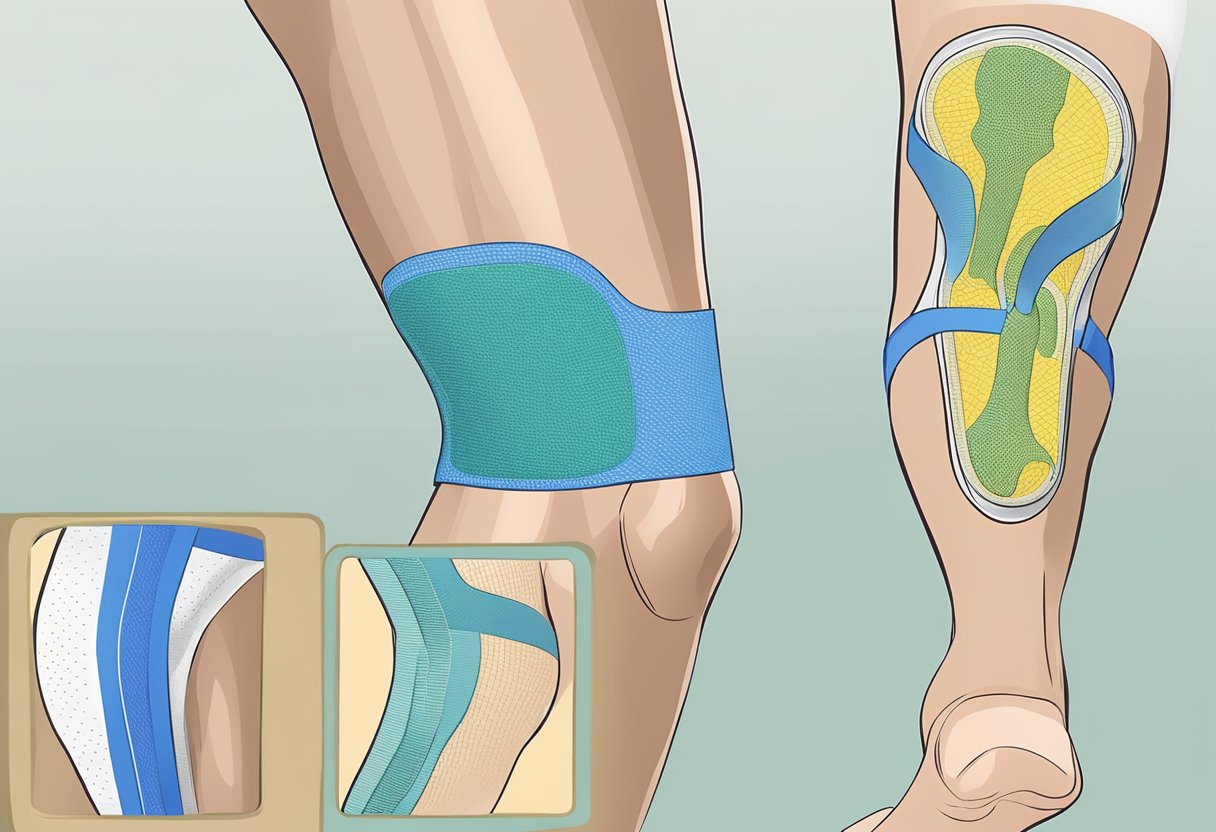
    If you’re suffering from knee pain, you may have considered using a knee pain relief patch. These pain relief patches are designed to provide effective, safe, and lasting relief from knee pain. In this overview, we’ll take a look at some of the most popular knee pain relief patches on the market and what customers have to say about them.

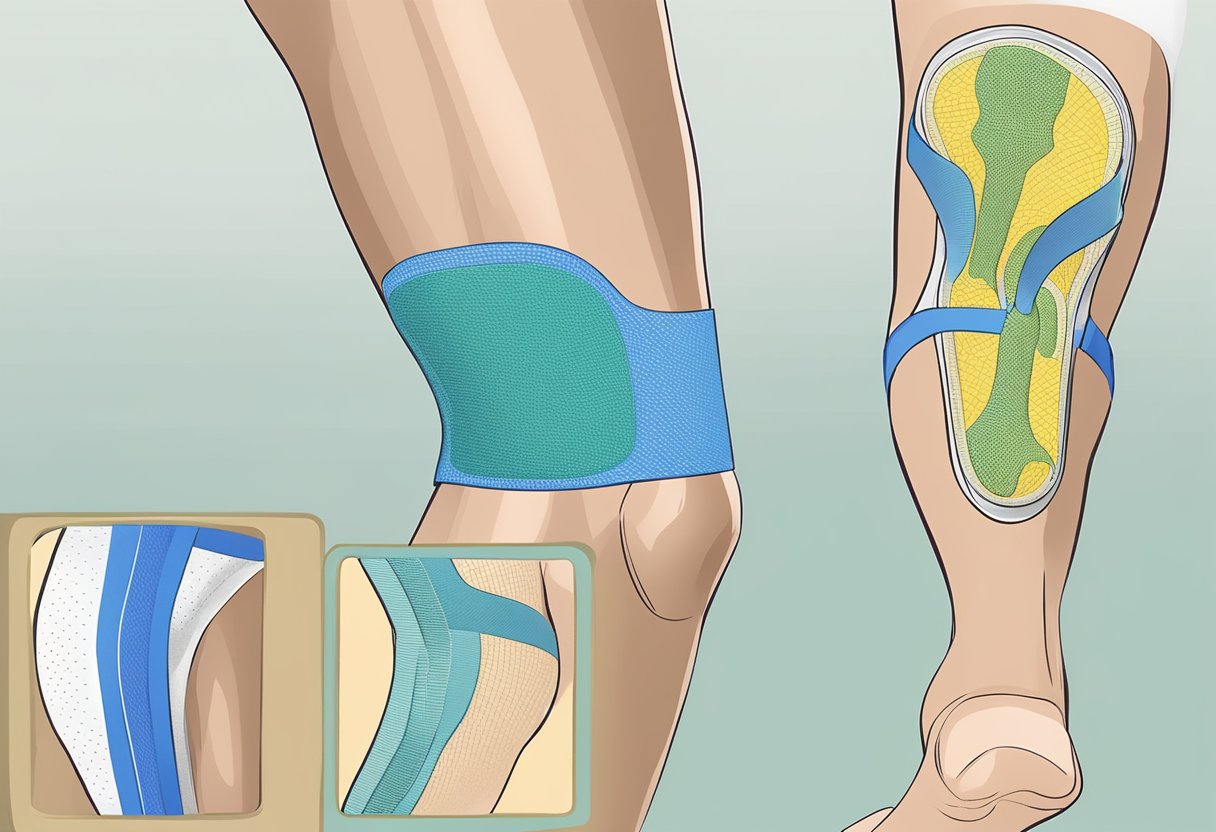
    Patches are a popular choice for many because they are easy to use and can be applied directly to the affected area. Most patches contain natural ingredients such as wormwood and radix aconiti, which are known for their pain-relieving properties.

    When it comes to reviews, customers have reported mixed results with knee pain relief patches. Some have found them to be very effective, while others have not experienced much relief. It’s important to keep in mind that everyone’s experience with pain relief patches can be different.

    One of the most common complaints about knee pain relief patches is that they can be difficult to remove. Some customers have reported that the backing is hard to remove, especially for those with arthritis. However, others have found the patches to stay on well during regular activities.

    It’s important to note that while knee pain relief patches can provide relief, they are not a substitute for medical treatment. If you are experiencing severe or chronic knee pain, it’s important to consult with a healthcare professional to determine the underlying cause and appropriate treatment plan.

    In summary, knee pain relief patches can be an effective and safe option for those looking for relief from knee pain. However, it’s important to keep in mind that results can vary and they should not be used as a substitute for medical treatment. If you’re considering using a knee pain relief patch, be sure to do your research and consult with a healthcare professional if necessary.

    Comparing Topical Pain Relief Options

    v2 21nir

    When it comes to managing knee pain, there are several topical pain relief options available. These include creams, gels, patches, and sprays. Some of these options contain nonsteroidal anti-inflammatory drugs (NSAIDs) while others use counterirritants like menthol, camphor, and eucalyptus oil.

    Topical NSAIDs like Pennsaid and Voltaren Gel are available by prescription and are applied directly to the skin over the affected area. These medications work by reducing inflammation and relieving pain. However, they can cause side effects like skin irritation, allergic reactions, and hives in some people.

    Over-the-counter options like Icy Hot, Aspercreme, and Tiger Balm contain counterirritants that work by creating a cooling or warming sensation on the skin. These products can also contain other active ingredients like capsaicin, which is derived from chili peppers and can help relieve pain by blocking nerve signals.

    Lidocaine is another active ingredient found in some topical pain relief options. This anesthetic works by numbing the affected area to provide pain relief. However, it can also cause side effects like skin irritation and allergic reactions in some people.

    While topical pain relief options can be effective for managing knee pain, it’s important to talk to your doctor before using any new medications or treatments. They can help you determine which option is best for your specific needs and medical history.

    Additional Knee Pain Management Strategies

    v2 21nix

    In addition to using knee pain relief patches, there are several other strategies that can help manage knee pain. These strategies include pain management techniques, pain medications, physical therapy, exercise, knee braces, and natural remedies.

    Pain management techniques such as heat and ice therapy can help reduce inflammation and improve blood flow to the affected area. Applying heat to the knee can help soothe aches and pains, while applying ice can help reduce swelling and inflammation. Face the affected area with a heating pad or ice pack for 20 minutes at a time, several times a day.

    Pain medications such as acetaminophen and nonsteroidal anti-inflammatory drugs (NSAIDs) can help relieve knee pain. However, it is important to talk to your doctor before taking any pain medications, as some can have side effects and interact with other medications.

    Injections, such as corticosteroids or hyaluronic acid, can also help reduce knee pain by reducing inflammation and improving mobility. However, these treatments should only be used under the guidance of a healthcare professional.

    Physical therapy and exercises can also help manage knee pain by improving flexibility and strength. Tai chi, a gentle form of exercise, has been shown to be particularly effective for knee pain management.

    Knee braces can provide additional support and stability to the knee joint, which can help reduce pain and improve mobility.

    Natural remedies, such as glucosamine and chondroitin supplements, can also help relieve knee pain. Arthritis creams and patches can provide gentle soothing warmth to the affected area for long-term relief.

    Overall, there are many strategies that can be used to manage knee pain in addition to knee pain relief patches. It is important to talk to your doctor before trying any new treatments or remedies to ensure they are safe and effective for your individual needs.
    Frequently Asked Questions

    Are knee pain relief patches effective?

    Knee pain relief patches can be effective for some people. According to Wellnee, their pain relief patches are designed to naturally reduce inflammation and relieve various types of knee, neck, or back pain. However, the effectiveness of knee pain relief patches can vary depending on the individual and the severity of their pain.

    What are the side effects of knee pain relief patches?

    Like any medication or treatment, knee pain relief patches can have side effects. Common side effects of pain relief patches include skin irritation, redness, and itching. Some people may also experience an allergic reaction to the ingredients in the patch. If you experience any severe side effects, you should stop using the patch and seek medical attention immediately.

    Which knee pain relief patch is the most effective?

    There is no one-size-fits-all answer to this question, as the most effective knee pain relief patch will vary depending on the individual and their specific needs. Some popular options include Wellnee Pain Relief Patches and Flexiknee Natural Knee Pain Patches. It is important to consult with a healthcare professional before starting any new treatment.

    Are there any natural knee pain relief patches?

    Yes, there are natural knee pain relief patches available. Wellnee Pain Relief Patches contain natural ingredients, such as turmeric, ginger, and menthol, to help reduce inflammation and relieve pain.

    Can knee pain relief patches be used for bone-on-bone knee pain?

    Knee pain relief patches may provide some relief for bone-on-bone knee pain, but it is important to consult with a healthcare professional before using any new treatment. In some cases, surgery or other more invasive treatments may be necessary.

    Are there any well-reviewed knee pain relief patches available at Walgreens?

    Walgreens carries a variety of knee pain relief patches, but it is important to read reviews and consult with a healthcare professional before starting any new treatment. Some popular options include Icy Hot Medicated Patches and Salonpas Pain Relieving Patches.