

Physical Therapy Management for Various Symptoms and Diagnostics
Physical therapy management is a crucial aspect of healthcare that involves the diagnosis and treatment of a wide range of musculoskeletal and neurological conditions. Physical therapists work with patients of all ages and backgrounds to help them recover from injuries, manage chronic pain, and improve their overall quality of life. With their expertise in anatomy, physiology, and movement, physical therapists are uniquely equipped to provide comprehensive care that addresses both the symptoms and underlying causes of a patient’s condition.

Physical therapy management involves a range of techniques and interventions that are tailored to the specific needs of each patient. This may include exercises to improve strength and flexibility, manual therapy to reduce pain and improve joint mobility, and modalities such as heat or ice to reduce inflammation and promote healing. In addition to these interventions, physical therapists also play an important role in educating patients about their condition and empowering them to take an active role in their own recovery.
At its core, physical therapy management is about helping patients achieve their goals and improve their quality of life. Whether a patient is recovering from a sports injury, managing chronic pain, or rehabilitating after surgery, physical therapy can be an effective and empowering way to regain function, reduce pain, and improve overall health and wellbeing. With its focus on evidence-based practice and patient-centered care, physical therapy is an essential component of modern healthcare that can help patients of all ages and backgrounds achieve their full potential.
Fundamentals of Physical Therapy Management
As physical therapists, we are experts in the diagnosis and treatment of musculoskeletal and neuromuscular conditions. Our practice is based on clinical reasoning, which involves a thorough evaluation of the patient’s history, symptoms, physical examination, and diagnostic tests. We use this information to develop a differential diagnosis and classification of the patient’s condition. From there, we develop a treatment plan that is tailored to the patient’s individual needs.
Physical Examination and Diagnosis
The physical examination is a crucial component of our diagnostic process. We use a variety of techniques, including manual muscle testing, range of motion testing, and palpation, to assess the patient’s condition. We also review the patient’s medical history and conduct a review of systems to identify any red flags or other potential issues.
Once we have completed the physical examination, we use our clinical reasoning skills to develop a differential diagnosis. This involves considering all possible causes of the patient’s symptoms and ruling them out one by one until we arrive at the most likely diagnosis. We also use classification systems to help us identify the specific type of condition the patient is experiencing.
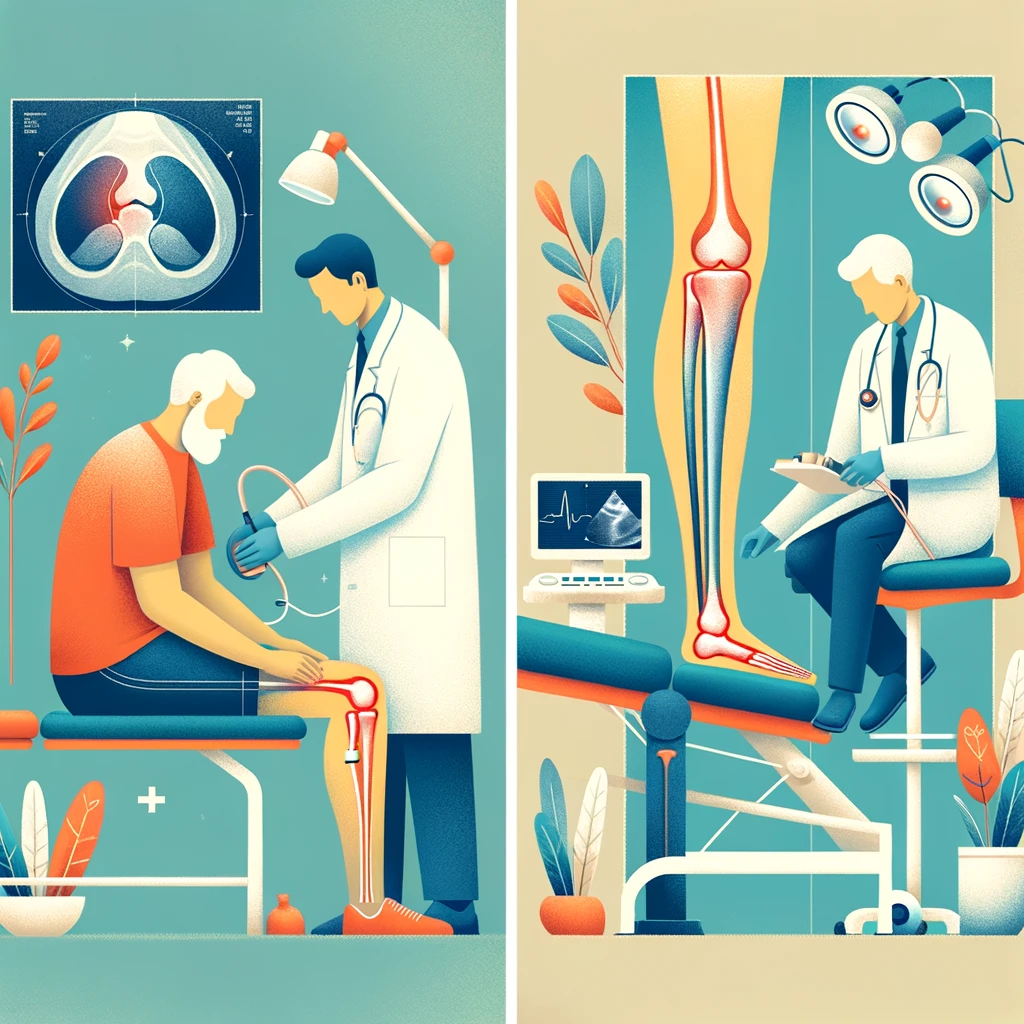
Treatment Modalities and Techniques
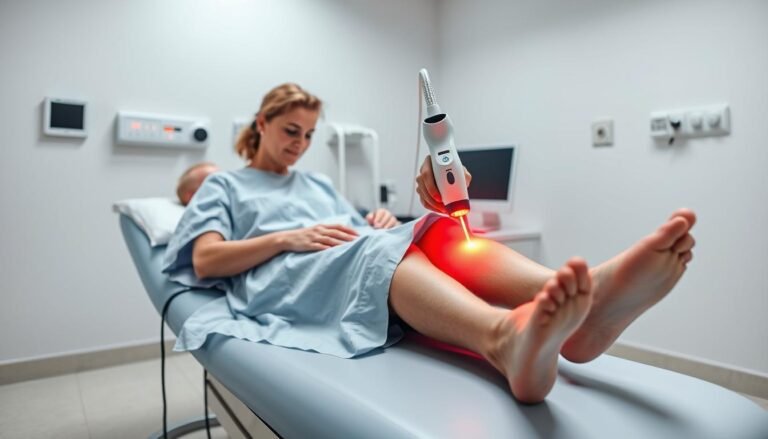
Once we have a diagnosis, we develop a treatment plan that is tailored to the patient’s specific needs. This may involve a combination of modalities and techniques, including mobilization, ultrasound, nerve conduction studies, and wrist splinting. We may also recommend medications or other interventions to help manage pain and other symptoms.
Our goal is to help our patients achieve the best possible outcomes, including improved quality of life and functional ability. We use a variety of outcome measures to track our patients‘ progress and adjust our treatment plans as needed to ensure the best possible results.
In conclusion, physical therapy management is a complex and nuanced process that requires a thorough understanding of the patient’s condition, as well as a variety of diagnostic and treatment techniques. As physical therapists, we are committed to providing the highest quality care to our patients and helping them achieve the best possible outcomes.
Table for Different Treatments in 10 Clones

As physical therapists, we are trained to diagnose and treat a wide range of conditions. In this section, we will provide a table of different treatments for 10 common diagnoses that physical therapists encounter. This table is meant to serve as a guide and is not exhaustive.
| Diagnosis | Treatment |
|---|---|
| Low back pain | Manual therapy, therapeutic exercise, modalities (heat, ice, electrical stimulation) |
| Knee osteoarthritis | Strengthening exercises, range of motion exercises, manual therapy |
| Shoulder impingement syndrome | Scapular stabilization exercises, rotator cuff strengthening, manual therapy |
| Plantar fasciitis | Stretching exercises, foot orthotics, modalities (ultrasound, electrical stimulation) |
| Ankle sprain | Balance and proprioceptive exercises, manual therapy, taping |
| ACL tear | Strengthening exercises, balance and proprioceptive exercises, manual therapy |
| Cervical radiculopathy | Cervical traction, manual therapy, range of motion exercises |
| Rotator cuff tear | Strengthening exercises, manual therapy, modalities (heat, ice, electrical stimulation) |
| Total knee replacement | Range of motion exercises, strengthening exercises, gait training |
| Stroke | Gait training, functional mobility training, strengthening exercises |
It is important to note that each patient is unique and may require a personalized treatment plan. As physical therapists, we use our clinical judgment and evidence-based practice to create individualized treatment plans for each patient. The treatments listed in the table are commonly used and have been shown to be effective in treating these diagnoses, but they are not the only treatments available.
In addition to the treatments listed in the table, we may also incorporate patient education, home exercise programs, and lifestyle modifications into our treatment plans. Our goal as physical therapists is to help our patients achieve their optimal level of function and improve their quality of life.
Specific Conditions and Therapy Approaches
Neurological and Musculoskeletal Disorders
As physical therapists, we are trained to diagnose and manage a wide range of neurological and musculoskeletal disorders. We work closely with neurologists and other healthcare professionals to ensure that our patients receive the best possible care.
When it comes to neurological disorders, we use a variety of diagnostic tools such as electromyography (EMG) and magnetic resonance imaging (MRI) to assess nerve function and identify any abnormalities. We also evaluate patients for peripheral neuropathy and nerve compression, which can cause numbness, weakness, and other symptoms.
For musculoskeletal disorders, we perform a thorough physical examination to assess for any functional limitations, pain, or disability. We may also order x-rays or other laboratory testing to evaluate for conditions such as rheumatoid arthritis or other inflammatory disorders.
Once a diagnosis has been made, we develop a comprehensive treatment plan that may include therapeutic exercises, manual therapy, and other modalities such as ultrasound or electrical stimulation. We also work with occupational and speech therapists to address any functional limitations or speech disorders.
Management of Chronic Pain and Disability
Chronic pain and disability can be challenging to manage, but our team of physical therapists is well-equipped to help patients achieve their goals. We work closely with patients to develop individualized treatment plans that address their specific needs and goals.
Our approach to managing chronic pain and disability is multi-faceted and may include a combination of therapeutic exercises, manual therapy, and other modalities such as acupuncture or dry needling. We also work closely with patients to develop strategies for managing pain and improving function in their daily lives.
Comprehensive Patient Care and Referral
At our clinic, we believe in providing comprehensive patient care that addresses not only the physical aspects of a patient’s condition but also their emotional and social well-being. We work closely with patients to understand their unique needs and goals and develop treatment plans that are tailored to their specific needs.
If a patient requires additional care beyond physical therapy, we work closely with other healthcare professionals to ensure that they receive the best possible care. This may include referral to a neurologist, orthopedic surgeon, or other specialist.
Overall, our goal is to provide high-quality, evidence-based care that helps our patients achieve their goals and improve their quality of life. We strive to stay up-to-date with the latest research and clinical trials to ensure that our patients receive the most effective treatment possible.



One Comment