Category: Knee Anatomy and Functions

all about the amatomy and fonctions as articution with complex composition

  • Exploring Double Knee Replacement Surgery

    Exploring Double Knee Replacement Surgery

    This article explores the process of double knee replacement surgery, from understanding knee osteoarthritis to postoperative rehabilitation and recovery. Each section provides valuable insights into the causes, symptoms, diagnosis, preoperative preparation, surgical procedure, and postoperative care for double knee replacement surgery.

    Key Takeaways

    • Knee osteoarthritis is a leading cause of double knee replacement surgery.
    • Preoperative preparation involves medical evaluation, physical therapy, and nutritional guidelines.
    • The surgical procedure includes anesthesia, incision, and implantation of prosthetic knees.
    • Postoperative rehabilitation focuses on physical therapy, pain management, and home care.
    • Double knee replacement surgery significantly improves mobility and quality of life for patients.

    Understanding Knee Osteoarthritis

    thumbnail

    Causes of Knee Osteoarthritis

    We recognize that knee osteoarthritis is a multifactorial disease, with a variety of factors contributing to its onset and progression. The primary cause is the degradation of cartilage in the knee joint, which can be attributed to several underlying factors. These include age-related wear and tear, obesity, which places extra stress on the joints, and previous knee injuries that may have caused damage to the cartilage or altered the mechanics of the knee.

    Genetic predisposition also plays a role, as we see a higher incidence of knee osteoarthritis in certain families. Other contributing factors are occupational hazards, particularly those involving repetitive stress on the knees, and certain metabolic diseases.

    • Age-related wear and tear
    • Obesity
    • Previous knee injuries
    • Genetic predisposition
    • Occupational hazards
    • Metabolic diseases

    Tip: Maintaining a healthy weight and engaging in regular, low-impact exercise can help reduce the risk of developing knee osteoarthritis.

    Symptoms of Knee Osteoarthritis

    As we delve into the symptoms of knee osteoarthritis, it’s crucial to recognize the varied ways in which this condition can manifest. The primary symptom most individuals experience is pain during or after movement. This discomfort can range from a dull ache to a sharp, stabbing sensation, often worsening after periods of inactivity or excessive use.

    Stiffness is another common symptom, particularly noticeable upon waking or after sitting for extended periods. The affected joints may feel tight, making it difficult to achieve full range of motion. Swelling and tenderness around the knee joint are also prevalent, caused by inflammation within the joint capsule.

    • Pain during or after movement
    • Stiffness after inactivity
    • Swelling and tenderness around the joint
    • Reduced range of motion
    • A grating sensation or crepitus when moving the knee

    It’s important to pay attention to these symptoms, as early detection and treatment can significantly slow the progression of osteoarthritis and improve quality of life.

    Diagnosis of Knee Osteoarthritis

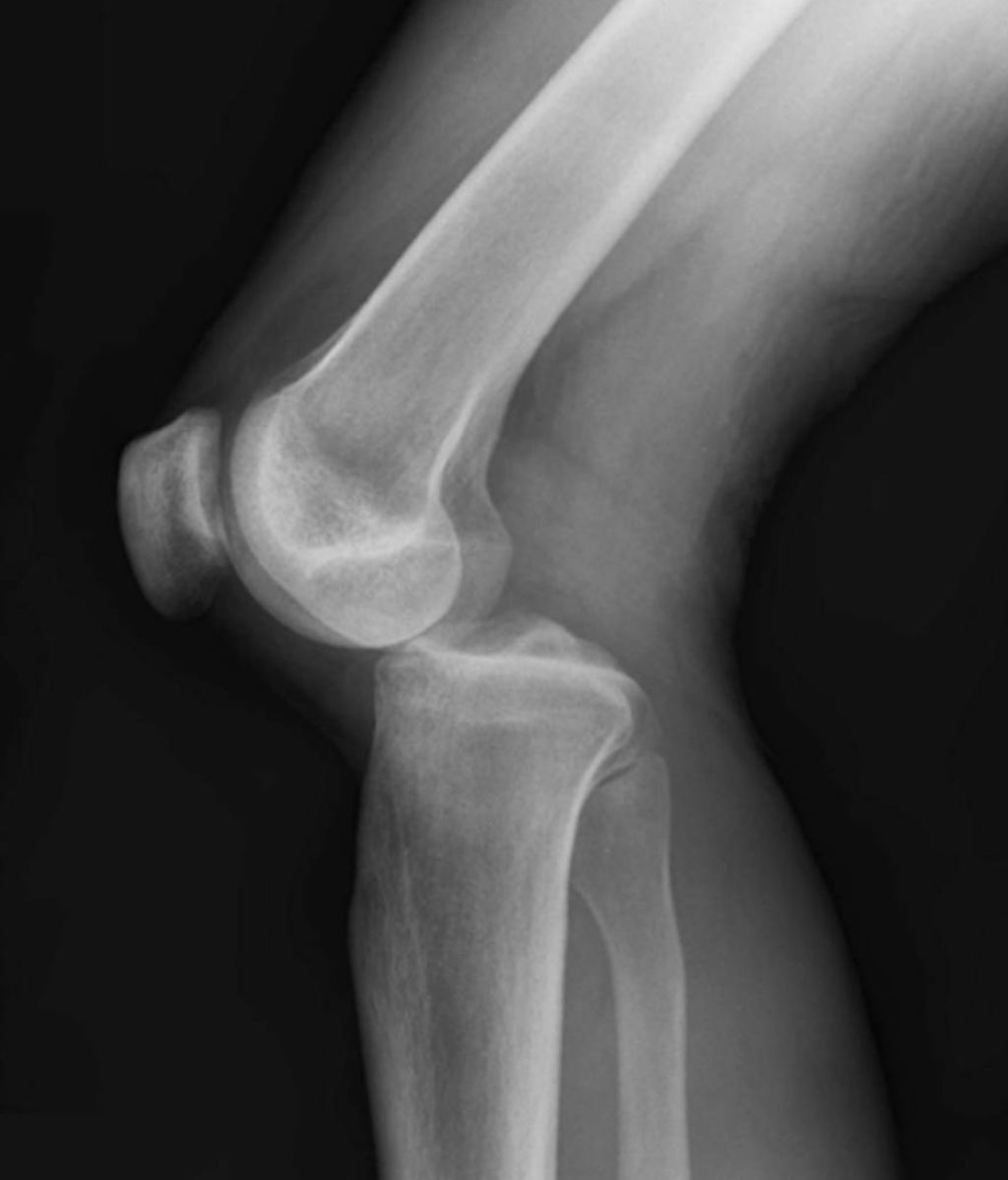
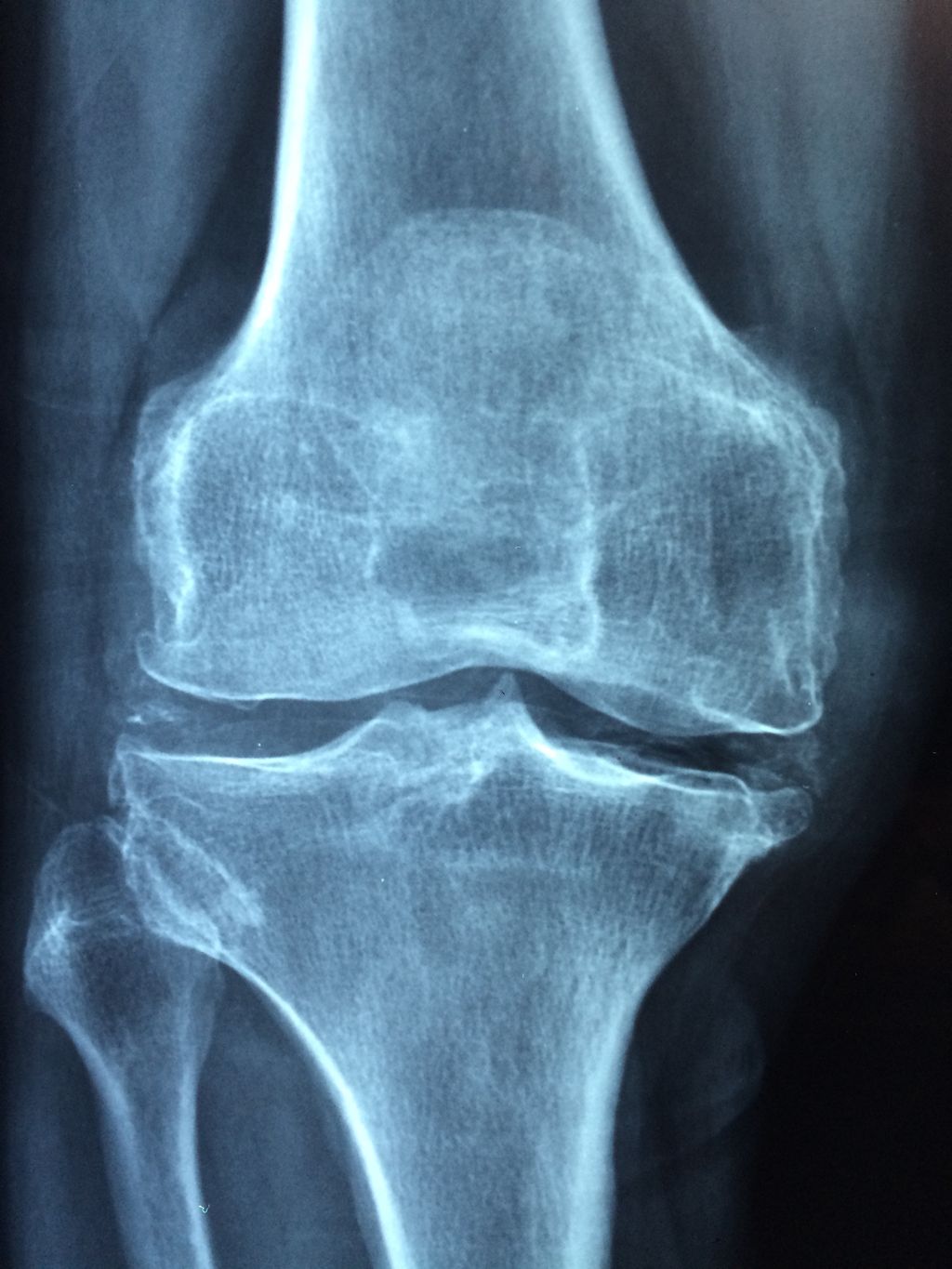
    After observing the symptoms of knee osteoarthritis, we proceed to its diagnosis, which is crucial for determining the appropriate treatment plan. We begin with a thorough medical history and a physical examination, focusing on the knee’s range of motion, stability, and strength. Radiographic tests, such as X-rays, are essential as they reveal the extent of joint damage and the presence of bone spurs.

    To further assess the condition, we may also employ magnetic resonance imaging (MRI) to visualize soft tissue structures, including cartilage, ligaments, and the meniscus. However, an MRI is not always necessary for diagnosis, as the clinical presentation and X-rays often suffice.

    Blood tests are not typically used to diagnose osteoarthritis but may be conducted to rule out other conditions, such as rheumatoid arthritis. In some cases, a joint fluid analysis can help exclude gout or infection.

    Remember, early and accurate diagnosis of knee osteoarthritis is key to managing symptoms and planning for potential surgical interventions, such as double knee replacement surgery.

    Preoperative Preparation for Double Knee Replacement Surgery

    thumbnail

    Medical Evaluation for Surgery

    Before undergoing the surgery, medical evaluation is crucial for assessing our overall health and identifying any potential risks. This evaluation involves a comprehensive review of our medical history, physical examination, and diagnostic tests. Additionally, we may need to undergo blood tests, electrocardiogram (ECG), and chest X-rays to ensure that we are in optimal condition for the procedure. Here is a brief table summarizing the key components of the medical evaluation:

    Test/Examination Purpose
    Medical history review Identify pre-existing conditions
    Physical examination Assess joint function and mobility
    Blood tests Evaluate blood count and clotting ability
    ECG Assess heart function
    Chest X-rays Check for respiratory health

    It’s important to adhere to the guidelines provided by the healthcare team and to communicate any concerns or questions during this evaluation process. This ensures that we are well-prepared for the upcoming surgery and can minimize any potential complications. As we proceed with the evaluation, it’s essential to maintain open communication with our healthcare providers and follow their recommendations closely.

    Physical Therapy and Exercise

    After discussing the medical evaluation for surgery, physical therapy and exercise play a crucial role in preparing for double knee replacement. Our team emphasizes the importance of consistent exercise and rehabilitation to optimize the outcome of the surgery. It is essential to follow the prescribed exercise regimen to strengthen the muscles and improve flexibility in the knees. Additionally, maintaining a balanced diet and proper nutrition is vital for overall health and recovery. Here is a brief overview of the recommended nutritional guidelines:

    Nutrient Recommended Intake
    Protein 1.2-1.5 grams/kg
    Vitamin C 90 mg/day
    Calcium 1000-1200 mg/day

    It is important to consult with a nutritionist or healthcare provider to personalize the nutritional plan based on individual needs. Our team is dedicated to providing comprehensive support and guidance throughout the preoperative phase, ensuring that patients are well-prepared for the upcoming double knee replacement surgery.

    Nutritional Guidelines

    When it comes to nutritional guidelines, we emphasize the importance of a balanced diet rich in essential nutrients. Proper nutrition plays a crucial role in preparing our bodies for the upcoming surgery. It’s essential to focus on consuming foods that promote healing and support overall health. This includes a variety of fruits, vegetables, lean proteins, and whole grains. Additionally, we recommend limiting the intake of processed foods and sugary beverages to optimize our nutritional status.

    Furthermore, staying hydrated is paramount for our well-being. Adequate water intake aids in the body’s recovery process and helps prevent complications. We encourage maintaining a steady intake of water throughout the day to ensure proper hydration.

    In addition to these dietary recommendations, it’s important to consult with our healthcare provider for personalized nutritional guidance based on our individual needs and medical history.

    Surgical Procedure for Double Knee Replacement

    thumbnail

    Anesthesia and Incision

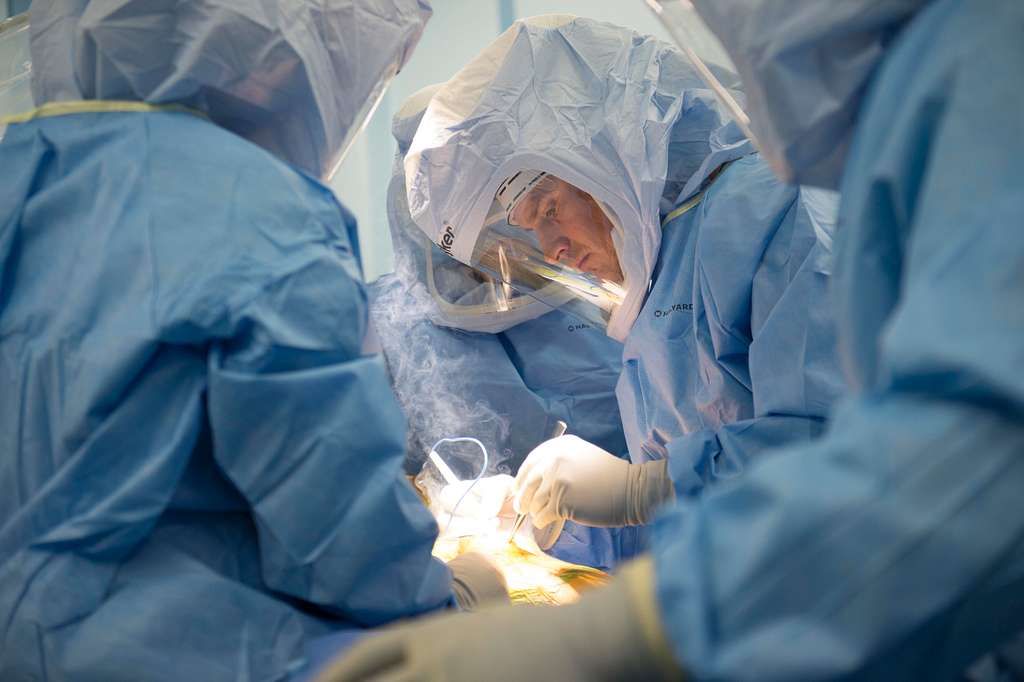
    Once we have ensured that our patient is comfortable and all preoperative checks are complete, we proceed with the administration of anesthesia. The type of anesthesia used is typically general, but in some cases, spinal or epidural anesthesia may be considered. The choice depends on various factors, including the patient’s health and the surgeon’s preference.

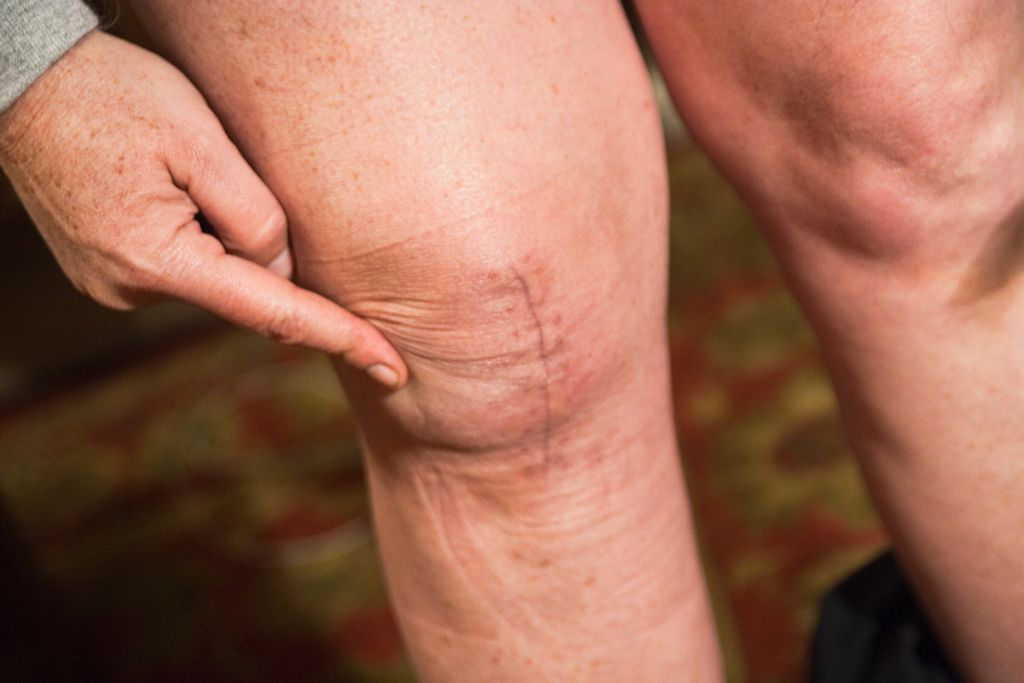
    Following the onset of anesthesia, a careful and precise incision is made to expose the knee joint. This incision is typically 8 to 10 inches long and allows for the damaged surfaces of the knee joint to be fully accessible. It’s crucial that we maintain a sterile environment throughout the procedure to prevent infection.

    Remember, the goal of the incision is not just access, but also to ensure minimal impact on surrounding tissues for a smoother recovery.

    The incision is the first step in a series of carefully orchestrated maneuvers that will lead to the implantation of the prosthetic knees. Here is a brief overview of the steps that follow the incision:

    • Preparation of the bone surfaces
    • Alignment and placement of the prosthetic components
    • Testing the movement of the prosthetic joint
    • Closure of the incision with sutures or staples

    Implantation of Prosthetic Knees

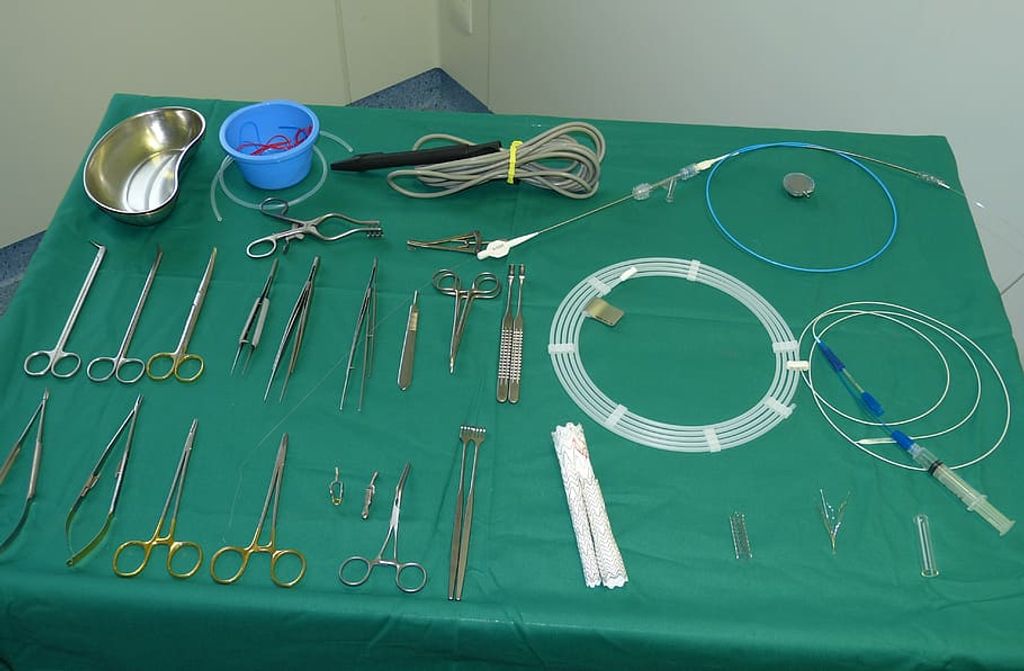
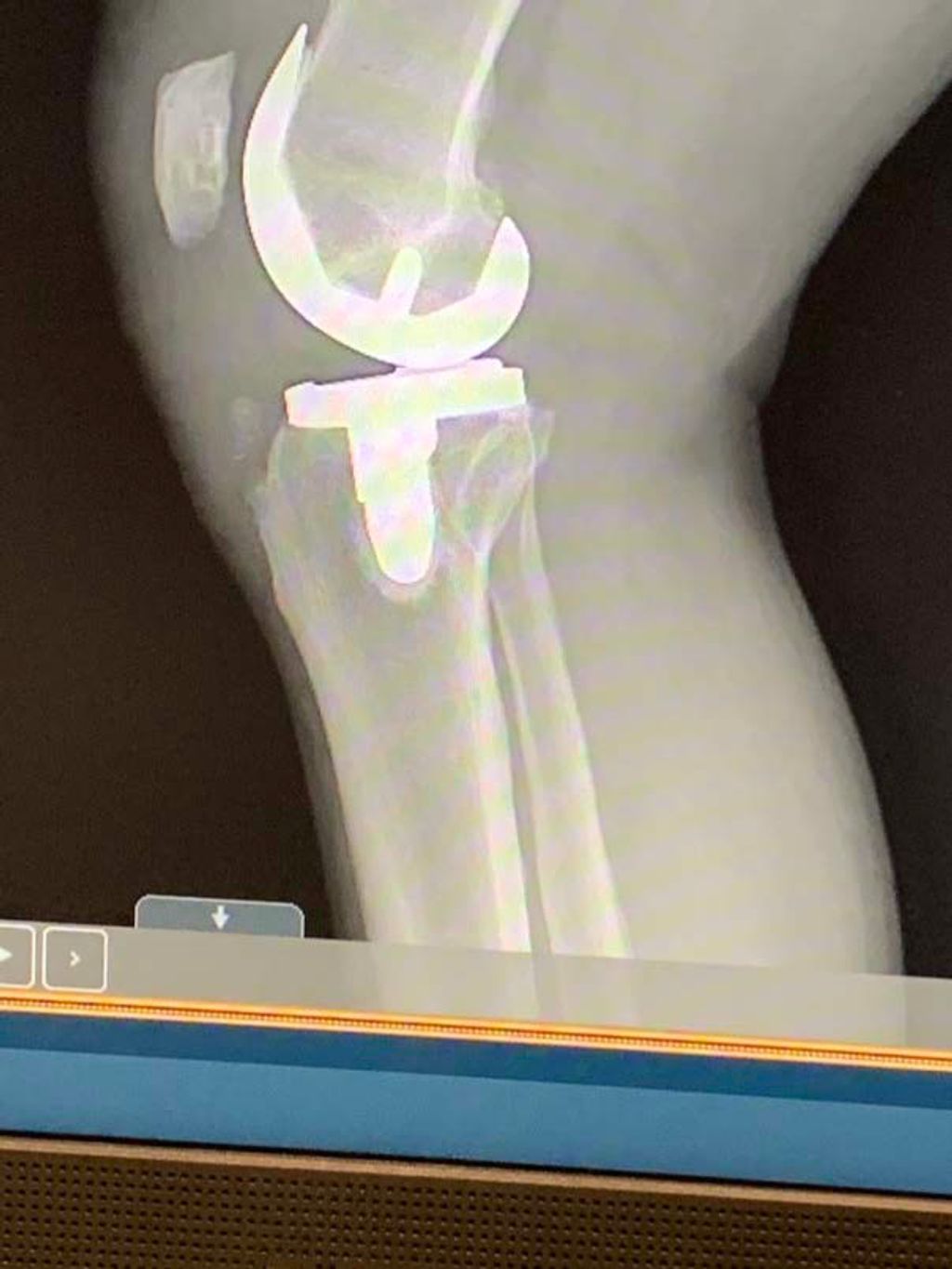
    Following the preparation of the knee area, we proceed with the implantation of the prosthetic knees. This critical phase involves the precise placement of the artificial components that will form the new joint surfaces. The components typically include a femoral piece, a tibial component, and a patellar part, which are designed to mimic the natural articulation of the knee.

    Careful alignment is essential to ensure the longevity and functionality of the prosthetic knees. We use specialized instruments to measure and achieve the correct positioning. Once the components are secured, we test the range of motion and stability of the new joint.

    It is crucial to maintain a sterile environment throughout the procedure to prevent infection.

    The success of the surgery is not only dependent on the skill of the surgical team but also on the quality of the prosthetic materials used. Recent advancements in technology have led to the development of highly durable and biocompatible materials, contributing to improved patient outcomes.

    Recovery Room Care

    After the surgical procedure for double knee replacement, monitoring and care in the recovery room are crucial. Vital signs, such as blood pressure, heart rate, and oxygen saturation, will be closely observed. Additionally, postoperative pain management will be initiated to ensure comfort and stability. Patients will receive detailed instructions for postoperative care and will be encouraged to engage in early mobilization and breathing exercises to promote optimal recovery. A comprehensive care plan will be tailored to each patient’s specific needs, addressing pain management, wound care, and early mobilization.

    Postoperative Rehabilitation and Recovery

    thumbnail

    Physical Therapy and Rehabilitation Exercises

    After completing the physical therapy and rehabilitation exercises, we focus on pain management strategies. This involves a combination of medication, ice therapy, and relaxation techniques to alleviate discomfort and promote healing. Additionally, we emphasize the importance of home care and assistance. This includes creating a safe and supportive environment at home, as well as arranging for help with daily activities and mobility. We understand that the recovery period can be challenging, and having the right support system in place is crucial for a successful rehabilitation journey.

    Pain Management Strategies

    After undergoing double knee replacement surgery, pain management is a crucial aspect of our recovery process. We focus on a combination of medication, physical therapy, and lifestyle adjustments to ensure that we manage pain effectively. It’s important to communicate any discomfort or changes in pain levels to our healthcare team to receive the appropriate support and adjustments to our pain management plan.

    In addition, maintaining a balanced and nutritious diet is essential for our recovery. Consuming foods rich in anti-inflammatory properties can aid in reducing postoperative pain and promoting healing. Our healthcare team will provide us with nutritional guidelines to support our recovery and overall well-being.

    Furthermore, staying active and engaging in prescribed rehabilitation exercises is vital for regaining strength and mobility. Our physical therapist will guide us through a personalized exercise program that aligns with our recovery goals and ensures a smooth transition back to our daily activities.

    Lastly, it’s important to create a supportive environment at home to facilitate our recovery. This may involve arranging assistance for daily tasks, ensuring a safe and accessible living space, and having open communication with our loved ones about our needs during the recovery period.

    Home Care and Assistance

    After undergoing double knee replacement surgery, recovery and rehabilitation are crucial for restoring mobility and regaining strength. Our home care and assistance plan is designed to provide comprehensive support during this phase. It includes a combination of physical therapy sessions, pain management strategies, and personalized care to ensure a smooth transition back to daily activities. Additionally, patients are encouraged to maintain a balanced diet and adhere to the prescribed medication schedule to facilitate the recovery process. Here is a brief overview of the postoperative care and assistance plan:

    Aspect Details
    Physical Therapy Sessions Regular sessions to improve mobility and strength
    Pain Management Strategies Medication, ice therapy, and relaxation techniques
    Personalized Care Assistance with daily activities and monitoring of progress

    It’s important to follow the postoperative care plan diligently to achieve optimal results and minimize the risk of complications.

    Conclusion

    In conclusion, the exploration of double knee replacement surgery has provided valuable insights into the intricacies of this medical procedure. The recovery process, surgical techniques, and patient outcomes have been examined in depth, shedding light on the complexities and considerations involved in this treatment. Further research in this area is essential to enhance our understanding and improve the efficacy of double knee replacement surgery for the benefit of patients.

    Frequently Asked Questions

    What is the success rate of double knee replacement surgery?

    The success rate of double knee replacement surgery is generally high, with most patients experiencing significant improvement in pain relief and mobility.

    How long does it take to recover from double knee replacement surgery?

    Recovery time can vary, but most patients can expect to see significant improvement in mobility and function within 3 to 6 months after surgery.

    What are the potential risks and complications of double knee replacement surgery?

    Potential risks and complications include infection, blood clots, implant failure, and nerve damage. Your surgeon will discuss these risks with you before the surgery.

    Will I be able to resume normal activities after double knee replacement surgery?

    Many patients are able to resume normal activities such as walking, climbing stairs, and low-impact exercises after fully recovering from double knee replacement surgery.

    How long do the prosthetic knees last?

    Prosthetic knees are designed to last for 15-20 years or more, depending on factors such as the patient’s activity level and overall health.

    What lifestyle changes should I make after double knee replacement surgery?

    After surgery, it’s important to maintain a healthy weight, engage in regular low-impact exercise, and avoid activities that put excessive strain on the knees to prolong the lifespan of the prosthetic knees.

  • Understanding Knee and Hip Pain on One Side

    Understanding Knee and Hip Pain on One Side

    Knee and hip pain on one side can be a debilitating condition that affects daily activities and quality of life. Understanding the anatomy, causes, diagnosis, and treatment options is essential for effective management. This article aims to provide insight into the complexities of unilateral knee and hip pain and offer key takeaways for a better understanding.

    Key Takeaways

    • Unilateral knee and hip pain can be caused by inflammatory conditions, degenerative joint diseases, or traumatic injuries.
    • Physical examination, imaging studies, and differential diagnosis are crucial for accurate diagnosis and assessment of unilateral knee and hip pain.
    • Conservative management, surgical interventions, and rehabilitation strategies are the main treatment options for unilateral knee and hip pain.
    • Early intervention and proper diagnosis are essential for preventing long-term complications associated with unilateral knee and hip pain.
    • Multidisciplinary approach involving healthcare professionals such as orthopedic surgeons, physical therapists, and pain management specialists is beneficial for comprehensive management of unilateral knee and hip pain.

    Anatomy of Knee and Hip Joints

    thumbnail

    Structure and Function of Knee Joint

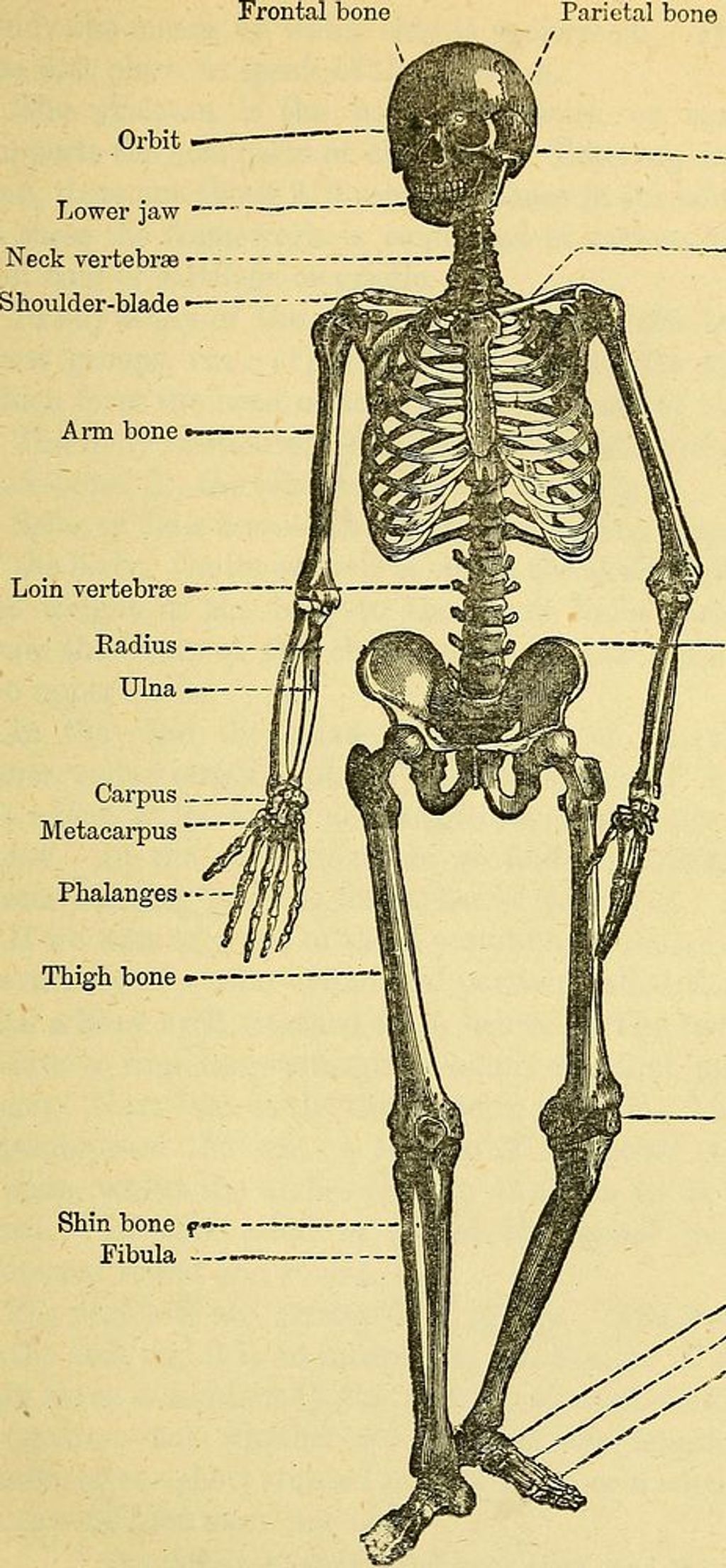
    The knee joint is a complex hinge joint that allows for flexion, extension, and limited rotation. Articular cartilage covers the ends of the bones, providing smooth movement and cushioning. Ligaments, including the anterior cruciate ligament (ACL) and posterior cruciate ligament (PCL), provide stability and prevent excessive movement. The menisci, located between the femur and tibia, act as shock absorbers and enhance joint stability.

    Structure Function
    Femur Articulates with tibia and patella
    Tibia Supports body weight and articulates with femur
    Patella Protects knee joint and enhances leverage
    Quadriceps muscles Extend the knee joint and stabilize the patella
    Hamstring muscles Flex the knee joint and aid in hip extension

    Structure and Function of Hip Joint

    We understand the hip joint to be a pivotal element in the human body’s mobility. It is a ball-and-socket joint, where the femoral head fits into the acetabulum of the pelvis, allowing for a wide range of motion. The stability of the hip joint is maintained by a complex interplay of ligaments, muscles, and the joint capsule.

    The primary function of the hip joint is to support the weight of the body in both static and dynamic postures. This joint enables us to perform essential movements such as walking, running, and jumping. It is also crucial for maintaining balance and posture.

    • Ligaments of the Hip Joint
      • Iliofemoral ligament
      • Pubofemoral ligament
      • Ischiofemoral ligament

    Tip: Regular exercise and maintaining a healthy weight can significantly reduce the risk of developing hip pain.

    In our research, we often encounter various factors that can affect the hip joint’s health, such as the impact of youth baseball batting on hip pain or the benefits of strength training in cricketers. While these activities are specific to athletes, the lessons learned can be applied to the general population to prevent hip pain and maintain joint health.

    Causes of Unilateral Knee and Hip Pain

    thumbnail

    Inflammatory Conditions

    We often encounter patients who suffer from unilateral knee and hip pain due to various inflammatory conditions. These ailments can range from autoimmune disorders like rheumatoid arthritis to more localized issues such as bursitis or tendinitis. The inflammation can lead to significant discomfort and impair mobility, making early diagnosis and management crucial.

    Inflammatory conditions typically present with symptoms such as swelling, redness, warmth, and pain that is often worse in the morning or after periods of inactivity. To better understand these conditions, let’s consider the following list of common inflammatory diseases that can affect the knee and hip joints:

    • Rheumatoid arthritis
    • Psoriatic arthritis
    • Ankylosing spondylitis
    • Septic arthritis
    • Bursitis
    • Tendinitis

    Tip: It’s essential to distinguish between the various inflammatory conditions, as each requires a unique treatment approach. For instance, managing an autoimmune disorder may involve immunosuppressive medications, whereas treating an infection would require antibiotics.

    Our approach to managing these conditions involves a combination of medication, lifestyle modifications, and sometimes physical therapy. The goal is to reduce inflammation, alleviate pain, and prevent further joint damage. It’s important to note that while some inflammatory conditions can be managed effectively with conservative measures, others may progress and necessitate more aggressive treatment strategies.

    Degenerative Joint Diseases

    Degenerative joint diseases, such as osteoarthritis, are characterized by the gradual breakdown of cartilage and the formation of bone spurs. Inflammation and pain are common symptoms, often leading to limited mobility and reduced quality of life. Conservative management is often the first line of treatment, including weight management and physical therapy. In some cases, surgical interventions may be necessary to address severe joint damage. It’s important to consider the long-term implications of these diseases on overall joint health and function.

    Traumatic Injuries

    Traumatic injuries to the knee and hip joints can result in significant pain and functional impairment. Acute trauma, such as a sports-related injury or a fall, can lead to sudden and severe pain, swelling, and limited range of motion. It is important to promptly assess and manage traumatic injuries to prevent long-term complications. In some cases, surgical intervention may be necessary to repair damaged structures and restore joint function. Rehabilitation following traumatic injuries is crucial for optimizing recovery and regaining strength and mobility. It involves a comprehensive program of exercises, physical therapy, and gradual return to activities. Consistent adherence to the rehabilitation plan is essential for achieving the best outcomes and reducing the risk of recurrent injuries.

    Diagnosis and Assessment

    thumbnail

    Physical Examination

    In the process of diagnosing unilateral knee and hip pain, physical examination plays a crucial role in evaluating the range of motion, joint stability, and signs of inflammation. Additionally, imaging studies such as X-rays and MRI scans provide detailed insights into the structural integrity of the affected joints. These assessments aid in formulating a comprehensive differential diagnosis, considering various musculoskeletal and neurological conditions. It is important to interpret the findings of these assessments in conjunction with the patient’s medical history and clinical presentation to establish an accurate diagnosis and guide the subsequent treatment plan.

    Imaging Studies

    Following a thorough physical examination, we often turn to imaging studies to gain a deeper understanding of the underlying causes of unilateral knee and hip pain. These diagnostic tools provide us with detailed images of the internal structures, allowing for a more accurate assessment.

    The most common imaging modalities we utilize include X-rays, which are quick and useful for detecting bone abnormalities, and Magnetic Resonance Imaging (MRI) scans, which offer a more comprehensive view of both bone and soft tissues. Ultrasound and Computerized Tomography (CT) scans also play a role in certain cases, particularly when we suspect soft tissue injuries or require a cross-sectional view of the joint.

    It is crucial to select the most appropriate imaging study based on the patient’s symptoms and the findings from the physical examination to ensure a precise diagnosis.

    The choice of imaging technique is guided by the suspected condition, as each modality has its strengths. For instance, MRI is particularly beneficial in diagnosing ligament tears or cartilage damage, while X-rays are the first line of investigation for fractures or osteoarthritis.

    Differential Diagnosis

    In the process of diagnosing unilateral knee and hip pain, physical examination plays a crucial role in identifying specific signs and symptoms. Additionally, imaging studies such as X-rays and MRI scans provide valuable insights into the structural integrity of the affected joints. These assessments aid in formulating a comprehensive differential diagnosis to distinguish between various underlying conditions. It is important to note that the differential diagnosis may include but is not limited to:

    Treatment Options

    thumbnail

    Conservative Management

    In our approach to conservative management, we prioritize non-invasive interventions such as physical therapy, exercise, and lifestyle modifications. These methods aim to reduce pain, improve function, and enhance overall quality of life for individuals experiencing unilateral knee and hip pain. Our team emphasizes the importance of personalized care and tailored treatment plans to address the unique needs of each patient. We believe in the power of holistic care that encompasses both physical and emotional well-being.

    Surgical Interventions

    When conservative management fails to alleviate knee and hip pain on one side, we often consider surgical interventions. These procedures are tailored to the individual’s condition and may range from minimally invasive arthroscopic surgery to total joint replacement. It’s crucial to understand that surgery is not a one-size-fits-all solution and the choice of procedure depends on factors such as the severity of the disease, age, and overall health of the patient.

    • Postoperative care is essential for a successful outcome. Patients must adhere to a structured rehabilitation program to restore joint function and mobility. This typically includes physical therapy, pain management, and gradual return to activities. It’s important to note that recovery times can vary significantly among individuals.

    Overcoming setbacks with the right strategies is key to a successful recovery. It is not uncommon for patients to experience challenges, such as the one mentioned at week 10 post-surgery. Being prepared and having a supportive care team can make a significant difference in the recovery process.

    The following list outlines common surgical interventions for unilateral knee and hip pain:

    • Arthroscopic debridement or repair
    • Osteotomy to correct joint alignment
    • Partial or total knee replacement
    • Hip resurfacing or total hip replacement
    • Ligament reconstruction or repair

    Rehabilitation Strategies

    After addressing the immediate concerns through conservative management or surgical interventions, we turn our focus to rehabilitation strategies. These strategies are crucial for restoring function, improving mobility, and reducing the risk of future injury. A comprehensive rehabilitation program is tailored to each individual’s needs, taking into account the severity of their condition and their overall health status.

    Our approach to rehabilitation typically includes a combination of physical therapy exercises, pain management techniques, and education on body mechanics. We emphasize the importance of patient involvement and commitment to the rehabilitation process, as active participation is key to a successful recovery.

    Physical therapy exercises are designed to strengthen the muscles around the knee and hip joints, improve flexibility, and increase range of motion. Here’s a simplified outline of a typical rehabilitation regimen:

    • Initial assessment to determine specific needs
    • Development of a personalized exercise program
    • Regular progress evaluations and adjustments to the program
    • Education on proper body mechanics to prevent re-injury

    Tip: Consistency in performing prescribed exercises and attending therapy sessions is vital for optimal recovery.

    It’s important to note that rehabilitation is a journey, often requiring patience and perseverance. We work closely with our patients to set realistic goals and provide support throughout their recovery.

    Conclusion

    In conclusion, this article has provided a comprehensive overview of the factors contributing to knee and hip pain on one side. By examining the asymmetry in musculoskeletal function and the role of posture in pain development, we have gained valuable insights into the complexities of unilateral joint discomfort. Further research and clinical investigation are necessary to deepen our understanding and develop effective interventions for individuals experiencing these challenging conditions.

    Frequently Asked Questions

    What are the common symptoms of unilateral knee and hip pain?

    Common symptoms include pain, swelling, stiffness, and difficulty with movement.

    Can unilateral knee and hip pain be caused by overuse or repetitive strain?

    Yes, overuse or repetitive strain can lead to knee and hip pain on one side due to wear and tear on the joints.

    Is it necessary to seek medical attention for unilateral knee and hip pain?

    It is advisable to seek medical attention to determine the underlying cause and receive appropriate treatment.

    What imaging studies are commonly used to diagnose knee and hip problems?

    X-rays, MRI, and CT scans are commonly used to diagnose knee and hip issues and assess the extent of damage.

    Are there non-surgical treatment options for unilateral knee and hip pain?

    Yes, non-surgical options such as physical therapy, medication, and lifestyle modifications can be effective in managing knee and hip pain.

    What is the typical recovery time after surgical intervention for knee and hip problems?

    Recovery time varies depending on the type of surgery, but it may range from several weeks to several months.

  • Knee Brace Duration Tips – How Long to Wear

    Wearing a knee brace can be an effective way to support your recovery after a knee injury or surgery. But how long should you actually wear it? In this article, we will explore the optimal duration for wearing a knee brace and provide expert tips to help you achieve the best results.

    Key Takeaways:

    • Understanding the factors that determine how long you should wear a knee brace is crucial.
    • Various knee injuries may require different durations of knee brace usage.
    • Gradually reducing the usage of the knee brace over time is important.
    • Physical therapy can complement the use of a knee brace and aid in your recovery.
    • Seeking professional guidance from a healthcare provider is essential for determining the optimal duration.

    Factors to Consider When Determining Duration

    When it comes to wearing a knee brace, determining the appropriate duration is crucial for optimal recovery. Several factors influence how long you should wear a knee brace, and understanding these factors is key to making an informed decision. Let’s explore the considerations that can help you determine the ideal time to wear a knee brace.

    Type and Severity of Your Knee Injury: The nature and extent of your knee injury play a significant role in determining the duration of knee brace usage. Different injuries may require varying levels of support and protection, impacting the recommended wearing time.

    Recovery Progress: The progress you make during your rehabilitation journey is another essential factor to consider. As your knee heals and gains strength, the need for a knee brace may diminish. Your healthcare professional can assess your progress and provide guidance on adjusting the duration accordingly.

    Recommendations from Your Healthcare Professional: Your healthcare professional’s recommendations are invaluable when determining how long to wear a knee brace. They consider your specific injury, recovery timeline, and overall health to provide personalized advice for optimal results.

    By taking these factors into account, you can make an informed decision about the duration of wearing a knee brace. It is important to remember that every individual’s healing process is unique, and what works for one person may not apply to another. Always consult with your healthcare professional to ensure the ideal duration for your knee brace usage.

    Guidelines for Different Knee Injuries

    When it comes to wearing a knee brace, the proper duration will vary based on the type of knee injury you are recovering from. Whether you have a sprain, strain, ligament tear, or are in post-surgery recovery, it’s crucial to follow specific guidelines to ensure effective support and healing.

    Below, we outline the recommended period for wearing a knee brace for different knee injuries:

    Sprain

    For mild to moderate sprains, wearing a knee brace for 1 to 2 weeks can provide the necessary stability and support during the initial stages of recovery. As your pain decreases and your range of motion improves, you may gradually reduce the duration of brace usage.

    Strain

    In cases of muscle strain in the knee, wearing a knee brace for 2 to 4 weeks can help protect the affected area and promote healing. Depending on the severity of the strain and your progress, you may need to adjust the duration in consultation with your healthcare professional.

    Ligament Tear

    A ligament tear, such as an anterior cruciate ligament (ACL) tear, often requires more extensive support. In these cases, wearing a knee brace for 4 to 8 weeks or as directed by your healthcare professional is recommended. The duration may be longer for severe tears or if you undergo surgical repair.

    Post-Surgery Recovery

    After knee surgery, the recommended period for wearing a knee brace will depend on the specific procedure and your surgeon’s instructions. Typically, you can expect to wear a knee brace for 4 to 12 weeks, gradually reducing usage as you progress through your rehabilitation program.

    Remember, these are general guidelines, and individual cases may vary. Always consult with your healthcare professional or orthopedic specialist for personalized recommendations based on your unique injury and recovery needs.

    Knee Injury Recommended Duration for Knee Brace Usage
    Sprain 1 to 2 weeks
    Strain 2 to 4 weeks
    Ligament Tear 4 to 8 weeks
    Post-Surgery Recovery 4 to 12 weeks

    Gradual Reduction of Knee Brace Usage

    When it comes to wearing a knee brace, it is important to understand that gradually reducing its usage over time is crucial for your recovery and long-term knee health. While the brace provides stability and support during the initial stages of healing, relying on it for too long can hinder your progress. Here, we will explore the reasons behind this approach and provide step-by-step instructions on how to safely transition from wearing a knee brace full-time to using it only during specific activities or as needed.

    Why Gradually Reduce Knee Brace Usage?

    “Gradually reducing the usage of a knee brace allows your muscles and ligaments to regain strength and stability.”

    Gradually reducing the usage of a knee brace allows your muscles and ligaments to regain strength and stability. Wearing a brace for an extended period may cause your knee muscles to weaken, leading to dependency on the brace for stability.

    Moreover, gradually transitioning out of a knee brace can also help you gauge your progress accurately. As you gradually decrease the usage, you can assess your knee’s stability and evaluate if you can perform everyday activities without the brace’s support.

    Step-by-Step Guide to Reducing Knee Brace Usage

    1. Consult with your healthcare professional: Before making any changes to your knee brace usage, consult with your healthcare professional or orthopedic specialist. They will evaluate your progress and provide personalized recommendations based on your specific condition.

    2. Start with short intervals: Begin by wearing the knee brace for shorter durations, such as a few hours a day or during specific activities that put more stress on your knee. Gradually increase the time between wearing the brace.

    3. Evaluate your knee’s response: Pay attention to how your knee responds during and after brace-free periods. If you experience discomfort, pain, or instability, it may indicate that you need to continue wearing the brace for a little longer.

    4. Progress at your own pace: Everyone’s recovery journey is unique. Progress gradually at a pace that feels comfortable for you and aligns with your healthcare professional’s guidance.

    5. Focus on strengthening exercises: As you reduce the usage of the knee brace, incorporate strengthening exercises recommended by your healthcare professional. These exercises can help improve muscle strength, stability, and overall knee function.

    Monitoring Your Progress

    “Monitor your progress and seek immediate medical attention if you experience significant discomfort, pain, or instability.”

    It is important to monitor your progress during the gradual reduction of knee brace usage. Listen to your body and pay attention to any signs of discomfort, pain, or instability. If you experience any of these symptoms, it’s crucial to seek immediate medical attention to prevent further injury or setbacks in your recovery process.

    Table

    Step Instructions
    1 Consult with your healthcare professional
    2 Start with short intervals
    3 Evaluate your knee’s response
    4 Progress at your own pace
    5 Focus on strengthening exercises

    Understanding the Role of Physical Therapy

    Physical therapy is an essential component of the recovery process, especially when wearing a knee brace. It can complement the use of a knee brace and contribute to a faster and more complete recovery. By incorporating physical therapy sessions into your rehabilitation program, you can optimize the benefits of wearing a knee brace and enhance your overall healing process.

    During physical therapy sessions, trained therapists will guide you through exercises and treatments specifically designed to improve strength, flexibility, and mobility in your knee. These exercises help in reducing pain, restoring normal range of motion, and enhancing overall functionality. Physical therapy can also address any underlying muscular imbalances or weaknesses that may have contributed to your knee injury in the first place.

    By working closely with your physical therapist, you can receive personalized guidance on how long to wear a knee brace based on your specific injury and recovery progress. They will consider various factors such as the severity of your injury, the stability of your knee joint, and the goals of your rehabilitation program.

    Aligning Knee Brace Usage Duration with Physical Therapy Sessions

    The duration of knee brace usage may align with the recommended frequency and duration of your physical therapy sessions. For example, if you are advised to attend physical therapy sessions two to three times a week for several weeks, you may be instructed to wear your knee brace during these sessions as well as during specific activities between sessions.

    Wearing a knee brace during physical therapy can provide additional support to your knee joint, helping to reduce the risk of further injury and providing stability during therapeutic exercises. Your physical therapist will assess your progress and make necessary adjustments to the duration and intensity of your knee brace usage as you continue with your rehabilitation program.

    It is important to remember that physical therapy is a dynamic process, and the duration of knee brace usage should be regularly evaluated and adjusted in coordination with your therapist. As you make progress in your recovery, the need for wearing a knee brace may decrease, and your therapist may recommend gradually reducing its usage.

    Example Table Title: Comparing Knee Brace Usage Duration and Physical Therapy Sessions

    Rehabilitation Phase Knee Brace Usage Duration Physical Therapy Sessions
    Initial Recovery Full-time (continuously worn) 2-3 times per week for 6-8 weeks
    Intermediate Recovery Worn during physical therapy sessions and activities as directed by the therapist 2-3 times per week for 4-6 weeks
    Advanced Rehabilitation Worn during specific activities or as needed, based on therapist’s guidance 1-2 times per week for 2-4 weeks
    Maintenance and Prevention As recommended by therapist or as per personal comfort and risk factors As needed for ongoing support and injury prevention

    The table above showcases the potential progression of knee brace usage duration and physical therapy sessions throughout the recovery process. However, it’s important to note that these timelines are general examples and may vary based on individual circumstances and the specific recommendations of your healthcare professional or therapist.

    By understanding the role of physical therapy in conjunction with wearing a knee brace, you can optimize your recovery and regain full function in your knee. It is crucial to follow the guidance of your healthcare professional, as they have the expertise to determine the most appropriate duration for wearing a knee brace based on your unique situation.

    Listening to Your Body’s Signals

    During the recovery process, your body serves as a valuable source of feedback. It provides important signals that can guide you in determining the appropriate duration for wearing a knee brace. By paying attention to your body’s cues, you can make informed decisions that support your healing and optimize your recovery.

    As you wear a knee brace, be mindful of the following signals:

    1. Signs of Progress: Notice any improvement in pain levels, swelling, or range of motion. These positive changes indicate that your knee is healing and getting stronger. Adjusting the duration of knee brace usage based on these signs can help ensure you’re not overly reliant on the brace.
    2. Discomfort: If you experience persistent or increasing discomfort while wearing the knee brace, it could be a sign that it’s not fitting properly or that you need to adjust its usage. Discomfort can also indicate that your knee is progressing well, and you may consider gradually reducing the amount of time you wear the brace.
    3. Improved Stability: Pay attention to your knee’s stability. If you feel more confident and stable while performing activities that previously caused instability or pain, it may be a sign that your knee has regained strength. Once your knee reaches a certain level of stability, you can gradually decrease the duration of knee brace usage.

    By staying attuned to these signals, you can effectively gauge your progress and make informed decisions about the duration of your knee brace usage. Remember to consult with your healthcare professional or orthopedic specialist for personalized guidance and recommendations tailored to your specific needs.

    Adjusting Duration with Professional Guidance

    When it comes to determining the optimal duration for wearing a knee brace, consulting with a healthcare professional or orthopedic specialist is essential. Their expertise can greatly assist in customizing the duration of knee brace usage to your specific needs, allowing for a more accurate and effective recovery process.

    Professionals in the field have an in-depth understanding of different types of knee injuries, the stages of recovery, and the role that knee braces play in the healing process. By seeking their guidance, you gain access to valuable knowledge and tailored advice that can ensure you wear the brace for the appropriate length of time, maximizing its benefits.

    Orthopedic specialists are trained to evaluate your injury, consider your overall health condition, and take into account your lifestyle and daily activities. This comprehensive assessment allows them to recommend the ideal duration for wearing a knee brace specifically for you.

    “Seeking professional guidance is crucial because wearing a knee brace for too short or too long of a duration can lead to complications and hinder your recovery progress. It’s important to consult with an expert who can guide you through the process.” – Dr. Emily Simmons, Orthopedic Specialist

    The knowledge and insights provided by healthcare professionals can help you avoid unnecessary discomfort and potential setbacks. They will explain any modifications or adjustments needed during your recovery journey, including when to begin reducing the usage of the knee brace and when it is safe to discontinue its use altogether.

    Remember, every individual’s circumstances and injuries are unique, and what works for one person may not work for another. That’s why seeking professional guidance ensures a tailored approach that maximizes the effectiveness of your knee brace usage and promotes a successful recovery.

    Maintaining Overall Knee Health and Fitness

    Ensuring long-term knee health and preventing future injuries is a crucial aspect of your recovery journey, even after the initial healing period. To transition from relying on a knee brace to proactively strengthening and stabilizing your knee, consider implementing the following tips:

    Evaluate your exercise routine

    Regular exercise is key to maintaining knee health and overall fitness. However, it’s important to modify your exercise routine to protect your knees. Avoid high-impact activities that may strain your knee joints, such as running or jumping. Instead, opt for low-impact exercises like swimming, cycling, or using an elliptical machine to reduce stress on your knees while still staying active.

    Focus on strengthening exercises

    Incorporating strength training exercises into your routine can help build the muscles surrounding your knees, providing added support and stability. Consult with a physical therapist or exercise specialist to develop a personalized strength training program that targets your specific needs. Exercises such as squats, lunges, and leg presses can be effective for strengthening the knee muscles.

    Include flexibility exercises

    Improving flexibility is essential for maintaining knee mobility and reducing the risk of injury. Incorporate stretches for your quadriceps, hamstrings, and calves to improve overall knee flexibility. Yoga and Pilates can also be beneficial in enhancing flexibility and balance.

    Adopt a healthy lifestyle

    Managing your weight is crucial for reducing the strain on your knees. Excess weight puts additional pressure on your knee joints, increasing the risk of injury and exacerbating existing conditions. Maintain a balanced diet, rich in fruits, vegetables, lean proteins, and whole grains, to support your overall joint health. Additionally, drinking plenty of water and avoiding excessive alcohol consumption can aid in joint lubrication and reduce inflammation.

    Listen to your body

    Pay close attention to any discomfort or pain in your knees during or after physical activities. If you experience persistent pain or your knee feels unstable, consult with a healthcare professional. They can assess your condition and provide guidance on adjusting your exercise routine or considering additional treatments.

    Remember, while it’s important to maintain overall knee health and fitness, always consult with a medical professional or physical therapist before making any significant changes to your exercise routine or lifestyle.

    Conclusion

    In conclusion, the proper duration of wearing a knee brace is crucial for achieving effective recovery and support for your knee. By taking into account various factors such as the type and severity of your injury, the recommendations from medical professionals, and your body’s signals, you can determine the ideal timeframe for wearing a knee brace.

    Remember that wearing a knee brace is just one aspect of the recovery process. To maintain optimal knee health, it’s important to continue ongoing care and maintenance even after the recommended duration of knee brace usage. This may include regular physical therapy sessions, exercises to strengthen the knee, and making lifestyle choices that promote overall knee wellness.

    By being proactive in understanding your injury, following expert advice, and listening to your body, you can promote a successful rehabilitation process and work towards long-term knee health. Keep in mind that everyone’s journey to recovery is unique, so it’s essential to consult with a healthcare professional or orthopedic specialist for personalized guidance and support.

    FAQ

    How long should I wear a knee brace?

    The duration of wearing a knee brace can vary depending on several factors, including the type and severity of your knee injury, your recovery progress, and the guidance of your healthcare professional. Typically, knee braces are initially worn full-time for a few weeks to support the healing process. Afterward, the usage may be gradually reduced as your knee strengthens. It is important to follow the recommendations of your healthcare provider to ensure optimal recovery.

    What factors should I consider when determining the duration of knee brace usage?

    When determining how long to wear a knee brace, it is crucial to consider factors such as the type and severity of your knee injury, your recovery progress, and the recommendations of your healthcare professional. These factors can help you determine the optimal duration for wearing a knee brace and ensure that you provide adequate support for your knee during the healing process.

    Are there guidelines for wearing a knee brace for different knee injuries?

    Yes, there are recommended guidelines for wearing a knee brace based on different types of knee injuries. Whether you have a sprain, strain, ligament tear, or are recovering from knee surgery, it is important to follow the specific guidelines provided by your healthcare professional. These guidelines will help you determine the proper duration for wearing a knee brace to support your recovery effectively.

    Why is it important to gradually reduce knee brace usage?

    Gradually reducing knee brace usage is important to allow your knee to gradually regain strength and stability. It helps prevent dependence on the brace and encourages your knee to support itself naturally. By gradually reducing the usage of the knee brace under the guidance of your healthcare professional, you can transition to wearing it only during specific activities or as needed, ultimately facilitating a successful recovery.

    How does physical therapy complement the use of a knee brace and affect the duration of usage?

    Physical therapy plays a crucial role in the recovery process, especially when wearing a knee brace. The duration of knee brace usage may align with the recommended physical therapy sessions. Physical therapists can provide exercises and treatments that support your knee’s rehabilitation. They may also guide you in gradually reducing the duration of knee brace usage based on your progress and overall functional improvement.

    How can I determine the proper duration for wearing a knee brace based on my body’s signals?

    Listening to your body’s signals is key when determining the duration of knee brace usage. Signs of progress, such as decreased pain and increased stability, may indicate that it’s time to gradually reduce the usage of the brace. It is important to communicate any discomfort or concerns with your healthcare professional, who can assess your progress and provide guidance on the appropriate timeframe for wearing the knee brace.

    Should I seek professional guidance to determine the duration of knee brace usage?

    Yes, it is highly recommended to seek professional guidance from a healthcare professional or orthopedic specialist when determining the optimal duration for wearing a knee brace. These professionals have the expertise to assess your injury, monitor your progress, and provide specific recommendations tailored to your unique needs. Consulting with them will ensure that you receive the most appropriate and personalized guidance for your knee brace usage.

    What steps can I take to maintain overall knee health and fitness beyond the duration of knee brace usage?

    After the initial recovery period, it is important to focus on maintaining overall knee health and fitness. This can be achieved through exercises and lifestyle choices that promote knee strength and stability. Your healthcare professional or a physical therapist can provide guidance on specific exercises and activities that are suitable for your condition. Incorporating these exercises into your regular routine will help prevent future injuries and support long-term knee health.

    In summary, how important is the duration of knee brace usage?

    The duration of knee brace usage is crucial for proper recovery and support. By considering various factors such as the type of injury, recovery progress, and professional guidance, you can determine the ideal timeframe for wearing a knee brace. However, it is important to note that achieving optimal knee health goes beyond the duration of knee brace usage. Ongoing care, maintenance, and lifestyle choices also play a significant role in long-term knee health.

  • Knee Injury Pain When Bending: Relief Tips

    Knee Injury Pain When Bending: Relief Tips

    Did you know that knee pain when bending affects millions of people worldwide? It can be a frustrating and debilitating condition that hinders daily activities and impacts overall quality of life. Whether you experience discomfort while bending your knee, painful bending of the knee, or knee pain in flexion, finding relief is crucial. In this article, we will explore the causes of knee pain when bending and provide helpful tips for managing the pain and improving flexibility.

    Causes of Knee Pain When Bending

    Knee pain when bending can be caused by a variety of factors, resulting in discomfort and limited mobility. Understanding the underlying causes of knee pain is crucial for effective treatment and management. Here are some common contributors to knee pain when bending:

    1. Patellofemoral Syndrome

    Also known as “runner’s knee,” patellofemoral syndrome is a prevalent cause of knee pain. It is characterized by pain behind or around the kneecap, which worsens with activities like squatting, running, jumping, or sitting with flexed knees.

    2. Osteoarthritis

    Osteoarthritis occurs when the cartilage in the knee joint degenerates, causing pain, stiffness, and inflammation. It can lead to knee pain when bending, as the joint lacks the necessary cushioning and smooth movement.

    3. Meniscus Tears

    Tears in the meniscus, the shock-absorbing cartilage between the thigh bone and shin bone, can result in knee pain when bending. These tears can occur due to sudden twisting movements or degeneration over time.

    4. Patellar Tendon Tears

    Tears in the patellar tendon, which connects the kneecap to the shin bone, can cause intense knee pain. These tears often arise from forceful jumping or landing movements, leading to difficulty in bending the knee without discomfort.

    5. IT Band Syndrome

    Inflammation of the iliotibial (IT) band, a thick band of tissue running along the outside of the thigh, can lead to knee pain when bending. IT band syndrome commonly affects runners and cyclists, causing discomfort during flexion of the knee.

    6. Prepatellar Bursitis

    Prepatellar bursitis, also known as “housemaid’s knee,” is inflammation of the bursa located in front of the kneecap. It can result from repetitive kneeling or direct trauma, leading to pain and tenderness when bending the knee.

    7. Baker’s Cyst

    A Baker’s cyst is a fluid-filled sac that forms behind the knee, often in individuals with knee joint conditions such as osteoarthritis or meniscus tears. When the cyst enlarges, it can cause knee pain, particularly when bending or flexing the knee.

    8. ACL and Ligament Injuries

    Injuries to the anterior cruciate ligament (ACL) and other knee ligaments can cause significant knee pain when bending. These injuries are often accompanied by joint instability and may require surgical intervention for proper healing.

    9. Osgood-Schlatter Disease

    Osgood-Schlatter disease most commonly affects adolescents involved in physical activities. It causes pain at the top of the shinbone where the tendon from the kneecap attaches, resulting in discomfort when bending or participating in sports.

    10. Bone Fractures or Dislocations

    Knee pain when bending can also be a result of bone fractures or dislocations. These injuries cause severe pain and limited range of motion, making bending the knee challenging and uncomfortable.

    Identifying the specific cause of knee pain is essential for appropriate treatment and management. Seek medical attention if you are experiencing persistent knee pain or if the pain is accompanied by swelling, instability, or difficulty bearing weight. Proper diagnosis and personalized treatment plans can help alleviate knee discomfort and improve overall knee function.

    Tips for Managing Knee Pain and Improving Flexibility

    When knee pain accompanies bending, it is crucial to manage the discomfort and enhance flexibility. Treatment options for knee pain vary based on the underlying cause, including exercises, physical therapy, medications, injections, or surgery. Strengthening the muscles that support the knee joint through exercises like squats and lunges can improve stability and alleviate pressure during bending. Physical therapy also plays a significant role in managing knee pain and enhancing flexibility, with customized treatment plans tailored to each individual’s condition.

    While managing knee pain, incorporating warm-up exercises before physical activity can help prevent discomfort while bending the knee. Adjusting physical activity levels and using lower-impact modifications are also effective methods to avoid aggravating the knee. If knee pain persists or is accompanied by symptoms like swelling, instability, or difficulty bearing weight, seeking medical evaluation is important. Following proper treatment and management strategies can lead to improved pain relief and enhanced overall function of the knee.

    FAQ

    What are the common causes of knee pain when bending?

    The common causes of knee pain when bending include patellofemoral syndrome, osteoarthritis, meniscus tears, patellar tendon tears, IT band syndrome, prepatellar bursitis, Baker’s cyst, ACL and other ligament injuries, Osgood-Schlatter disease, and bone fractures or dislocations.

    What is patellofemoral syndrome?

    Patellofemoral syndrome, also known as “runner’s knee,” is a common cause of knee pain when bending. It is often characterized by pain behind or around the kneecap that worsens with movement such as squatting, running, jumping, or sitting with flexed knees.

    How is knee pain when bending treated?

    Treatment options for knee pain when bending vary depending on the underlying cause and may include exercises, physical therapy, medications, injections, or surgery. It is important to seek medical evaluation if knee pain persists or is accompanied by symptoms such as swelling, instability, or difficulty bearing weight. Following proper treatment and management strategies can lead to improved pain relief and enhanced overall knee function.

    Source Links

  • Knee Injury Where to Go? Find Immediate Care Now!

    Knee Injury Where to Go? Find Immediate Care Now!

    Did you know that approximately 20 million Americans visit a doctor each year due to knee injuries? Knee injuries can occur from sports activities, accidents, or even everyday movements. When faced with a knee injury, it’s crucial to seek immediate care from a specialized doctor who can provide expert evaluation and treatment options.

    Whether you’re an athlete or someone who has experienced a knee injury, knowing where to go for the right care is essential. In this article, we will explore the best options for knee injury specialists, doctors, and treatment options. You’ll discover how to prioritize your health and find the most suitable care for your knee injury.

    Knee Injury Specialists and Treatment Options

    When you experience a knee injury, it’s crucial to seek prompt and specialized care for effective treatment and recovery. Choosing the right knee injury specialists and considering the available treatment options are key factors in achieving the best possible outcome.

    One of the options for expert knee injury treatment is [Insert Name of Best Knee Injury Clinic], a renowned facility known for its exceptional care and comprehensive treatment options. At [Insert Name of Best Knee Injury Clinic], patients have access to a team of top knee injury specialists who are experienced in diagnosing and treating various knee injuries.

    These specialists utilize state-of-the-art techniques and advanced technologies to accurately diagnose knee injuries and develop tailored treatment plans. Whether you have a ligament tear, meniscus injury, or joint instability, the knee injury specialists at [Insert Name of Best Knee Injury Clinic] are equipped to provide the appropriate care.

    Knee injury rehabilitation is a vital part of the recovery process. [Insert Name of Best Knee Injury Clinic] offers specialized rehabilitation programs designed to optimize healing and restore functionality. These programs may involve physical therapy, targeted exercises, and other modalities tailored to the specific needs of each patient.

    In addition to [Insert Name of Best Knee Injury Clinic], there are other top knee injury specialists, clinics, and hospitals that offer excellent care and treatment options. It’s important to do thorough research and consider factors such as their expertise, success rates, and patient satisfaction when choosing the right specialist or facility for your knee injury treatment.

    Remember, seeking immediate care from a knee injury specialist is crucial to prevent further damage and ensure a successful recovery.

    The Importance of Timely Knee Pain Treatment

    Knee pain can significantly impact your daily activities and quality of life. Seeking timely treatment for knee pain is essential to address the underlying cause and prevent any potential complications.

    If you’re experiencing knee pain and seeking immediate care, consider consulting a knee injury specialist who can accurately diagnose the cause of your pain and provide appropriate treatment options. Some common treatment approaches for knee pain include:

    • Physical therapy and exercises targeted at strengthening the muscles supporting the knee joint
    • Medications for pain relief and reducing inflammation
    • Injections, such as corticosteroids or hyaluronic acid, to alleviate pain and improve joint function
    • Minimally invasive procedures, such as arthroscopy, to repair or remove damaged tissues
    • Surgical interventions for severe cases or when conservative treatments have not been effective

    Each treatment option has its own benefits and considerations, depending on the specific condition and severity of your knee pain. Your knee injury specialist will assess your condition and help you choose the most suitable treatment plan for optimal outcomes.

    Remember, early intervention and proper management of knee pain can significantly improve your overall mobility and quality of life. Don’t delay seeking treatment from a reputable knee injury specialist and explore the available treatment options for effective relief and recovery.

    Conclusion

    When dealing with a knee injury, it is crucial to seek immediate care from a knee injury specialist. The HSS Ortho Injury Care clinic in Manhattan offers same-day appointments and has experienced primary sports medicine physicians who specialize in treating knee injuries.

    However, there may be other top knee injury specialists and clinics in your area, so it is important to research and choose the best option for your specific needs. Consider factors such as the severity of the injury, the services offered, and the reputation of the specialist or clinic.

    Remember to prioritize your health and well-being by seeking the right care for your knee injury. Whether you choose the HSS Ortho Injury Care clinic or another practice, it is crucial to consult with a knee injury doctor who can provide you with the appropriate treatment options for your condition.

    FAQ

    Where should I go for immediate care for a knee injury?

    It is recommended to visit a knee injury specialist or orthopedic clinic for immediate care. They have the expertise and resources to evaluate and treat your injury effectively.

    How do I find the best knee injury specialist or clinic?

    When looking for the best knee injury specialist or clinic, consider factors such as their experience in treating knee injuries, the services they offer, and their reputation. Research online reviews and ask for referrals from friends or family members who have undergone similar treatments.

    What treatment options are available for knee injuries?

    The treatment options for knee injuries depend on the severity and type of injury. They may include conservative treatments like rest, physical therapy, and medication, as well as more advanced options like injections or surgery. The appropriate treatment will be determined by a knee injury specialist based on your specific condition.

    Where can I find the best knee pain treatment options?

    To find the best knee pain treatment options, consult with a knee injury specialist or orthopedic clinic. They will assess your condition and recommend the most suitable treatment plan, which may include physical therapy, anti-inflammatory medications, injections, or surgery.

    What makes a knee injury clinic the best?

    A top knee injury clinic is known for its experienced specialists, comprehensive treatment options, state-of-the-art facilities, and positive patient outcomes. It is also important to consider factors such as their accessibility, reputation, and patient reviews when determining the best knee injury clinic for your needs.

    Can knee injuries be treated through rehabilitation?

    Yes, knee injuries can often be effectively treated through rehabilitation. A knee injury specialist or physical therapist can design a personalized rehabilitation program to help improve strength, flexibility, and stability in your knee, allowing you to regain full function and prevent further injury.

    Source Links

  • Knee Pain Culprits: What Injury is Behind It?

    Knee Pain Culprits: What Injury is Behind It?

    Did you know that knee pain affects approximately 25% of all adults at some point in their lives? That’s a staggering statistic that highlights just how prevalent this issue is. If you’ve ever experienced knee pain, you know how debilitating it can be, impacting your ability to perform daily activities and even walk comfortably.

    When it comes to knee pain, there are several potential culprits behind it. From osteoarthritis and ligament injuries to tendon injuries and cartilage disorders, the causes can vary widely. It’s essential to pinpoint the specific injury or condition responsible for your knee pain in order to receive the appropriate treatment and find relief.

    In this article, we will explore some common causes of pain behind the knee and discuss when it’s necessary to seek the expertise of a pain management specialist. By understanding the underlying reasons for knee pain and taking proactive steps, we can effectively manage and alleviate this common ailment.

    When to See a Pain Management Specialist for Knee Pain

    If you are experiencing knee pain behind the knee that has persisted for more than 90 days or has become chronic, it is essential to consult with a pain management specialist. These specialists are highly trained in evaluating and treating various types of knee pain, including those that occur behind the knee.

    Pain management specialists play a crucial role in providing a comprehensive evaluation of your knee pain. They will take a detailed medical history, perform a physical examination, and may order additional diagnostic tests such as imaging studies to accurately diagnose the underlying cause of your knee pain.

    Collaboration with other healthcare providers, including primary care physicians, orthopedists, rheumatologists, and physical therapists, is also common. This interdisciplinary approach ensures that you receive the most effective and personalized treatment plan.

    When you visit a pain management specialist for your knee pain, here’s what you can expect:

    Comprehensive Evaluation

    A pain management specialist will conduct a thorough evaluation to understand the specific causes and factors contributing to your knee pain. This evaluation may involve:

    • Reviewing your medical history
    • Performing a physical examination of your knee
    • Ordering imaging tests such as X-rays, MRI, or CT scans
    • Considering other relevant diagnostic tests, if necessary

    Tailored Treatment Plan

    After diagnosing the cause of your knee pain, the pain management specialist will develop a personalized treatment plan that addresses your unique needs. The goal of the treatment plan is to manage pain, promote healing, restore normal function, and improve your overall quality of life.

    The treatment options may include:

    • Medications to alleviate pain and reduce inflammation
    • Physical therapy exercises to strengthen the muscles around the knee and improve flexibility
    • Lifestyle modifications such as weight management and activity modifications
    • Injections to provide localized pain relief or reduce inflammation
    • Nerve blocks or radiofrequency ablation for targeted pain management
    • Surgical interventions, if necessary, to repair damaged structures or reconstruct the knee

    It is important to note that the treatment approach will vary depending on the specific cause of your knee pain and your individual circumstances. Your pain management specialist will guide you through the treatment process and provide ongoing support and adjustments to your treatment plan as needed.

    knee pain behind the knee causes

    Expertise in Pain Management

    Pain management specialists are highly skilled in various pain management techniques and have extensive knowledge of the latest advancements in the field. They are dedicated to helping you find relief from knee pain and improving your overall well-being.

    Remember, early intervention is key when it comes to managing knee pain. By consulting with a pain management specialist, you can receive the specialized care and treatment you need to alleviate your knee pain and regain your mobility.

    Common Causes of Pain behind the Knee

    Pain behind the knee can be attributed to various factors, including cartilage deterioration, injuries, and medical conditions. It is important to understand the underlying causes in order to effectively address and treat the pain. Some of the common causes of pain behind the knee are:

    1. Osteoarthritis: This degenerative joint disease can cause the cartilage in the knee to wear down over time, leading to pain and discomfort.
    2. Rheumatoid arthritis: An autoimmune disease that causes inflammation in the joints, including the knee, resulting in pain and stiffness.
    3. Ligament injuries: Tears or strains in the ligaments, such as the anterior cruciate ligament (ACL) or posterior cruciate ligament (PCL), can cause pain and instability in the knee.
    4. Tendon injuries: Injuries to the tendons, such as patellar tendinitis, can cause pain behind the knee.
    5. Cartilage injuries and disorders: Conditions like a torn meniscus or patellar dislocation can lead to pain behind the knee.
    6. Bursitis: Inflammation of the bursae, small fluid-filled sacs that cushion the knee joint, can cause pain behind the knee.
    7. Plica irritation: The plica is a fold in the knee lining that can become irritated and cause pain in the back of the knee.
    8. Knee contusions: A direct blow or impact to the knee can result in a contusion, causing pain and swelling behind the knee.

    Proper diagnosis of the specific cause of pain behind the knee is essential to determine the most effective treatment approach. Consultation with a pain management specialist or healthcare professional can help identify the underlying cause and develop an appropriate treatment plan.

    Conclusion

    Knee pain behind the knee can be a debilitating condition caused by a range of factors, including injuries and underlying medical conditions. Finding the right diagnosis and receiving appropriate treatment is essential for effectively managing and relieving knee pain. We understand the impact that knee pain can have on daily life and overall well-being.

    Pain management specialists play a crucial role in evaluating and treating knee pain. By utilizing a comprehensive approach, they can develop tailored treatment plans that may include a combination of conservative measures and more invasive interventions, depending on the individual’s needs.

    For individuals experiencing pain behind the knee, seeking proper medical attention is key. By addressing the underlying causes and following the recommended treatment plan, relief is possible. Whether it involves physical therapy, medication, lifestyle modifications, injections, or, in some cases, surgery, the goal is to improve the overall quality of life and restore mobility.

    If you or someone you know is dealing with knee pain behind the knee, don’t hesitate to consult with a pain management specialist. Take control of your health and find the relief you deserve.

    FAQ

    What are the common causes of knee pain?

    Common causes of knee pain include osteoarthritis, rheumatoid arthritis, ligament and tendon injuries, cartilage injuries and disorders, and broken kneecaps.

    When should I see a pain management specialist for knee pain?

    If your acute knee pain becomes chronic or persists for more than 90 days, it is recommended to consult with a pain management specialist.

    What can a pain management specialist do for knee pain?

    Pain management specialists can provide a comprehensive evaluation, develop a treatment plan, and work with other healthcare providers to determine the cause of knee pain and recommend appropriate treatments.

    What are the common causes of pain behind the knee?

    Pain behind the knee can be caused by factors such as cartilage deterioration, injuries (ligament, tendon, or cartilage), and medical conditions like osteoarthritis, rheumatoid arthritis, bursitis, plica irritation, and knee contusions.

    Source Links

  • Understanding Knee Injury Symbolism Explained

    Understanding Knee Injury Symbolism Explained

    Did you know that knee injuries can hold deeper meanings beyond just physical pain? In fact, knee injuries can symbolize various aspects of our lives and experiences, offering insights into our spiritual and metaphorical journeys.

    When we think about knee injuries, we often associate them with sports accidents or overexertion. However, the symbolic significance of knee injuries goes beyond the realm of physical trauma. Exploring the spiritual meaning of knee injuries can open up a whole new perspective on the challenges we face in life.

    The knees act as a connection point between our hips and ankles, functioning as a highway joint. This unique position within our body carries profound symbolism. Knee pain may indicate a conflict between where we want to go and where we currently are. It can represent the struggle between our desires and the limitations of our present reality.

    Beyond this physical and metaphorical conflict, knee issues can also be connected to the first chakra, also known as the root chakra. The first chakra is associated with physical wellness, safety, security, finances, and home life. Therefore, knee injuries may signify imbalances or challenges in these areas of our existence.

    Furthermore, knee injuries can symbolize the weight we carry, both physically and emotionally. They may represent feeling burdened with responsibilities or overwhelmed by the expectations placed upon us. Knee injuries can prompt us to address our boundaries, prioritize our well-being, and recognize the importance of self-care.

    By delving into the symbolic significance of knee injuries, we can gain a more holistic understanding of our experiences and work towards healing on multiple levels. In the following sections, we will explore the spiritual meaning of knee pain and the symbolic lessons offered by knee injuries.

    The Spiritual Meaning of Knee Pain

    Knee pain can have spiritual significance, revealing deeper aspects of our lives and experiences. It represents a disconnect or imbalance in our spiritual and energetic fields, reflecting the conflict between our desires and our current reality. By exploring the spiritual aspects of knee pain, we can gain valuable insights into our inner selves and work towards healing on multiple levels.

    The knees are energetically connected to the first chakra, also known as the root chakra. This chakra governs our physical wellness, safety, security, finances, and home life. When knee pain arises, it may indicate a conflict between the desires of our higher self and the limitations of our physical existence.

    Reflecting on the spiritual meaning of knee pain involves asking ourselves important questions. Are we satisfied with our current life? Do we feel comfortable and safe in our environment? Are we experiencing financial or emotional security? These inquiries help us understand the underlying messages our knee pain is conveying.

    Furthermore, knee pain can symbolize the need to release and let go of certain things in order to move forward in life. It encourages us to examine our attachments, whether they be physical, emotional, or mental, and assess if they are hindering our growth. By releasing these attachments, we can open ourselves to new possibilities and align our desires with our present reality.

    “Knee pain may represent a conflict between our desires and our current reality.”

    Understanding the spiritual meaning of knee pain enables us to address the energetic aspects contributing to our discomfort. By balancing and aligning our spiritual and physical selves, we can promote overall well-being and find harmony within. It reminds us to listen to our intuition, trust the process, and make necessary changes to live a more authentic and fulfilling life.

    spiritual meaning of knee pain

    Symptoms of Knee Pain with Spiritual Significance

    Below are some common symptoms of knee pain and their potential spiritual interpretations:

    • Sharp, stabbing pain: May symbolize deep emotional or spiritual wounds that need healing.
    • Chronic pain or inflammation: Could signify unresolved issues, prolonged resistance to change, or the need to address deep-rooted beliefs.
    • Instability or weakness: May point to a lack of self-confidence, trust, or an inability to stand firm in one’s convictions.
    • Restricted range of motion: Reflects resistance to growth or fear of embracing new opportunities.

    The spiritual meaning of knee pain invites us to delve into the energetic aspects of our being, addressing not only the physical discomfort but also the emotional, mental, and spiritual imbalances that contribute to it. By embarking on this healing journey, we can find deeper understanding, alignment, and wholeness.

    The Symbolic Significance of Knee Injuries

    Knee injuries hold a symbolic significance that goes beyond their physical manifestation. These injuries provide us with spiritual lessons and metaphysical insights into our lives. As the load-bearing joints responsible for supporting our weight, knees carry both emotional and physical weight. It is through the symbolic lens that we can uncover the hidden meanings behind knee injuries.

    Symbolically, knee injuries may represent the conflict between our desires and the circumstances we find ourselves in. They serve as a reminder that we may be carrying the weight of unfulfilled desires or feeling burdened with responsibilities. These injuries can be a wake-up call, urging us to set boundaries, say “no” when necessary, and prioritize our own well-being.

    Just as our knees support our physical weight, knee injuries may also highlight the emotional weight we carry. They prompt us to examine how we handle stress and whether we seek external validation or support. Knee injuries offer an opportunity for introspection and self-reflection, inviting us to explore our emotional resilience and coping mechanisms.

    Moreover, knee injuries provide spiritual lessons that encourage personal growth and inner transformation. They remind us to examine the conflict between our desires and the circumstances we find ourselves in, pushing us to seek alignment and harmony within ourselves. By understanding the symbolic significance of knee injuries, we can embark on a journey of self-discovery and make positive changes in our lives.

    “Knee injuries serve as a metaphor for the conflict between our desires and the circumstances we find ourselves in. They prompt us to explore the emotional and physical weight we carry, and offer valuable lessons for personal growth.”

    Lessons from Knee Injuries:

    • Conflict between Desires and Circumstances: Knee injuries remind us to reassess our desires and the context in which we pursue them. They encourage us to find alignment between our aspirations and the realities of our lives.
    • Carrying Emotional and Physical Weight: Knee injuries symbolize the burden we carry, both emotionally and physically. They urge us to examine our responsibilities and prioritize self-care to achieve balance.
    • Setting Boundaries and Prioritizing Well-being: Knee injuries call upon us to establish healthy boundaries and learn to say “no” when necessary. They emphasize the importance of prioritizing our own well-being.

    Understanding the symbolic significance of knee injuries allows us to delve deeper into our own experiences and gain a broader perspective. It equips us with the wisdom to navigate life’s challenges and embrace personal growth. By acknowledging the lessons embedded in knee injuries, we open ourselves to transformation and a more harmonious existence.

    Conclusion

    Knee injuries extend beyond physical pain, carrying with them profound spiritual and metaphorical significance. By exploring the symbolism behind knee injuries, we gain a deeper understanding of ourselves and the challenges we face. A knee injury can serve as a metaphor for the conflict between our desires and the reality we find ourselves in.

    Symbolically, the knees are associated with the first chakra, which encompasses our physical wellness, safety, security, finances, and home life. When we experience knee pain, it may indicate an imbalance in these crucial aspects of our lives. It is an invitation to examine where we may be feeling unsupported or overwhelmed with carrying the weight of responsibilities.

    Knee injuries also prompt us to consider how we handle stress and address our need for support and validation. They remind us to set boundaries, prioritize our well-being, and release any emotional or physical weight that no longer serves us. By listening to the spiritual meaning of knee injuries, we can embark on a transformative journey of healing on multiple levels.

    FAQ

    What does a knee injury symbolize?

    A knee injury can symbolize deeper meanings beyond just physical pain. It may represent conflicts between where we want to go and where we currently are, as well as a need for inner and outer balance.

    What are the spiritual and metaphorical meanings of knee injuries?

    Knee injuries can carry spiritual symbolism, indicating a disconnect or imbalance in our lives. They may also relate to the first chakra, representing physical wellness, safety, security, finances, and home life.

    What is the significance of knee pain?

    Knee pain can signify a conflict between our desires and our current reality. It may also suggest a need to release and let go of certain things in order to move forward in life.

    How can knee injuries symbolize carrying emotional weight?

    Knee injuries may symbolize feeling burdened with responsibilities or carrying the weight of others’ expectations. They can prompt us to examine how we handle stress and whether we are seeking external validation or support.

    What lessons can be learned from knee injuries?

    Knee injuries offer spiritual lessons, such as the importance of setting boundaries, saying “no,” and prioritizing our own well-being. They also encourage us to explore conflicts between our desires and the circumstances we find ourselves in.

    Source Links

  • Understanding Knee Surgery: Reasons for the Procedure

    Understanding Knee Surgery: Reasons for the Procedure

    Did you know that knee replacement surgery is one of the most commonly performed orthopedic procedures in the United States? Approximately 600,000 knee replacement surgeries are performed each year, and the numbers continue to rise.

    Knee surgery, specifically knee replacement surgery, is a procedure performed to resurface a knee that has been damaged by arthritis or severe injury. It involves the use of metal and plastic parts to cap the ends of the bones in the knee joint. The goal of knee replacement surgery is to relieve pain and improve mobility in patients who have not found relief from other treatments.

    The most common reason for knee replacement surgery is osteoarthritis, a degenerative joint disease that causes the breakdown of joint cartilage. Other forms of arthritis, such as rheumatoid arthritis, as well as knee injuries, can also lead to the need for knee surgery.

    The benefits of the procedure include pain relief, improved mobility, and a better quality of life for many patients. However, there are also risks involved, such as bleeding, infection, blood clots, and complications with the prosthesis. Recovery from knee surgery can vary, but physical therapy and rehabilitation are typically part of the recovery process. The cost of knee surgery can also vary depending on factors such as the type of procedure and insurance coverage.

    Overall, knee surgery is a complex procedure with both benefits and risks. In the following sections, we will explore the different types of knee surgery, the procedure options available, and the risks and recovery involved.

    Types of Knee Surgery and Procedure Options

    When it comes to knee surgery, there are various types and procedure options available depending on the specific condition and needs of the patient. Understanding these options is crucial for patients and healthcare providers to make informed decisions about the most suitable treatment approach. Let’s explore the two common types of knee surgery and other procedure options:

    Knee Replacement Surgery

    Knee replacement surgery, also known as knee arthroplasty, is the most common type of knee surgery. This procedure involves replacing the damaged parts of the knee joint with artificial components made of metal and plastic. Knee replacement surgery is typically recommended for patients with severe arthritis or significant knee damage that causes chronic pain and limits mobility.

    With advancements in surgical techniques and implant design, knee replacement surgery has become a highly effective treatment option for relieving pain and restoring knee function. The procedure aims to improve the patient’s quality of life by enabling them to engage in daily activities with reduced discomfort and improved mobility.

    Arthroscopic Knee Surgery

    Arthroscopic knee surgery is a minimally invasive procedure that utilizes a small camera, called an arthroscope, and specialized surgical tools to diagnose and treat various knee conditions. This procedure is commonly performed to address issues such as meniscus tears, ligament injuries, and cartilage damage.

    The advantages of arthroscopic knee surgery include smaller incisions, reduced risk of infection, faster recovery time, and less post-operative pain compared to traditional open surgery. This technique allows for a more precise diagnosis and targeted treatment, minimizing trauma to the surrounding tissues.

    Other Surgical Options

    In addition to knee replacement and arthroscopic surgery, there are other surgical options available to address specific knee conditions. These may include procedures like cartilage repair or ligament reconstruction, which are tailored to the patient’s unique needs and circumstances.

    Orthopedic surgeons assess various factors, such as the severity of the knee condition, the patient’s overall health, and their lifestyle requirements, to determine the most appropriate surgical option. The goal is to achieve optimal outcomes and improve the patient’s quality of life through customized treatment plans.

    It’s crucial for patients to have open and honest discussions with their orthopedic surgeons about their knee surgery options. By understanding the benefits, risks, and expected outcomes of each procedure, patients can make well-informed decisions that align with their individual needs and goals.

    “The right surgical option depends on various factors, including the patient’s condition, overall health, and lifestyle requirements.”

    Risks and Recovery from Knee Surgery

    When considering knee surgery, it is essential to be aware of the potential risks and complications that may arise. These can include bleeding, infection, blood clots, loosening or wearing out of the prosthesis, fracture, continued pain or stiffness, and nerve or blood vessel injury. It is crucial for patients to have open and honest discussions with their healthcare providers, asking any questions and seeking clarification regarding these potential risks. Understanding the risks of knee surgery is an important step in making an informed decision about your treatment plan.

    Recovery from knee surgery can vary depending on several factors, including the type of procedure and the individual patient’s overall health condition. Physical therapy and rehabilitation are typically necessary components of the recovery process. Through these programs, patients can rebuild strength, regain mobility, and restore function to their knees. The recovery journey may include exercises, stretches, and other modalities designed to speed up the healing process and promote optimal outcomes. It is imperative to follow the guidance and recommendations provided by your healthcare team to ensure a successful recovery.

    Before undergoing knee surgery, it’s important to consider the financial implications of the procedure. The cost of knee surgery can vary based on factors such as the type of procedure, the location of the facility, and the extent of insurance coverage. To avoid any unexpected financial burdens, patients should have open and transparent conversations with their healthcare providers and insurance companies. Understanding the cost and exploring available options can help individuals make informed decisions about their treatment while minimizing the impact on their finances.

    FAQ

    Why is knee surgery performed?

    Knee surgery, specifically knee replacement surgery, is performed to resurface a knee that has been damaged by arthritis or severe injury. The goal of knee replacement surgery is to relieve pain and improve mobility in patients who have not found relief from other treatments.

    What are the benefits of knee surgery?

    The benefits of knee surgery include pain relief, improved mobility, and a better quality of life for many patients.

    What are the risks of knee surgery?

    The risks of knee surgery include bleeding, infection, blood clots, and complications with the prosthetic joint.

    How long does it take to recover from knee surgery?

    The recovery time from knee surgery can vary, but physical therapy and rehabilitation are typically part of the recovery process.

    What is knee replacement surgery?

    Knee replacement surgery is a common type of knee surgery where the damaged parts of the knee joint are replaced with artificial components made of metal and plastic.

    What is arthroscopic knee surgery?

    Arthroscopic knee surgery is a minimally invasive procedure that uses a small camera and specialized tools to diagnose and treat various knee conditions, such as meniscus tears or ligament injuries.

    What are the other surgical options for knee conditions?

    Other surgical options for knee conditions include cartilage repair or ligament reconstruction, which are chosen based on the specific condition and needs of the patient.

    What are some complications of knee surgery?

    Complications of knee surgery can include bleeding, infection, blood clots, loosening or wearing out of the prosthesis, fracture, continued pain or stiffness, and nerve or blood vessel injury.

    How much does knee surgery cost?

    The cost of knee surgery can vary depending on factors such as the type of procedure, the location, and the patient’s insurance coverage.

    Source Links

  • Understanding Knee Injuries: Causes Explained

    Understanding Knee Injuries: Causes Explained

    Did you know that knee injuries are one of the most common musculoskeletal problems, affecting millions of people worldwide?

    From professional athletes to everyday individuals, knee injuries can occur due to a variety of reasons and impact people of all ages and activity levels. In this article, we will dive into the causes of knee injuries, explore common types of injuries, discuss symptoms, and highlight the importance of treatment and rehabilitation.

    Whether you have experienced a knee injury yourself or want to learn more about how to prevent them, our comprehensive guide will provide you with valuable insights and knowledge. Let’s get started!

    Common Knee Injuries and Symptoms

    When it comes to knee injuries, there are several common types that individuals may experience. These include sprains, ligament tears (such as ACL and PCL tears), fractures, dislocations, meniscal tears, and tendon tears. Each of these injuries can cause significant pain and discomfort, affecting a person’s mobility and overall quality of life.

    Knee injuries can manifest themselves through various symptoms. The most obvious symptom is knee pain, which can be sharp, dull, or throbbing depending on the injury. Swelling and stiffness are also common symptoms, making it difficult for individuals to fully bend or straighten their knees. Furthermore, knee injuries can result in instability, making it challenging to bear weight or engage in physical activities without discomfort.

    It’s important to note that knee injuries can present themselves differently depending on the specific type and location of the injury. For instance, a ligament tear may cause a popping sound at the time of injury, while a fracture may lead to visible deformity in the leg or knee. In some cases, knee injuries may also result in redness, warmth to the touch, weakness, or other abnormal sensations.

    If you experience severe pain, an inability to bear weight, difficulty fully moving your knee, or noticeable swelling at the site of the injury, it is essential to seek medical attention for a proper diagnosis and treatment. A healthcare professional will assess your symptoms, conduct a comprehensive examination, and may recommend additional tests or imaging to accurately diagnose your knee injury.

    Knee Injury Symptoms
    Sprains Pain, swelling, instability
    Ligament Tears (ACL/PCL) Pain, swelling, instability, popping sound
    Fractures Pain, swelling, visible deformity
    Dislocations Pain, swelling, instability
    Meniscal Tears Pain, swelling, difficulty bending knee
    Tendon Tears Pain, weakness, limited range of motion

    common knee injuries

    Case Study: ACL Tear

    “The ACL tear was a turning point in my athletic journey. The pain was excruciating, and I couldn’t even walk without support. It was a wake-up call about the importance of protecting my knees and taking care of my body.” – Sarah Thompson, former collegiate soccer player

    Treatment and Rehabilitation of Knee Injuries

    When it comes to knee injuries, the appropriate treatment and rehabilitation strategies can make a significant difference in the recovery process. The choice of treatment depends on the severity and specific type of injury.

    In cases where the injury is less severe, nonsurgical treatments are often the preferred approach. These treatments may include:

    • Rest: Allowing the injured knee to heal by minimizing weight-bearing activities.
    • Immobilization: Using a brace or cast to keep the knee stabilized and protected during the healing process.
    • Physical therapy: Engaging in exercises and stretching techniques to strengthen the muscles around the knee, improve flexibility, and restore normal range of motion.
    • Nonsteroidal anti-inflammatory drugs (NSAIDs): Taking medication to manage pain and reduce inflammation in the knee.

    However, in more severe cases, surgical intervention may be necessary. Fractures or complete ligament tears often require surgical treatment to restore stability and promote proper healing. Surgical options can vary depending on the specific injury and may include arthroscopic procedures or open surgery.

    Regardless of the chosen treatment path, rehabilitation plays a critical role in the recovery process. Through a structured rehabilitation program, the muscles around the knee are targeted for strengthening, flexibility and range of motion are improved, and activity levels are gradually increased.

    It is essential to follow the recommendations of healthcare professionals and diligently complete the prescribed rehabilitation program. Consistency and adherence to the program are key to proper healing and preventing future knee problems.

    Treatment Benefits
    Nonsurgical treatments
    • Promotes healing
    • Reduces pain and swelling
    • Restores functionality
    Surgical treatments
    • Addresses severe injuries
    • Restores stability
    • Promotes proper healing
    Rehabilitation
    • Strengthens knee muscles
    • Improves flexibility and range of motion
    • Prevents future knee problems

    Conclusion

    Knee injuries can occur due to various factors, including trauma, participation in sports activities, and underlying medical conditions. Understanding the causes of knee injuries is essential for taking preventive measures and reducing the risk of such injuries. By maintaining a healthy weight, engaging in proper conditioning and strength training, and using correct techniques during physical activities, individuals can significantly lower their chances of experiencing knee injuries.

    Prompt medical attention and appropriate treatment are critical in the management and recovery of knee injuries. It is important to consult with healthcare professionals to develop an effective treatment plan tailored to the specific injury. Following their recommendations and adhering to prescribed rehabilitation programs are vital for restoring knee function and preventing future knee problems.

    Rehabilitation plays a crucial role in the recovery process of knee injuries. Through targeted exercises and therapy, rehabilitation helps strengthen the muscles around the knee, improves flexibility and range of motion, and gradually increases activity levels. Adhering to the prescribed rehabilitation programs not only aids in proper healing but also reduces the risk of future knee complications.

    In conclusion, understanding the risk factors for knee injuries, seeking prompt medical attention, and diligently following recommended treatment and rehabilitation programs are essential for minimizing the impact of knee injuries. By taking proactive steps to prevent knee injuries and focusing on proper care and rehabilitation, individuals can maintain optimal knee health and overall well-being.

    FAQ

    Why are knee injuries so common?

    The knee is a complex joint, making it vulnerable to various injuries such as sprains, ligament tears, fractures, and dislocations. Factors such as trauma, forceful twisting, high-impact accidents, and sports-related activities contribute to the high occurrence of knee injuries.

    What are the common causes of knee injuries?

    Knee injuries can be caused by trauma from falls, forceful twisting of the knee, high-impact accidents, and participation in sports-related activities. Other contributing factors include excess weight, lack of muscle flexibility and strength, prior knee injuries, participation in high-risk sports, and certain medical conditions.

    How can knee injuries be prevented?

    Many knee injuries can be prevented by proper conditioning, strength training, using proper techniques during physical activities, and maintaining a healthy weight. It is important to engage in exercises that improve leg strength and flexibility while avoiding excessive stress on the knee joint.

    What are the common knee injuries and their symptoms?

    Common knee injuries include sprains, ligament tears (such as ACL and PCL tears), fractures, dislocations, meniscal tears, and tendon tears. Symptoms of knee injuries may include pain, swelling, stiffness, instability, popping or crunching noises, and an inability to fully straighten the knee. The location and severity of knee pain may vary depending on the specific injury, and in some cases, knee injuries may also cause redness, warmth to the touch, weakness, and a visible deformity in the leg or knee.

    When should I seek medical attention for a knee injury?

    It is important to seek medical attention if you experience severe pain, an inability to bear weight or fully move the knee, or if there is significant swelling at the injury site. These symptoms may indicate a more serious knee injury that requires professional evaluation and treatment.

    How are knee injuries diagnosed and treated?

    Diagnosis of knee injuries typically involves a physical examination, medical history review, and imaging tests such as X-rays, MRI, or CT scans. Treatment for knee injuries depends on the severity and specific type of injury. Nonsurgical options may include rest, immobilization with a brace or cast, physical therapy, and the use of nonsteroidal anti-inflammatory drugs (NSAIDs) to reduce pain and swelling. Surgical treatment may be required for more severe injuries, such as fractures or complete ligament tears, and can involve arthroscopic procedures or open surgery depending on the specific injury.

    How important is rehabilitation in the recovery process?

    Rehabilitation plays a crucial role in the recovery process for knee injuries. It focuses on strengthening the muscles around the knee, improving flexibility and range of motion, and gradually increasing activity levels. Following the recommendations of healthcare professionals and completing the prescribed rehabilitation program is essential for proper healing and preventing future knee problems.

    Can knee injuries be caused by factors other than physical trauma?

    While physical trauma is a common cause of knee injuries, underlying medical conditions and repetitive stress on the knee joint can also contribute to knee injuries. Conditions such as arthritis and tendinitis can weaken the knee joint and increase the risk of injury.

    What are the risk factors for knee injuries?

    Risk factors for knee injuries include excess weight, lack of muscle flexibility and strength, participation in high-risk sports or activities that involve repetitive knee movements, previous knee injuries, and certain medical conditions. Understanding these risk factors can help individuals take preventive measures to reduce their chances of sustaining a knee injury.

    Are knee injuries preventable?

    While it may not be possible to completely eliminate the risk of knee injuries, many can be prevented with proper conditioning, strength training, using correct techniques during physical activities, and maintaining a healthy weight. By addressing the risk factors and adopting preventive measures, individuals can reduce their susceptibility to knee injuries.

    Source Links

  • Prevent Common Knee Injuries When Running

    Prevent Common Knee Injuries When Running

    Did you know that knee injuries are one of the most common ailments among runners? Whether you’re a seasoned marathoner or just starting your couch to 5K journey, the impact on your knees while running can lead to pain and injuries. It’s estimated that up to 42% of running injuries involve the knee, making it a significant concern for athletes and fitness enthusiasts alike.

    From runner’s knee to patellar tendinitis, there are various conditions that can cause knee pain while running. The good news is that with the right preventive measures, you can significantly reduce your risk of these injuries and enjoy pain-free runs.

    In this article, we’ll explore the causes of knee pain when running and provide you with practical tips to prevent common knee injuries. Whether you’re a casual jogger or a dedicated marathoner, these strategies will help you keep your knees healthy and strong so that you can continue running with confidence.

    Causes of Knee Pain When Running

    Knee pain when running can have several potential causes. It is important to understand these causes in order to effectively prevent knee injuries and pain while running.

    Knee Bursitis

    Knee bursitis is a common cause of knee pain in runners. It occurs when the small sacs in the front of the kneecap become inflamed. This inflammation can result from repetitive running and overuse of the knee joint.

    Patellar Tendinitis

    Patellar tendinitis is an injury to the tendon that connects the patella (kneecap) to the shinbone. This condition typically occurs due to repetitive stress on the knee, such as repetitive running or jumping.

    Iliotibial Band Syndrome

    Iliotibial band syndrome is another common running-related knee injury. It involves swelling and irritation of the tendon on the outside of the leg. This condition often occurs due to overuse and improper form while running.

    Torn Meniscus

    A torn meniscus is a damage to the cartilage between the shinbone and thighbone. It can be caused by a sudden twisting or bending motion, which commonly occurs in sports activities like running. Aging and degenerative changes in the knee can also contribute to a torn meniscus.

    Muscle Weakness

    Muscle weakness in the quadriceps and hamstrings can lead to imbalances in the knee joint, resulting in knee pain. Strengthening these muscles through targeted exercises can help prevent running-related knee injuries.

    Osteoarthritis

    Osteoarthritis, a degenerative joint disease, can also cause knee pain while running. This condition occurs when the protective cartilage in the joints gradually wears down over time. Repetitive running and high-impact activities can exacerbate osteoarthritis symptoms.

    To prevent knee pain when running, it is important to address these potential causes and take proactive measures to protect the knees. This includes proper warm-up and cool-down exercises, wearing appropriate footwear, strengthening the relevant muscles, and incorporating other forms of cardio to reduce repetitive strain on the knees.

    Cause Description
    Knee Bursitis Inflammation of the small sacs in the front of the kneecap
    Patellar Tendinitis Injury to the tendon that connects the patella to the shinbone
    Iliotibial Band Syndrome Swelling and irritation of the tendon on the outside of the leg
    Torn Meniscus Damage to the cartilage between the shinbone and thighbone
    Muscle Weakness Weakness in the quadriceps and hamstrings
    Osteoarthritis Degenerative joint disease that affects the knee

    Tips for Preventing Knee Pain When Running

    When it comes to running, preventing knee pain is essential for an enjoyable and injury-free experience. Here are some tips to keep in mind to protect your knees:

    1. Hydrate: Staying properly hydrated is crucial for maintaining joint health. Be sure to drink plenty of water before, during, and after your runs to keep your knees lubricated and functioning optimally.

    2. Stretch: Before and after your runs, take the time to stretch your muscles. Dynamic stretches, such as leg swings and high knees, help warm up the muscles, while static stretches, like quad and hamstring stretches, target specific muscle groups.

    3. Strengthen: Building strength in your legs and core can provide stability and support for your knees. Incorporate exercises like squats, lunges, and planks into your routine to help prevent knee injuries.

    4. Pace Yourself: Gradually increase your mileage and intensity to avoid overloading your knee joints. Pushing too hard, too soon can lead to strain and injury. Listen to your body and give yourself time to adapt.

    5. Choose the Right Shoes: Wearing proper running shoes that provide appropriate support is essential. Invest in a pair of shoes that are designed for your specific foot type and replace them regularly to ensure optimal cushioning and stability.

    Remember, if you experience persistent or worsening knee pain while running, it’s important to consult a healthcare provider for further evaluation and treatment options. Taking care of your knees is crucial for long-term injury prevention and enjoying the sport you love!

    FAQ

    What is runner’s knee and how is it caused?

    Runner’s knee, also known as patellofemoral pain syndrome, is characterized by pain in the front of the knee. It is often caused by weakness in the core and hips, which leads to improper alignment of the kneecap during running.

    What are some common causes of knee pain when running?

    Some common causes of knee pain when running include knee bursitis, patellar tendinitis, iliotibial band syndrome, torn meniscus, muscle weakness in the quads and hamstrings, and osteoarthritis.

    How can I prevent knee pain when running?

    To prevent knee pain when running, it’s important to stay hydrated, stretch before and after running, engage in strengthening exercises for the legs and core, pace yourself and gradually increase mileage, choose the right running shoes, and seek medical attention if knee pain persists or worsens.

    What can I do to prevent common knee injuries while jogging?

    To prevent common knee injuries while jogging, it’s recommended to stretch the muscles around your knees, strengthen your leg muscles and core, use cold therapy on sore knees, mix in other forms of cardio to give your knees a break, and stay well-hydrated.

    Source Links