Knee Anatomy and Functions

Understanding knee anatomy, biomechanics, and how the joint works.

  • |

    Knee replacement infection signs

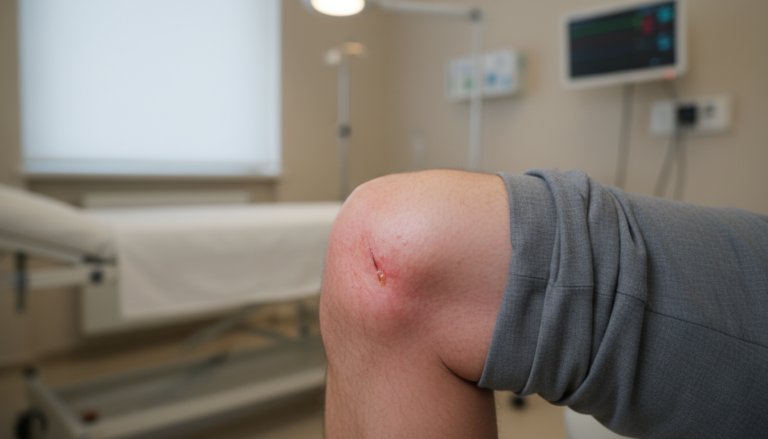
    What if the biggest threat to your new joint isn’t the surgery itself, but something that can surface weeks or even years later? Being aware of Knee replacement infection signs is crucial. Total hip and knee arthroplasties are among the most common elective operations. For most people, they are a resounding success. Yet, data shows about 1 in 100 patients will face a serious complication after their procedure. monitoring knee replacement healing We recognize that a successful outcome relies on two things: the surgical skill and your long-term vigilance. Our goal is to empower you with knowledge. By learning to monitor your recovery, you can protect your investment in a pain-free life. This guide helps you distinguish between normal healing and the early warning signals of a problem. Understanding these signs allows you to seek timely medical attention for a joint replacement. Understanding the Knee replacement infection signs can make a significant difference in your recovery journey. Key Takeaways While highly successful, about 1% of joint replacement patients develop an infection. Early detection of complications is critical for protecting your surgical results. Patient awareness during the recovery process is as important as the initial procedure. Knowing the difference between normal healing and potential warning signs is key. Common indicators include increased pain, new swelling, warmth, redness, or fever. Prompt action and communication with your healthcare team are essential. Long-term joint health requires ongoing attention and care. Overview of Knee Replacement Surgery and Infection Risks With millions of Americans opting for this surgery each year, understanding its scope and associated risks is fundamental. This procedure is a cornerstone of modern orthopedics, offering renewed mobility to those with severe joint conditions. knee replacement surgery overview Introduction to Knee Replacement Procedures Medical projections suggest that by 2030, the number of these operations performed annually in the United States will reach 3.48 million. This type of intervention is highly common and successful. It involves replacing damaged joint surfaces with artificial components. Why Infections Occur Around Implants Bacteria are abundant on our skin and in our bodies. They can enter during surgery or later through the bloodstream. Once they reach the artificial joint, they can form a sticky biofilm. This biofilm makes it extremely difficult for the body’s natural defenses to clear the germs. Implants are made of metal and plastic, which are non-organic materials. The immune system struggles to fight bacteria that colonize these surfaces. Such complications can occur in the surgical wound or deep around the implant itself. Understanding these underlying conditions is the first step in prevention. Knee Replacement Infection Signs: What to Watch For Your vigilance in the weeks and months following the procedure is your first line of defense against potential problems. We empower you to become an expert in your own recovery. Knowing what to expect makes it easier to spot when something is wrong. Common Symptoms and Warning Signals Certain symptoms should prompt immediate contact with your care team. A fever above 100°F (37.8°C) is a classic red flag. Chills or night sweats often accompany it. Pay close attention to the surgical wound. Any foul-smelling or grey liquid drainage is not normal. Increased pain or stiffness that doesn’t improve after several weeks is a concern. A deep joint infection might make walking painful long after your expected recovery period. We remind you that these issues can surface months or years later. knee replacement infection…

  • |

    How long does knee replacement last

    Is a new knee a permanent fix, or just a temporary solution? This is the pressing question for hundreds of thousands of individuals each year. Many patients are curious about how long does knee replacement last and what factors influence its longevity. knee replacement surgery In the United States, surgeons perform over 600,000 of these procedures annually. The goal is to restore mobility and end chronic pain. This massive effort represents a significant investment in patient health and well-being. Understanding how long does knee replacement last is vital for those considering this surgery. Many patients wonder if their new joint will serve them for the rest of their lives. The answer is not a simple yes or no. A variety of factors influence the durability and success of the procedure. Patients often inquire, how long does knee replacement last? The answer depends on several factors. We explore the evidence behind implant longevity. Modern medical advancements have dramatically improved outcomes. Understanding what affects your new joint is key to a successful, long-term result. By knowing…

  • |

    Best knee pillow for side sleepers

    What if one simple addition to your bedtime routine could dramatically improve how you feel every morning? Many people who rest on their side wake up with aches in their hips, back, or legs. This common discomfort often stems from poor spinal alignment during the night. Finding the right support can make all the difference. knee pillow for side sleepers We consulted with experts to understand this issue. Grace Wu, a textiles product review analyst at the Good Housekeeping Institute, has tested over 200 pillows in recent years. Dr. Jonathan S. Kirschner, a physiatrist at the Hospital for Special Surgery, often recommends specific support for hip issues. Choosing the Best knee pillow for side sleepers can significantly enhance your comfort and support while you rest. Our team evaluated numerous products designed for this purpose. We looked for items that promote a neutral position and offer lasting comfort. This guide is the result of our thorough analysis. We aim to help you navigate the options and make an informed choice for your bedroom. The right product can transform your nightly rest and support your joints properly. Key Takeaways Proper support is crucial for maintaining spinal alignment while sleeping on your side. Expert input from textile analysts and medical professionals informs our recommendations. Our selection is based on extensive evaluation of comfort, durability, and support. The correct product can alleviate common discomfort in the hips, back, and legs. This guide simplifies your search by highlighting top-performing options. Investing in quality support is an investment in better sleep and daily well-being. Introduction to Best Knee Pillow for Side Sleepers Have you ever considered how the position of your legs at night could influence your entire day? Proper support is not just about your head and neck. What Is a Knee Pillow? A knee pillow is a specialized cushion. It is designed to be placed between your legs while you are resting. Its primary job is to improve your sleeping posture and support your joints. Why Side Sleepers Benefit When you rest on your side, your top leg often drops forward. This can pull your spine out of its natural line. The result is unwanted pressure on your hips and lower back. Beth Terranova, a physical therapist, notes that knee position directly affects the hip, pelvis, and spine. Using a cushion here bridges the natural gap. It helps keep your hips properly stacked. This simple act prevents the spine from rotating during the night. You are less likely to wake up with morning aches. Understanding this mechanic is the first step toward a more restful night. How Knee Pillows Enhance Sleep Alignment Could a simple cushion between your legs be the key to unlocking deeper, more restorative sleep? It all comes down to alignment. Proper spinal and hip positioning is crucial for anyone resting on their side. Spine and Hip Alignment When your hips are not stacked correctly, your spine twists. This places stress on joints and muscles. Dr. Jonathan S. Kirschner recommends placing a pillow between the legs for hip bursitis patients. sleep…

  • |

    Best knee scooter post-surgery

    Is hopping around on one leg or battling clumsy crutches the only way to get through recovery after a foot or ankle procedure? For many, traditional crutches are a source of frustration and fatigue. They demand considerable arm strength and often lead to instability. This can make you feel trapped and dependent on others. best knee scooter post-surgery There is a more comfortable and popular solution. Studies show that 90 percent of patients prefer using a knee scooter over crutches during their healing period. Occupational therapists highlight a key benefit: these aids keep your injured foot correctly elevated and non-weight bearing. This proper positioning is vital for a smooth recovery. We’ve done the research for you. Our analysis of the current market identifies devices that provide superior mobility and comfort compared to old-fashioned methods. Selecting the right walker helps you maintain your independence. It allows for safer movement around your home and community. A sturdy, well-designed walker is a much more stable alternative to risky hopping. Our expert-driven guide reviews the leading models available. The goal is to help you find reliable equipment that protects your leg while letting you continue with daily life. Key Takeaways The vast majority of patients prefer knee scooters to traditional crutches for recovery. These devices properly elevate the leg, which is essential for non-weight bearing healing. They promote greater independence and reduce reliance on others during your recovery. Choosing a high-quality model significantly improves safety and overall comfort. Our guide provides an expert analysis of the top mobility aids on the market today. A stable walker minimizes the risk of falls and accidental weight-bearing. Informed selection helps you navigate your environment with confidence and ease. Understanding Knee Scooters in Post-Surgery Recovery Patients seeking a stable alternative to crutches frequently turn to rolling walkers with a knee platform. This device, often called a knee scooter or knee walker, has two to five wheels and a padded rest for your leg. It is designed to keep your injured foot correctly elevated. This positioning is completely non-weight bearing, which is vital for healing. Unlike traditional crutches, a knee walker does not demand much arm strength. You simply rest your leg on the cushioned platform and propel yourself forward. This reduces physical exertion dramatically during daily movement. Occupational therapists note an overwhelming patient preference for this mobility aid. We have found that nearly 90 percent of users prefer it over other options. The design helps prevent reinjury caused by balance struggles. Feature Knee Scooter/Walker Traditional Crutches Weight-Bearing Non-weight bearing, leg elevated Partial weight on arms and shoulders Upper Body Strain Minimal; uses leg for support High; requires arm strength Hands-Free Operation Yes; handlebars for steering No; hands occupied Stability on Flat Surfaces Very stable with multiple wheels Less stable; two points of contact Risk of Reinjury Low; proper leg positioning Higher; balance challenges These devices are essential for maintaining independence. They allow you to perform household tasks while your injury heals. By keeping your hands free, a knee scooter lets you carry items and engage in daily life more effectively. Benefits of Using Knee Scooters Over Crutches The journey to regain mobility after surgery doesn’t have to be a struggle against discomfort and instability. While traditional crutches are less expensive, they frequently cause pain and balance issues for active individuals. A knee walker provides a stable base for movement. It allows you to navigate both indoors and outdoors without the constant fatigue linked to crutches. benefits of knee scooter over crutches Occupational therapists emphasize that a knee scooter is a superior choice if you lack upper body strength. Using this device greatly lowers your chance of a fall compared to balancing on underarm crutches. These aids offer a level of freedom that lets you spend time outside. This activity is proven to speed up the healing process. Choosing the right knee walker ensures you can maintain your daily routine. You avoid the physical limits imposed by standard crutches. A quality knee scooter supports your injured leg correctly, promoting safer recovery….

  • |

    Failed knee replacement symptoms

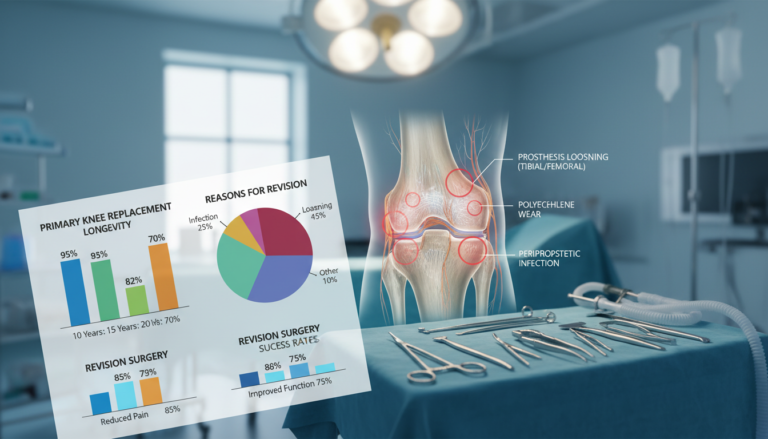
    What if the relief you expected after your joint procedure never arrives? This unsettling question faces a small percentage of individuals each year. While statistics show that 85% to 90% of patients enjoy successful outcomes for 15 to 20 years after their initial knee replacement surgery, some do not. failed knee replacement symptoms We understand that persistent discomfort following this major operation can be a source of deep frustration. It can severely limit your mobility and daily life. Our guide is here to shed light on the various signs that may indicate your implant is not performing as designed. Identifying these indicators early is critically important. It ensures you get the right medical attention and potential intervention from a qualified specialist. If you experience persistent pain and stiffness, understanding the next steps is vital. We will walk you through common warning signs, the diagnostic process, and the treatment paths available to restore your comfort and movement. Key Takeaways Most knee replacement procedures are highly successful for many years. Recognizing early warning signs of a problem is crucial for your health. Specialized care models, like the one at University of Utah Hospital, combine expert teams for complex cases. Persistent pain, swelling, or instability after recovery should not be ignored. Several effective treatment options exist to address implant issues. Early consultation with an orthopedic surgeon can lead to better outcomes. Your long-term mobility and quality of life are the ultimate goals. Understanding Knee Replacement Surgery Modern orthopedic medicine offers a reliable solution for severe joint damage through artificial joint implantation. This procedure aims to restore comfortable movement when natural cartilage wears down. knee replacement surgery components How Knee Replacements Work During this operation, surgeons remove damaged joint surfaces. They replace them with precisely engineered metal and plastic components. These artificial parts are designed to glide smoothly. They mimic your joint’s natural motion, reducing discomfort. Fixation Method How It Works Key Consideration Cemented Fixation Special bone cement bonds the implant directly to your bone. Provides immediate, strong stability after the operation. Biologic Fixation The bone grows into a porous coating on the device over time. Creates a durable, long-term bond without cement. Surgeon’s Choice The method is selected based on your bone quality and age. Each technique has specific advantages for different situations. Long-Term Expectations and Implant Lifespan Most modern devices are engineered for durability. A typical lifespan ranges from 15 to 20 years. “The longevity of a joint implant depends on multiple factors, including the patient’s activity level and overall bone health.” We emphasize that these components are not indestructible. They experience natural wear from daily use over time. Regular monitoring helps ensure your artificial joint functions well for as long as possible. Your activity choices and general health play significant roles. Recognizing Failed Knee Replacement Symptoms When an artificial joint doesn’t function as intended, your body sends distinct signals that demand attention. Learning to identify these signs is crucial for your long-term health and mobility. Persistent Pain and Swelling Persistent pain in the knee joint that lingers long after the typical recovery period is a primary indicator. This pain isn’t normal soreness. It often presents as a deep, constant ache. Swelling around the knee joint that refuses to fade with rest is another red flag. Persistent pain and swelling are common companions. They can suggest underlying issues like inflammation or component loosening. Instability and Changes in Joint Function A feeling of instability, where your leg might buckle, is alarming. This instability often feels like the joint is giving way when you put weight on it. You might also notice a noticeable decline in how well it moves. Stiffness, developing a limp, or hearing odd popping noises are critical functional changes. We encourage you to monitor these signs closely. They are the primary indicators that your implant may require further clinical assessment. Common Causes of Knee Replacement Failure…