Category: Knee ligaments

  • Student and athlete preferences can help encourage reporting of sexual assault

    Student and athlete preferences can help encourage reporting of sexual assault

    Student-athlete preferences for reporting sexual violence: A discrete-choice experimental patient

    Ellyson AM, Adhia A, Kroshus E, Wright DR. Patient. 2022. https://doi.org/10.1007/s40271-022-00600-z.

    Full text not freely available

    Take home message

    Student-athletes may be more likely to formally report sexual assault if there is a drug amnesty policy in place and students who commit sexual assault are more likely to be caught in violation of a school’s code of conduct.

    Background

    Sexual violence – defined as any sexual activity without consent or performed under duress – is common on American college campuses. Unfortunately, after sexual assault, someone rarely formally reports these events on college campuses. There are many reasons why someone might not want to report (stigma, fear of retaliation, not being believed). However, student-athletes may face unique sports-related barriers if their perpetrator is a fellow athlete, coach, or sports mentor. We know little about the features of reporting systems that would encourage a student-athlete who has experienced sexual violence to increase the likelihood of reporting.

    Study aim

    The authors surveyed collegiate athletes to determine how features of the reporting system influence decisions to formally report their sexual assault to their institution.

    Methods

    The authors surveyed 1,004 student-athletes from 10 NCAA Division I member institutions. The student-athletes answered questions about prior sexual violence and reported experiences and sociodemographic data (e.g., age, race/ethnicity, gender, team status, academic status). Participants also completed a discrete choice survey. This type of survey asks whether they would report sexual assault in a series of hypothetical situations that varied aspects of a facility’s reporting system. With this study, the researchers were able to determine which aspects are most likely to lead to someone formally reporting sexual violence.

    Results

    Overall, ~29% (n=288) reported a history of sexual violence. Overall, student-athletes reported that they would be more likely to report sexual assault if students who committed sexual assault were more likely to be caught violating the code of conduct. Furthermore, reporting would be higher if an institution had a substance use amnesty policy. Unfortunately, the aspects likely to influence reporting behavior varied widely among student-athletes and may be influenced by history of sexual assault, sport (male versus female), and competitive status. For example, students who reported a history of sexual violence were less likely to report formally and value aspects of the reporting system less than their peers. Students with a history of sexual violence reported greater interest in substance use amnesty policies, anonymous reporting, and survivor-initiated investigations than their peers without a history of sexual violence. Students at higher competitive levels reported that the most important characteristics were the likelihood of finding policy violations, survivor-initiated investigations, and amnesty for substance use.

    Viewpoints

    The authors found that overall substance abuse amnesty policies could potentially lead to higher reporting rates. Sexual violence is often associated with substance use (Foubert et al.). Therefore, providing amnesty policies for substance use could remove this barrier to reporting sexual violence. It was interesting to note the differences when considering the history of sexual violence, sports team contexts, and competitive status. This highlights the need for further research into these dynamics to better understand the preferences of this population and to generalize to the non-student-athlete population.

    Clinical implications

    This work emphasizes that student preferences should guide policies aimed at supporting students who experience sexual violence. Furthermore, physicians and administration must inform athletes of the policy to ensure everyone understands it and that there is full transparency about the policy and follow-up processes.

    Questions for discussion

    How does your school deal with reporting sexual violence? Does implement your school similar features to encourage reporting?

    related posts

    1. Sexual violence in sports: Position statement of the American Medical Society for Sports Medicine
    2. It’s Not Boys Being Boys on College Campuses: Men in Fraternities and Sports Clubs Commit Sexual Violence at More Rates than Their Peers
    3. It’s not just happening in Hollywood, rape myths are becoming accepted on college campuses

    Written by: Jane McDevitt
    Review by: Jeffrey Driban

    9 EBP CEU courses

    Source link

  • Three or more concussions associated with poorer brain function later in life

    Three or more concussions associated with poorer brain function later in life

    Experiencing three or more concussions is linked to worse brain function later in life, according to major new research.

    The study – the largest of its kind – also found that having just one moderate to severe concussion or traumatic brain injury (TBI) can have a long-lasting impact on brain function, including memory.

    Led by teams from the University of Oxford and the University of Exeter, the research included data from more than 15,000 participants in the online PROTECT study, who were aged between 50 and 90 and based in Britain. They reported the severity and frequency of concussions they had experienced throughout their lives, and administered annual computerized tests of brain function.

    Published in the Journal of NeurotraumaThe study found that people who reported three or more concussions had significantly worse cognitive function, which became successively worse with each subsequent concussion after that. Attention and completion of complex tasks were particularly affected.

    Researchers say people who have suffered a concussion should be warned about the dangers of continuing with risky sports or work.

    Lead researcher Dr Vanessa Raymont, from the University of Oxford, said: ‘We know that head injury is a major risk factor for dementia, and this large-scale study provides the greatest detail yet on a stark finding: the more often you damages your brain, your brain function may deteriorate as you get older.

    “Our research indicates that people who have experienced three or more, even mild, concussions should be given advice on whether to continue with high-risk activities. We should also include organizations operating in areas where it is more likely to the head is affected, encourage them to think about how to protect their heads.” athletes or employees.”

    The team found that participants who reported three episodes of even mild concussions over their lifetime had significantly worse attention and ability to perform complex tasks. Those who had four or more mild concussions also showed worse processing speed and working memory. Each additional concussion reported was associated with increasingly poorer cognitive function.

    Additionally, the researchers found that reporting even one moderate to severe concussion was associated with worse attention, complex task completion, and processing speed.

    In the online PROTECT study, participants share detailed lifestyle information and complete a battery of cognitive tests every year for up to 25 years. This rich trove of data helps researchers understand how the brain ages and what factors are involved in maintaining a healthier brain in later life.

    Dr. Helen Brooker, co-author of the study from the University of Exeter, said: “As our population ages, we urgently need new ways to enable people to live healthier lives in later life. This article emphasizes the importance of detailed long-term studies. such as PROTECT in better assessing head injury and its impact on long-term cognitive function, especially as concussion has also been linked to dementia. We are learning that life events that may seem insignificant, life experiencing a mild concussion, can have an impact on the Our findings indicate that cognitive rehabilitation should focus on key functions such as attention and completion of complex tasks, which we have found to predispose are for long-term damage.’

    Dr. Susan Kohlhaas, research director at Alzheimer’s Research UK, said: “Studies like this are so important in unraveling the long-term risks of traumatic brain injury, including their effect on the risk of dementia. These findings should send a clear message to policymakers and sports organizations , which must implement robust guidelines that minimize the risk of head injury.”

    The research involved collaboration with the University of New South Wales, Australia, Kings College London and University College London, UK, Stavanger University Hospital in Norway and Harvard Medical School, in the US. The. article entitled ‘Lifetime TBI and Cognitive Domain Deficits in Late Life: The PROTECT-TBI cohort study’, published in the Journal of Neurotrauma.

    Source link

  • Leaving it allows the ACL to heal

    Leaving it allows the ACL to heal

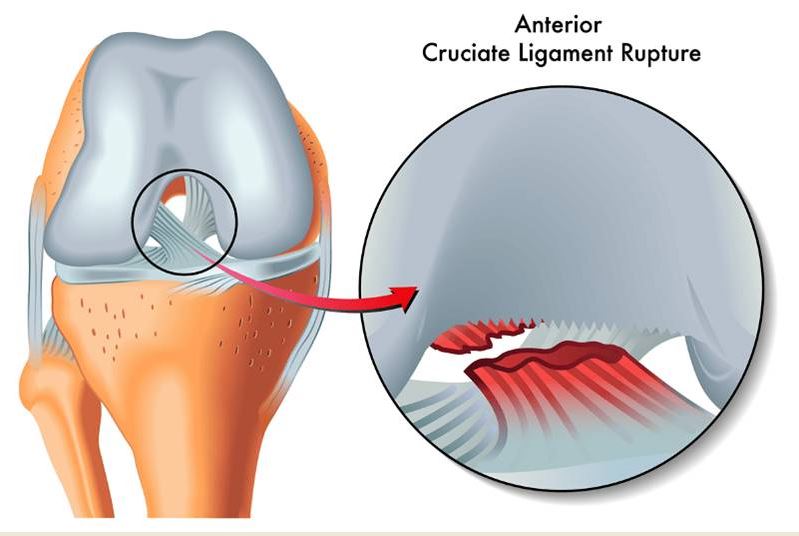
    Evidence of ACL healing on MRI after ACL rupture treated with rehabilitation alone may be associated with better patient-reported outcomes: a secondary analysis from the KANON study.

    Filbay SR, Roemer FW, Lohmander LS, et. already. Br J Sports Med. Doi 2022:10.1136/bjsports-2022-105473. E-publishing prior to printing.

    Full text freely available

    Take home message

    Nearly one in three participants offered supervised exercise therapy with optional delayed anterior cruciate ligament (ACL) reconstruction had MRI evidence of spontaneous ACL healing two years after ACL rupture. Those who are healed are more likely to report better patient-reported outcomes than participants without healing or who underwent early or delayed ACL reconstruction.

    Background

    Many assume that a torn ACL cannot heal spontaneously. If we better understood how often a torn ACL heals and how ACL healing relates to patient-reported outcomes, we could identify the best treatment options for certain patients.

    Study aim

    Filbay and colleagues completed a secondary analysis of data from the KANON study to report how often the ACL heals within the first five years after an ACL injury and to compare 2- and 5-year outcomes among those who do and do not heal are.

    Methods

    The KANON randomized controlled trial compared results between 62 participants who received early reconstruction and 59 participants who received supervised exercise therapy with optional delayed ACL reconstruction. A blinded radiologist assessed each knee 2 and 5 years after injury for ACL healing (on MRI) and osteoarthritis. The primary outcomes of interest were ACL healing, the Knee Injury and Osteoarthritis Outcome Score (KOOS), Tegner Activity Scale, measures of passive knee laxity, and osteoarthritis at 2 and 5 years postinjury.

    Results

    Two years after injury, 30% (16 of 54) of participants assigned to rehabilitation with the option of delayed ACL reconstruction had evidence of ACL healing. More specifically, 53% of participants (16 of 30) treated with rehabilitation alone had evidence of ACL healing. Participants who demonstrated ACL healing reported better KOOS scores at the two-year follow-up than the nonunion, delayed ACL reconstruction, and early ACL reconstruction groups. At the five-year follow-up, KOOS scores were more comparable between groups.

    Viewpoints

    The results of this study show that spontaneous ACL healing occurs in approximately 30% of people with ACL rupture. This finding of spontaneous healing is consistent with previous research. Participants with ACL healing reported better knee symptoms than peers who did not heal or received ACL reconstruction (early or delayed). Hopefully, this study will lead to new research with larger cohorts to help us identify who will experience and benefit from spontaneous ACL healing.

    Questions for discussion

    Do you feel that this research will have an impact on your clinical practice regarding ACL ruptures and their treatment?

    Written by: Kyle Harris
    Review by: Jeffrey Driban

    related posts

    Why patients treated nonoperatively after an ACL injury decide to undergo surgery
    Treatment after acute injury of the anterior cruciate ligament (ACL), part 2: treatment of the patient with an ACL injury
    Coach the coach, make ACL injury prevention programs stick!
    BEAR: a bridge to better psychological preparedness after ACL injury
    Do patients check all the boxes after ACL reconstruction?

    ACL EBP CEUs

    Source link

  • Combined treatment with steroids and statins could reduce ‘accelerated aging’ in premature babies, study in rats suggests

    Combined treatment with steroids and statins could reduce ‘accelerated aging’ in premature babies, study in rats suggests

    Potentially life-saving steroids commonly given to premature babies also increase the risk of long-term cardiovascular problems, but a new study in rats has found that when given in combination with statins, their positive effects persist, while the potential negative side effects ‘weeded out’.

    Cambridge scientists gave newborn rats, which are naturally born prematurely, a combination of glucocorticoid steroids and statin therapy. The results, published today in Hypertension, show that the combined treatment led to the elimination of the negative effects of steroids on the cardiovascular system, while maintaining their positive effects on the developing respiratory system.

    Premature birth (before 37 weeks) is one of the leading causes of death in perinatal medicine today. In high-income countries, one in ten babies are born prematurely; this can rise to almost 40% in low- and middle-income countries.

    Premature babies are extremely vulnerable because they miss a crucial final stage of development in which the hormone cortisol is exponentially produced and released into the unborn baby’s blood. Cortisol is essential for the maturation of organs and systems necessary to keep the baby alive after birth.

    In the lungs, for example, cortisol ensures that they become more elastic. This allows the lungs to expand so that the baby can take his first breath. Without cortisol, newborns’ lungs would be too stiff, which leads to Respiratory Distress Syndrome (RDS) and can be fatal.

    The established clinical treatment for any pregnancy at risk of preterm delivery is glucocorticoid therapy, administered via the mother before the birth of the baby and/or directly to the baby after birth. These synthetic steroids mimic natural cortisol by accelerating the development of organs – including the lungs – meaning the premature baby has a much greater chance of survival.

    Lead author Professor Dino Giussani from the Department of Physiology, Development and Neuroscience at the University of Cambridge said: “Glucocorticoids are clearly a lifesaver, but the problem with steroids is that they accelerate steroid maturation. all organs. This is beneficial for the baby’s lungs, but it can be harmful to the heart and circulatory system; it looks like accelerated aging.”

    An earlier clinical study by Professor Paul Leeson’s laboratory at the University of Oxford found that people exposed to glucocorticoid therapy as unborn babies, through their mothers, showed measures of cardiovascular health typical of people ten years older.

    Cambridge researcher Dr. Andrew Kane, involved in the rat research, thought that this accelerated aging could be the result of steroids causing oxidative stress. Steroids lead to an imbalance of molecules known as free radicals, resulting in a reduction in nitric oxide. Nitric oxide is very beneficial for the cardiovascular system: it increases blood flow and has antioxidant and anti-inflammatory properties.

    To test whether a nitric oxide deficiency could be the cause of the adverse cardiovascular side effects associated with glucocorticoid therapy, the researchers combined steroid treatment with statins, which are commonly used to lower cholesterol and are known to increase nitric oxide.

    Researchers gave the synthetic steroid dexamethasone, combined with the statin pravastatin, to rat pups. There were three other groups: one received only dexamethasone, one received only pravastatin, and a control group received saline. Measurements of respiratory and cardiovascular function were then taken when the rats had grown into ‘infancy’.

    The Cambridge scientists found that steroids had adverse effects on the heart and blood vessels, and on molecular indices linked to cardiovascular problems. But when statins were given at the same time, the rats were protected from these effects. Crucially, the statins had no effect whatsoever on the beneficial effects of steroids on the respiratory system.

    “Our discovery suggests that combined treatment with glucocorticoids and statins may be safer than glucocorticoids alone for the treatment of premature infants,” said Professor Giussani.

    “Goods not say to stop using glucocorticoids because they are clearly a life-saving treatment. We say against that improve this therapy – to refine it — we could combine it with statins. This gives us the best of both worlds: we can retain the benefits of steroids on the developing lungs, but eliminate the adverse side effects on the developing heart and circulatory system, making therapy much safer for the treatment of preterm labor. .”

    The team plans to replicate the experiment in sheep, which have similar physiology to humans, before conducting clinical trials on humans.

    The research was funded by the British Heart Foundation and the Research Council for Biotechnology and Biological Sciences (BBSRC). Dr. Andrew Kane was supported by the Frank Edward Elmore Fund and the James Baird Fund.

    Source link

  • What is linseed oil actually good for?  Maybe your ACL!

    What is linseed oil actually good for? Maybe your ACL!

    Effect of flexase oil on the prognosis of actual anterior cruciate ligament rupture: a randomized, placebo-controlled trial.

    Tang H, Xu Z, Lin J, Sun W and Xiw Y. Ben J Transl Res. 2022;14(10):7252-7259.

    Full text is freely available

    Take home message

    People who supplemented their diet with flaxseed oil experienced slightly better results two years after anterior cruciate ligament (ACL) reconstruction than participants in a control group.

    Background

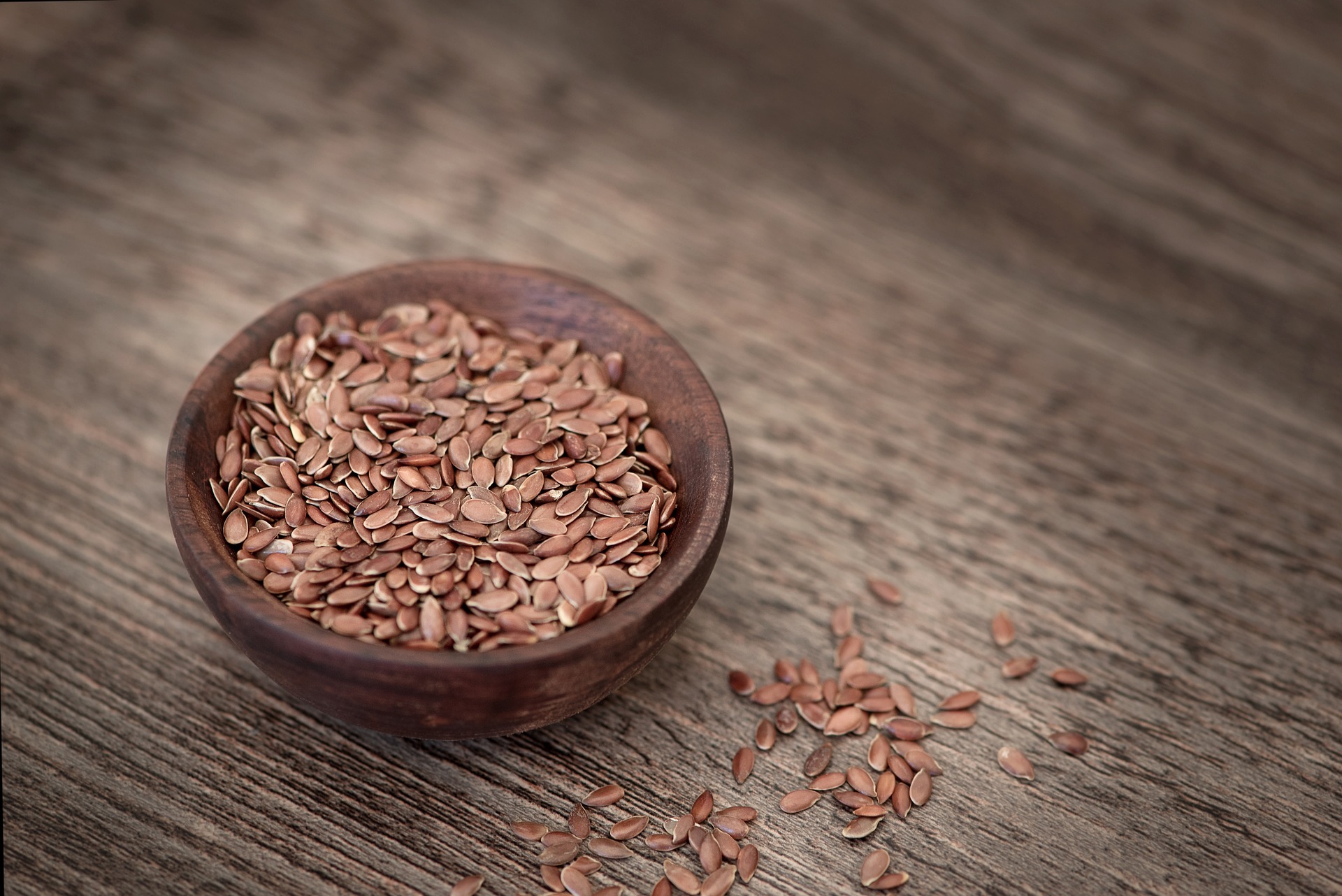
    Although we often focus on surgery and rehabilitation to optimize outcomes after an ACL injury, we may also want to consider other strategies to improve one’s prognosis. Flaxseed oil, which contains α-linolenic acid (an omega-3 fatty acid), may suppress inflammation and be beneficial. However, the impact of linseed oil supplementation on recovery after ACL reconstruction remains unclear.

    Study aim

    Tang and colleagues completed a randomized, placebo-controlled trial to investigate the impact of dietary flaxseed oil on outcomes in people undergoing ACL reconstruction.

    Methods

    The authors randomized 142 participants undergoing ACL reconstruction into two equal groups. The experimental group took six linseed oil capsules (9 grams total, 4.2 grams of α-linolenic acid) per day. The control group took six corn oil capsules (9 grams total, minimum α-linolenic acid) per day. Dietary supplements were continued for two years after ACL reconstruction. The researchers contacted participants by telephone every two weeks to ensure compliance with study guidelines. After the two-year intervention period, participants completed a series of questionnaires to assess patient-reported outcomes: 1) Knee Injury and Osteoarthritis Outcomes Score (KOOS), 2) International Knee Documentation Committee (IKDC) score, 3) the Lysholm Knee Scoring Scale, and 4) Tegner Activity Scale.

    Results

    After two years, participants who used flaxseed oil had 1) better IKDC scores, 2) better KOOS scores for sport and quality of life, 3) higher rates of return to their previous sport level (56 vs. 39%), and 4) less side effects to the knee (e.g. giving in episodes, pain) than the control group. The groups had no differences in KOOS pain or symptoms, Tegner scores, Lysholm scores, or treatment satisfaction.

    Viewpoints

    Participants who received flaxseed oil supplements had slightly better results than those in the control group. This preliminary study shows that a diet supplemented with flaxseed oil high in α-linolenic acid can improve outcomes after ACL reconstruction. It will be interesting to see if other high-quality research confirms these results with flaxseed oil or another source of α-linolenic acid. One detail not mentioned that could be important is dietary habits beyond flaxseed oil. For example, some participants in the control group may have consumed a diet rich in α-linolenic acid.

    Clinical implications

    Despite the need for more research, doctors can discuss the small benefits and few risks associated with flaxseed oil supplementation. It is also important to remind athletes to purchase supplements that have been tested to ensure they are getting what they expect in each capsule.

    Questions for discussion

    Do you recommend these or other nutritional supplements for patients who have undergone ACL reconstruction? If so, what did you suggest and what sources led you to recommend this supplement?

    Written by Kyle Harris
    Reviewed by Jeffrey Driban

    related posts

    Creatine supplementation may not improve recovery from exercise-induced muscle damage
    IOC consensus statement: nutritional supplements and the elite athlete
    Are you considering high-dose vitamin D supplements for your athletes? Make sure the dose is right.
    You don’t have to supplement what you don’t need

    ACL EBP CEUs

    Source link

  • New AI technology could change game preparation for Super Bowl teams

    New AI technology could change game preparation for Super Bowl teams

    Players and coaches from the Philadelphia Eagles and Kansas City Chiefs will spend hours in film rooms this week in preparation for the Super Bowl. They study positions, plays and formations and try to identify which opponent tendencies they can exploit, while watching their own film to strengthen weaknesses.

    New artificial intelligence technology being developed by engineers at Brigham Young University could significantly reduce the time and costs that go into film studies for Super Bowl teams (and all NFL and college football teams), while also improving game strategy by using harnessing the power of big data.

    BYU professor DJ Lee, master’s student Jacob Newman and Ph.D. students Andrew Sumsion and Shad Torrie use AI to automate the time-consuming process of manually analyzing and annotating game footage. Using deep learning and computer vision, the researchers have developed an algorithm that can consistently locate and label players from game films and determine the formation of the attacking team – a process that can consume the time of an array of video assistants.

    “We had a conversation about this and realized: We could probably learn an algorithm to do this,” says Lee, professor of electrical and computer engineering. “So we set up a meeting with BYU Football to learn their process and we immediately knew, yes, we can do this a lot faster.”

    Although still in the early stages of research, the team has already achieved over 90% accuracy in detecting and tagging players with their algorithm, along with 85% accuracy in determining formations. They believe the technology can ultimately eliminate the need for the inefficient and tedious practice of manual annotation and analysis of recorded video footage used by NFL and college teams.

    Lee and Newman first watched real game footage of BYU’s football team. When they started analyzing it, they realized that they needed some additional angles to properly train their algorithm. So they bought a copy of Madden 2020, which shows the court from above and behind the offense, and manually tagged 1,000 images and videos from the game.

    They used that footage to train a deep learning algorithm to locate the players, which is then fed into a Residual Network framework to determine what position the players play. Finally, their neural network uses the location and position information to determine which formation (out of more than 25 formations) the offense is using – from the Pistol Bunch TE to the I Form H Slot Open.

    Lee said the algorithm can identify formations with 99.5% accuracy if player location and tag information is correct. The I-formation, where four players line up in front of each other – center, quarterback, fullback and running back – proved to be one of the most challenging formations to identify.

    Lee and Newman said the AI ​​system could have applications in other sports as well. In baseball, for example, it could pinpoint players’ positions on the field and identify common patterns to help teams refine how they defend against particular hitters. Or it can be used to locate footballers to help determine more efficient and effective formations.

    “Once you have this data, you can do a lot more with it; you can take it to the next level,” Lee said. “Big data can help us know this team’s strategies, or that coach’s tendencies. It can help you know if they’re likely to go for it on 4th Down and 2 or if they’re going to punt. The idea of ​​AI to use for sports is really cool, and if we can give them even a 1% advantage, it’s worth it.”

    Source link

  • Hiring athletic trainers and strength and conditioning specialists can save you millions

    Hiring athletic trainers and strength and conditioning specialists can save you millions

    Financial impact of embedded injury prevention experts in US Army initial entry training

    Daniel R. Clifton, D. Alan Nelson, Y. Sammy Choi, Daniel Edgeworth, Donald Shell, Patricia A. Deuster. J Athl train 2022; doi: https://doi.org/10.4085/1062-6050-0353.22

    Full text freely available

    Take home message

    By using athletic trainers and certified strength and conditioning specialists in initial entry-level training for the Army, the Army saved at least three times the cost of contracting these professionals, saving $11 to 20 million annually.

    Background

    More than 1 in 4 men and women suffer a musculoskeletal injury during initial training for the US military. The U.S. Army began deploying teams of athletic trainers and strength and conditioning specialists in 2010 to address the problem of early-career musculoskeletal discharges. The military could demonstrate the need for these teams if we knew how much money they saved by preventing injuries and treating them quickly.

    Study objectives

    The author’s purpose was to assess whether built-in injury prevention experts were associated with reduced training costs for soldiers discharged early from service.

    Methods

    The authors conducted a retrospective analysis of 198,166 active-duty soldiers who began training from January 2014 through May 2017. Soldiers who began training at two locations between April 2015 and November 2015 did not have athletic trainers and strength and conditioning specialists on hand. on site due to a lapse in contracts. The authors categorized these soldiers as not coming into contact with injury prevention experts. All other soldiers were categorized as having been exposed to injury prevention experts. The authors estimate soldier training costs based on average basic and advanced training costs from 2014-2017 for an average of six months of training. To be eligible for discharge from active duty, the discharge had to occur within six months of the start of training and due to a musculoskeletal condition.

    Results

    A total of 14,094 soldiers had no contact with injury prevention experts. 2.8% of these soldiers were discharged early due to musculoskeletal injuries. Of the 184,072 soldiers exposed to injury prevention experts, 1.0% were discharged early due to musculoskeletal injuries. The authors calculated that the injury prevention experts saved the Army $11 to $20 million per year in lost training costs due to early career discharges (net of contract costs for the experts).

    Viewpoints

    At a relatively small financial cost (approximately $900,000 per location or $4 million total), the Army reduced the likelihood of early discharge by ~64%. There were also significant savings on lost training costs due to early career medical layoffs. We should also keep in mind that these costs do not include other long-term savings. For example, preventing injuries or treating an injury promptly can reduce the risk of medical discharge later in a person’s life due to chronic pain (e.g., osteoarthritis) or save healthcare costs associated with chronic pain or functional limitations. Furthermore, while the costs help justify hiring these experts, we cannot ignore the other benefits that may accrue, including improved soldier quality of life and function and improved military readiness.

    Clinical implications

    Clinicians and administrators can use this data to advocate for athletic trainers and strength and conditioning specialists in the military and possibly industrial or performing arts fields to demonstrate a 3 to 5x return on investment.

    Written by Mitchell Barnhart
    Reviewed by Jeffrey Driban

    Related posts

    50th SMR Post: A Human Performance and Injury Prevention Program for the Army
    Potential risk factors for long-term opioid use after anterior cruciate ligament reconstruction in a military population
    Most military service members don’t have to worry about CTE

    9 EBP CEU courses

    Source link

  • Review strengthens evidence that repeated head impacts can cause CTE

    Review strengthens evidence that repeated head impacts can cause CTE

    Over the past 17 years, there has been a notable increase in scientific research into chronic traumatic encephalopathy (CTE), with researchers at the BU CTE Center leading the way. Although some sporting organizations such as the National Hockey League and World Rugby still claim their sports do not cause CTE, a new review of the evidence by the world’s leading CTE expert strengthens the argument that exposure to repetitive head impact (RHI) is the most important risk factor for the condition.

    CTE became national news in the United States in 2007, but it was not until 2016 that the National Institute of Neurological Disorders and Stroke/National Institute of Biomedical Imaging and Bioengineering (NINDS-NIBIB) criteria for the neuropathological diagnosis of CTE were published. and they were refined in 2021. Rare, isolated case studies that reported abnormal findings or used unaccepted diagnostic criteria have been disproportionately emphasized to cast doubt on the link between RHI and CTE.

    In a review article in the magazine Acta NeuropathologicaAnn McKee, MD, chief of neuropathology at VA Boston Healthcare System and director of the BU CTE Center, emphasizes that more than 600 CTE cases have now been published in the literature from multiple international research groups. And of the more than 600 cases, 97 percent have confirmed exposure to RHI, mainly through contact and collision sports. CTE has been diagnosed in amateur and professional athletes, including athletes from American, Canadian and Australian football, rugby union, rugby league, soccer, ice hockey, bull riding, wrestling, mixed martial arts and boxing.

    Additionally, the study authors revealed that in 82 percent (14 of 17) of alleged CTE cases that occurred without RHI, using current criteria, families were never asked what sports the deceased played.

    According to the researchers, despite global efforts to find CTE in the absence of contact sports participation or exposure to RHI, it appears to be exceedingly rare, if it exists at all. “In community brain bank studies, CTE was seen in 0 to 3 percent of cases, and where information is available, positive cases were exposed to brain injury or RHI. In contrast, CTE is the most common diagnosis of neurodegenerative diseases in contact and collision athletes in brain banks around the world. A strong dose-response relationship is perhaps the strongest evidence that RHI causes CTE in athletes,” she added.

    “The review presents the timeline for the development of neuropathological criteria for the diagnosis of CTE, begun nearly 100 years ago by pathologist Harrison Martland, who introduced the term ‘punch-drunk’ to describe a neurological condition in low-cost carriers, ” explains McKee. author of the study. The review chronologically describes the multiple studies conducted by independent, international groups examining diverse populations that have found CTE pathology from various sources in individuals with a history of RHI.”

    CTE is characterized by a distinctive molecular structural configuration of p-tau fibrils that is different from the changes seen in aging, Alzheimer’s disease, or any other disease caused by tau protein.

    Funding for this study was provided by the National Institute of Neurological Disorders and Stroke (U54NS115266; R01NS119651; U01 NS 086659), National Institute on Aging (P30AG13846; U19AG06875; R01AG062348; RF1AG057902; K01AG070326), Department of Veterans Affairs (10 1 BX002466, 101BX004613, BX004349), the Nick and Lynn Buoniconti Foundation, Andlinger Foundation, National Football League (NFL) and World Wrestling Entertainment (WWE) through unrestricted gifts, the Mac Parkman Foundation and the National Operating Committee on Safety for Sports Equipment (NOCSEA).

    Source link

  • Take a dunk if you want, but don’t expect more

    Take a dunk if you want, but don’t expect more

    Effects of cold water immersion compared to other recovery modalities on athletic performance after acute strenuous exercise in physically active participants: a systematic review, meta-analysis and meta-regression.

    Moore E, Fuller JT, Bellenger CR, Saunders S, Halson SL, Broatch JR, Buckley JD. Sports Med. December 17, 2022. doi: 10.1007/s40279-022-01800-1. E-publishing prior to printing. PMID: 36527593.

    Full text freely available

    Take home message

    During post-exercise recovery, cold water immersion (CWI) provides similar benefits to other recovery methods, including active recovery.

    Background

    Cold water immersion (CWI) is one of several methods intended to speed recovery after training and competition. However, it is unclear whether CWI performs better than other commonly used recovery modalities.

    Study aim

    The researchers conducted a systematic review and meta-analysis to compare CWI with other modalities regarding athletes’ perceptions, physiological changes, and exercise performance outcomes.

    Methods

    The authors identified 28 articles through a comprehensive literature search for articles that met specific criteria: (1) peer-reviewed randomized controlled trials, (2) included physically active participants, (3) used CWI after acute physical activity, (4) included a other recovery intervention, and (5) outcomes include recovery of exercise performance, muscle strength, or physiological or perceptual markers of recovery. They excluded articles if participants received CWI in combination with another intervention or if participants completed more than one exercise session. The authors extracted data from the included articles: publication information, study methodology, participant information, CWI protocol, comparator recovery protocol, and assessment measures. They then assessed the quality of each study using the SIGN Checklist for Randomized Clinical Trials. During analyses, the authors examined follow-up assessments at 1, 24, 48, and 72 hours after treatment. Alternative treatments typically include active recovery, massage, contrast water therapy, warm water immersion, and cryotherapy.

    Results

    Overall, the quality of the included studies was low, with only one considered ‘high quality’ and 24 ‘acceptable quality’. Compared to other recovery methods, the authors found that CWI generally had limited or no effect on the perception of recovery and recovery from 1) delayed-onset muscle soreness, 2) strength performance, 3) strength, 4) flexibility, or 5) physiological problems. markers of muscle damage. Water temperature and treatment duration were not related to the outcomes after KWI.

    Viewpoints

    Cold water immersion is comparable to other recovery modalities, if not slightly better. The exception, however, was aerial cryotherapy, which may outperform CWI, but future studies need to confirm this. Ultimately, CWI is more clinically accessible than air cryotherapy and should be acceptable because it is comparable to other recovery methods. In fact, there was virtually no difference between active recovery and CWI, providing a more practical and easily accessible recovery method for recreationally active people and those without access to CWI. It would have been interesting to know if the results for CWI differed if the person did partial or full body immersion.

    Clinical implications

    Clinicians should be aware that CWI provides no or minimal improvement in recovery compared to alternative recovery methods. They need to communicate these findings to patients so they can make informed treatment decisions about whether to perform CWI, air cryotherapy, or active recovery.

    Questions for discussion

    Under what circumstances do you, as a doctor, prefer CWI over other recovery methods? What feedback have you received from your patients?

    Written by Kyle Harris
    Reviewed by Jeffrey Driban

    related posts

    Cold water immersion for the prevention and treatment of muscle pain after exercise
    Colder may not be cool for recovery
    Delayed onset muscle soreness: freezing or warming?
    Whole body cryotherapy for proprioception and muscle damage

    Evidence-based use of therapeutic modalities - 5 EBP CEUs

    Source link

  • Recognizing the risk of bone strain injuries after wearing shoes with carbon fiber plates

    Recognizing the risk of bone strain injuries after wearing shoes with carbon fiber plates

    Millions of endurance runners use shoes with an embedded carbon fiber plate (CFP) in the midsole. Although the performance benefits provided by carbon fiber plated footwear are well documented, little has been published on running injuries associated with the use of this footwear. In a timely opinion piece published in the magazine today Sports medicinethe authors describe five cases in which runners using shoes with carbon fiber plates suffered bone strain injuries.

    “While I understand the excitement, we must consider how to prevent injuries as athletes adopt this new footwear,” said lead author Adam Tenforde, MD, physician in Mass General Brigham’s Sports Medicine program and medical director of the Spaulding National Running Center. “We hope this current opinion will help better recognize potential medical problems associated with CFP shoes, the appropriate use of this new technology, and how to develop methods to use these shoes safely.”

    In their publication, Tenforde and colleagues describe five patient cases, including junior elite track and field athletes in Europe and two athletes in their mid-30s who participated in endurance sports events in North America. All five experienced foot pain after wearing shoes with carbon fiber plates and were later diagnosed with navicular stress injury (BSI).

    “Recognizing possible associations with navicular disease in runners with vague metatarsal or ankle pain wearing CFP shoes may be important to identify this high-risk injury,” the authors write.

    Source link