download 16

Review strengthens evidence that repeated head impacts can cause CTE


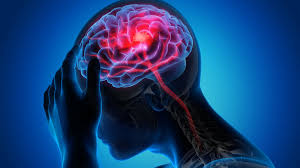
Over the past 17 years, there has been a notable increase in scientific research into chronic traumatic encephalopathy (CTE), with researchers at the BU CTE Center leading the way. Although some sporting organizations such as the National Hockey League and World Rugby still claim their sports do not cause CTE, a new review of the evidence by the world’s leading CTE expert strengthens the argument that exposure to repetitive head impact (RHI) is the most important risk factor for the condition.

CTE became national news in the United States in 2007, but it was not until 2016 that the National Institute of Neurological Disorders and Stroke/National Institute of Biomedical Imaging and Bioengineering (NINDS-NIBIB) criteria for the neuropathological diagnosis of CTE were published. and they were refined in 2021. Rare, isolated case studies that reported abnormal findings or used unaccepted diagnostic criteria have been disproportionately emphasized to cast doubt on the link between RHI and CTE.

In a review article in the magazine Acta NeuropathologicaAnn McKee, MD, chief of neuropathology at VA Boston Healthcare System and director of the BU CTE Center, emphasizes that more than 600 CTE cases have now been published in the literature from multiple international research groups. And of the more than 600 cases, 97 percent have confirmed exposure to RHI, mainly through contact and collision sports. CTE has been diagnosed in amateur and professional athletes, including athletes from American, Canadian and Australian football, rugby union, rugby league, soccer, ice hockey, bull riding, wrestling, mixed martial arts and boxing.

Additionally, the study authors revealed that in 82 percent (14 of 17) of alleged CTE cases that occurred without RHI, using current criteria, families were never asked what sports the deceased played.

According to the researchers, despite global efforts to find CTE in the absence of contact sports participation or exposure to RHI, it appears to be exceedingly rare, if it exists at all. “In community brain bank studies, CTE was seen in 0 to 3 percent of cases, and where information is available, positive cases were exposed to brain injury or RHI. In contrast, CTE is the most common diagnosis of neurodegenerative diseases in contact and collision athletes in brain banks around the world. A strong dose-response relationship is perhaps the strongest evidence that RHI causes CTE in athletes,” she added.

“The review presents the timeline for the development of neuropathological criteria for the diagnosis of CTE, begun nearly 100 years ago by pathologist Harrison Martland, who introduced the term ‘punch-drunk’ to describe a neurological condition in low-cost carriers, ” explains McKee. author of the study. The review chronologically describes the multiple studies conducted by independent, international groups examining diverse populations that have found CTE pathology from various sources in individuals with a history of RHI.”

CTE is characterized by a distinctive molecular structural configuration of p-tau fibrils that is different from the changes seen in aging, Alzheimer’s disease, or any other disease caused by tau protein.

Funding for this study was provided by the National Institute of Neurological Disorders and Stroke (U54NS115266; R01NS119651; U01 NS 086659), National Institute on Aging (P30AG13846; U19AG06875; R01AG062348; RF1AG057902; K01AG070326), Department of Veterans Affairs (10 1 BX002466, 101BX004613, BX004349), the Nick and Lynn Buoniconti Foundation, Andlinger Foundation, National Football League (NFL) and World Wrestling Entertainment (WWE) through unrestricted gifts, the Mac Parkman Foundation and the National Operating Committee on Safety for Sports Equipment (NOCSEA).
Source link

Similar Posts

  • |

    Good news for athletes who are slow to recover from a concussion

      A new study suggests that athletes who recover more slowly from a concussion may be able to return to play with an additional month of recovery beyond the usual recovery time, according to a new study published in the Jan. 18, 2023, online issue. Neurology®, the medical journal of the American Academy of Neurology….

  • |

    Best knee massager (Nooro, Comfier)

    What if the key to managing daily discomfort wasn’t another pill, but a device you could use at home? Joint issues are incredibly common. Millions of Americans, from active athletes to aging adults, deal with this challenge every day. For many, it’s a barrier to an active and fulfilling life. The search for non-invasive, drug-free solutions is more urgent than ever. This has fueled rapid growth in home-based therapeutic technology. People want effective tools that fit into their daily routine. We created this guide to cut through the noise. Our goal is to help you find a supportive device that addresses your specific situation. Whether it’s chronic arthritis or post-operative recovery, the right technology can make a significant difference. knee pain relief device Key Takeaways Knee discomfort is a widespread issue affecting a diverse group, including seniors and sports enthusiasts. There is a strong and growing demand for at-home, non-pharmaceutical solutions for joint health. Modern therapeutic devices are designed to provide targeted support for various types of joint-related challenges. Choosing the correct tool requires understanding your individual needs and recovery goals. This analysis offers an objective look at popular models to help you make a confident, informed decision. Overview of the Nooro Knee Massager and Its Features Imagine a compact, therapeutic tool that wraps around your joint, delivering soothing relief exactly where you need it. This unit is engineered for those dealing with stiffness, soreness, or circulation challenges. Its lightweight and portable design makes it simple to use at home or on the go. The product combines three distinct modalities—heat, red light, and vibration—in one integrated system. “Having multiple therapies in a single, easy-to-use device transforms daily joint care from a chore into a simple routine.” Users appreciate the adjustable straps that secure the unit for a customized fit. An intuitive LED touchscreen provides clear control over various intensity levels. This focus on personalized settings allows individuals to tailor each session to their specific comfort and therapeutic needs. Safety and convenience are paramount, with a built-in rechargeable battery and an automatic shutoff timer. Attribute Description Therapy Modes Heat, Red Light, Vibration Control Interface LED Touchscreen Power Source Rechargeable Lithium Battery Safety Feature Automatic Timer Shutoff Portability Lightweight, Adjustable Straps This device designed for home use addresses a wide range of discomforts. Its thoughtful features promote consistent use for managing joint health. Understanding the Technology Behind the Massager Understanding how a therapeutic device works can help users maximize its benefits for joint health. This unit combines three distinct modalities into one seamless system. Each technology targets a different aspect of discomfort. Together, they create a comprehensive approach to relief. Red Light and Infrared Technology Benefits This therapy uses both red and near-infrared light. It penetrates the skin to stimulate cellular repair at a deep level. The process helps reduce inflammation and supports overall joint health. It’s a non-invasive way to encourage the body’s natural healing. Heat Therapy and Vibration Mechanisms Heat therapy provides deep, soothing warmth to the area. It relaxes tight muscles and improves local blood flow. The vibration function targets the surrounding muscle tissue. It helps relieve tension and reduce feelings of stiffness. “The combination of heat, light, and vibration addresses discomfort from multiple angles, which is far more effective than any single method alone.” Therapy Type Primary Benefit Key Mechanism Red Light & Infrared Reduces Inflammation Stimulates Cellular Repair Heat Therapy Improves Circulation Provides Deep Muscular Warmth Vibration Massage Relieves Muscle Tension Targets Surrounding Tissue…

  • Antibiotics wreak havoc on athletic performance

      New research shows that by killing essential gut bacteria, antibiotics affect athletes’ motivation and endurance. The UC Riverside-led mouse study suggests that the microbiome is a big factor that differentiates athletes from couch potatoes. Other studies have examined how exercise influences the microbiome, but this study is one of the few to examine the…

  • CORRECTION: The Board of Directors of Bioretec Ltd has decided on a new option program 2023-1

      TAMPERE, Finland, October 20, 2023 /PRNewswire/ — “CORRECTION: Bioretec Ltd is correcting the company announcement published today, October 20, 2023, at 1:00 PM. There was an error in the English version of the release. According to the English version of the press release, the subscription price for a share subscribed with one option right…

  • |

    What is linseed oil actually good for? Maybe your ACL!

      Effect of flexase oil on the prognosis of actual anterior cruciate ligament rupture: a randomized, placebo-controlled trial. Tang H, Xu Z, Lin J, Sun W and Xiw Y. Ben J Transl Res. 2022;14(10):7252-7259. Full text is freely available Take home message People who supplemented their diet with flaxseed oil experienced slightly better results two…

2 Comments

Leave a Reply

Your email address will not be published. Required fields are marked *