
Dynamic versus static stretching are two common methods for warming up and improving flexibility, but they serve different purposes and are best suited for different situations. Understanding the right type of stretching before and after activity is essential to improve performance and prevent injuries. When young athletes engage in physical activity, they are often encouraged by coaches and parents to stretch prior to the activity. The aim is to prepare the muscles for exercise and reduce the risk of injuries.
Preparing the body for physical activity
A thorough warm-up is intended to prepare the body for physical activity by:
- Increase in core body temperature
- Stimulates blood flow to the arms and legs
- Improving coordinated movement
- Improving range of motion
- Develop body awareness of joint position sense and movement
- Using movement to increase the flexibility of muscles and tendons
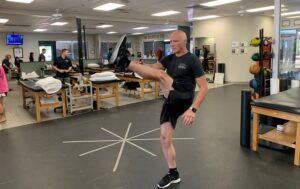
Dynamic stretching:
- Goal: Dynamic stretching involves moving your muscles and joints through a range of motion to increase blood flow, warm up your body, and prepare your muscles and joints for physical activity. It is usually used as part of a warm-up routine before exercise or vigorous exercise.
- Technology: Dynamic stretching exercises are performed by actively moving your limbs and muscles without assuming a static position. These stretches mimic the movements you perform during your activity. Examples include leg swings, arm circles, walking lunges, high knees and butt kicks.
- Advantages:
- Increases blood flow and heart rate.
- Improves joint mobility and flexibility.
- Improves neuromuscular coordination.
- Prepares your body for more intense activities.
- Reduces the risk of injuries by increasing muscle elasticity.
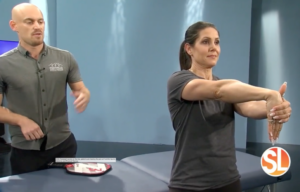
Static stretching:
- Goal: Static stretching is used to improve overall flexibility and lengthen muscles. It involves holding a stretched position for an extended period of time, usually 15-30 seconds or more, without any bouncing or dynamic movement. It is often used for a post-exercise cooldown or as part of a general flexibility routine.
- Technology: Static stretching involves stretching a specific muscle or muscle group to the point of mild discomfort and holding the position without movement. Common static stretches include touching your toes while sitting, stretching your calf against a wall or a standing quad stretch.
- Advantages:
- Increases flexibility and range of motion.
- Helps with muscle relaxation and stress reduction.
- It can relieve muscle pain and tension.
- Promotes better posture and body awareness.
- Best suited for cooldown or recovery after exercise.
To design dynamic stretching programs:
- Exercise continuously, usually in rounds for a total of 10-15 minutes
- Vary the program depending on the athlete’s level
- Start slow and progress to faster and more advanced movements
- Avoid movements that are too intense and tire the muscles.
- Take in the whole body and imitate movements used in specific sports
To design static stretching programs:
- Stay in one position per muscle group
- Hold the stretch for 20-30 seconds
- Repeat the stretch 2-3 times per muscle group
- Treat all muscle groups used in the specific sport
When should you use dynamic versus static stretching?
Dynamic stretching: Use dynamic stretching as part of your warm-up routine before activities that require strength, speed or agility. It is especially useful for sports such as basketball, football or sprinting, which require explosive movements. Dynamic stretching ensures that your muscles and joints are ready for the demands of such activities.
Static stretching: Reserve static stretching for after your workout or as a separate flexibility routine. It helps improve overall flexibility and can be useful for activities such as yoga or Pilates. Static stretching can also be beneficial for relaxation and stress reduction.
Remember that stretching should be done safely and should not cause pain or discomfort. It is essential to warm up your body before doing static stretches to prevent injuries. Incorporating both dynamic and static stretching into your fitness routine can help you maintain optimal flexibility and reduce the risk of injury during physical activities.
For help designing a stretching program, contact a Foothills Sports Medicine Clinic near you and schedule an appointment.
Leave a Reply